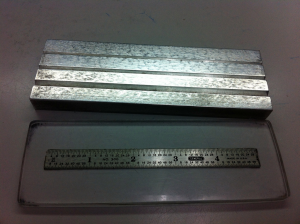
ASTM D5823 – Tuft Height / Pile Height (Carpet)

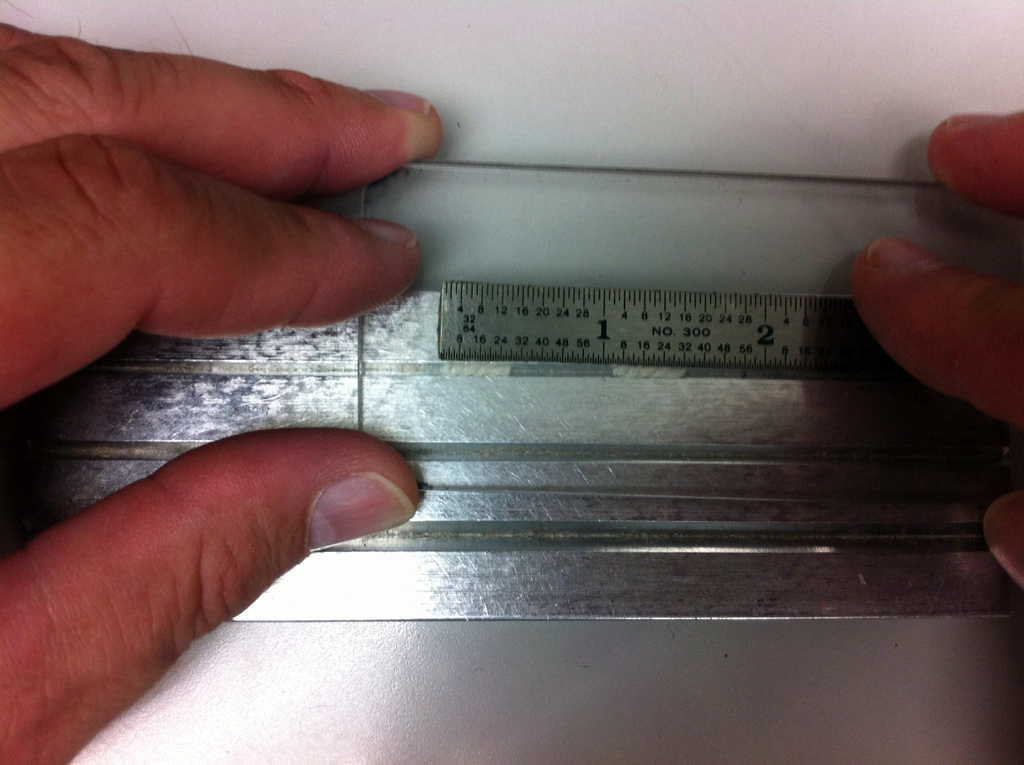
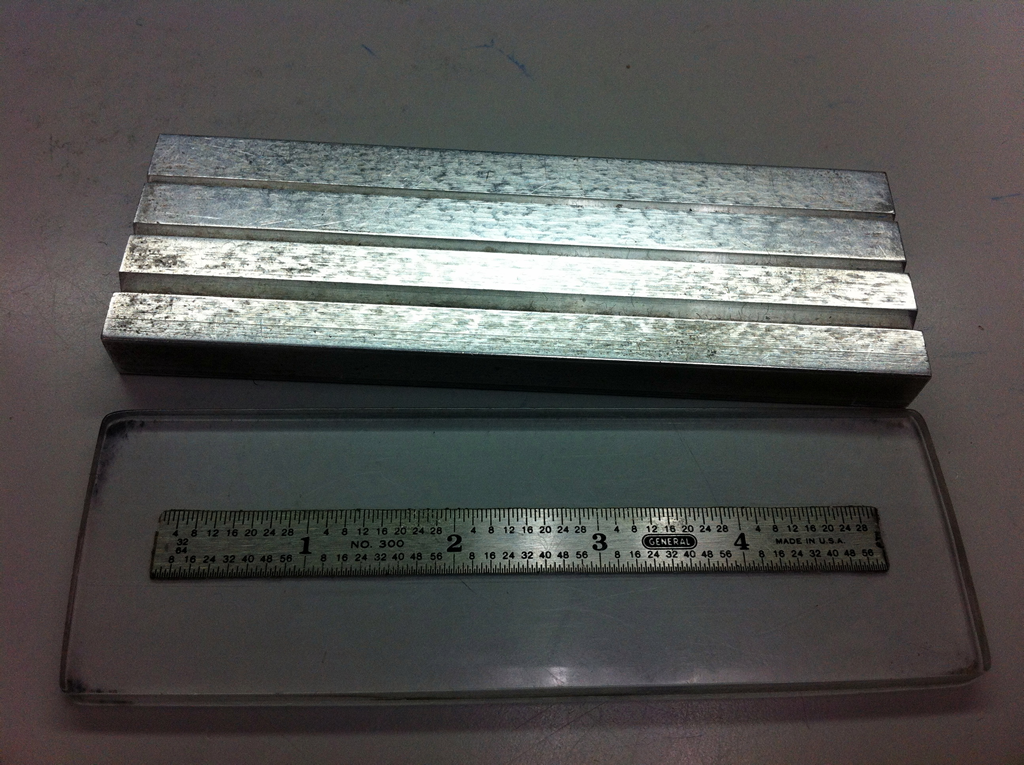
ASTM D5823 tuft height test showing carpet tufts measured in a V-slotted holder under magnification to determine pile height and tuft length.
Lab - Tuft Height 1
ASTM D5823 tuft height test showing carpet tufts measured in a V-slotted holder under magnification to determine pile height and tuft length. Lab - Tuft Height 1

ASTM D5823 – Tuft Height / Pile Height Test (Carpet)

Floor Detective® Laboratory Testing Reference

Summary

ASTM D5823 – Tuft Height / Pile Height Test is a laboratory test method used to determine tuft height, commonly referred to as pile height, and tuft length in tufted textile floor coverings. The procedure measures carpet construction characteristics rather than performance properties. Results may be used to document product specifications, evaluate construction uniformity, compare manufacturing lots, and assist in investigations involving alleged pile-height variation. ASTM D5823 results should be interpreted together with carpet construction data, manufacturing tolerances, pile weight, density, and other laboratory findings. Laboratory findings do not independently establish manufacturing defect, warranty responsibility, or field performance. See also Pile Thickness, Carpet Problems Guide, and Flooring Laboratory Testing and Analysis.
Please subscribe to see all content

ASTM F2199 – Dimensional Stability and Curling Properties of Resilient Flooring
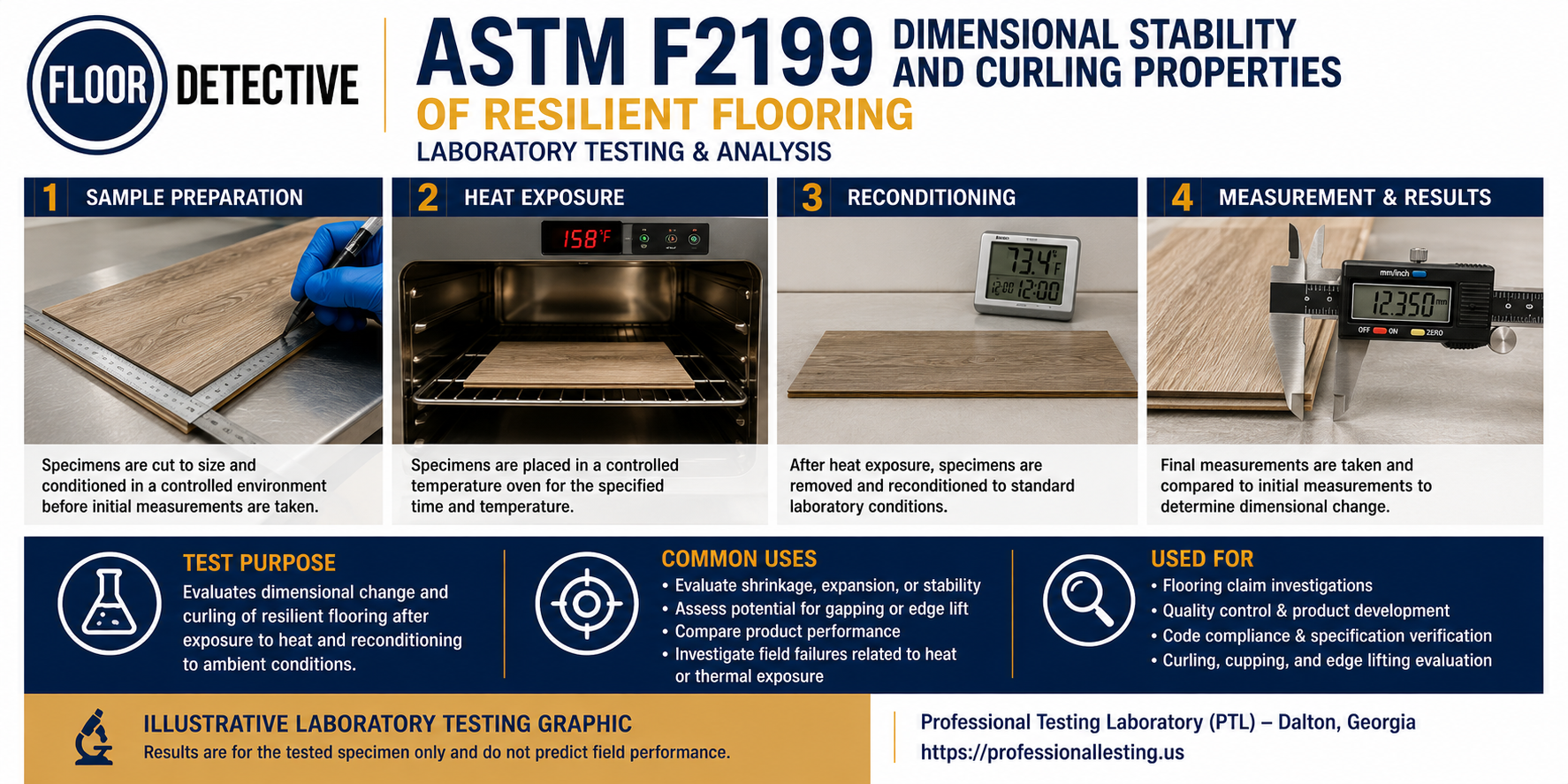
ASTM F2199 evaluates dimensional stability and curling properties of resilient flooring after controlled heat exposure. Learn how laboratories perform the...
Read More
ASTM F2199 – Dimensional Stability and Curling Properties of Resilient Flooring

Chair-Caster Damage (LVT/SPC Flooring)
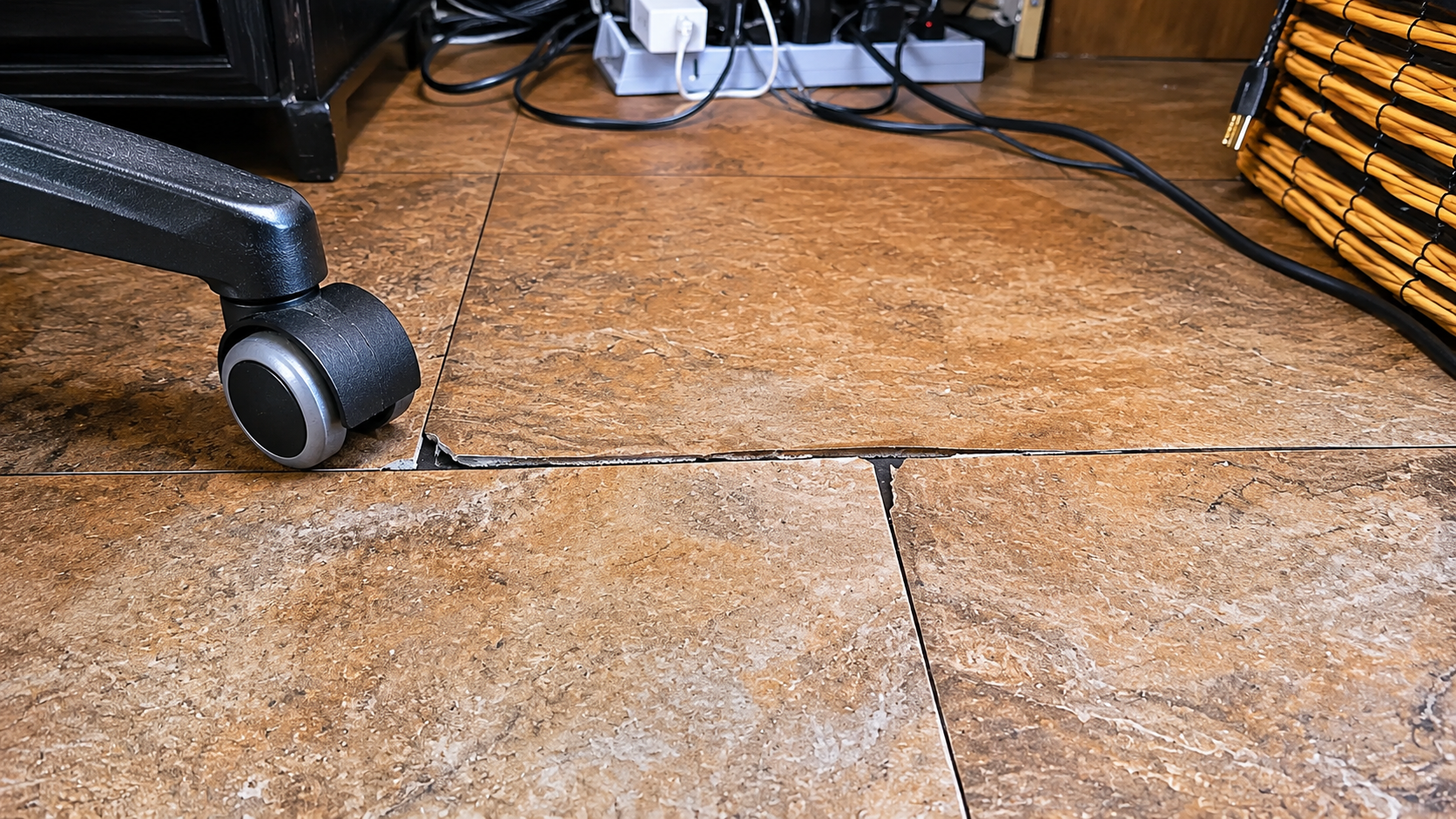
Chair-caster damage in LVT and SPC flooring may appear as scratching, indentation, joint damage, noise, or locking-profile failure caused by...
Read More
Chair-Caster Damage (LVT/SPC Flooring)

Wet Tile Slip Resistance and Surface Traction
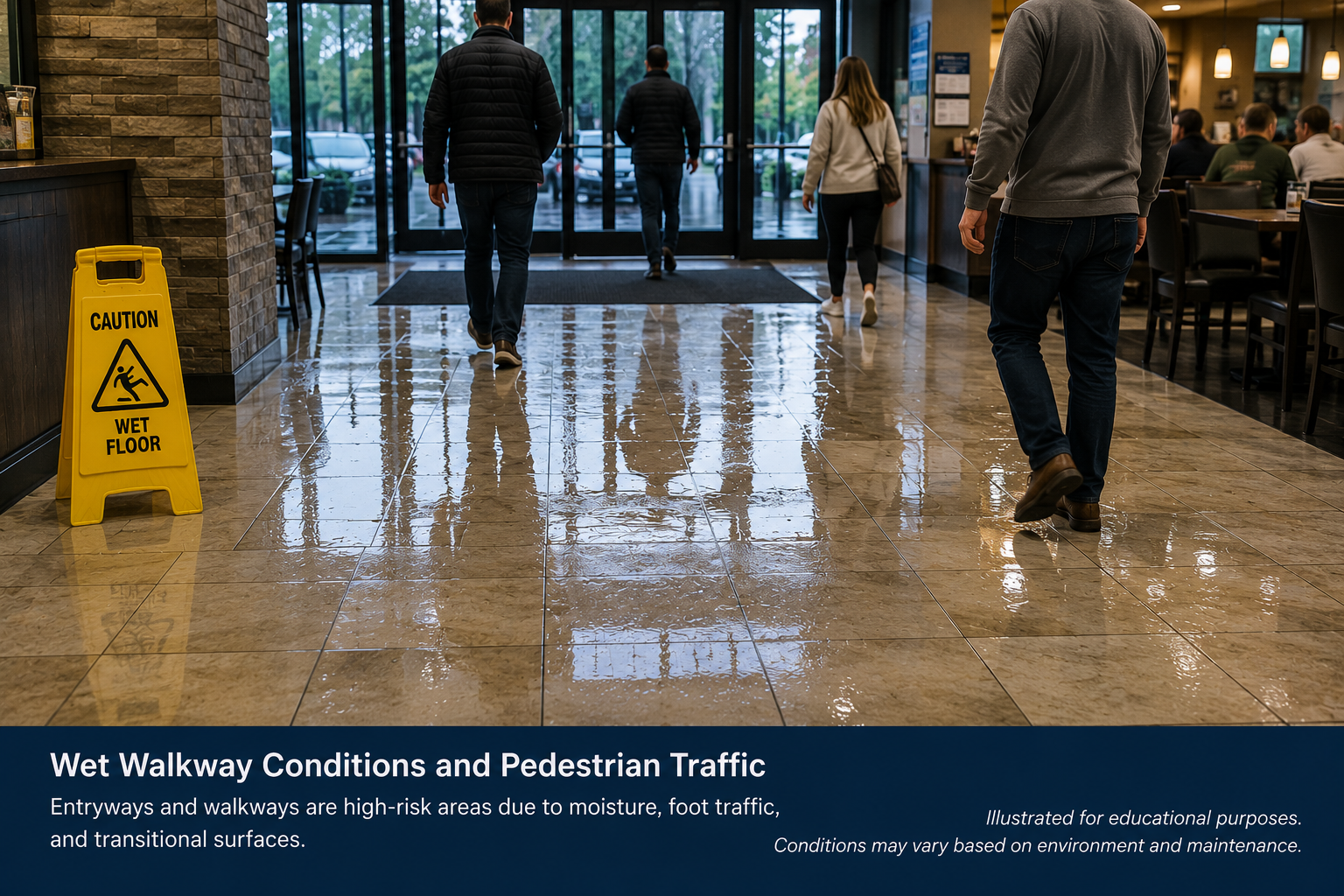
Wet tile slip resistance and surface traction are influenced by water exposure, contaminants, maintenance residue, and surface texture.
Read More
Wet Tile Slip Resistance and Surface Traction

Tile DCOF Slip Resistance Test (ANSI A326.3)
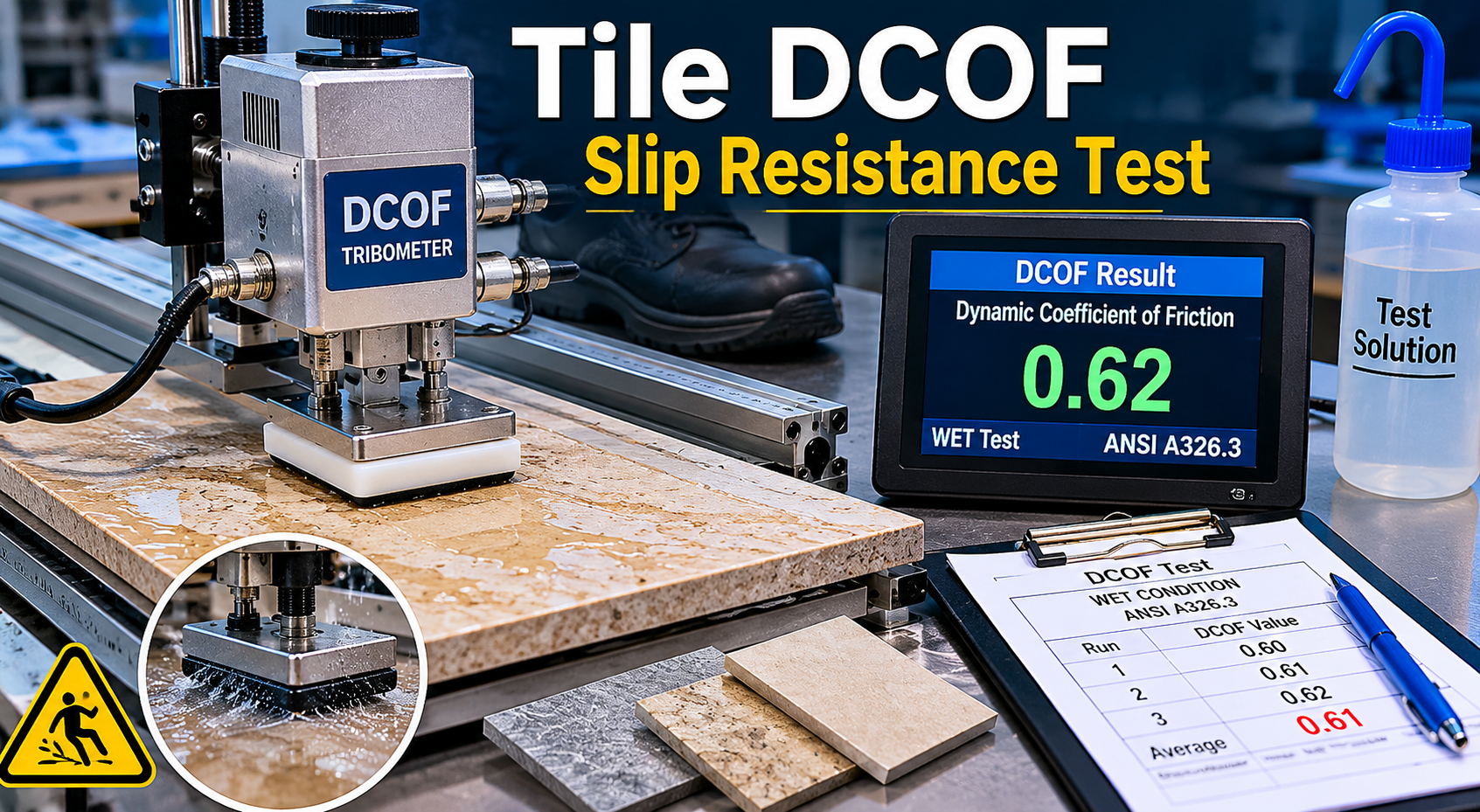
Tile DCOF testing evaluates dynamic traction characteristics of ceramic and porcelain tile surfaces under controlled conditions.
Read More
Tile DCOF Slip Resistance Test (ANSI A326.3)

Flooring Laboratory Testing and Analysis
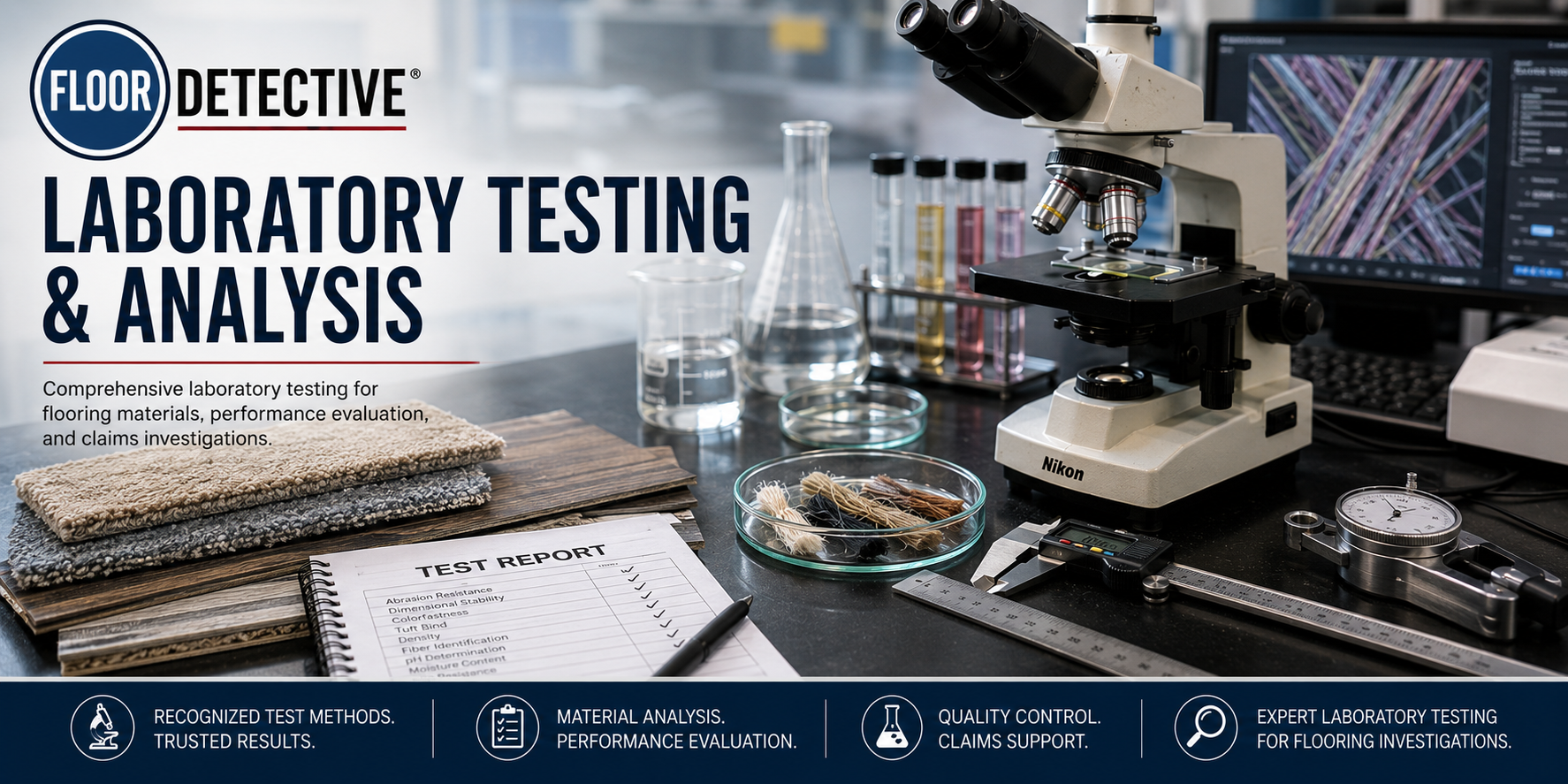
Flooring laboratory testing evaluates dimensional stability, bond integrity, moisture influence, contamination, wear, and material performance.
Read More
Flooring Laboratory Testing and Analysis

Tile and Stone Floor Problems
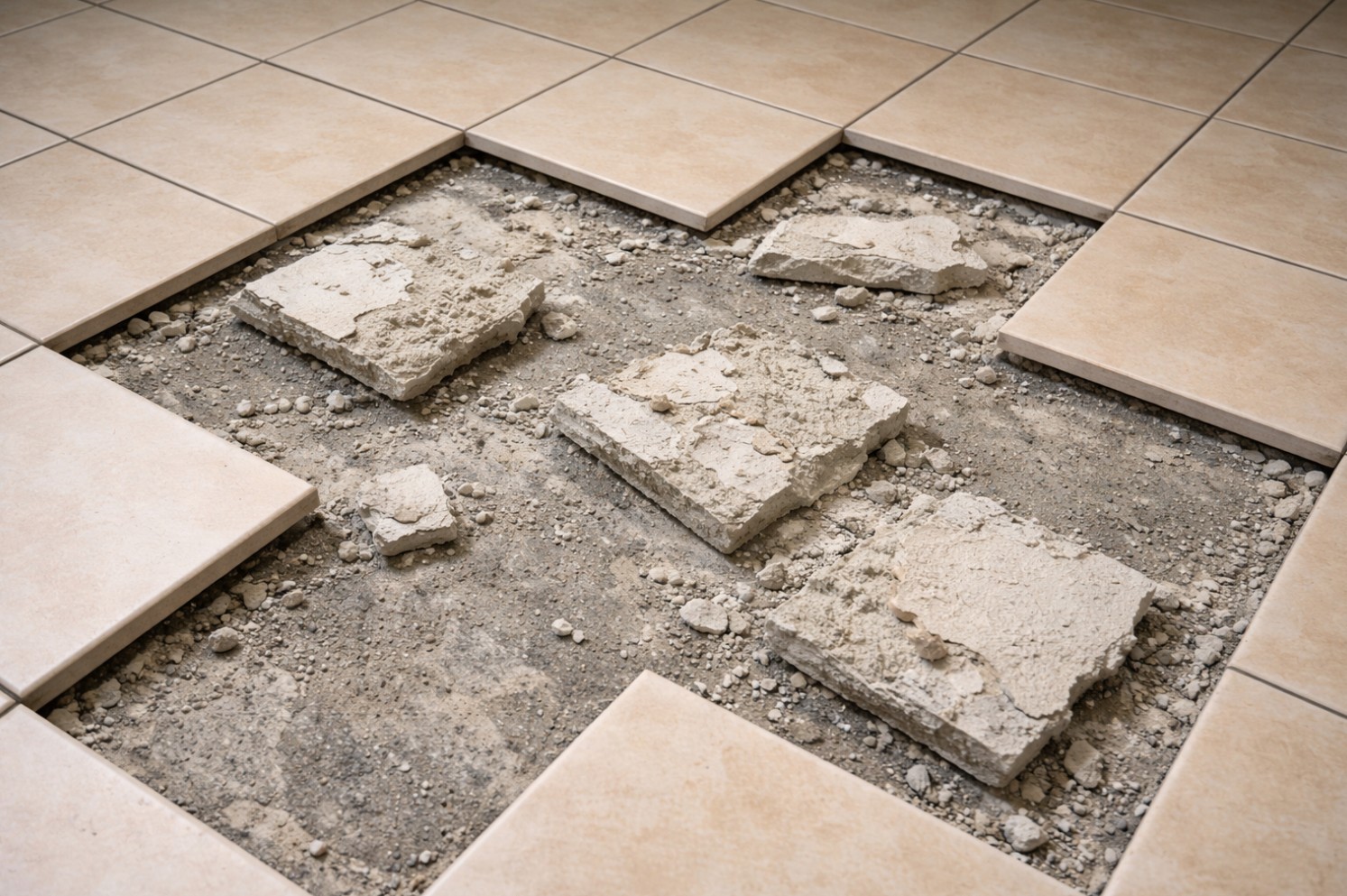
Tile and stone floor problems may involve cracking, lippage, bond loss, grout issues, moisture influence, or structural movement.
Read More
Tile and Stone Floor Problems

Laminate Problems
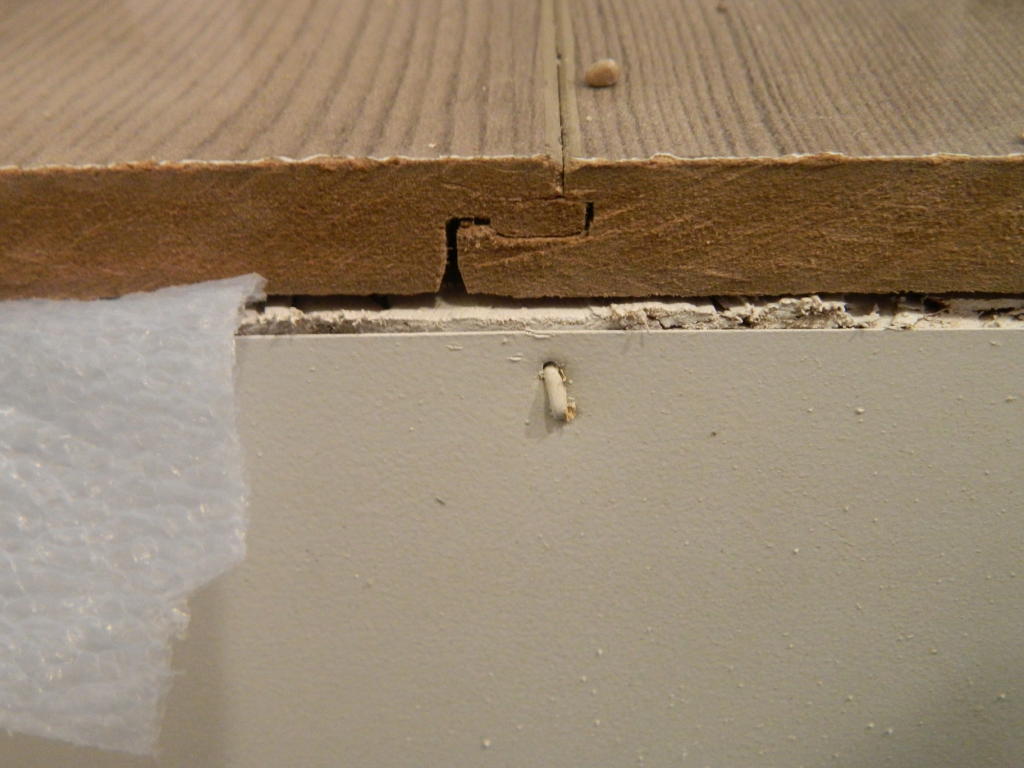
Laminate floor problems often develop from moisture exposure, floating-floor restraint, subfloor irregularities, or locking-system stress.
Read More
Laminate Problems

Hardwood Floor Problems
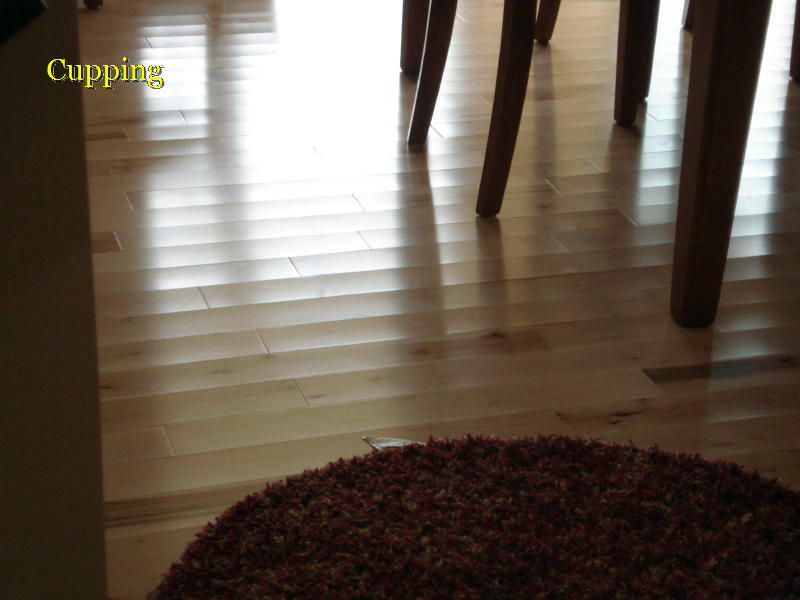
Hardwood floor problems may involve cupping, gaps, buckling, finish issues, movement, noise, or moisture-related distortion. Learn how hardwood flooring conditions...
Read More
Hardwood Floor Problems

Limitations of Moisture Testing (Concrete / Substrates)

Concrete moisture testing provides a snapshot of slab conditions but does not guarantee future performance or installation conditions.
Read More
Limitations of Moisture Testing (Concrete / Substrates)

Concrete Substrate Problems

Concrete substrate problems may involve moisture, cracking, alkalinity, surface preparation, or flooring-system compatibility conditions.I
Read More
Concrete Substrate Problems