
Tile and Stone Floor Problems
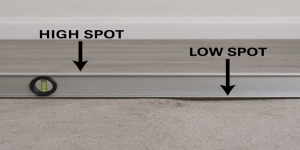
Tile and Stone Floor Problems
Floor Detective® Claims and Conditions Guide
Summary
Tile and stone floor problems may appear as cracking, lippage, bond loss, grout-related conditions, staining, warpage, or movement-related distress within the flooring system. Tile and stone installations are durable surface systems, but long-term performance depends on substrate preparation, material characteristics, installation quality, environmental conditions, and movement accommodation. Many visible conditions originate below the surface and reflect interaction between tile, mortar, grout, substrate, moisture, and structural movement rather than failure of the tile itself. Evaluation requires identification of the underlying mechanism, observation of pattern and distribution, and correlation of field conditions with installation and material variables. Visible conditions alone do not independently establish defect, cause, or responsibility. See also Lippage, Loss of Bond, and Tenting (Tile) for broader context.
What You Need to Know
• Tile and stone floor problems commonly involve interaction between tile, mortar, grout, substrate, moisture, and environmental conditions.
• Many visible conditions originate below the surface rather than within the tile itself.
• Structural movement, restrained movement, moisture migration, and substrate irregularities are major contributors to failure patterns.
• Lighting conditions may exaggerate visibility of lippage, warpage, residue, or surface variation.
• Proper evaluation focuses on pattern, distribution, severity, and system interaction rather than isolated symptoms.
• Multiple contributing factors commonly exist within the same installation.
Common Tile and Stone Floor Problems
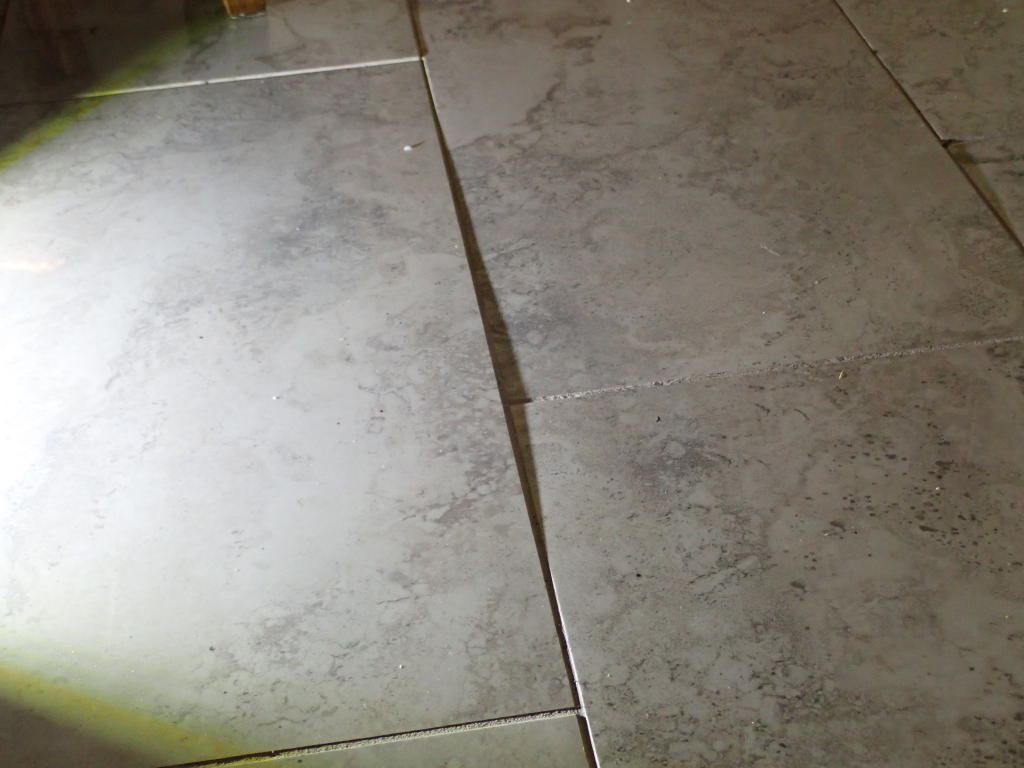
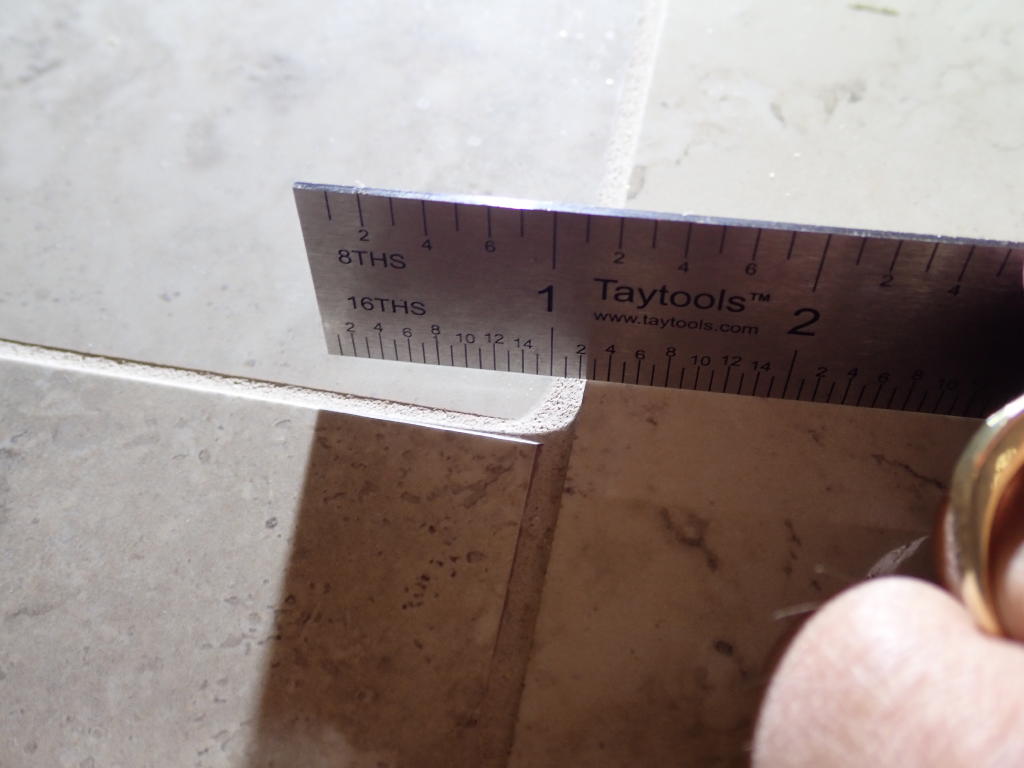
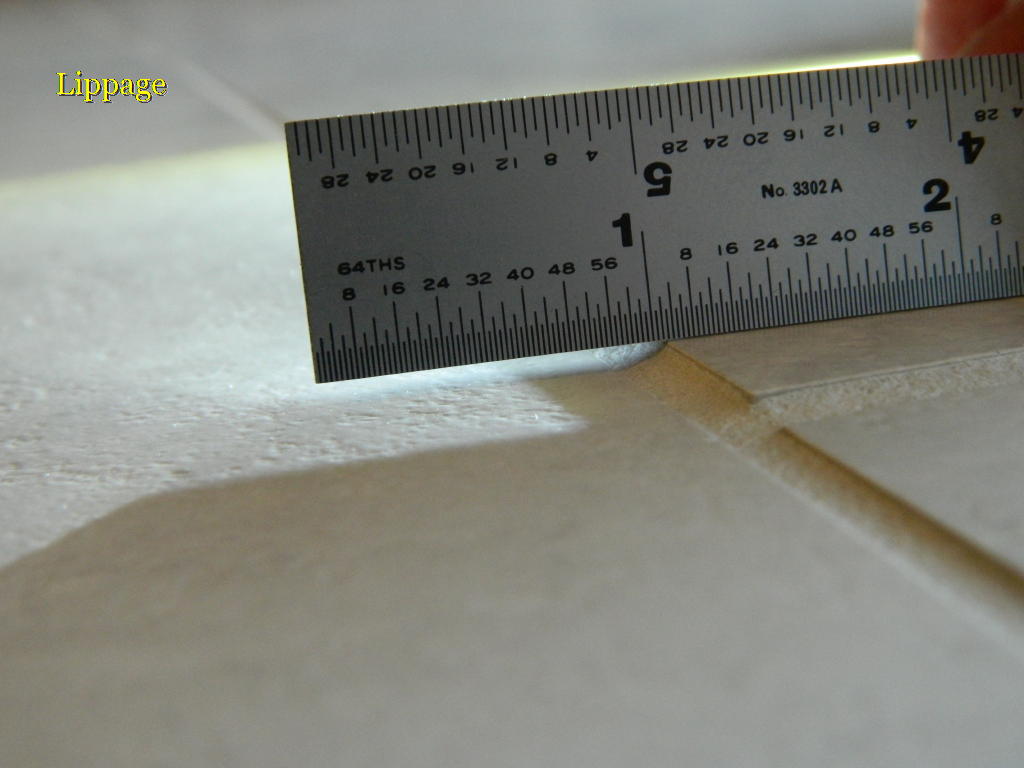
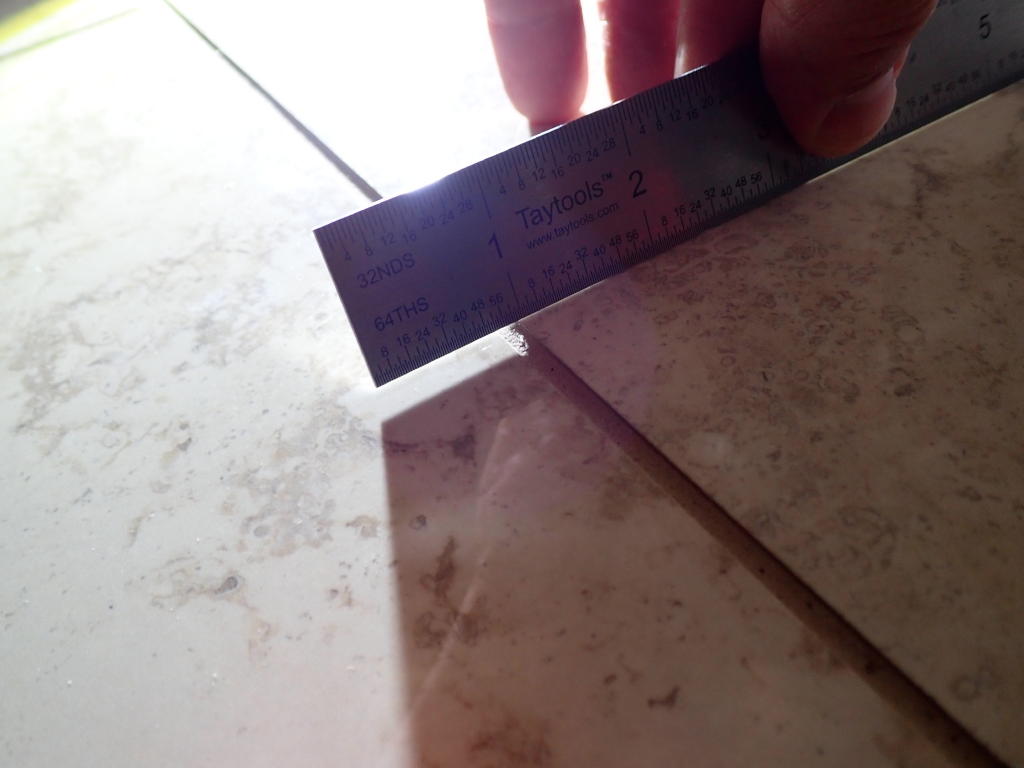
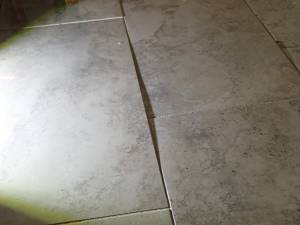
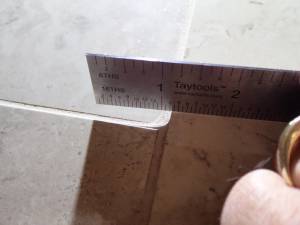
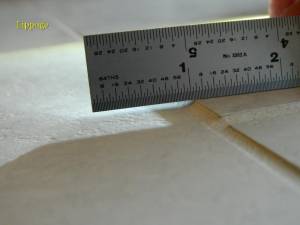
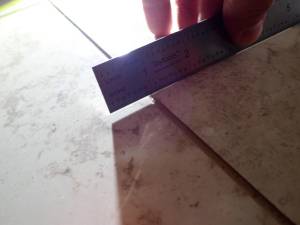
• Lippage — Height variation between adjacent tiles influenced by substrate flatness, warpage, or installation conditions.
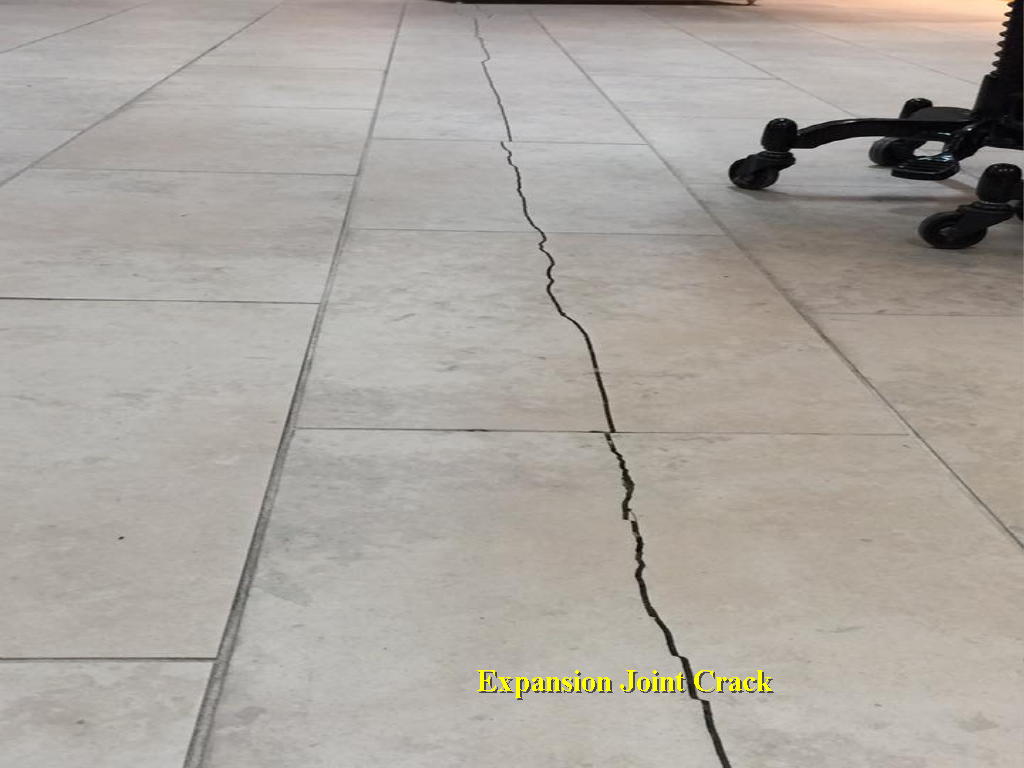
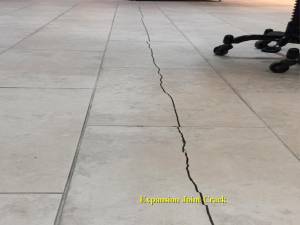
• Tile and Stone Cracks — Fractures associated with movement stress, impact, substrate instability, or lack of support.
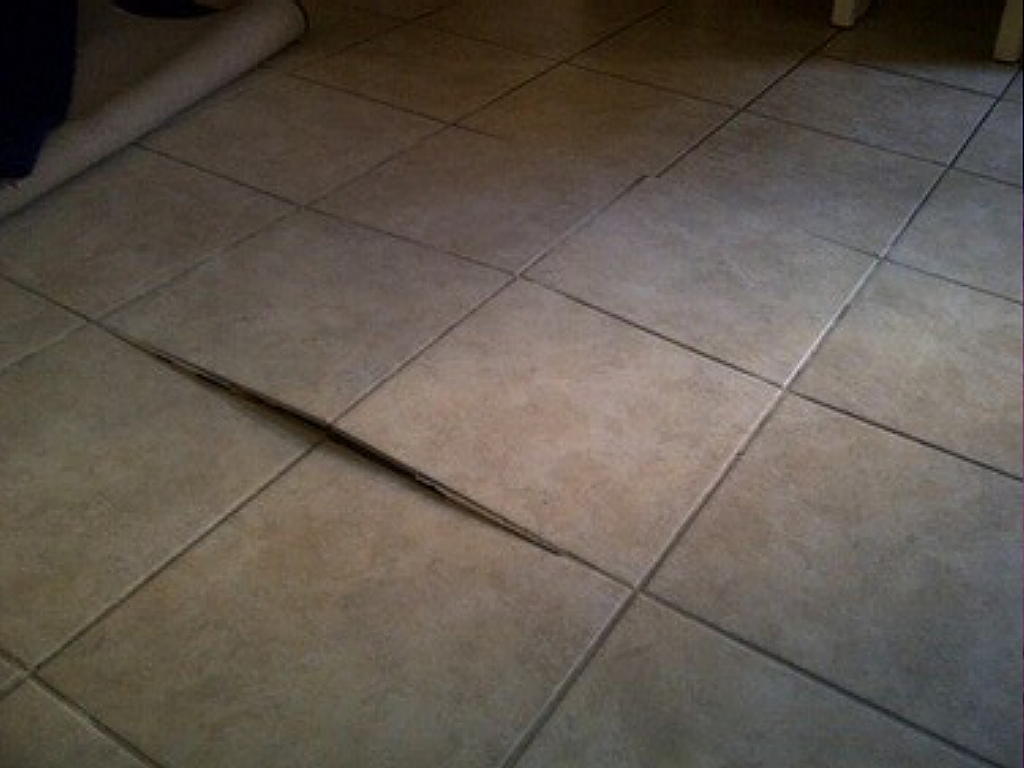
• Tenting (Tile) — Upward displacement caused by compressive stress and restrained movement.
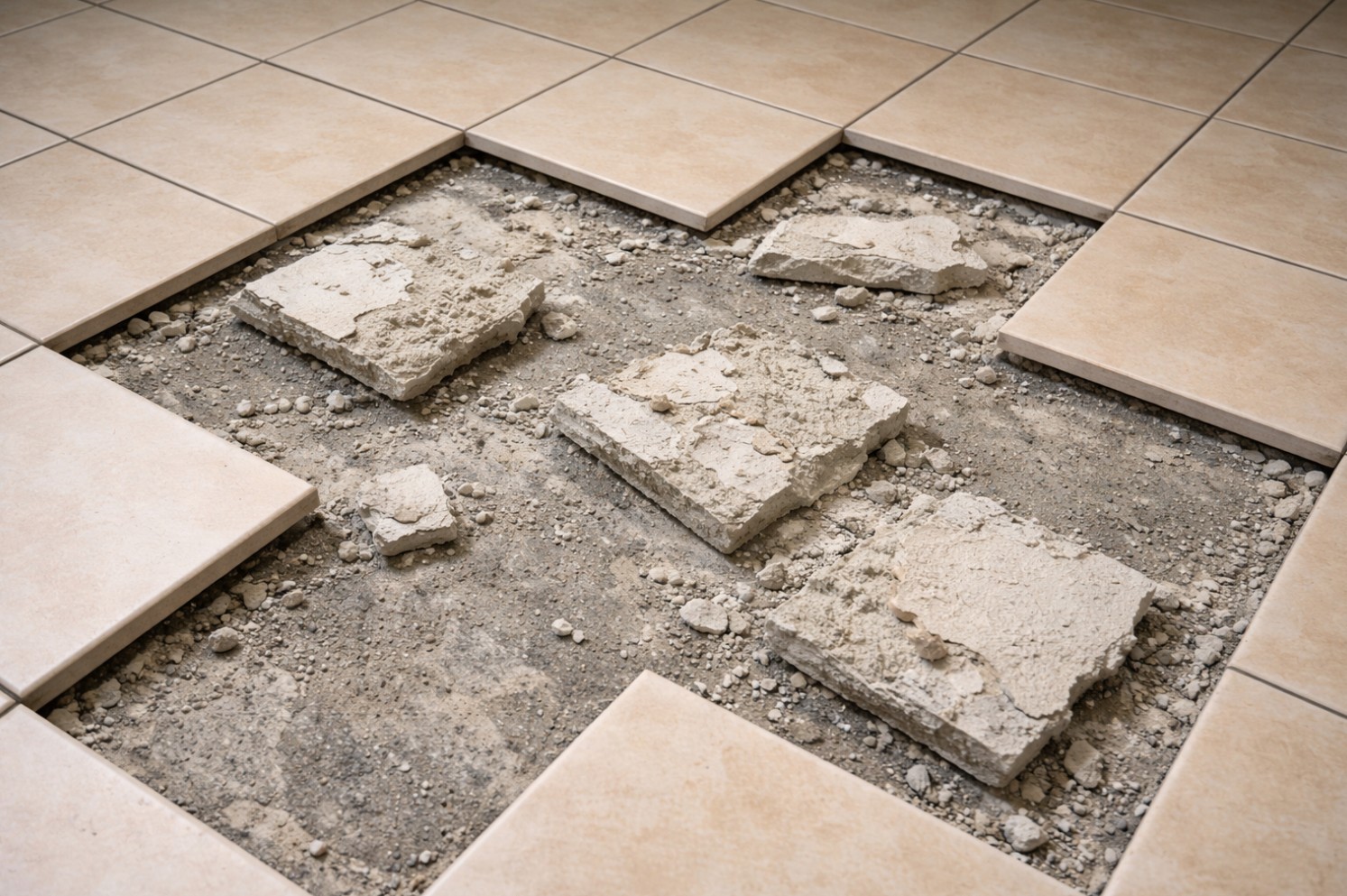
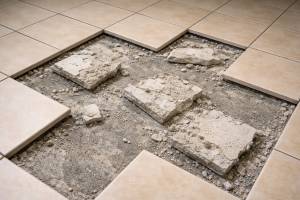
• Loss of Bond — Separation between tile, mortar, or substrate layers affecting adhesion performance.
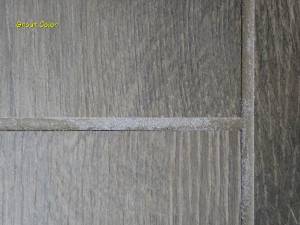
• Cracked or Crazed Grout Joints — Grout fracture associated with movement, shrinkage, or stress transfer.
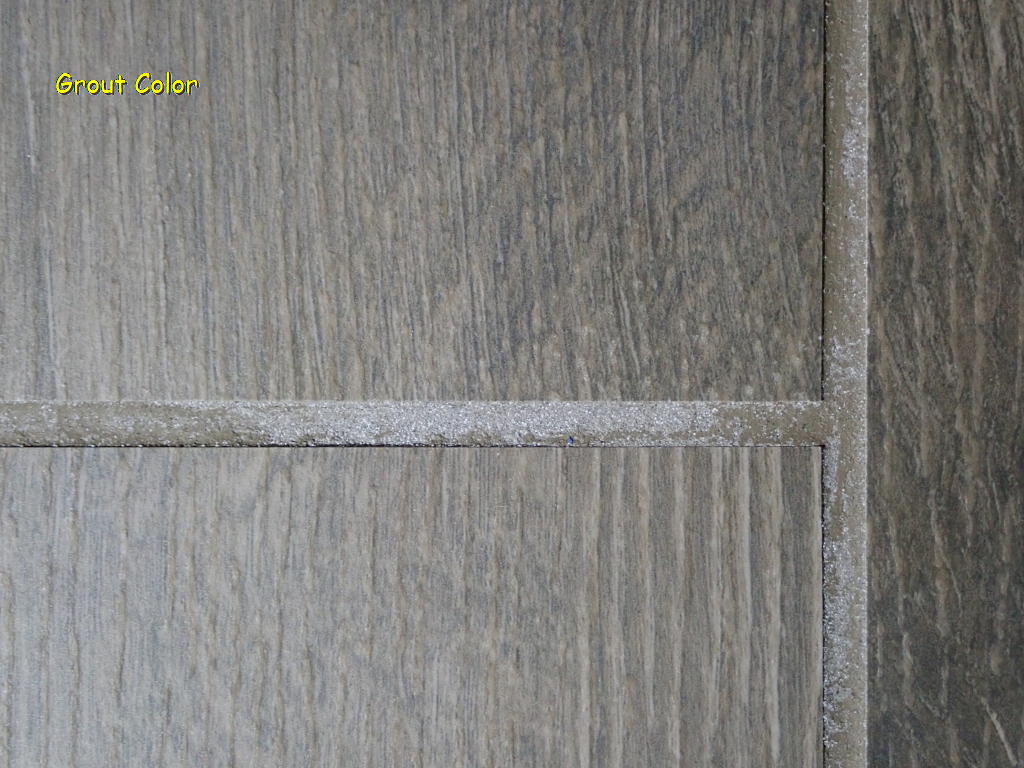
• Grout Discoloration — Uneven grout color caused by moisture, residue, curing conditions, or contamination.
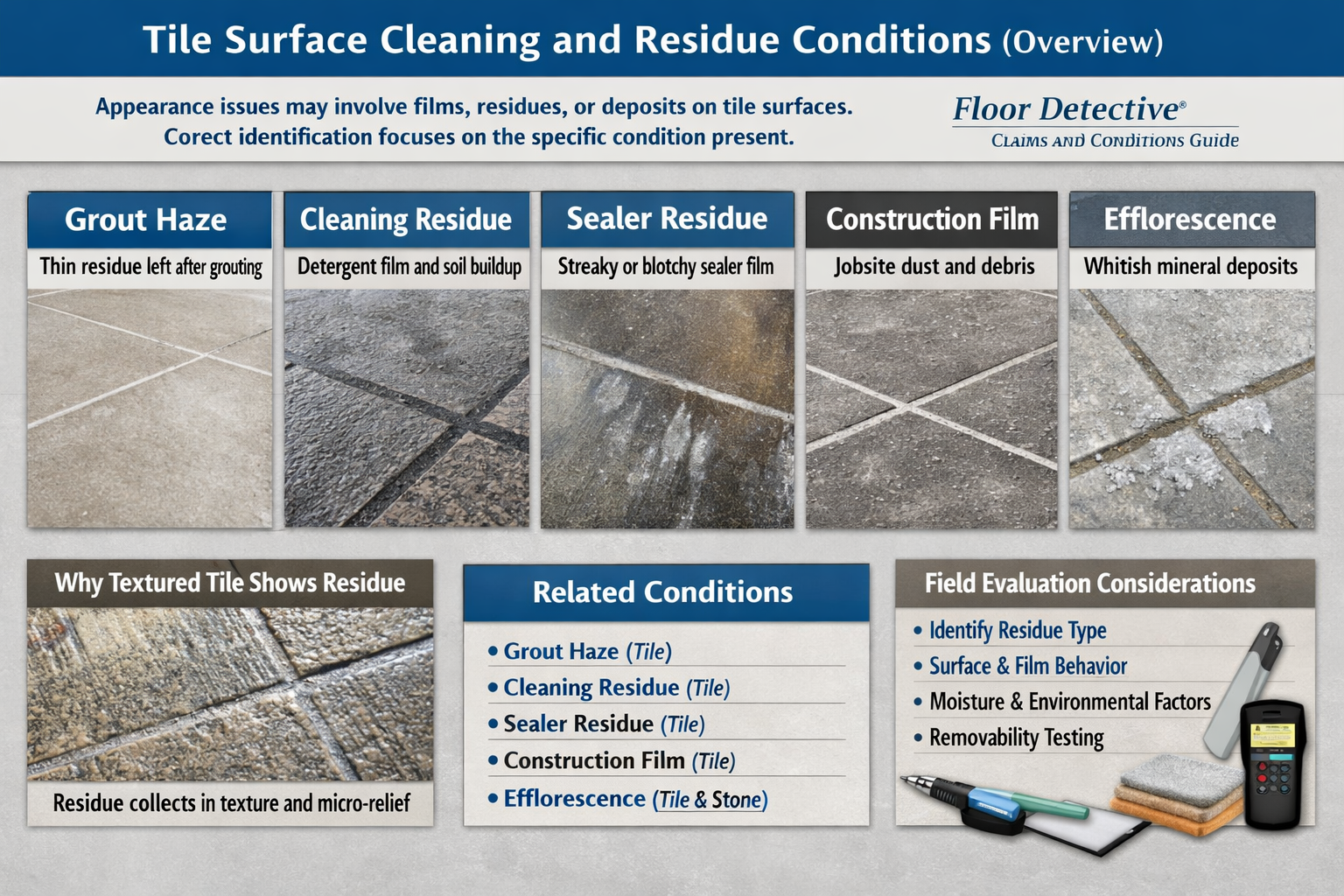
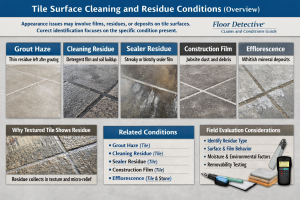
• Efflorescence — Mineral residue associated with moisture migration through the system.
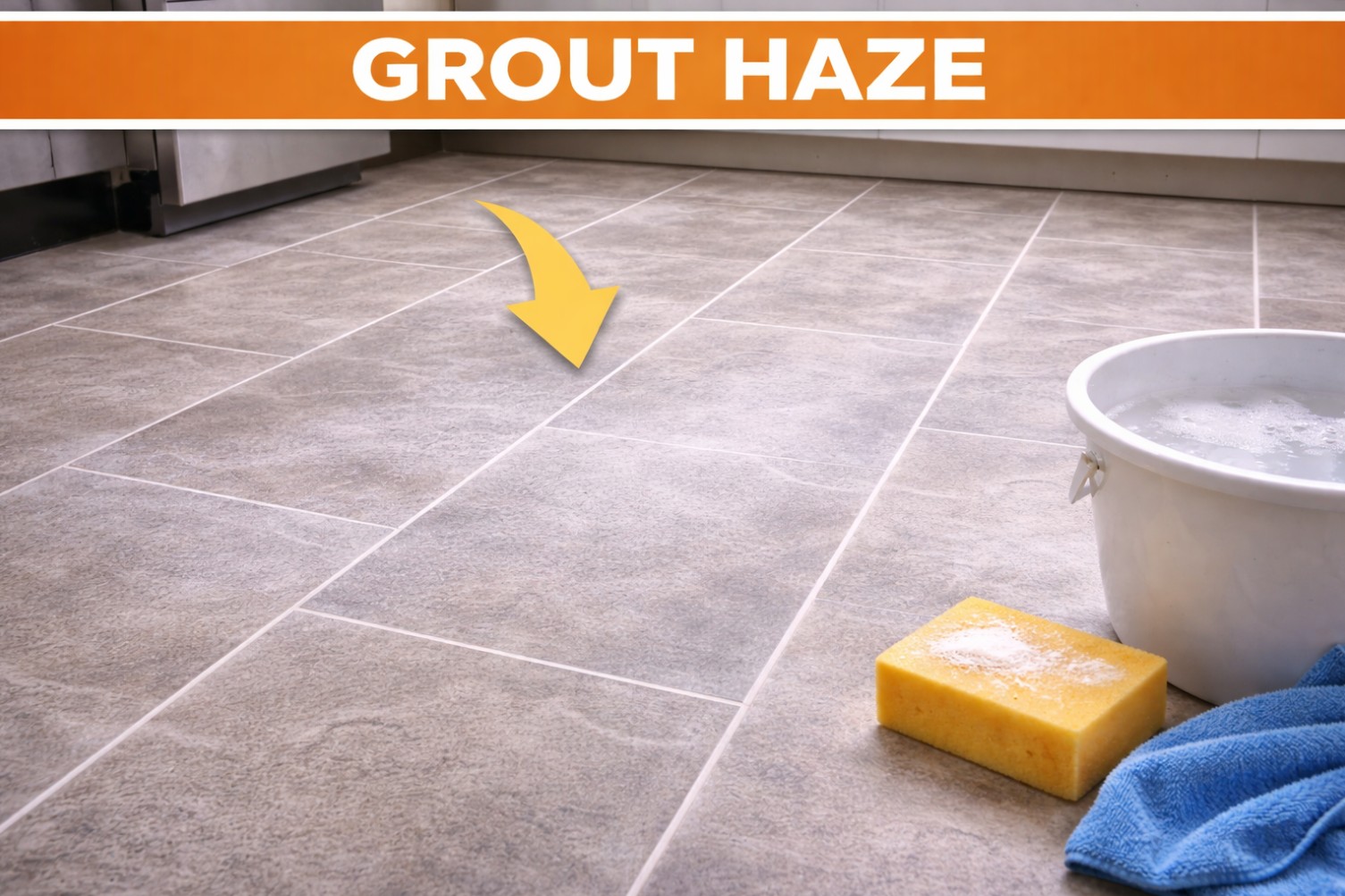
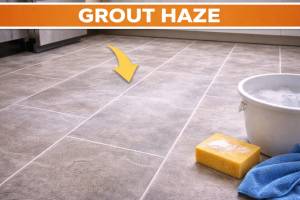
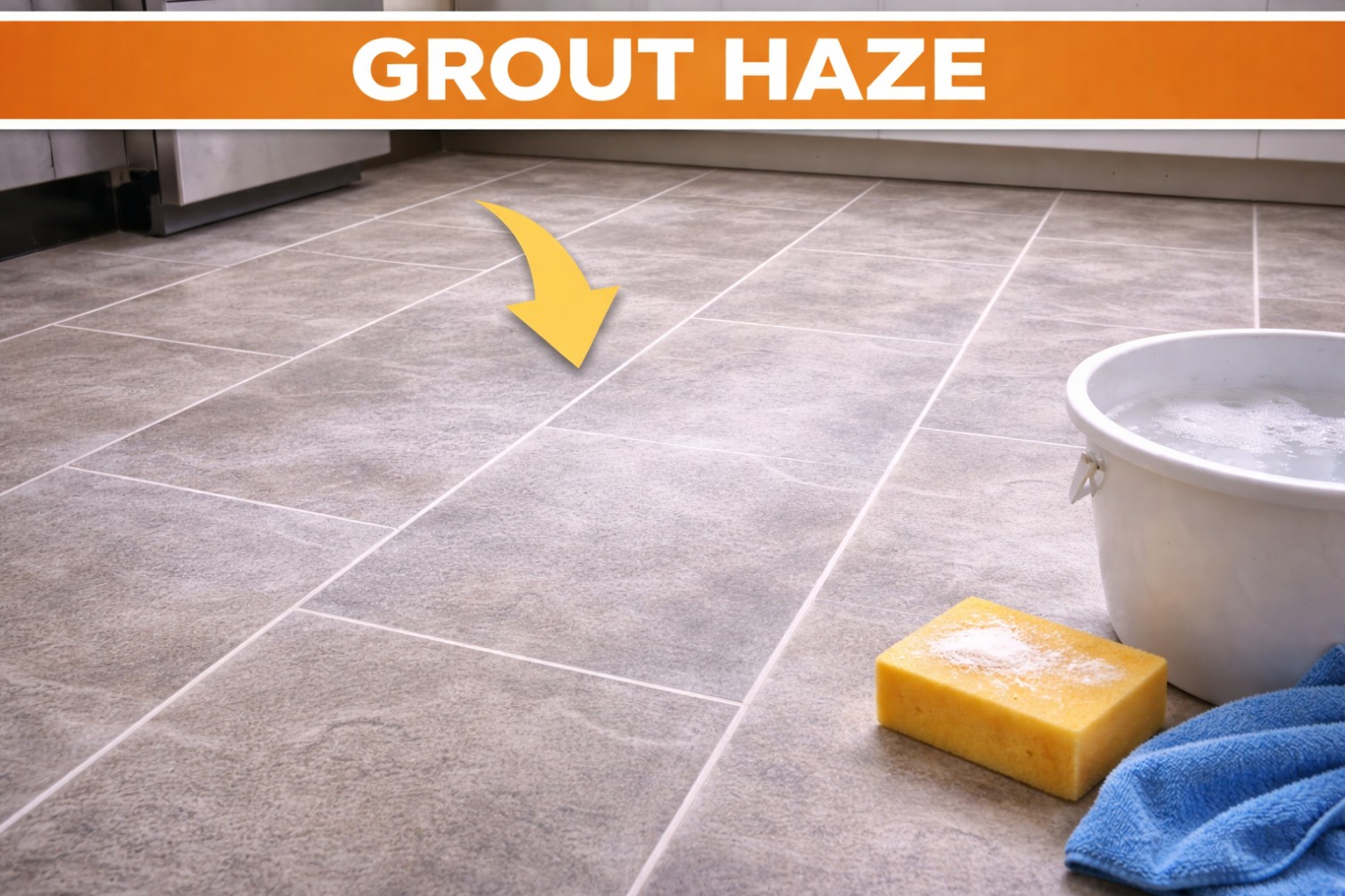
• Grout Haze — Surface residue remaining after installation or cleaning processes.
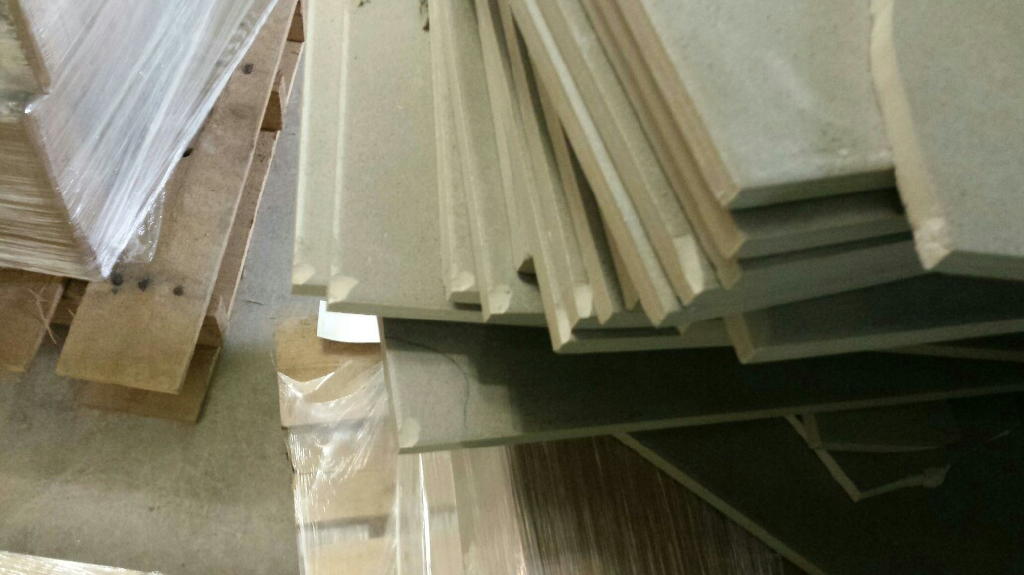
• Warpage — Inherent tile curvature influencing lippage and surface alignment.
• Surface Chipping — Edge or surface material loss associated with impact, stress, or handling conditions.
Primary Mechanisms
• Structural movement, substrate deflection, or shrinkage transferring stress into the tile system.
• Restrained movement caused by insufficient movement accommodation or perimeter clearance.
• Moisture migration influencing bond performance, staining, grout behavior, and mineral deposition.
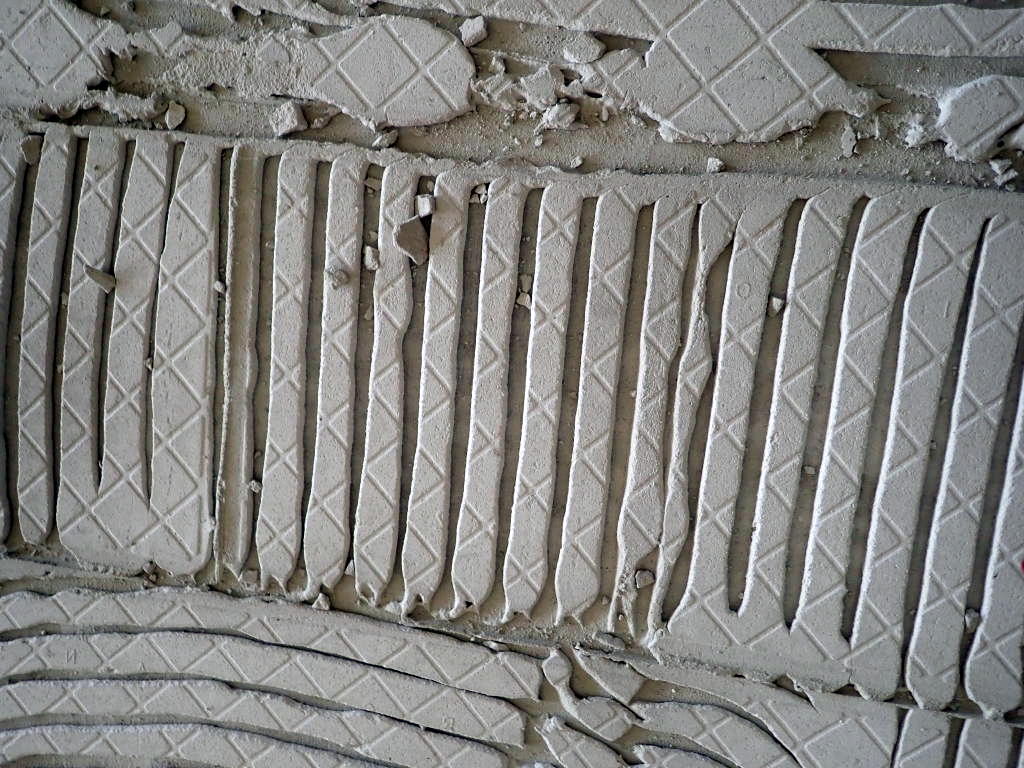
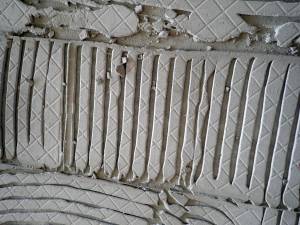
• Inadequate mortar coverage or uneven support creating localized stress concentrations.
• Installation variables involving mortar selection, troweling technique, curing conditions, or substrate preparation.
• Material characteristics including tile warpage, density, porosity, and surface properties affecting performance and visibility.
Observed Appearance and Distribution Patterns
• Repeating crack patterns corresponding with substrate joints or structural movement.
• Directional lippage or height variation becoming more visible under reflective lighting.
• Hollow-sounding or loose areas corresponding with bond irregularities or incomplete coverage.
• Grout cracking or separation concentrated near transitions, perimeters, or stress points.
• Mineral deposits or staining associated with moisture pathways or environmental exposure.
• Pattern distribution commonly provides important diagnostic significance during evaluation.
Differentiation From Related Conditions
• Tile cracking related to structural movement differs from isolated impact fracture or handling damage.
• Lippage may result from substrate irregularity, installation technique, tile warpage, or combined conditions.
• Grout discoloration differs from grout haze, mineral residue, or surface contamination.
• Hollow sound conditions do not independently establish bond failure without supporting evidence.
• Moisture-related staining differs from inherent mineral variation or natural stone shading characteristics.
• Proper differentiation requires correlation of visible patterns, environmental conditions, substrate behavior, and installation variables.
Field Evaluation Considerations
• Document pattern, distribution, severity, and location of observed conditions.
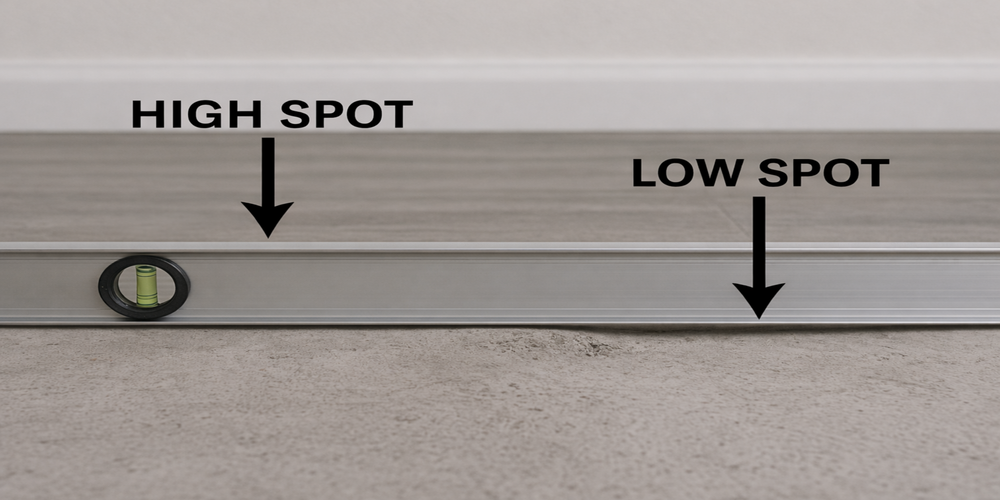
• Measure substrate flatness and evaluate support conditions where accessible.
• Evaluate movement accommodation at perimeters, transitions, and intermediate areas.
• Assess mortar coverage, troweling patterns, or bond characteristics where visible or selectively accessible.
• Observe environmental conditions including moisture exposure, temperature variation, and lighting influence.
• Correlate visible symptoms with structural, substrate, and installation context before conclusions are formed.
Repair and Remediation Considerations
• Localized conditions may be suitable for isolated tile, grout, or bond repair depending on extent and distribution.
• Systemic movement or substrate-related conditions may require broader corrective measures.
• Surface residue or cleaning-related issues may respond to professional cleaning or surface treatment.
• Repair feasibility depends on mechanism origin, severity, material compatibility, and installation configuration.
Interpretation and Claim Perspective
• Tile and stone conditions should be evaluated as complete flooring-system behaviors rather than isolated component failures.
• Visible symptoms alone do not independently establish defect, product nonconformance, or responsibility.
• Pattern repetition, distribution, environmental influence, substrate behavior, and installation variables commonly carry greater diagnostic significance than isolated symptoms alone.
• Proper interpretation requires correlation of observed conditions, installation context, structural influence, and environmental exposure before conclusions are formed.
Key Terms
• Lippage — Vertical height difference between adjacent tile edges.
• Warpage — Inherent curvature or distortion within a tile unit.
• Efflorescence — Mineral residue deposited by moisture migration.
• Mortar Coverage — Degree of contact between tile and setting material.
• Movement Accommodation — System design allowing expansion and contraction movement.
• Substrate Flatness — Degree of surface uniformity beneath the tile installation.
Related Pages
• Lippage
• Loss of Bond
• Tenting (Tile)
• Tile and Stone Cracks
• Grout Failures
Contributors
Independent peer review (non-authoring) — this page only
David Zack
© 2015–2026 Floor Detective®
Last revised: 05/23/2026

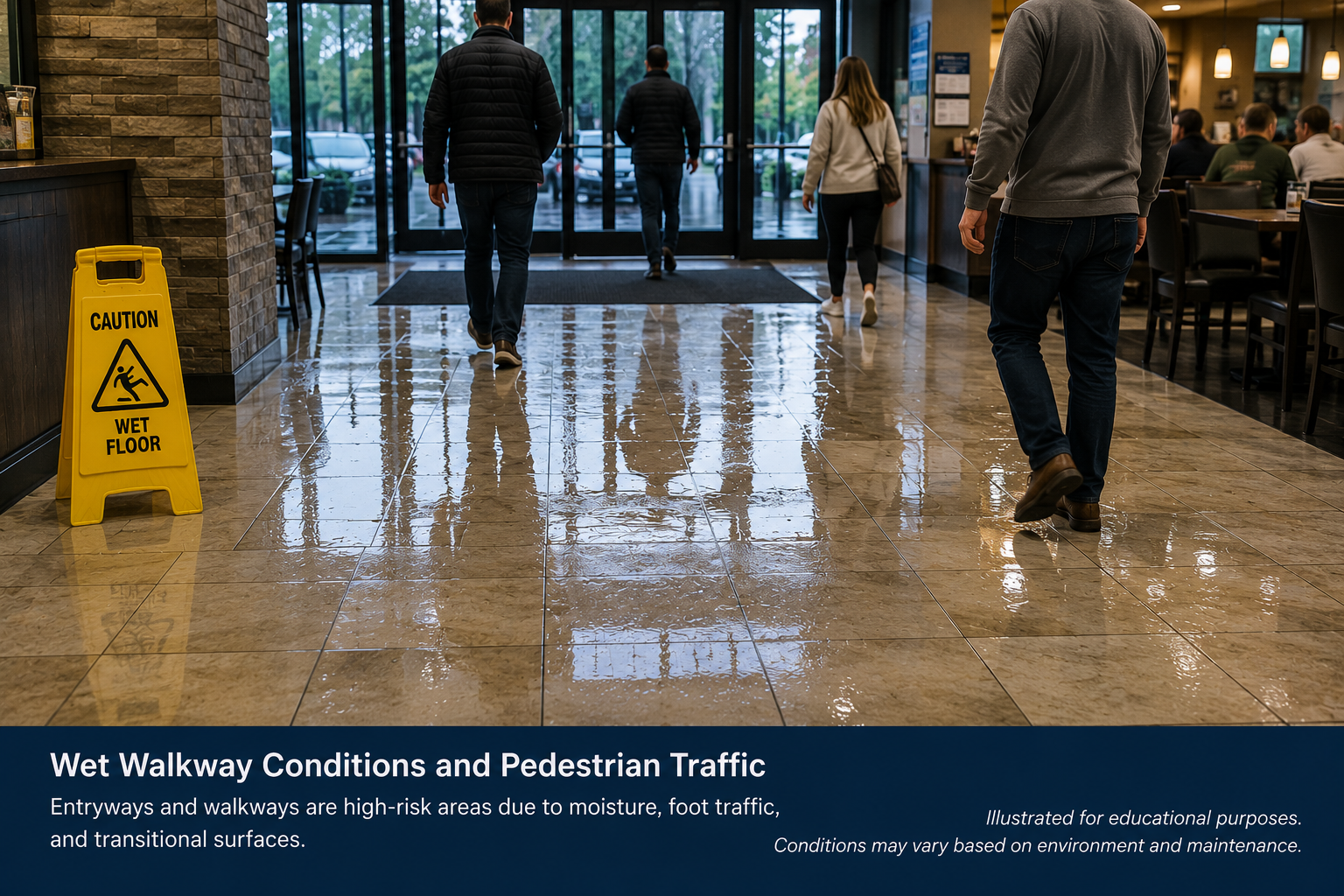
Wet Tile Slip Resistance and Surface Traction
Tile and Stone Floor Problems
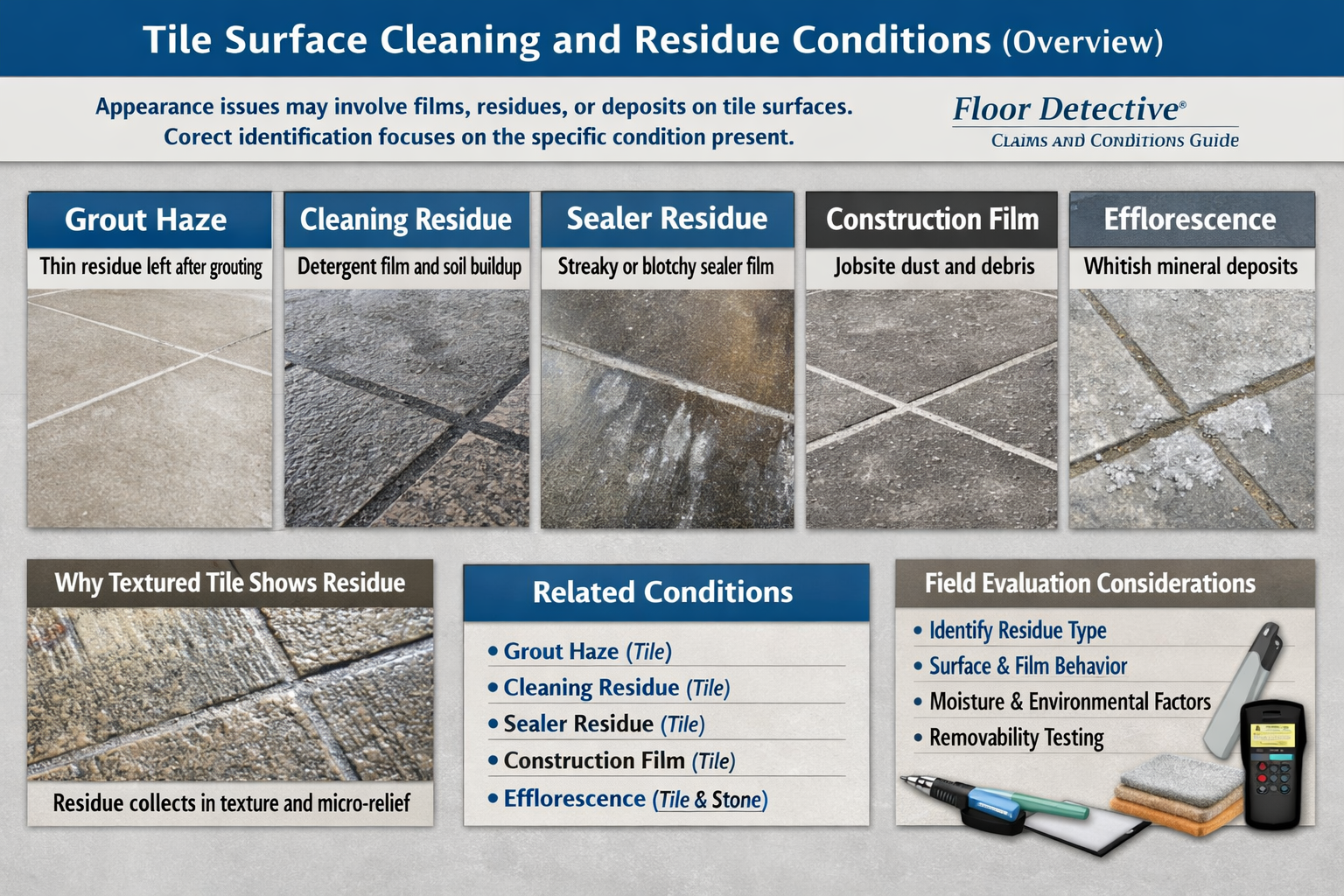
Tile Surface Cleaning and Residue Conditions (Overview)
Surface Chipping (Ceramic Tile)
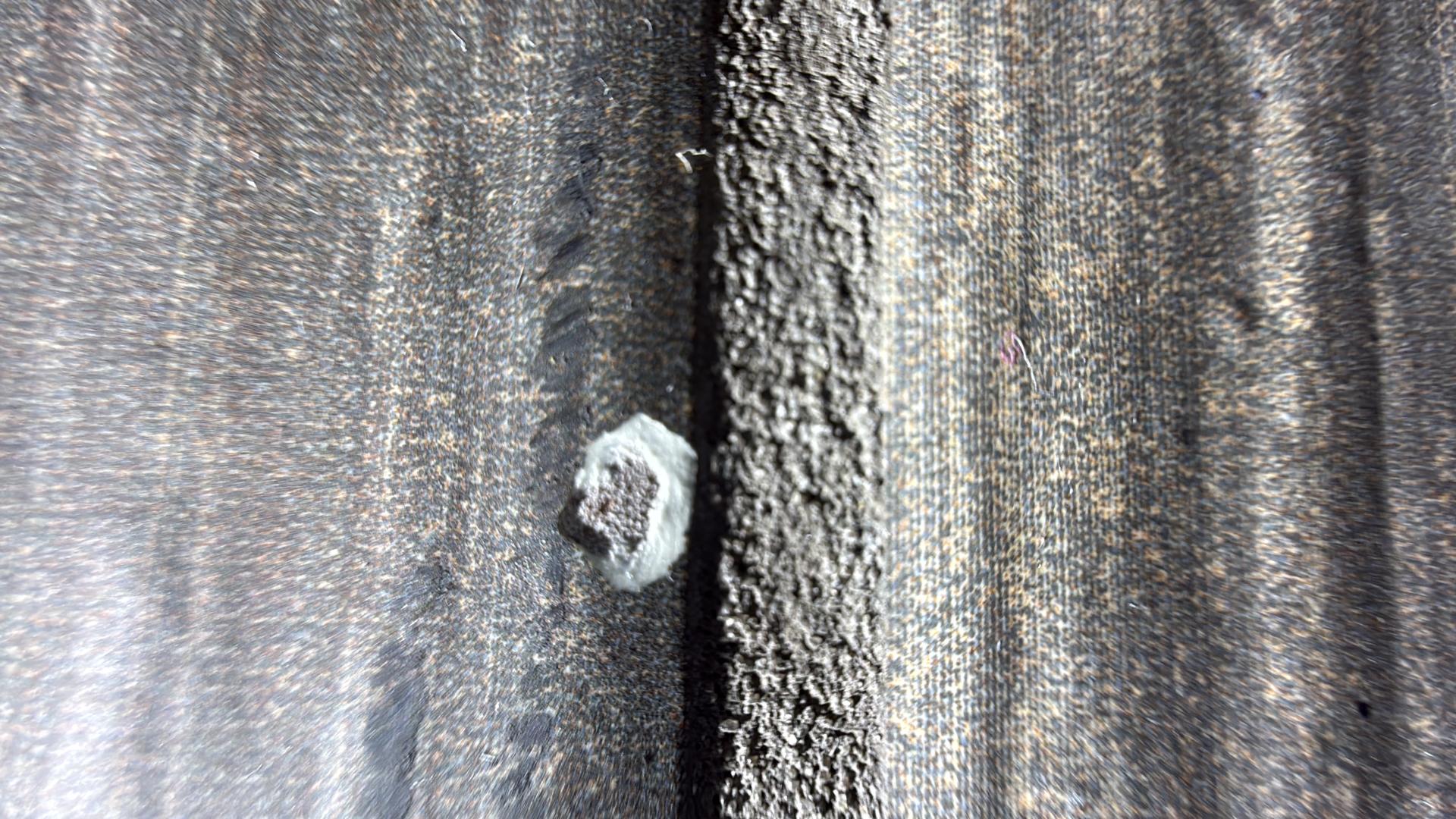
Grout Haze (Tile)
Cracked Corners

Outdoor Natural Stone Deterioration (Exterior Stone)

Grout – Pin Holes

Saltillo Tile Lime Pops

Travertine Tile Properties
