Chair-Caster Damage (LVT/SPC Flooring)

Chair-Caster Damage (LVT/SPC Flooring)
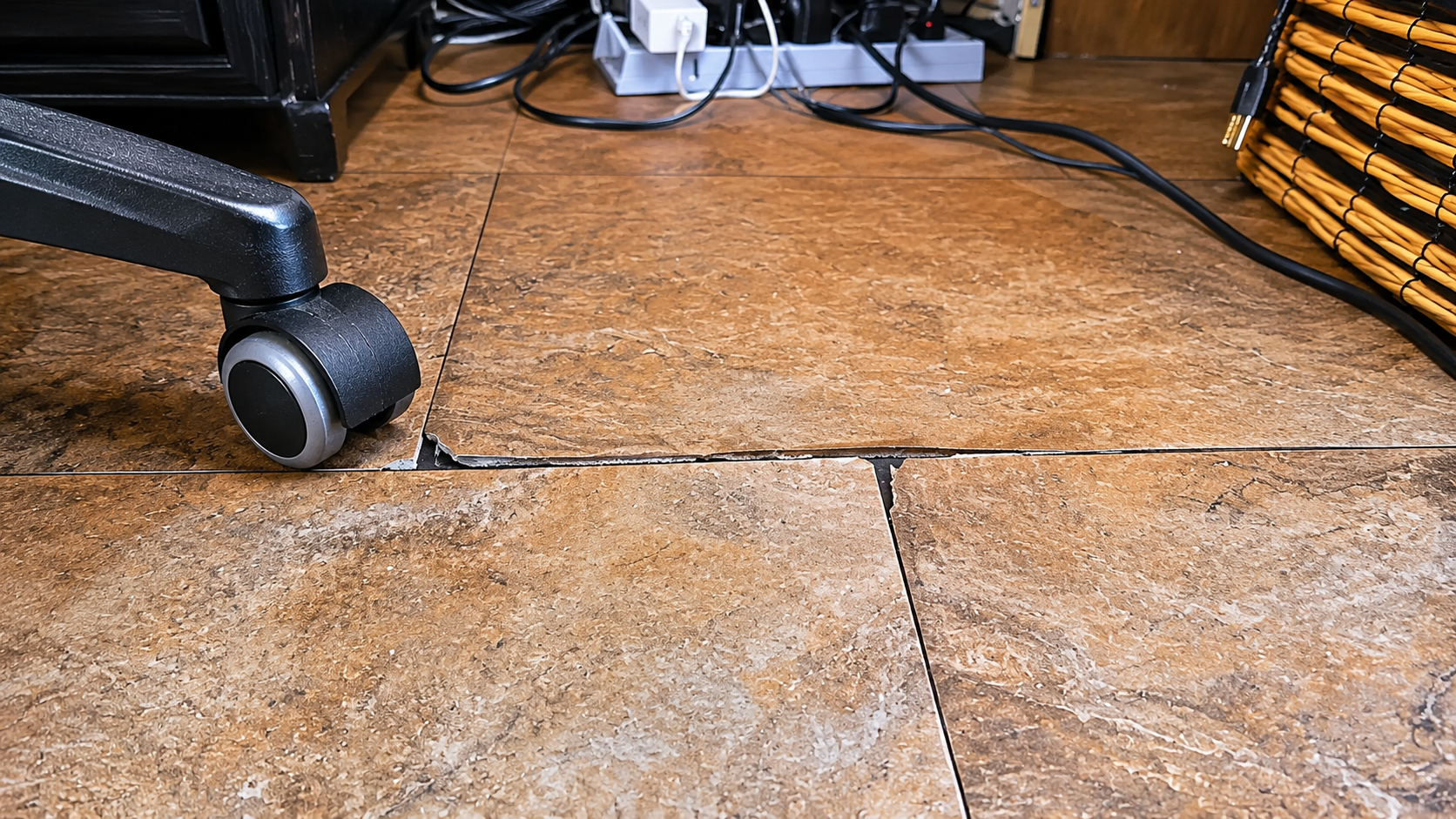
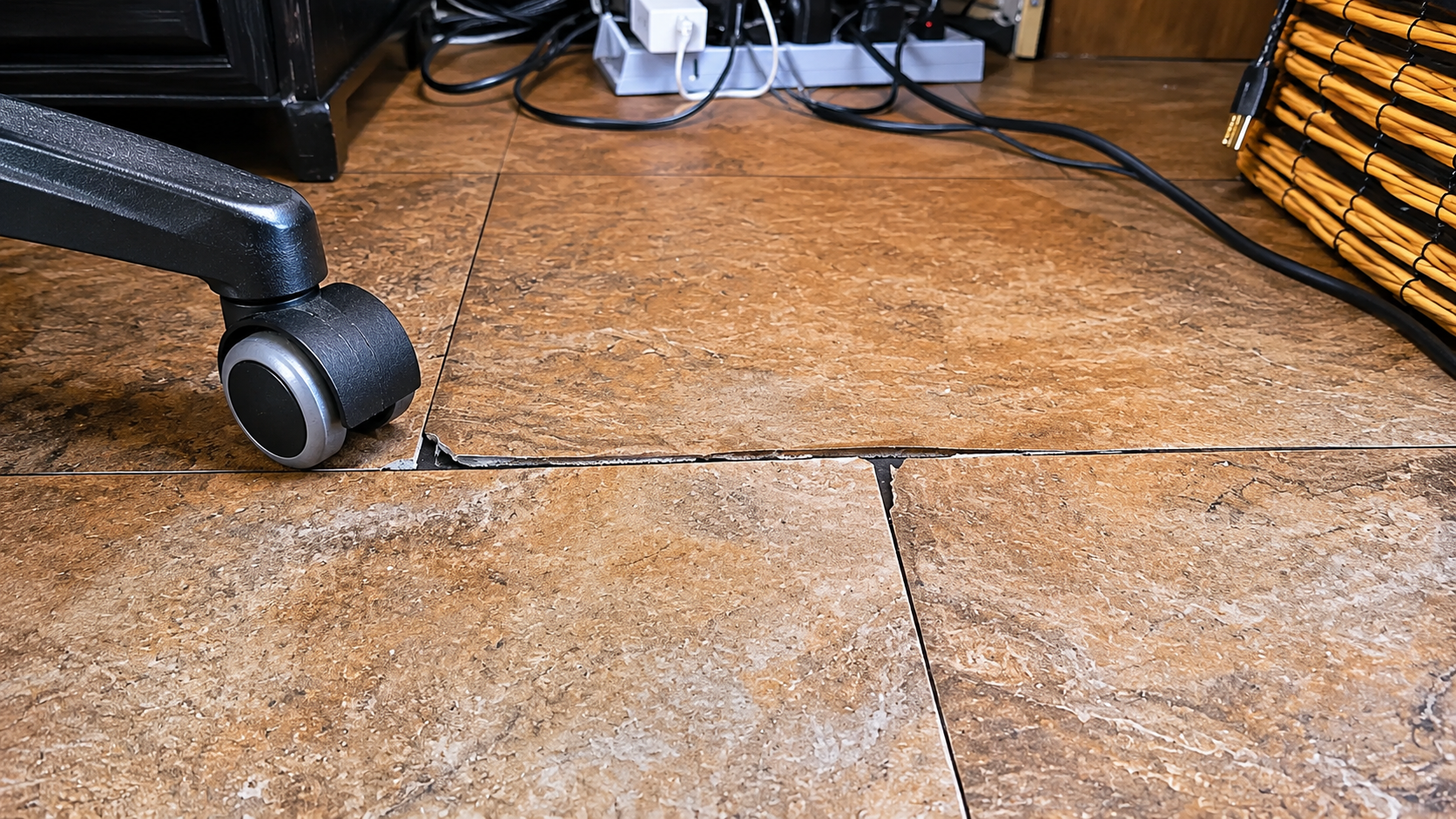
chair caster damage 3
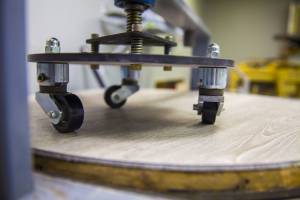
ISO 4818 Phillips Roll Chair test
ISO 4818 Phillips Roll Chair test 3
Caster chair damage
Laminate - Chair Protectors 4455554 (2)
Laminate - Chair Protectors 42355 (2)
ISO 4818 Phillips Roll Chair test 2
chair caster damage 3 ISO 4818 Phillips Roll Chair test ISO 4818 Phillips Roll Chair test 3 Caster chair damage Laminate - Chair Protectors 4455554 (2) Laminate - Chair Protectors 42355 (2) ISO 4818 Phillips Roll Chair test 2

Chair-Caster Damage (LVT/SPC Flooring)
Floor Detective® Claims and Conditions Guide

Summary

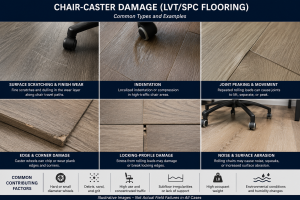
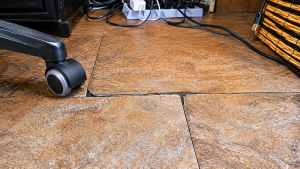
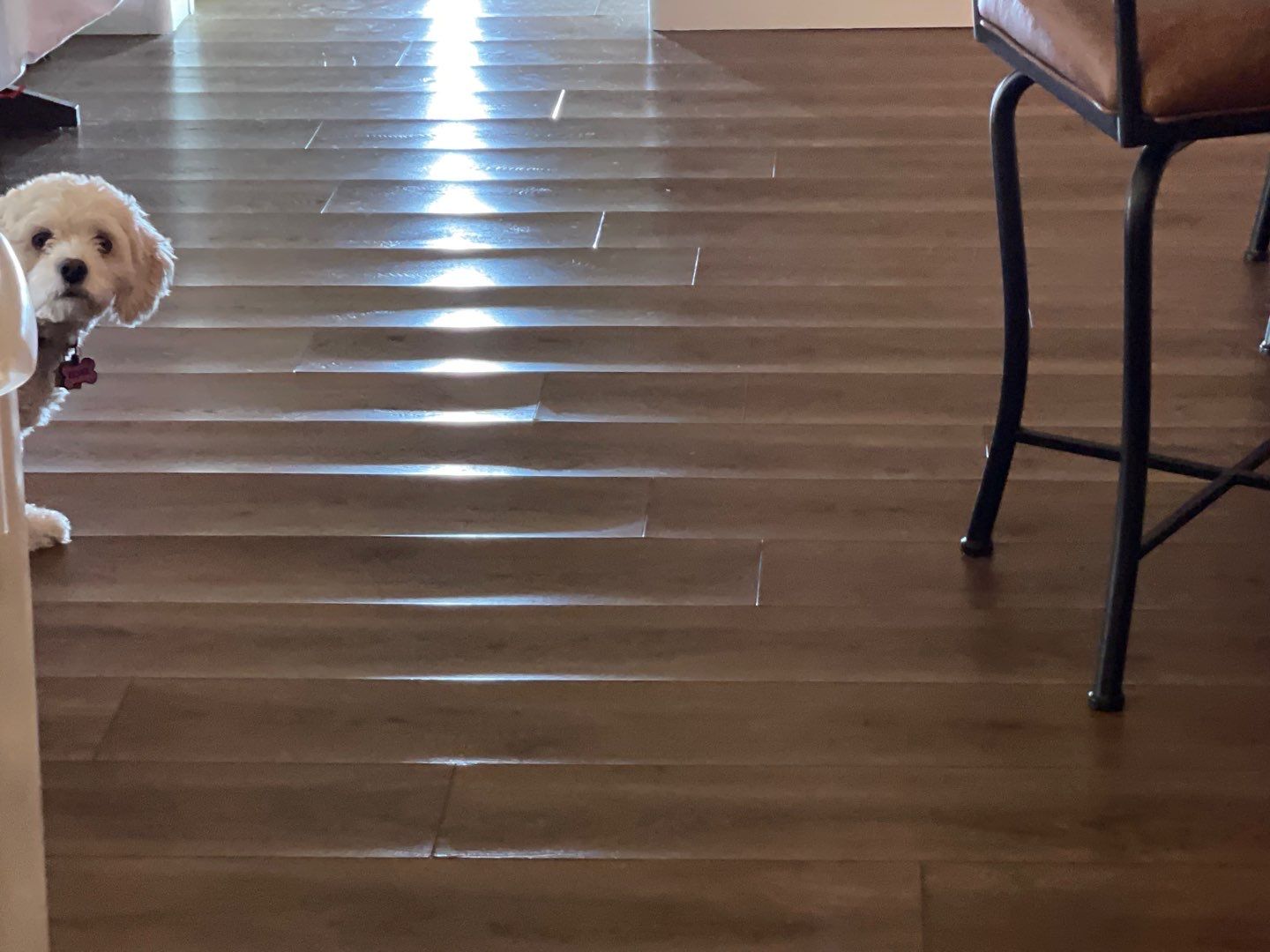
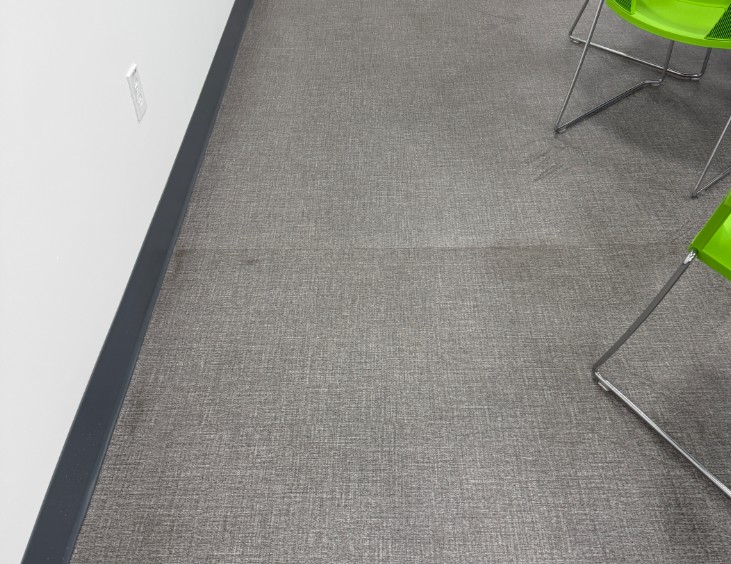
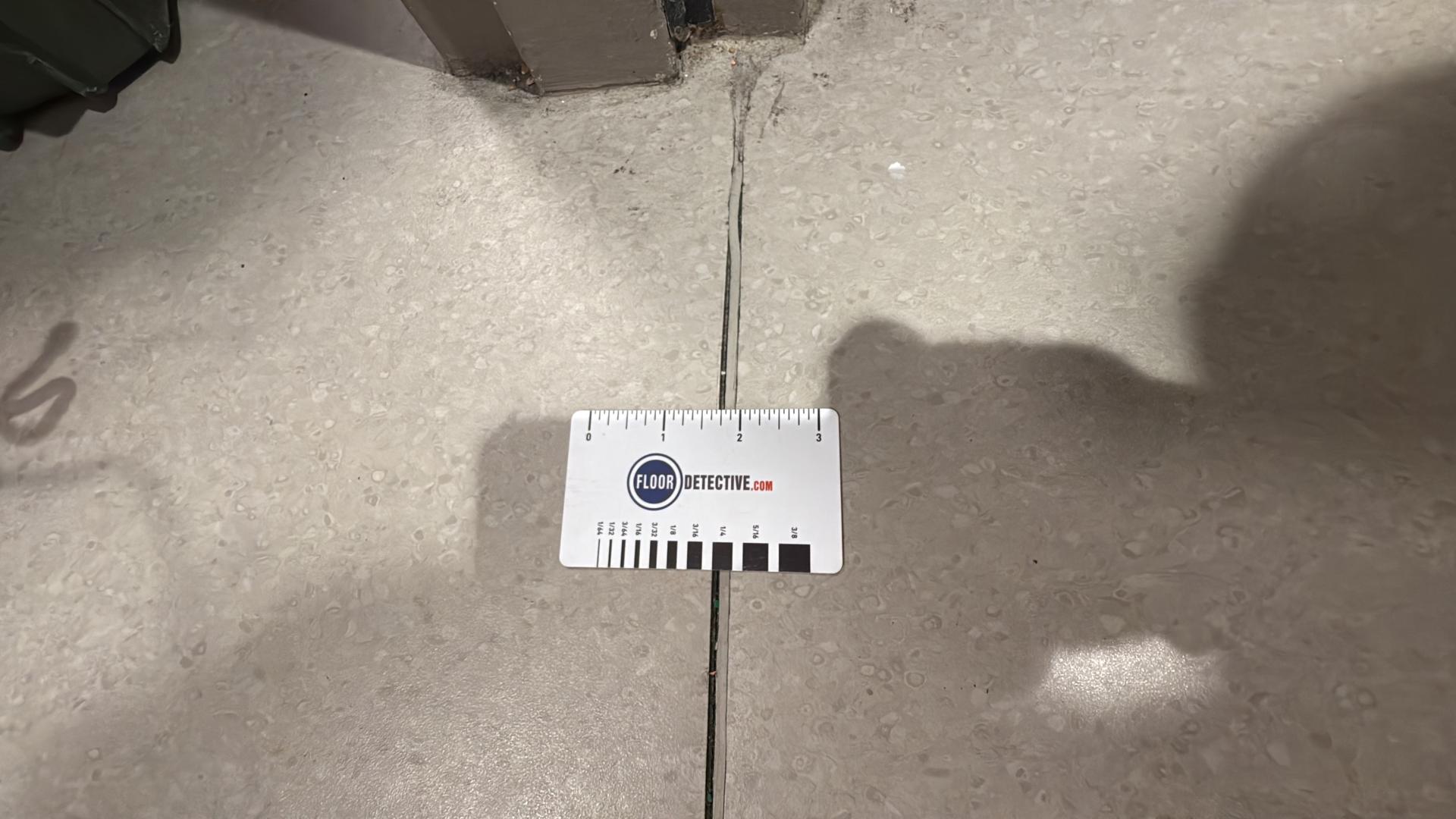
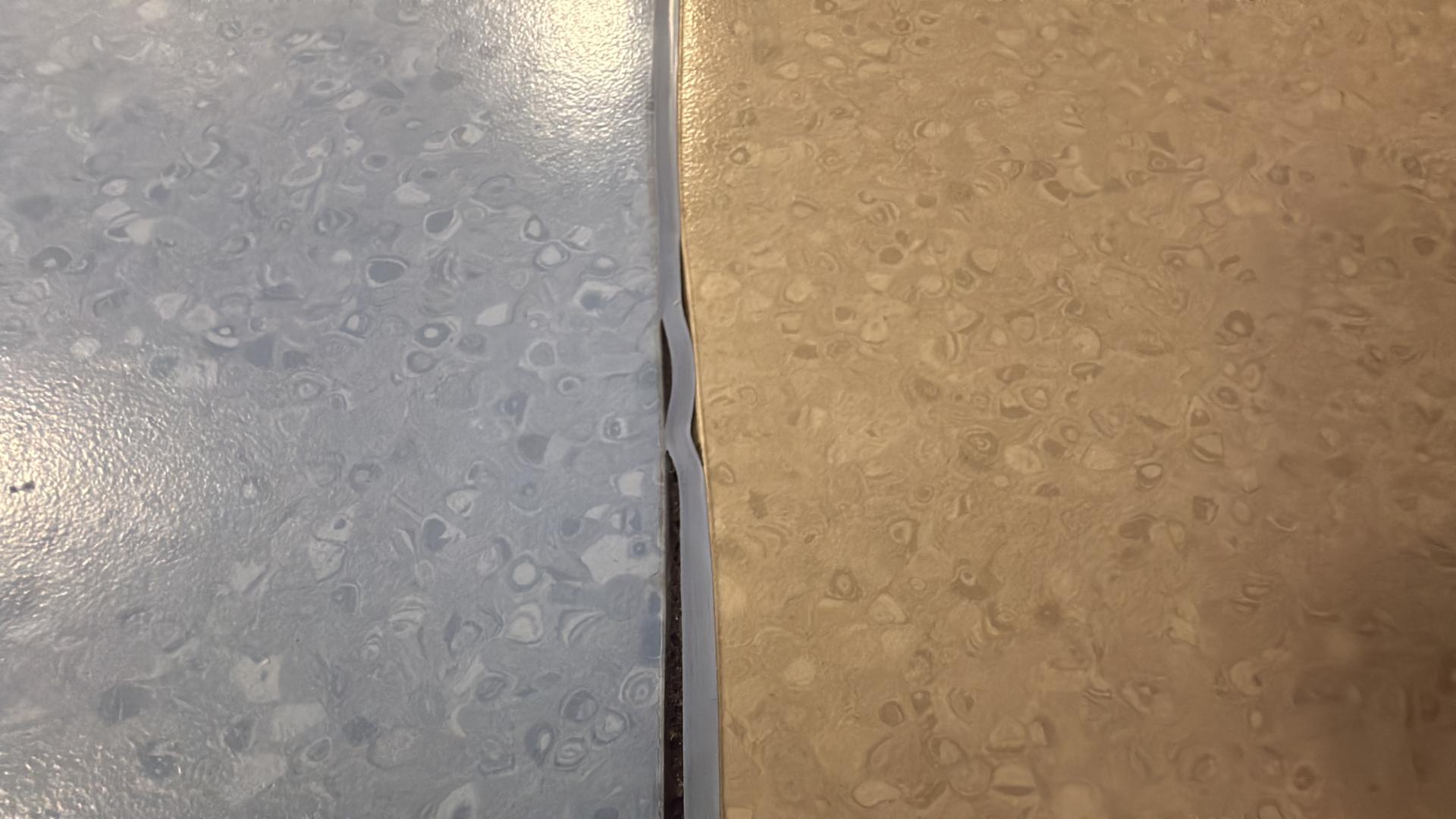
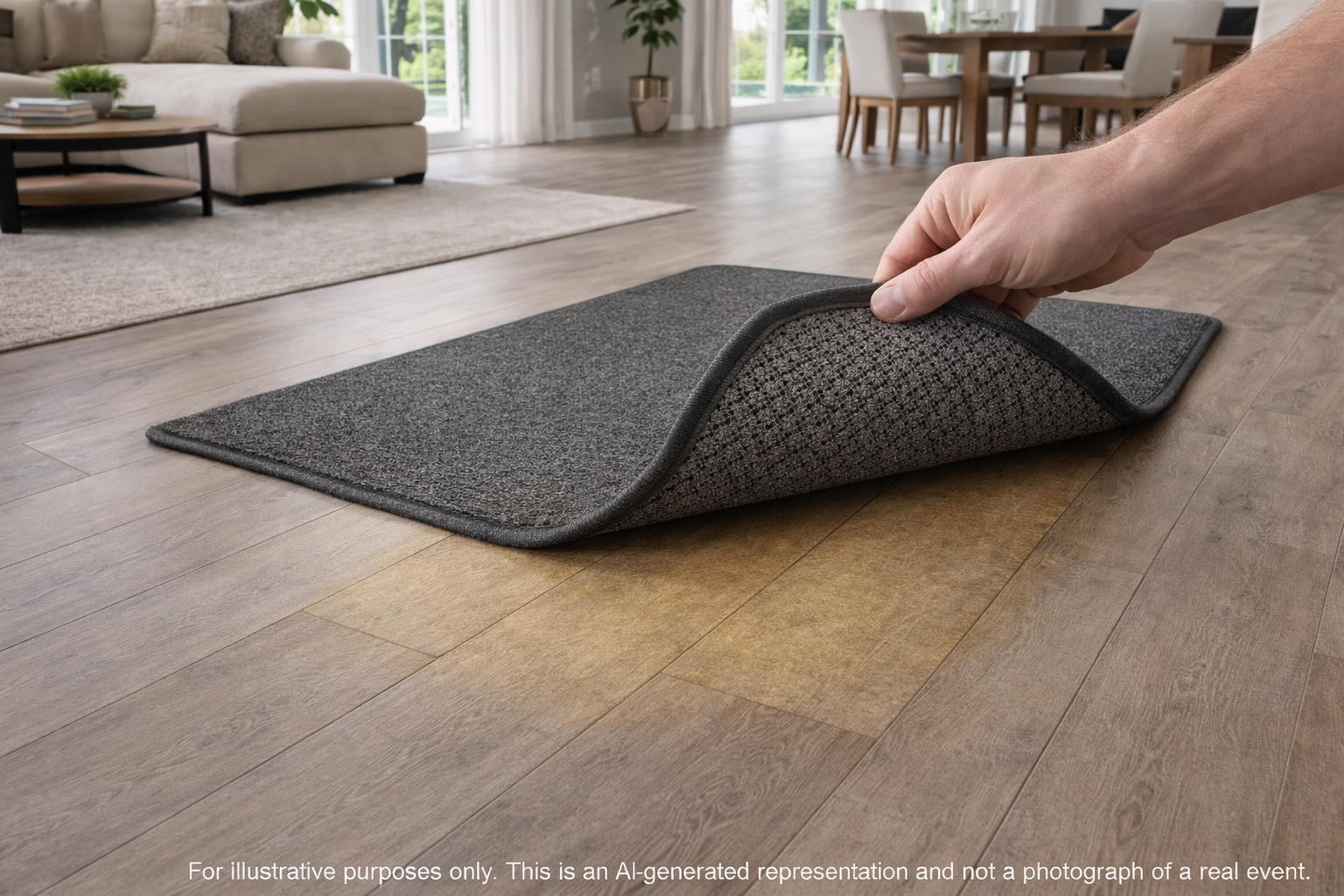
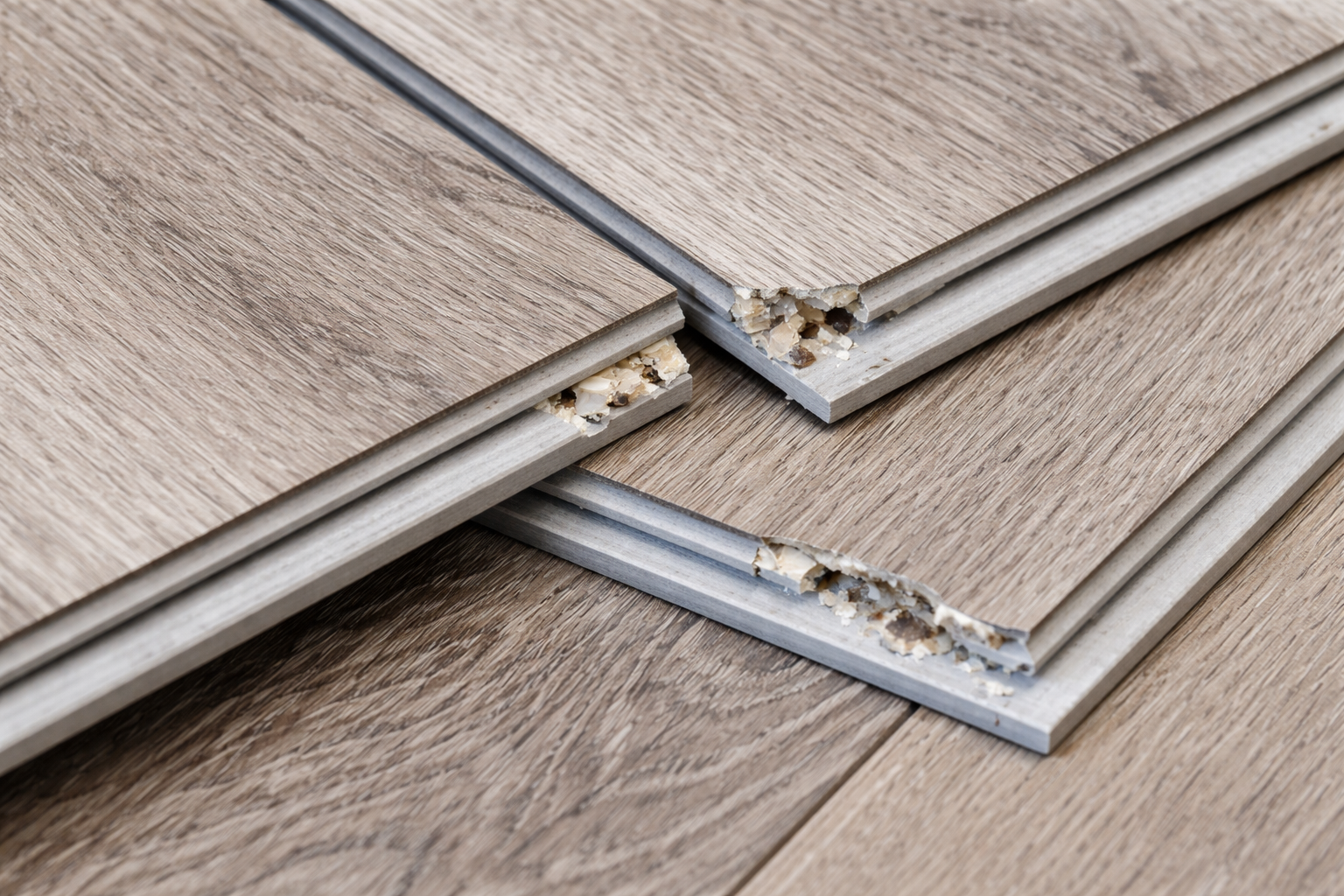
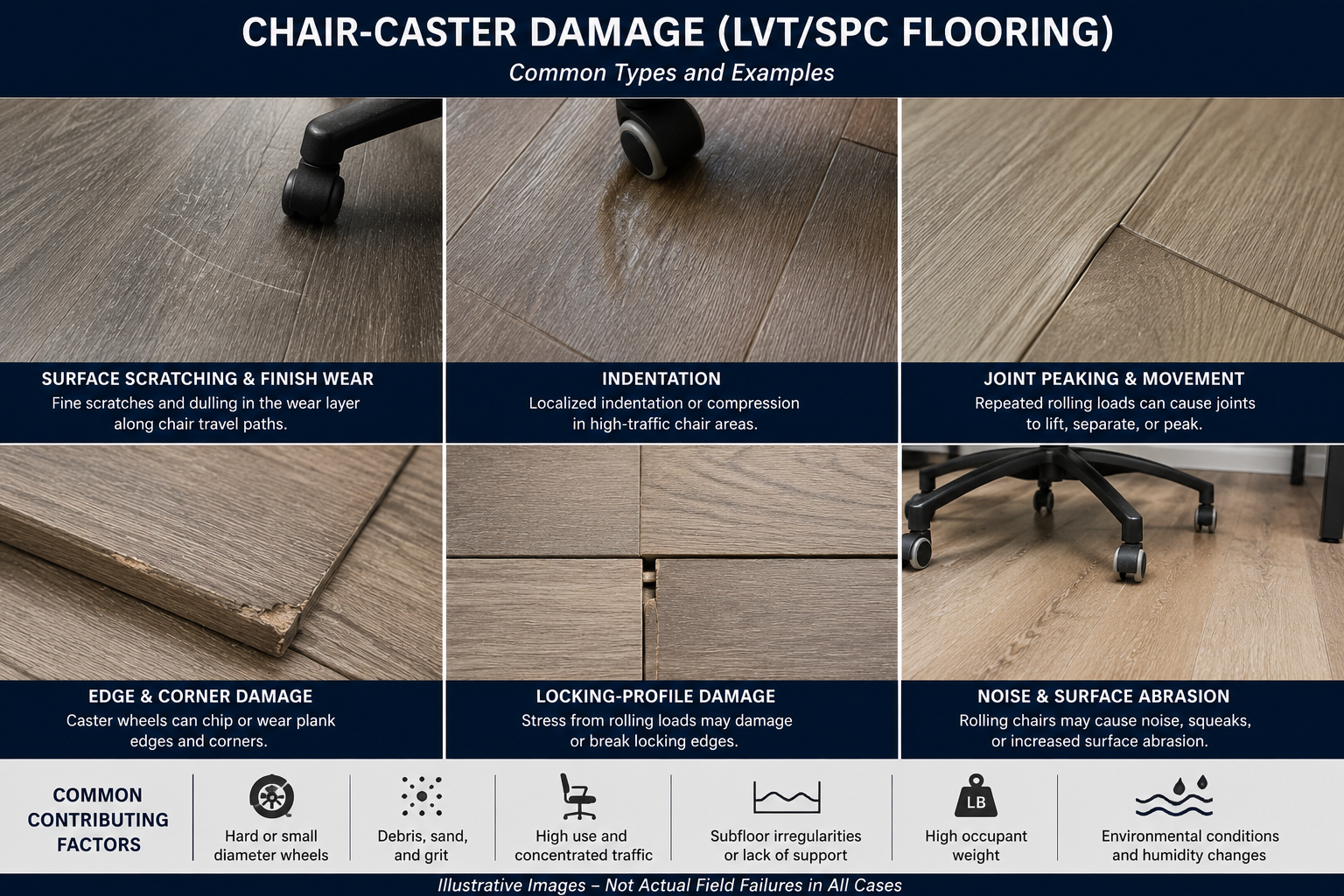
Chair-caster damage is a use-related condition associated with repeated rolling loads from office chairs, gaming chairs, task chairs, wheelchairs, and other wheeled furniture. The condition may appear as surface scratching, indentation, finish wear, joint movement, locking-profile damage, noise, or localized plank deformation. Severity is influenced by wheel type, wheel condition, occupant weight, traffic frequency, debris accumulation, flooring construction, substrate support, and environmental conditions. Chair-caster damage may occur even when a flooring product successfully meets applicable laboratory performance standards because field conditions often differ from controlled laboratory testing environments. See also Broken Locking Profiles, Scratches, Indentations and Surface Abrasions, and LVT and SPC Floor Problems.

Please subscribe to see all content

Chair-Caster Damage (LVT/SPC Flooring)
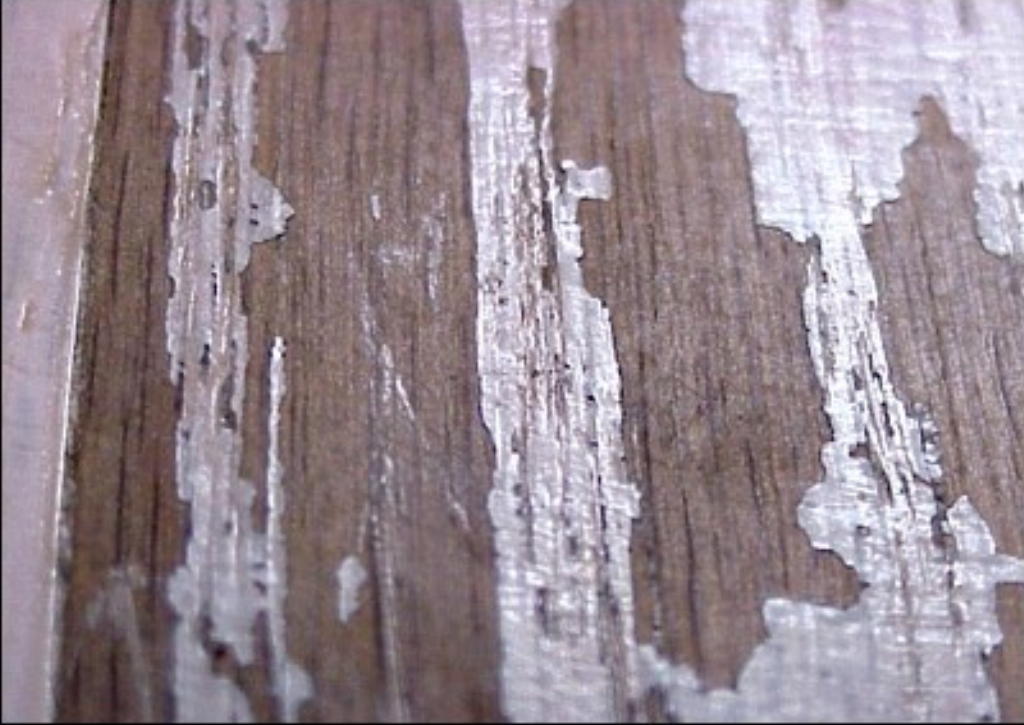
Chair-caster damage in LVT and SPC flooring may appear as scratching, indentation, joint damage, noise, or locking-profile failure caused by...
Read More
Chair-Caster Damage (LVT/SPC Flooring)
Hardwood Floor Problems

Hardwood floor problems may involve cupping, gaps, buckling, finish issues, movement, noise, or moisture-related distortion. Learn how hardwood flooring conditions...
Read More
Hardwood Floor Problems

Wood Decay (Hardwood Flooring)

Wood decay in hardwood flooring is a moisture-related condition that causes soft, weakened, and deteriorated wood. Proper evaluation distinguishes fungal...
Read More
Wood Decay (Hardwood Flooring)

Termite Damage (Hardwood Flooring)

Termite damage in hardwood flooring involves internal wood consumption, gallery formation, and structural weakening caused by insect activity.
Read More
Termite Damage (Hardwood Flooring)

Bamboo Flooring Construction and Dimensional Behavior

Bamboo flooring construction affects dimensional movement, moisture response, spacing, and long-term flooring performance under changing environmental conditions.
Read More
Bamboo Flooring Construction and Dimensional Behavior

Checks vs. Splits vs. Shake (Solid Hardwood)

Checks, splits, and shake are different wood separation conditions in hardwood flooring that vary in origin, depth, structural significance, and...
Read More
Checks vs. Splits vs. Shake (Solid Hardwood)

Grain Raise (Hardwood Finish Issue)

Hardwood grain raise is a surface texture condition caused by swelling and lifting of exposed wood fibers after moisture exposure...
Read More
Grain Raise (Hardwood Finish Issue)

Lap Marks

Lap marks in hardwood flooring are visible streaks or bands caused by uneven blending between overlapping finish passes. The condition...
Read More
Lap Marks

Splits – Cracks

Splits and Cracks (Hardwood Flooring) Floor Detective® Claims and Conditions Guide Summary Splits and cracks in hardwood flooring are structural...
Read More
Splits – Cracks

Wood Distortion

Wood distortion in hardwood flooring involves bowing, twisting, cupping, and dimensional shape change caused by moisture variation and internal stress...
Read More
Wood Distortion