
Extractable Matter

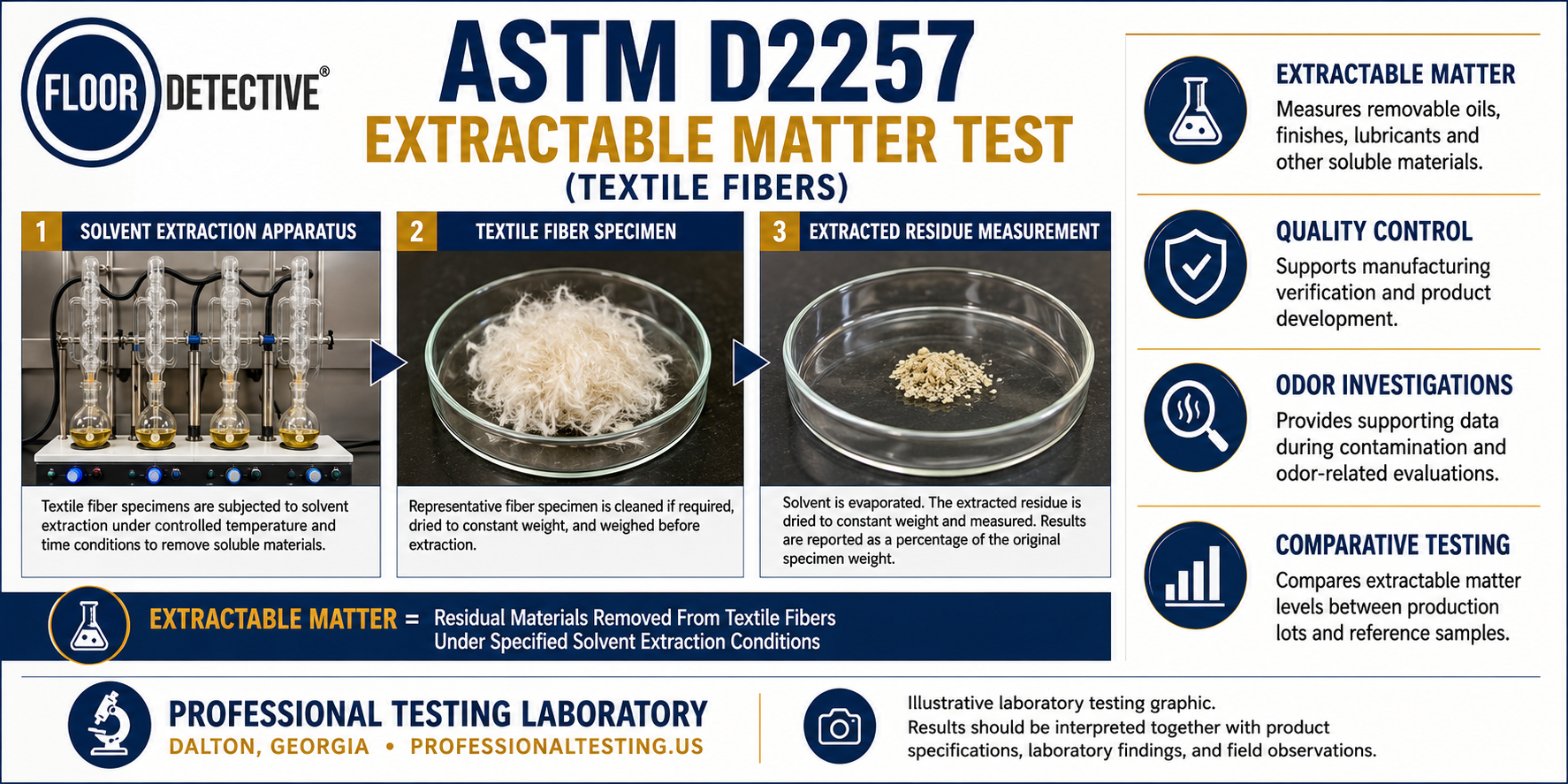
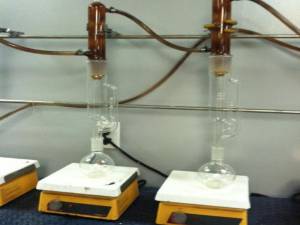
ASTM D2257 extractable matter laboratory testing graphic showing solvent extraction apparatus, textile fiber specimens, residue measurement, and Professional Testing Laboratory procedures.
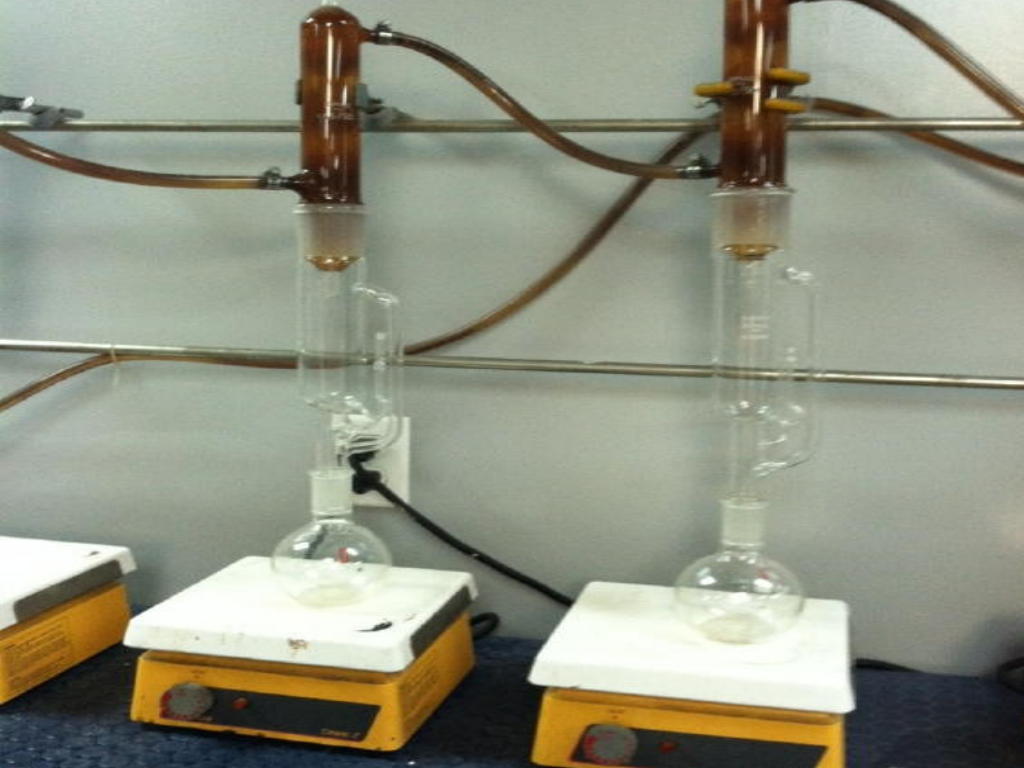
Lab - Soxhlet extraction apparatus - Extractable Matter (3)
ASTM D2257 extractable matter laboratory testing graphic showing solvent extraction apparatus, textile fiber specimens, residue measurement, and Professional Testing Laboratory procedures. Lab - Soxhlet extraction apparatus - Extractable Matter (3)

ASTM D2257 – Extractable Matter Test (Textile Fibers)

Floor Detective® Laboratory Testing Reference

Summary

ASTM D2257 Extractable Matter Test is a laboratory procedure used to determine the amount of removable substances present on textile fibers. These substances may include processing oils, lubricants, spin finishes, waxes, additives, and other soluble materials associated with manufacturing or handling processes. The test uses controlled solvent extraction techniques to remove and quantify extractable residues. Results are commonly used for quality-control evaluations, manufacturing investigations, contamination assessments, odor-related complaints, and comparative laboratory analysis. Laboratory findings should be interpreted together with product specifications, manufacturing information, field observations, and other laboratory test results. See also Fiber Identification Test, Carpet Indoor Air Quality and Odor, GMW 3205 Odor Evaluation Test, and Flooring Laboratory Testing and Analysis.
Please subscribe to see all content

ASTM F970 Static Load Test (Resilient Flooring)
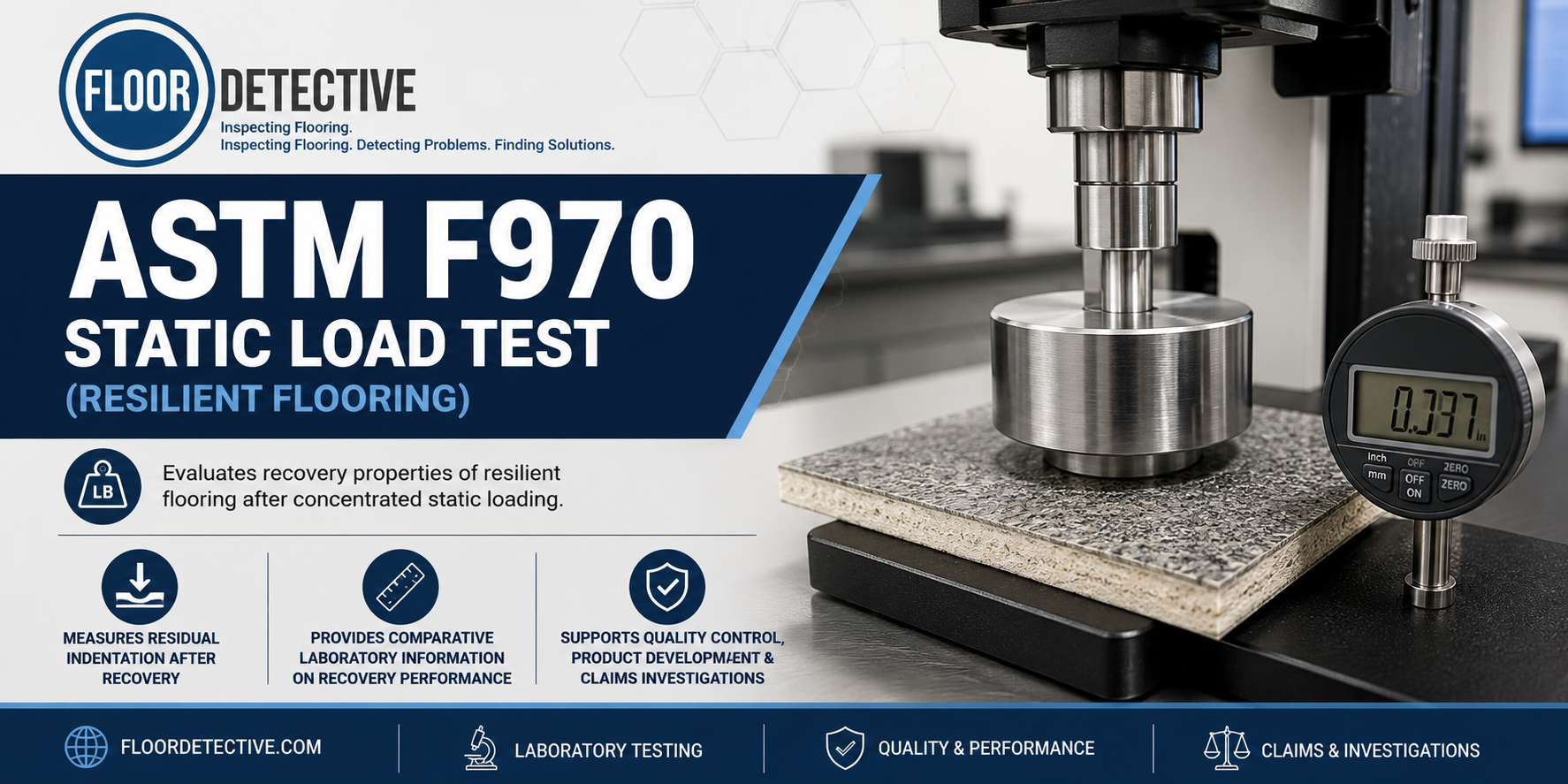
ASTM F970 Static Load Testing evaluates the recovery properties of resilient flooring after concentrated static loading. Learn how residual indentation...
Read More
ASTM F970 Static Load Test (Resilient Flooring)

ASTM F2199 – Dimensional Stability and Curling Properties of Resilient Flooring
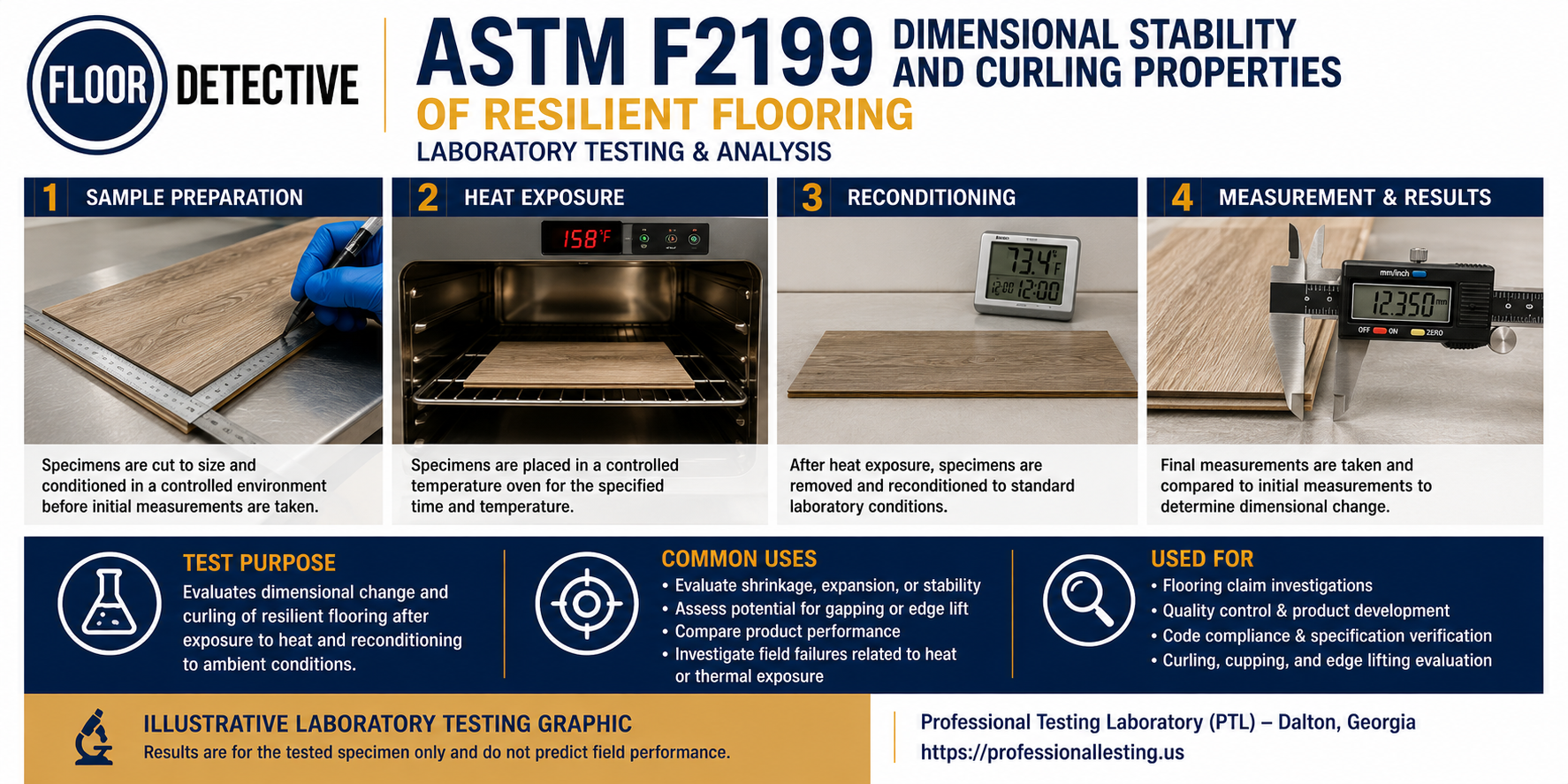
ASTM F2199 evaluates dimensional stability and curling properties of resilient flooring after controlled heat exposure. Learn how laboratories perform the...
Read More
ASTM F2199 – Dimensional Stability and Curling Properties of Resilient Flooring

Tile DCOF Slip Resistance Test (ANSI A326.3)
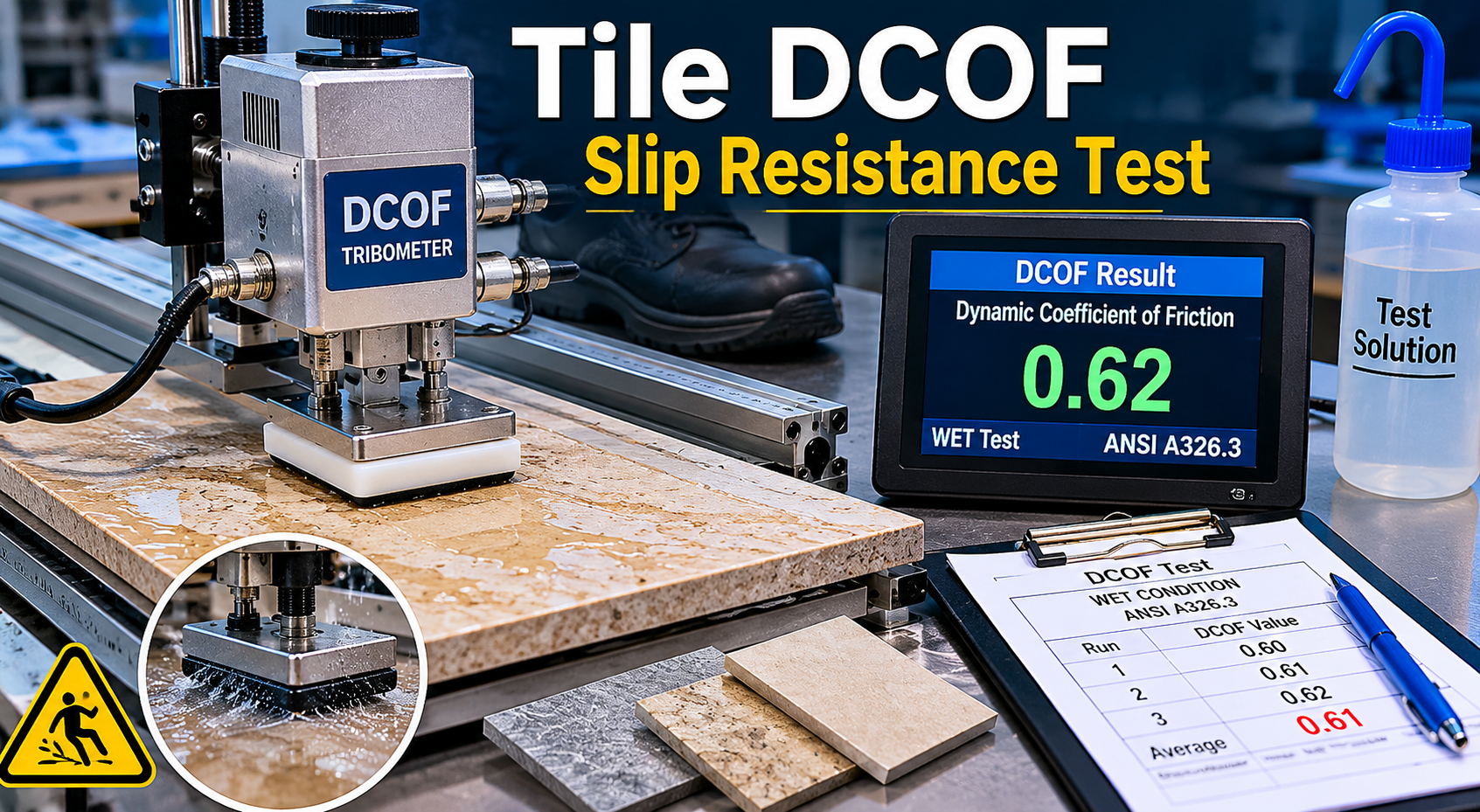
Tile DCOF testing evaluates dynamic traction characteristics of ceramic and porcelain tile surfaces under controlled conditions.
Read More
Tile DCOF Slip Resistance Test (ANSI A326.3)

Flooring Laboratory Testing and Analysis
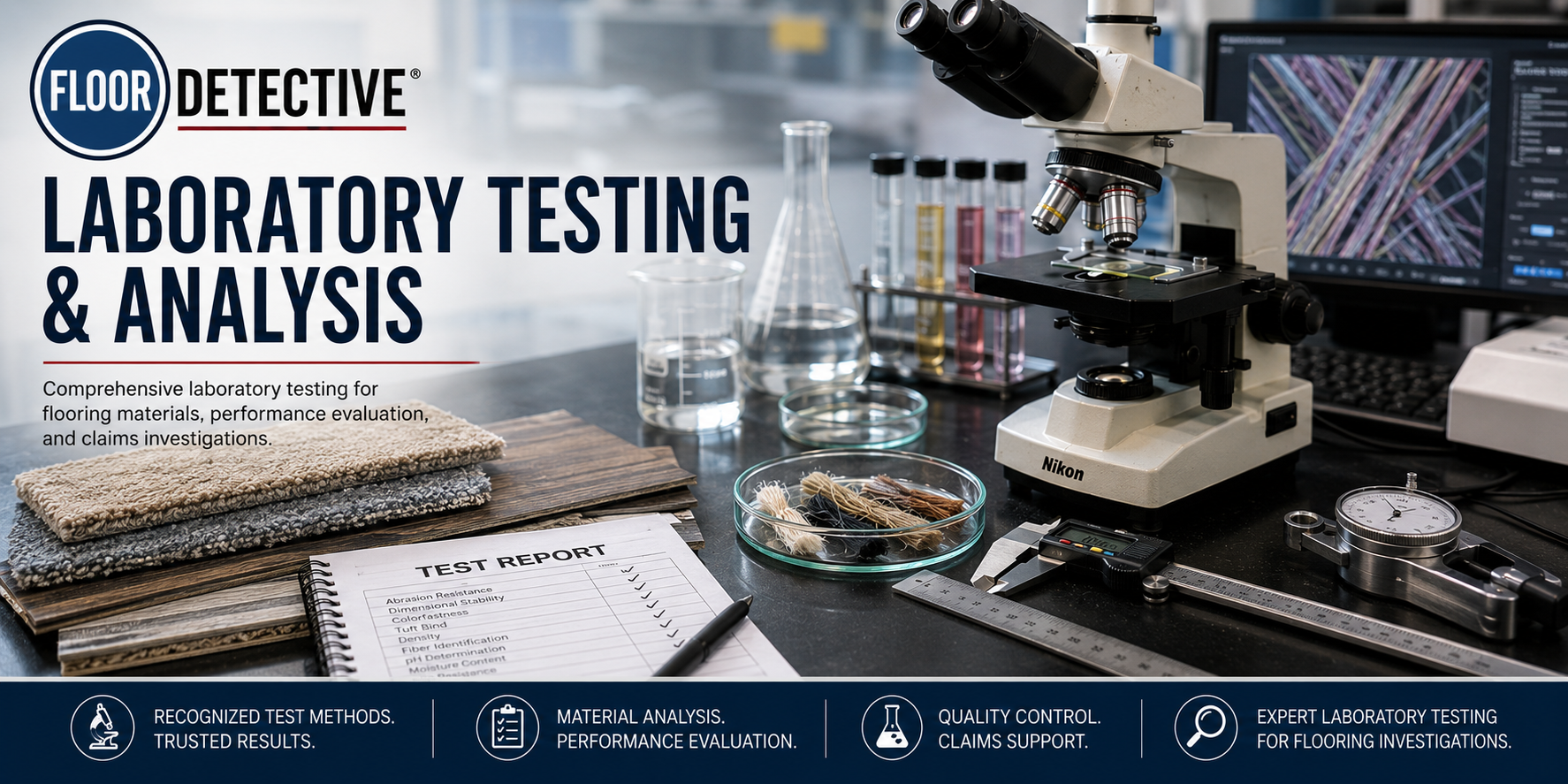
Flooring laboratory testing evaluates dimensional stability, bond integrity, moisture influence, contamination, wear, and material performance.
Read More
Flooring Laboratory Testing and Analysis

ASTM F3781 – Profile Fracture Resistance (Resilient Plank)
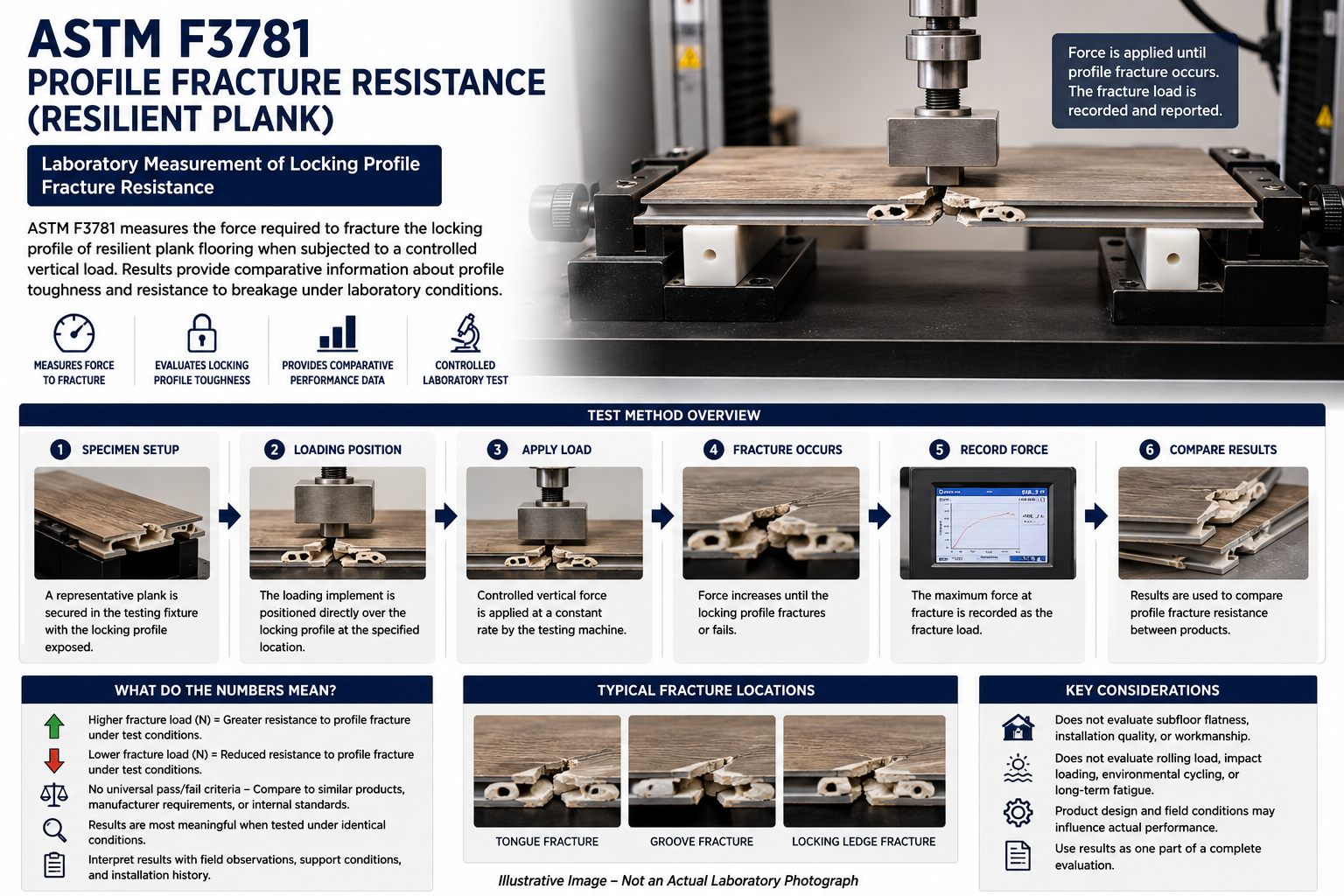
ASTM F3781 evaluates the force required to fracture resilient flooring locking profiles and provides comparative information about profile toughness and...
Read More
ASTM F3781 – Profile Fracture Resistance (Resilient Plank)

Taber Abrasion – Surface Wear Resistance (Carpet, Resilient, Laminate)
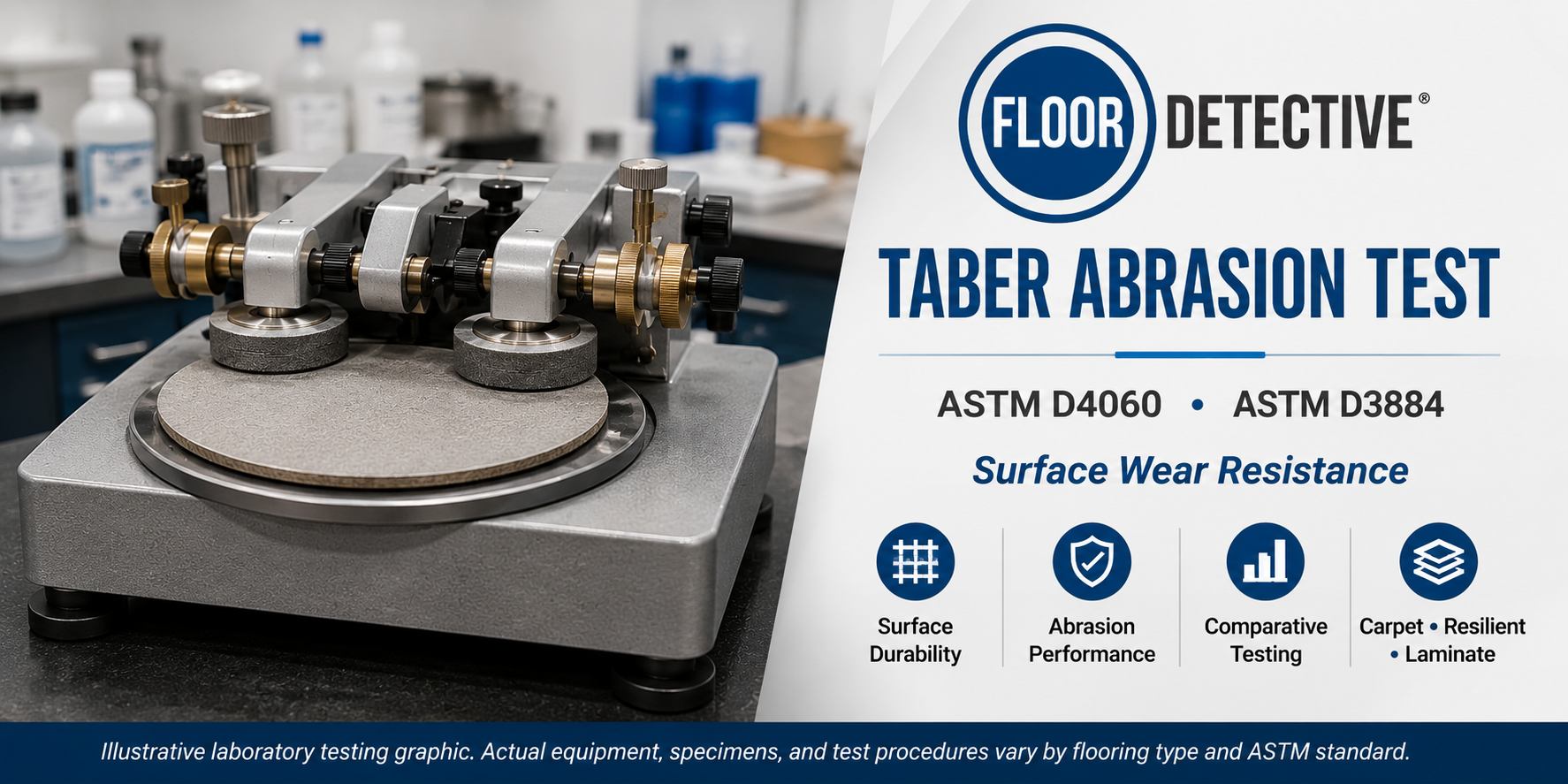
Taber Abrasion testing measures resistance to surface wear under controlled laboratory conditions and helps evaluate durability, abrasion resistance, and wear...
Read More
Taber Abrasion – Surface Wear Resistance (Carpet, Resilient, Laminate)

Castor Chair Test ISO 4918
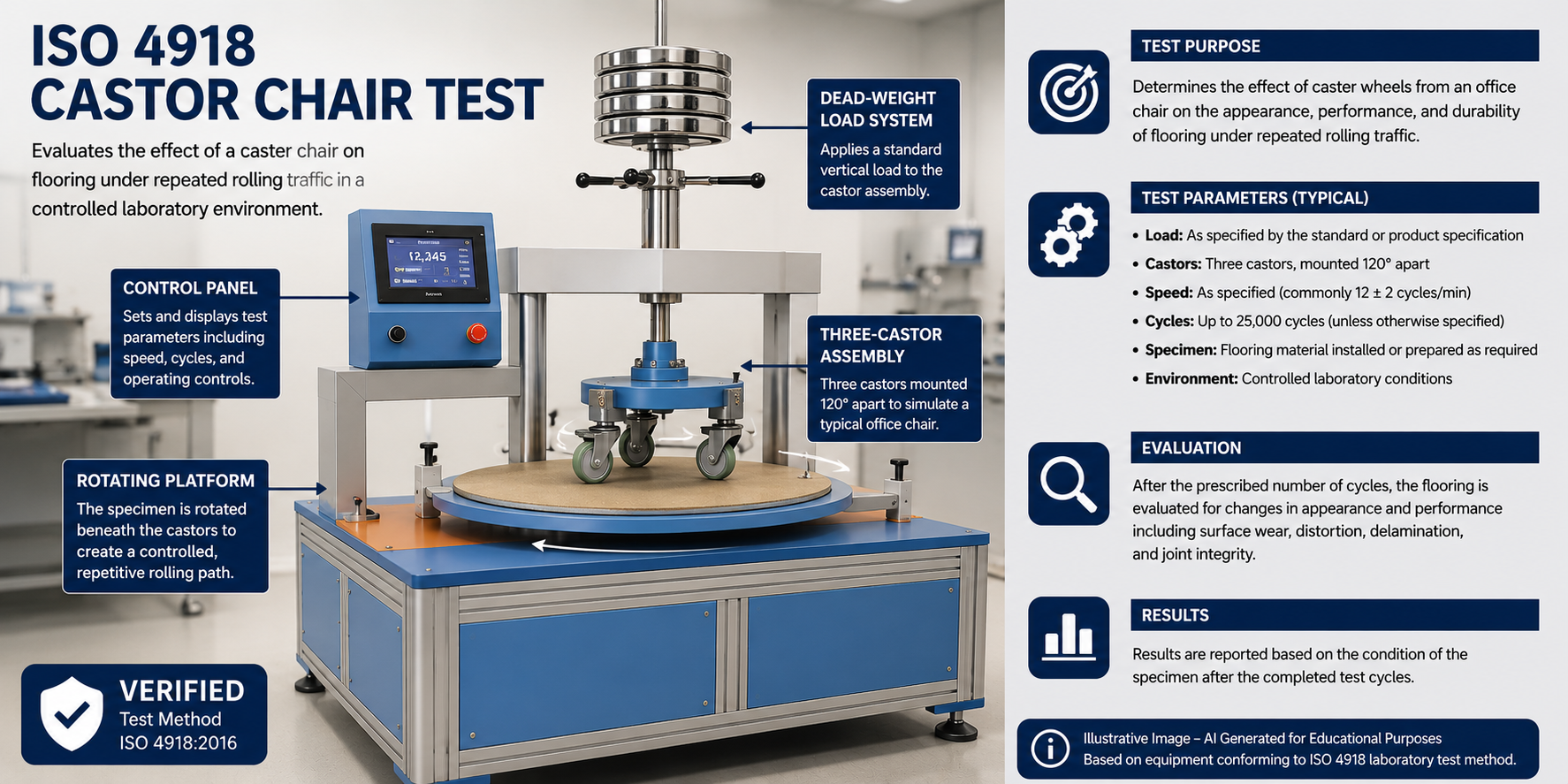
ISO 4918 measures the ability of resilient, laminate, and textile floorcoverings to withstand repeated office-chair movement under controlled laboratory conditions.
Read More
Castor Chair Test ISO 4918

ASTM D2394 Section 18 Falling Ball Indentation
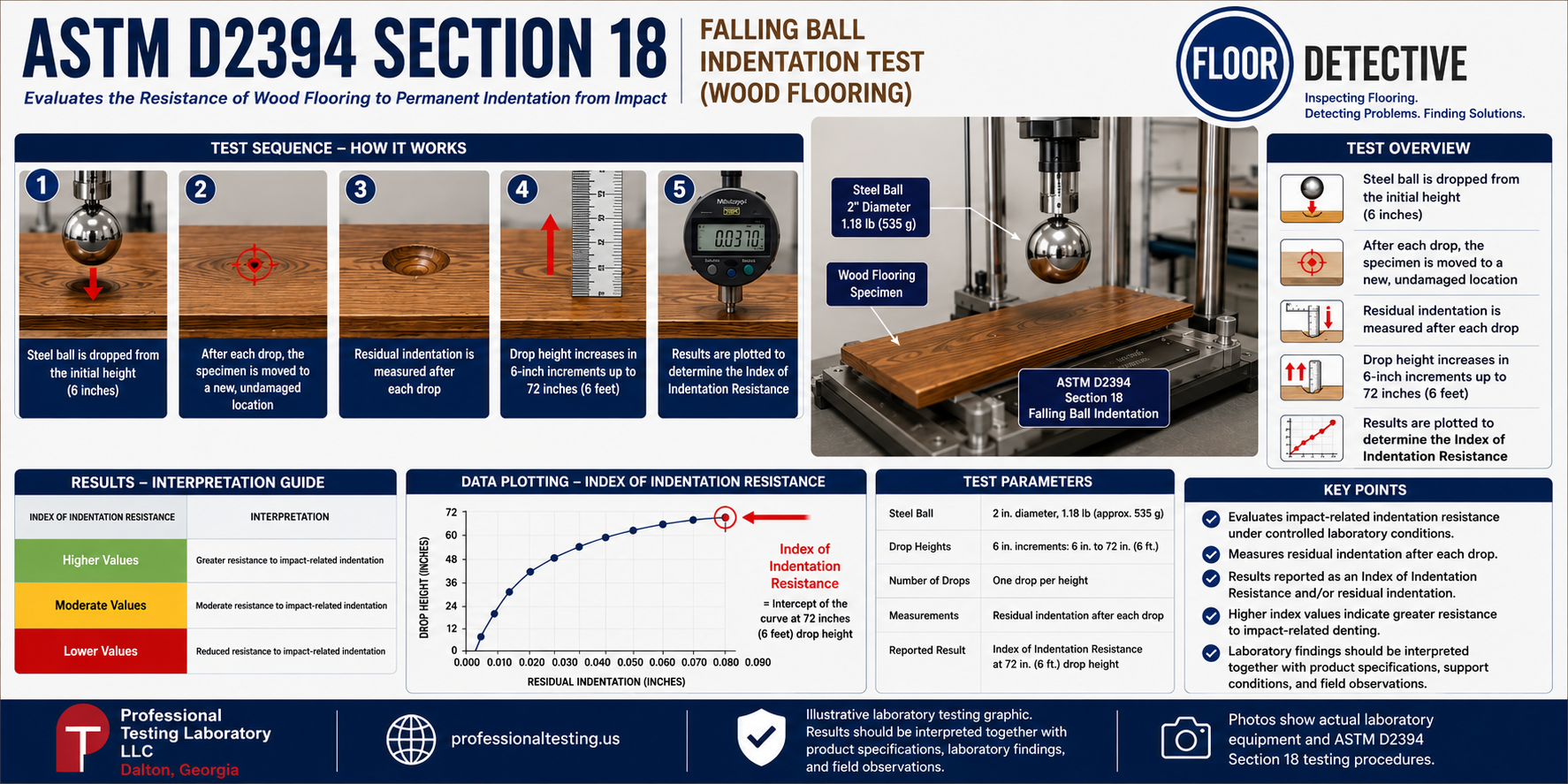
ASTM D2394 Section 18 evaluates wood flooring indentation resistance using controlled falling-ball impact testing.
Read More
ASTM D2394 Section 18 Falling Ball Indentation

ASTM F1515 Light Stability by Color Change Test
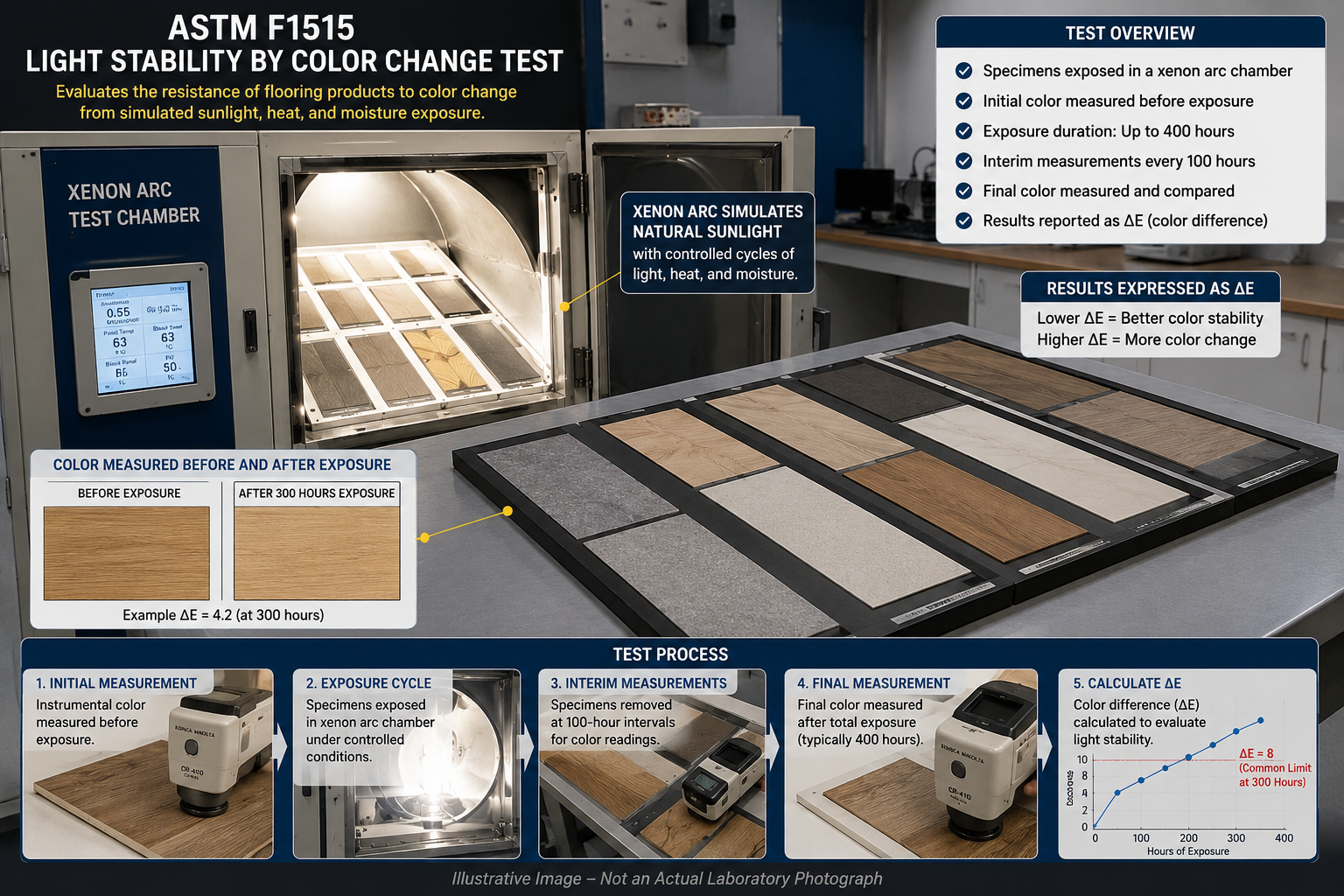
ASTM F1515 evaluates resilient flooring resistance to color change caused by simulated sunlight exposure and reports results using Delta E...
Read More
ASTM F1515 Light Stability by Color Change Test

ANSI/HPVA EF 2020 Section 4.2 – Bond Line / Three Cycle Soak Test
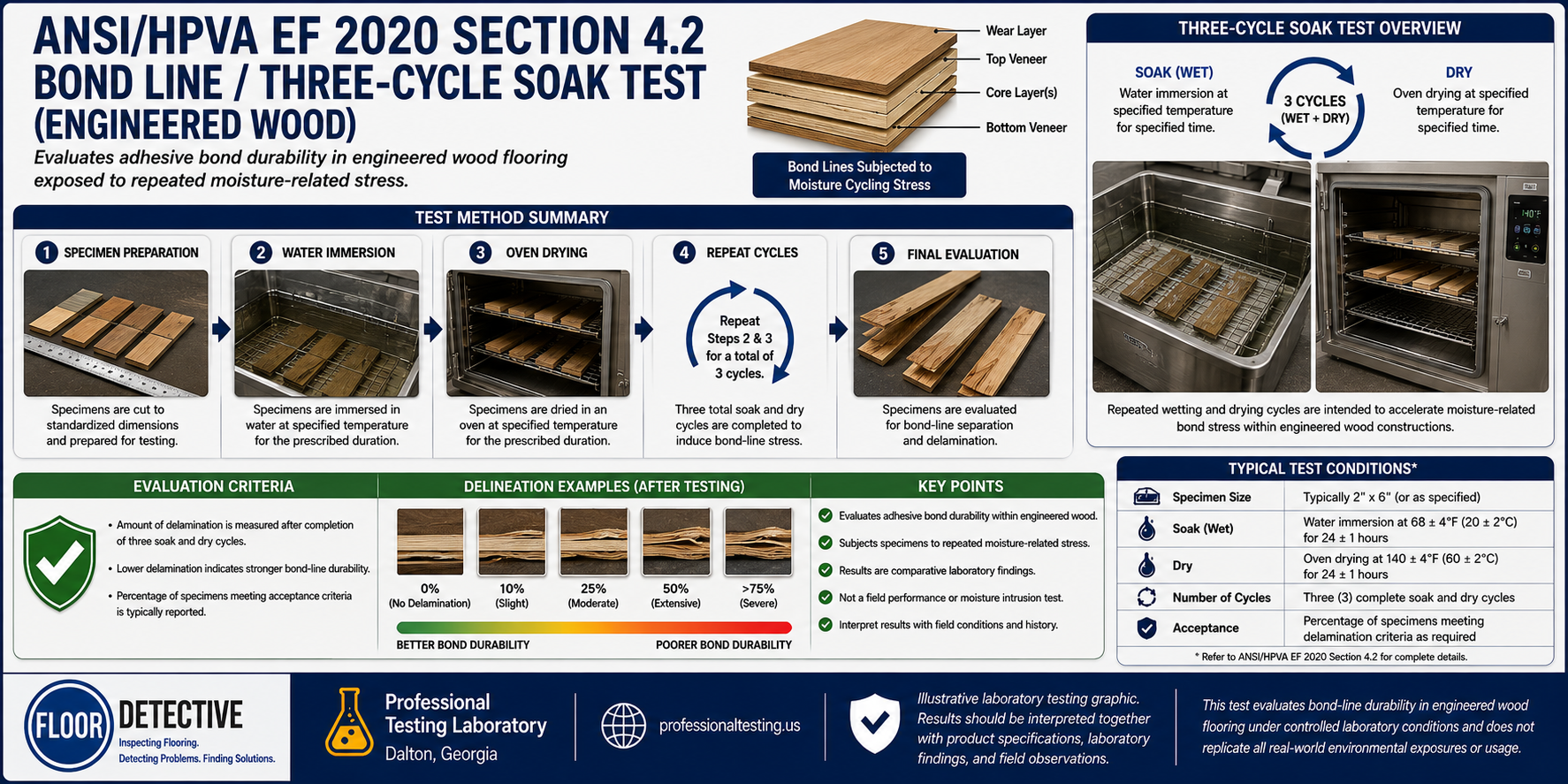
ANSI/HPVA EF 2020 bond-line testing evaluates engineered wood adhesive durability and resistance to delamination during repeated moisture cycling.
Read More
ANSI/HPVA EF 2020 Section 4.2 – Bond Line / Three Cycle Soak Test