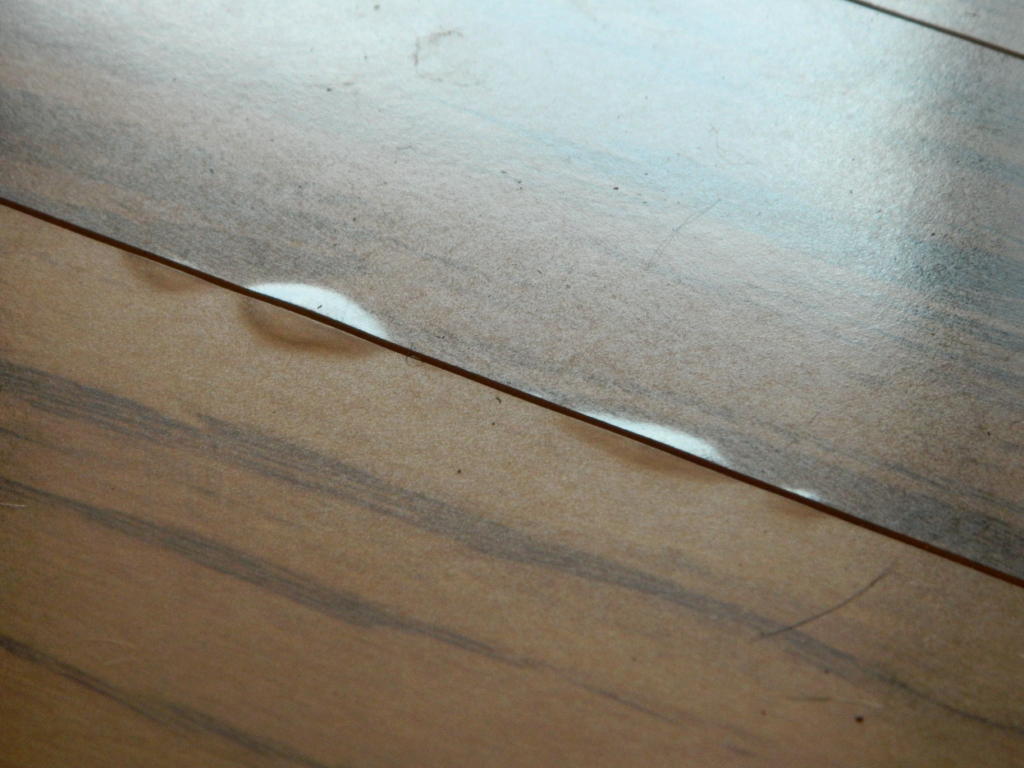
Missing Cap Sheet
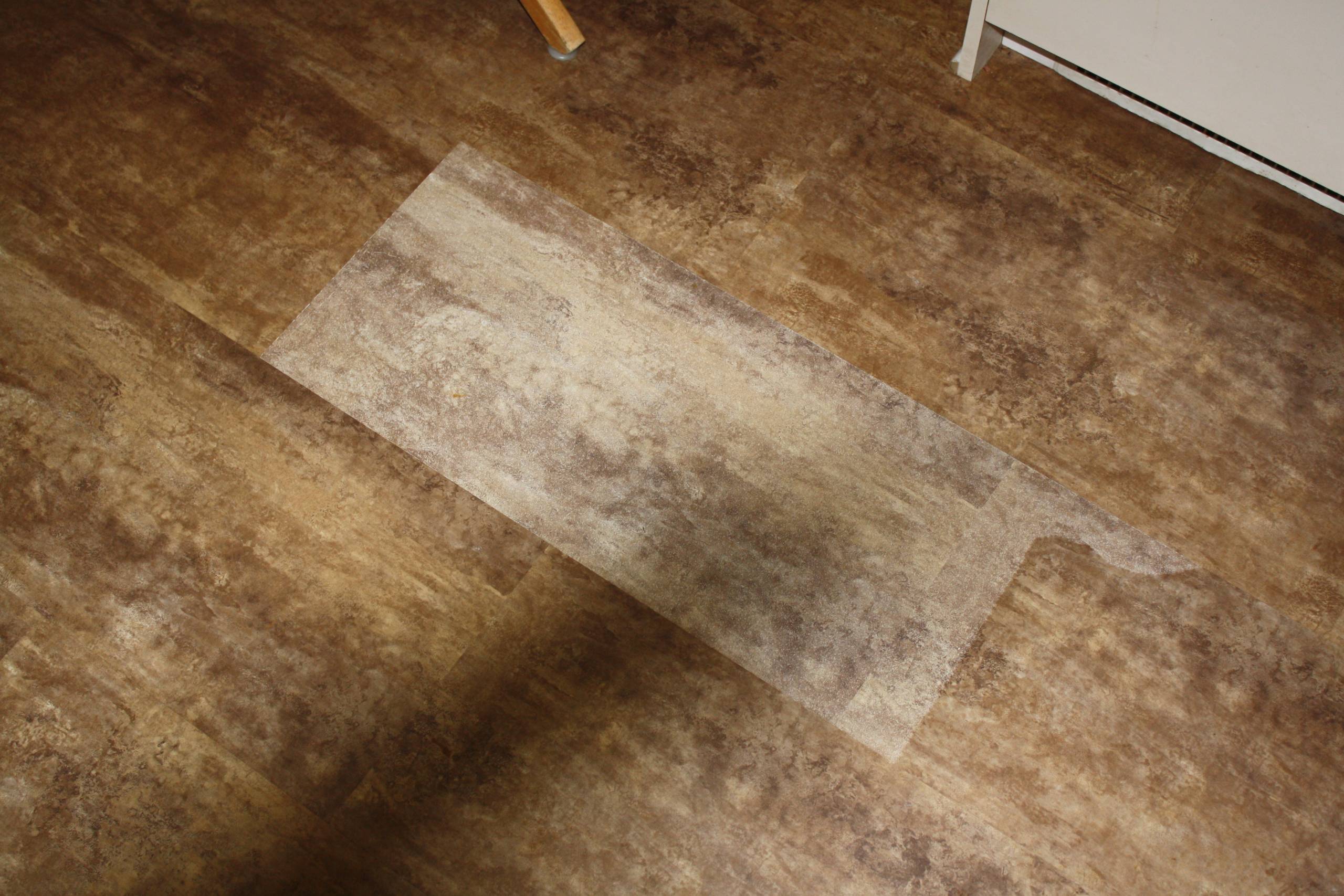
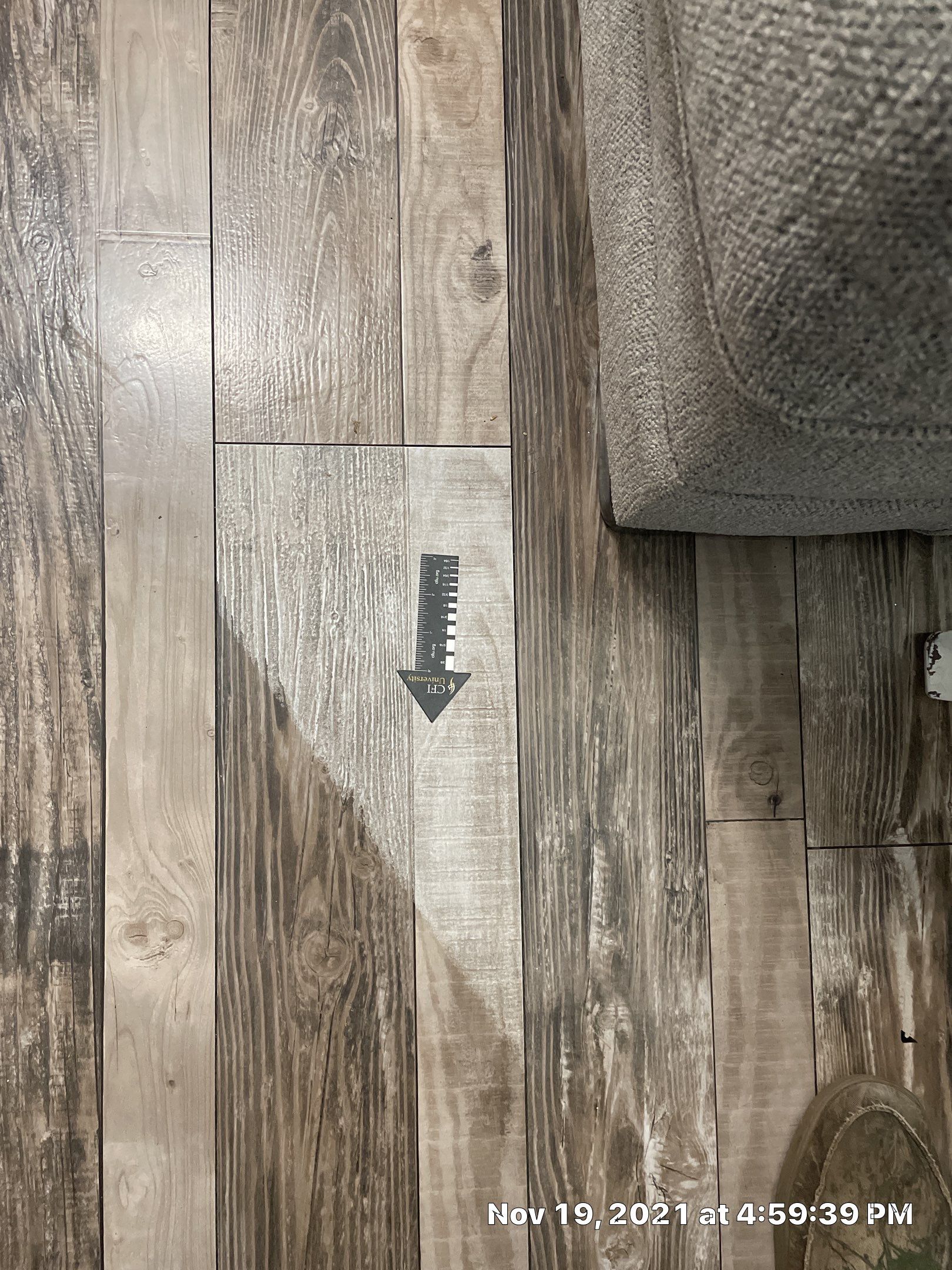
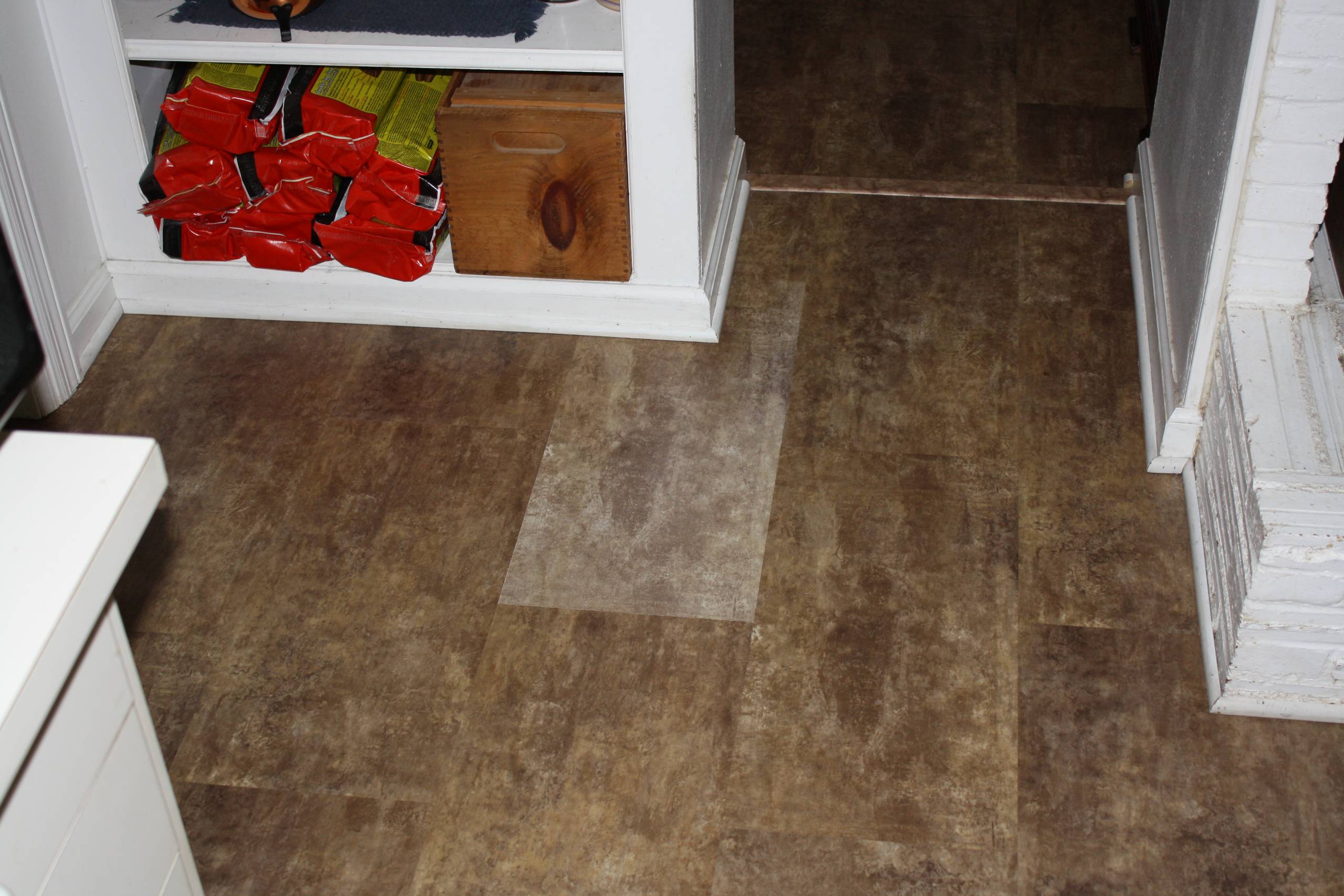
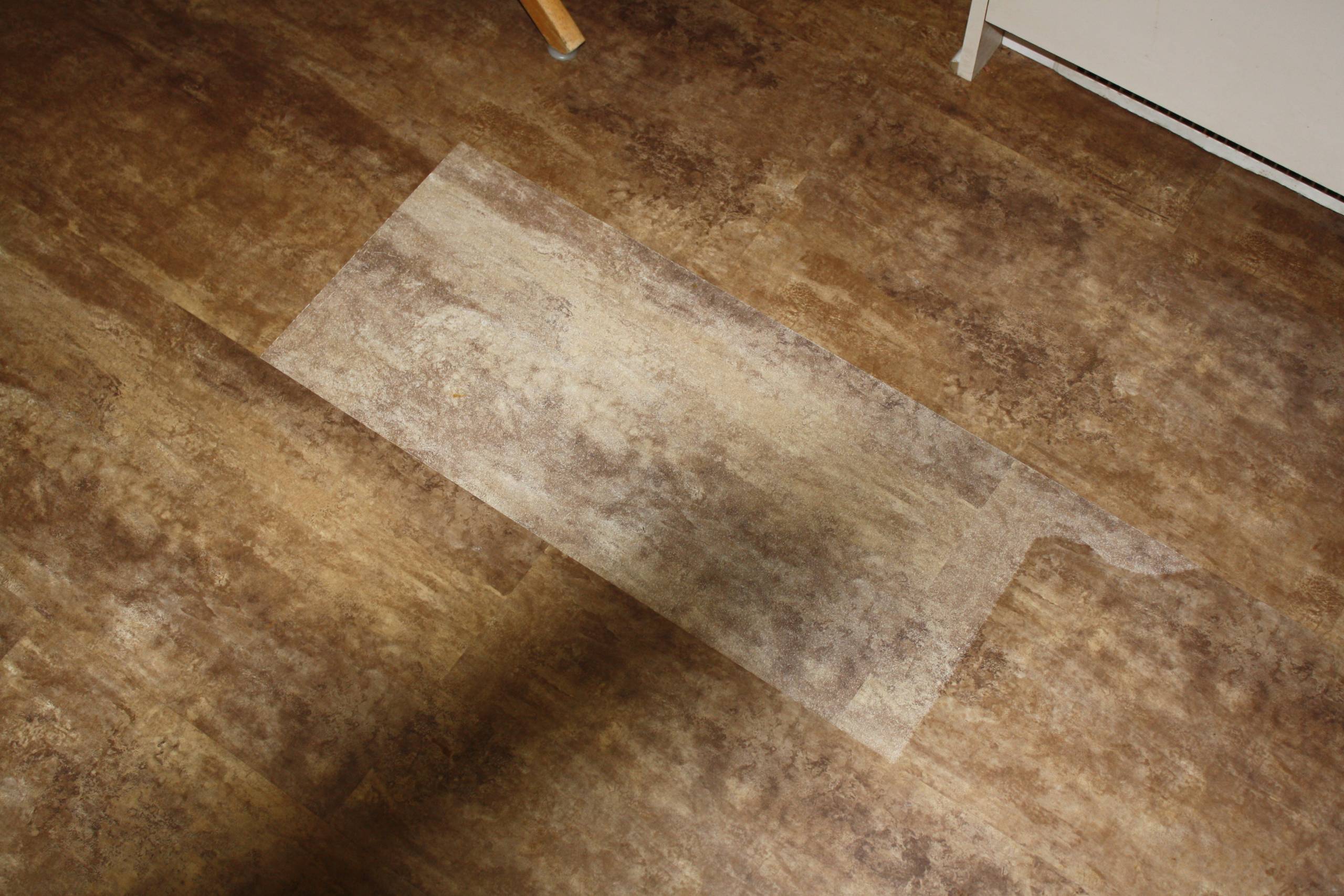
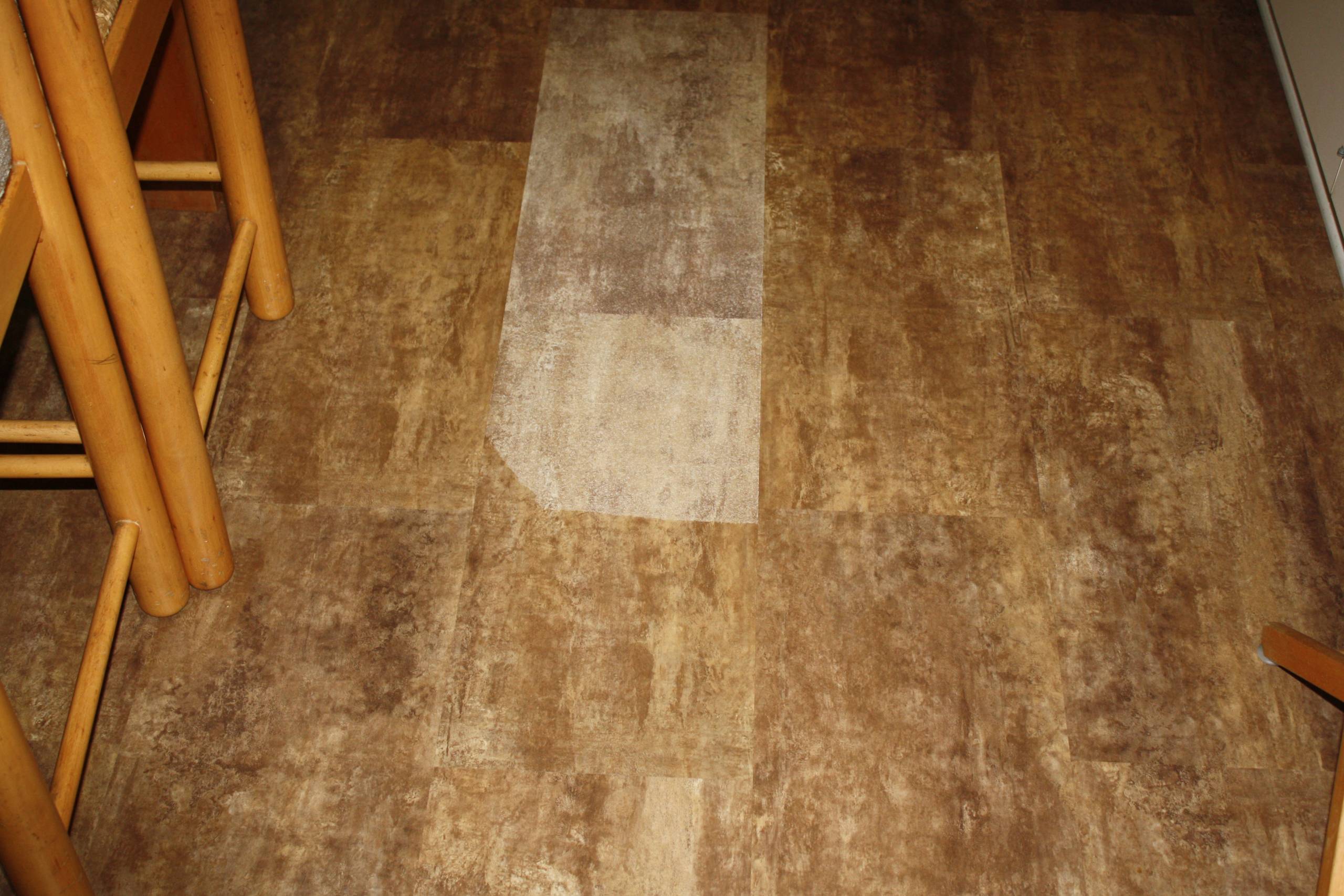
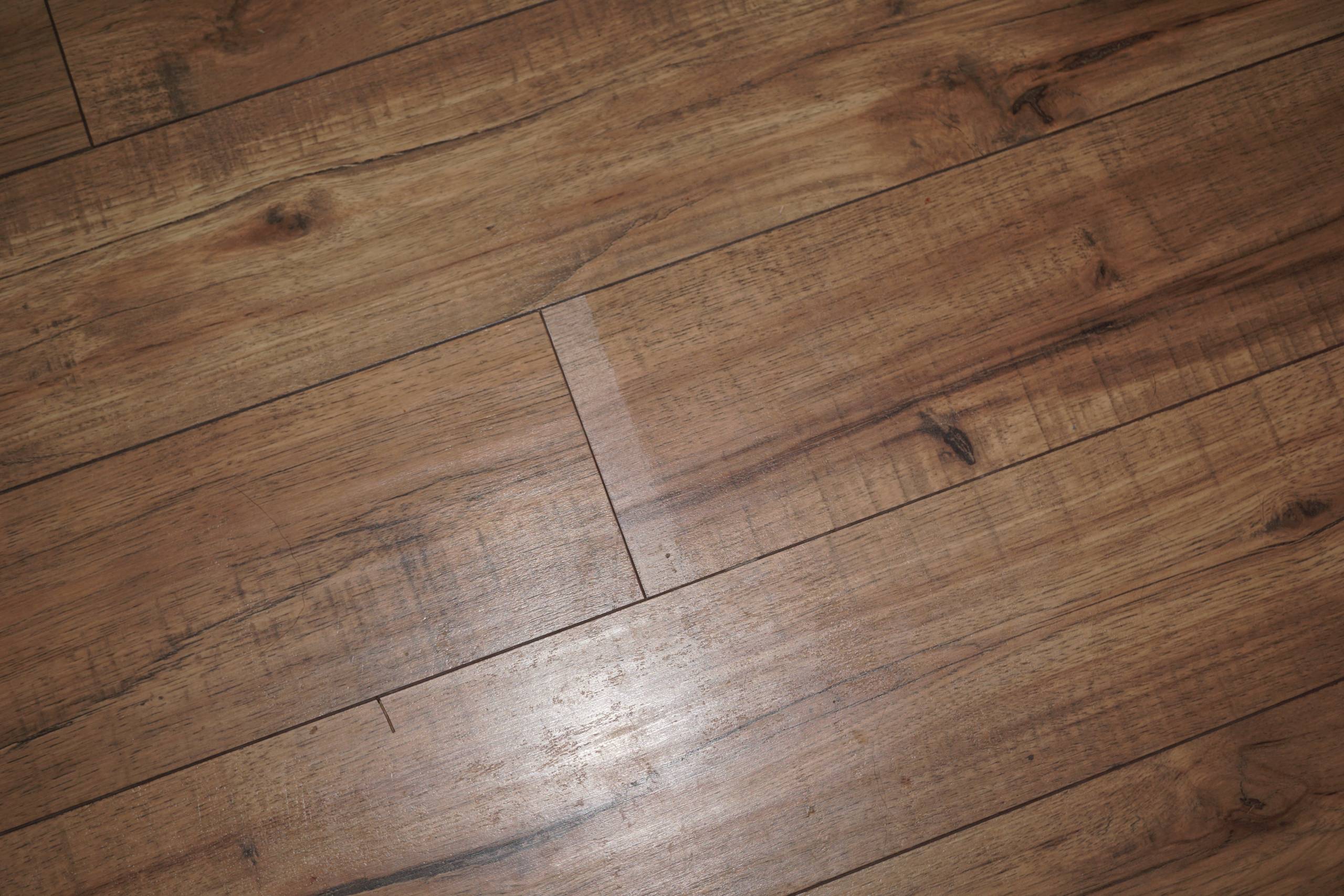
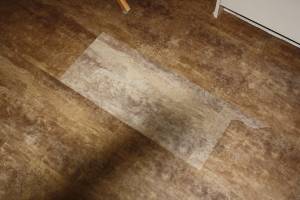
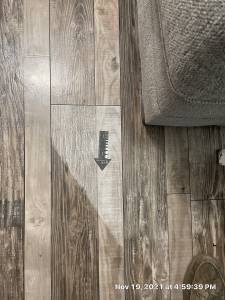
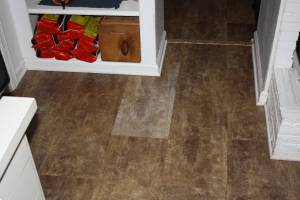
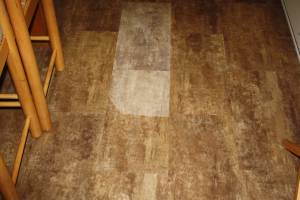
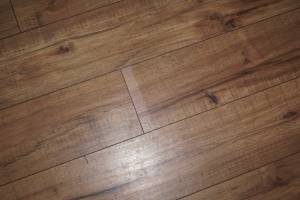
Missing Cap Sheet / Wear Layer Loss (Laminate Flooring)
Floor Detective® Claims and Conditions Guide
Summary
Missing cap sheet or wear layer loss in laminate flooring involves absence, thinning, or failure of the protective melamine overlay designed to resist abrasion and protect the decorative layer during normal service life. Laminate flooring uses a bonded wear surface, often reinforced with aluminum oxide, to provide durability against traffic, maintenance, and everyday use. When the protective overlay is missing, improperly bonded, or prematurely compromised, the decorative layer beneath may wear, lighten, whiten, or deteriorate more rapidly than expected. Affected areas may appear isolated or repeatable and are sometimes sharply different from surrounding planks. Accelerated wear alone does not independently establish missing cap sheet because traffic exposure, maintenance practices, environmental conditions, and abrasive contamination may also influence surface deterioration. Proper interpretation requires correlation of surface morphology, distribution pattern, service exposure, and comparative material evaluation before conclusions are reached. See also Maintenance-Related Conditions, Melamine Wear Layer Loss, and Laminate Problems for broader context.
Laminate Problems
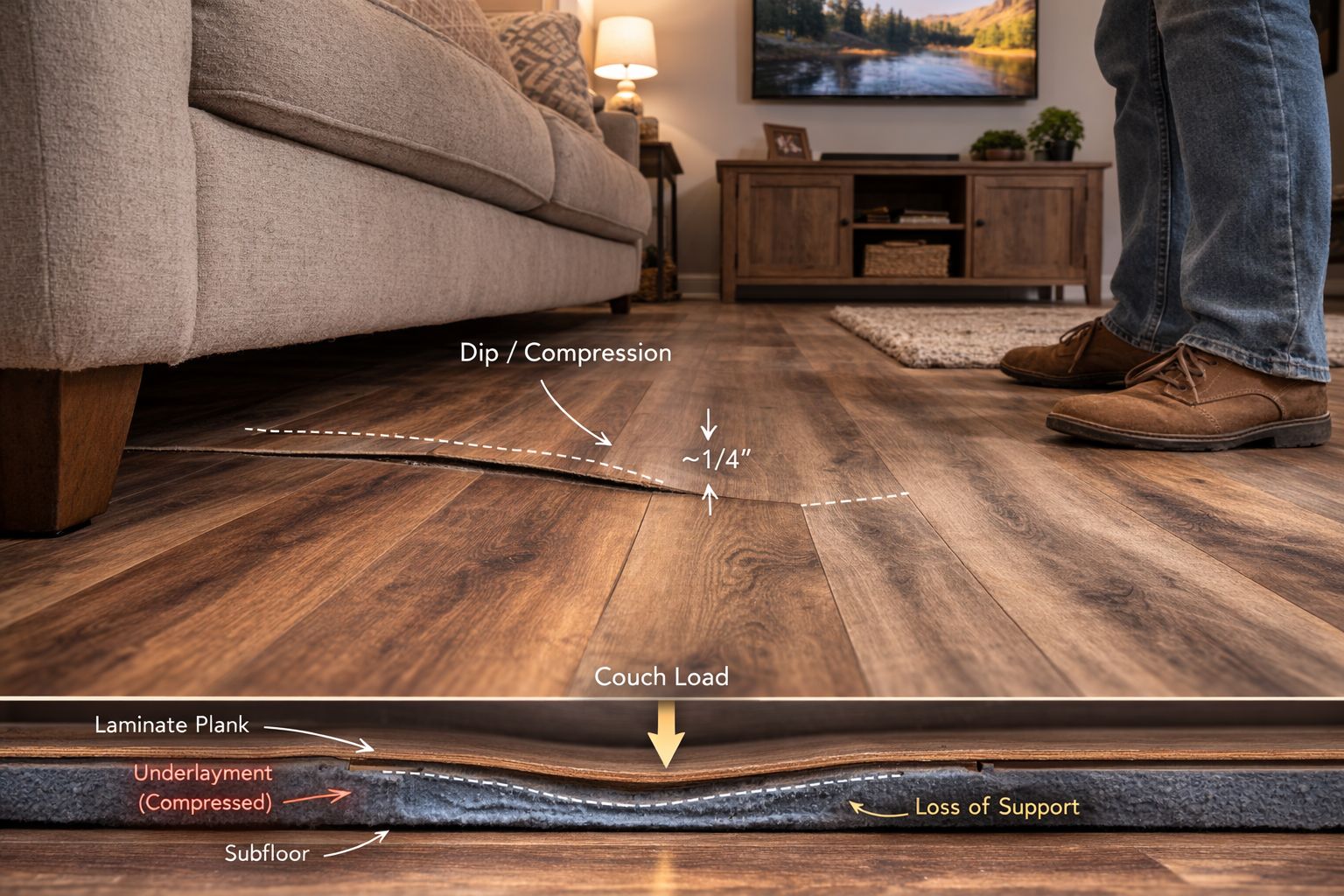
Underlayment Compression / Support Loss (Laminate)
Static Electricity Generation (Laminate)

Pattern Repeat / Visual Repetition (Laminate Flooring)
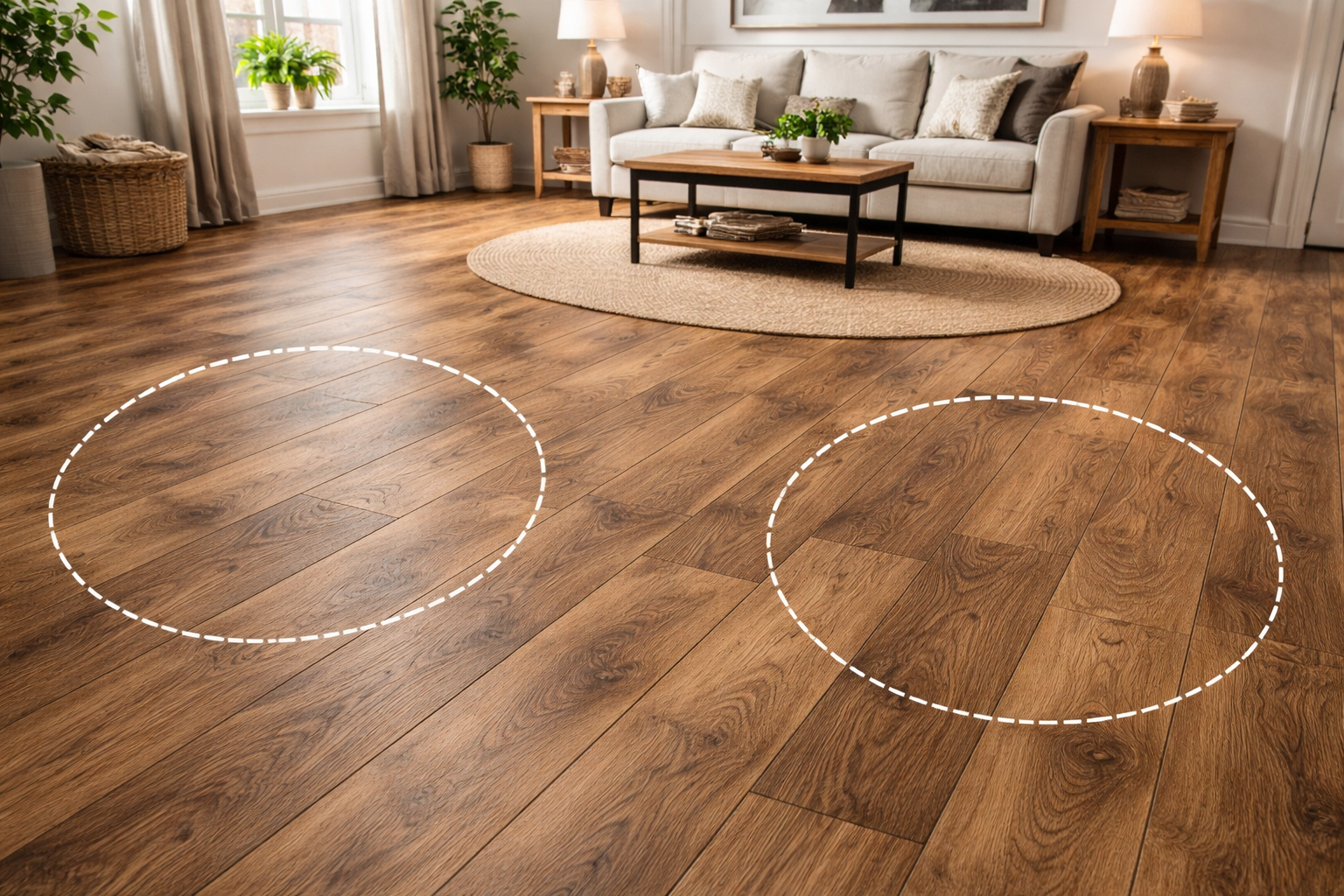
Color Lot Variation (Laminate)
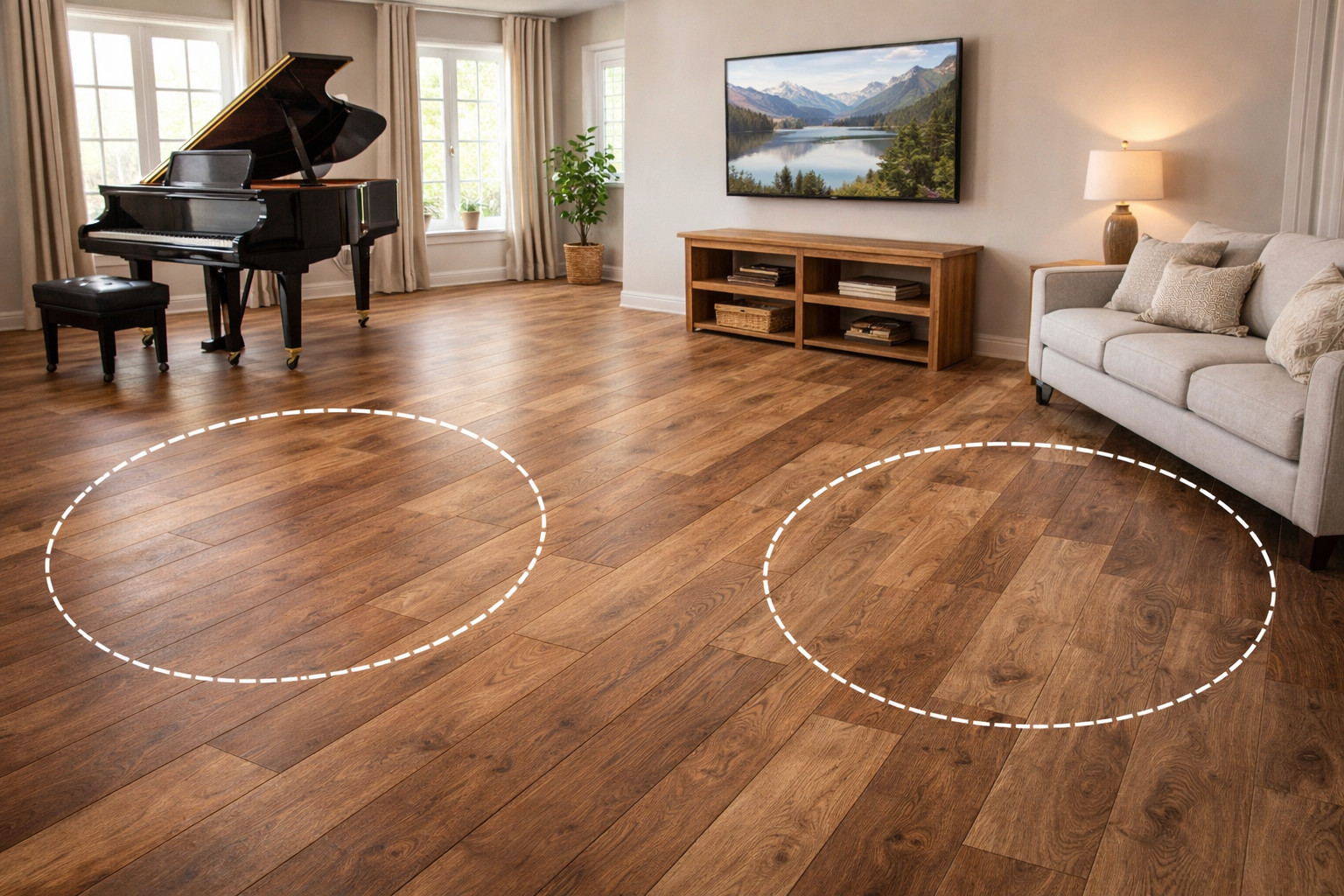
Locking Edge Crushing / Over-Tapping Damage (Laminate)
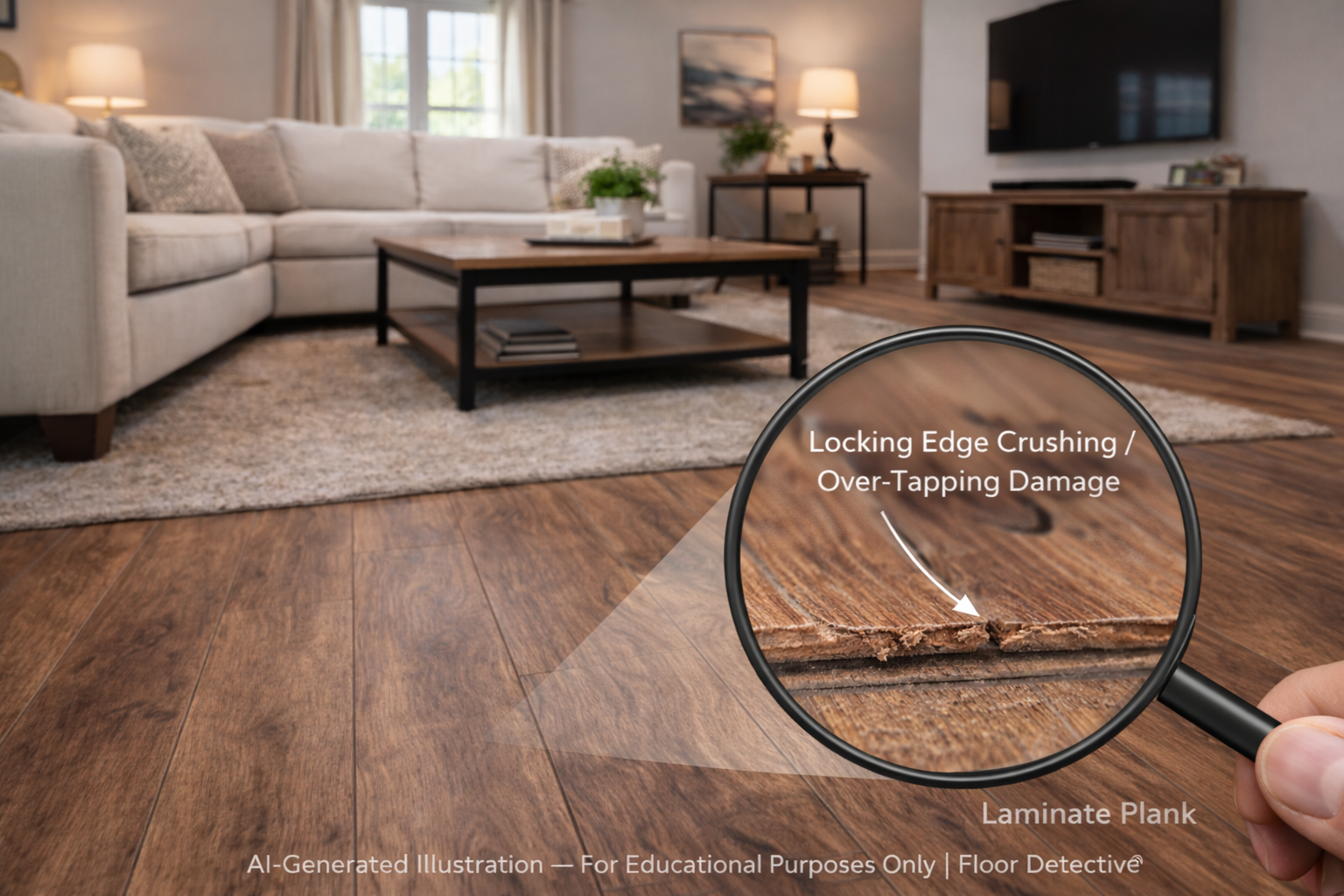
Edge Swell From Environmental Humidity (Laminate)
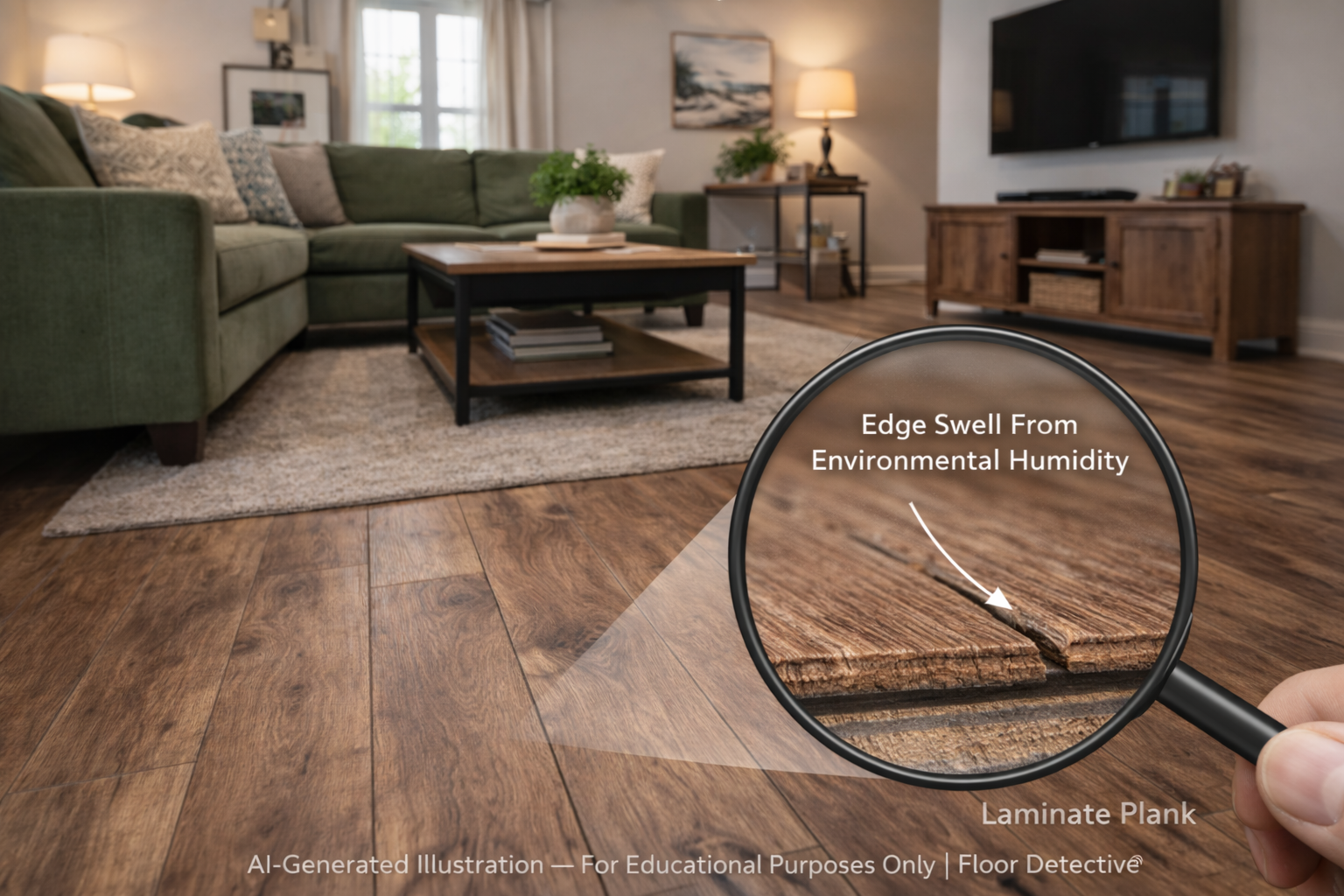
Surface Whitening from Topical Moisture Entrapment
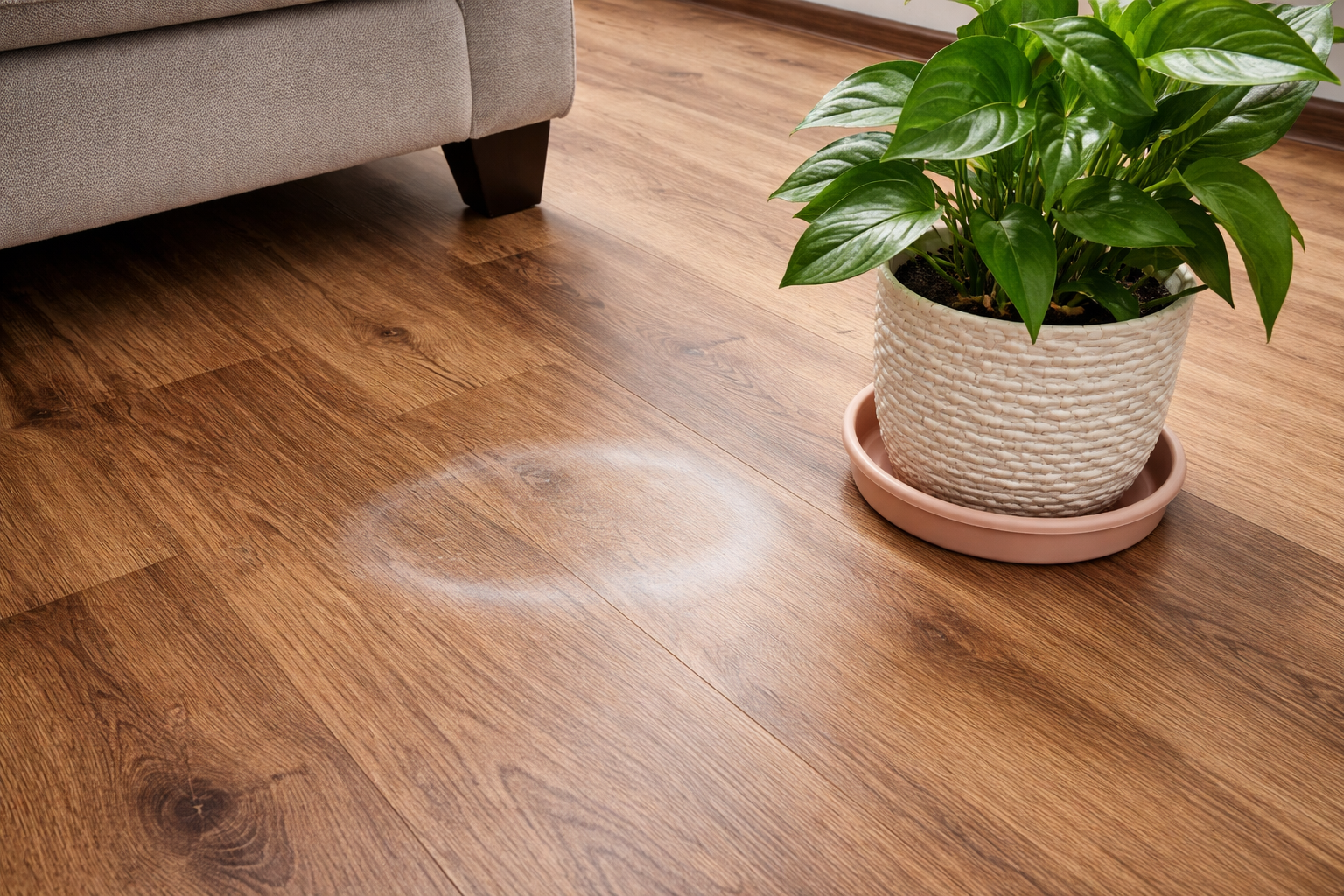
Hollow Sound / Acoustic Resonance (Laminate)coincidence whipping melt
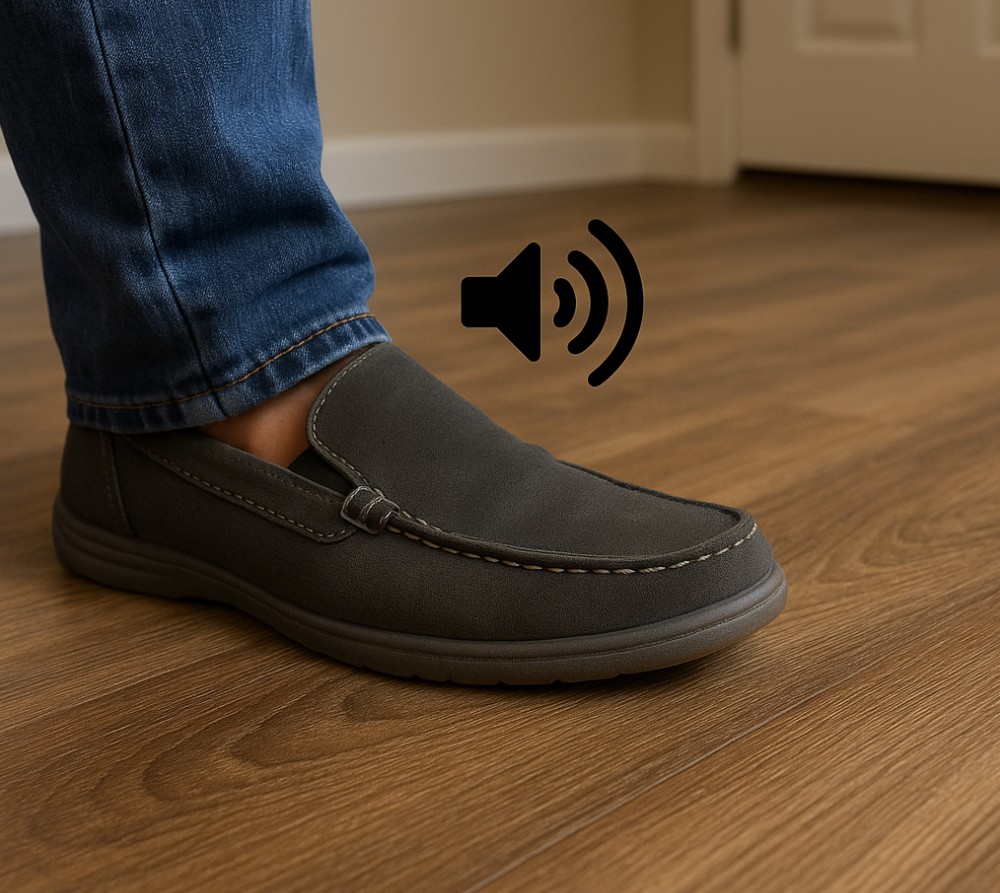
Vertical Movement / Deflection (Laminate