
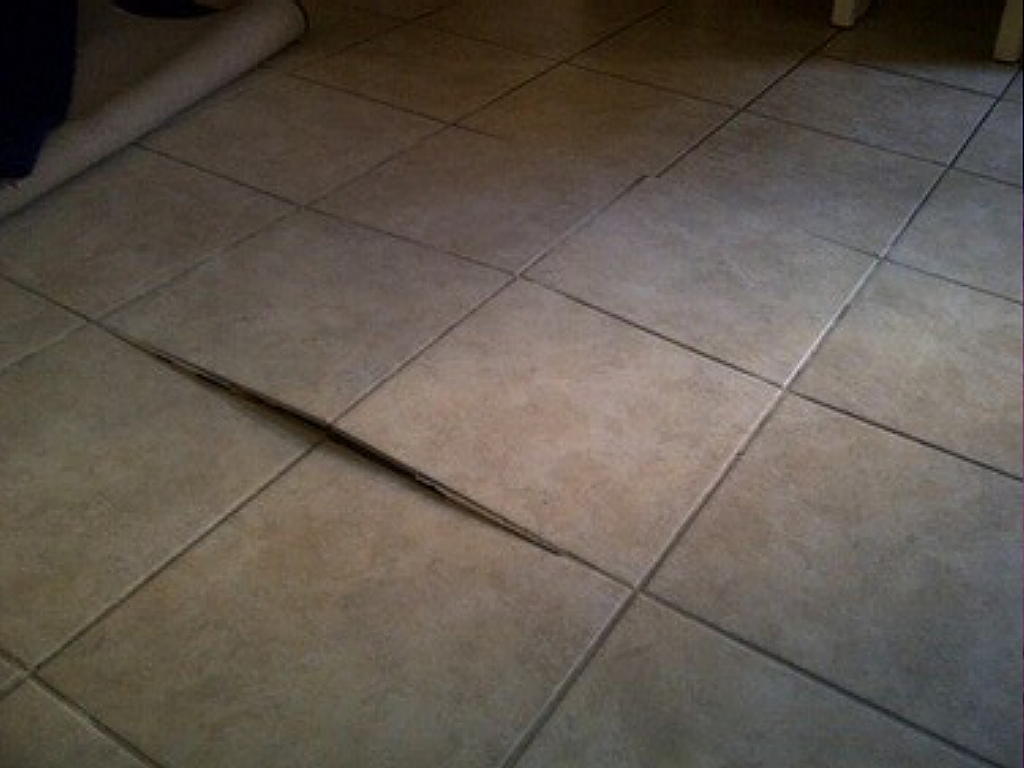
Workmanship Troweling Techniques
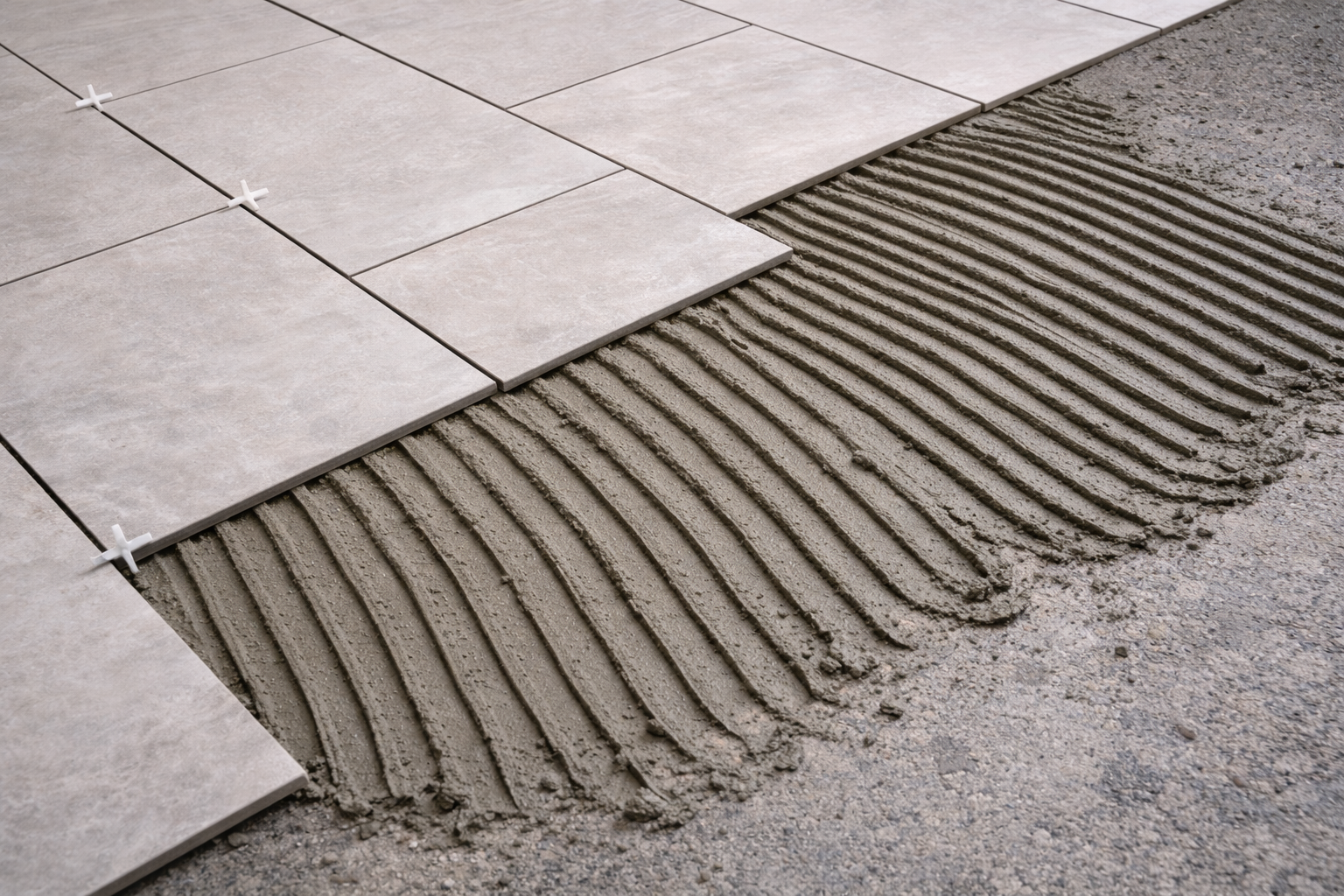
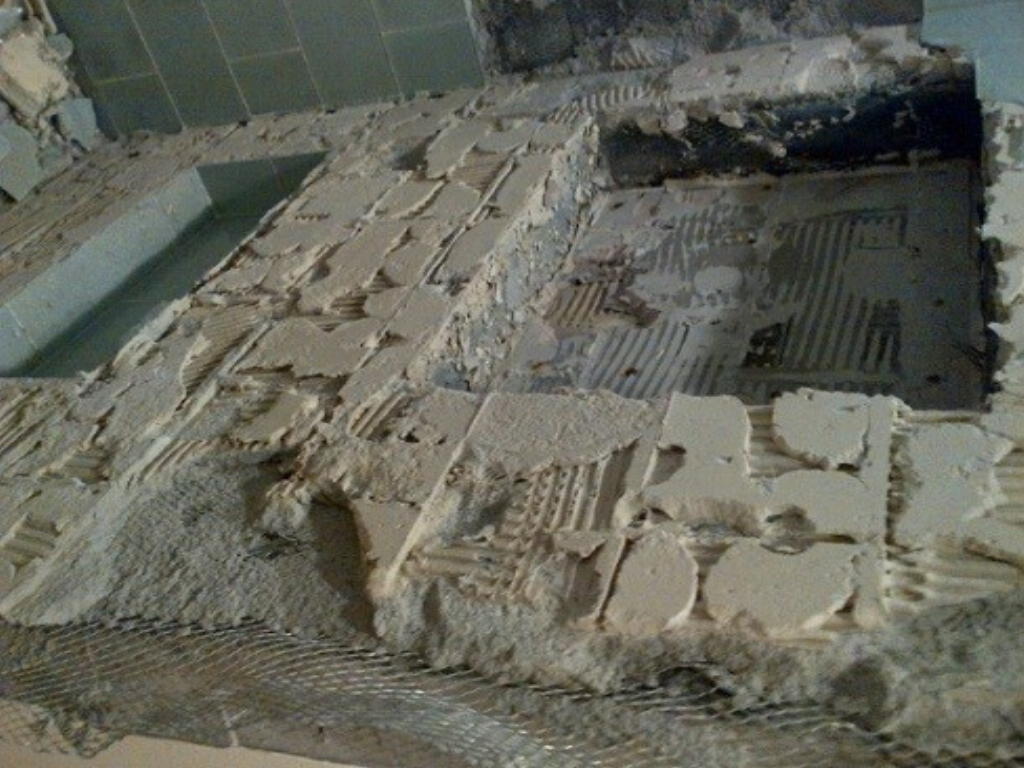
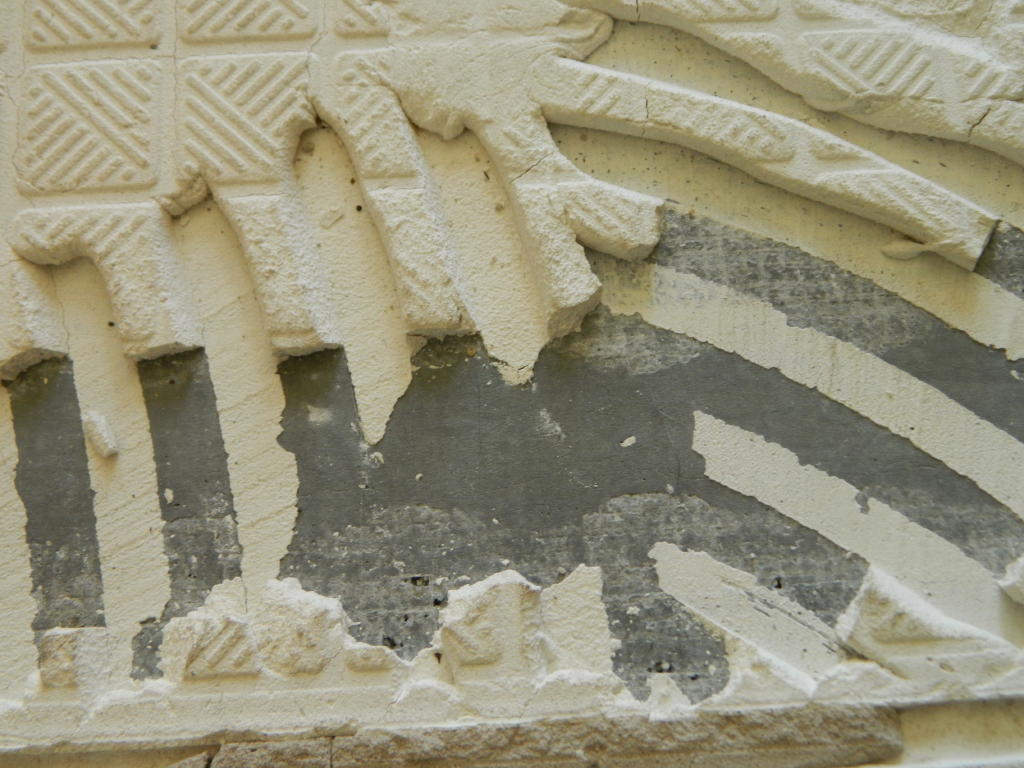
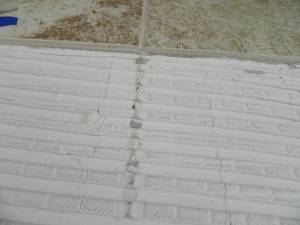
Workmanship – Troweling Techniques (Tile)
Floor Detective® Claims and Conditions Guide
Summary
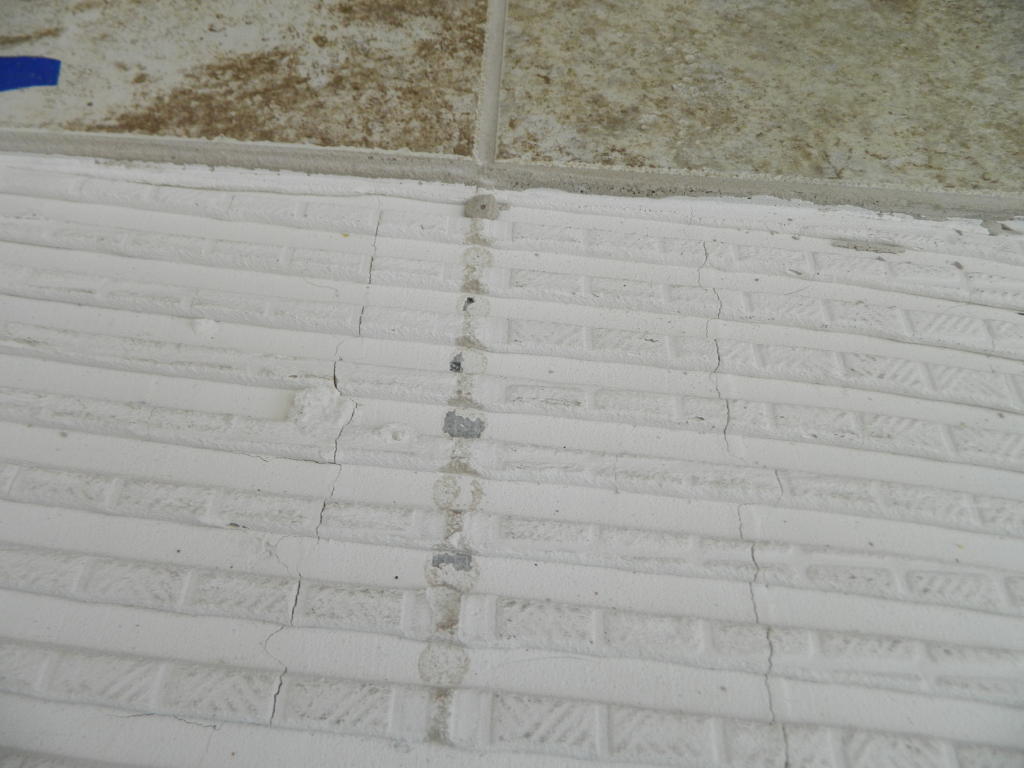
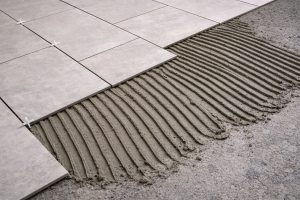
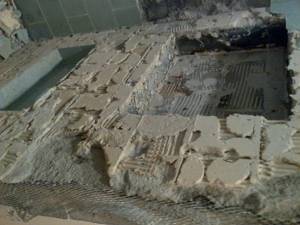
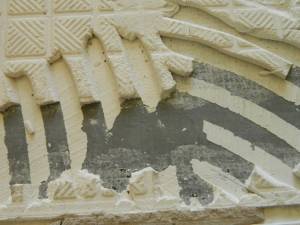
Troweling technique is a workmanship-related factor that directly influences mortar coverage, tile support, and long-term bond performance in ceramic and stone tile installations. Improper ridge orientation, inadequate ridge collapse, trapped air beneath the tile, or insufficient mortar contact may contribute to unsupported edges or corners, hollow-sounding areas, excessive lippage, cracking, or loss of bond integrity. These conditions are commonly associated with mortar application methods, tile embedding practices, substrate flatness, mortar open time, or installation technique rather than defects in the tile itself. Evaluation focuses on observable field conditions and comparison to recognized industry-supported installation principles applicable at the time of installation. See also Lippage, Warpage (Tile), and Tile and Stone Floor Problems.

Wet Tile Slip Resistance and Surface Traction
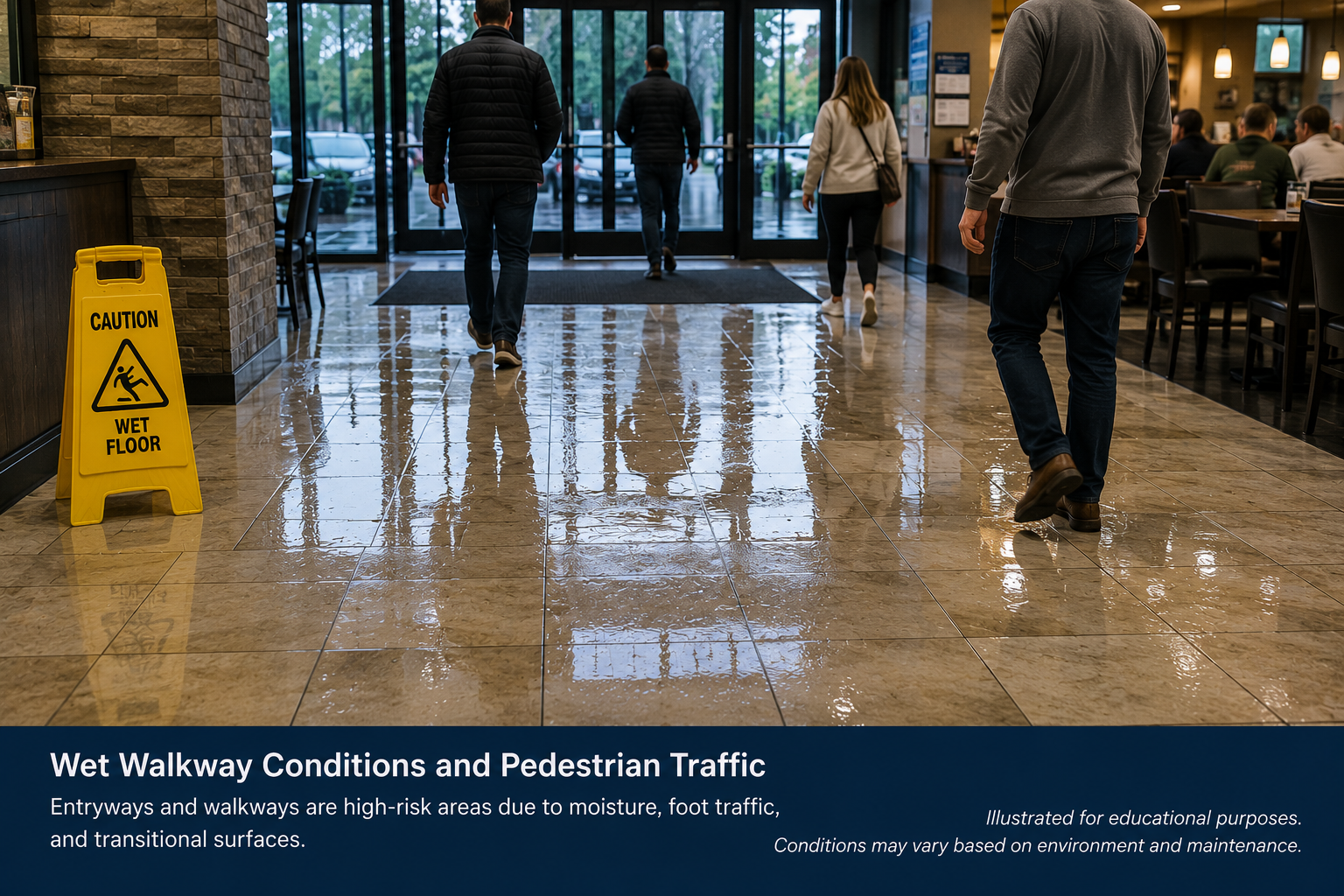
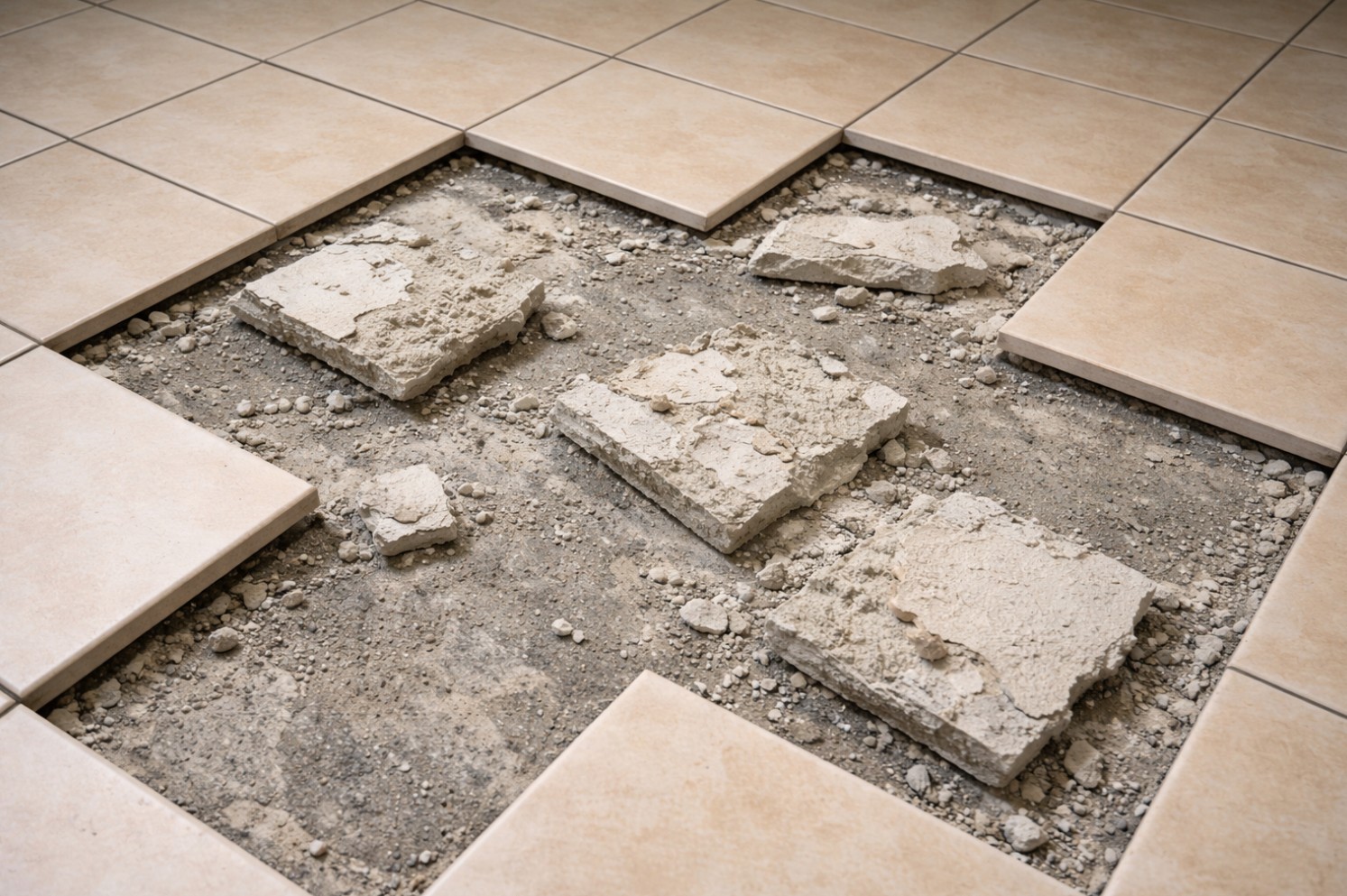
Tile and Stone Floor Problems
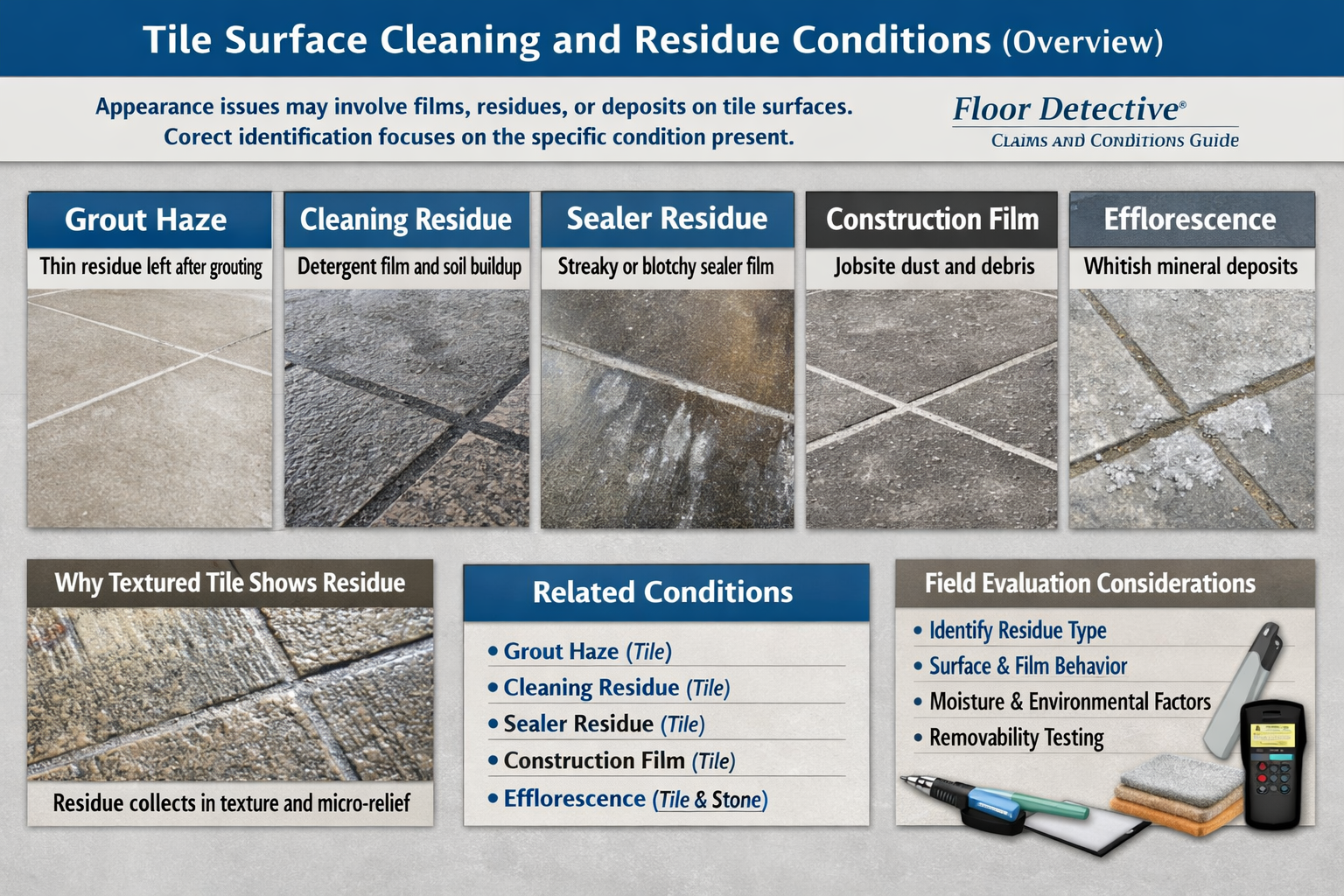
Tile Surface Cleaning and Residue Conditions (Overview)
Surface Chipping (Ceramic Tile)
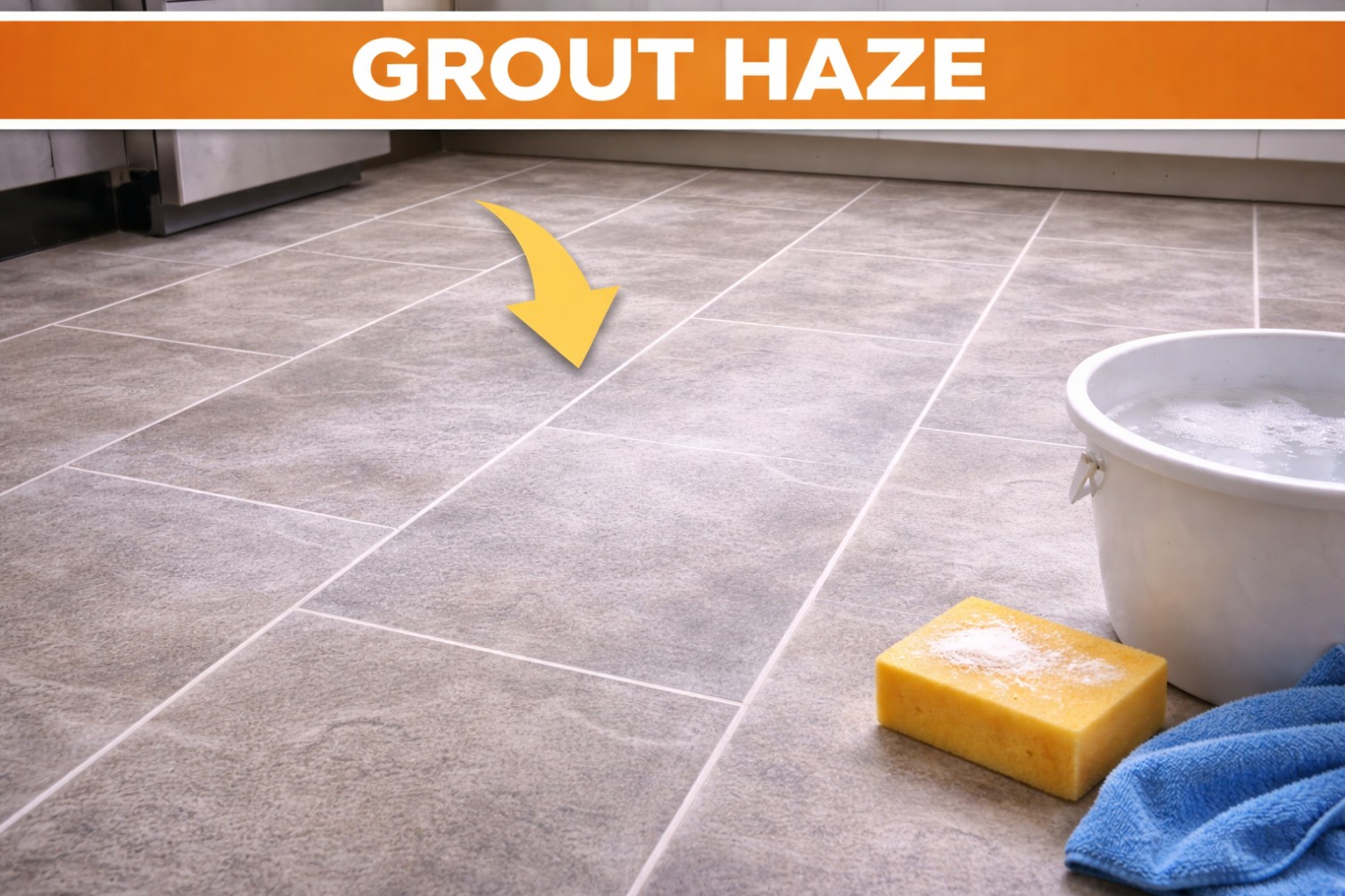
Grout Haze (Tile)
Cracked Corners

Outdoor Natural Stone Deterioration (Exterior Stone)

Grout – Pin Holes

Saltillo Tile Lime Pops

Travertine Tile Properties
