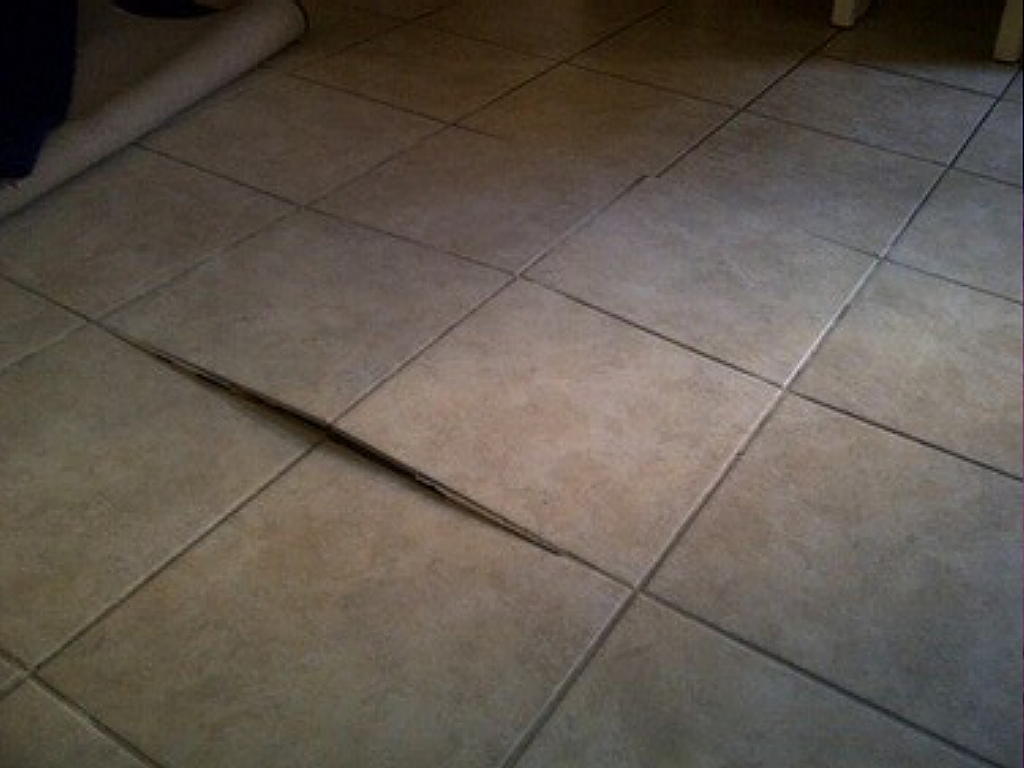
Outdoor Natural Stone Deterioration (Exterior Stone)

Travertine Tile Deterioration
24-Nov 08 2023 11_09am-hy8R
80-Nov 08 2023 11_40am-EVSz
40-Nov 08 2023 11_12am-amMs
72-Nov 08 2023 11_38am-jCWQ
37-Nov 08 2023 11_11am-p6ak
60-Nov 08 2023 11_17am-j1bw
27-Nov 08 2023 11_09am-j3Ki
35-Nov 08 2023 11_11am-b66j
24-Nov 08 2023 11_09am-hy8R 80-Nov 08 2023 11_40am-EVSz 40-Nov 08 2023 11_12am-amMs 72-Nov 08 2023 11_38am-jCWQ 37-Nov 08 2023 11_11am-p6ak 60-Nov 08 2023 11_17am-j1bw 27-Nov 08 2023 11_09am-j3Ki 35-Nov 08 2023 11_11am-b66j

Outdoor Natural Stone Deterioration and Weathering (Exterior Stone)

Floor Detective® Claims and Conditions Guide

Summary

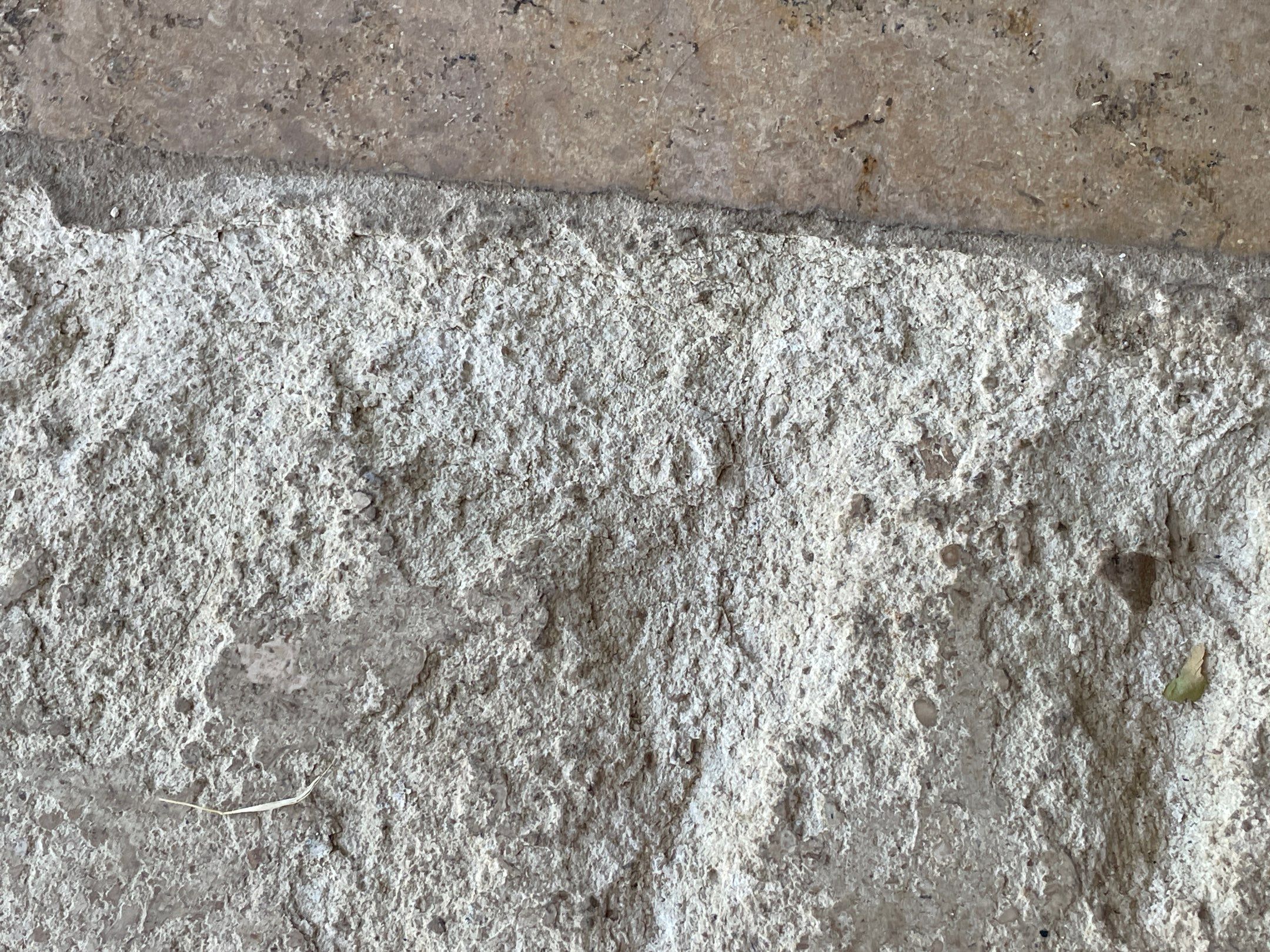
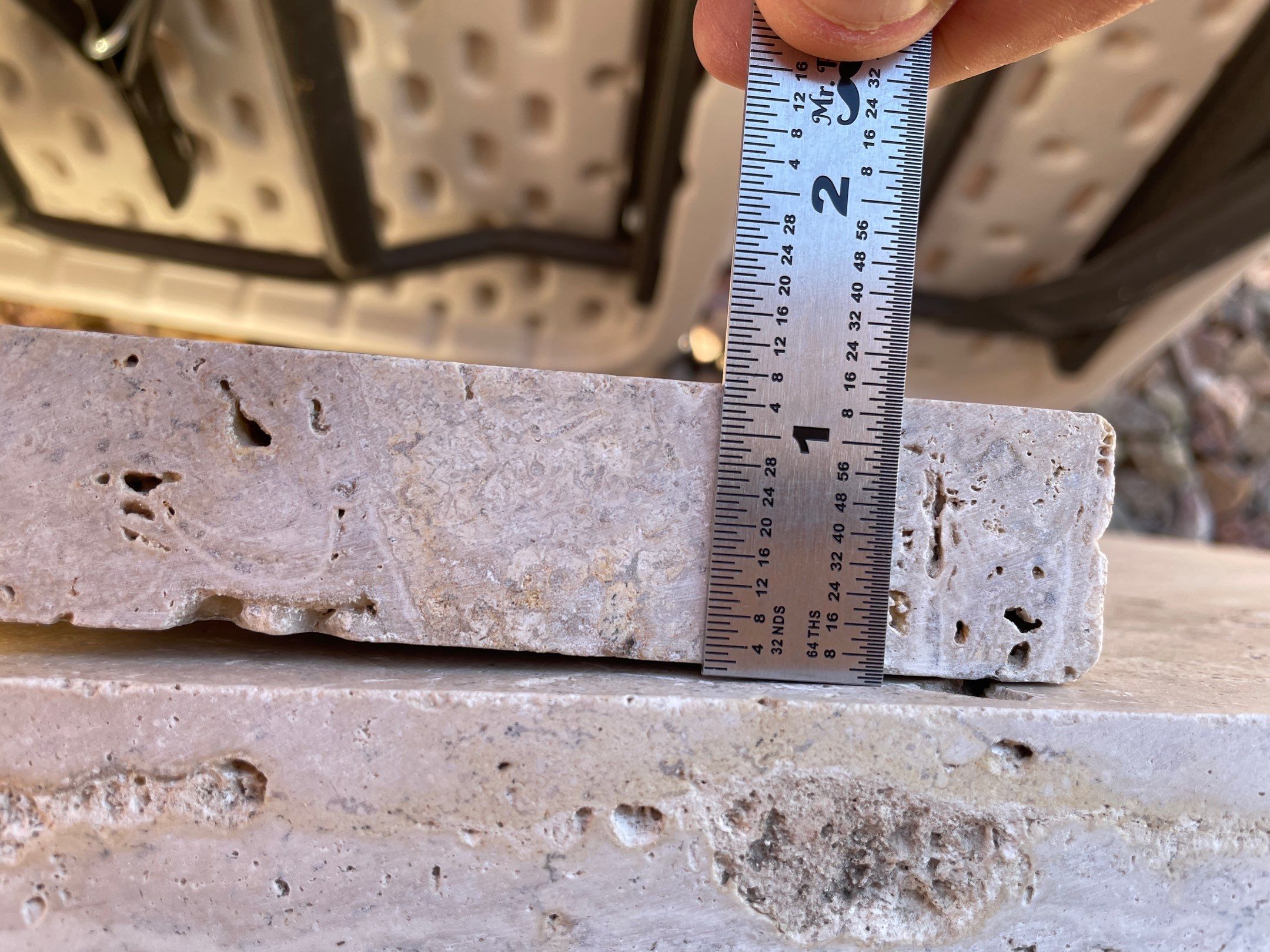
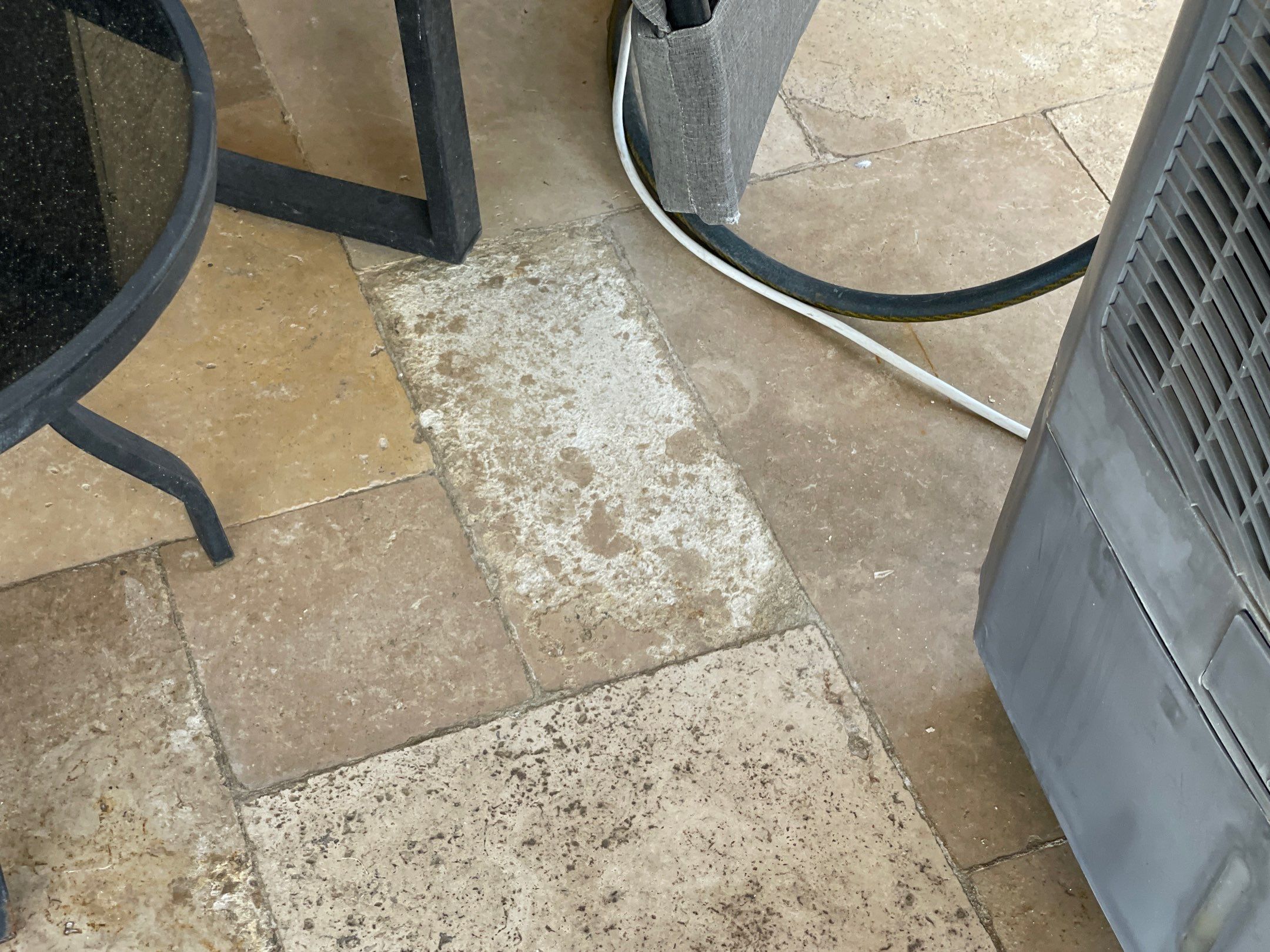
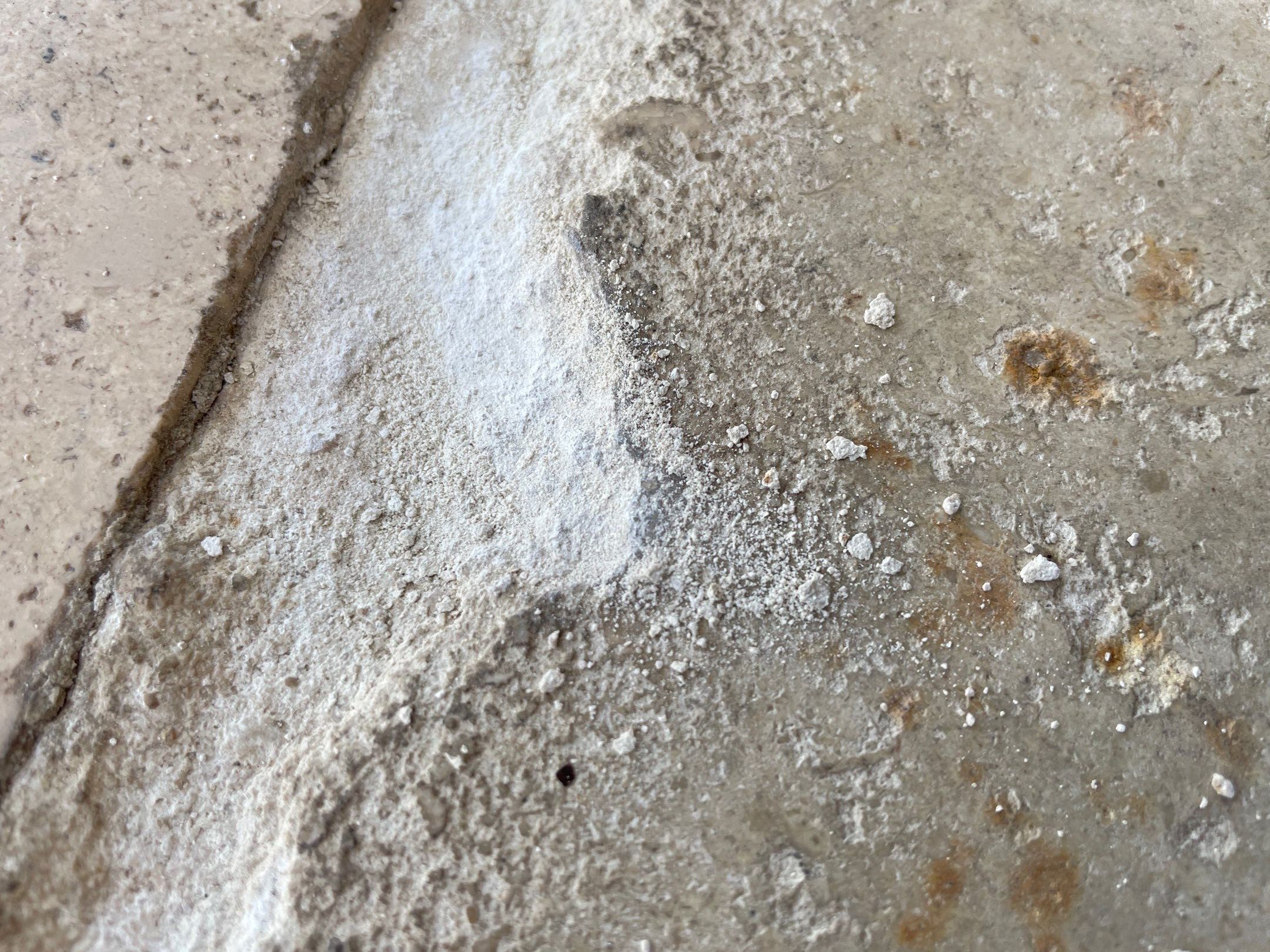
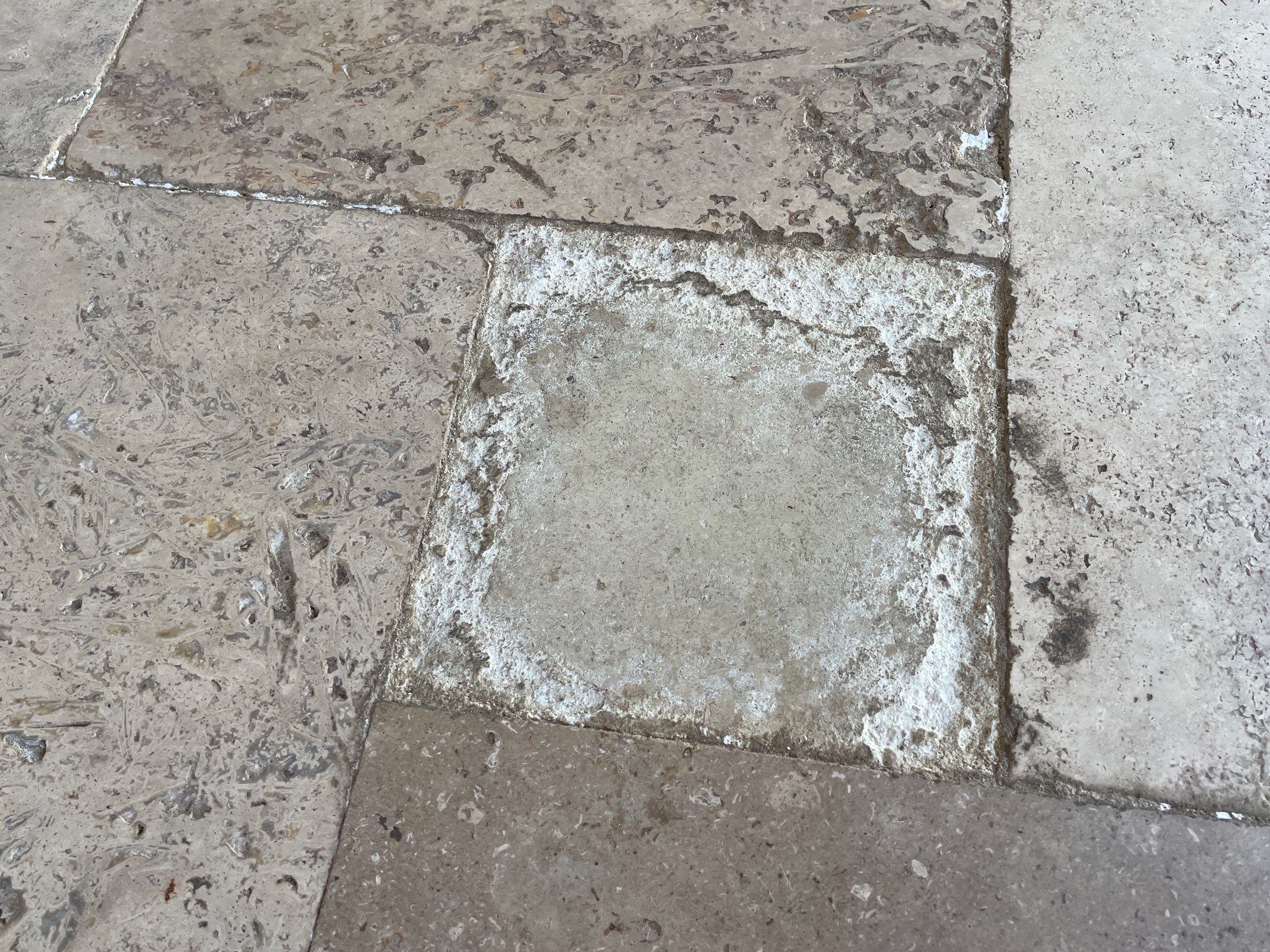
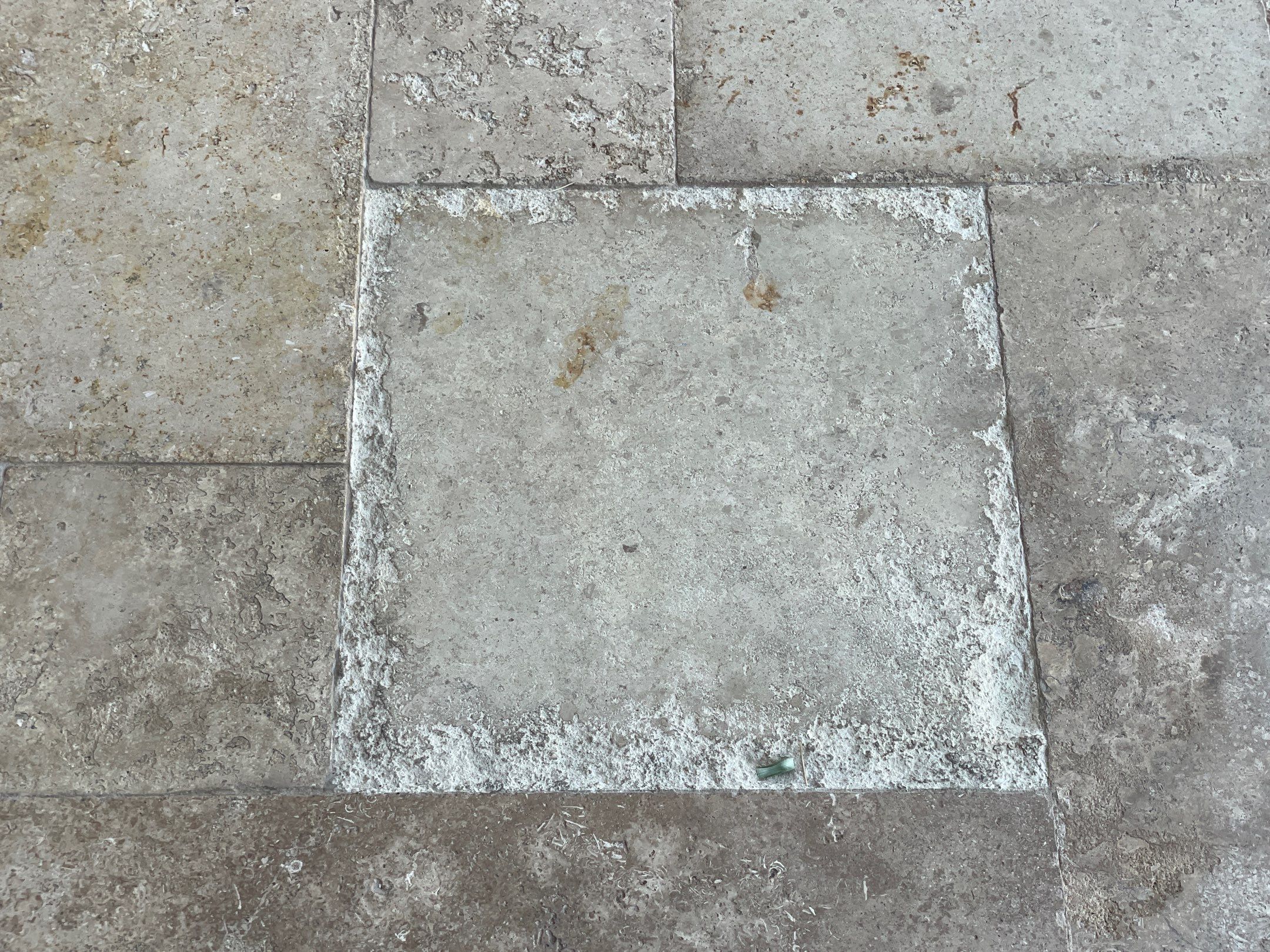
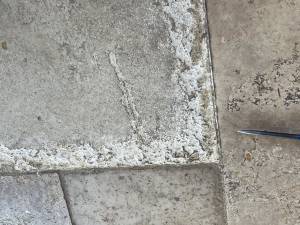
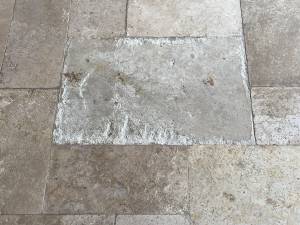
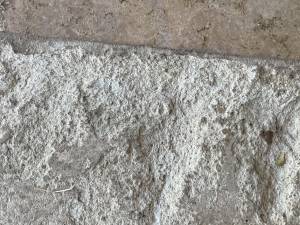
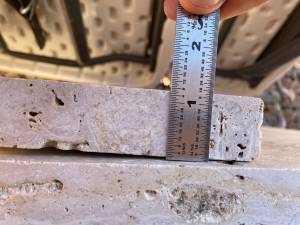
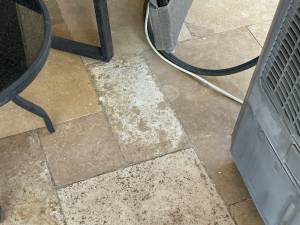
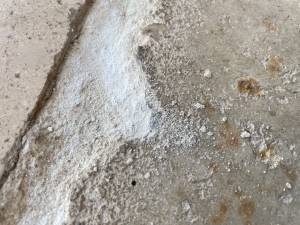
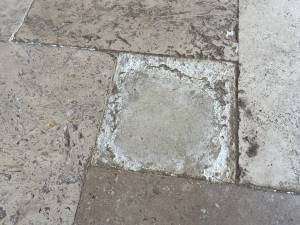
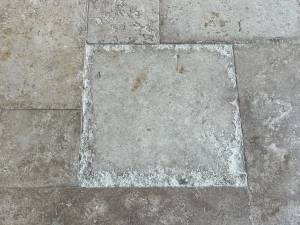
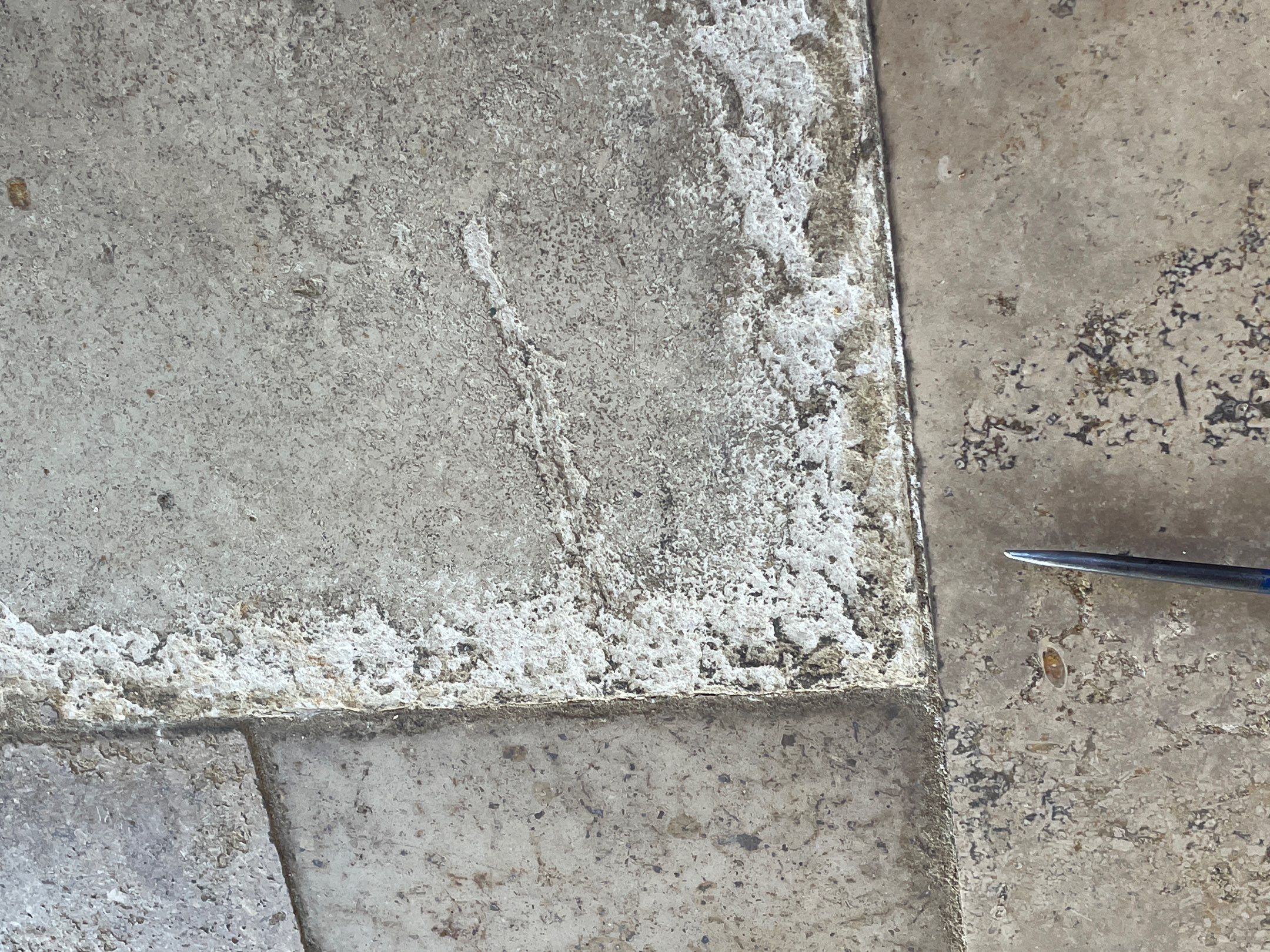
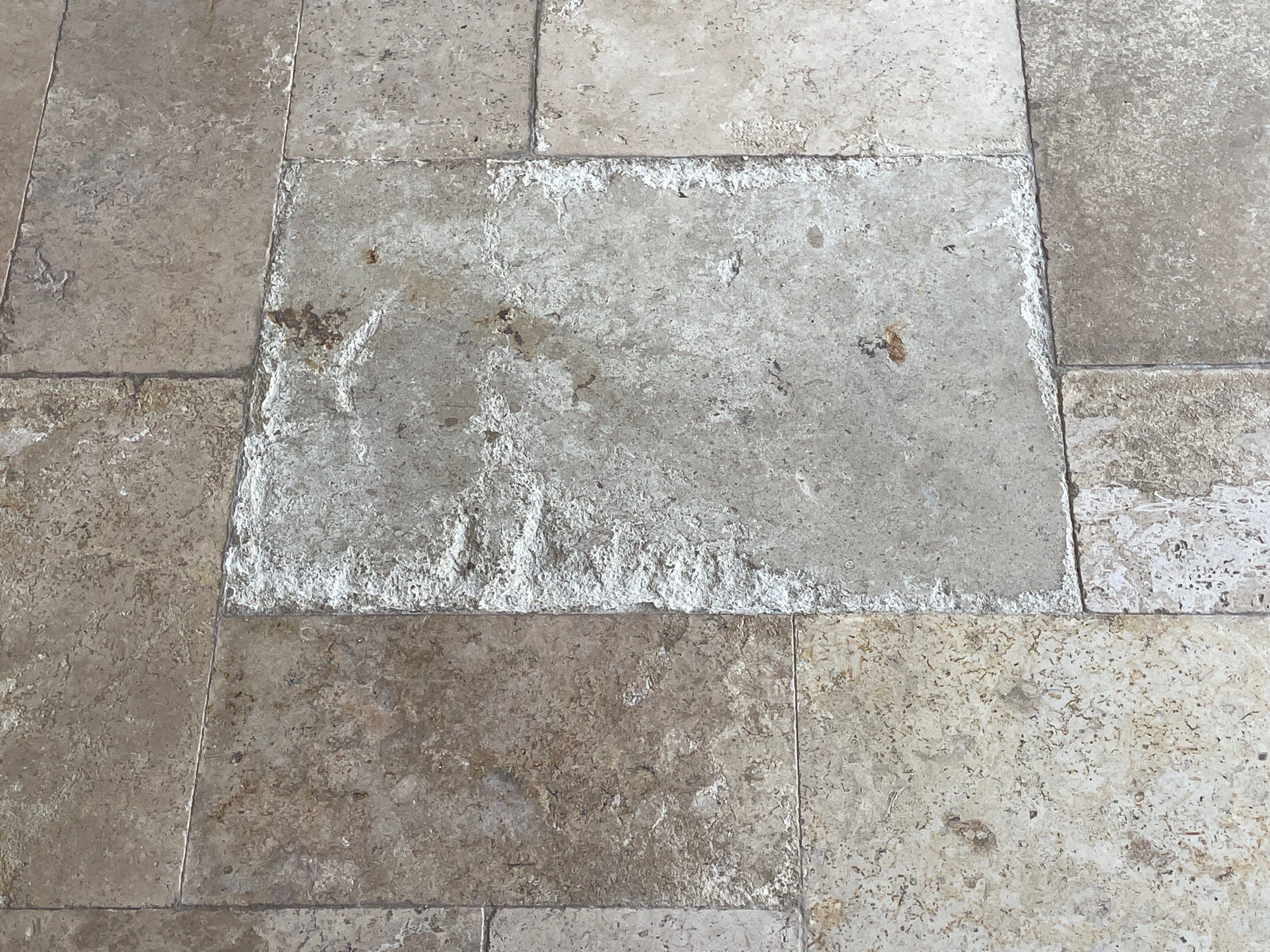
Natural stone installed in exterior environments is exposed to moisture, temperature variation, ultraviolet radiation, irrigation, environmental contaminants, and mechanical wear. Over time, these exposure conditions may contribute to flaking, scaling, pitting, erosion, discoloration, spalling, or other forms of surface deterioration depending on the stone type and service environment. Deterioration patterns commonly correspond with moisture pathways, drainage conditions, irrigation zones, freeze-thaw exposure, pool splash areas, or locations of prolonged environmental stress. Environmental exposure may also reveal weaker stone areas, latent porosity variation, or pre-existing microstructural inconsistencies during long-term service exposure. Evaluation focuses on correlating deterioration patterns with exposure conditions, installation design, drainage behavior, and stone characteristics rather than assuming visible deterioration alone establishes a manufacturing defect. See also Moisture Issues, Stone Snow Melter Damage, and Tile and Stone Floor Problems.
Please subscribe to see all content

Tile and Stone Floor Problems

Tile and stone floor problems may involve cracking, lippage, bond loss, grout issues, moisture influence, or structural movement.
Read More
Tile and Stone Floor Problems

Tile Surface Cleaning and Residue Conditions (Overview)
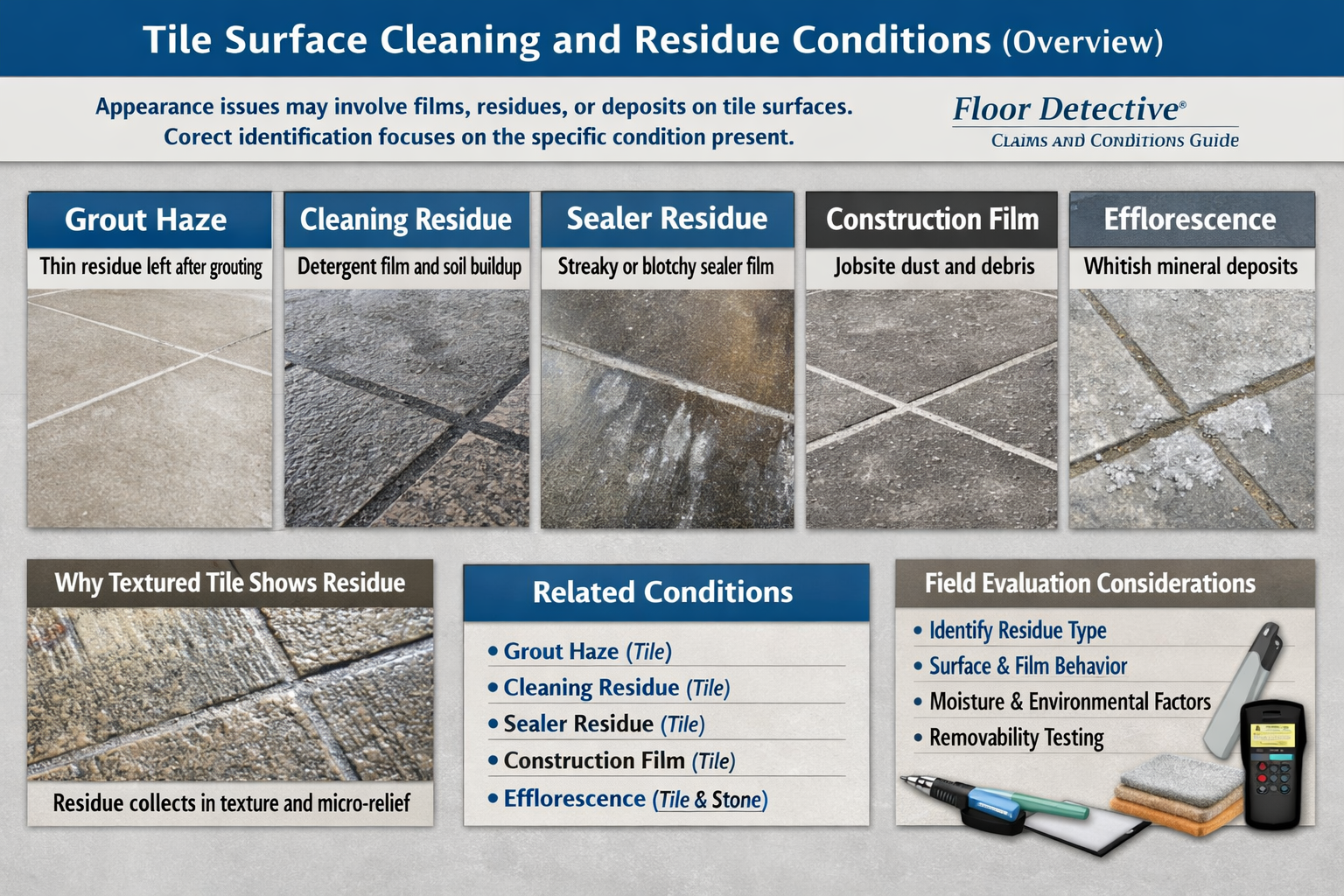
Tile surface residue conditions may involve grout haze, cleaning residue, sealer film, mineral deposits, or maintenance-related buildup.
Read More
Tile Surface Cleaning and Residue Conditions (Overview)

Surface Chipping (Ceramic Tile)
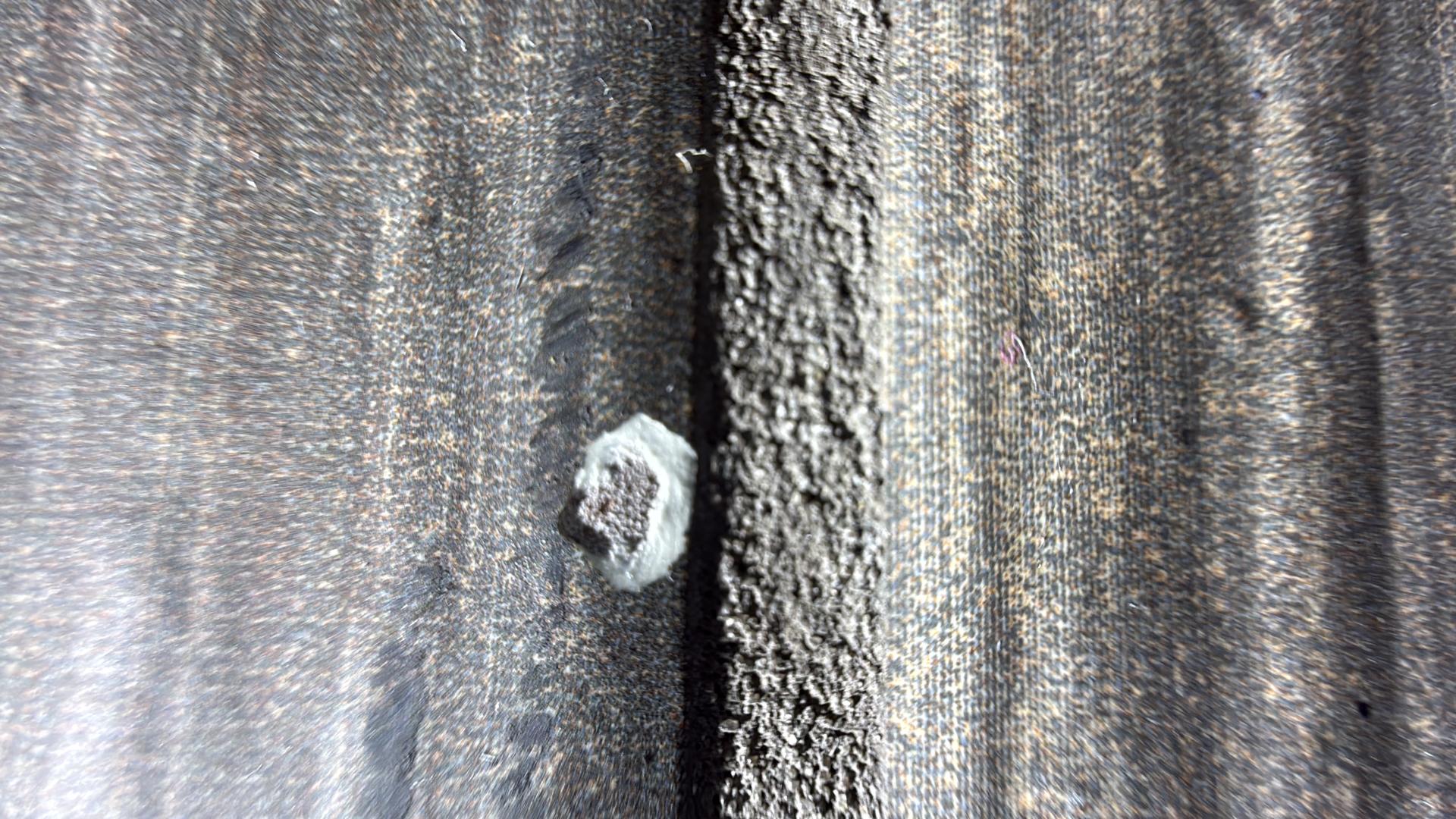
Surface chipping in ceramic tile involves localized glaze or surface loss caused by impact, contact stress, handling, or service conditions.
Read More
Surface Chipping (Ceramic Tile)

Grout Haze (Tile)
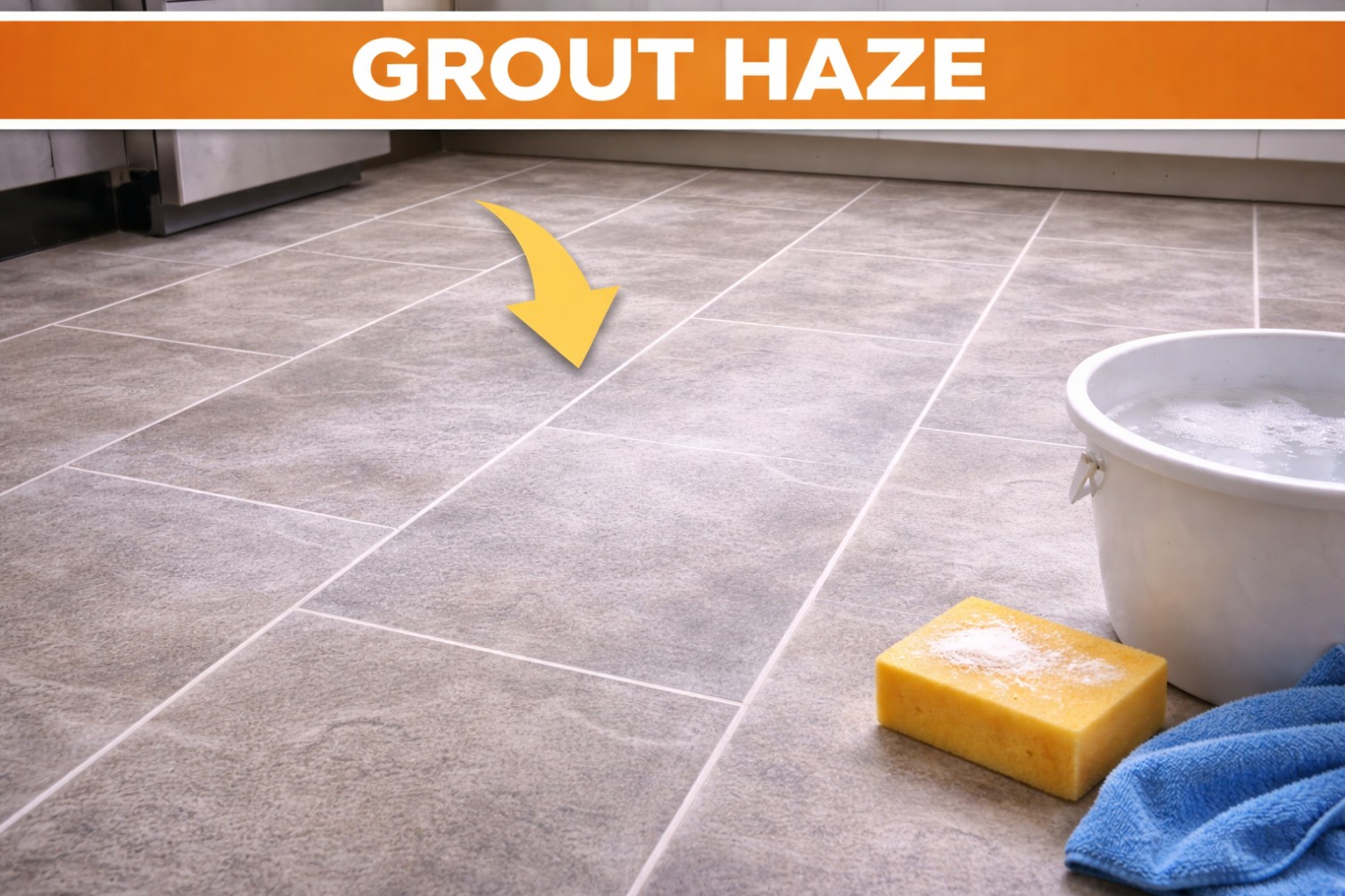
Grout haze on porcelain tile involves residual surface film caused by grout residue, tile texture, or installation conditions.
Read More
Grout Haze (Tile)

Cracked Corners

Cracked tile corners involve fractures caused by localized stress concentration, incomplete support, or movement within the tile assembly.
Read More
Cracked Corners

Outdoor Natural Stone Deterioration (Exterior Stone)

Outdoor natural stone deterioration may involve spalling, flaking, erosion, salt crystallization, and weather-related surface damage.
Read More
Outdoor Natural Stone Deterioration (Exterior Stone)

Grout – Pin Holes

Pin holes in grout joints involve small surface voids caused by grout consolidation, curing, or installation conditions.
Read More
Grout – Pin Holes

Saltillo Tile Lime Pops

Lime pops in Saltillo tile are localized surface disruptions caused by moisture-related expansion of lime-bearing particles within porous clay tile.
Read More
Saltillo Tile Lime Pops

Travertine Tile Properties

Travertine Tile Properties Floor Detective® Claims and Conditions Guide Summary Travertine is a natural calcium carbonate stone formed by mineral...
Read More
Travertine Tile Properties

Tile Types and Basic Properties

Tile flooring materials vary in porosity, density, hardness, moisture absorption, and maintenance behavior depending on tile type.
Read More
Tile Types and Basic Properties