Saltillo Tile Lime Pops

Saltillo Tile – Lime Pops
118-May 25 2023 12_03pm-TJeC
122-May 25 2023 12_03pm-Yz6E
37-May 25 2023 11_48am-UWKx
47-May 25 2023 11_52am-47bq
48-May 25 2023 11_52am-iehx
84-May 25 2023 11_57am-tcGt
60-May 25 2023 11_54am-1zAA
118-May 25 2023 12_03pm-TJeC 122-May 25 2023 12_03pm-Yz6E 37-May 25 2023 11_48am-UWKx 47-May 25 2023 11_52am-47bq 48-May 25 2023 11_52am-iehx 84-May 25 2023 11_57am-tcGt 60-May 25 2023 11_54am-1zAA

Lime Pops / Pitting (Saltillo Tile)

Floor Detective® Claims and Conditions Guide

Summary

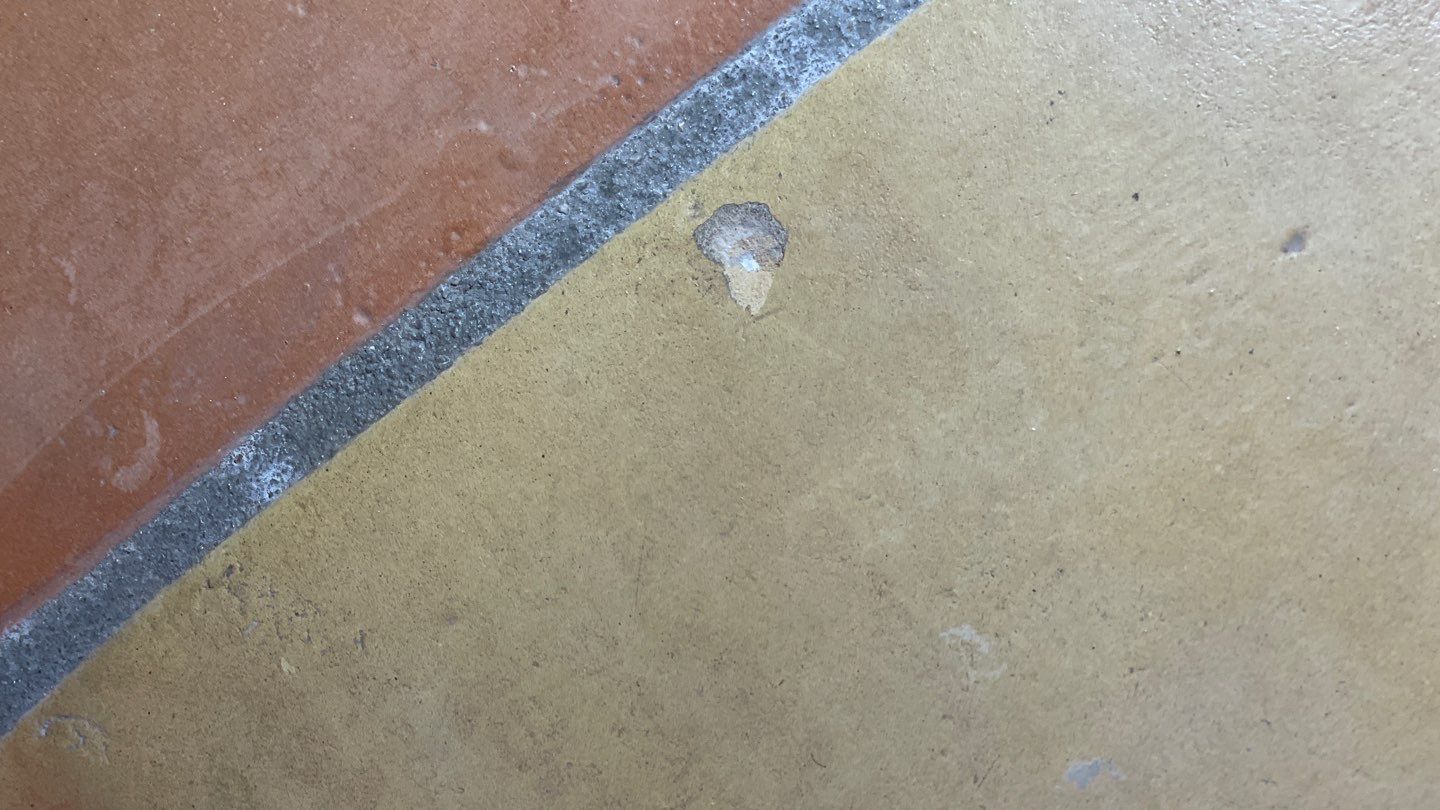
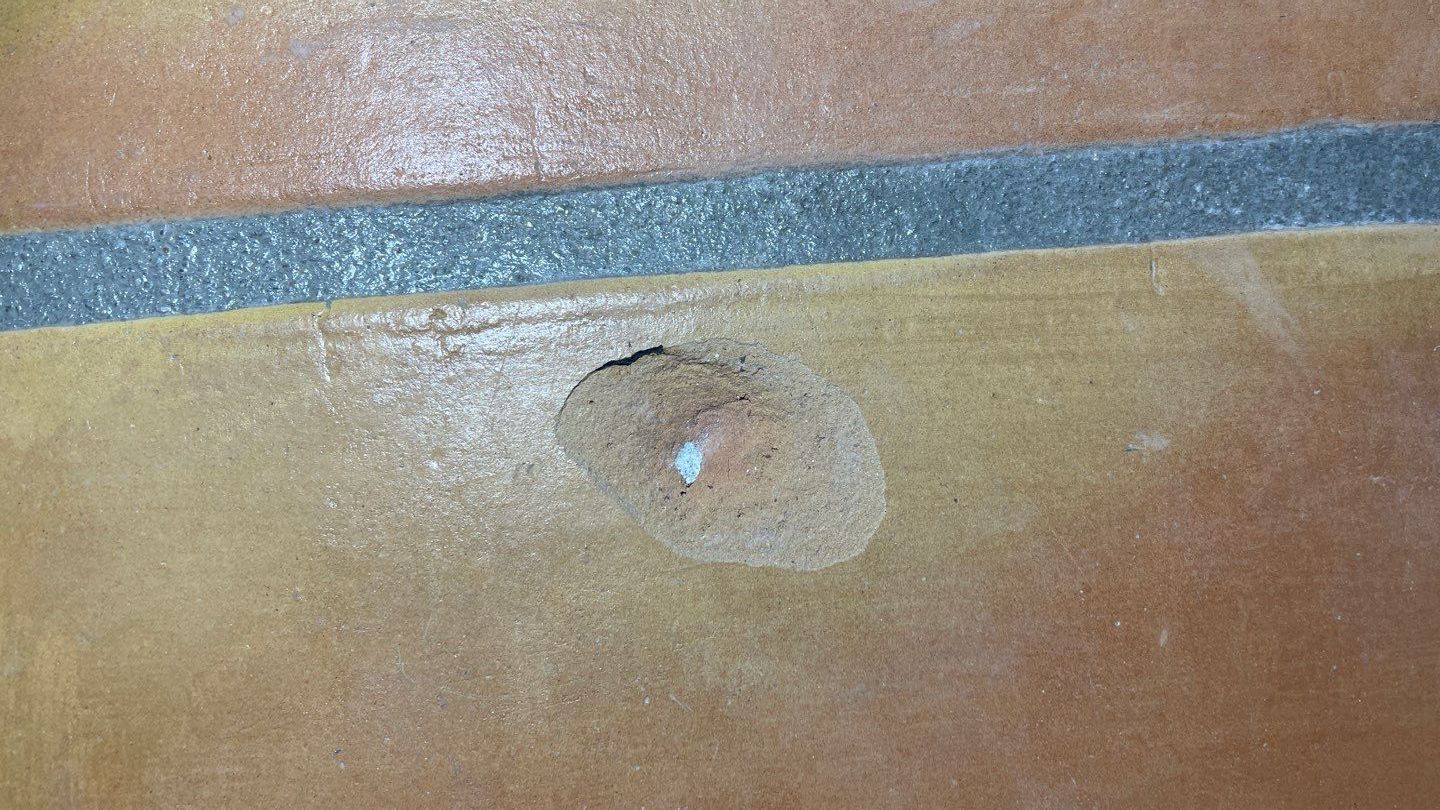
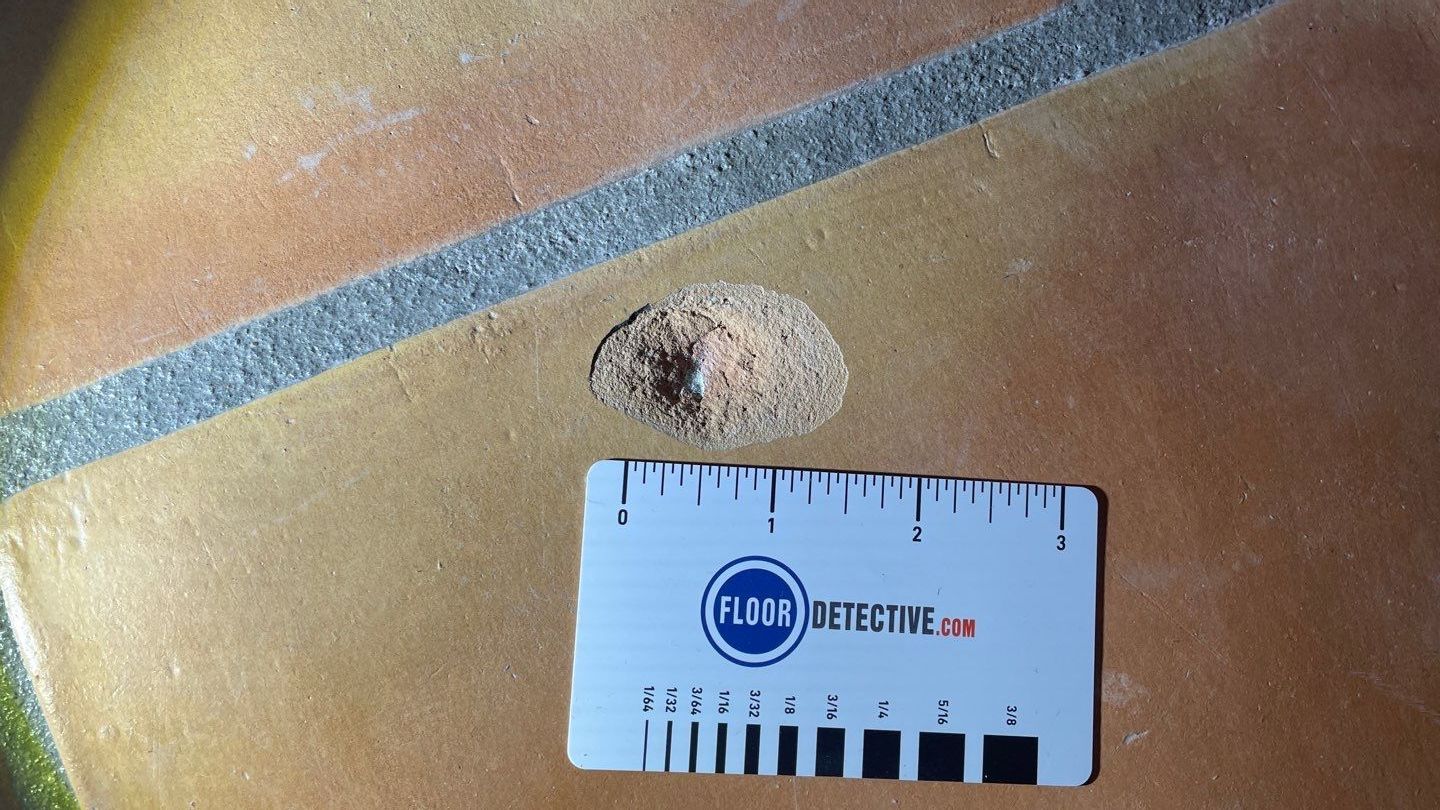
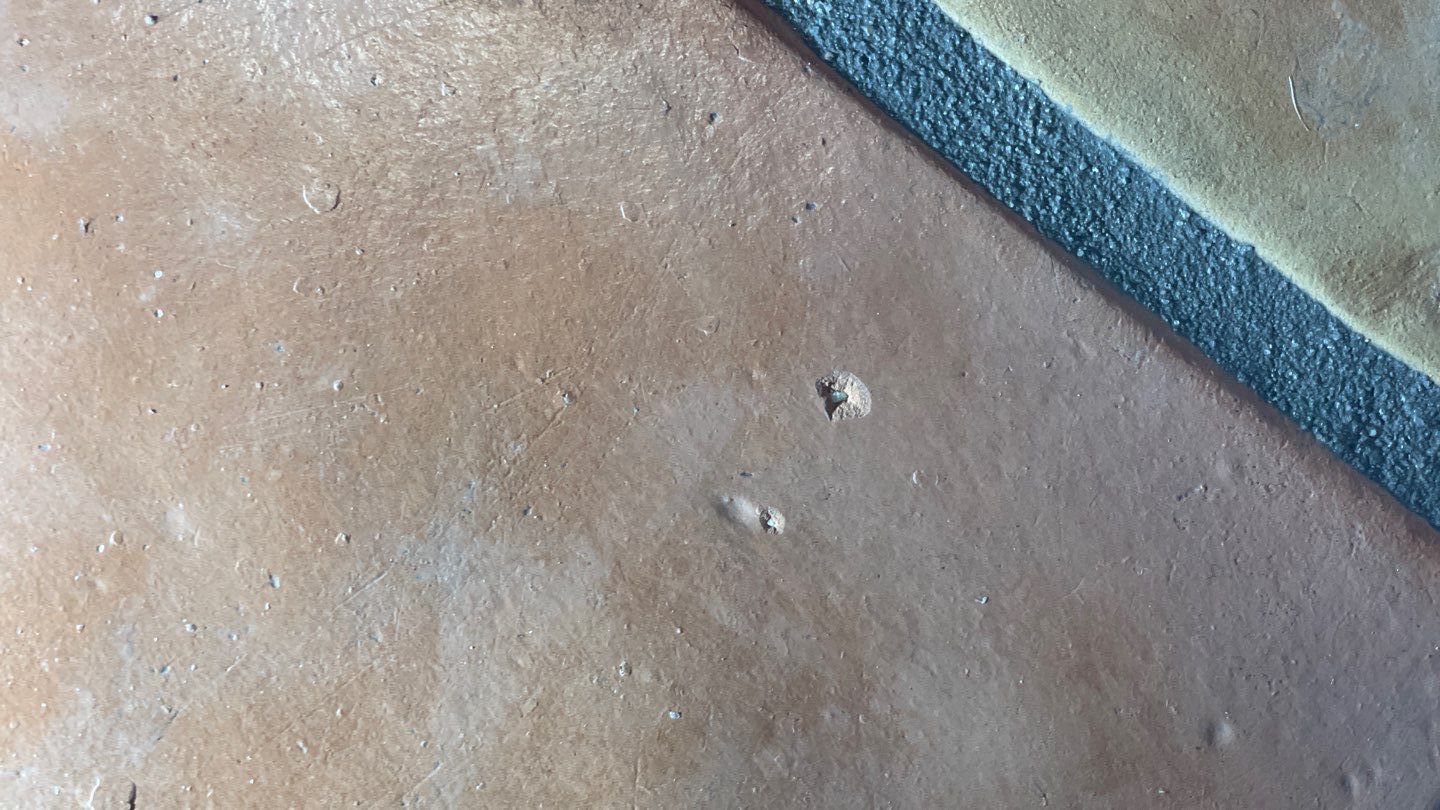
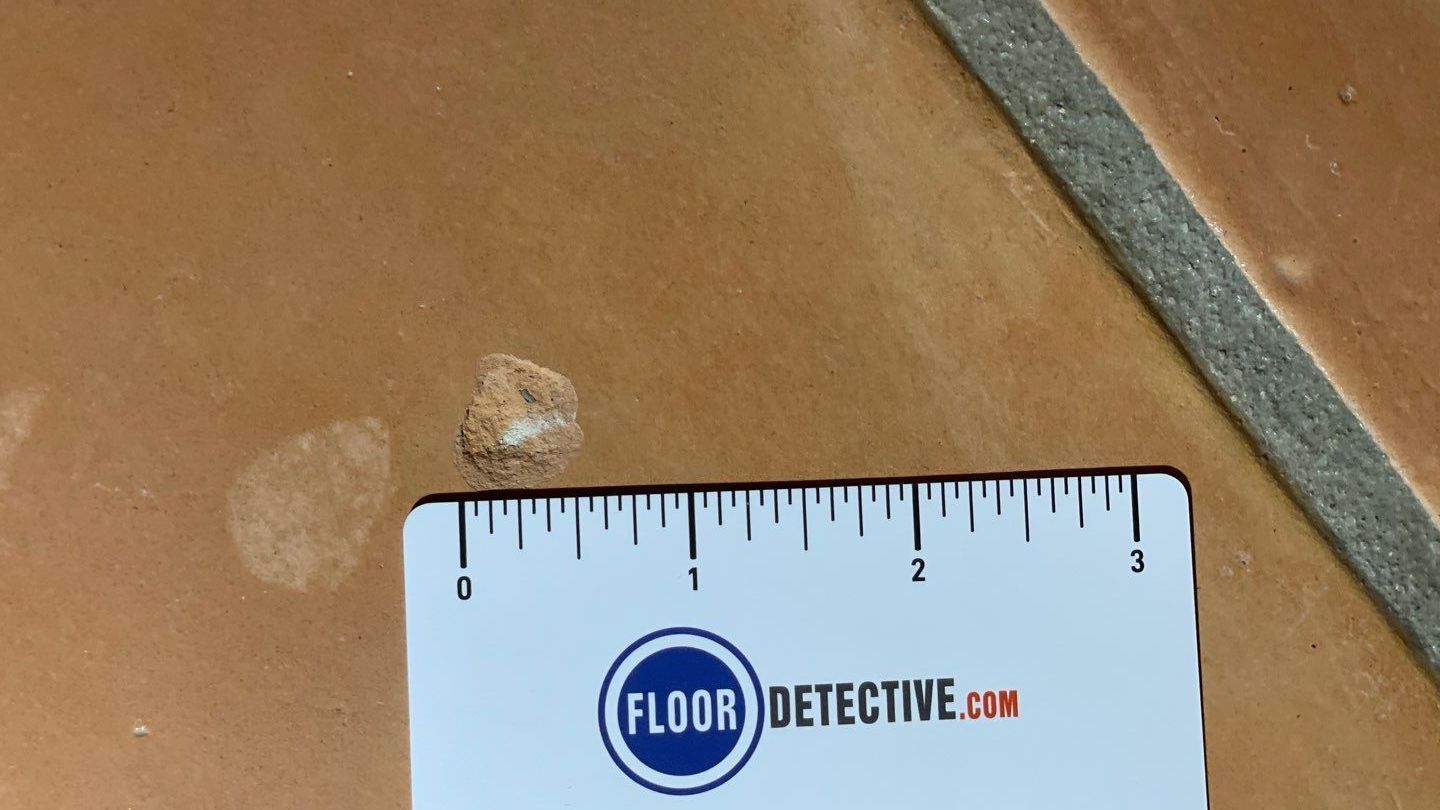
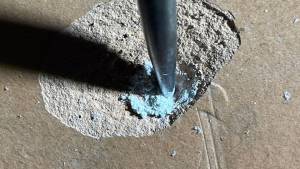
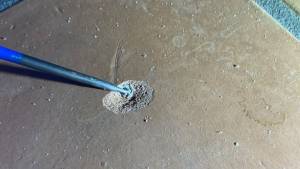
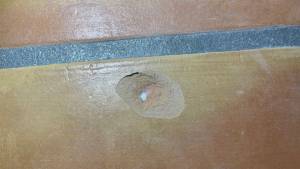
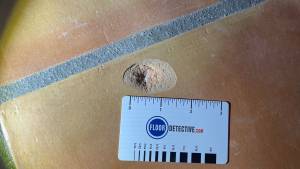
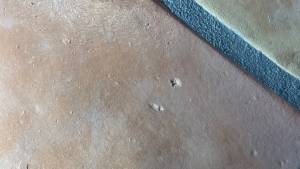
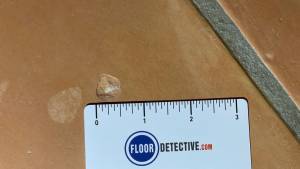
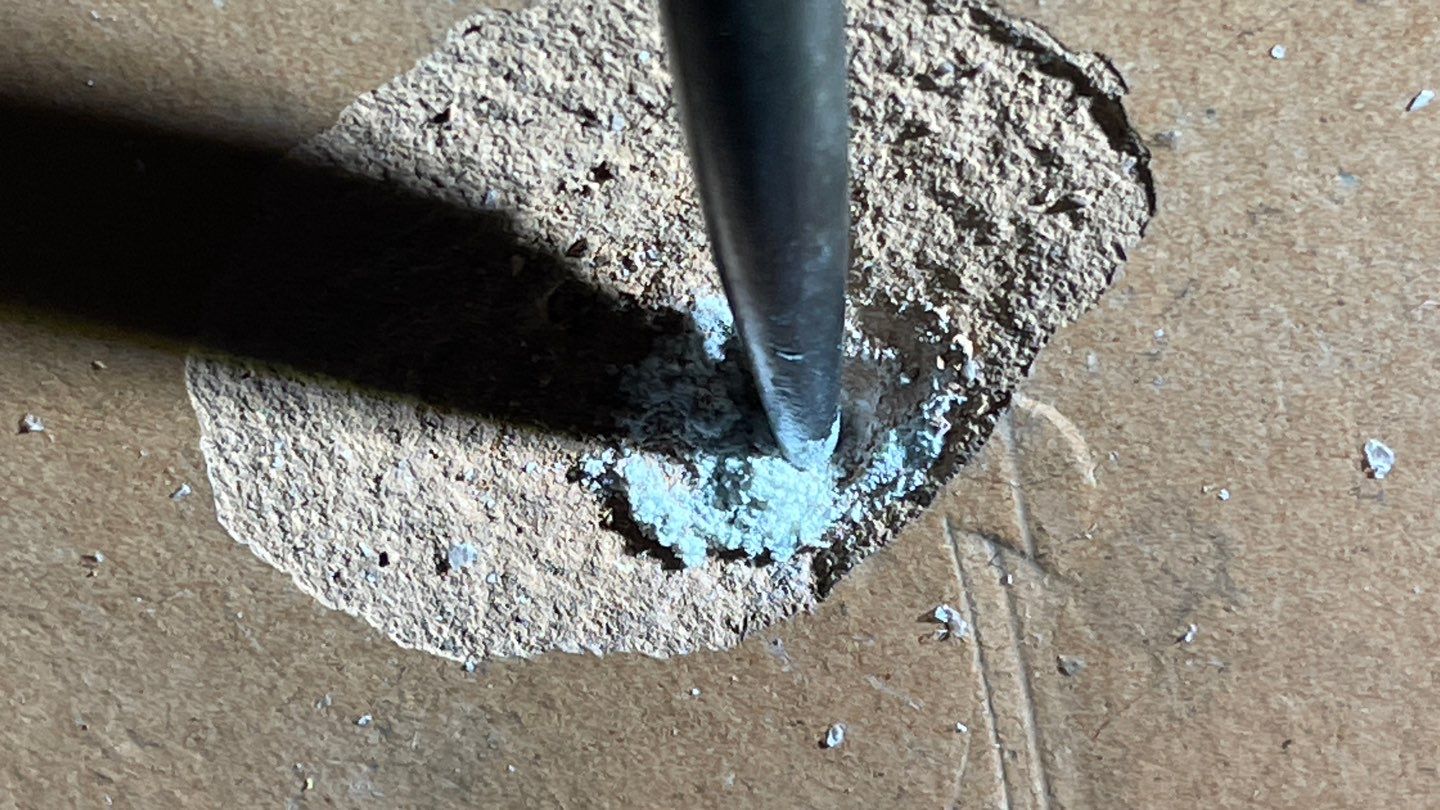
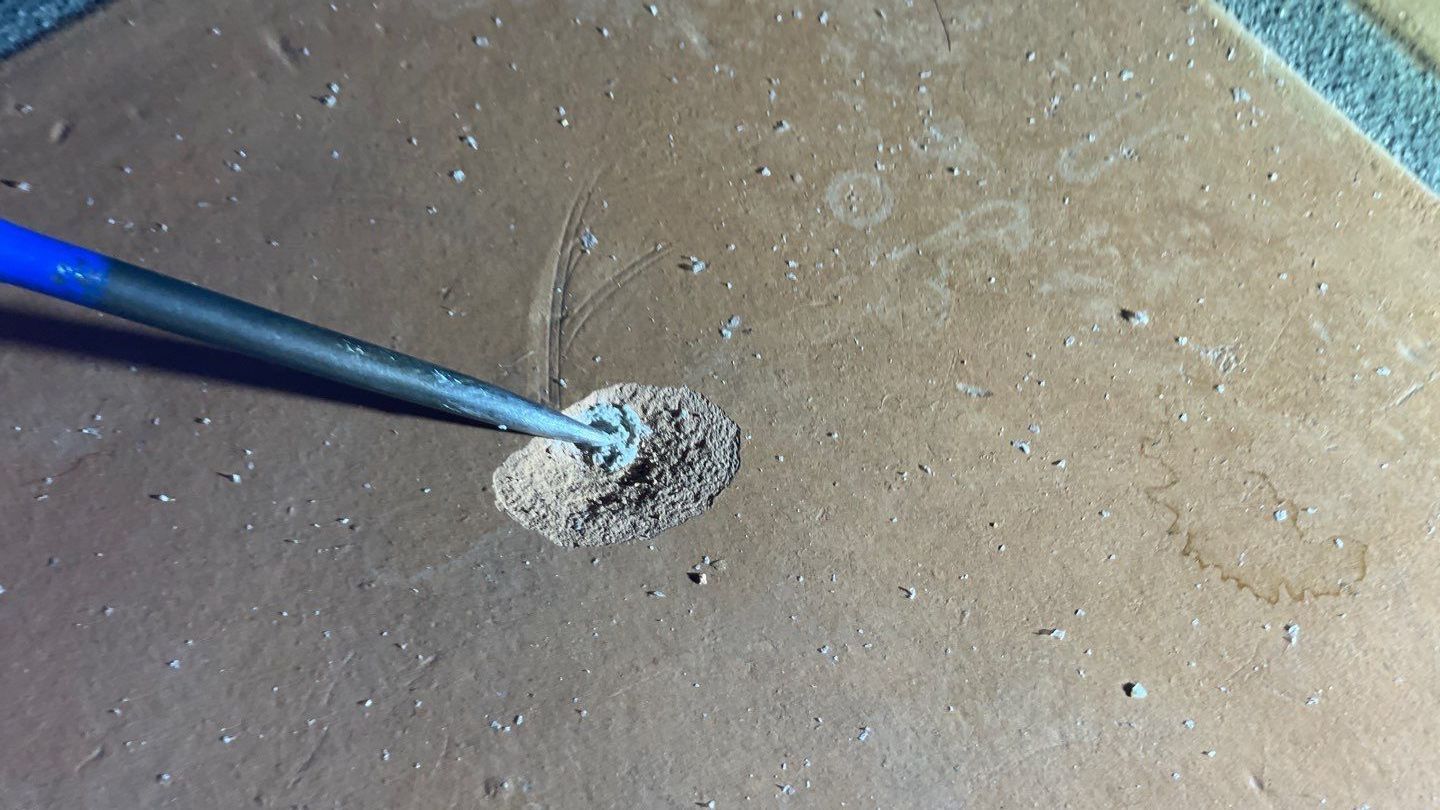
Lime pops or lime pitting describe localized surface disruptions that may occur in porous Saltillo clay tiles when naturally occurring lime-bearing particles within the tile body react with moisture after installation. As these particles absorb moisture, they expand and create localized internal pressure capable of fracturing the tile surface. The condition may initially appear as small raised blisters or nodules and later present as shallow pits where the surface has released. Lime pops commonly occur in handmade low-fired clay tiles with high porosity and natural mineral variation. Evaluation focuses on confirming the tile type, documenting the distribution pattern of the condition, and identifying moisture sources capable of activating lime-related inclusions within the tile body. See also Efflorescence Removal and Prevention, Moisture Issues, and Tile and Stone Floor Problems.
Please subscribe to see all content

Tile and Stone Floor Problems

Tile and stone floor problems may involve cracking, lippage, bond loss, grout issues, moisture influence, or structural movement.
Read More
Tile and Stone Floor Problems

Tile Surface Cleaning and Residue Conditions (Overview)
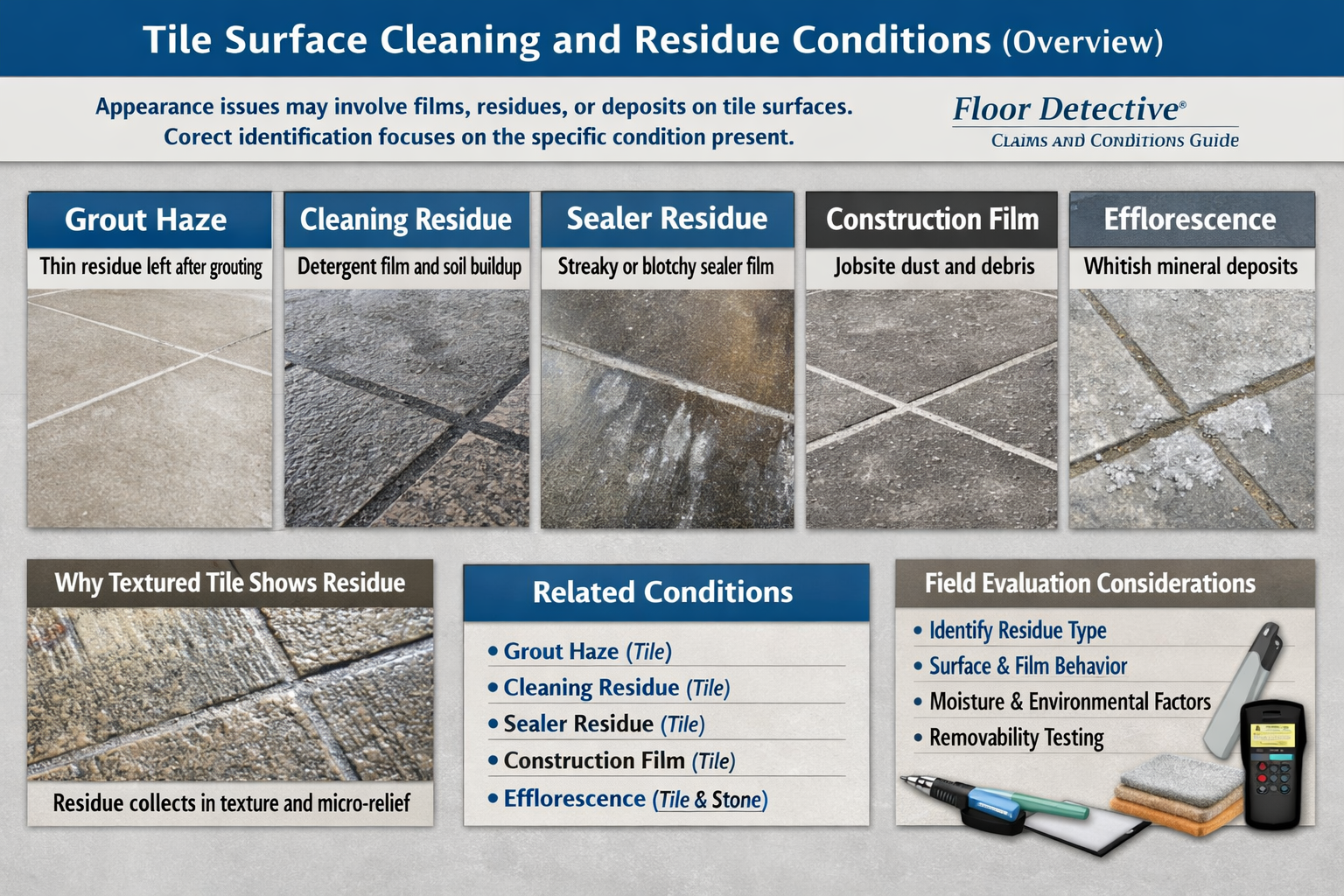
Tile surface residue conditions may involve grout haze, cleaning residue, sealer film, mineral deposits, or maintenance-related buildup.
Read More
Tile Surface Cleaning and Residue Conditions (Overview)

Surface Chipping (Ceramic Tile)
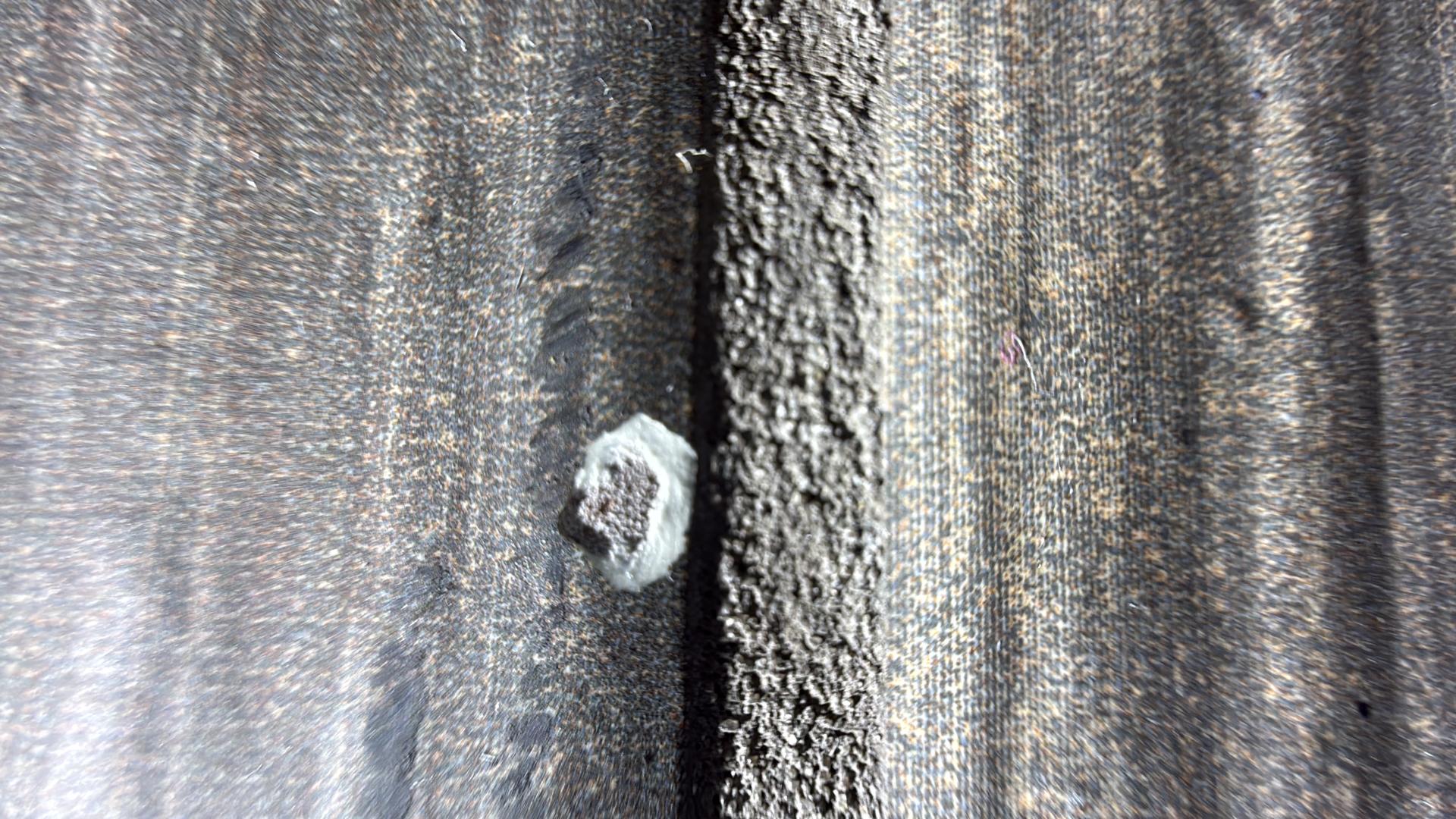
Surface chipping in ceramic tile involves localized glaze or surface loss caused by impact, contact stress, handling, or service conditions.
Read More
Surface Chipping (Ceramic Tile)

Grout Haze (Tile)
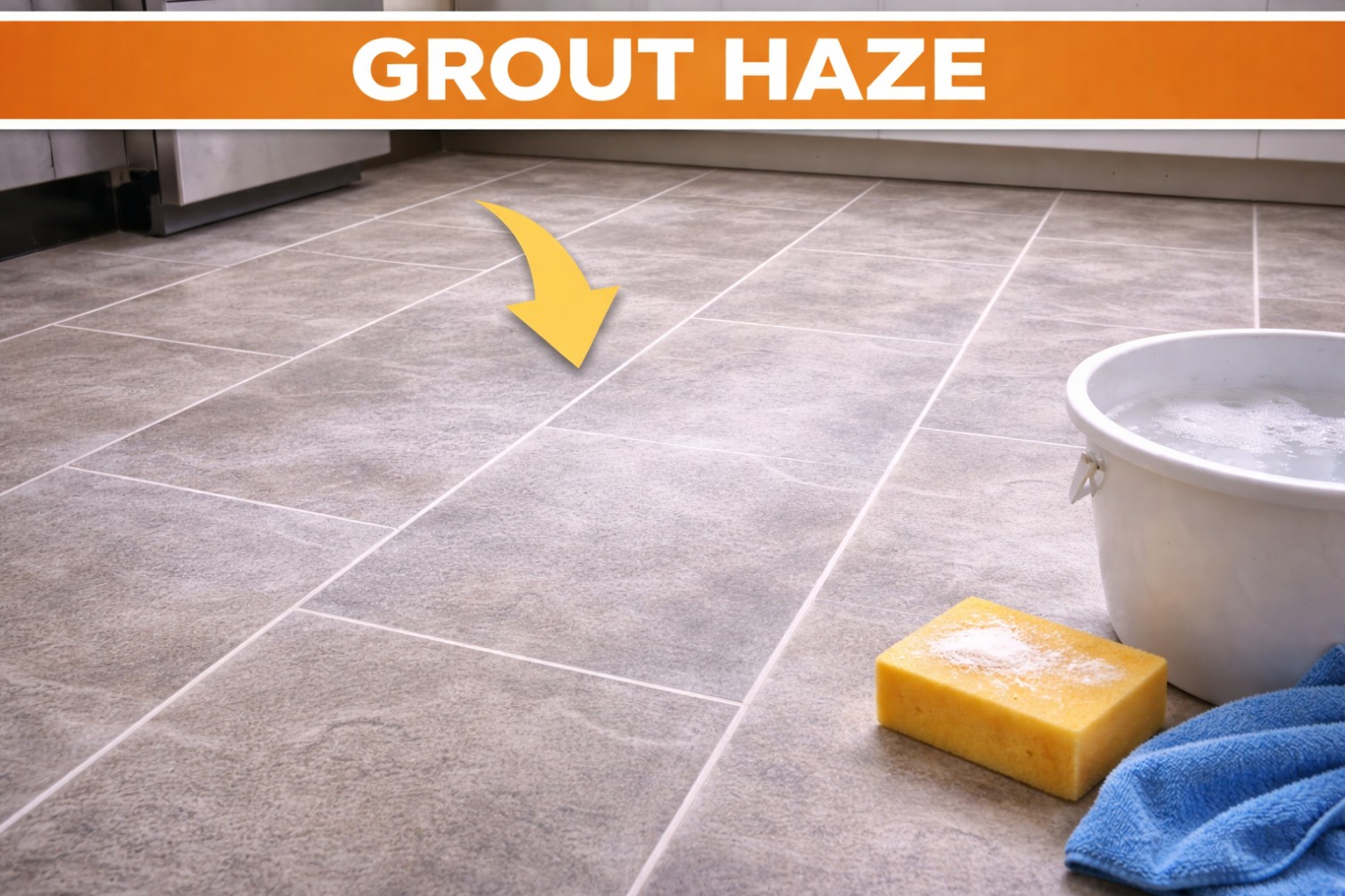
Grout haze on porcelain tile involves residual surface film caused by grout residue, tile texture, or installation conditions.
Read More
Grout Haze (Tile)

Cracked Corners

Cracked tile corners involve fractures caused by localized stress concentration, incomplete support, or movement within the tile assembly.
Read More
Cracked Corners

Outdoor Natural Stone Deterioration (Exterior Stone)

Outdoor natural stone deterioration may involve spalling, flaking, erosion, salt crystallization, and weather-related surface damage.
Read More
Outdoor Natural Stone Deterioration (Exterior Stone)

Grout – Pin Holes

Pin holes in grout joints involve small surface voids caused by grout consolidation, curing, or installation conditions.
Read More
Grout – Pin Holes

Saltillo Tile Lime Pops

Lime pops in Saltillo tile are localized surface disruptions caused by moisture-related expansion of lime-bearing particles within porous clay tile.
Read More
Saltillo Tile Lime Pops

Travertine Tile Properties

Travertine tile is a porous natural stone affected by moisture exposure, etching, wear, filler loss, and environmental conditions.
Read More
Travertine Tile Properties

Tile Types and Basic Properties

Tile flooring materials vary in porosity, density, hardness, moisture absorption, and maintenance behavior depending on tile type.
Read More
Tile Types and Basic Properties