
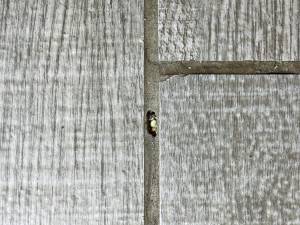
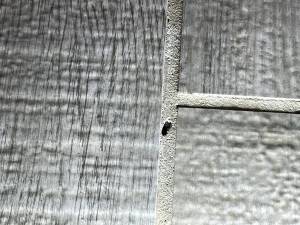
Grout – Pin Holes

Grout – Pin Holes

14-Sep 21 2023 10_10am-XEBm
15-Sep 21 2023 10_10am-rMeJ
37-Sep 21 2023 10_24am-XHZr
38-Sep 21 2023 10_25am-UuMH
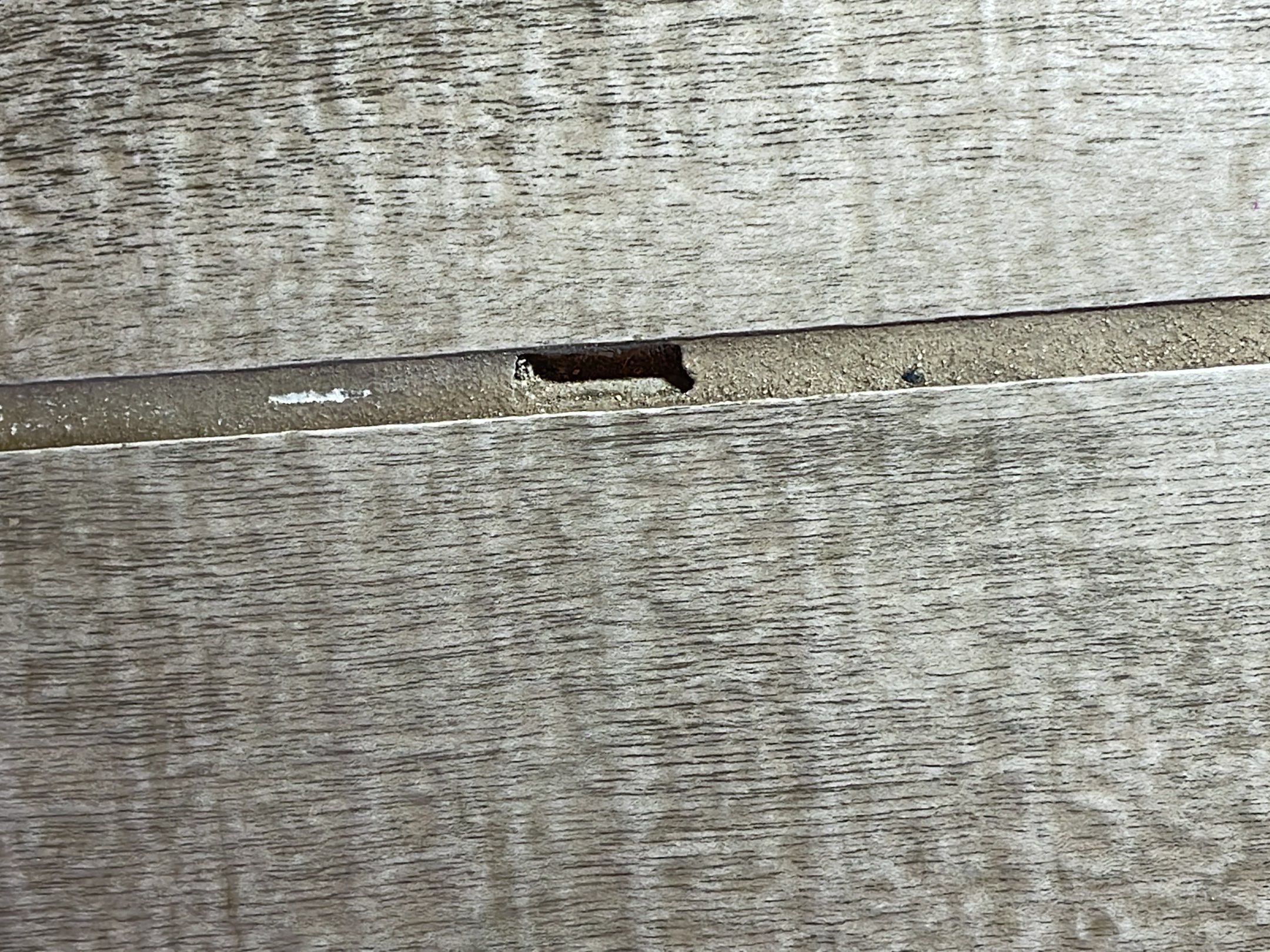
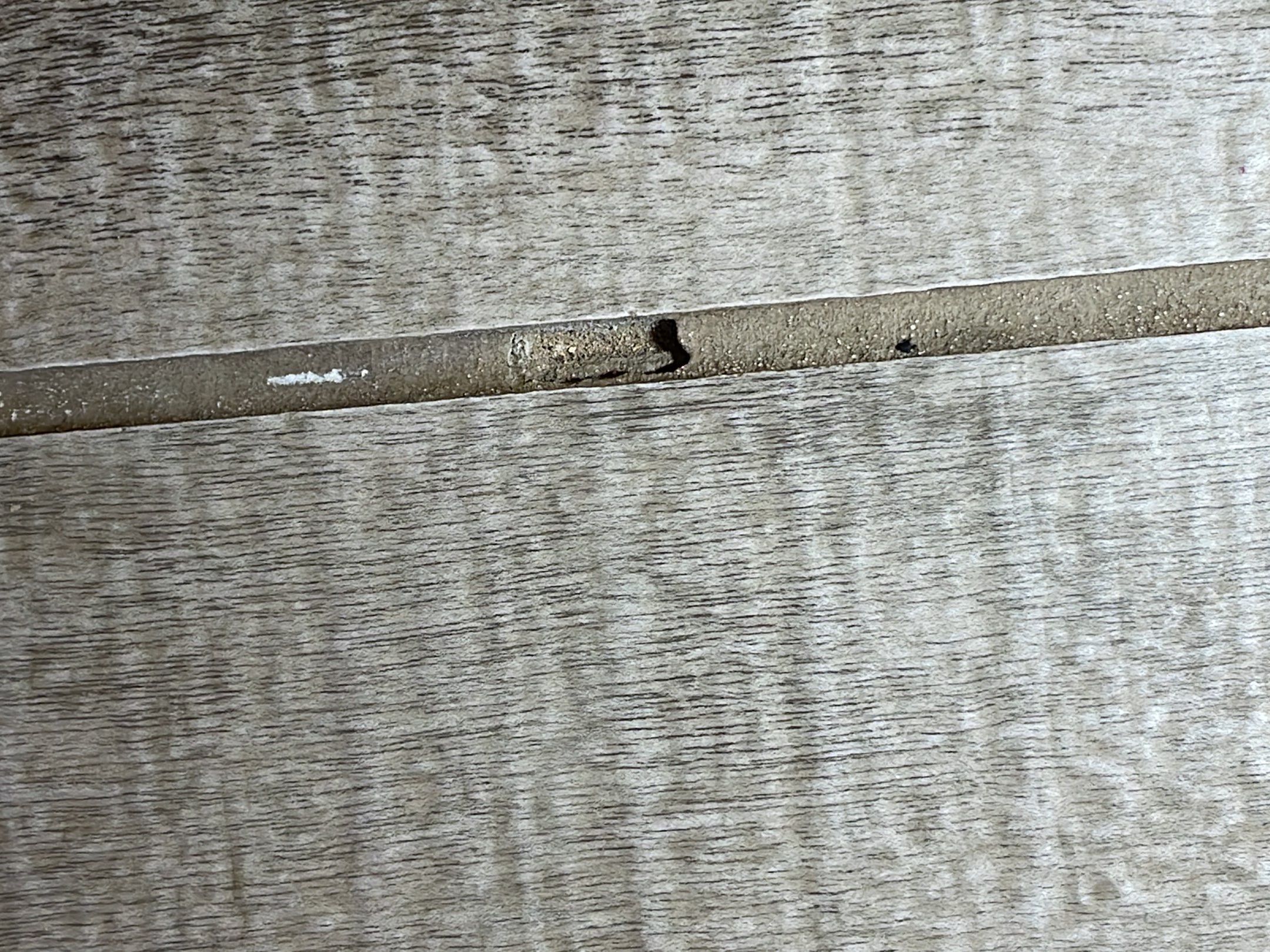
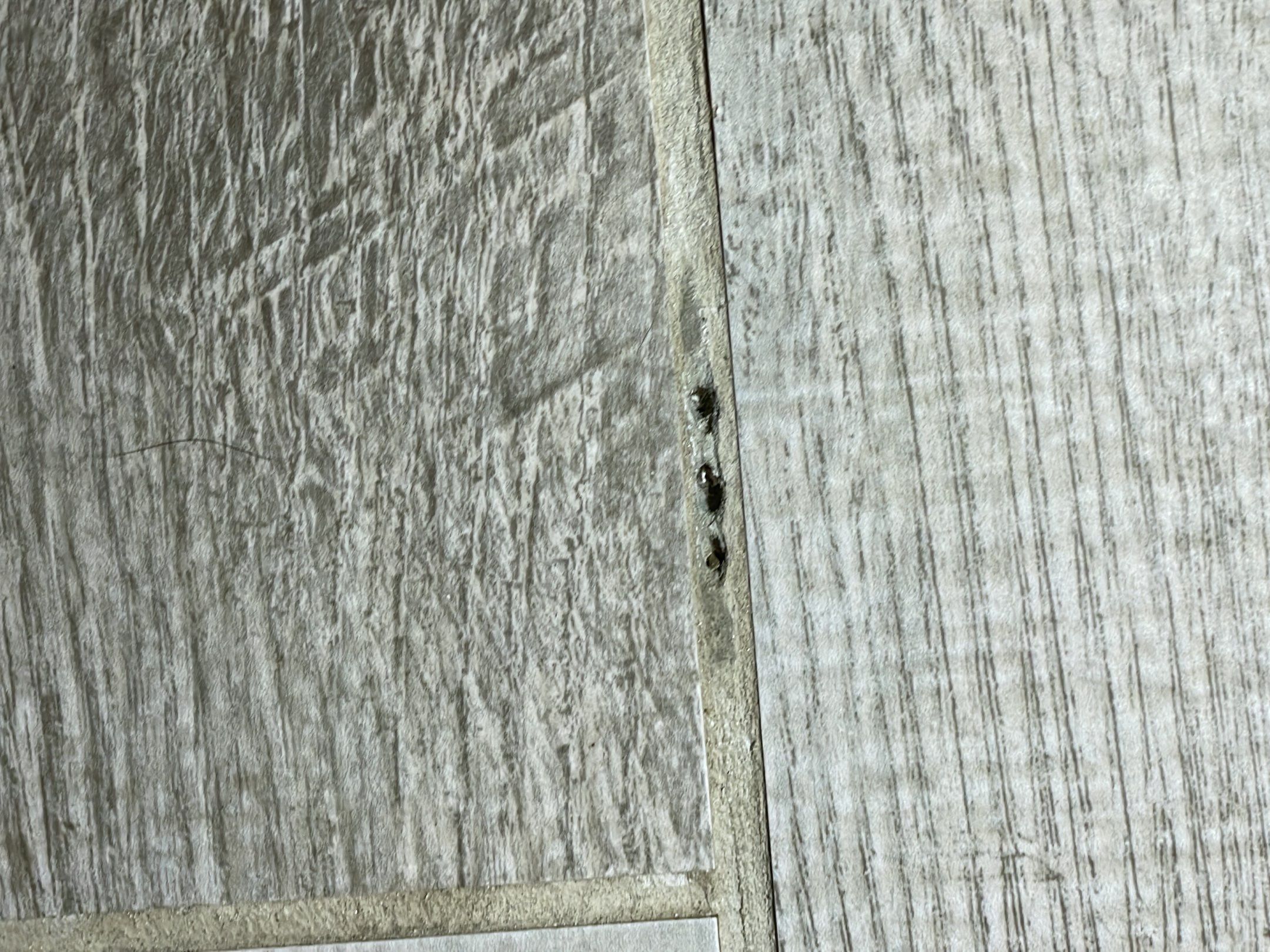
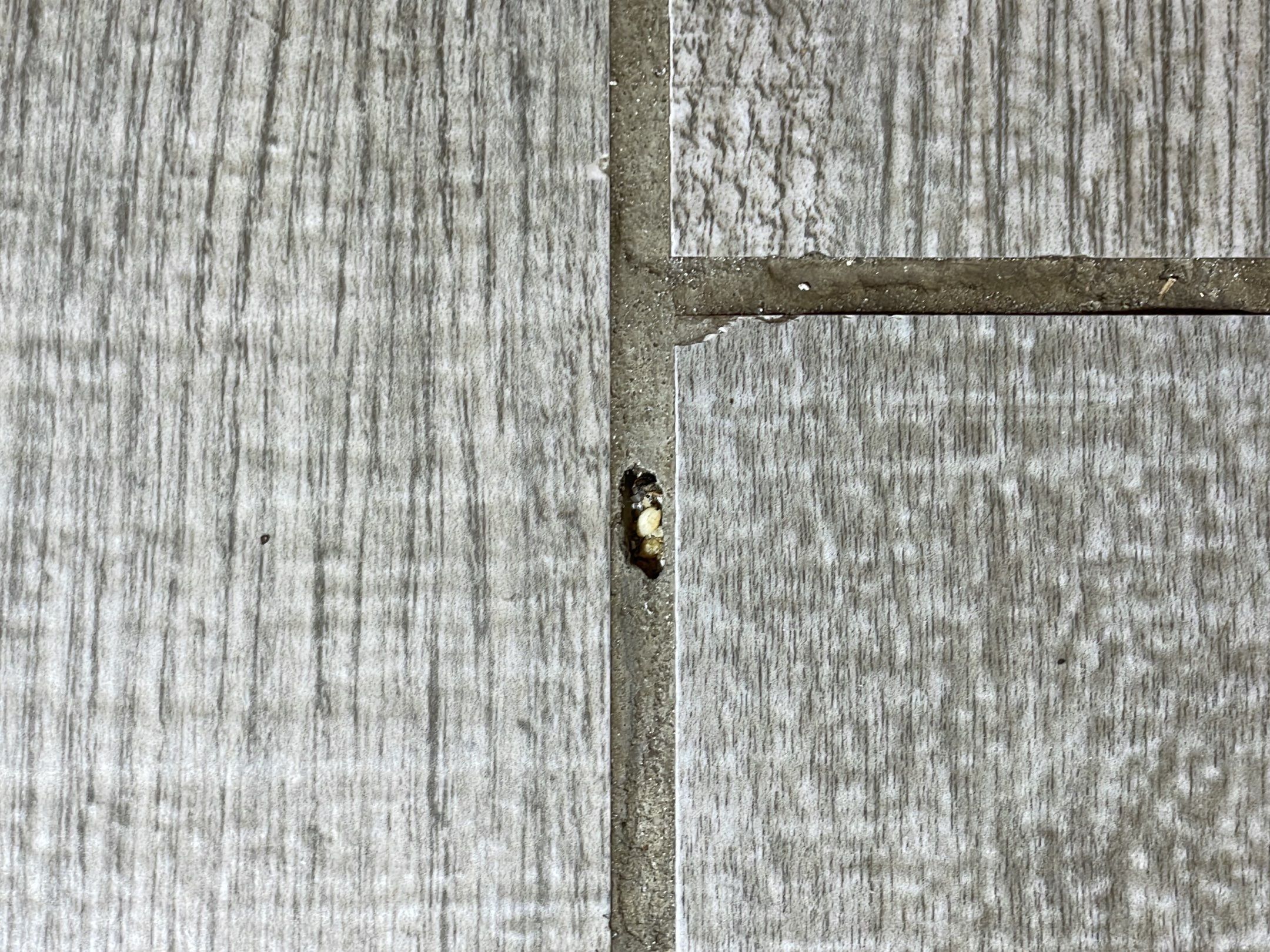
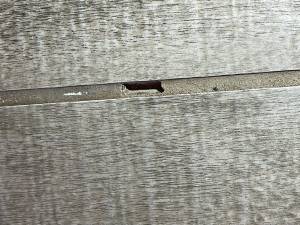
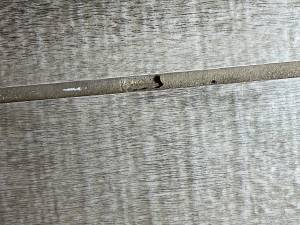
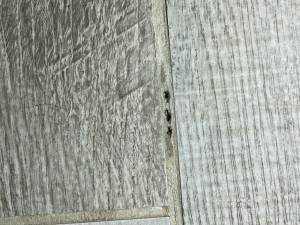
Pin holes and surface voids in grout joints within tile installation
14-Sep 21 2023 10_10am-XEBm 15-Sep 21 2023 10_10am-rMeJ 37-Sep 21 2023 10_24am-XHZr 38-Sep 21 2023 10_25am-UuMH Pin holes and surface voids in grout joints within tile installation

Pin Holes (Grout)

Floor Detective® Claims and Conditions Guide

Summary

Pin holes in grout joints are small surface voids that develop when grout does not fully consolidate during placement and curing. These openings commonly form as entrained air escapes, surface paste collapses, or grout shrinks slightly during curing. Pin holes are typically cosmetic in nature but may also indicate issues involving grout consistency, installation technique, cleanup practices, or incomplete joint packing. Distribution pattern, joint fullness, grout hardness, and surrounding grout integrity commonly provide important diagnostic indicators. Proper evaluation requires consideration of grout behavior, installation methods, environmental conditions, and overall joint performance before conclusions are formed. See also Grout Failures, Grout Powdery or Soft, and Tile and Stone Floor Problems for broader context.
Please subscribe to see all content

Wet Tile Slip Resistance and Surface Traction
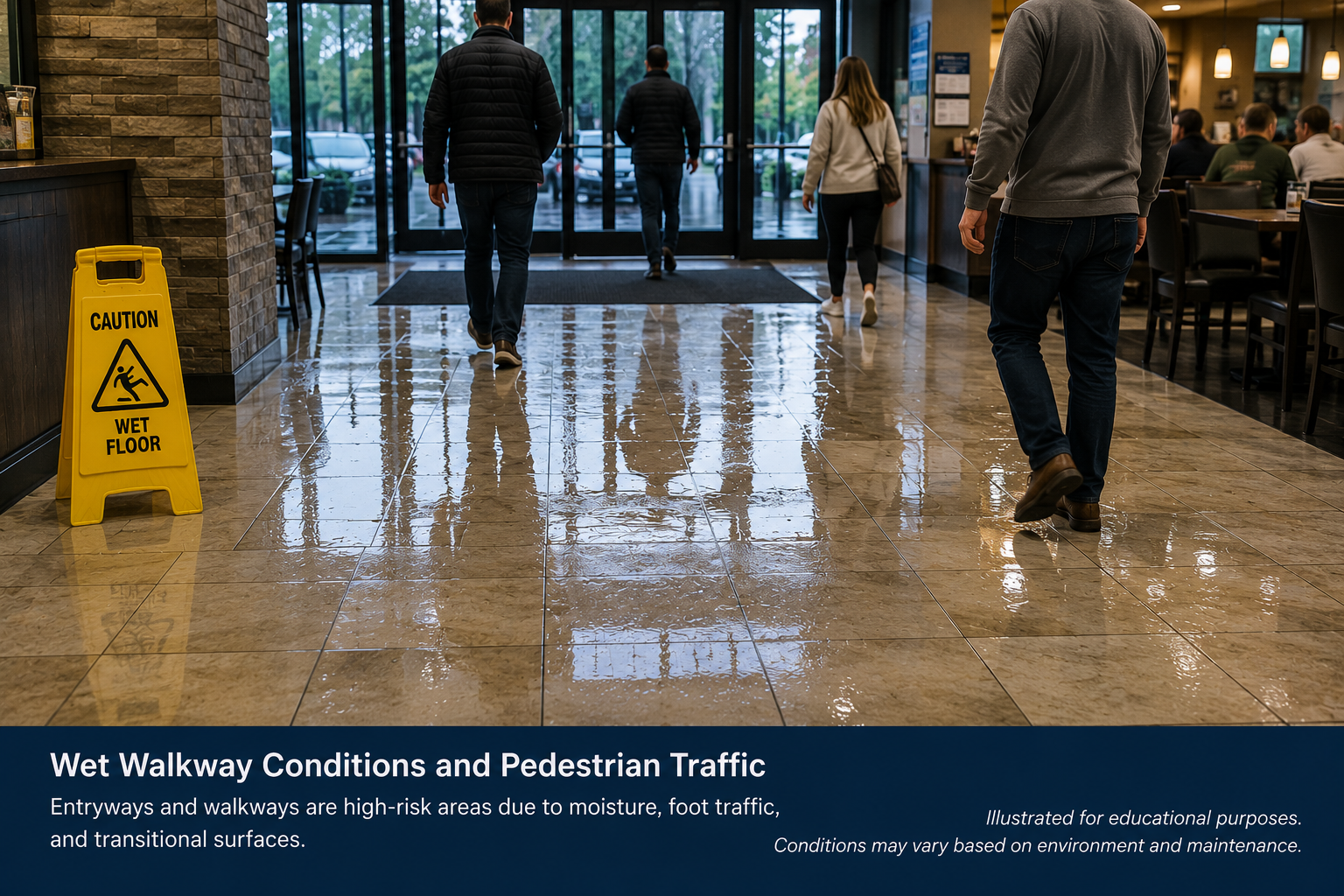
Wet tile slip resistance and surface traction are influenced by water exposure, contaminants, maintenance residue, and surface texture.
Read More
Wet Tile Slip Resistance and Surface Traction

Tile and Stone Floor Problems
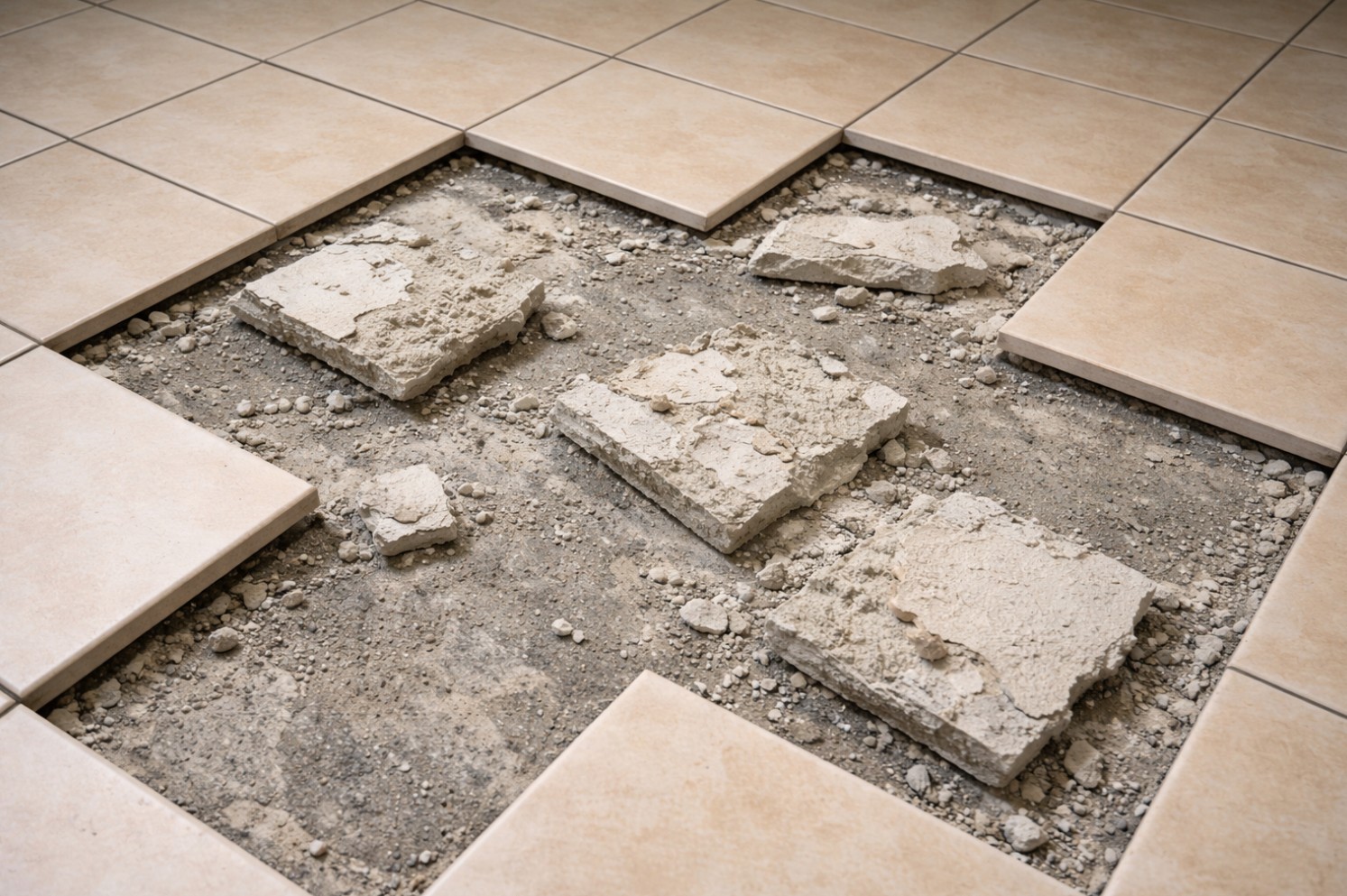
Tile and stone floor problems may involve cracking, lippage, bond loss, grout issues, moisture influence, or structural movement.
Read More
Tile and Stone Floor Problems

Tile Surface Cleaning and Residue Conditions (Overview)
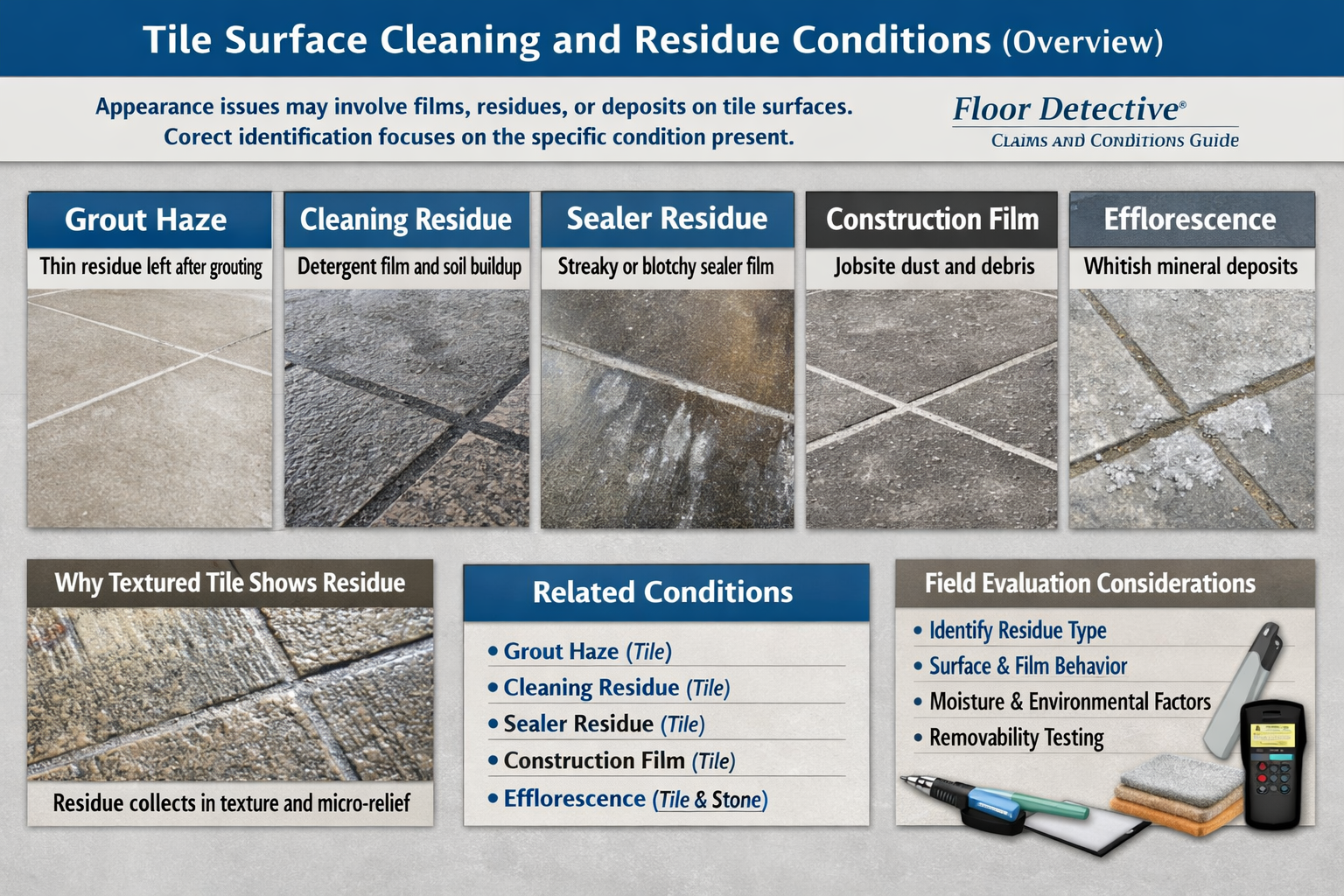
Tile surface residue conditions may involve grout haze, cleaning residue, sealer film, mineral deposits, or maintenance-related buildup.
Read More
Tile Surface Cleaning and Residue Conditions (Overview)

Surface Chipping (Ceramic Tile)
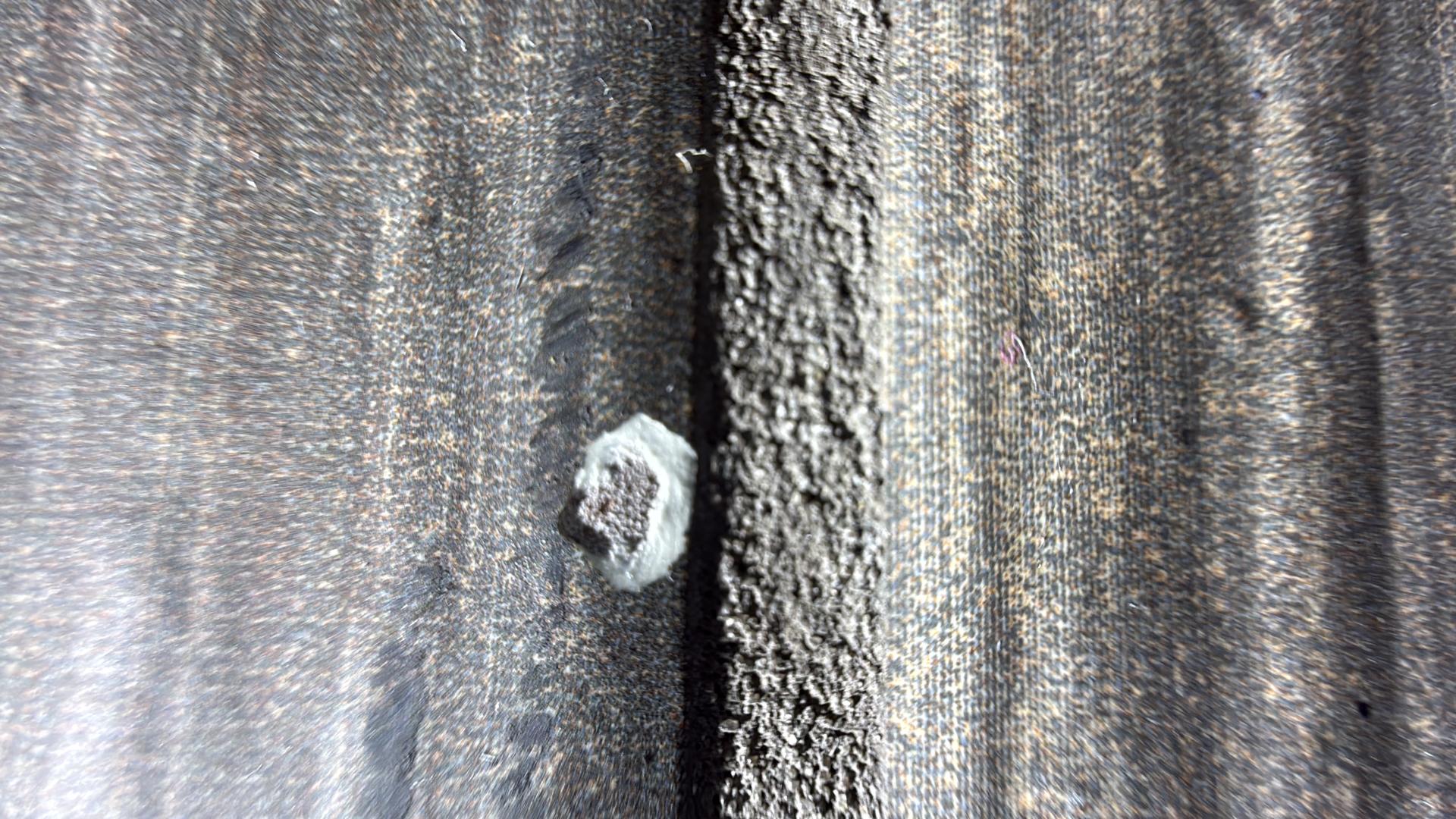
Surface chipping in ceramic tile involves localized glaze or surface loss caused by impact, contact stress, handling, or service conditions.
Read More
Surface Chipping (Ceramic Tile)

Grout Haze (Tile)
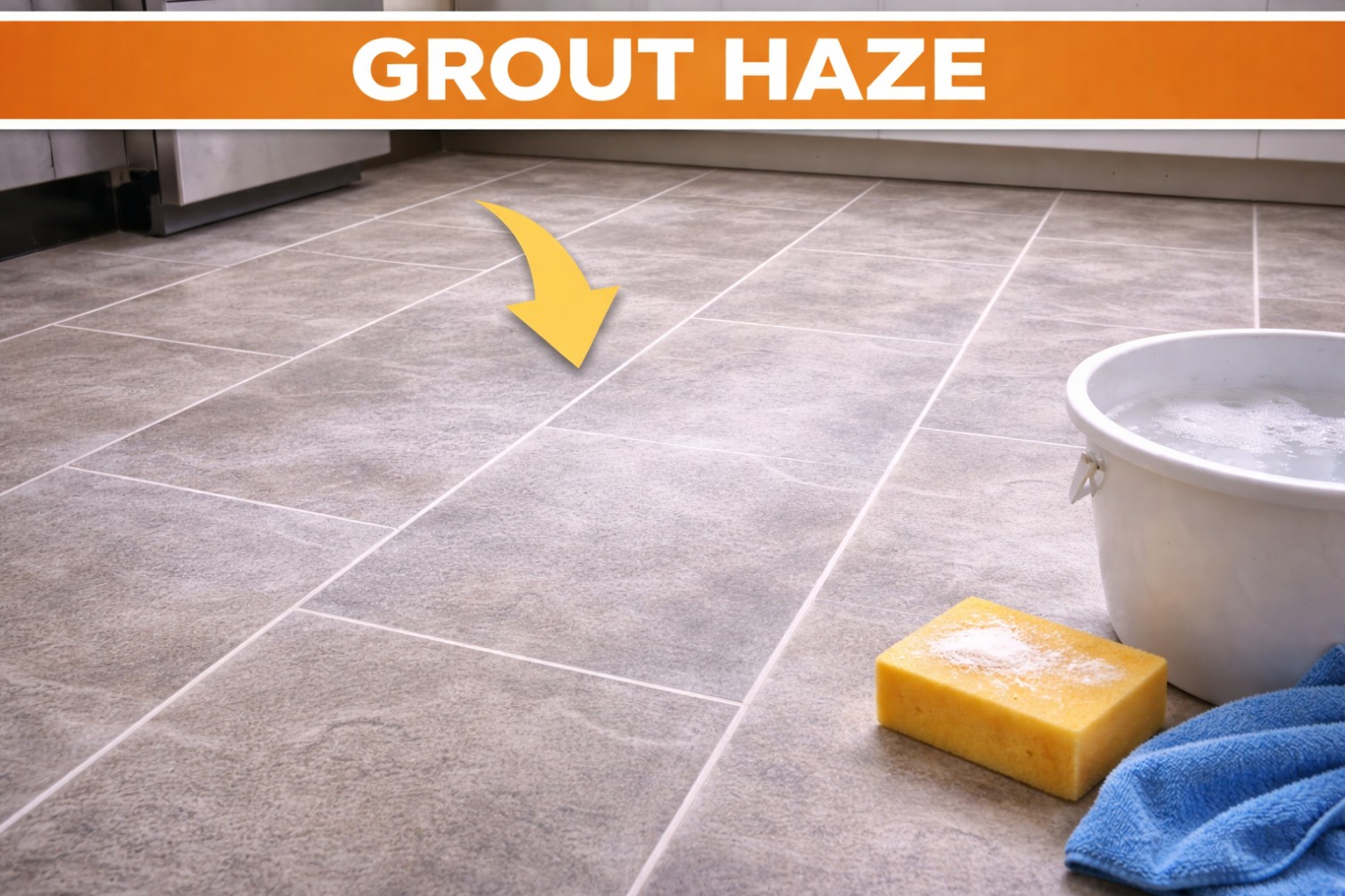
Grout haze on porcelain tile involves residual surface film caused by grout residue, tile texture, or installation conditions.
Read More
Grout Haze (Tile)

Cracked Corners

Cracked tile corners involve fractures caused by localized stress concentration, incomplete support, or movement within the tile assembly.
Read More
Cracked Corners

Outdoor Natural Stone Deterioration (Exterior Stone)

Outdoor natural stone deterioration may involve spalling, flaking, erosion, salt crystallization, and weather-related surface damage.
Read More
Outdoor Natural Stone Deterioration (Exterior Stone)

Grout – Pin Holes

Pin holes in grout joints involve small surface voids caused by grout consolidation, curing, or installation conditions.
Read More
Grout – Pin Holes

Saltillo Tile Lime Pops

Lime pops in Saltillo tile are localized surface disruptions caused by moisture-related expansion of lime-bearing particles within porous clay tile.
Read More
Saltillo Tile Lime Pops

Travertine Tile Properties

Travertine tile is a porous natural stone affected by moisture exposure, etching, wear, filler loss, and environmental conditions.
Read More
Travertine Tile Properties