Milling Issues – Overwood
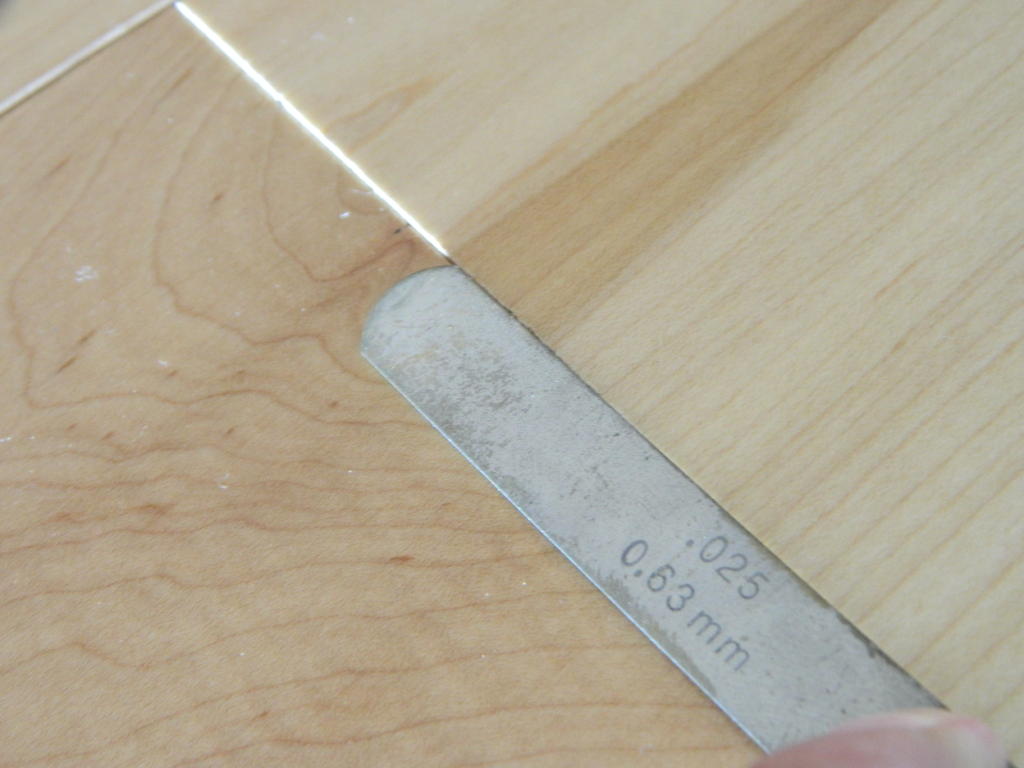

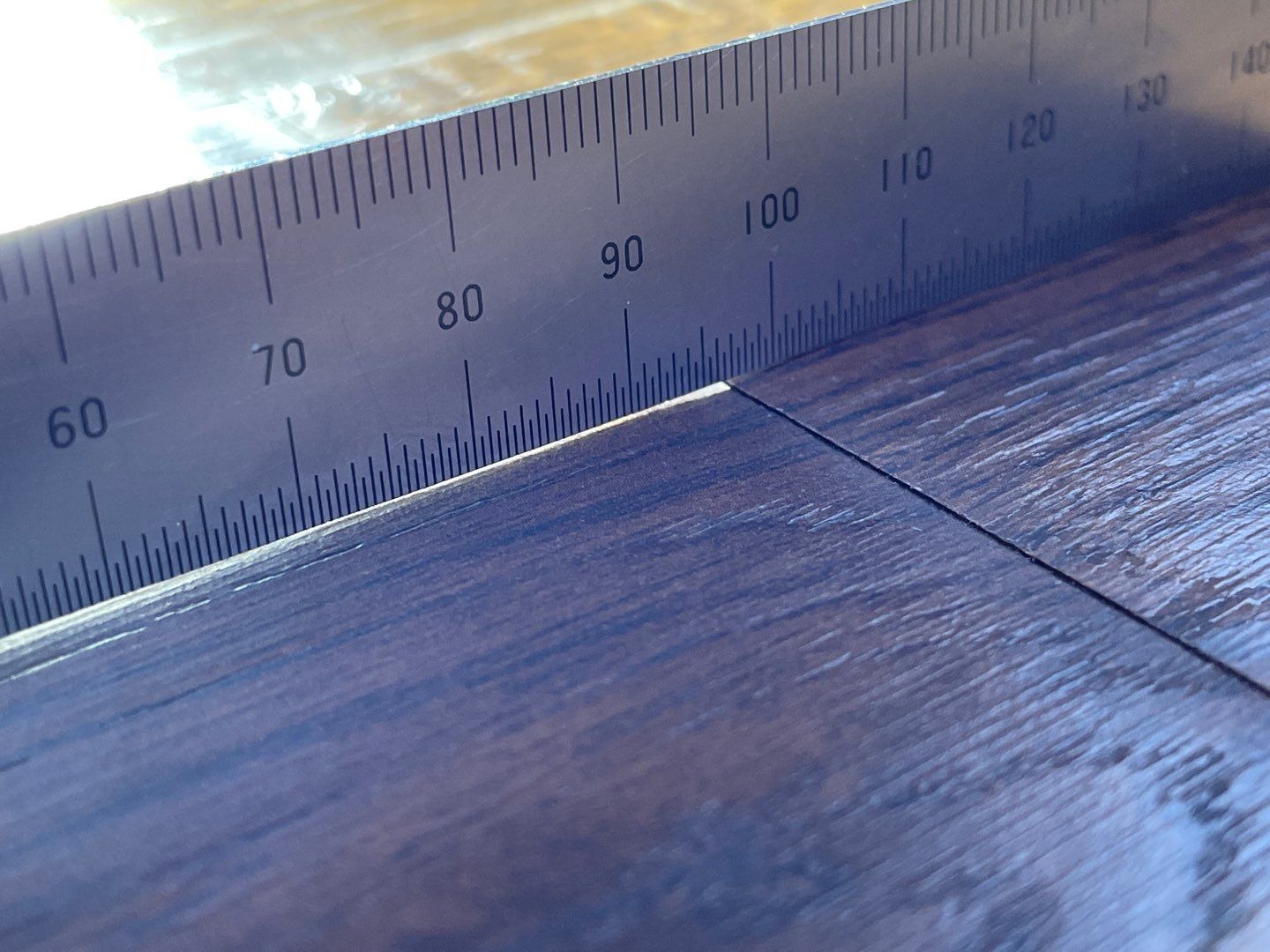
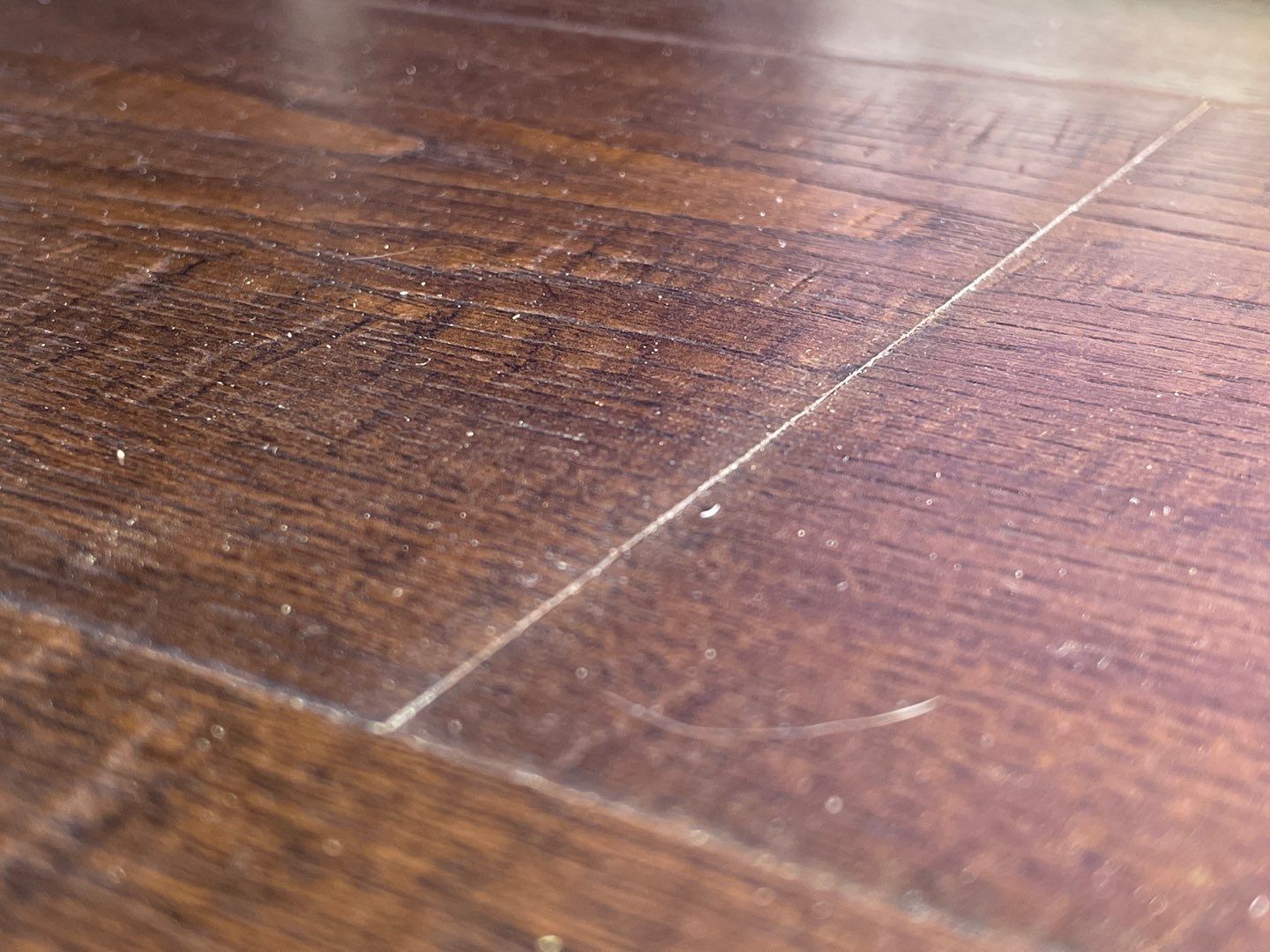
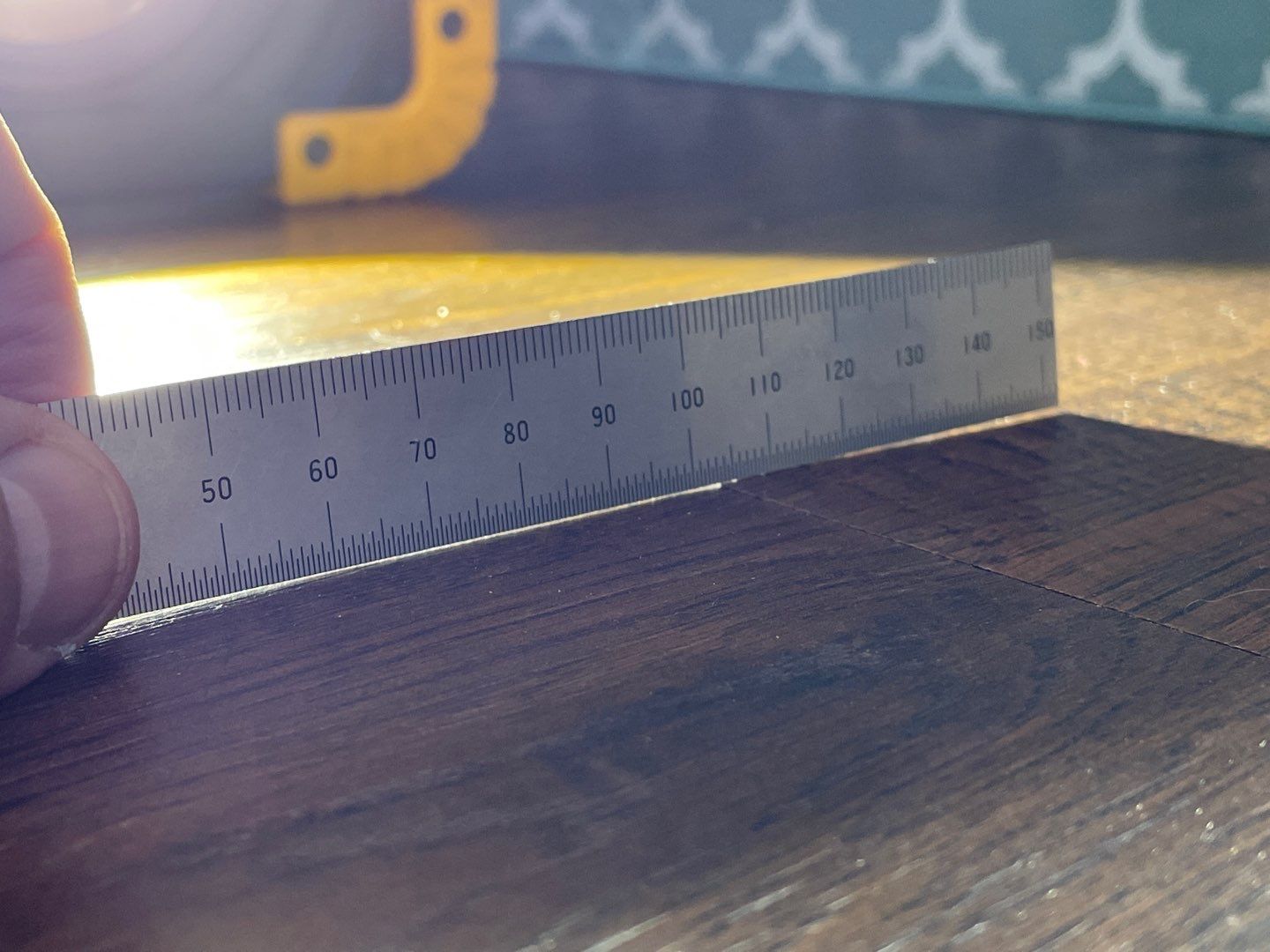
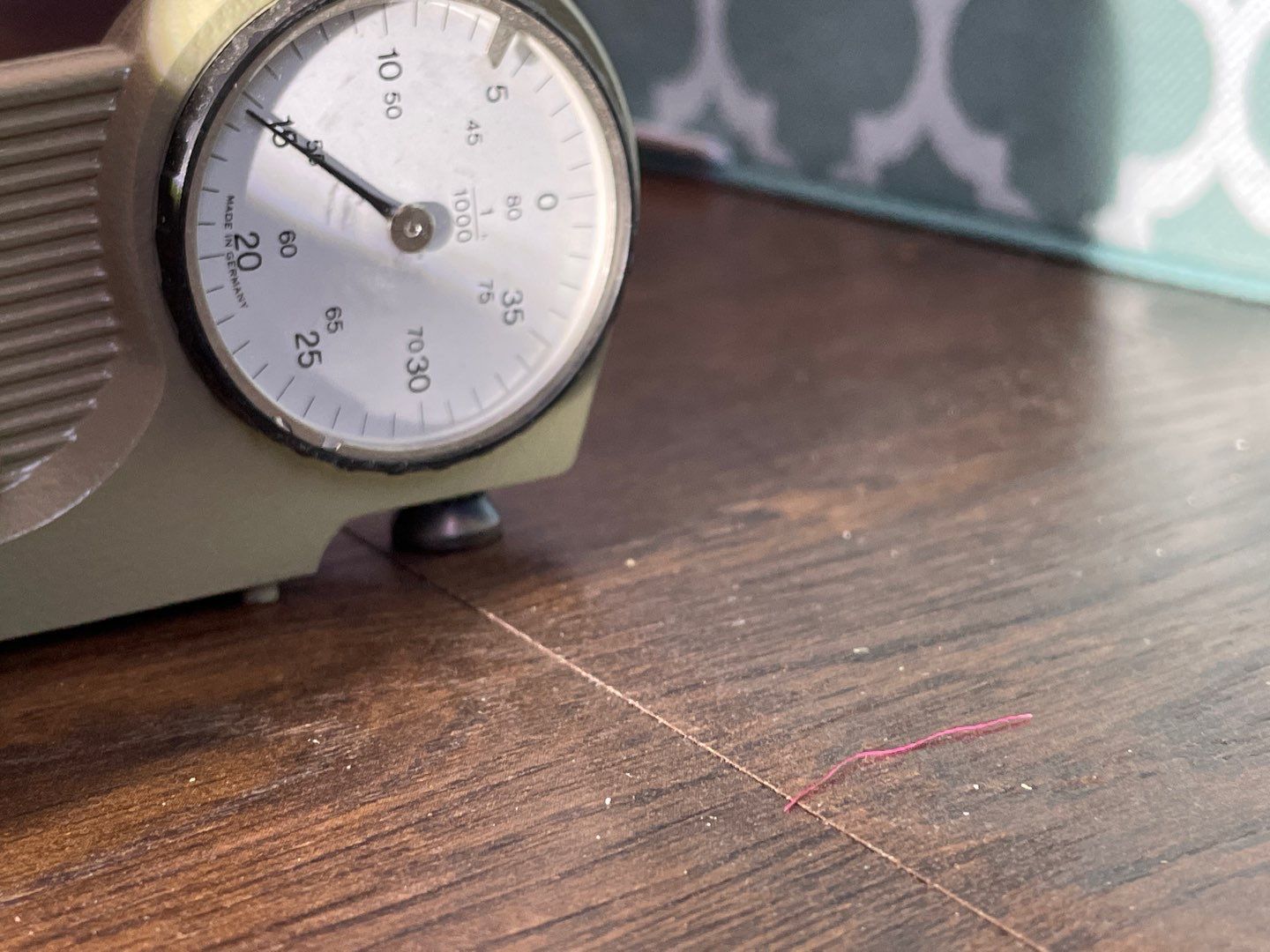

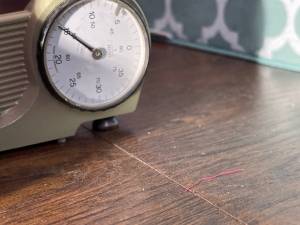
Overwood (Laminate Flooring)
Floor Detective® Claims and Conditions Guide
Summary
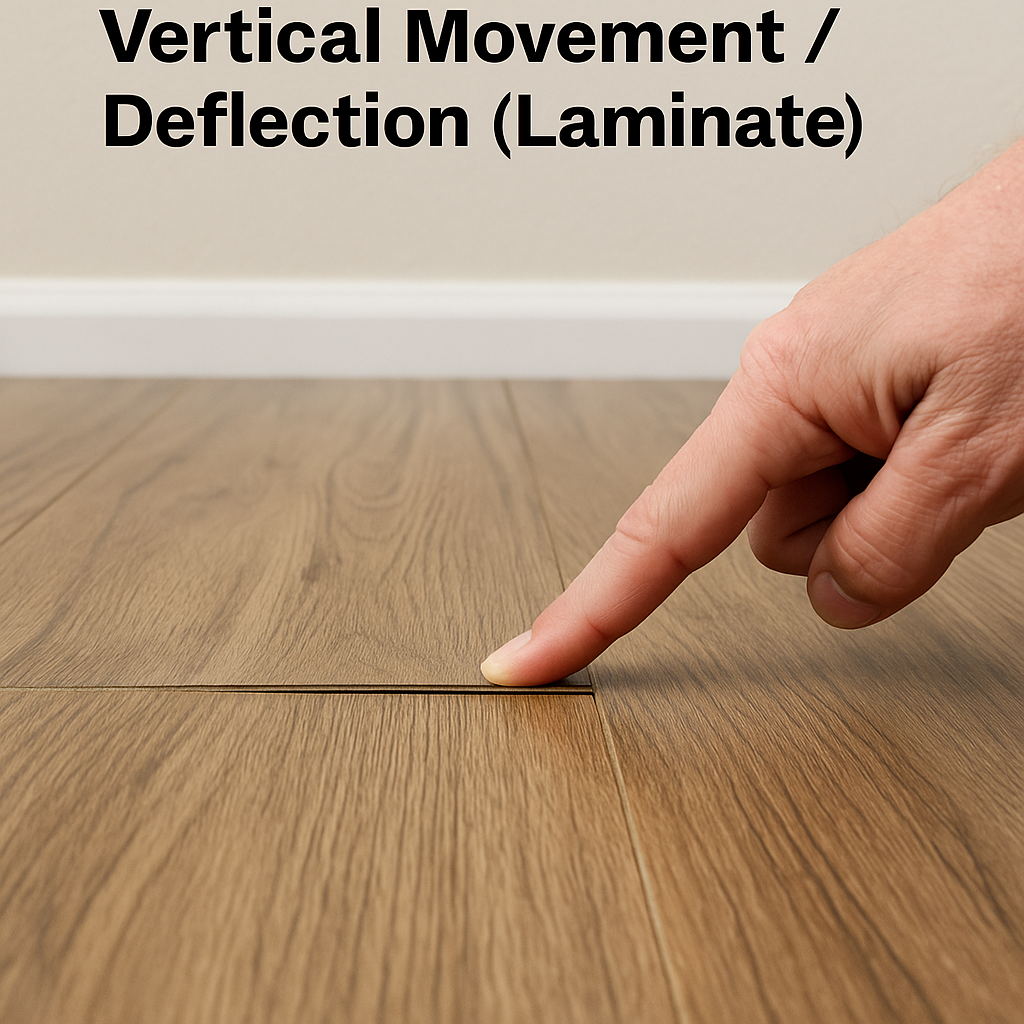
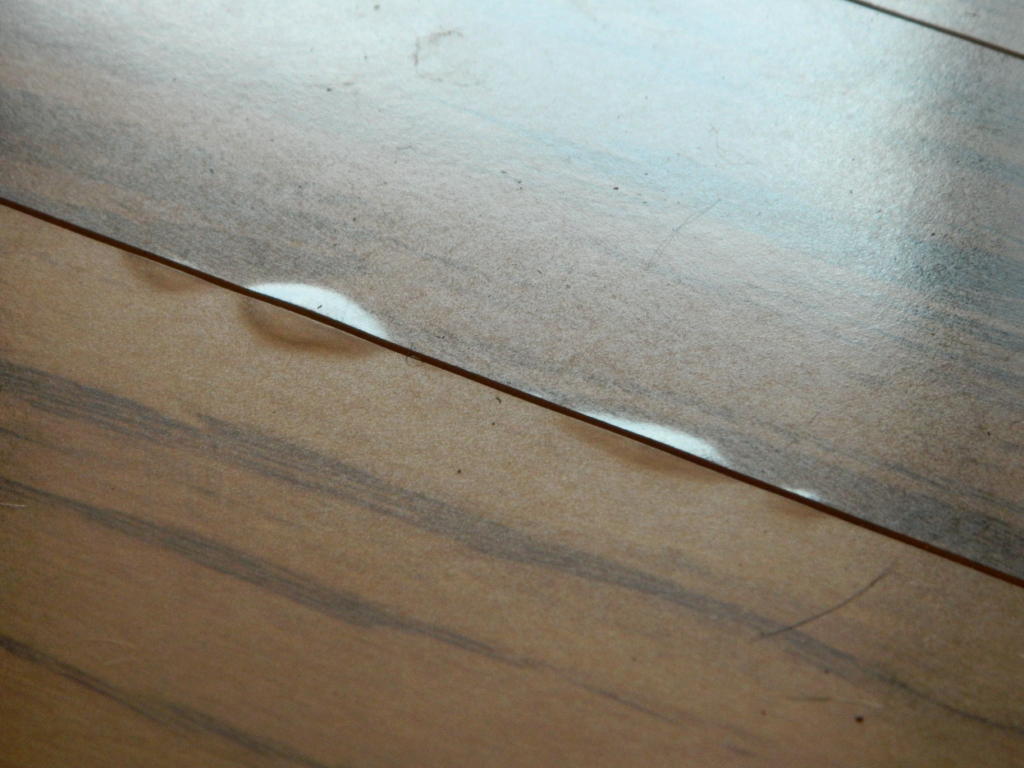
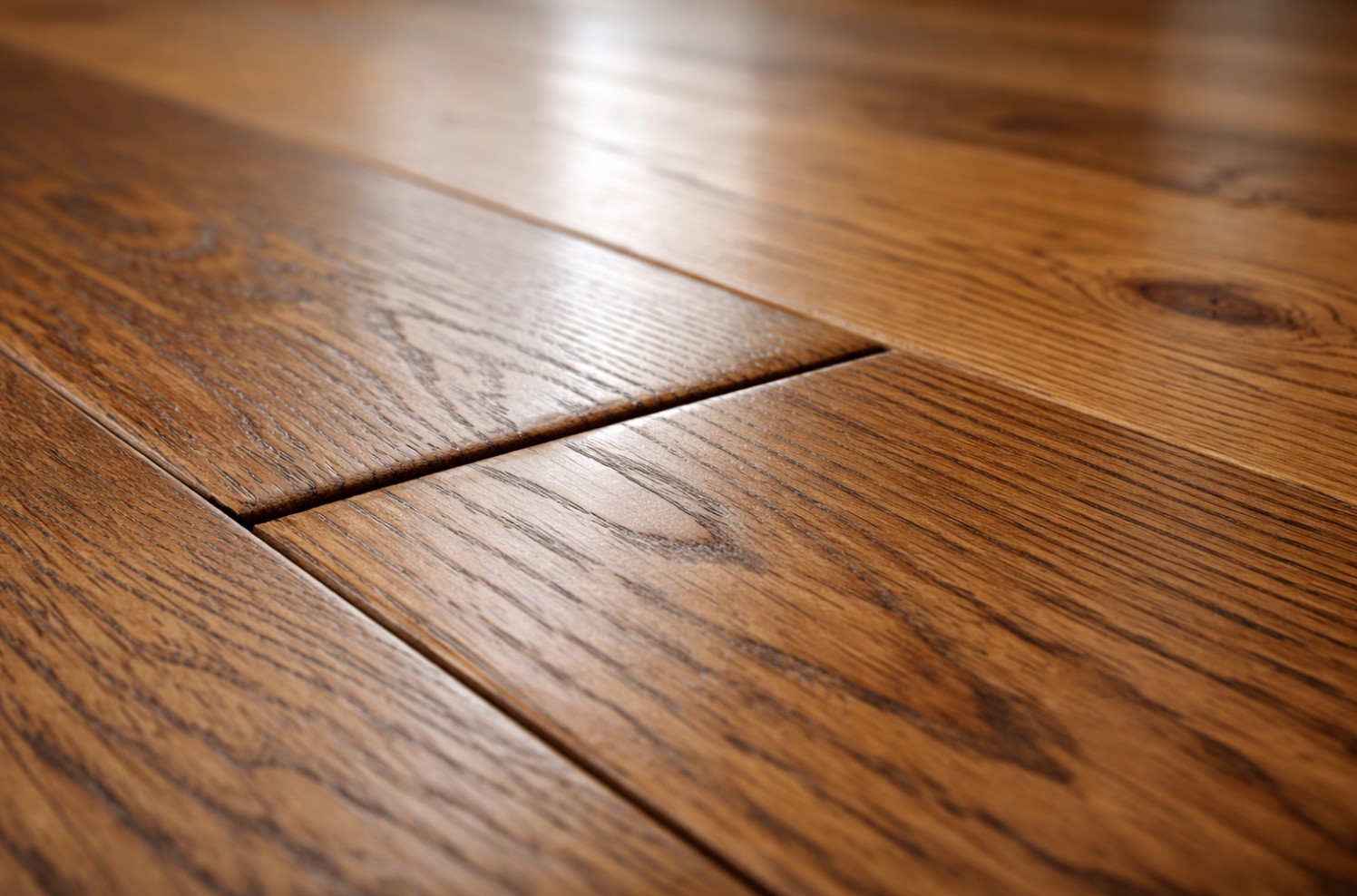
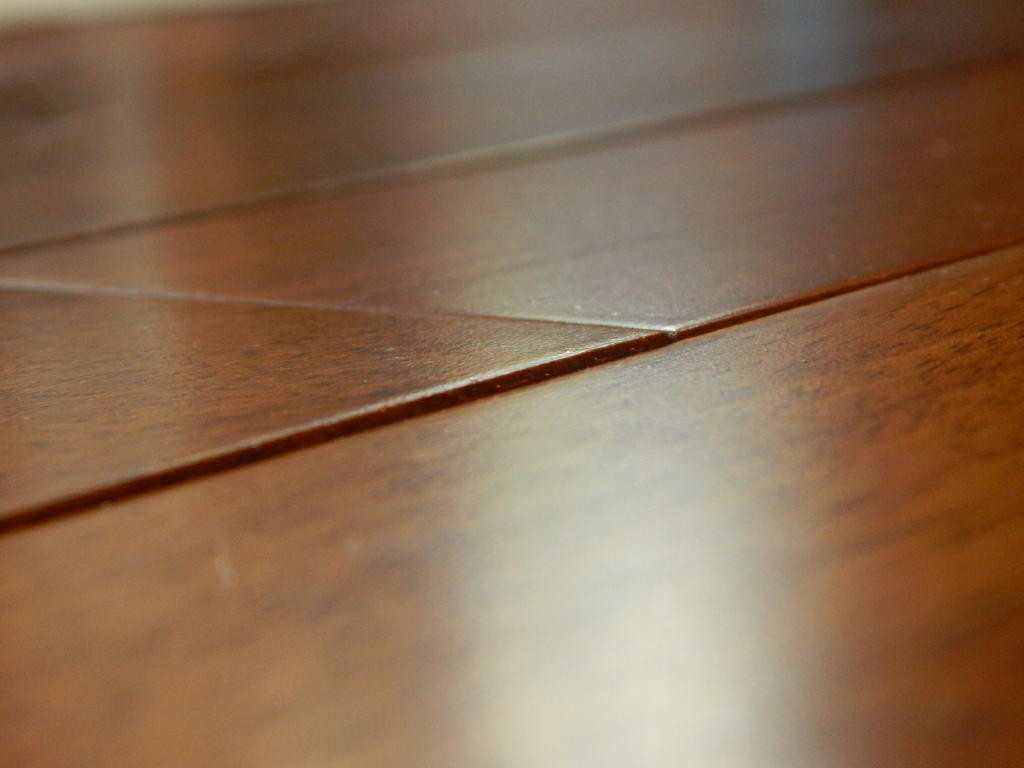
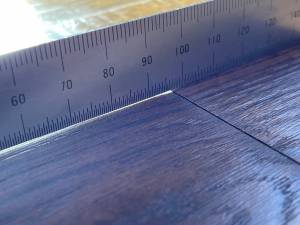
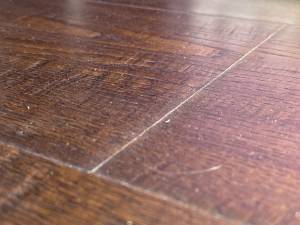
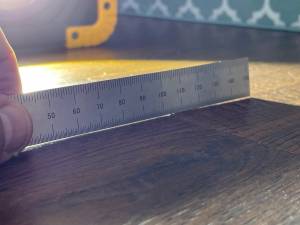
Overwood in laminate flooring is a condition where one plank edge sits slightly higher than the adjacent plank, creating a visible or measurable height difference at the joint. The condition may occur at long-side joints, end joints, or both, and is often more noticeable under reflective lighting or when walked across. Laminate flooring relies on precision-milled locking profiles to maintain surface alignment, and small variation in seating depth, profile geometry, support conditions, or joint engagement may influence finished flushness. In some cases, overwood may be associated with manufacturing tolerance variation, but installation mechanics, debris interference, subfloor deflection, underlayment behavior, or incomplete seating are more common contributors. Proper interpretation requires correlation of distribution pattern, engagement integrity, support behavior, and flooring-system conditions before conclusions are reached. The presence of overwood alone does not independently establish laminate manufacturing nonconformance. See also Locking System Failure, Floating Floor Requirements, and Laminate Problems for broader context.
Laminate Problems
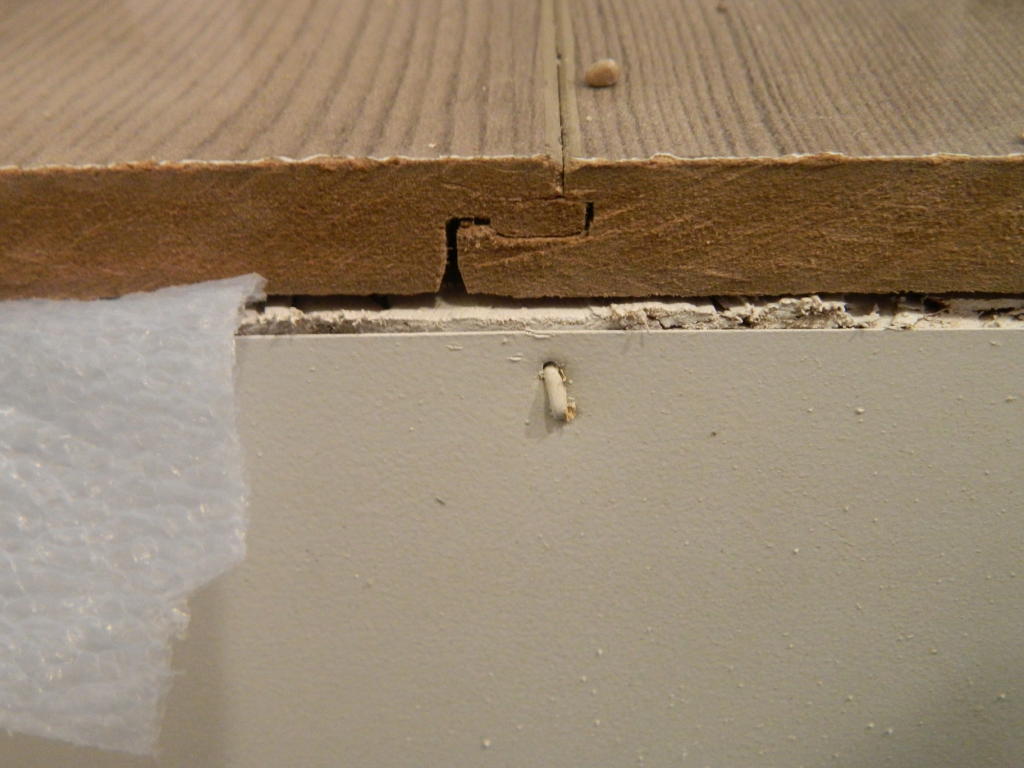
Underlayment Compression / Support Loss (Laminate)
Static Electricity Generation (Laminate)

Pattern Repeat / Visual Repetition (Laminate Flooring)
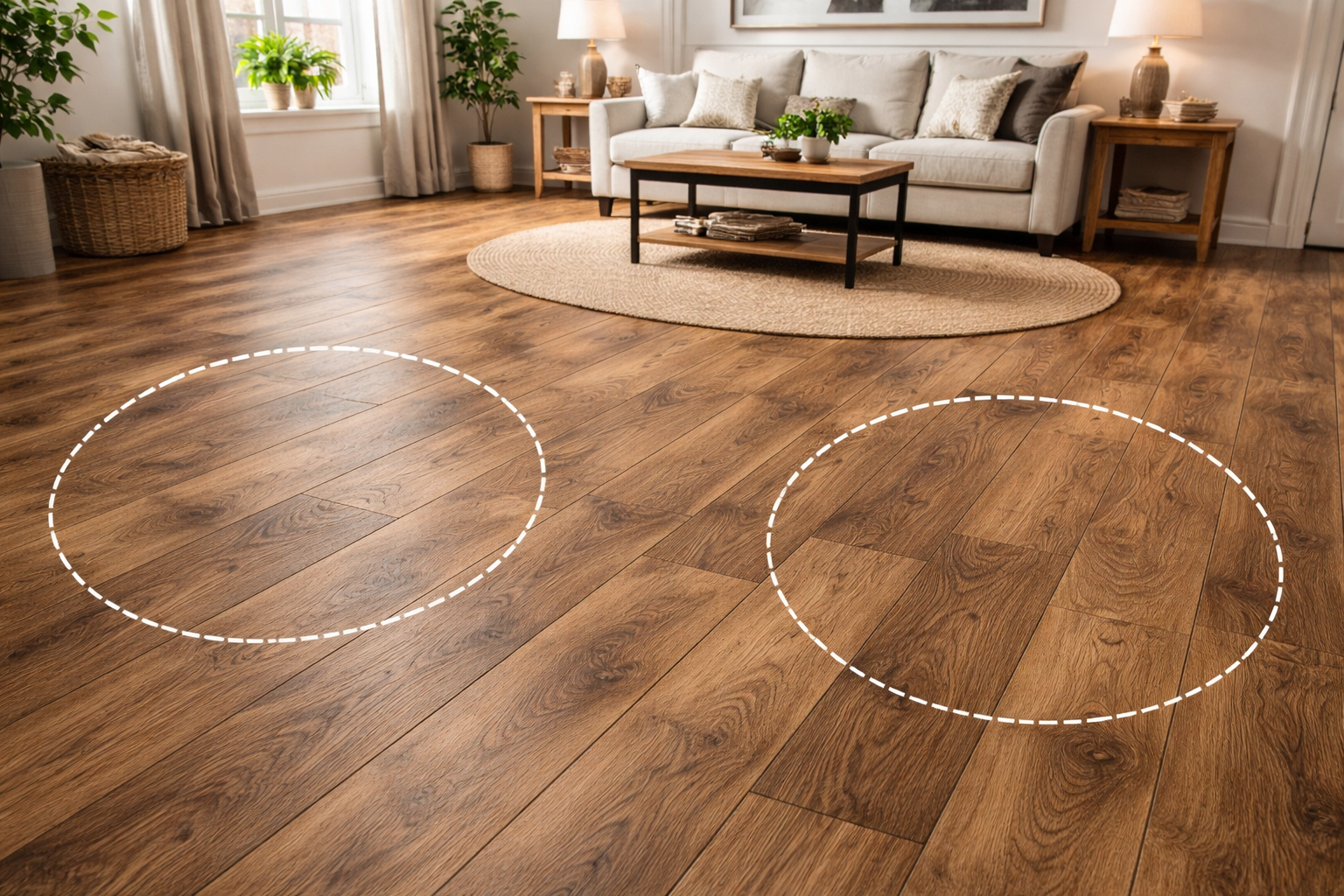
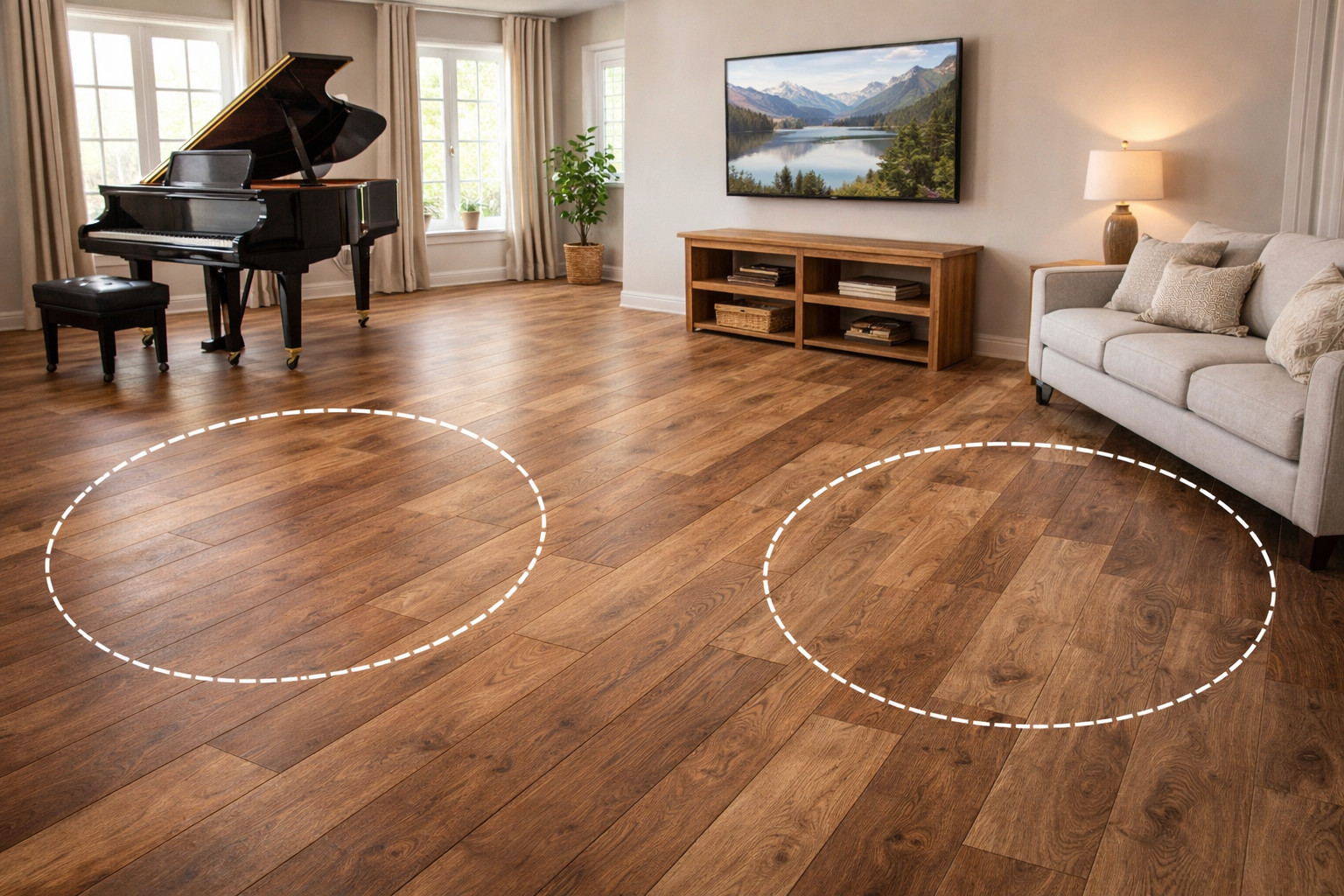
Color Lot Variation (Laminate)
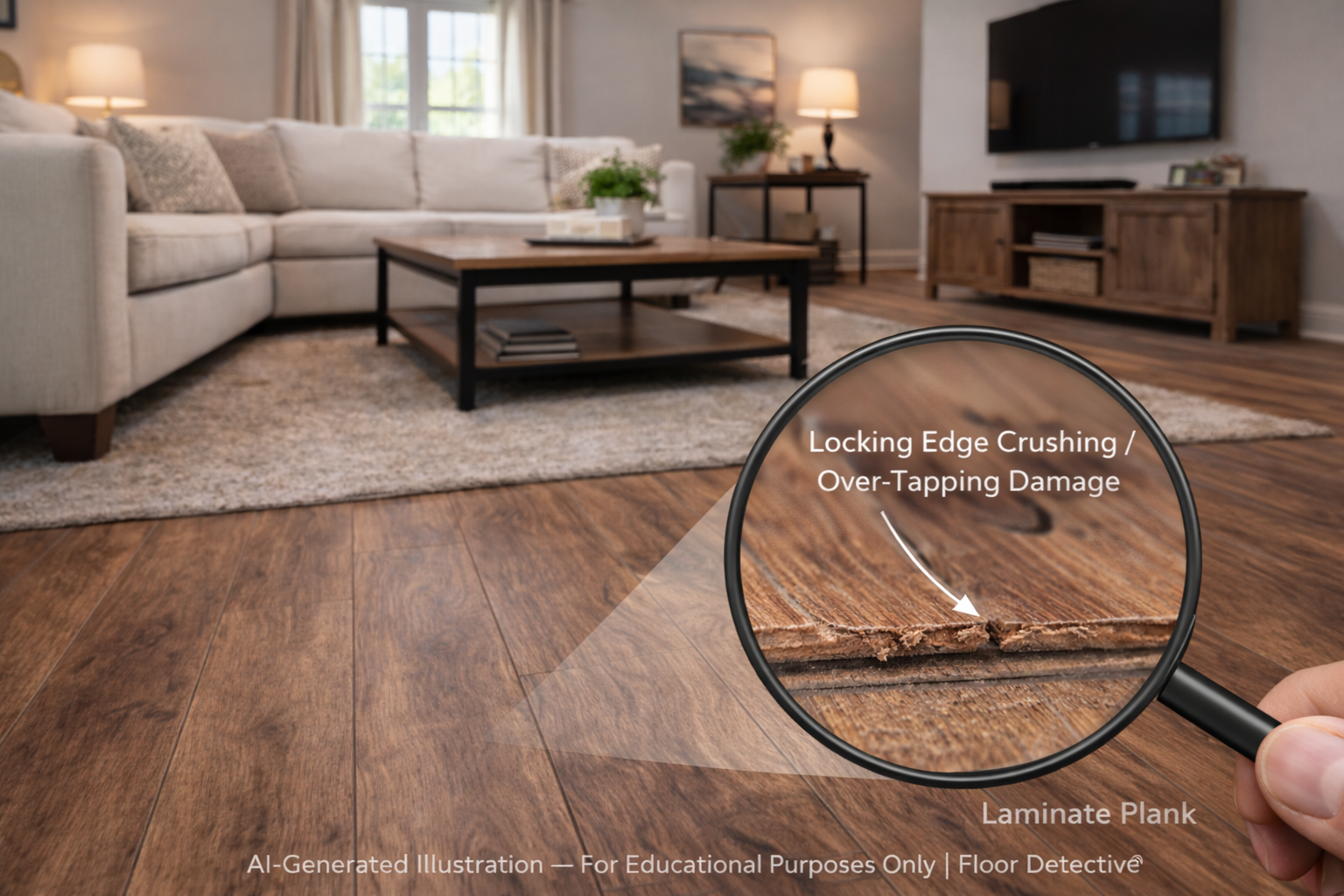
Locking Edge Crushing / Over-Tapping Damage (Laminate)
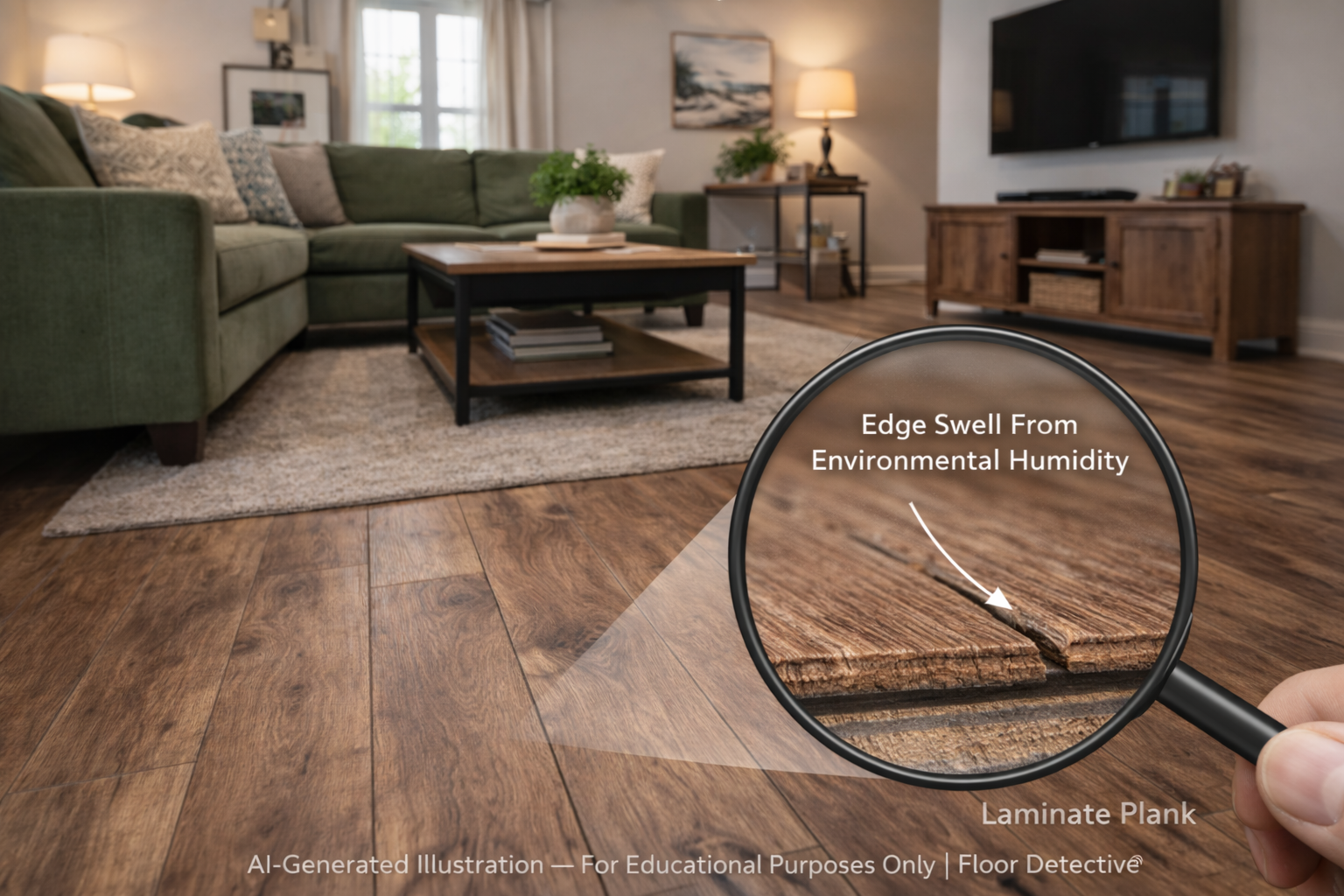
Edge Swell From Environmental Humidity (Laminate)
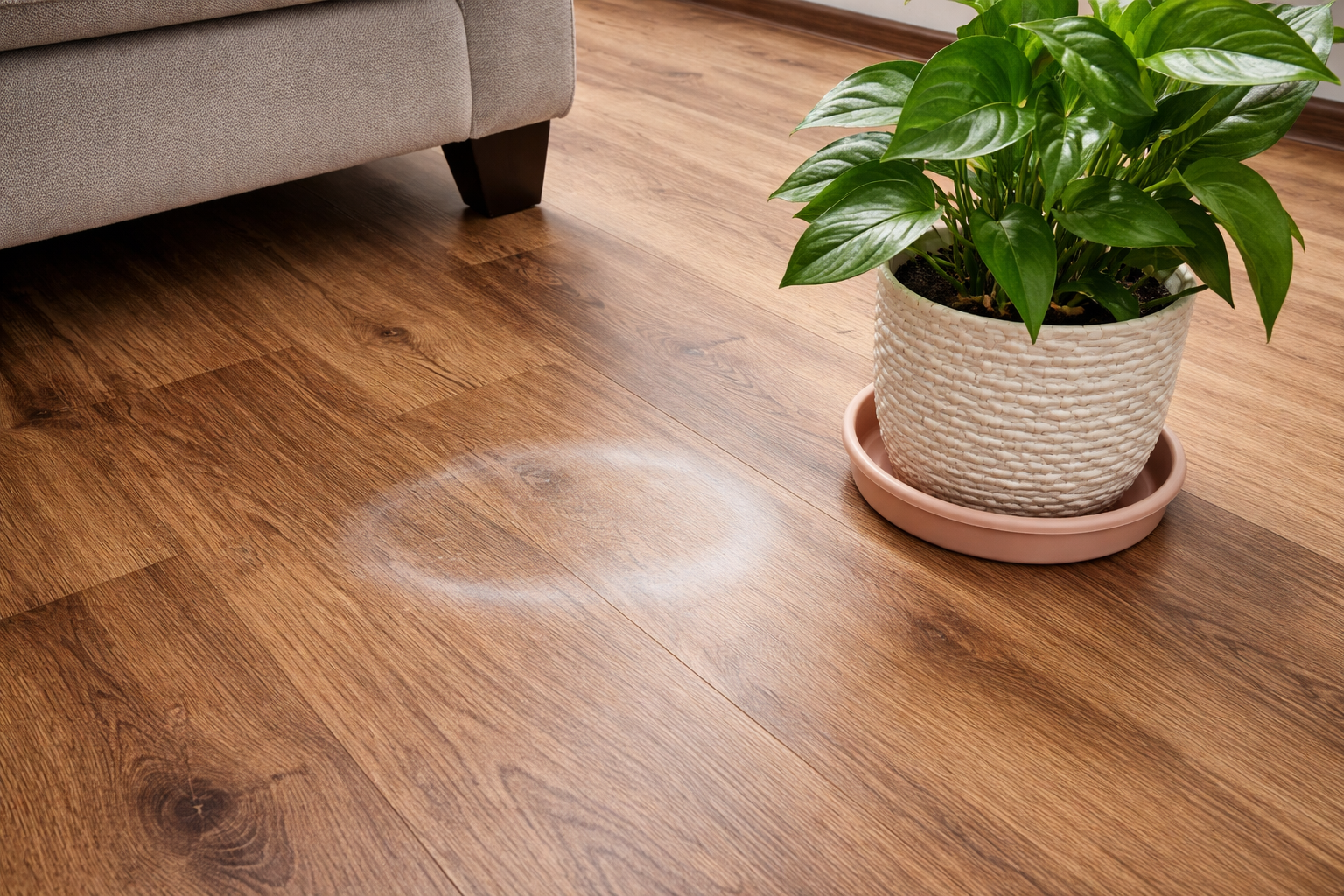
Surface Whitening from Topical Moisture Entrapment
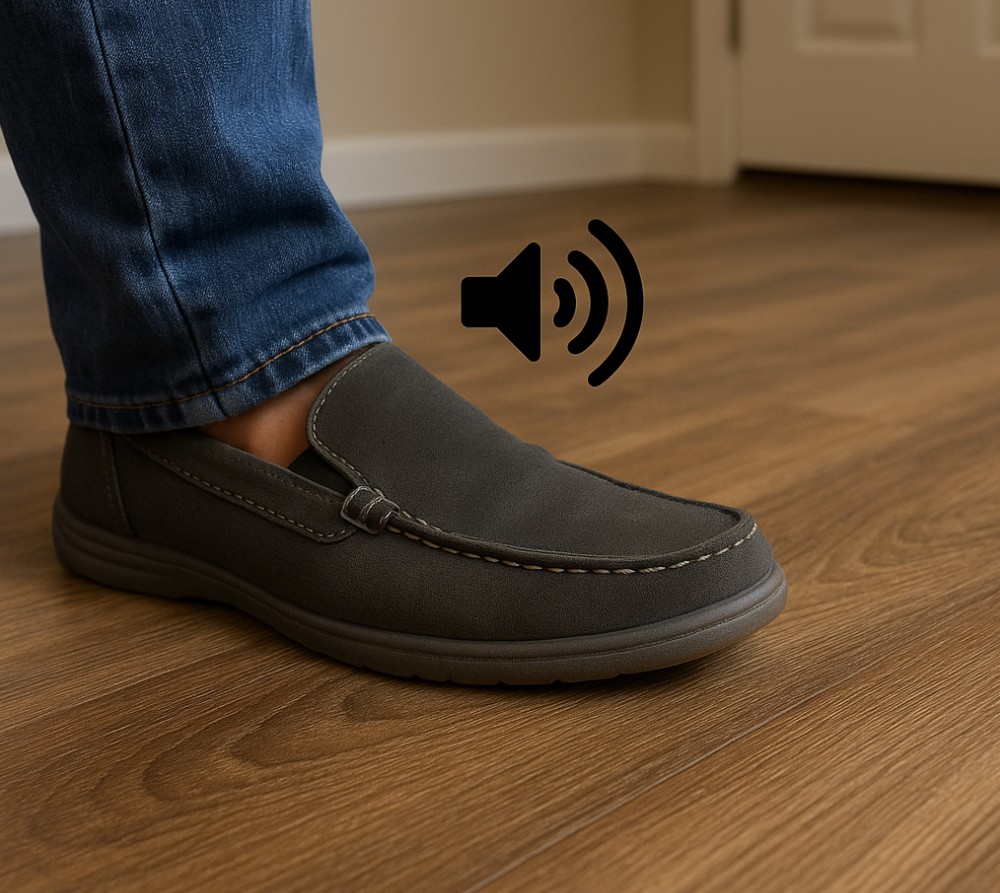
Hollow Sound / Acoustic Resonance (Laminate)coincidence whipping melt
Vertical Movement / Deflection (Laminate