Noise (Snap Crackle Pop}
Noise (Snap, Crackle, Pop) (Laminate Flooring)
Floor Detective® Claims and Conditions Guide
Summary
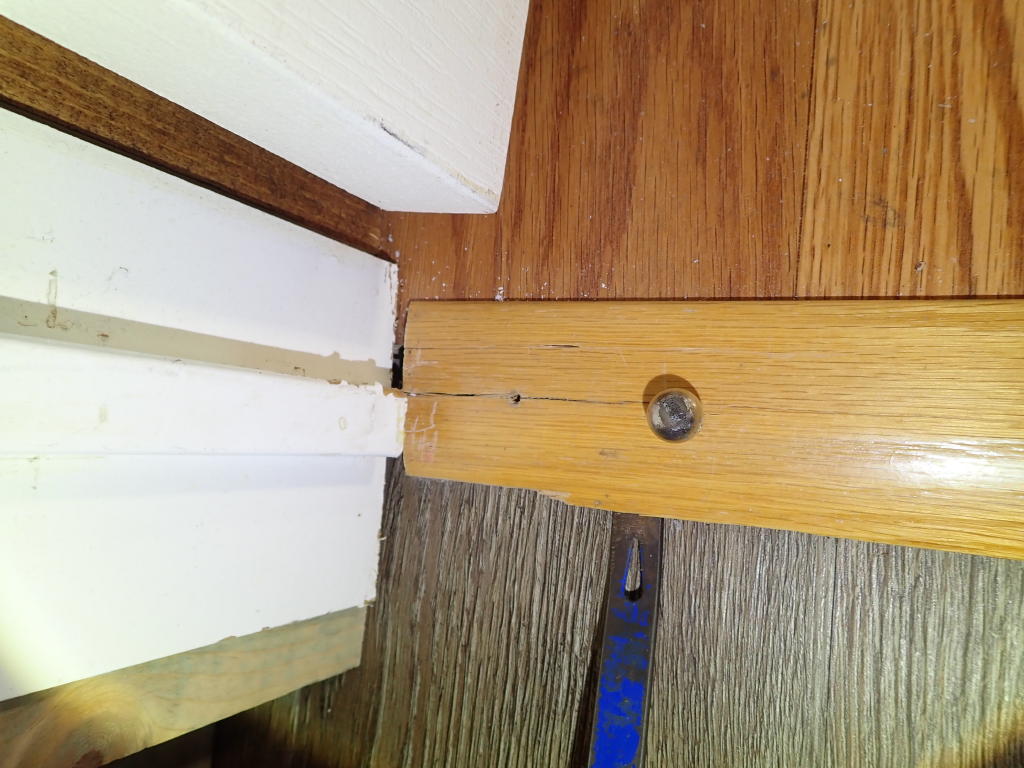
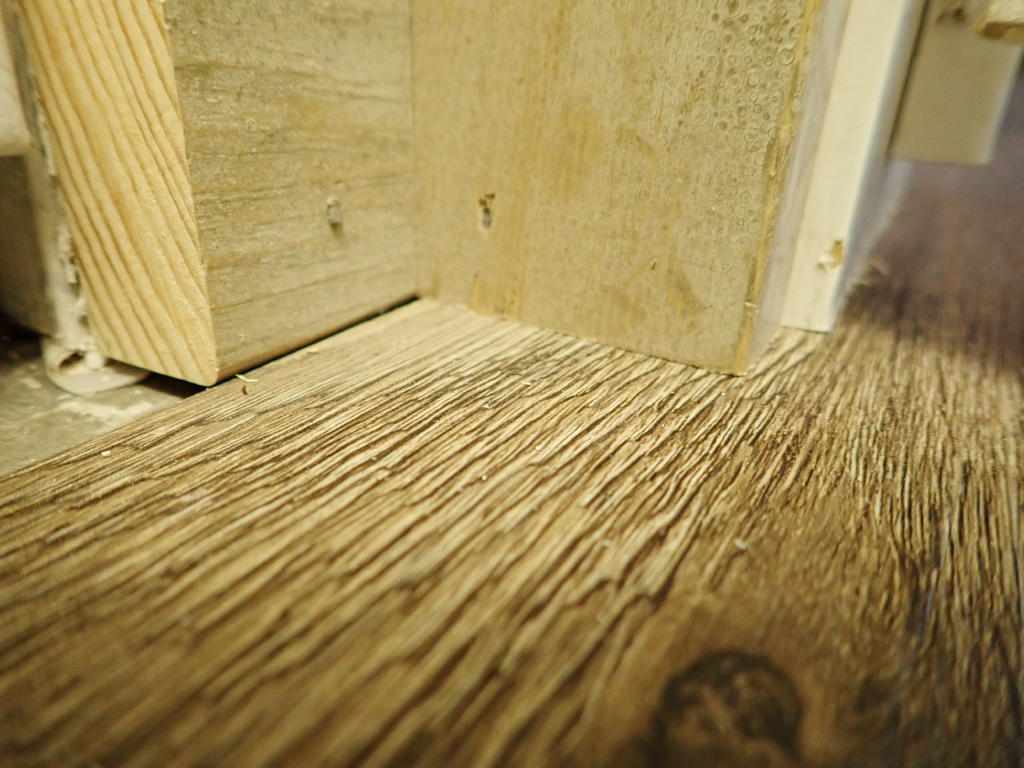
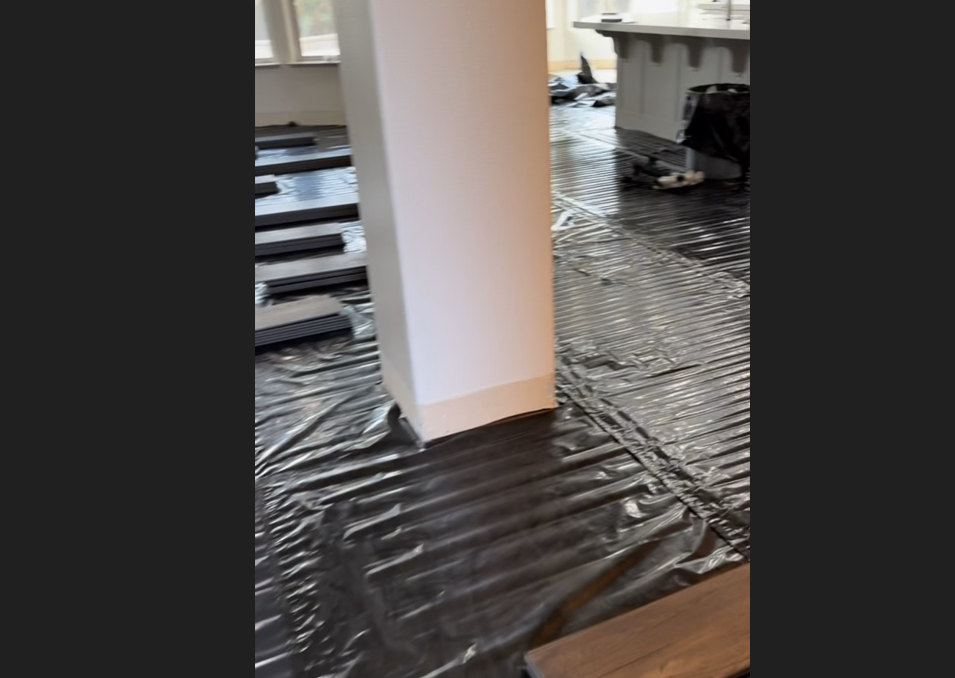
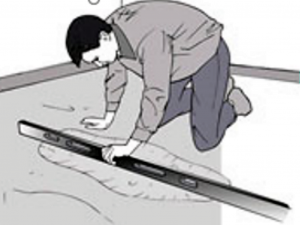
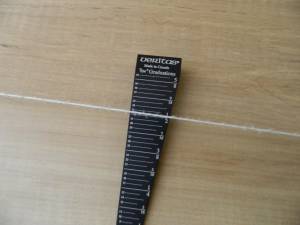
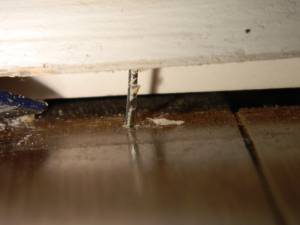
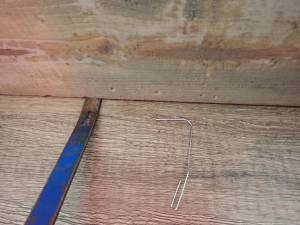
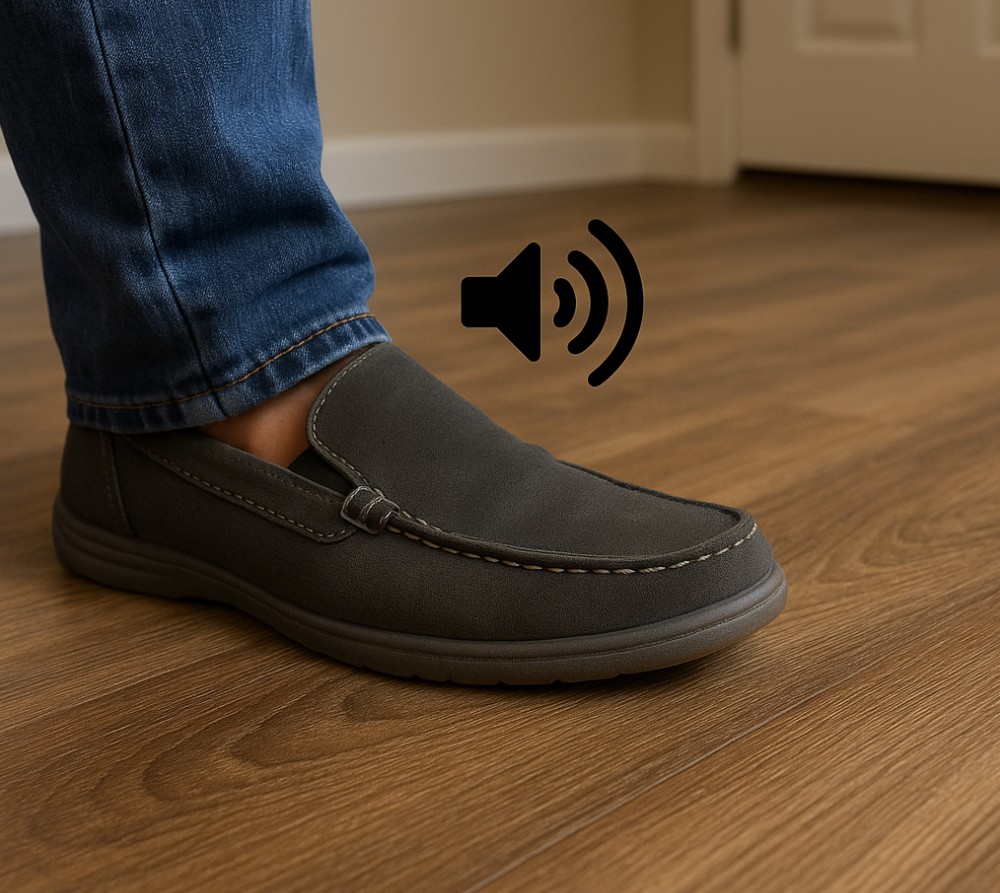
Noise in laminate flooring refers to audible sounds generated during walking, load transfer, or normal occupancy because of movement interaction within the flooring, underlayment, subfloor, or structural assembly. Audible response may include snapping, cracking, popping, clicking, creaking, or hollow tonal variation depending on the flooring construction and underlying mechanism. Laminate flooring is installed as a floating system designed to move as a unified assembly, and some acoustic response may occur even when no visible distortion or measurable instability is present. Sound develops when friction, compression, restraint, or movement occurs at contact interfaces within the system. Persistent, repeatable, or localized noise typically indicates increased movement interaction or stress concentration within the flooring assembly. Audible response alone does not independently establish laminate manufacturing nonconformance. Proper interpretation requires correlation of sound character, repeatability, support condition, engagement integrity, restraint, environmental influence, and flooring-system behavior before conclusions are reached. See also Locking System Failure, Floating Floor Requirements, and Laminate Problems for broader context.
Laminate Problems
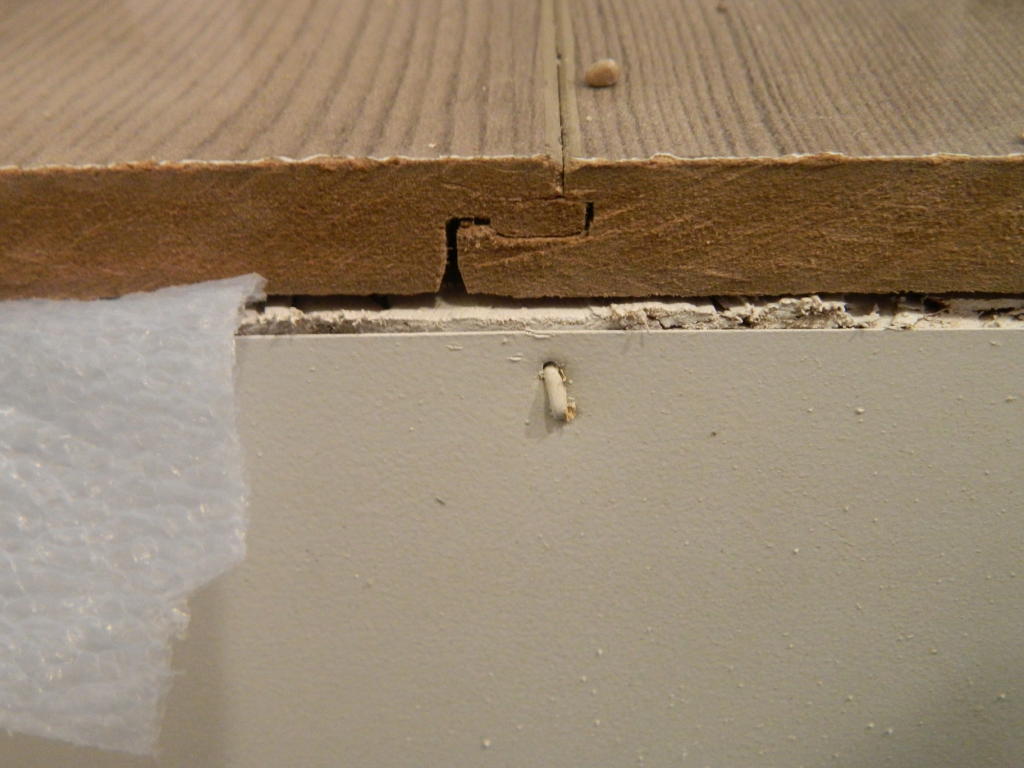
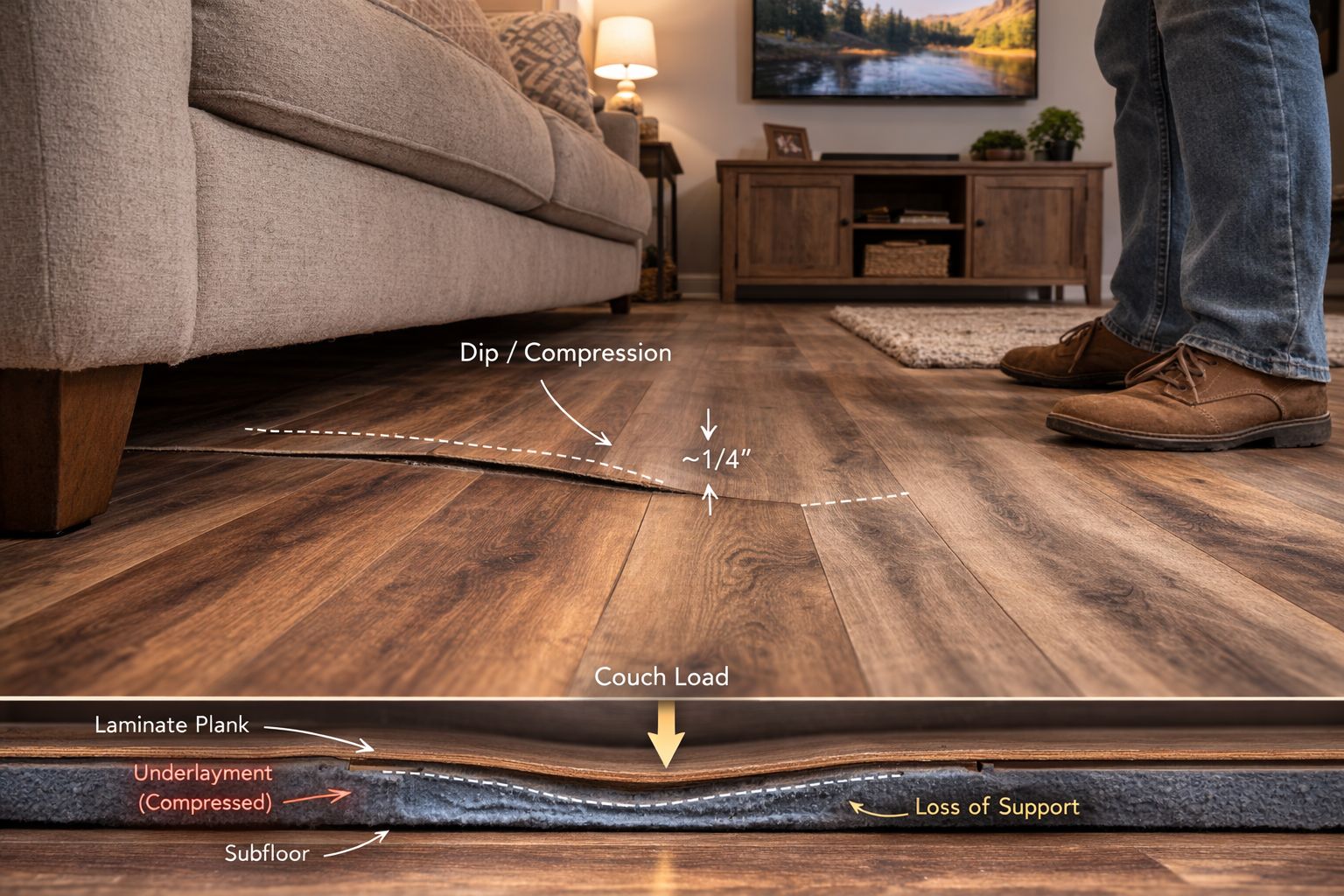
Underlayment Compression / Support Loss (Laminate)
Static Electricity Generation (Laminate)

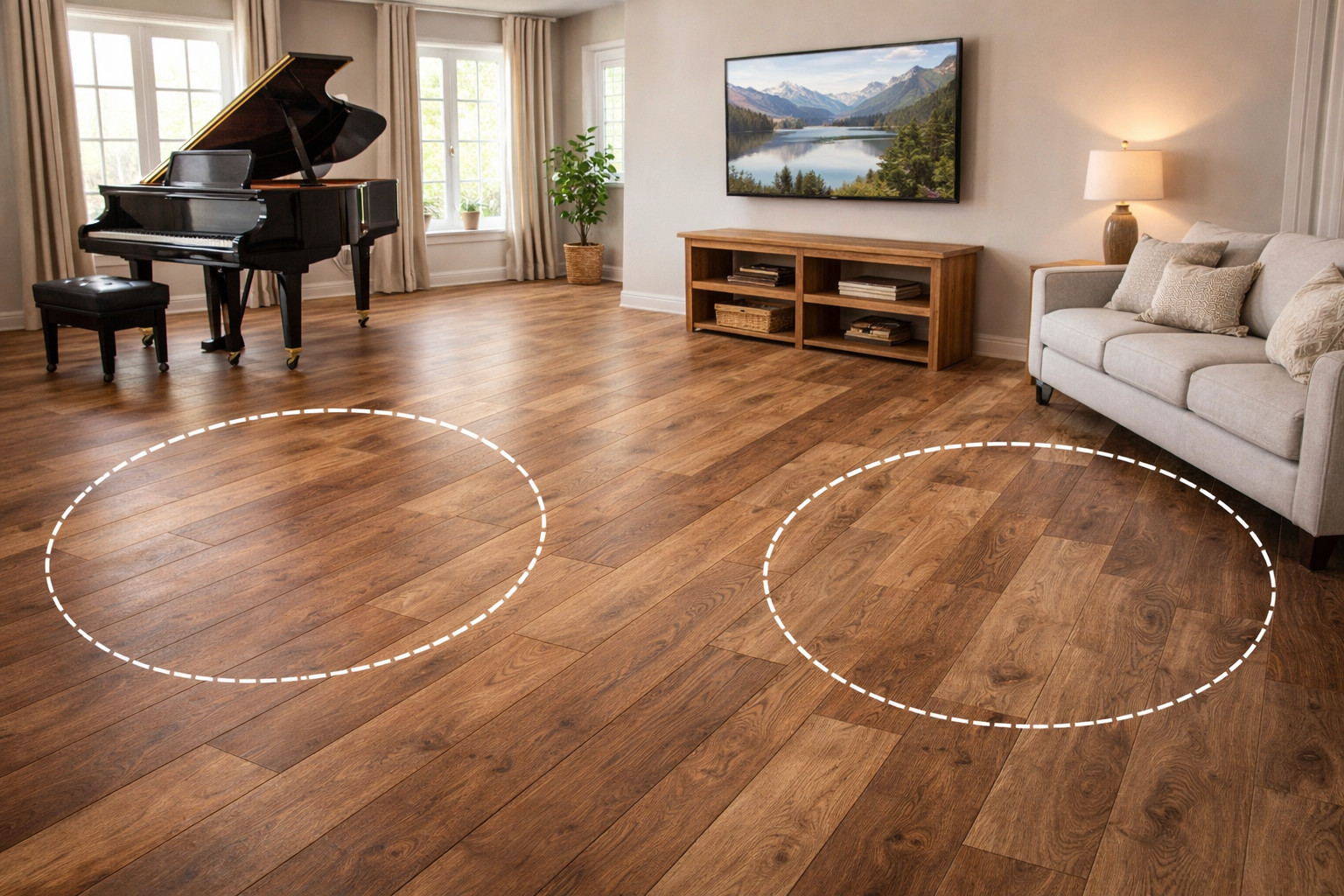
Pattern Repeat / Visual Repetition (Laminate Flooring)
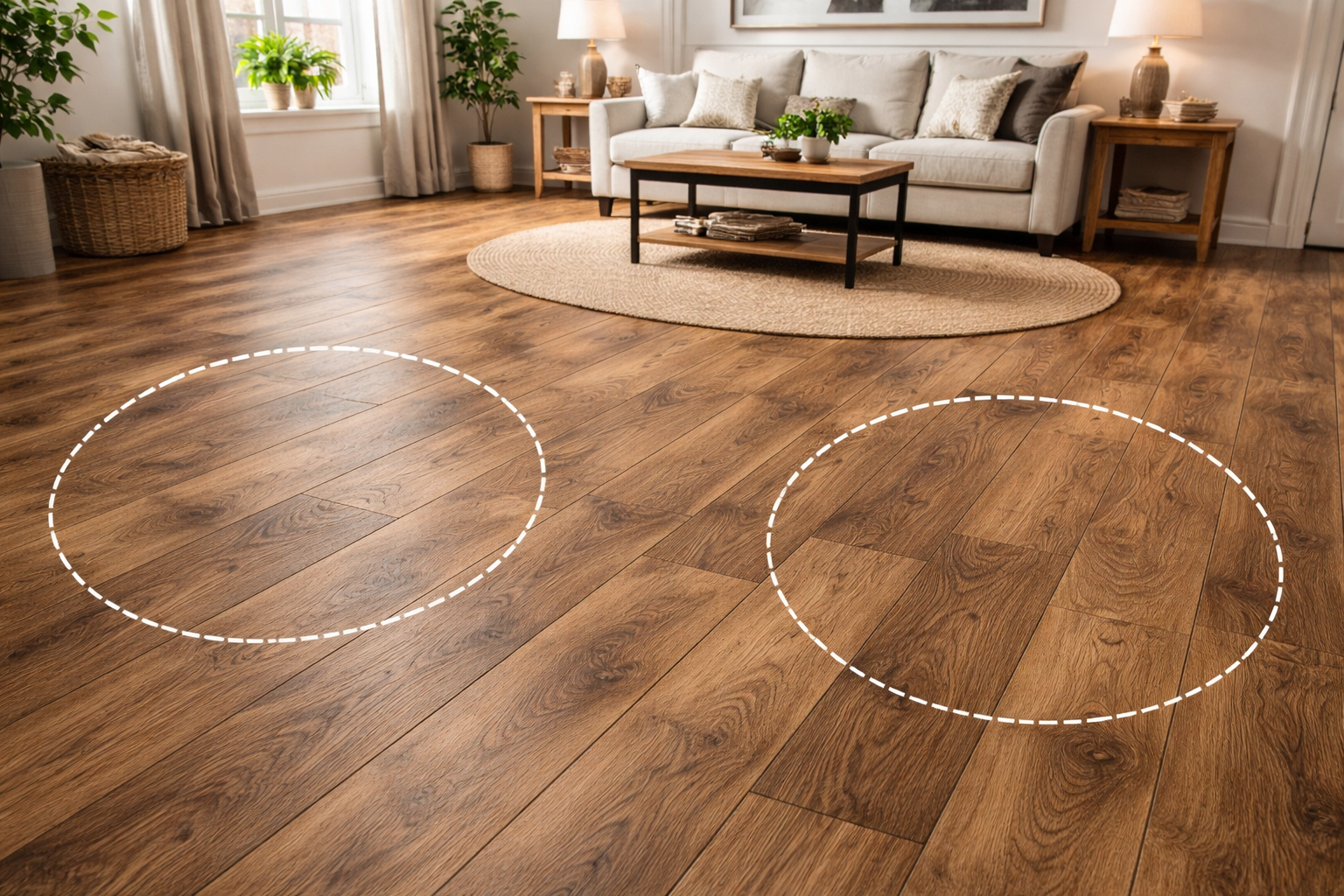
Color Lot Variation (Laminate)
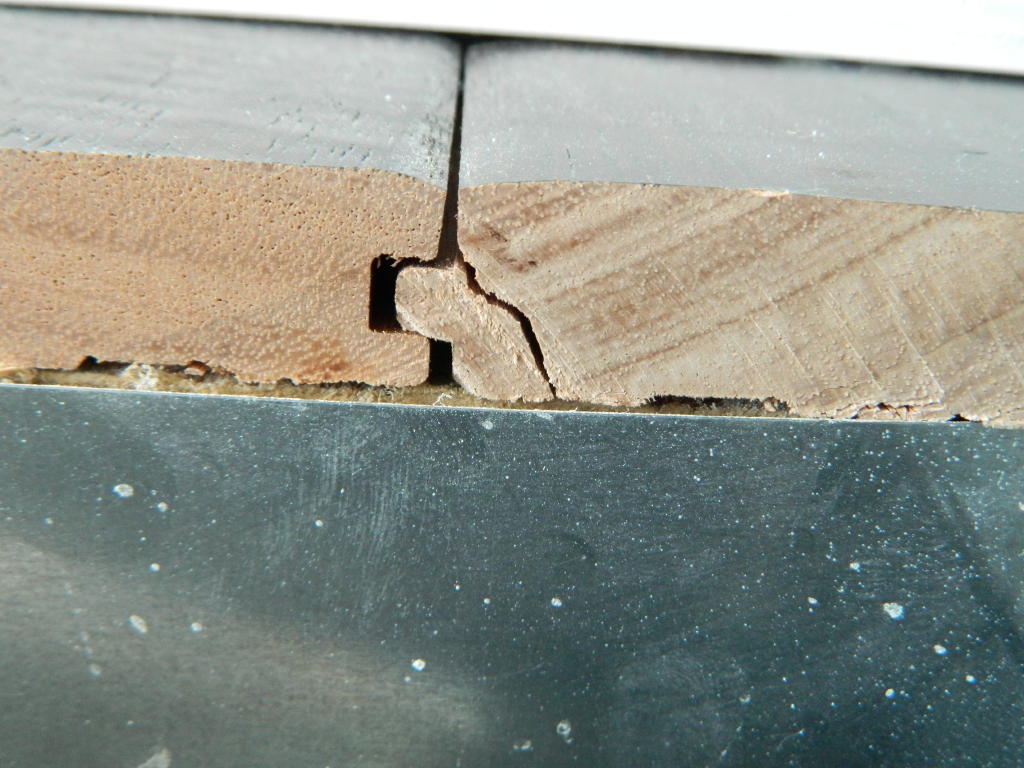
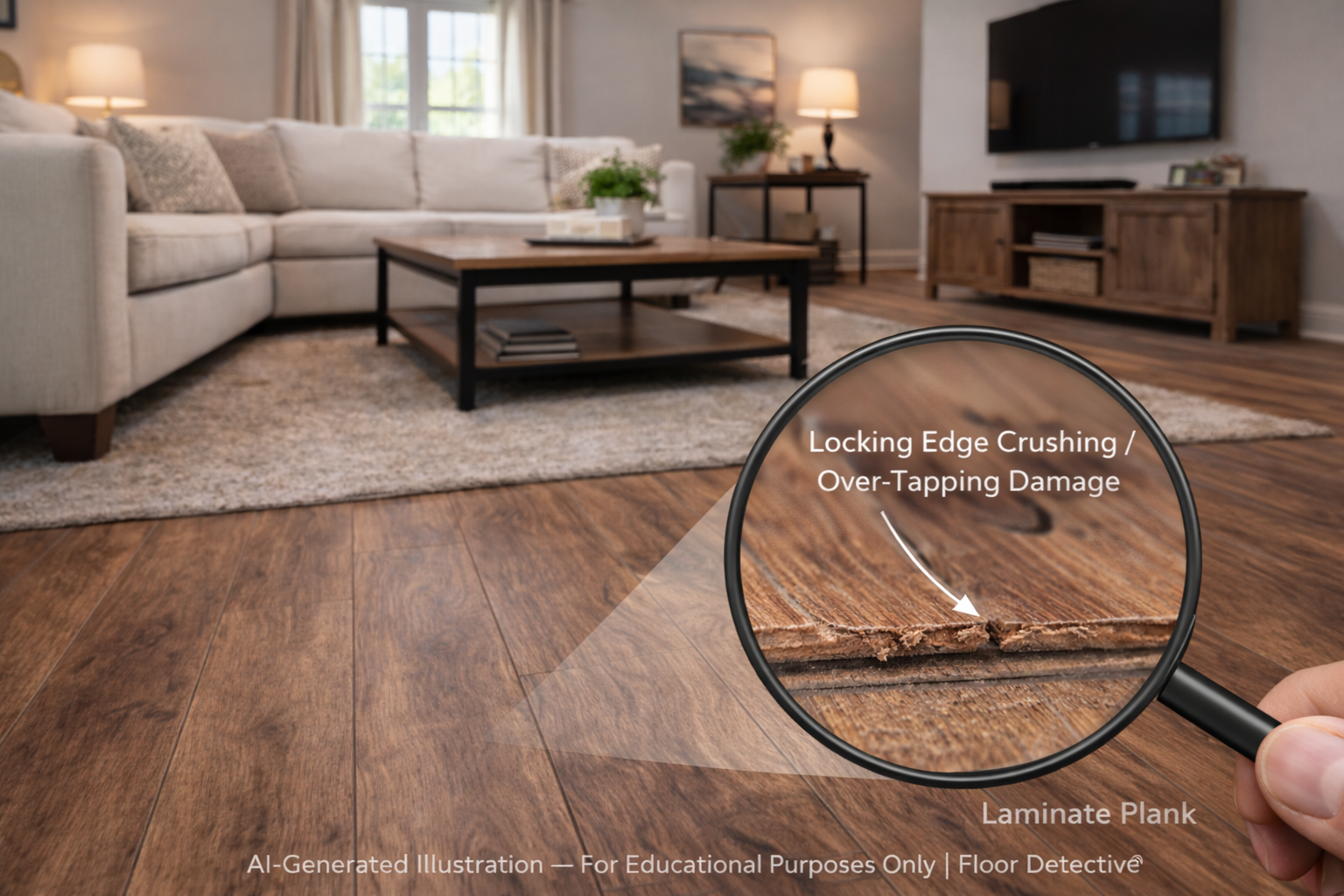
Locking Edge Crushing / Over-Tapping Damage (Laminate)
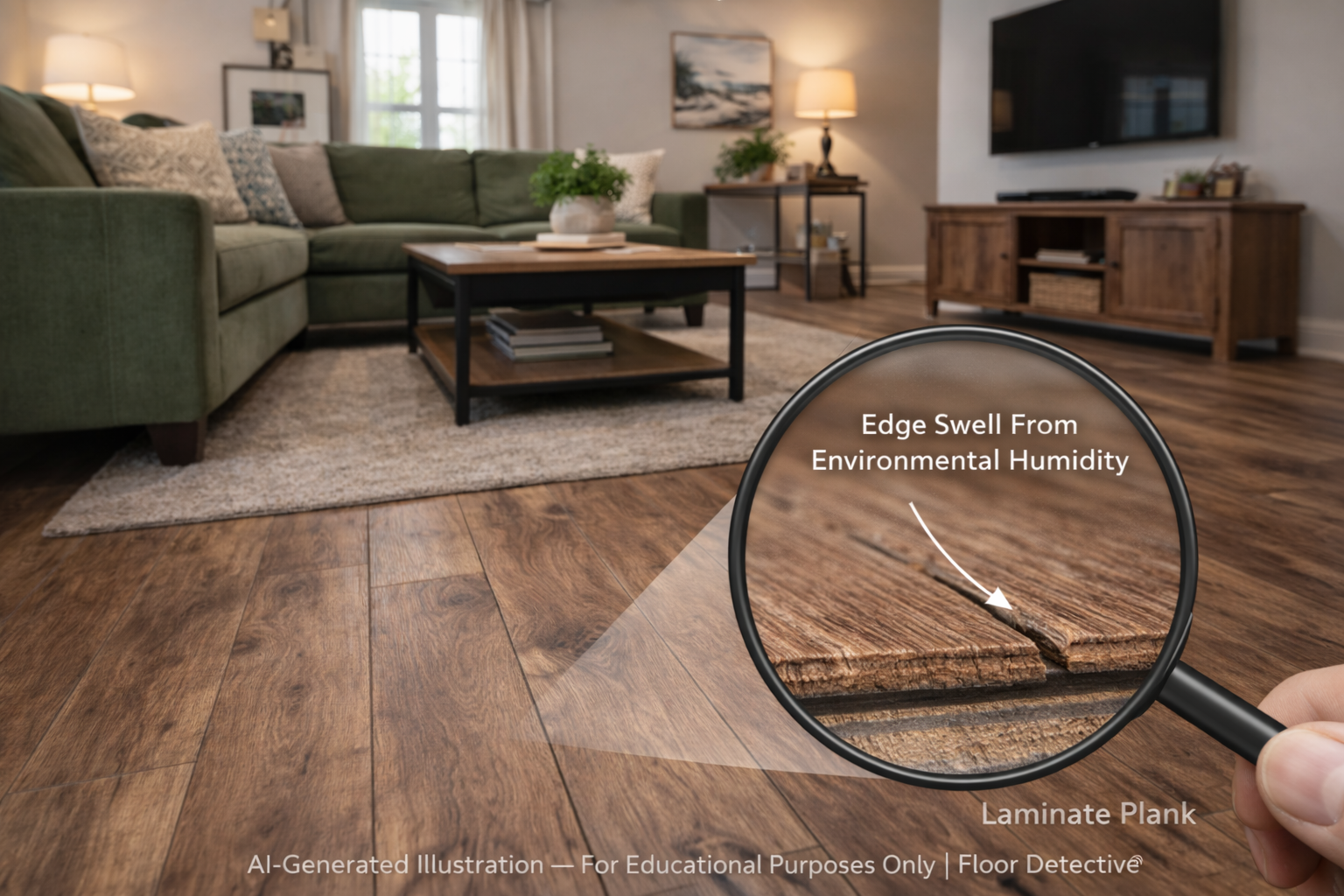
Edge Swell From Environmental Humidity (Laminate)
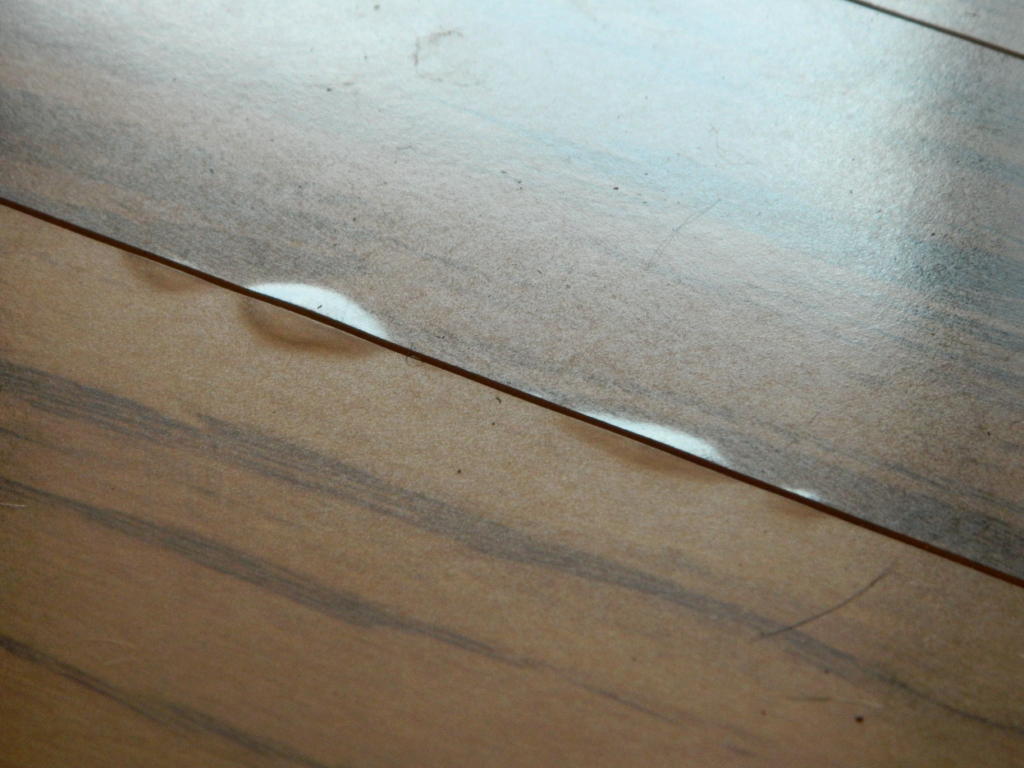
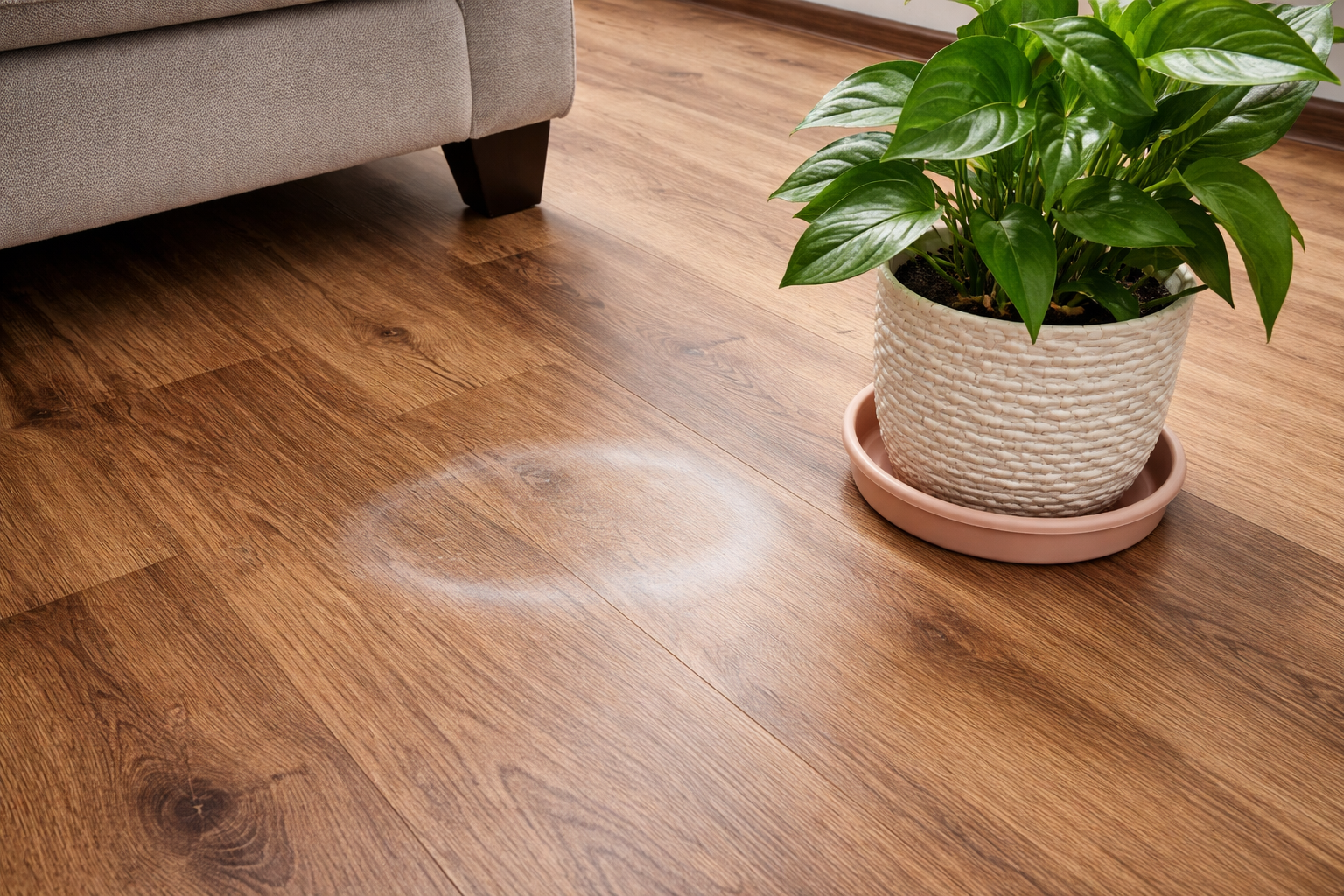
Surface Whitening from Topical Moisture Entrapment
Hollow Sound / Acoustic Resonance (Laminate)coincidence whipping melt
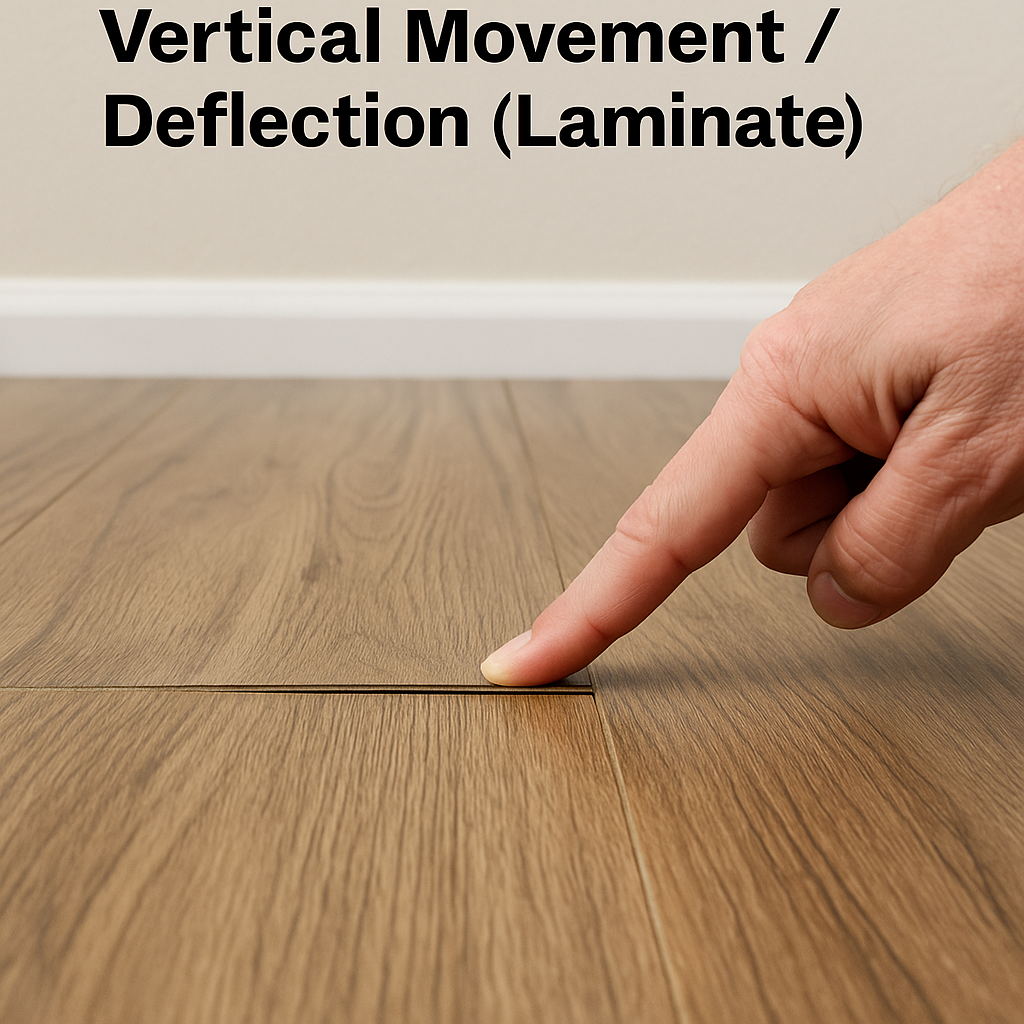
Vertical Movement / Deflection (Laminate