End Joint Stagger
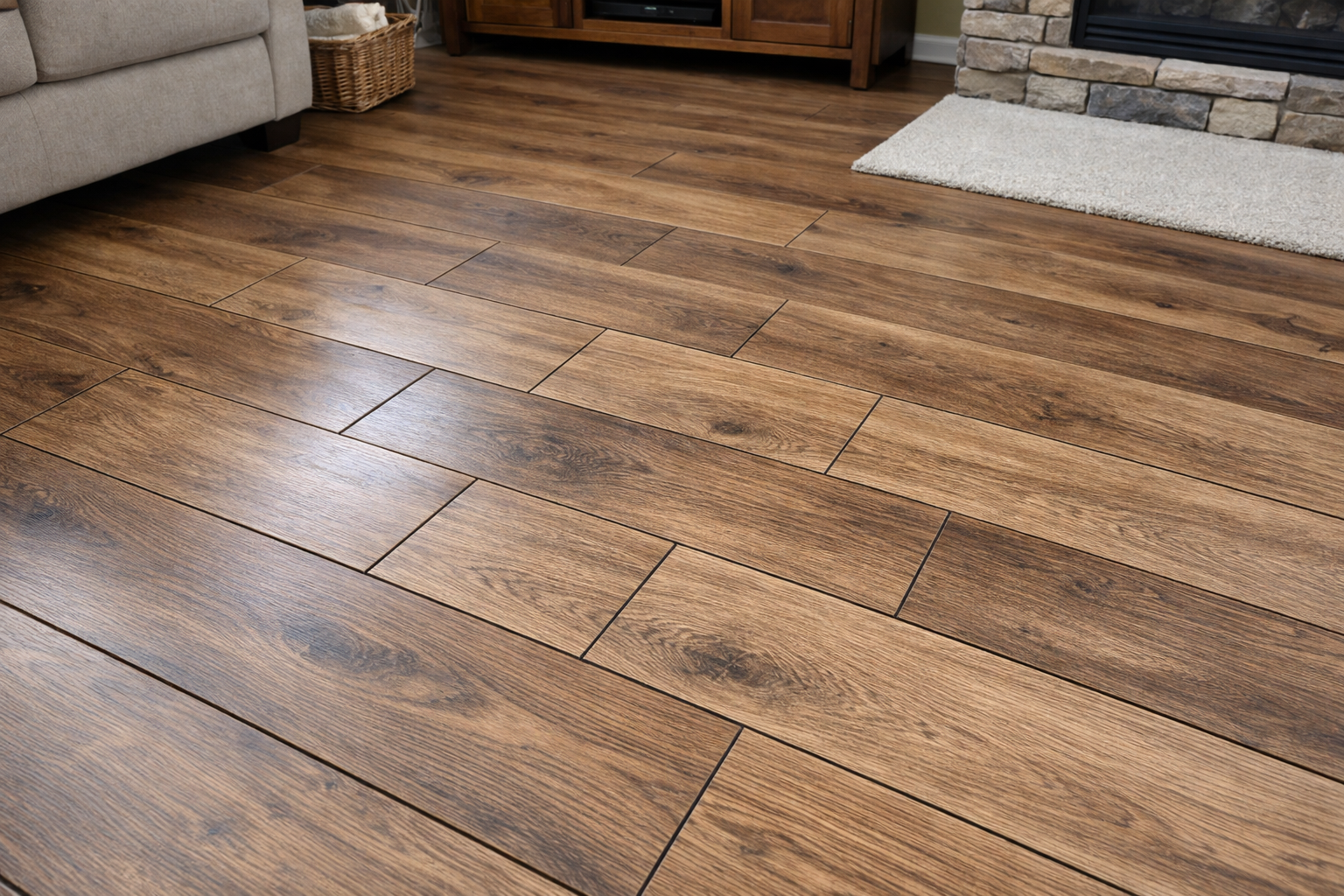
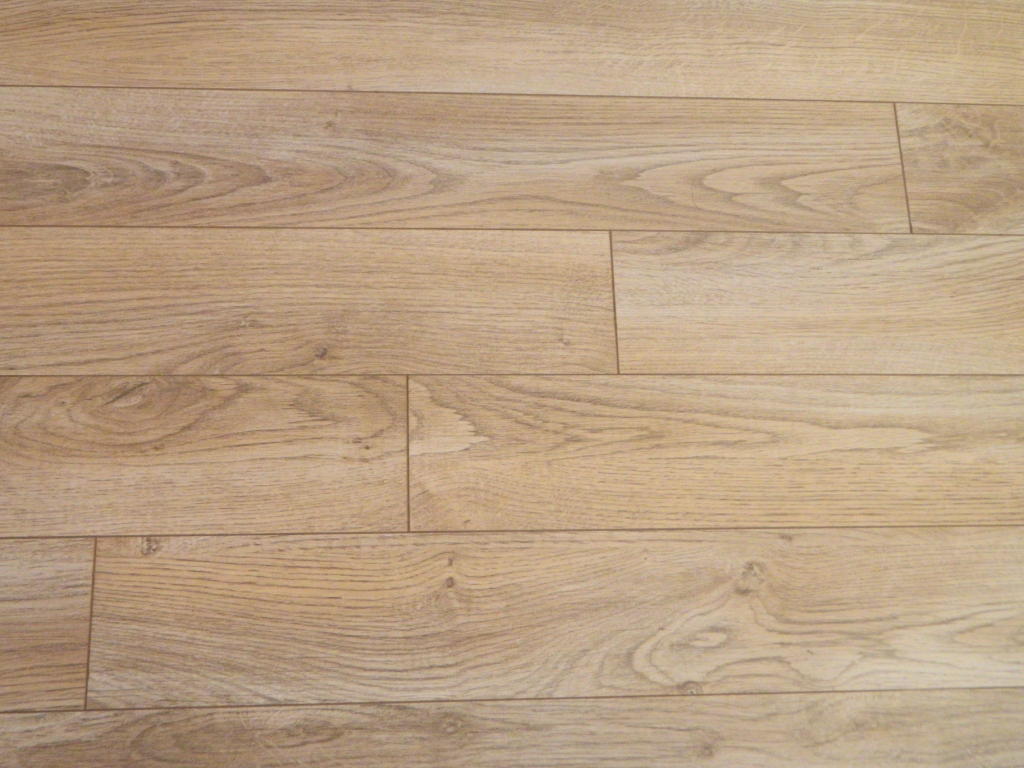
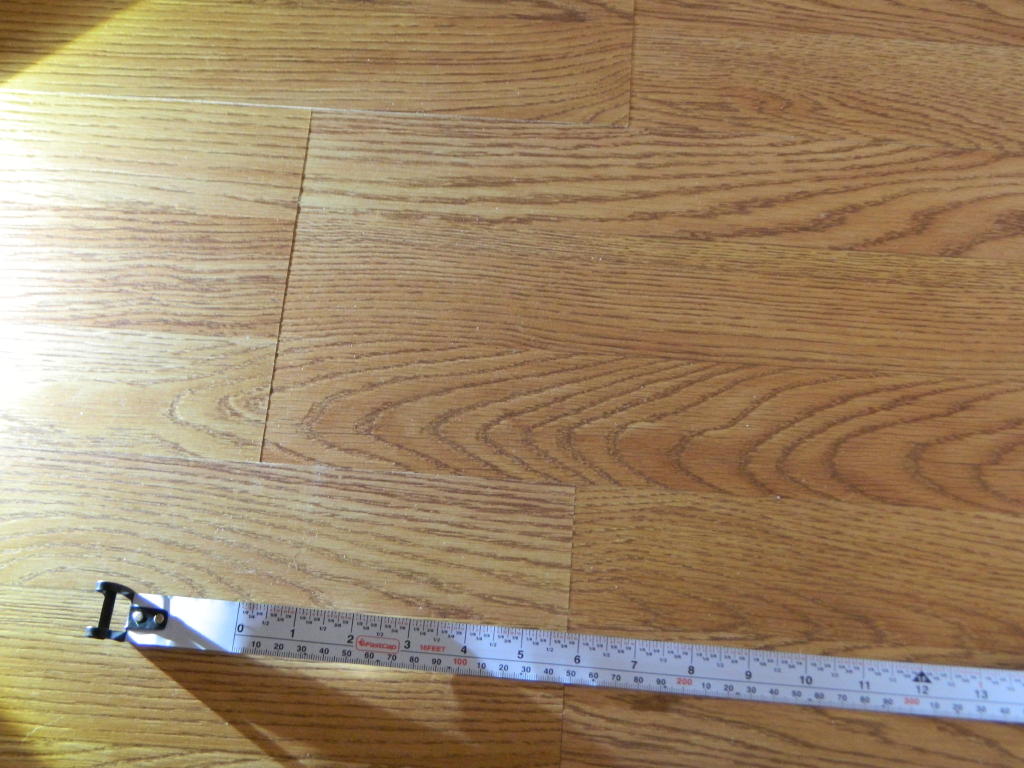
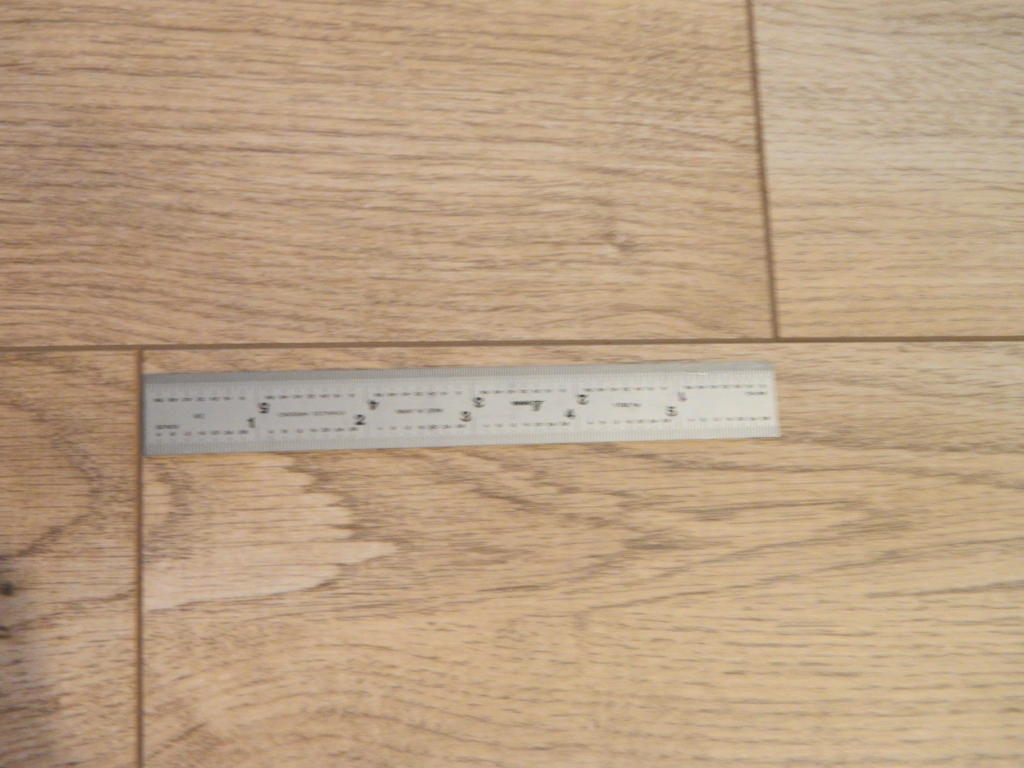
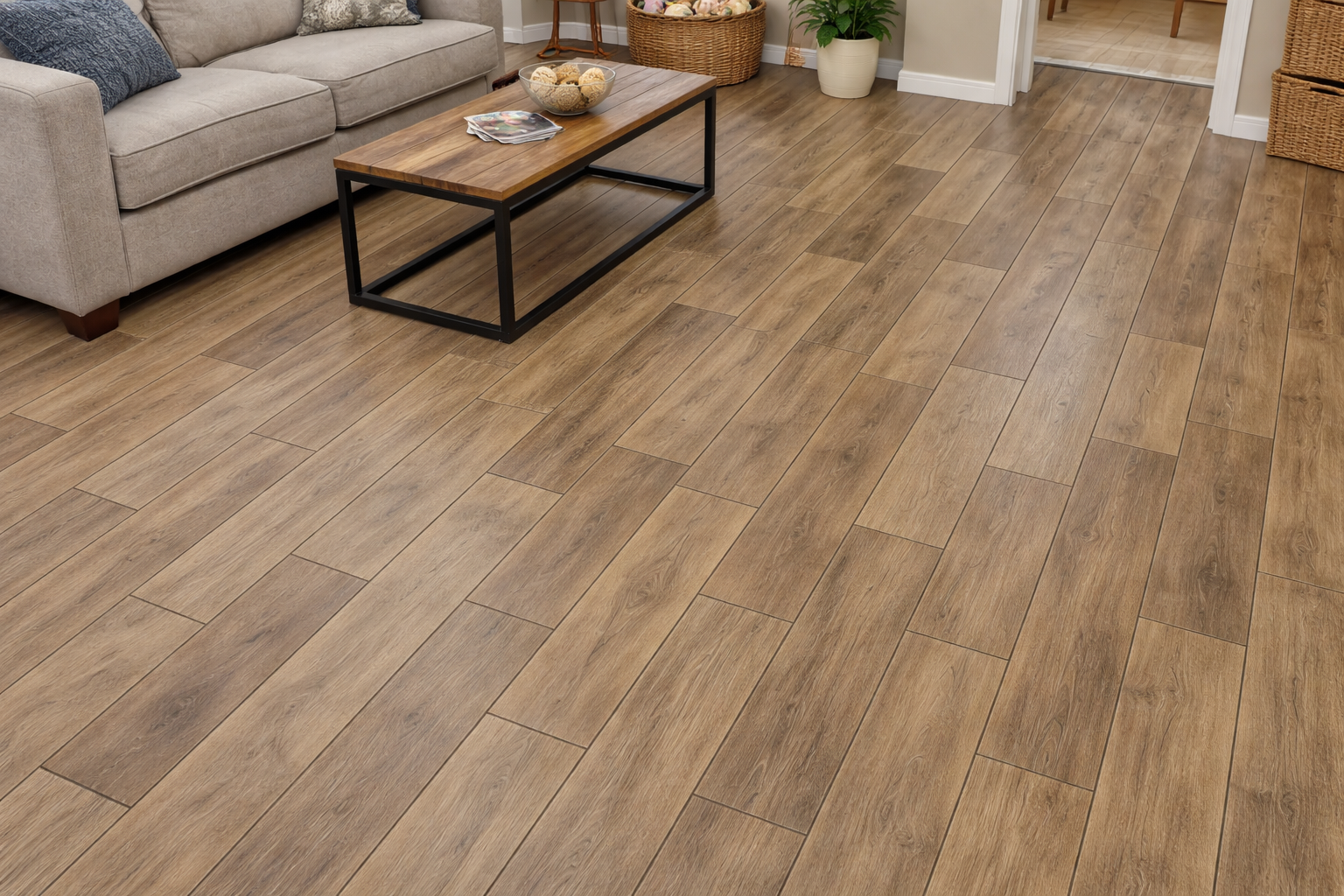
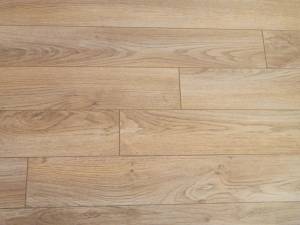
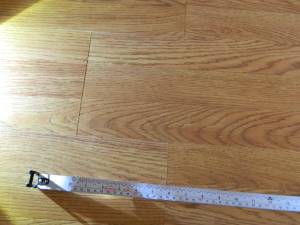
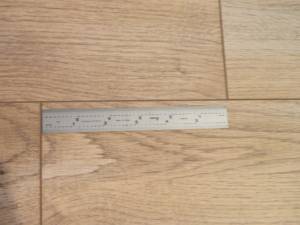
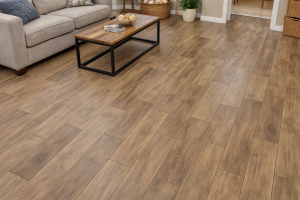
Improper End-Joint Stagger (Laminate Flooring)
Floor Detective® Claims and Conditions Guide
Summary
Improper end-joint stagger in laminate flooring occurs when adjacent plank end joints are spaced too closely, repeat in a patterned sequence, or align in a manner that concentrates stress across the floor system. Floating laminate floors are designed to distribute movement and loading through offset joint geometry rather than continuous transverse alignment. When multiple short-end joints occur within short intervals or form repeating H-patterns, stress concentration, joint deflection, movement, or locking fatigue may increase over time. The condition results from installation layout and sequencing rather than laminate manufacturing. Isolated close staggers may not produce measurable performance impact, but repeated patterned offsets may influence long-term joint stability, movement characteristics, hollow sound development, and visual appearance. Evaluation requires correlation of measurable spacing geometry, distribution pattern, manufacturer requirements, and observed in-service behavior before conclusions are reached. See also Expansion Restriction / Pinning, Hollow Sound Perception, and Laminate Problems for broader context.

Laminate Problems
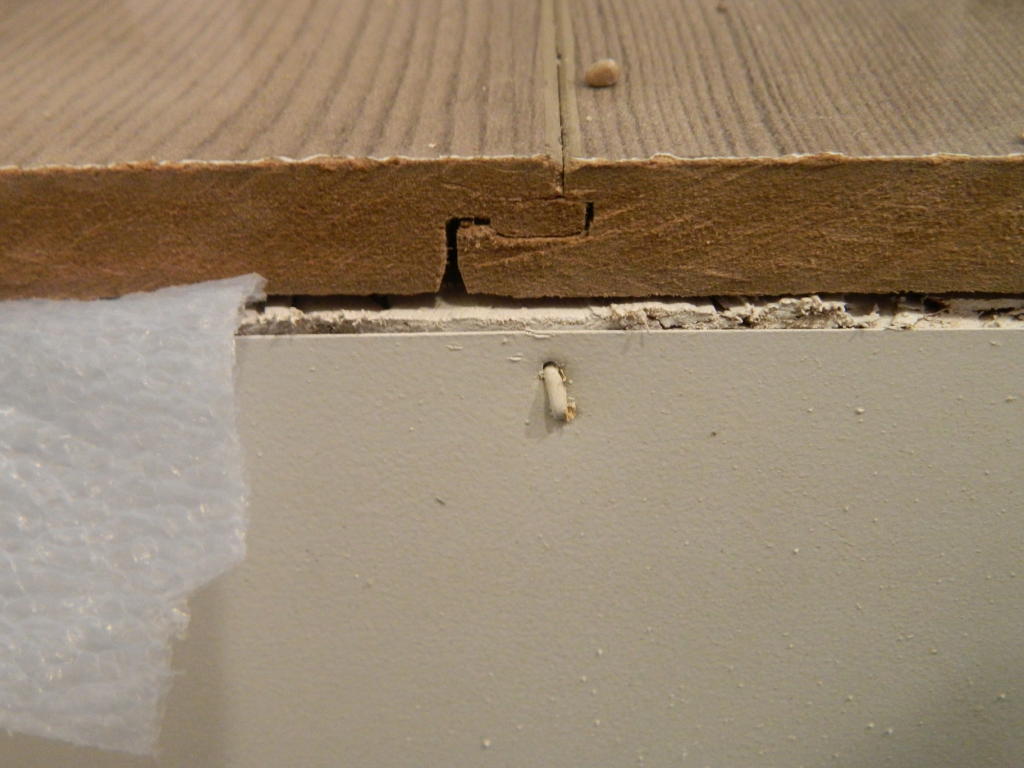
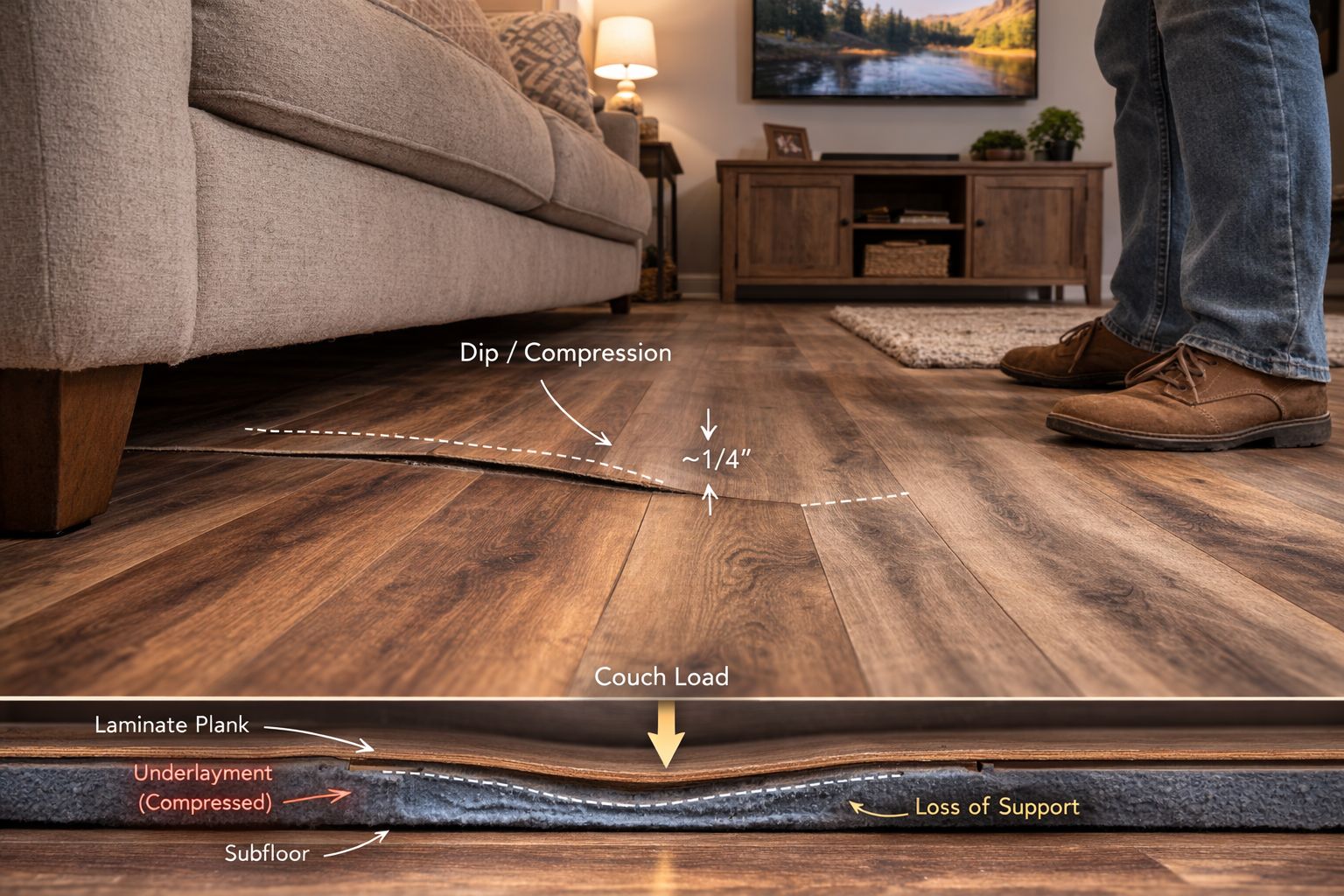
Underlayment Compression / Support Loss (Laminate)
Static Electricity Generation (Laminate)

Pattern Repeat / Visual Repetition (Laminate Flooring)
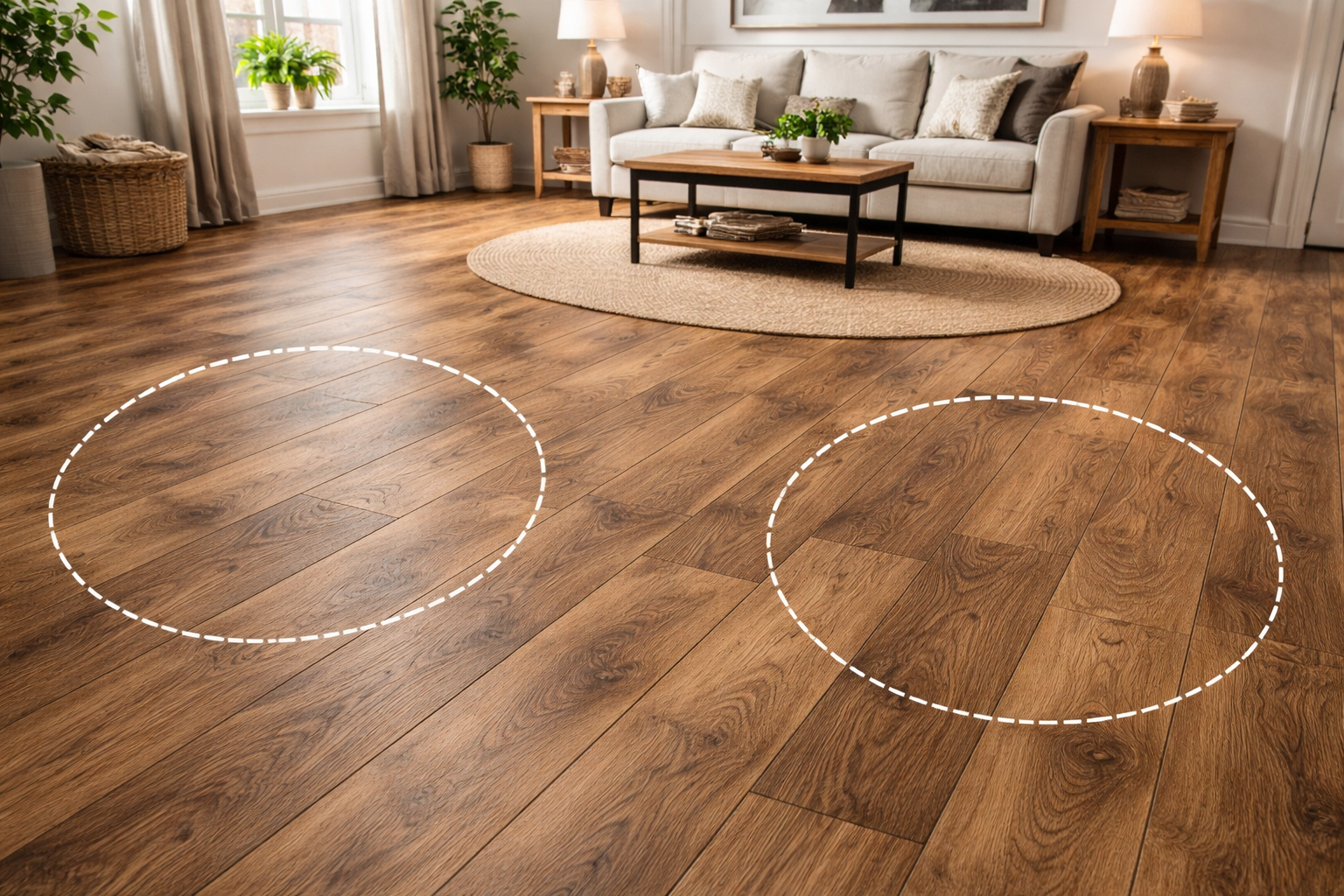
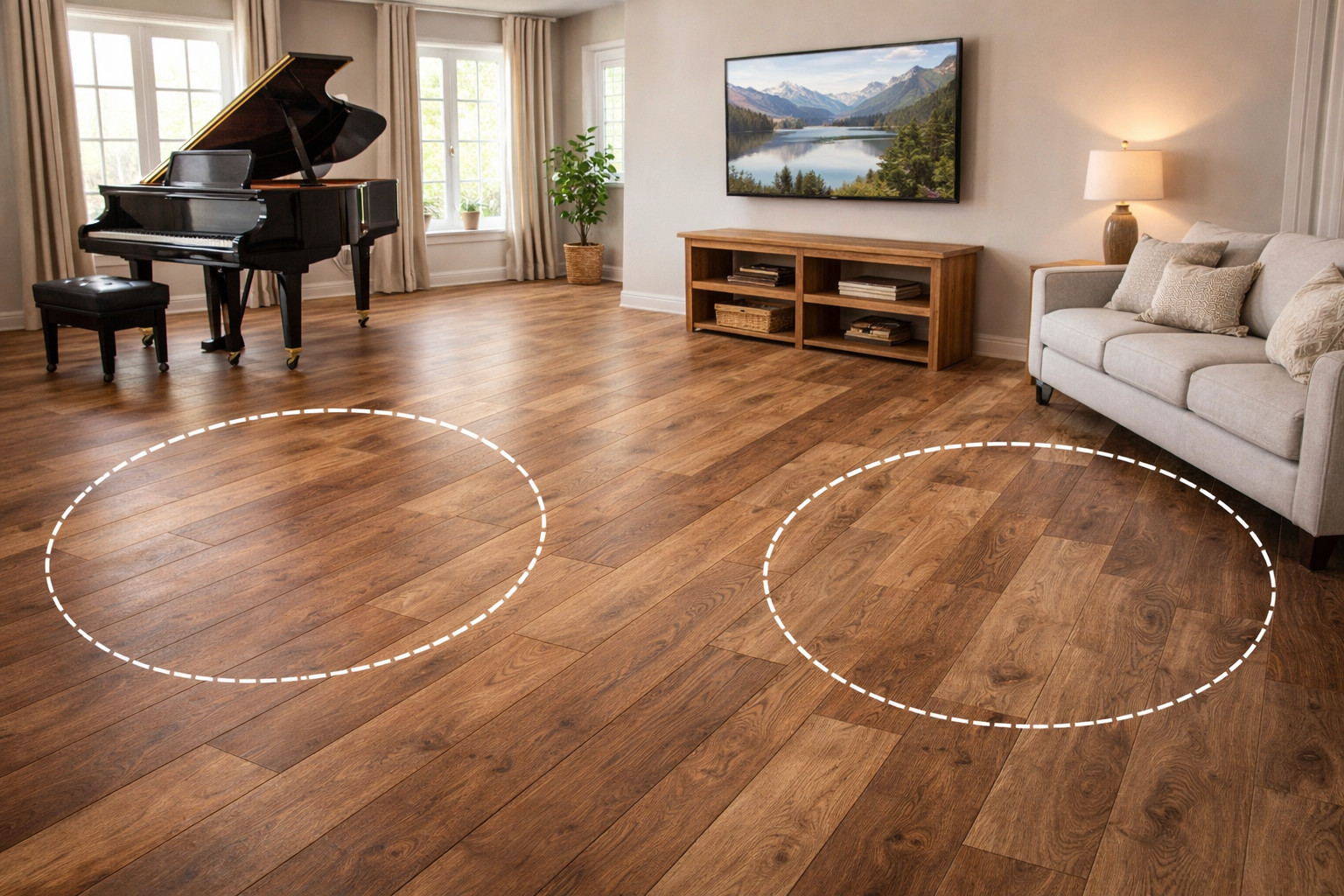
Color Lot Variation (Laminate)
Locking Edge Crushing / Over-Tapping Damage (Laminate)
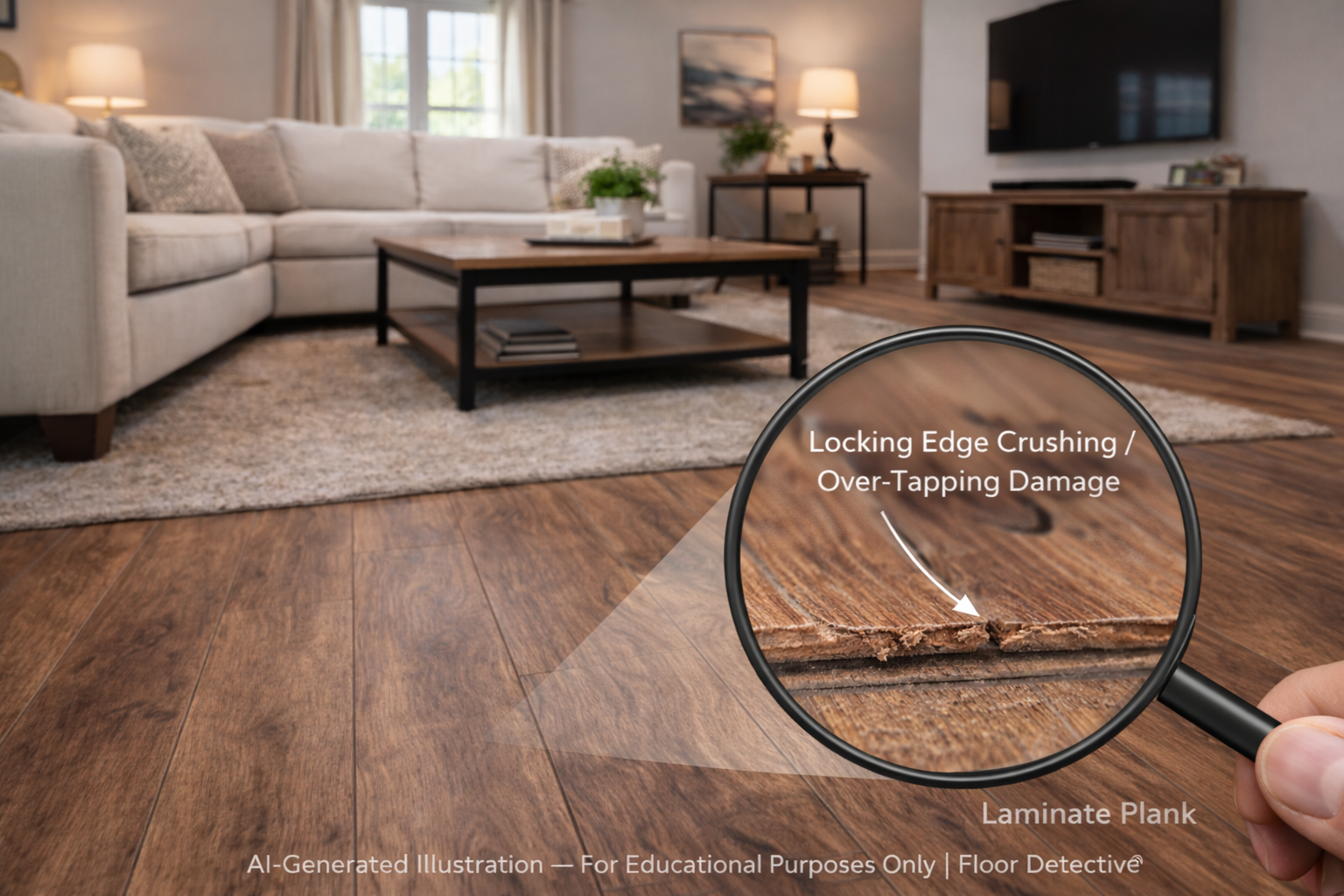
Edge Swell From Environmental Humidity (Laminate)

Surface Whitening from Topical Moisture Entrapment
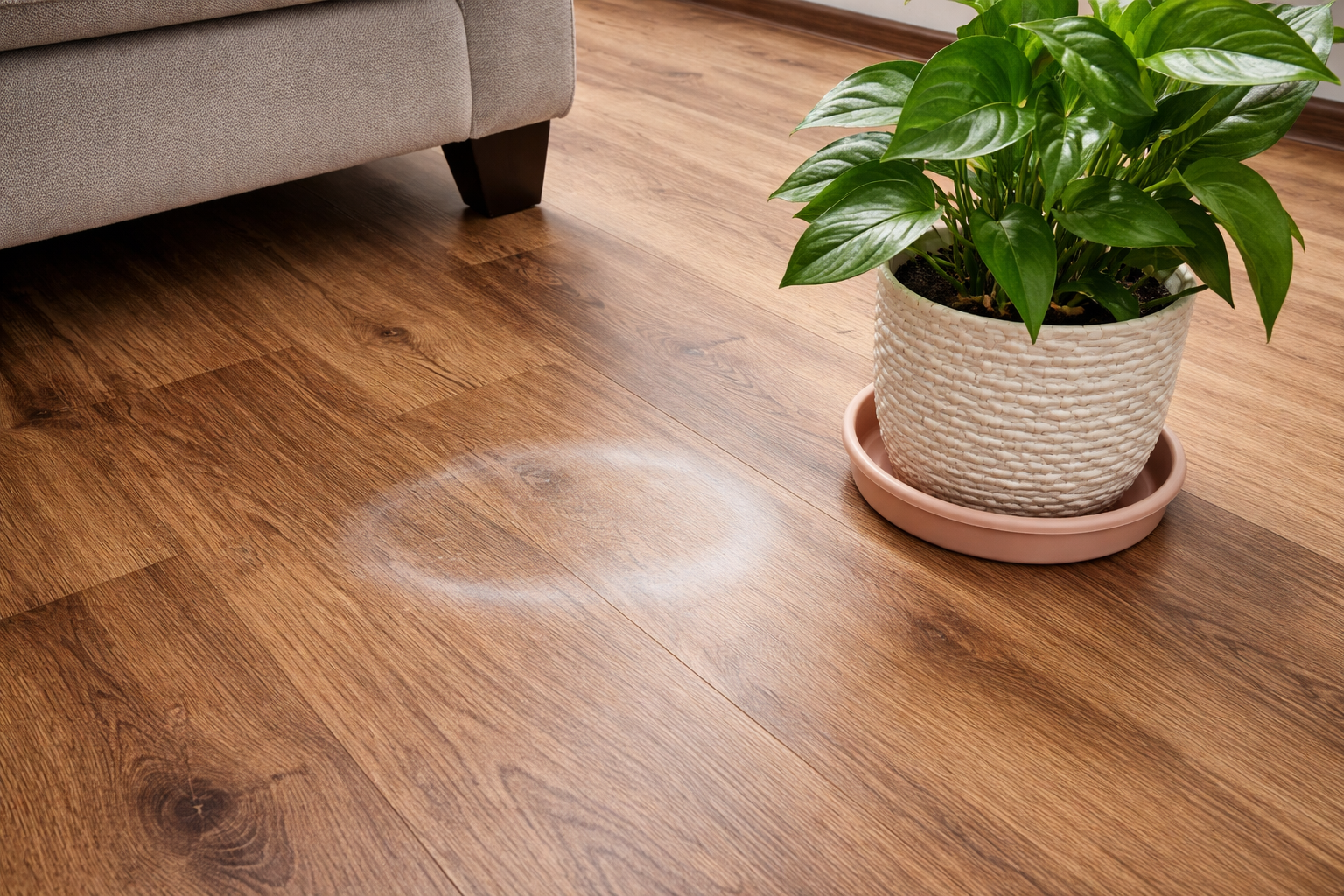
Hollow Sound / Acoustic Resonance (Laminate)coincidence whipping melt
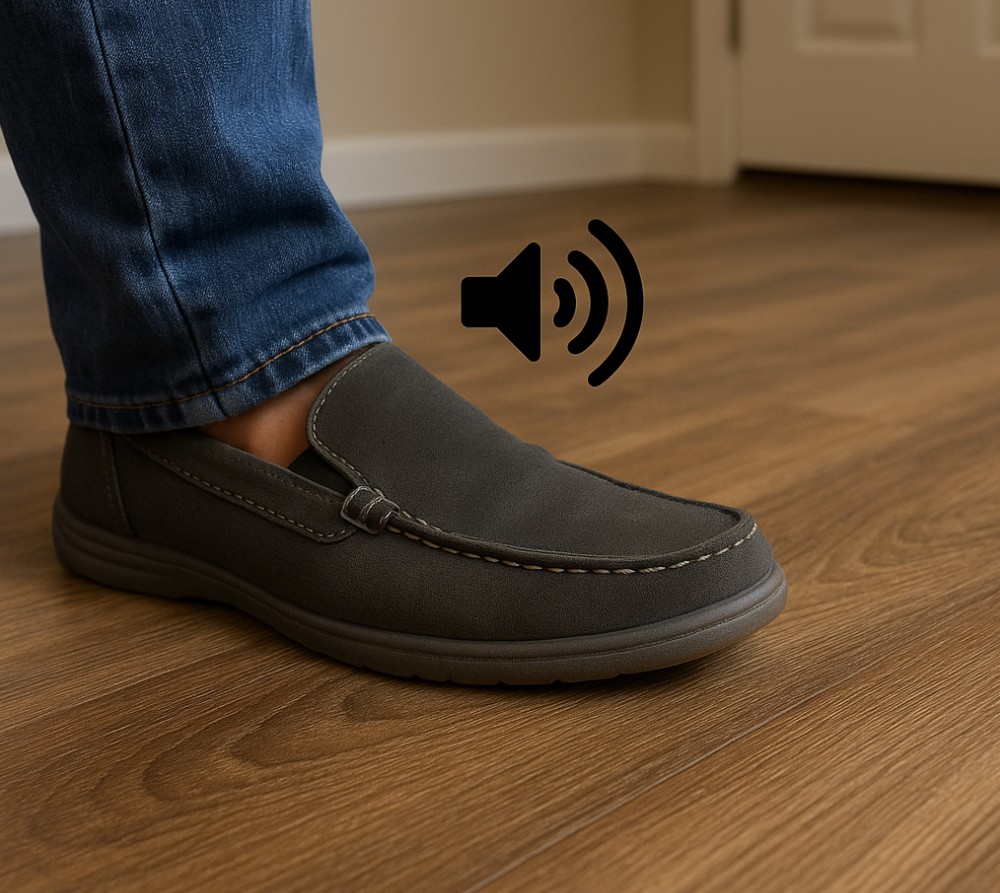
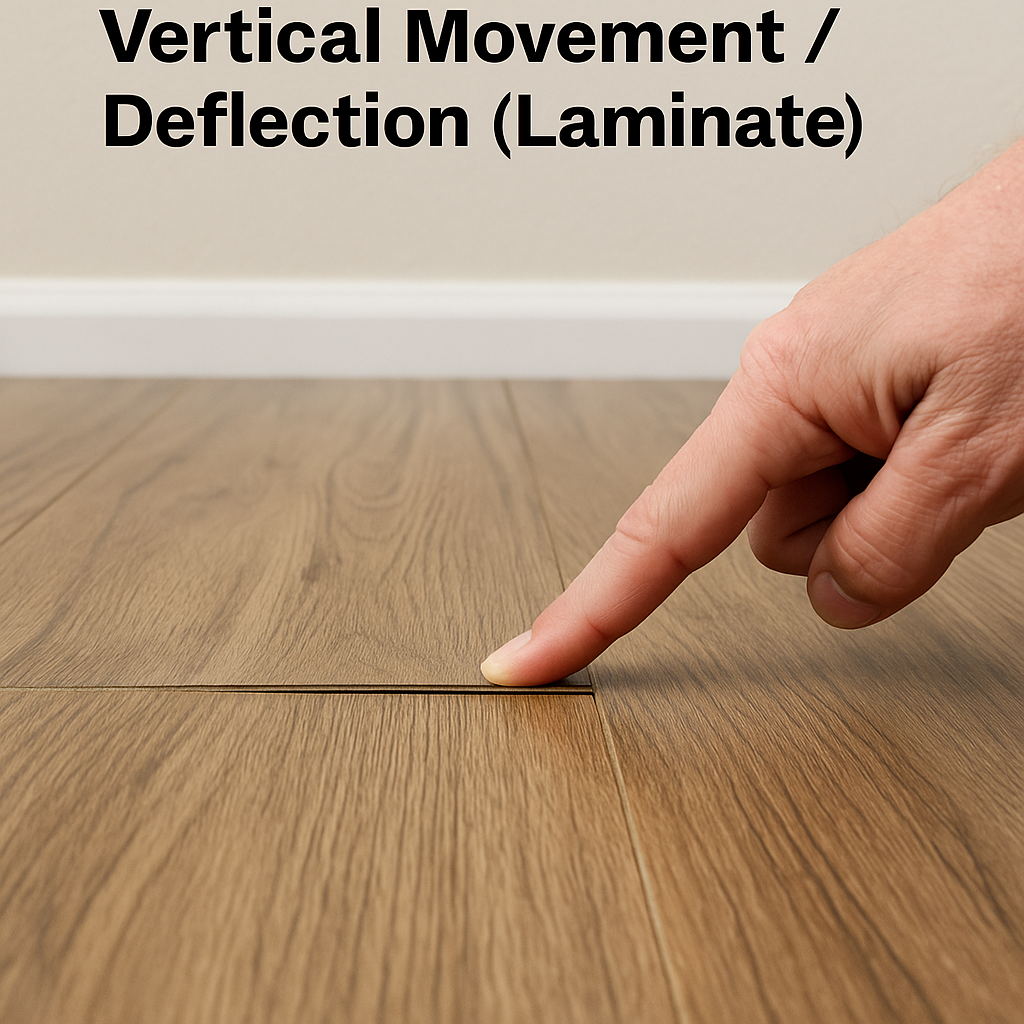
Vertical Movement / Deflection (Laminate