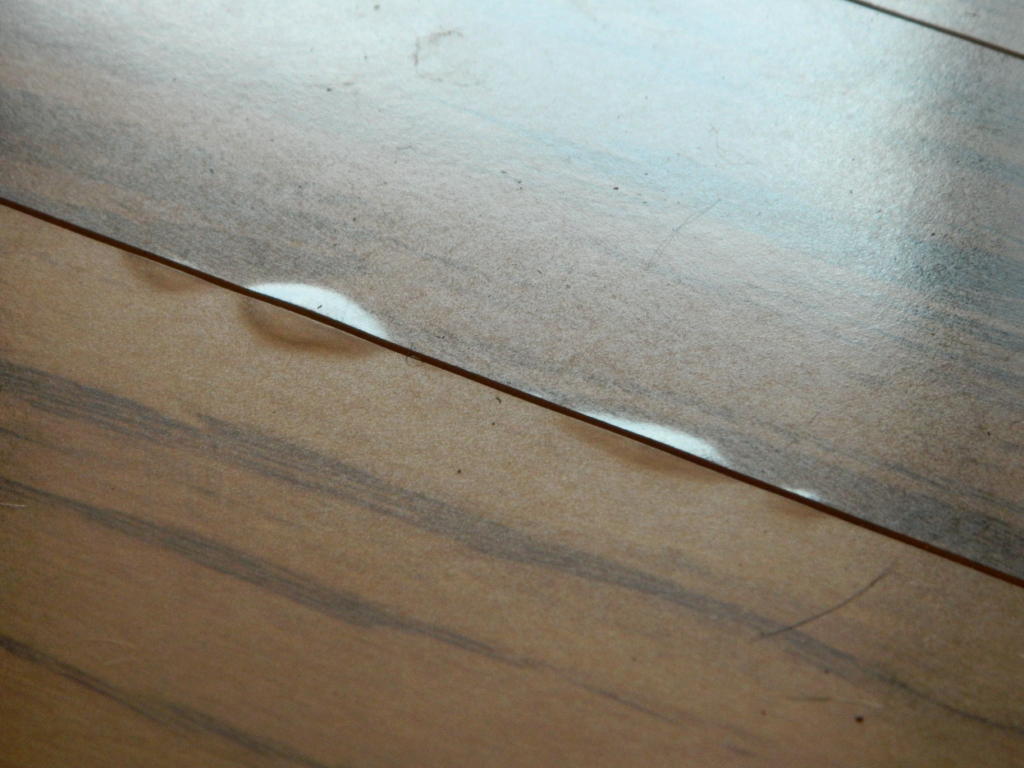
Finish Damage
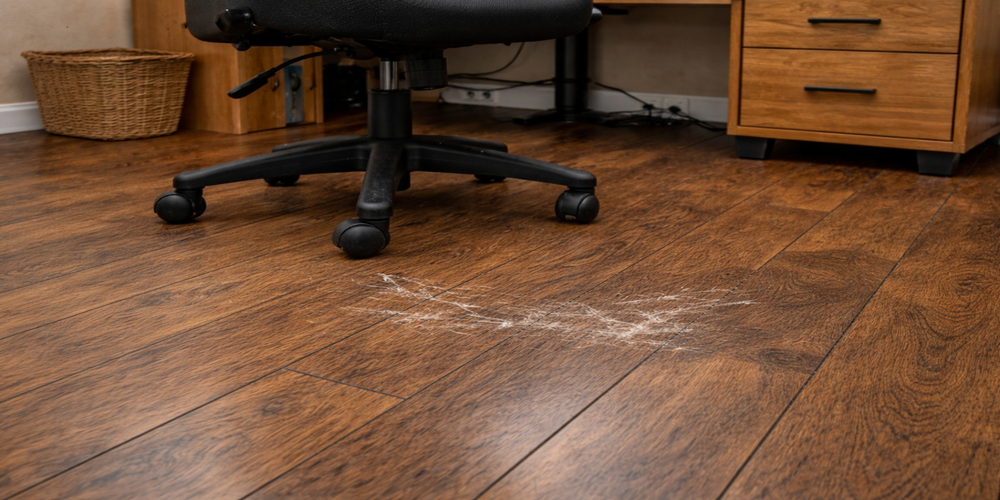
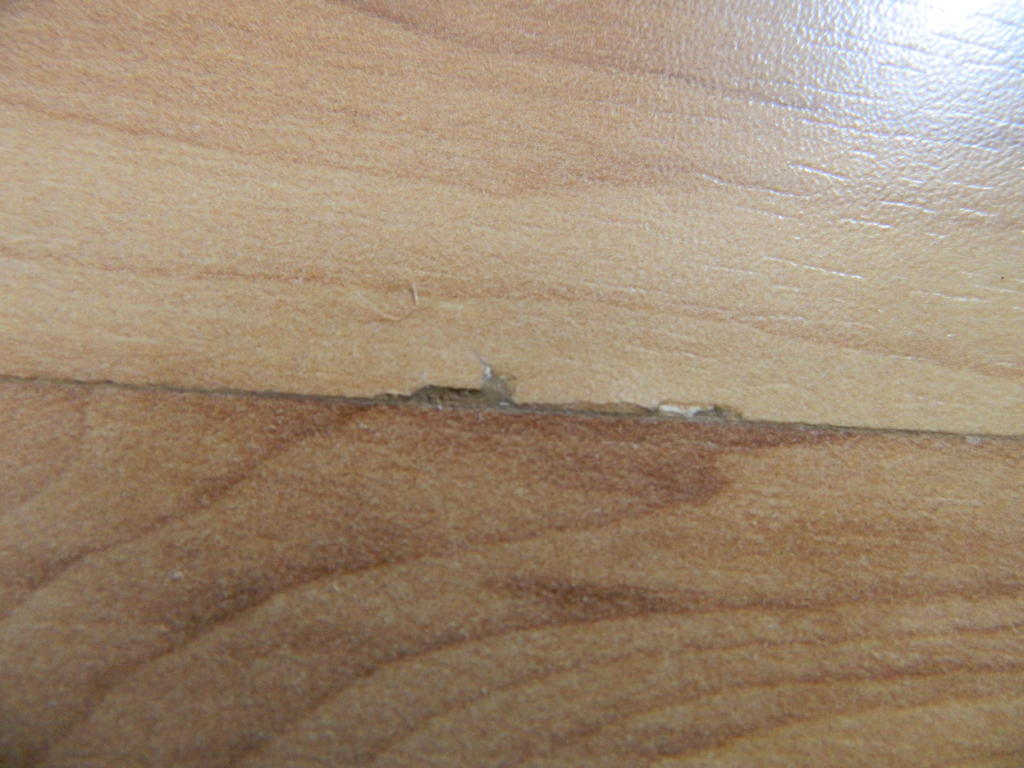
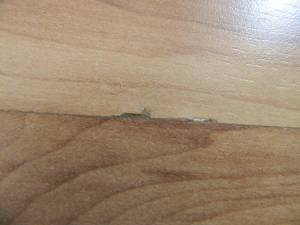
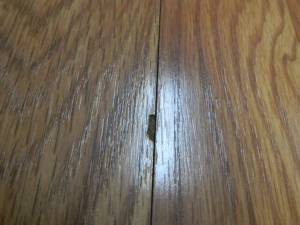
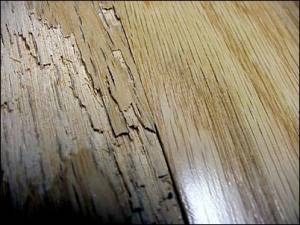
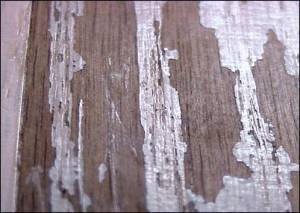
Finish Damage (Laminate Flooring)
Floor Detective® Claims and Conditions Guide
Summary
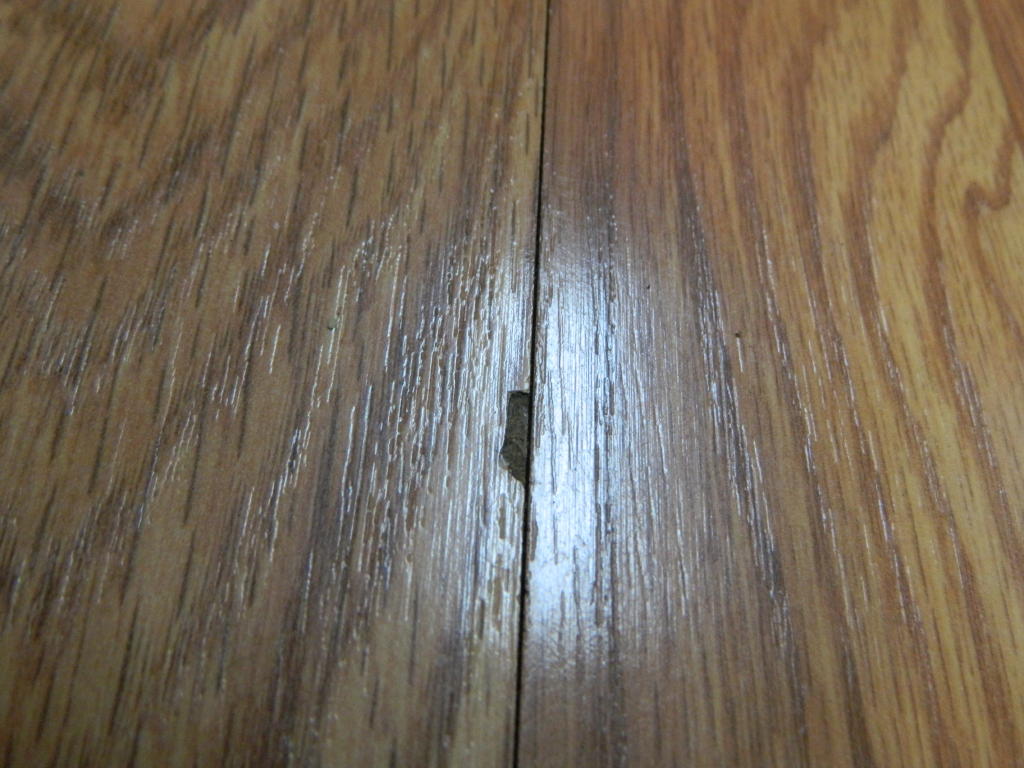
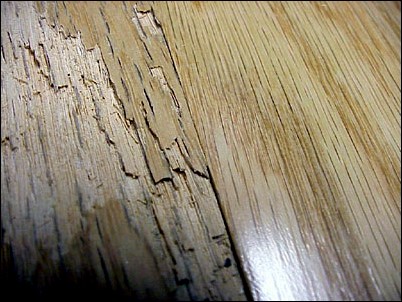
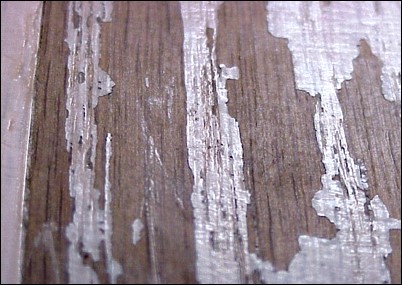
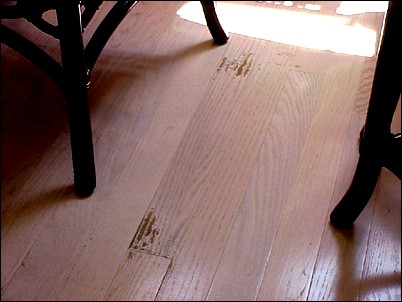
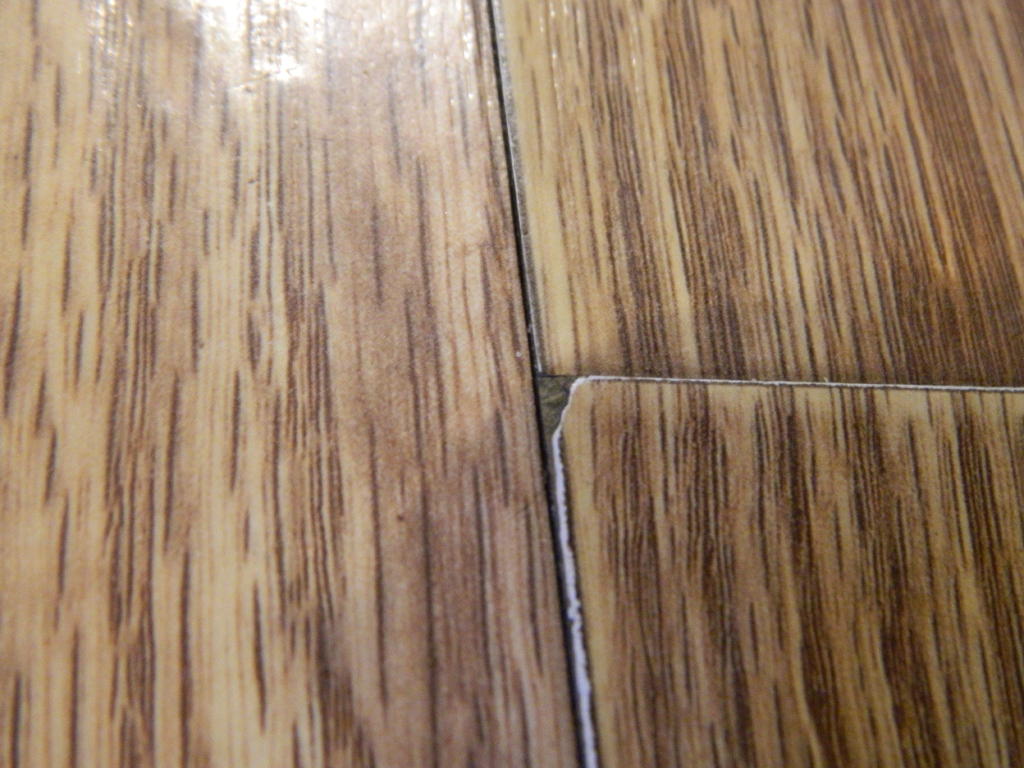
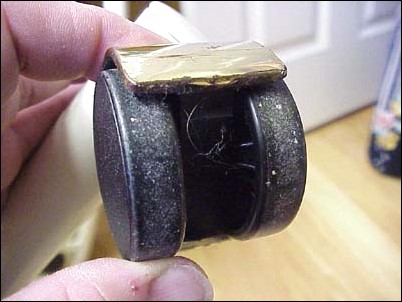
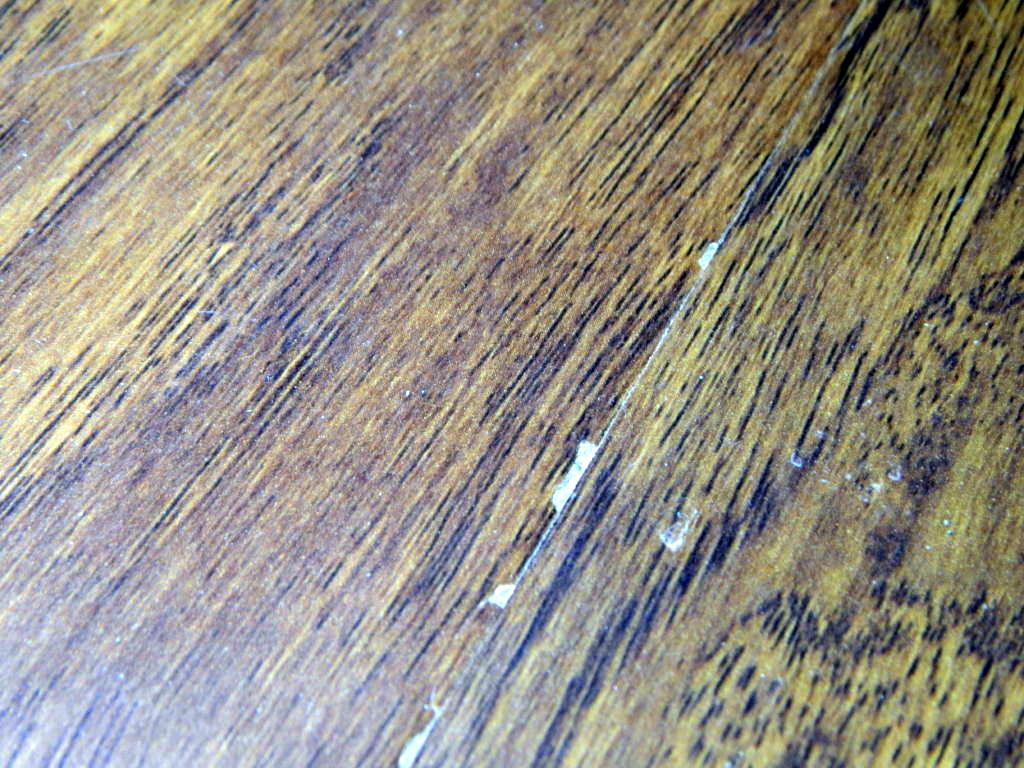
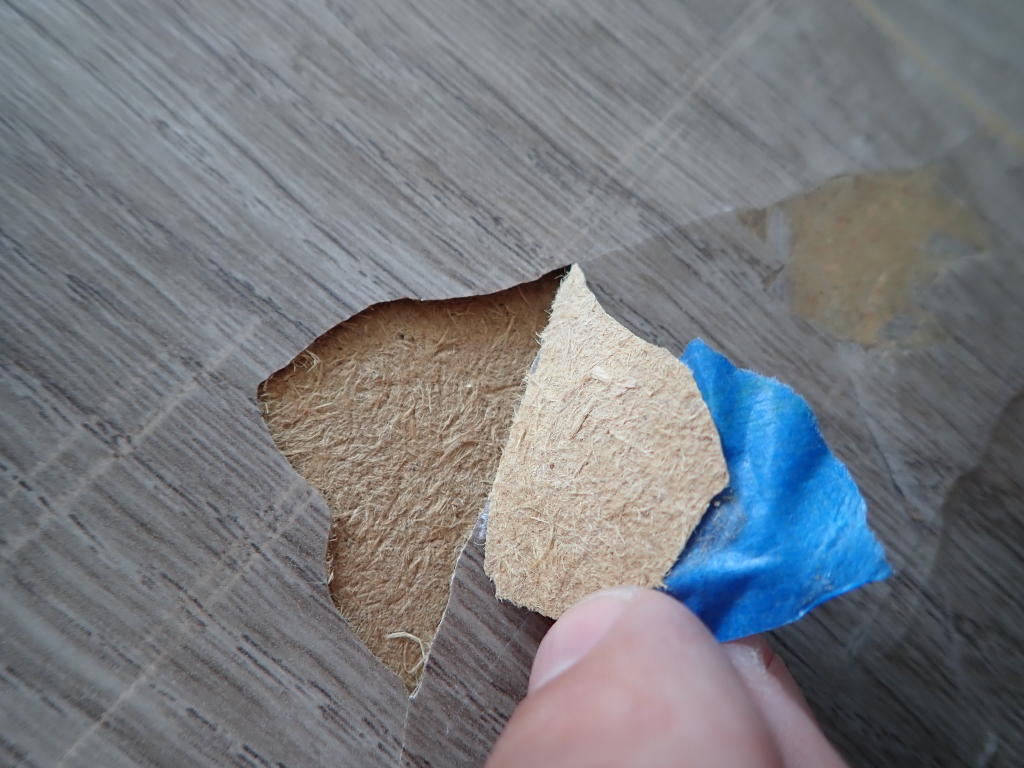
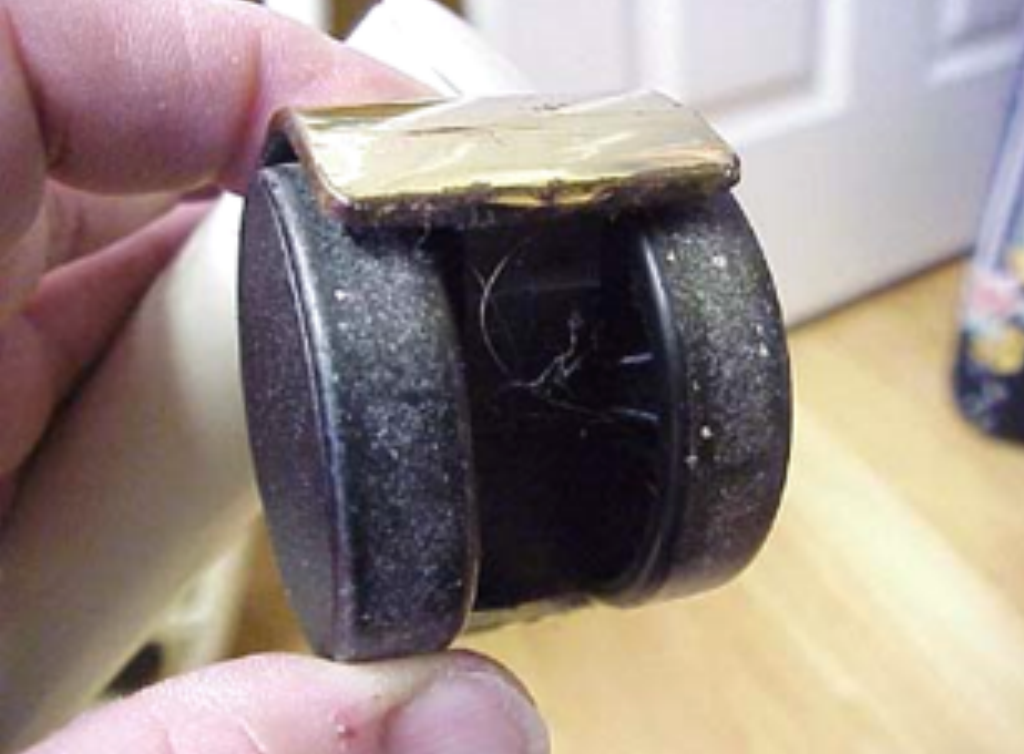
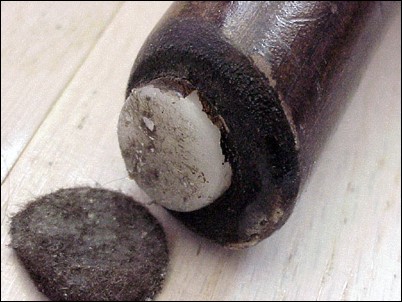
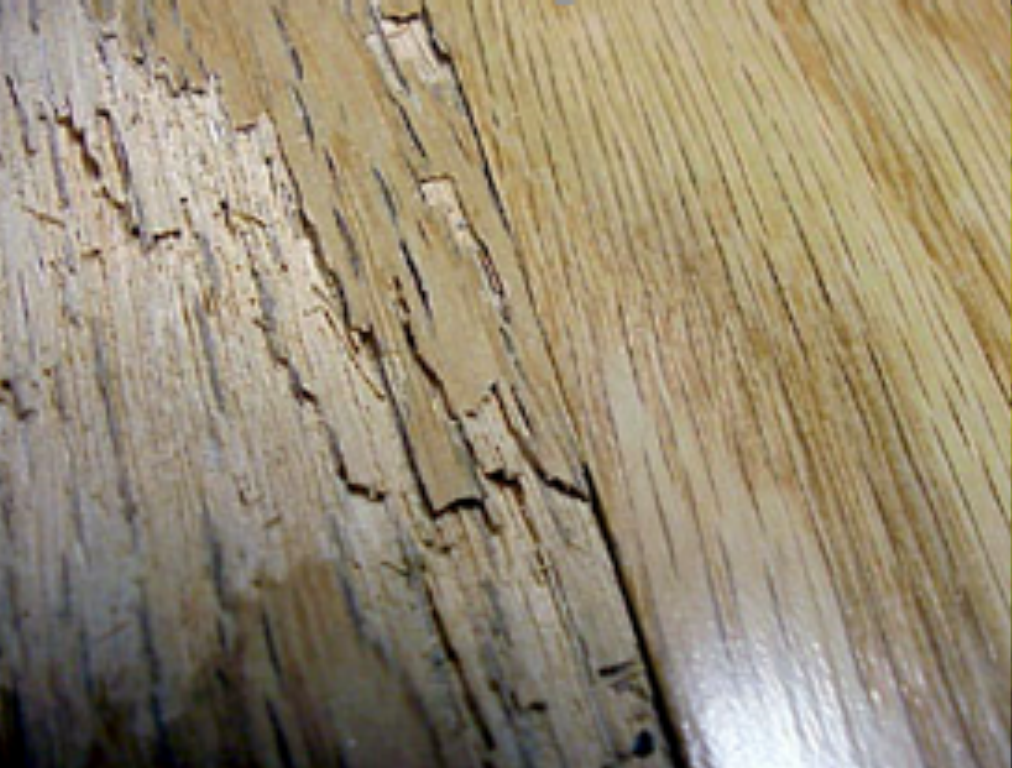
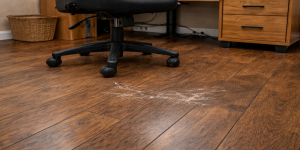
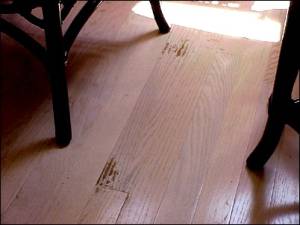
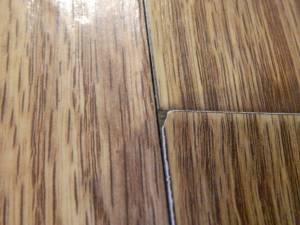
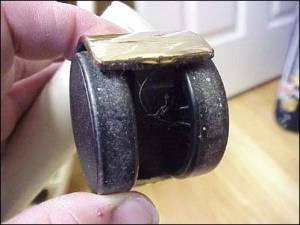
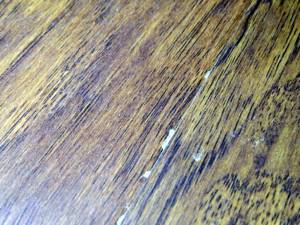
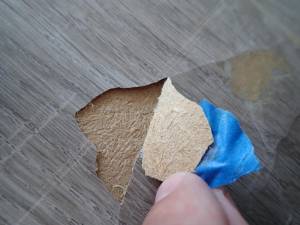
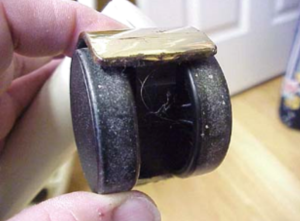
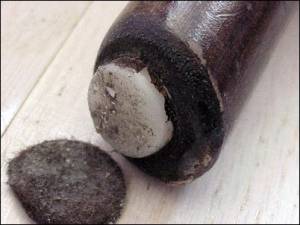
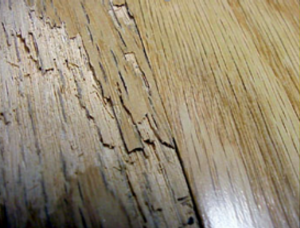
Finish damage in laminate flooring involves alteration of the transparent overlay surface that protects the decorative print layer. Most laminate flooring products utilize a melamine-based wear surface, often enhanced with aluminum oxide or similar abrasion-resistant materials. Surface change may appear as scratching, dulling, scuffing, hazing, micro-abrasion, blistering, whitening, or localized loss of clarity and reflectance. The condition may develop gradually through repetitive abrasion and traffic exposure or occur abruptly from concentrated stress, impact, chemical interaction, or excessive heat. In most cases, finish damage patterns correlate with traffic flow, rolling loads, maintenance practices, object movement, or environmental exposure rather than manufacturing irregularity. The condition is typically appearance-related and does not independently indicate structural laminate failure. Evaluation requires correlation of distribution pattern, exposure history, maintenance conditions, and overall surface behavior before conclusions are reached. See also Gloss Variation, Discolorations, and Laminate Problems for broader context.
Laminate Problems
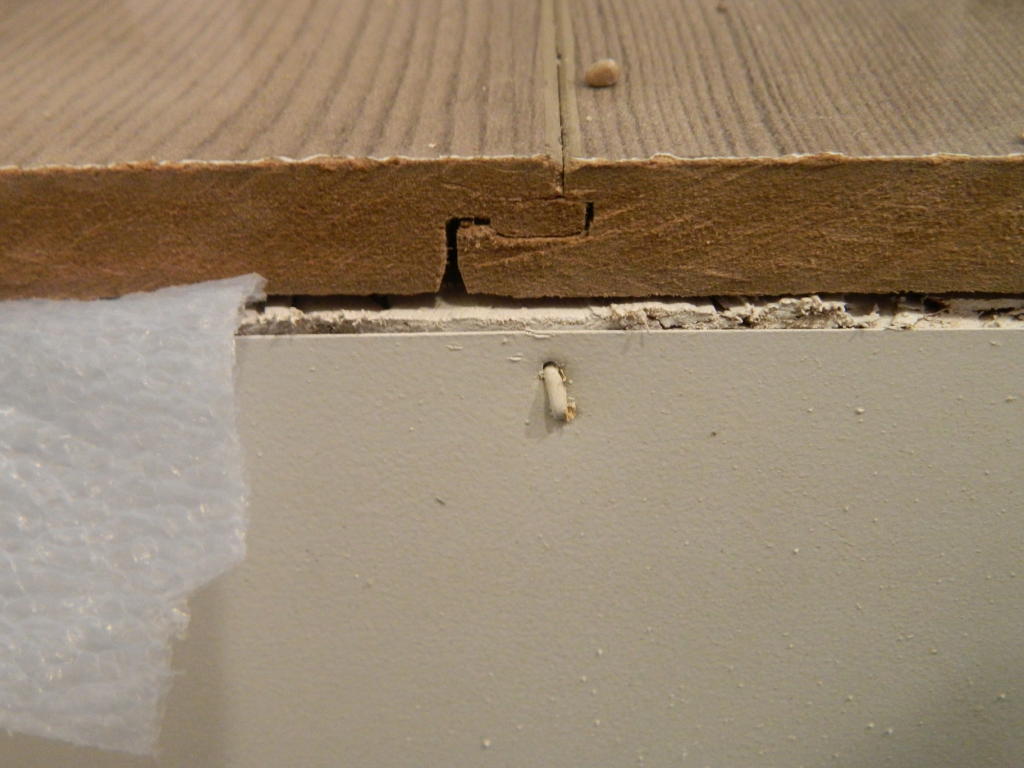
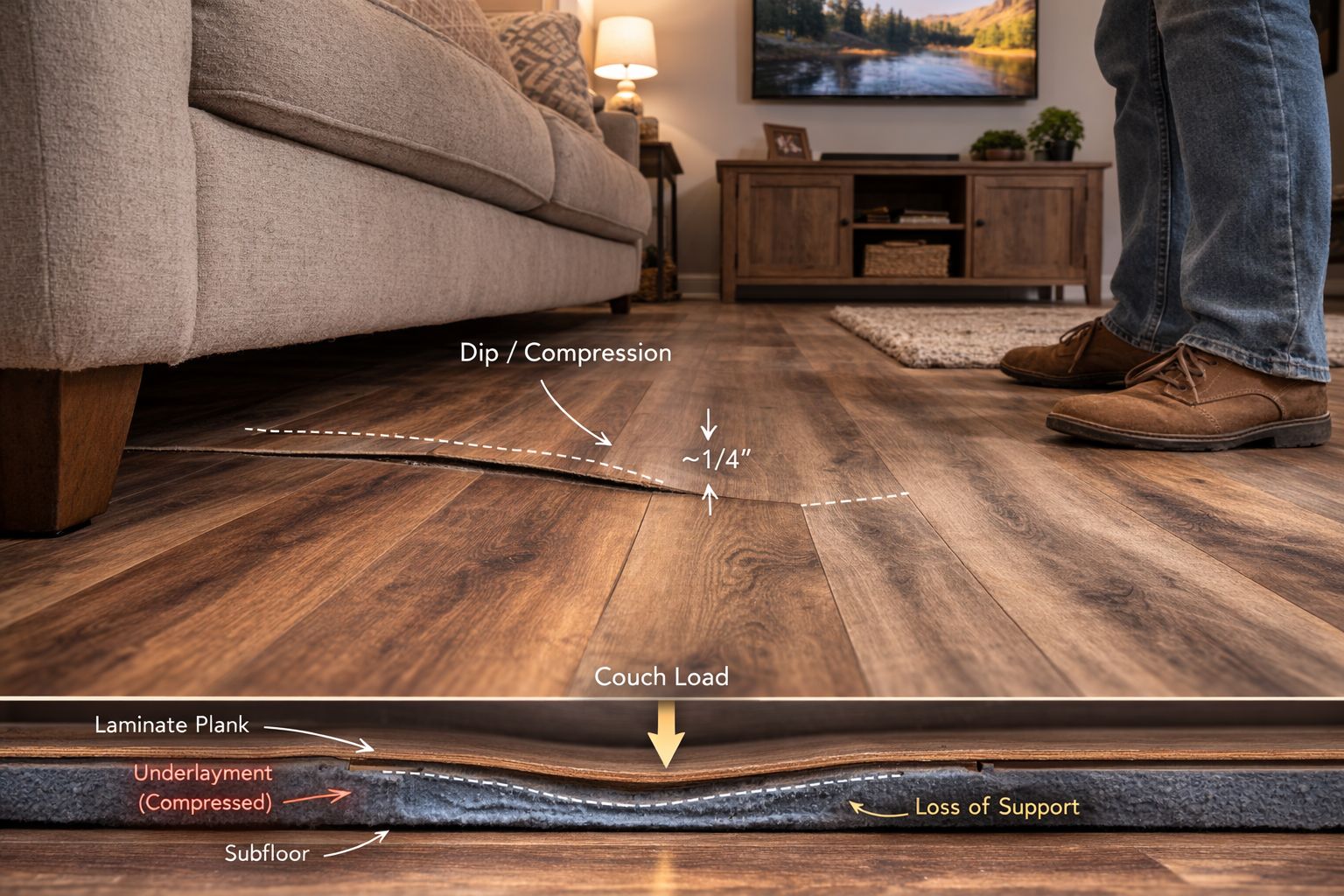
Underlayment Compression / Support Loss (Laminate)
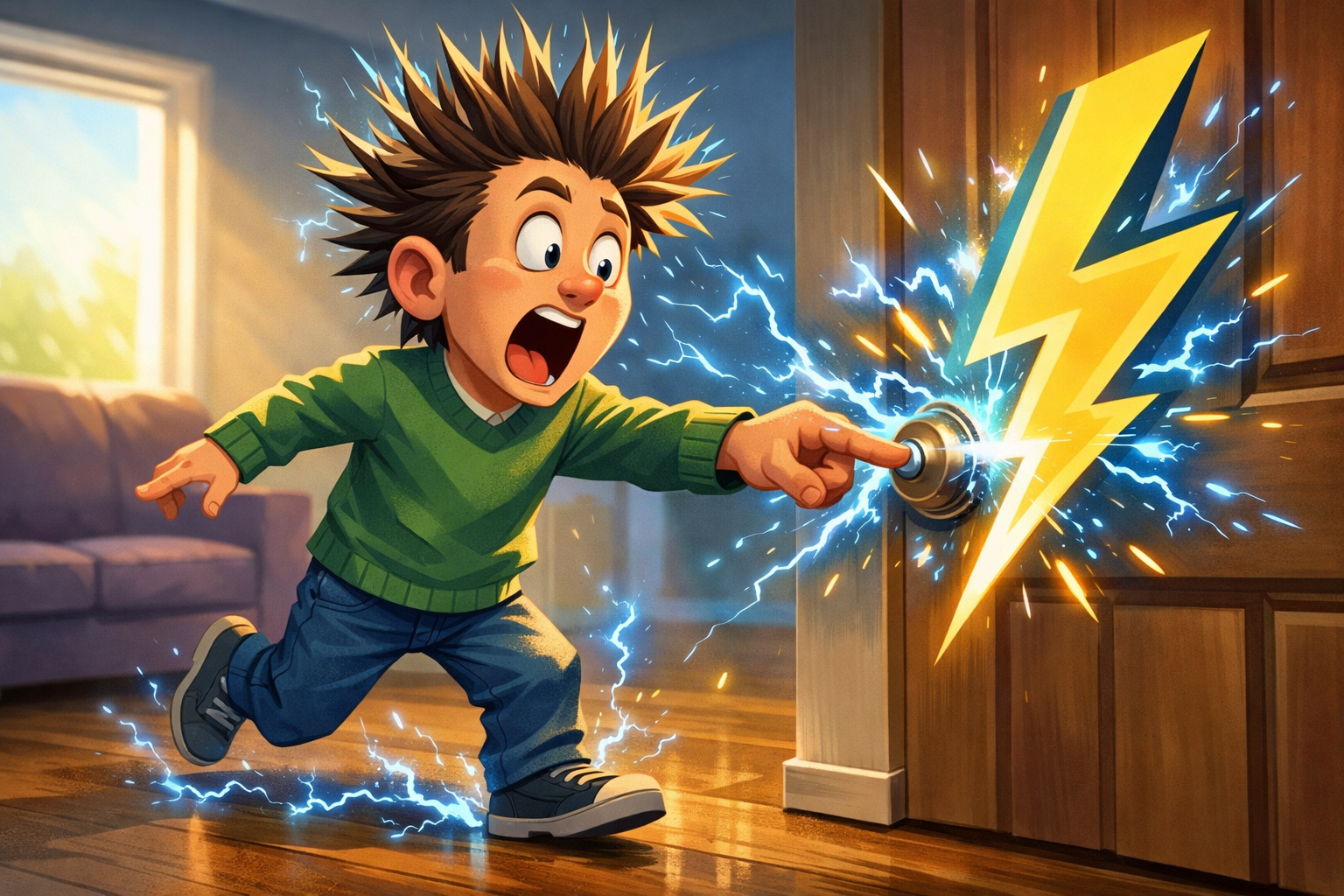
Static Electricity Generation (Laminate)
Pattern Repeat / Visual Repetition (Laminate Flooring)
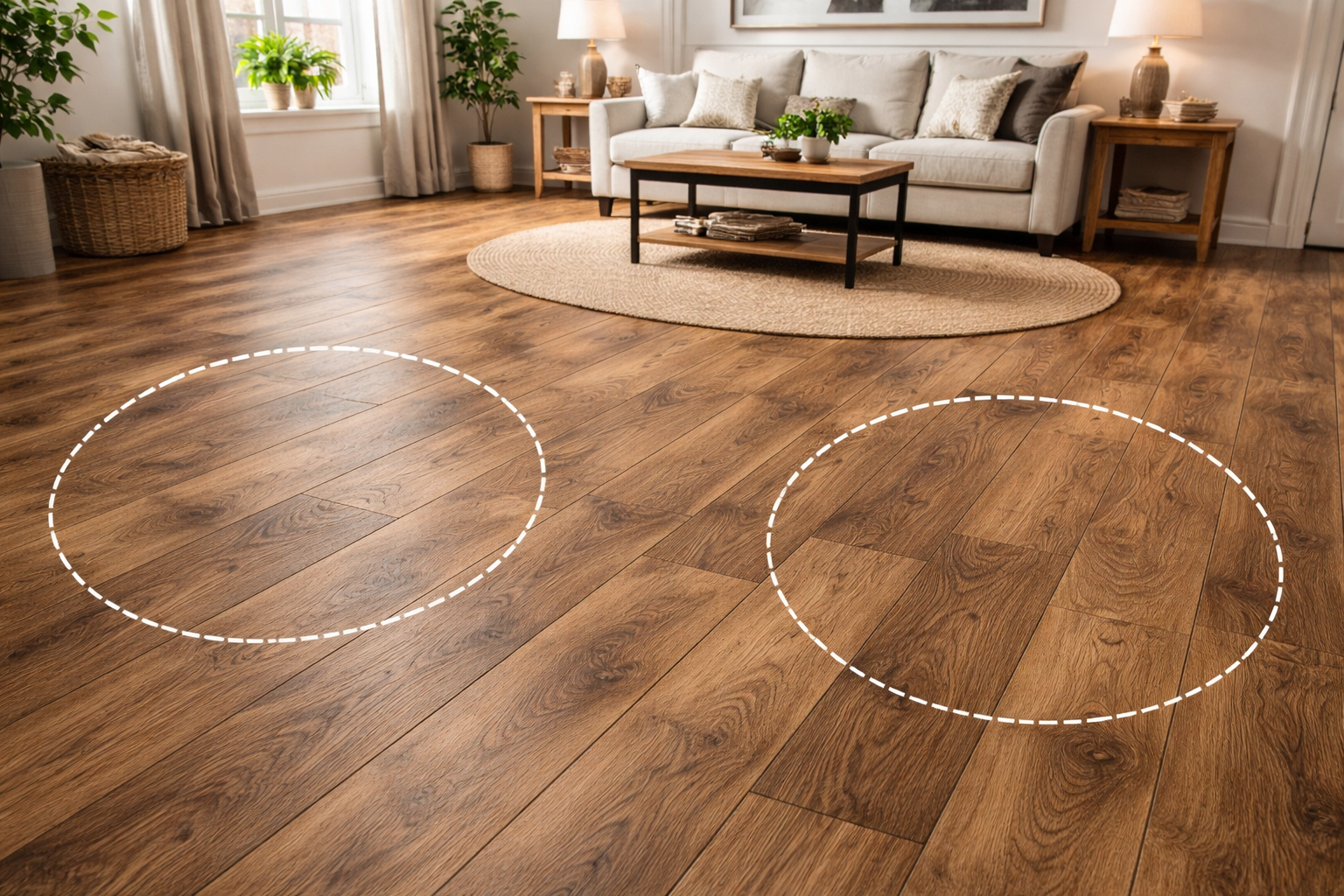
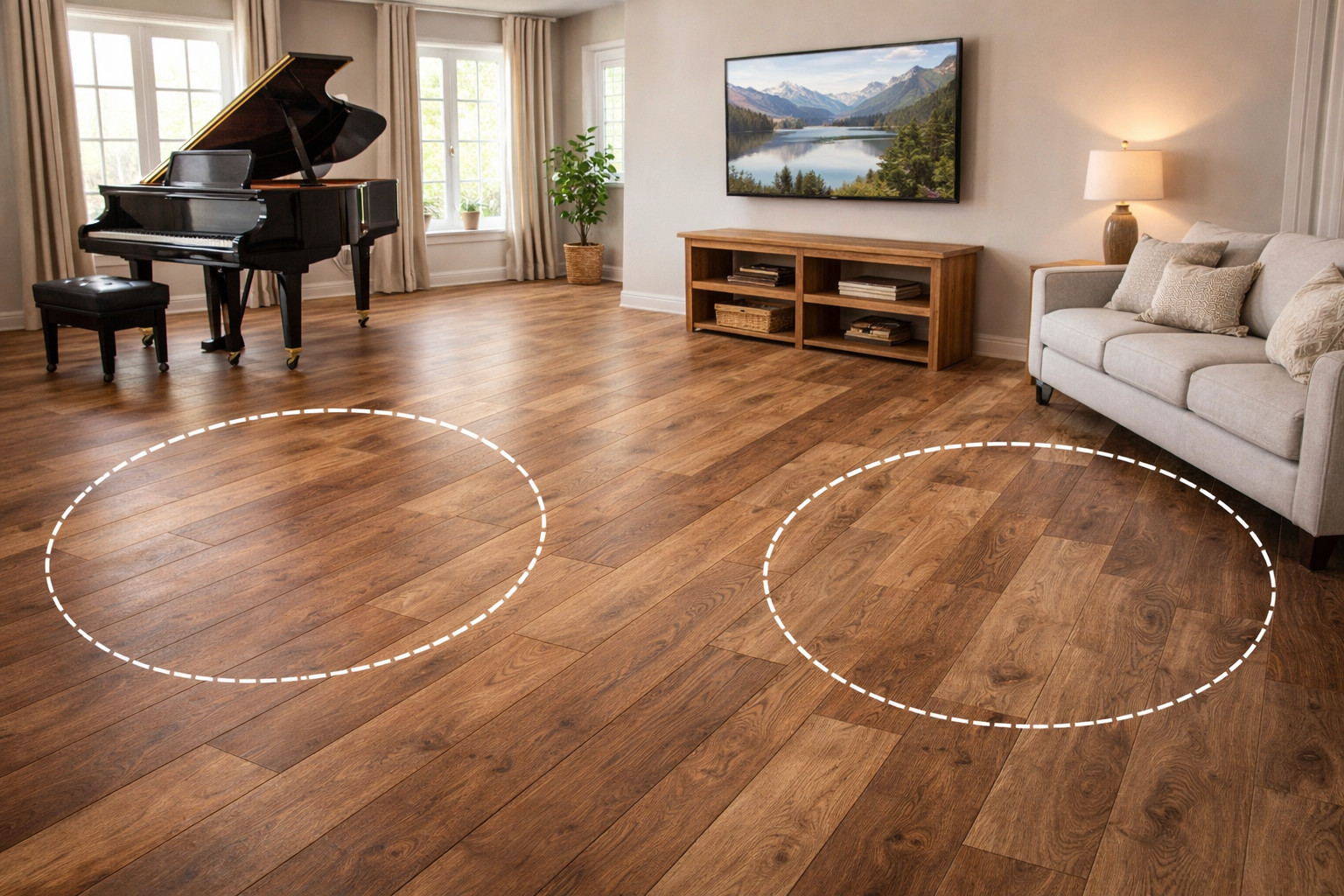
Color Lot Variation (Laminate)
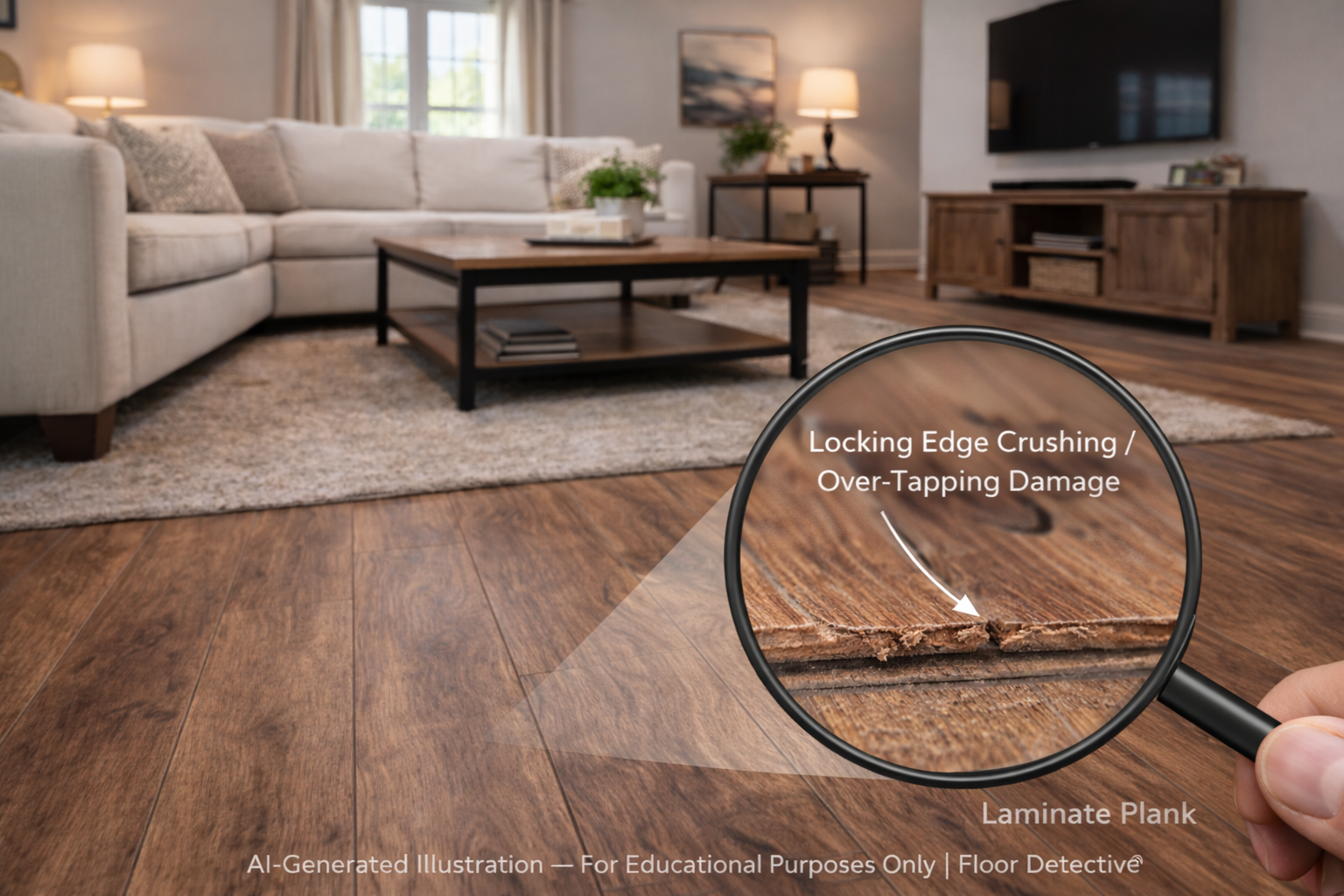
Locking Edge Crushing / Over-Tapping Damage (Laminate)
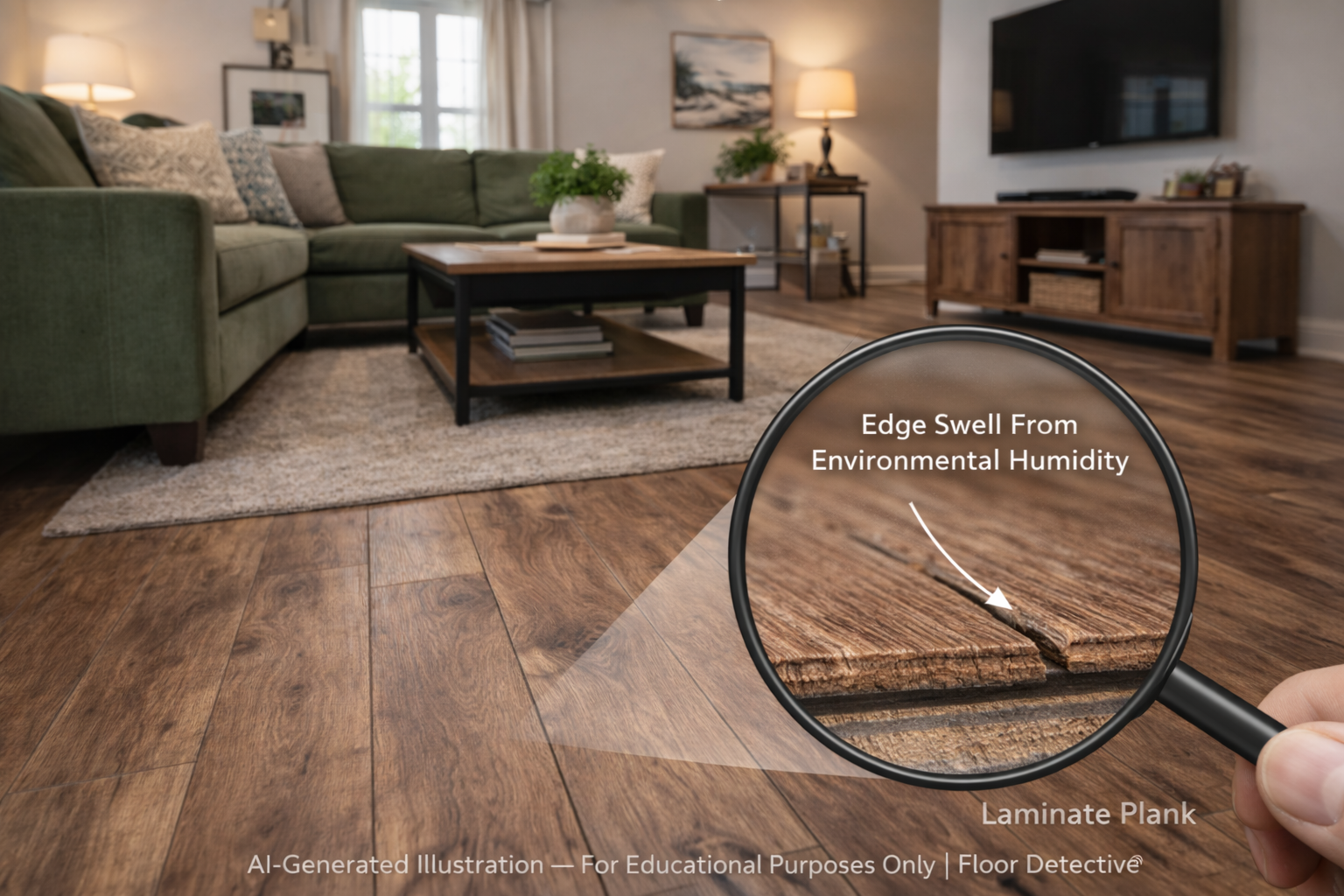
Edge Swell From Environmental Humidity (Laminate)
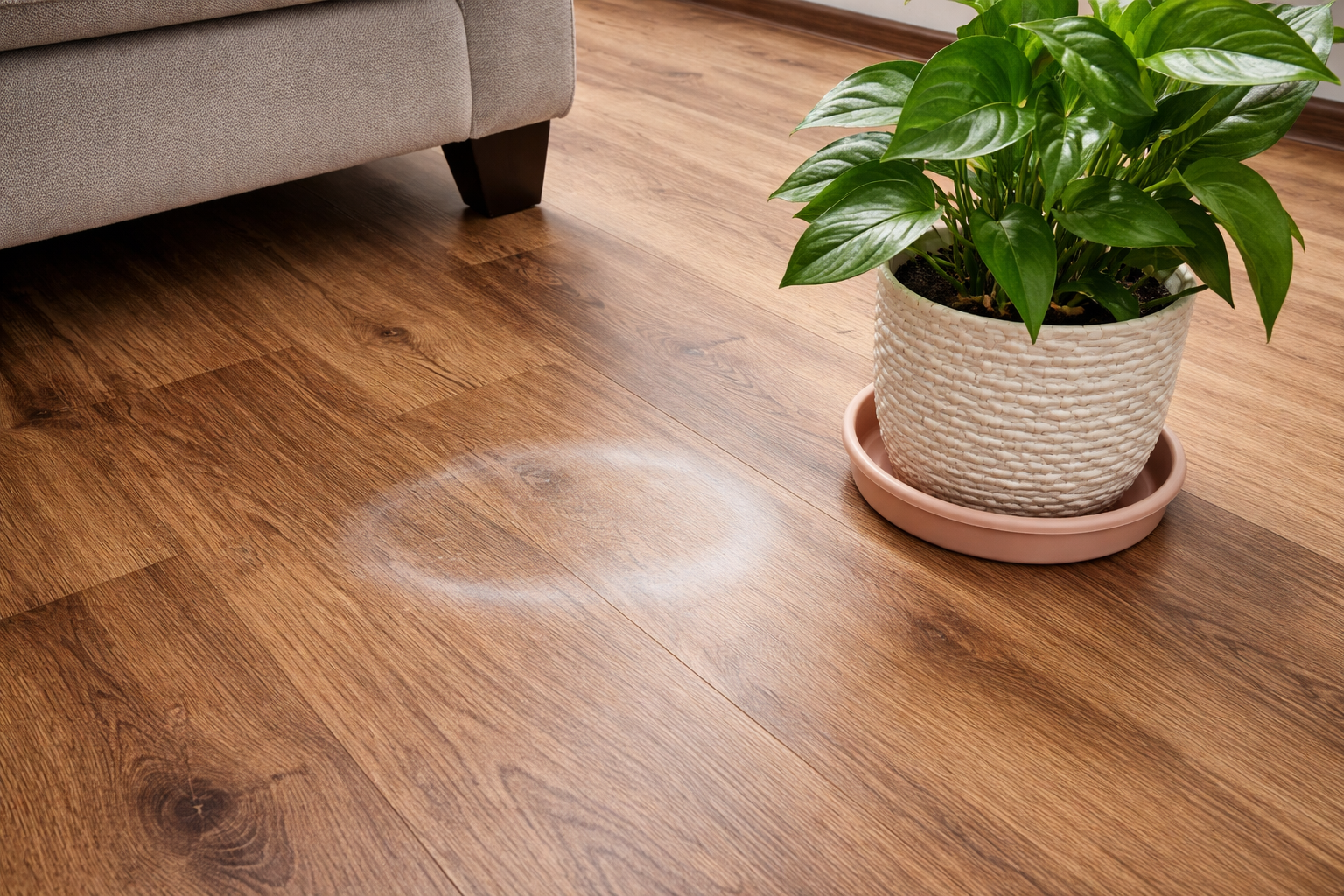
Surface Whitening from Topical Moisture Entrapment
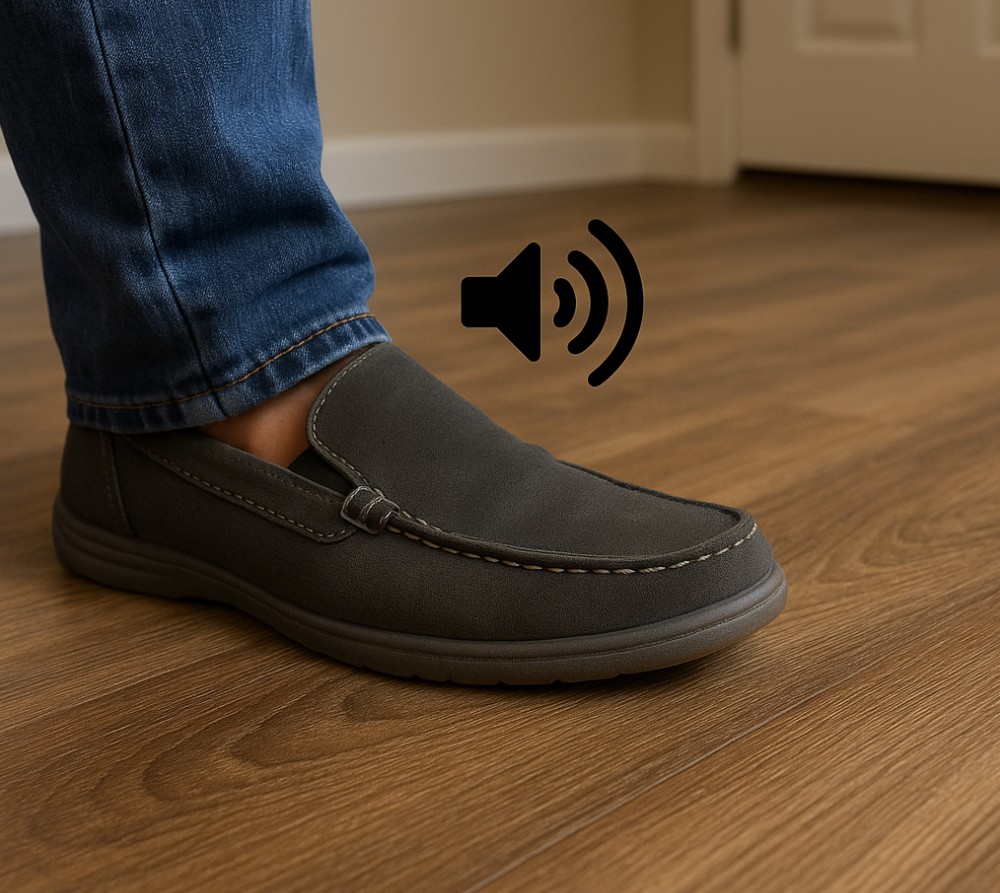
Hollow Sound / Acoustic Resonance (Laminate)coincidence whipping melt
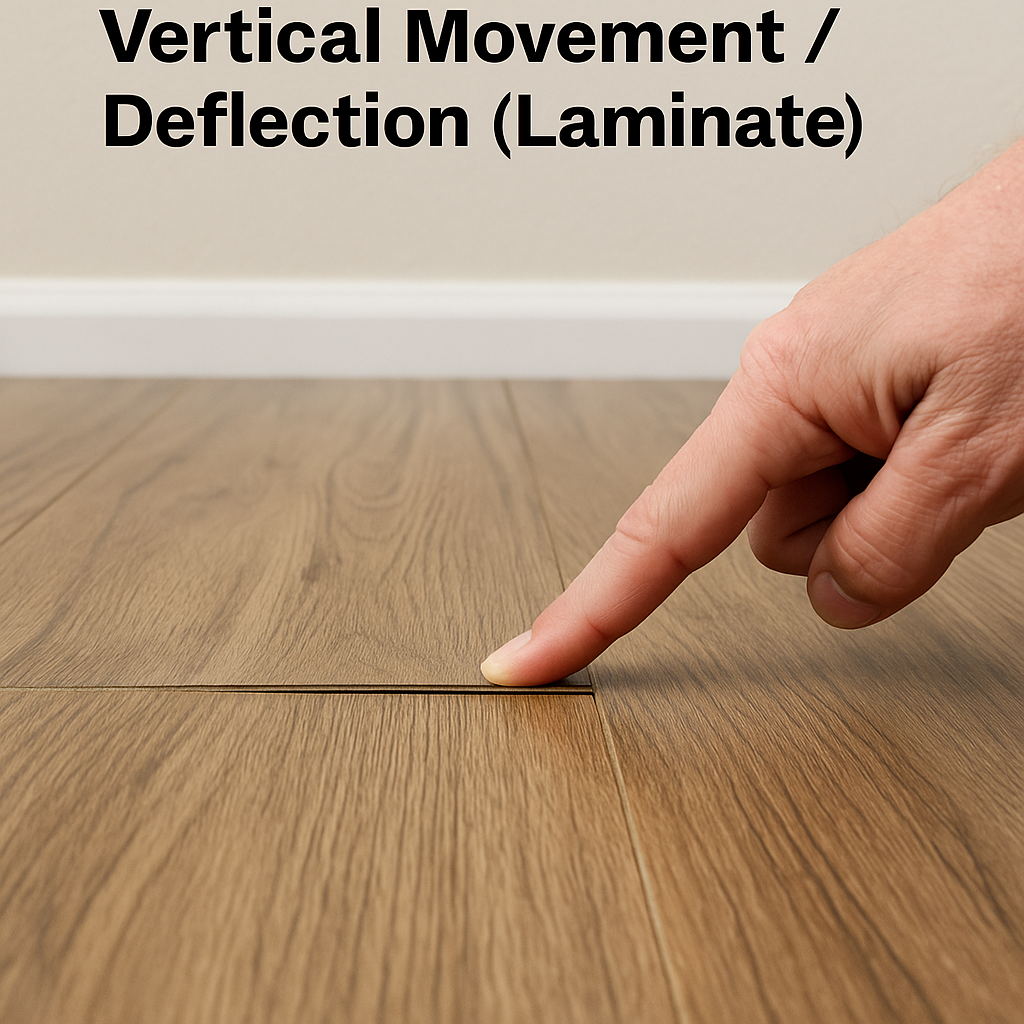
Vertical Movement / Deflection (Laminate