
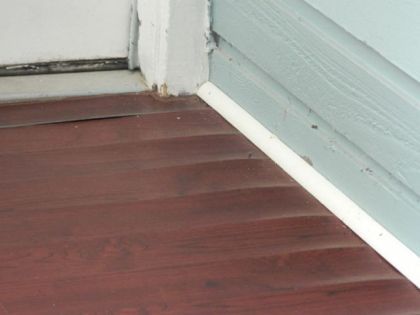
Cracks LVT Over Existing Tile

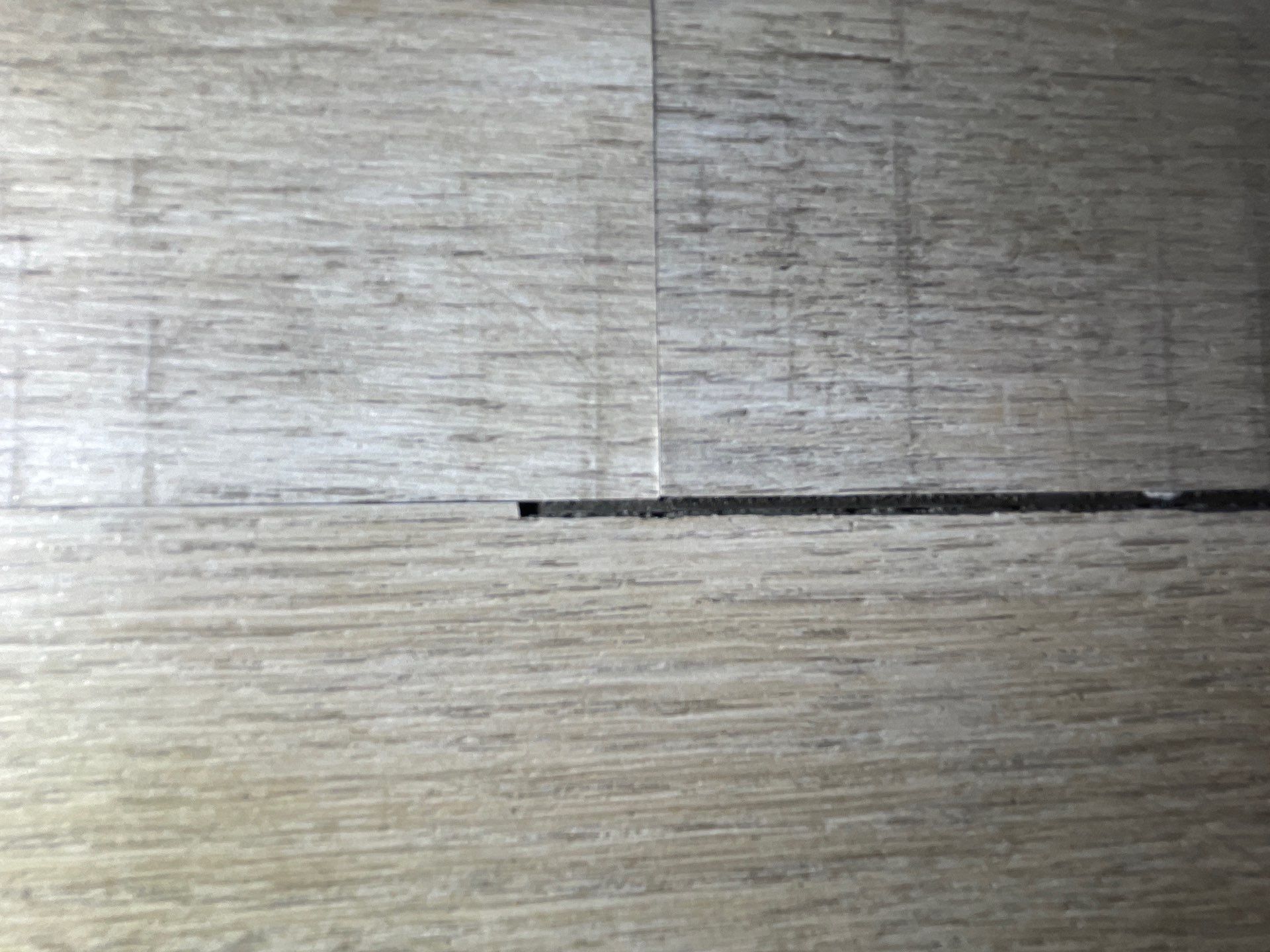
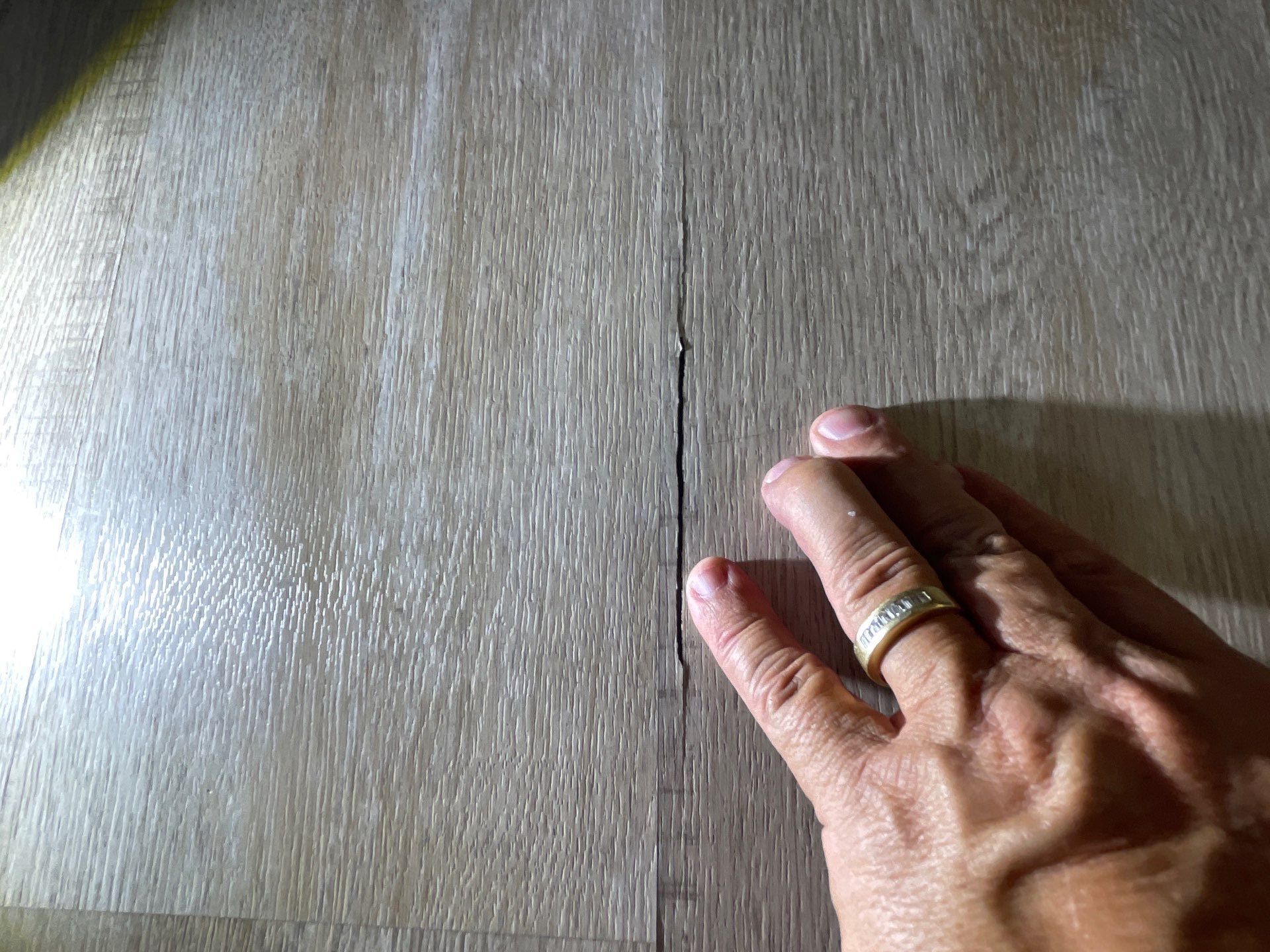
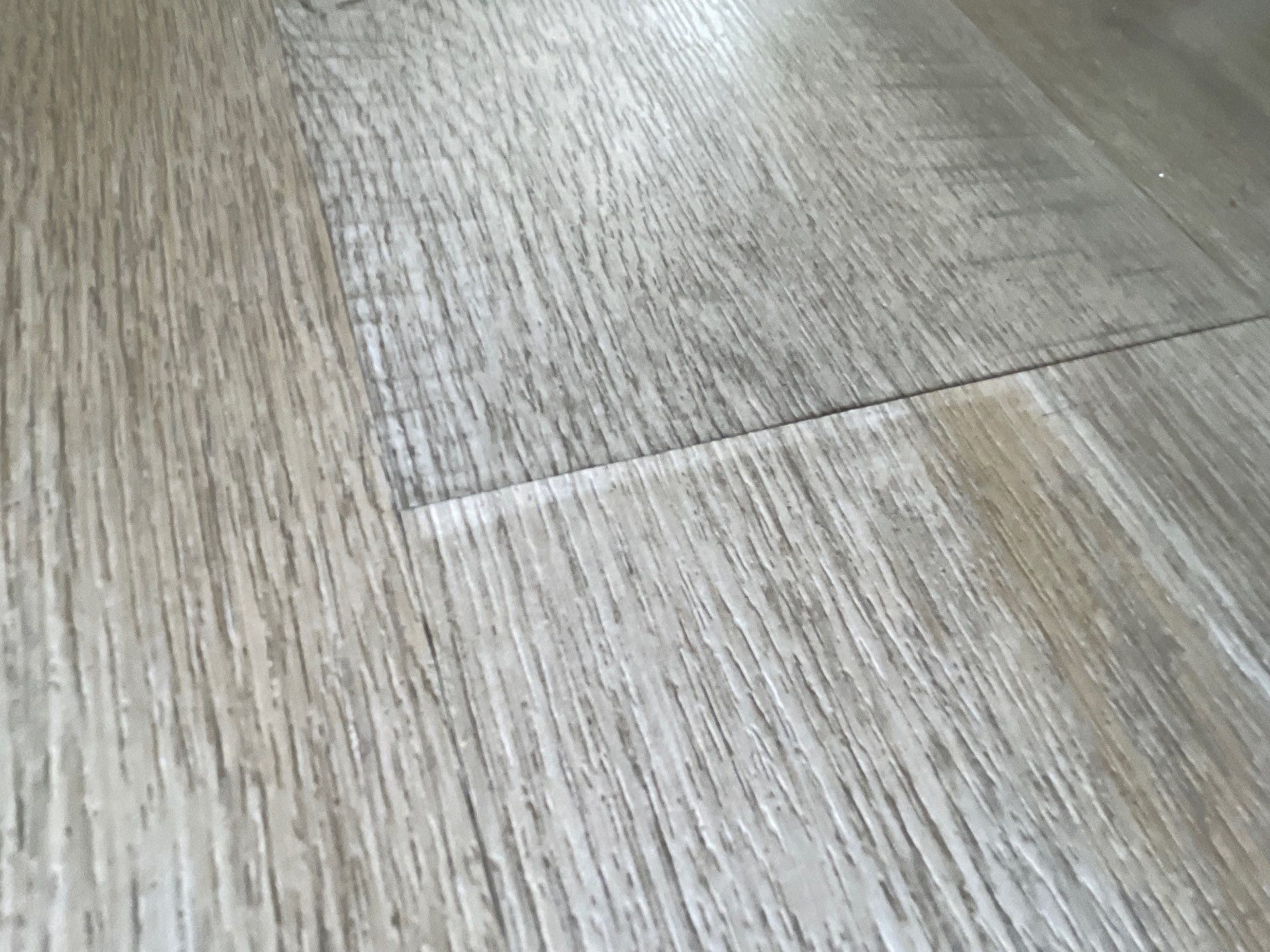
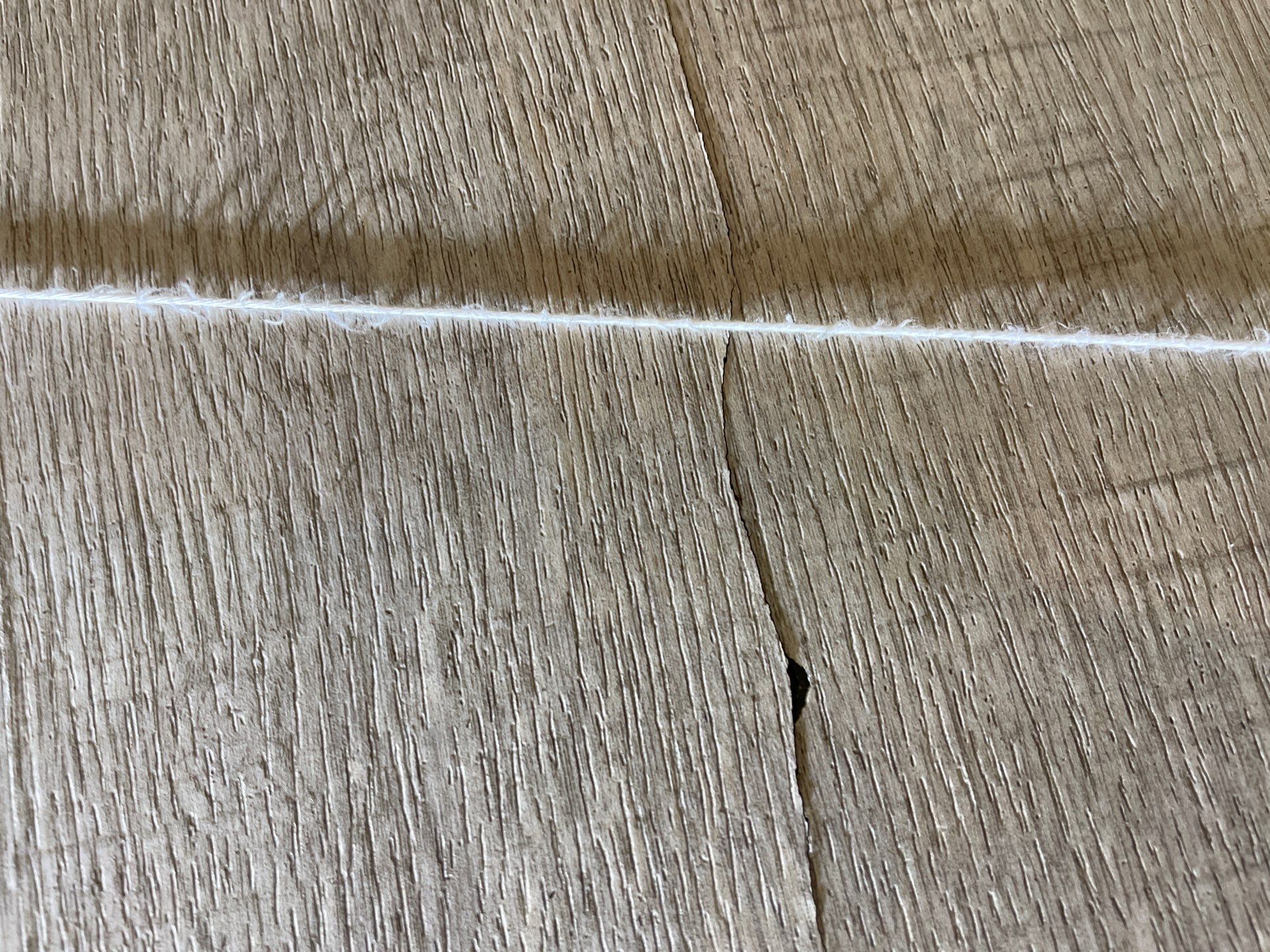
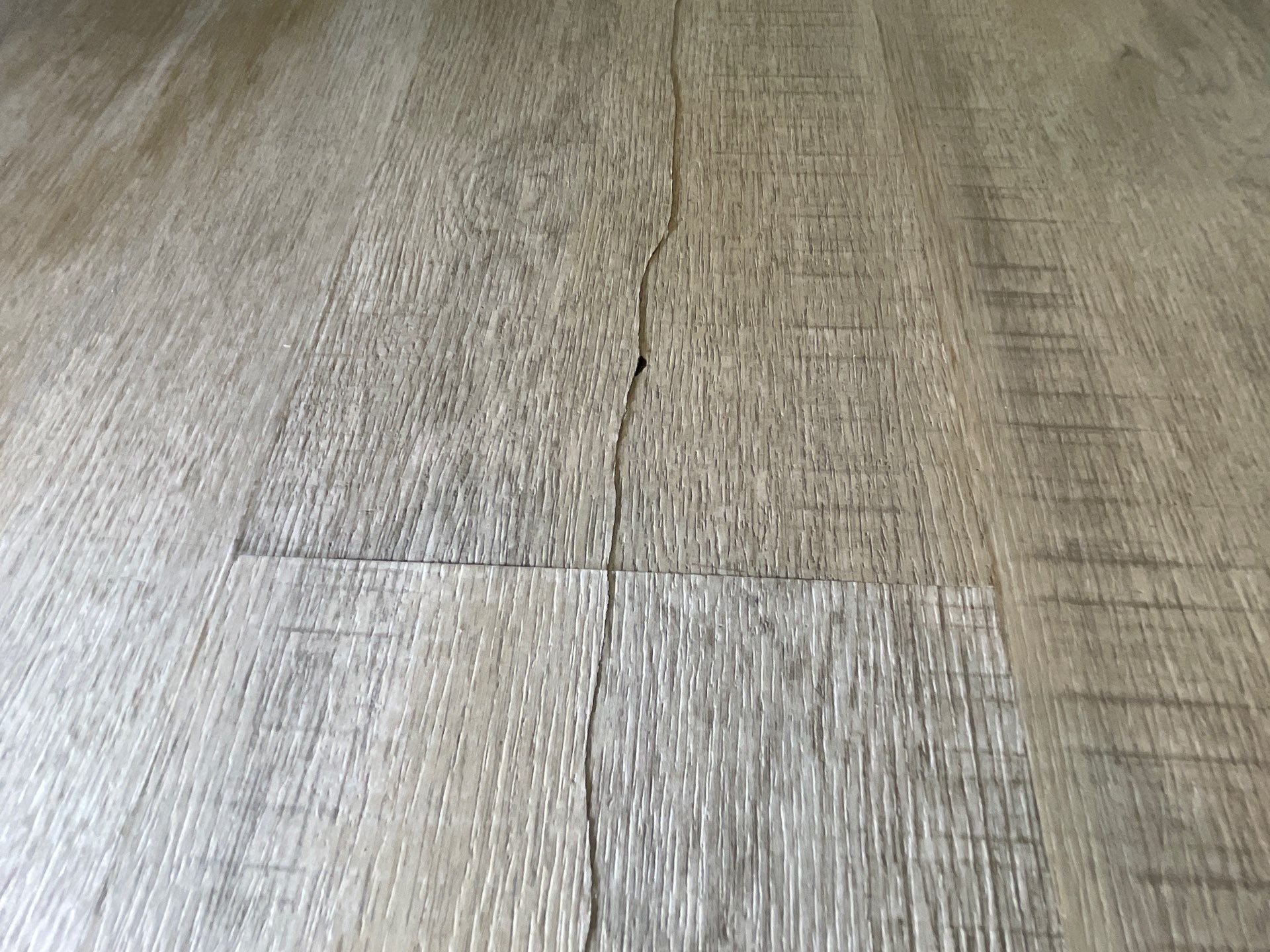
Cracking Over Existing Substrates (Resilient Plank)
Floor Detective® Claims and Conditions Guide
Summary
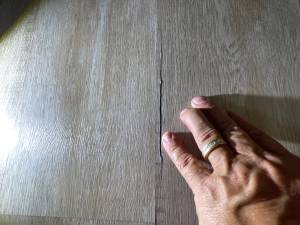
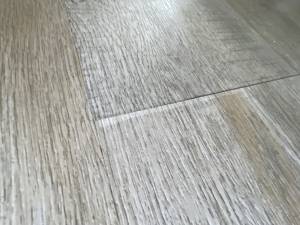
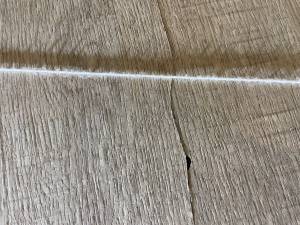
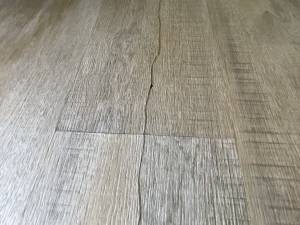
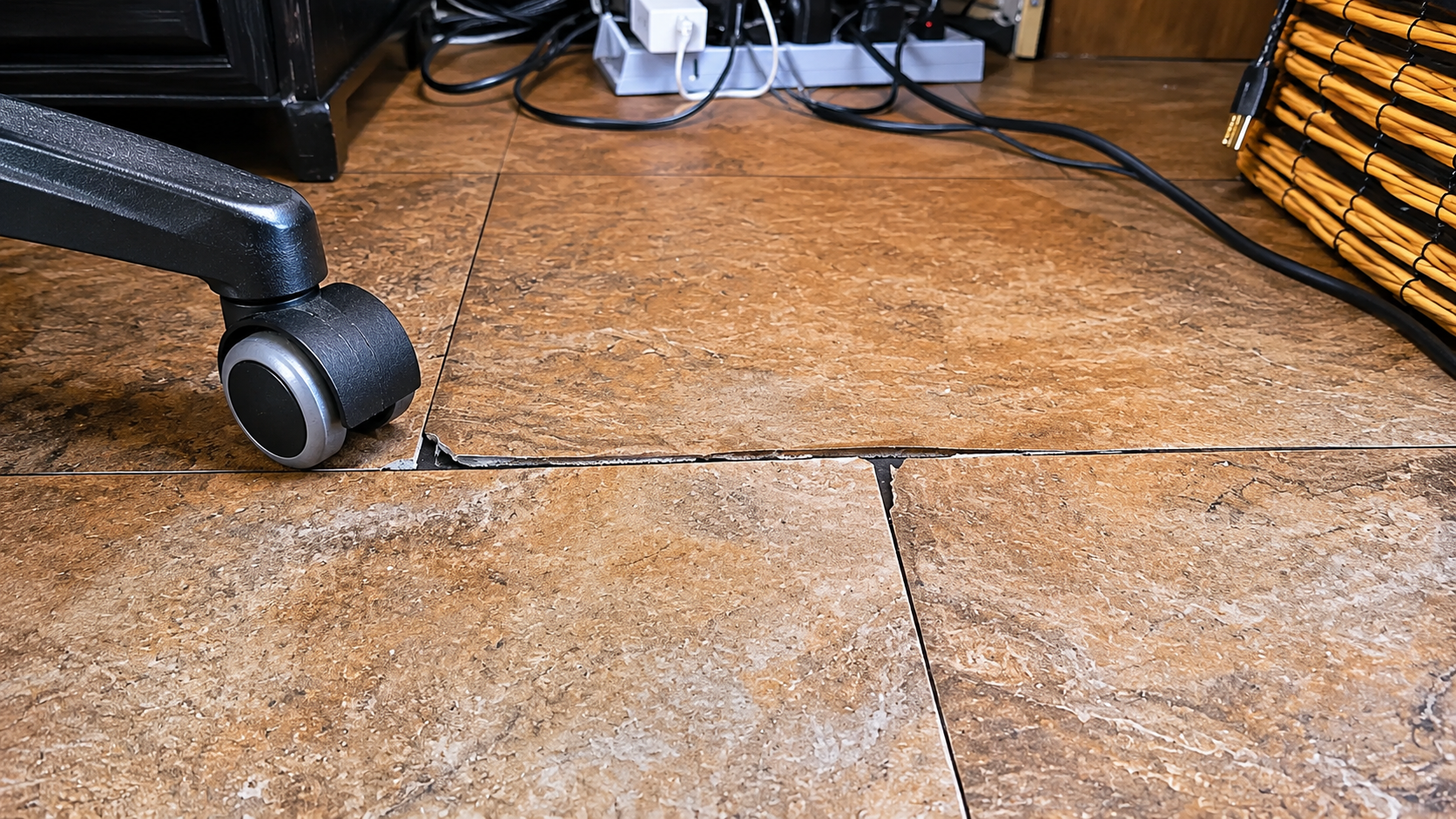
Cracking in resilient plank flooring installed over existing hard surface substrates commonly develops when the flooring system does not receive continuous, uniform support beneath the plank structure. Existing ceramic tile, stone, terrazzo, concrete, hardwood, or previously installed resilient flooring may contain grout joints, lippage, recessed seams, embossing, voids, or localized irregularities that create areas of reduced support beneath the finished floor. When resilient planks bridge these unsupported areas, repeated loading, rolling traffic, concentrated weight, or localized deflection may introduce flexural stress within the plank body. If the stress exceeds the flooring’s structural tolerance, cracking, fracture, seam separation, or localized structural failure may occur. Crack patterns commonly correspond with underlying substrate geometry rather than appearing randomly throughout the installation. The presence of an existing substrate alone does not independently cause cracking; the condition more commonly reflects stress transfer resulting from discontinuous support, substrate irregularity, or flooring-system interaction. Proper evaluation requires correlation of crack geometry, substrate characteristics, support continuity, traffic exposure, and flooring-system behavior rather than reliance on isolated fracture appearance alone. See also Telegraphing, Core Void Resilient Plank, and LVT and SPC Floor Problems for broader context.
Chair-Caster Damage (LVT/SPC Flooring)
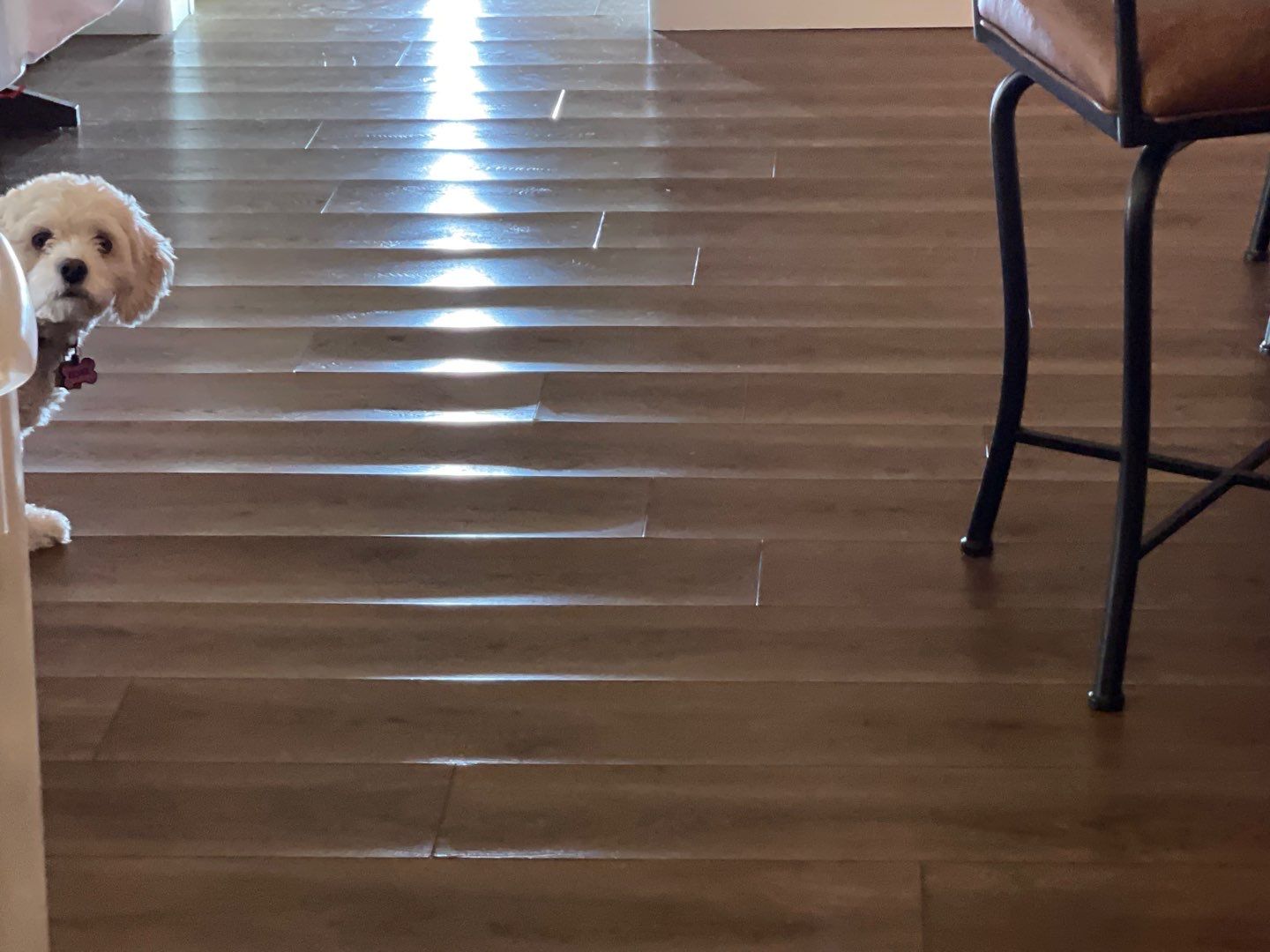
LVT and SPC Floor Problems
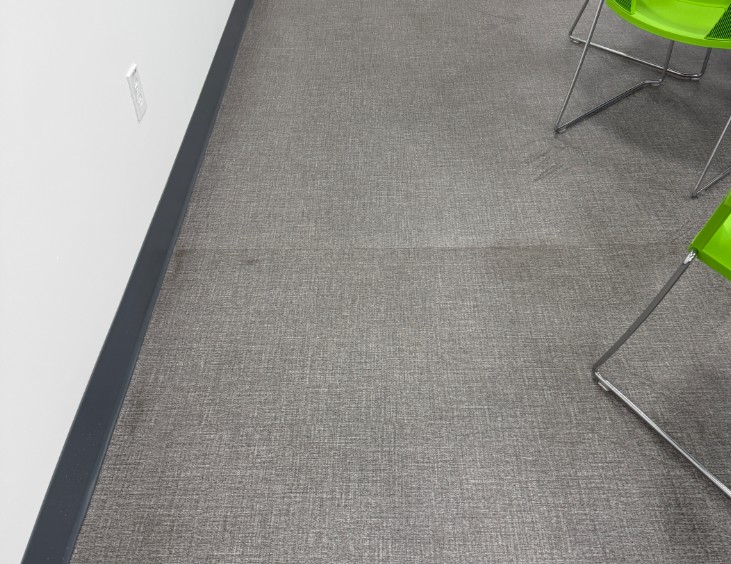
Cross-Machine Direction (Width) Shading / Texture Variation (Resilient Sheet Vinyl)
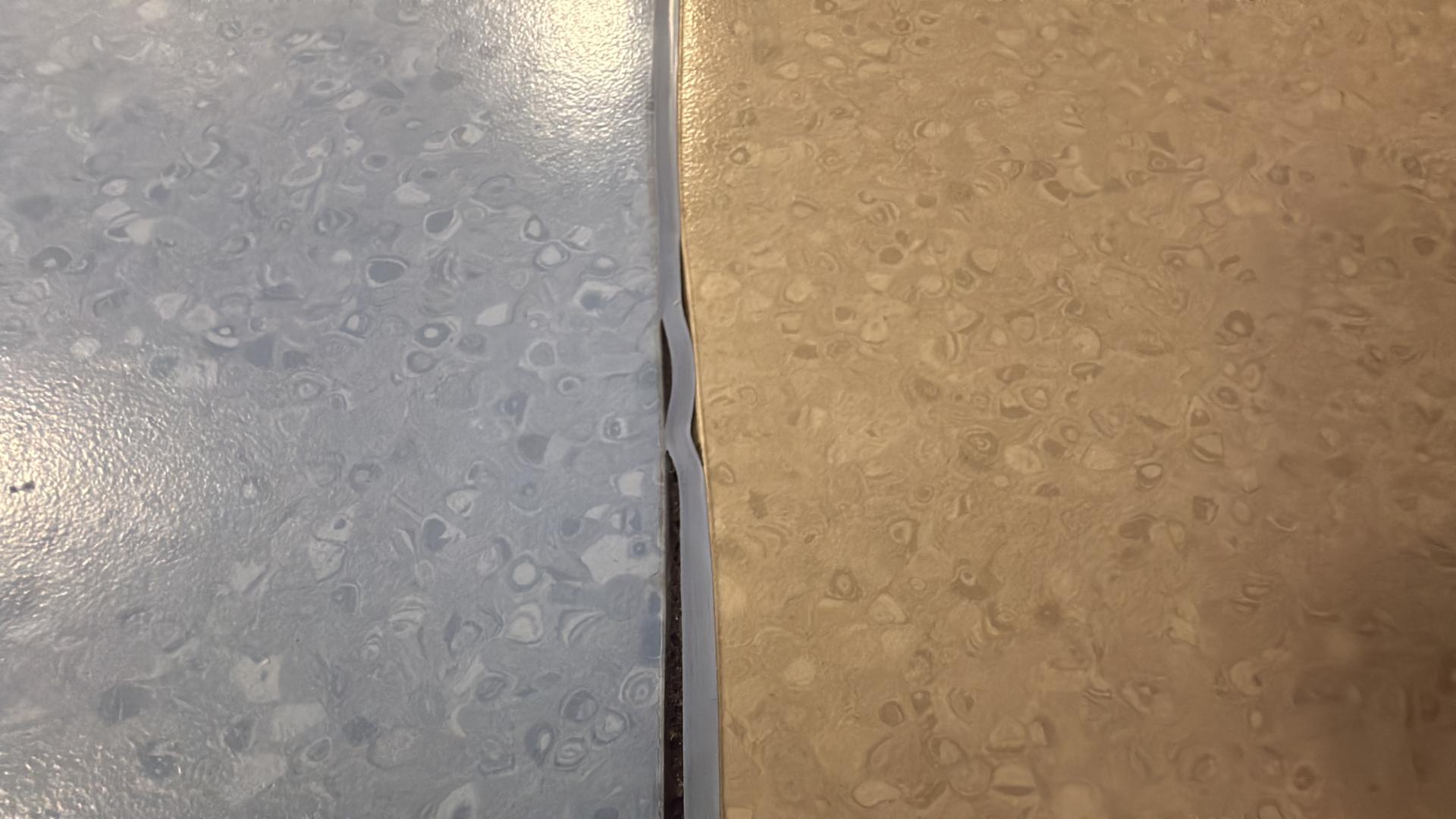
Sheet Shrinkage / Seam Opening (Resilient Sheet Flooring)
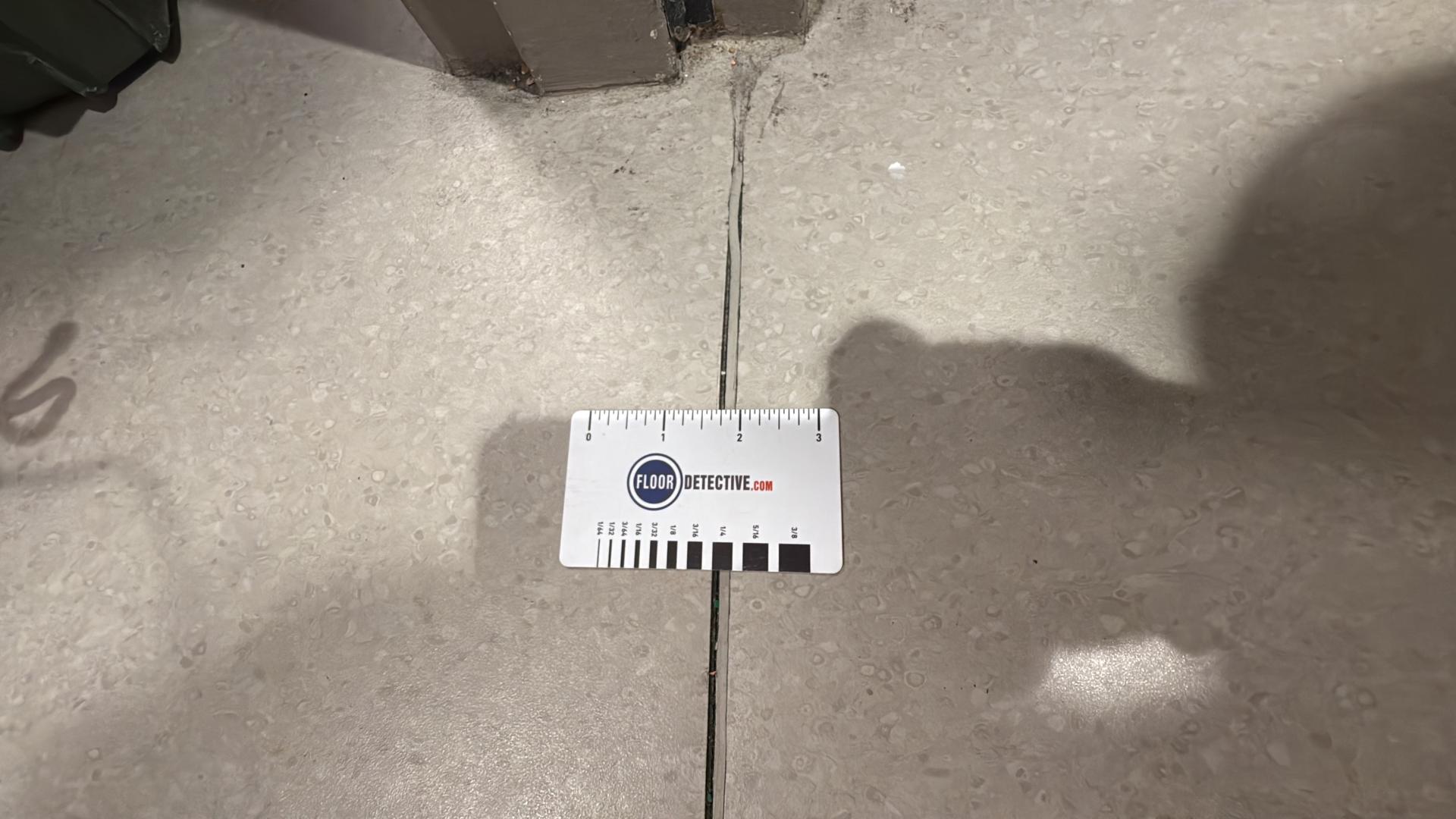
Heat Weld Seam Failure (Resilient Sheet Flooring)
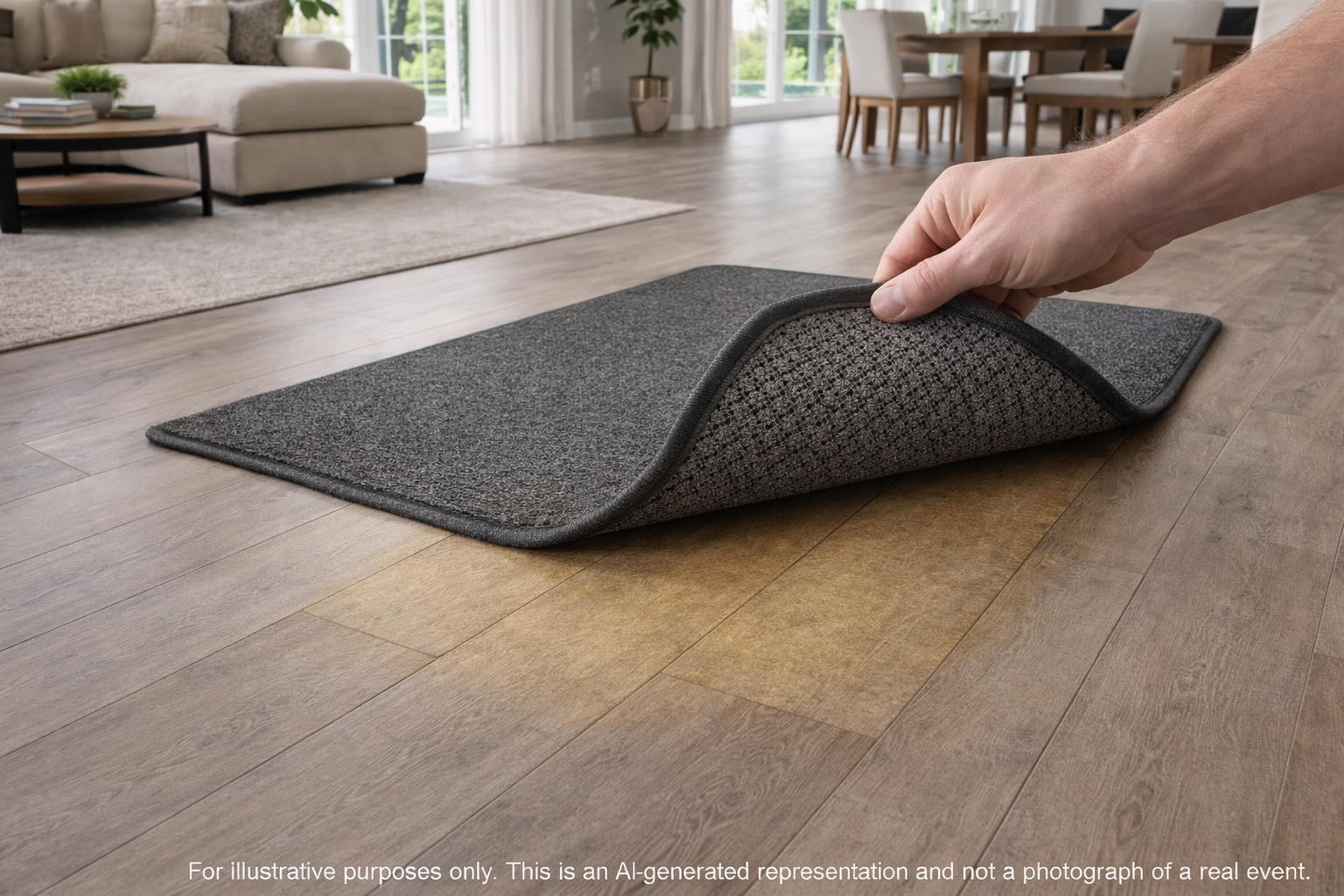
Yellowing / Discoloration (LVP / SPC / WPC)
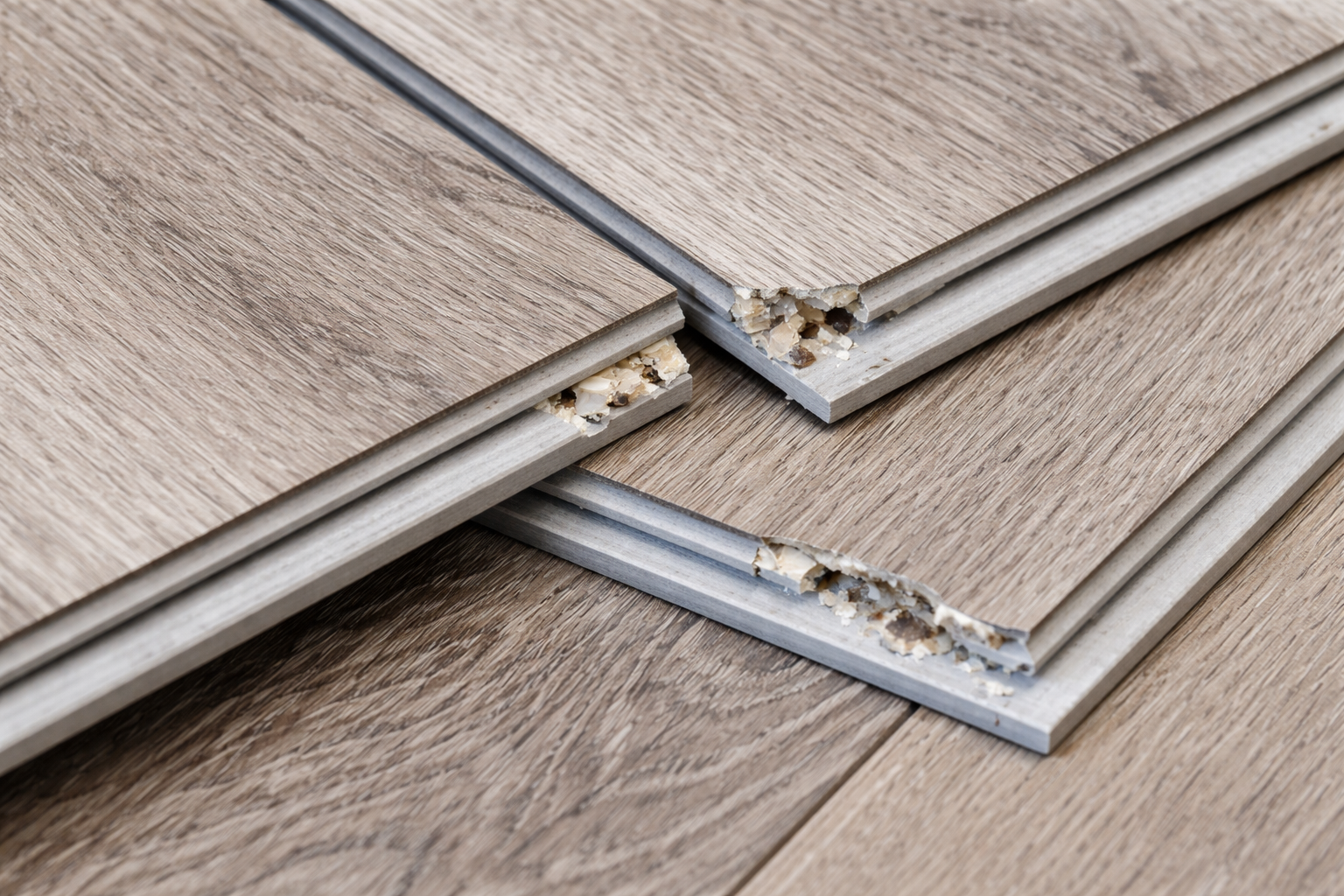
Broken Locking Profiles / Mechanical Joint Compromise (Resilient Plank)
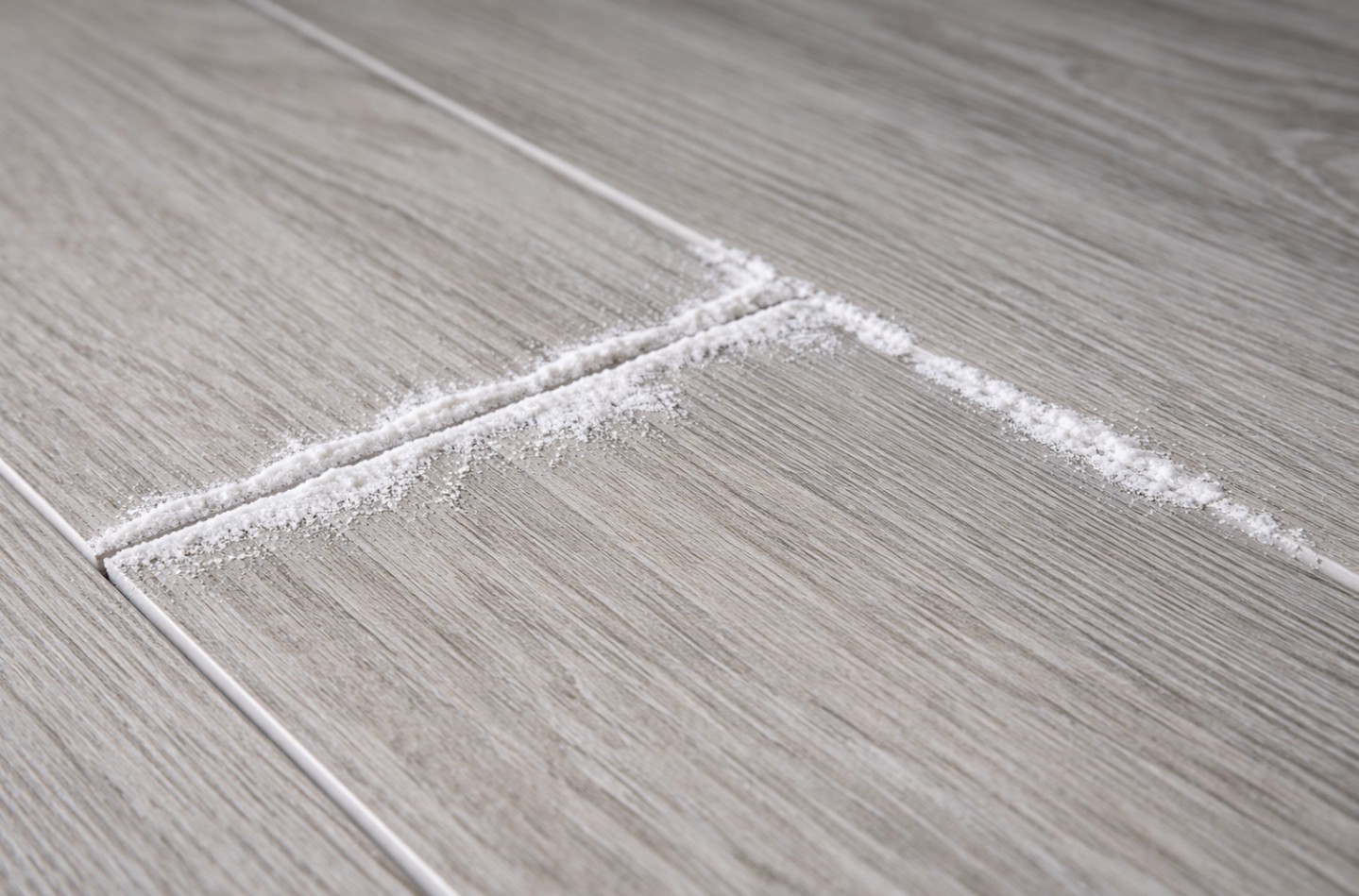
Efflorescence-Like Mineral Migration at LVT/SPC Joints
Blistering / Surface Blisters (SPC Flooring)

Cracking Over Existing Substrates (LVT)