Yellowing / Discoloration (LVP / SPC / WPC)

Yellowing / Discoloration (LVP / SPC / WPC)
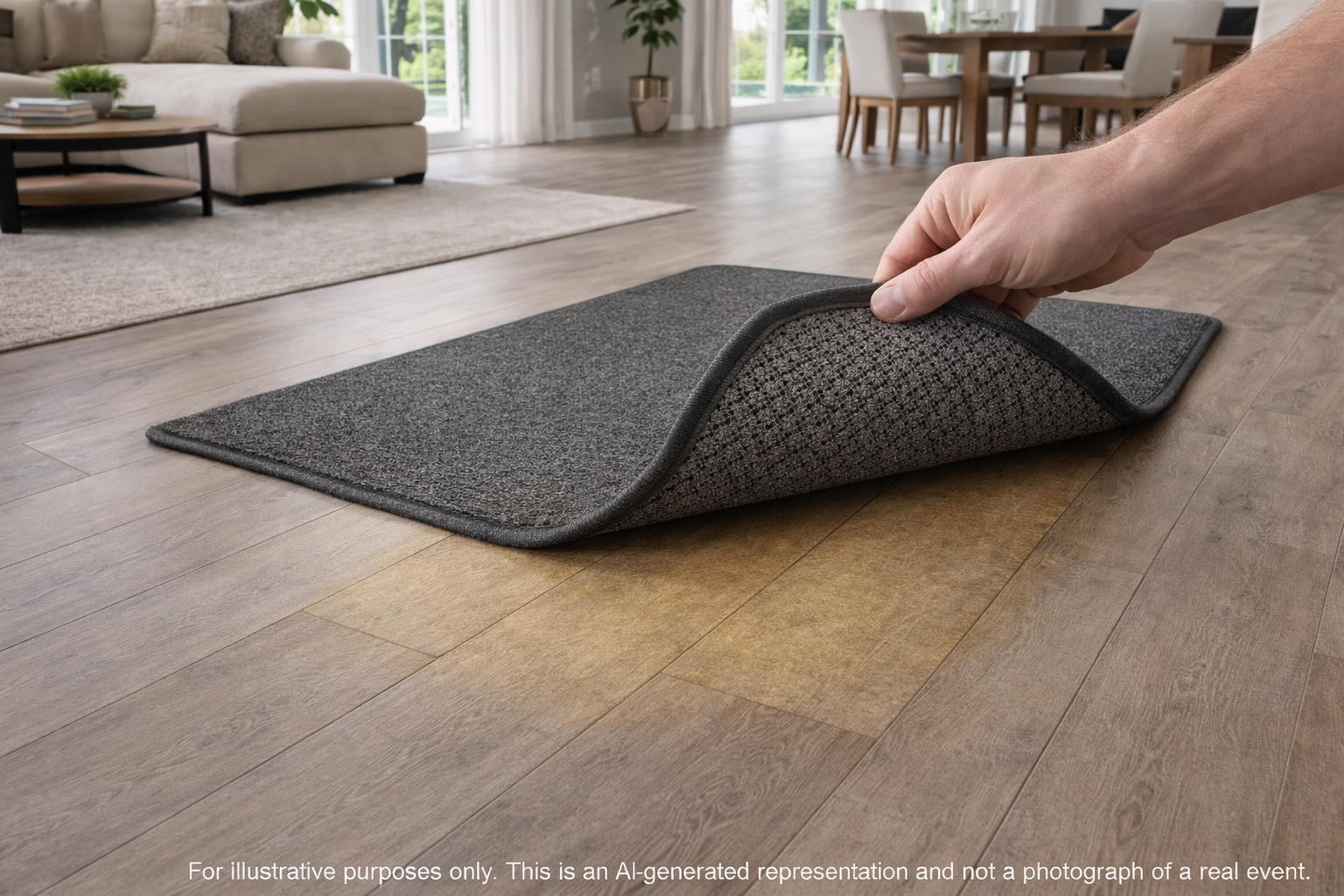
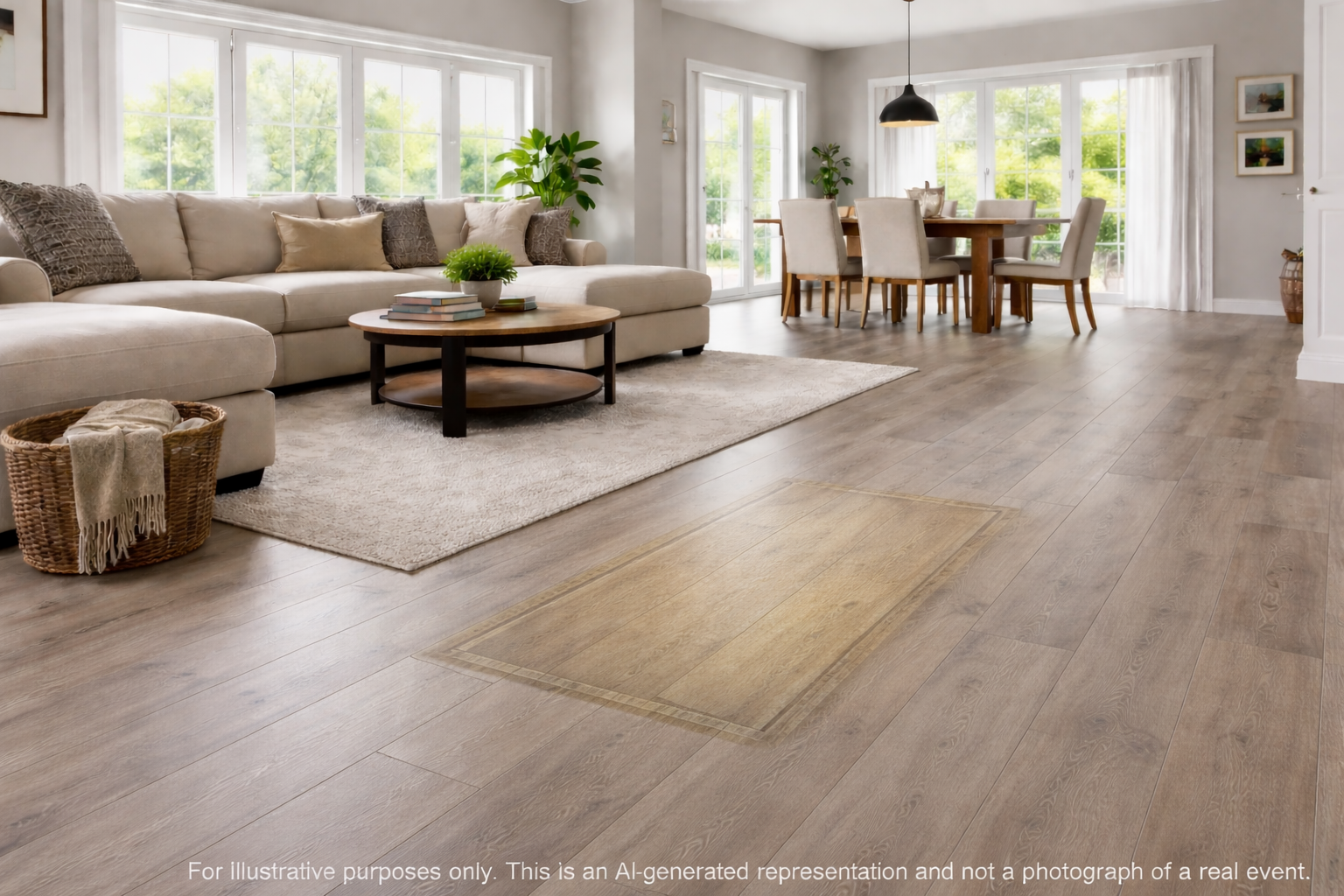
Yellowing and intrinsic discoloration in LVP SPC and WPC flooring caused by oxidation and ultraviolet exposure
Yellowing 3
Yellowing and intrinsic discoloration in LVP SPC and WPC flooring caused by oxidation and ultraviolet exposure Yellowing 3

Yellowing / Intrinsic Discoloration (LVP / SPC / WPC)

Floor Detective® Claims and Conditions Guide

Summary

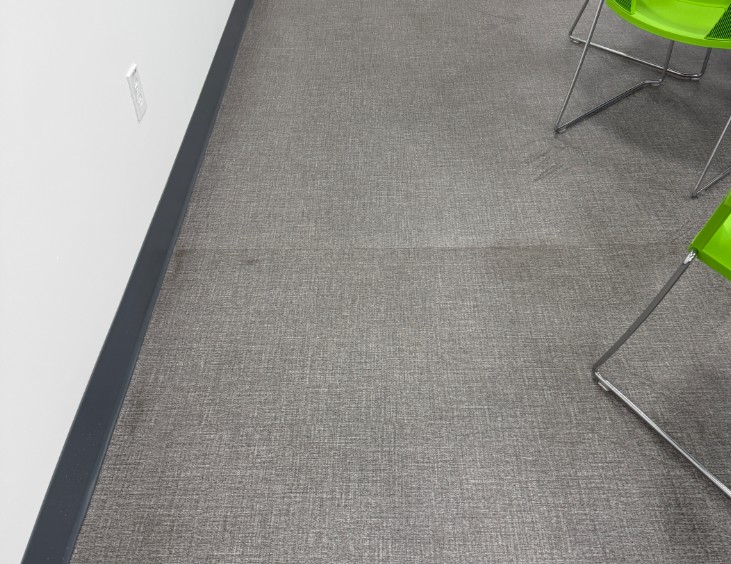
Yellowing or intrinsic discoloration in luxury vinyl plank (LVP), stone polymer composite (SPC), and wood polymer composite (WPC) flooring involves internal amber, yellow, or tonal color shift developing within the wear layer, coating system, or polymer structure rather than from direct external staining. In modern rigid-core flooring systems, true intrinsic polymer-related yellowing is uncommon because of improved ultraviolet stabilizers, mineral-filled core technology, and advanced urethane coating systems. Most reported discoloration conditions involve contact-transfer staining, environmental exposure, maintenance chemistry, or contaminant interaction rather than internal material instability. Distribution pattern, exposure history, and absence of contact-transfer geometry are important diagnostic indicators. Proper evaluation requires elimination of more common external staining pathways before intrinsic material discoloration is considered. See also Yellowing / Discoloration Resilient Sheet Vinyl, Blisters, and LVT and SPC Floor Problems for broader context.

Please subscribe to see all content

Chair-Caster Damage (LVT/SPC Flooring)

Chair-caster damage in LVT and SPC flooring may appear as scratching, indentation, joint damage, noise, or locking-profile failure caused by...
Read More
Chair-Caster Damage (LVT/SPC Flooring)

LVT and SPC Floor Problems

LVT and SPC floor problems may involve movement, gapping, curling, noise, indentation, discoloration, or substrate-related effects.
Read More
LVT and SPC Floor Problems

Cross-Machine Direction (Width) Shading / Texture Variation (Resilient Sheet Vinyl)

Cross-machine direction shading in resilient sheet vinyl involves side-to-side visual or texture variation across the sheet width.
Read More
Cross-Machine Direction (Width) Shading / Texture Variation (Resilient Sheet Vinyl)

Sheet Shrinkage / Seam Opening (Resilient Sheet Flooring)

Sheet shrinkage and seam opening in resilient sheet flooring involve dimensional movement, edge pull-back, and flooring-system stress redistribution.
Read More
Sheet Shrinkage / Seam Opening (Resilient Sheet Flooring)

Heat Weld Seam Failure (Resilient Sheet Flooring)

Heat weld seam failure in resilient sheet flooring involves loss of fusion or structural integrity within welded sheet-flooring joints.
Read More
Heat Weld Seam Failure (Resilient Sheet Flooring)

Yellowing / Discoloration (LVP / SPC / WPC)
Yellowing in LVP, SPC, and WPC flooring involves internal discoloration caused by oxidation, ultraviolet exposure, or environmental influence.
Read More
Yellowing / Discoloration (LVP / SPC / WPC)
Broken Locking Profiles / Mechanical Joint Compromise (Resilient Plank)
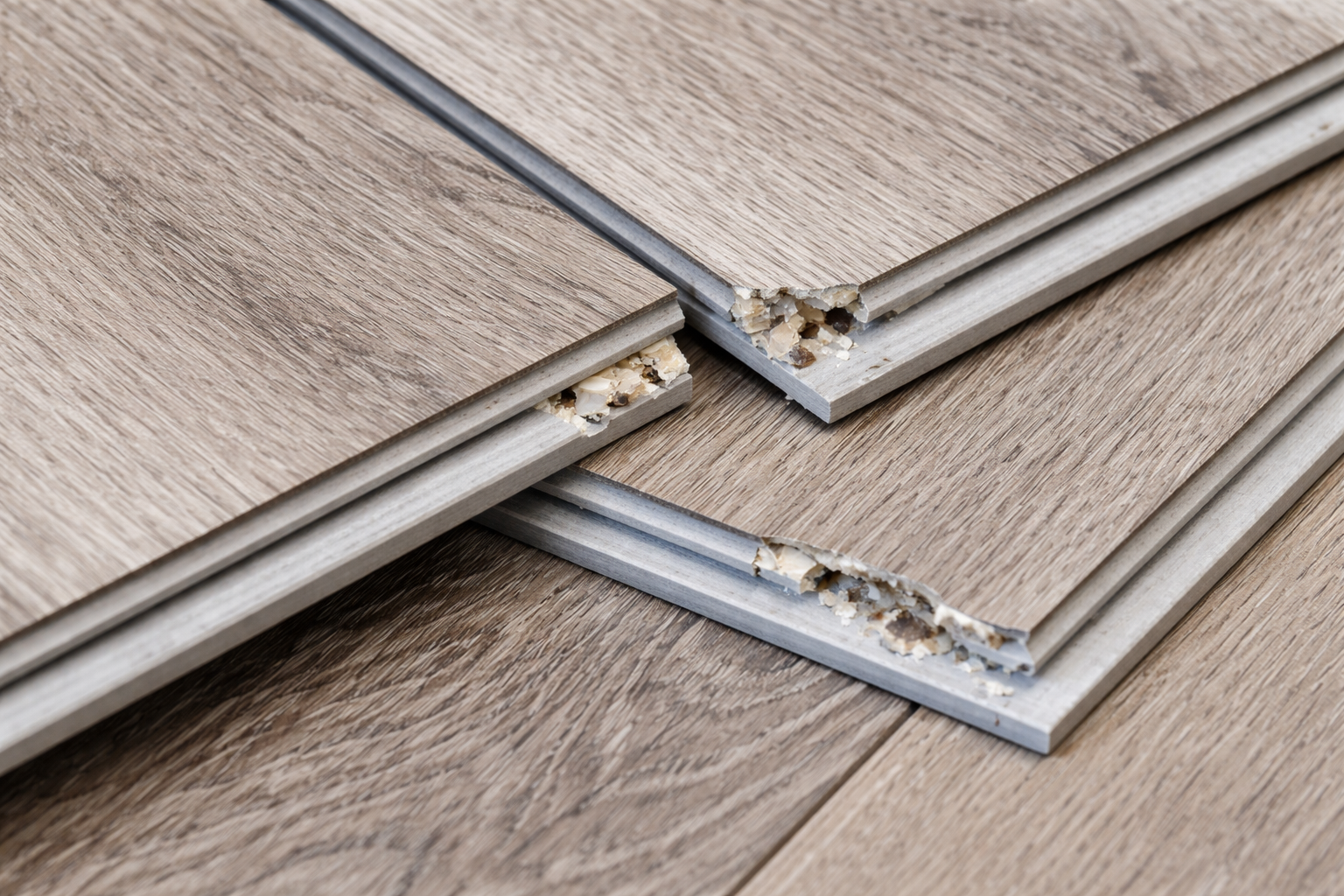
Broken locking profiles and mechanical joint compromise involve fracture, deformation, or weakening of resilient plank locking systems.
Read More
Broken Locking Profiles / Mechanical Joint Compromise (Resilient Plank)

Efflorescence-Like Mineral Migration at LVT/SPC Joints
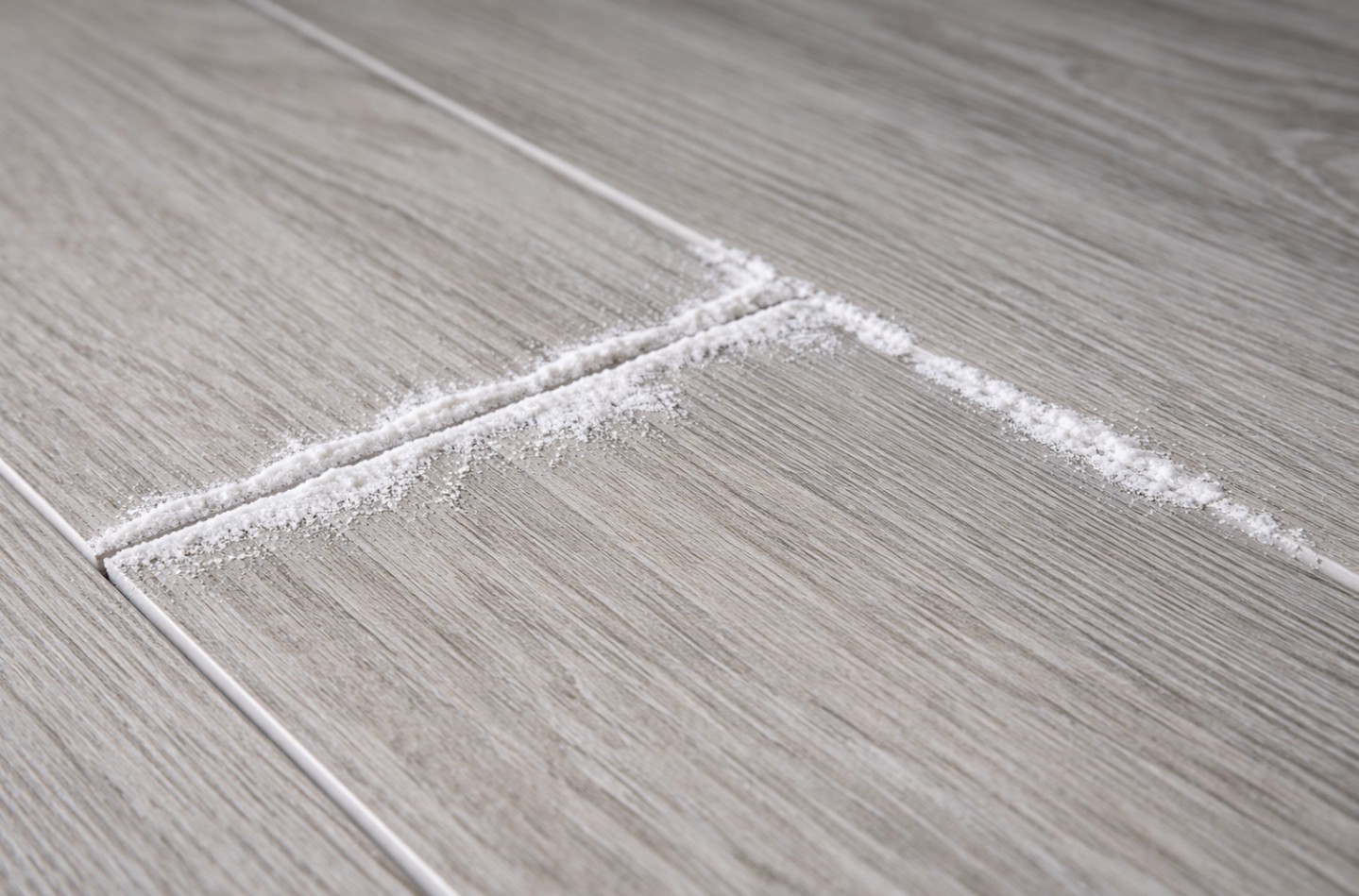
Efflorescence-like mineral migration at LVT and SPC joints is a moisture-related substrate condition involving mineral residue from concrete slabs.
Read More
Efflorescence-Like Mineral Migration at LVT/SPC Joints

Blistering / Surface Blisters (SPC Flooring)

SPC flooring blistering involves localized raised areas or bubble-like distortions originating within individual flooring planks.
Read More
Blistering / Surface Blisters (SPC Flooring)

Cracking Over Existing Substrates (LVT)

Cracking in resilient plank flooring over existing substrates commonly involves stress transfer from grout joints or uneven support.
Read More
Cracking Over Existing Substrates (LVT)