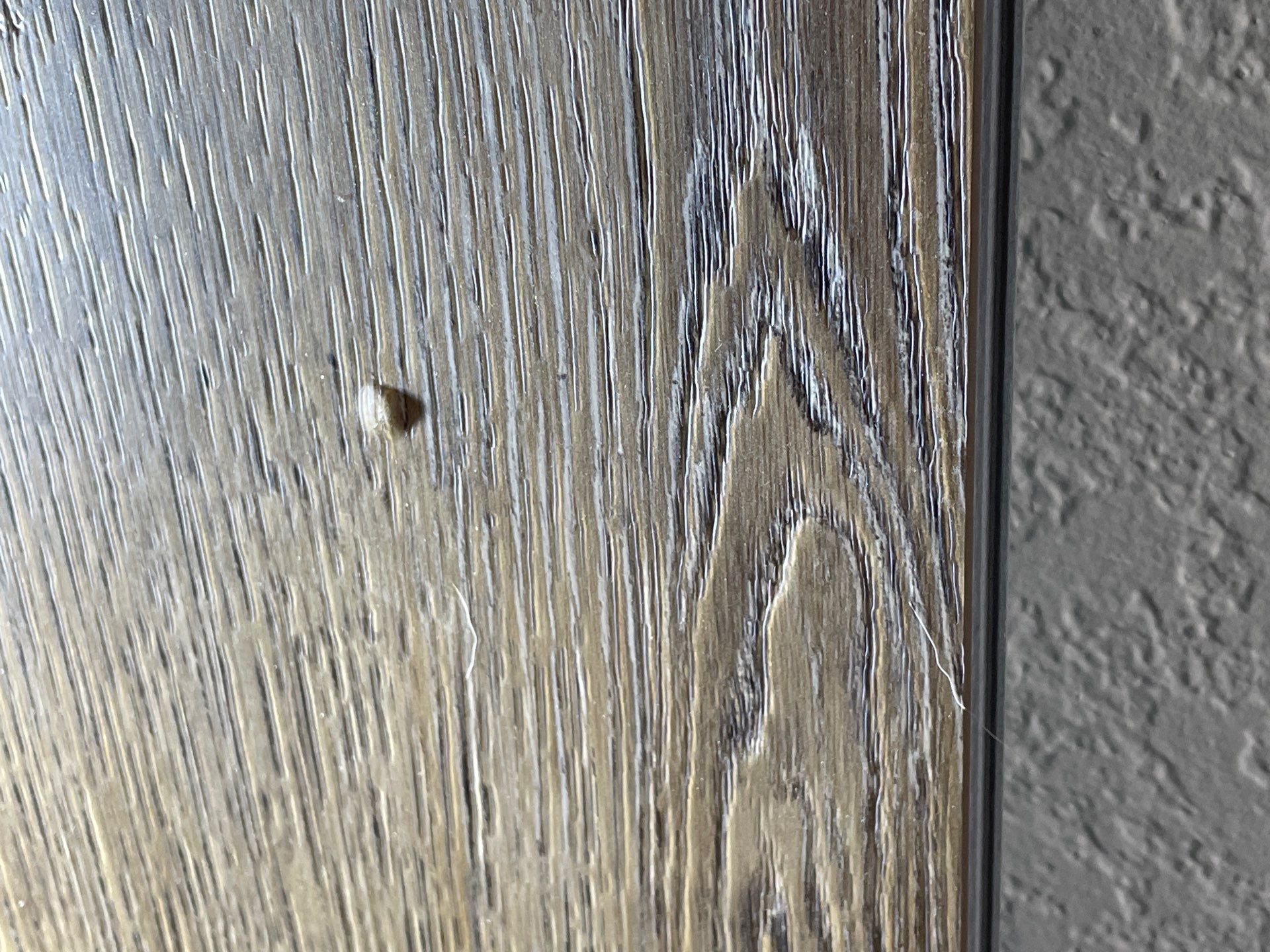
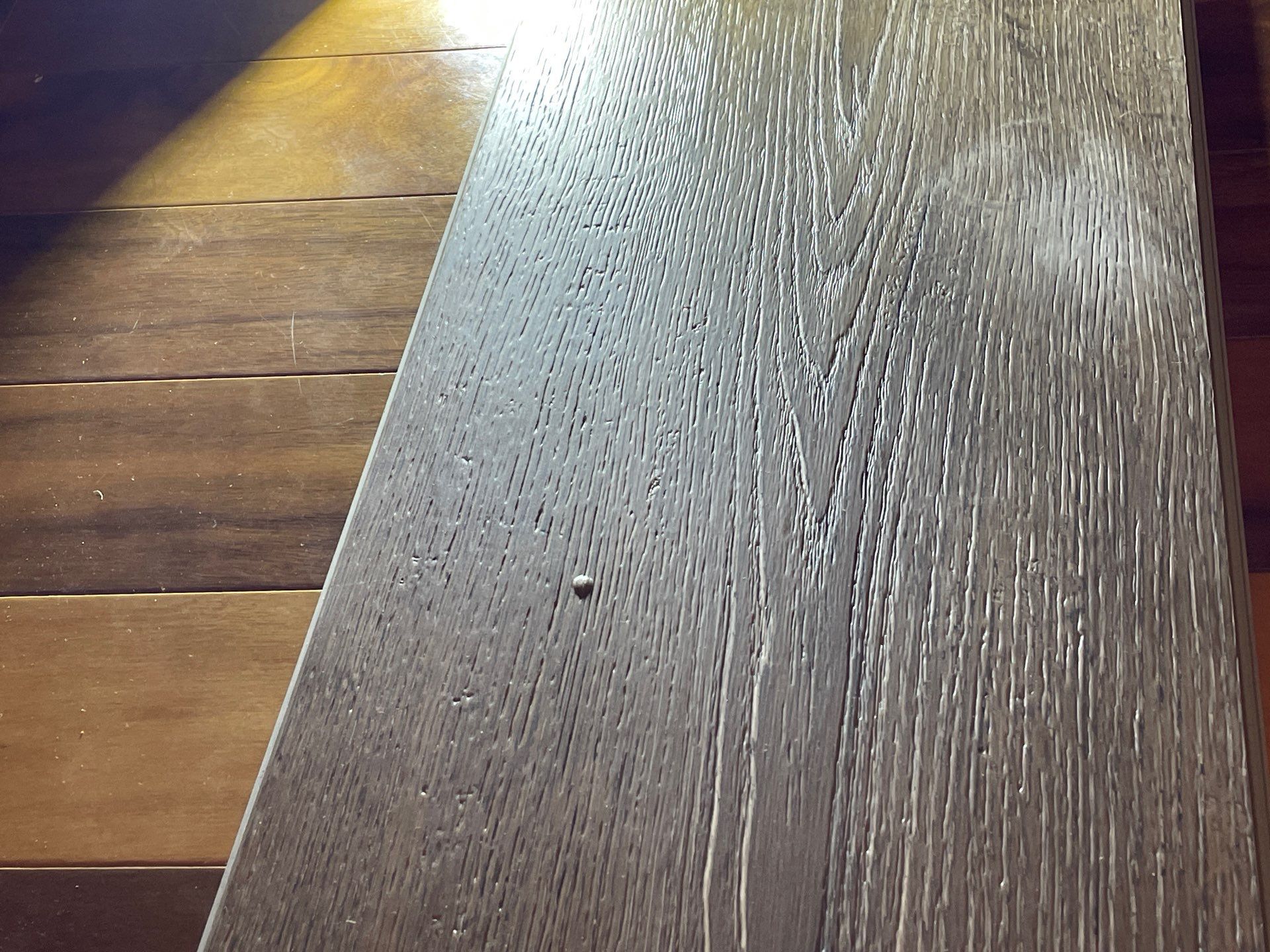
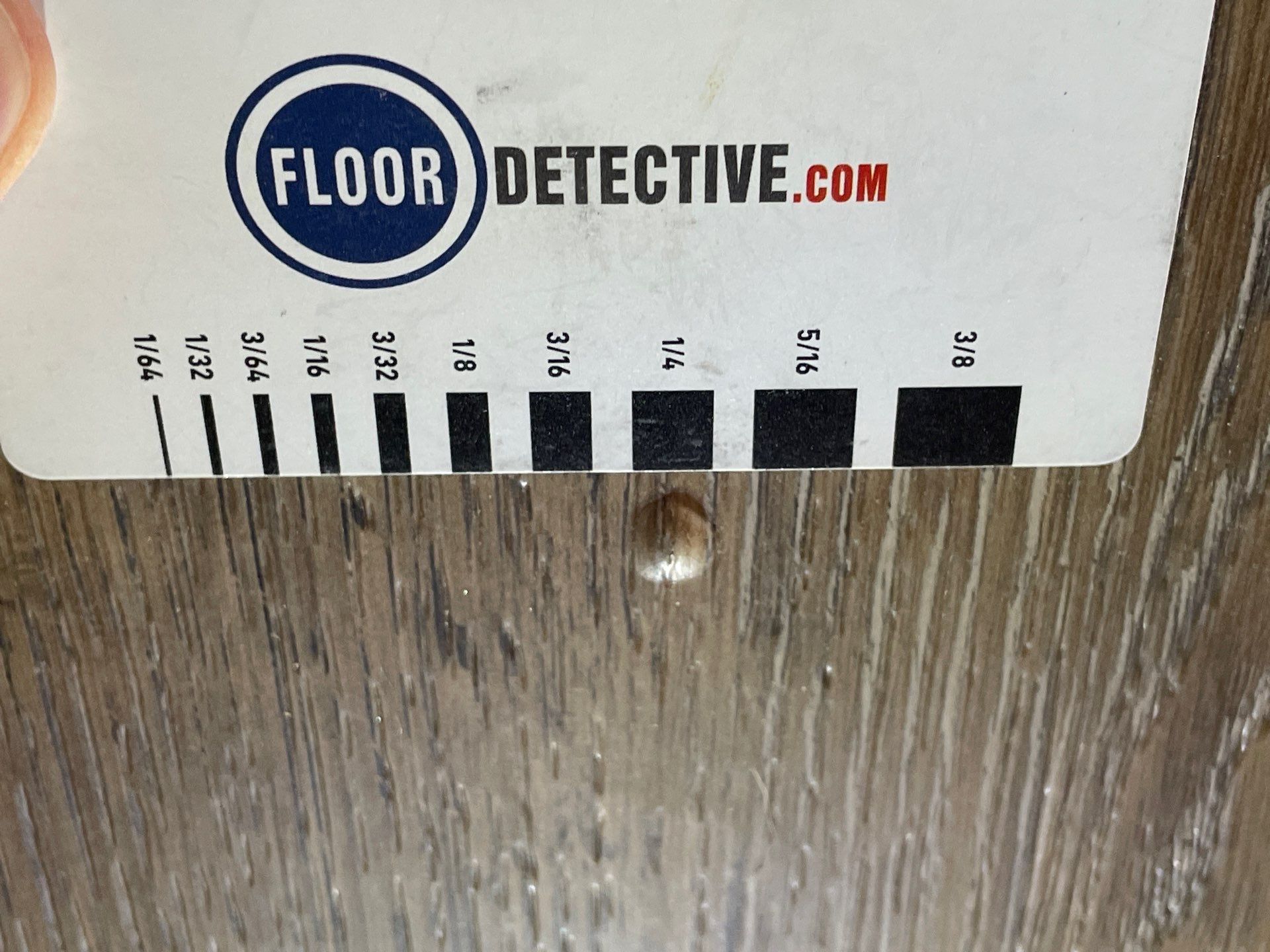
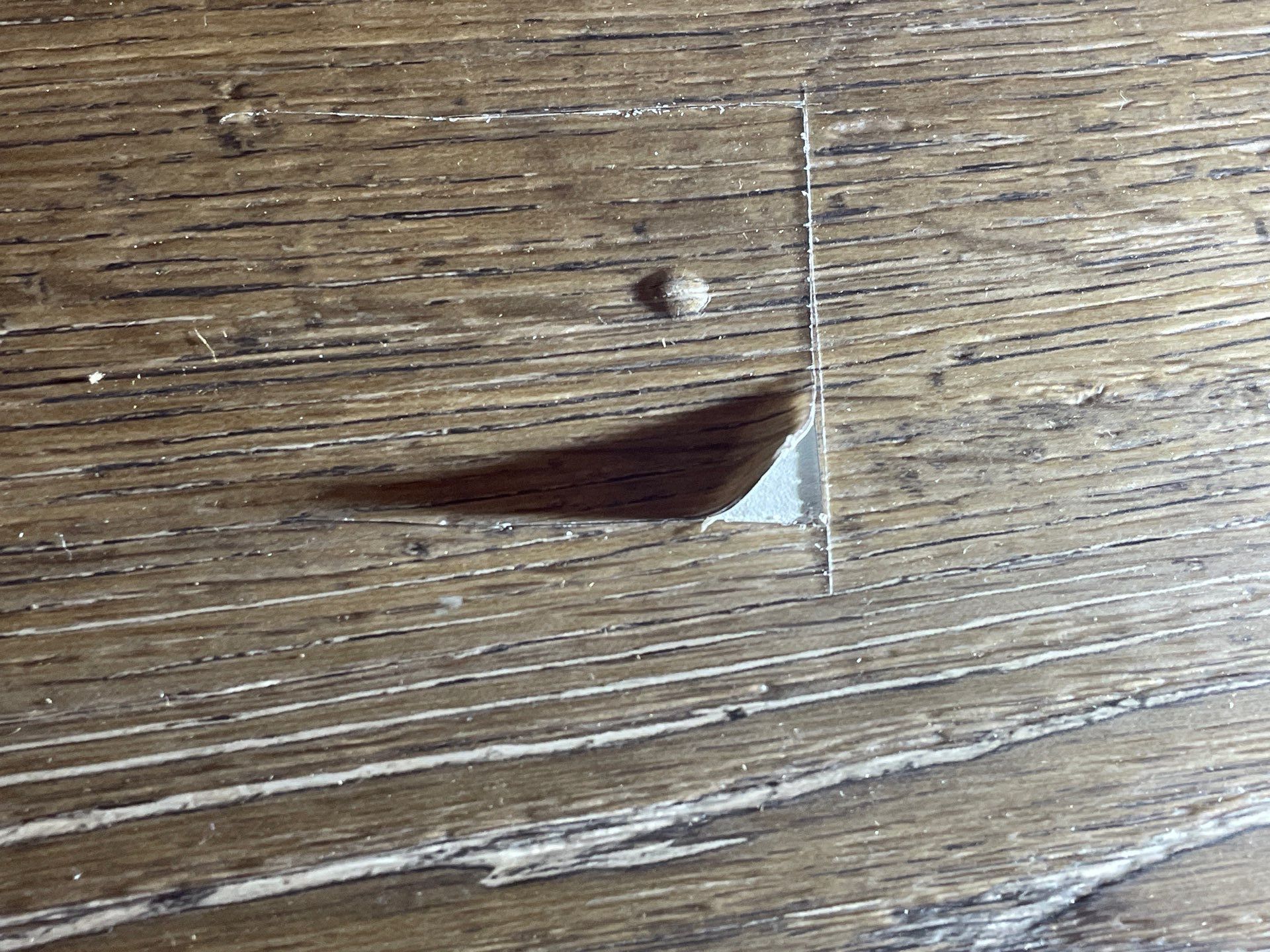
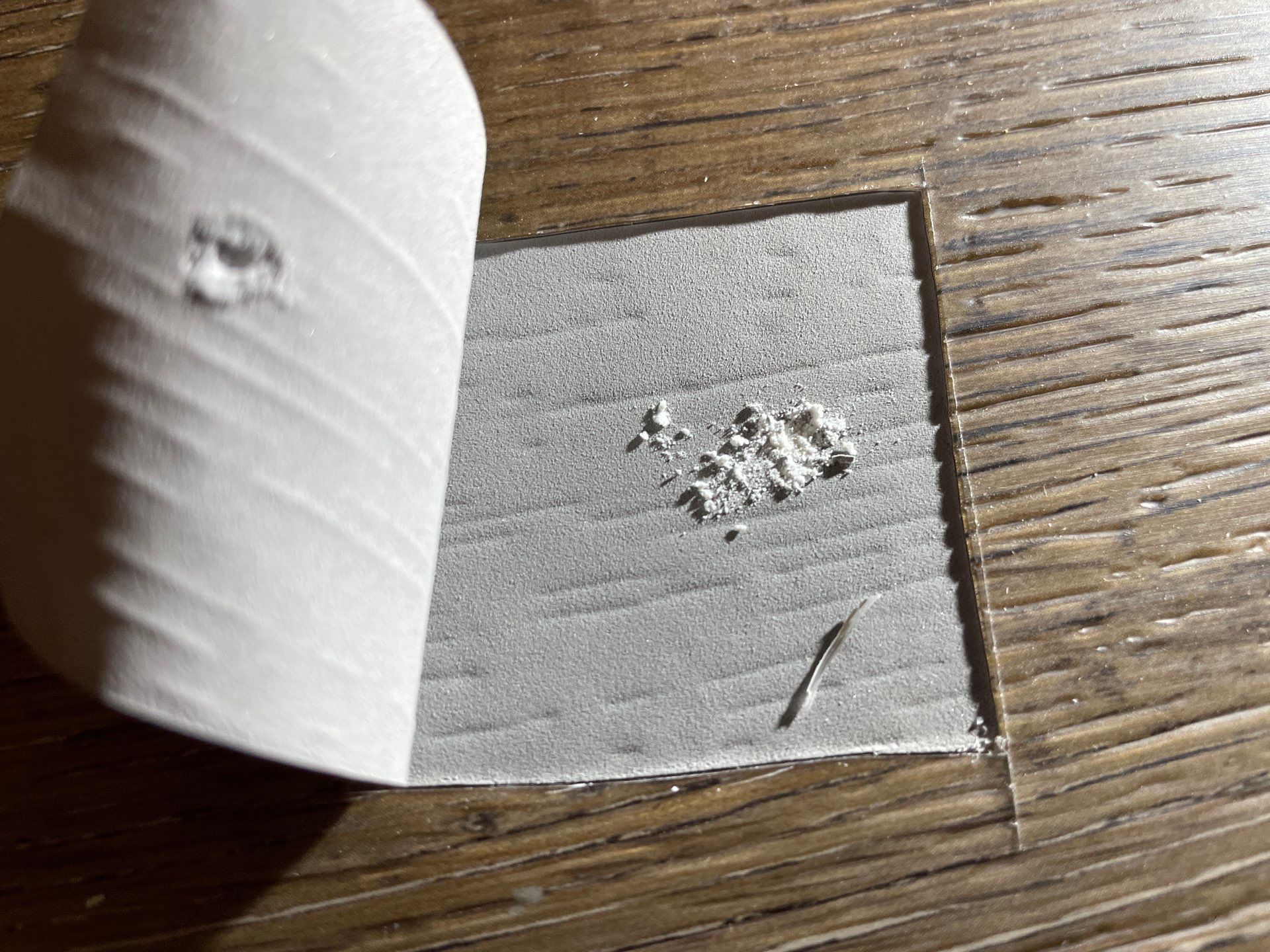
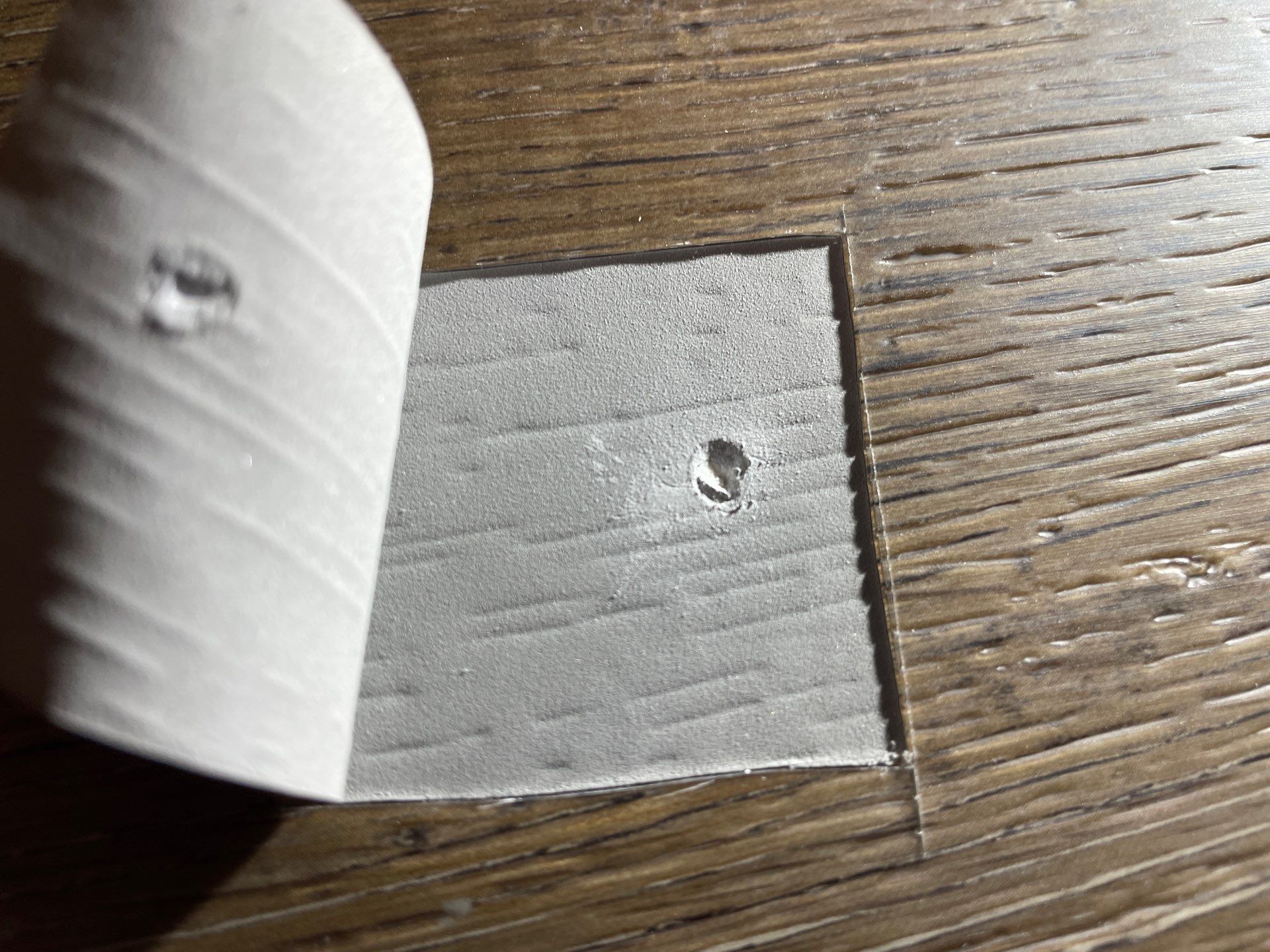
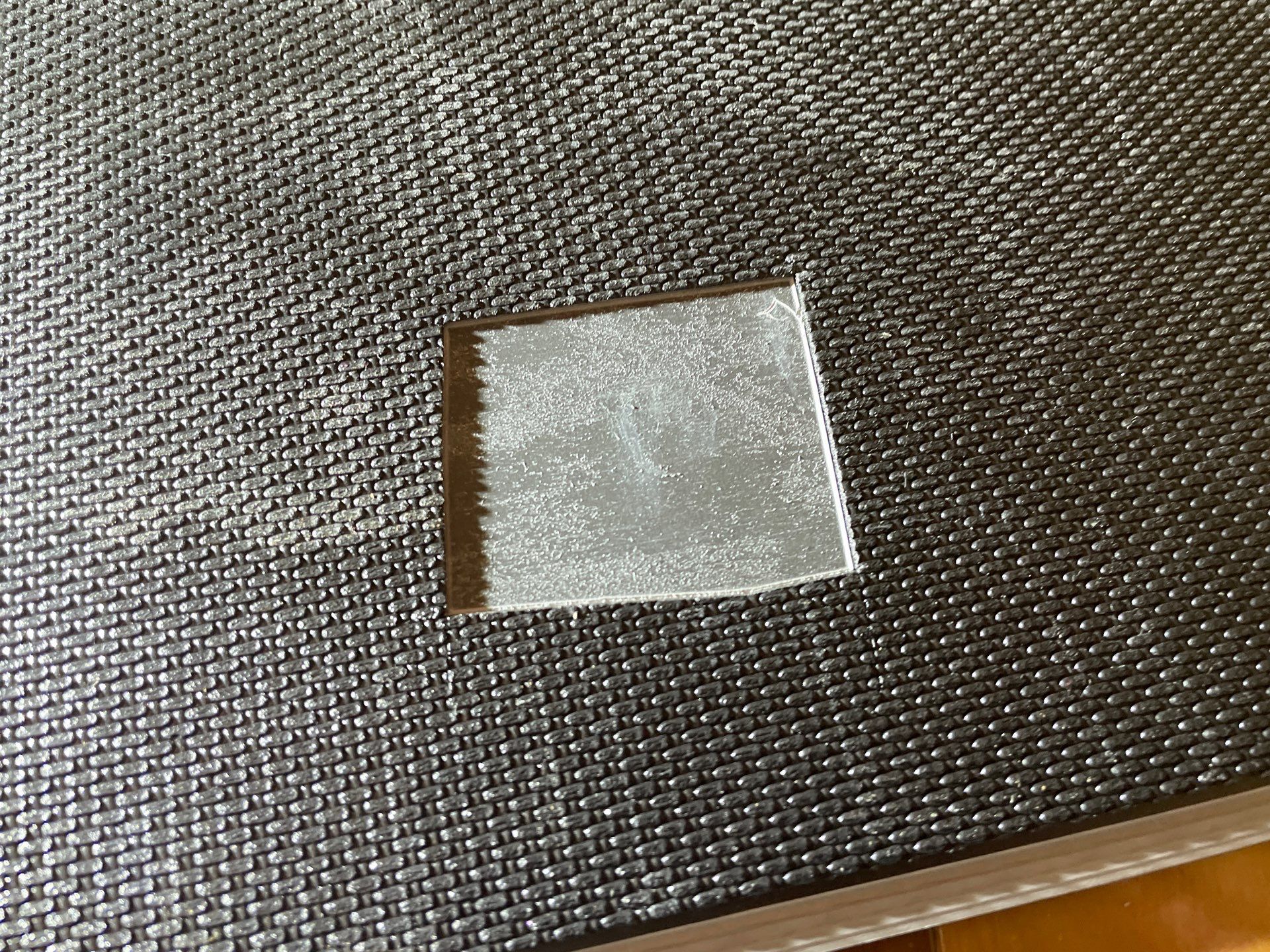
Blistering / Surface Blisters (SPC Flooring)

Blisters

23-Sep 13 2024 09_55am-fbJB
29-Sep 13 2024 09_59am-xqGY
55-Sep 13 2024 02_30pm-uxAR
31-Sep 13 2024 10_00am-nbmF
57-Sep 13 2024 02_31pm-53Cy
59-Sep 13 2024 02_33pm-BMoQ
60-Sep 13 2024 02_33pm-x6Ts
62-Sep 13 2024 02_36pm-hbV9
23-Sep 13 2024 09_55am-fbJB 29-Sep 13 2024 09_59am-xqGY 55-Sep 13 2024 02_30pm-uxAR 31-Sep 13 2024 10_00am-nbmF 57-Sep 13 2024 02_31pm-53Cy 59-Sep 13 2024 02_33pm-BMoQ 60-Sep 13 2024 02_33pm-x6Ts 62-Sep 13 2024 02_36pm-hbV9

Blistering / Surface Blisters (SPC Flooring)

Floor Detective® Claims and Conditions Guide

Summary

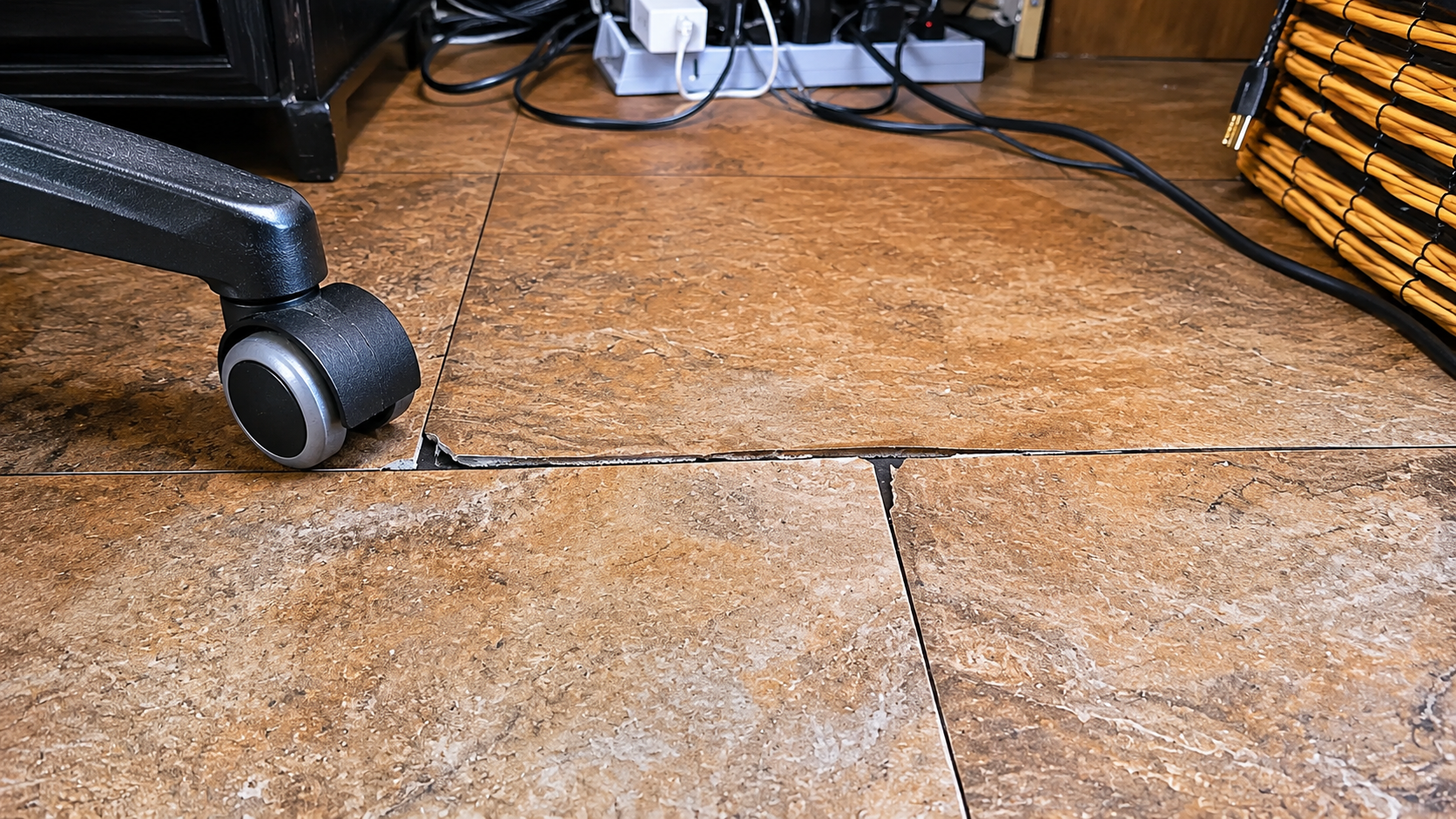
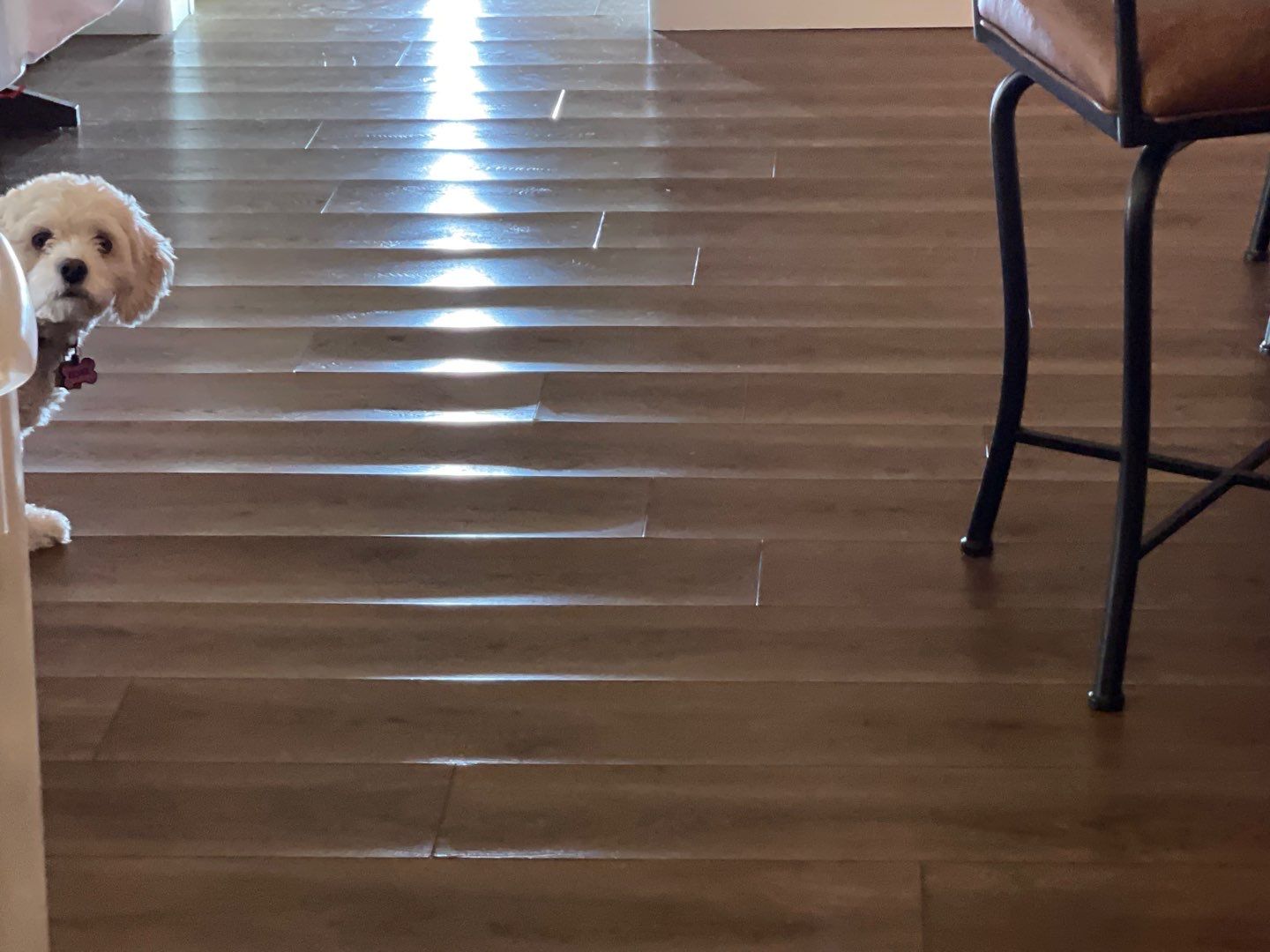
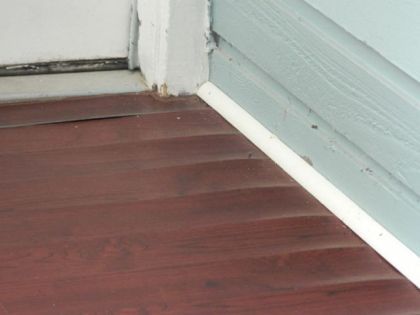
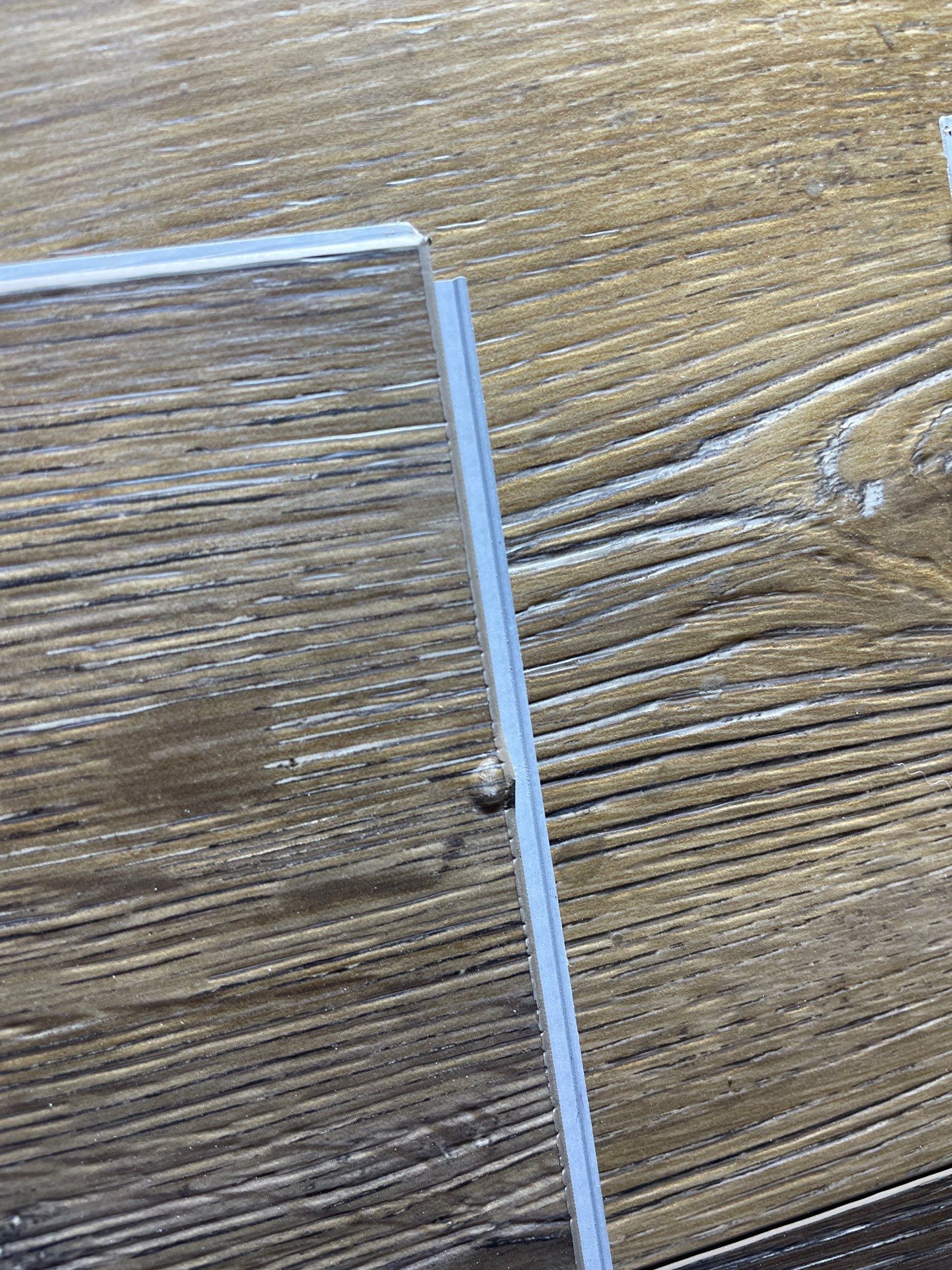
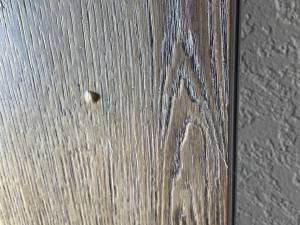
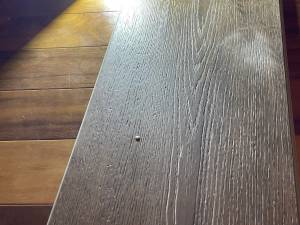
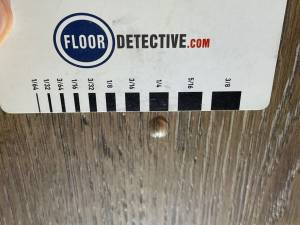
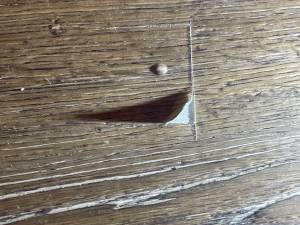
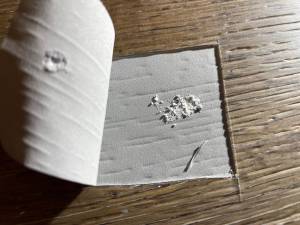
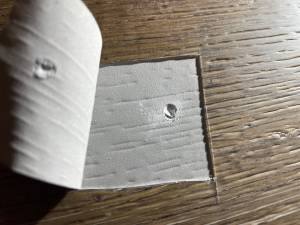
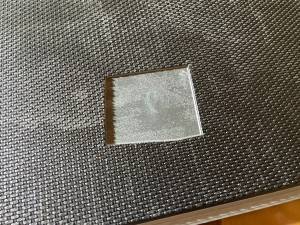
Blistering or surface blister formation in SPC flooring is a condition involving localized raised areas, domes, or bubble-like distortions visible beneath or within the finished surface of individual planks. These distortions originate within the internal plank structure rather than from substrate irregularities, foot traffic, or external surface impact. SPC flooring consists of multiple bonded layers that rely on uniform density, internal support, and consistent lamination integrity to maintain a flat surface profile. When localized internal irregularities, voids, density variations, trapped gases, or layer-bond inconsistencies exist within the plank structure, portions of the surface may deform outward and produce visible blistering beneath the wear layer. Visibility may increase under directional lighting, reflective viewing angles, or after environmental stabilization following installation. Proper evaluation requires differentiation between internal plank-related distortion and substrate-driven conditions such as telegraphing, vertical movement, or edge lift. See also Telegraphing, Core Void Resilient Plank, and LVT and SPC Floor Problems for broader context.
Please subscribe to see all content

LVT and SPC Floor Problems

LVT and SPC floor problems may involve movement, gapping, curling, noise, indentation, discoloration, or substrate-related effects.
Read More
LVT and SPC Floor Problems

Cross-Machine Direction (Width) Shading / Texture Variation (Resilient Sheet Vinyl)
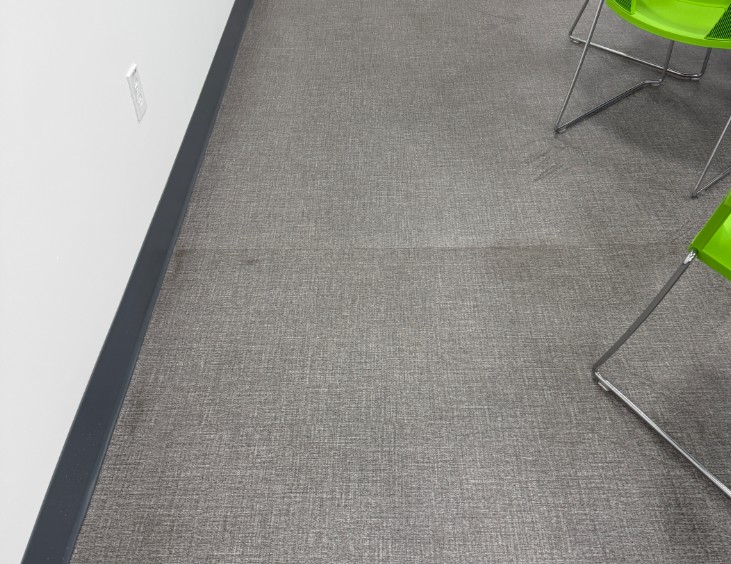
Cross-machine direction shading in resilient sheet vinyl involves side-to-side visual or texture variation across the sheet width.
Read More
Cross-Machine Direction (Width) Shading / Texture Variation (Resilient Sheet Vinyl)

Sheet Shrinkage / Seam Opening (Resilient Sheet Flooring)
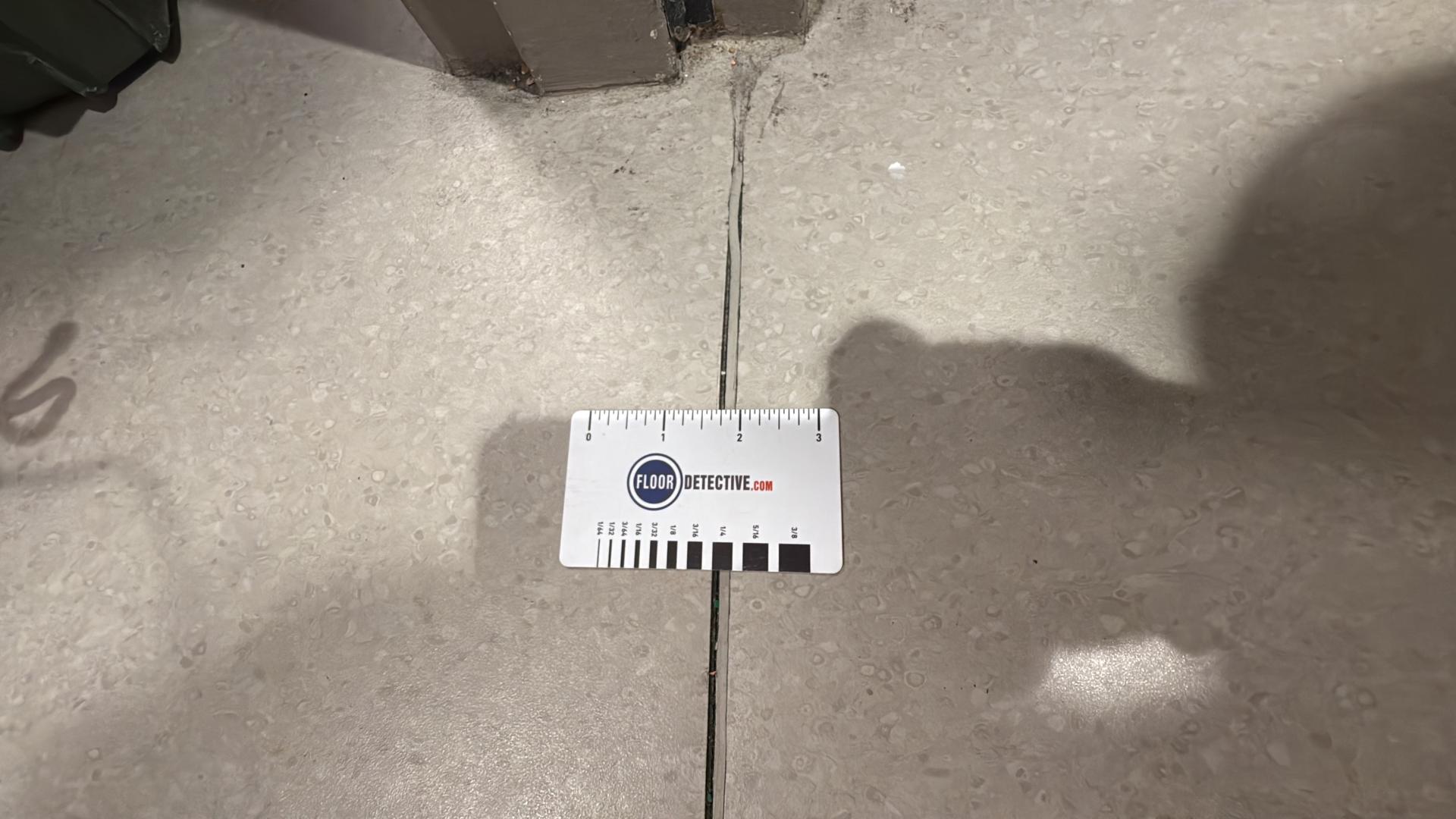
Sheet shrinkage and seam opening in resilient sheet flooring involve dimensional movement, edge pull-back, and flooring-system stress redistribution.
Read More
Sheet Shrinkage / Seam Opening (Resilient Sheet Flooring)

Heat Weld Seam Failure (Resilient Sheet Flooring)
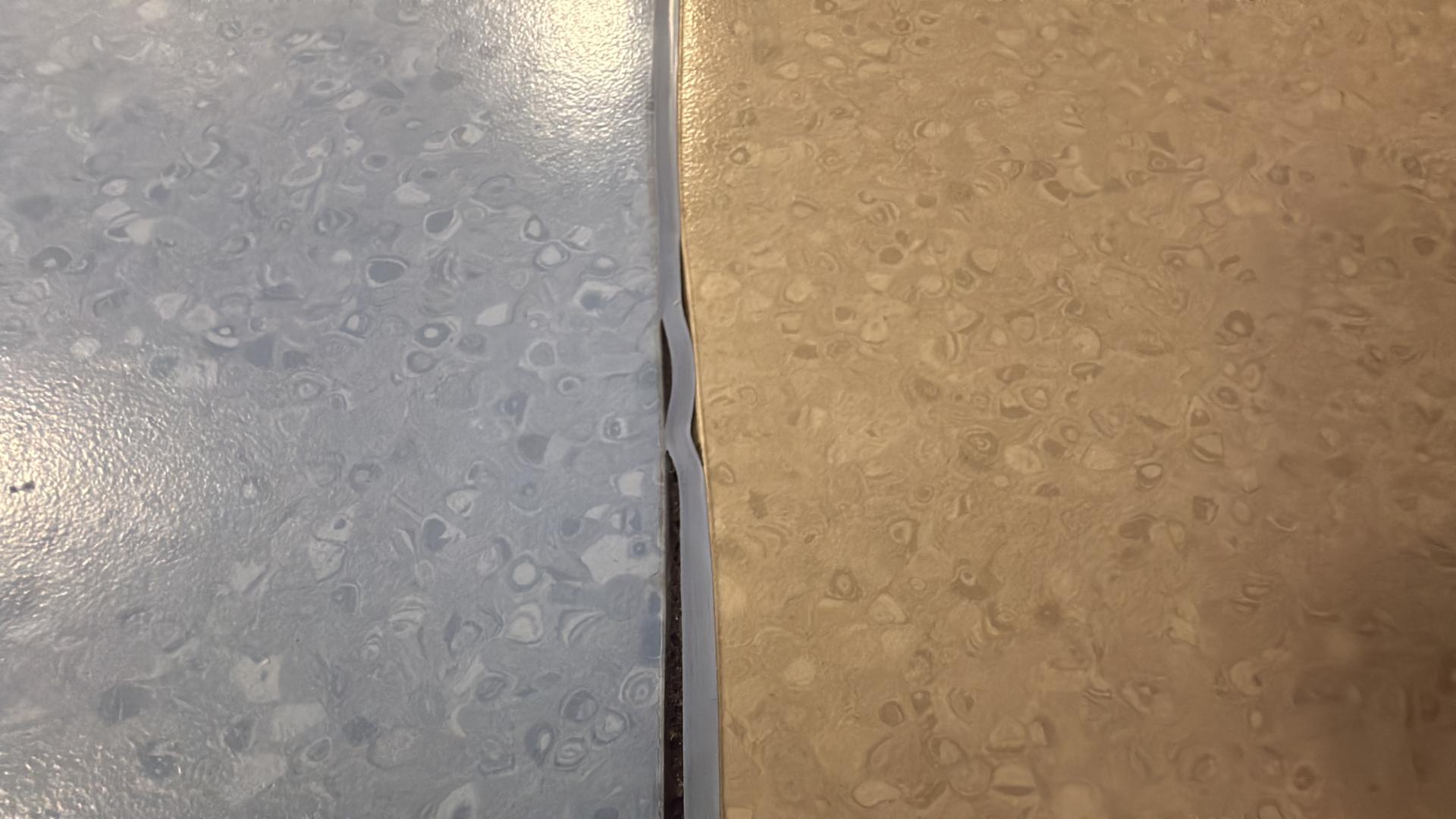
Heat weld seam failure in resilient sheet flooring involves loss of fusion or structural integrity within welded sheet-flooring joints.
Read More
Heat Weld Seam Failure (Resilient Sheet Flooring)

Yellowing / Discoloration (LVP / SPC / WPC)
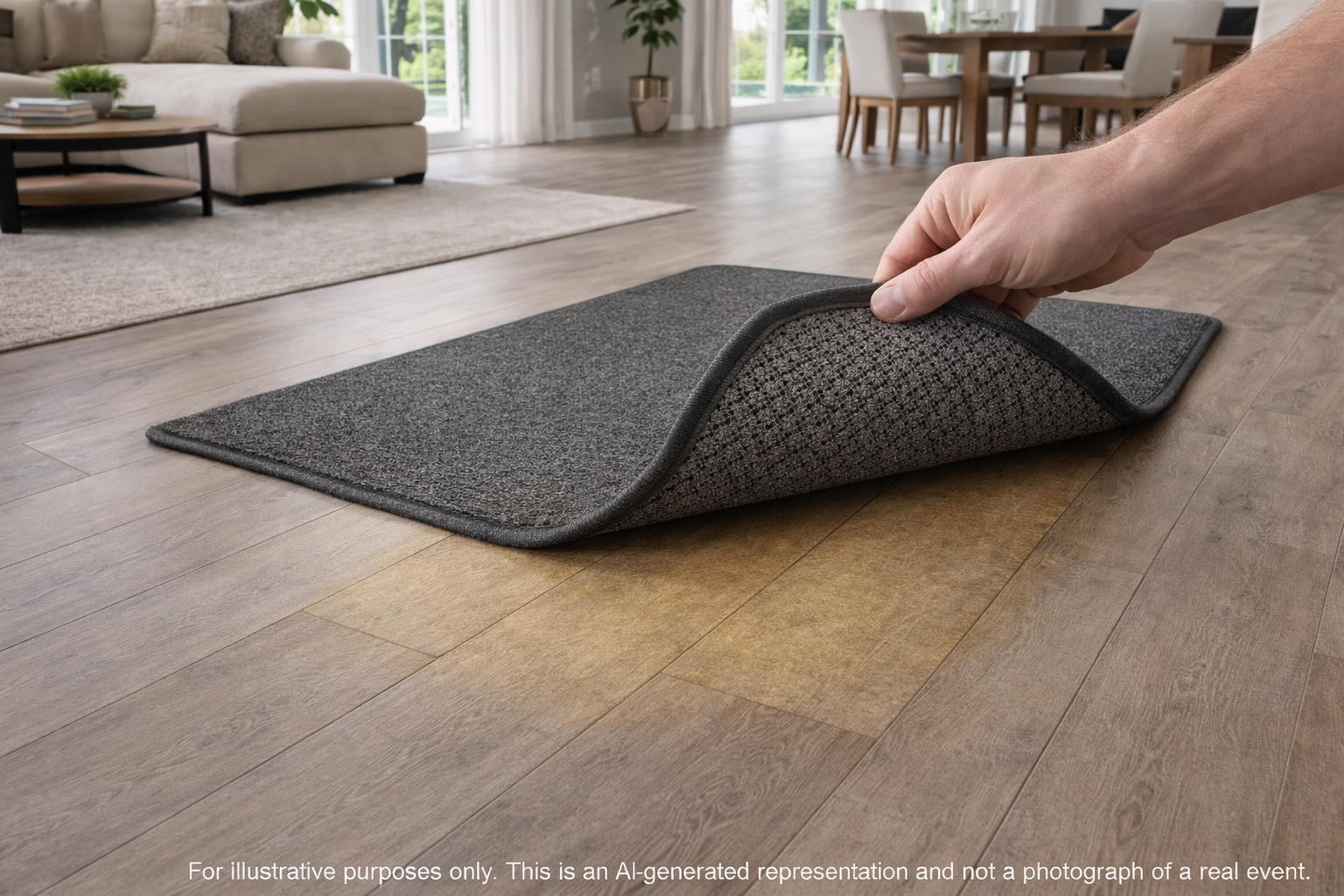
Yellowing / Intrinsic Discoloration (LVP / SPC / WPC) Floor Detective® Claims and Conditions Guide Summary Yellowing in luxury vinyl...
Read More
Yellowing / Discoloration (LVP / SPC / WPC)

Broken Locking Profiles / Mechanical Joint Compromise (Resilient Plank)
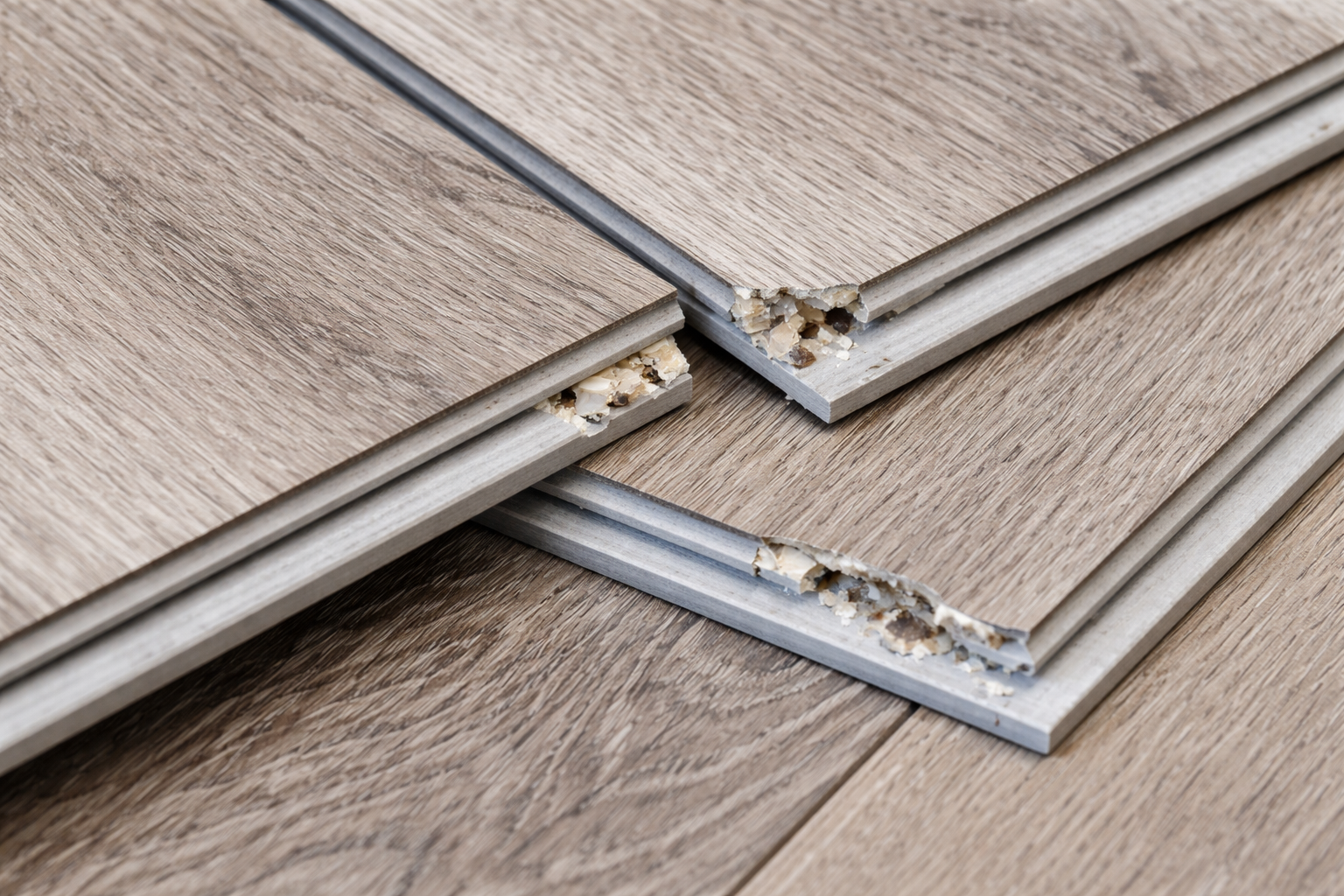
Broken locking profiles and mechanical joint compromise involve fracture, deformation, or weakening of resilient plank locking systems.
Read More
Broken Locking Profiles / Mechanical Joint Compromise (Resilient Plank)

Efflorescence-Like Mineral Migration at LVT/SPC Joints
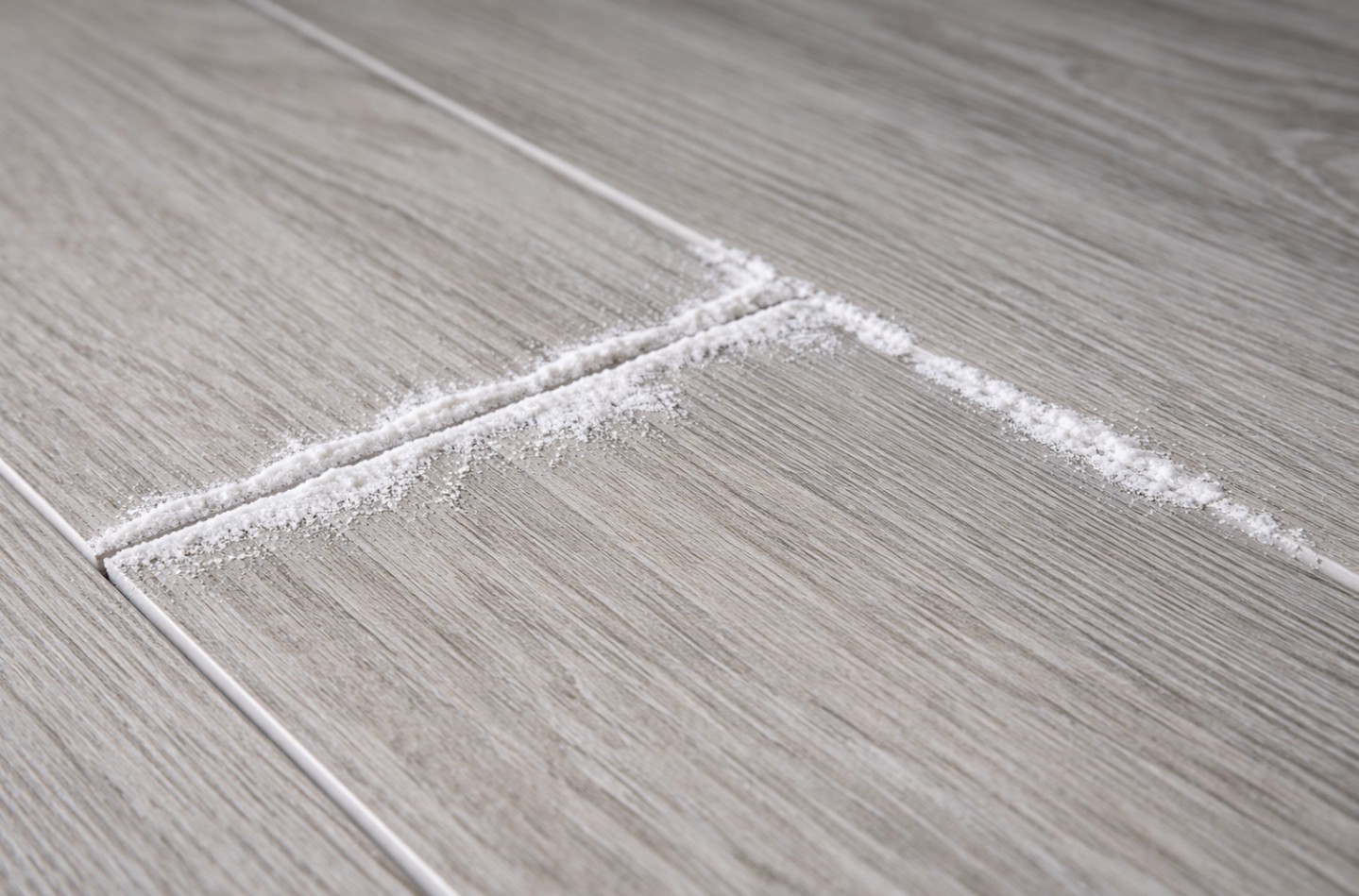
Efflorescence-like mineral migration at LVT and SPC joints is a moisture-related substrate condition involving mineral residue from concrete slabs.
Read More
Efflorescence-Like Mineral Migration at LVT/SPC Joints

Blistering / Surface Blisters (SPC Flooring)

SPC flooring blistering involves localized raised areas or bubble-like distortions originating within individual flooring planks.
Read More
Blistering / Surface Blisters (SPC Flooring)

Cracking Over Existing Substrates (LVT)

Cracking in resilient plank flooring over existing substrates commonly involves stress transfer from grout joints or uneven support.
Read More
Cracking Over Existing Substrates (LVT)

Buckling of Resilient Plank Flooring Installed Over Wood Substrates on Concrete

Buckling of resilient plank flooring over wood substrates on concrete may result from moisture-related expansion within layered flooring assemblies.
Read More
Buckling of Resilient Plank Flooring Installed Over Wood Substrates on Concrete