
Black Granite Fading – Countertops




Black Granite Fading (Stone Countertops)
Floor Detective® Claims and Conditions Guide
Summary
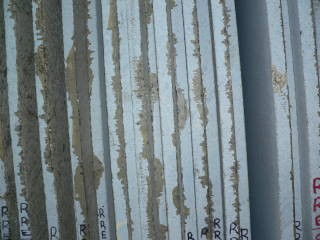
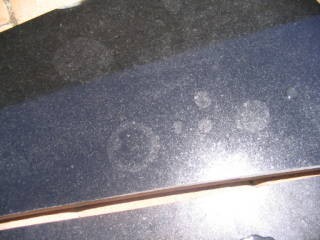
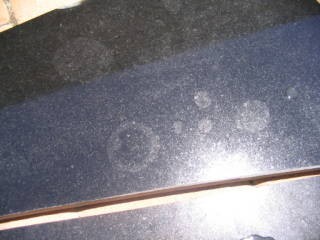
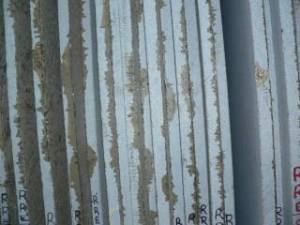
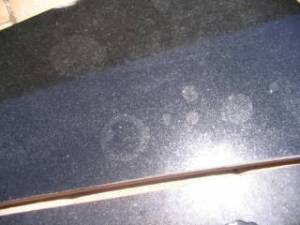
Black granite fading is an appearance condition in which countertops marketed as deep black gradually appear lighter, gray, uneven, or less color-saturated during service. In many reported cases, the stone itself is not fading. Instead, surface-applied enhancement materials used during fabrication or finishing gradually diminish, wear, or are removed through cleaning, abrasion, sunlight exposure, or normal use, allowing the underlying natural stone color to become more visible. Distribution pattern, exposure history, and variation between protected and exposed areas are important diagnostic indicators. Proper evaluation requires correlation of appearance behavior, environmental exposure, and potential surface-treatment influence before conclusions are formed. See also Shading and Variation Natural Stone and Tile, Surface Defects, and Tile and Stone Floor Problems for broader context.

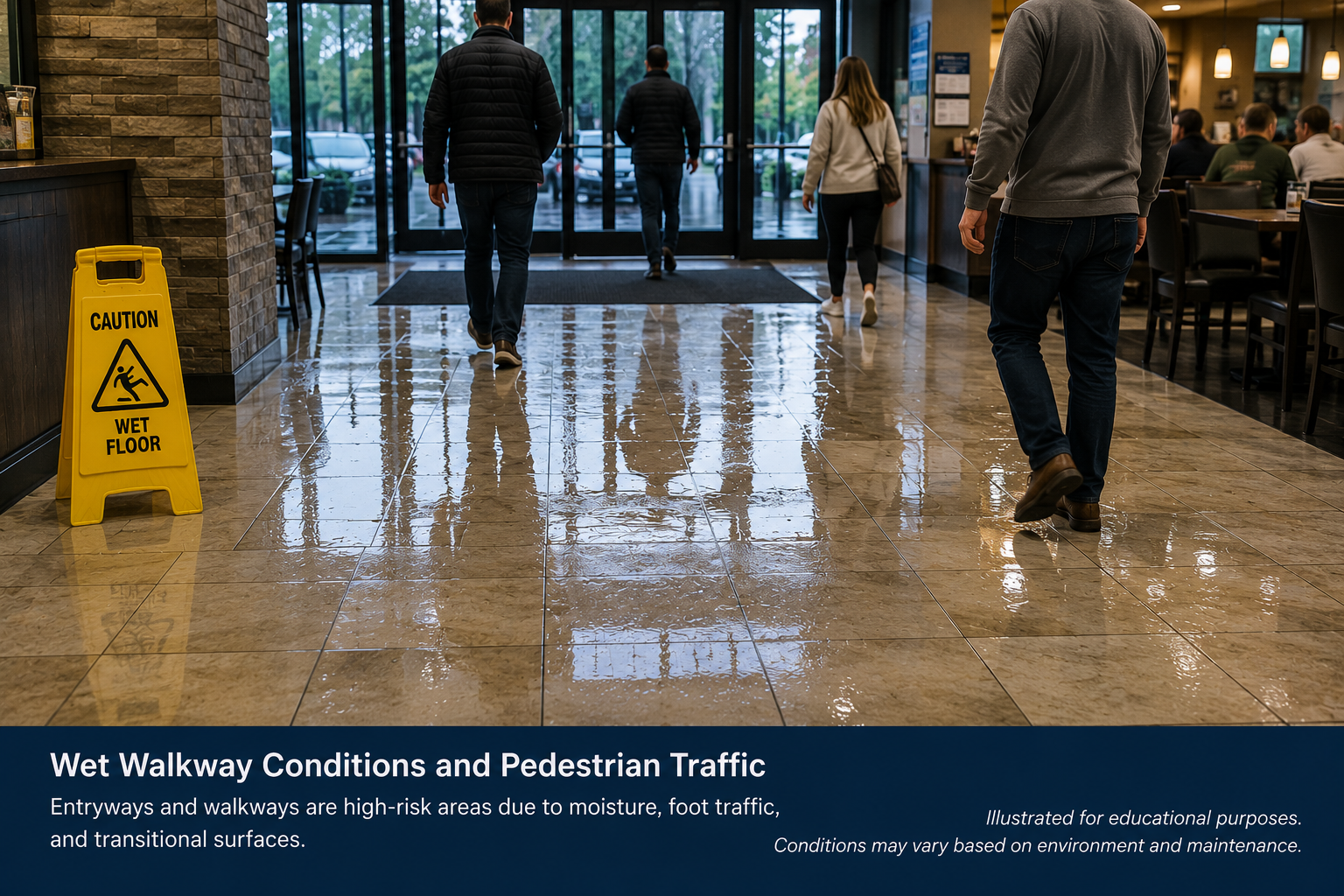
Wet Tile Slip Resistance and Surface Traction
Tile and Stone Floor Problems
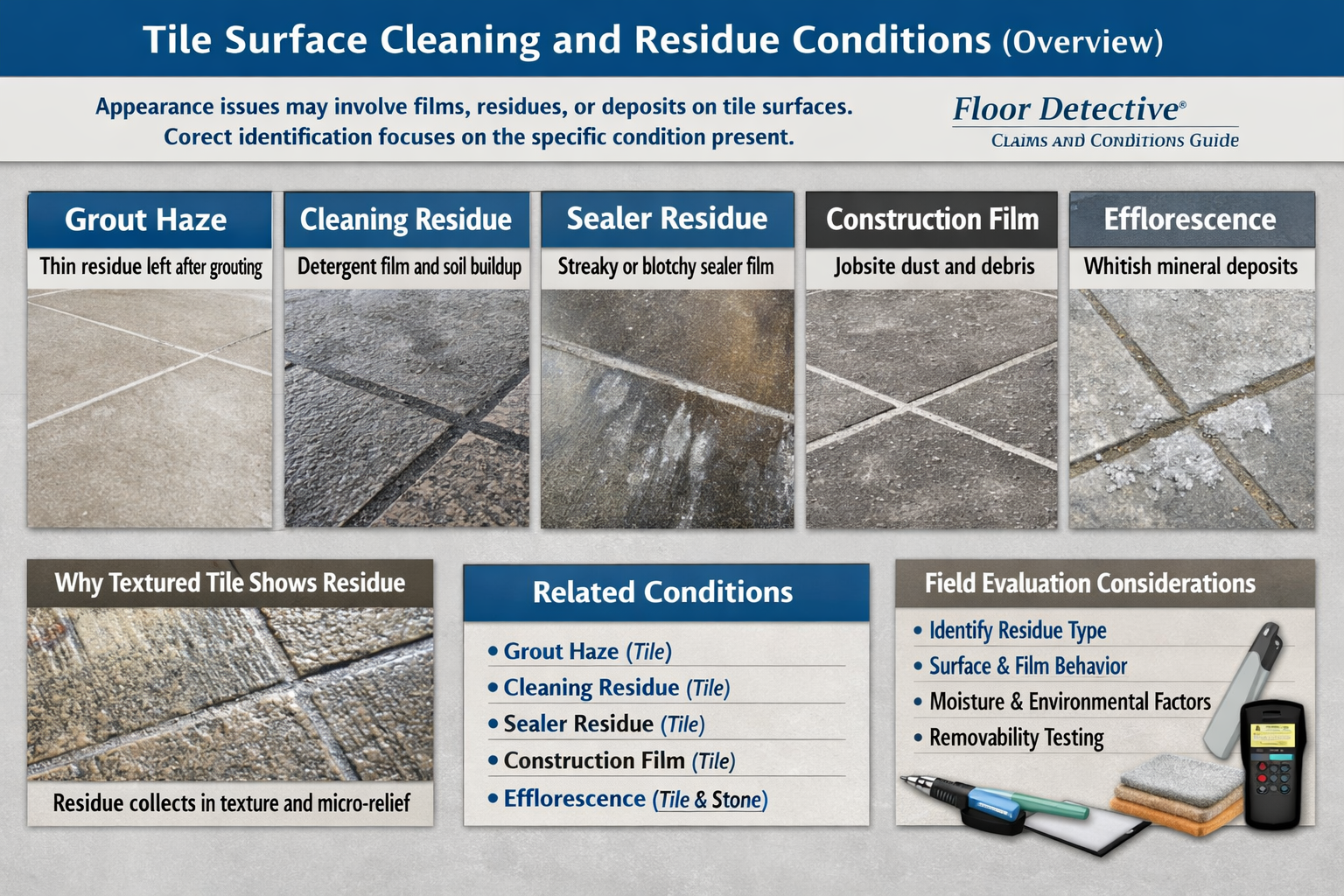
Tile Surface Cleaning and Residue Conditions (Overview)
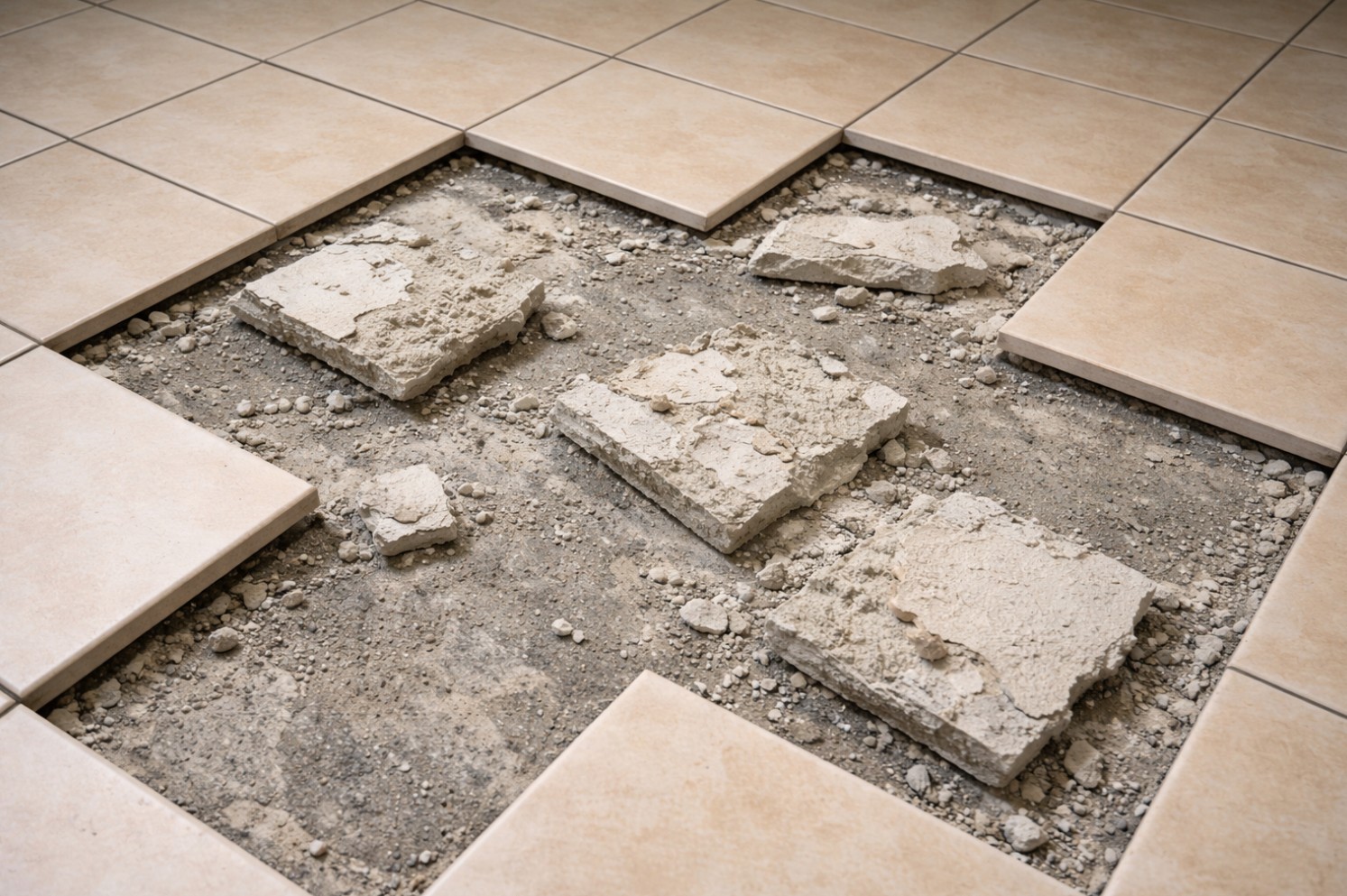
Surface Chipping (Ceramic Tile)
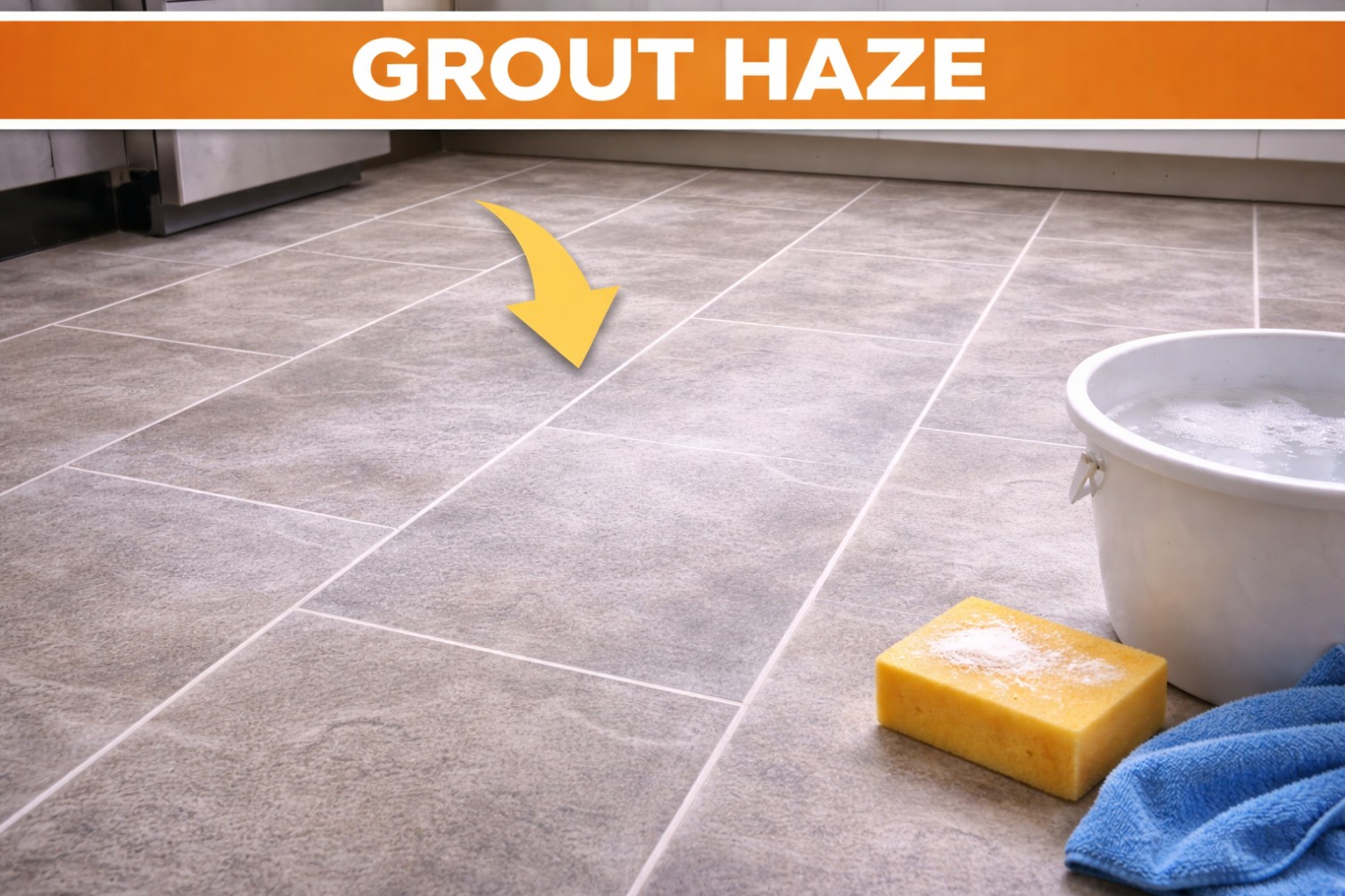
Grout Haze (Tile)
Cracked Corners

Outdoor Natural Stone Deterioration (Exterior Stone)

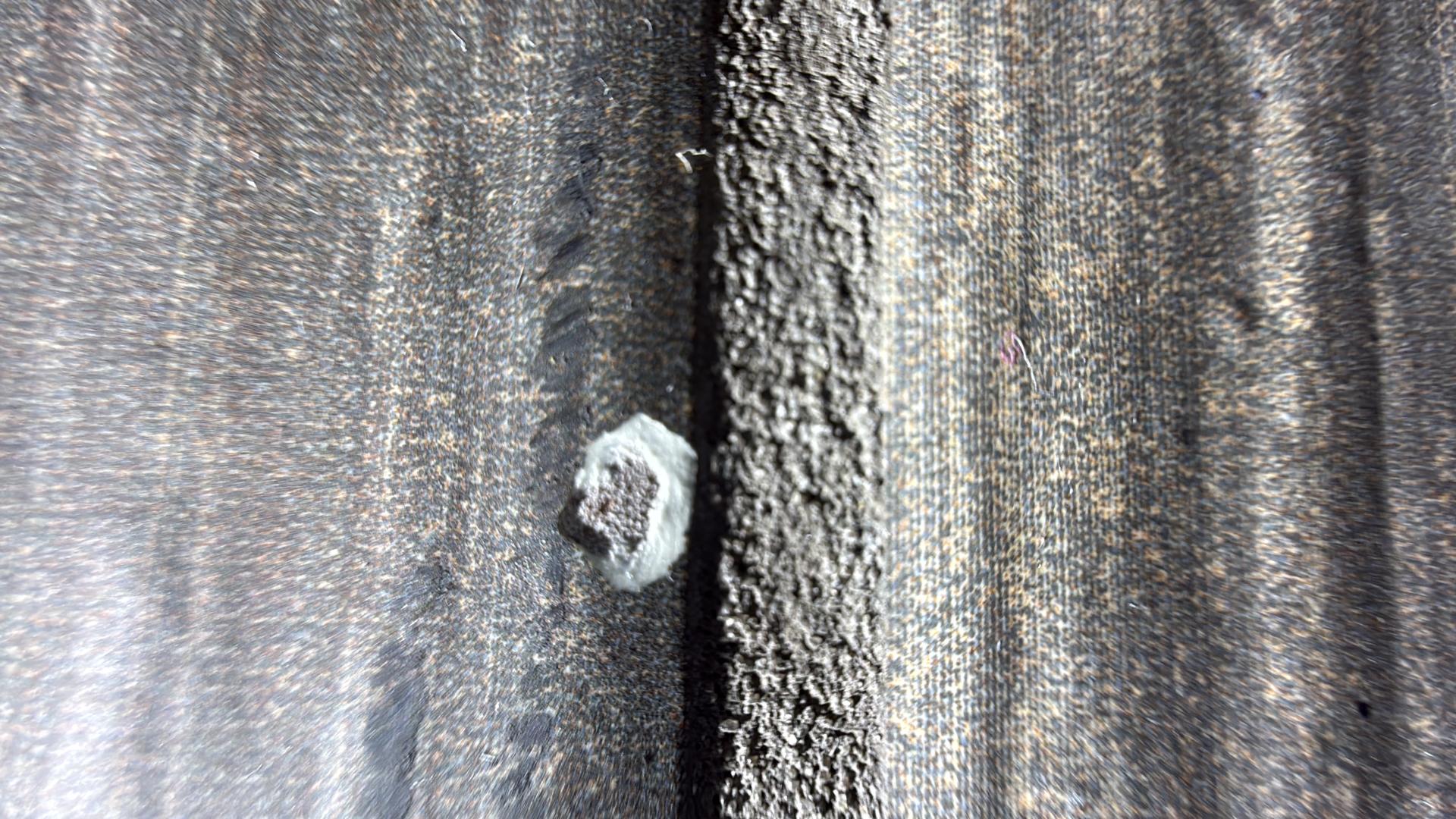
Grout – Pin Holes

Saltillo Tile Lime Pops

Travertine Tile Properties
