Shading and Variation Natural Stone and Tile

Shading and Variation Natural Stone and Tile
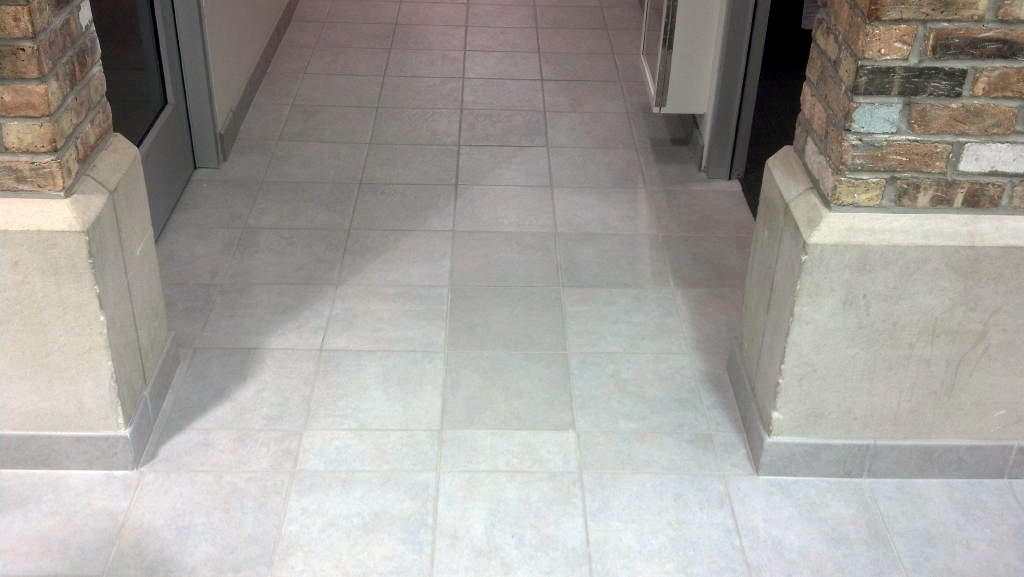
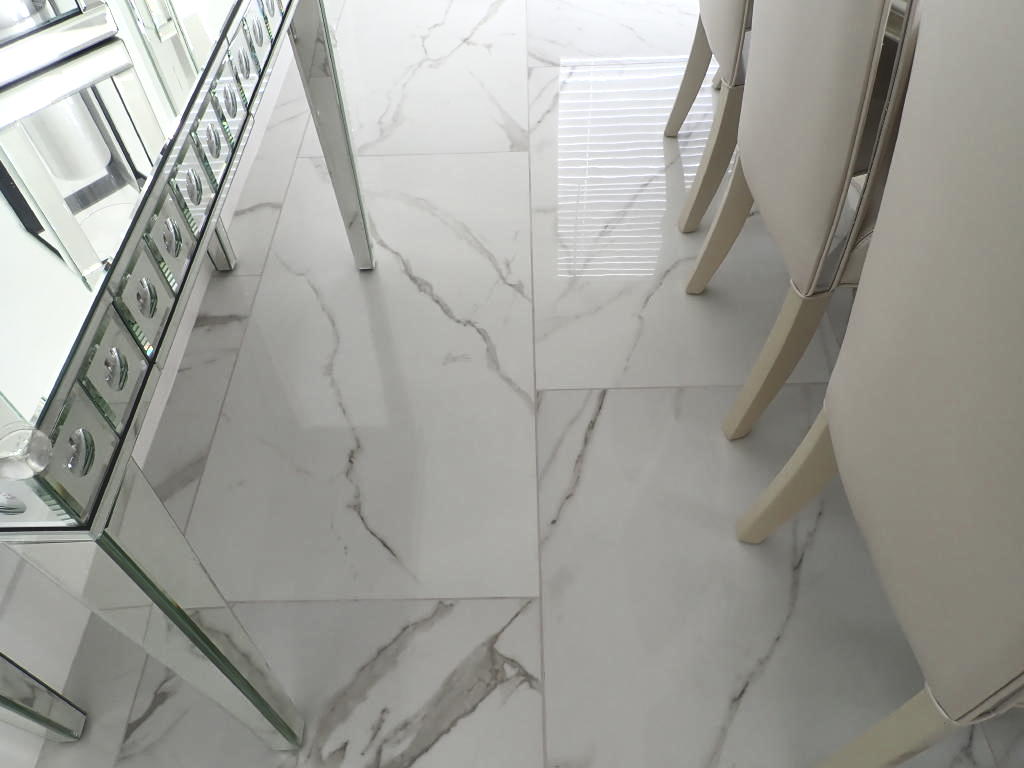
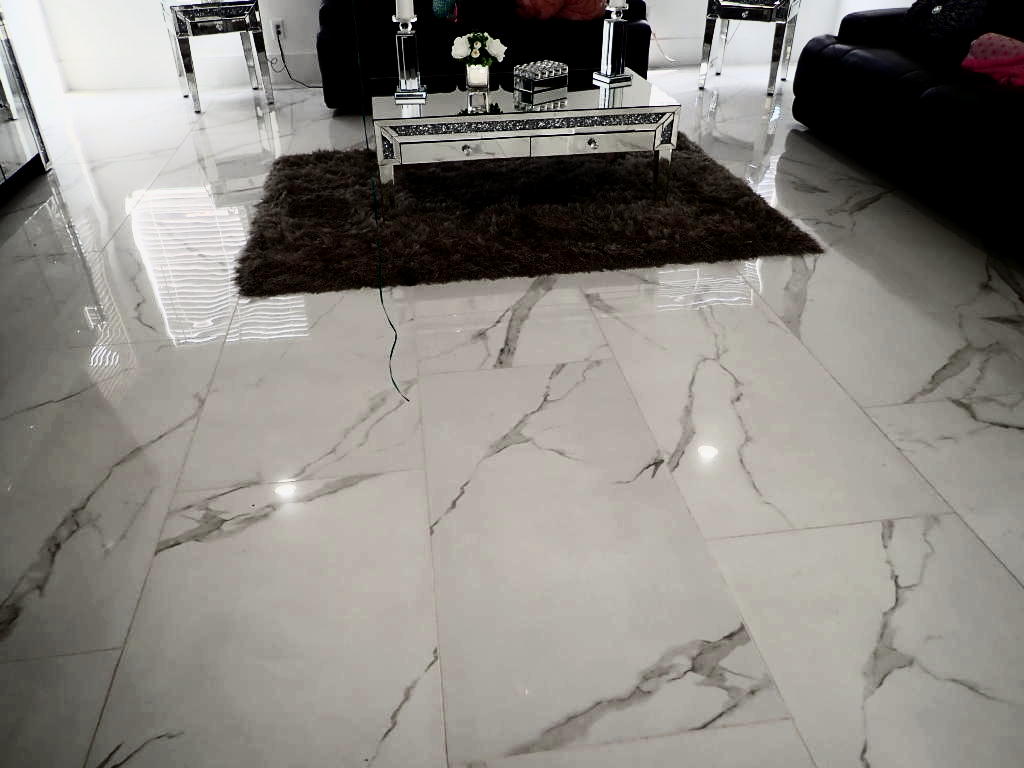
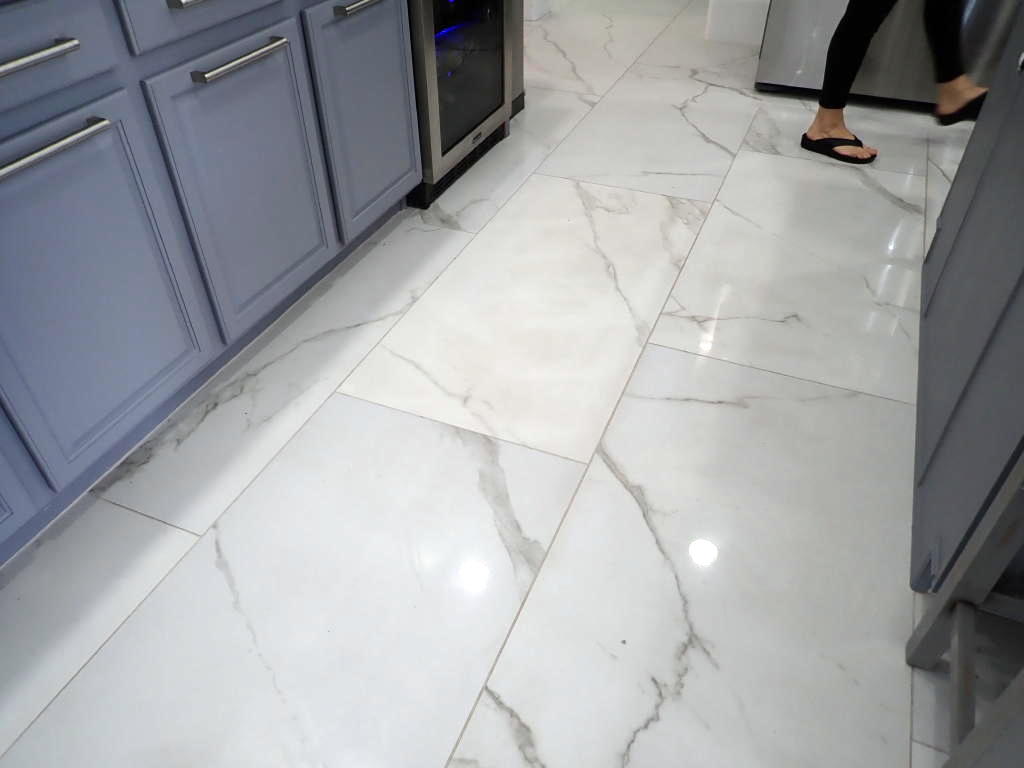
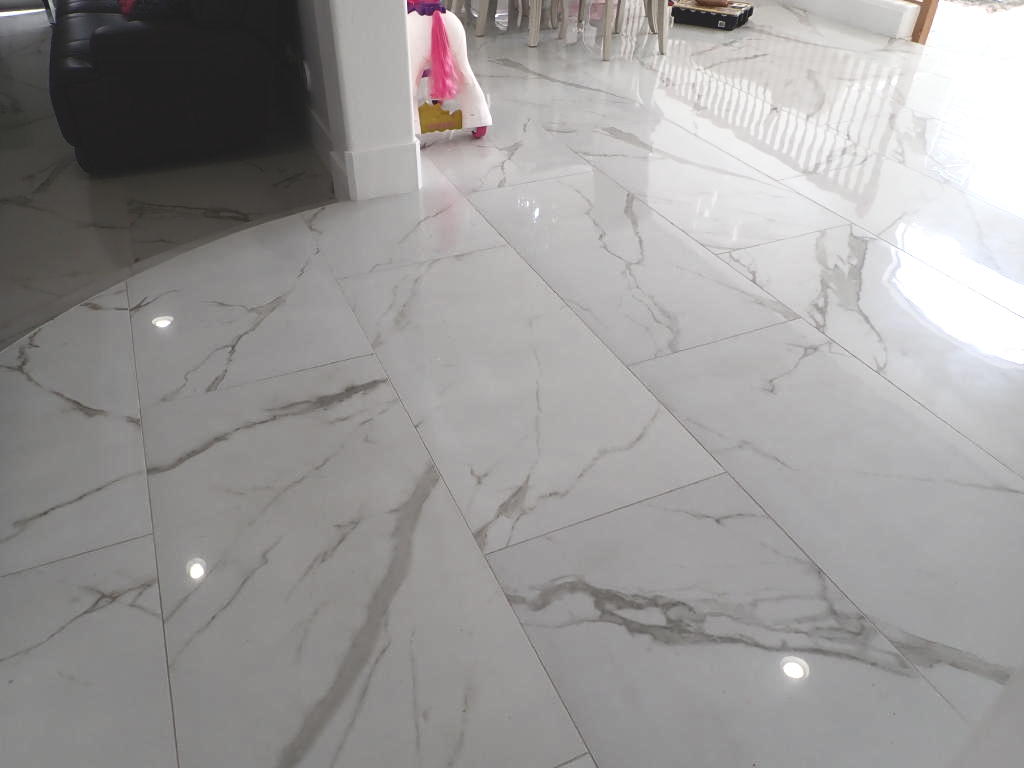
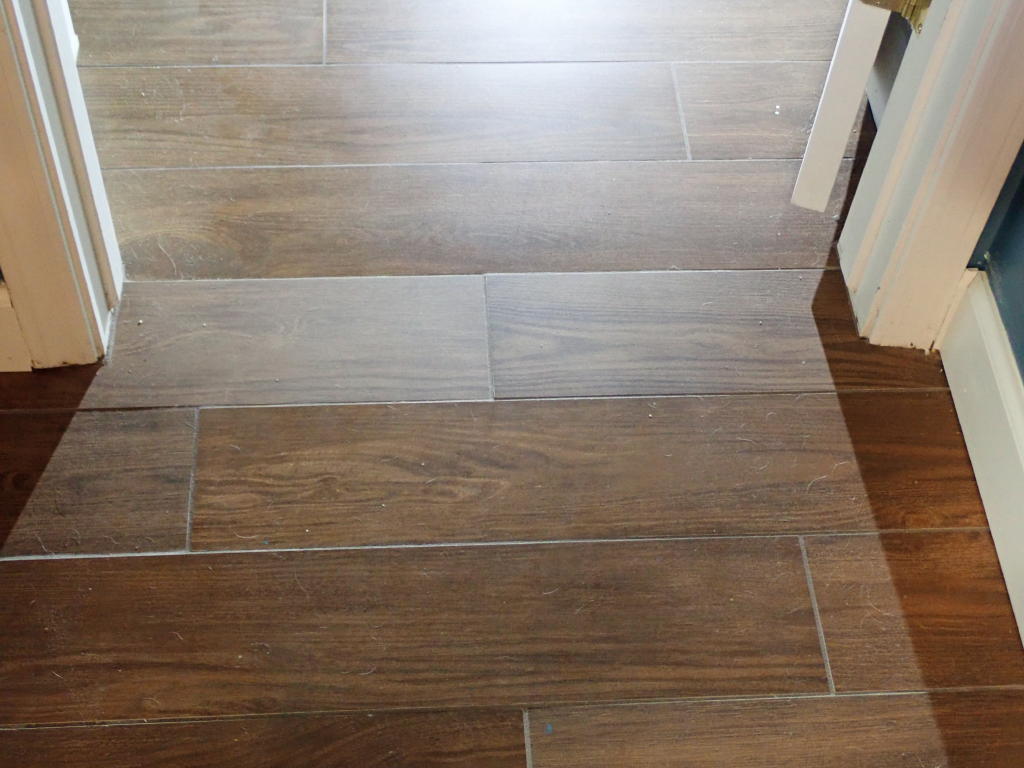
Shading - Picture Example (3)

Shade variation

Sierra Exif JPEG

Shading

Sierra Exif JPEG

Shading

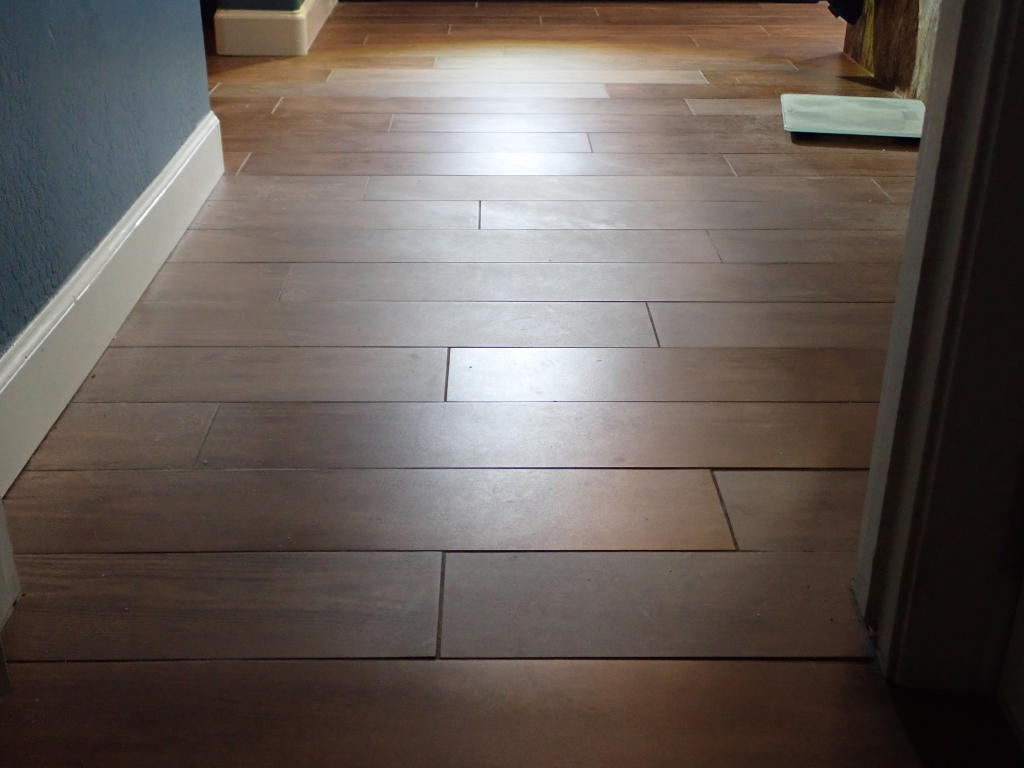
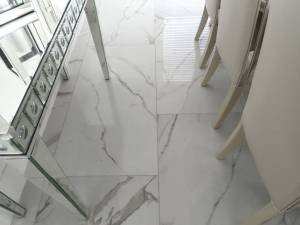
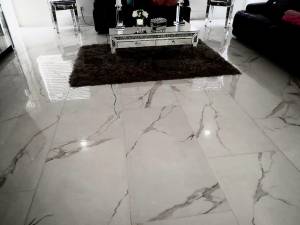
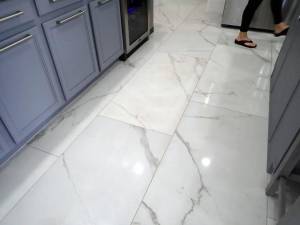
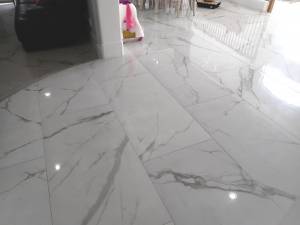
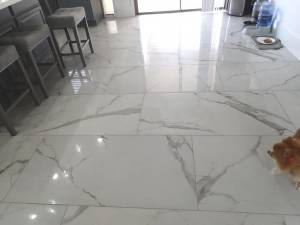
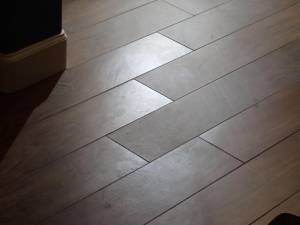
Large-format tile floor showing shading and visual variation under reflective lighting

Shading

Sierra Exif JPEG

Shading

Sierra Exif JPEG

Shading

Sierra Exif JPEG

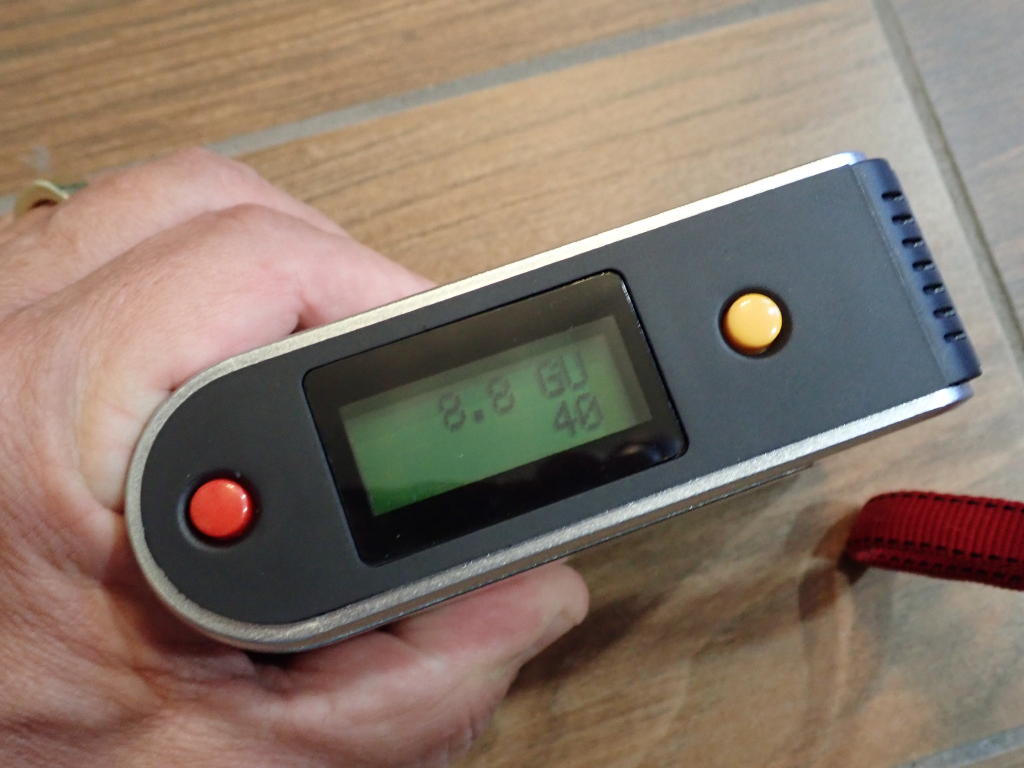
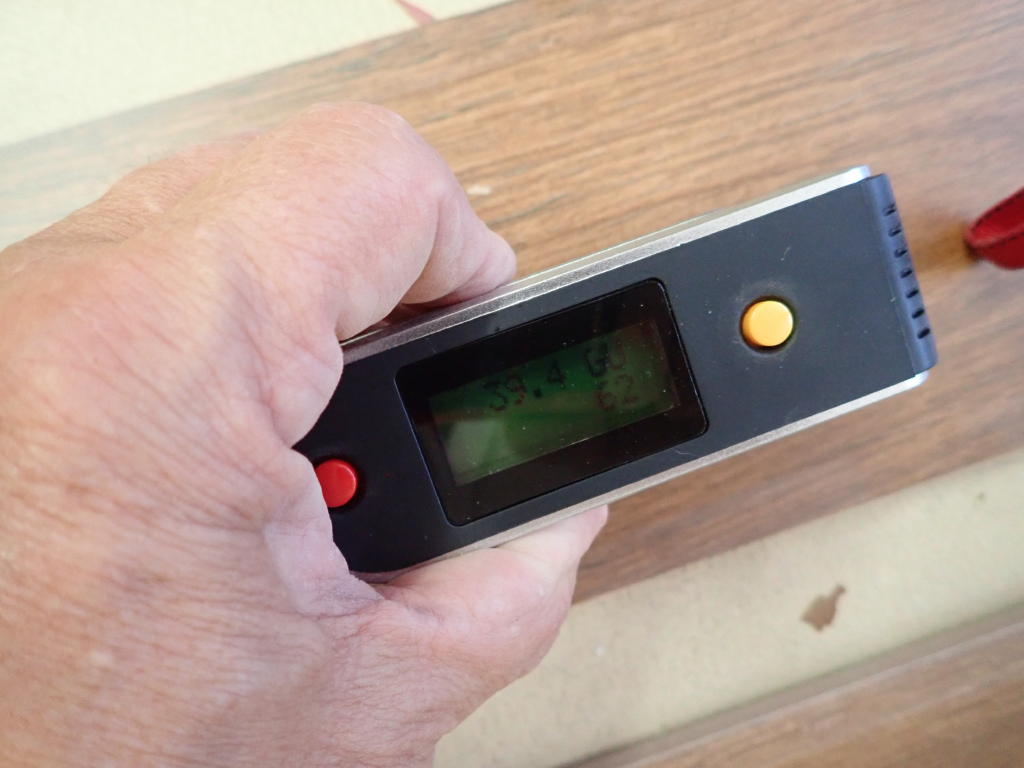
Gloss Meter

Sierra Exif JPEG

Gloss Variation

Sierra Exif JPEG

Gloss Variation

Sierra Exif JPEG

Gloss Meter

Sierra Exif JPEG

Gloss Variation

Shading - Picture Example (3) Sierra Exif JPEG Sierra Exif JPEG Large-format tile floor showing shading and visual variation under reflective lighting Sierra Exif JPEG Sierra Exif JPEG Sierra Exif JPEG Sierra Exif JPEG Sierra Exif JPEG Sierra Exif JPEG Sierra Exif JPEG

Shading and Variation (Natural Stone & Tile)

Floor Detective® Claims and Conditions Guide

Summary

Shading and variation describe visual differences in color, tone, veining, pattern, or surface character between individual pieces of natural stone or tile. Natural stone varies because of mineral formation, veining, quarry location, and finishing methods, while manufactured tile may vary because of glazing, printing, pigments, raw materials, and kiln firing conditions. Many ceramic and porcelain products are also intentionally designed with moderate or substantial variation to replicate natural stone, wood, or concrete visuals. Evaluation focuses on whether the installed appearance is consistent with the product type, disclosed variation range, lighting conditions, and installation layout rather than assuming the appearance represents product damage or manufacturing failure. See also Lippage, Grout Failures, and Tile and Stone Floor Problems.
Please subscribe to see all content

Wet Tile Slip Resistance and Surface Traction
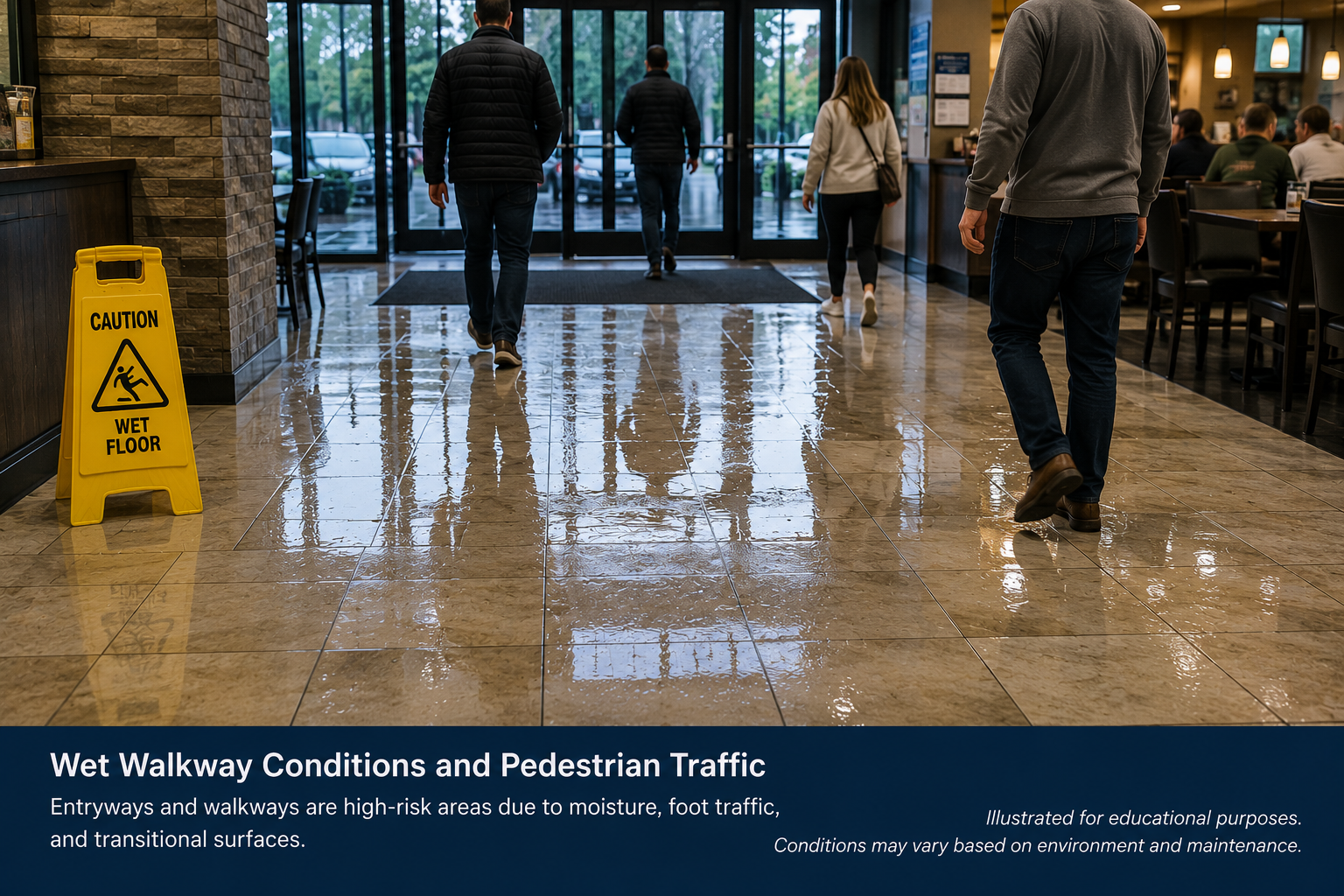
Wet tile slip resistance and surface traction are influenced by water exposure, contaminants, maintenance residue, and surface texture.
Read More
Wet Tile Slip Resistance and Surface Traction

Tile and Stone Floor Problems
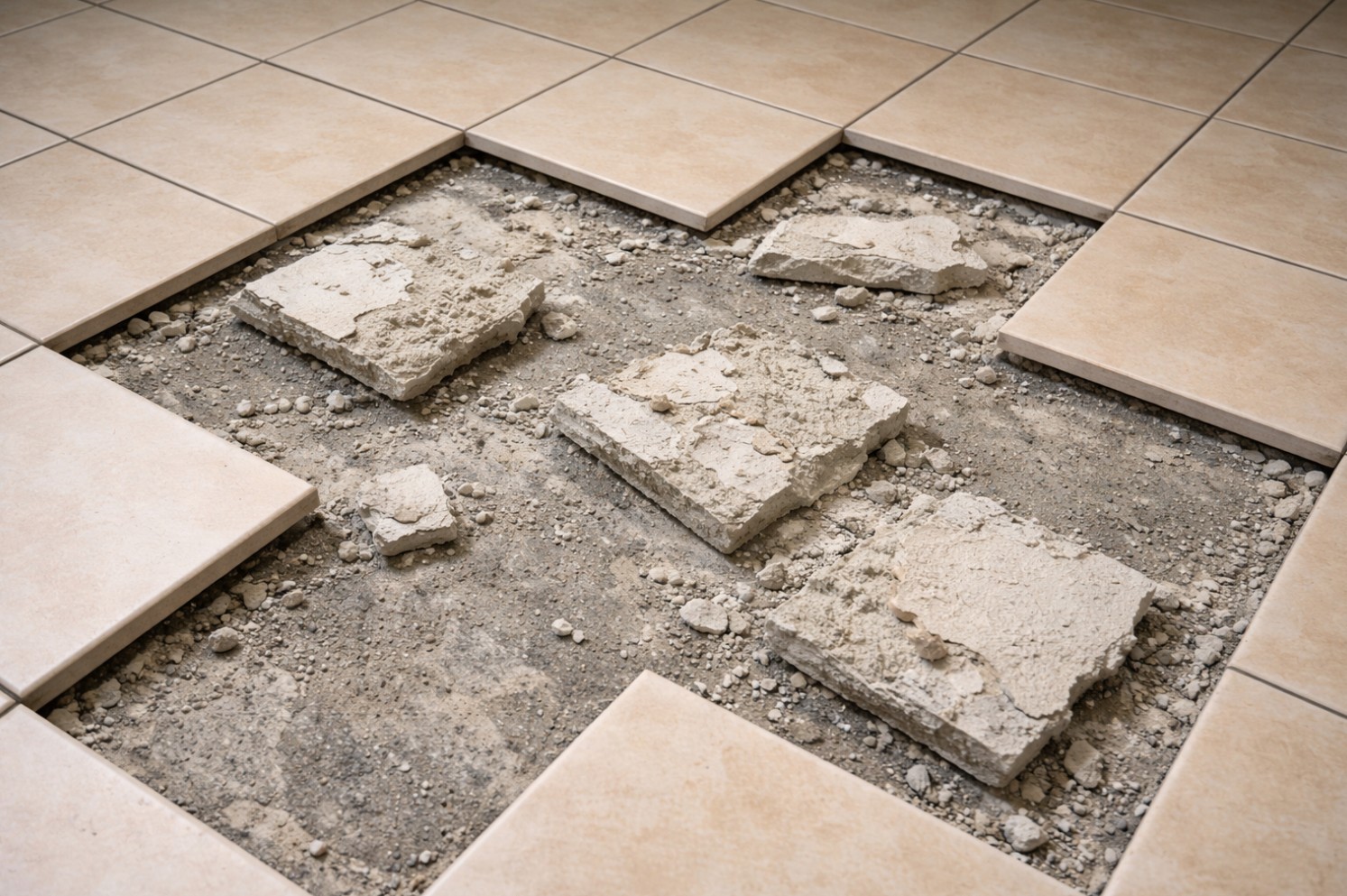
Tile and stone floor problems may involve cracking, lippage, bond loss, grout issues, moisture influence, or structural movement.
Read More
Tile and Stone Floor Problems

Tile Surface Cleaning and Residue Conditions (Overview)
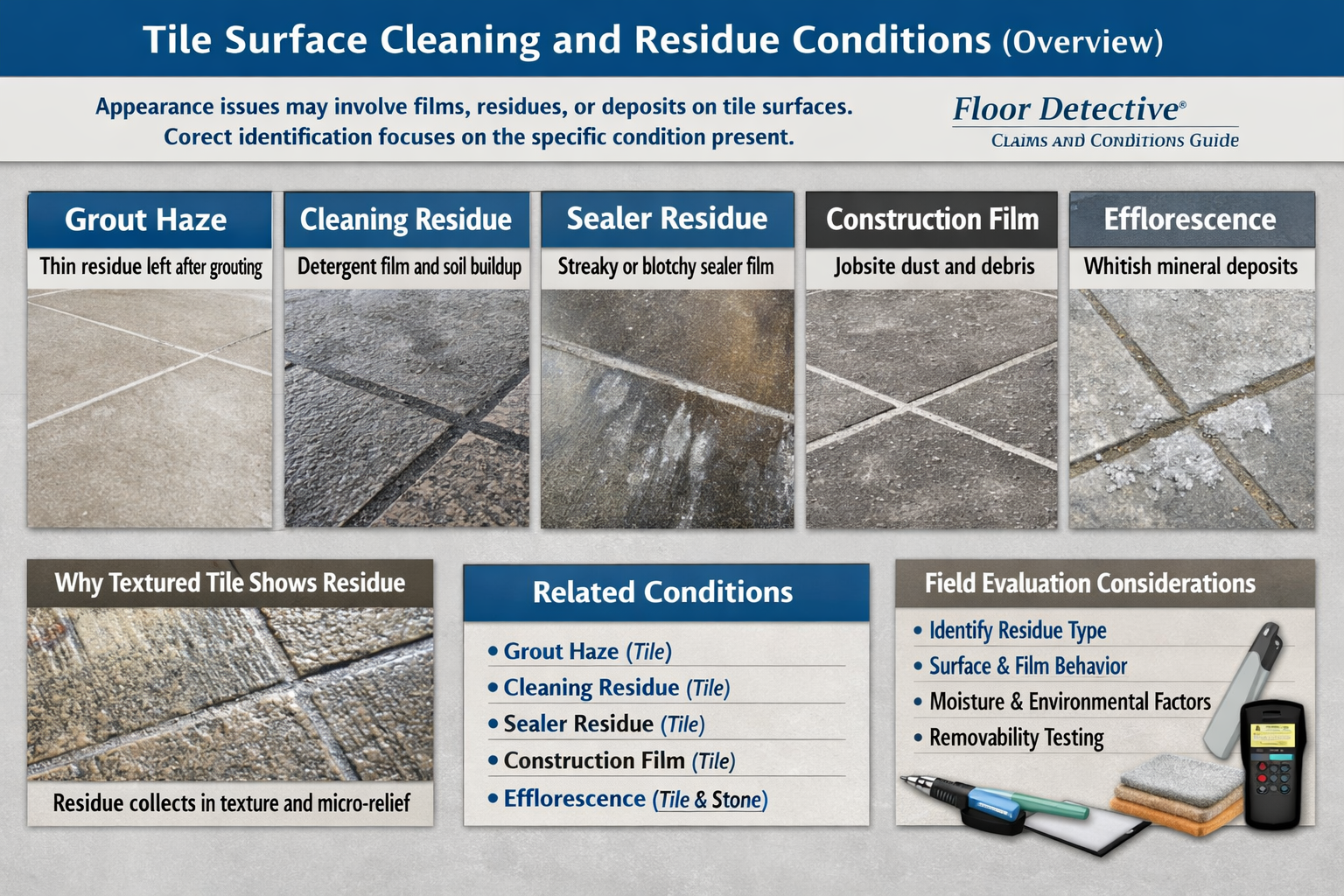
Tile surface residue conditions may involve grout haze, cleaning residue, sealer film, mineral deposits, or maintenance-related buildup.
Read More
Tile Surface Cleaning and Residue Conditions (Overview)

Surface Chipping (Ceramic Tile)
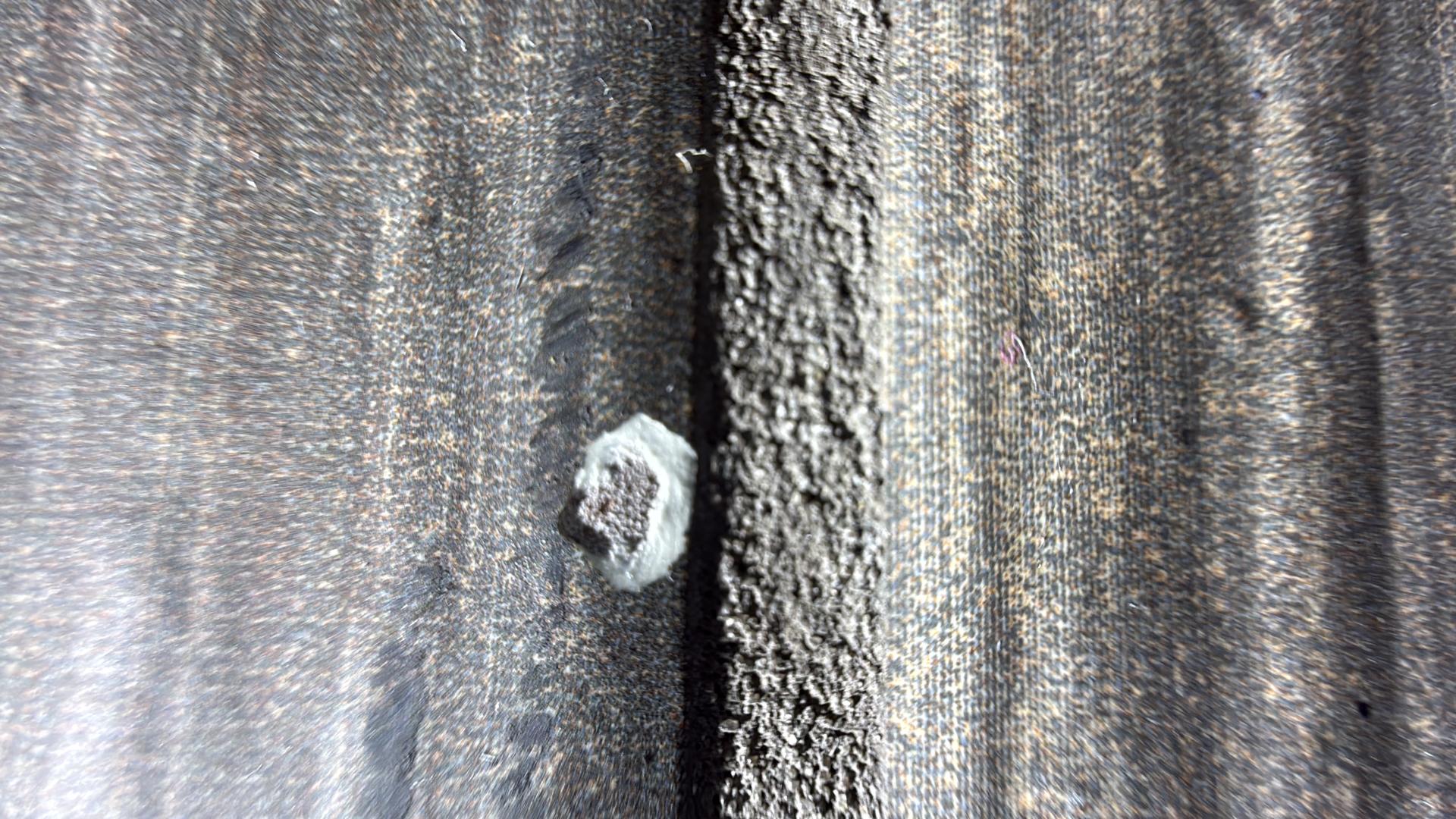
Surface chipping in ceramic tile involves localized glaze or surface loss caused by impact, contact stress, handling, or service conditions.
Read More
Surface Chipping (Ceramic Tile)

Grout Haze (Tile)
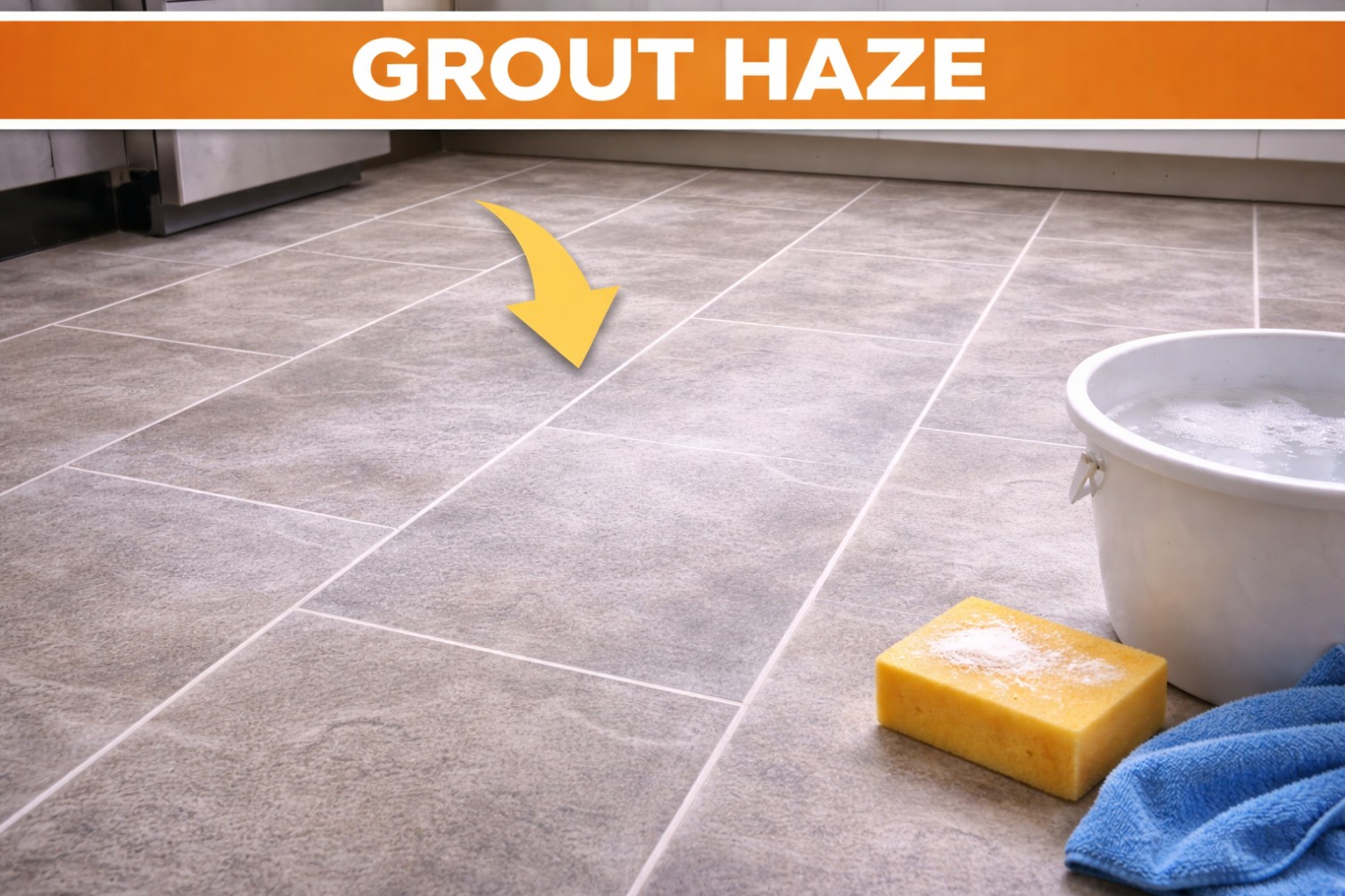
Grout haze on porcelain tile involves residual surface film caused by grout residue, tile texture, or installation conditions.
Read More
Grout Haze (Tile)

Cracked Corners

Cracked tile corners involve fractures caused by localized stress concentration, incomplete support, or movement within the tile assembly.
Read More
Cracked Corners

Outdoor Natural Stone Deterioration (Exterior Stone)

Outdoor natural stone deterioration may involve spalling, flaking, erosion, salt crystallization, and weather-related surface damage.
Read More
Outdoor Natural Stone Deterioration (Exterior Stone)

Grout – Pin Holes

Pin holes in grout joints involve small surface voids caused by grout consolidation, curing, or installation conditions.
Read More
Grout – Pin Holes

Saltillo Tile Lime Pops

Lime pops in Saltillo tile are localized surface disruptions caused by moisture-related expansion of lime-bearing particles within porous clay tile.
Read More
Saltillo Tile Lime Pops

Travertine Tile Properties

Travertine tile is a porous natural stone affected by moisture exposure, etching, wear, filler loss, and environmental conditions.
Read More
Travertine Tile Properties