Floating Floor Requirements (Laminate)

Floating Floor Requirements
Sierra Exif JPEG
Laminate - Gaps 1
Sierra Exif JPEG
Sierra Exif JPEG
Sierra Exif JPEG
Sierra Exif JPEG Laminate - Gaps 1 Sierra Exif JPEG Sierra Exif JPEG Sierra Exif JPEG

Floating Floor Requirements (Laminate Flooring)
Floor Detective® Claims and Conditions Guide

Summary

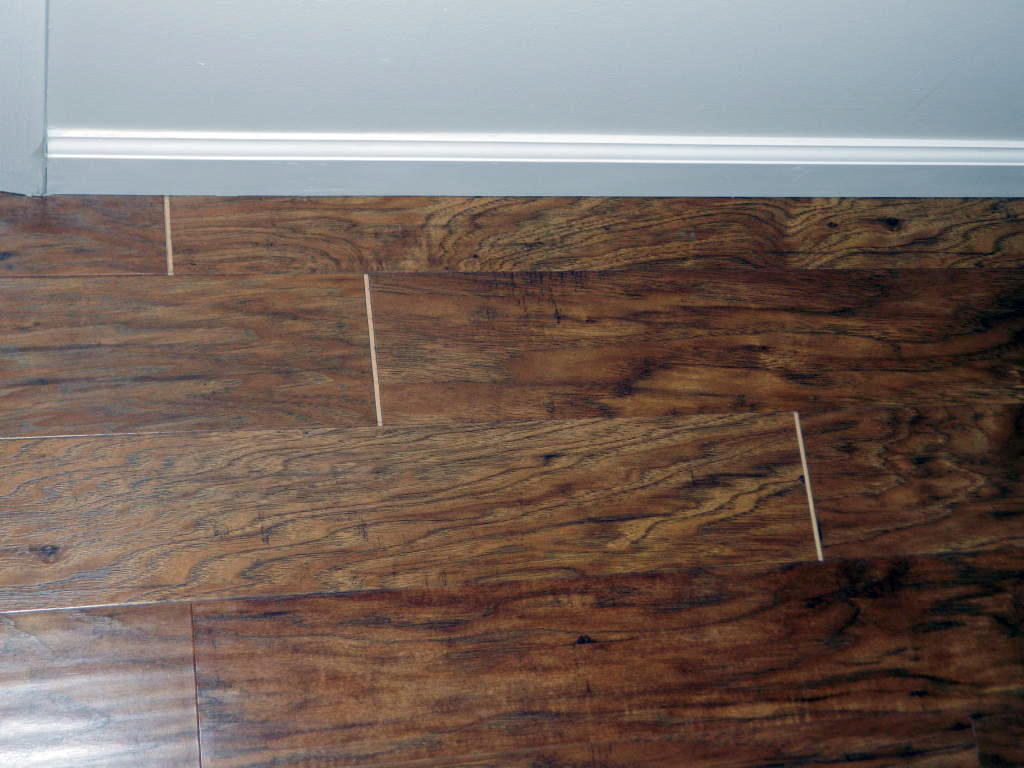
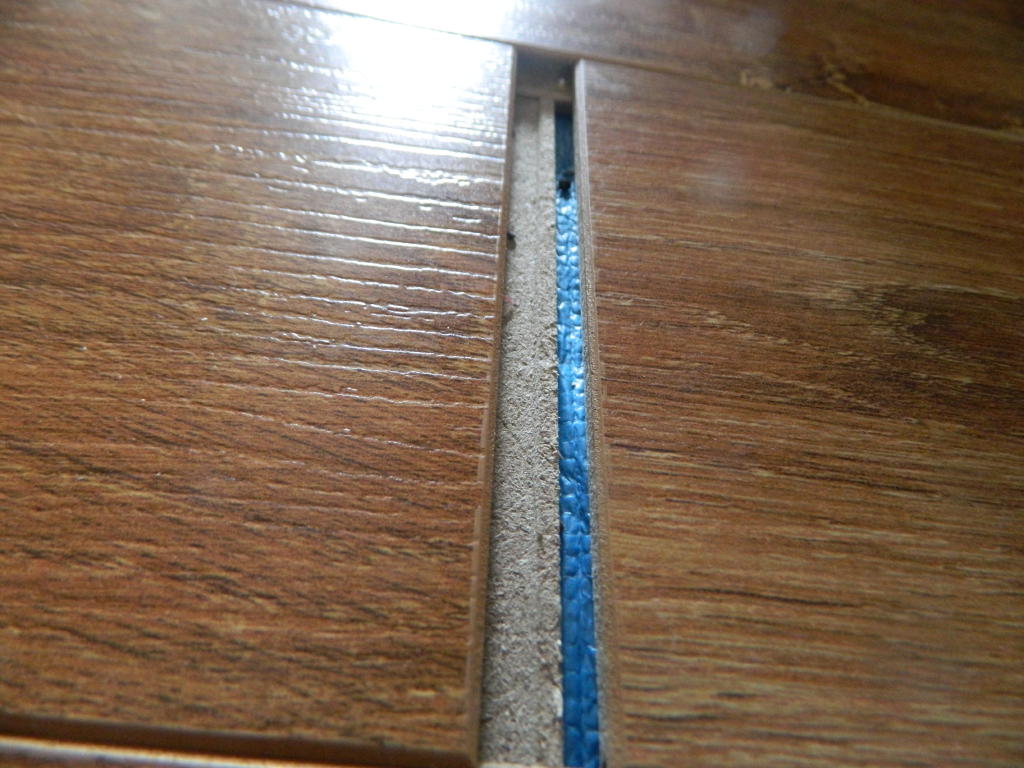
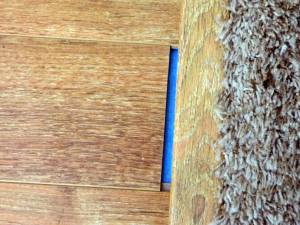
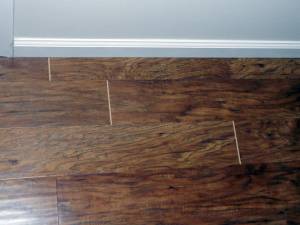
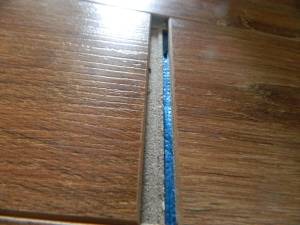
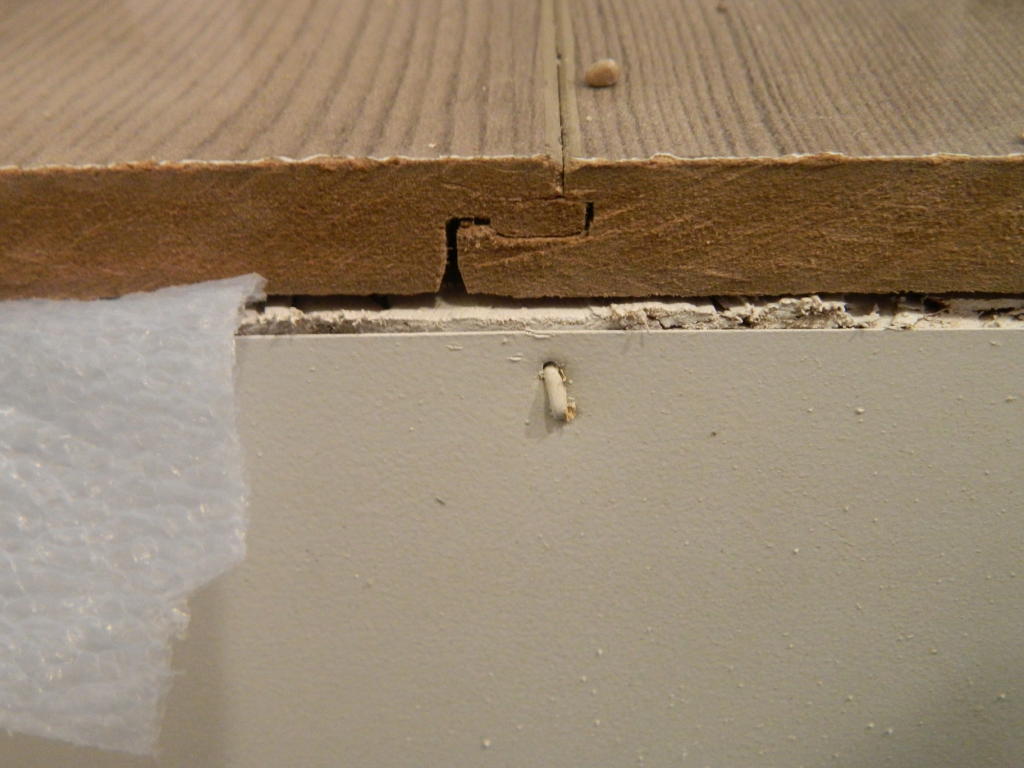
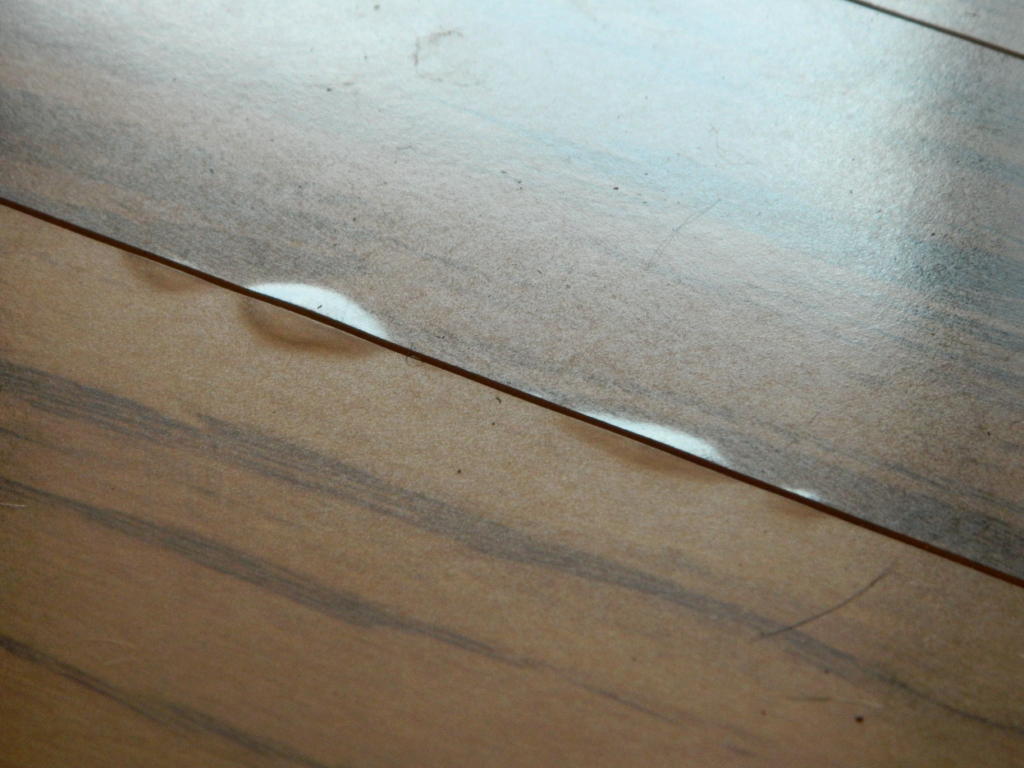
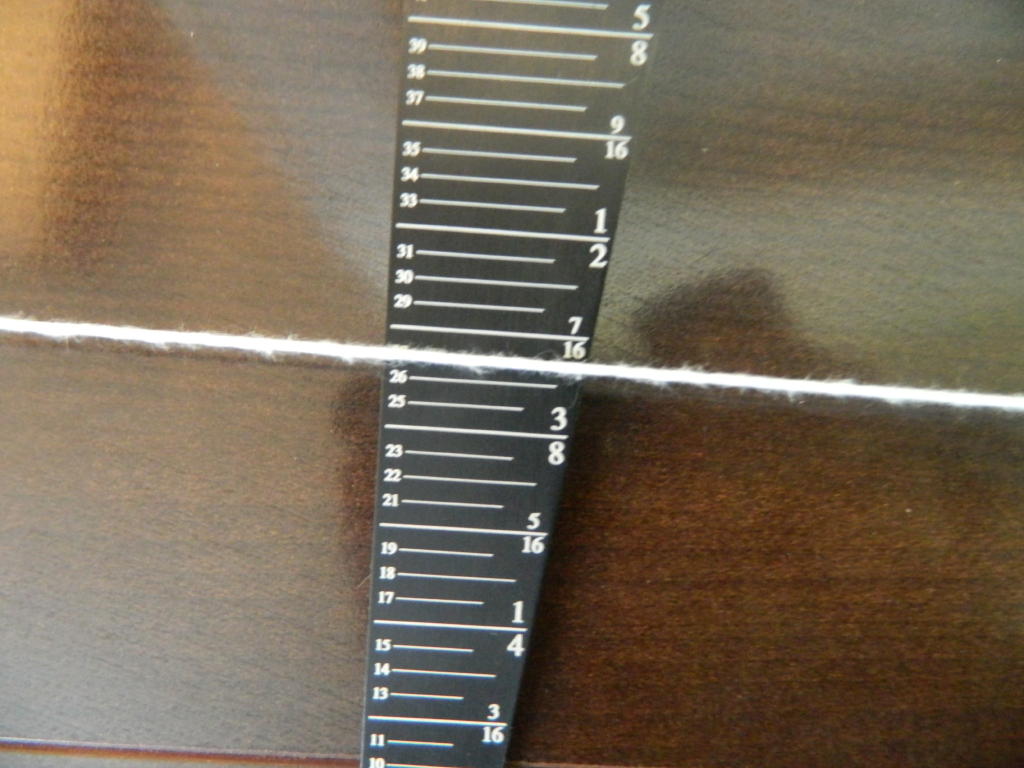
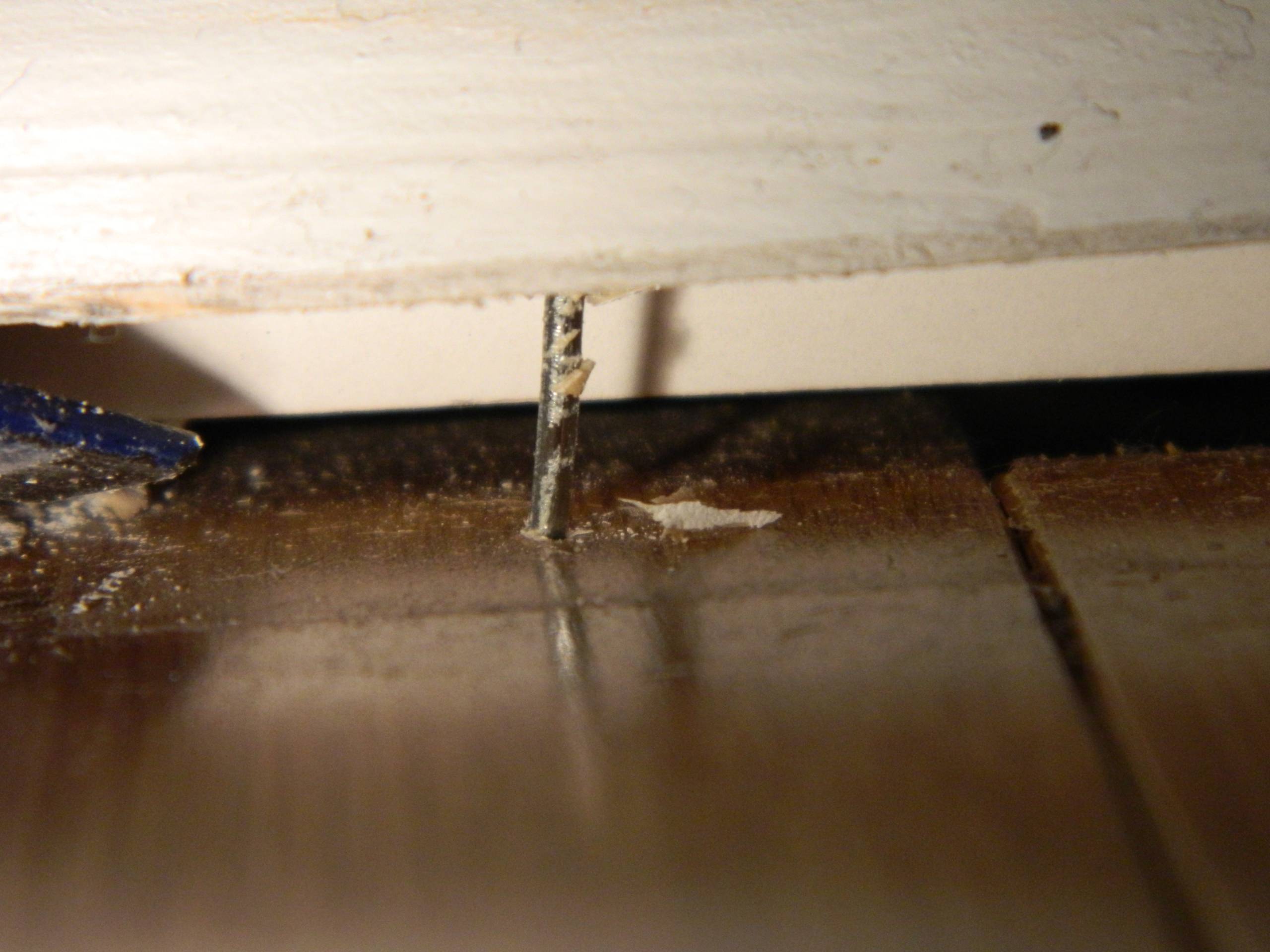
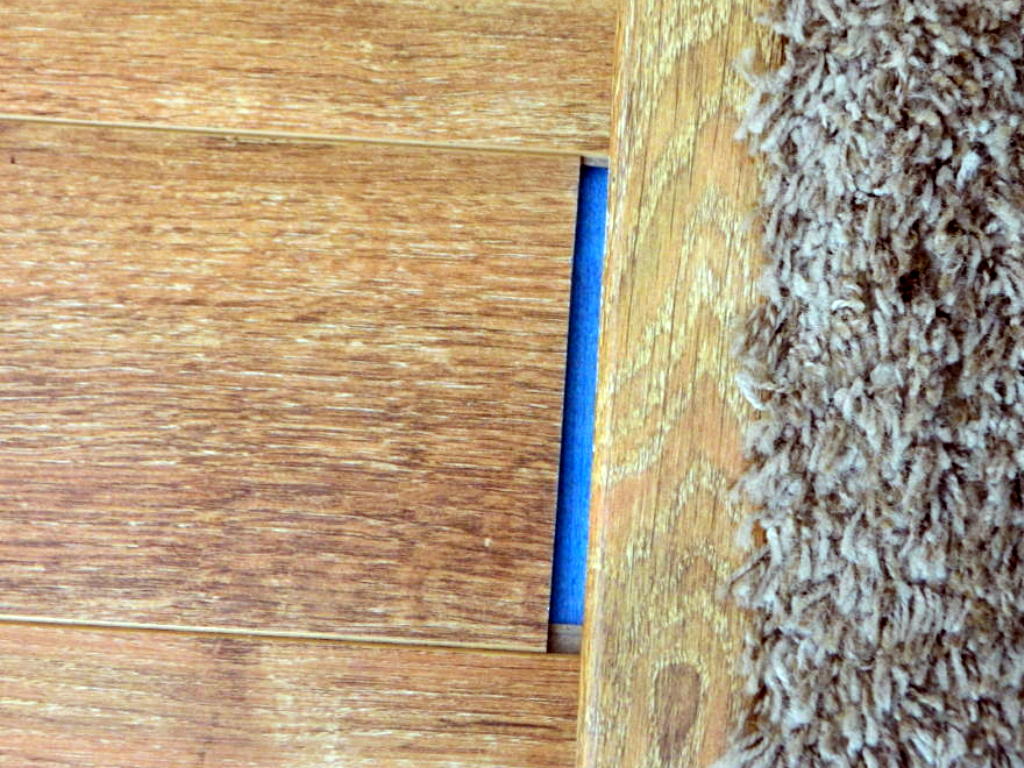
Laminate flooring is engineered to function as a floating floor system. The planks are not mechanically fastened to the substrate and are intended to move as a unified assembly in response to temperature and relative humidity changes. Proper long-term performance depends on compliant subfloor conditions, moisture control, environmental stability, appropriate underlayment interaction, and unobstructed expansion allowance throughout the installation. When movement is restrained or support conditions are uneven, stress may accumulate within the floor plane and release through joint distress, gapping, peaking, edge damage, buckling, or locking-profile deterioration. Many floating-floor issues are system-interaction conditions involving environmental, structural, and installation-related influence rather than isolated product irregularity. Evaluation requires system-level analysis and correlation of flooring behavior, restraint conditions, environmental exposure, and support characteristics before conclusions are reached. See also Expansion Restriction / Pinning, Hollow Sound Perception, and Laminate Problems for broader context.
Please subscribe to see all content

Laminate Problems

Laminate floor problems often develop from moisture exposure, floating-floor restraint, subfloor irregularities, or locking-system stress.
Read More
Laminate Problems

Underlayment Compression / Support Loss (Laminate)
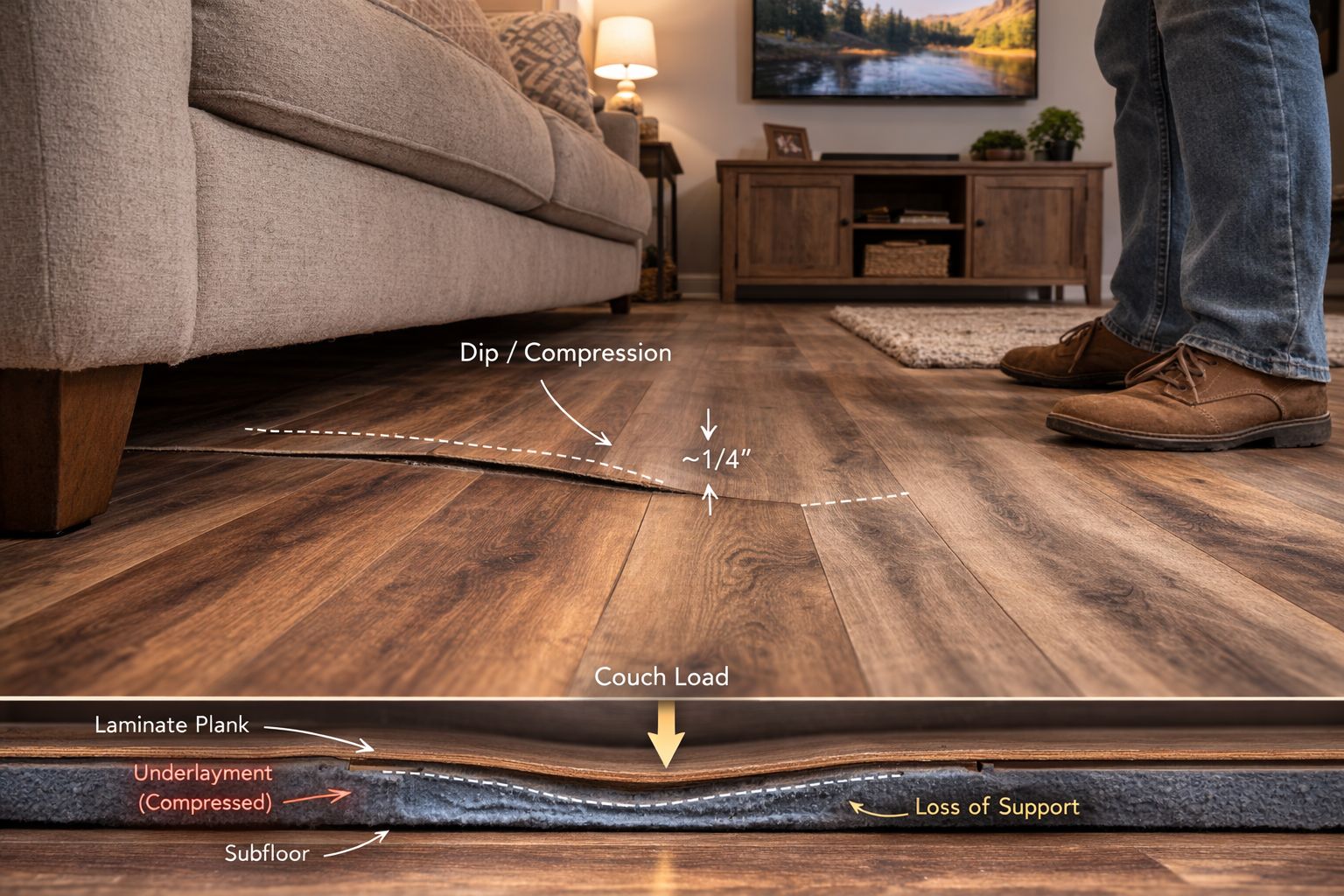
Laminate flooring underlayment compression involves support loss beneath the floating system causing movement and joint stress.
Read More
Underlayment Compression / Support Loss (Laminate)

Static Electricity Generation (Laminate)

Laminate flooring static electricity involves electrostatic charge buildup caused by low humidity and surface friction.
Read More
Static Electricity Generation (Laminate)

Pattern Repeat / Visual Repetition (Laminate Flooring)
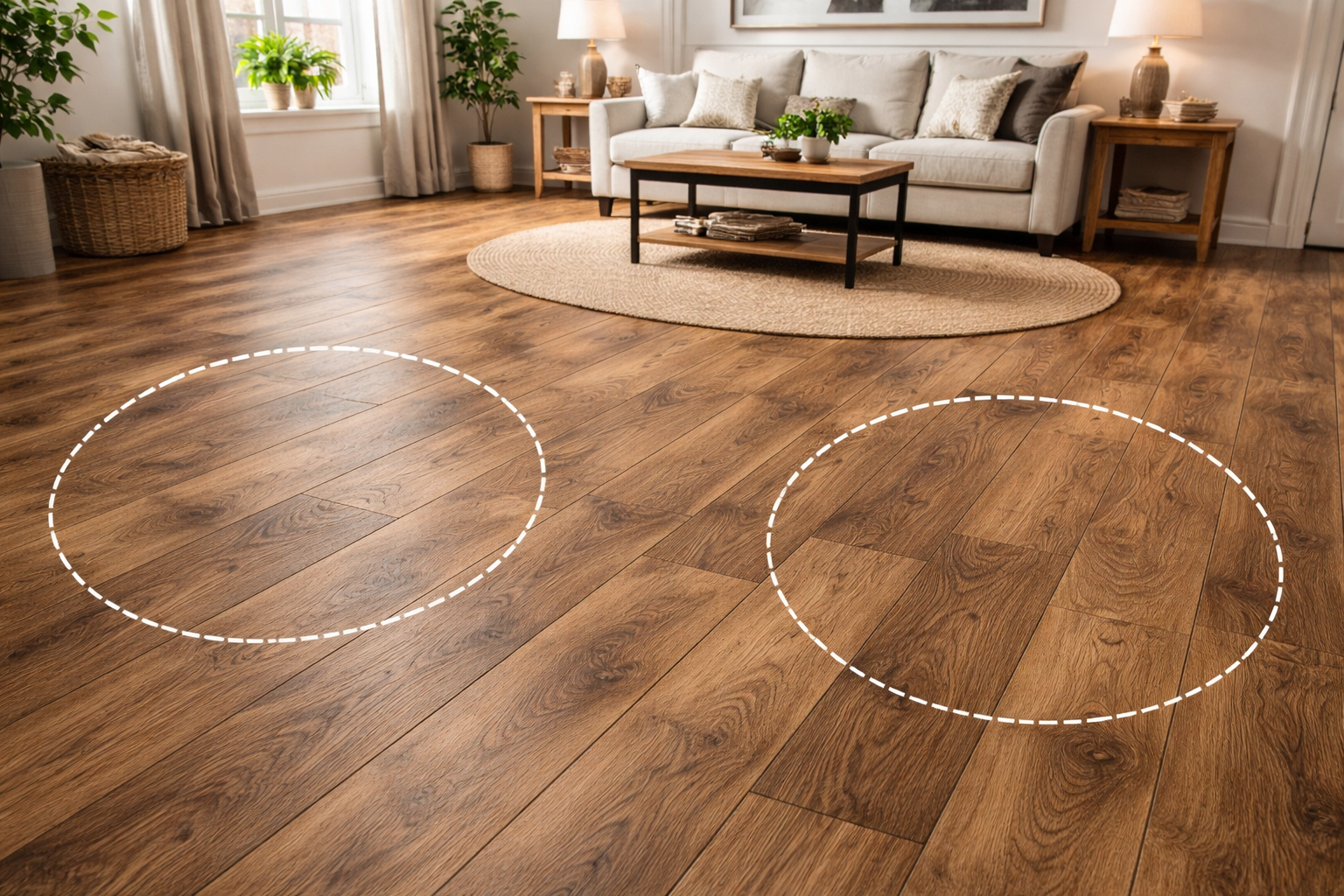
Laminate flooring pattern repeat involves recurring decorative plank visuals becoming noticeable within the installation.
Read More
Pattern Repeat / Visual Repetition (Laminate Flooring)

Color Lot Variation (Laminate)
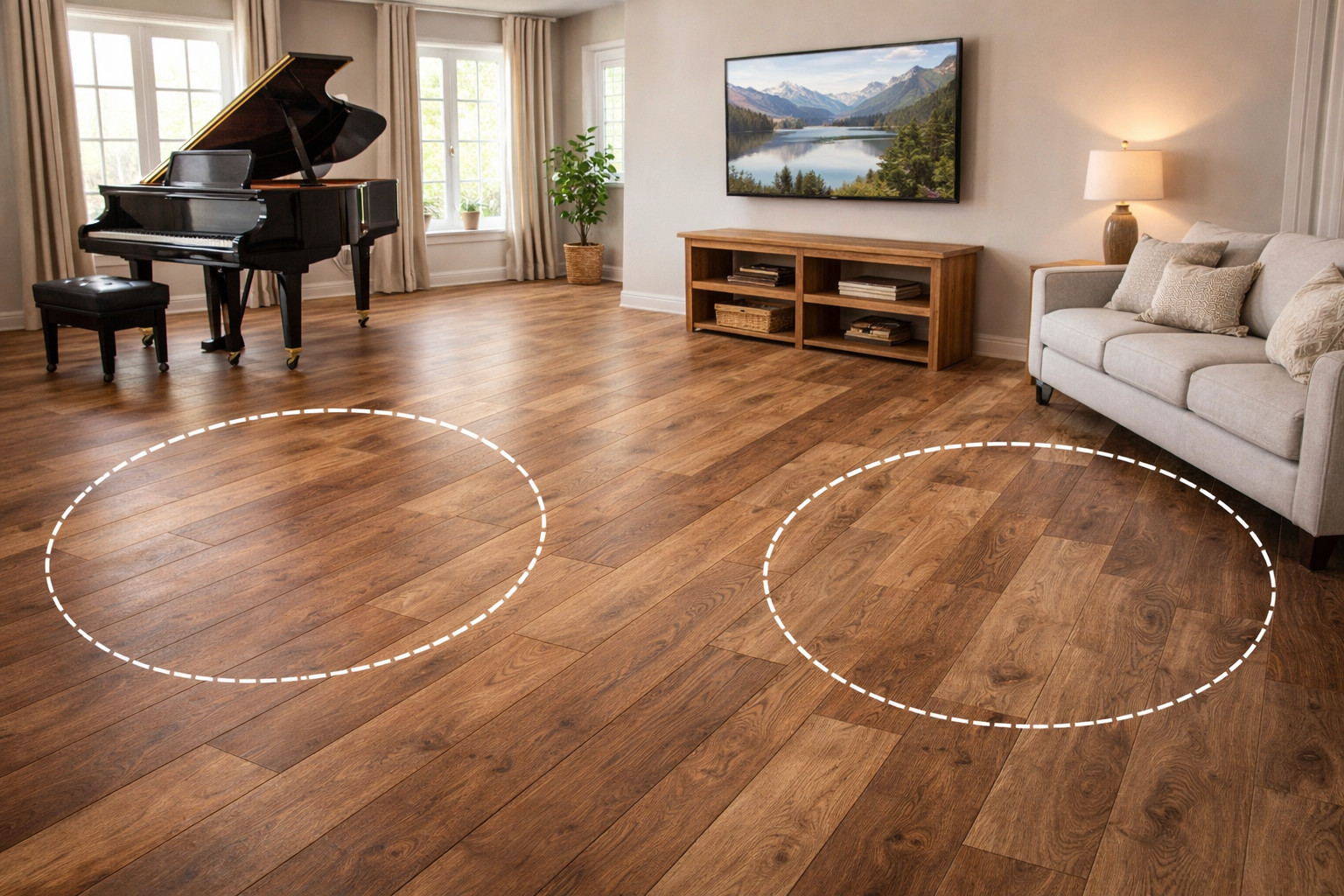
Laminate color lot variation involves visible shade or tonal differences between production runs, often influenced by lighting, blending practices, and...
Read More
Color Lot Variation (Laminate)

Locking Edge Crushing / Over-Tapping Damage (Laminate)
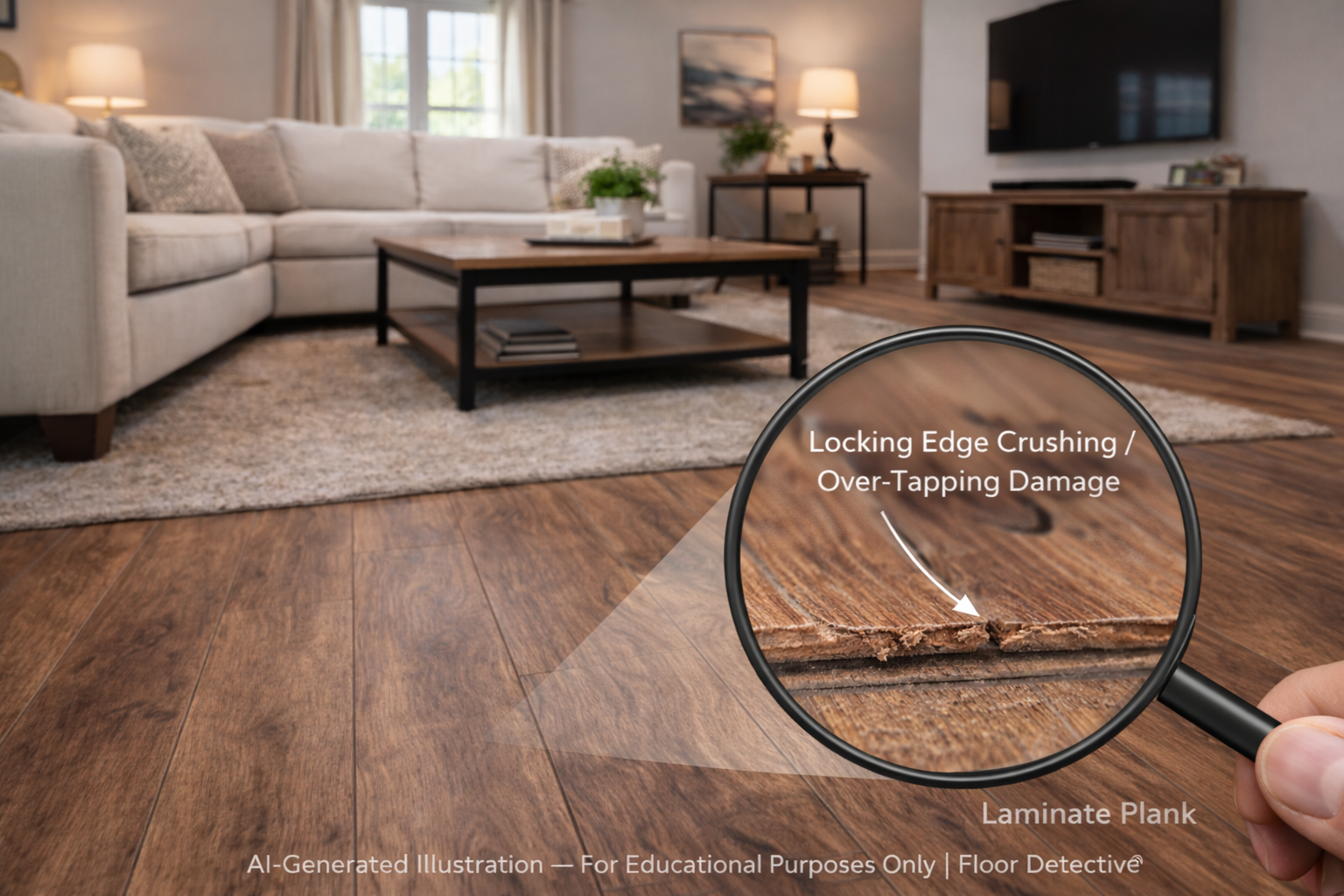
Laminate flooring locking edge crushing involves fractured or compressed locking profiles caused by excessive installation force or difficult plank engagement.
Read More
Locking Edge Crushing / Over-Tapping Damage (Laminate)

Edge Swell From Environmental Humidity (Laminate)
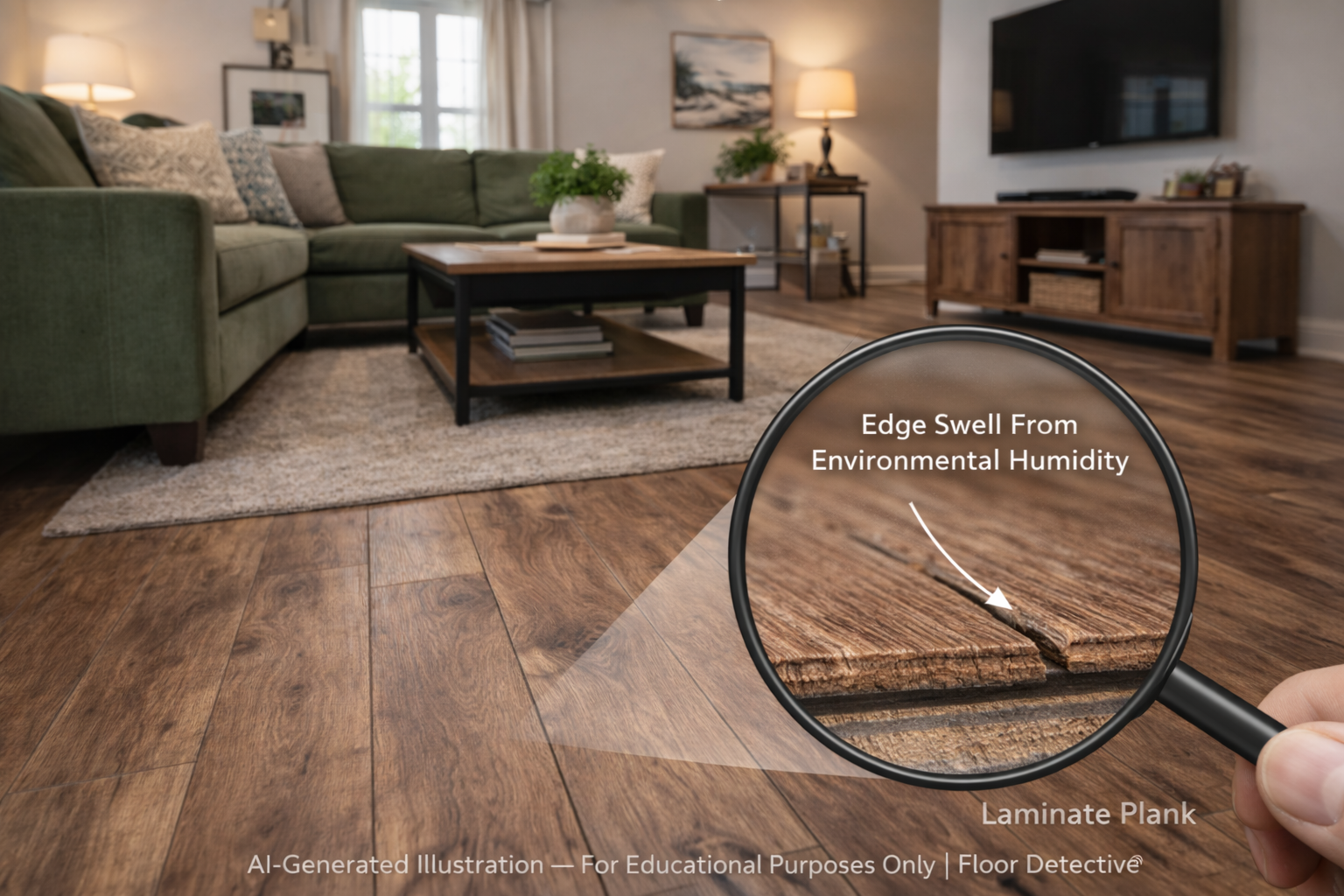
Laminate edge swell from environmental humidity involves raised or distorted plank edges caused by sustained elevated interior humidity exposure.
Read More
Edge Swell From Environmental Humidity (Laminate)

Surface Whitening from Topical Moisture Entrapment
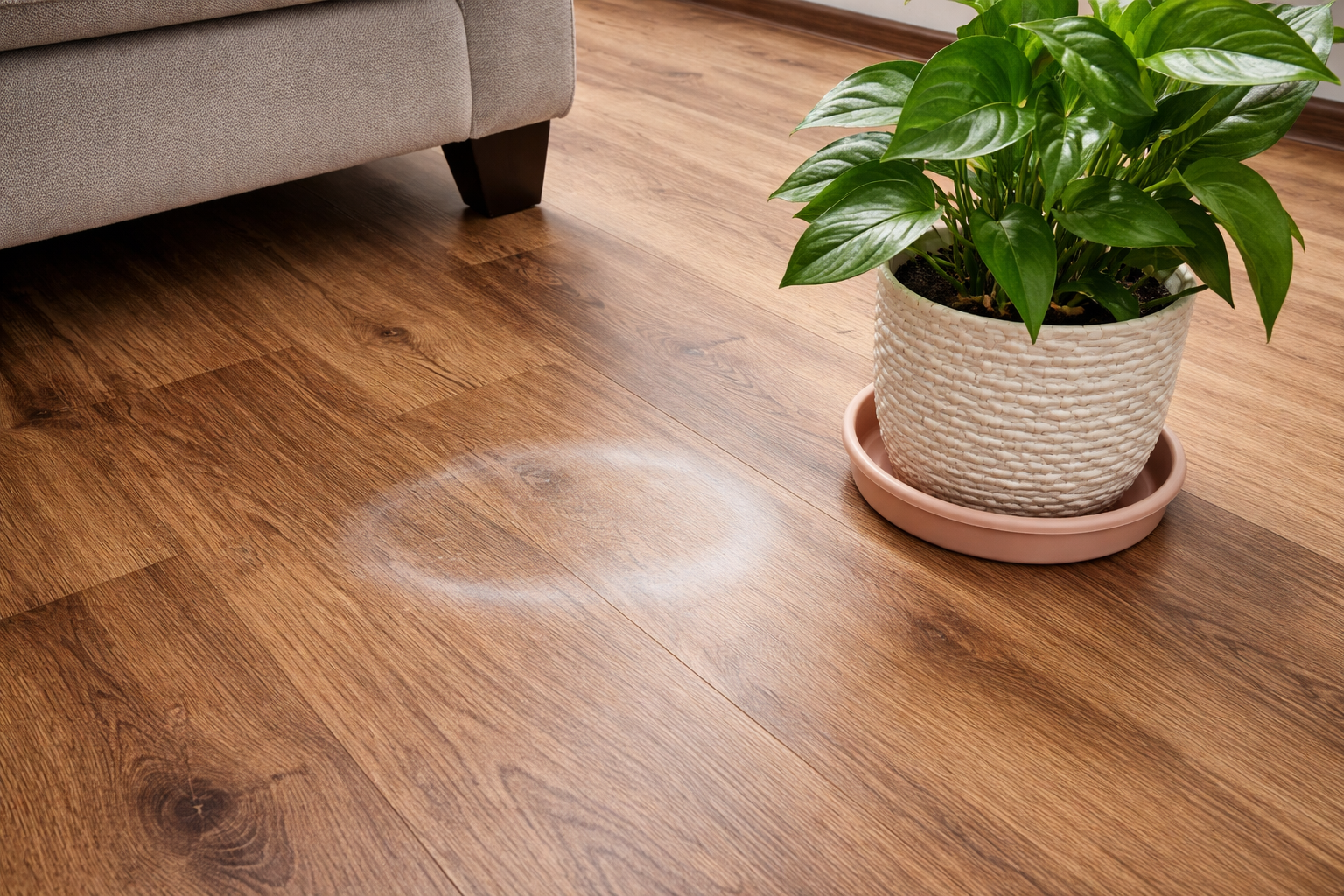
Laminate flooring surface whitening is a localized hazy or cloudy appearance caused by topical moisture entrapment and restricted evaporation.
Read More
Surface Whitening from Topical Moisture Entrapment

Hollow Sound / Acoustic Resonance (Laminate)coincidence whipping melt
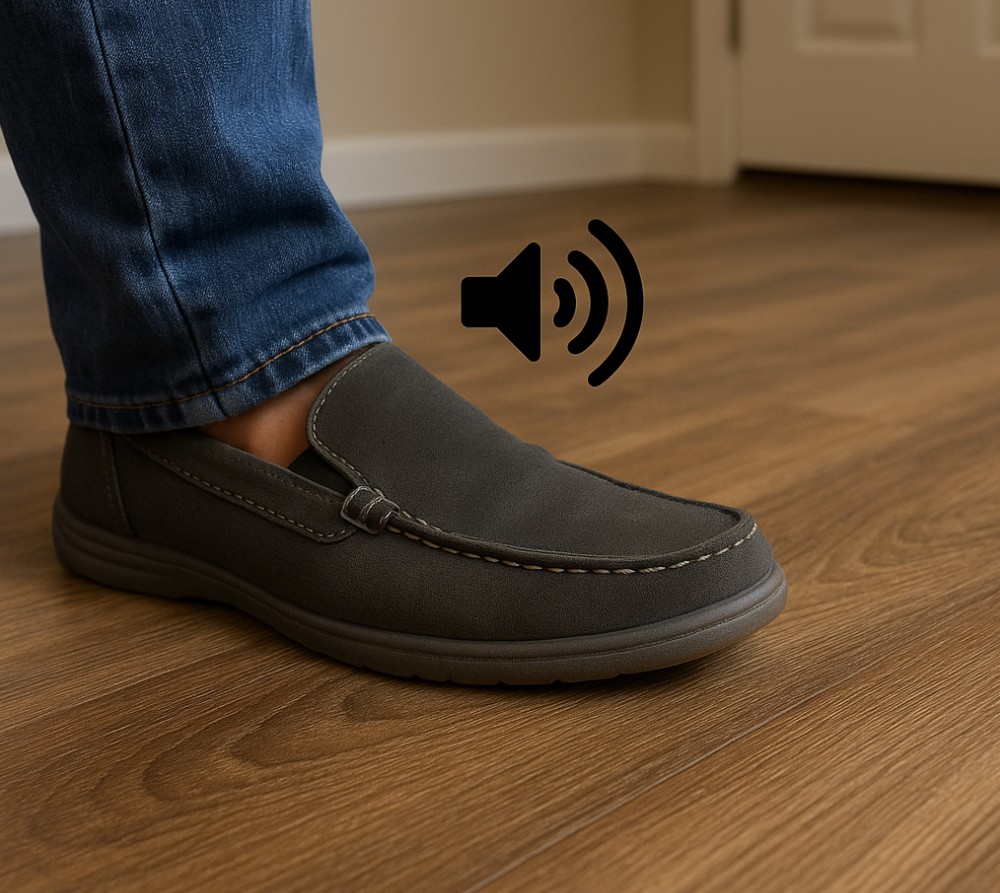
Laminate flooring hollow sound is an acoustic resonance condition commonly associated with floating-floor construction and support interaction.
Read More
Hollow Sound / Acoustic Resonance (Laminate)coincidence whipping melt

Vertical Movement / Deflection (Laminate
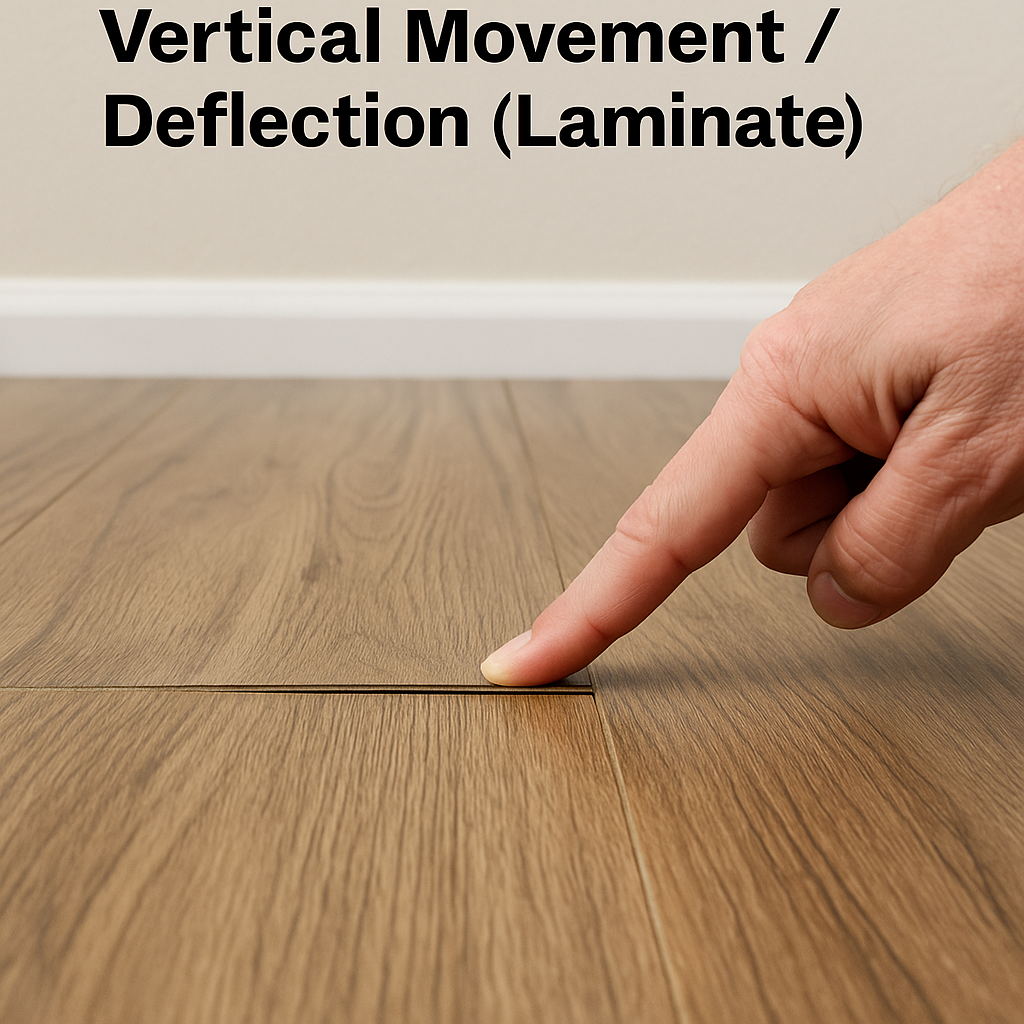
Laminate flooring vertical movement involves plank deflection caused by inconsistent support beneath the floating system.
Read More
Vertical Movement / Deflection (Laminate