
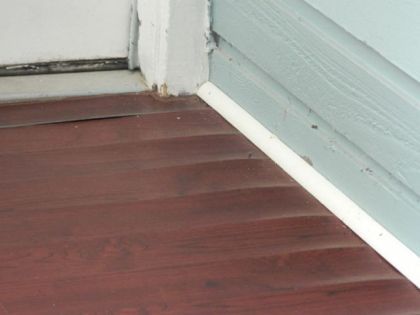
Cross-Machine Direction (Width) Shading / Texture Variation (Resilient Sheet Vinyl)
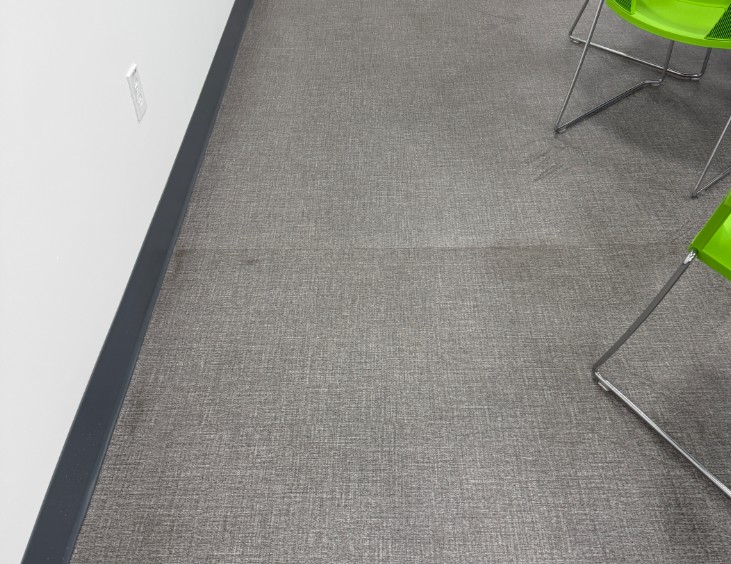
Cross-Machine Direction (Width) Shading / Texture Variation (Resilient Sheet Vinyl)
Floor Detective® Claims and Conditions Guide
Summary
Cross-machine direction (CMD) shading or texture variation in resilient sheet vinyl is an appearance-related condition in which visible shading, gloss, texture, or reflectivity differences occur from one side of the sheet width to the other. The condition originates during manufacturing and commonly reflects variation in coating application, embossing pressure, calendering, print alignment, surface texture development, or cooling behavior across the width of the material. Because the variation develops across the sheet width rather than along the machine-production direction, the resulting appearance commonly presents as broad lanes, side-to-side shading, texture variation, or reflectivity differences extending throughout the installation. Visibility may increase under directional lighting, low-angle light, reflective light, or long sight lines, particularly in open areas or large uninterrupted installations. The pattern is typically continuous and repeatable rather than isolated or random. Proper evaluation requires distinguishing manufacturing-width variation from substrate irregularity, adhesive influence, lighting distortion, traffic wear, or localized contamination. The condition reflects material variation and does not independently establish installation deficiency or substrate-related influence. See also Gloss Variation Resilient Plank, Telegraphing, and LVT and SPC Floor Problems for broader context.

Chair-Caster Damage (LVT/SPC Flooring)
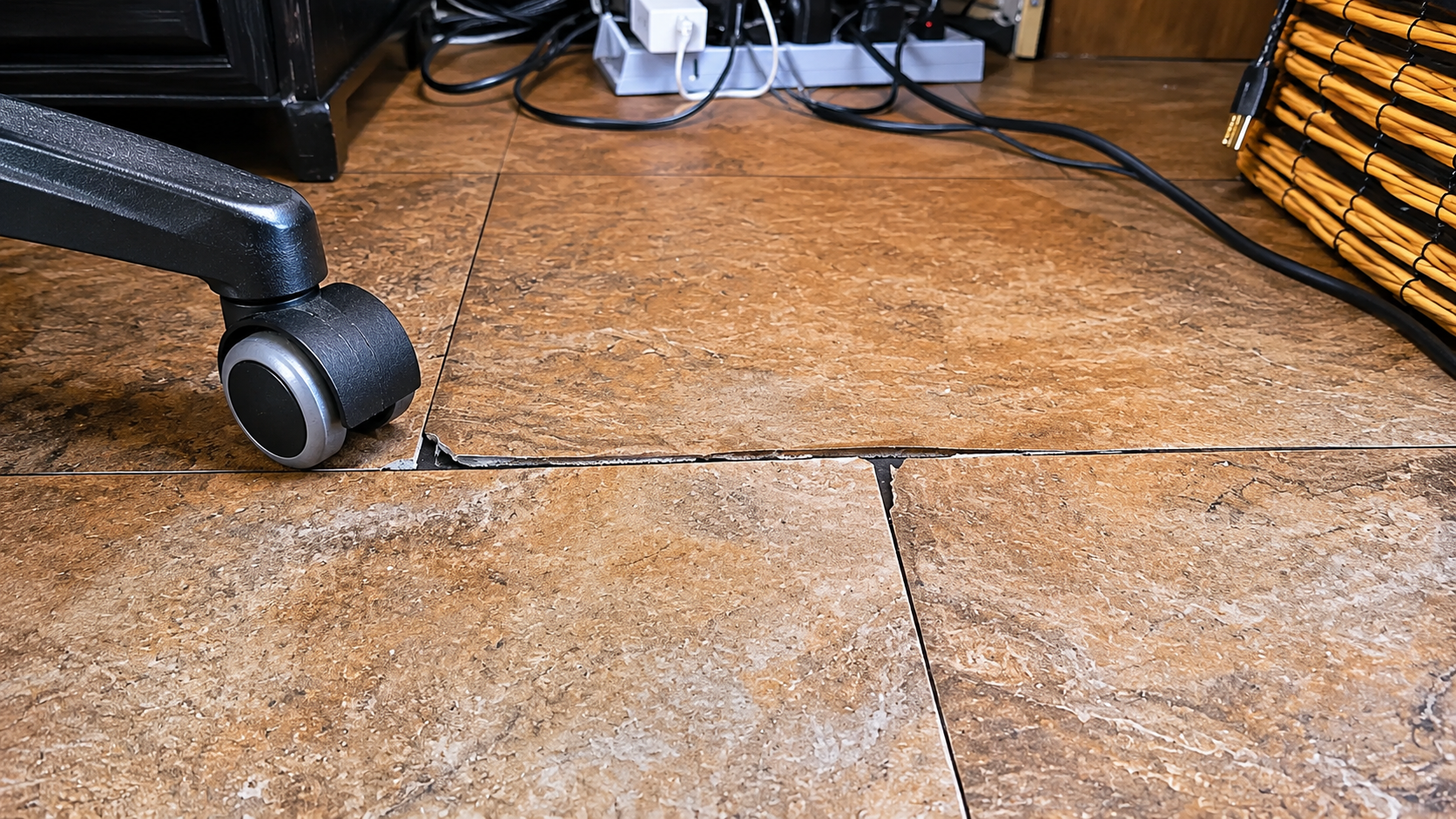
LVT and SPC Floor Problems
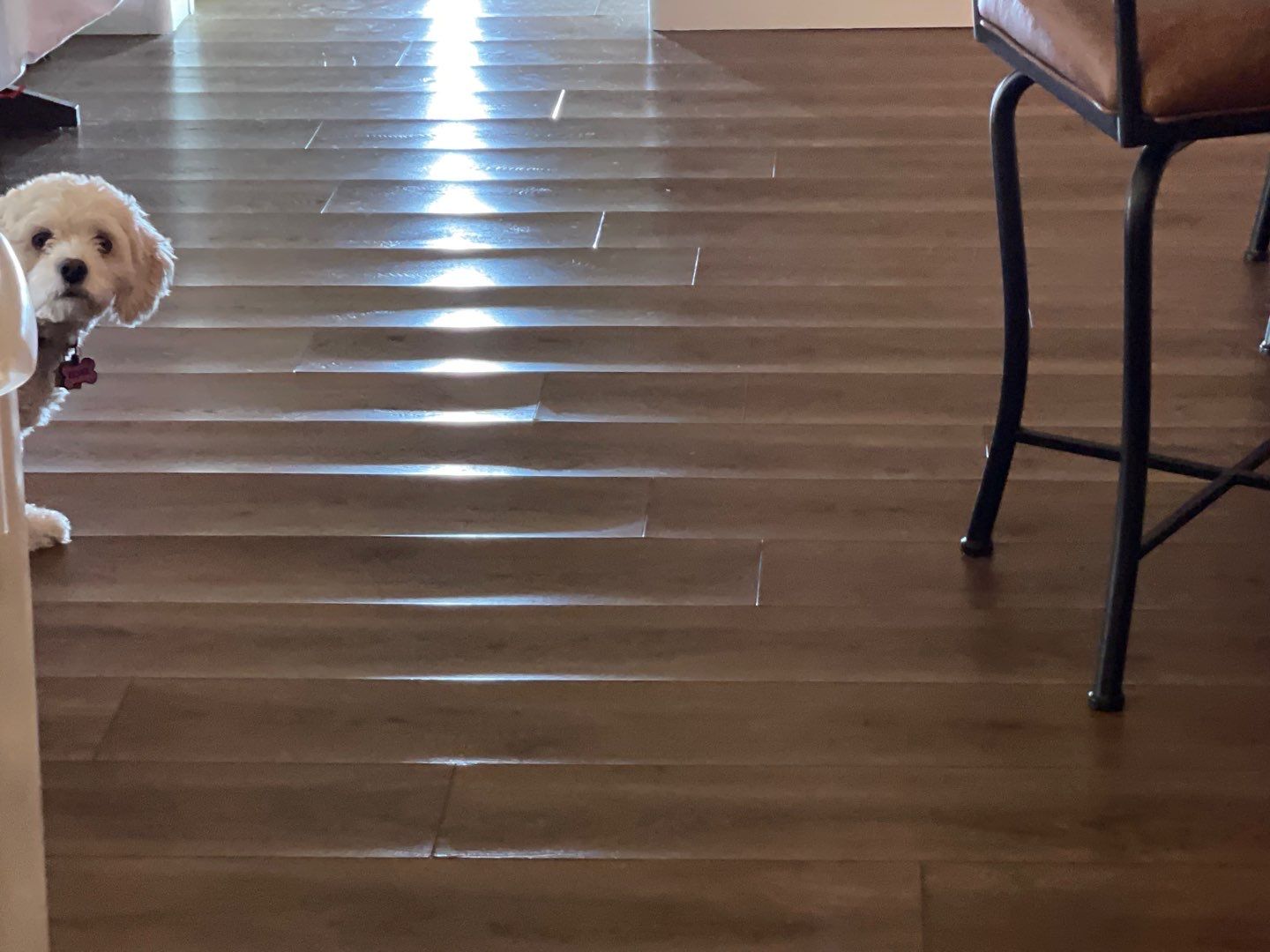
Cross-Machine Direction (Width) Shading / Texture Variation (Resilient Sheet Vinyl)
Sheet Shrinkage / Seam Opening (Resilient Sheet Flooring)
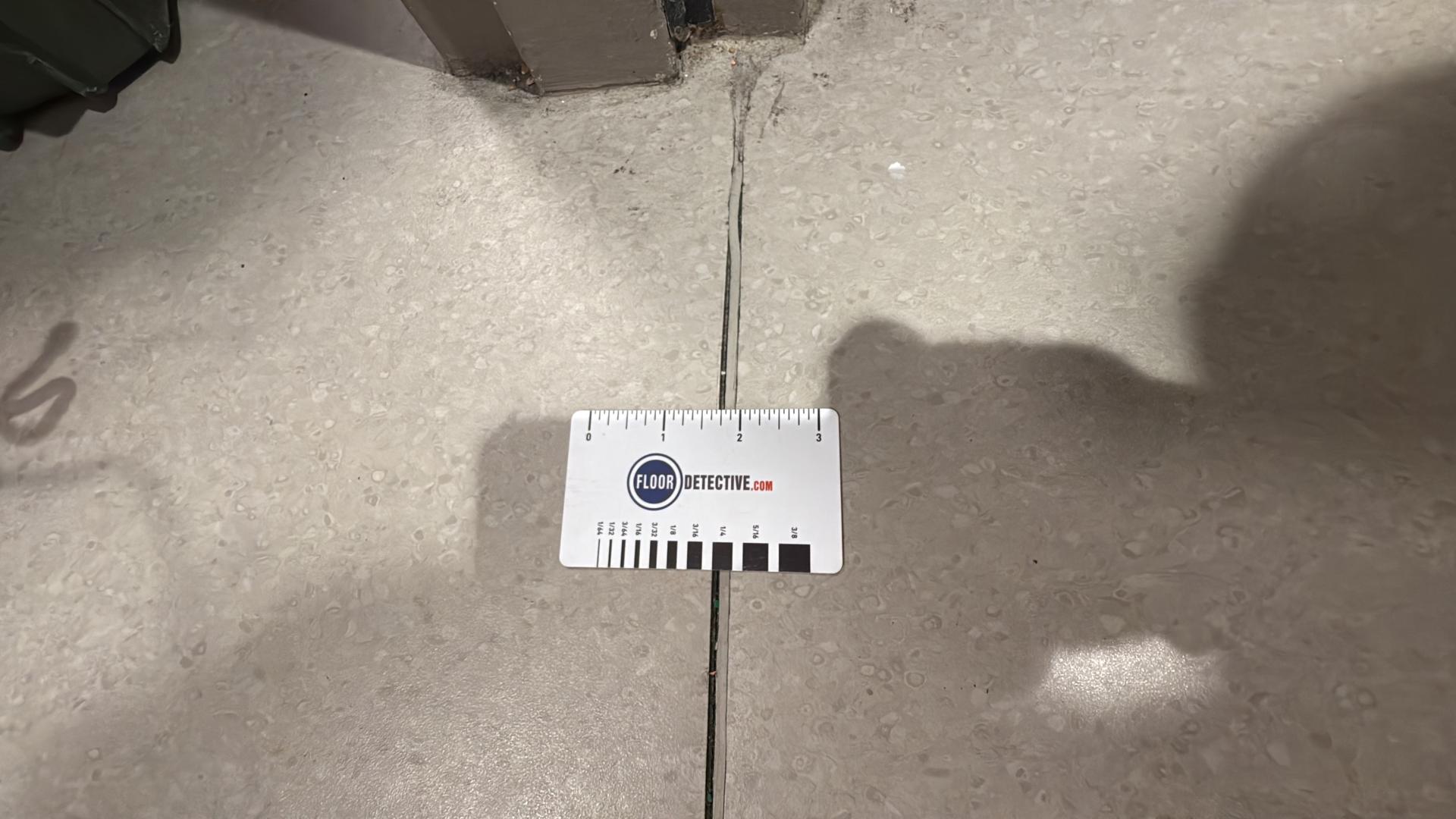
Heat Weld Seam Failure (Resilient Sheet Flooring)
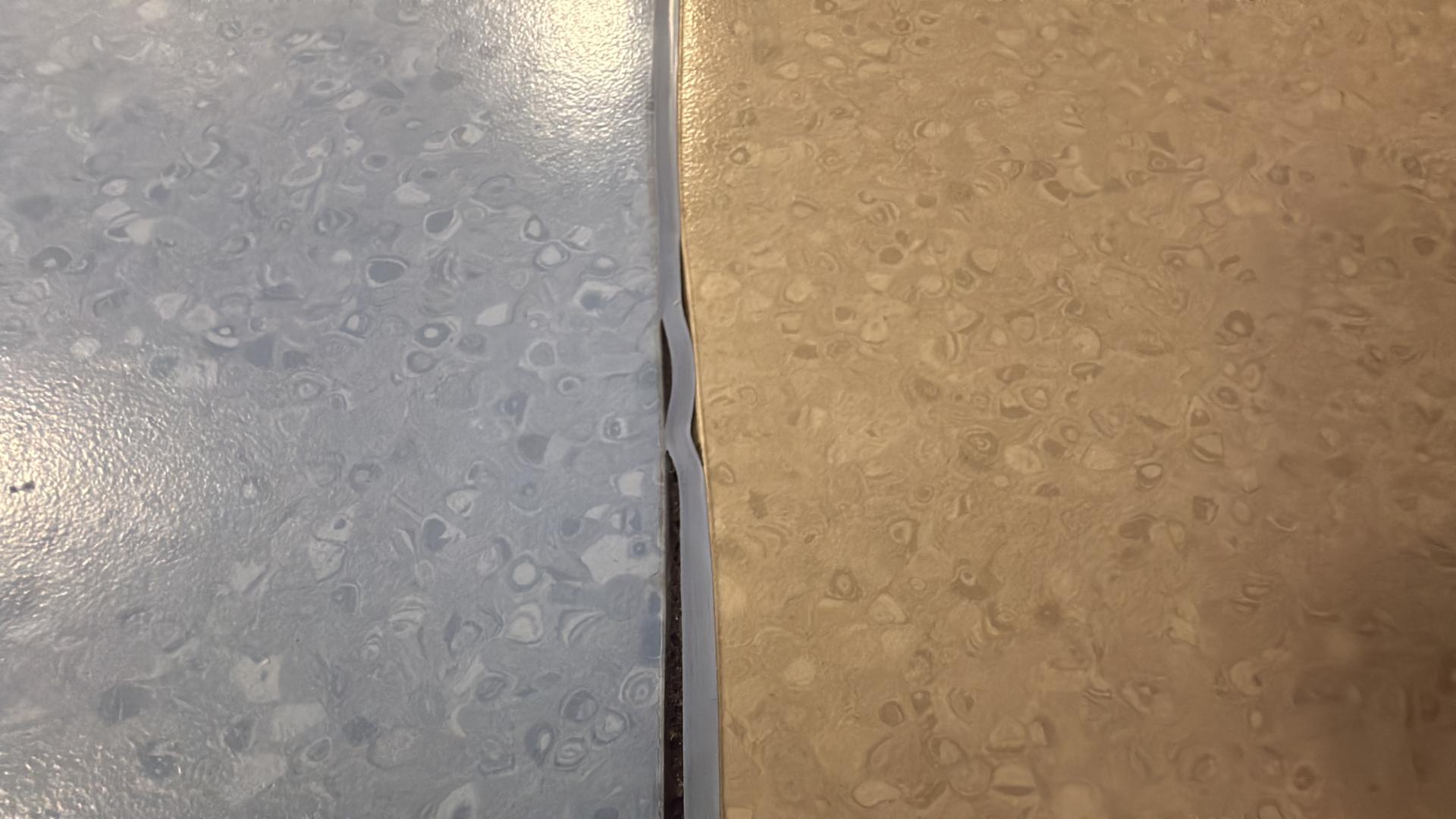
Yellowing / Discoloration (LVP / SPC / WPC)
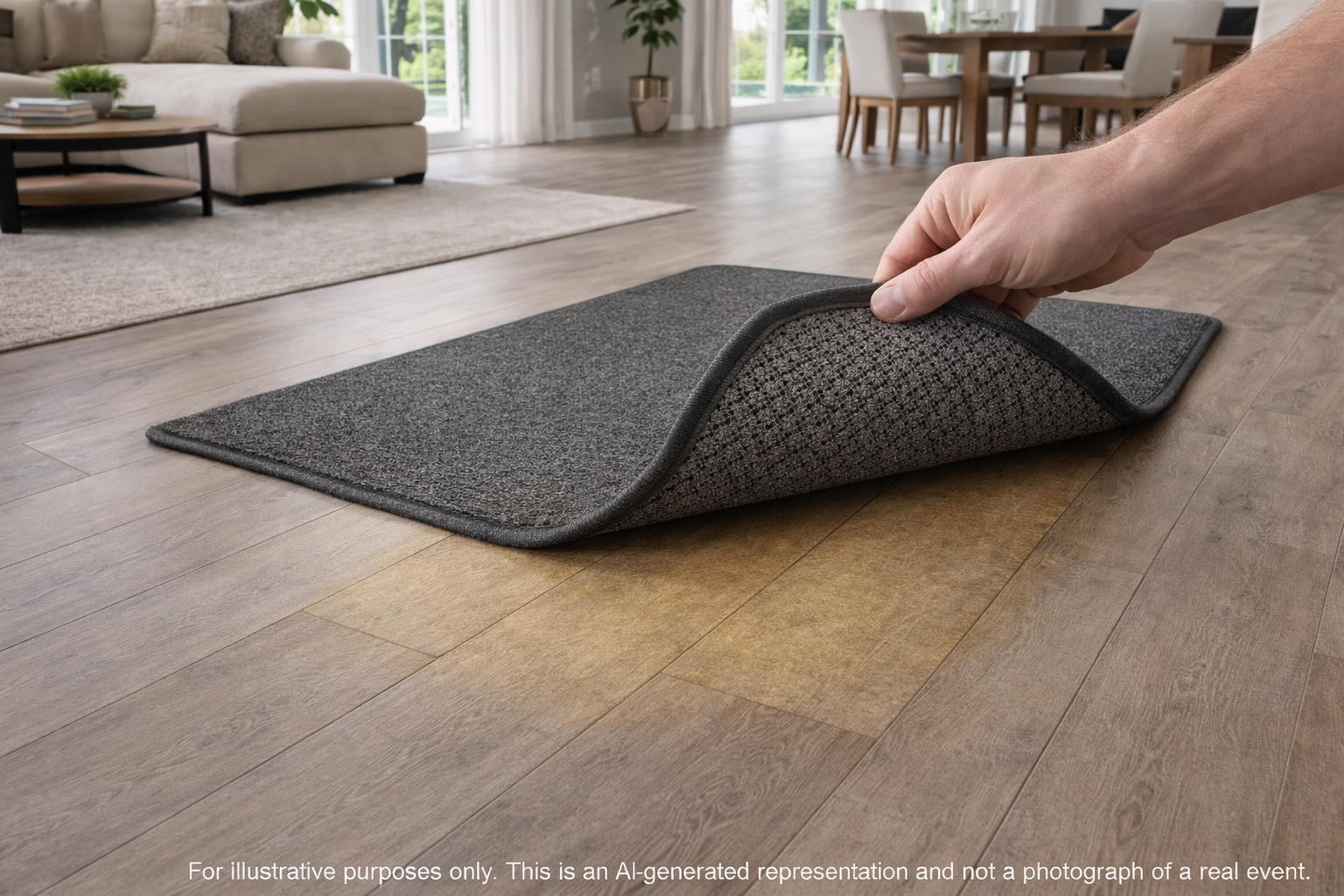
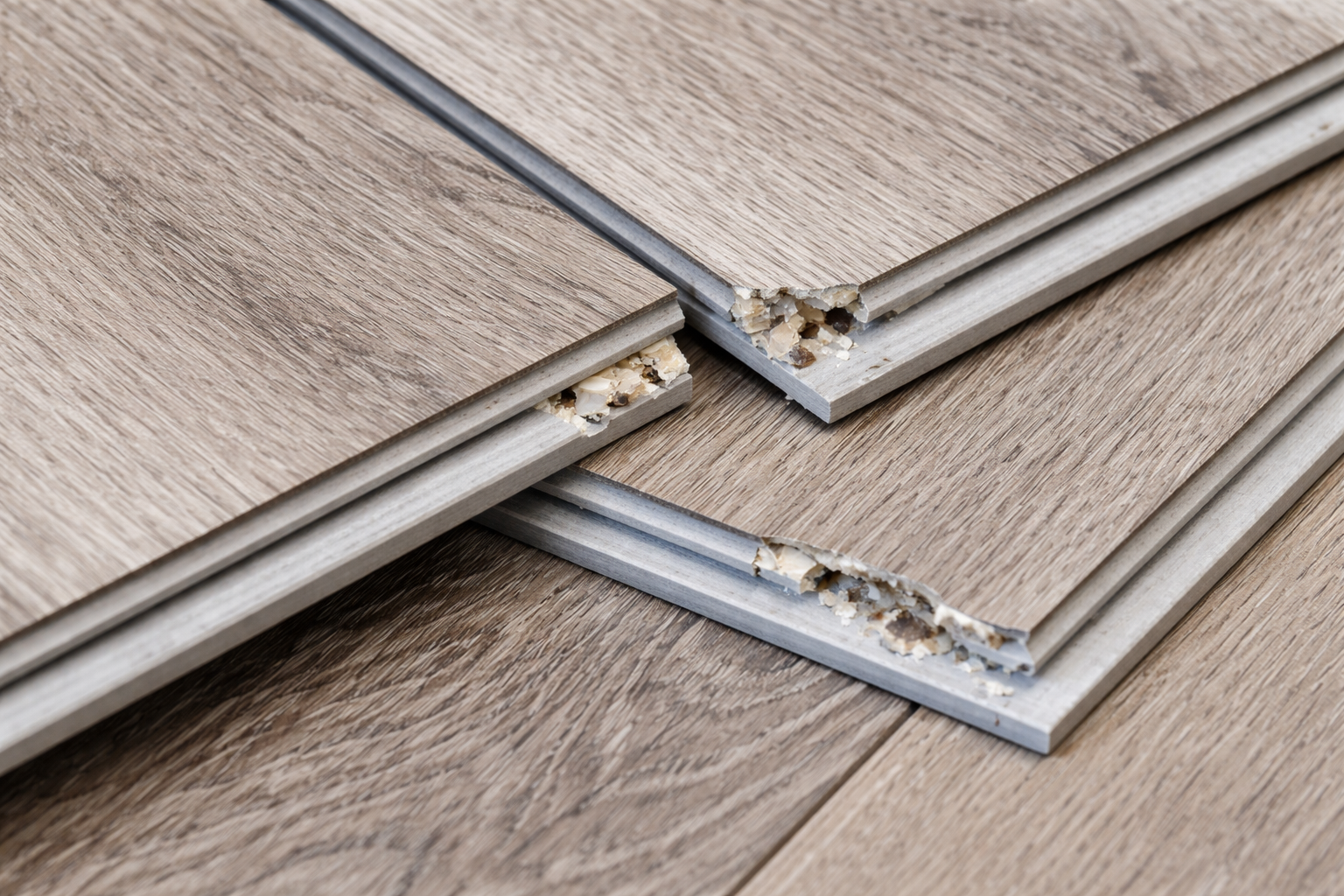
Broken Locking Profiles / Mechanical Joint Compromise (Resilient Plank)
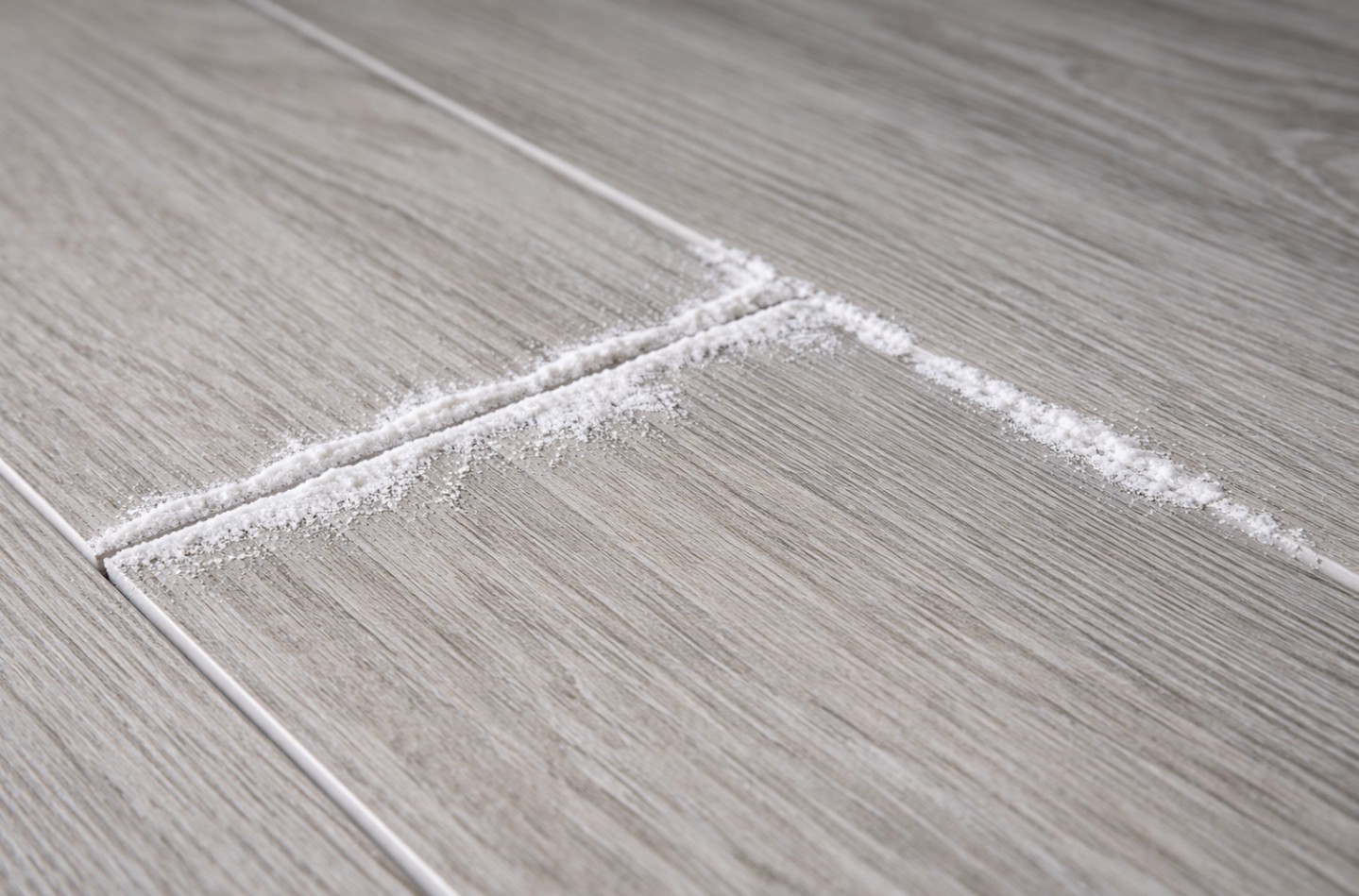
Efflorescence-Like Mineral Migration at LVT/SPC Joints
Blistering / Surface Blisters (SPC Flooring)

Cracking Over Existing Substrates (LVT)
