Gaps

Gaps

Sierra Exif JPEG

Gaps

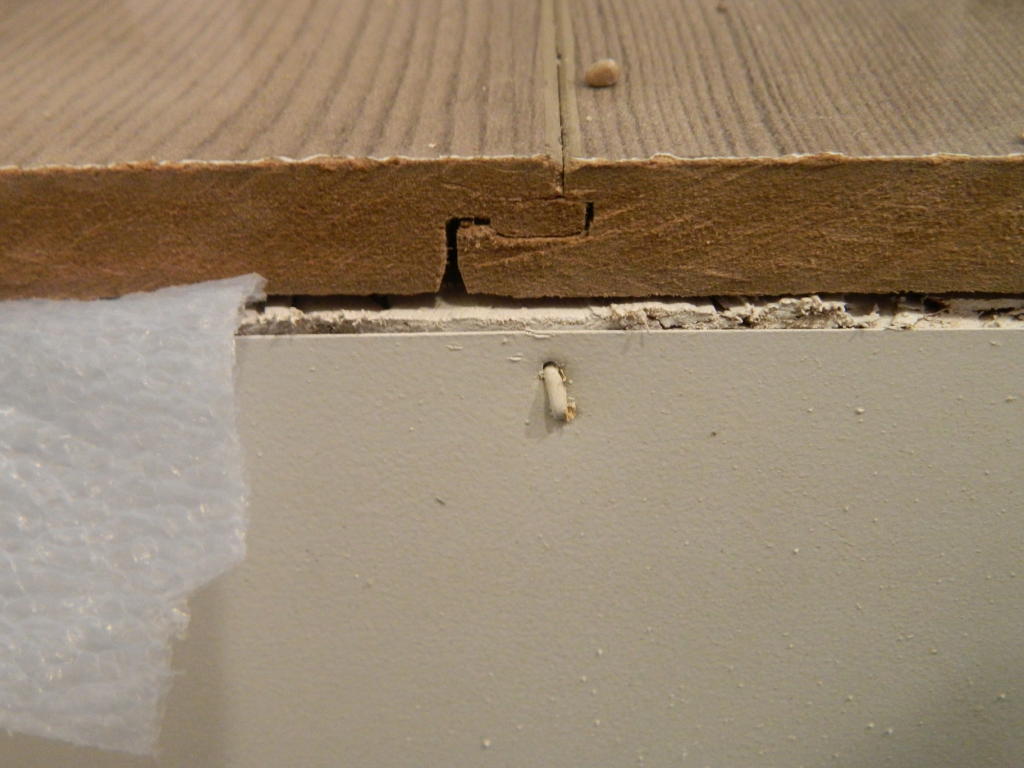
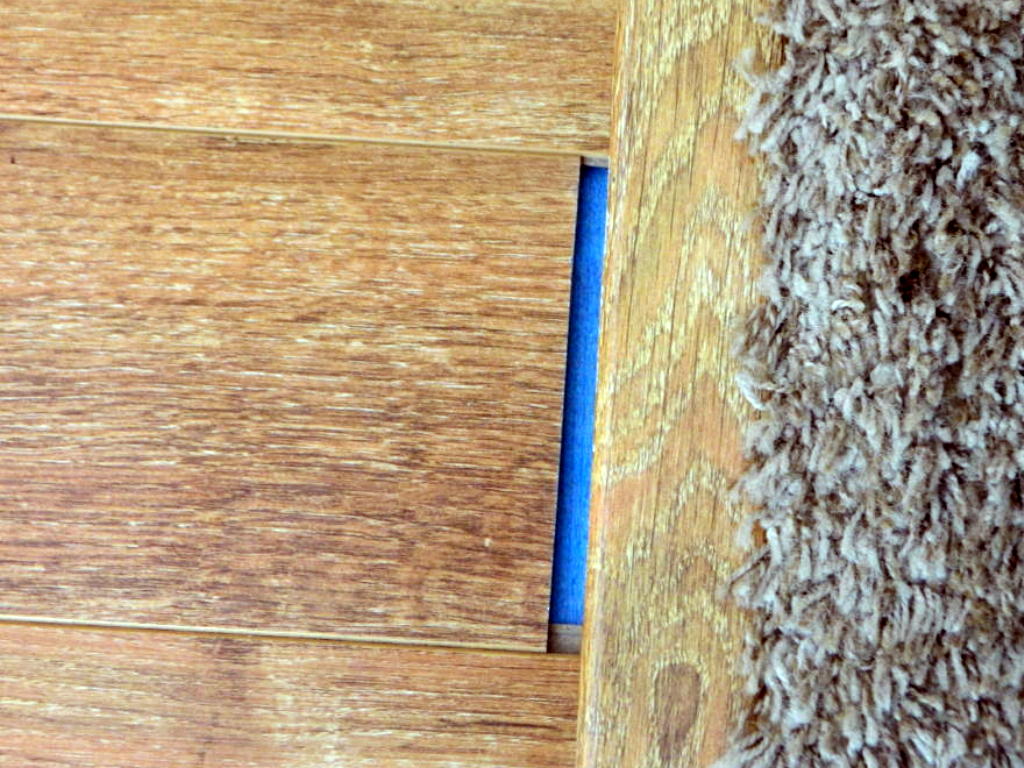
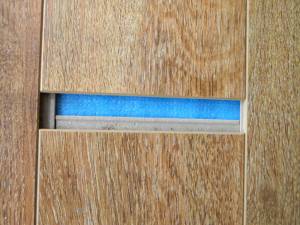
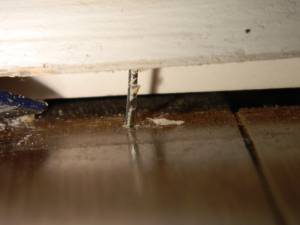
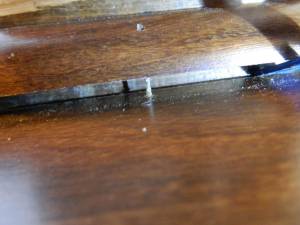
Laminate floating floor installation showing expansion space, underlayment support, and locking-profile system interaction.

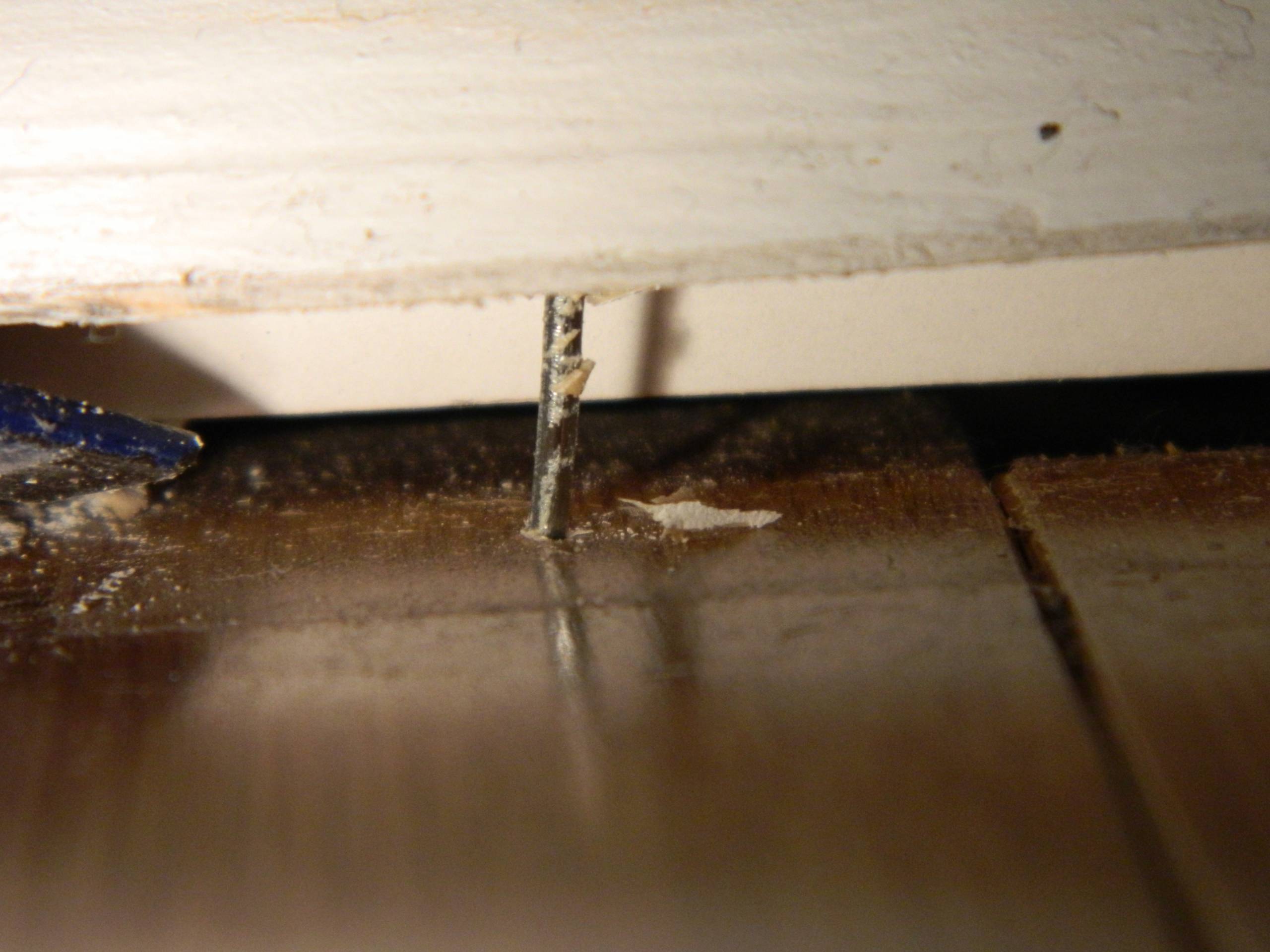
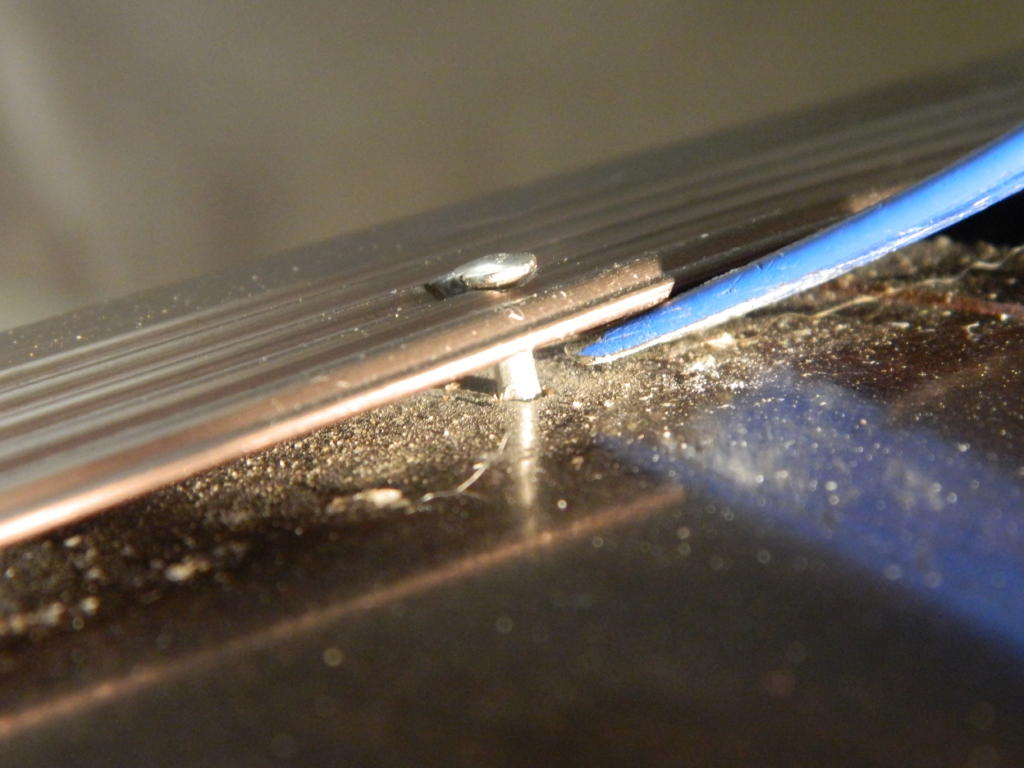
Nail prevents floor from floating

Sierra Exif JPEG

Gaps

Sierra Exif JPEG

Gaps

Sierra Exif JPEG

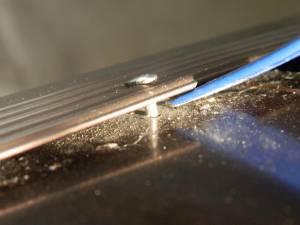
Floating floor locked in place

Sierra Exif JPEG

Flatness issue

Sierra Exif JPEG

Gaps

Sierra Exif JPEG

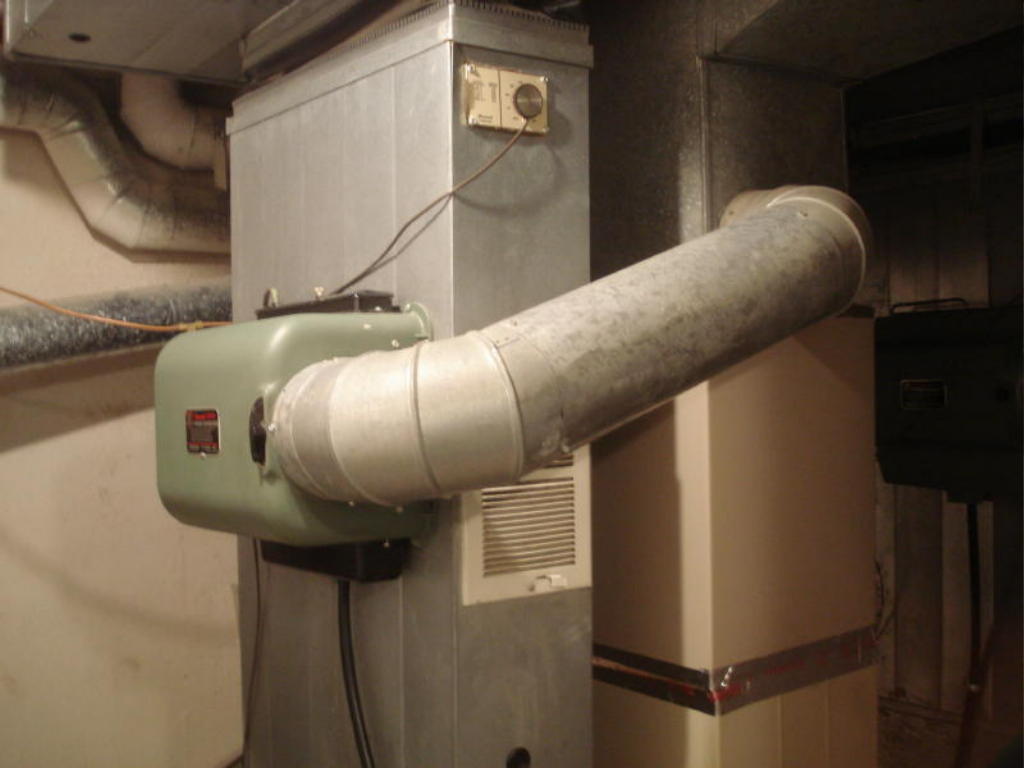
Environmental control

Sierra Exif JPEG

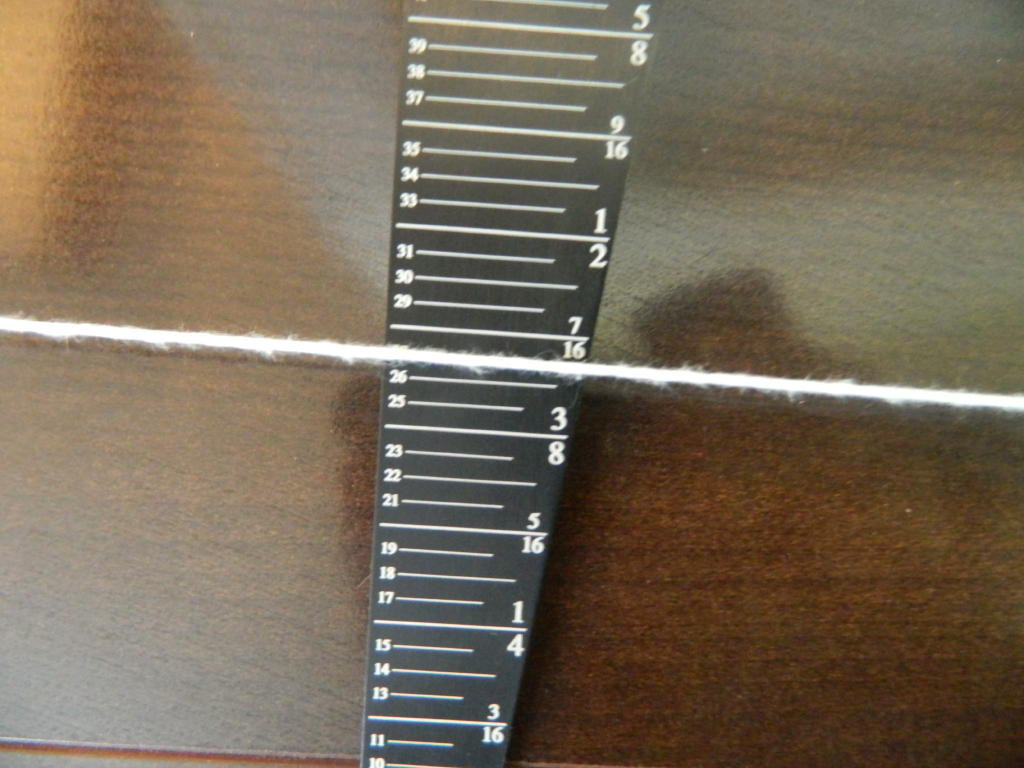
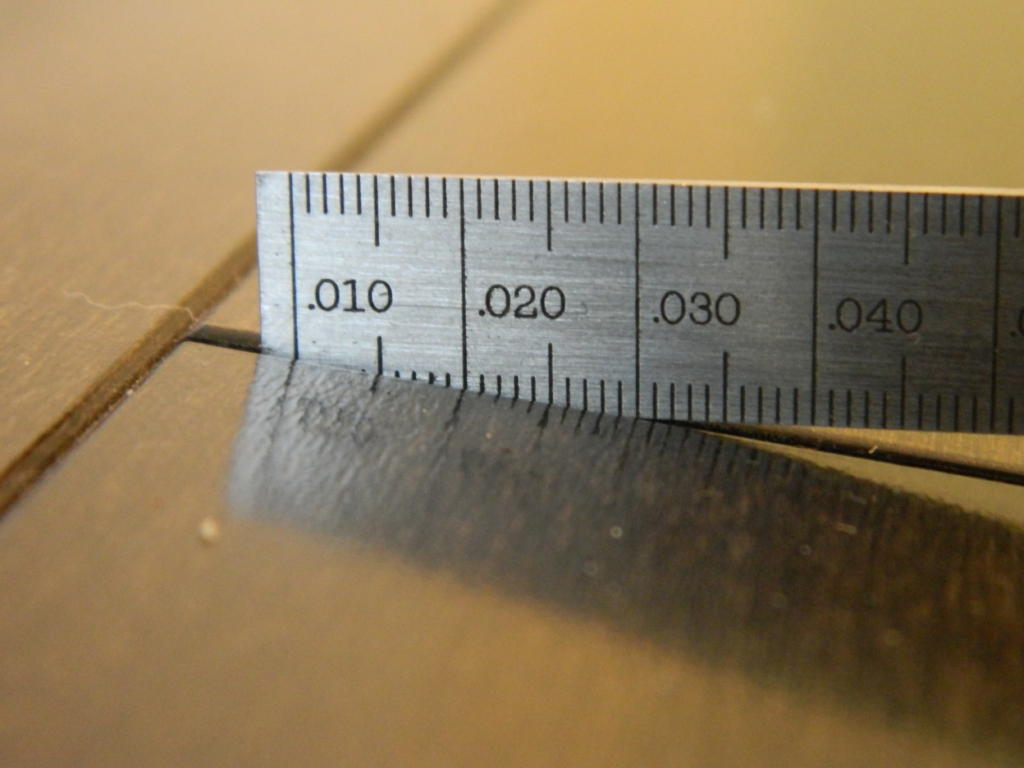
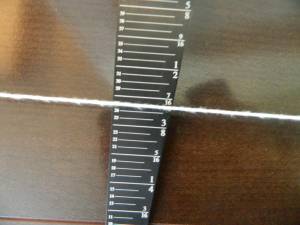
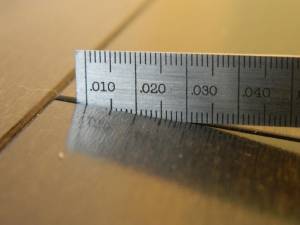
Measure gaps

Sierra Exif JPEG

Fastener locks floating floor in place

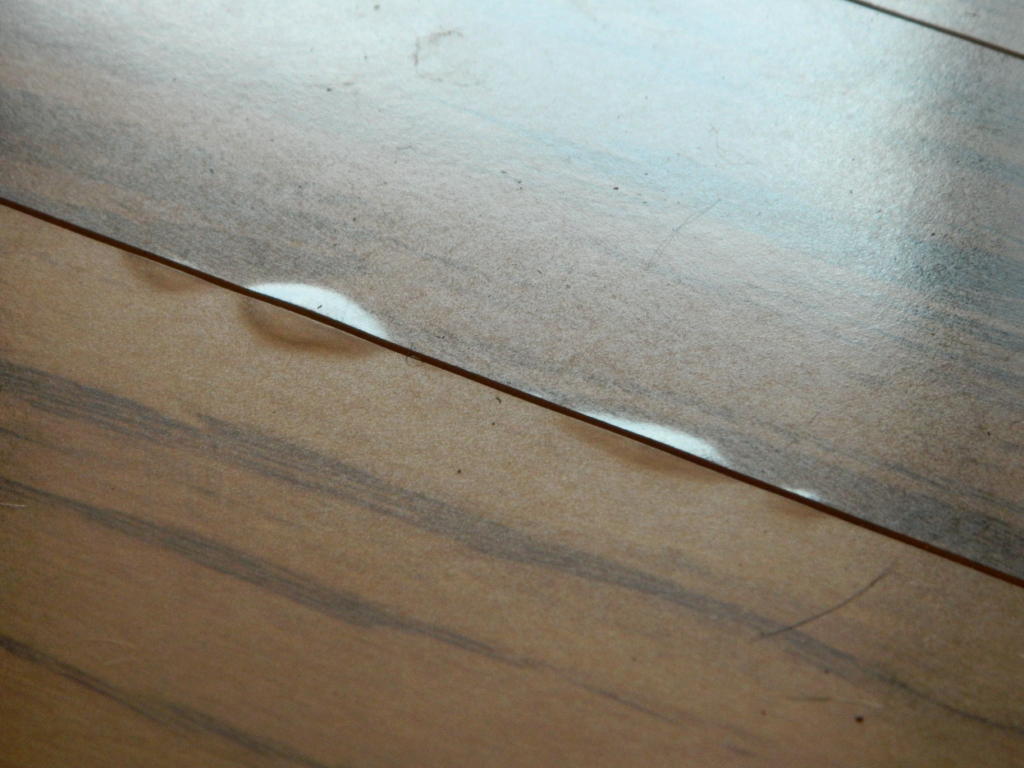
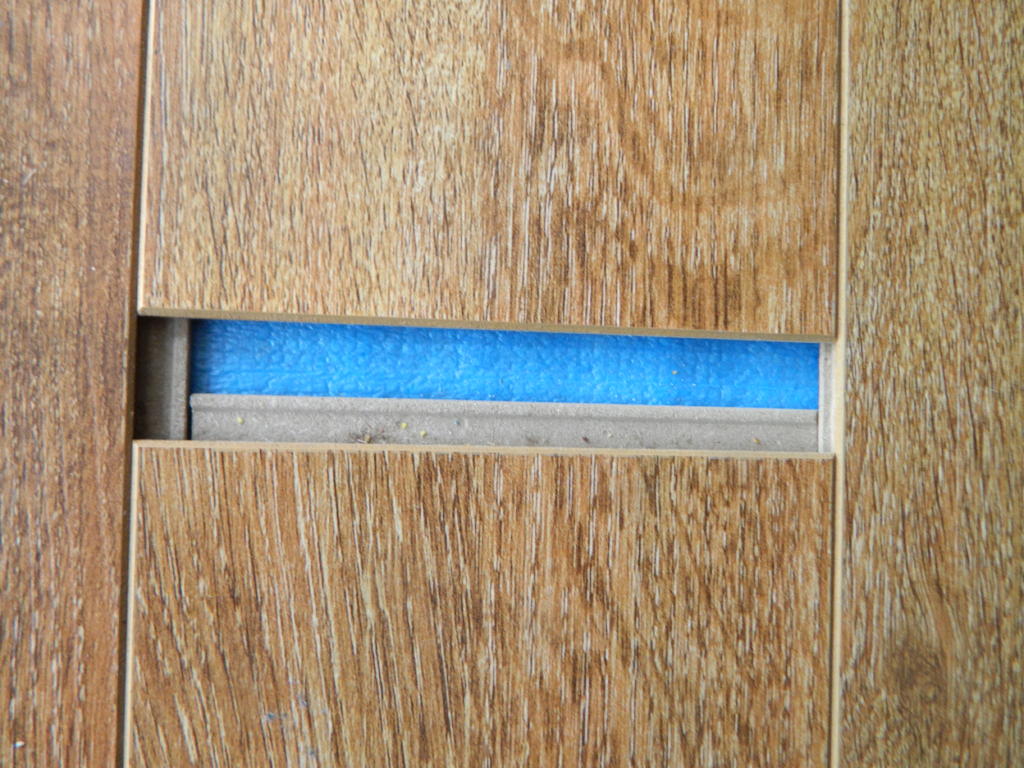
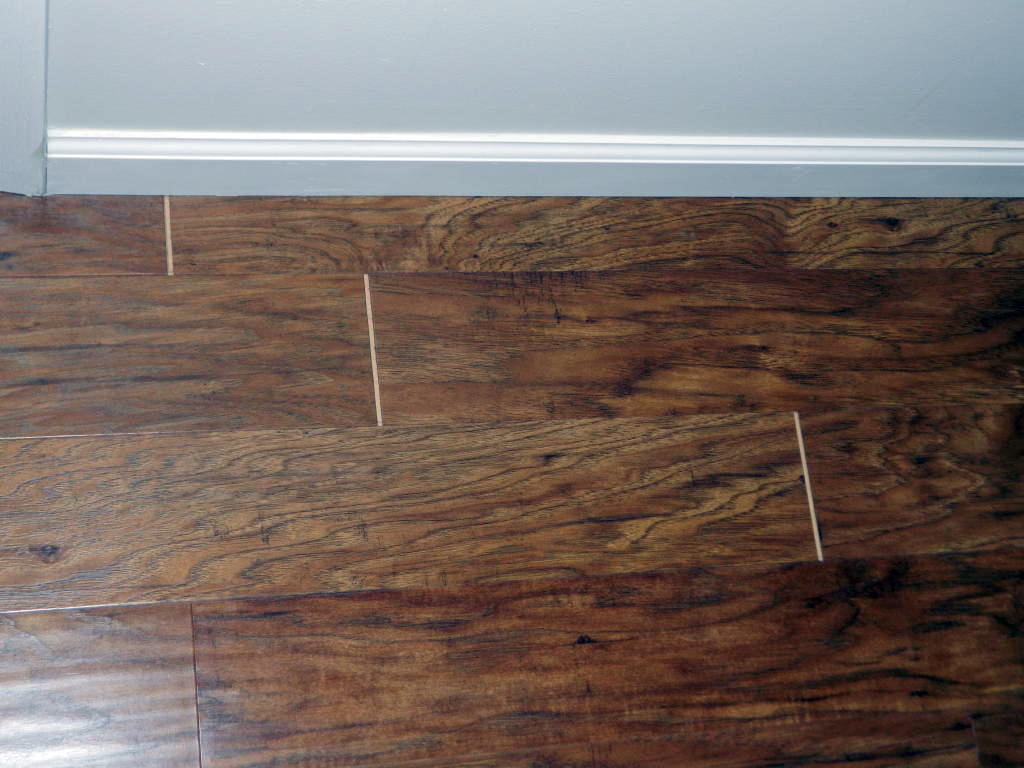
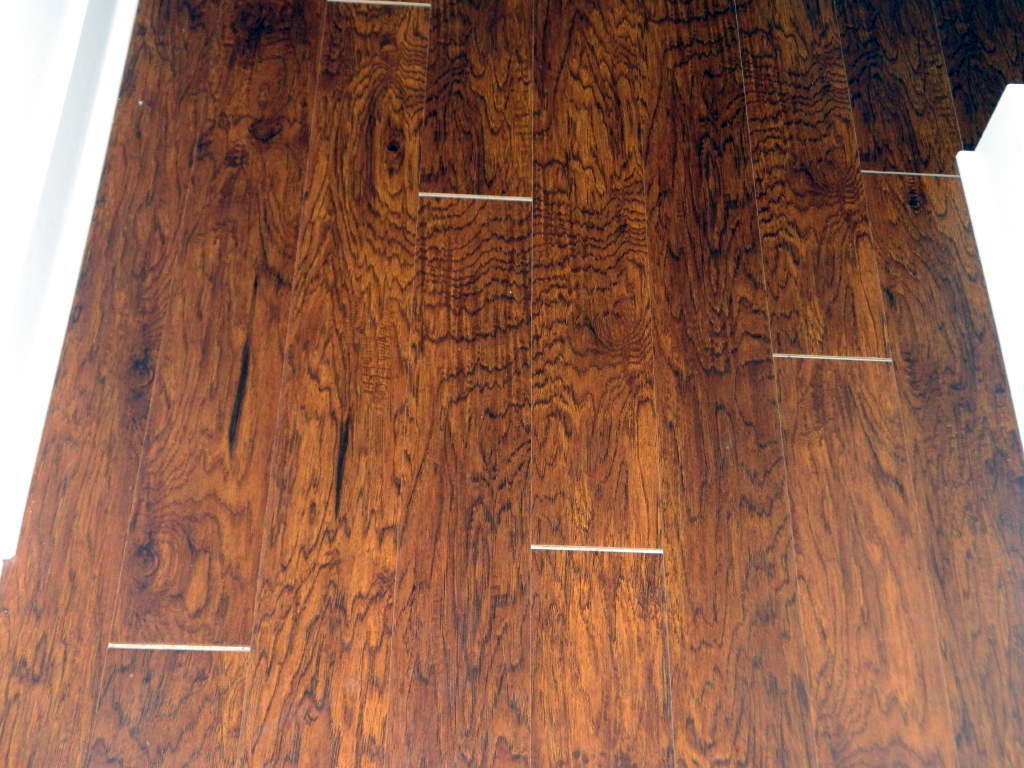
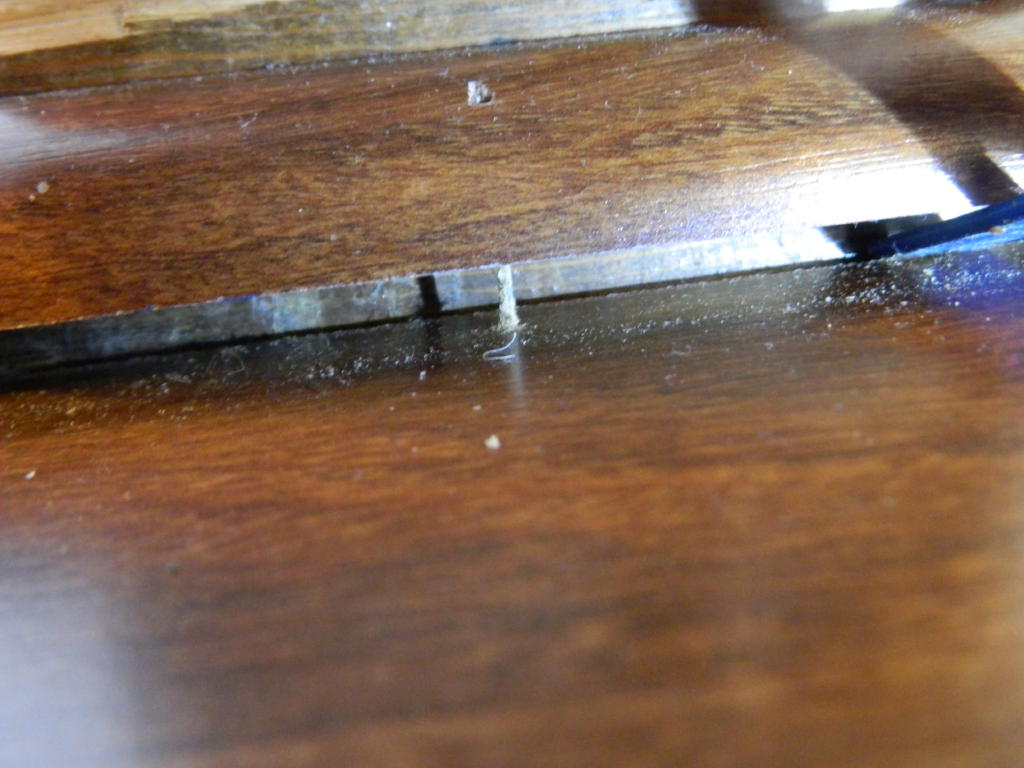
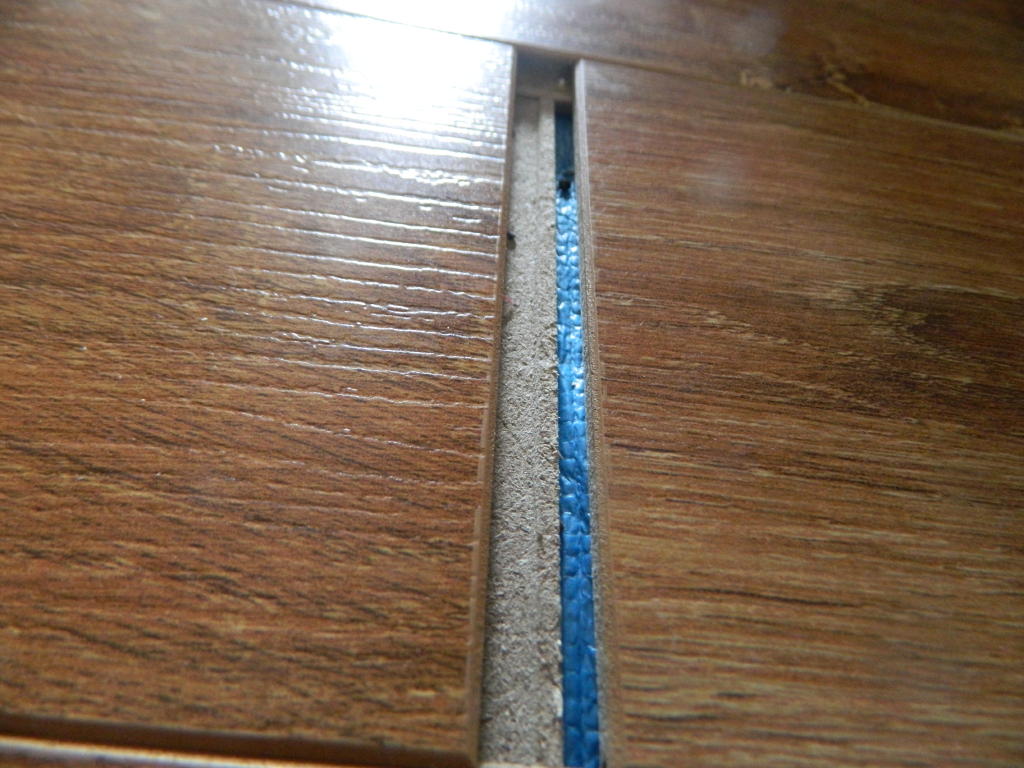
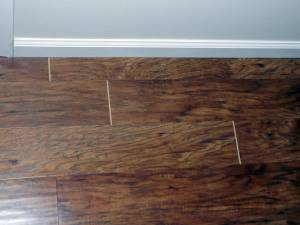
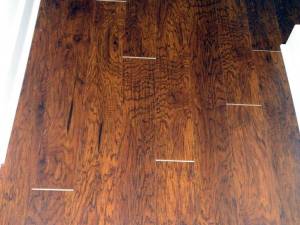
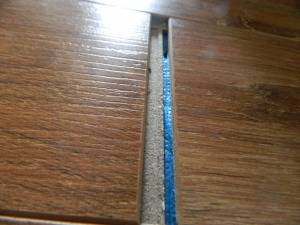
Laminate flooring showing visible end-joint and long-side gaps caused by locking separation and dimensional movement.

Gaps

Laminate - Squeaking - Popping noise 334 (2)

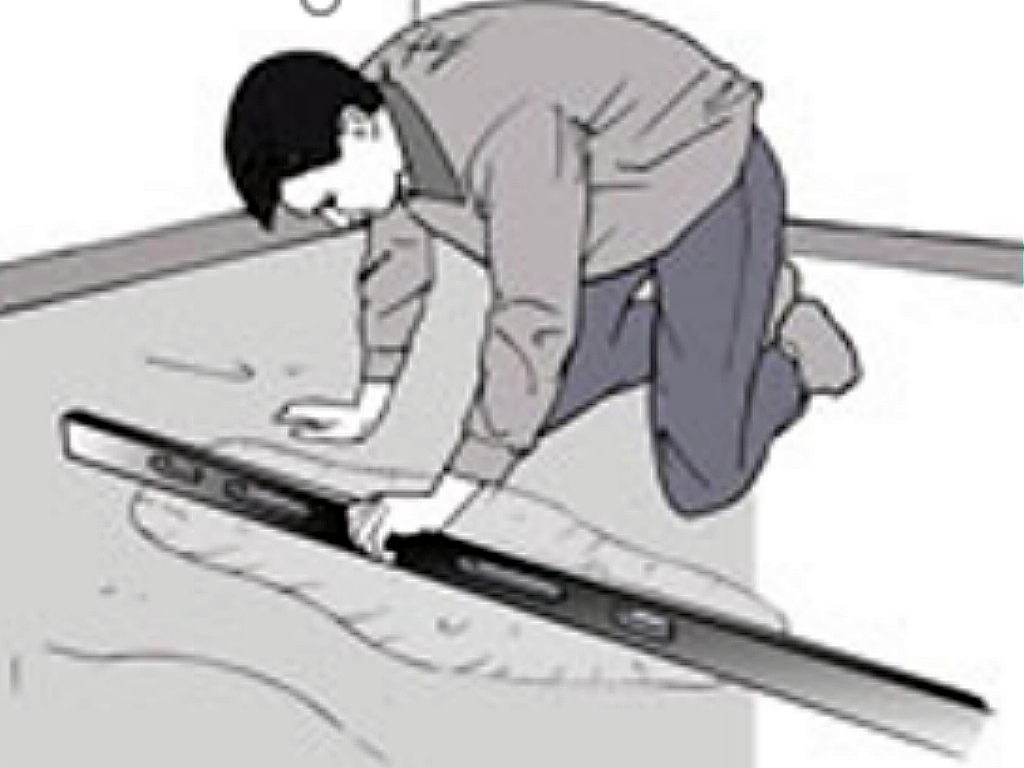
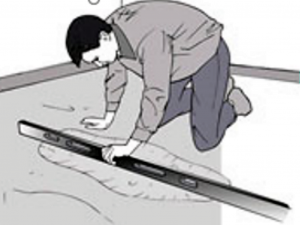
Flatness issues

LVP over Carpet (2)

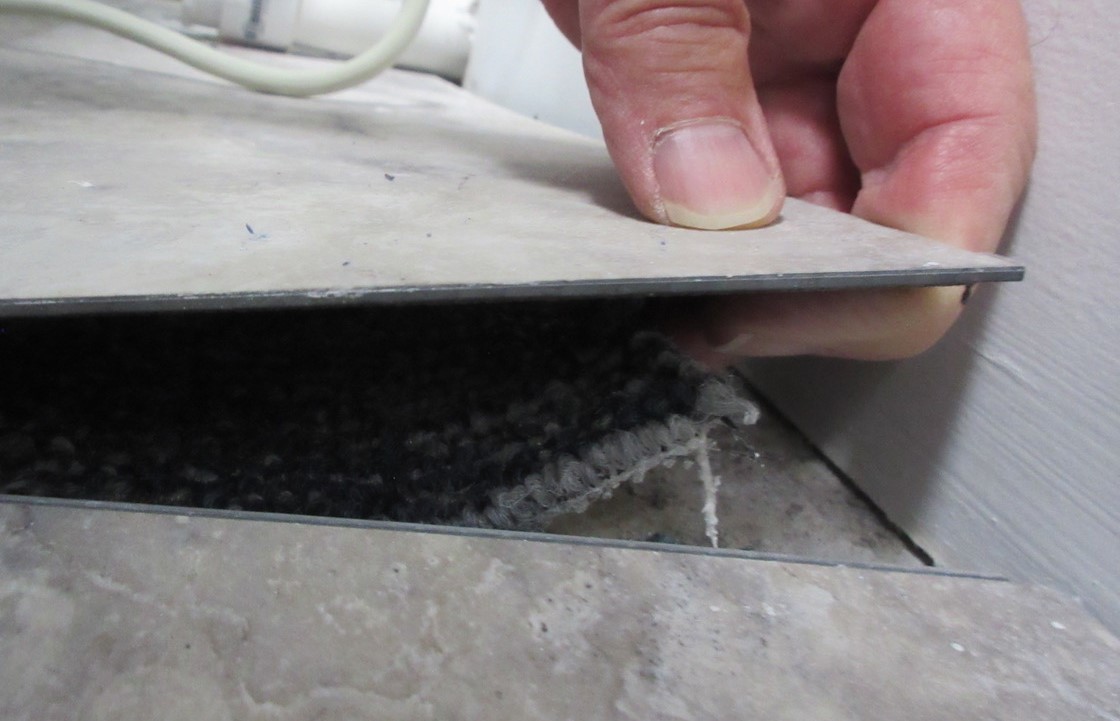
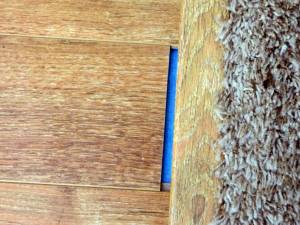
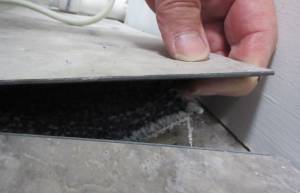
LVP Installed over Carpet

Sierra Exif JPEG Laminate floating floor installation showing expansion space, underlayment support, and locking-profile system interaction. Sierra Exif JPEG Sierra Exif JPEG Sierra Exif JPEG Sierra Exif JPEG Sierra Exif JPEG Sierra Exif JPEG Sierra Exif JPEG Sierra Exif JPEG Laminate flooring showing visible end-joint and long-side gaps caused by locking separation and dimensional movement. Laminate - Squeaking - Popping noise 334 (2) LVP over Carpet (2)

Gaps (Laminate Flooring)

Floor Detective® Claims and Conditions Guide

Summary

Gaps in laminate flooring are visible separations occurring at plank locking joints along end joints, long sides, or both. Laminate flooring is a floating system designed to expand and contract in response to temperature and relative humidity changes, and joint engagement depends on balanced movement throughout the floor assembly. When dimensional contraction, vertical deflection, movement restriction, locking-profile fatigue, or support irregularity reduces mechanical engagement, visible separation may develop. End joints are generally more sensitive because they have shorter engagement depth and greater flex response than long-side connections. Gaps may fluctuate seasonally depending on interior environmental conditions and overall flooring-system stress. The presence of gaps alone does not independently establish manufacturing nonconformance. Proper interpretation requires correlation of distribution pattern, environmental exposure, span configuration, support conditions, expansion allowance, and locking integrity before conclusions are reached. See also Expansion Restriction / Pinning, Noise and Deflection, and Laminate Problems for broader context.
Please subscribe to see all content

Laminate Problems

Laminate floor problems often develop from moisture exposure, floating-floor restraint, subfloor irregularities, or locking-system stress.
Read More
Laminate Problems

Underlayment Compression / Support Loss (Laminate)
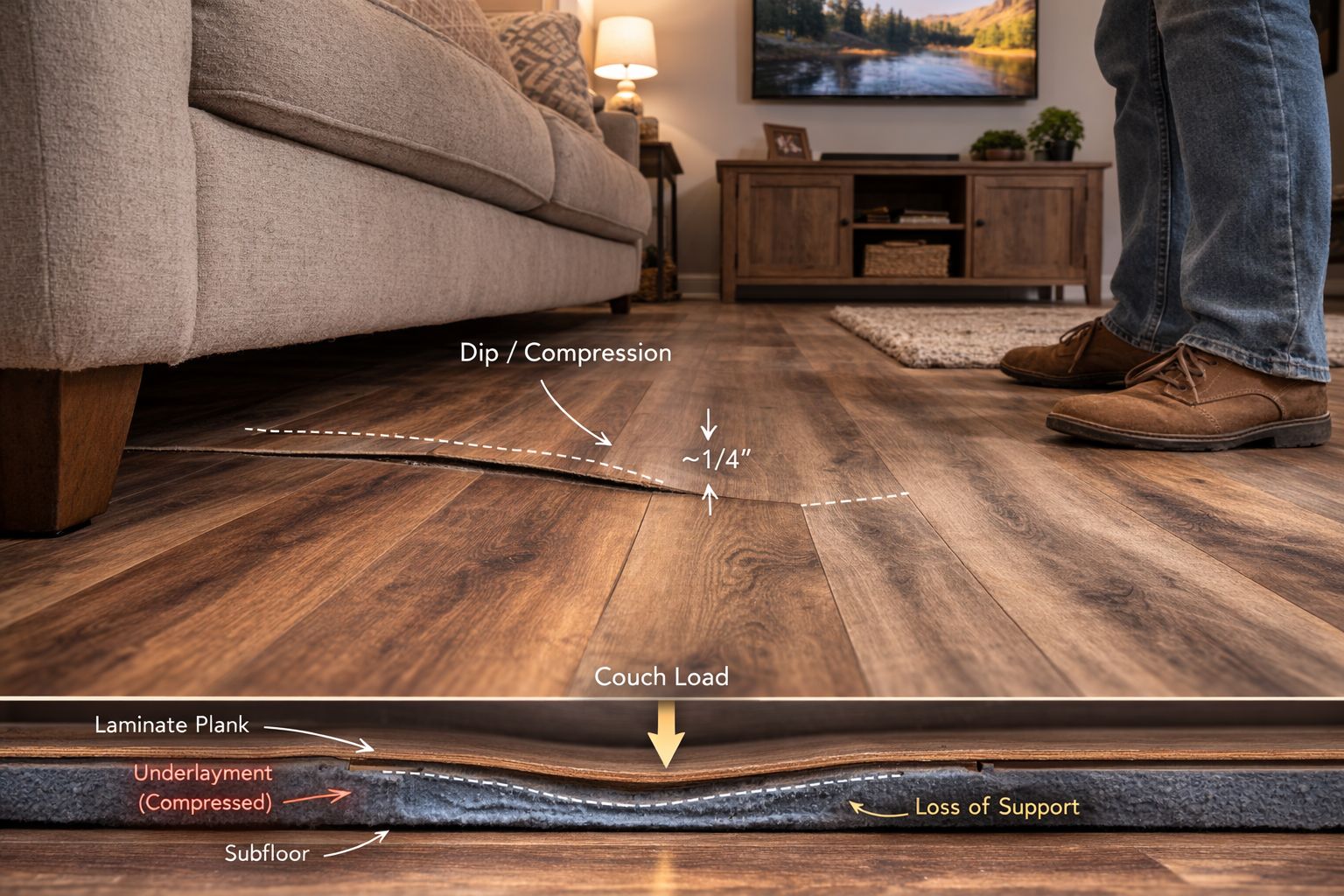
Underlayment Compression / Support Loss (Laminate) Floor Detective® Claims and Conditions Guide Summary Underlayment compression, also referred to as support...
Read More
Underlayment Compression / Support Loss (Laminate)

Static Electricity Generation (Laminate)

Static Electricity Generation (Laminate) Floor Detective® Claims and Conditions Guide Summary Static electricity generation in laminate flooring is an environmental...
Read More
Static Electricity Generation (Laminate)

Pattern Repeat / Visual Repetition (Laminate Flooring)
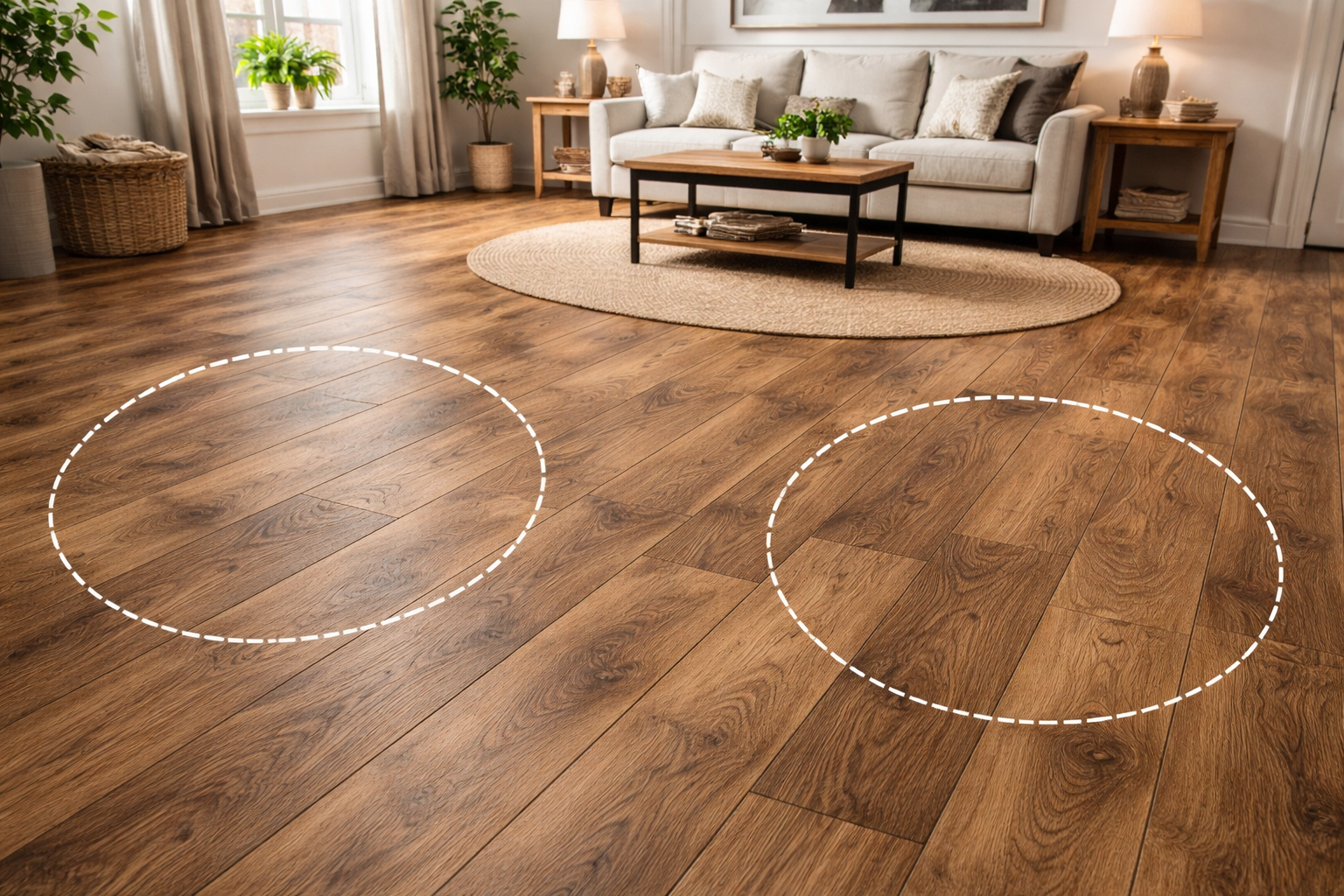
Laminate decorative pattern repeat occurs when identical printed plank visuals recur within the installation due to the product’s finite design...
Read More
Pattern Repeat / Visual Repetition (Laminate Flooring)

Color Lot Variation (Laminate)
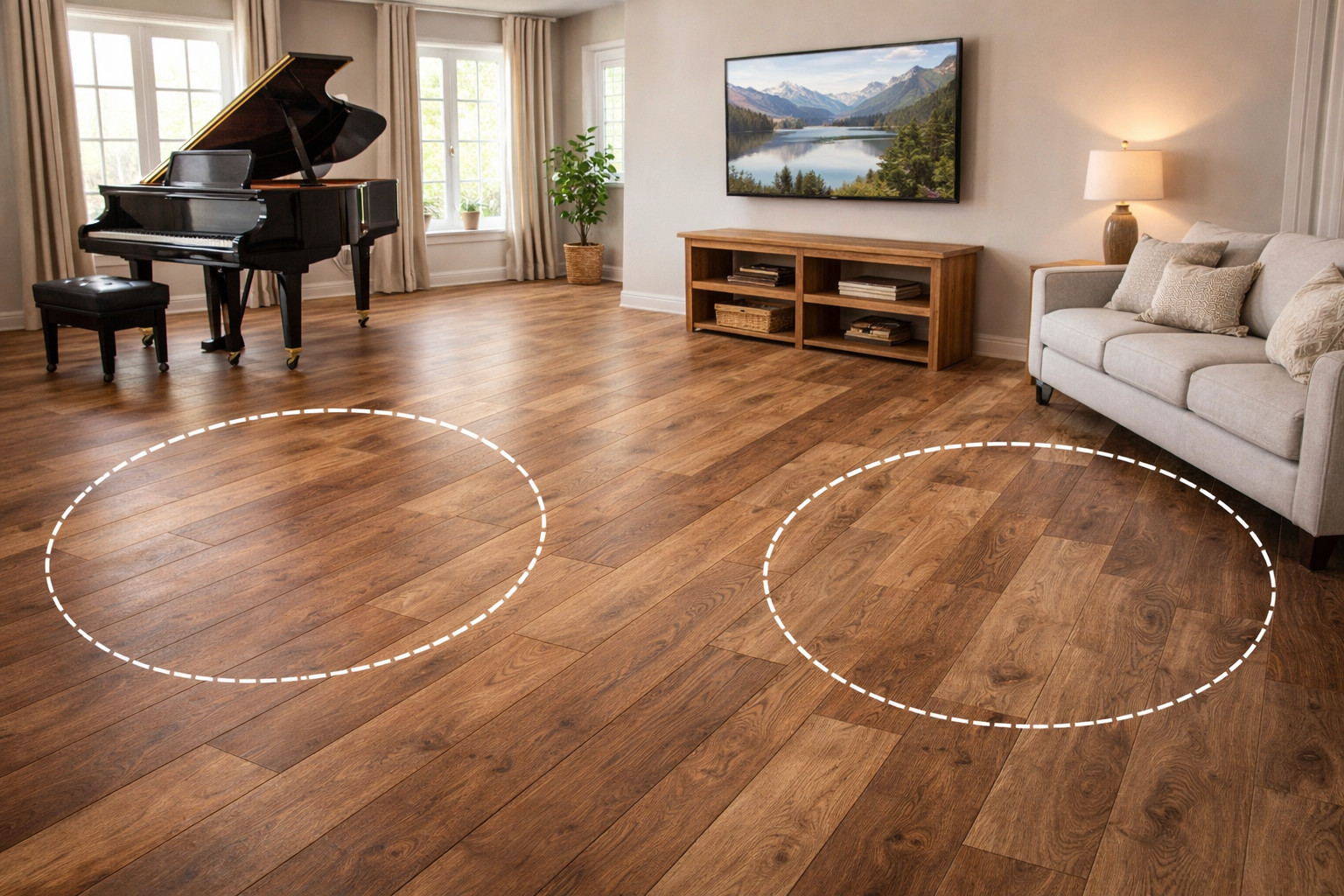
Laminate color lot variation involves visible shade or tonal differences between production runs, often influenced by lighting, blending practices, and...
Read More
Color Lot Variation (Laminate)

Locking Edge Crushing / Over-Tapping Damage (Laminate)
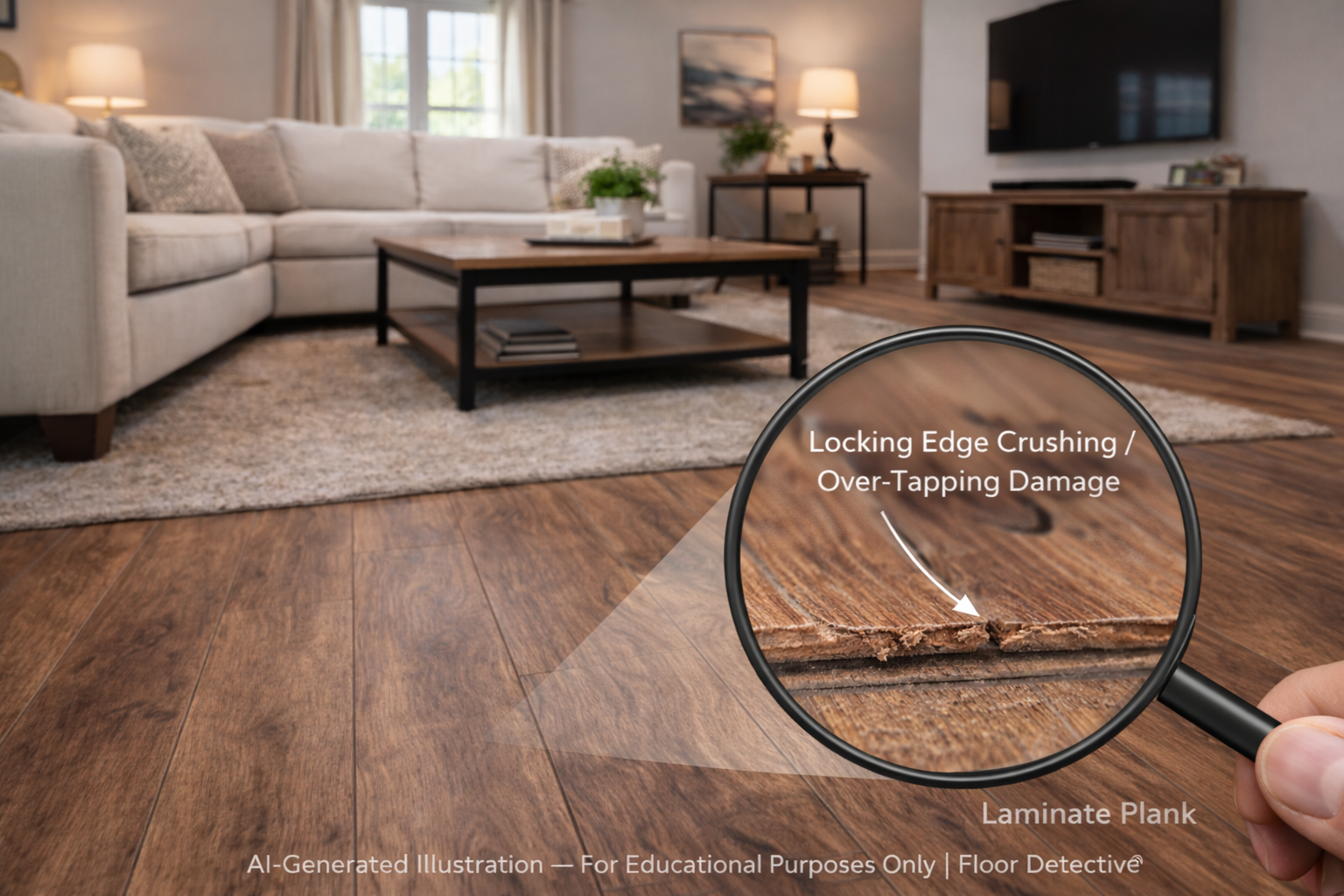
Locking Edge Crushing / Over-Tapping Damage (Laminate) Floor Detective® Claims and Conditions Guide Summary Locking edge crushing, commonly associated with...
Read More
Locking Edge Crushing / Over-Tapping Damage (Laminate)

Edge Swell From Environmental Humidity (Laminate)
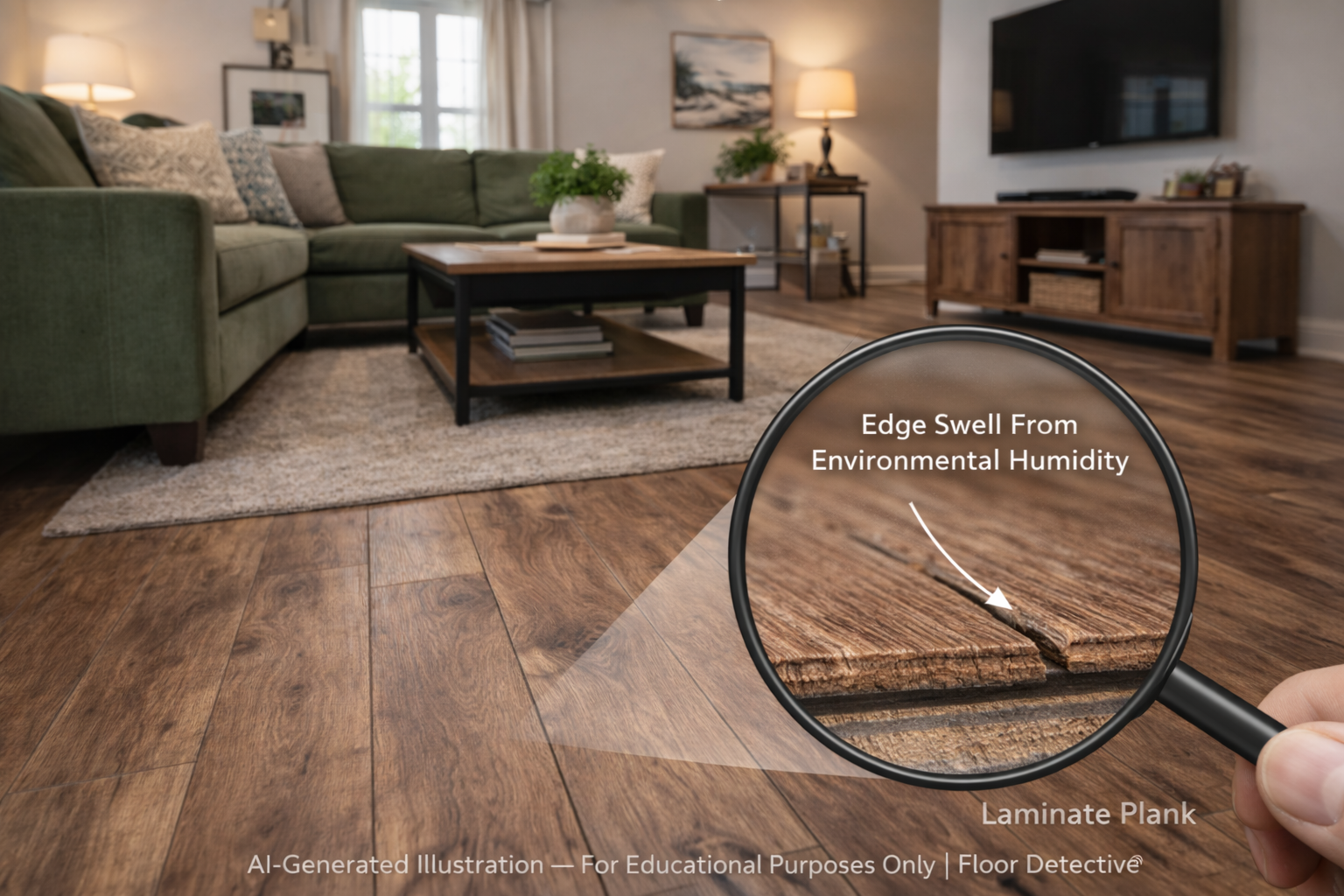
Laminate edge swell from environmental humidity involves raised or distorted plank edges caused by sustained elevated interior humidity exposure.
Read More
Edge Swell From Environmental Humidity (Laminate)

Surface Whitening from Topical Moisture Entrapment
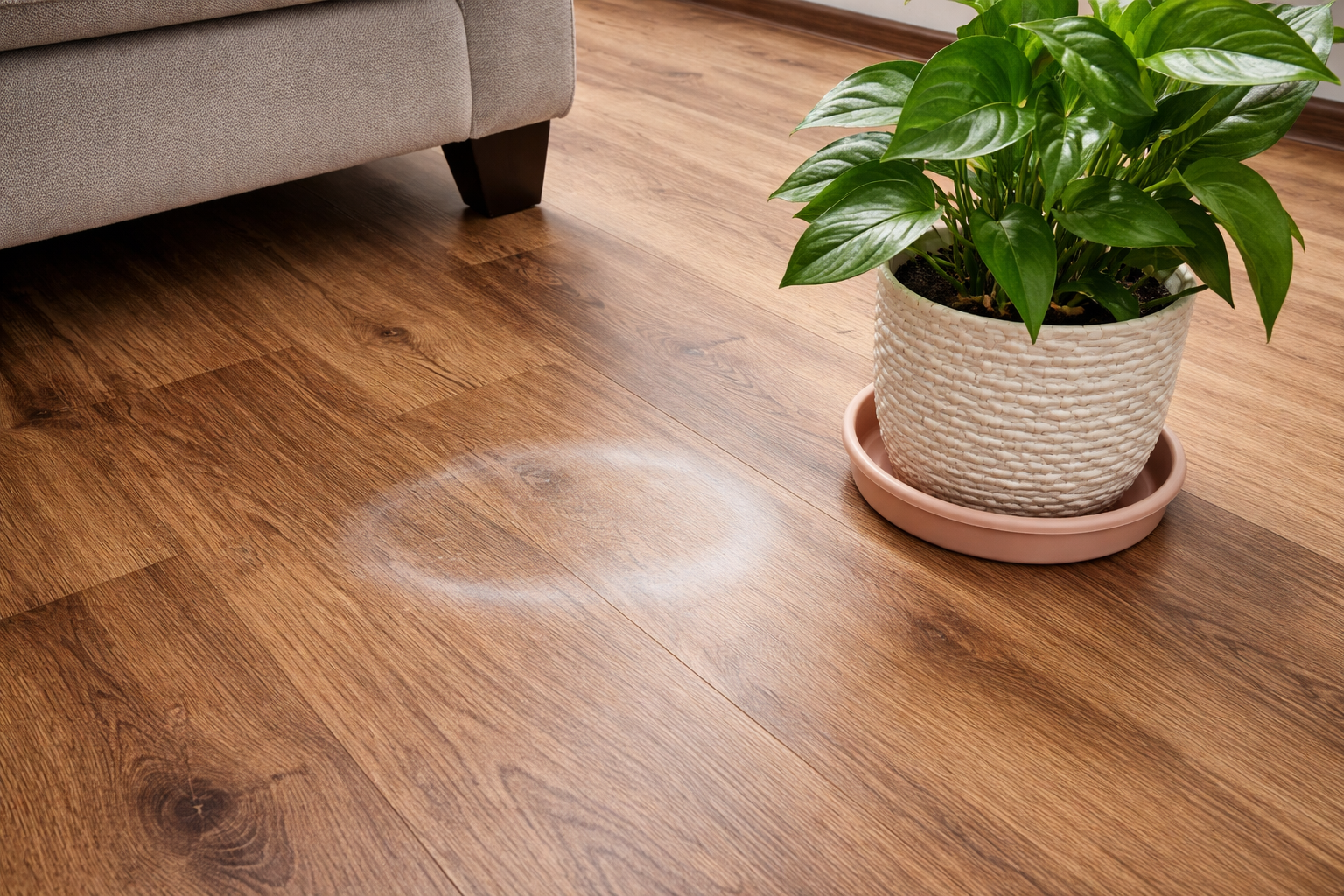
Laminate flooring surface whitening is a localized hazy or cloudy appearance caused by topical moisture entrapment and restricted evaporation.
Read More
Surface Whitening from Topical Moisture Entrapment

Hollow Sound / Acoustic Resonance (Laminate)coincidence whipping melt
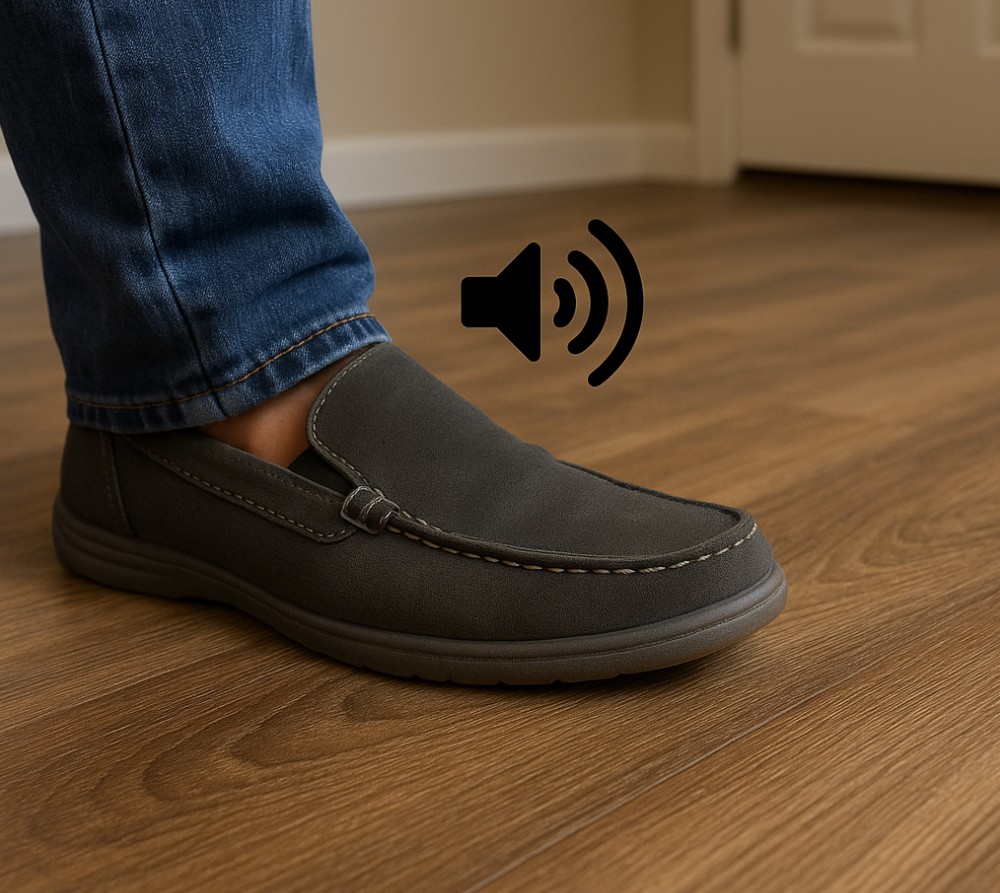
Laminate flooring hollow sound is an acoustic resonance condition commonly associated with floating-floor construction and support interaction.
Read More
Hollow Sound / Acoustic Resonance (Laminate)coincidence whipping melt

Vertical Movement / Deflection (Laminate
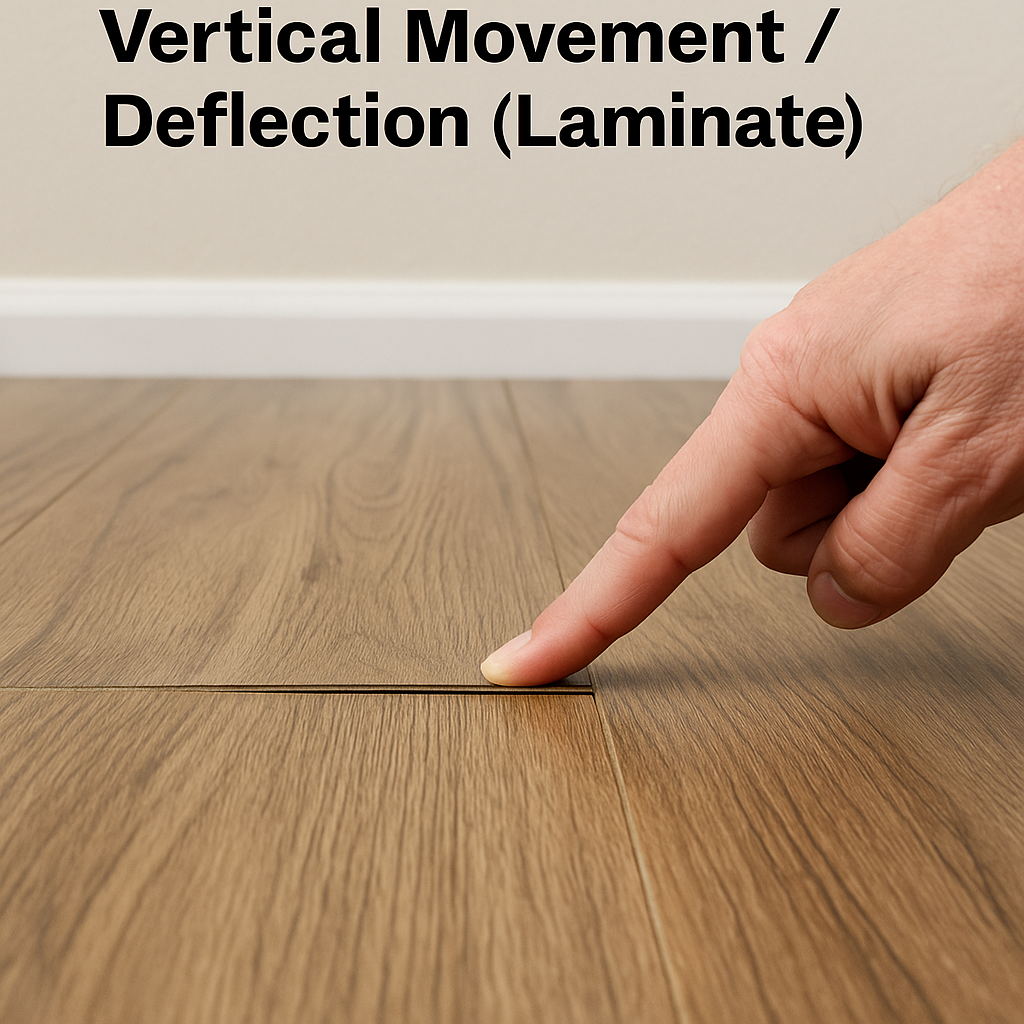
Vertical Movement / Deflection (Laminate) Floor Detective® Claims and Conditions Guide Summary Vertical movement, also referred to as deflection, occurs...
Read More
Vertical Movement / Deflection (Laminate