Construction Dust Contamination
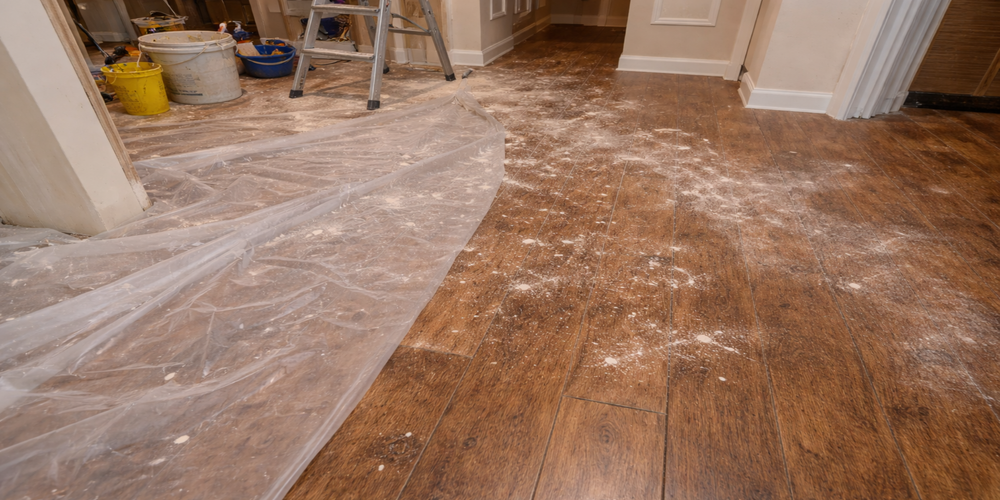
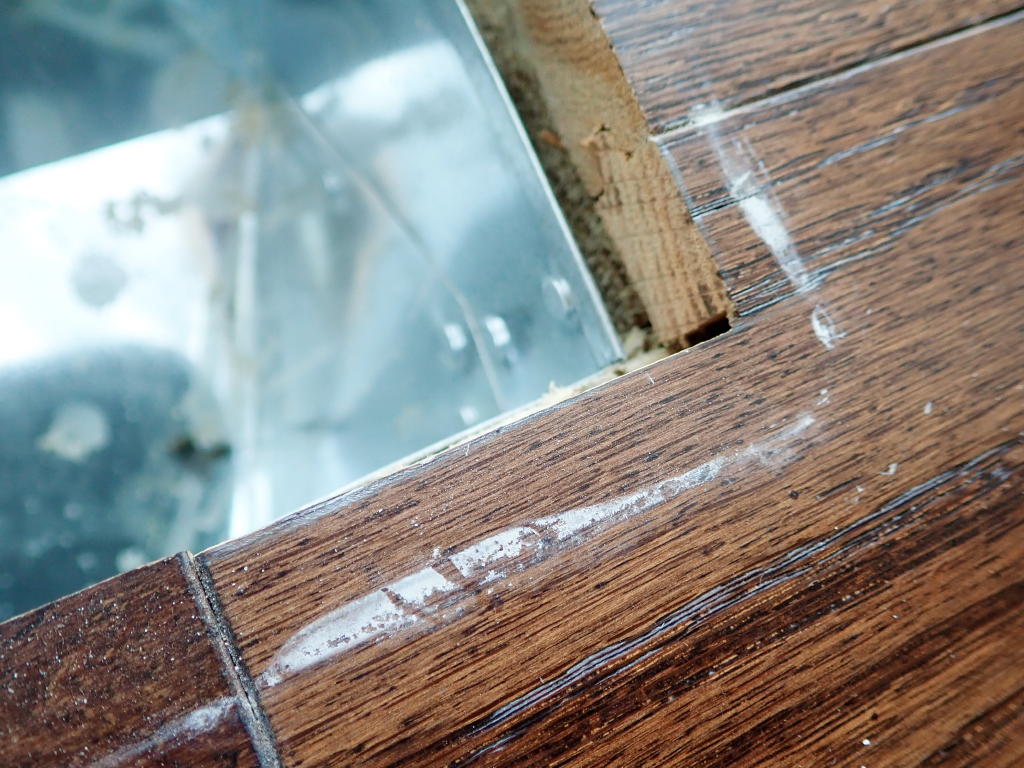
Construction Dust Contamination (Laminate Flooring)
Floor Detective® Claims and Conditions Guide
Summary
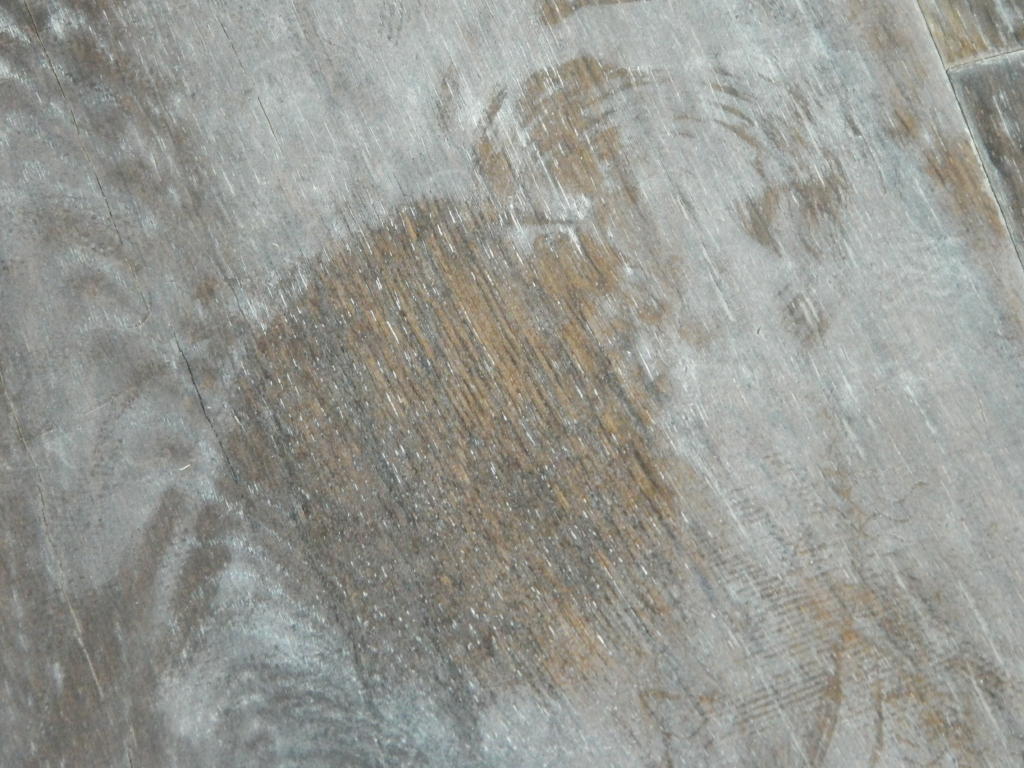
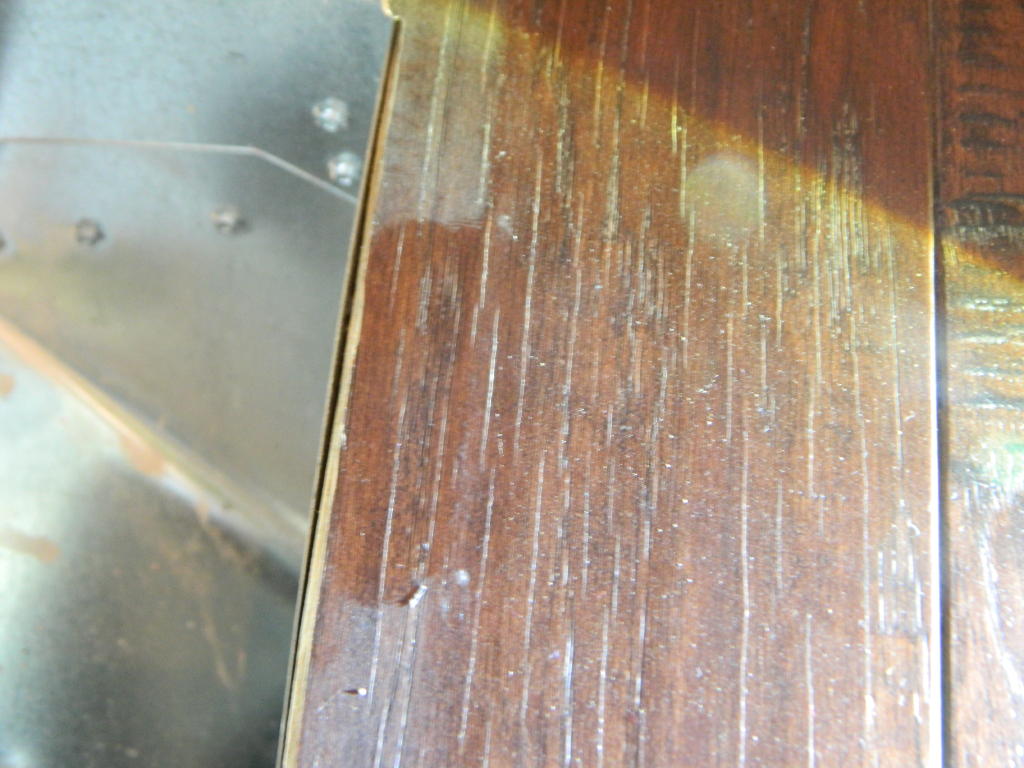
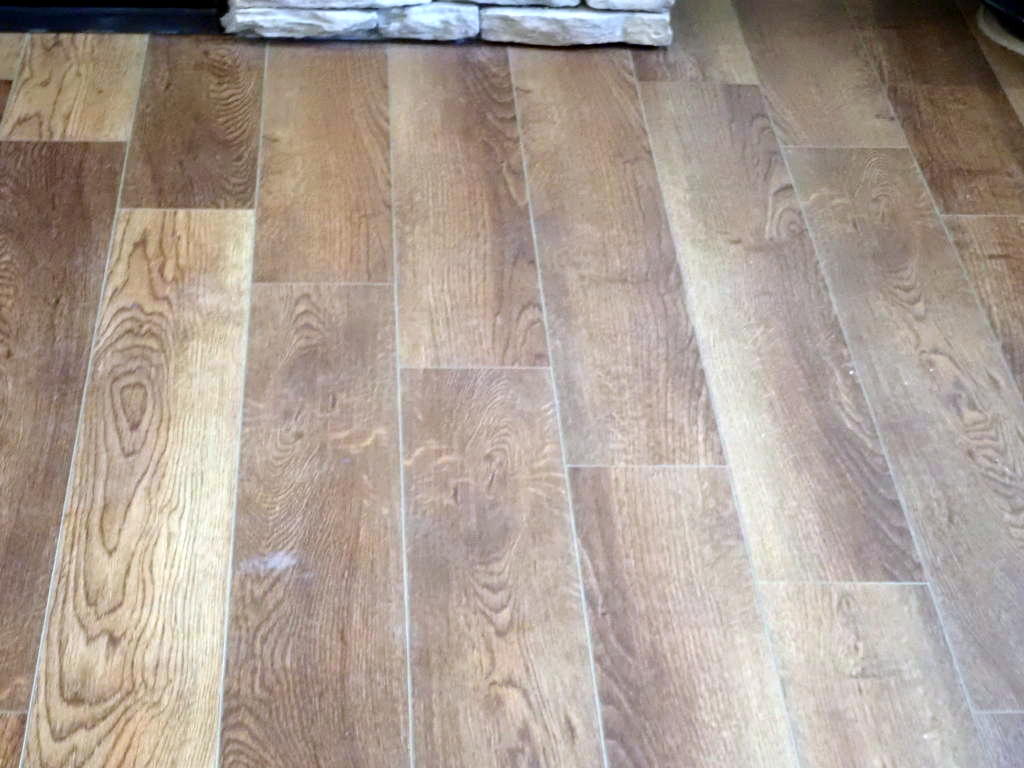
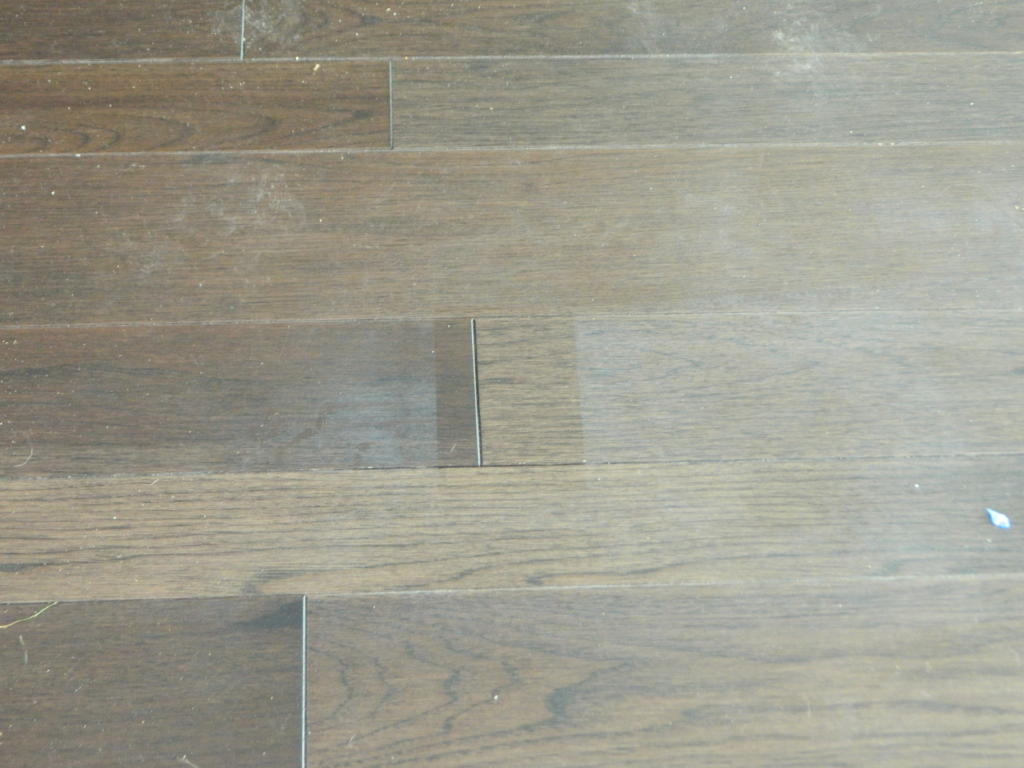
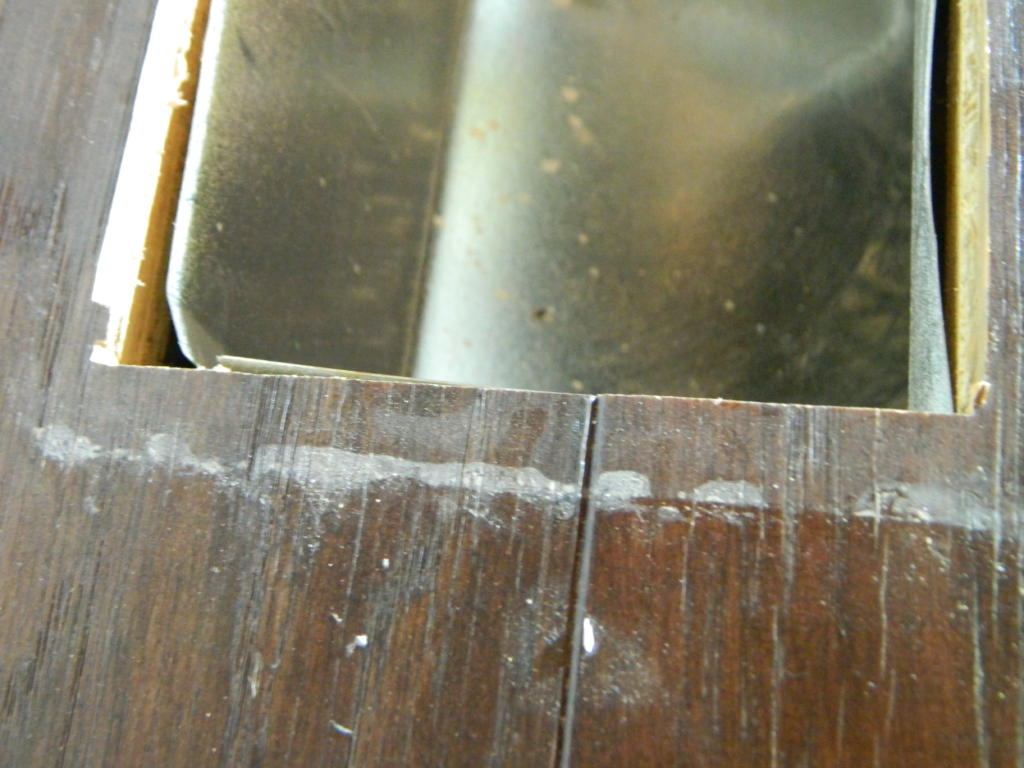
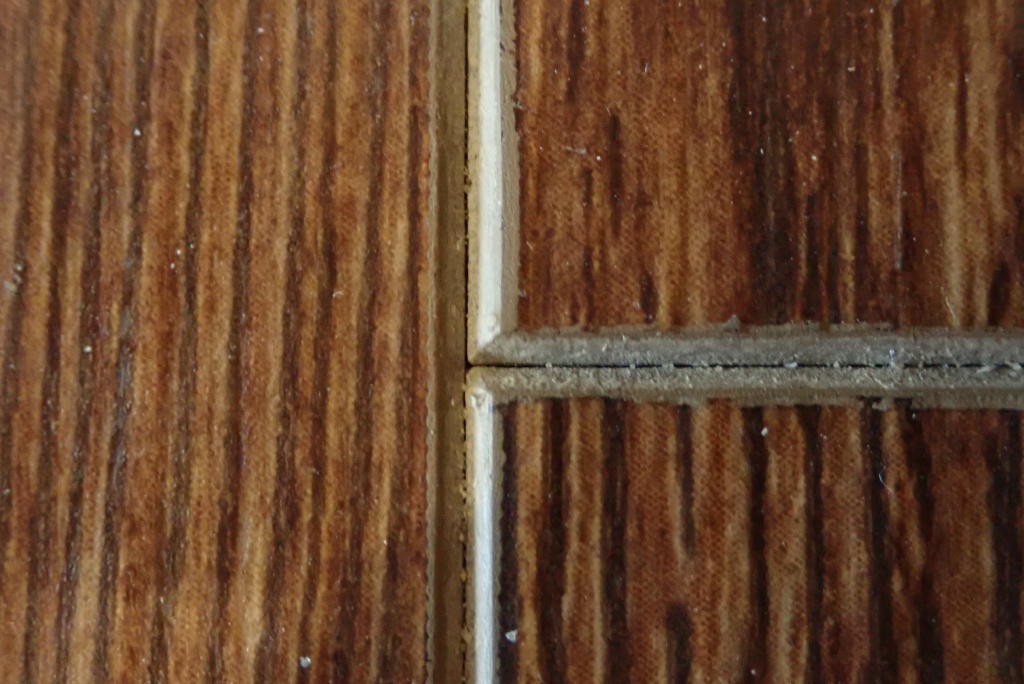
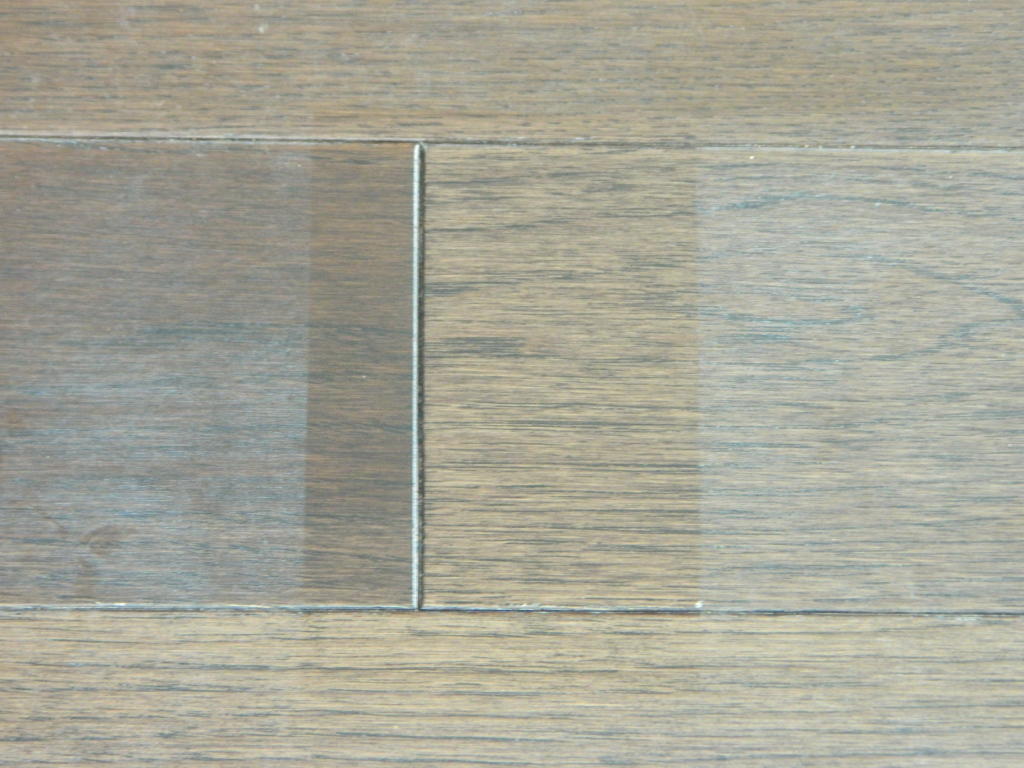
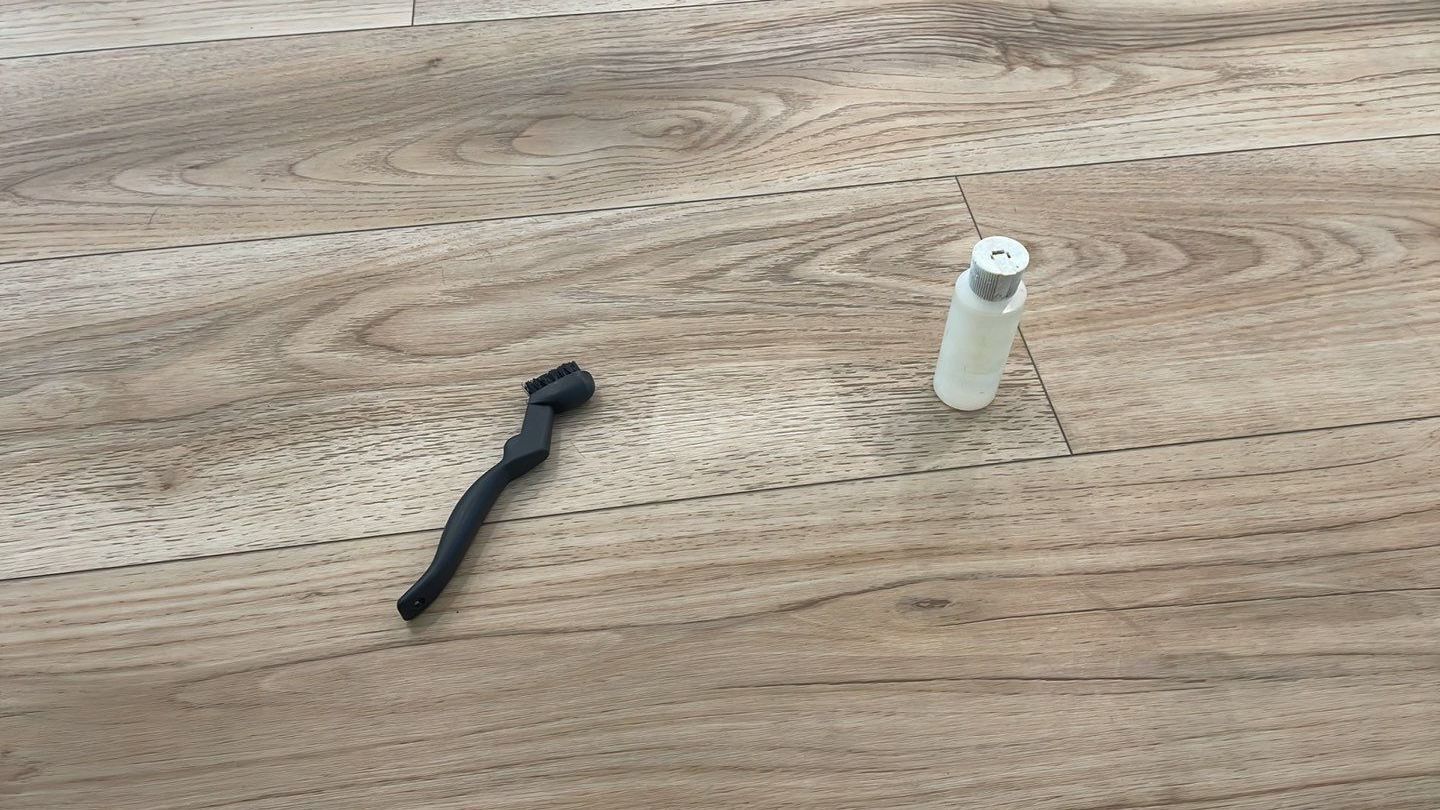
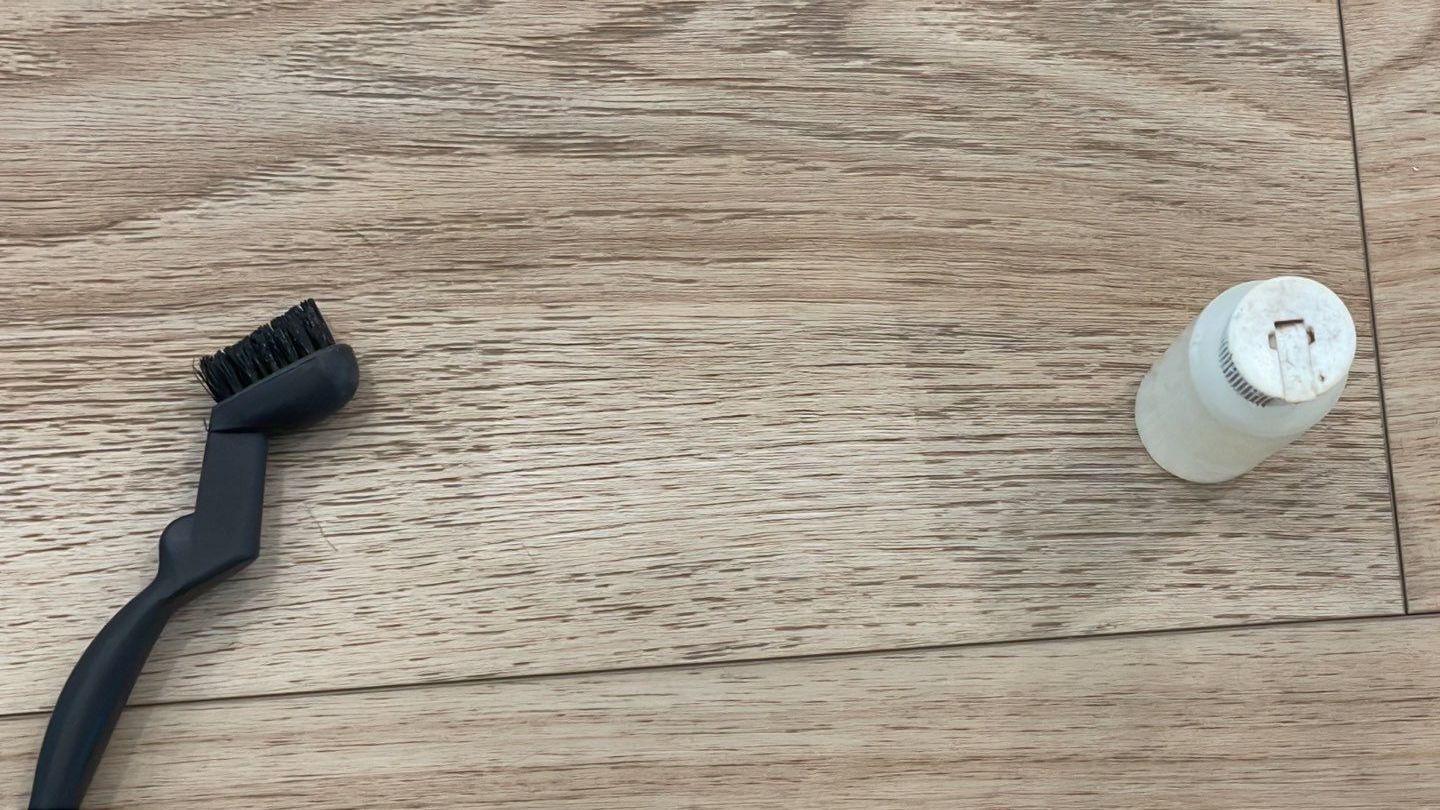
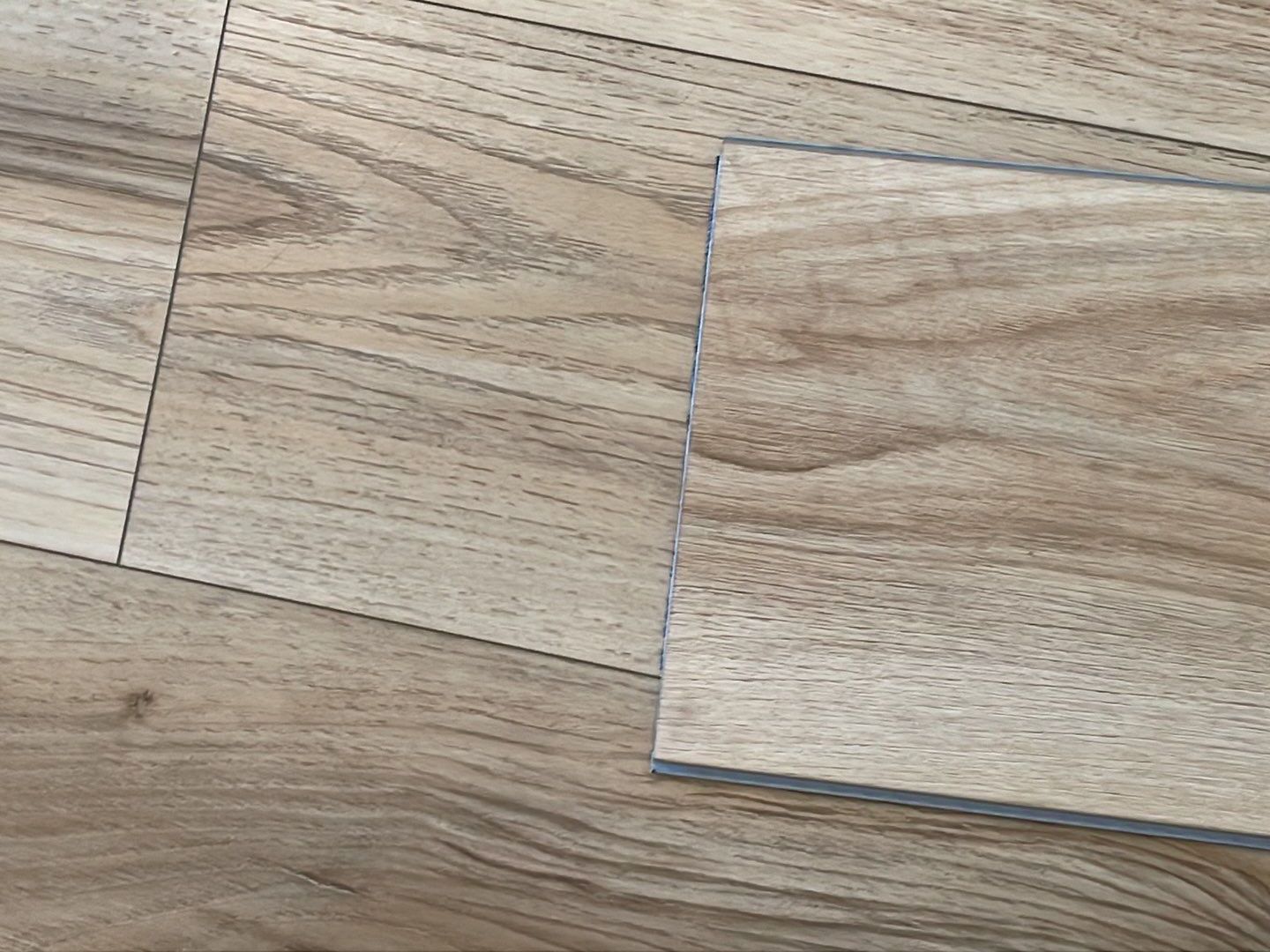
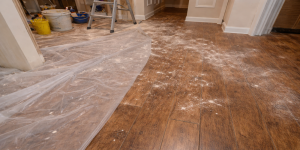
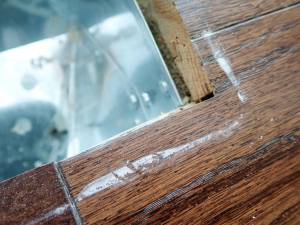
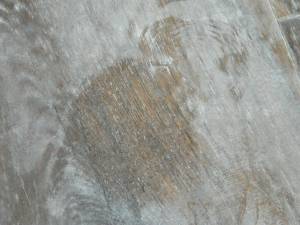
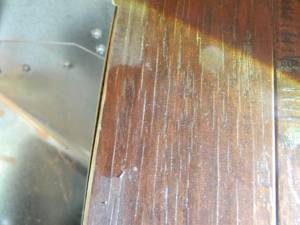
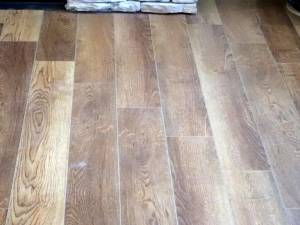
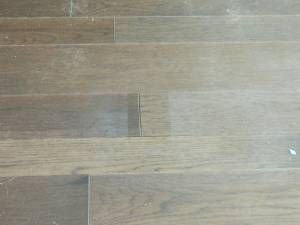
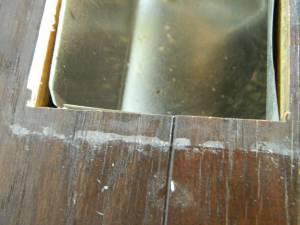
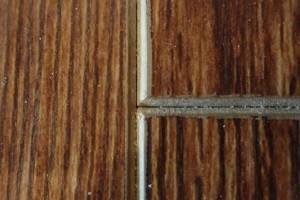
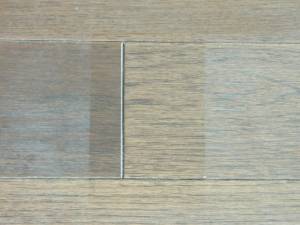
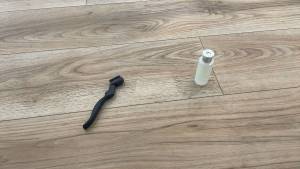
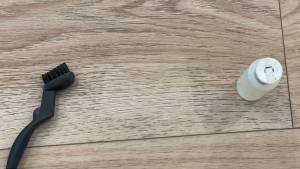
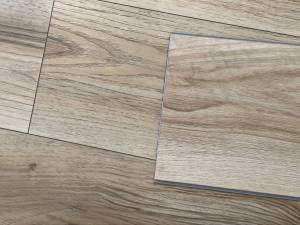
Construction dust contamination in laminate flooring is an appearance-related condition in which foreign particulate matter settles into textured grain, embossing, beveled edges, or low-sheen surface textures during or after installation. Fine drywall dust, sanding debris, paint overspray, concrete dust, or airborne construction material may accumulate within recessed surface features and become increasingly visible after cleaning or normal occupancy. When combined with moisture from wet cleaning or environmental exposure, fine particulate may harden and bond within the surface texture, creating a light, chalk-like, hazy, or muted appearance. Darker visuals and heavily textured laminate surfaces commonly increase visibility of embedded residue. The condition commonly develops from jobsite exposure during active construction or remodeling rather than from the laminate wear layer, decorative layer, or core construction itself. Proper classification requires distinguishing foreign-material contamination from finish damage, inherent texture variation, or decorative visual characteristics. See also Discolorations, Finish Damage, and Laminate Problems for broader context.
Laminate Problems
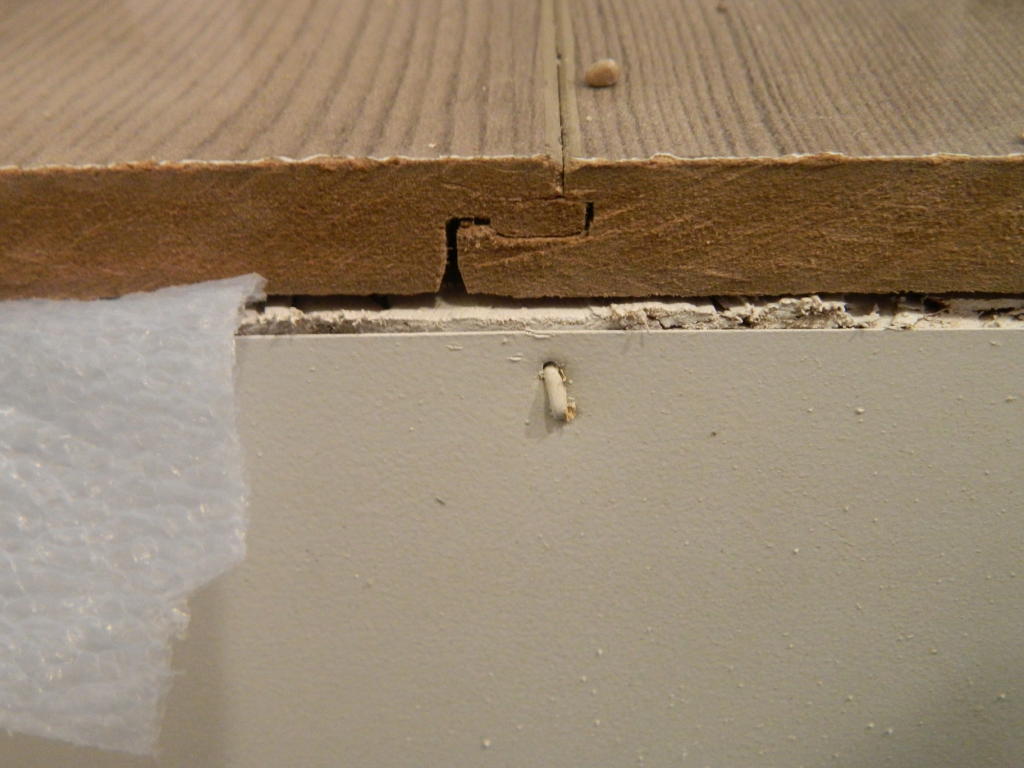
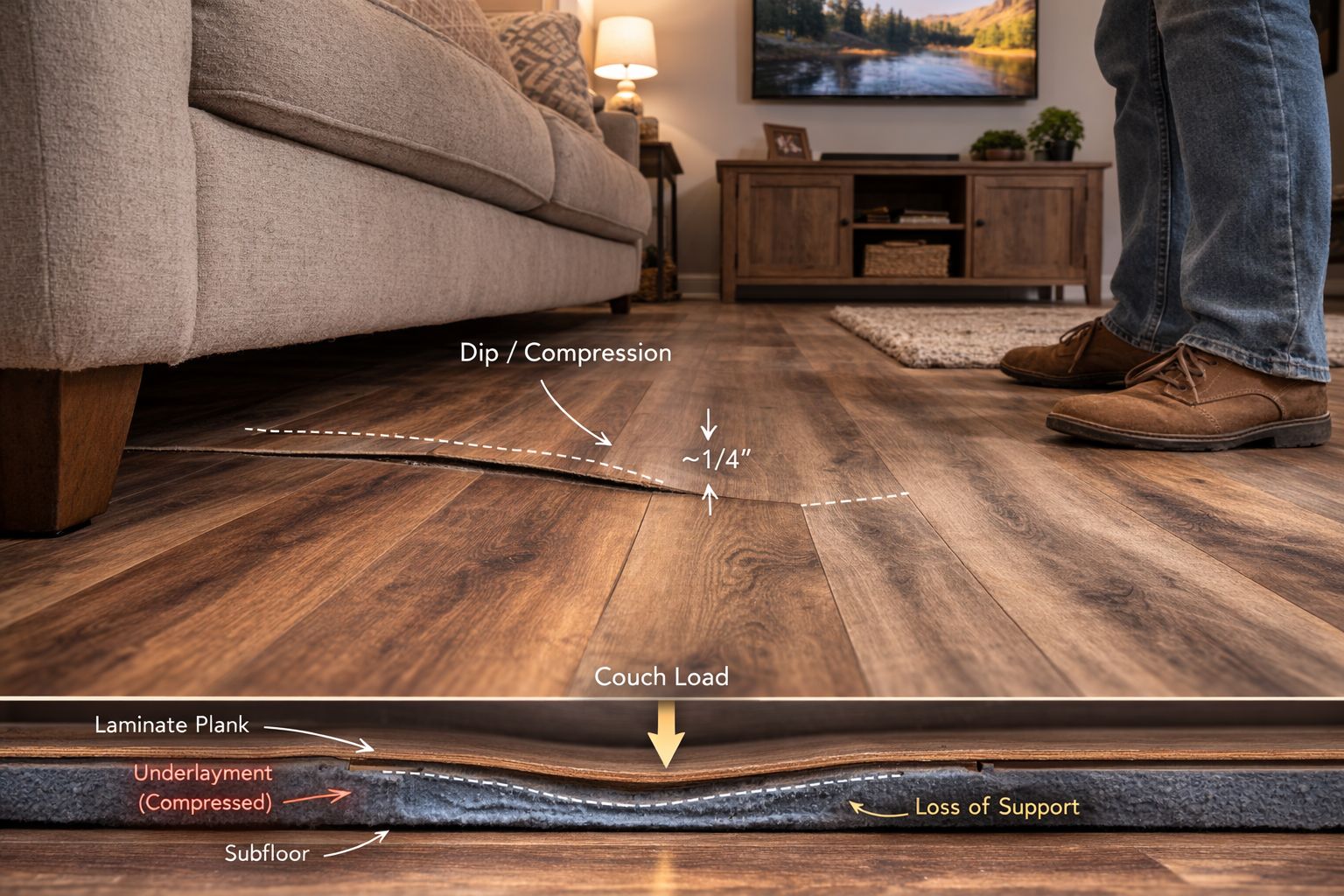
Underlayment Compression / Support Loss (Laminate)
Static Electricity Generation (Laminate)

Pattern Repeat / Visual Repetition (Laminate Flooring)
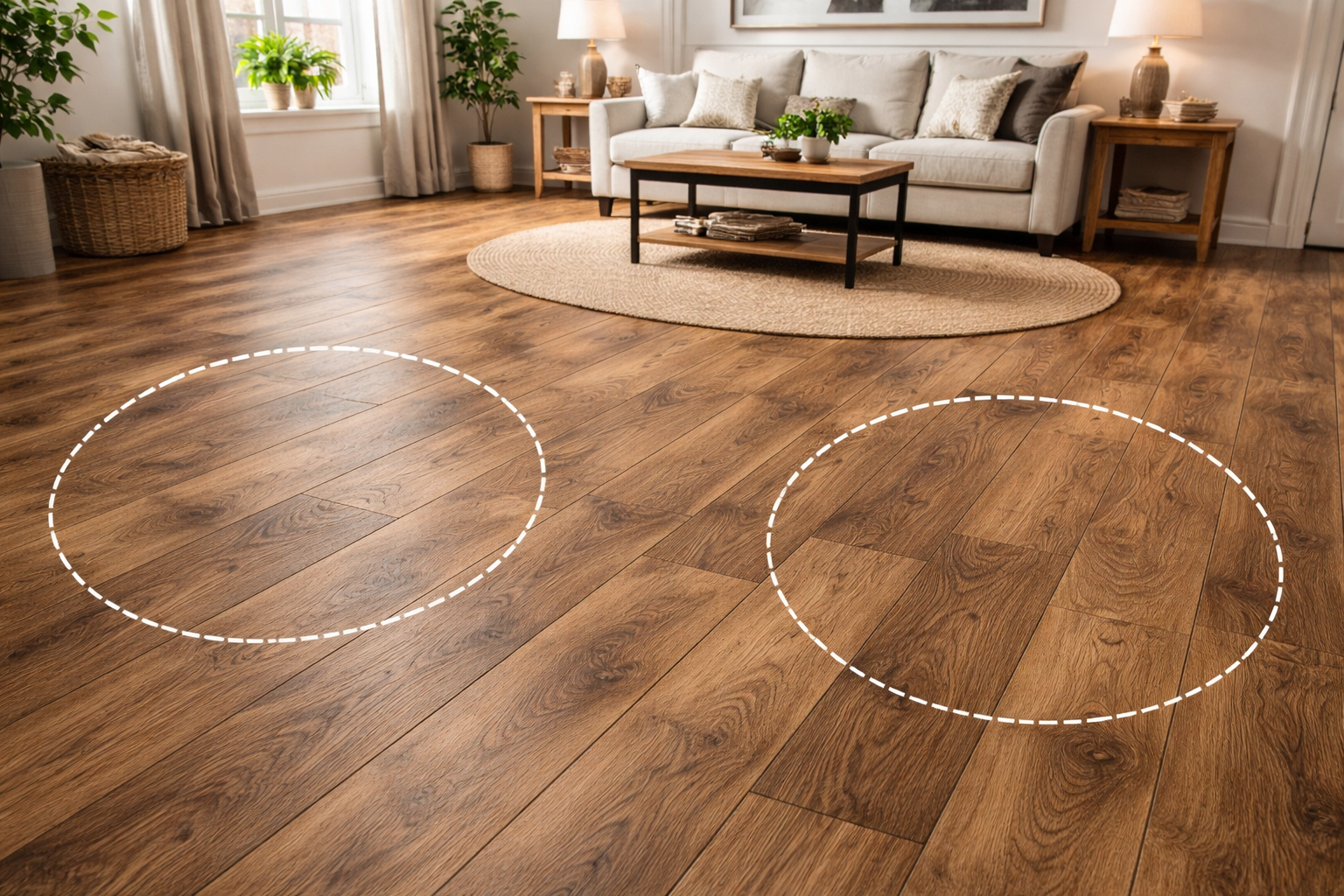
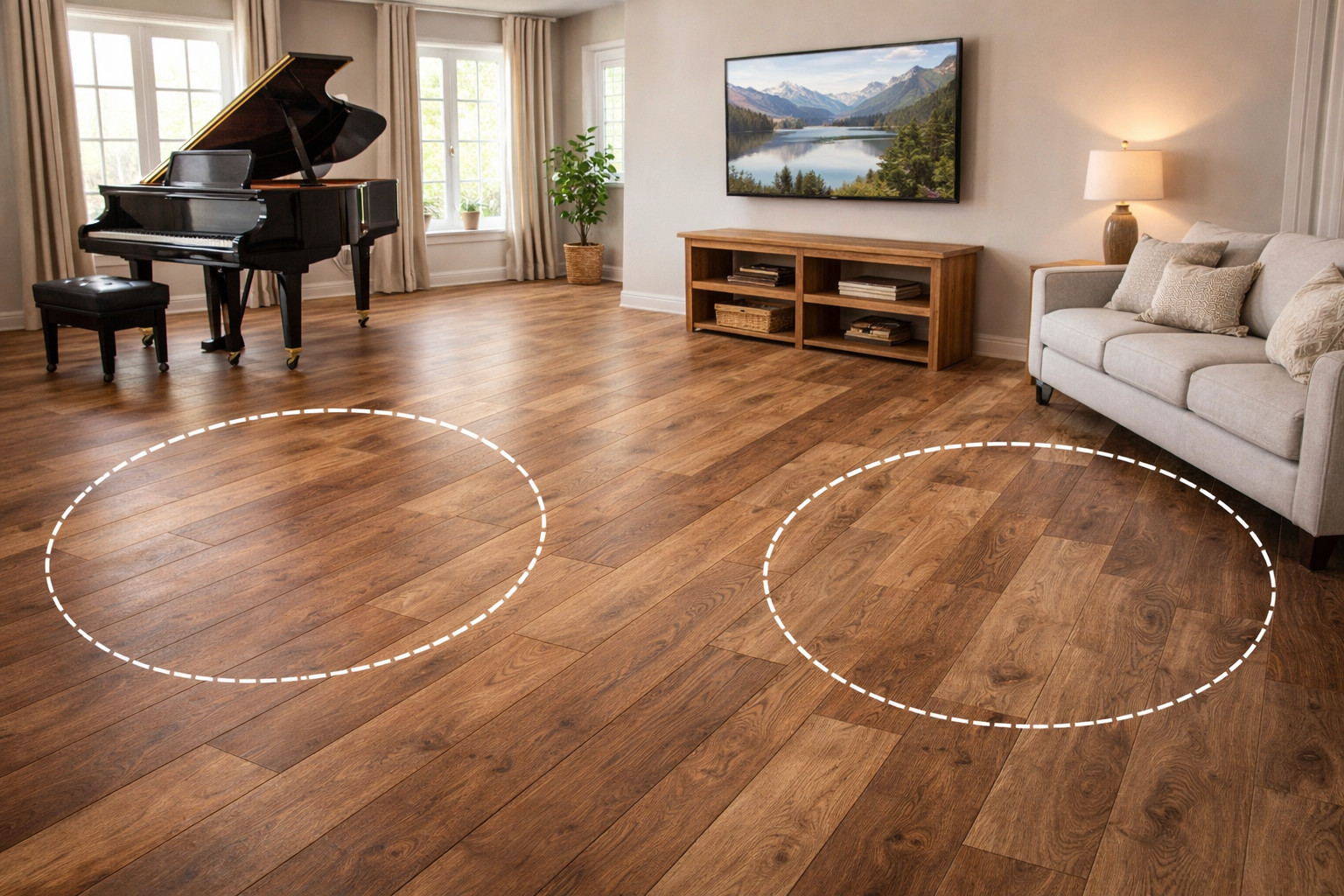
Color Lot Variation (Laminate)
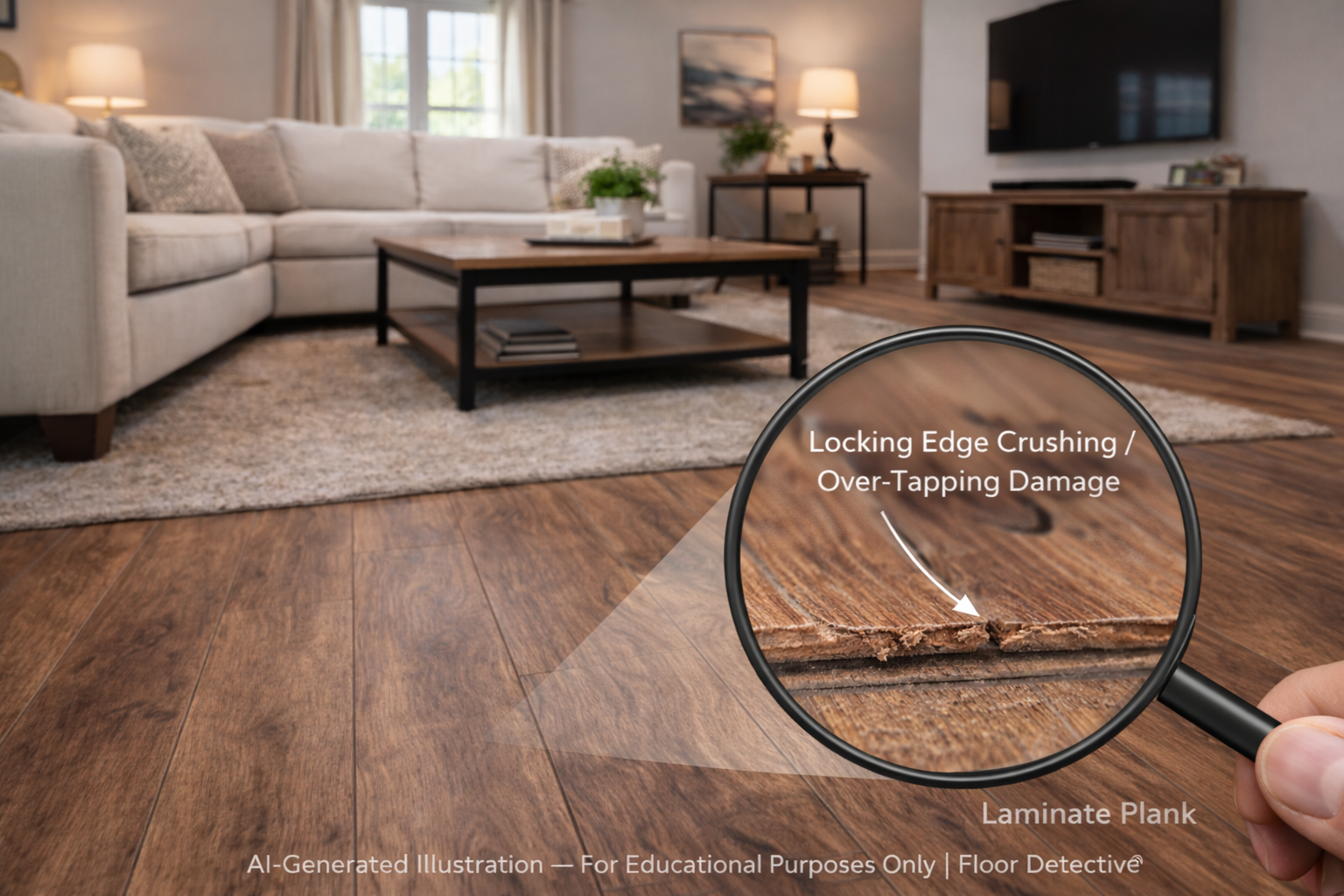
Locking Edge Crushing / Over-Tapping Damage (Laminate)
Edge Swell From Environmental Humidity (Laminate)
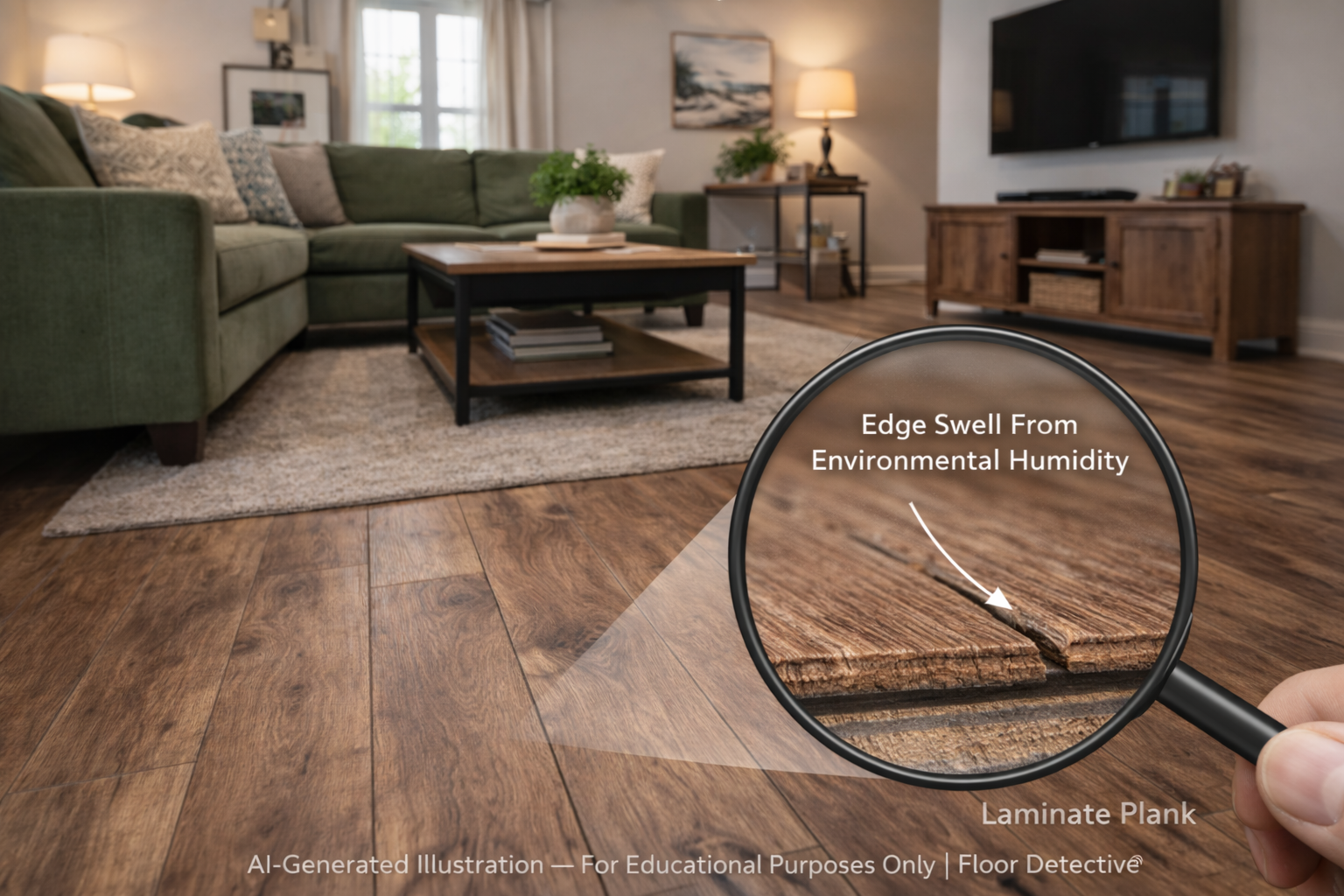
Surface Whitening from Topical Moisture Entrapment
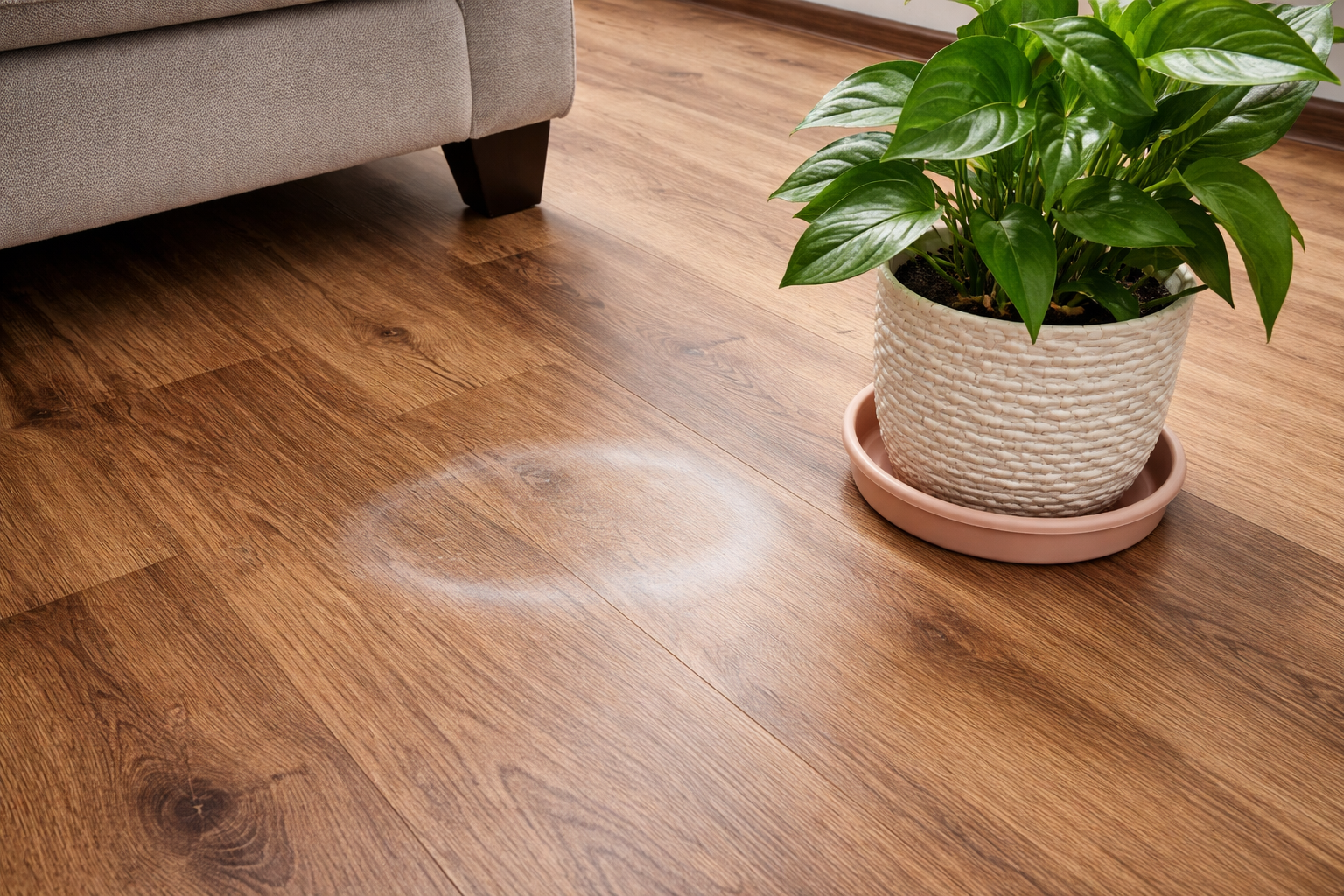
Hollow Sound / Acoustic Resonance (Laminate)coincidence whipping melt
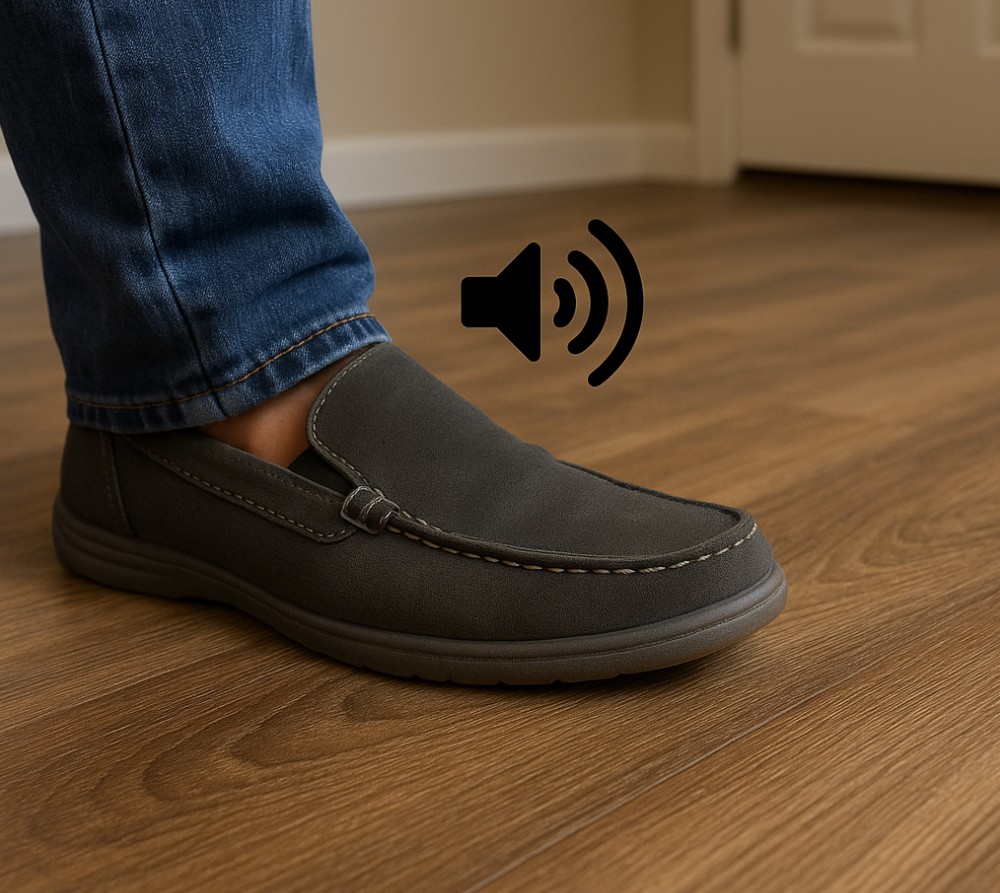
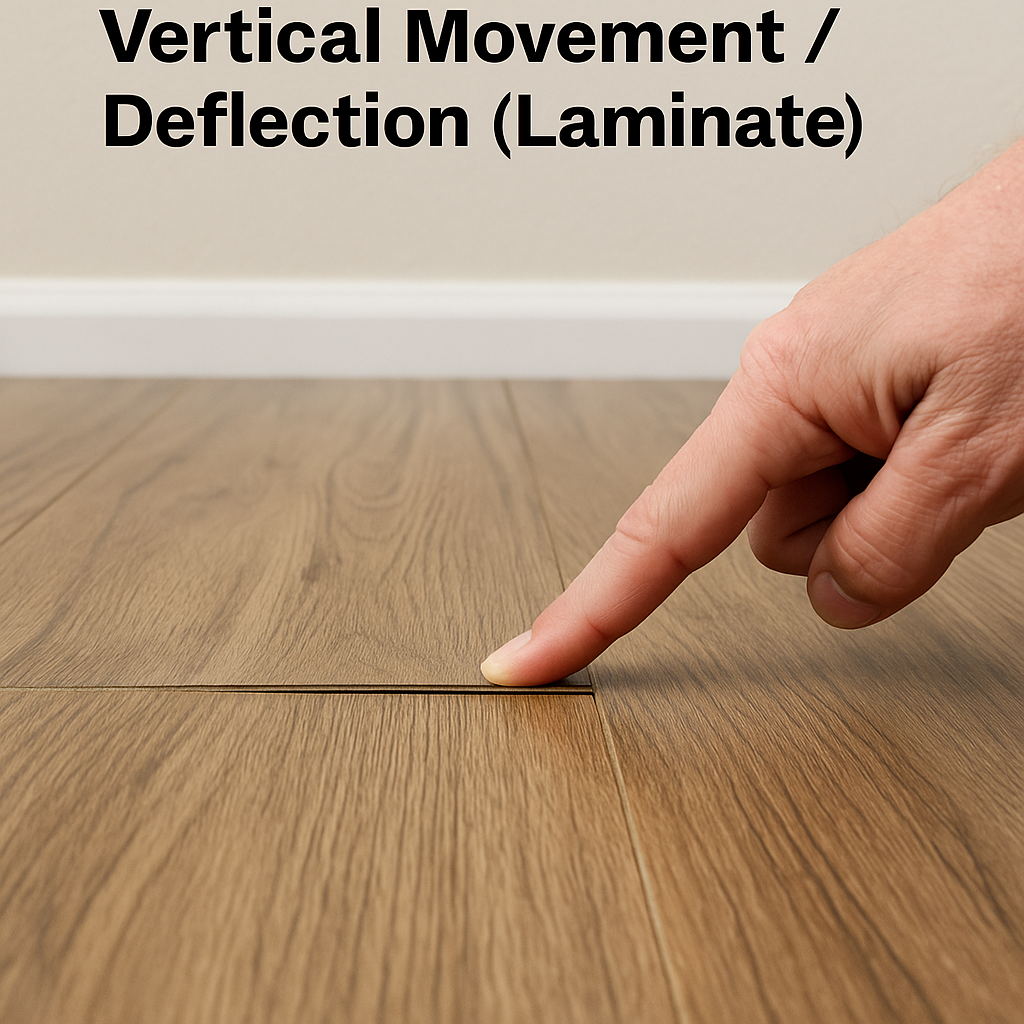
Vertical Movement / Deflection (Laminate