Black Granite Fading – Countertops

Black Granite Fading – Countertops


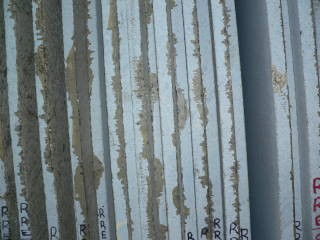
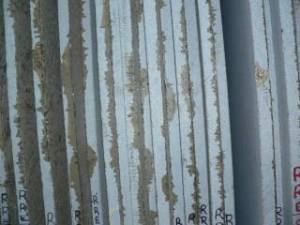
Black Graniet Fading - Workers applying Dye 34585_690993
Black Graniet Fading - Workers applying Dye 34585
Black Graniet Fading -
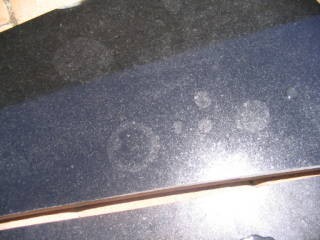
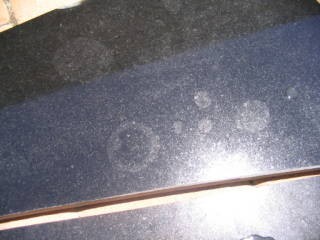
Fading - Black Graniet Countertop 45566
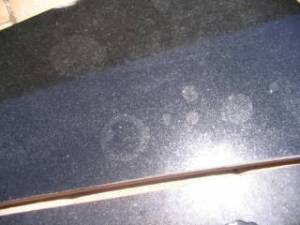
Black granite countertop fading with uneven darkening and surface appearance variation
Black Graniet Fading - Workers applying Dye 34585_690993 Black Graniet Fading - Workers applying Dye 34585 Black Graniet Fading - Fading - Black Graniet Countertop 45566 Black granite countertop fading with uneven darkening and surface appearance variation

Black Granite Fading (Stone Countertops)

Floor Detective® Claims and Conditions Guide

Summary

Black granite fading is an appearance condition in which countertops marketed as deep black gradually appear lighter, gray, uneven, or less color-saturated during service. In many reported cases, the stone itself is not fading. Instead, surface-applied enhancement materials used during fabrication or finishing gradually diminish, wear, or are removed through cleaning, abrasion, sunlight exposure, or normal use, allowing the underlying natural stone color to become more visible. Distribution pattern, exposure history, and variation between protected and exposed areas are important diagnostic indicators. Proper evaluation requires correlation of appearance behavior, environmental exposure, and potential surface-treatment influence before conclusions are formed. See also Shading and Variation Natural Stone and Tile, Surface Defects, and Tile and Stone Floor Problems for broader context.
Please subscribe to see all content

Wet Tile Slip Resistance and Surface Traction
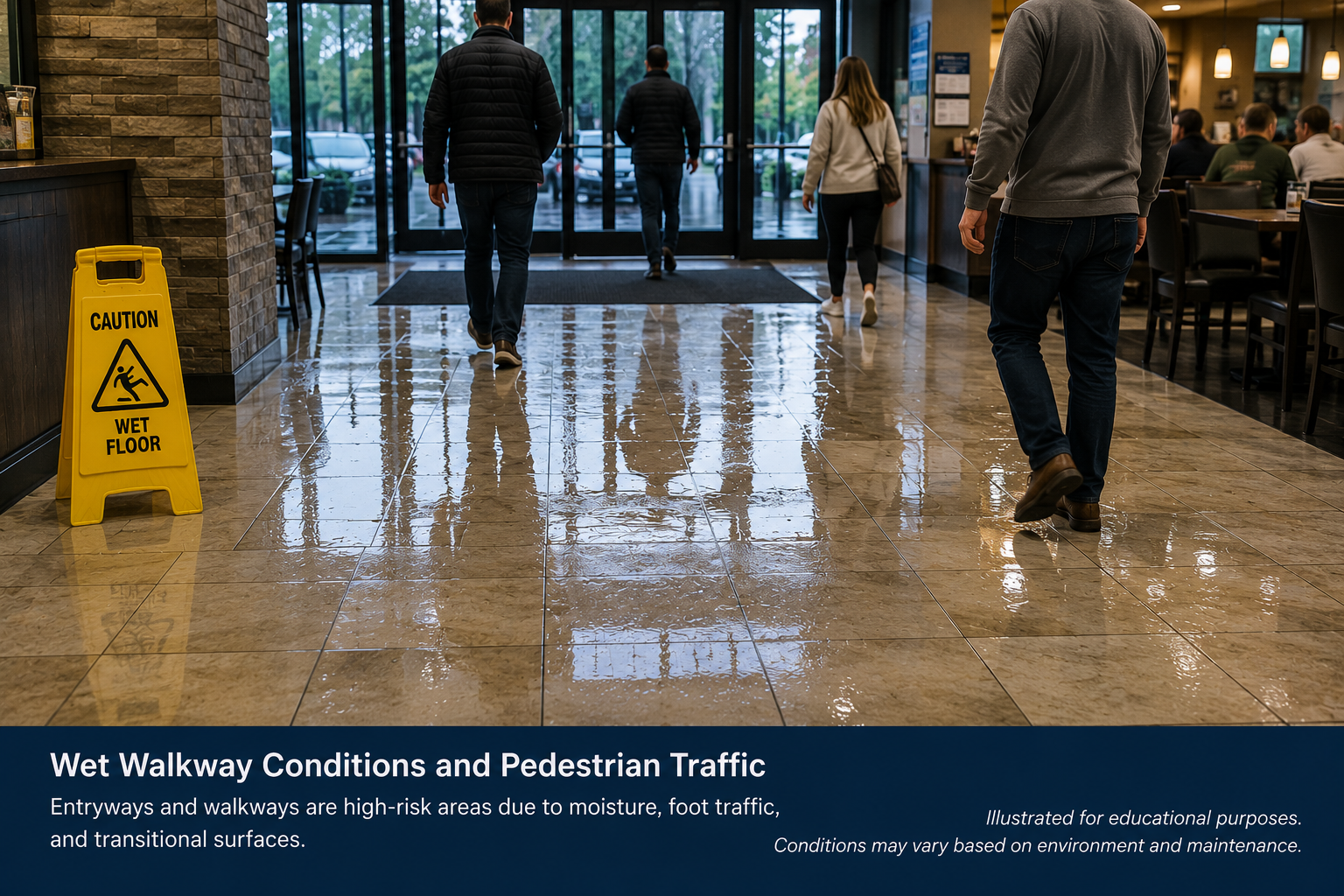
Wet tile slip resistance and surface traction are influenced by water exposure, contaminants, maintenance residue, and surface texture.
Read More
Wet Tile Slip Resistance and Surface Traction

Tile and Stone Floor Problems
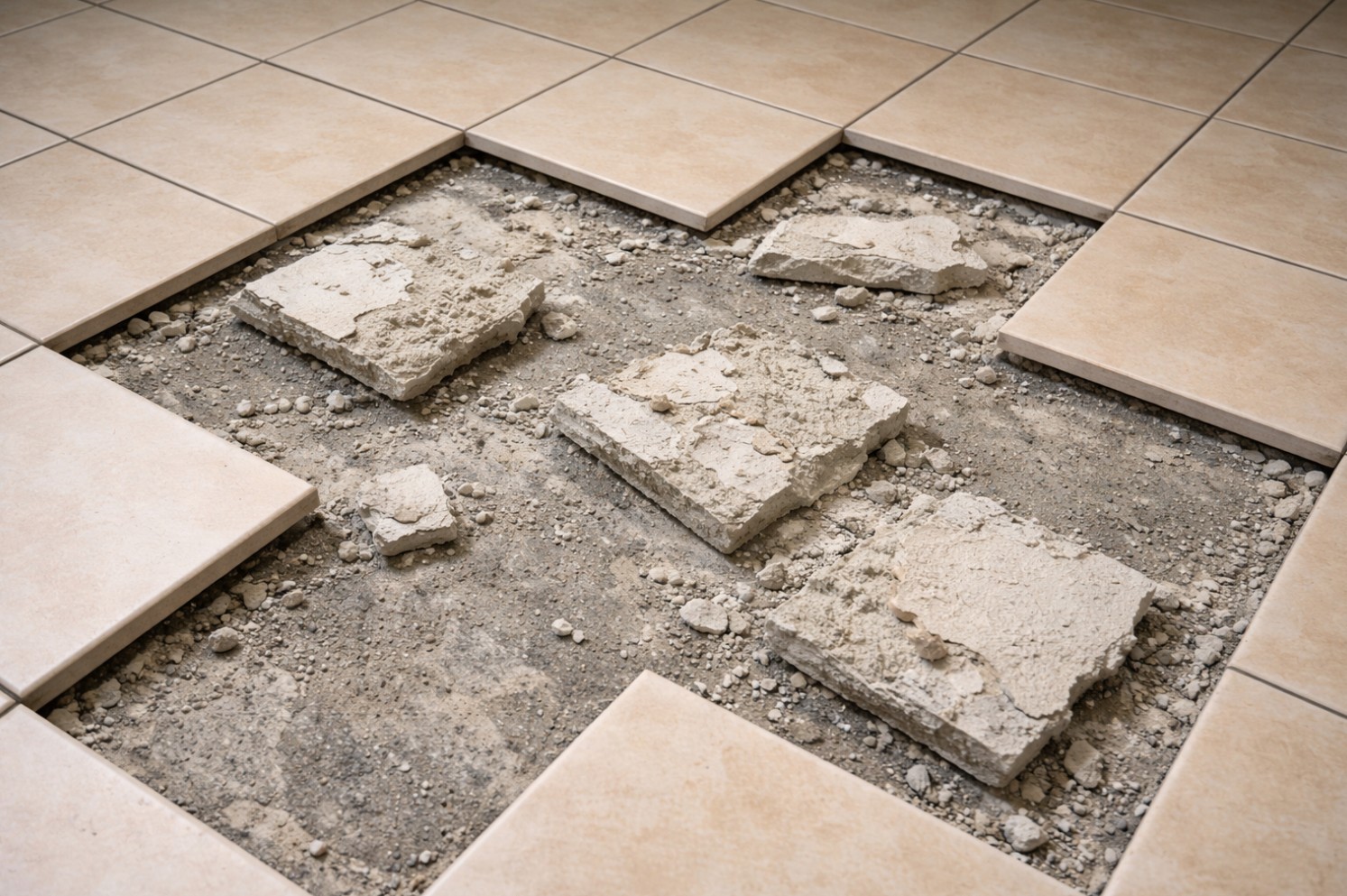
Tile and stone floor problems may involve cracking, lippage, bond loss, grout issues, moisture influence, or structural movement.
Read More
Tile and Stone Floor Problems

Tile Surface Cleaning and Residue Conditions (Overview)
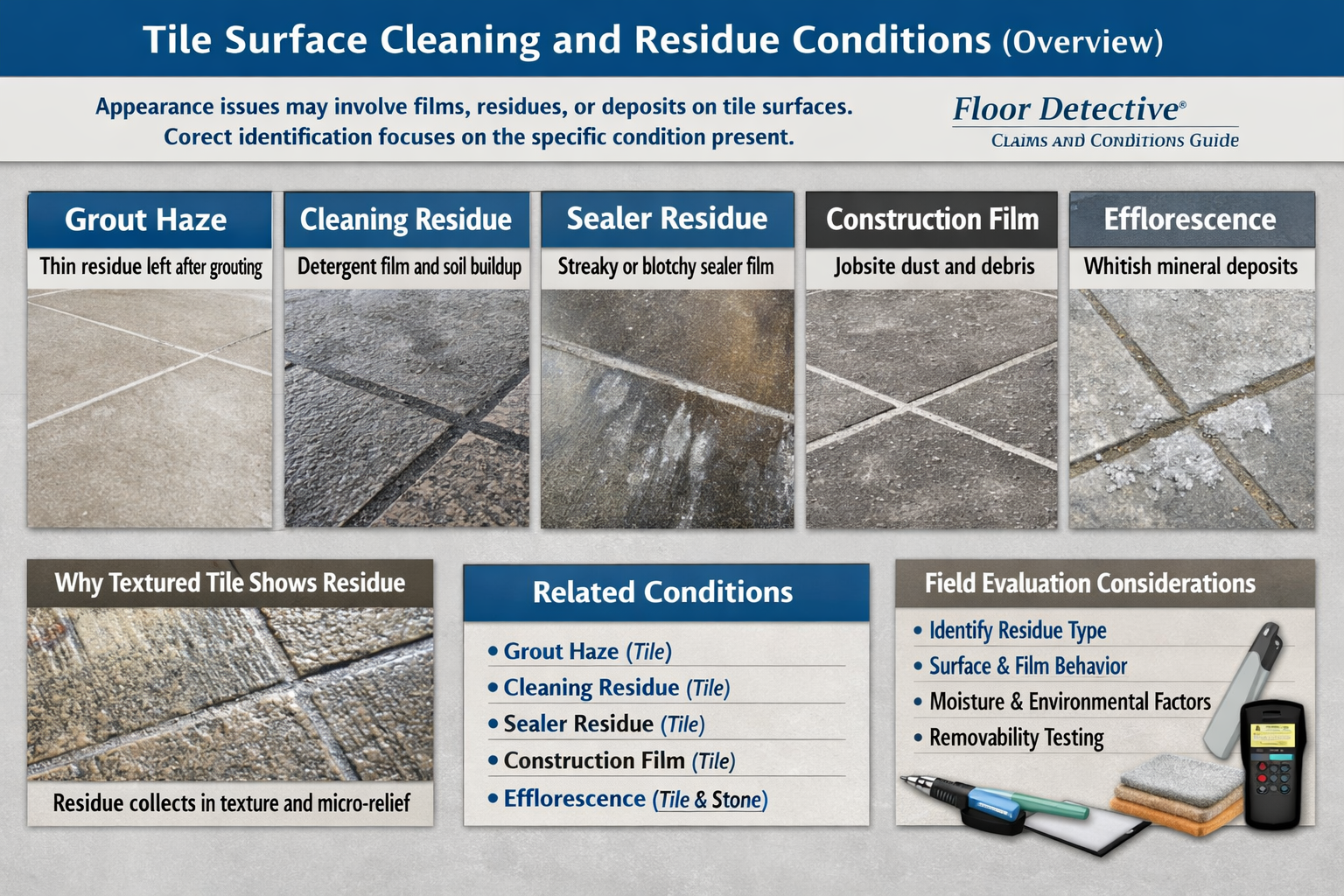
Tile surface residue conditions may involve grout haze, cleaning residue, sealer film, mineral deposits, or maintenance-related buildup.
Read More
Tile Surface Cleaning and Residue Conditions (Overview)

Surface Chipping (Ceramic Tile)
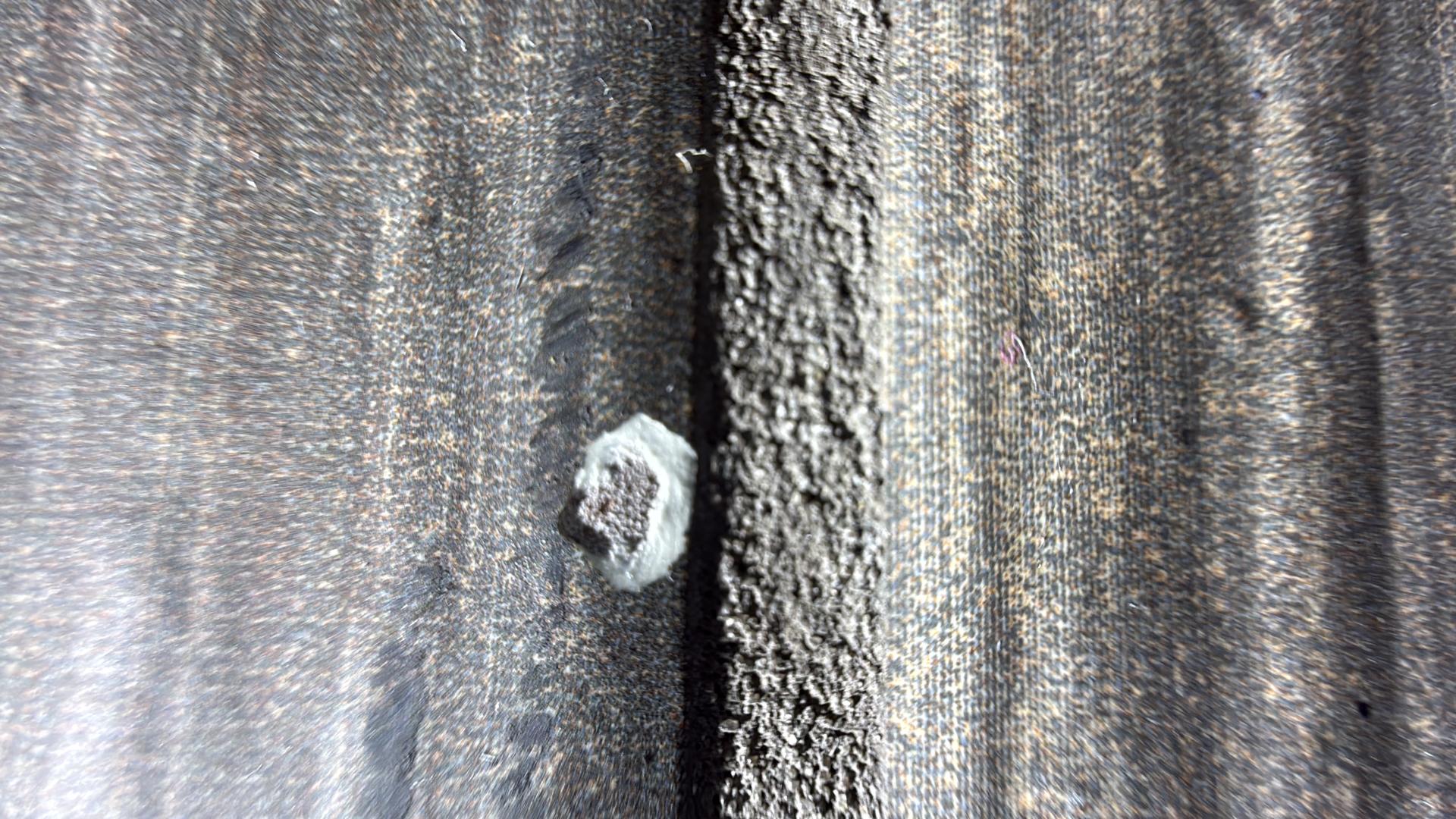
Surface chipping in ceramic tile involves localized glaze or surface loss caused by impact, contact stress, handling, or service conditions.
Read More
Surface Chipping (Ceramic Tile)

Grout Haze (Tile)
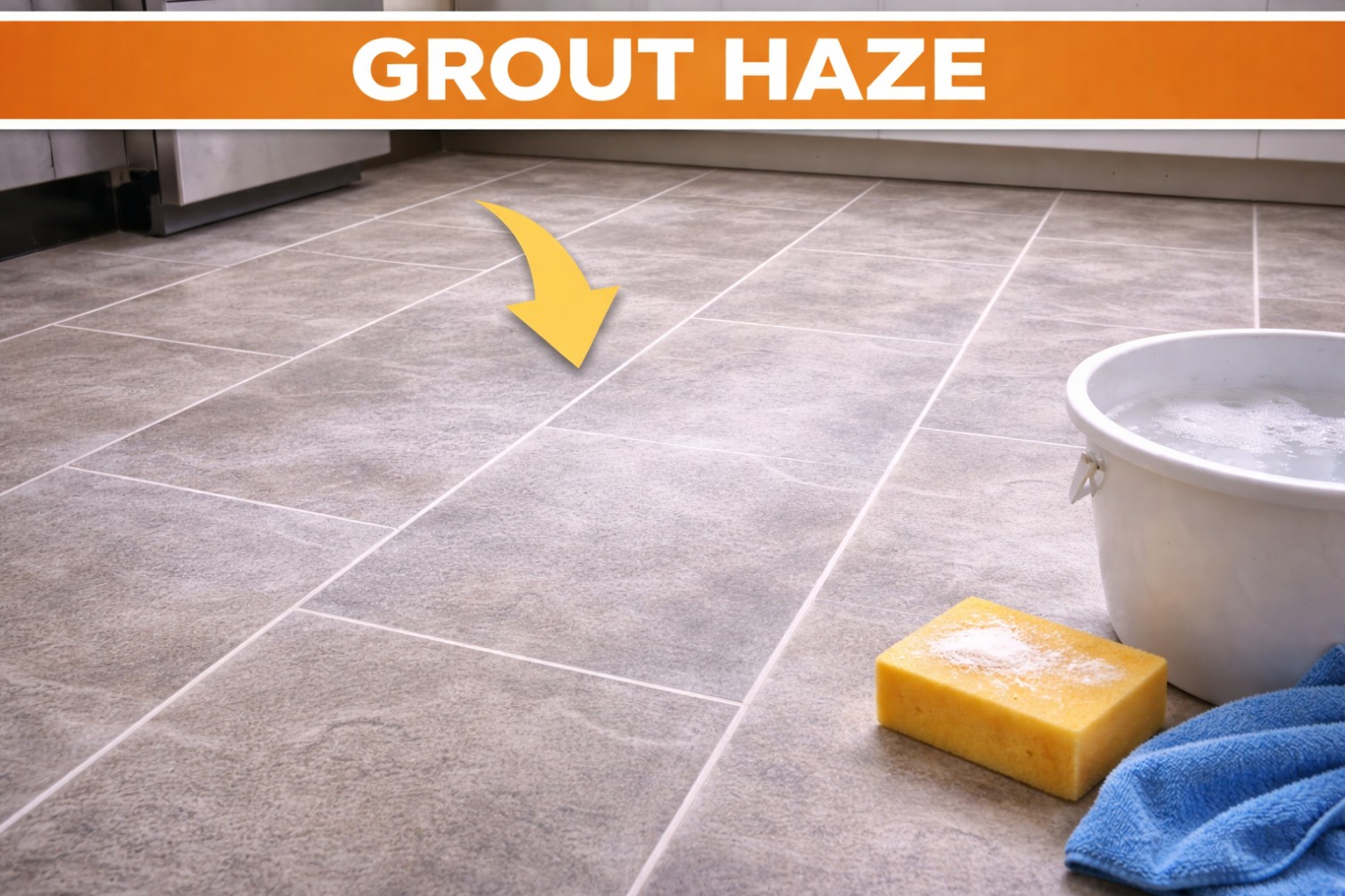
Grout haze on porcelain tile involves residual surface film caused by grout residue, tile texture, or installation conditions.
Read More
Grout Haze (Tile)

Cracked Corners

Cracked tile corners involve fractures caused by localized stress concentration, incomplete support, or movement within the tile assembly.
Read More
Cracked Corners

Outdoor Natural Stone Deterioration (Exterior Stone)

Outdoor natural stone deterioration may involve spalling, flaking, erosion, salt crystallization, and weather-related surface damage.
Read More
Outdoor Natural Stone Deterioration (Exterior Stone)

Grout – Pin Holes

Pin holes in grout joints involve small surface voids caused by grout consolidation, curing, or installation conditions.
Read More
Grout – Pin Holes

Saltillo Tile Lime Pops

Lime pops in Saltillo tile are localized surface disruptions caused by moisture-related expansion of lime-bearing particles within porous clay tile.
Read More
Saltillo Tile Lime Pops

Travertine Tile Properties

Travertine tile is a porous natural stone affected by moisture exposure, etching, wear, filler loss, and environmental conditions.
Read More
Travertine Tile Properties