
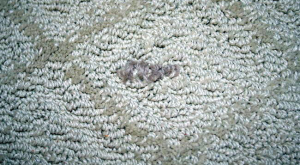
Foreign Yarn

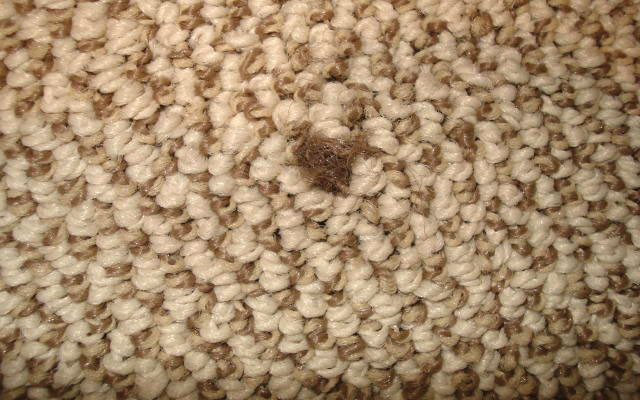
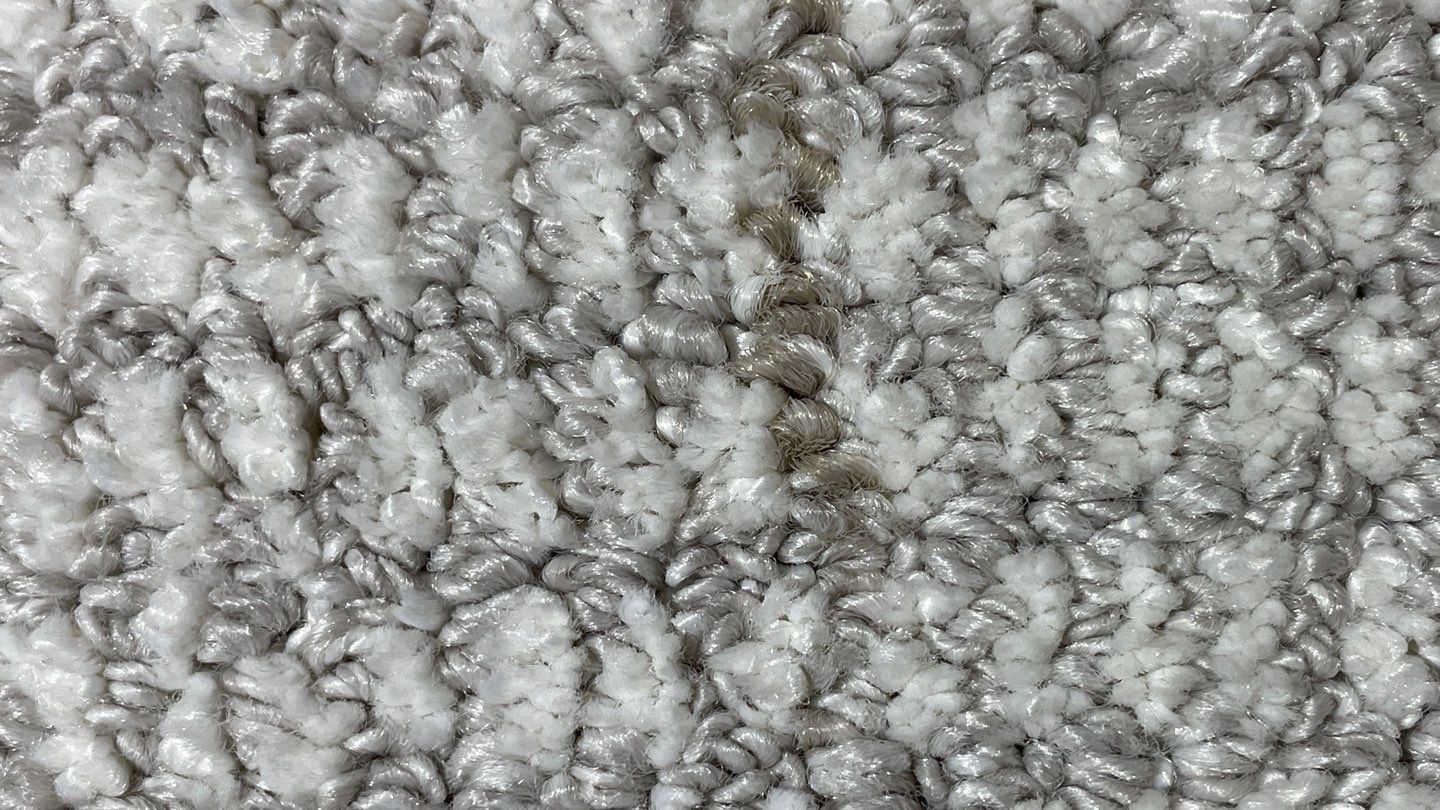
Foreign Yarn

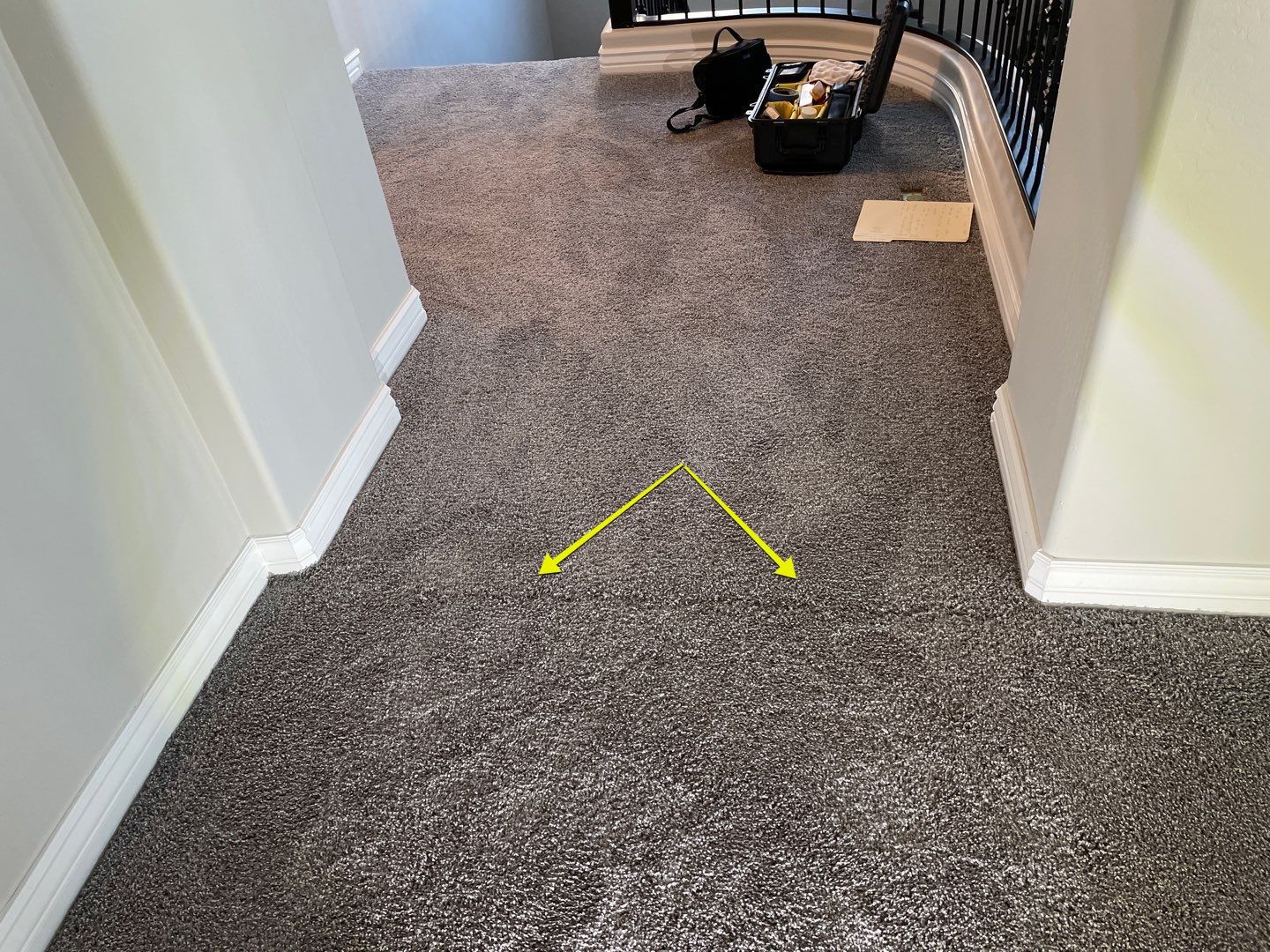
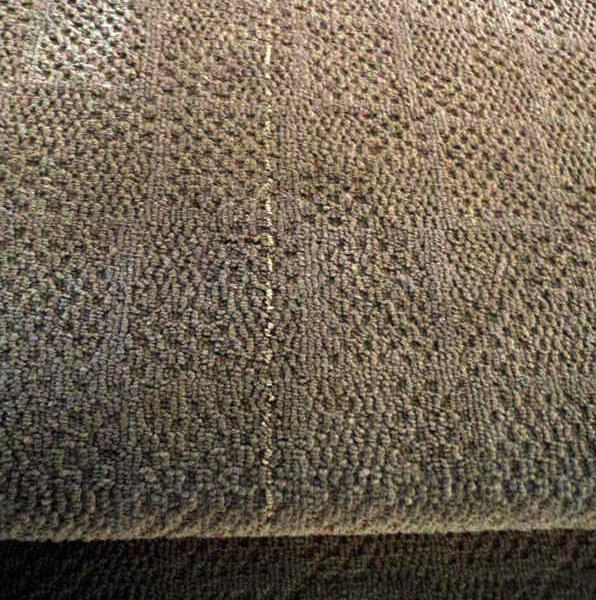
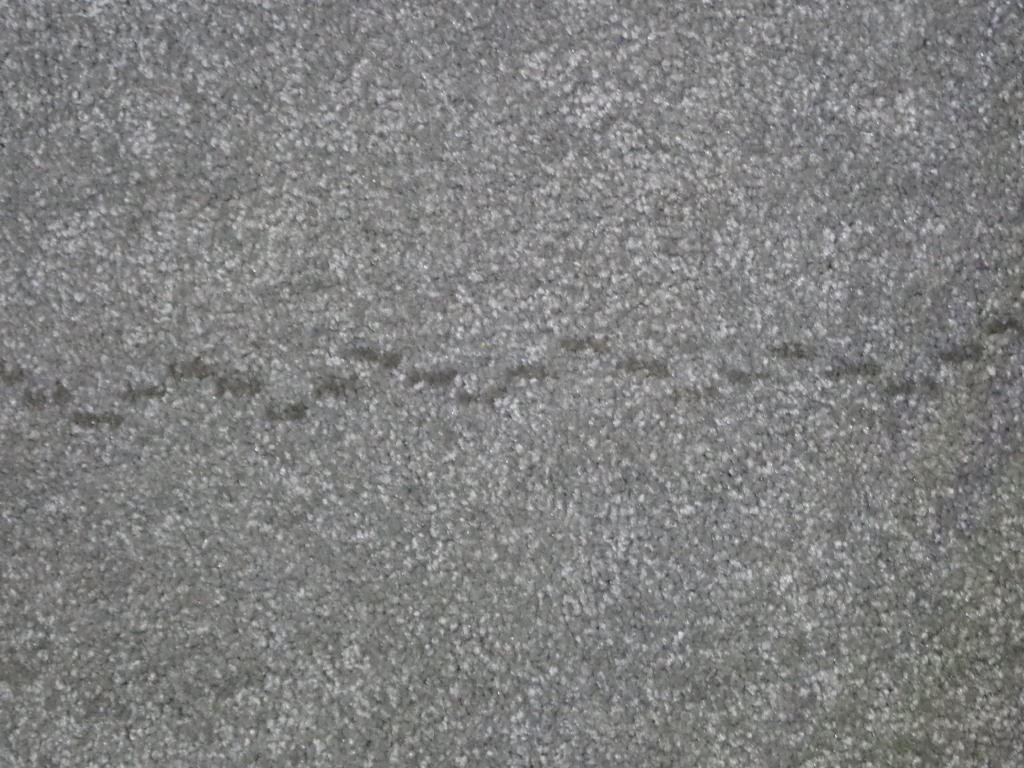
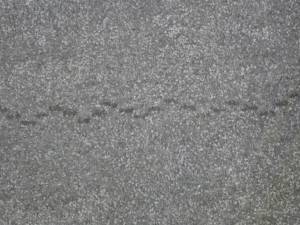
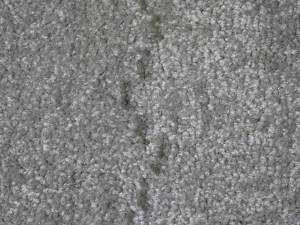
carpet showing foreign yarn line from manufacturing

Foreign yarn

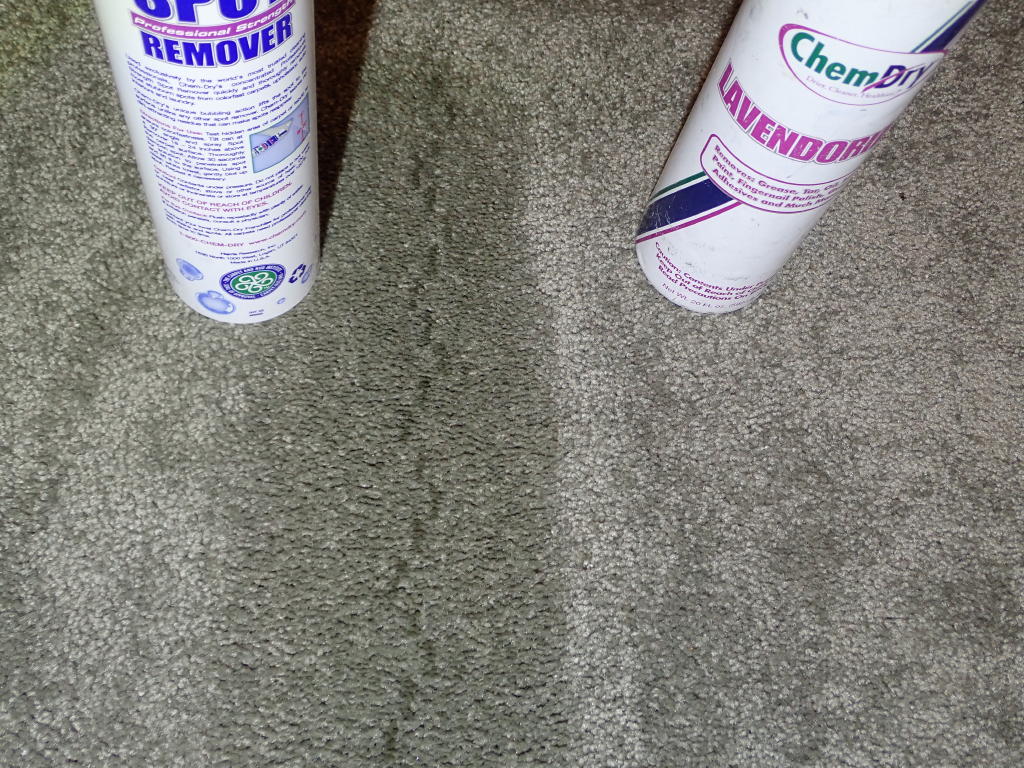
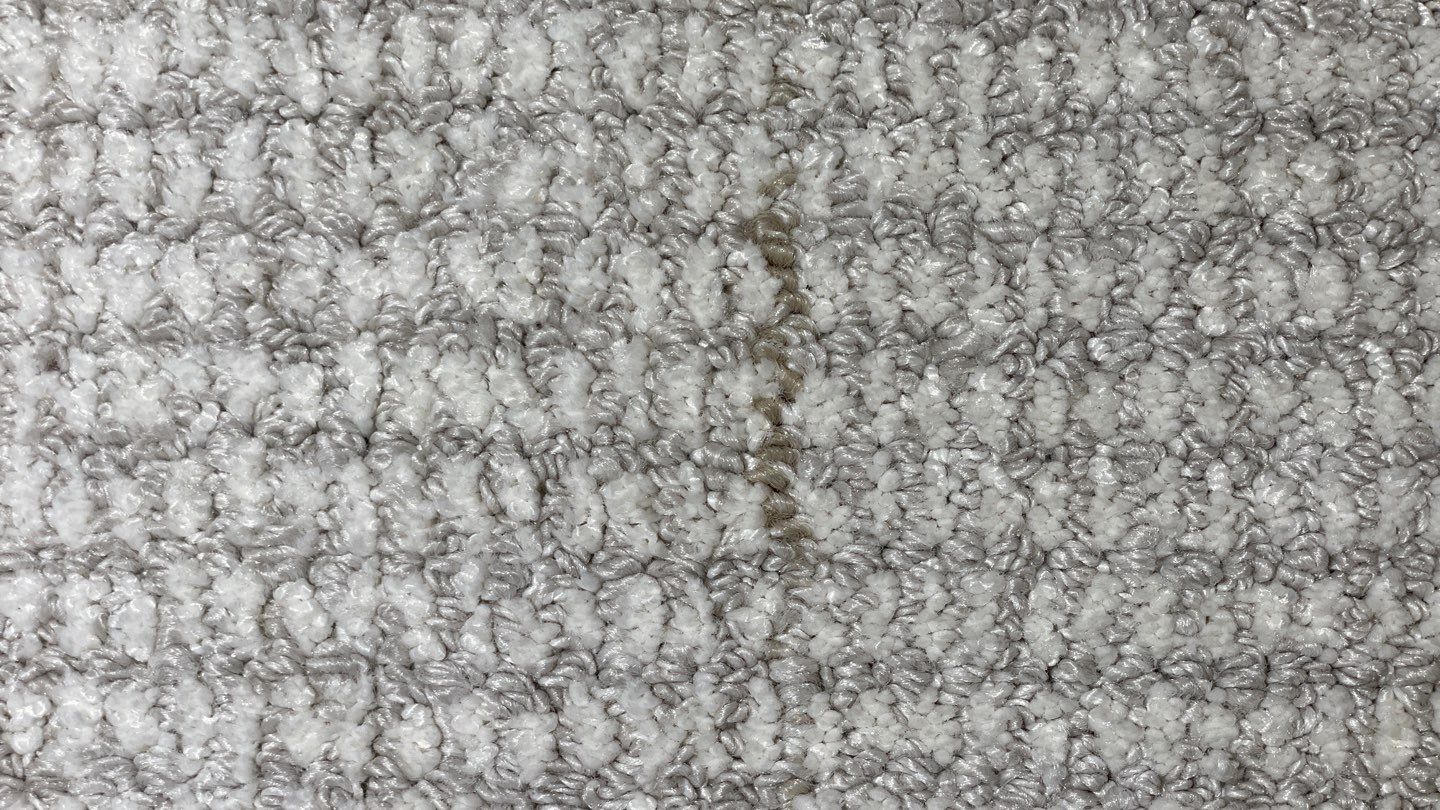
Foreign Yarn 2

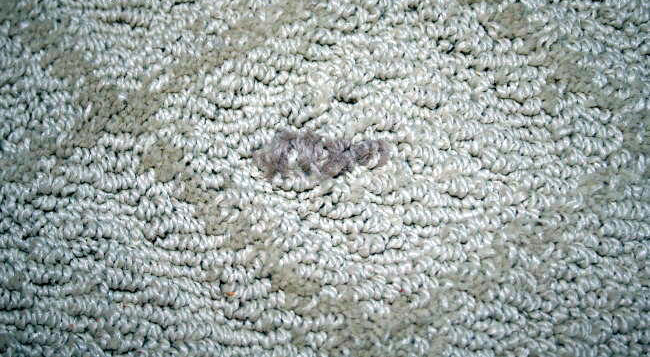
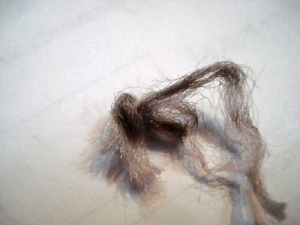
Yarn of different fiber type

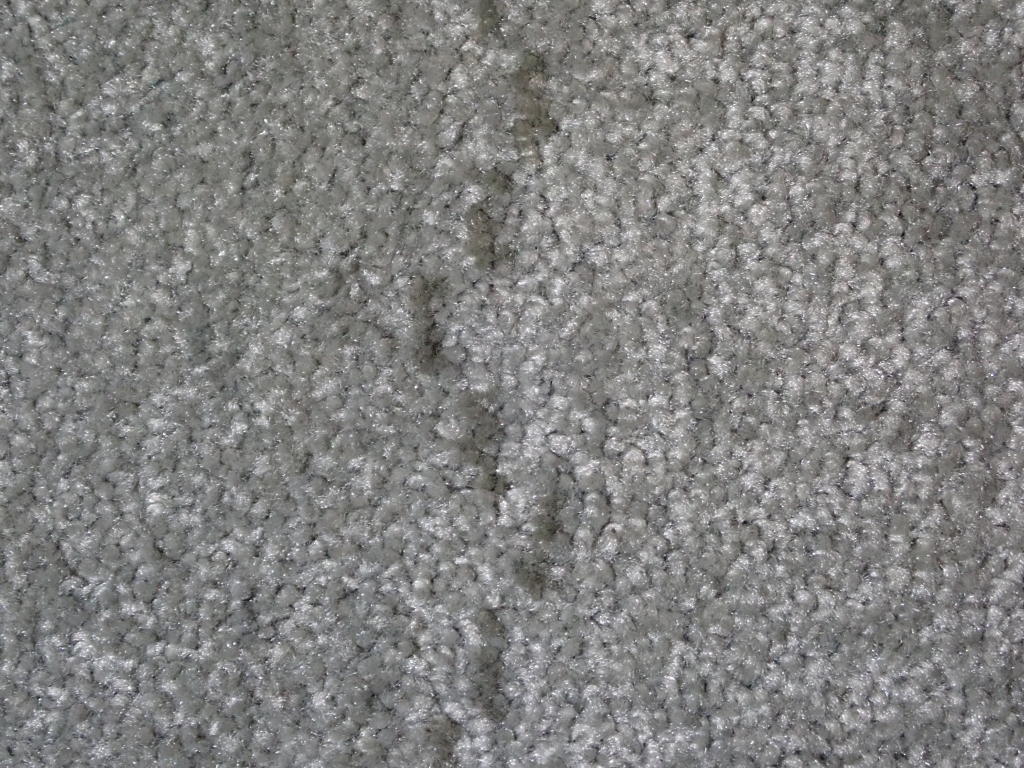
Foreign Yarn 3

Foreign yarn

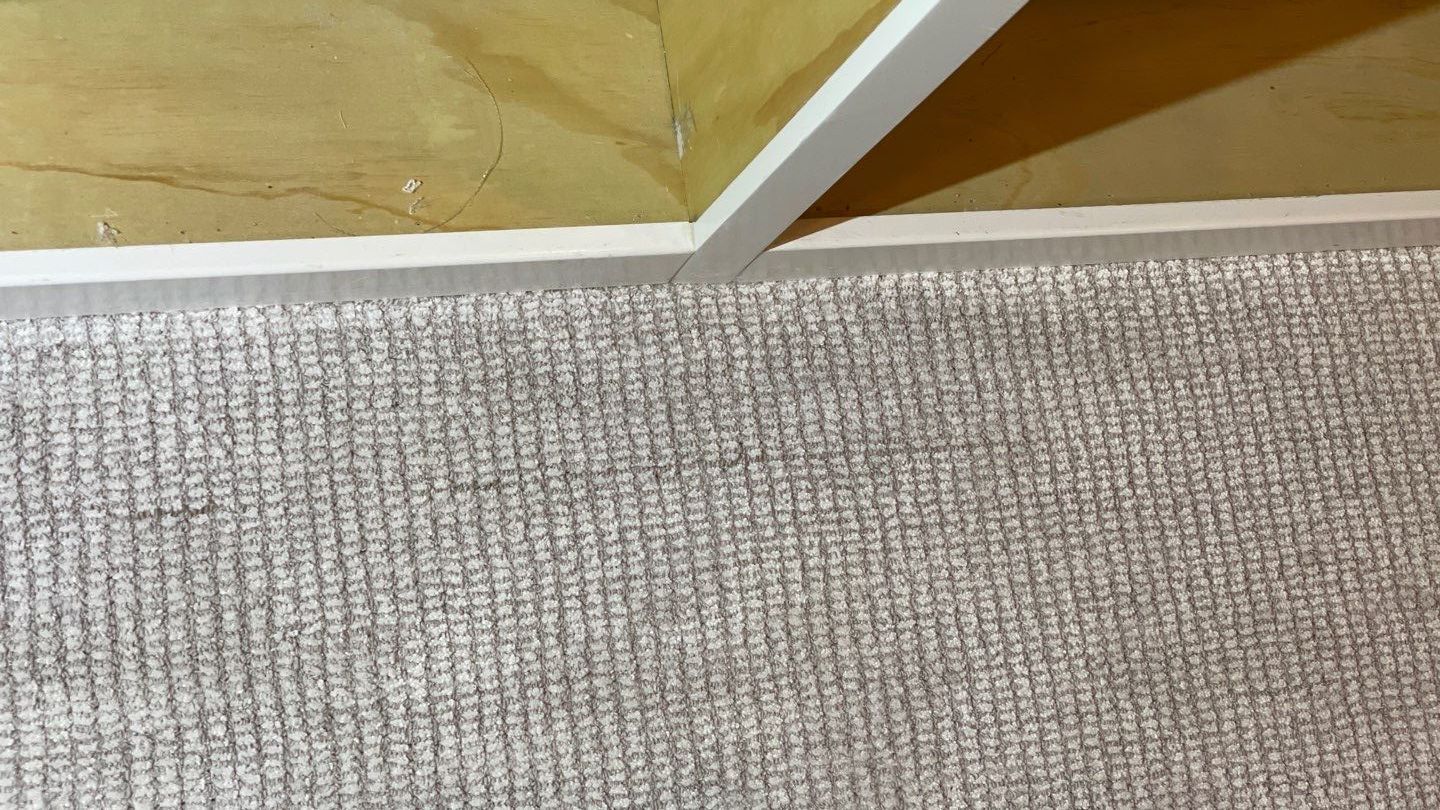
Foreign Yarn 4

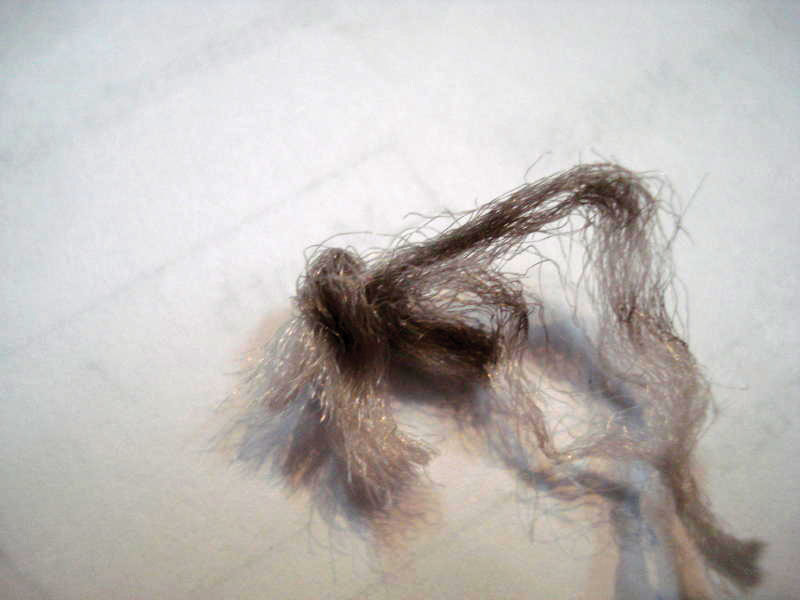
Foreign yarn removed from carpet

Sierra Exif JPEG

Foreign yarn

Sierra Exif JPEG

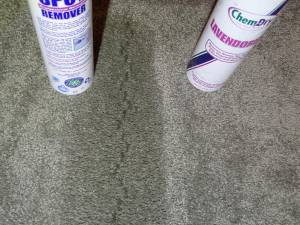
Foreign yarn would not clean out of the carpet

Sierra Exif JPEG

Foreign yarn

14-Sep 29 2022 02_43pm-jrgj

Foreign yarn

17-Sep 29 2022 02_43pm-xJEH

Foreign yarn

15-Sep 29 2022 02_43pm-37ho

Foreign yarn

carpet showing foreign yarn line from manufacturing Foreign Yarn 2 Foreign Yarn 3 Foreign Yarn 4 Sierra Exif JPEG Sierra Exif JPEG Sierra Exif JPEG 14-Sep 29 2022 02_43pm-jrgj 17-Sep 29 2022 02_43pm-xJEH 15-Sep 29 2022 02_43pm-37ho

Foreign Yarn (Carpet)

Floor Detective® Claims and Conditions Guide

Summary

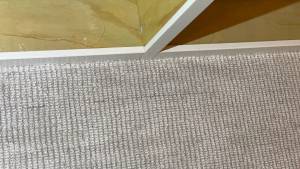
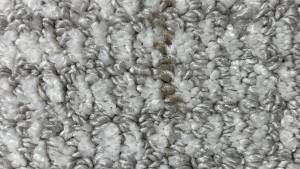
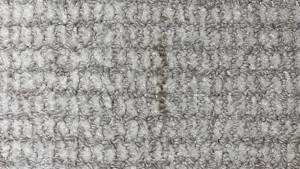
Foreign yarn is a manufacturing-origin appearance condition that occurs when unintended yarn differing in color, fiber type, denier, texture, or dye behavior becomes incorporated into the carpet during tufting. The condition typically develops from yarn cross-contamination, residual yarn remaining within tufting equipment, or feed-system misplacement during production. Foreign yarn commonly appears as isolated tufts, linear rows, zigzag segments, or contrasting yarn clusters aligned with tufting needle paths. Because the yarn is integrated into the carpet structure rather than deposited on the surface, the condition differs from removable contamination or surface staining. Foreign yarn affects visual uniformity only and does not independently reduce tuft bind, backing integrity, or structural performance. The condition may resemble dye bleeding or localized appearance irregularities but typically remains aligned with tufting direction and extends through the full pile depth. See also Side Match, Dye Bleeding, and Carpet Problems for broader context.
Please subscribe to see all content

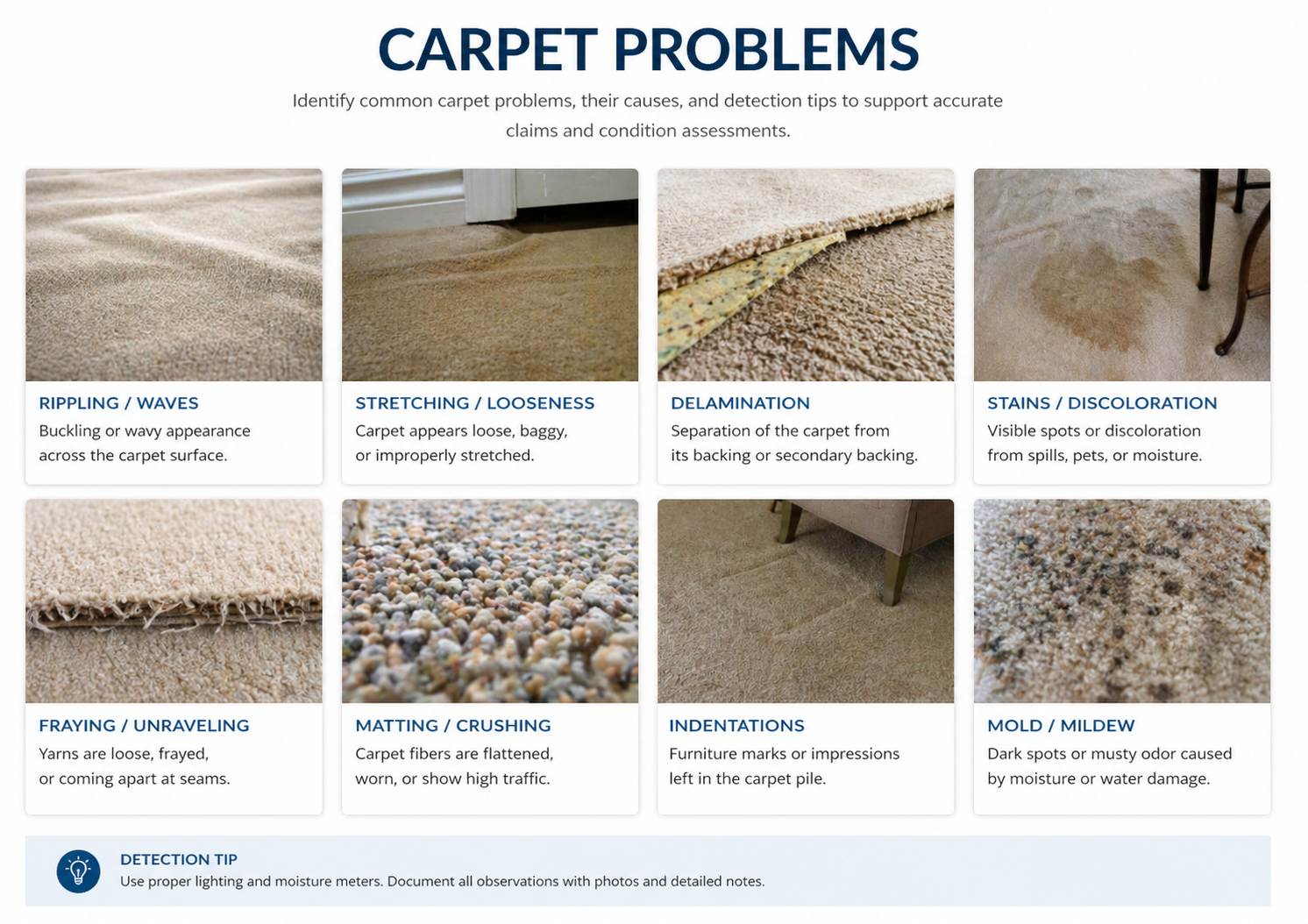
Carpet Problems

Carpet problems may involve seams, backing systems, texture changes, traffic wear, mechanical damage, or installation-related conditions.
Read More
Carpet Problems

Carpet Fiber Identification (Field and Laboratory Methods)
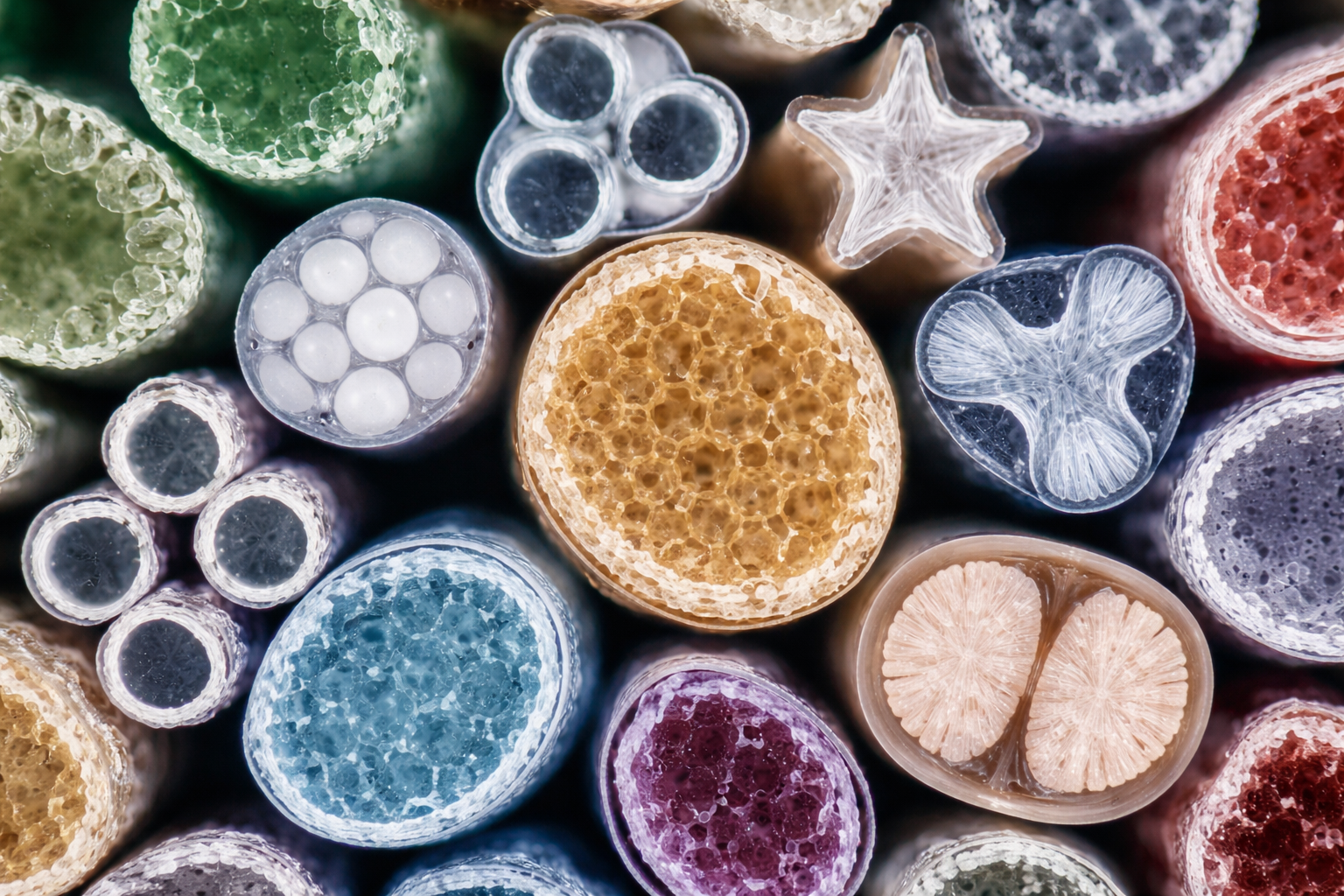
Carpet fiber identification helps determine how carpet may respond to heat, moisture, cleaning chemistry, abrasion, and environmental exposure.
Read More
Carpet Fiber Identification (Field and Laboratory Methods)

Wool and Wool Carpet Properties
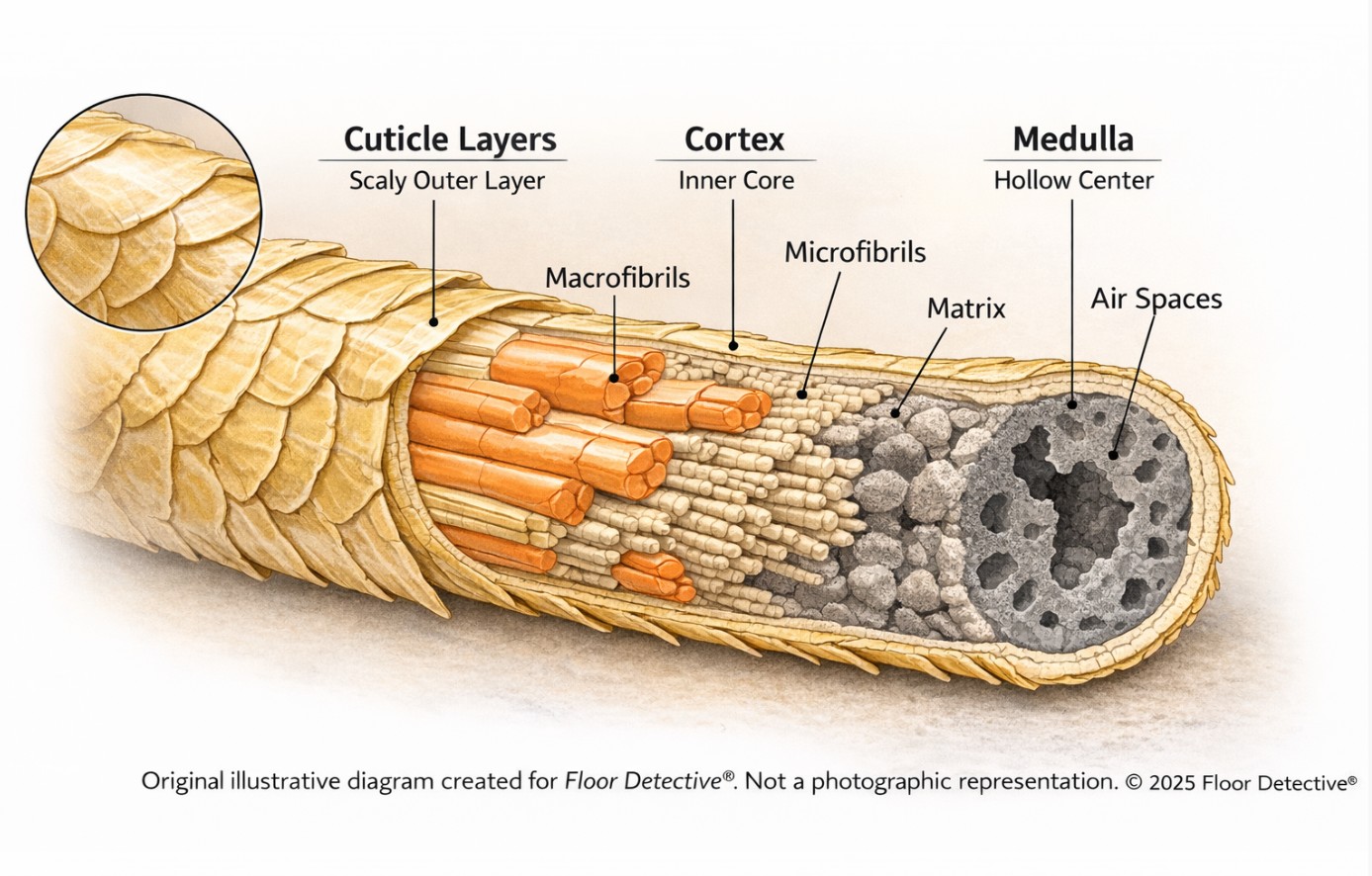
Wool carpet properties include moisture absorption, chemical sensitivity, shedding, and appearance variation associated with natural wool fibers.
Read More
Wool and Wool Carpet Properties

Carpet Beetle Damage
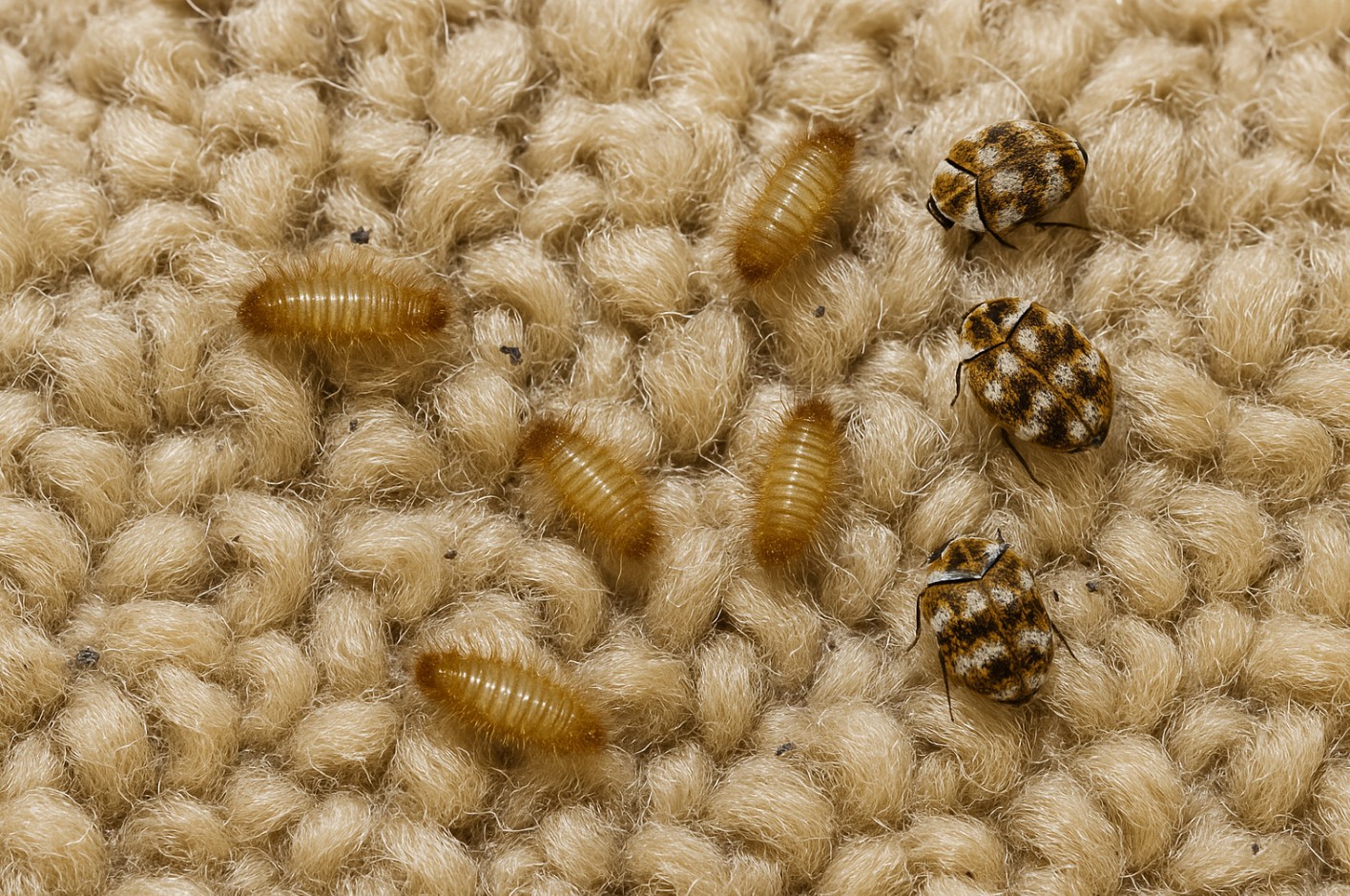
Carpet beetle damage is localized fiber loss caused by larvae feeding on organic materials within carpet, often occurring in concealed...
Read More
Carpet Beetle Damage

Fiber Properties

Carpet fiber properties determine durability, resilience, and how flooring performs under traffic and environmental conditions.
Read More
Fiber Properties

Missing Row

Carpet missing rows are manufacturing-origin tufting conditions involving absent yarn along machine-direction rows.
Read More
Missing Row

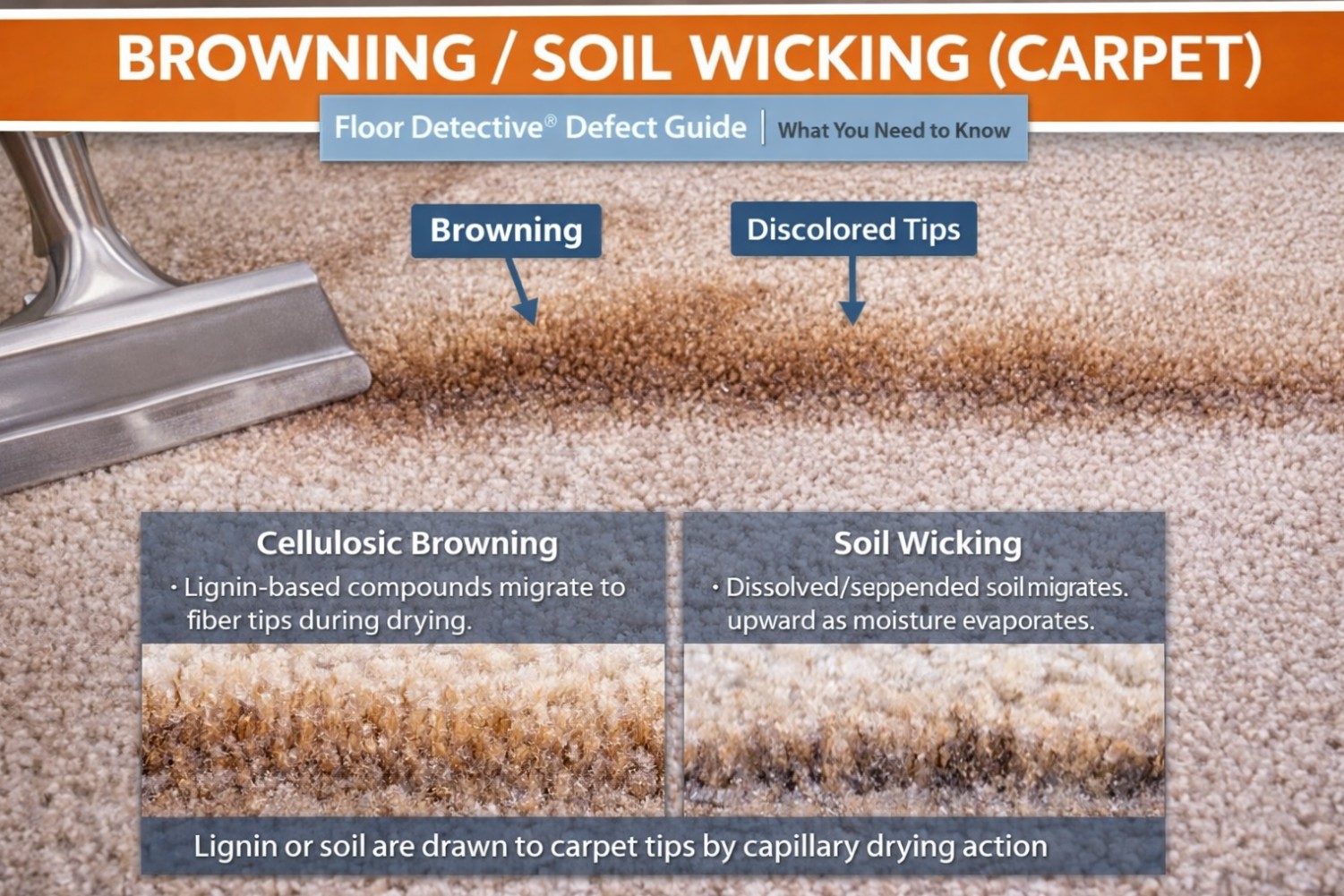
Browning

Browning and soil wicking are discoloration conditions caused by moisture-driven migration of materials to the carpet surface during drying.
Read More
Browning

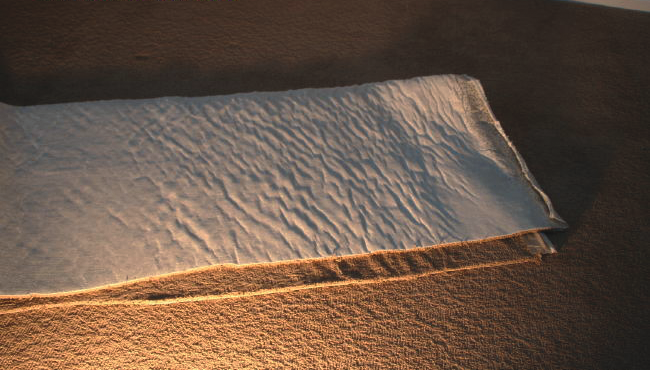
Wrinkles in Backing

Carpet backing wrinkles are manufacturing-related distortions caused by backing misalignment, tension variation, or latex lock-in.
Read More
Wrinkles in Backing

Unraveling / Runs (Carpet)
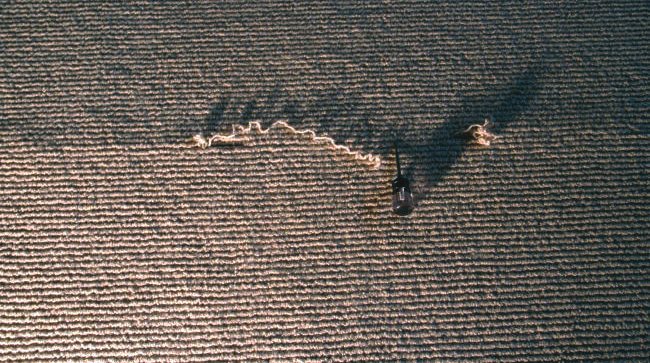
Carpet unraveling runs are progressive yarn withdrawals that follow tuft rows in continuous filament carpet constructions.
Read More
Unraveling / Runs (Carpet)

Core Crush / Roll-Core Pile Reversal (Carpet)
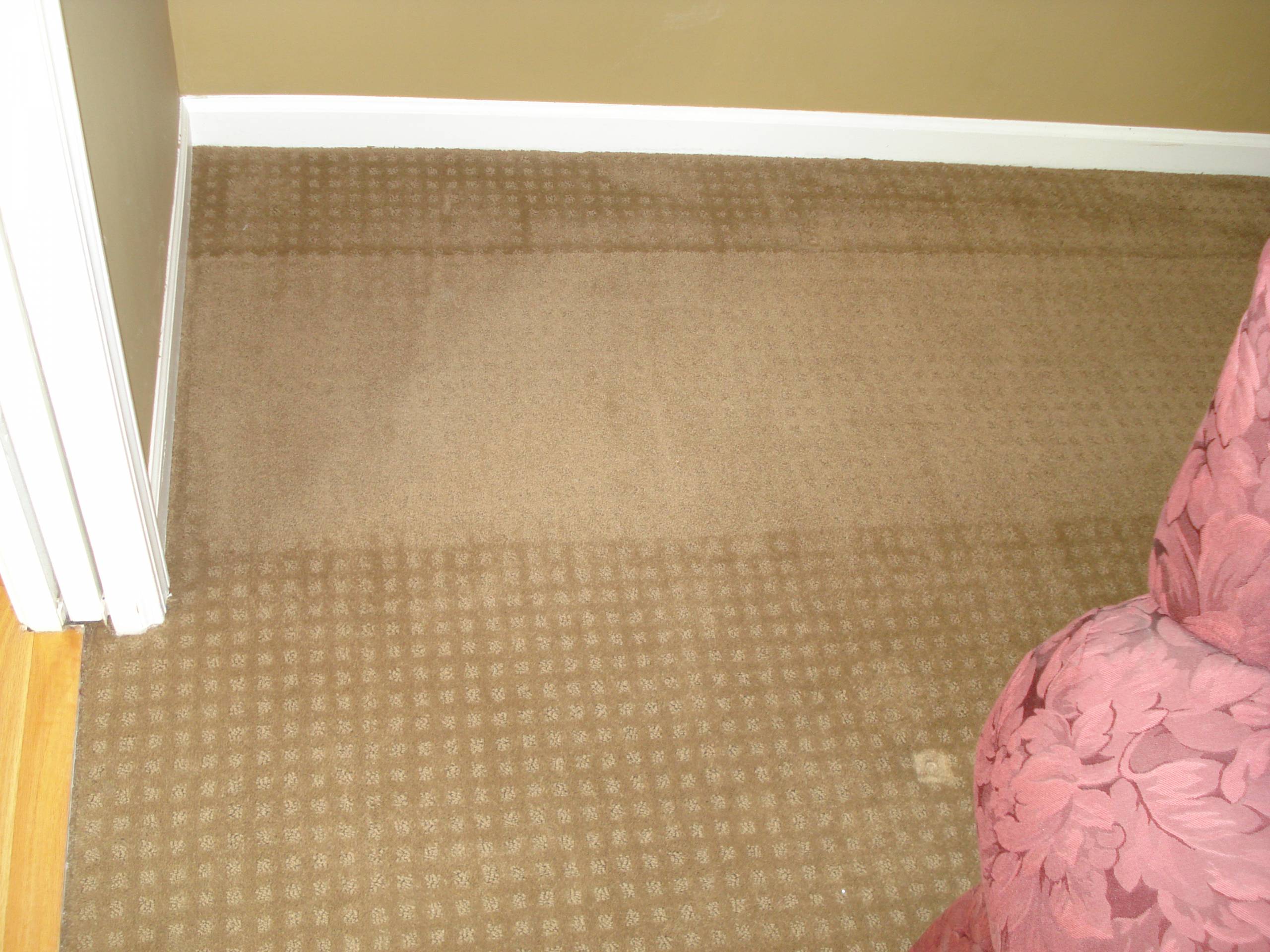
Carpet roll-core crush occurs when pile yarns become compressed around the roll core, creating visible light or dark banding near...
Read More
Core Crush / Roll-Core Pile Reversal (Carpet)