White Lines
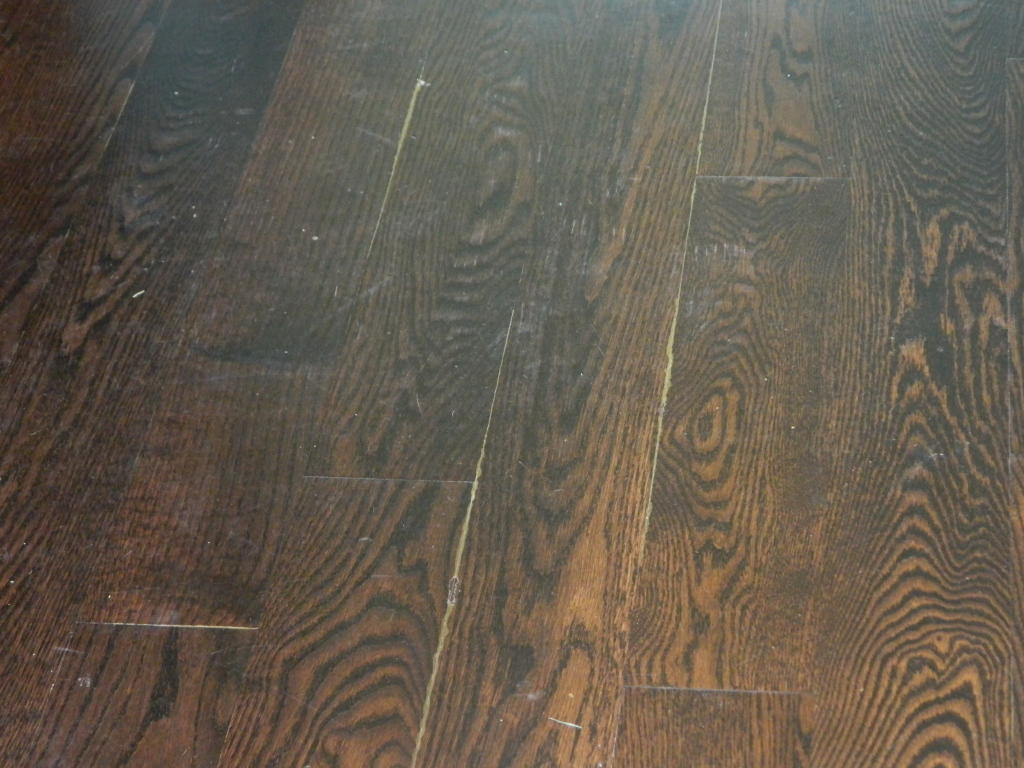
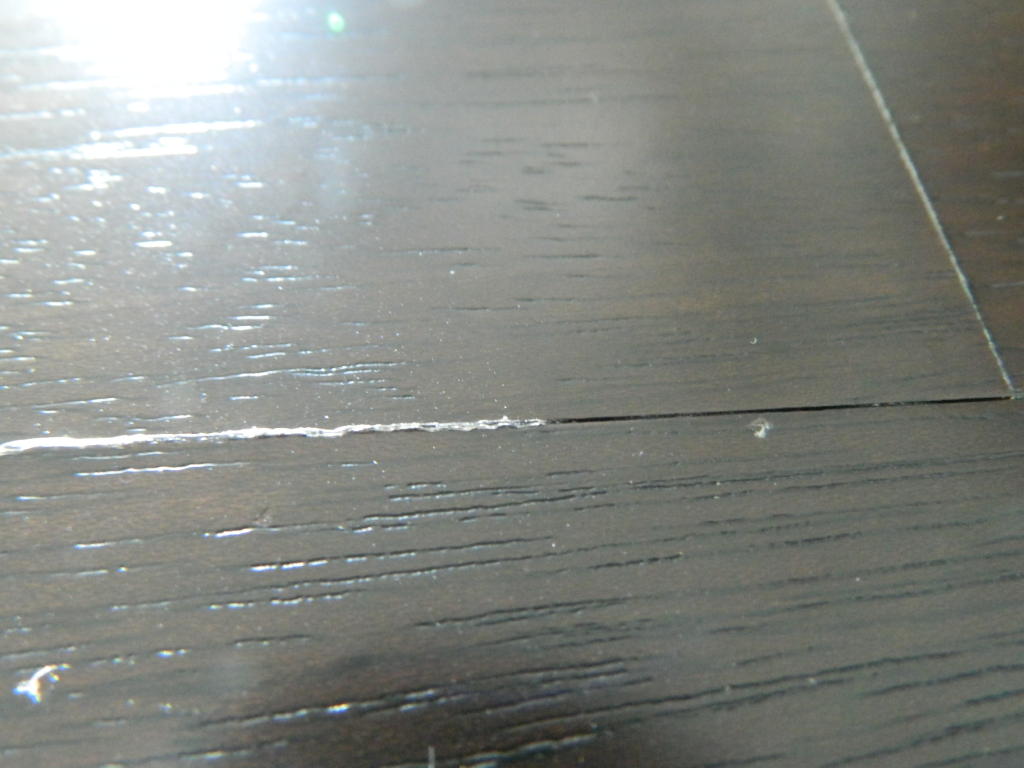
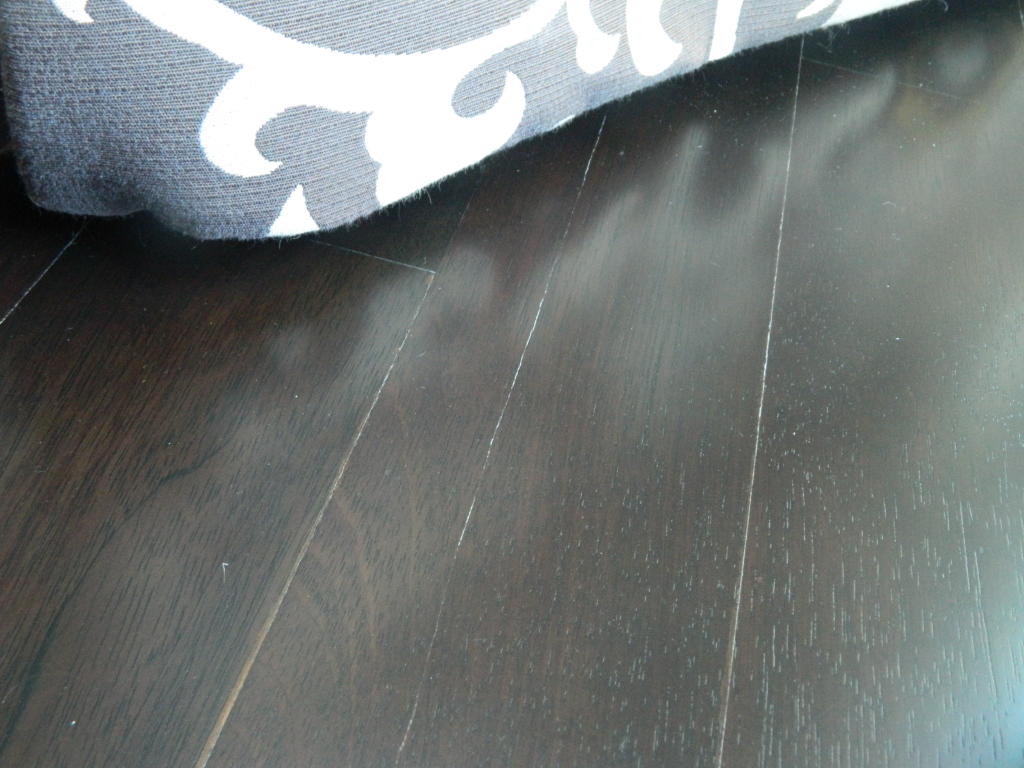
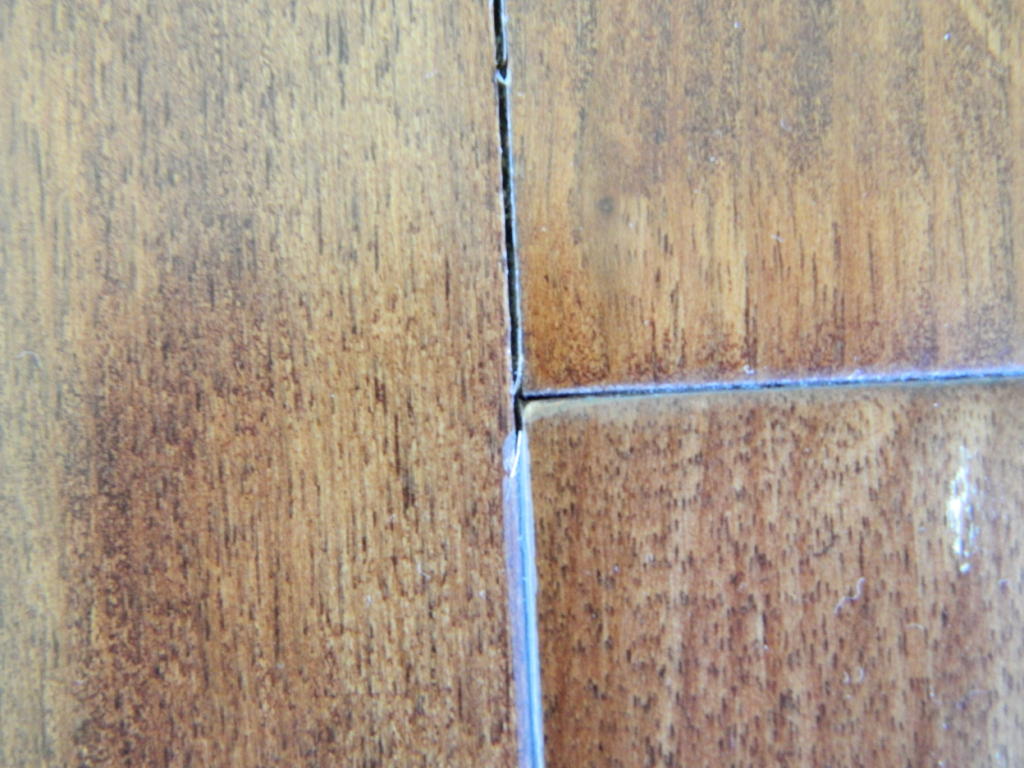
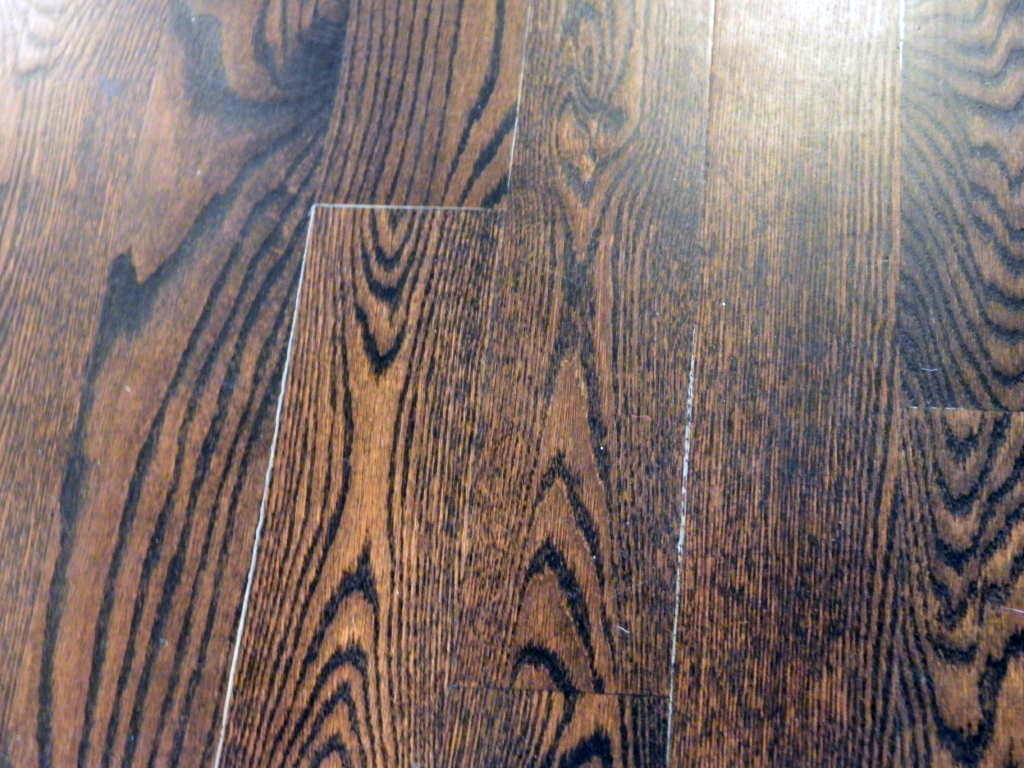
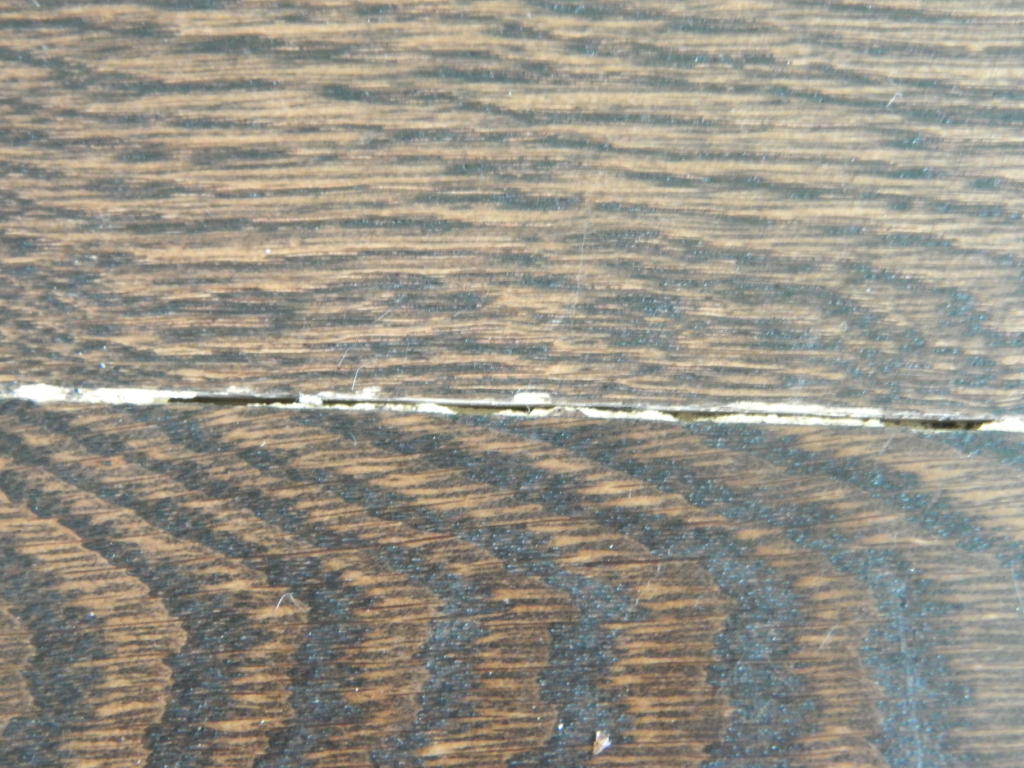
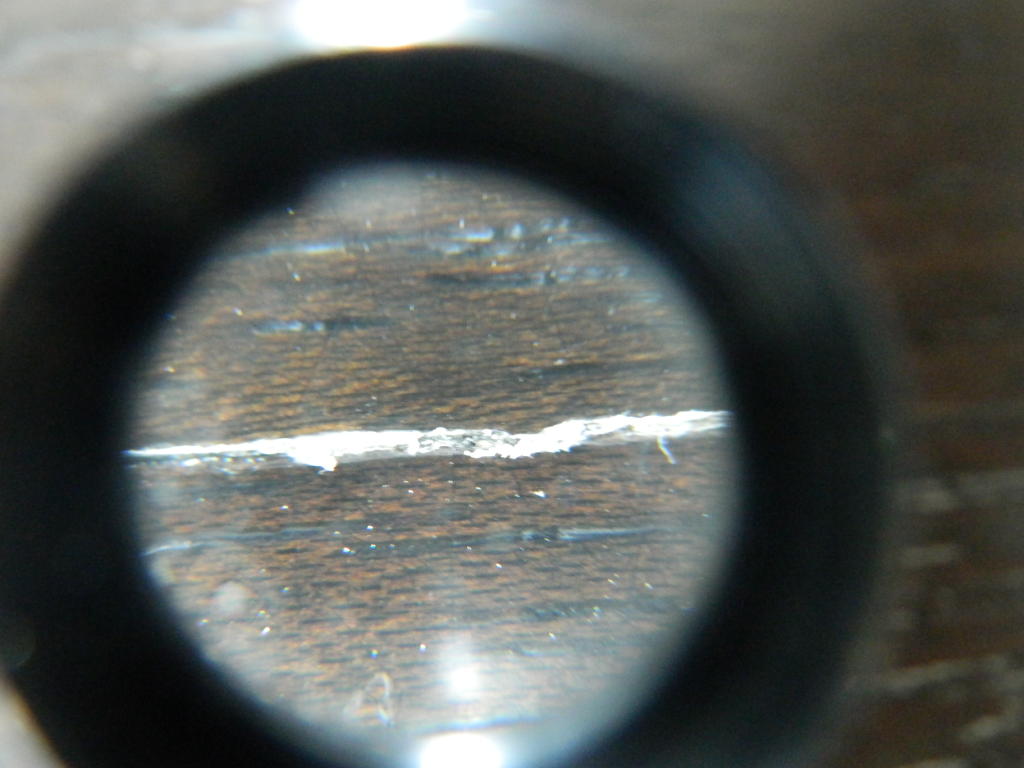
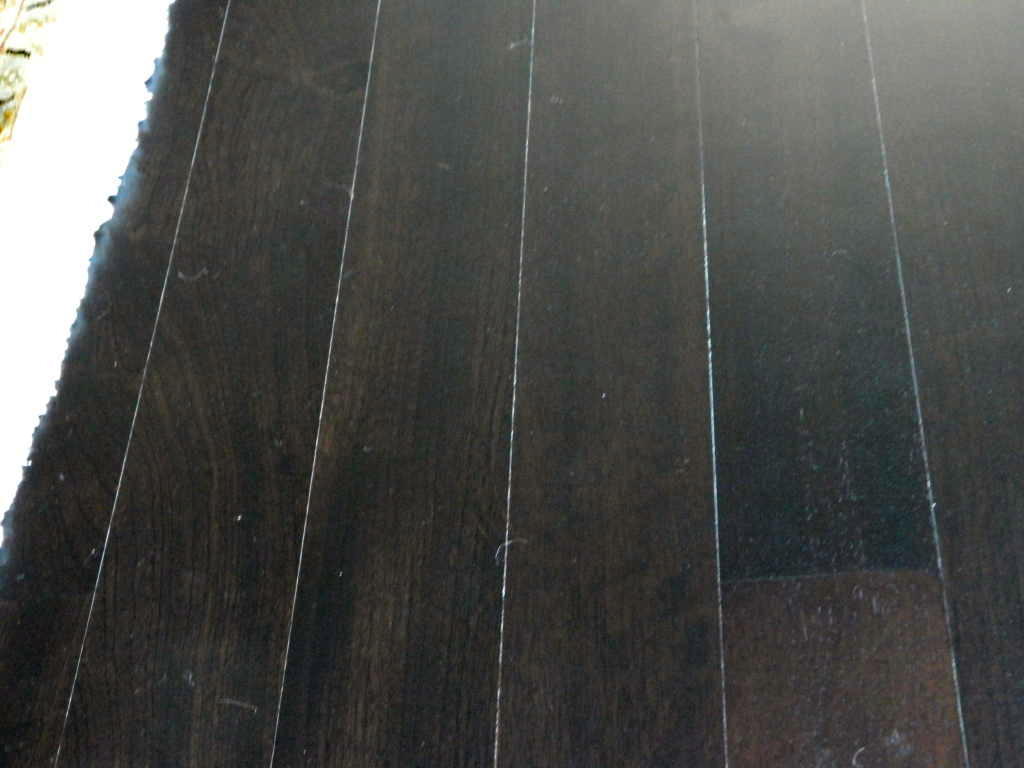
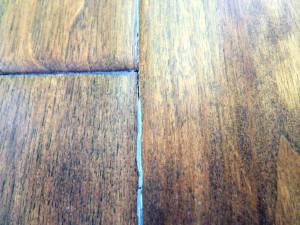
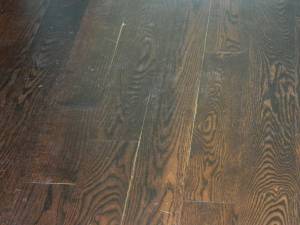
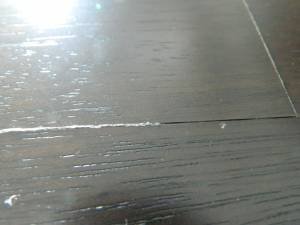
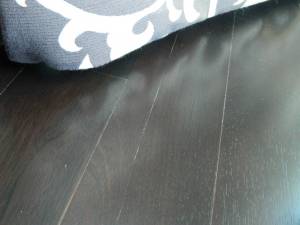
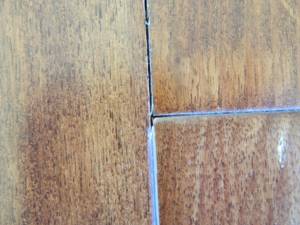
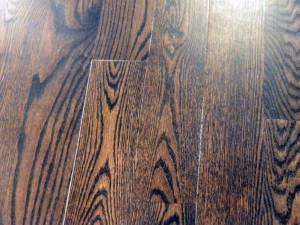
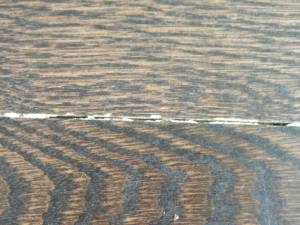
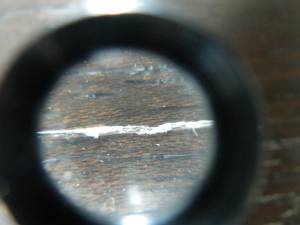
White Line Syndrome (Hardwood Flooring)
Floor Detective® Claims and Conditions Guide
Summary
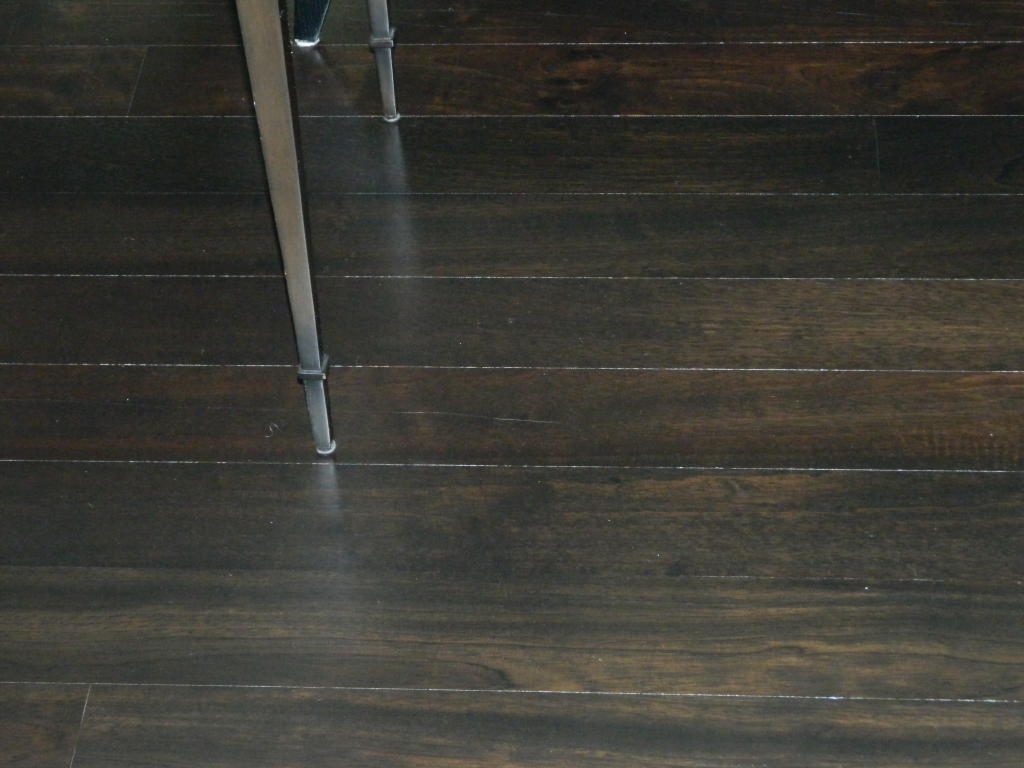
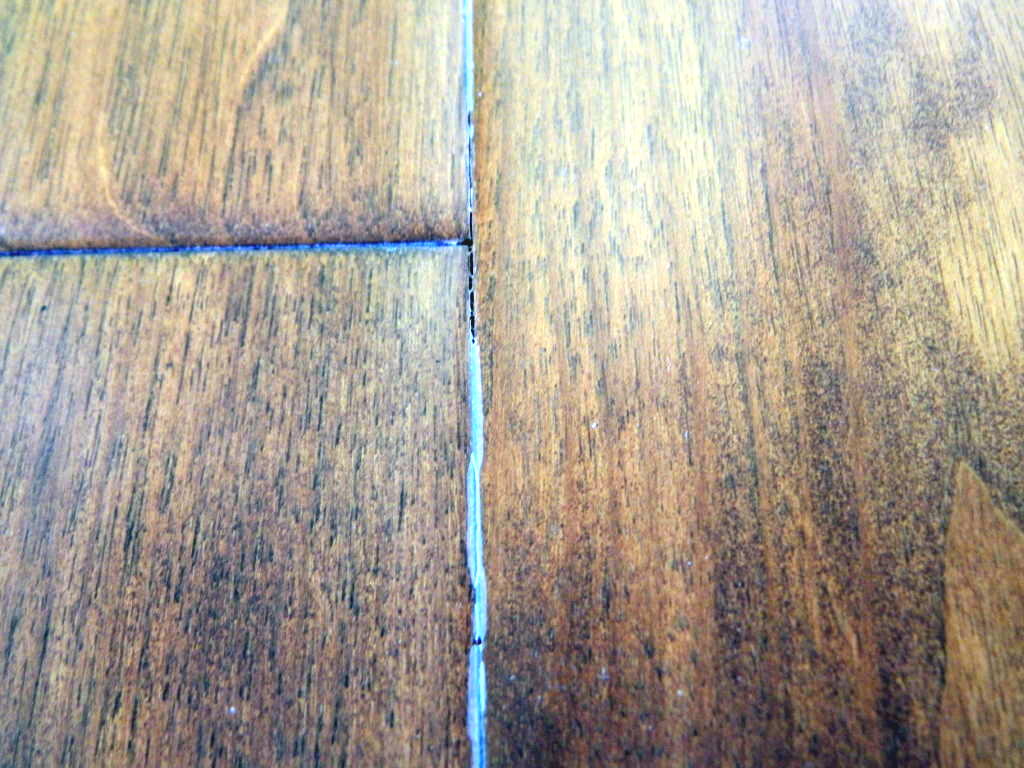
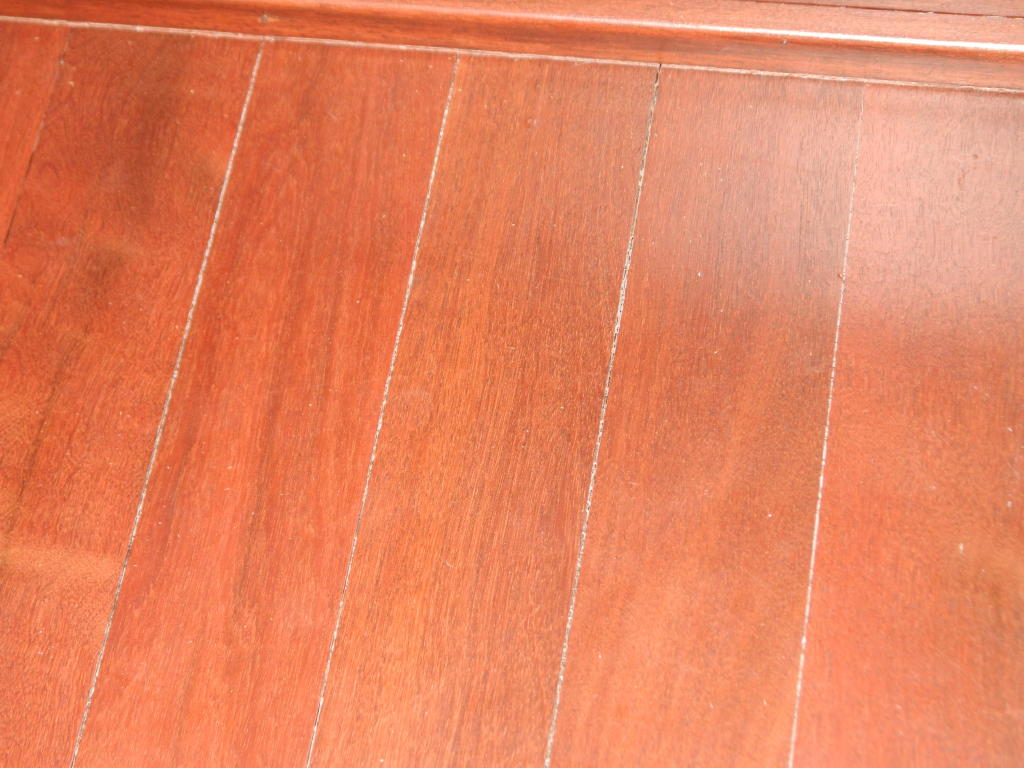
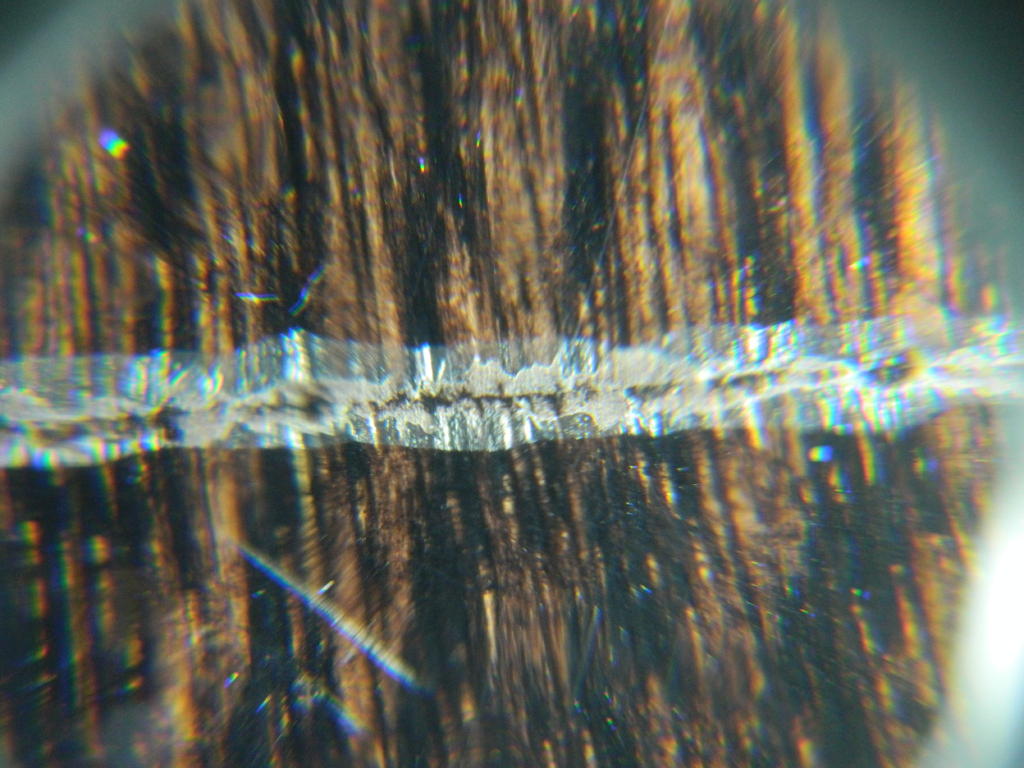
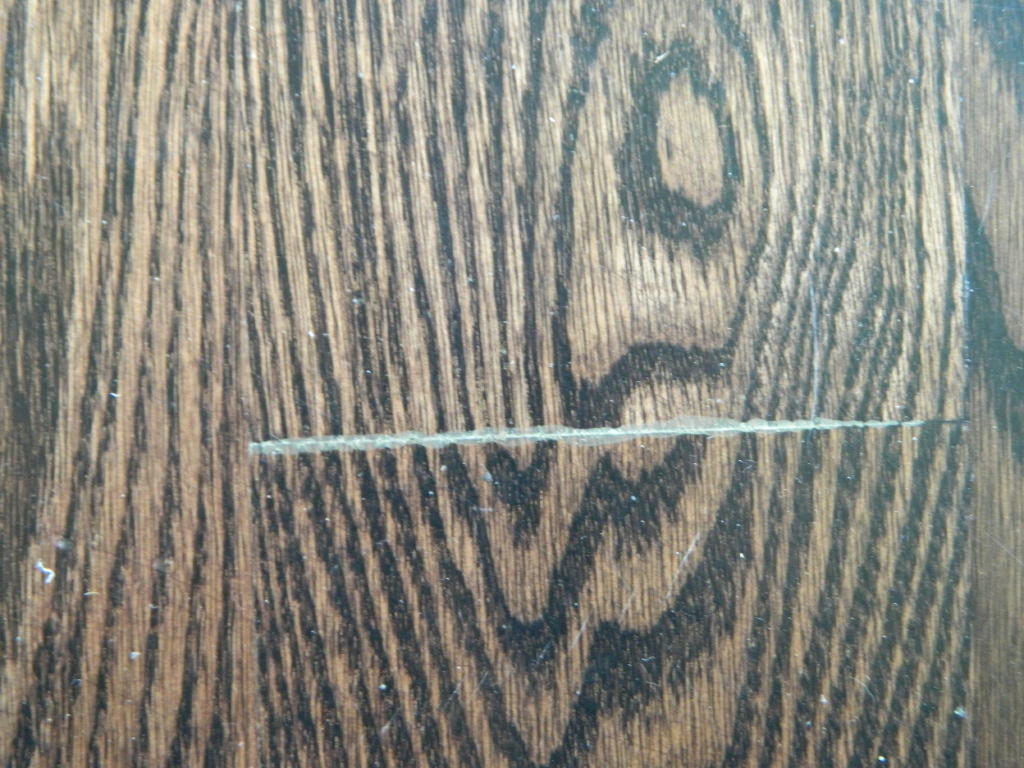
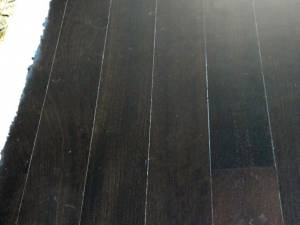
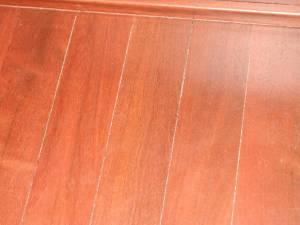
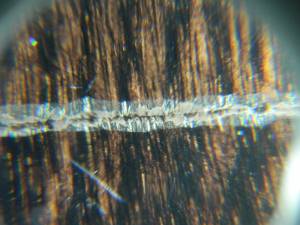
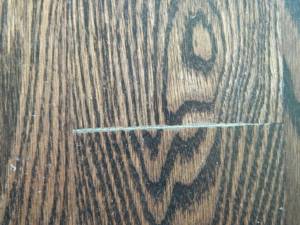
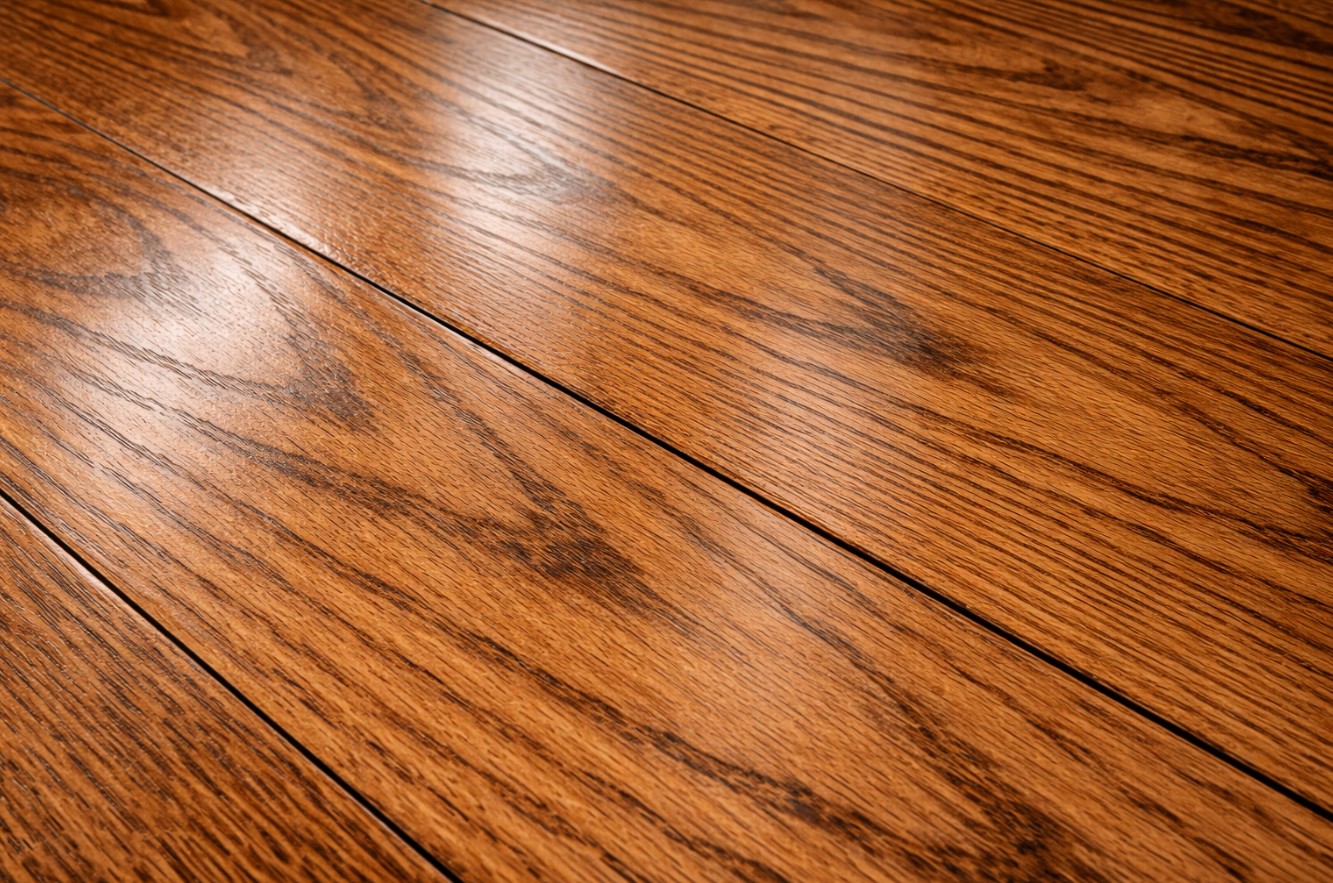
White Line Syndrome (WLS) is an appearance-related condition most commonly observed in site-finished hardwood flooring where light-colored or white lines develop along board joints, including long edges and end joints. The condition reflects finish-system behavior at board interfaces rather than fracture of the wood structure itself. WLS typically develops after the floor is placed into service as individual boards respond independently to environmental humidity change and dimensional movement. When finish films bridge across adjacent board edges, movement may concentrate stress at joint lines, leading to localized finish thinning, micro-separation, adhesion disruption, or altered light reflectivity. The resulting white appearance is generally associated with finish-film behavior rather than structural flooring failure or measurable board separation. Visibility commonly increases under reflective lighting, darker stain colors, and higher-gloss finishes. Proper evaluation requires differentiating finish disruption from true shrinkage gaps, wood checking, adhesive residue, finish contamination, or substrate movement. White Line Syndrome reflects finish-system interaction with dimensional wood movement rather than failure of the wood substrate itself. See also Gaps, Checks vs Splits vs Shake, and Hardwood Floor Problems for broader context.
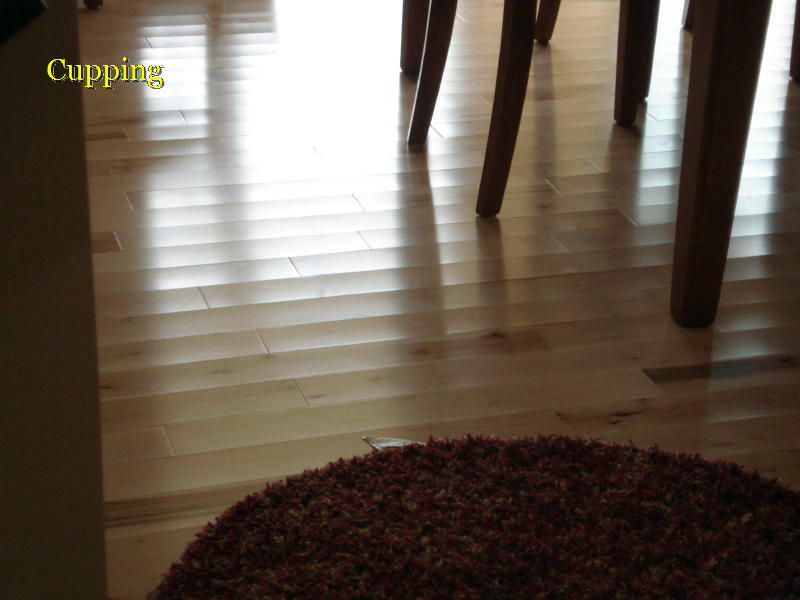
Hardwood Floor Problems
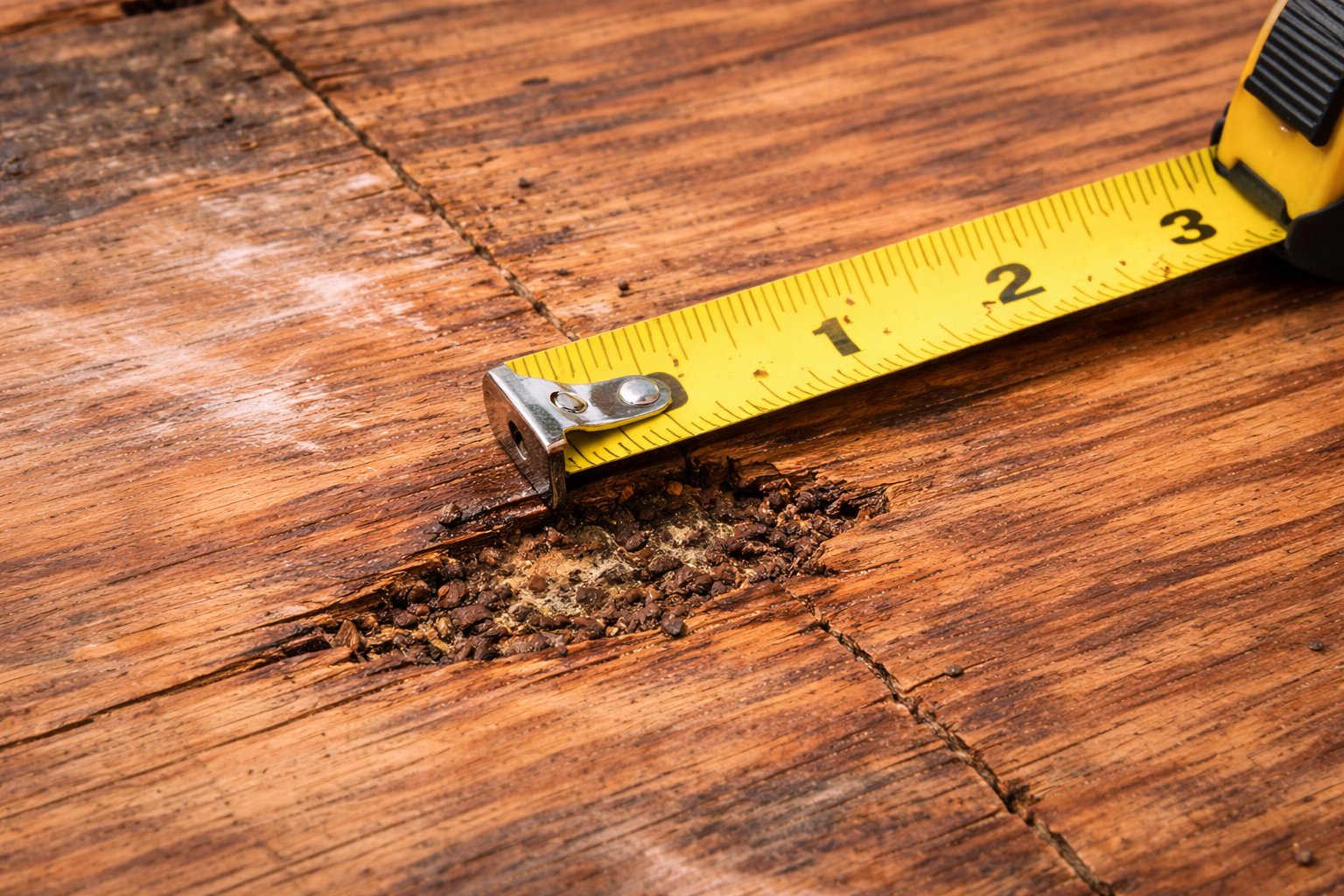
Wood Decay (Hardwood Flooring)
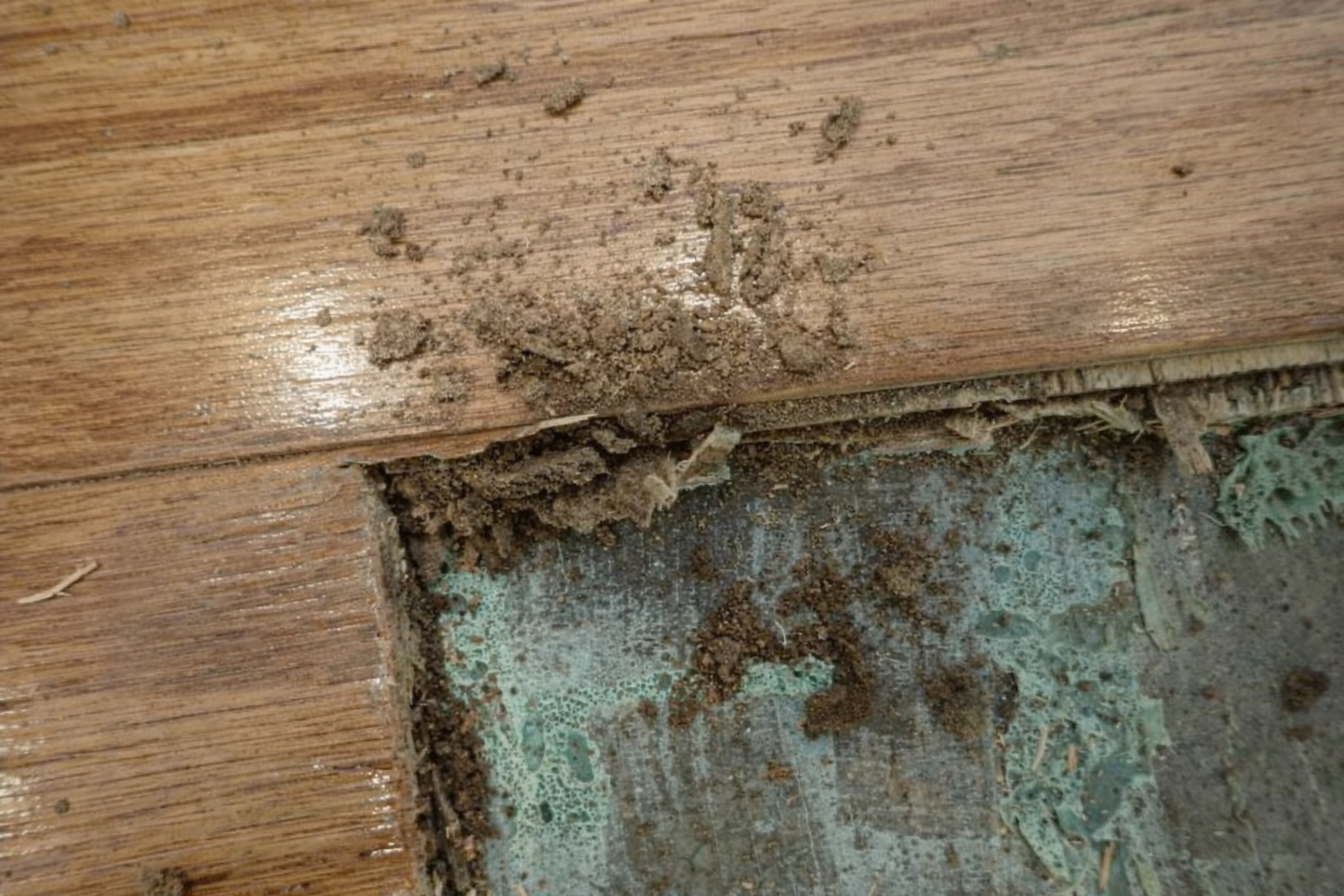
Termite Damage (Hardwood Flooring)
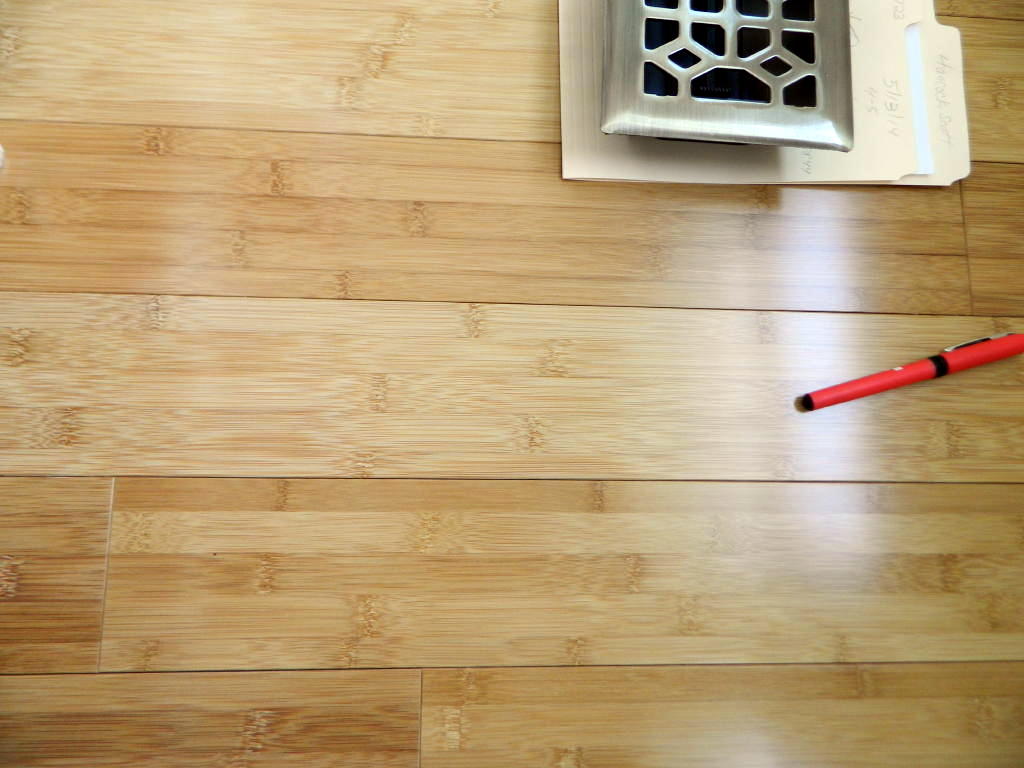
Bamboo Flooring Construction and Dimensional Behavior
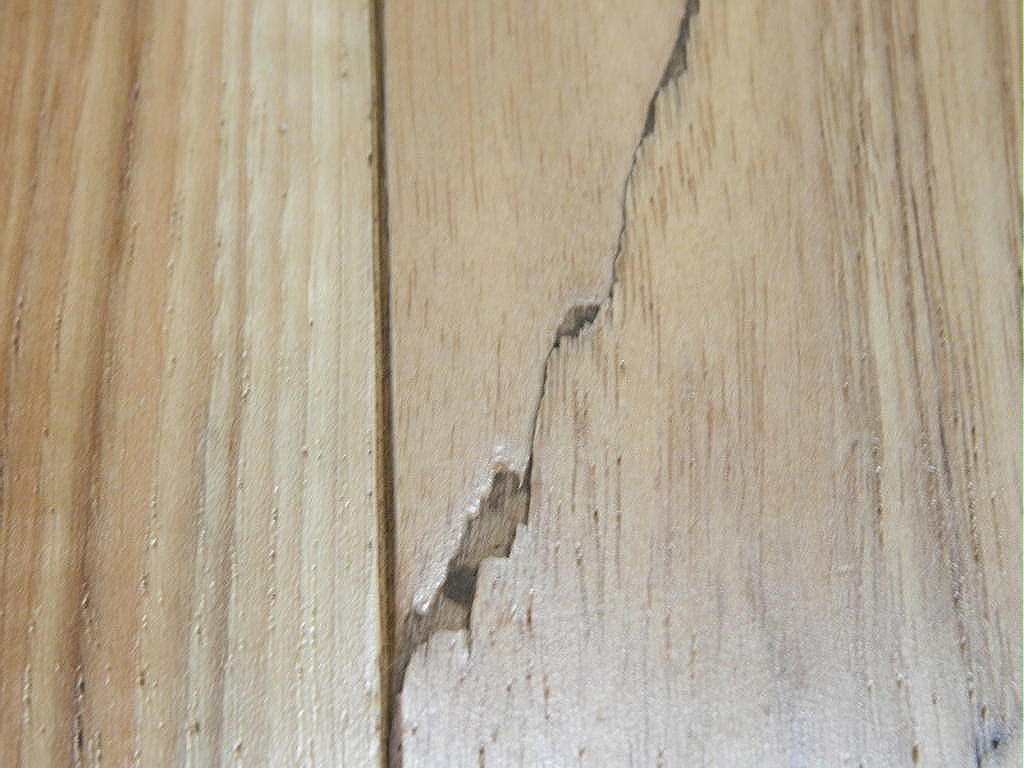
Checks vs. Splits vs. Shake (Solid Hardwood)
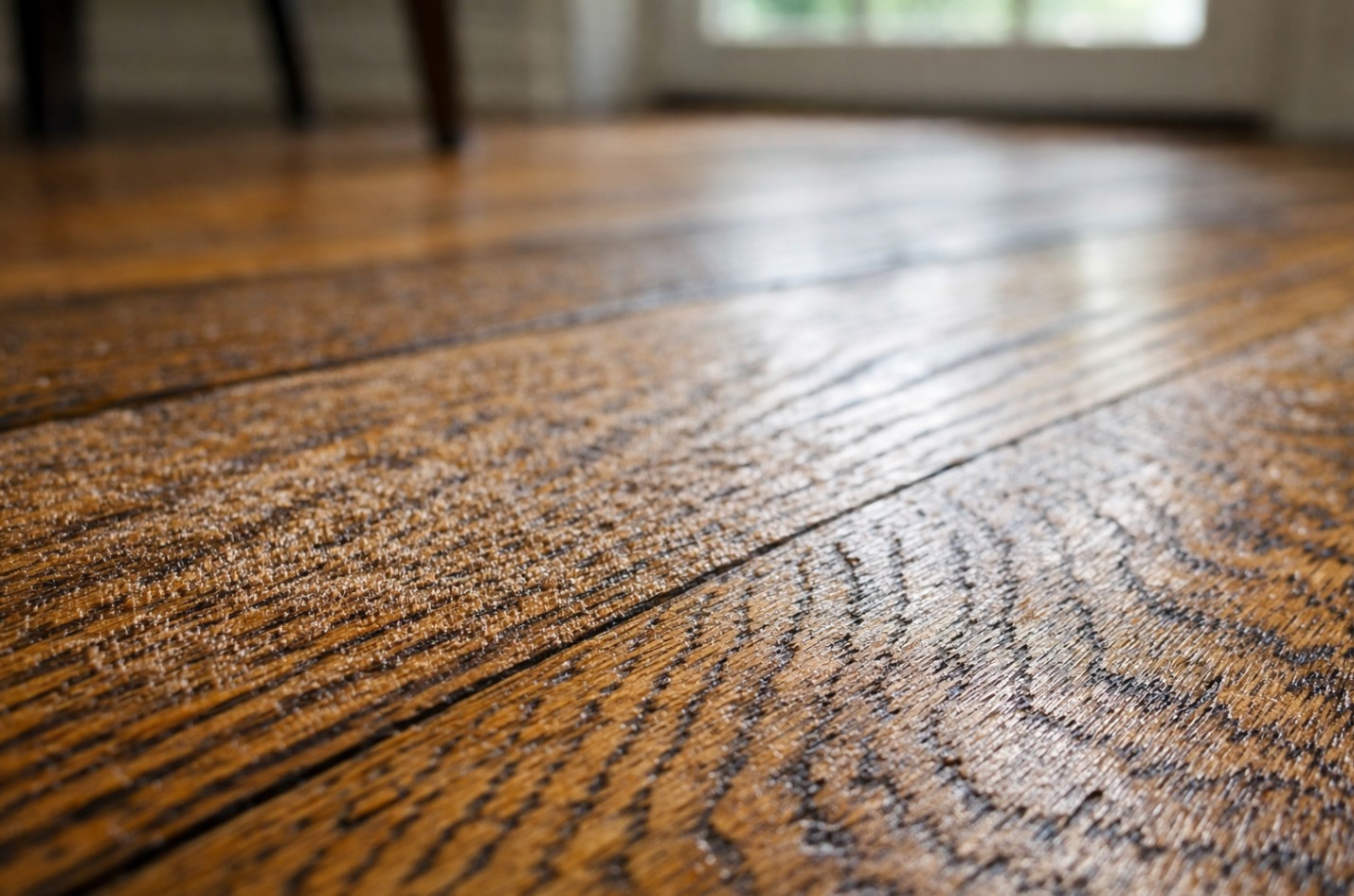
Grain Raise (Hardwood Finish Issue)
Splits – Cracks

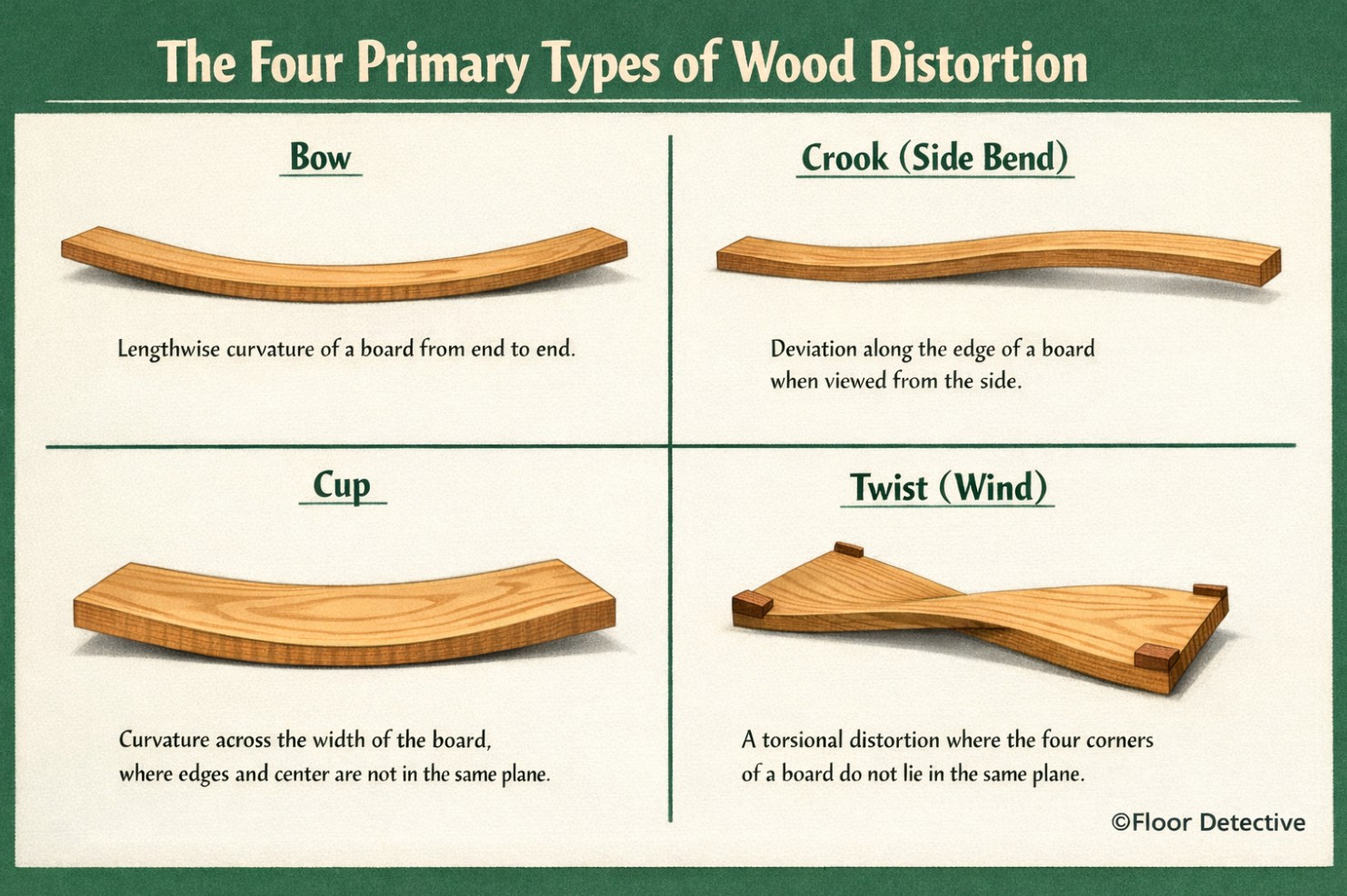
Wood Distortion
Wood Shear (Engineered Flooring)