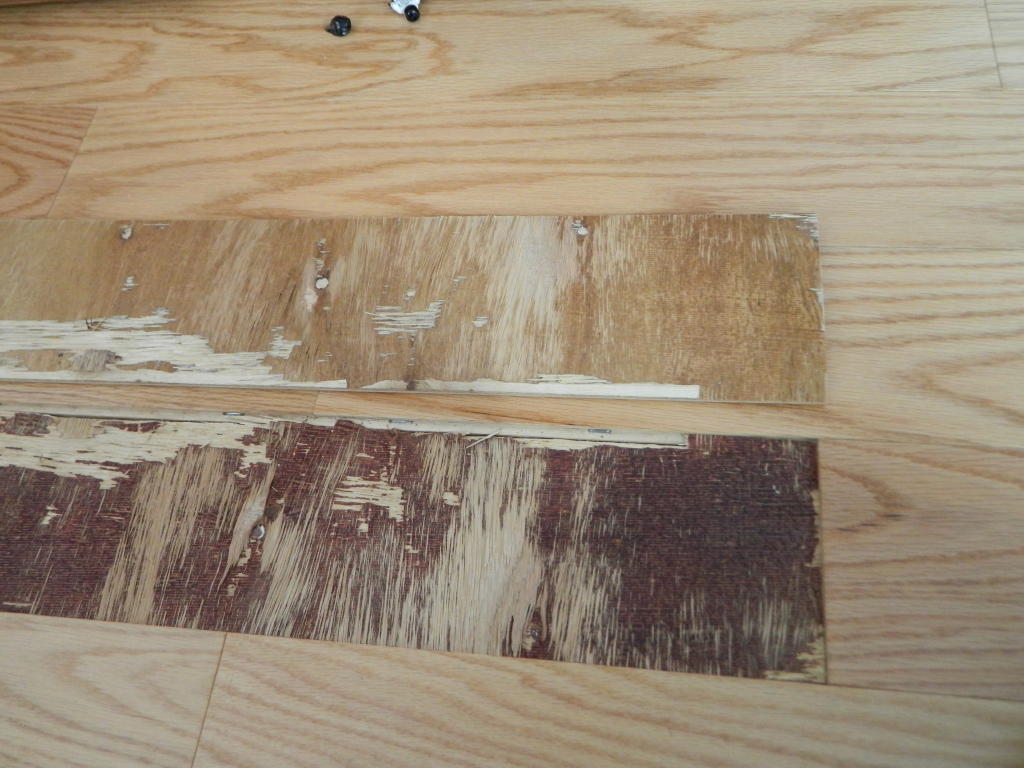
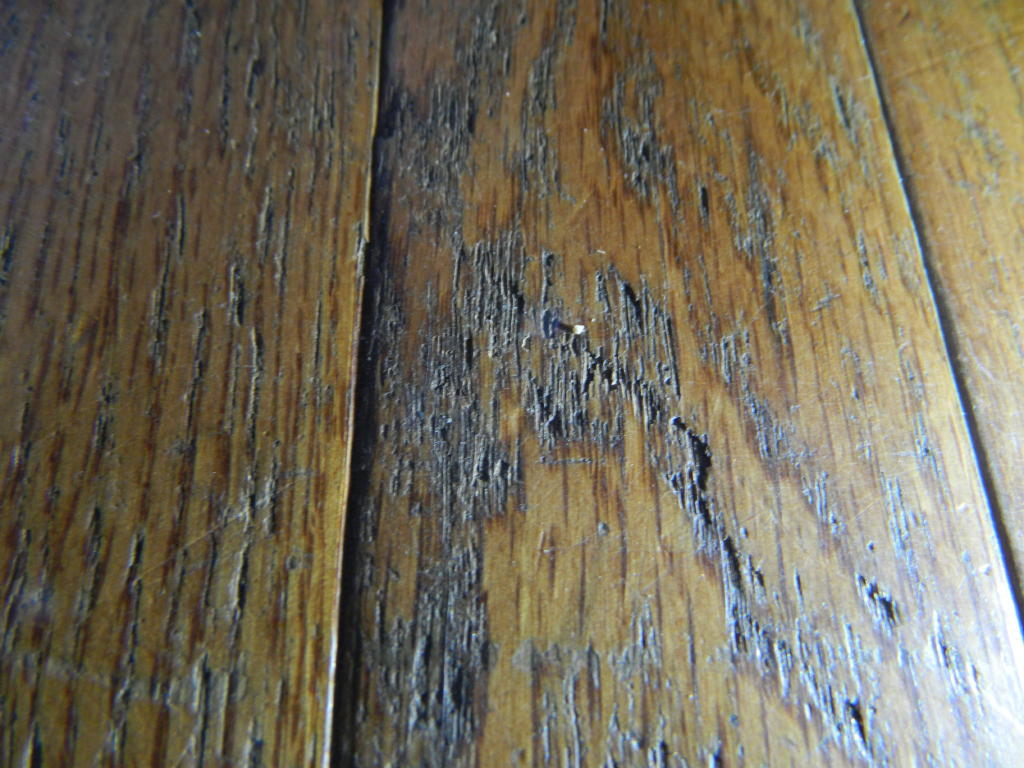
Splits – Cracks
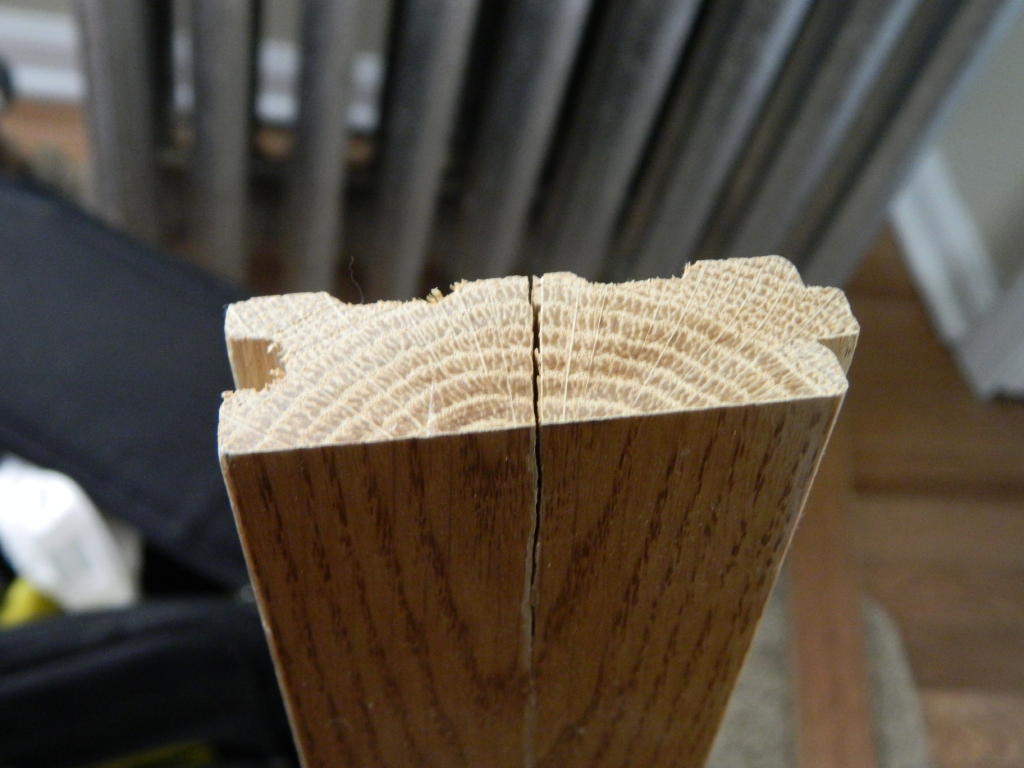
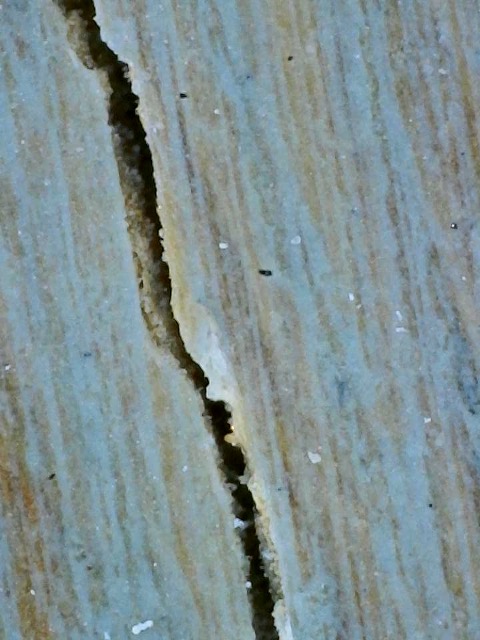
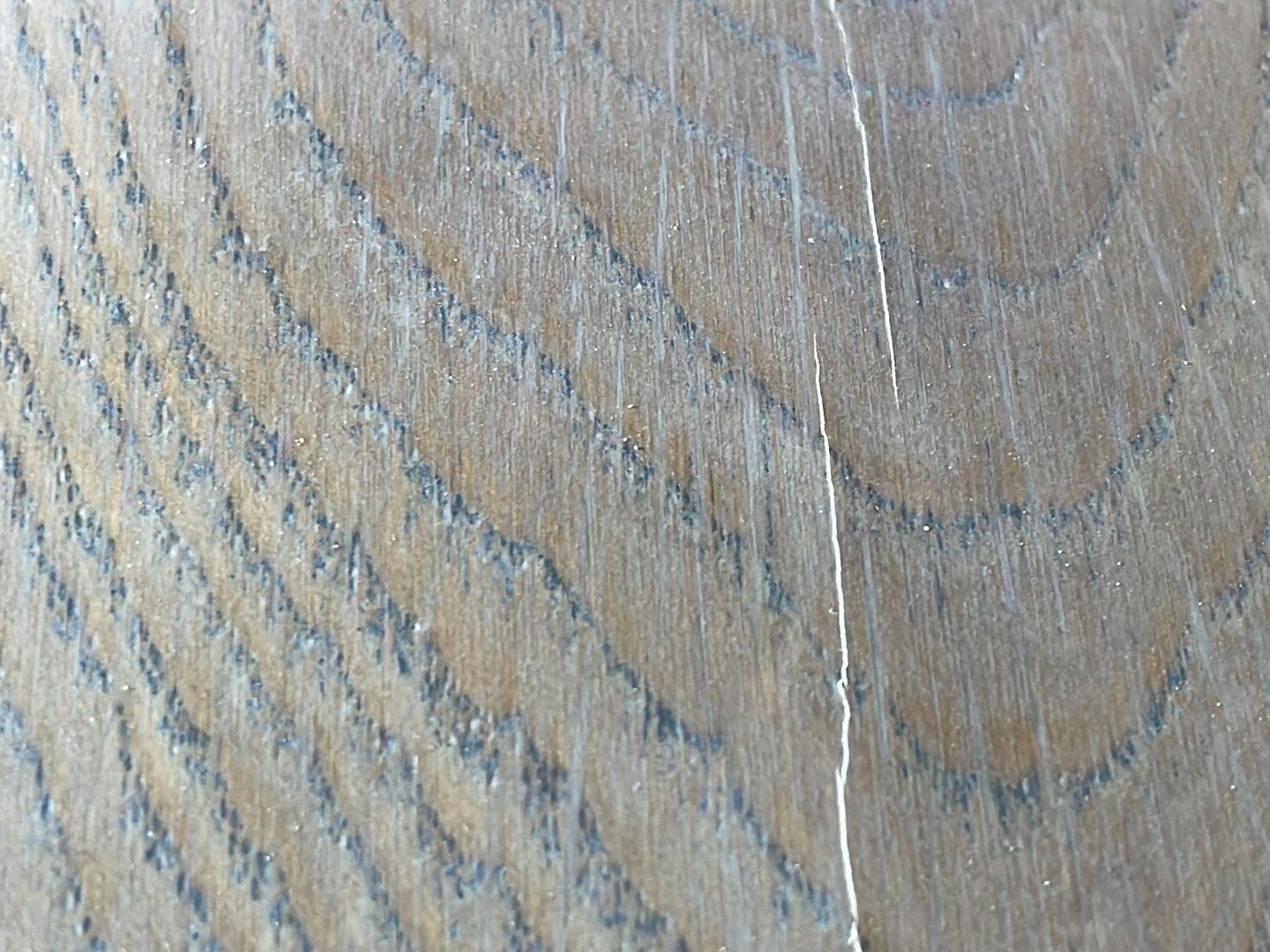

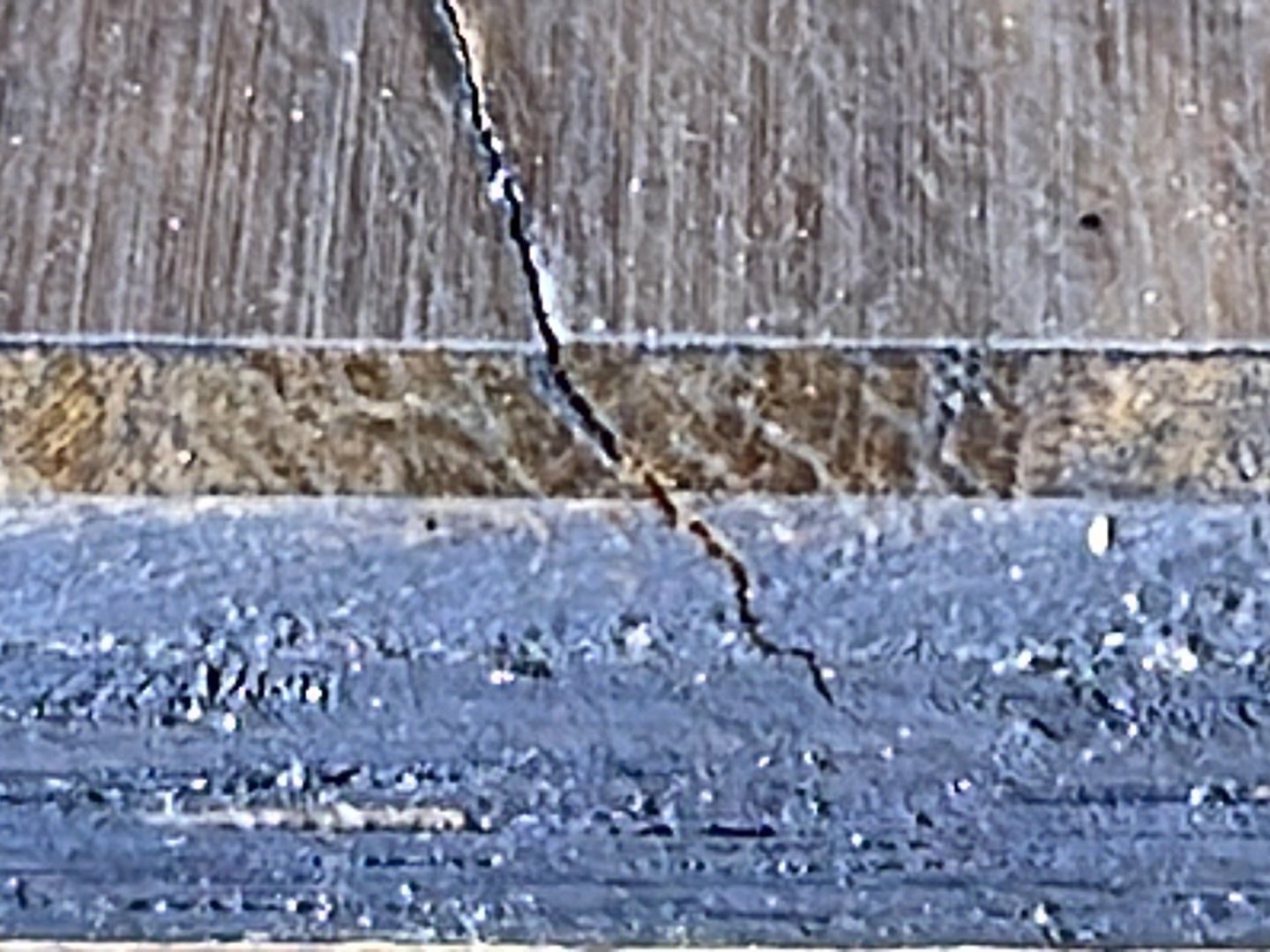
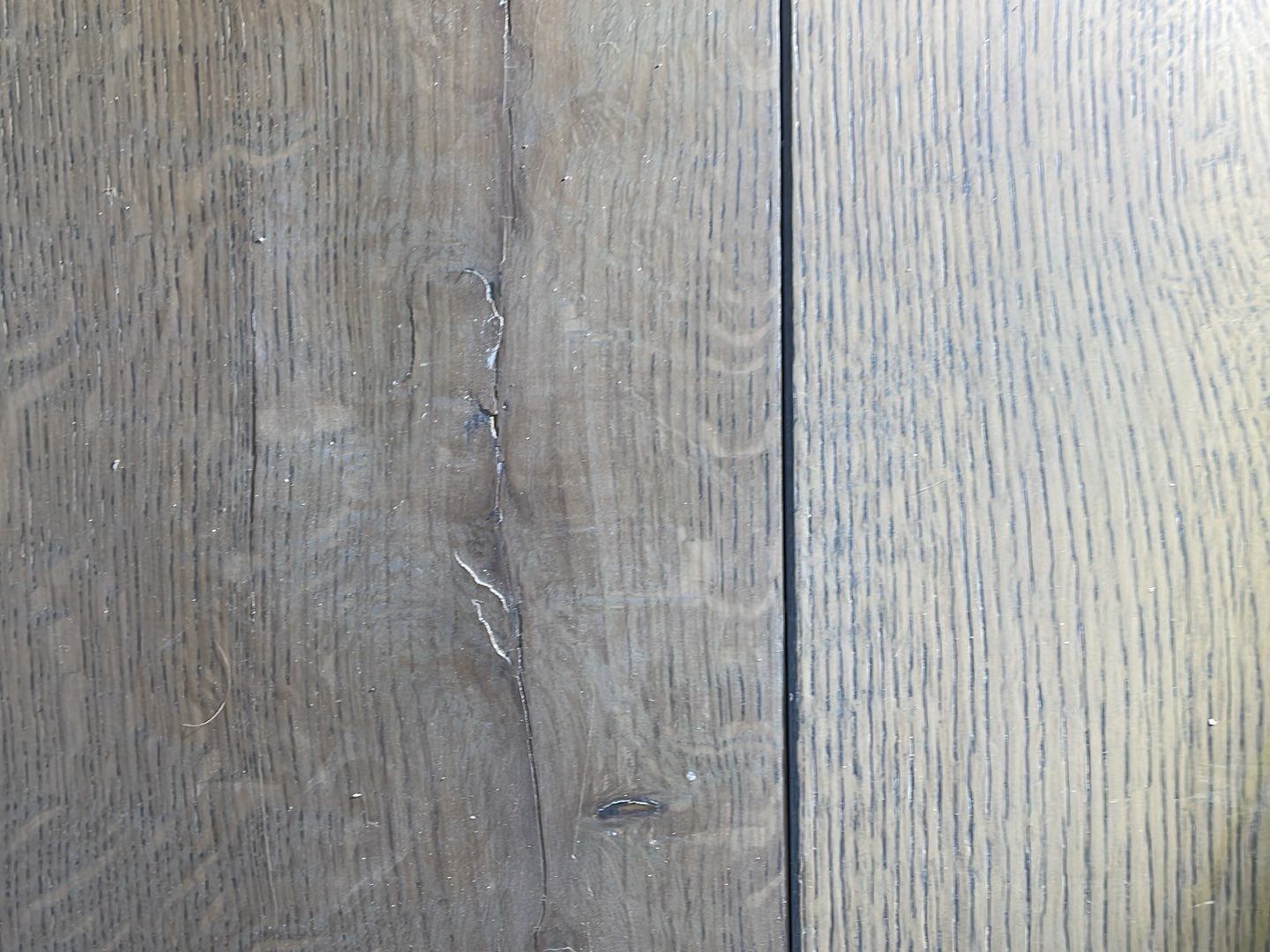
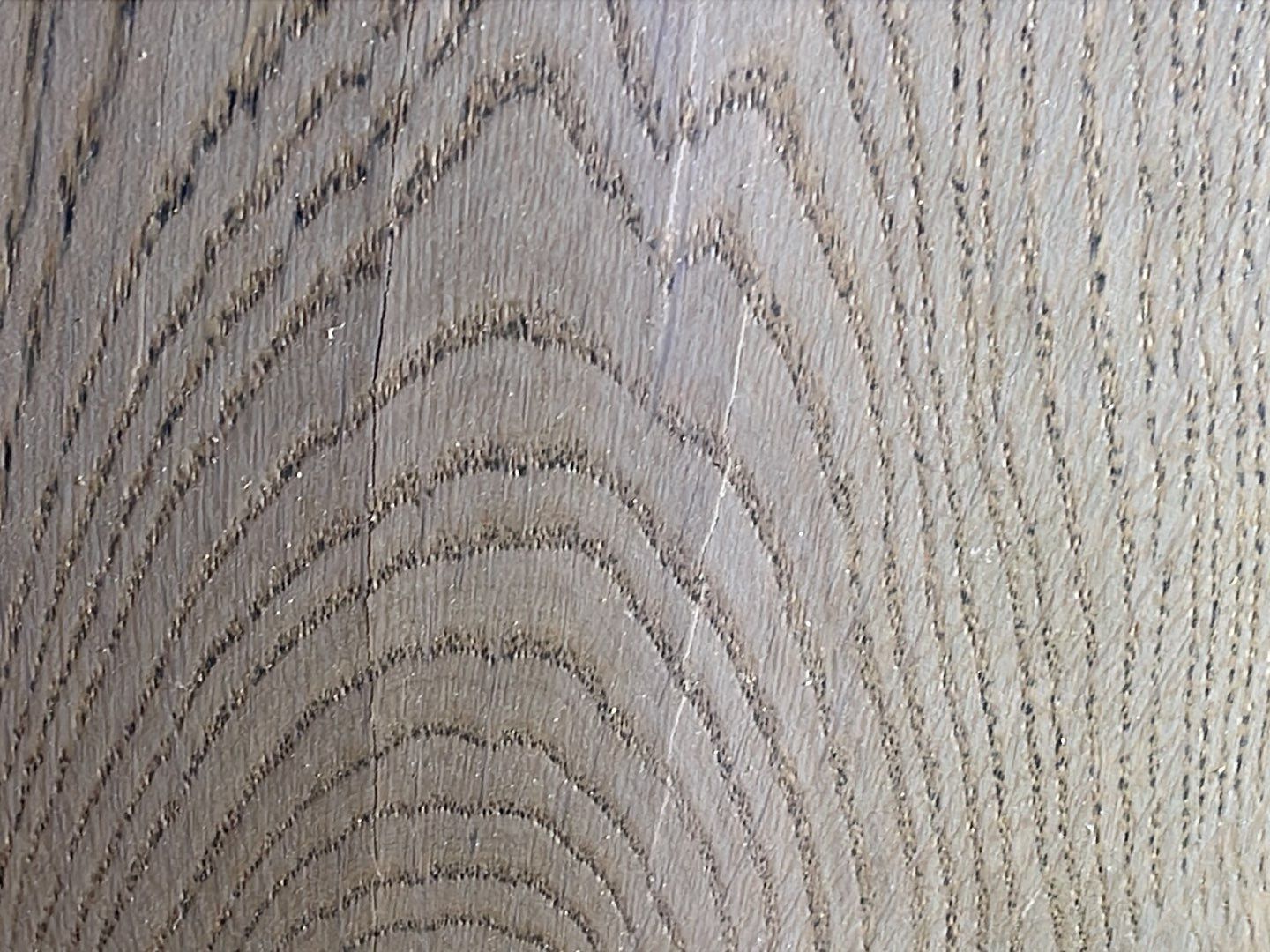
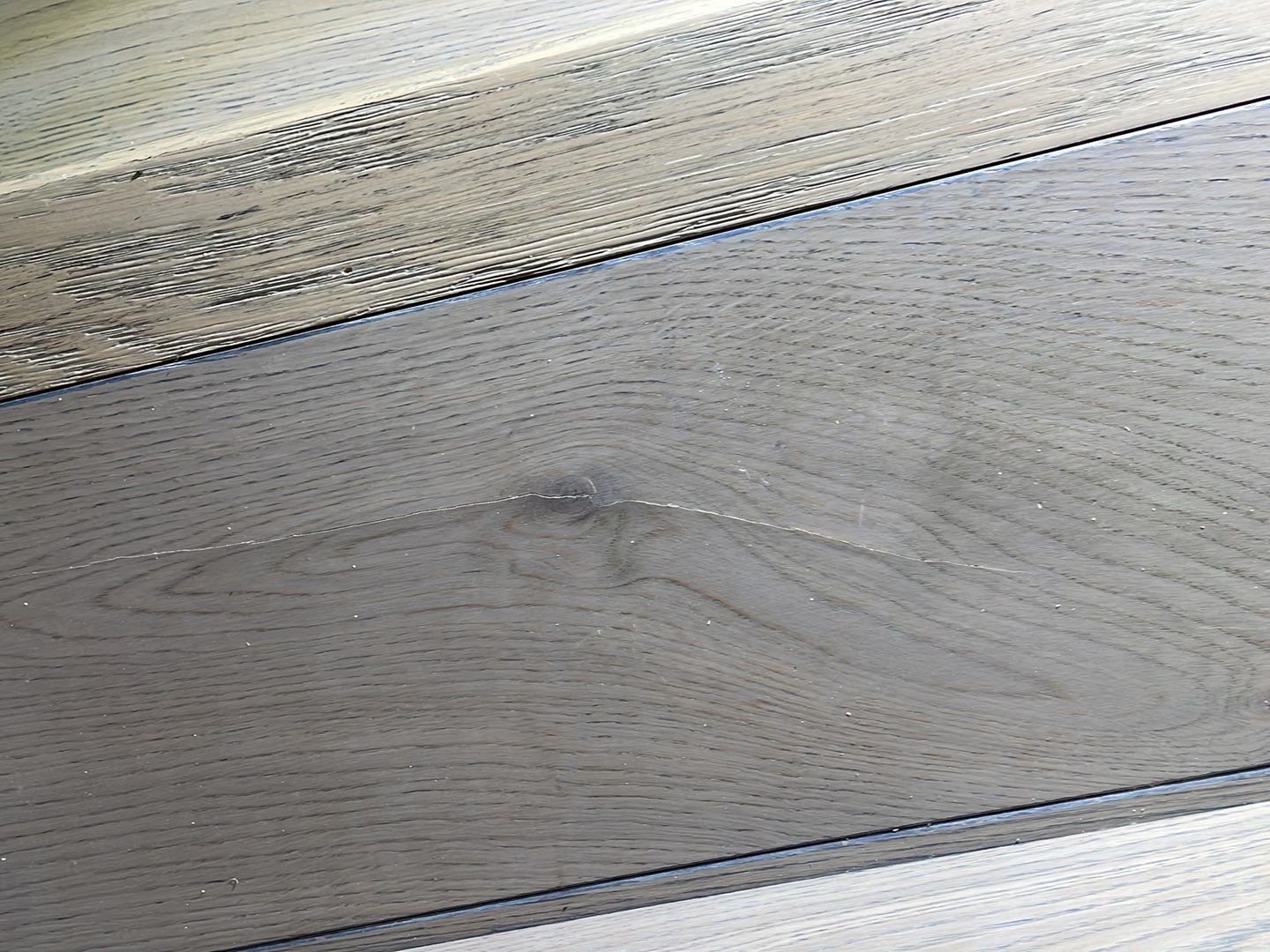
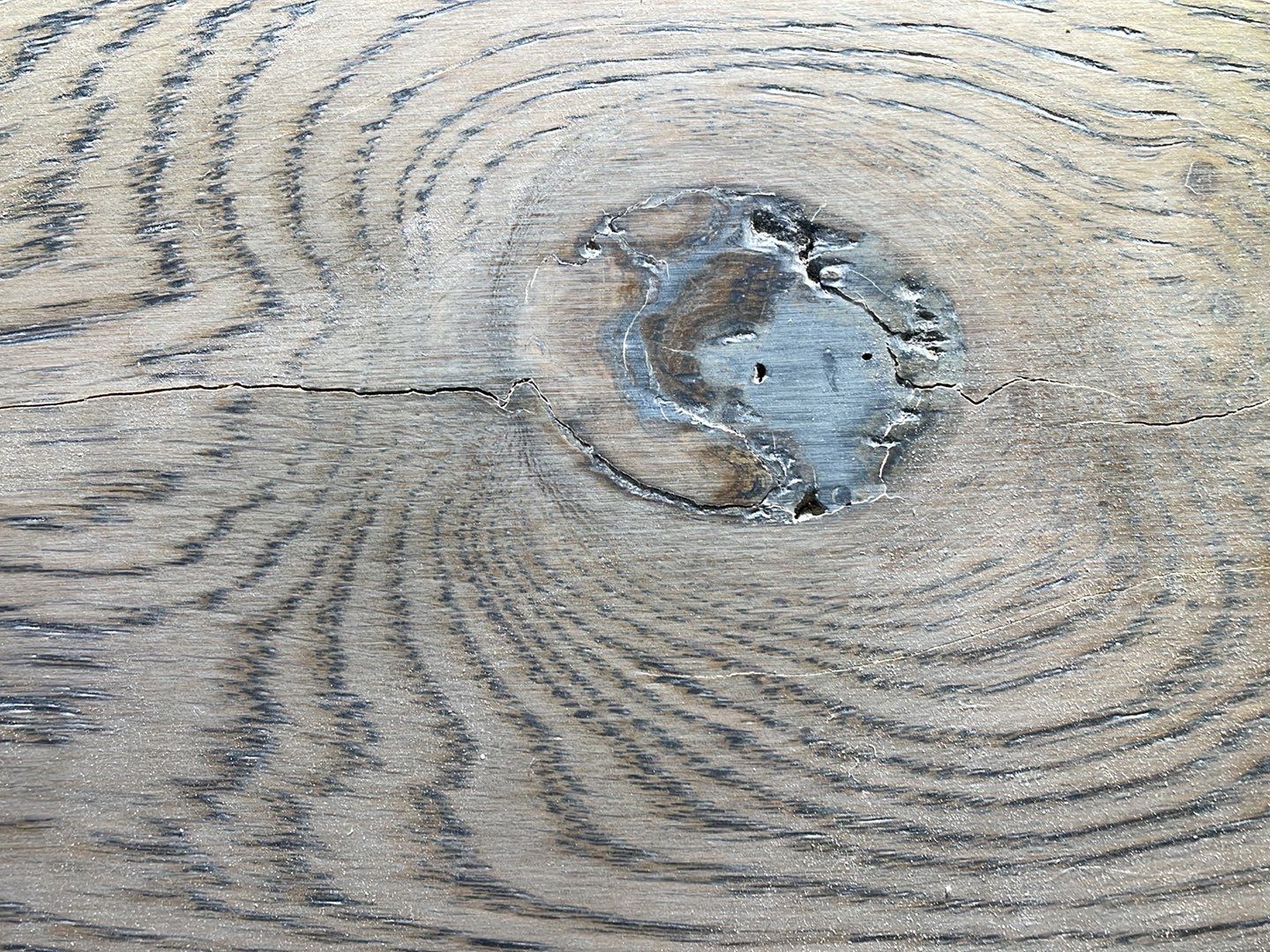
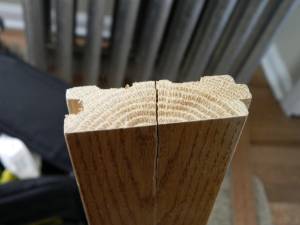
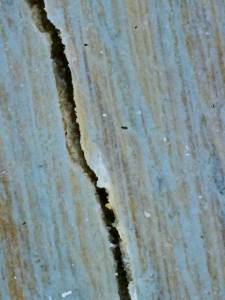

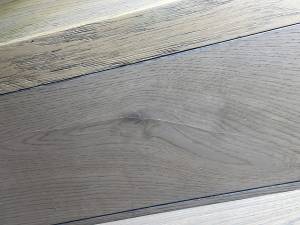
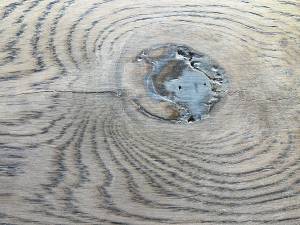
Splits and Cracks (Hardwood Flooring)
Floor Detective® Claims and Conditions Guide
Summary
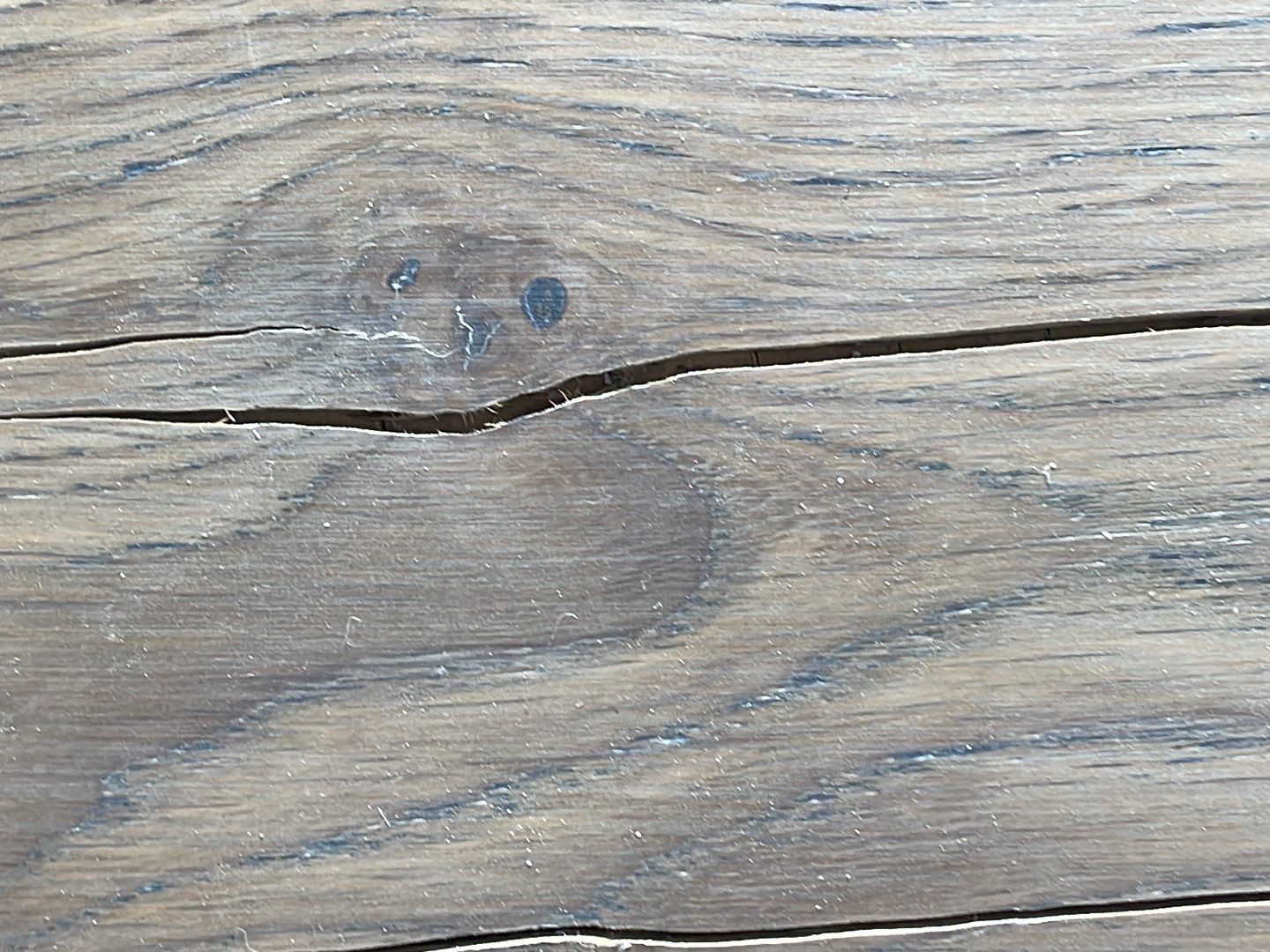
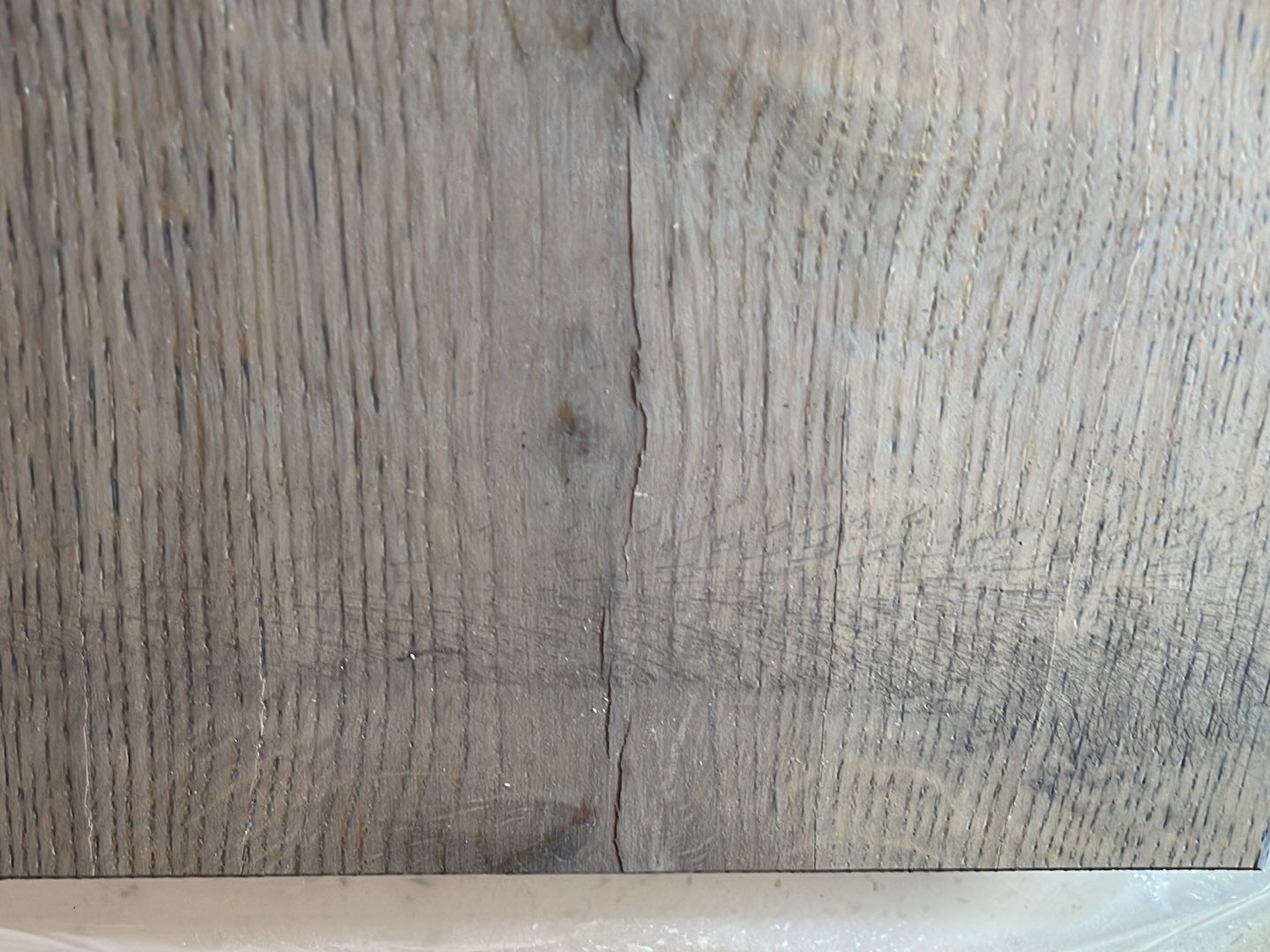
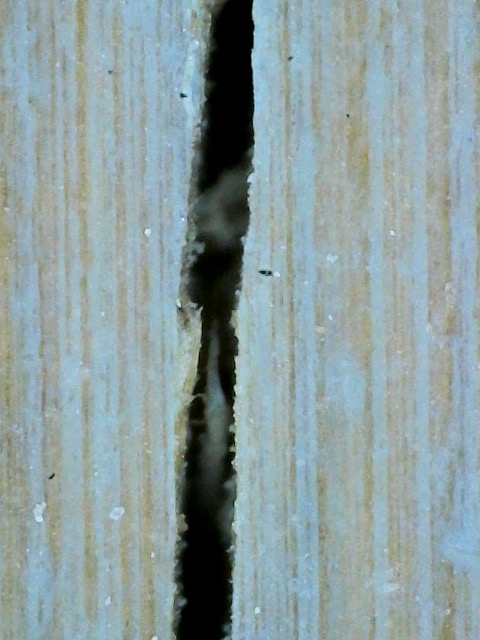
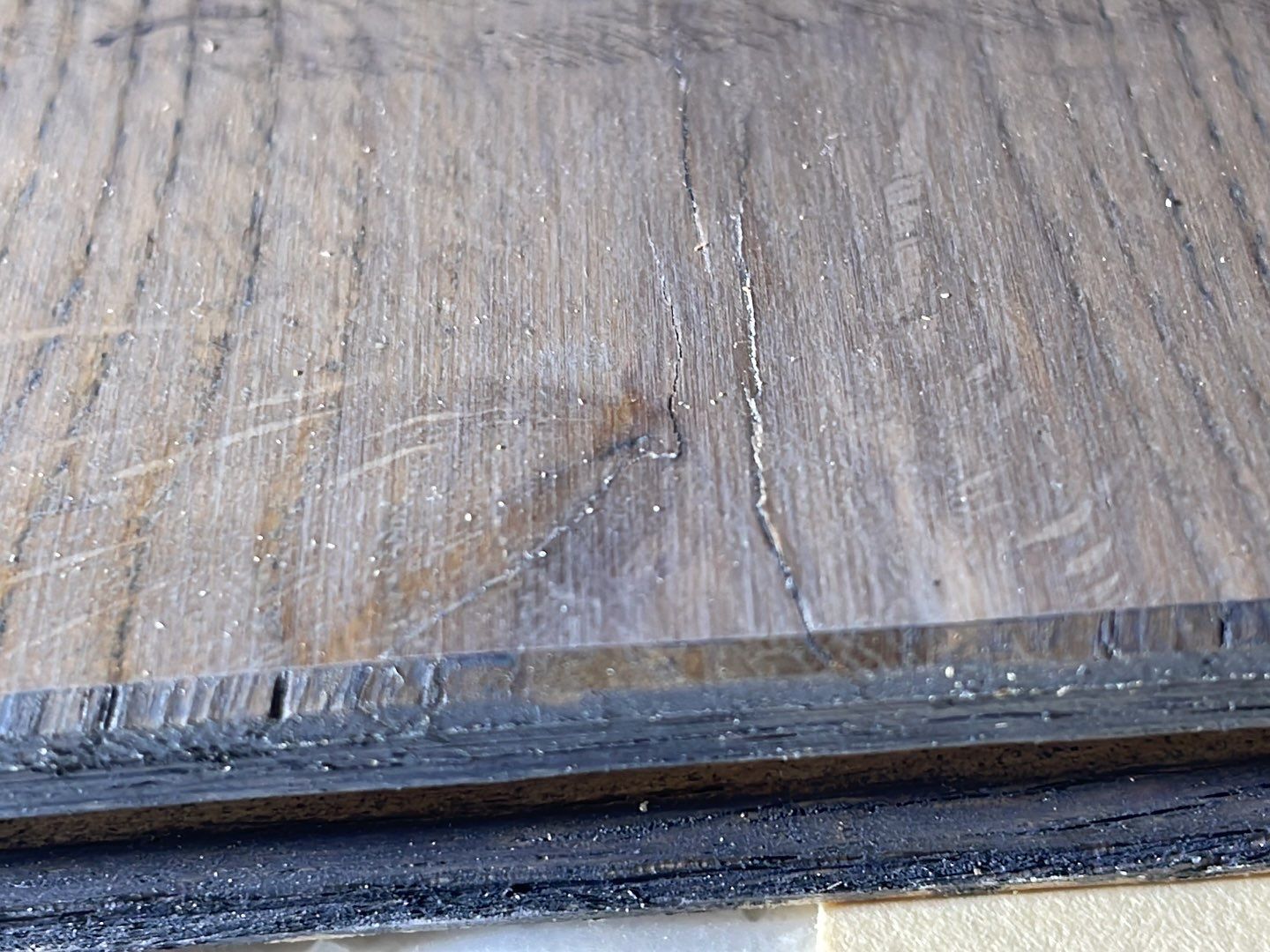
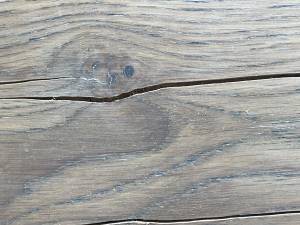
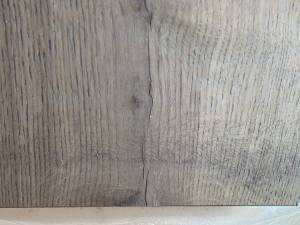
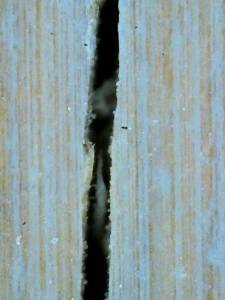
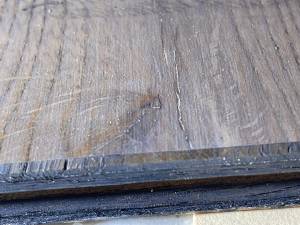
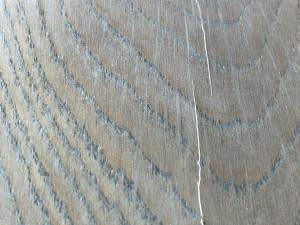
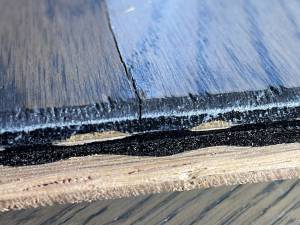
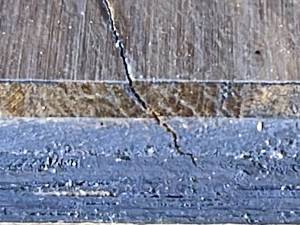
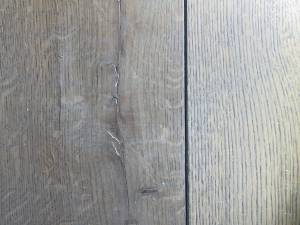
Splits and cracks in hardwood flooring are structural separations within the wood caused by rupture of wood fibers under mechanical, environmental, or dimensional stress. These separations may follow the grain direction, growth-ring orientation, or localized stress pathways depending on wood anatomy and loading conditions. Some splits originate during tree growth, harvesting, drying, or manufacturing and remain latent until dimensional movement, machining, sanding, finishing, or environmental exposure makes them visible. Hardwood is anisotropic and responds differently across tangential, radial, and longitudinal grain directions, influencing how internal stress becomes expressed within the board structure. Moisture fluctuation commonly increases visibility or separation width but does not independently create wood-fiber rupture without sufficient underlying stress concentration. The presence of splits or cracks alone does not independently establish manufacturing defect, installation failure, or systemic flooring deficiency. Proper classification requires evaluation of fracture depth, orientation, distribution pattern, environmental conditions, and flooring-system interaction. See also Checks vs Splits vs Shake, Wood Distortion, and Hardwood Floor Problems for broader context.
Hardwood Floor Problems
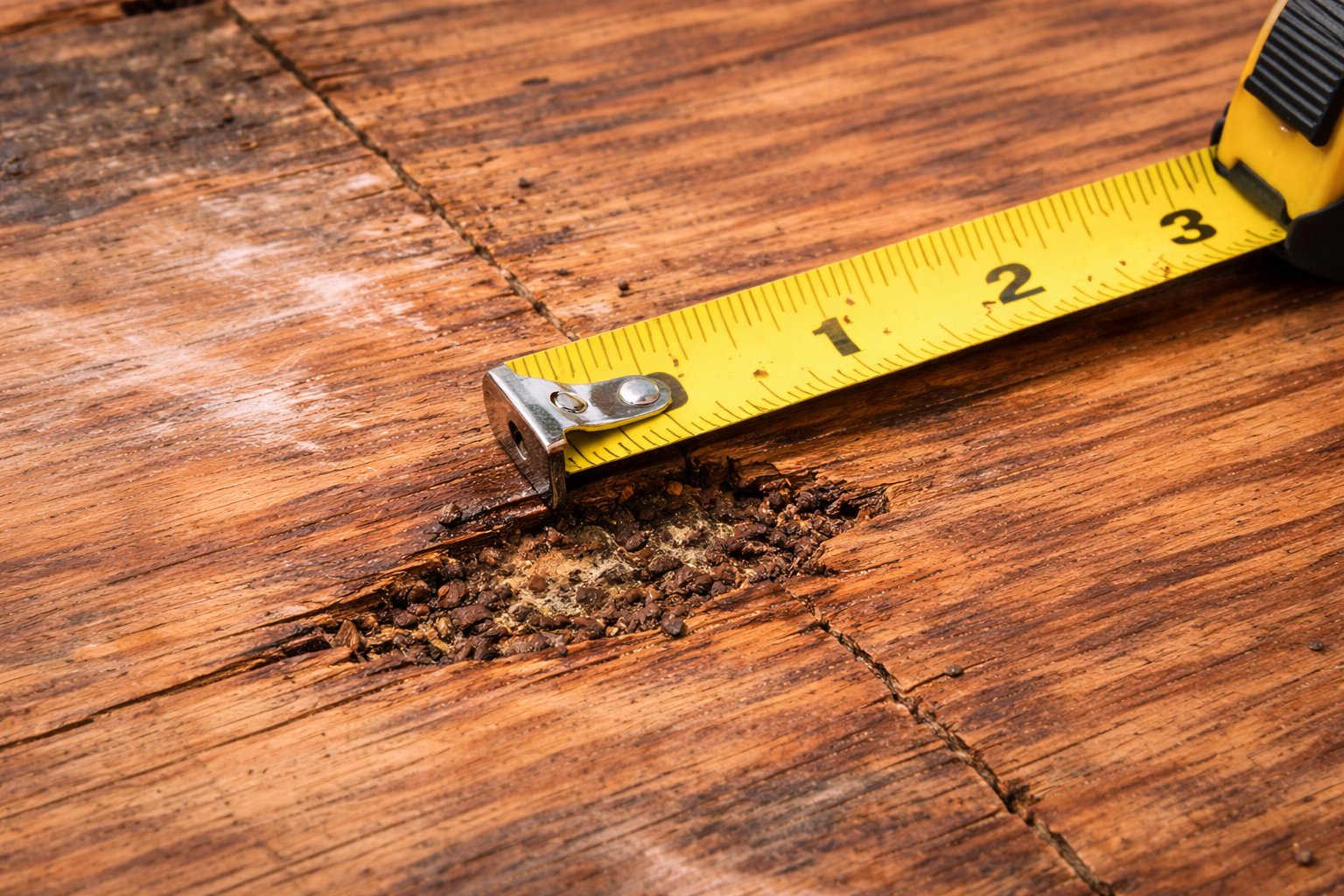
Wood Decay (Hardwood Flooring)
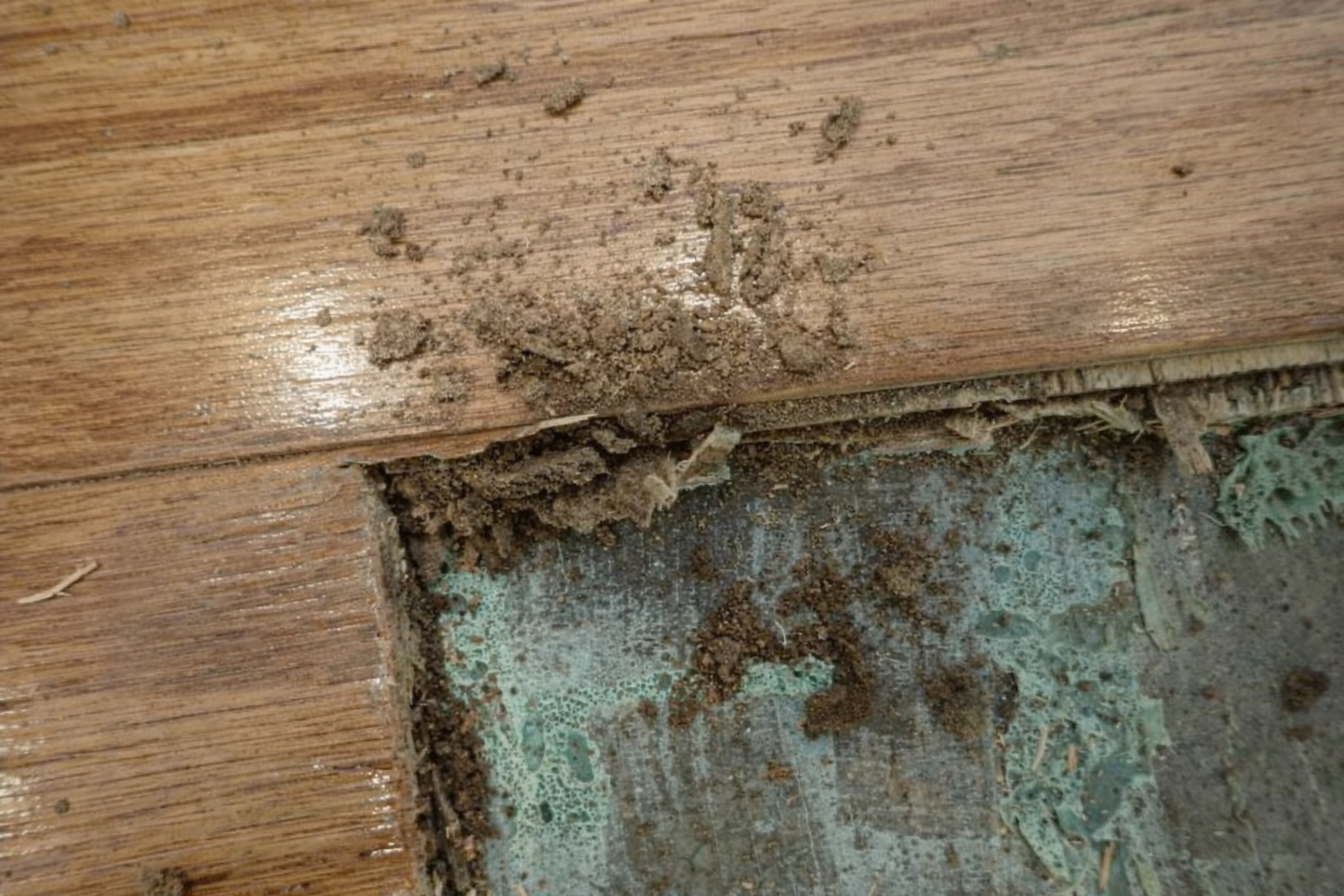
Termite Damage (Hardwood Flooring)
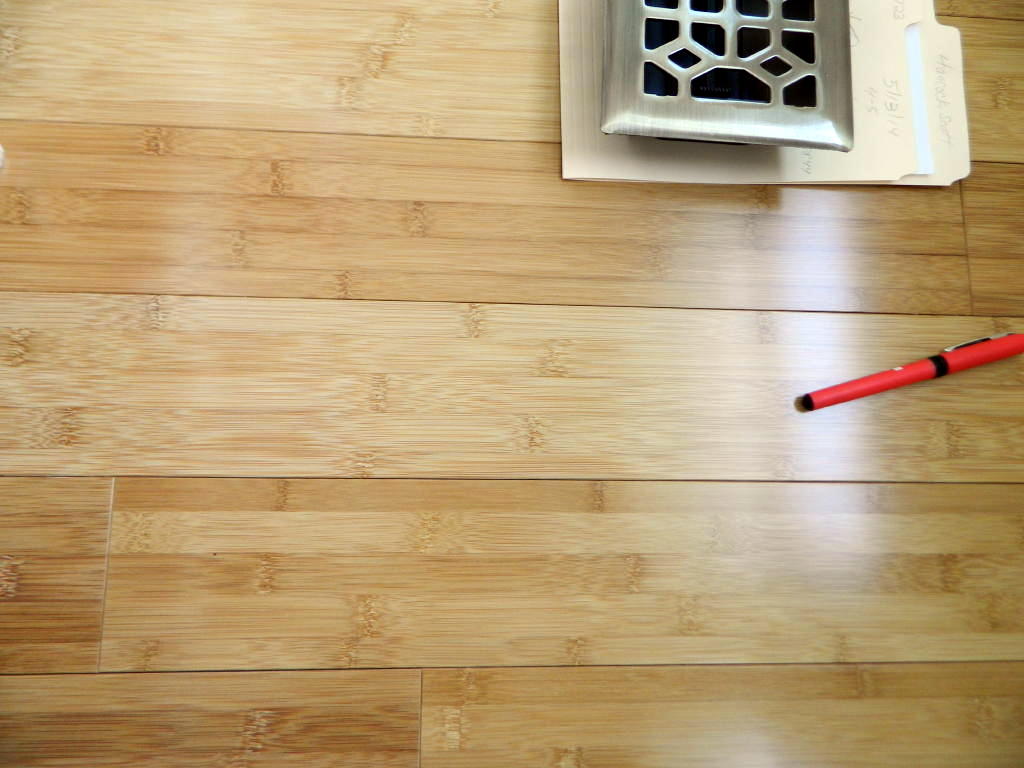
Bamboo Flooring Construction and Dimensional Behavior
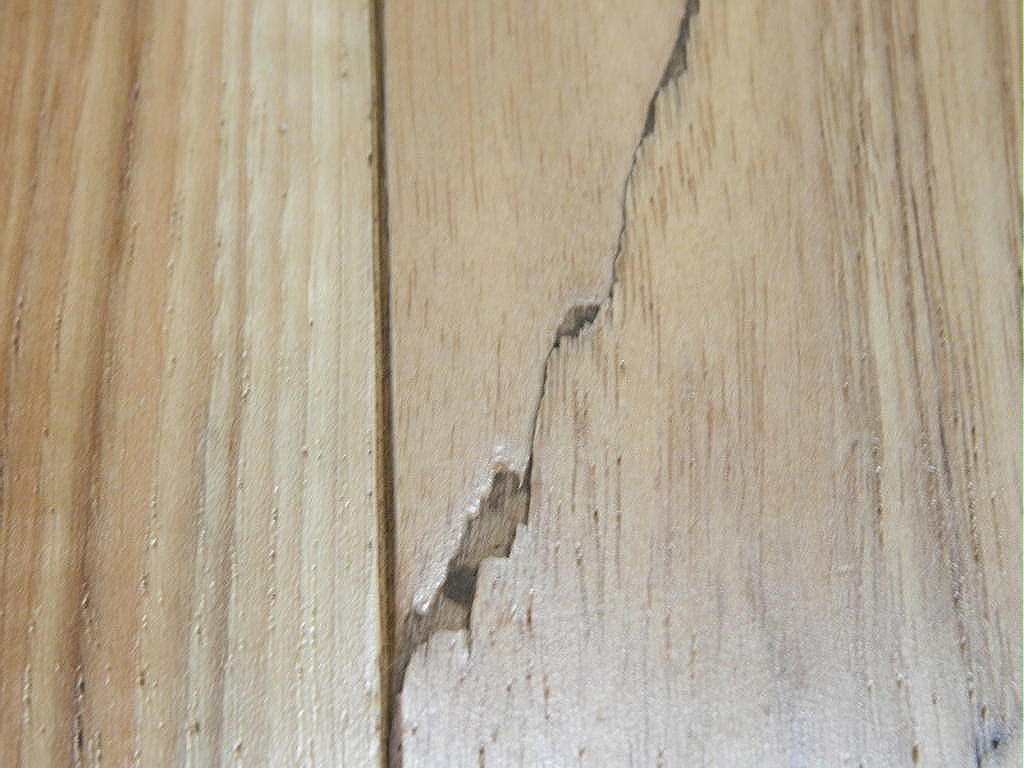
Checks vs. Splits vs. Shake (Solid Hardwood)
Grain Raise (Hardwood Finish Issue)
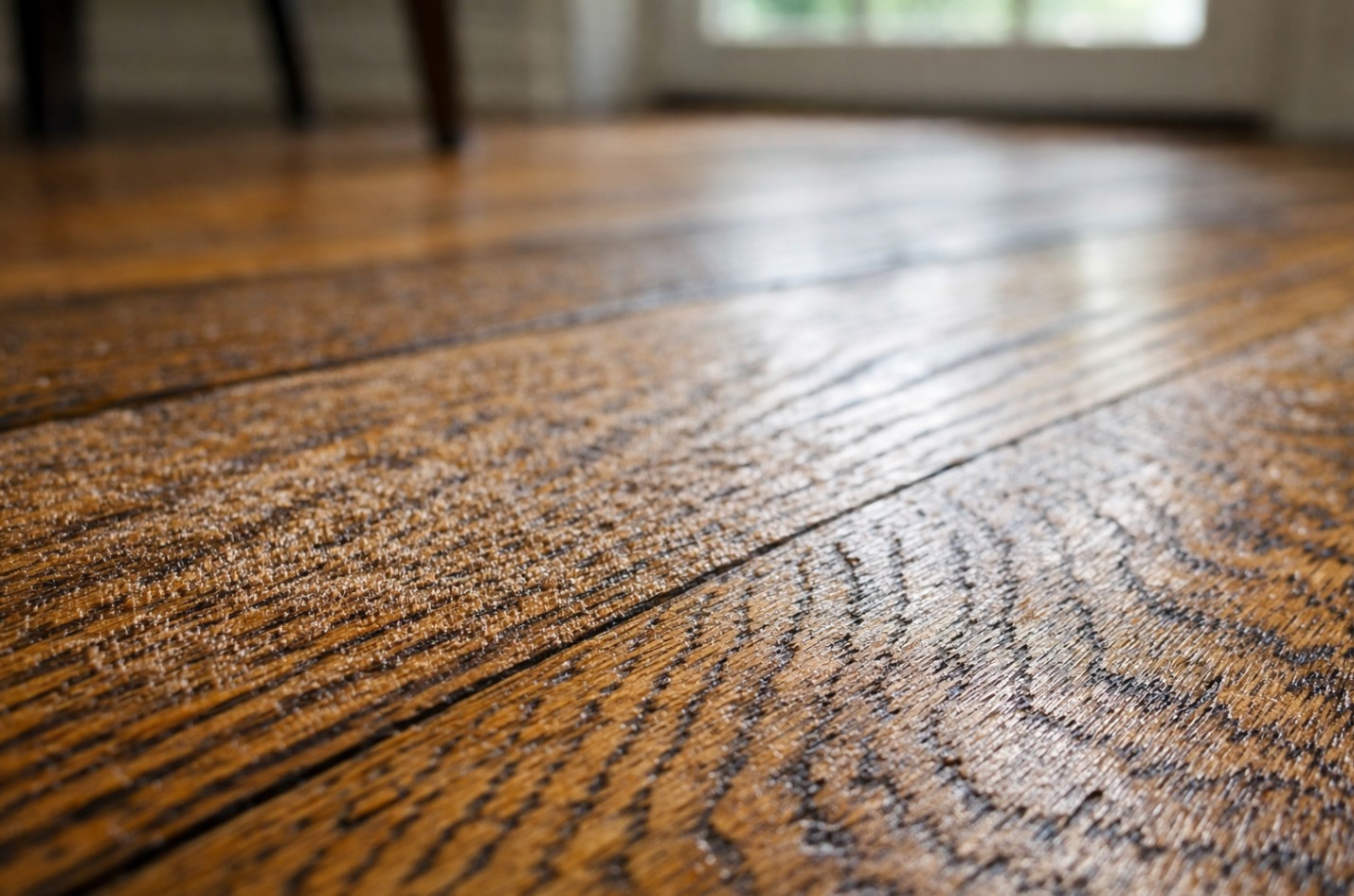
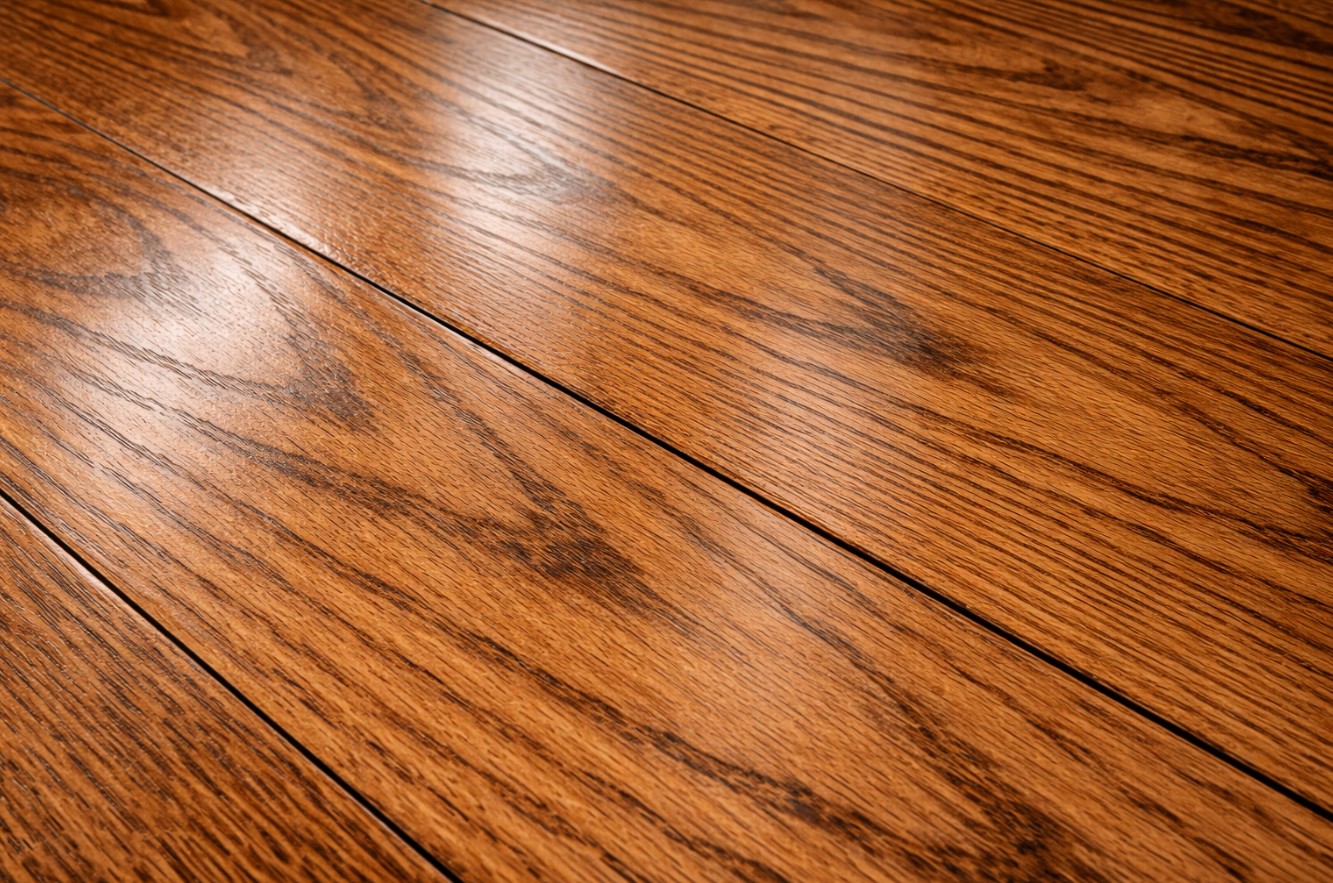
Splits – Cracks
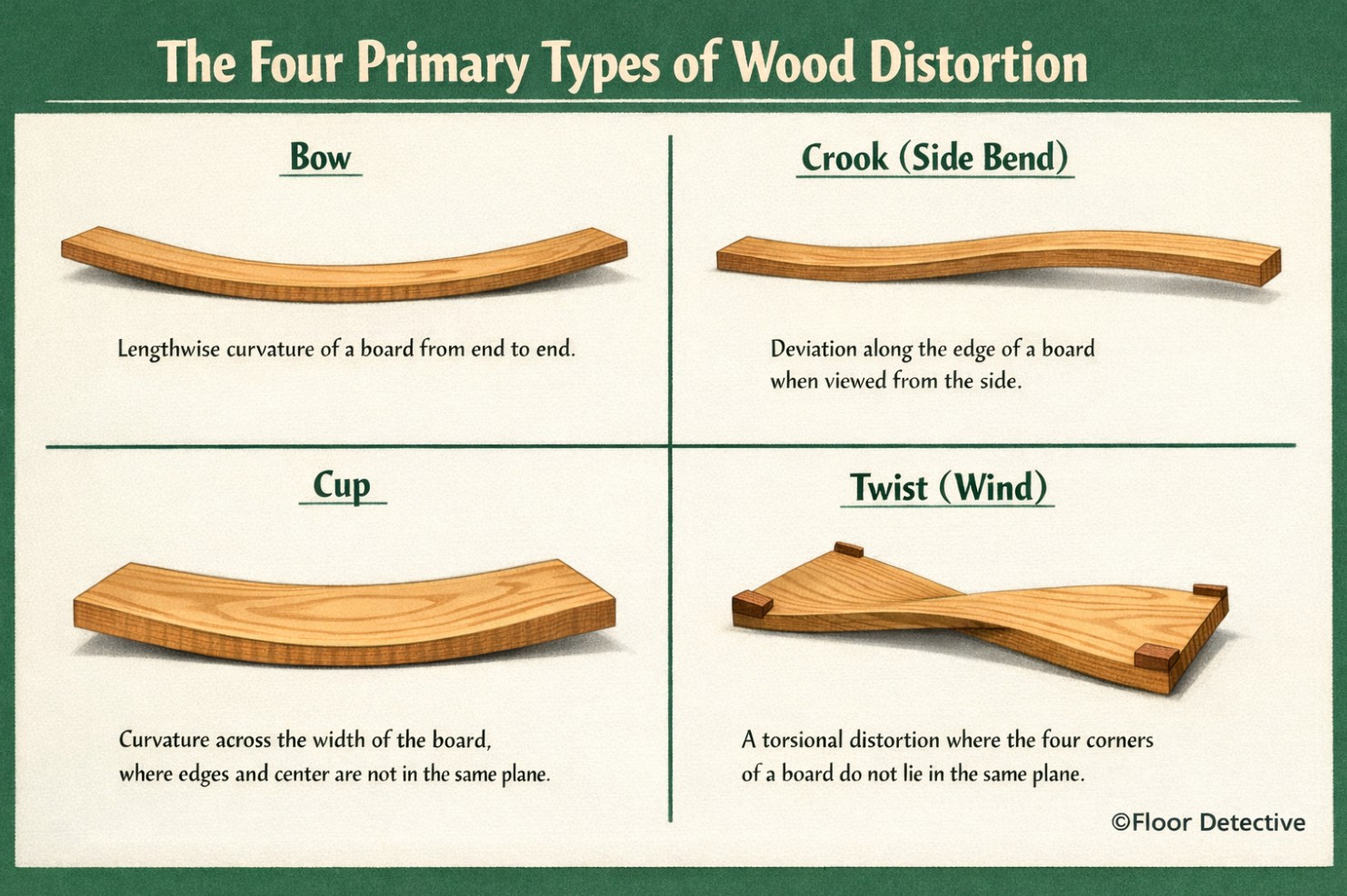
Wood Distortion
Wood Shear (Engineered Flooring)