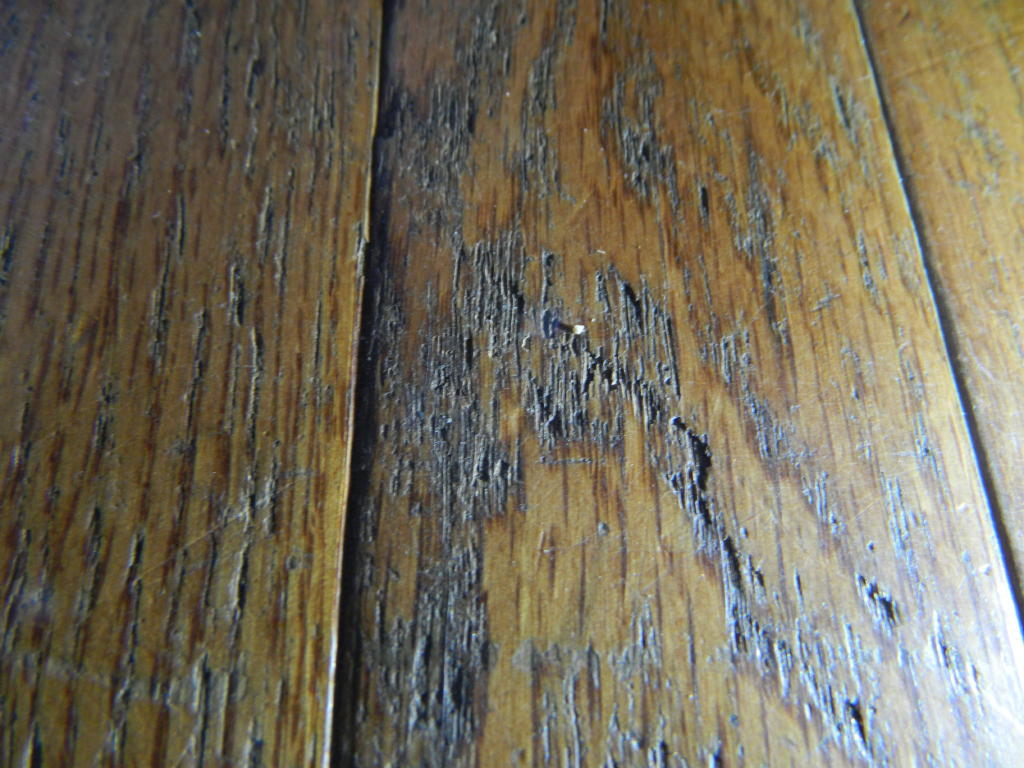
Wood Decay (Hardwood Flooring)

Wood Decay (Hardwood Flooring)
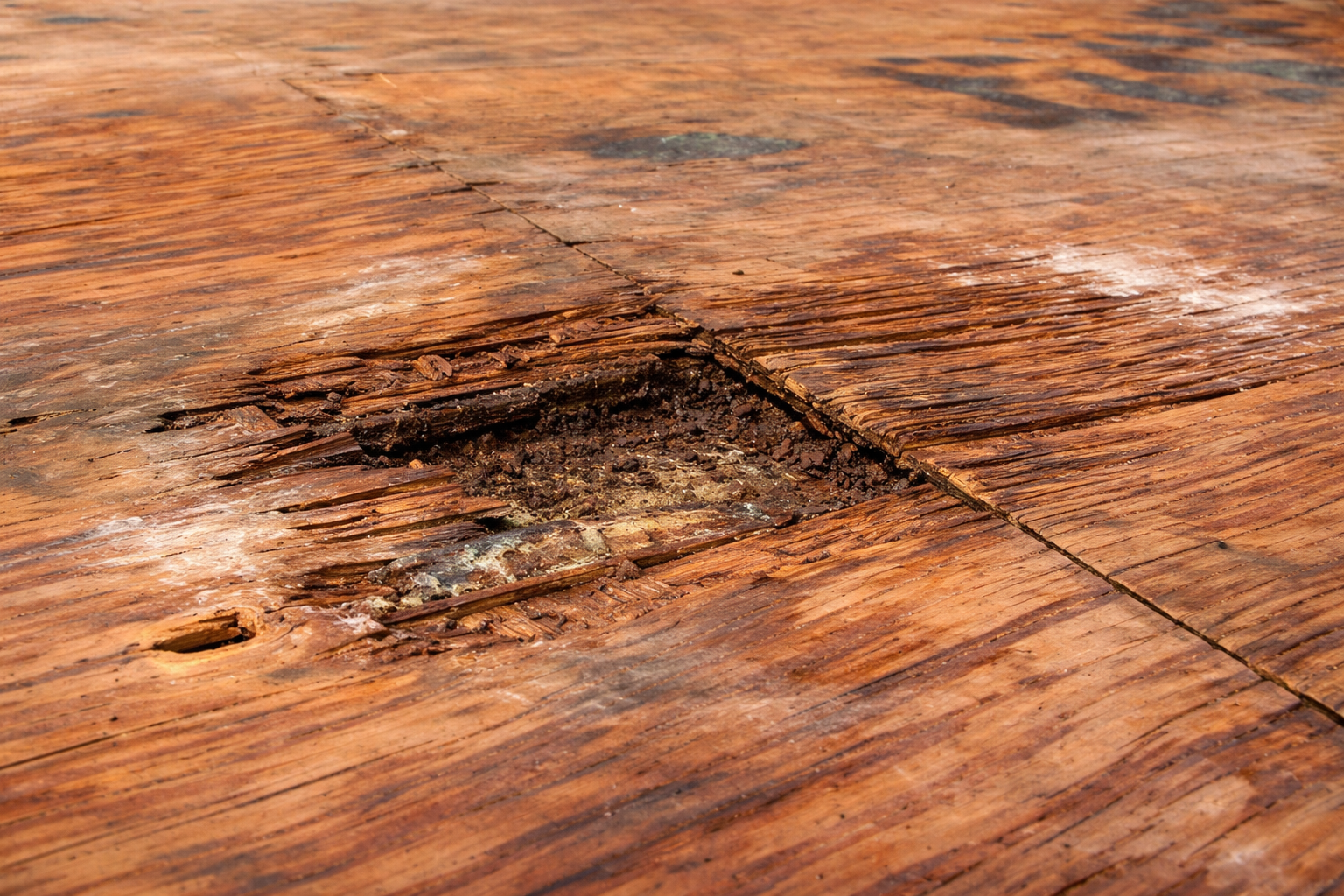
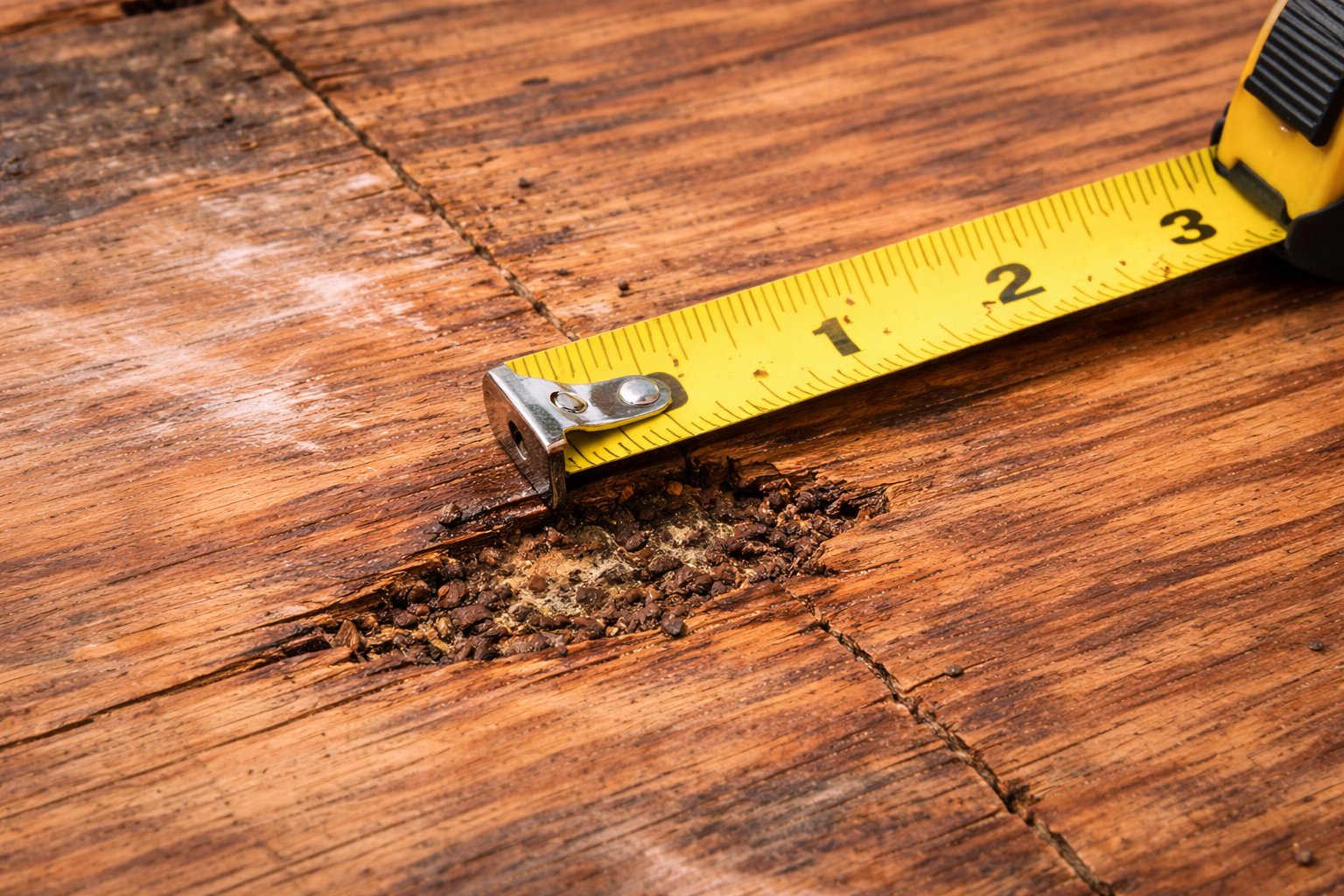
wood-decay-hardwood-floor-small-area-2-inch - 2
Wood decay hardwood flooring small localized area measured at approximately 2 inches
wood-decay-hardwood-floor-small-area-2-inch - 2 Wood decay hardwood flooring small localized area measured at approximately 2 inches

Wood Decay (Hardwood Flooring)
Floor Detective® Claims and Conditions Guide

Summary

Wood decay in hardwood flooring is a moisture-related biological deterioration condition involving fungal breakdown of the wood structure. Decay develops when wood remains exposed to sufficient moisture and oxygen for extended periods, allowing fungi to digest structural wood components such as cellulose and hemicellulose. As deterioration progresses, the wood may lose density, stiffness, and structural integrity, resulting in softened, weakened, brittle, or deteriorated areas. Damage may remain concealed beneath intact finishes or flooring layers until advanced stages develop. The condition may occur alongside or be confused with other biological conditions such as Termite Damage and Powderpost Beetle Infestation. The presence of decay does not independently establish when deterioration began, whether fungal activity remains active, or whether moisture exposure is currently ongoing. Proper evaluation requires correlation between material deterioration, moisture history, environmental conditions, and biological indicators. Wood decay reflects moisture-related biological deterioration within the wood structure rather than manufacturing defect or ordinary finish wear. See also Water Damage and Hardwood Floor Problems for broader context.

Please subscribe to see all content

Hardwood Floor Problems

Hardwood floor problems may involve cupping, gaps, buckling, finish issues, movement, noise, or moisture-related distortion. Learn how hardwood flooring conditions...
Read More
Hardwood Floor Problems

Wood Decay (Hardwood Flooring)
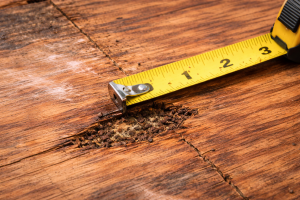
Wood decay in hardwood flooring is a moisture-related condition that causes soft, weakened, and deteriorated wood. Proper evaluation distinguishes fungal...
Read More
Wood Decay (Hardwood Flooring)

Termite Damage (Hardwood Flooring)
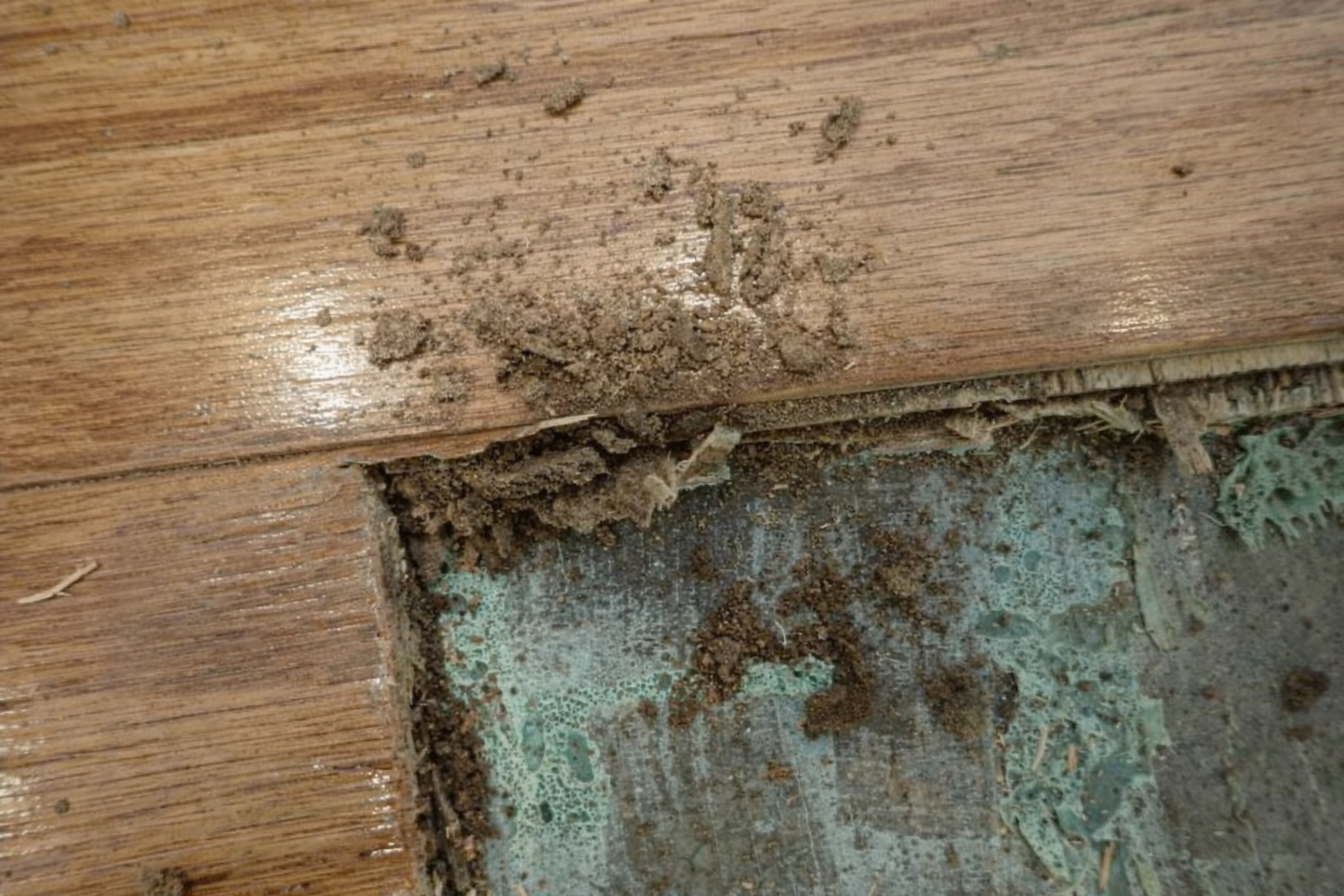
Termite damage in hardwood flooring involves internal wood consumption, gallery formation, and structural weakening caused by insect activity.
Read More
Termite Damage (Hardwood Flooring)

Bamboo Flooring Construction and Dimensional Behavior
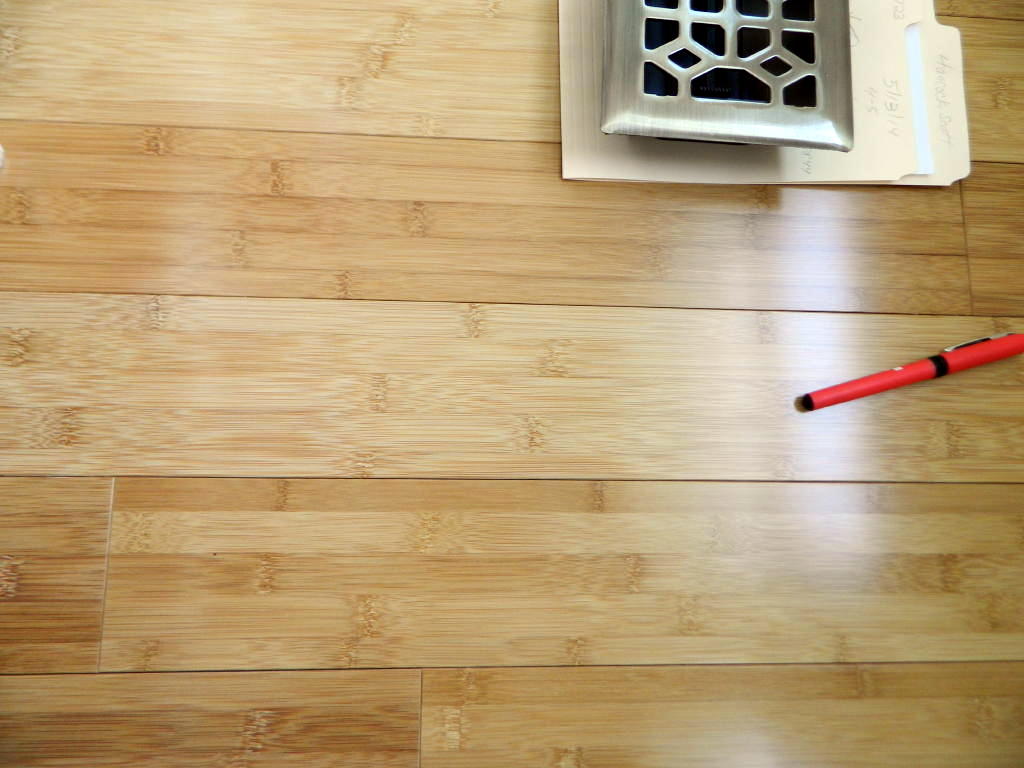
Bamboo flooring construction affects dimensional movement, moisture response, spacing, and long-term flooring performance under changing environmental conditions.
Read More
Bamboo Flooring Construction and Dimensional Behavior

Checks vs. Splits vs. Shake (Solid Hardwood)
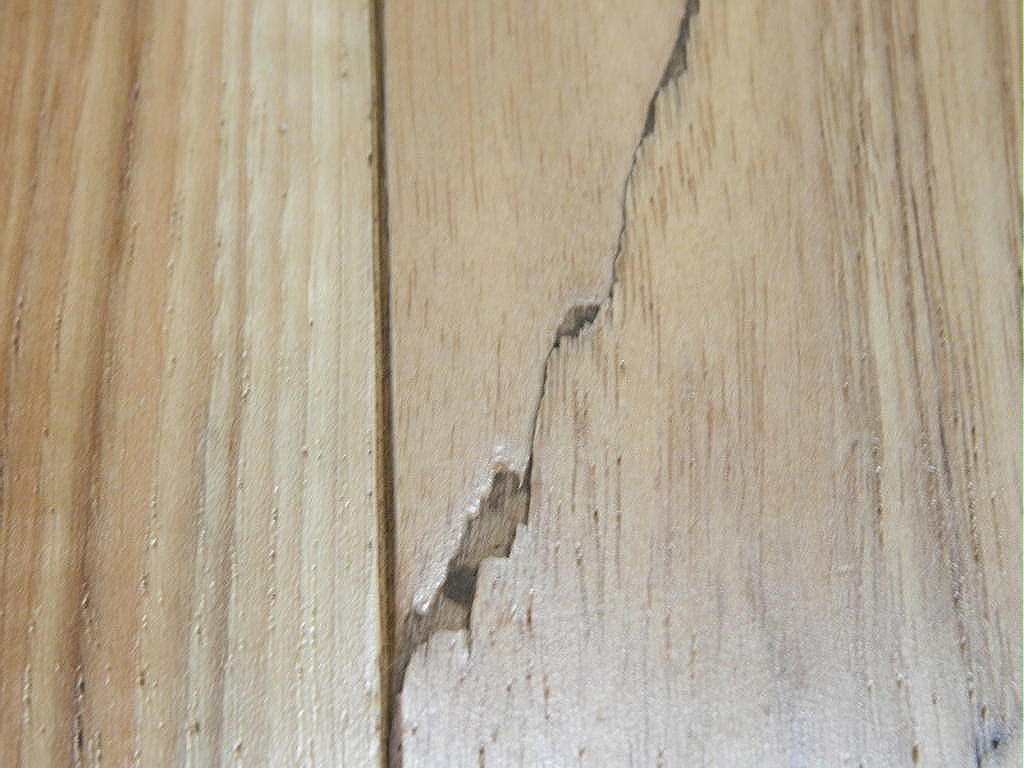
Checks, splits, and shake are different wood separation conditions in hardwood flooring that vary in origin, depth, structural significance, and...
Read More
Checks vs. Splits vs. Shake (Solid Hardwood)

Grain Raise (Hardwood Finish Issue)
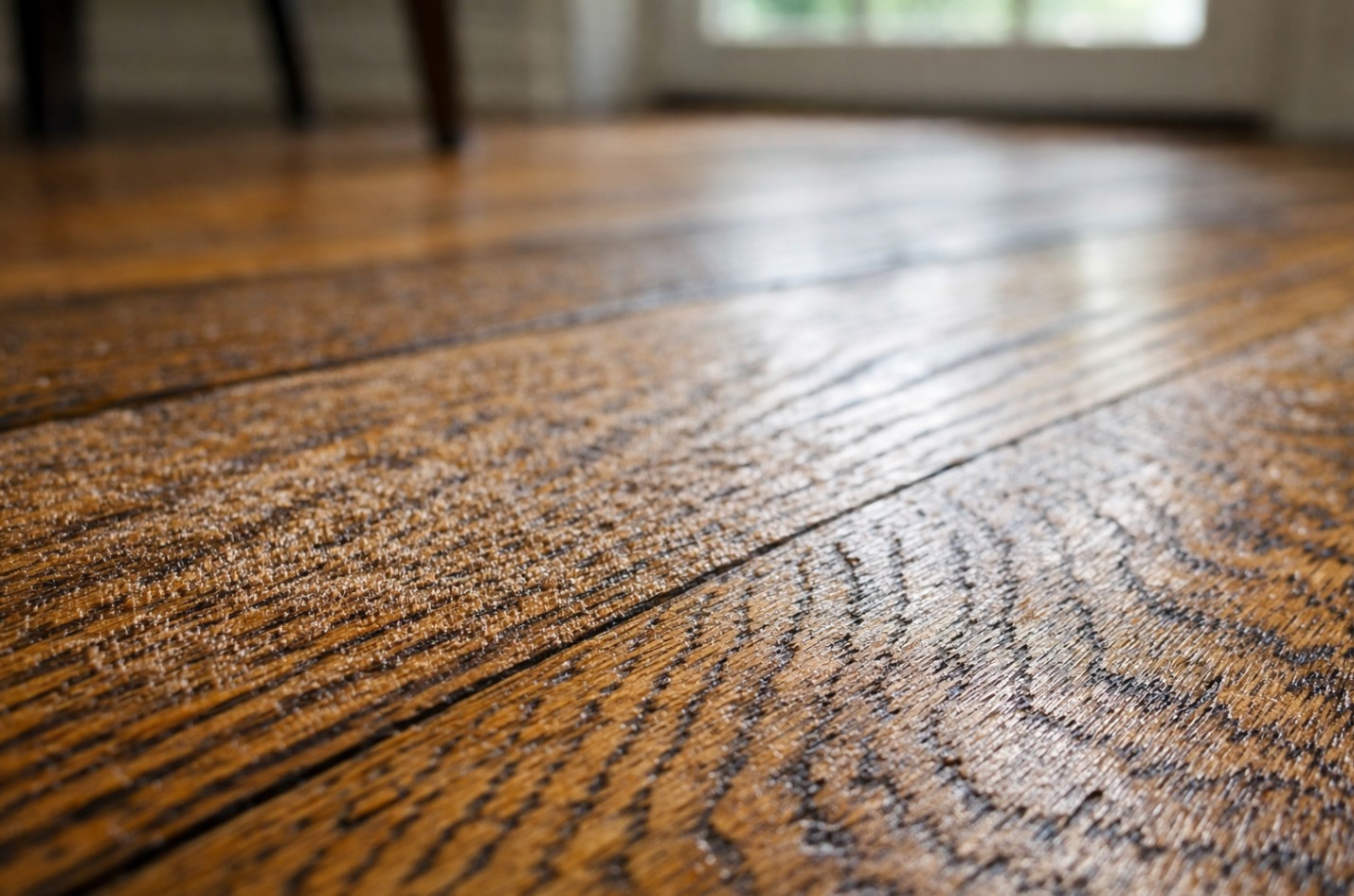
Hardwood grain raise is a surface texture condition caused by swelling and lifting of exposed wood fibers after moisture exposure...
Read More
Grain Raise (Hardwood Finish Issue)

Lap Marks

Lap marks in hardwood flooring are visible streaks or bands caused by uneven blending between overlapping finish passes. The condition...
Read More
Lap Marks

Splits – Cracks

Splits and Cracks (Hardwood Flooring) Floor Detective® Claims and Conditions Guide Summary Splits and cracks in hardwood flooring are structural...
Read More
Splits – Cracks

Wood Distortion

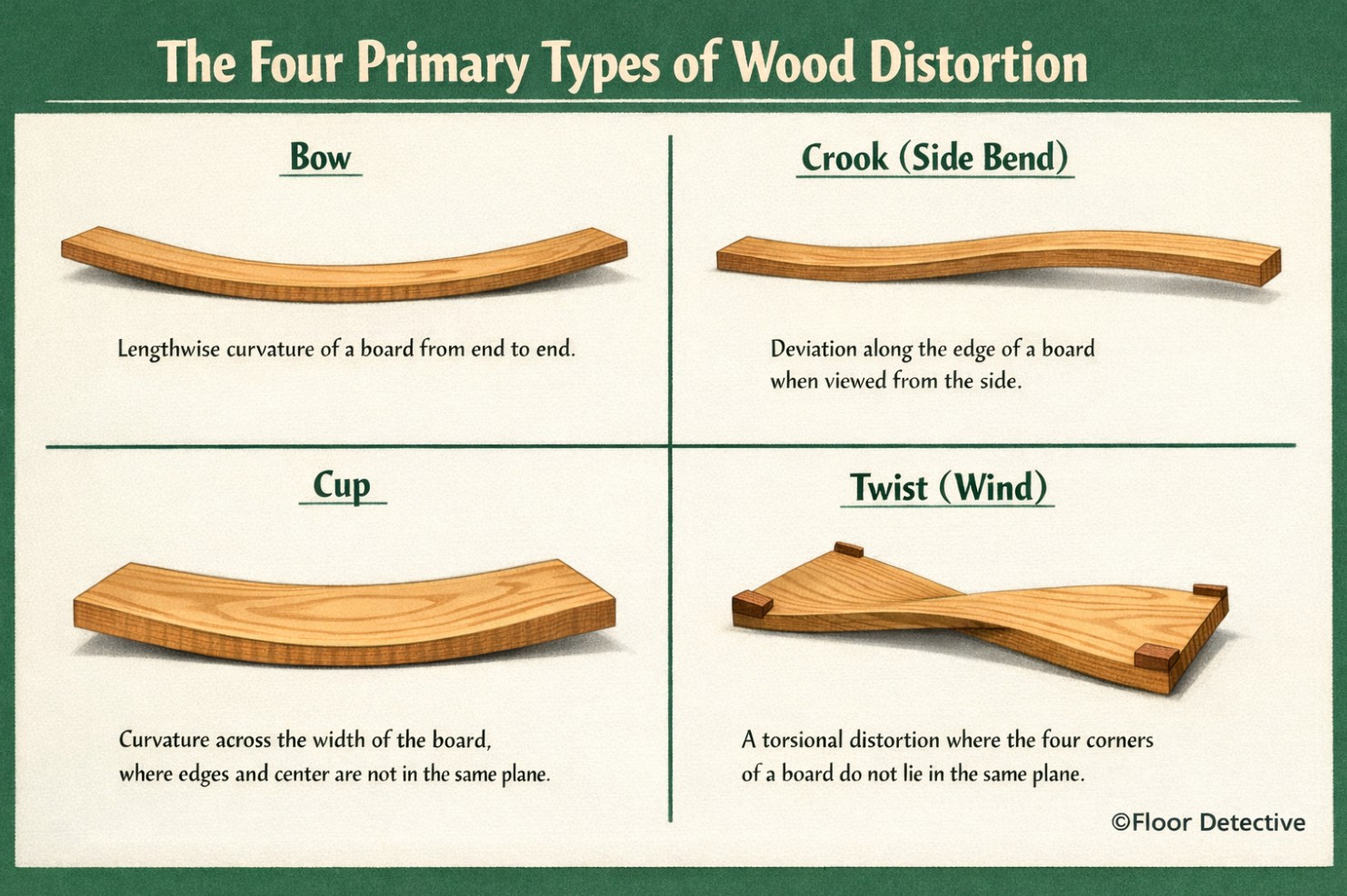
Wood distortion in hardwood flooring involves bowing, twisting, cupping, and dimensional shape change caused by moisture variation and internal stress...
Read More
Wood Distortion

Wood Shear (Engineered Flooring)
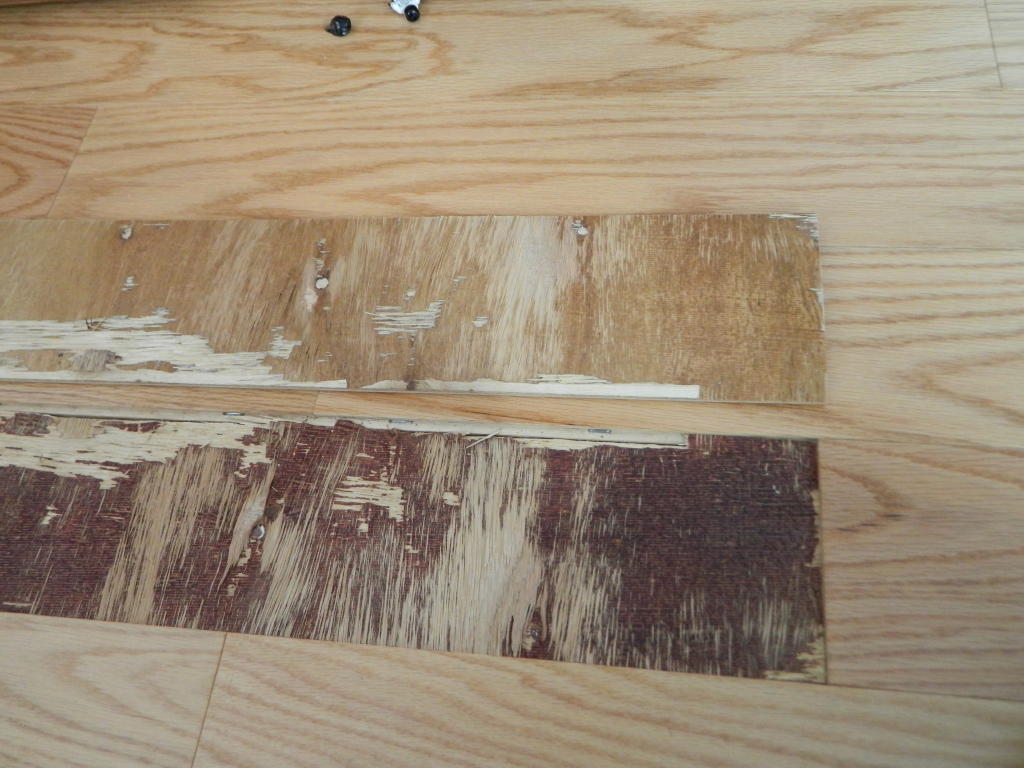
Wood shear and delamination are distinct engineered hardwood separation mechanisms involving cohesive wood-fiber rupture or adhesive bond-line release.
Read More
Wood Shear (Engineered Flooring)