Termite Damage (Hardwood Flooring)
Termite Damage (Hardwood Flooring)
Floor Detective® Claims and Conditions Guide
Summary
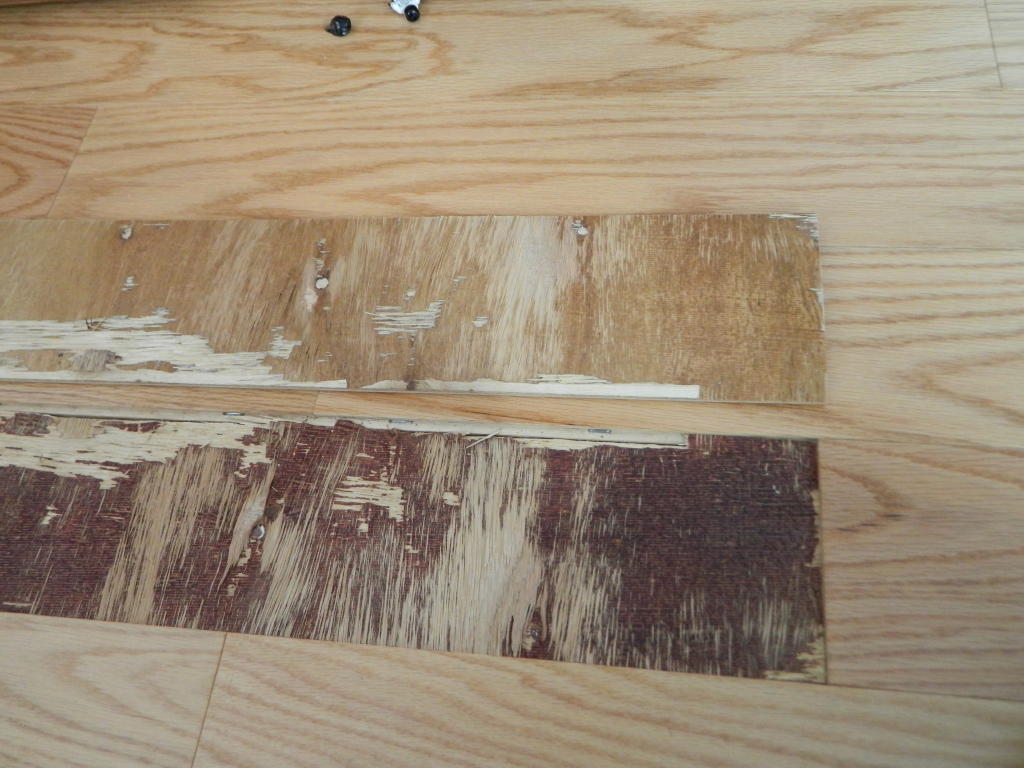
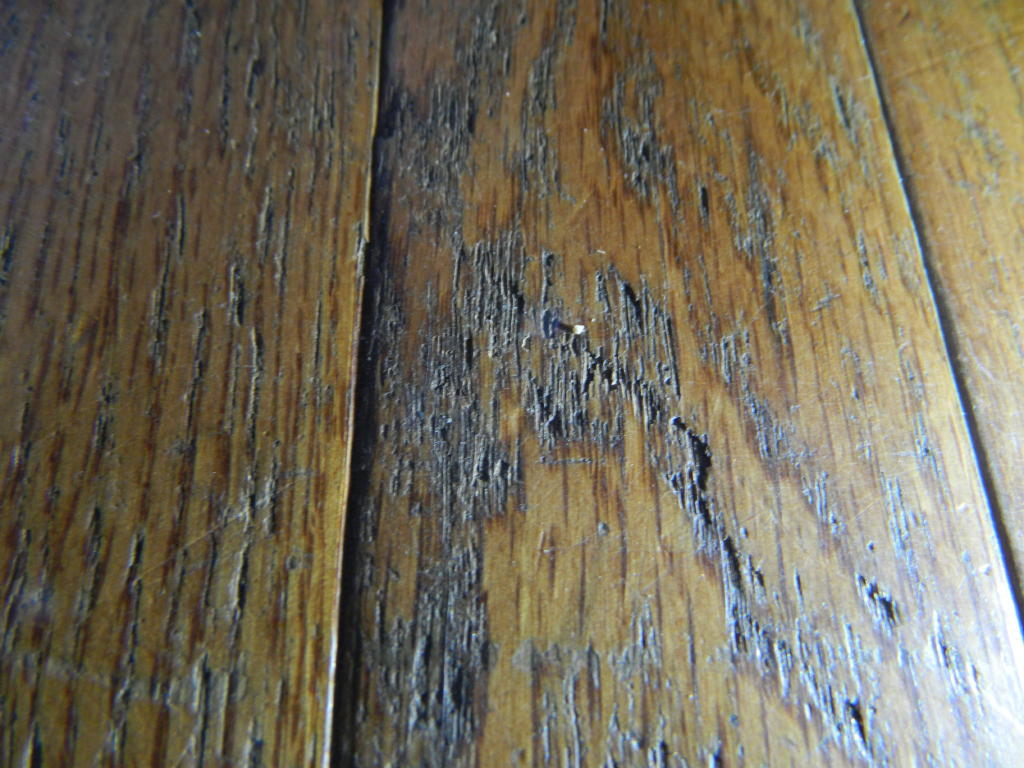
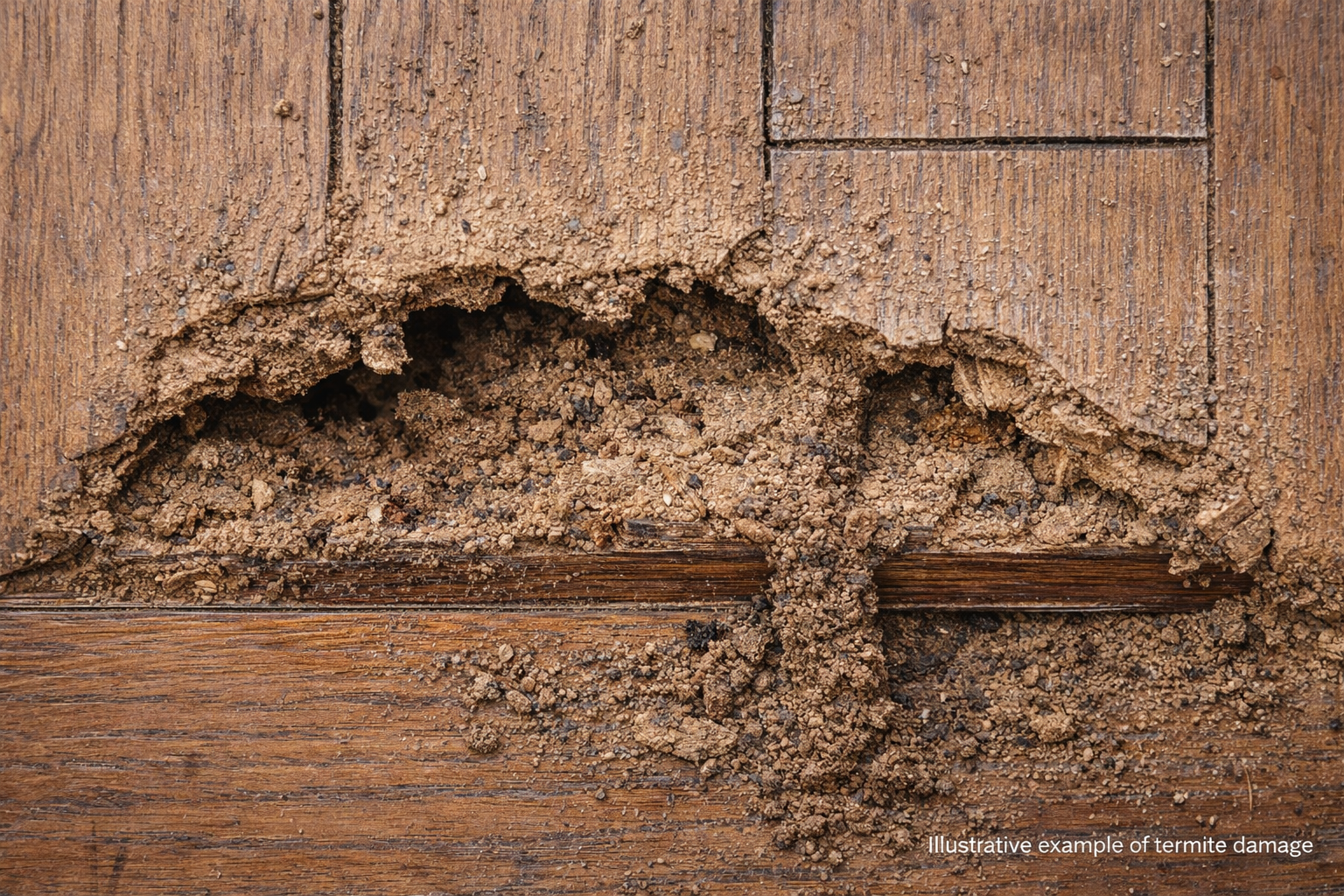
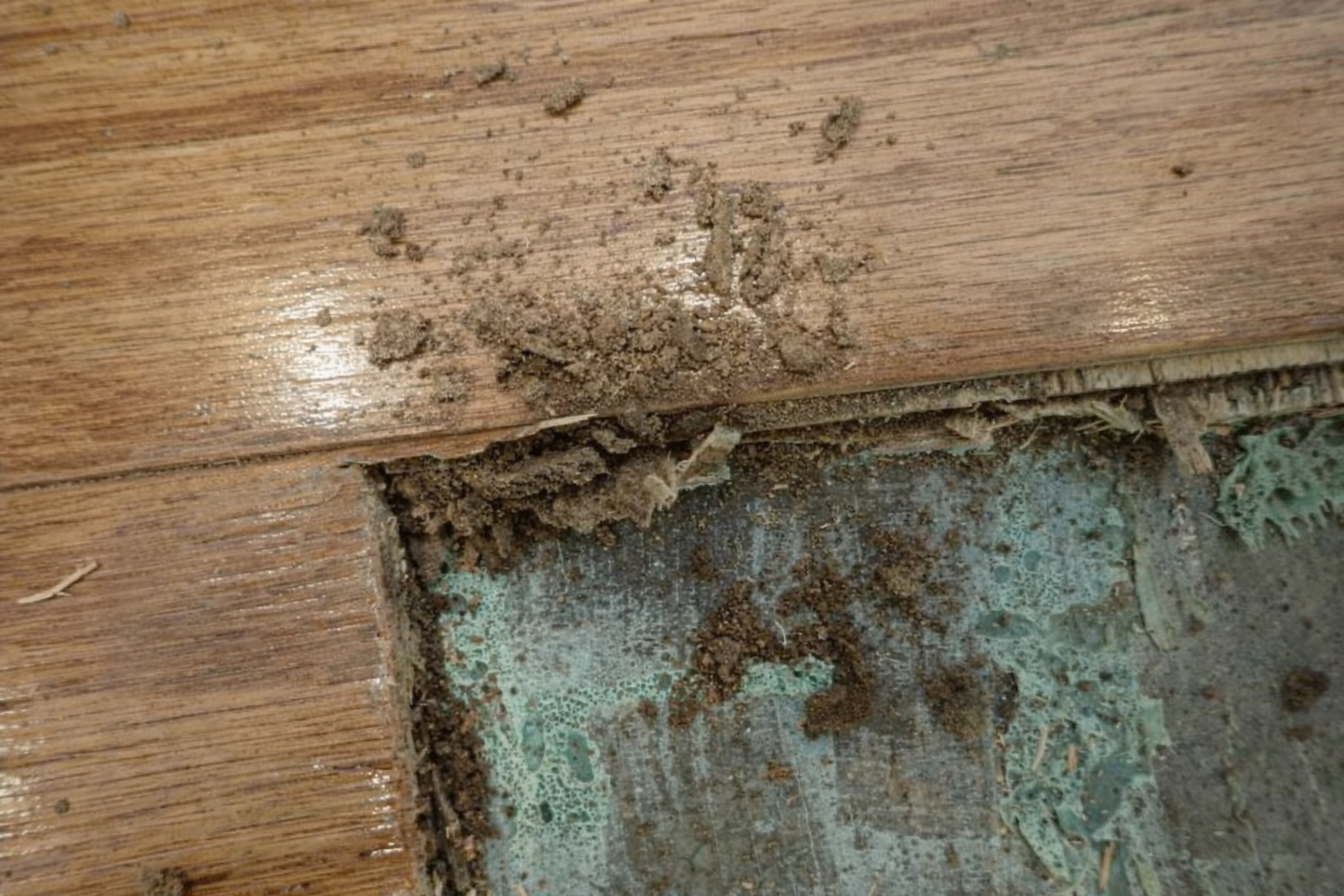
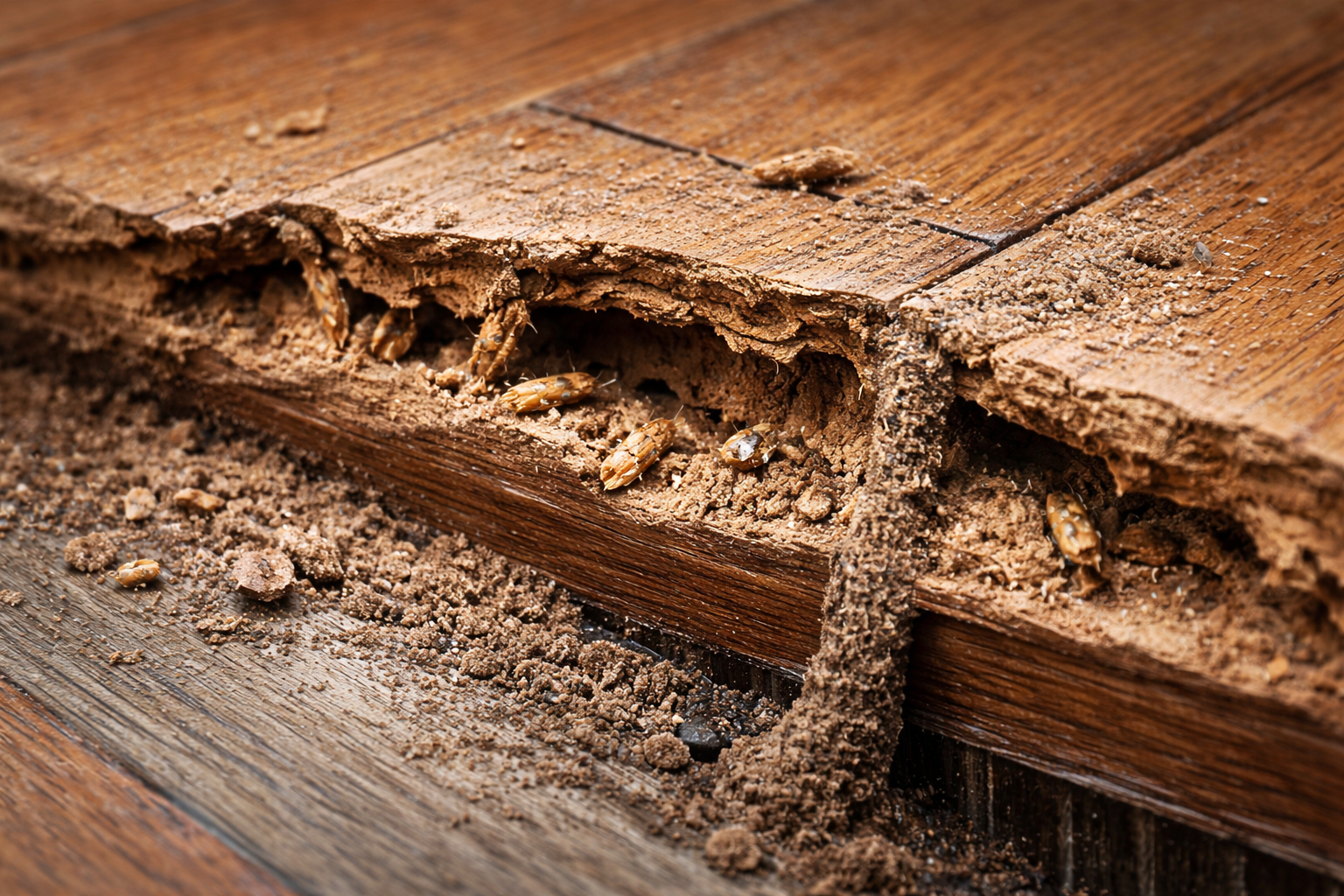
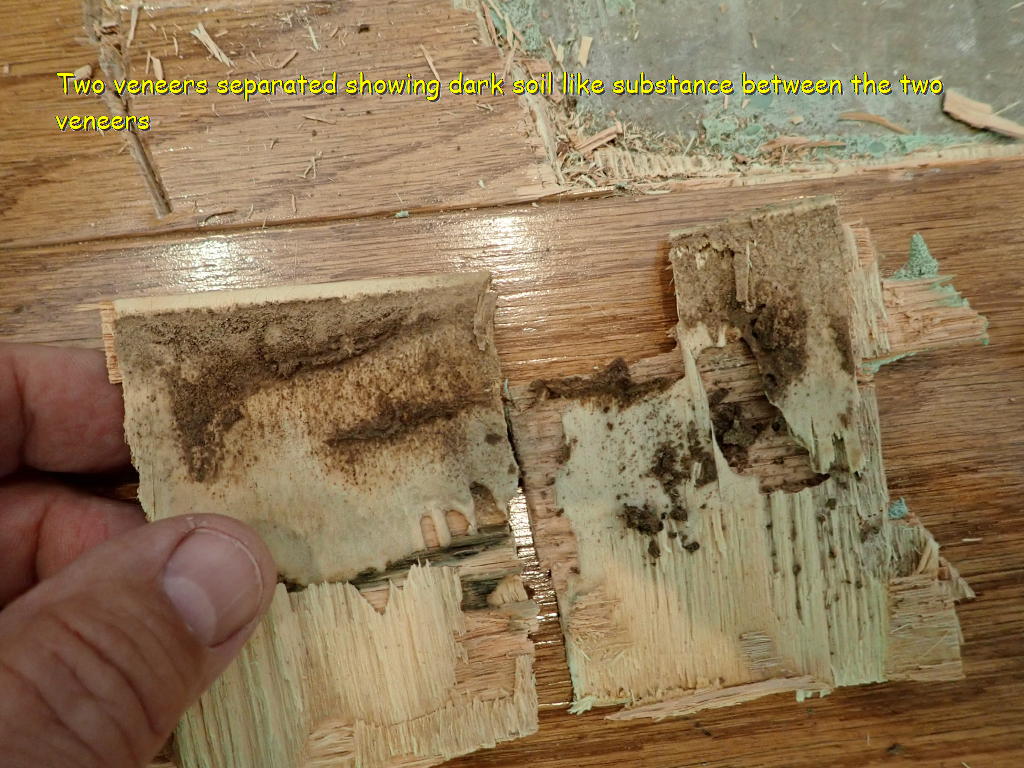
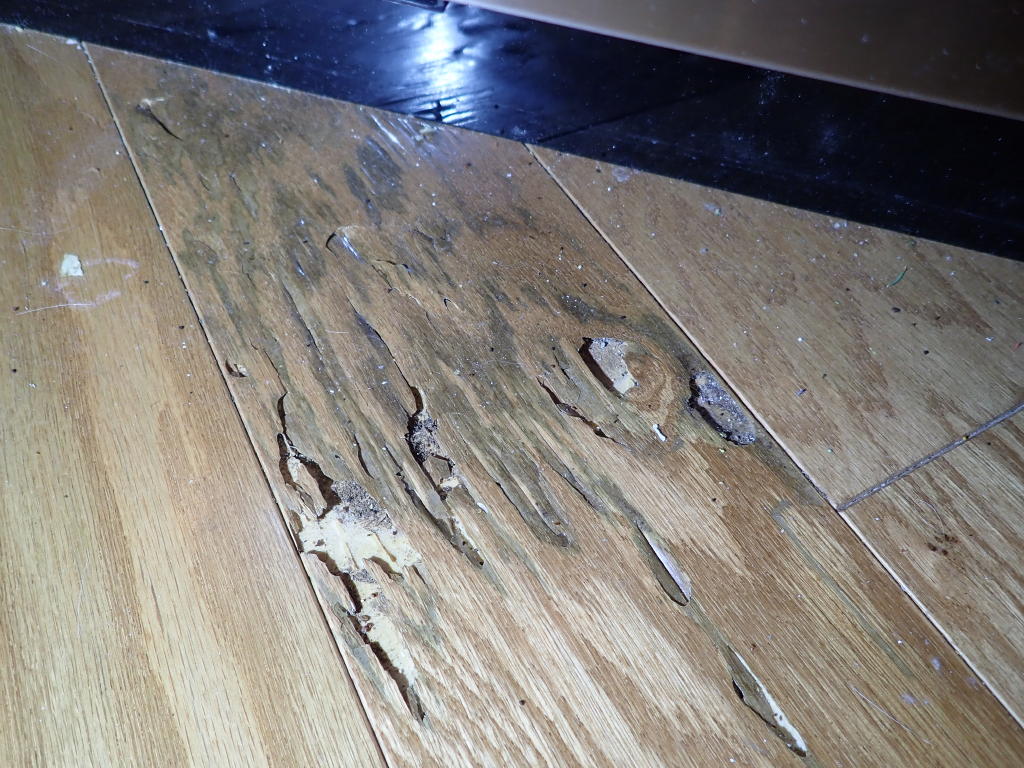
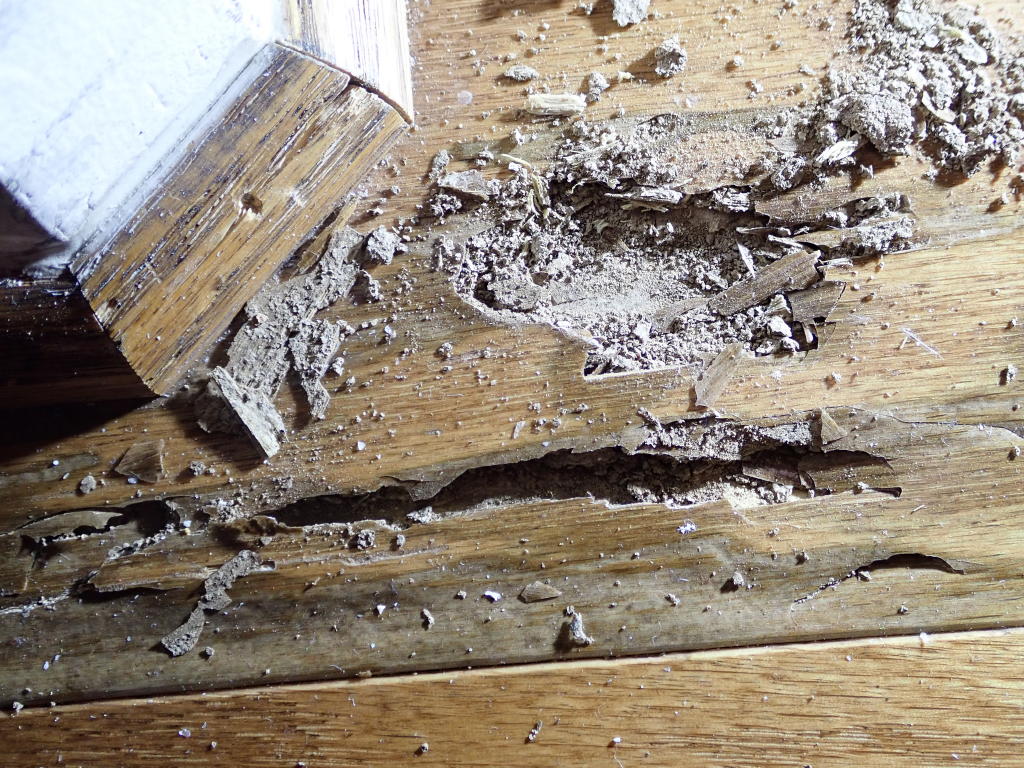
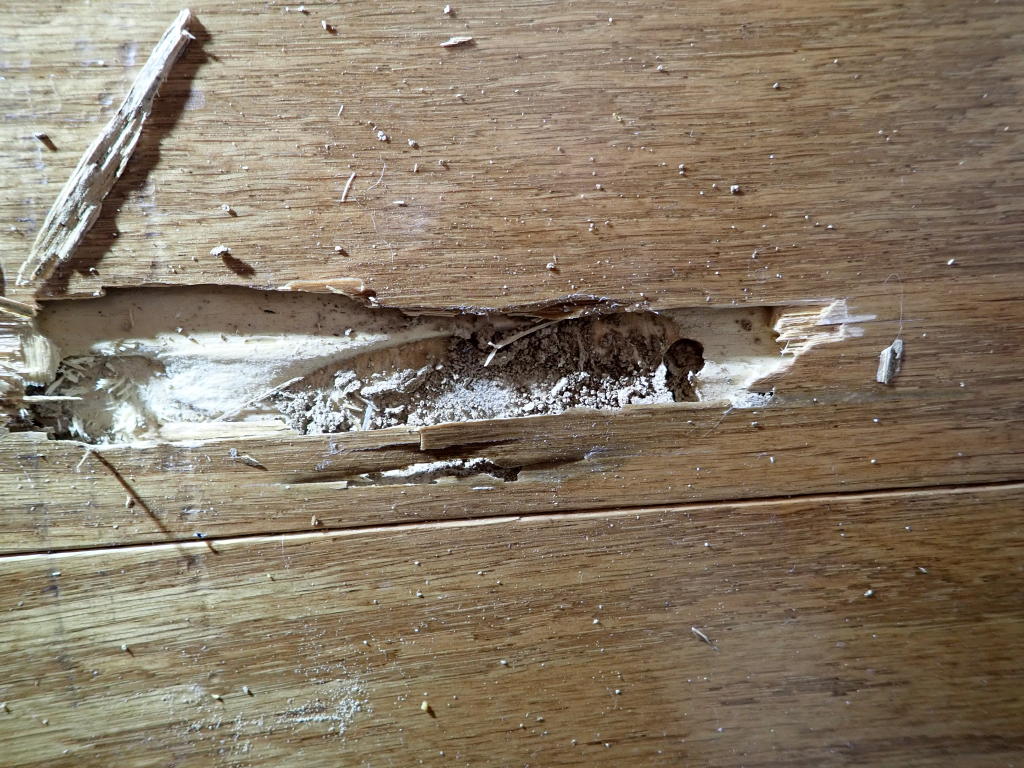
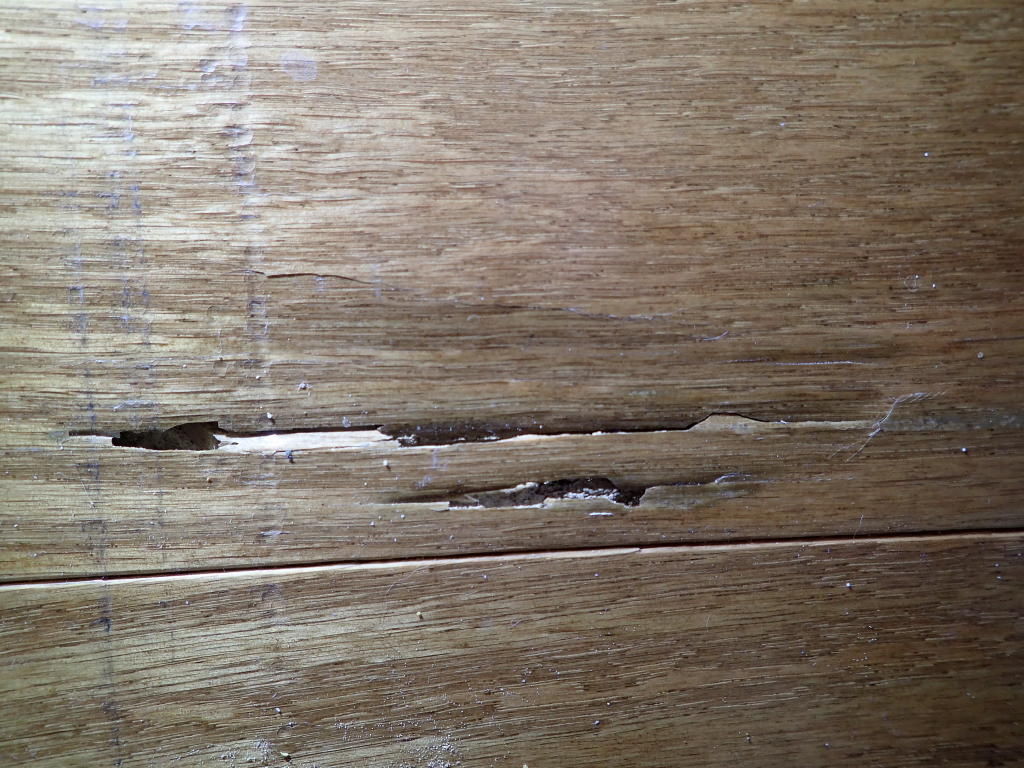
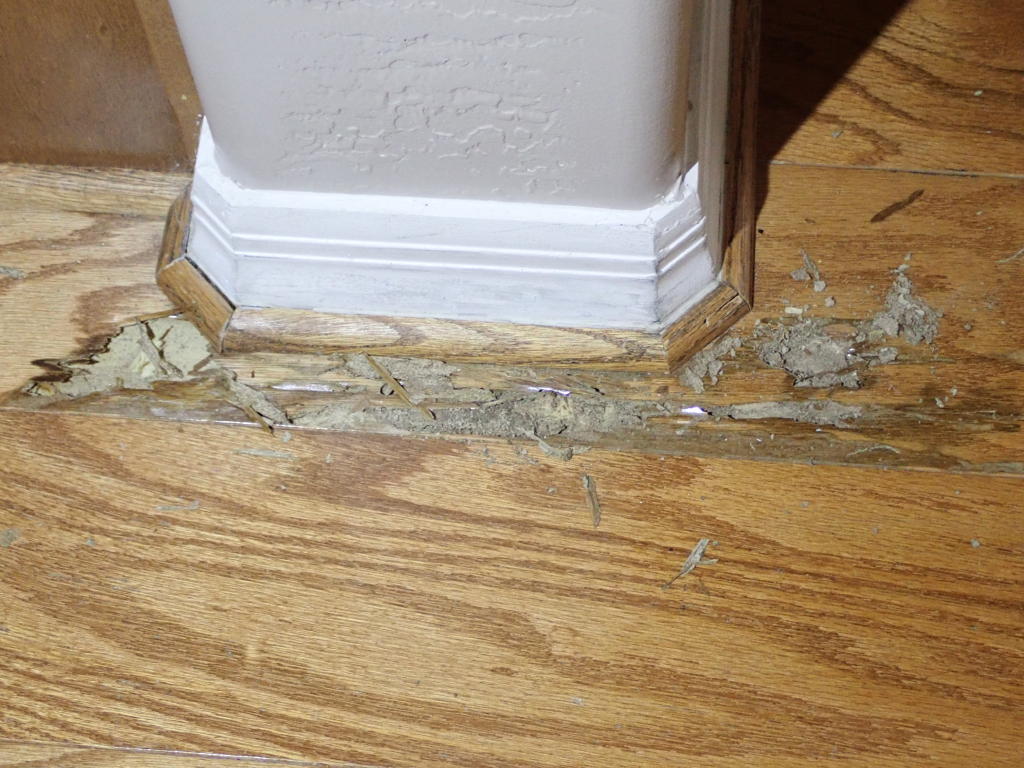
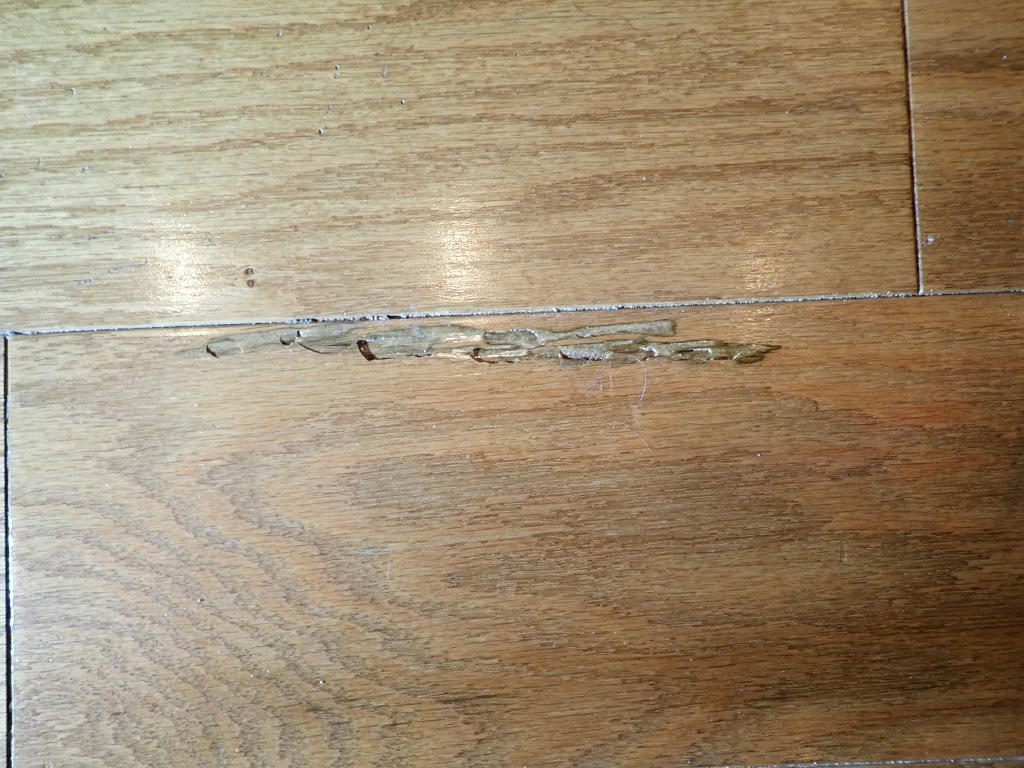
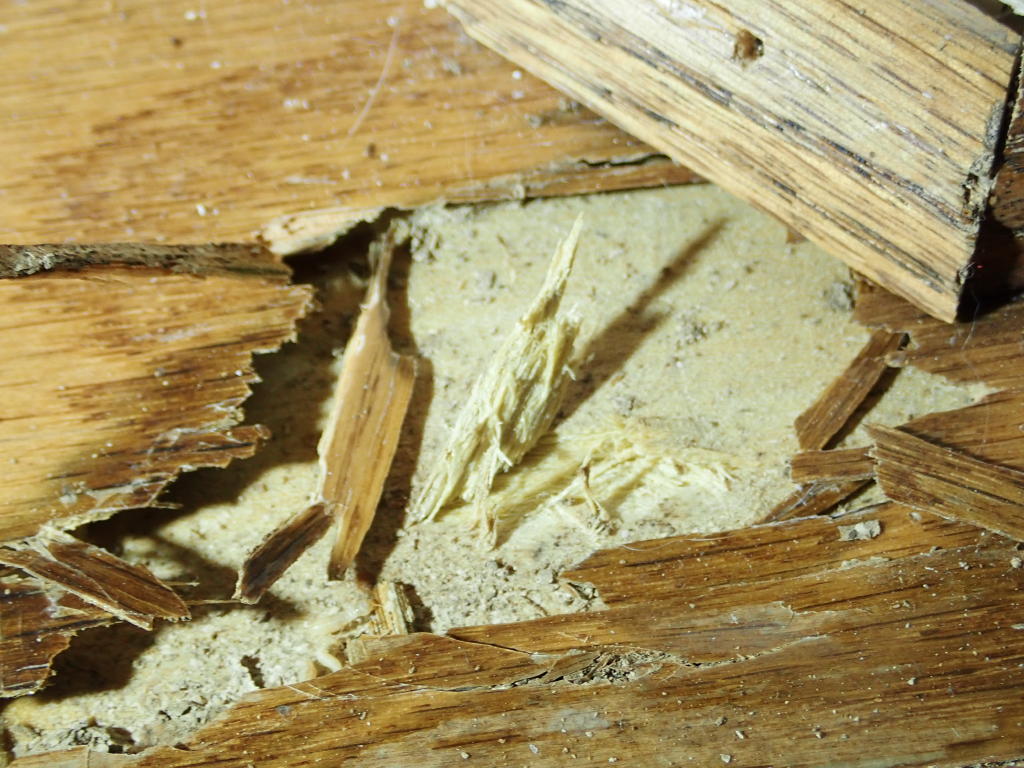
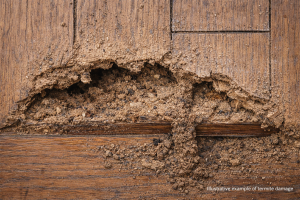
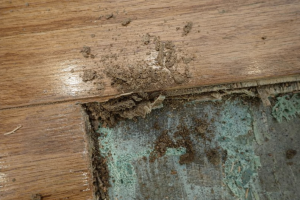
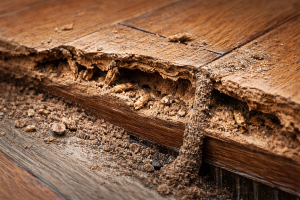
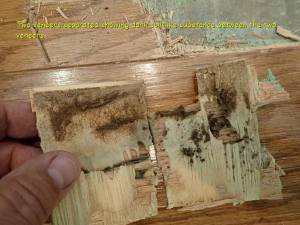
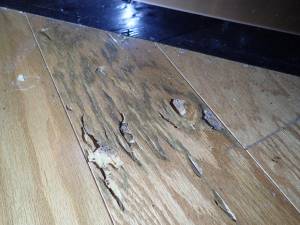
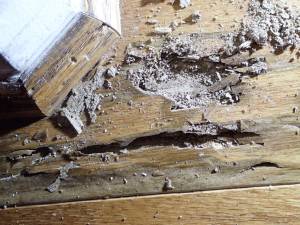
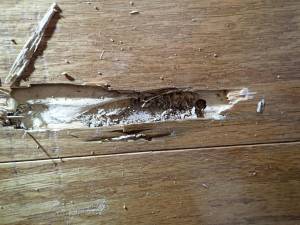
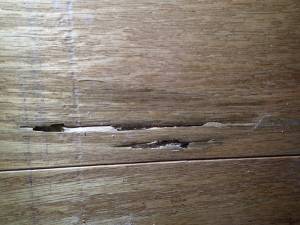
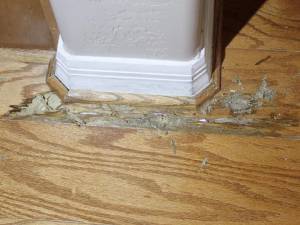
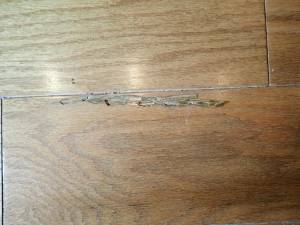
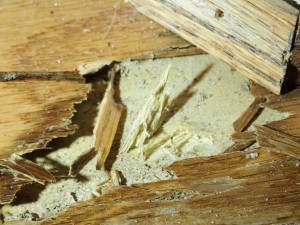
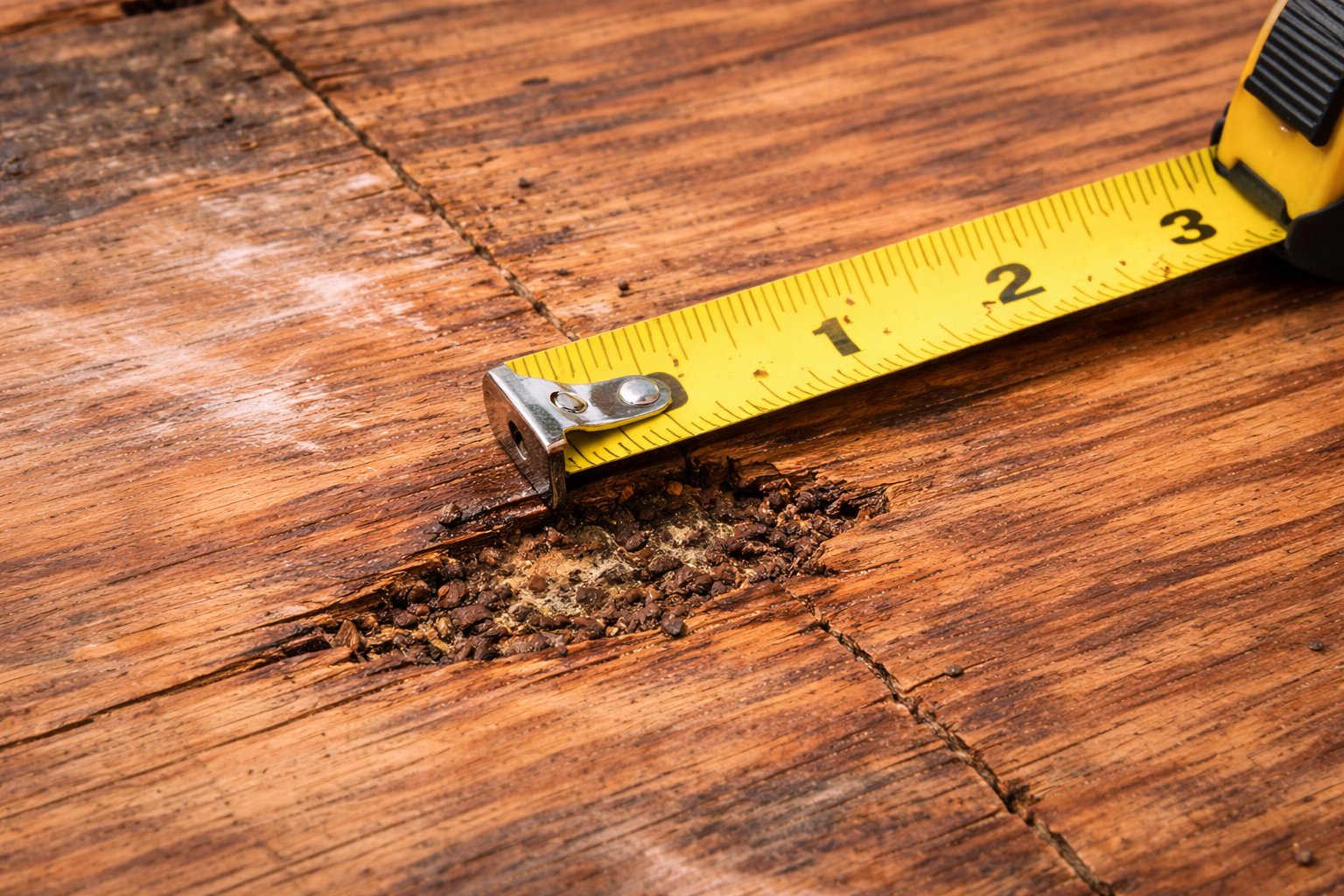
Termite damage in hardwood flooring is a biological deterioration condition involving wood consumption and internal tunneling by subterranean or drywood termites. Damage commonly develops gradually as insects consume structural wood components, creating galleries that reduce density, stiffness, and structural integrity within the flooring system. Surface finishes may remain visually intact while underlying wood becomes hollowed, weakened, or structurally compromised beneath the surface. The condition may occur alongside or be confused with other biological conditions such as Powderpost Beetle Infestation and moisture-related deterioration such as Wood Decay. Visible damage alone does not independently establish when infestation began, whether activity remains active, or whether deterioration originated before or after flooring installation. Proper evaluation requires correlation between biological indicators, damage geometry, environmental conditions, and structural involvement. Termite damage reflects insect activity within or beneath the flooring system rather than manufacturing defect or ordinary flooring performance failure. See also Water Damage and Hardwood Floor Problems for broader context.
Hardwood Floor Problems
Wood Decay (Hardwood Flooring)
Termite Damage (Hardwood Flooring)
Bamboo Flooring Construction and Dimensional Behavior
Checks vs. Splits vs. Shake (Solid Hardwood)
Grain Raise (Hardwood Finish Issue)
Splits – Cracks

Wood Distortion
Wood Shear (Engineered Flooring)