
Tenting

Tenting

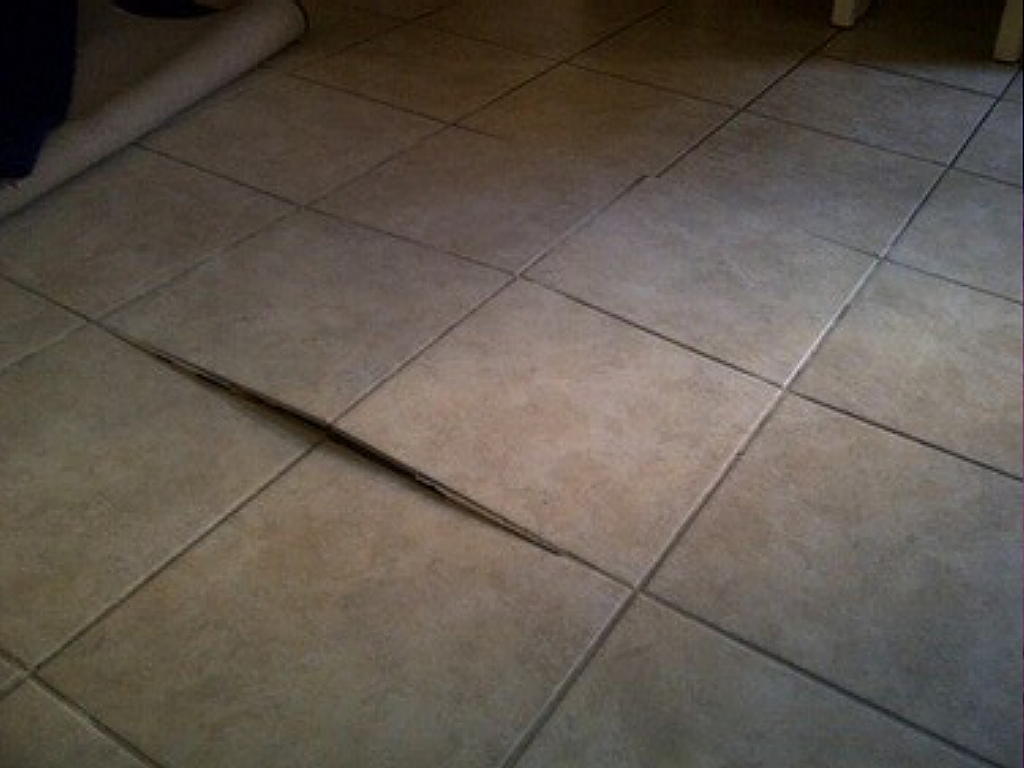
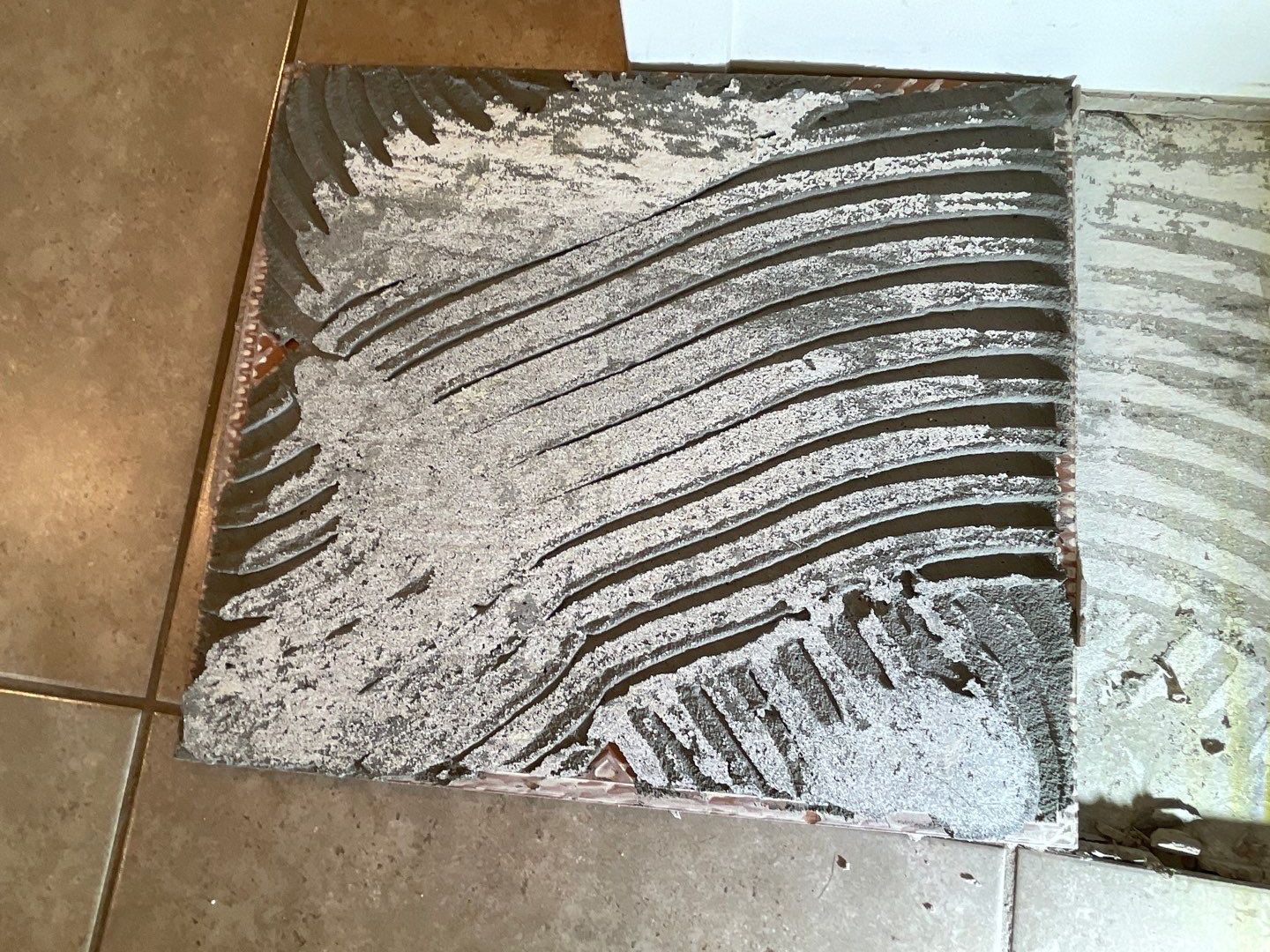
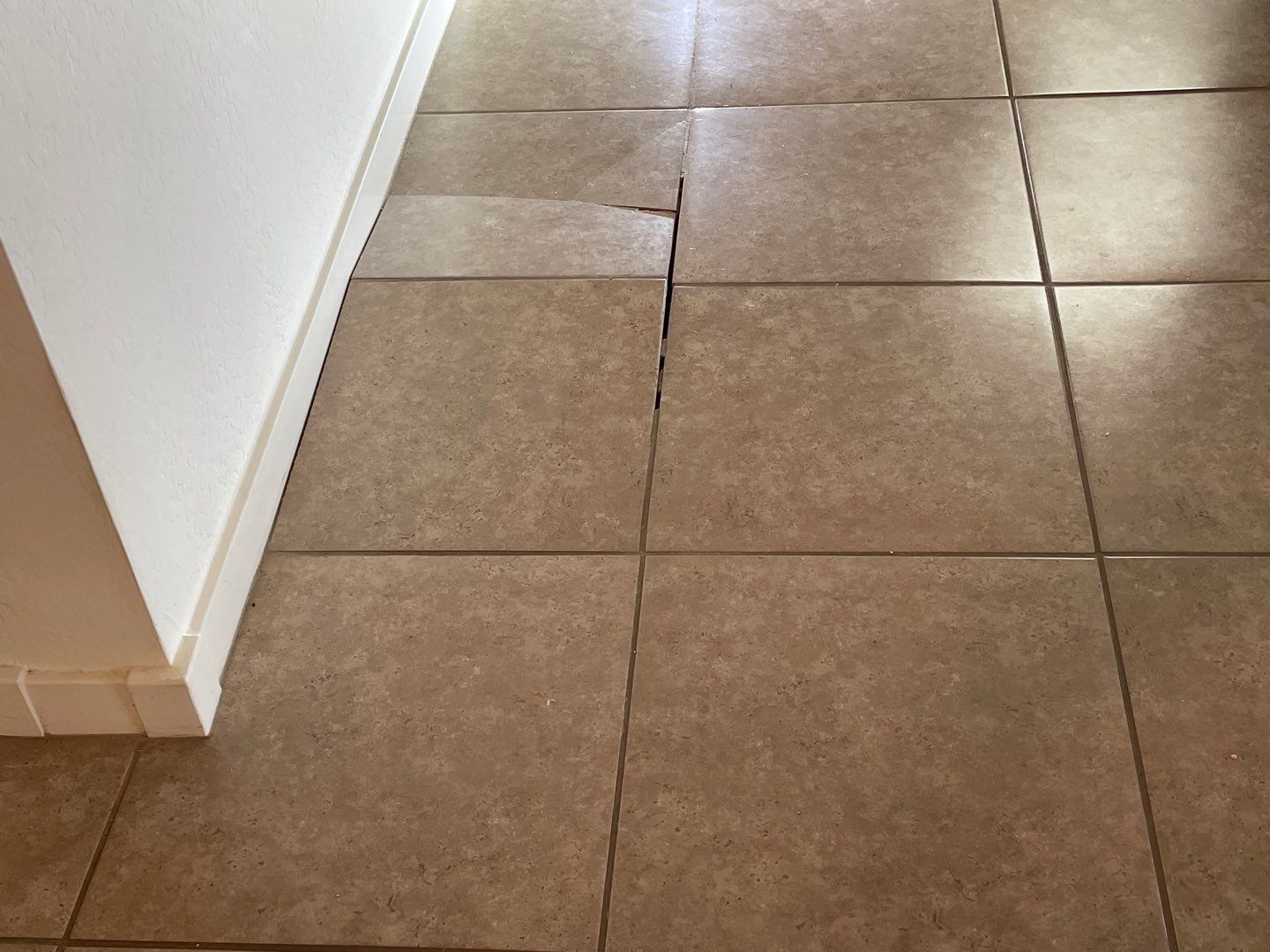
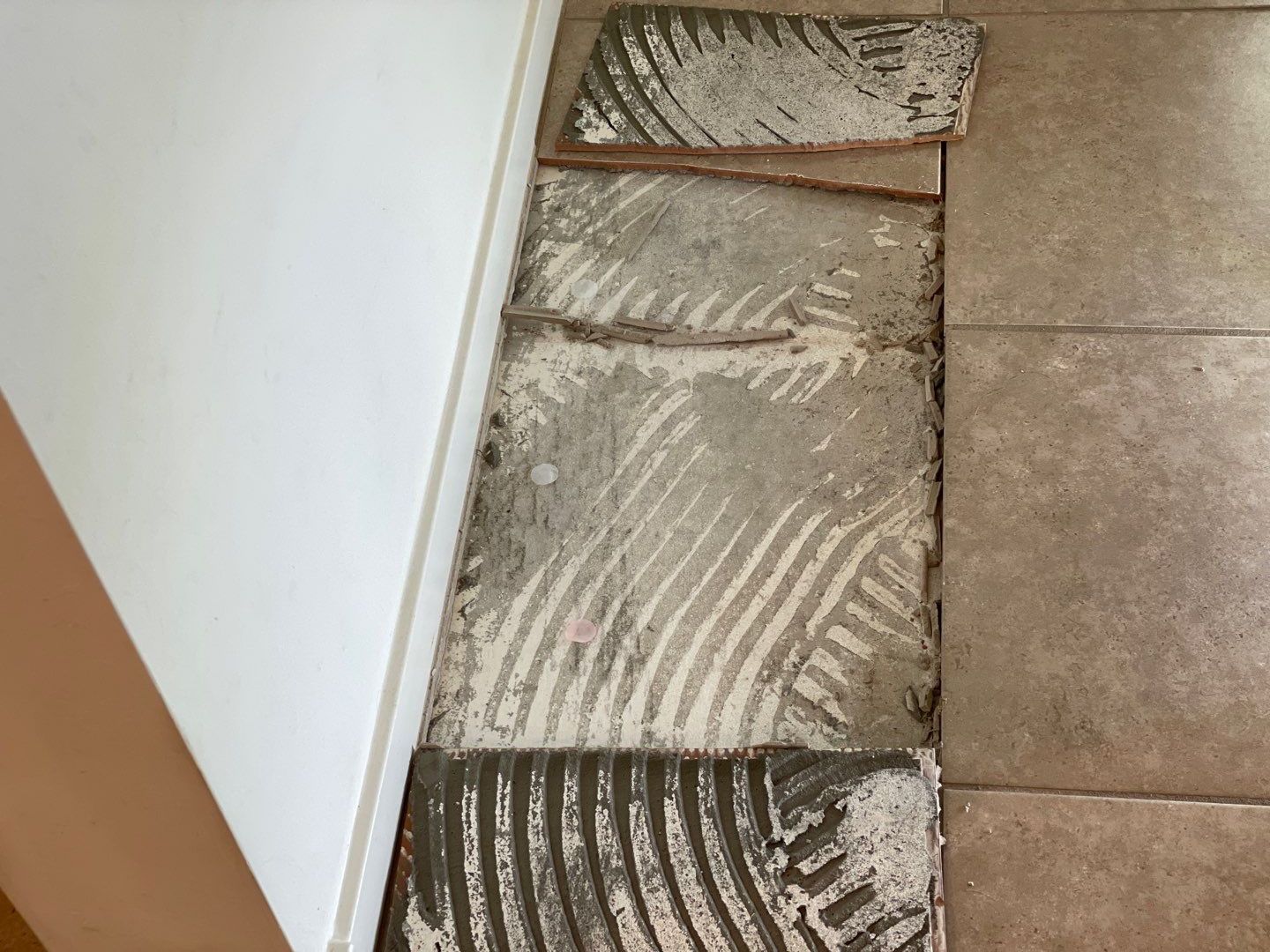
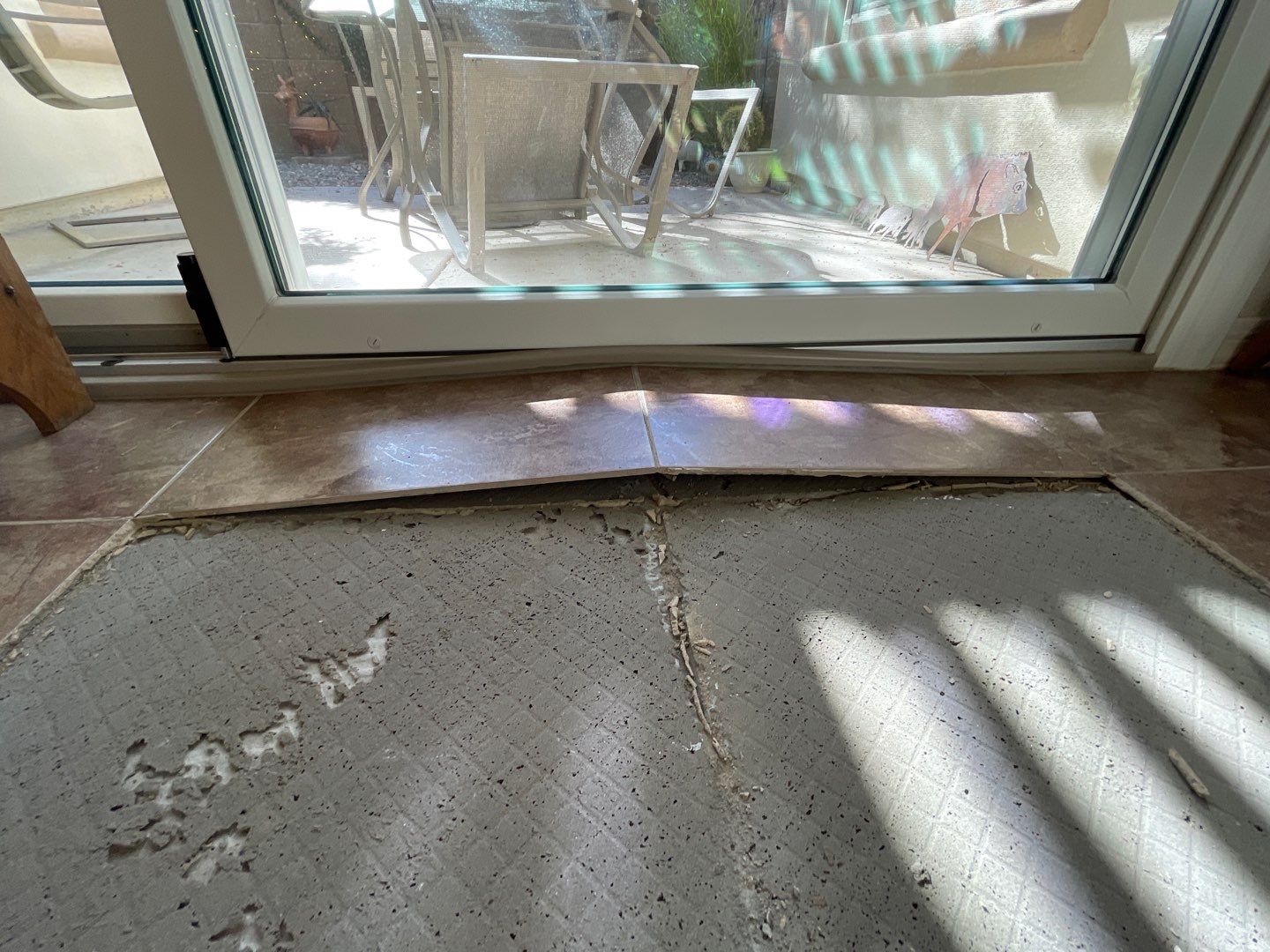
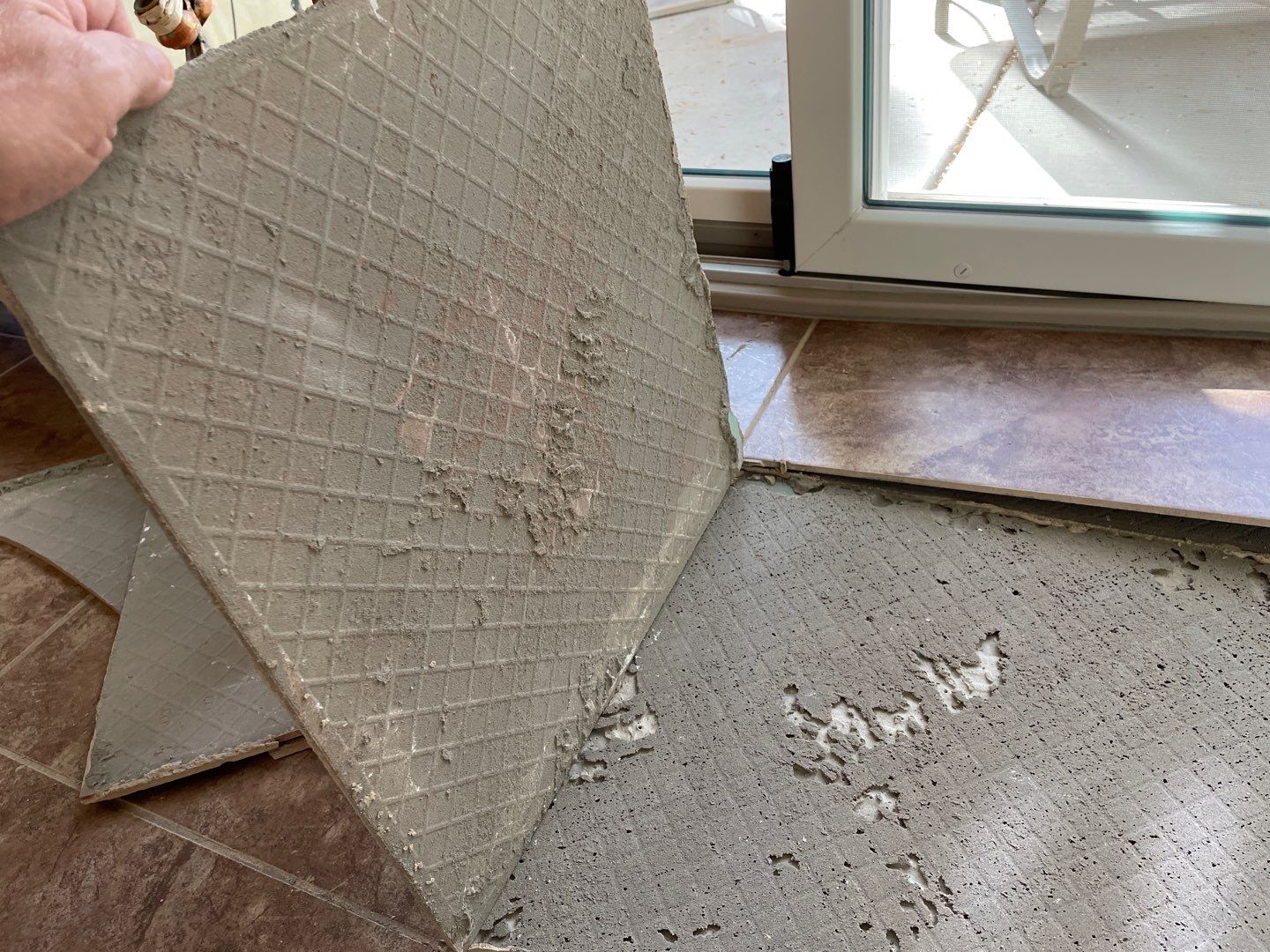
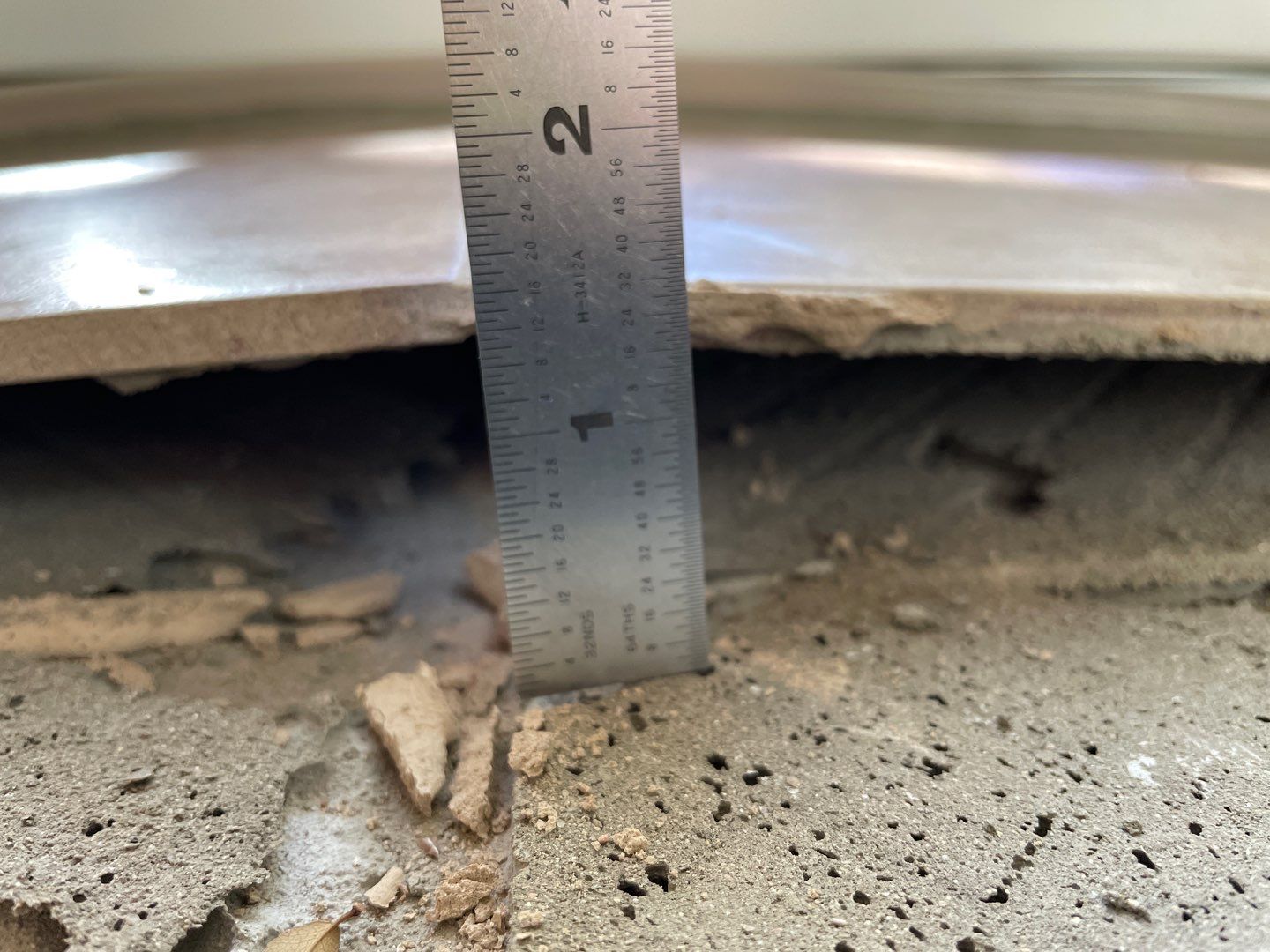
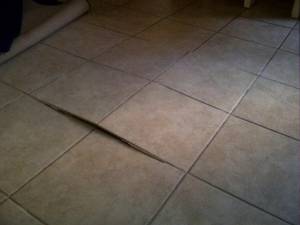
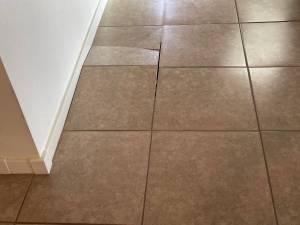
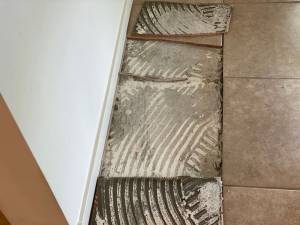
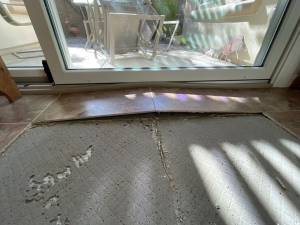
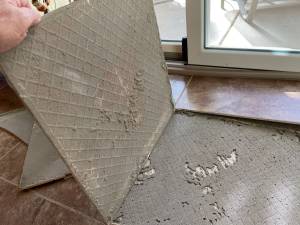
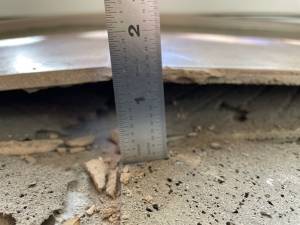
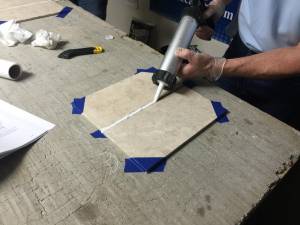
Ceramic tile floor showing tenting and upward displacement from compressive stress

Tenting

Sierra Exif JPEG

Bond loss

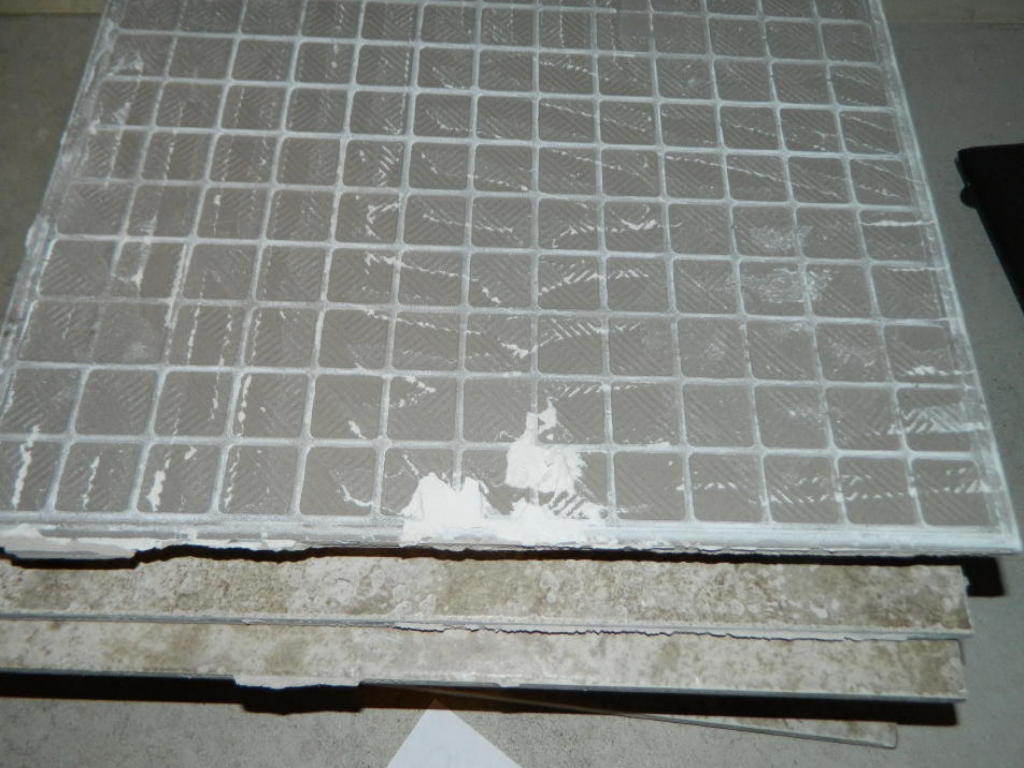
Debonding photo 543

Bond loss

Bond Breakers 543

Bond Breakers

Tenting 5678

Tenting

Bond Breakers 8576

Bond Breakers

17-Dec 08 2022 11_44am-e32J

Tenting

11-Dec 08 2022 11_42am-giw8

Bond loss

16-Dec 08 2022 11_44am-rKd3

Tenting

CTEF Training 144

Soft Joint

CTEF Training 155

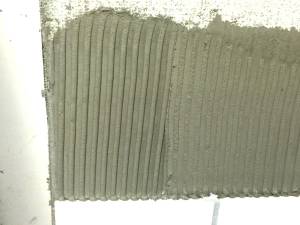
Directional Troweling

Ceramic tile floor showing tenting and upward displacement from compressive stress Sierra Exif JPEG Debonding photo 543 Bond Breakers 543 Tenting 5678 Bond Breakers 8576 17-Dec 08 2022 11_44am-e32J 11-Dec 08 2022 11_42am-giw8 16-Dec 08 2022 11_44am-rKd3 CTEF Training 144 CTEF Training 155

Tenting (Tile)

Floor Detective® Claims and Conditions Guide

Summary

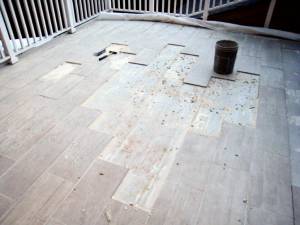
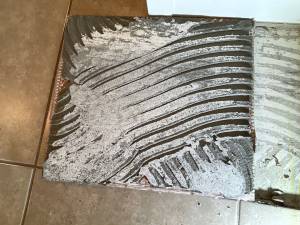
Tenting is a condition in which bonded tiles lift upward from the substrate, often forming a peaked or ridge-like displacement across the floor surface. The condition develops when compressive forces accumulate within a restrained tile installation and exceed the bond strength of the mortar or the restraint capacity of the assembly. Tile materials expand slightly with temperature and moisture exposure, while substrates may move due to structural, thermal, or moisture-related influences. When movement accommodation is limited, stress may accumulate until the tile system releases and lifts from the substrate. Evaluation focuses on identifying restraint conditions, movement accommodation, environmental exposure, substrate movement, and bond performance rather than assuming a defect in individual tiles. See also Lippage, Tile and Stone Cracks, and Tile and Stone Floor Problems.
Please subscribe to see all content

Wet Tile Slip Resistance and Surface Traction
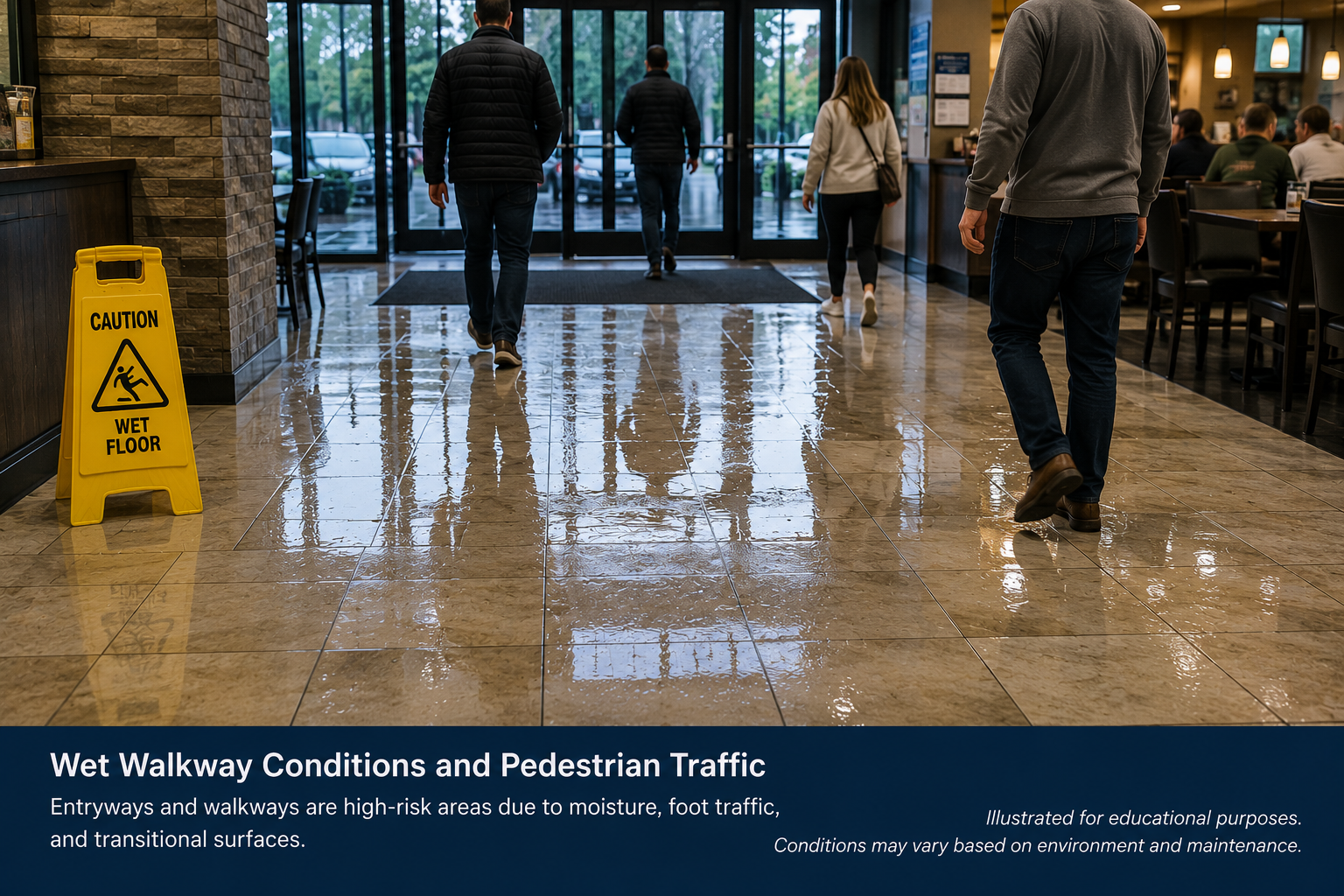
Wet tile slip resistance and surface traction are influenced by water exposure, contaminants, maintenance residue, and surface texture.
Read More
Wet Tile Slip Resistance and Surface Traction

Tile and Stone Floor Problems
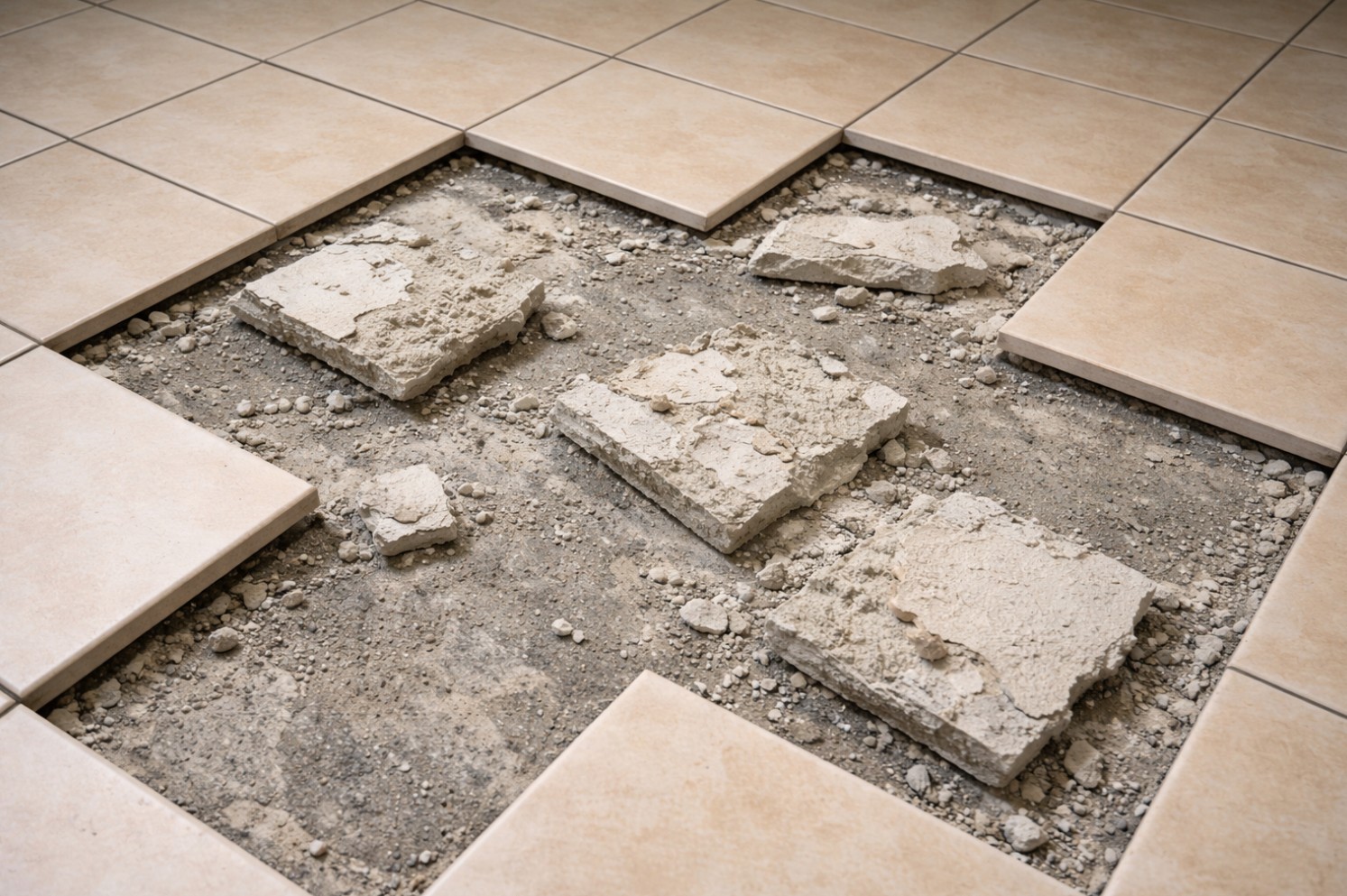
Tile and stone floor problems may involve cracking, lippage, bond loss, grout issues, moisture influence, or structural movement.
Read More
Tile and Stone Floor Problems

Tile Surface Cleaning and Residue Conditions (Overview)
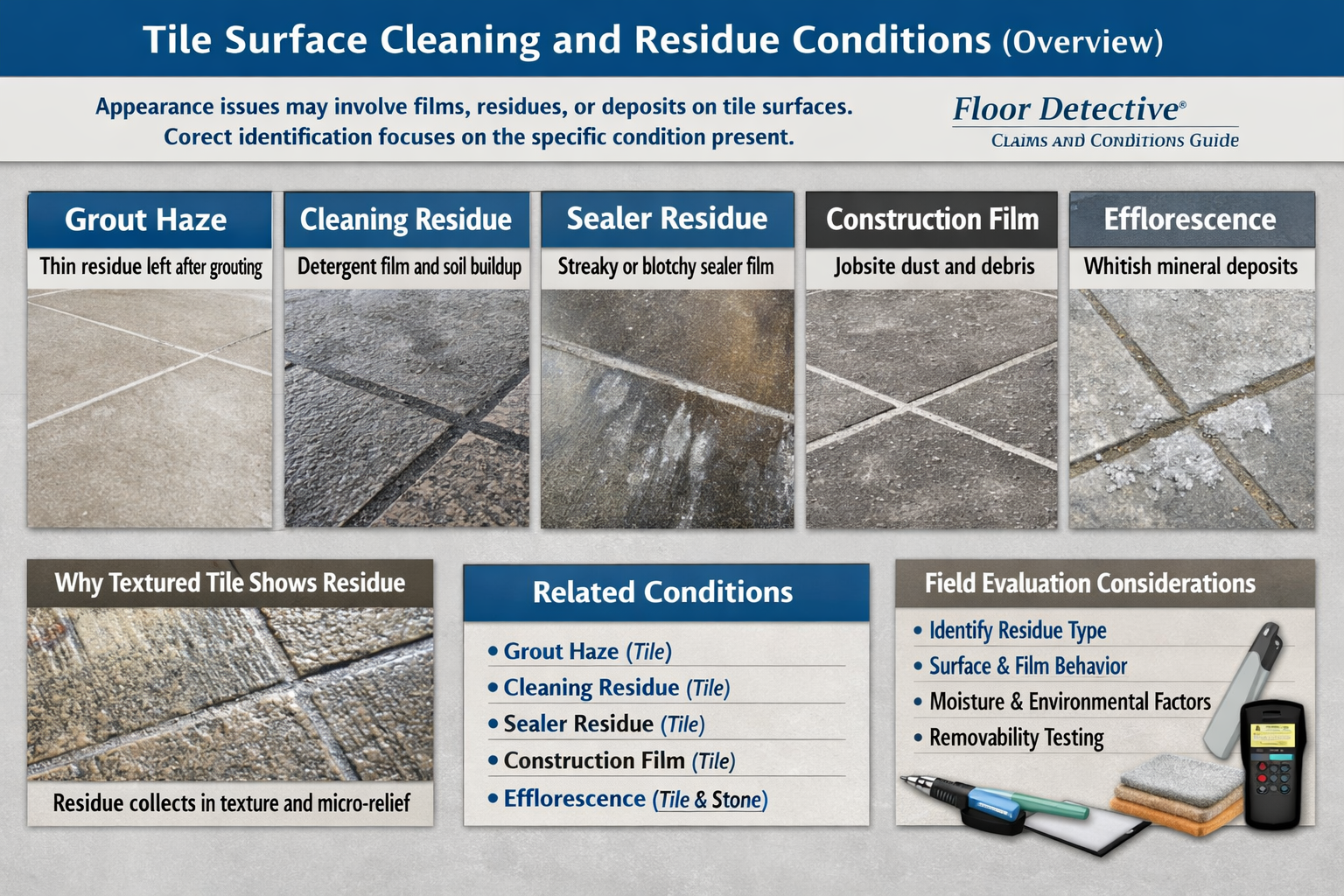
Tile surface residue conditions may involve grout haze, cleaning residue, sealer film, mineral deposits, or maintenance-related buildup.
Read More
Tile Surface Cleaning and Residue Conditions (Overview)

Surface Chipping (Ceramic Tile)
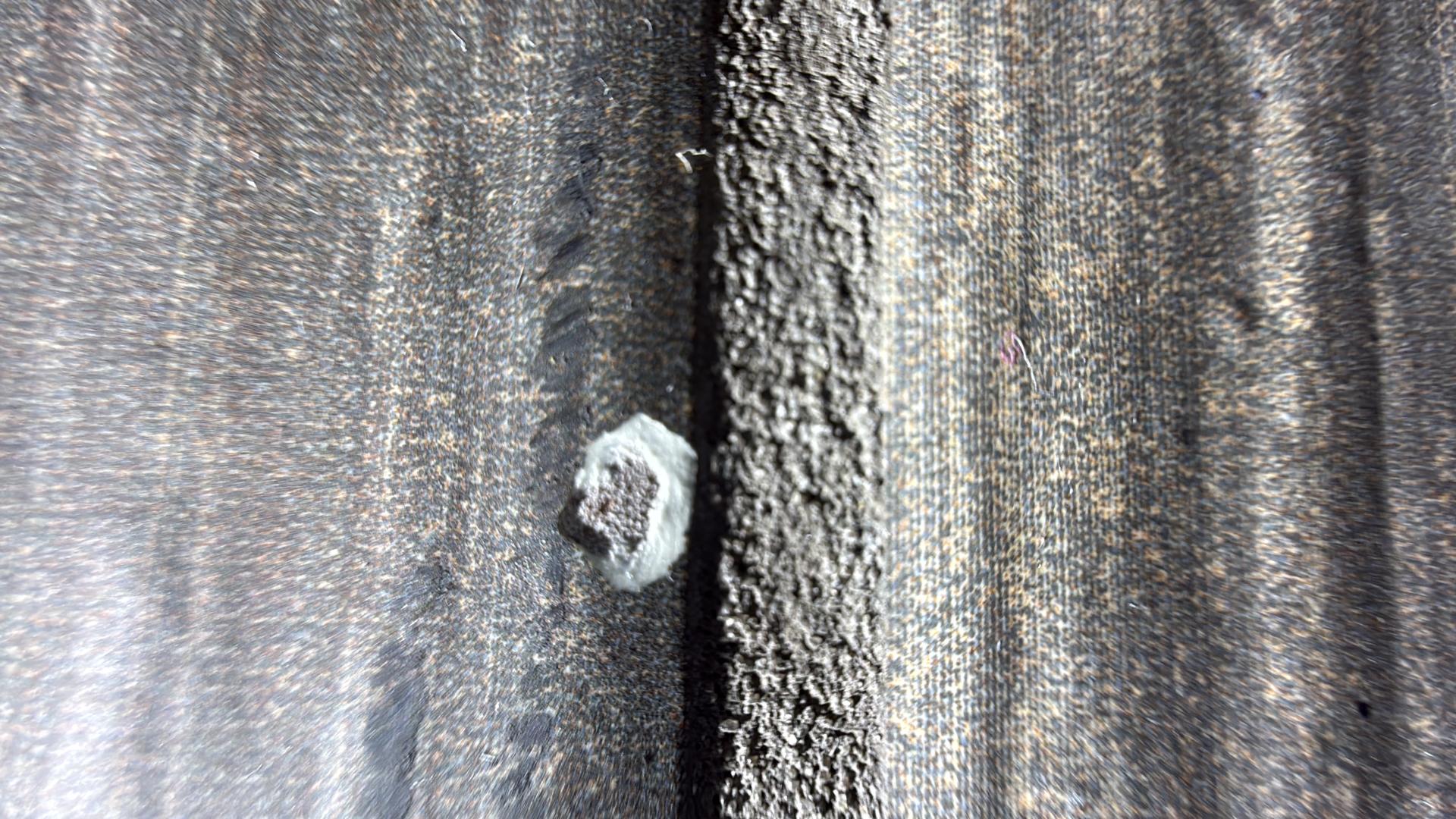
Surface chipping in ceramic tile involves localized glaze or surface loss caused by impact, contact stress, handling, or service conditions.
Read More
Surface Chipping (Ceramic Tile)

Grout Haze (Tile)
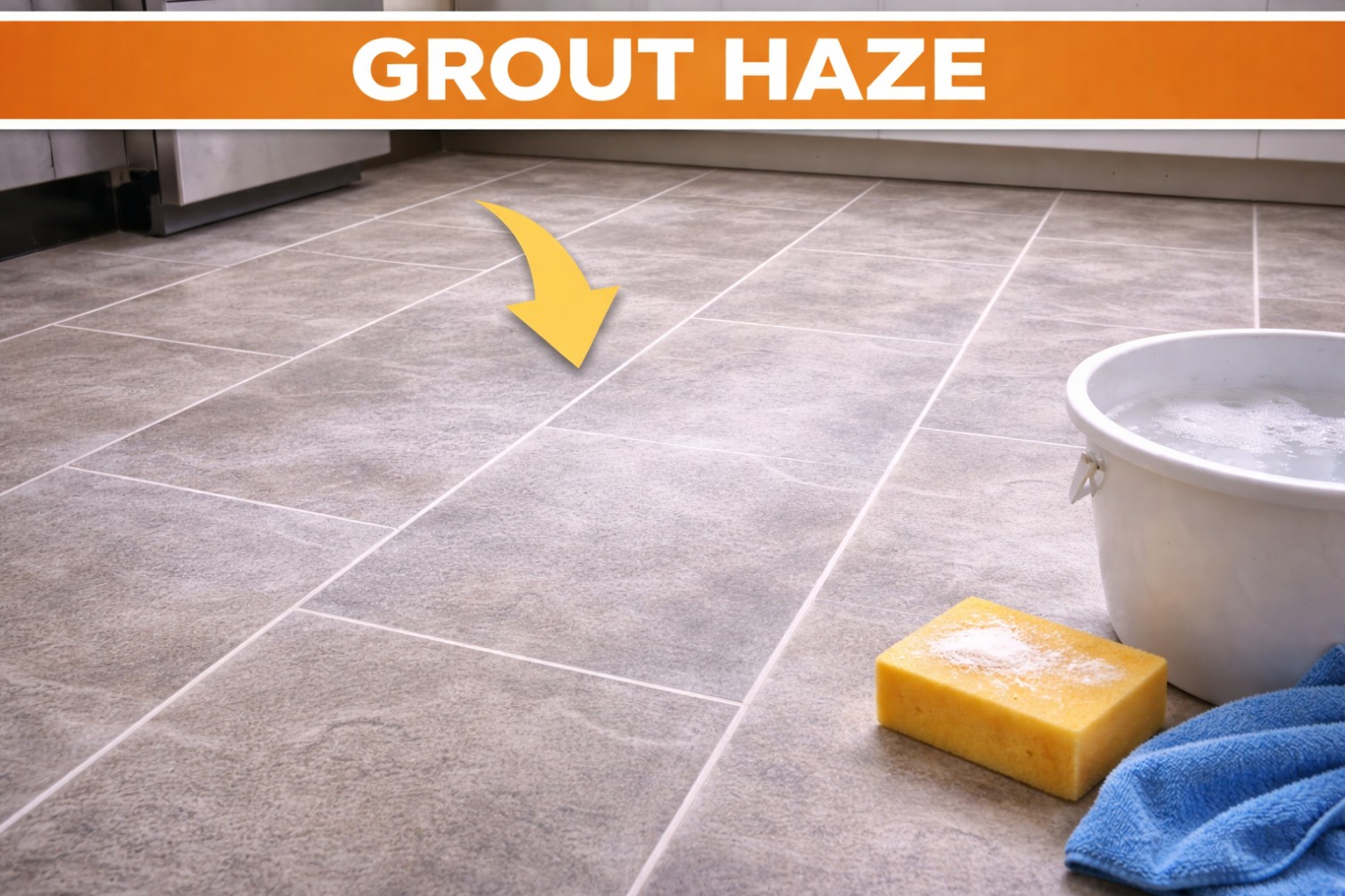
Grout haze on porcelain tile involves residual surface film caused by grout residue, tile texture, or installation conditions.
Read More
Grout Haze (Tile)

Cracked Corners

Cracked tile corners involve fractures caused by localized stress concentration, incomplete support, or movement within the tile assembly.
Read More
Cracked Corners

Outdoor Natural Stone Deterioration (Exterior Stone)

Outdoor natural stone deterioration may involve spalling, flaking, erosion, salt crystallization, and weather-related surface damage.
Read More
Outdoor Natural Stone Deterioration (Exterior Stone)

Grout – Pin Holes

Pin holes in grout joints involve small surface voids caused by grout consolidation, curing, or installation conditions.
Read More
Grout – Pin Holes

Saltillo Tile Lime Pops

Lime pops in Saltillo tile are localized surface disruptions caused by moisture-related expansion of lime-bearing particles within porous clay tile.
Read More
Saltillo Tile Lime Pops

Travertine Tile Properties

Travertine tile is a porous natural stone affected by moisture exposure, etching, wear, filler loss, and environmental conditions.
Read More
Travertine Tile Properties