
Shift Marks/Shift Chop

Shift Marks

Sierra Exif JPEG

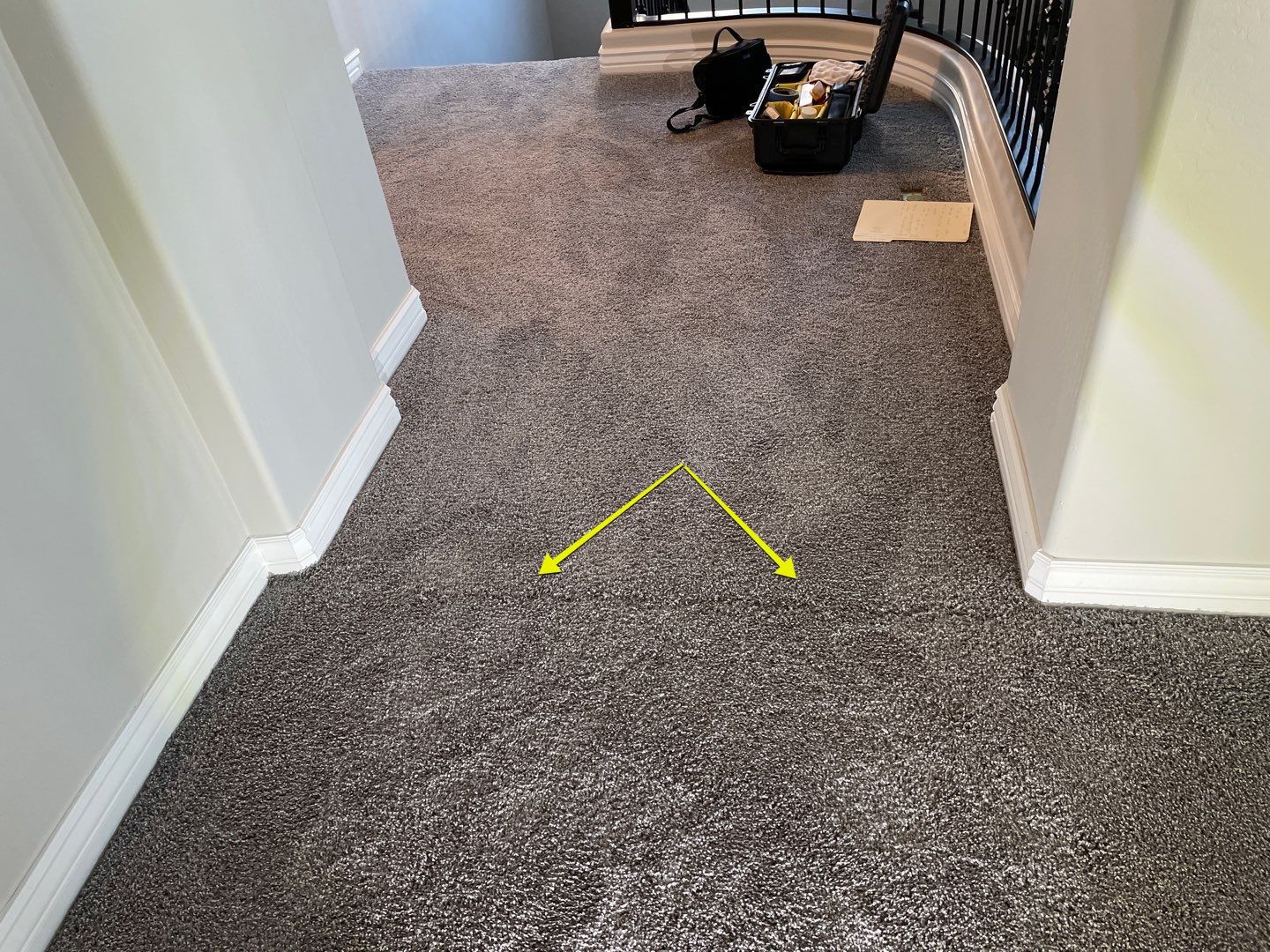
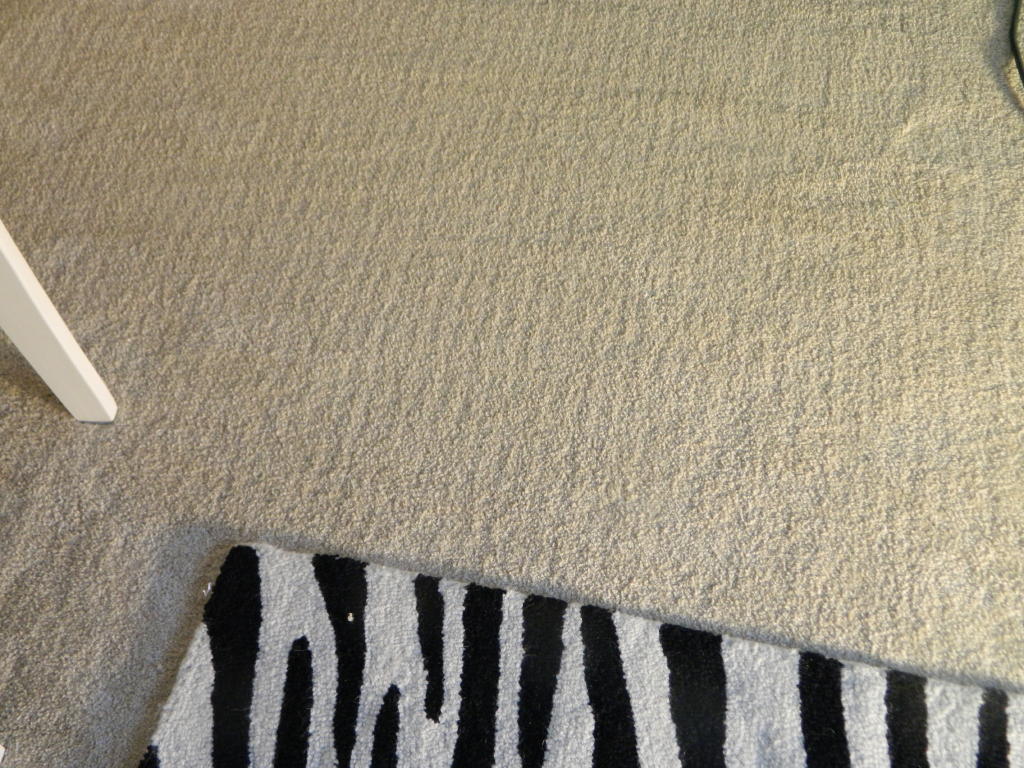
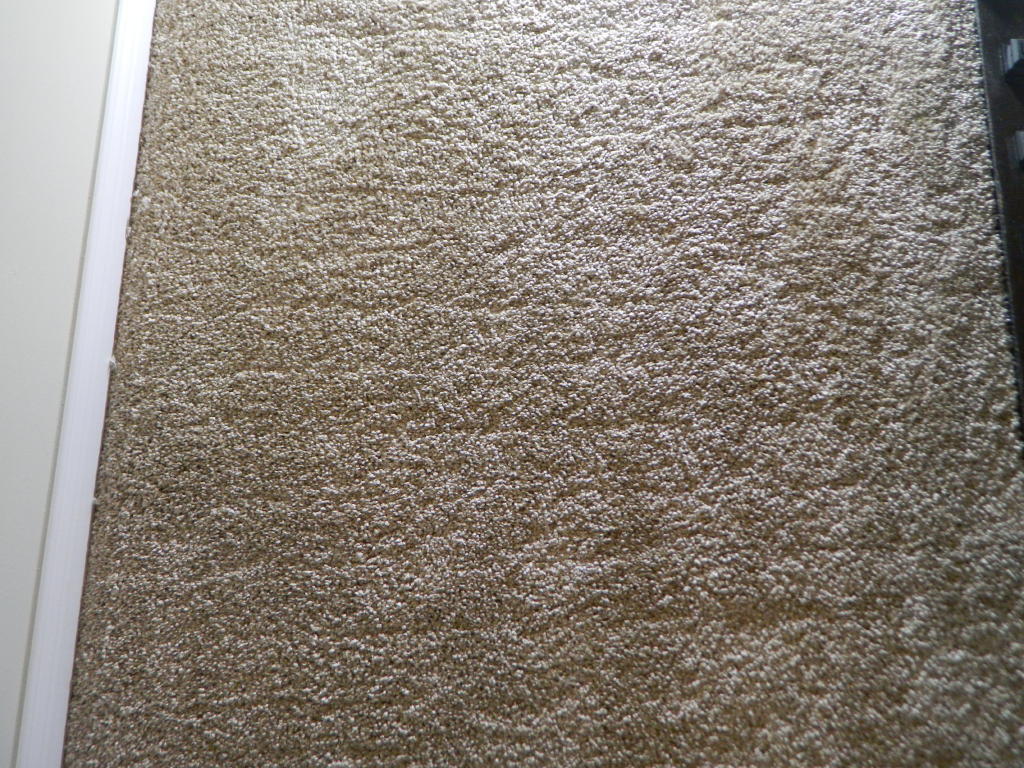
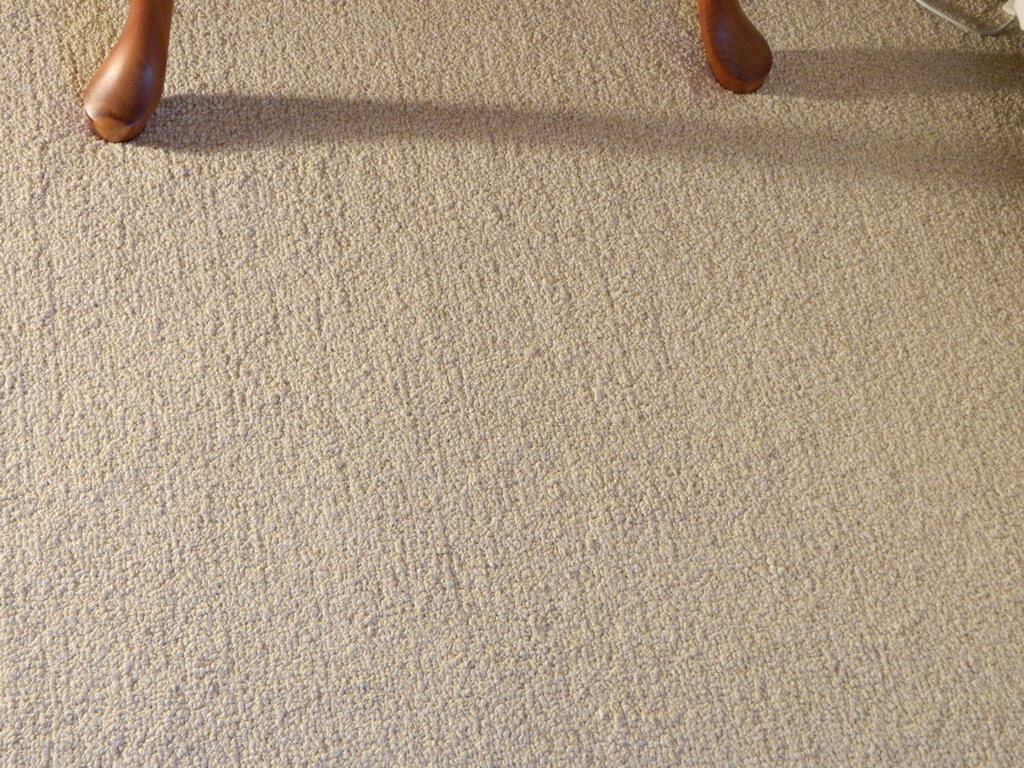
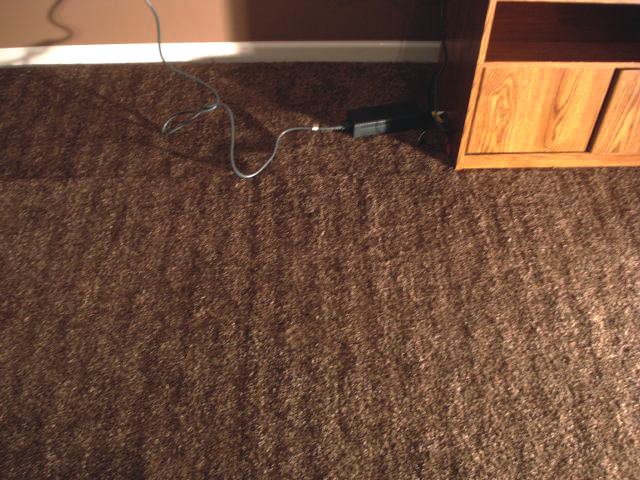
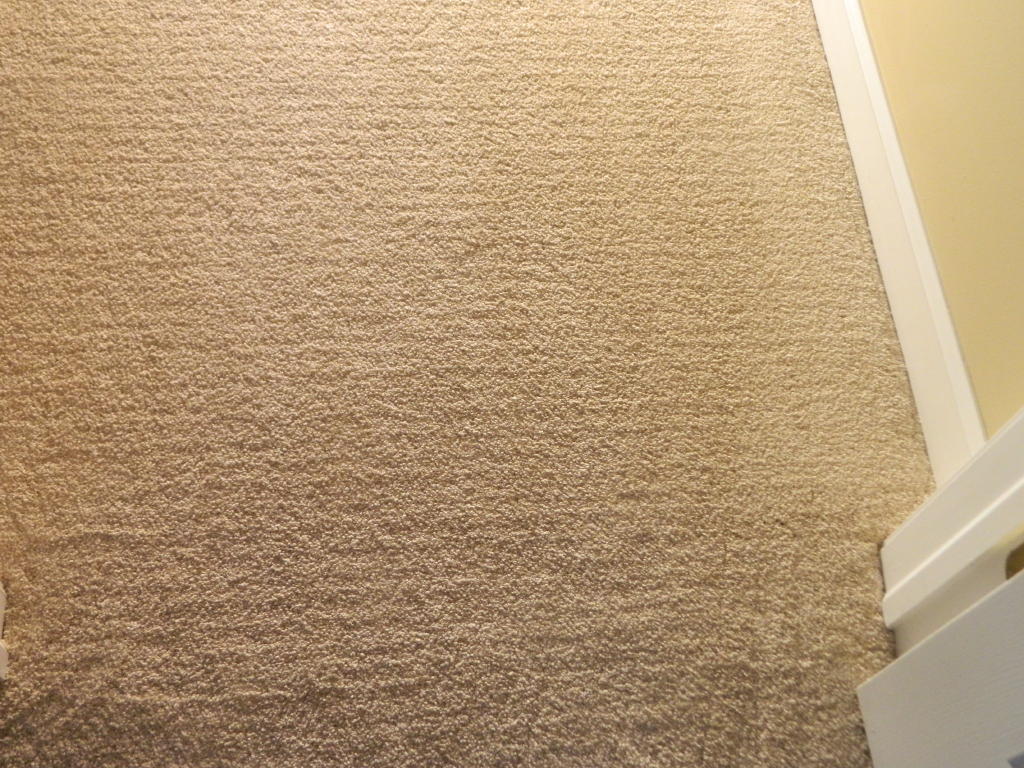
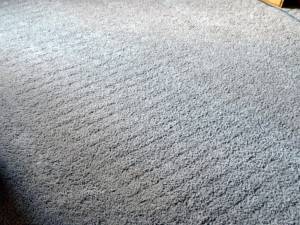
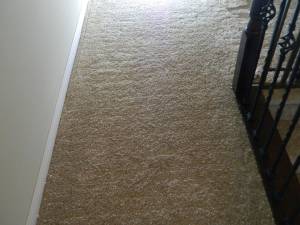
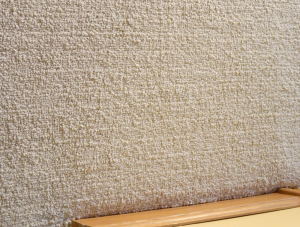
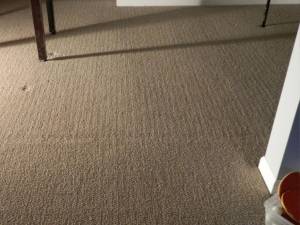
Shift marks repeat across the width of the carpet

Sierra Exif JPEG

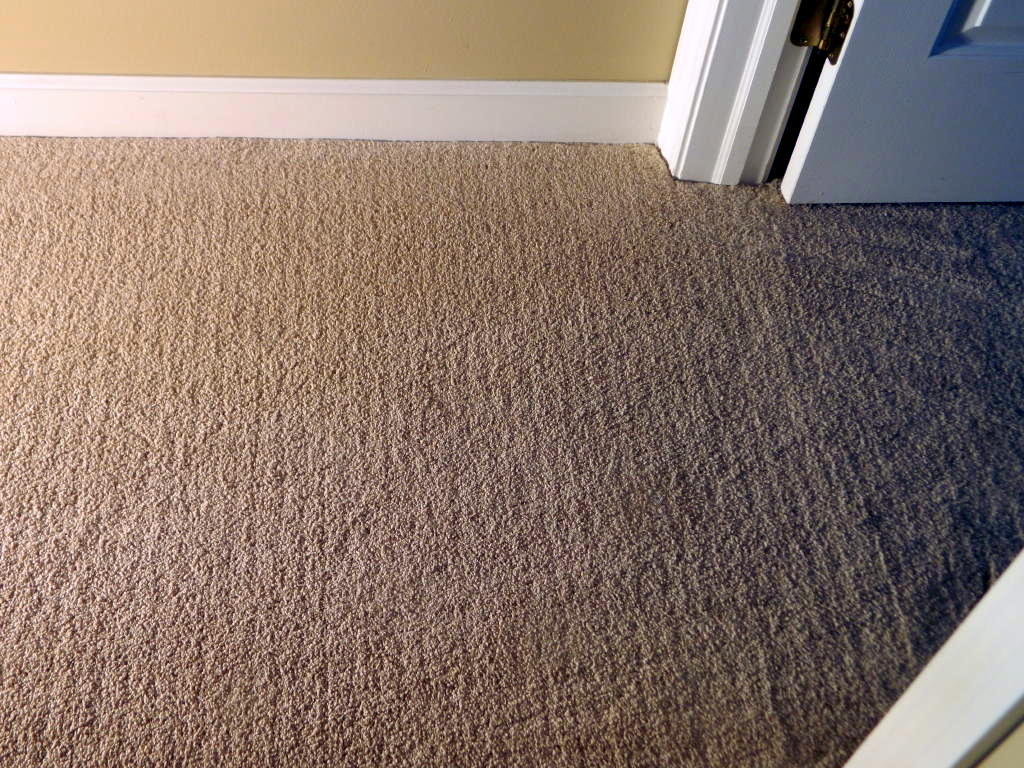
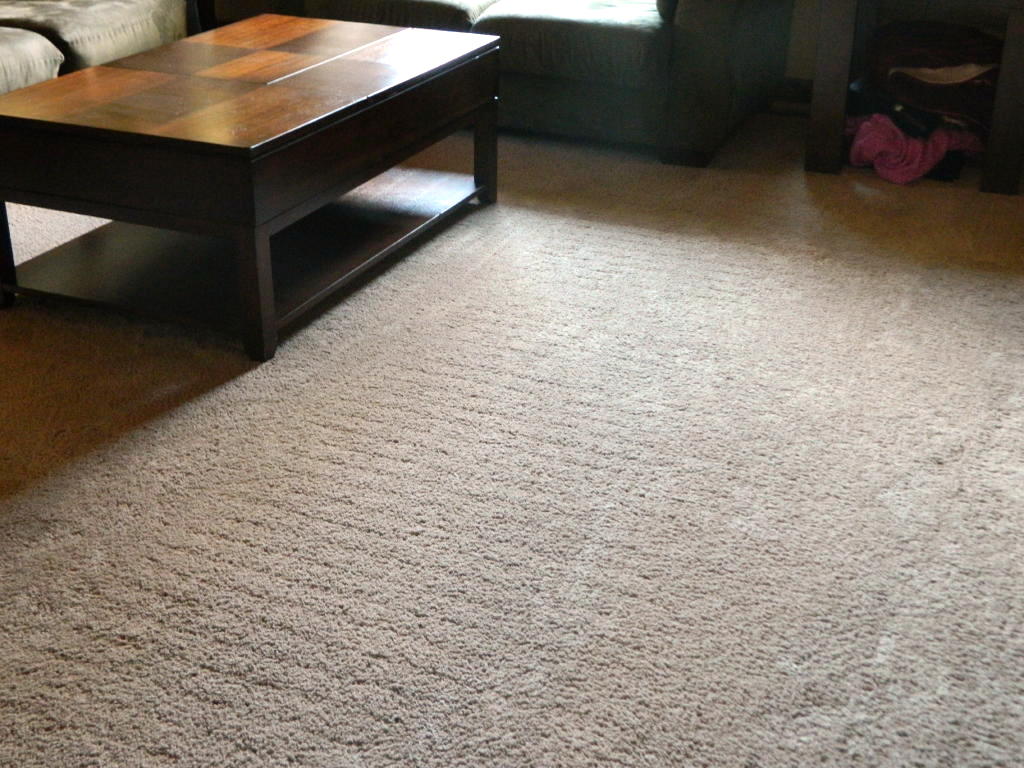
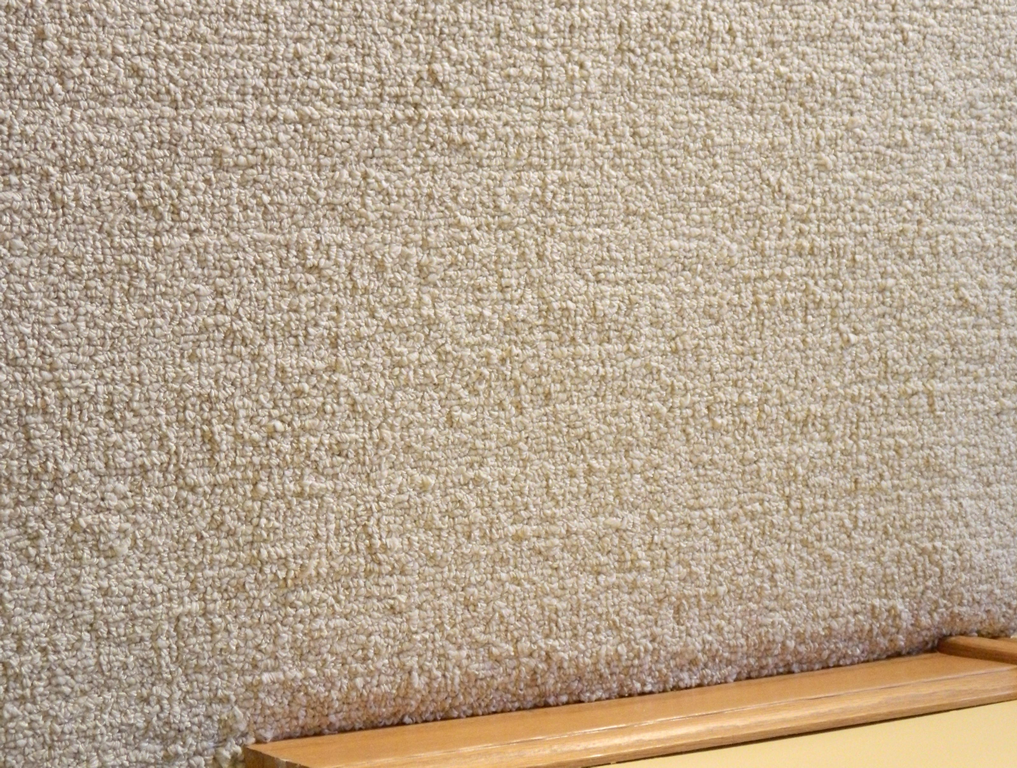
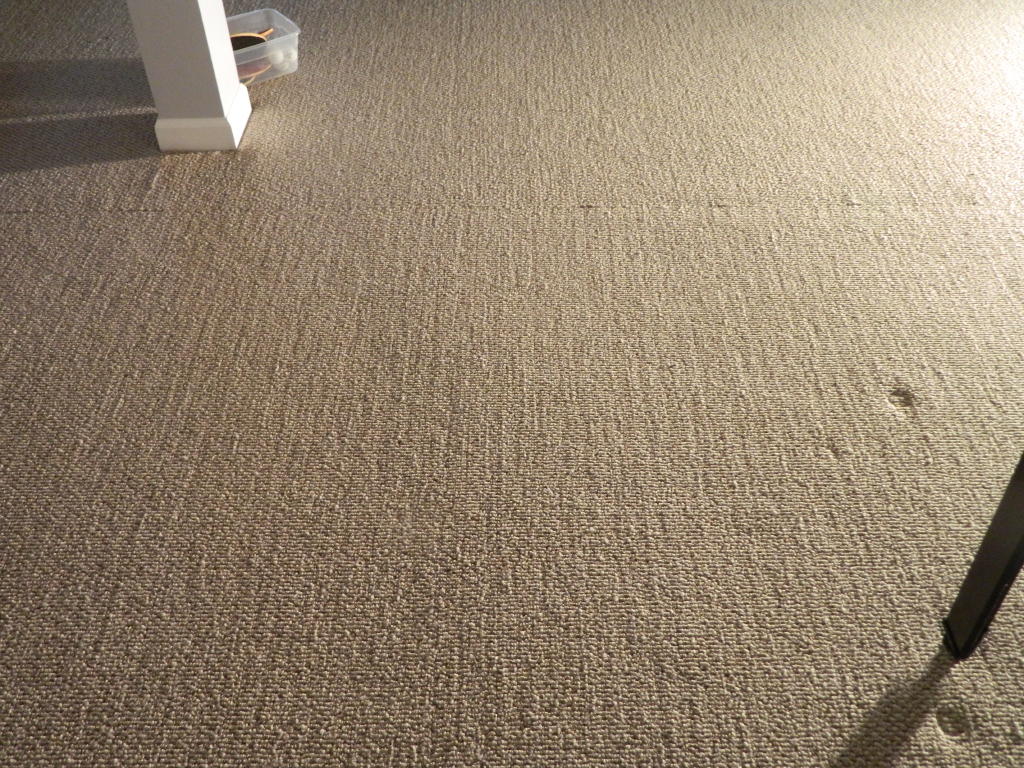
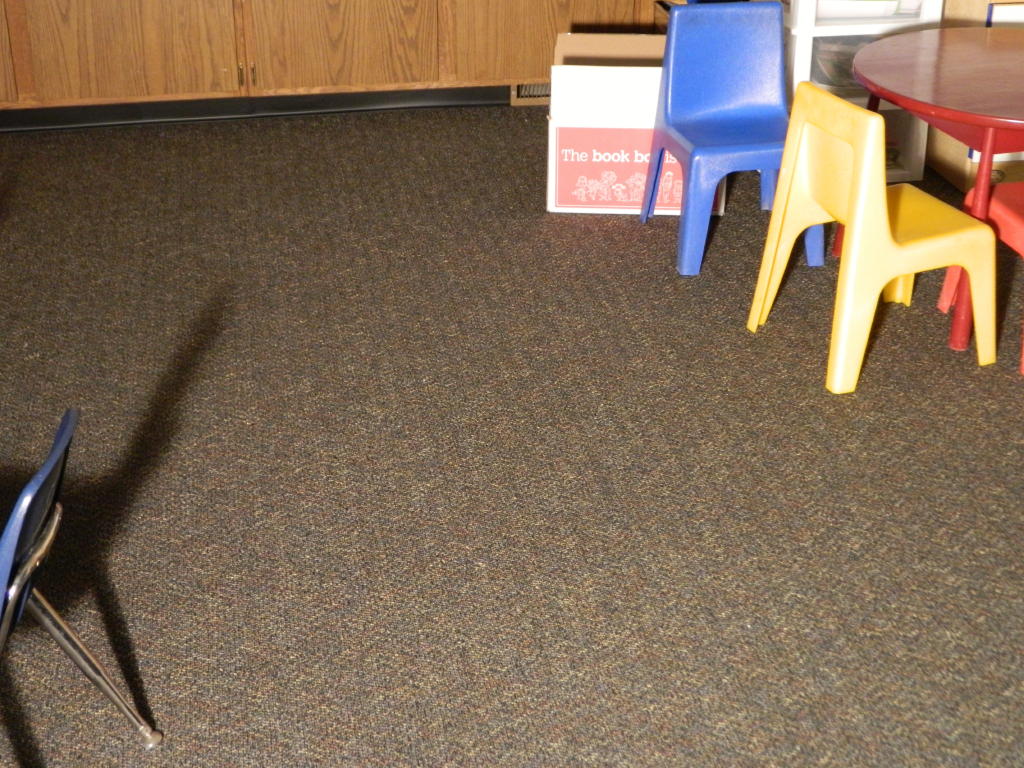
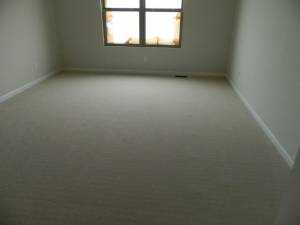
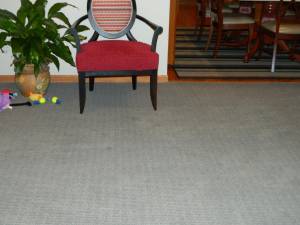
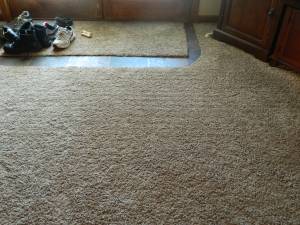
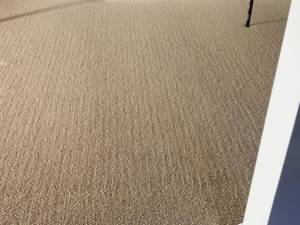
Shift marks repeat across the width of the carpet

Sierra Exif JPEG

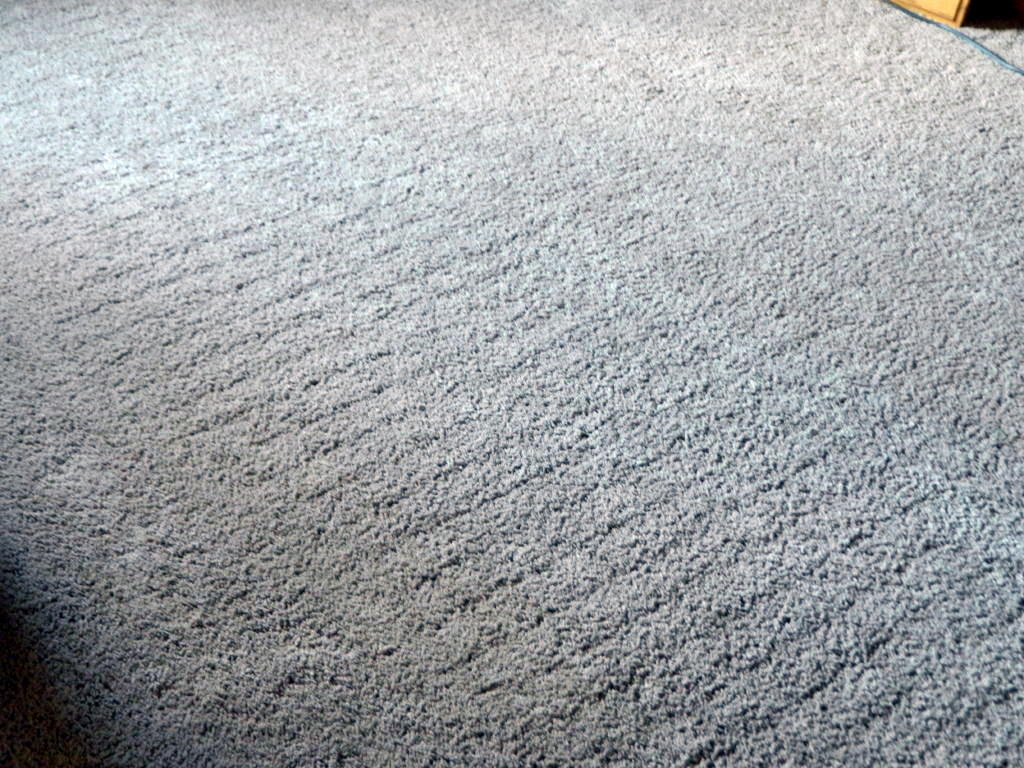
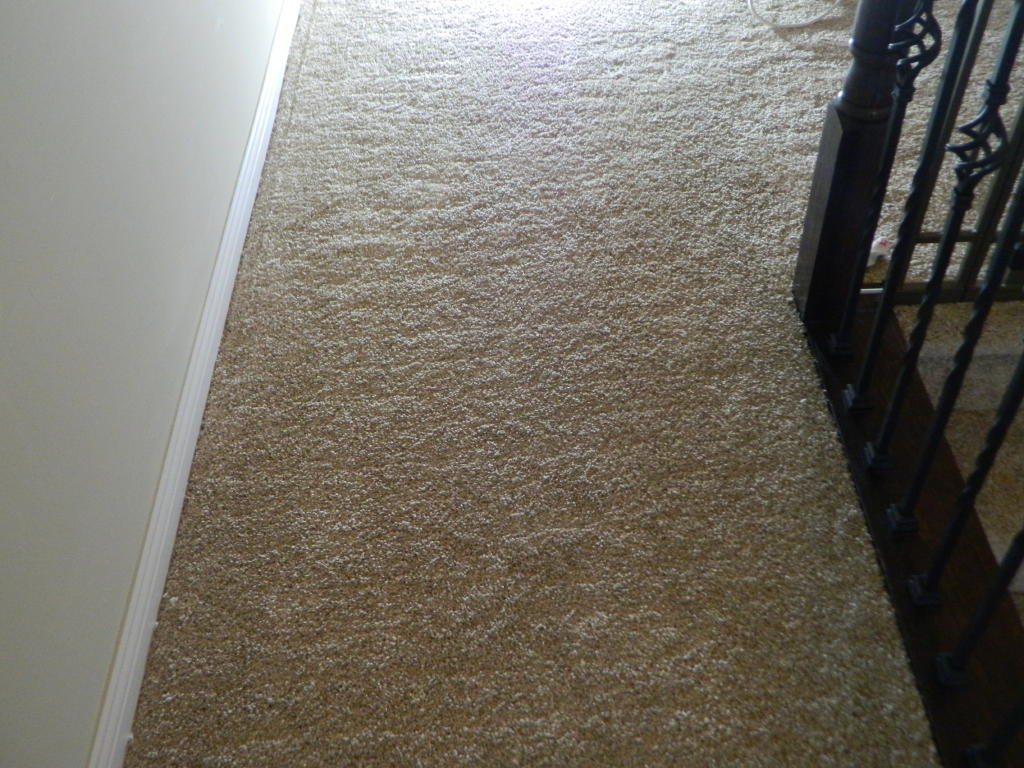
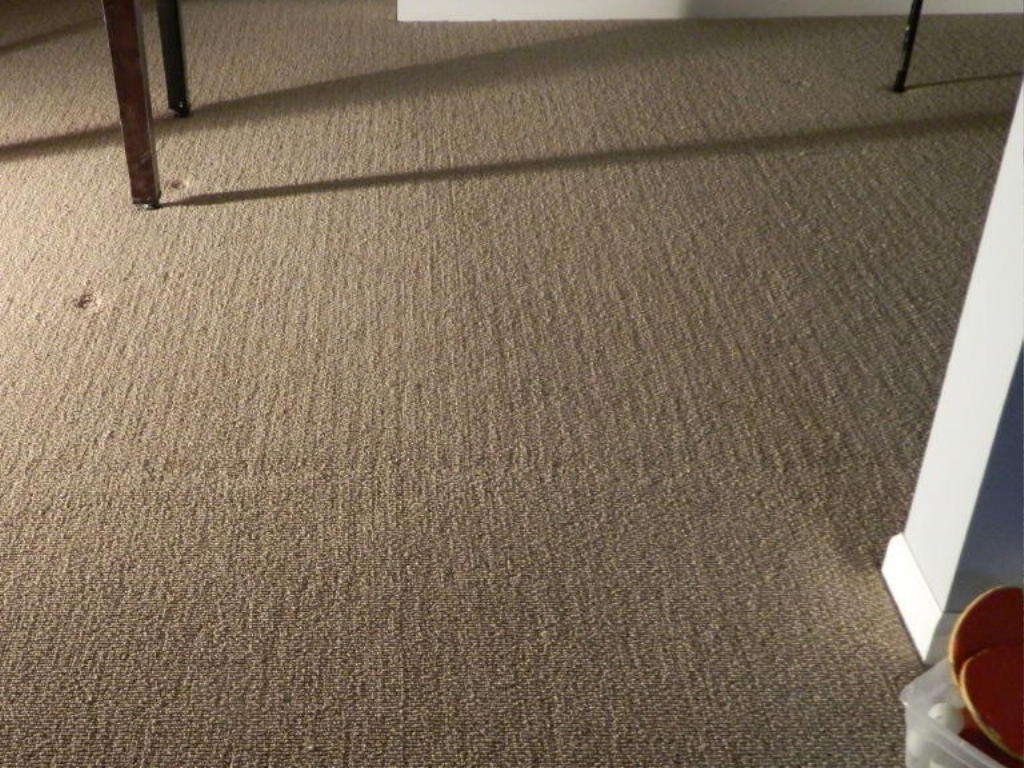
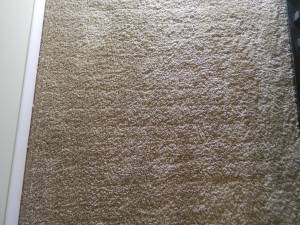
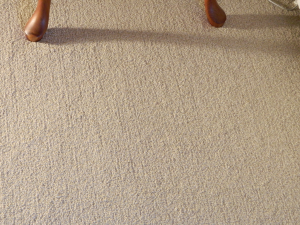
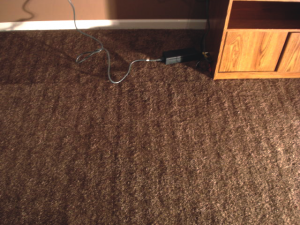
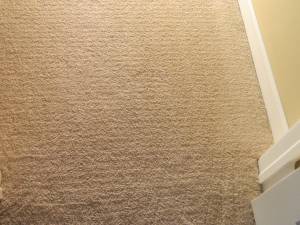
Shift marks repeat across the width of the carpet

Sierra Exif JPEG

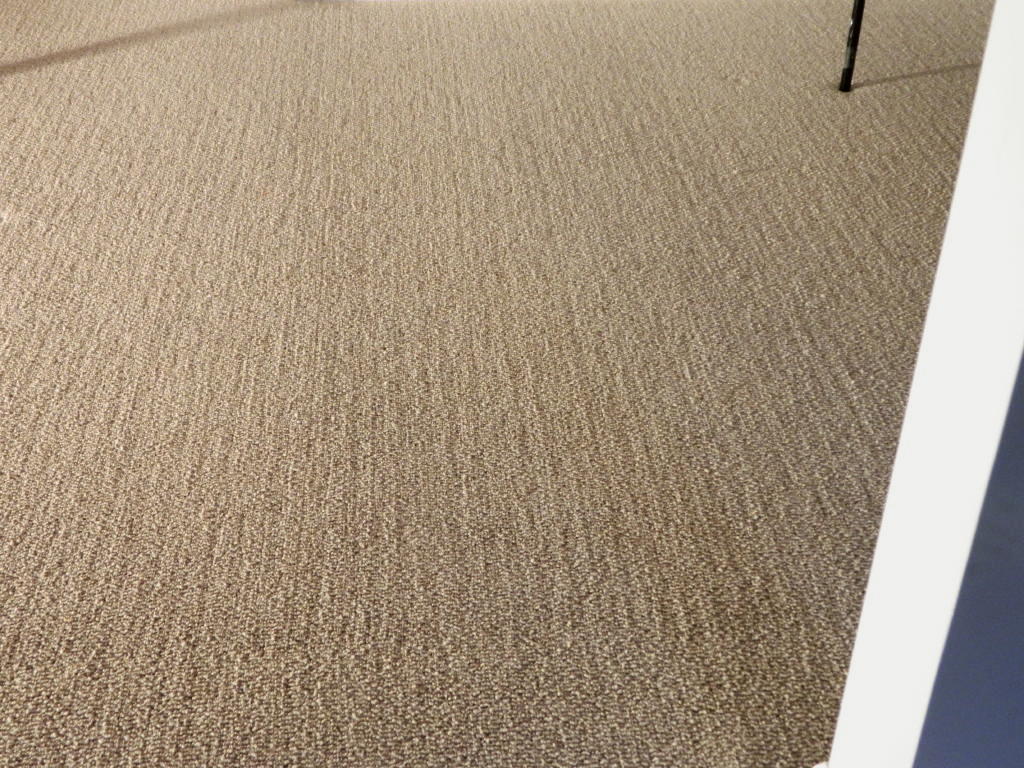
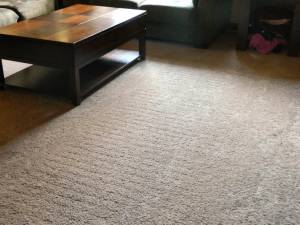
Shift marks

Sierra Exif JPEG

Shift marks

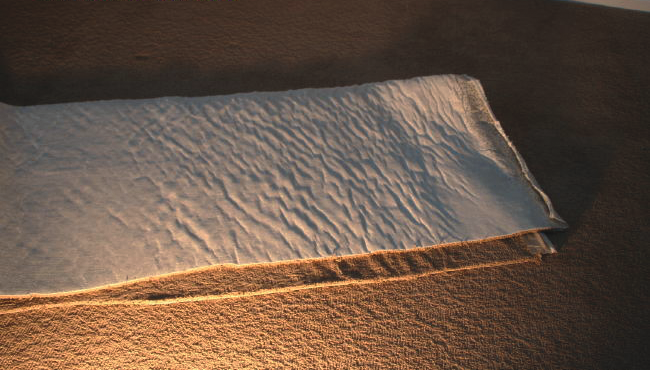
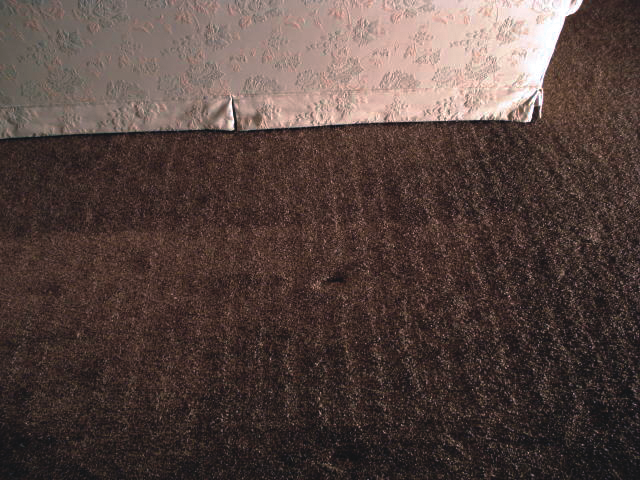
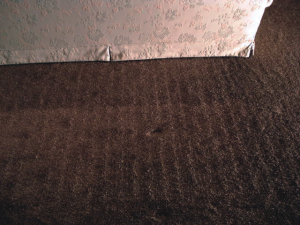
Carpet shift marks showing alternating pile height bands across carpet width

Shift marks

Sierra Exif JPEG

Shift marks

Sierra Exif JPEG

Shift marks

Shift Marks 4

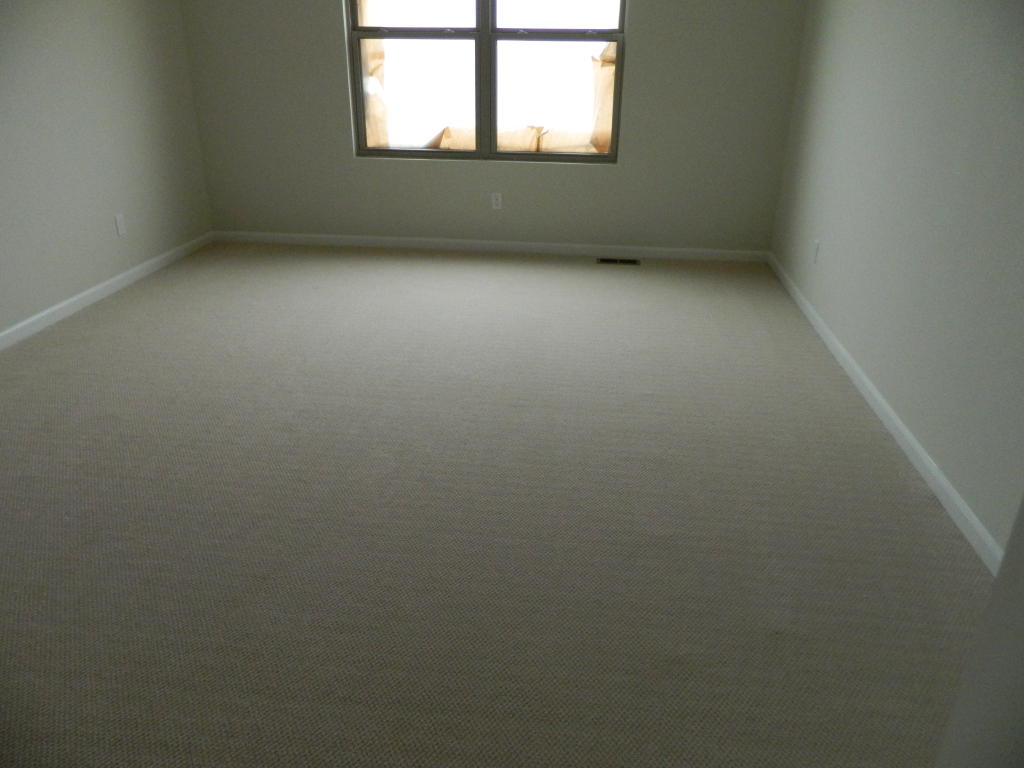
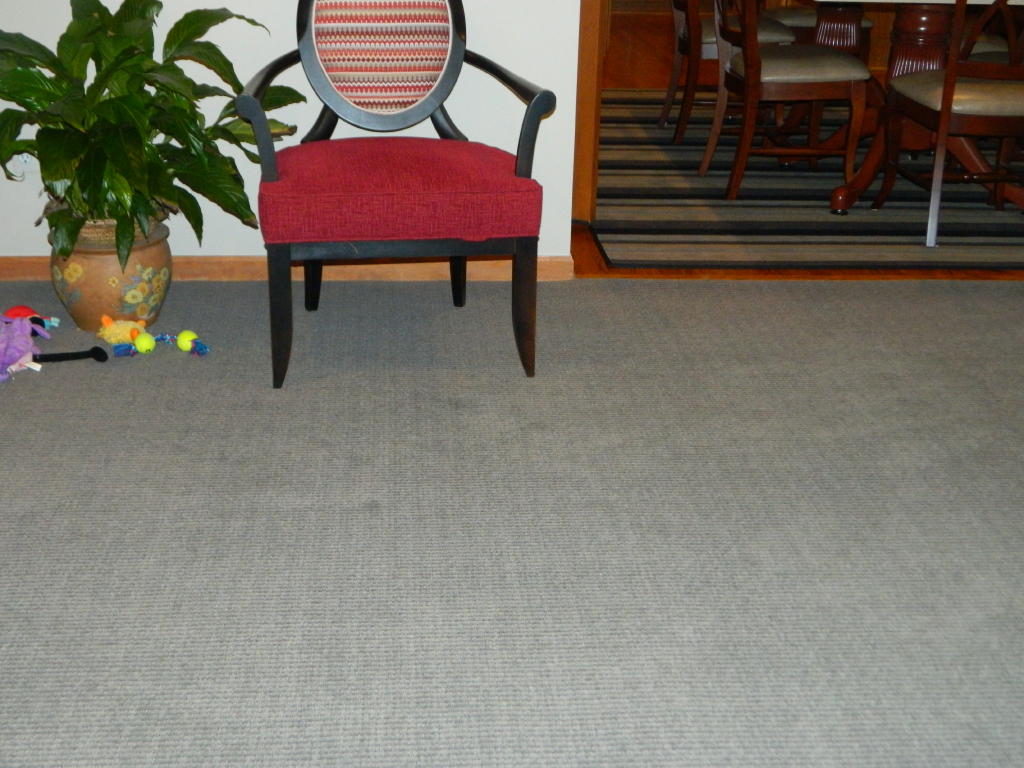
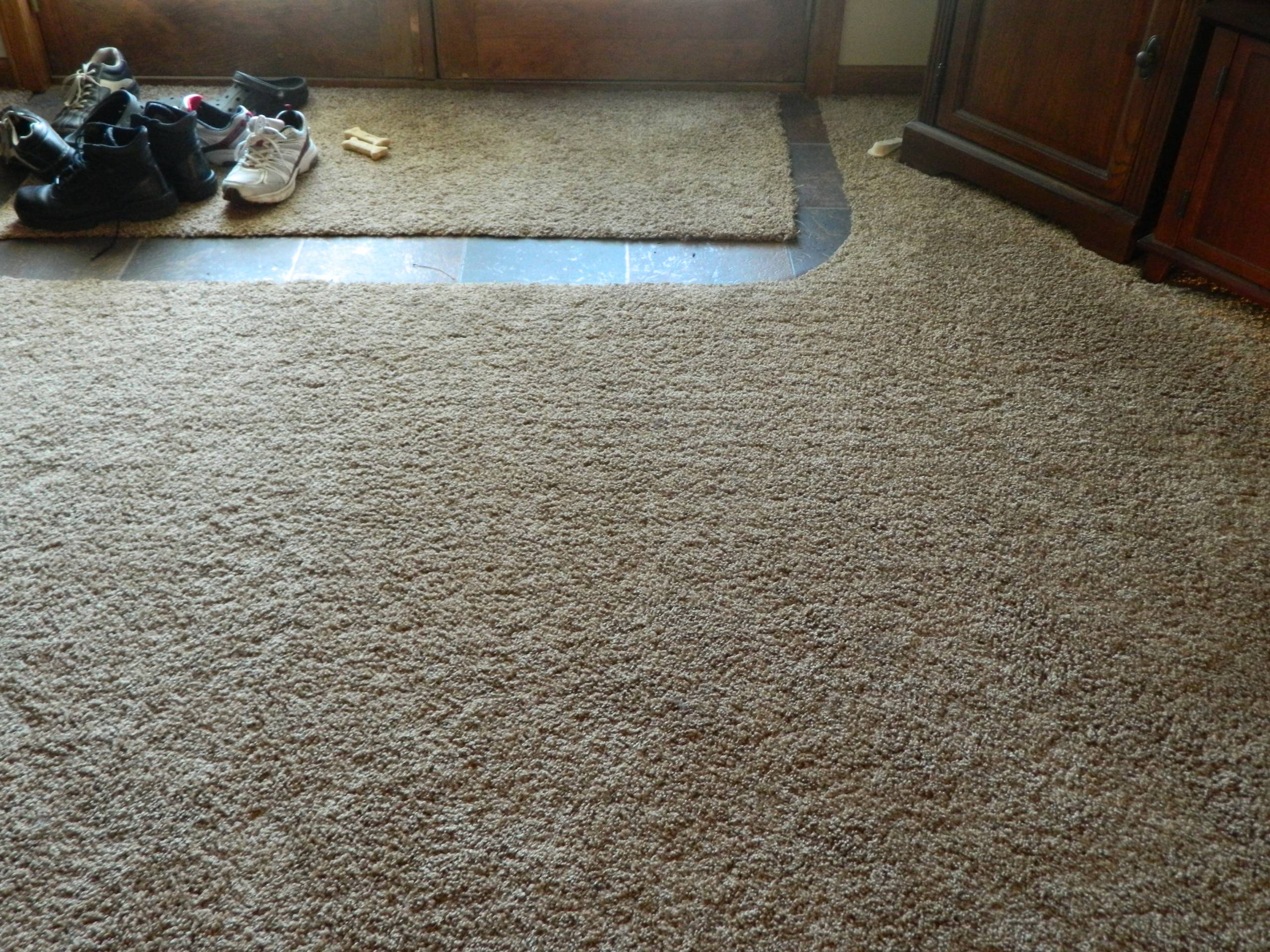
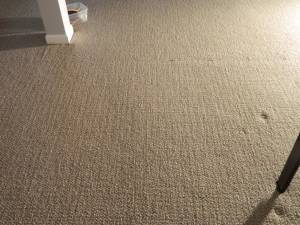
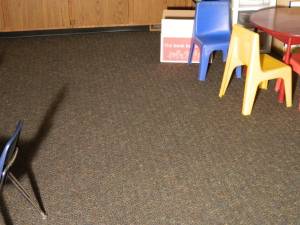
Shift marks will be visible in traffic and nontraffic areas

Shift Marks 2

Shift marks

Shift Marks 3

Shift marks

Shift Marks 44

Shift marks

Shift Marks 1

Shift marks

Sierra Exif JPEG

Shift marks

Sierra Exif JPEG

Shift marks

Sierra Exif JPEG

Shift marks

Sierra Exif JPEG

Shift marks

Sierra Exif JPEG

Shift marks

Sierra Exif JPEG Sierra Exif JPEG Sierra Exif JPEG Sierra Exif JPEG Sierra Exif JPEG Carpet shift marks showing alternating pile height bands across carpet width Sierra Exif JPEG Sierra Exif JPEG Shift Marks 4 Shift Marks 2 Shift Marks 3 Shift Marks 44 Shift Marks 1 Sierra Exif JPEG Sierra Exif JPEG Sierra Exif JPEG Sierra Exif JPEG Sierra Exif JPEG

Shift Marks / Chop Marks (Carpet)

Floor Detective® Claims and Conditions Guide

Summary

Carpet shift marks, also referred to as chop marks, are manufacturing-related appearance conditions caused by variation in tuft formation during step-over stitch processes. The condition develops when yarn tension, backing tension, or needle timing is not consistently balanced during directional needle shift. This imbalance may produce alternating rows of slightly higher and lower pile height extending across the carpet width. The condition may be evaluated alongside related appearance conditions such as shearing defects and shadows, which may appear similar but differ in underlying mechanism.

The variation is inherent to tuft formation and is present at the time of manufacture, although visibility may increase after installation under certain lighting conditions. The pattern typically follows machine repeat intervals and remains ….

Please subscribe to see all content

Carpet Problems

Carpet problems are conditions that affect appearance, texture, or performance of carpet flooring.
Read More
Carpet Problems

Carpet Fiber Identification (Field and Laboratory Methods)

Carpet Fiber Identification (Field and Laboratory Methods) Floor Detective® Claims and Conditions Guide Summary Accurate carpet fiber identification is a...
Read More
Carpet Fiber Identification (Field and Laboratory Methods)

Wool and Wool Carpet Properties
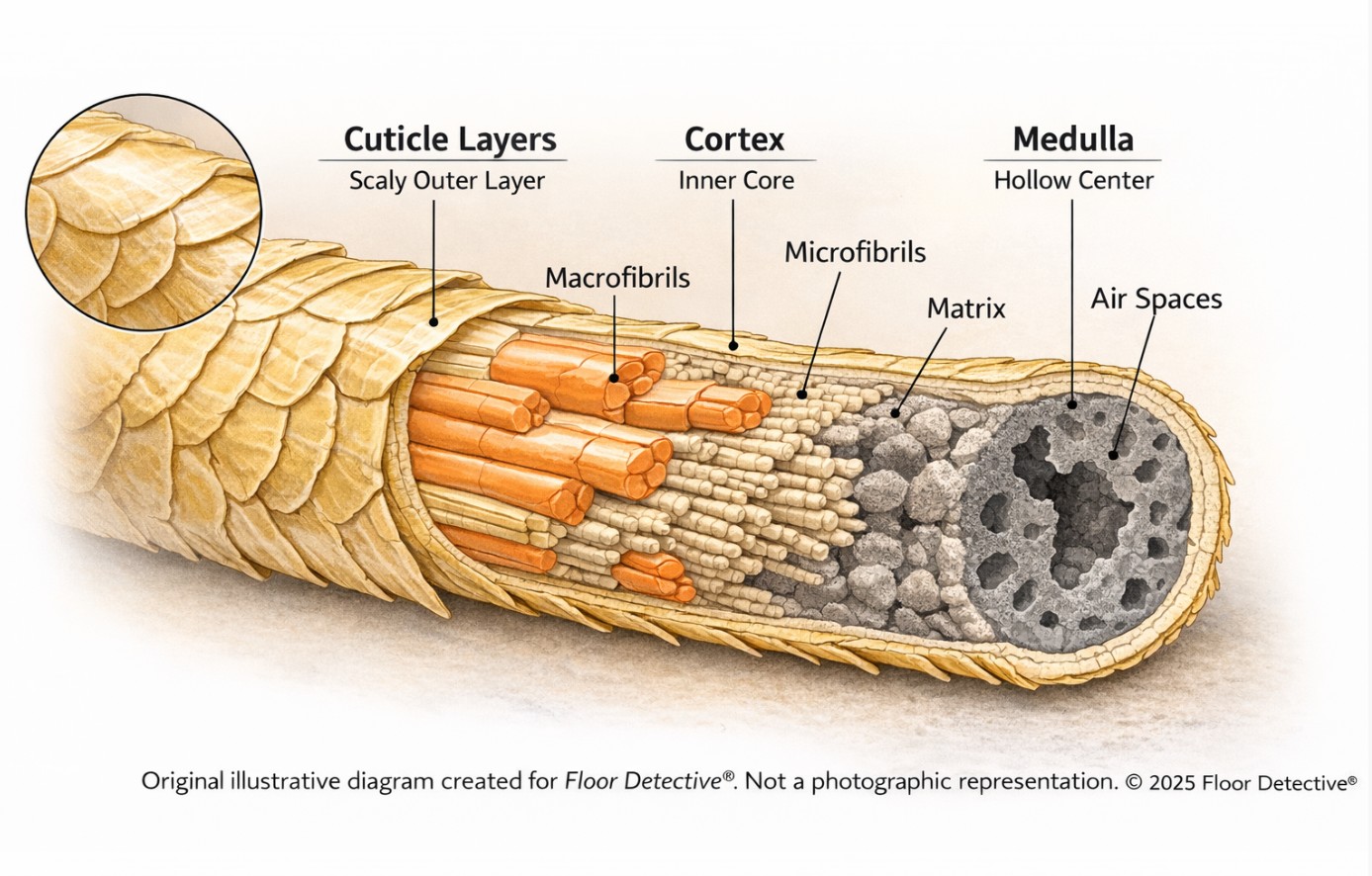
Wool carpet properties include moisture sensitivity and chemical reactivity that affect appearance and performance.
Read More
Wool and Wool Carpet Properties

Carpet Beetle Damage
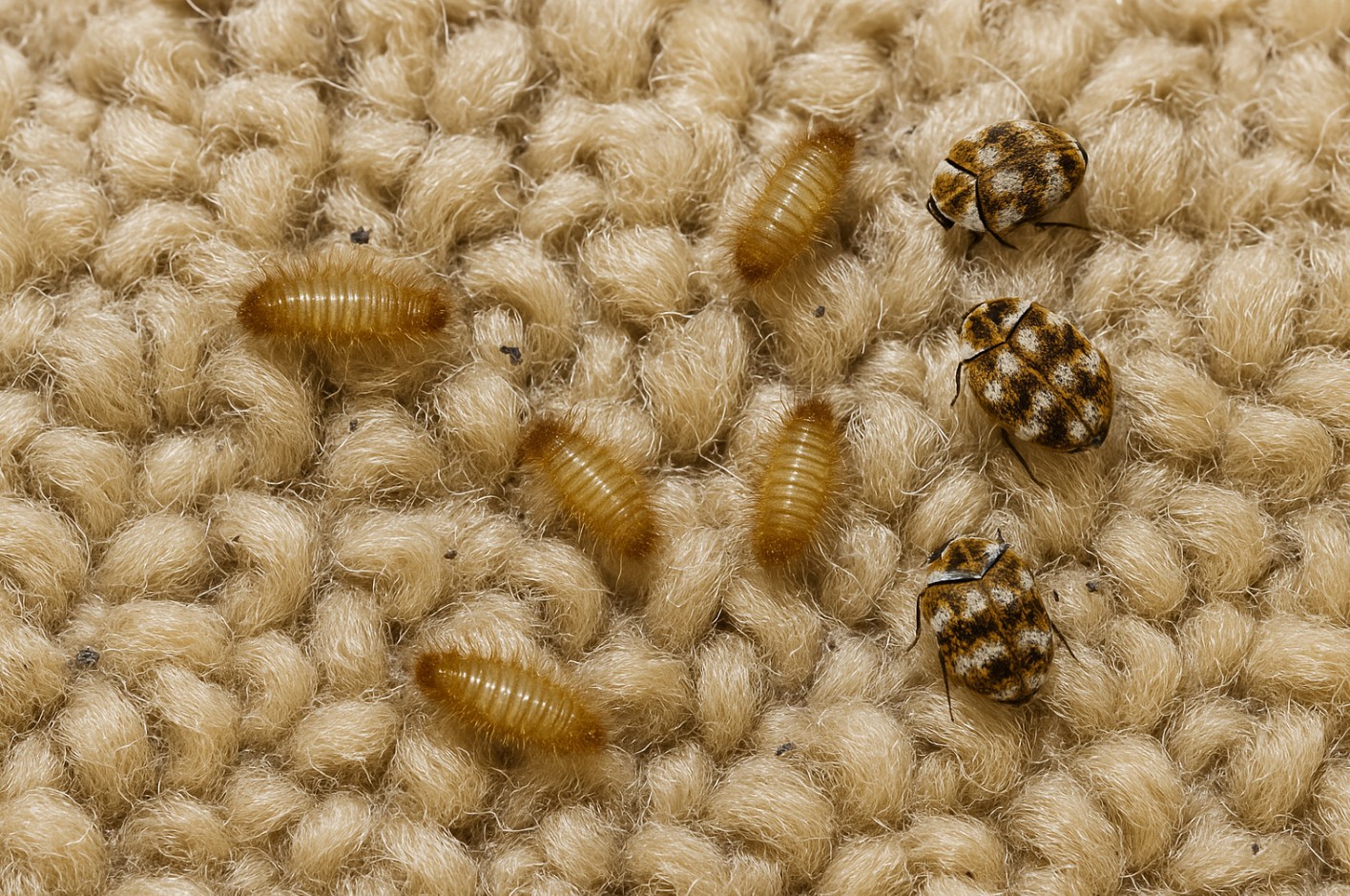
Carpet Beetle Damage (Carpet) Floor Detective® Claims and Conditions Guide Summary Carpet beetle damage is an environmentally driven condition involving...
Read More
Carpet Beetle Damage

Fiber Properties

Fiber Properties (Carpet) Floor Detective® Claims and Conditions Guide Summary Fiber properties describe the inherent physical and chemical characteristics of...
Read More
Fiber Properties

Missing Row

Carpet missing row is a condition where one or more yarn rows are absent during tufting, resulting in visible line...
Read More
Missing Row

Browning

Browning / Soil Wicking (Carpet) Floor Detective® Claims and Conditions Guide Summary Browning and soil wicking are post-wetting discoloration conditions...
Read More
Browning

Wrinkles in Backing

Carpet backing wrinkles are a condition where backing layers become distorted and may affect surface appearance.
Read More
Wrinkles in Backing

Unraveling / Runs (Carpet)
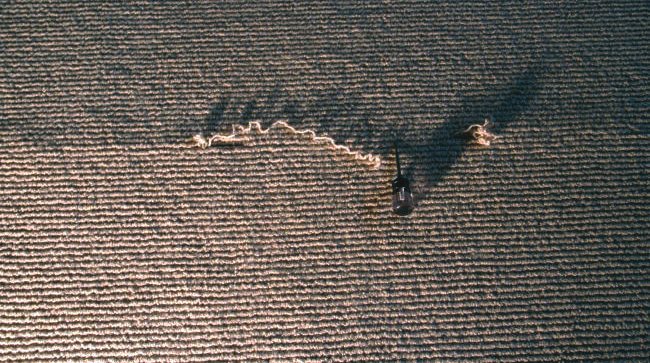
Carpet unraveling runs are a condition where yarns are pulled out in lines due to mechanical interaction.
Read More
Unraveling / Runs (Carpet)

Core Crush / Roll-Core Pile Reversal (Carpet)
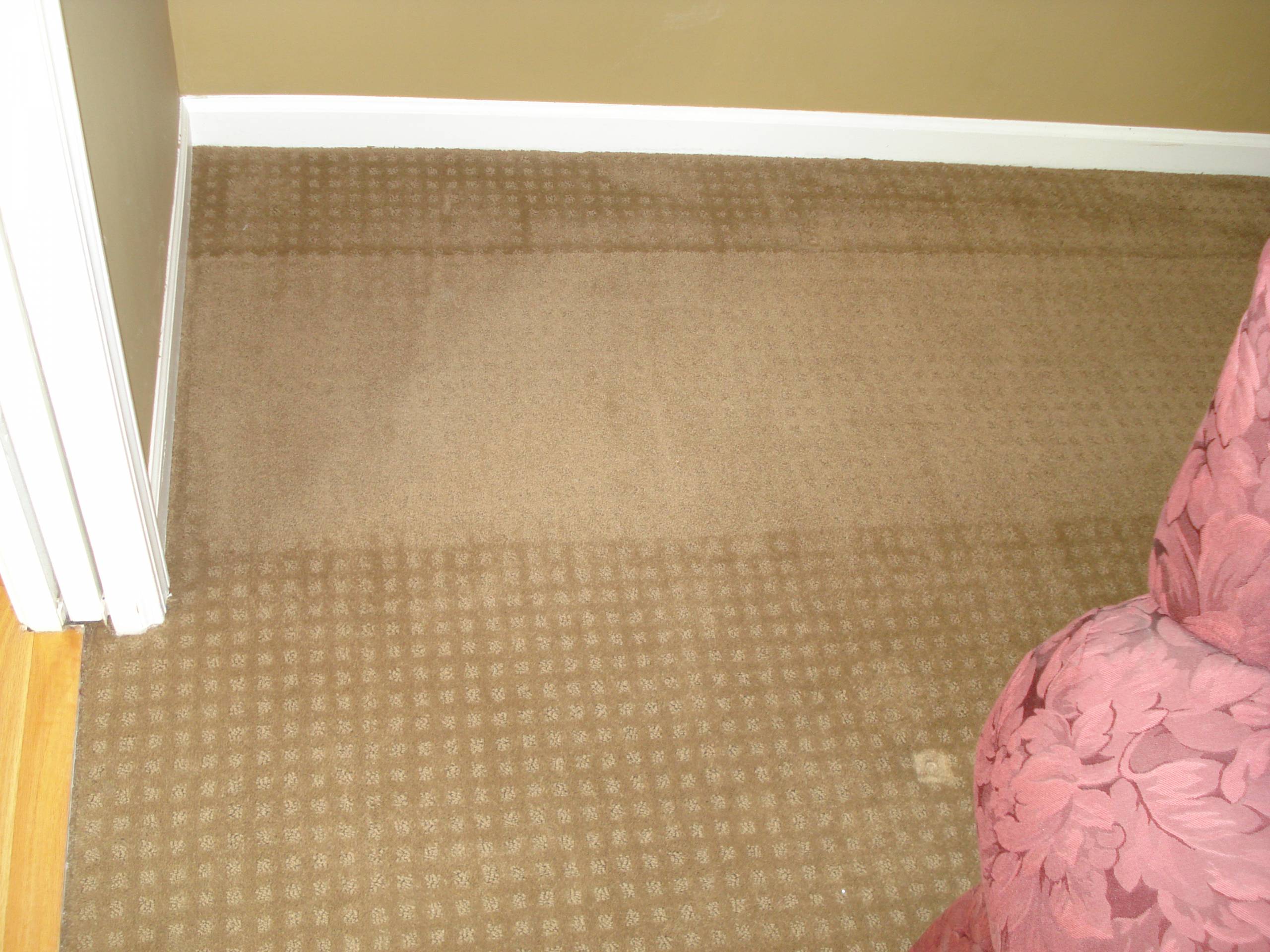
Roll-Core Crush / Pile Reversal (Carpet) Floor Detective® Claims and Conditions Guide Summary Roll-core crush, sometimes called a tube line,...
Read More
Core Crush / Roll-Core Pile Reversal (Carpet)