
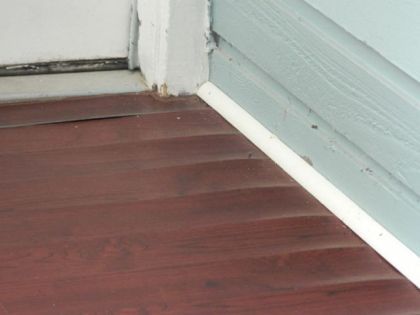
Edge Damage – Ski Lift
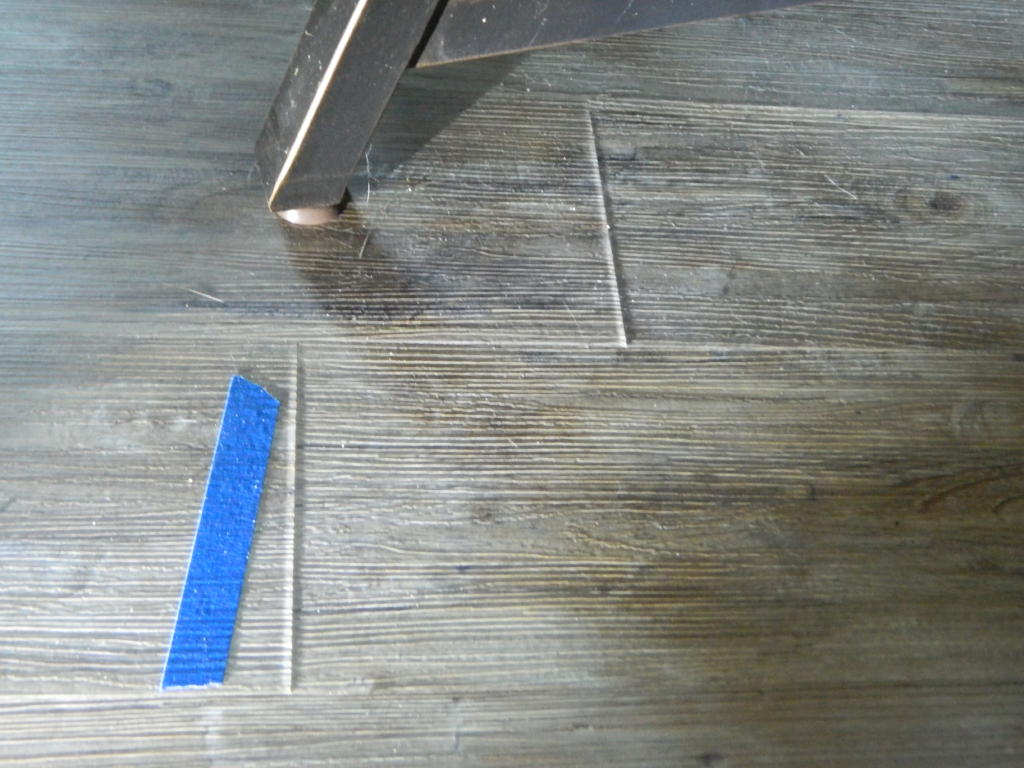
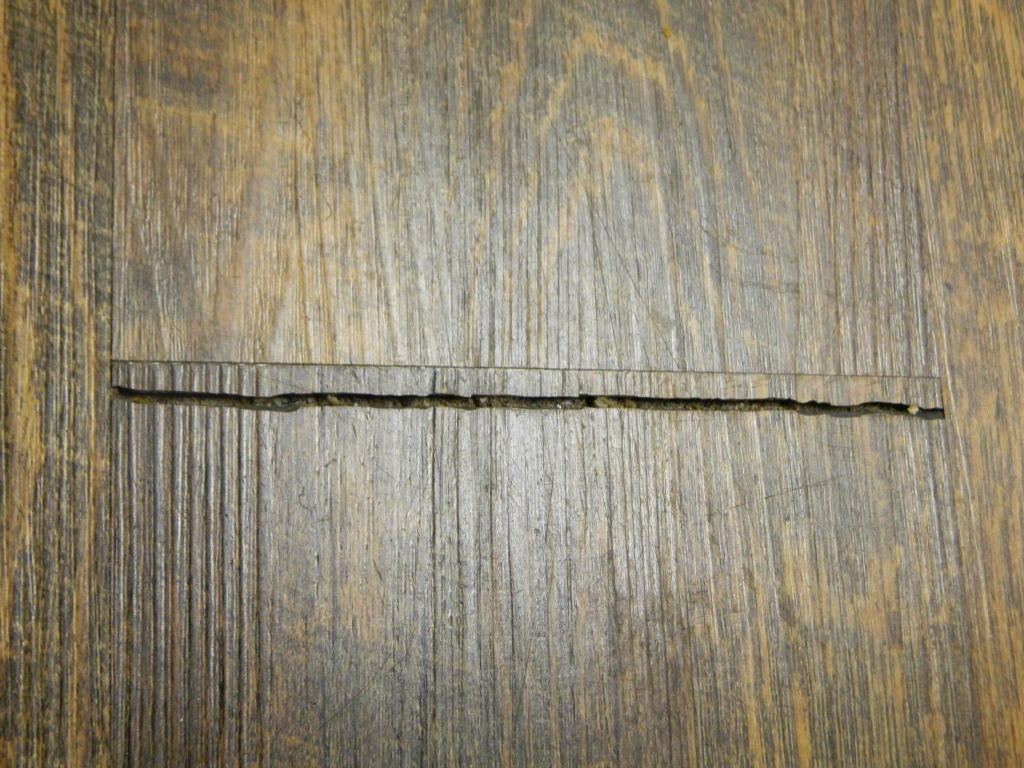
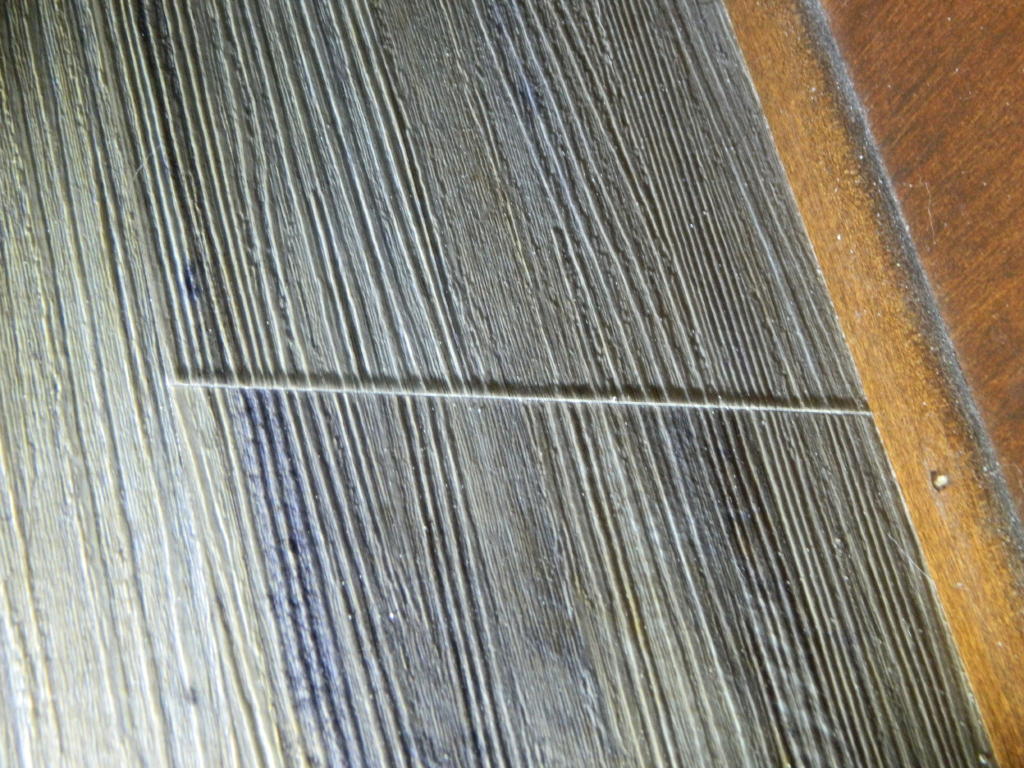
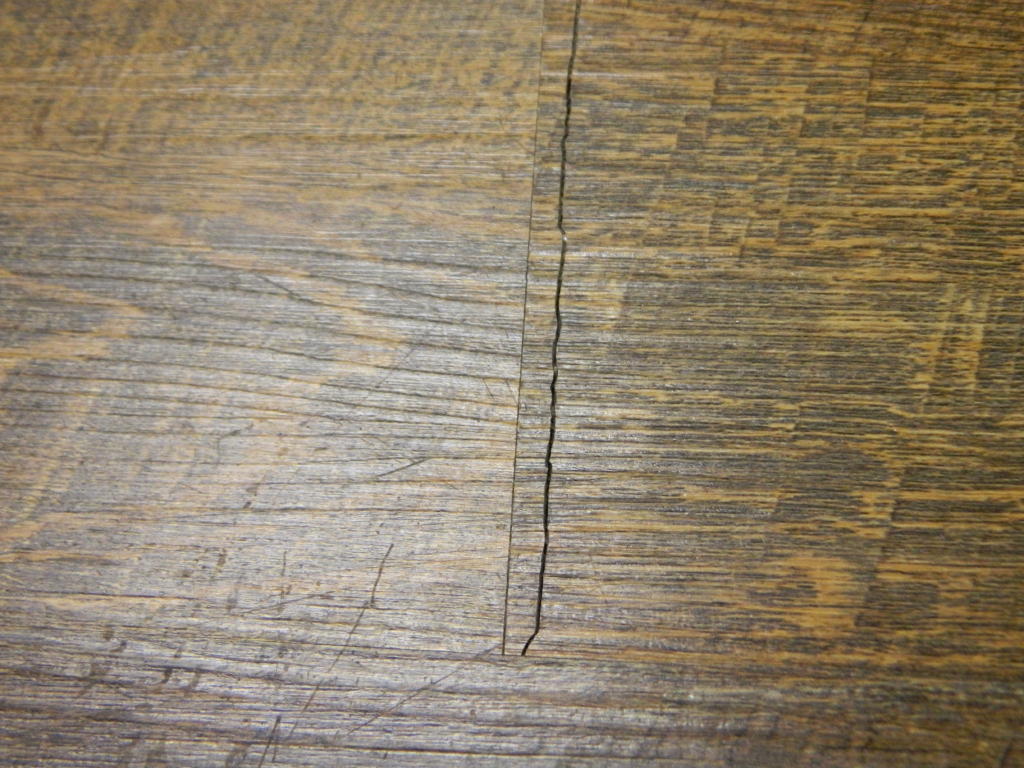
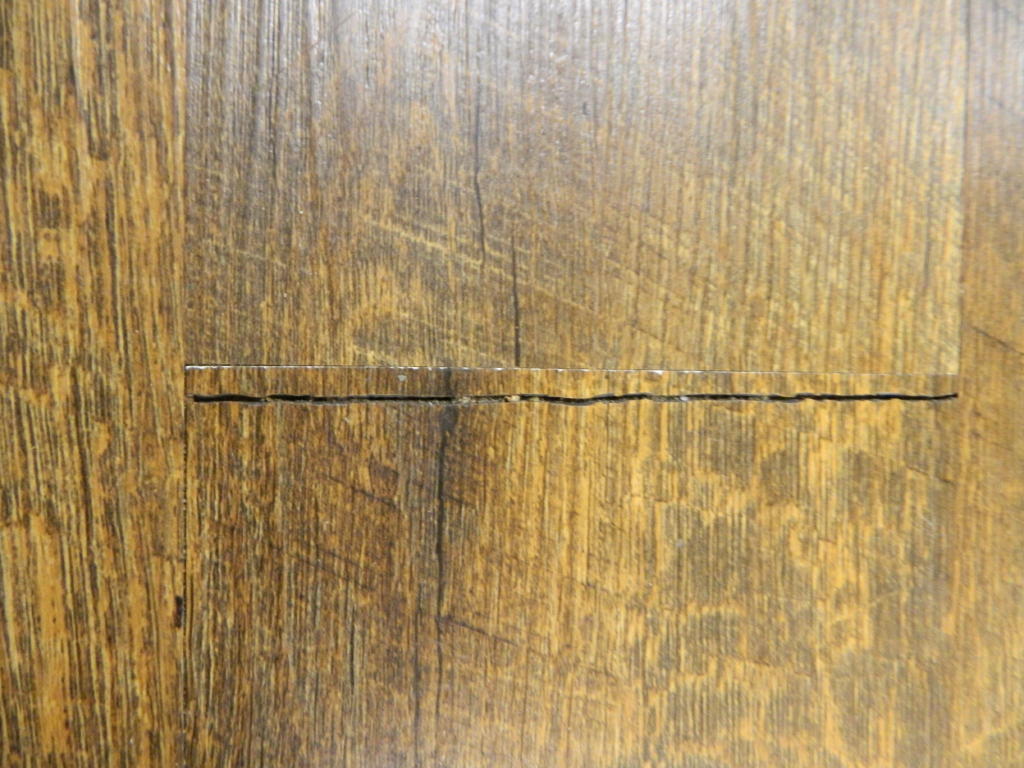
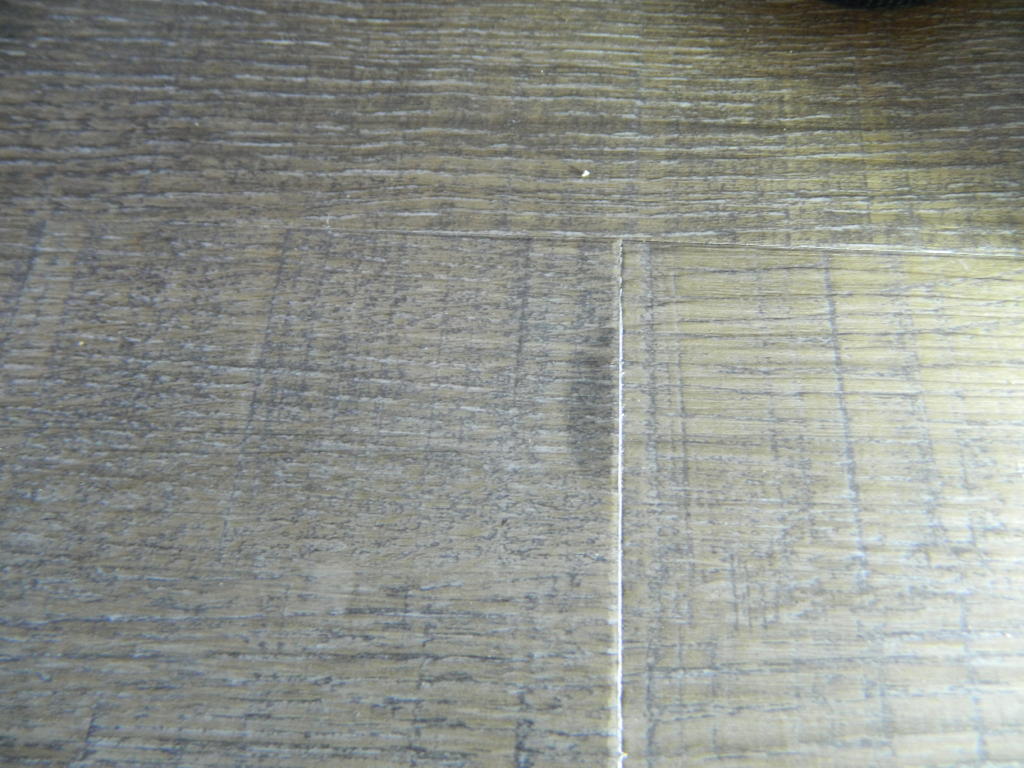
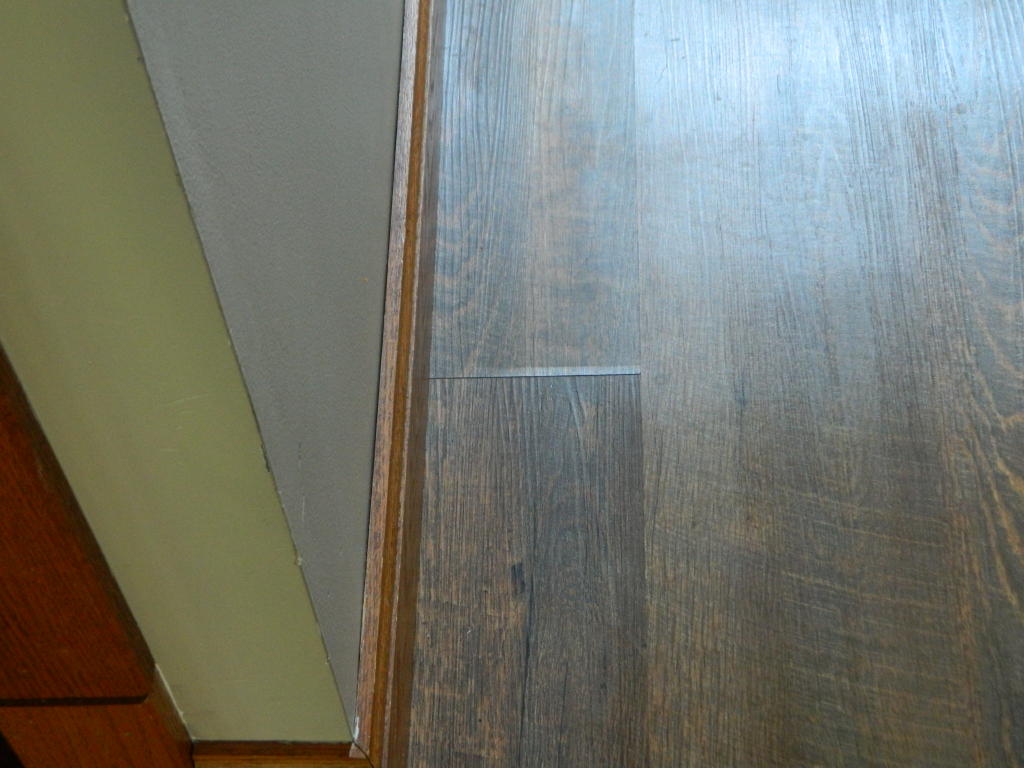
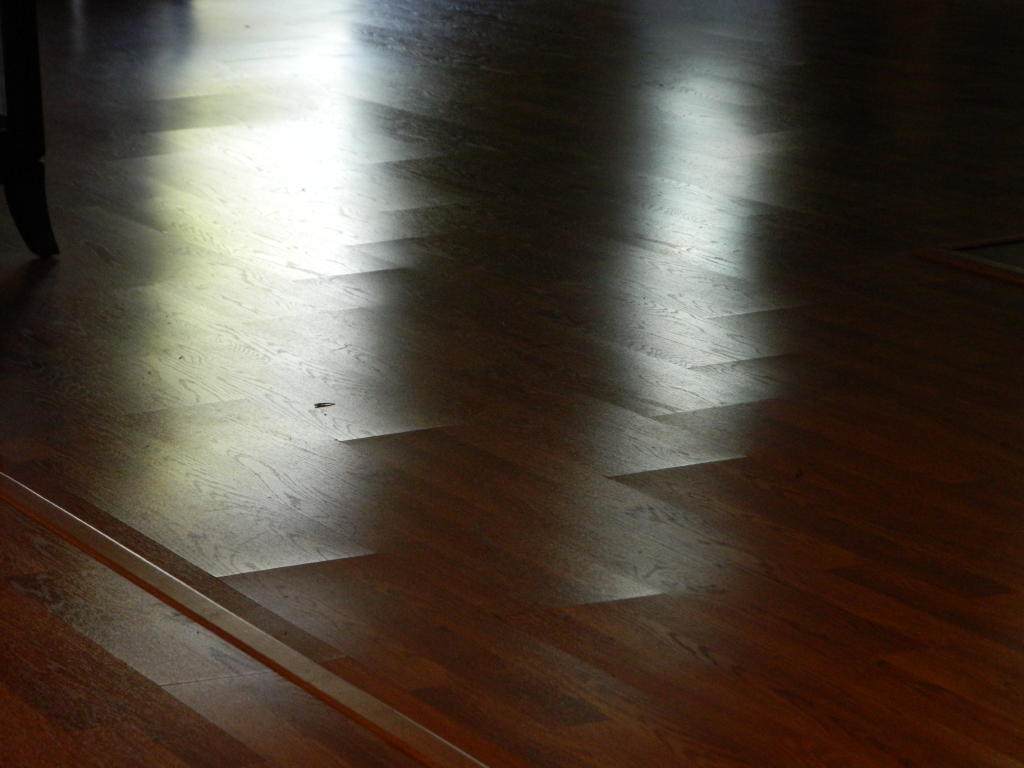
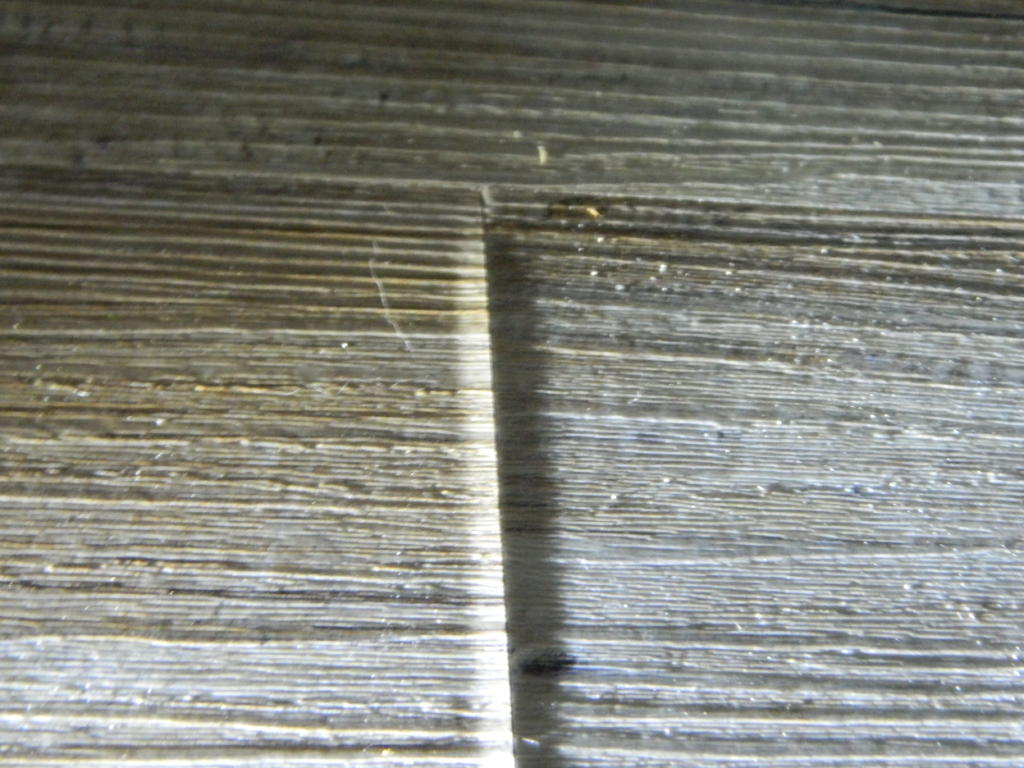
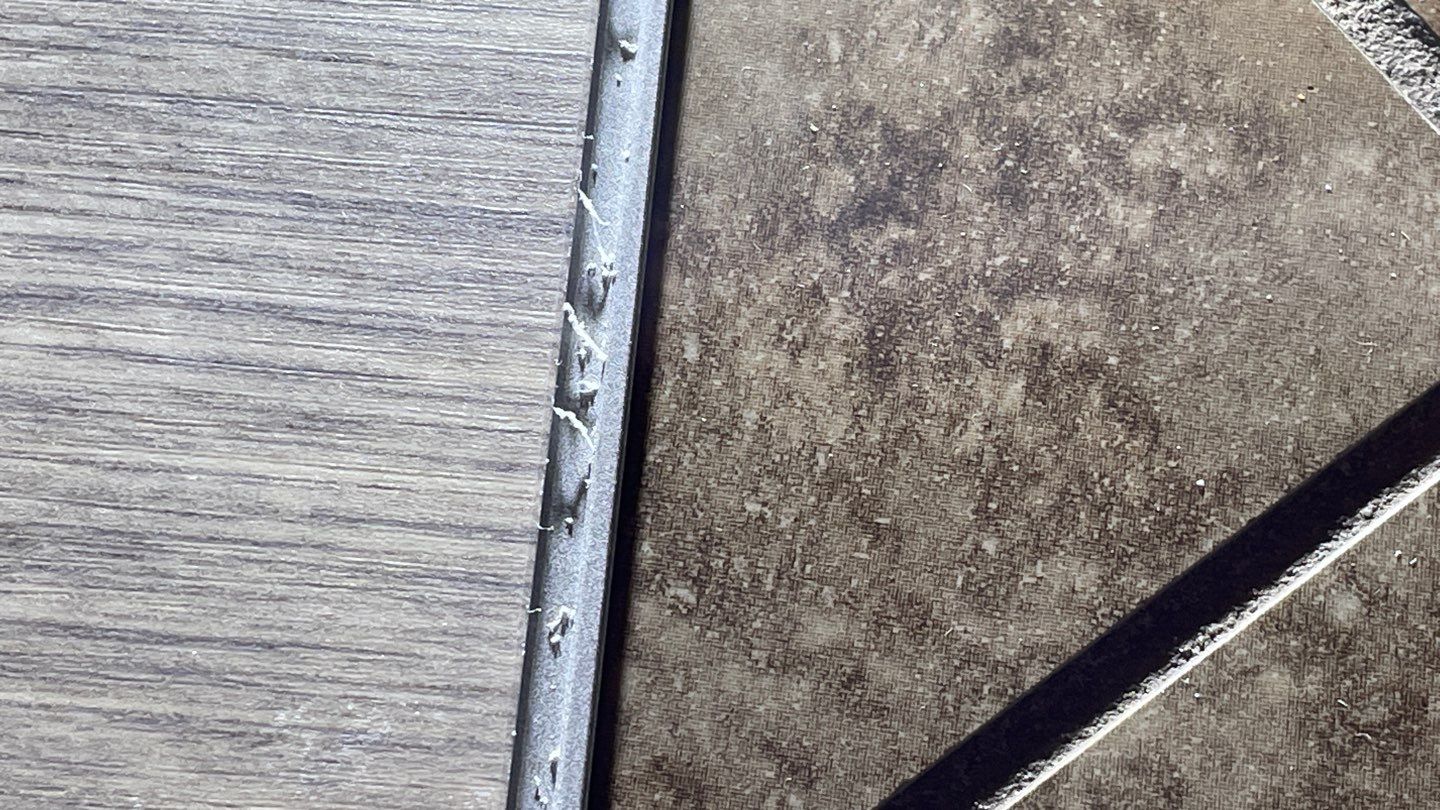
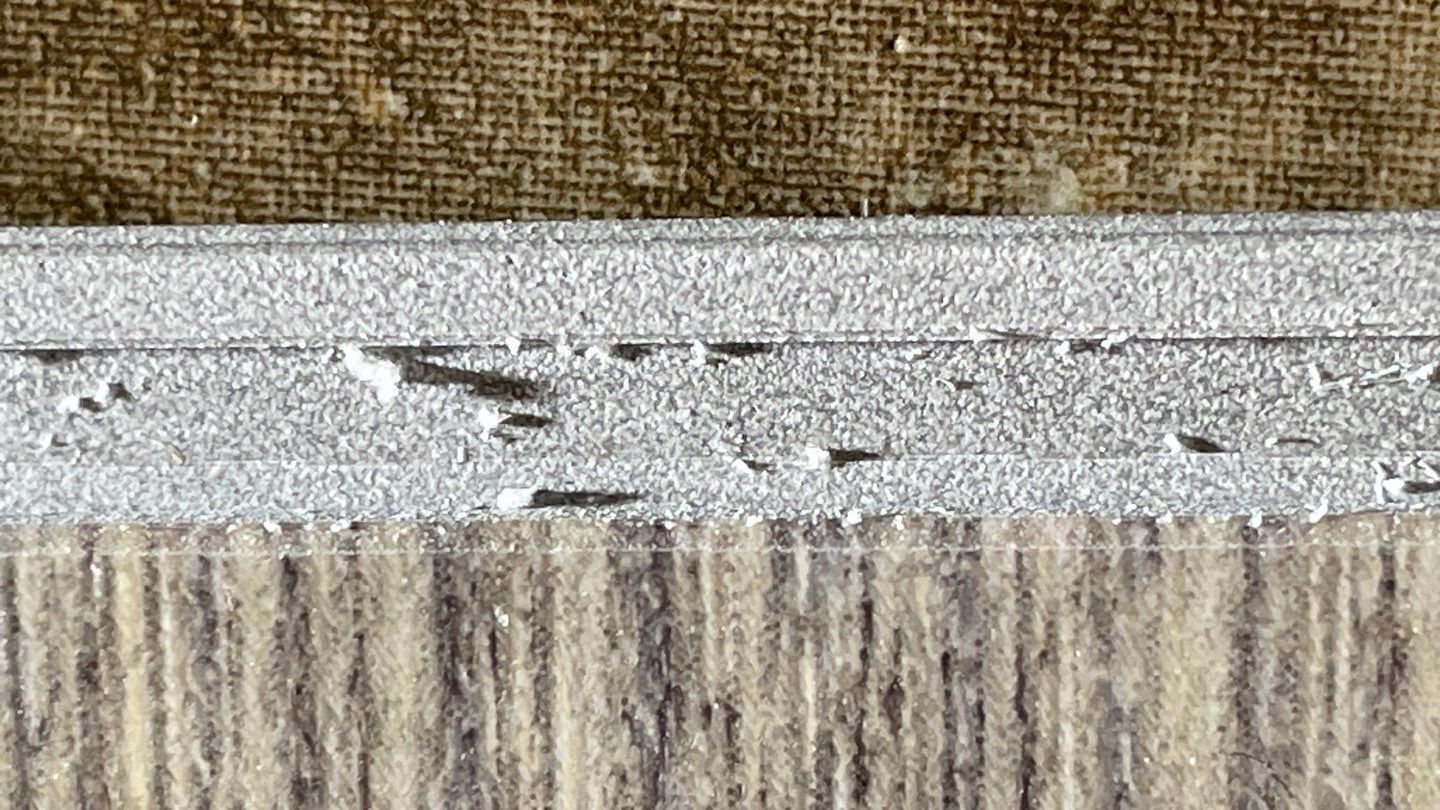
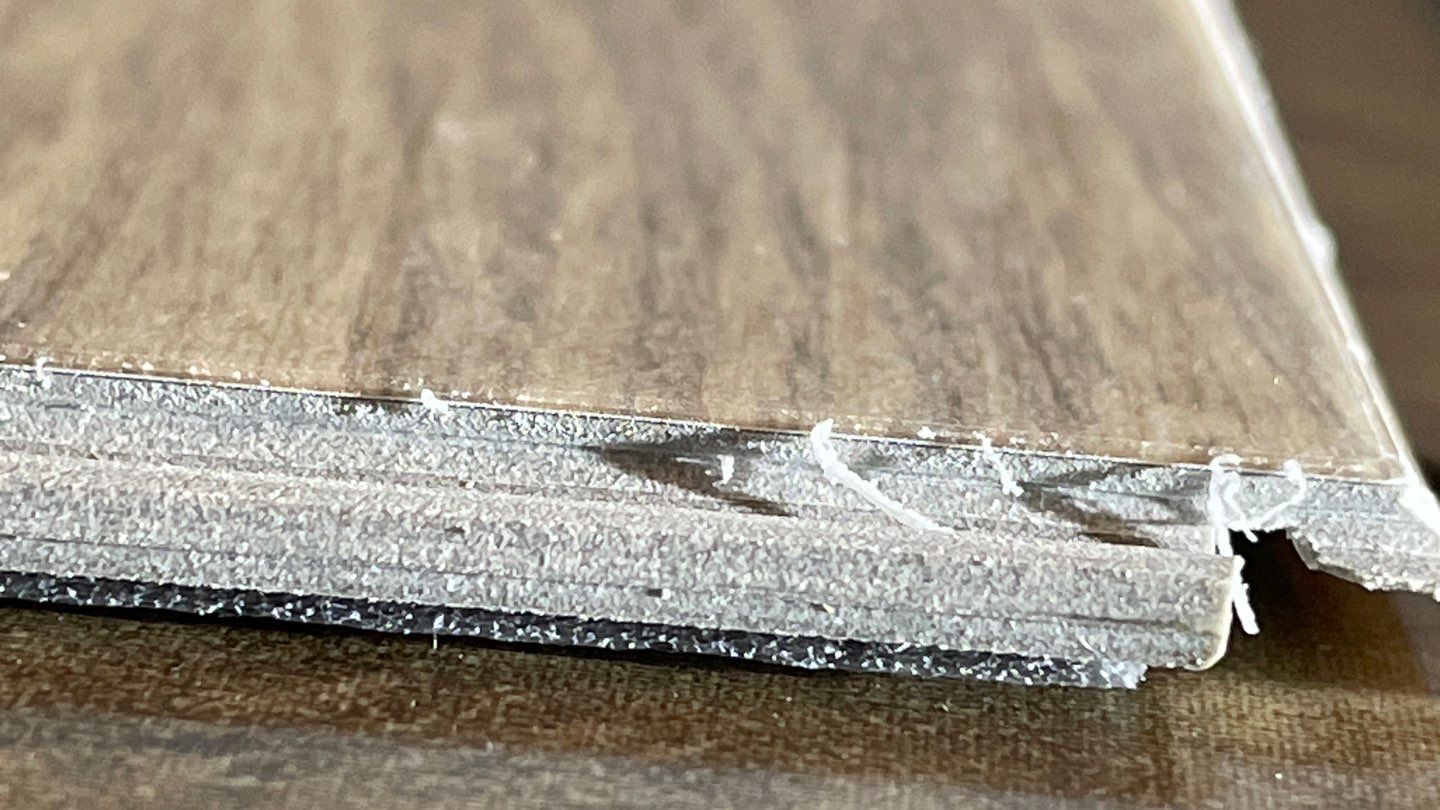
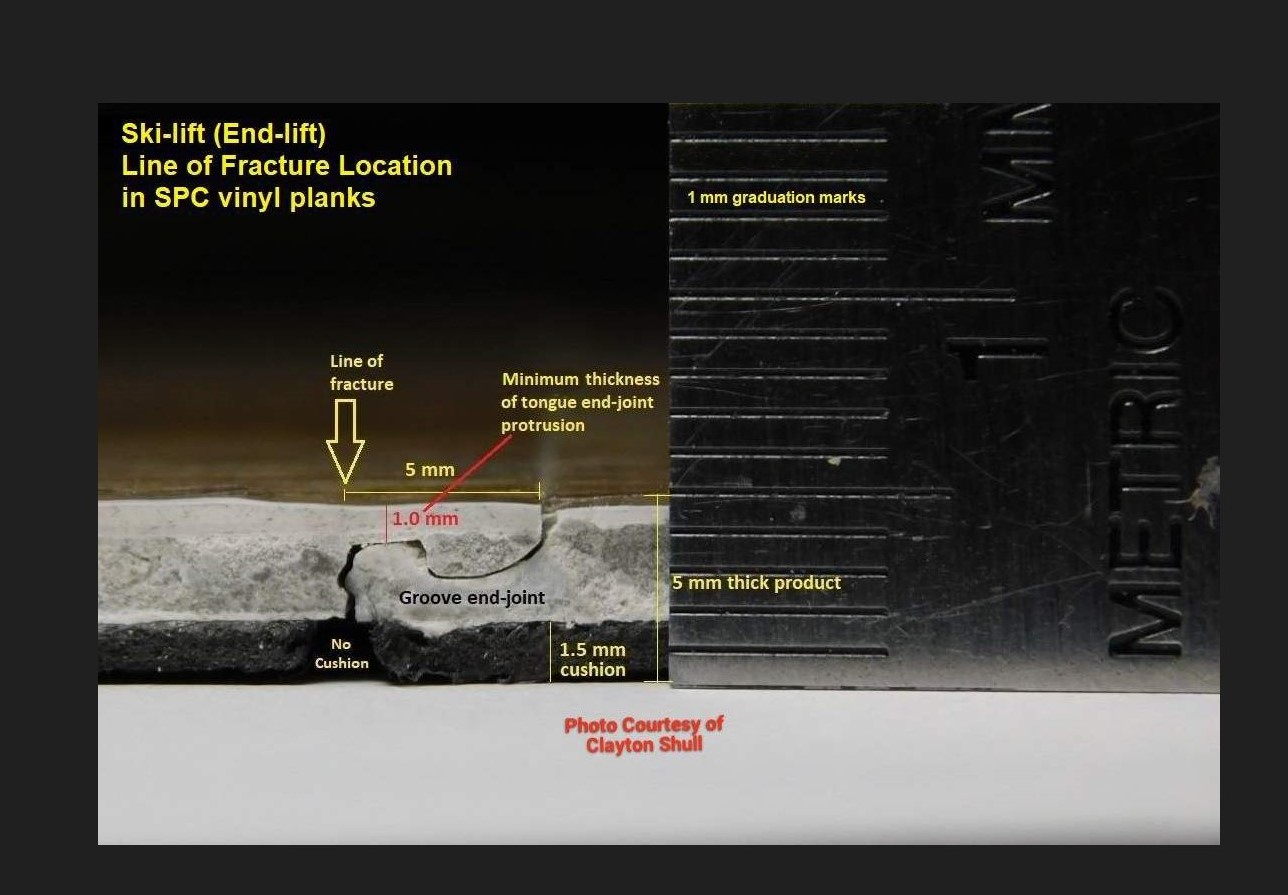
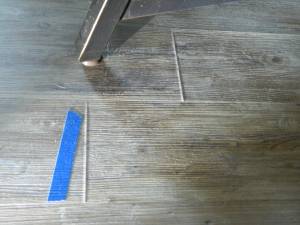
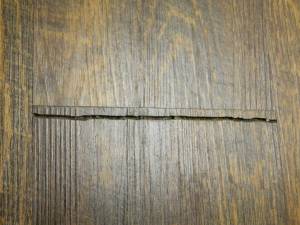
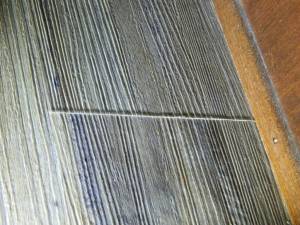
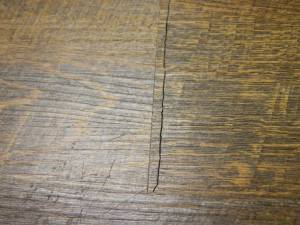
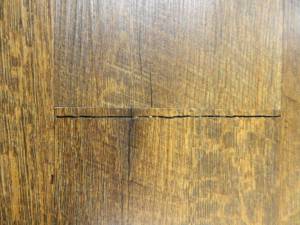
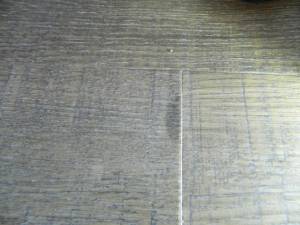
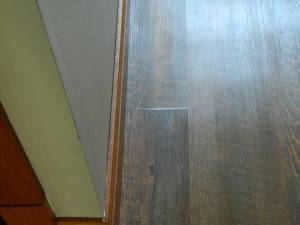
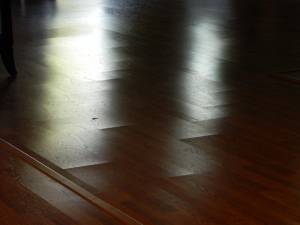
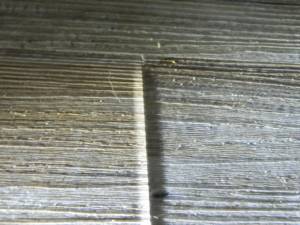
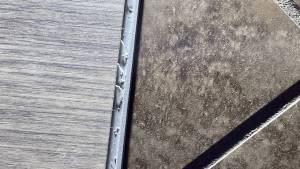
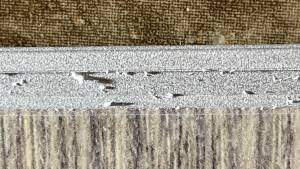
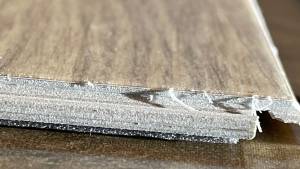
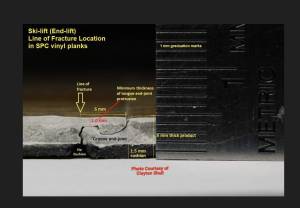
Edge Damage / Ski Jump Effect (Resilient Plank)
Floor Detective® Claims and Conditions Guide
Summary
Edge damage and the associated “ski jump” effect in resilient plank flooring are conditions in which plank edges or locking joints lose structural integrity or effective support, resulting in localized upward or downward displacement at joints. These conditions commonly develop when stress becomes concentrated at thin locking profiles due to edge damage, incomplete engagement, support irregularity, or repeated vertical deflection under service loads. The condition may be visible at installation or may progressively develop as concealed micro-damage or joint fatigue worsens over time. Rigid-core flooring systems depend heavily on continuous edge support and stable locking engagement to distribute loads evenly across joints. Proper evaluation requires differentiation between locking-profile damage, unsupported joint deflection, environmental distortion, and installation alignment irregularities. The timing of visible appearance alone does not independently establish origin. See also Broken Locking Profiles LVT, Uni-Push Joint Damage, and LVT and SPC Floor Problems for broader context.
Chair-Caster Damage (LVT/SPC Flooring)
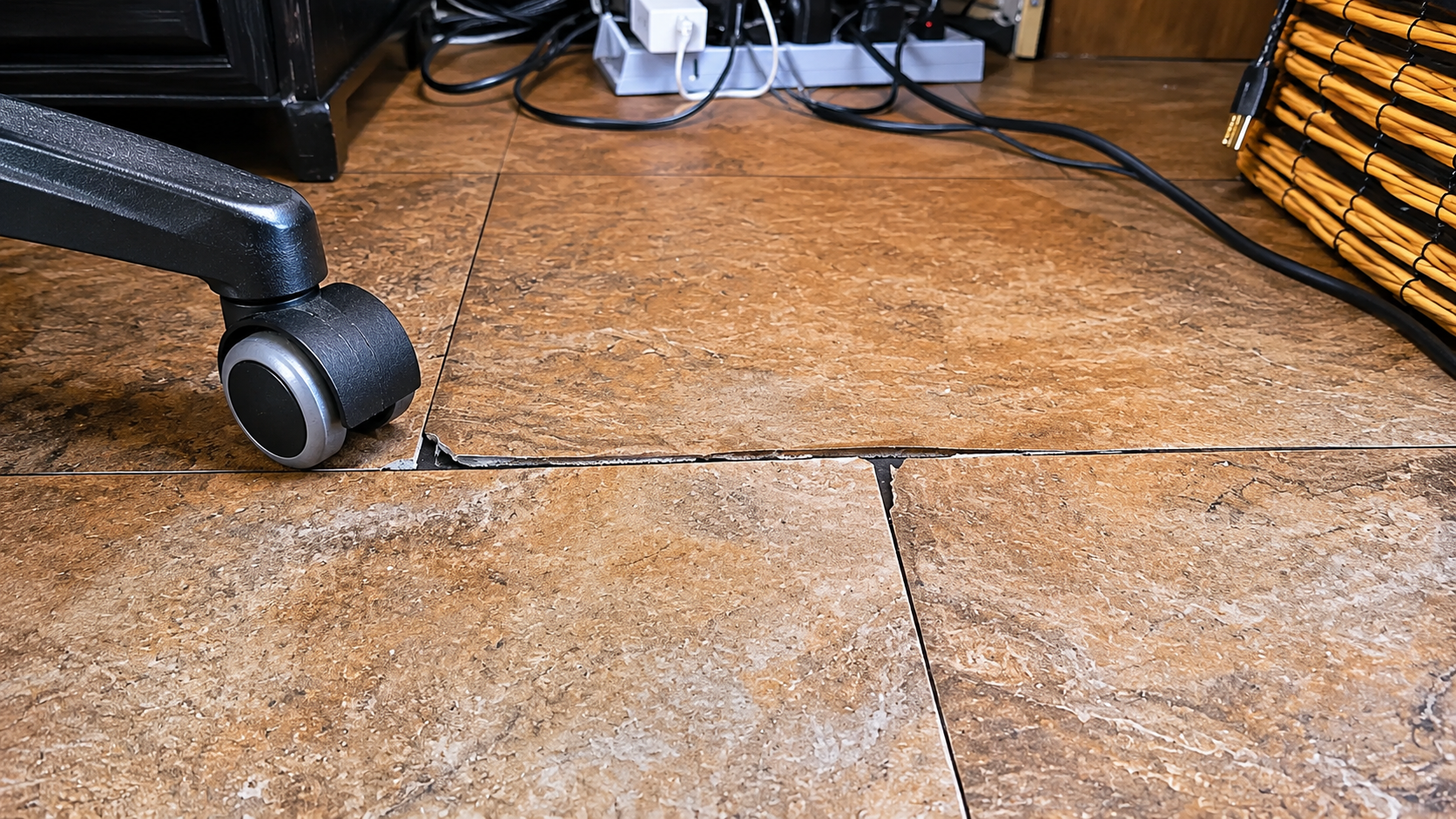
LVT and SPC Floor Problems
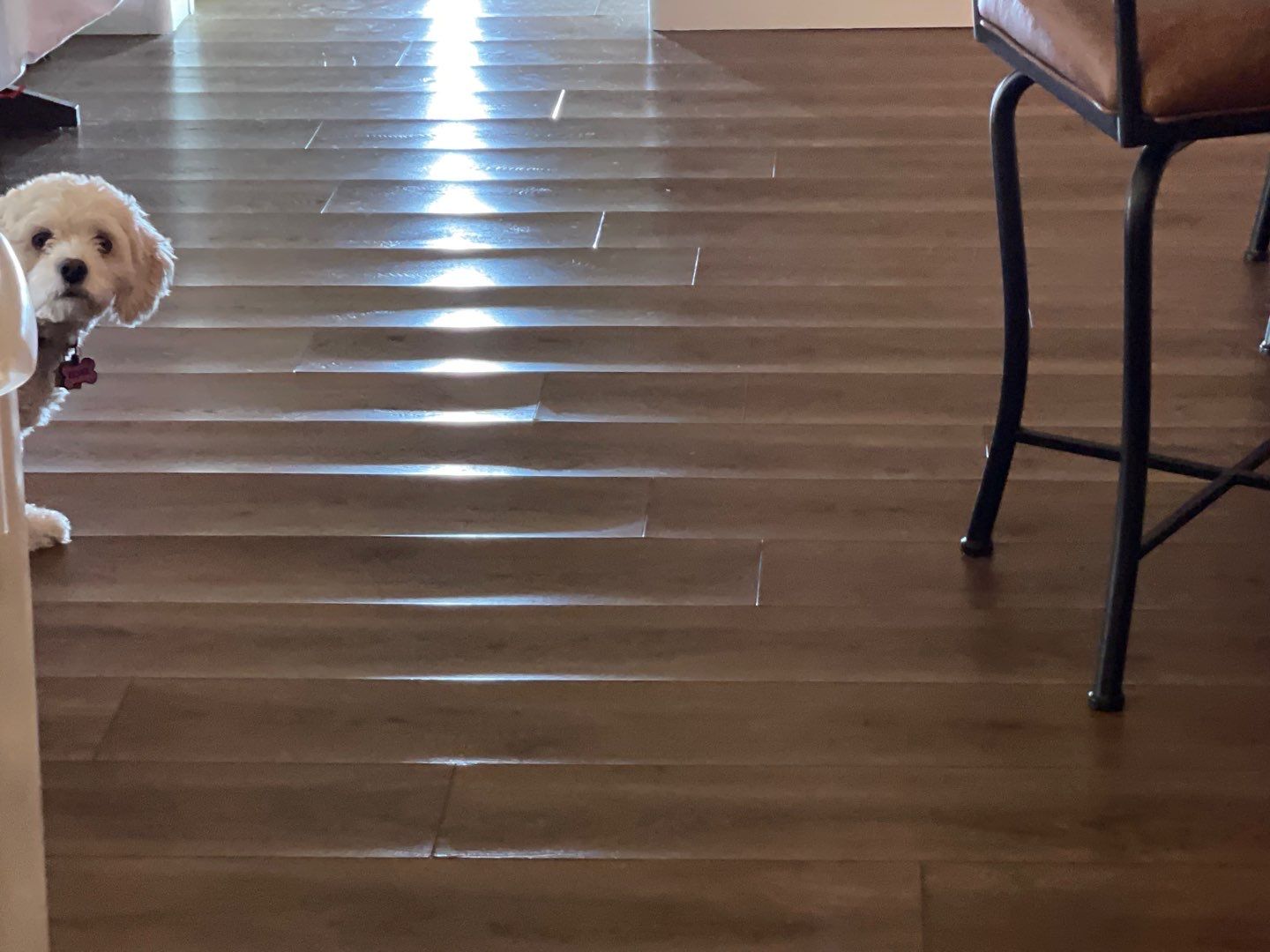
Cross-Machine Direction (Width) Shading / Texture Variation (Resilient Sheet Vinyl)
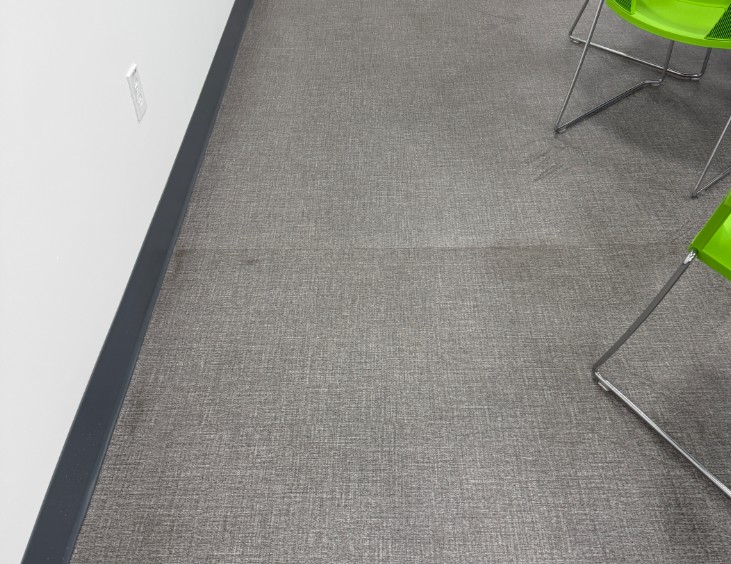
Sheet Shrinkage / Seam Opening (Resilient Sheet Flooring)
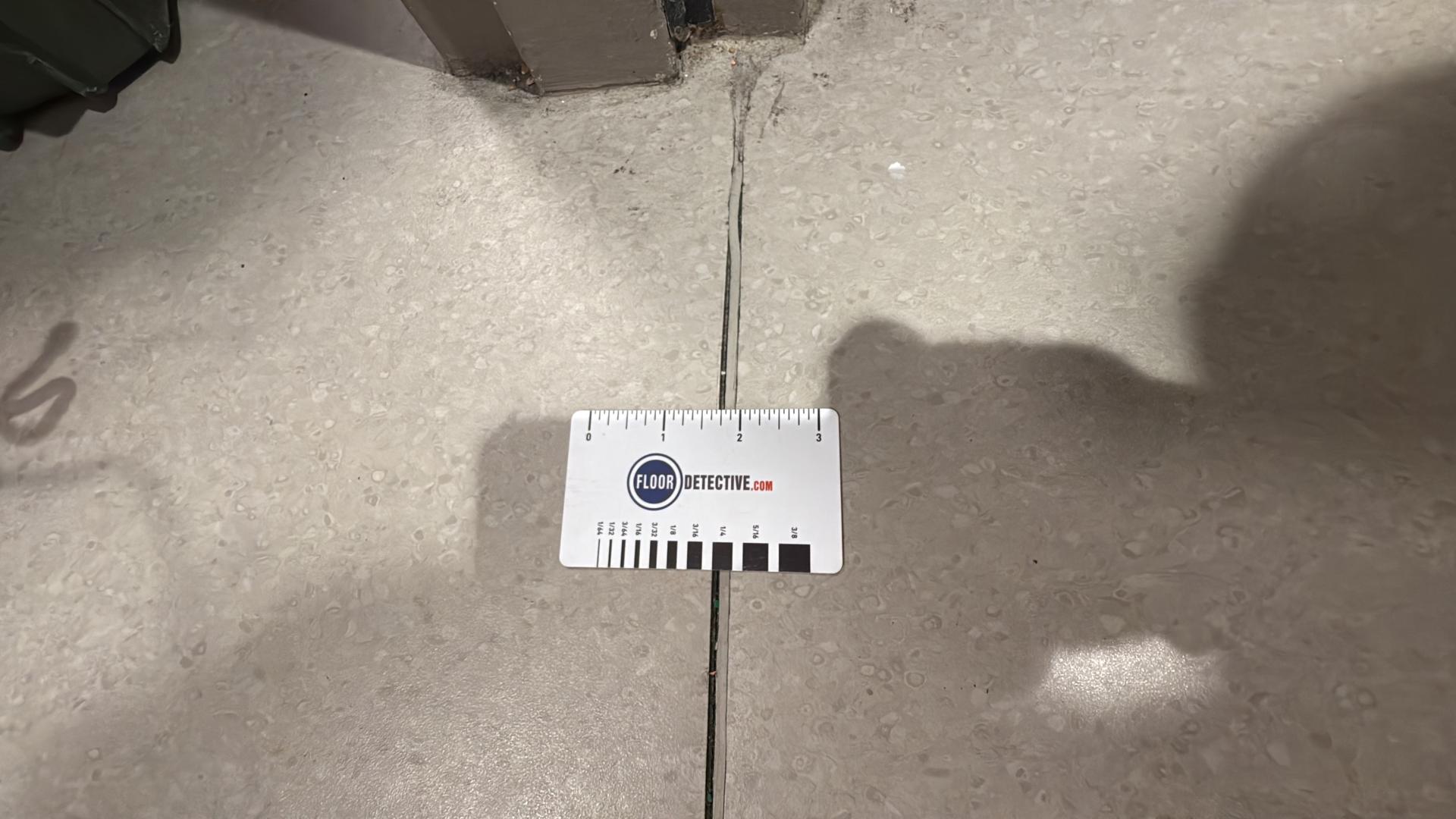
Heat Weld Seam Failure (Resilient Sheet Flooring)
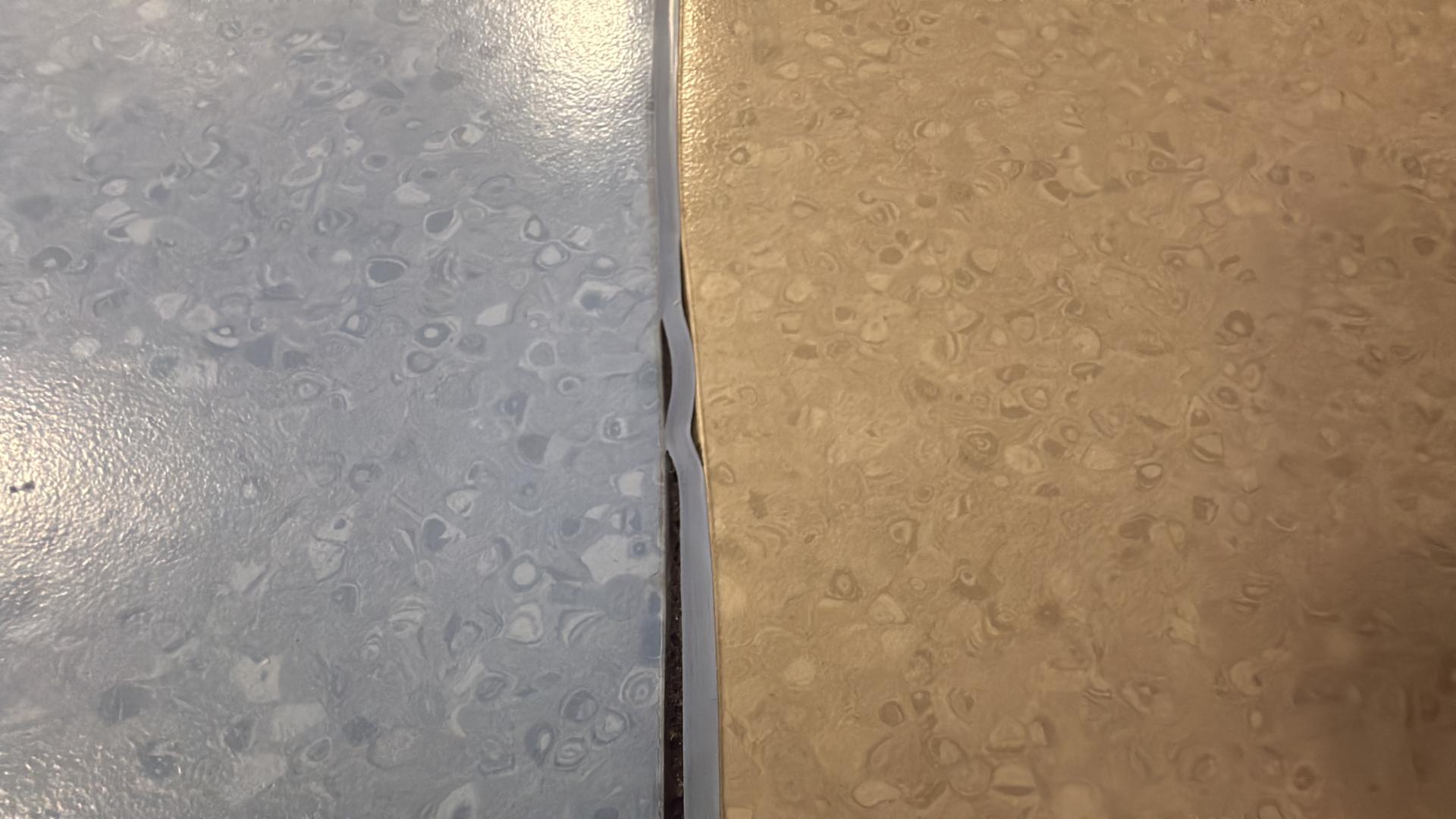
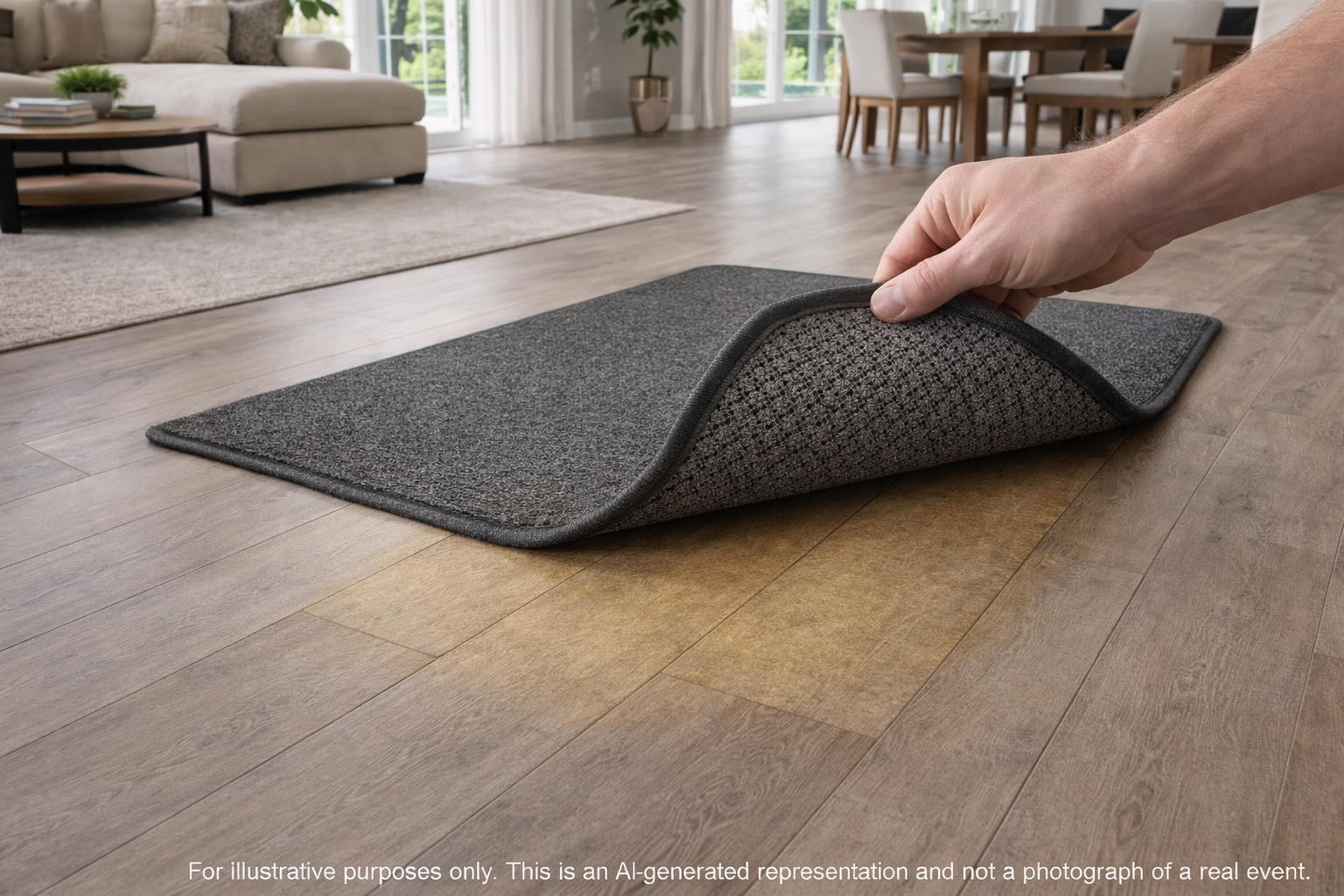
Yellowing / Discoloration (LVP / SPC / WPC)
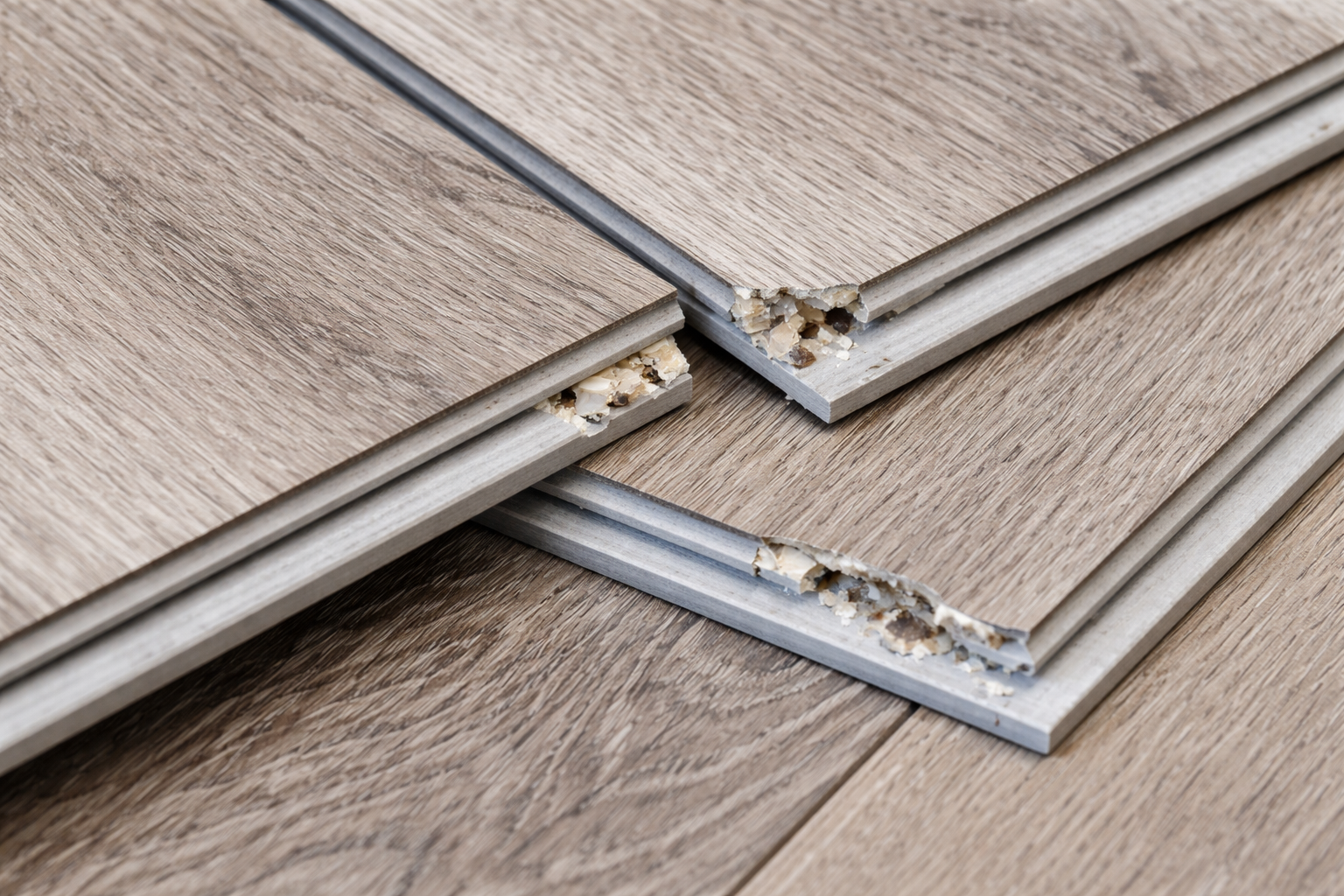
Broken Locking Profiles / Mechanical Joint Compromise (Resilient Plank)
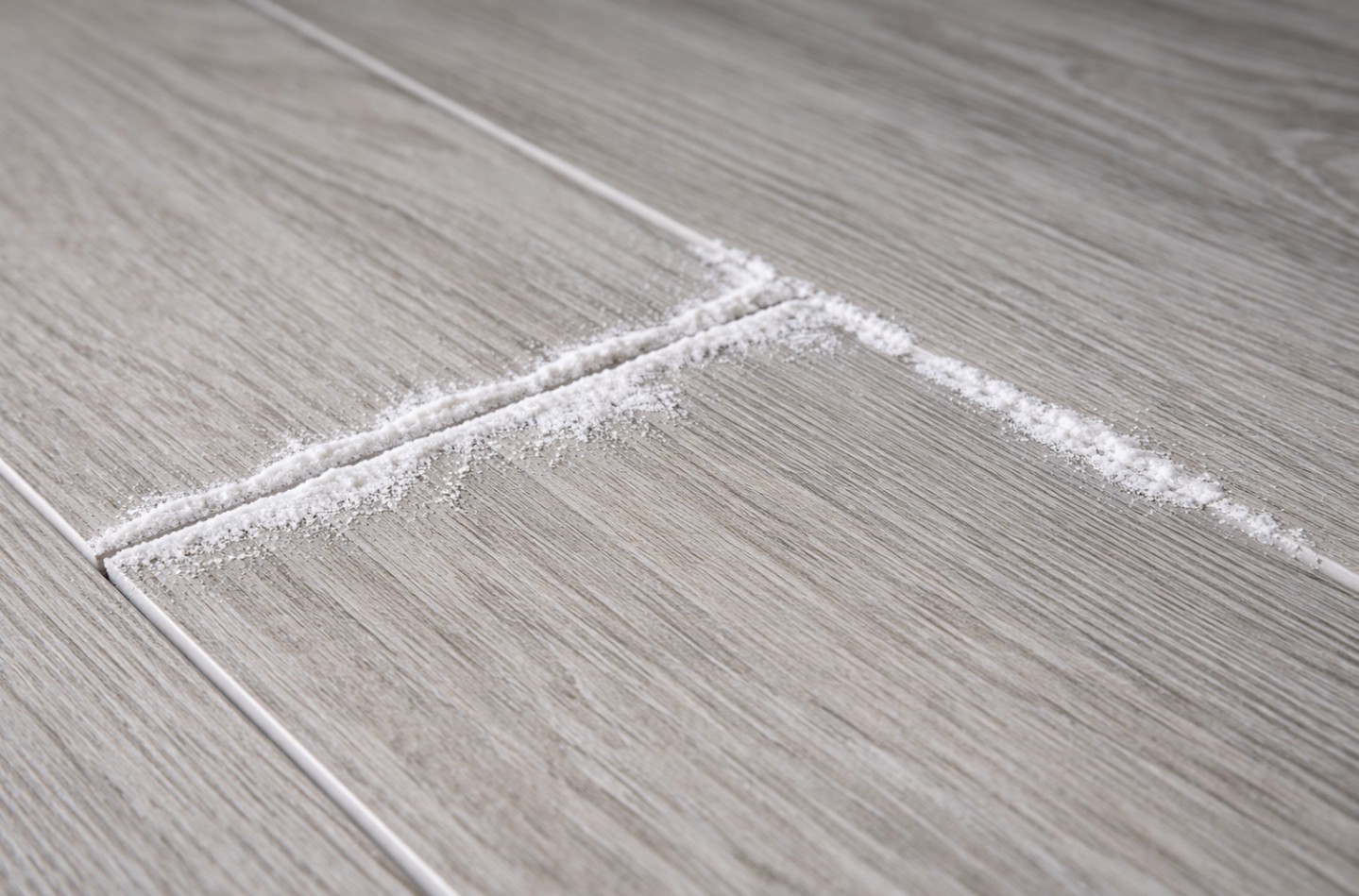
Efflorescence-Like Mineral Migration at LVT/SPC Joints
Blistering / Surface Blisters (SPC Flooring)

Cracking Over Existing Substrates (LVT)
