Noise – Snap, Crackle, Pop
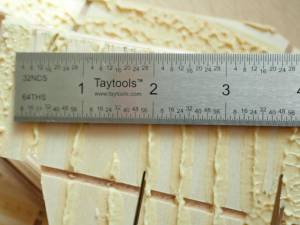
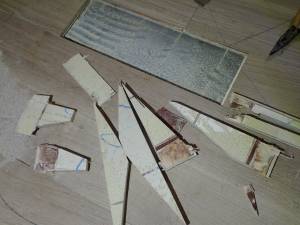
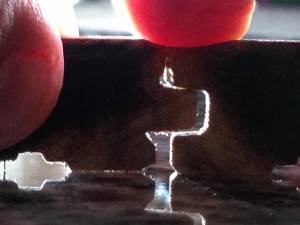
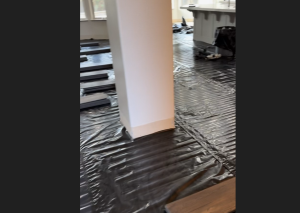
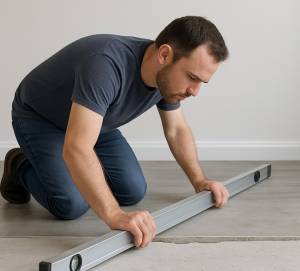
Noisy Floor Systems (Hardwood Flooring)
Floor Detective® Claims and Conditions Guide
Summary
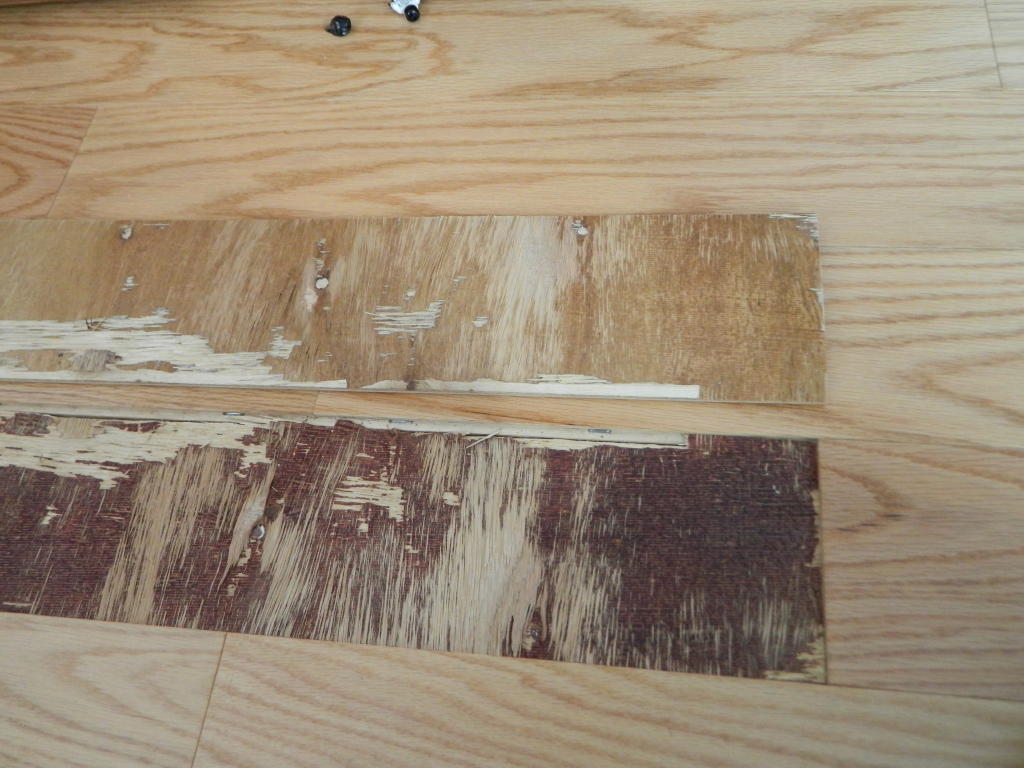
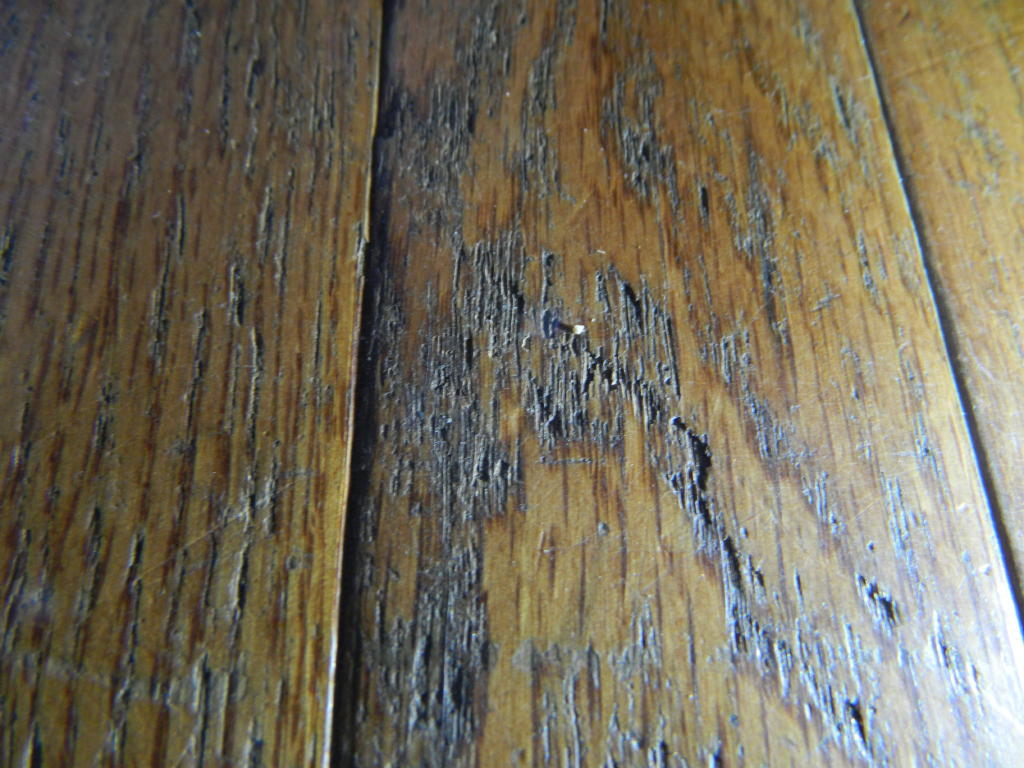
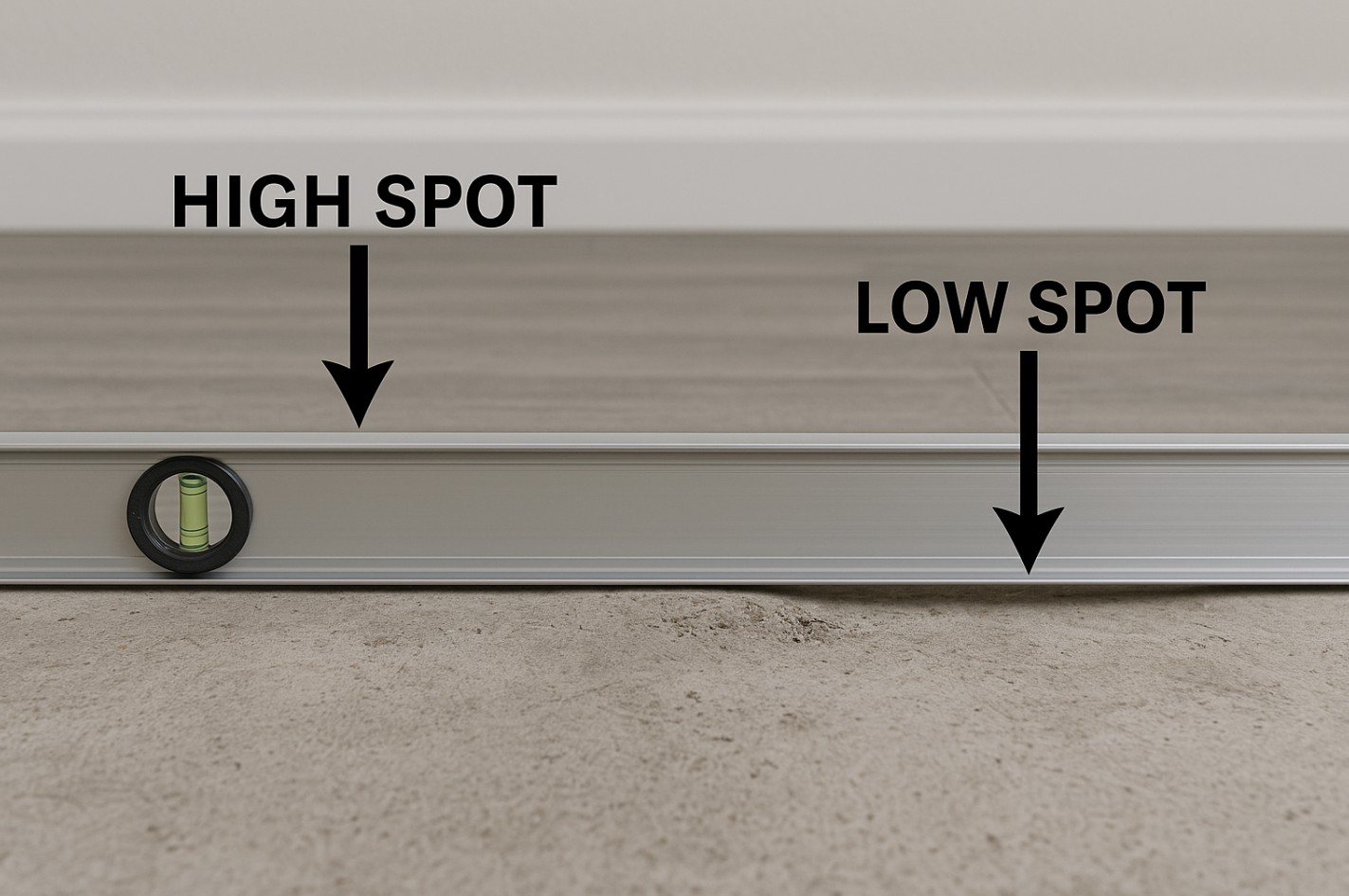
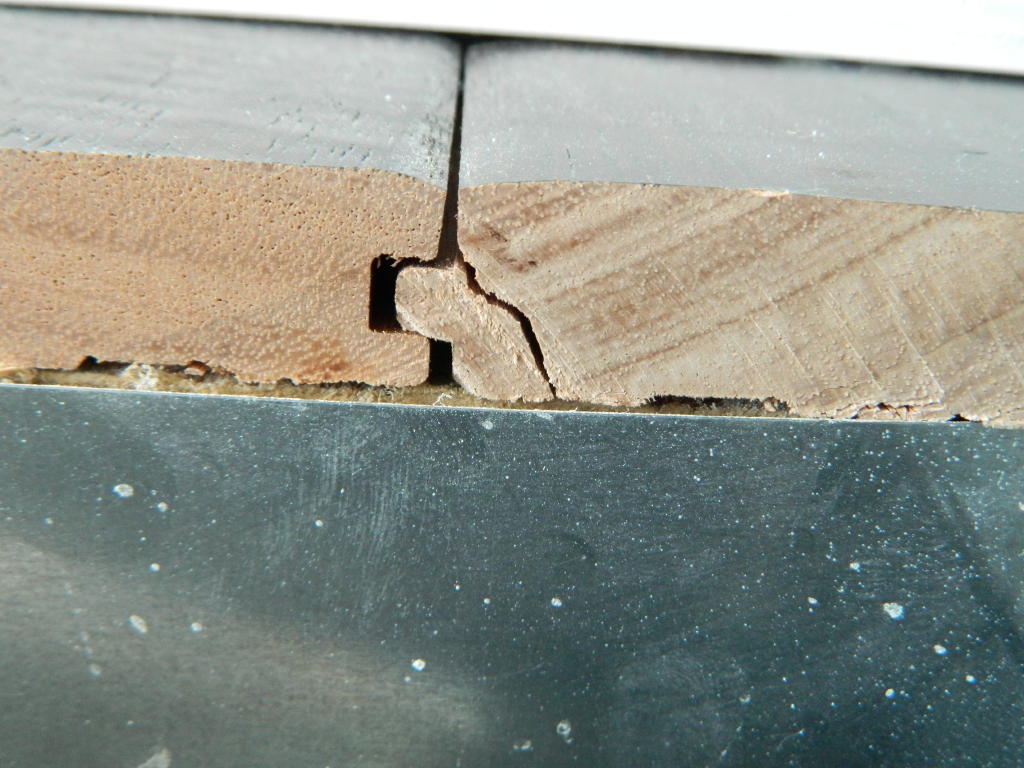
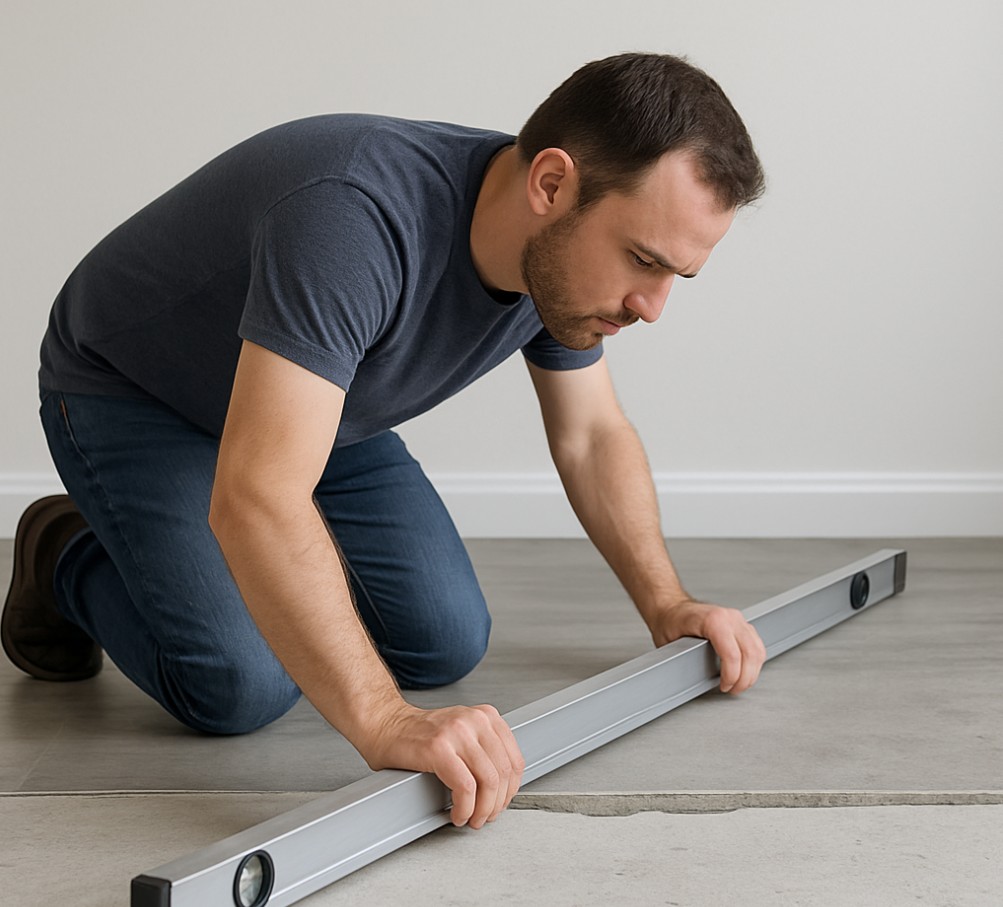
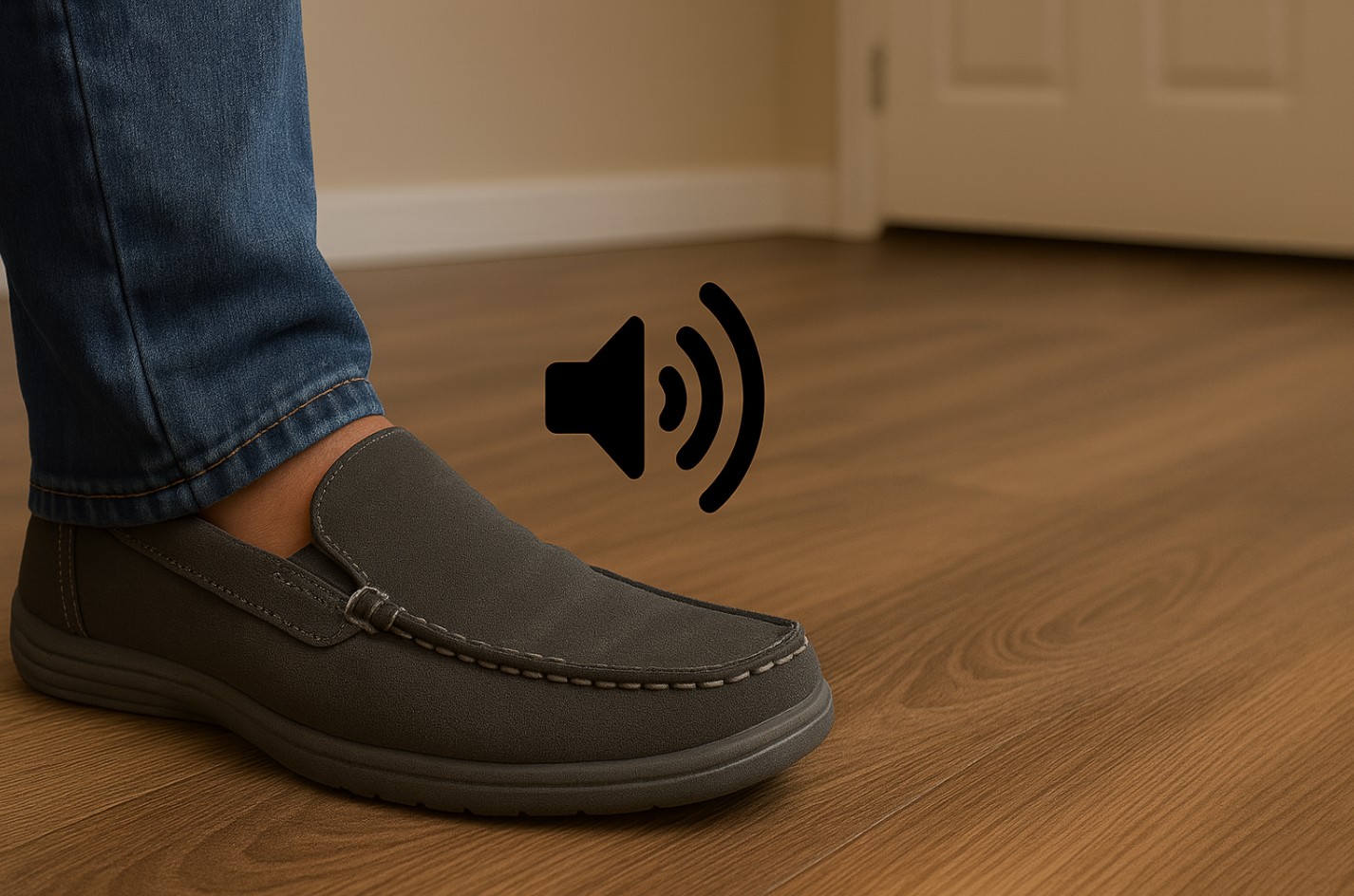
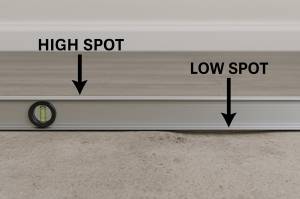
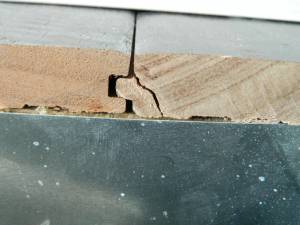
Noisy floor systems in hardwood flooring involve audible sounds generated during walking, load transfer, or normal occupancy because of relative movement between components within the flooring, subfloor, and structural assembly. Sound develops when friction, compression, restraint, or movement occurs at contact interfaces within the system. Audible response may include squeaking, creaking, snapping, cracking, popping, clicking, or hollow tonal variation depending on the flooring construction and underlying mechanism. Solid, engineered, nail-down, glue-down, and floating flooring systems may each produce different acoustic characteristics because installation method, attachment behavior, subfloor interaction, and structural response influence sound transmission. Some acoustic response is not uncommon in wood-based flooring systems and may occur even when no visible distortion or measurable instability is present. Proper evaluation focuses on identifying the location, repeatability, sound character, and assembly interaction associated with the noise event rather than assuming structural failure or product defect based on sound alone. See also Noise Snap Crackle Pop, Hollow Sounds, and Hardwood Floor Problems for broader context.
Hardwood Floor Problems
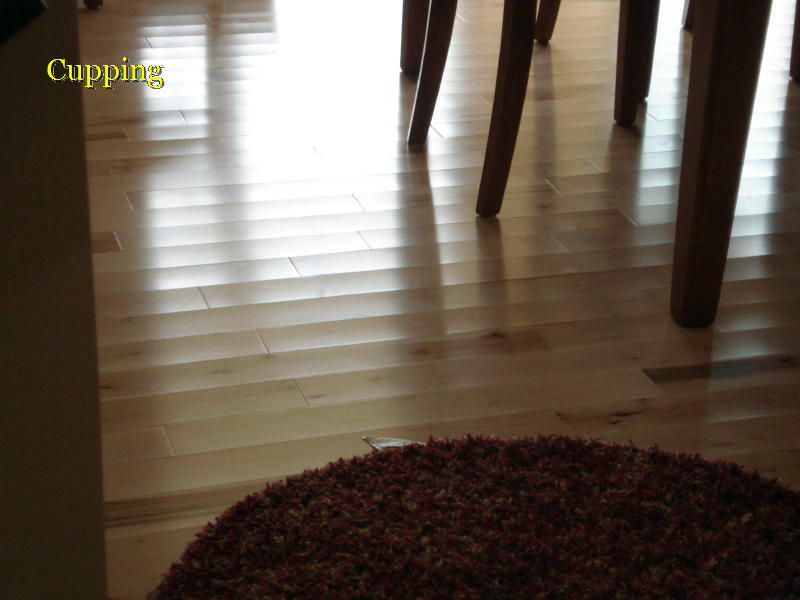
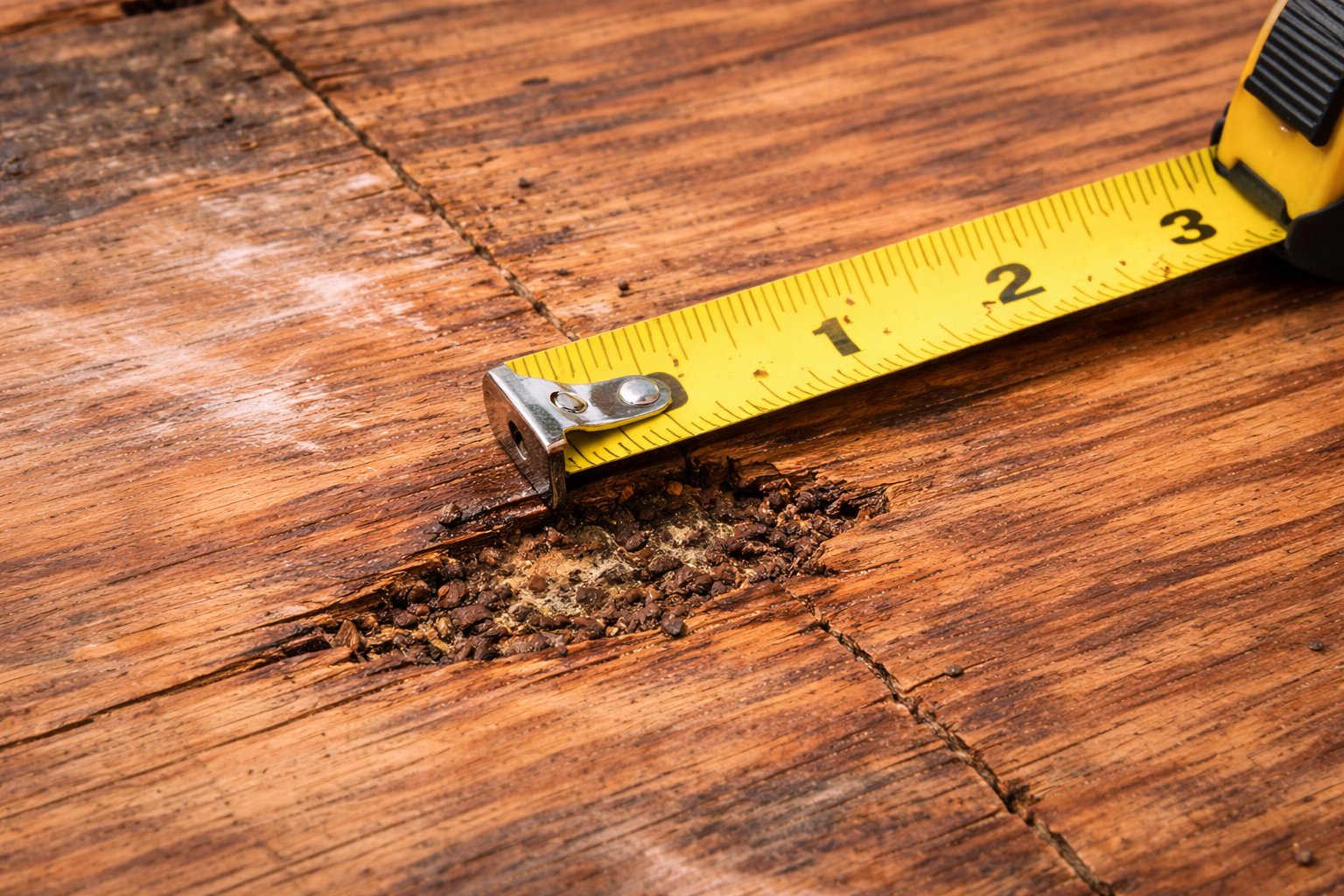
Wood Decay (Hardwood Flooring)
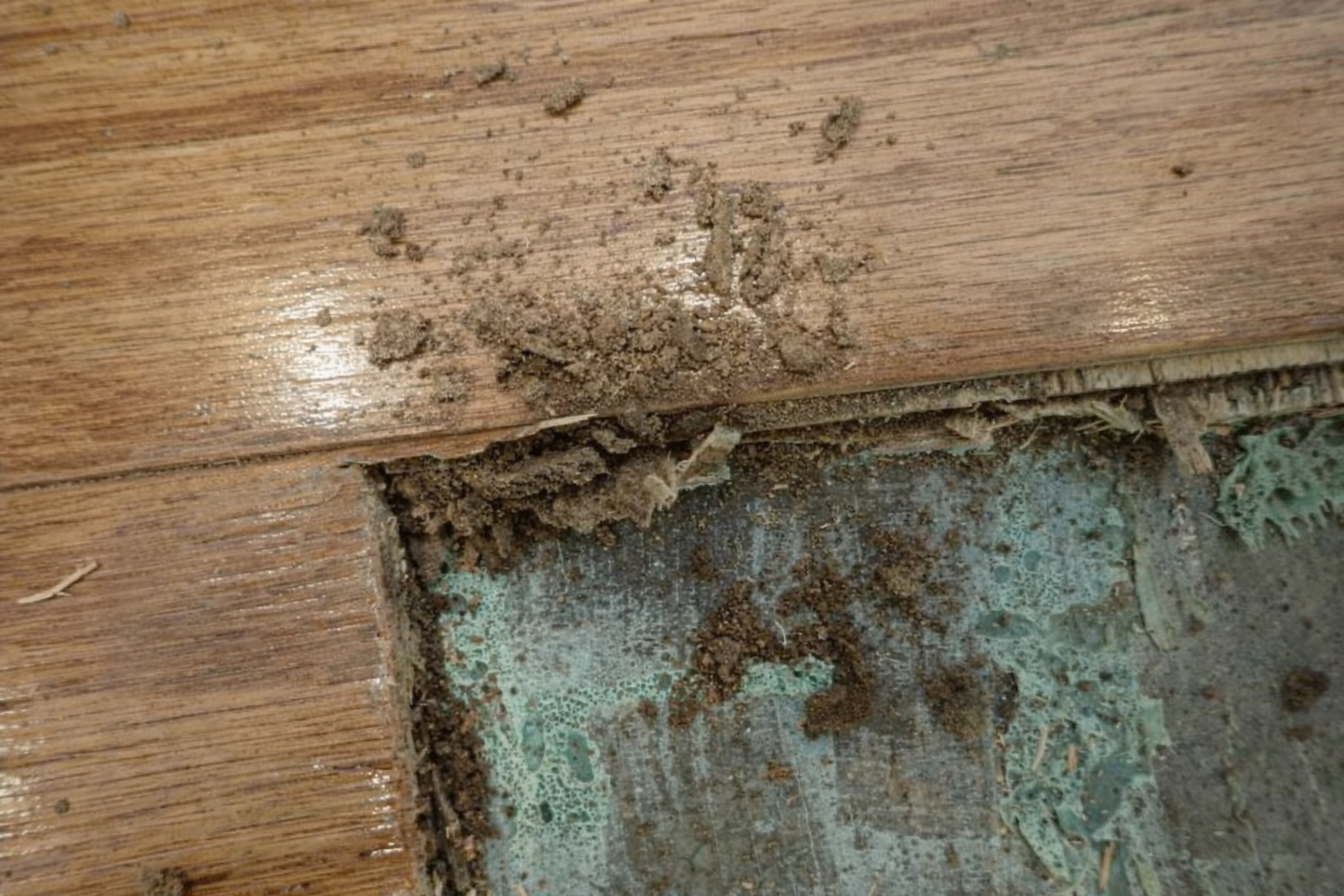
Termite Damage (Hardwood Flooring)
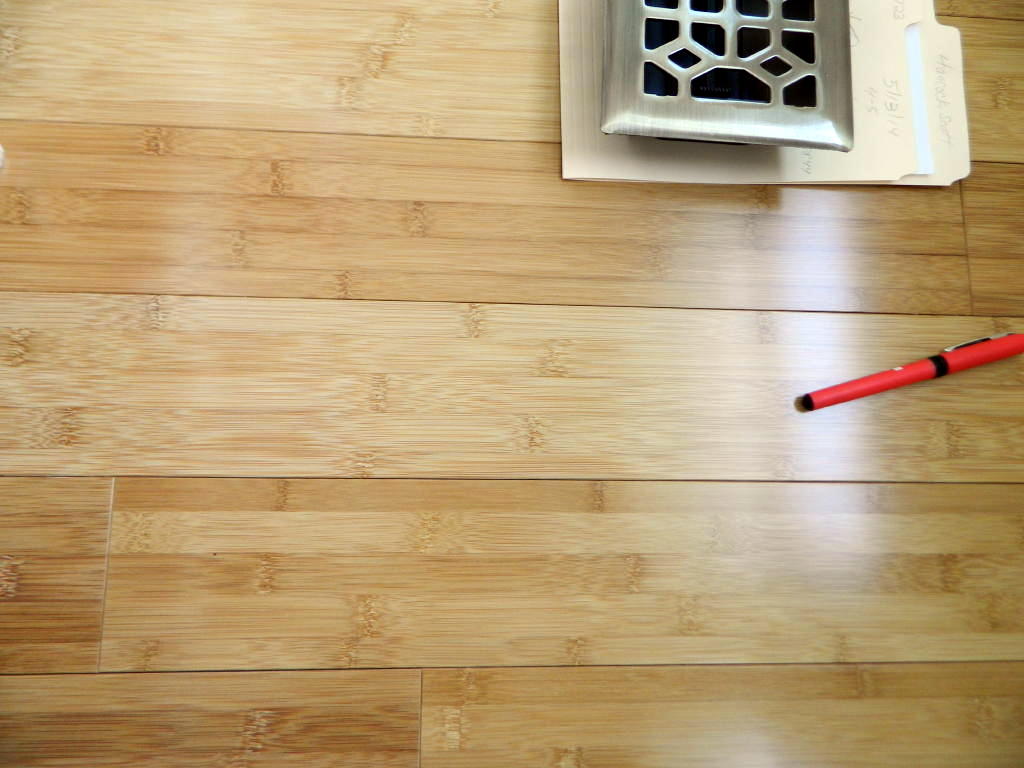
Bamboo Flooring Construction and Dimensional Behavior
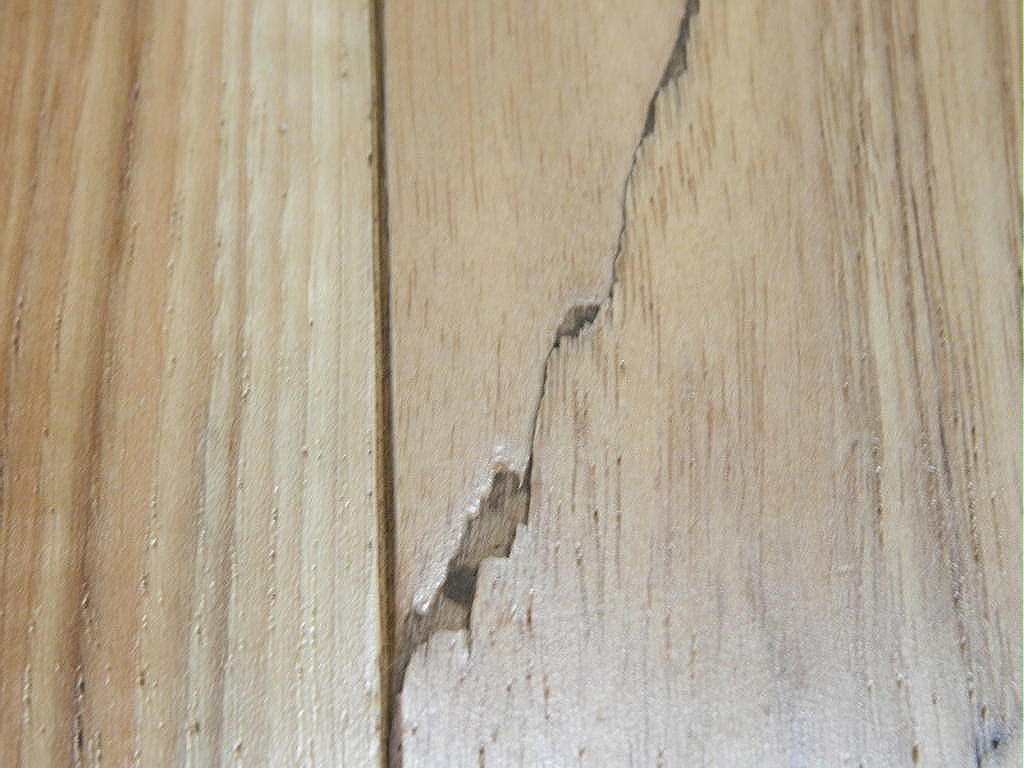
Checks vs. Splits vs. Shake (Solid Hardwood)
Grain Raise (Hardwood Finish Issue)
Splits – Cracks

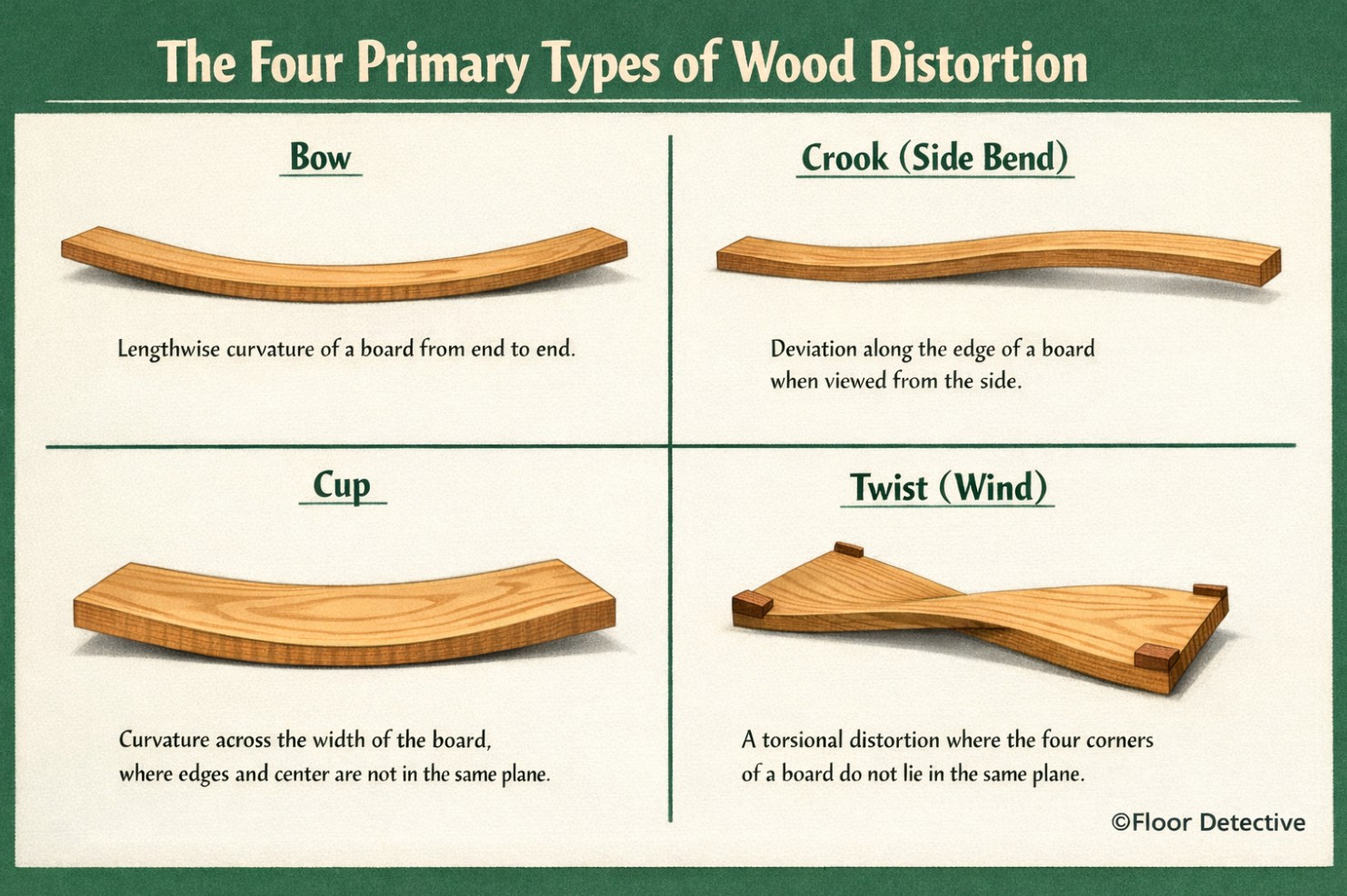
Wood Distortion
Wood Shear (Engineered Flooring)