Marble Tile Properties and Maintenance

Marble Tile Properties and Maintenance
Sierra Exif JPEG
Sierra Exif JPEG
Sierra Exif JPEG
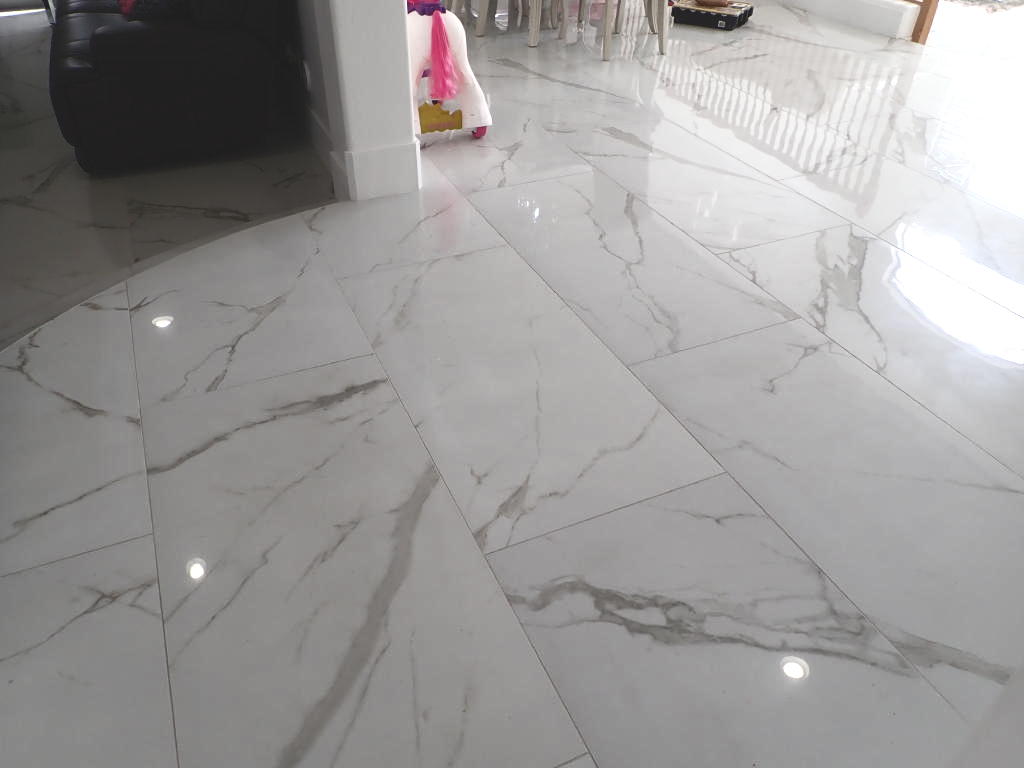
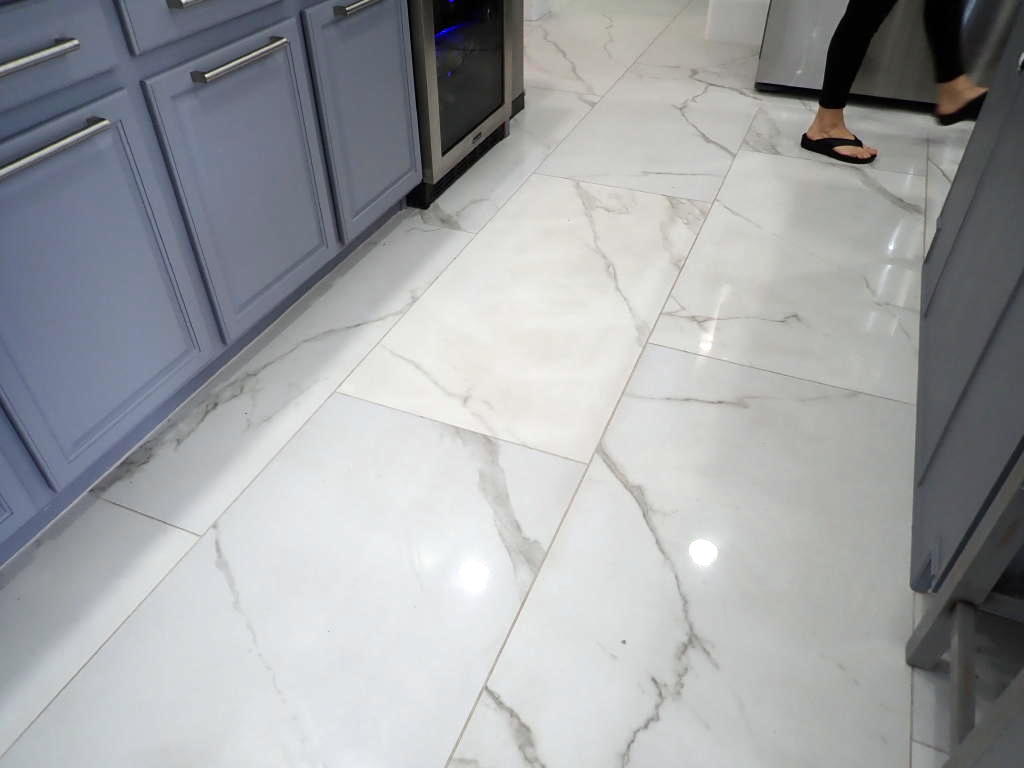
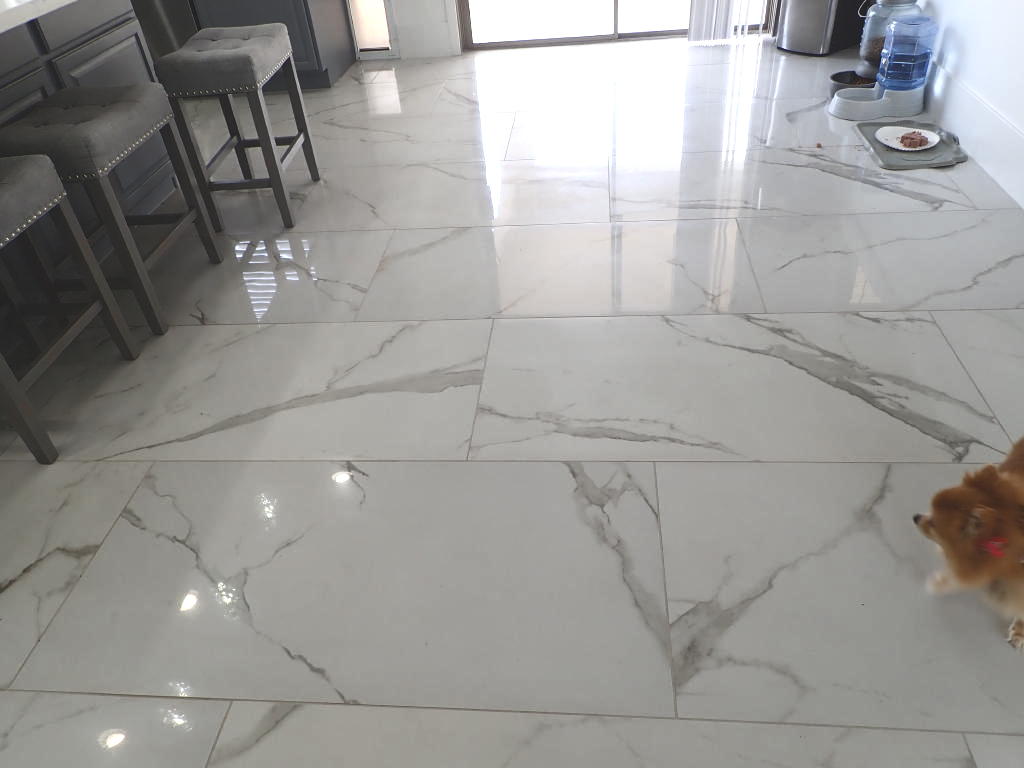
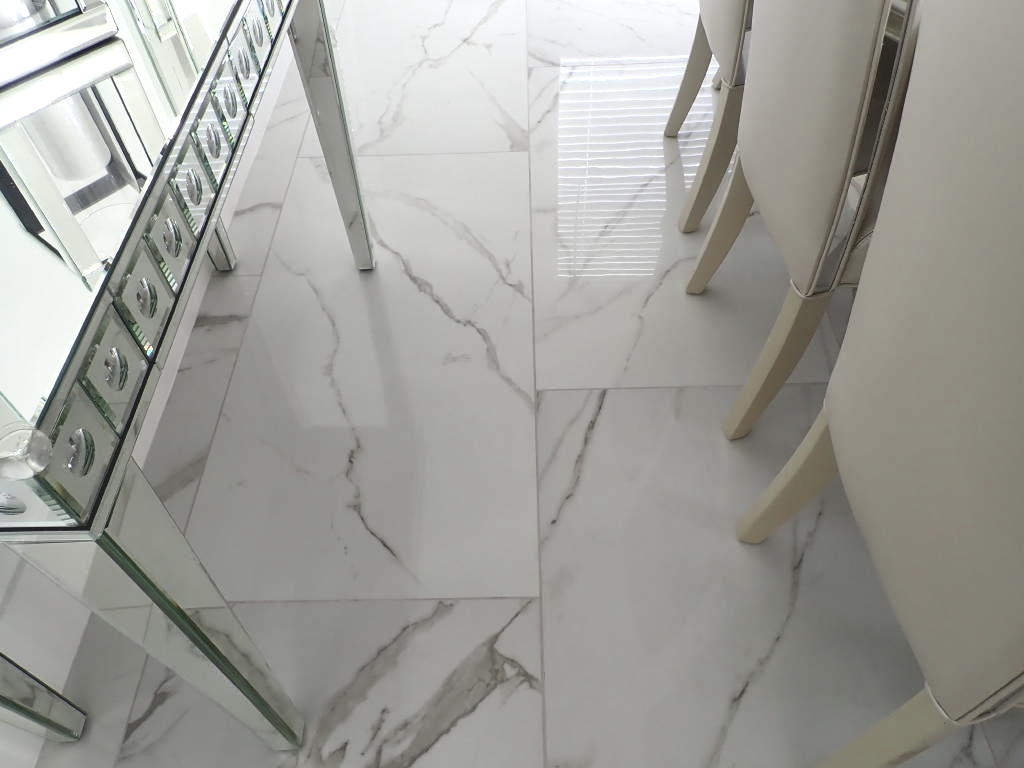
Polished marble tile floor showing natural veining and reflective finish
Sierra Exif JPEG
Sierra Exif JPEG Sierra Exif JPEG Sierra Exif JPEG Polished marble tile floor showing natural veining and reflective finish Sierra Exif JPEG

Marble Tile Properties and Maintenance (Stone)
Floor Detective® Claims and Conditions Guide

Summary

Marble is a natural calcium-based stone commonly used for floors, walls, countertops, and decorative surfaces because of its veining, depth, and visual character. As a natural material, marble exhibits inherent variation in color, mineral composition, veining, density, and surface movement. These natural characteristics influence how the stone responds to traffic exposure, moisture, lighting, maintenance practices, and environmental conditions during service. Marble is generally softer and more chemically sensitive than many ceramic, porcelain, and granite products, making it more susceptible to etching, scratching, abrasion, polish loss, and staining over time. Many appearance changes develop gradually as part of normal service exposure and do not independently indicate manufacturing or installation defects. Proper evaluation focuses on distinguishing natural stone characteristics and expected service-related change from abnormal stress, contamination, or installation-related conditions. See also Travertine Tile Properties, Moisture Issues, and Tile and Stone Floor Problems for broader context.
Please subscribe to see all content

Wet Tile Slip Resistance and Surface Traction
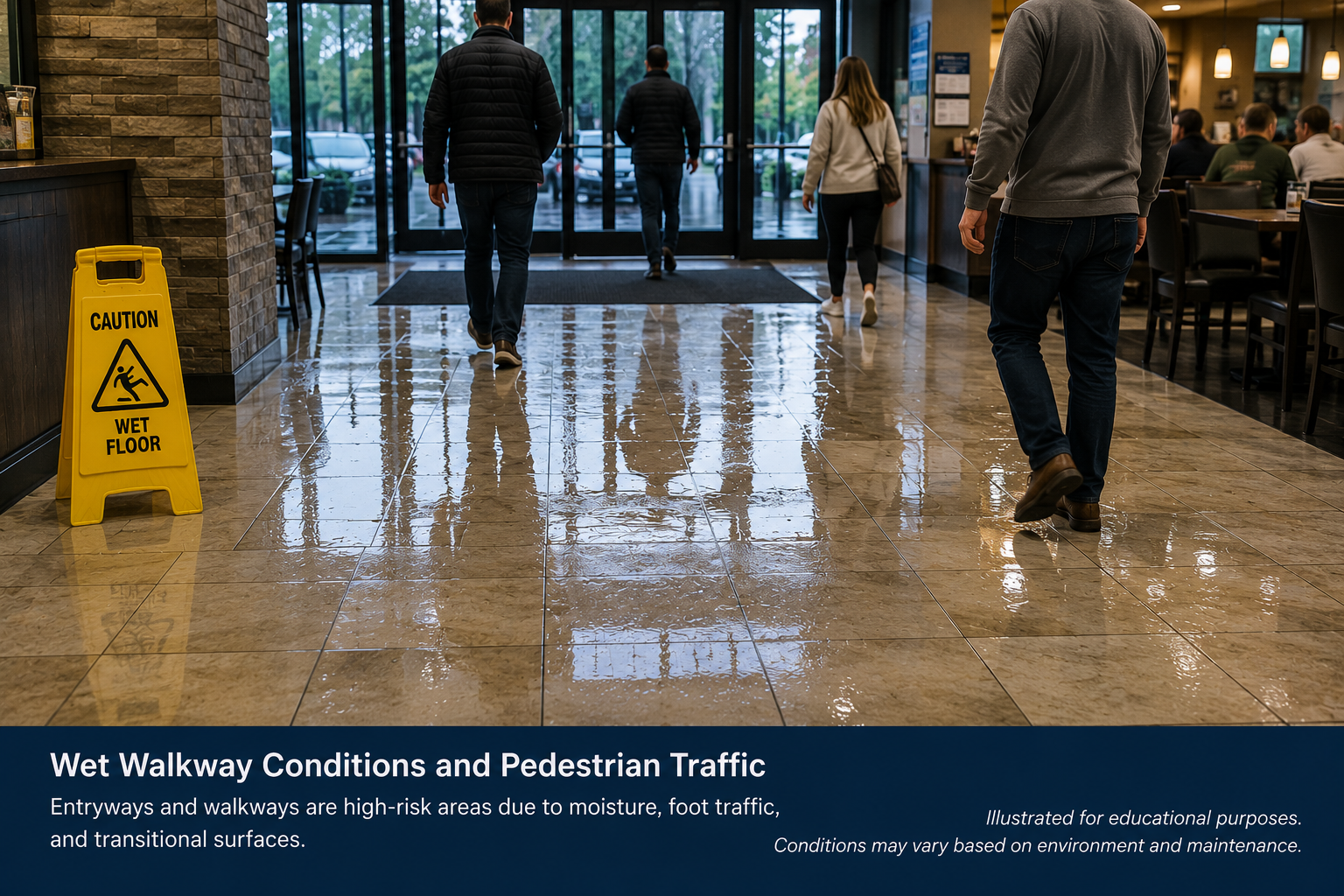
Wet tile slip resistance and surface traction are influenced by water exposure, contaminants, maintenance residue, and surface texture.
Read More
Wet Tile Slip Resistance and Surface Traction

Tile and Stone Floor Problems
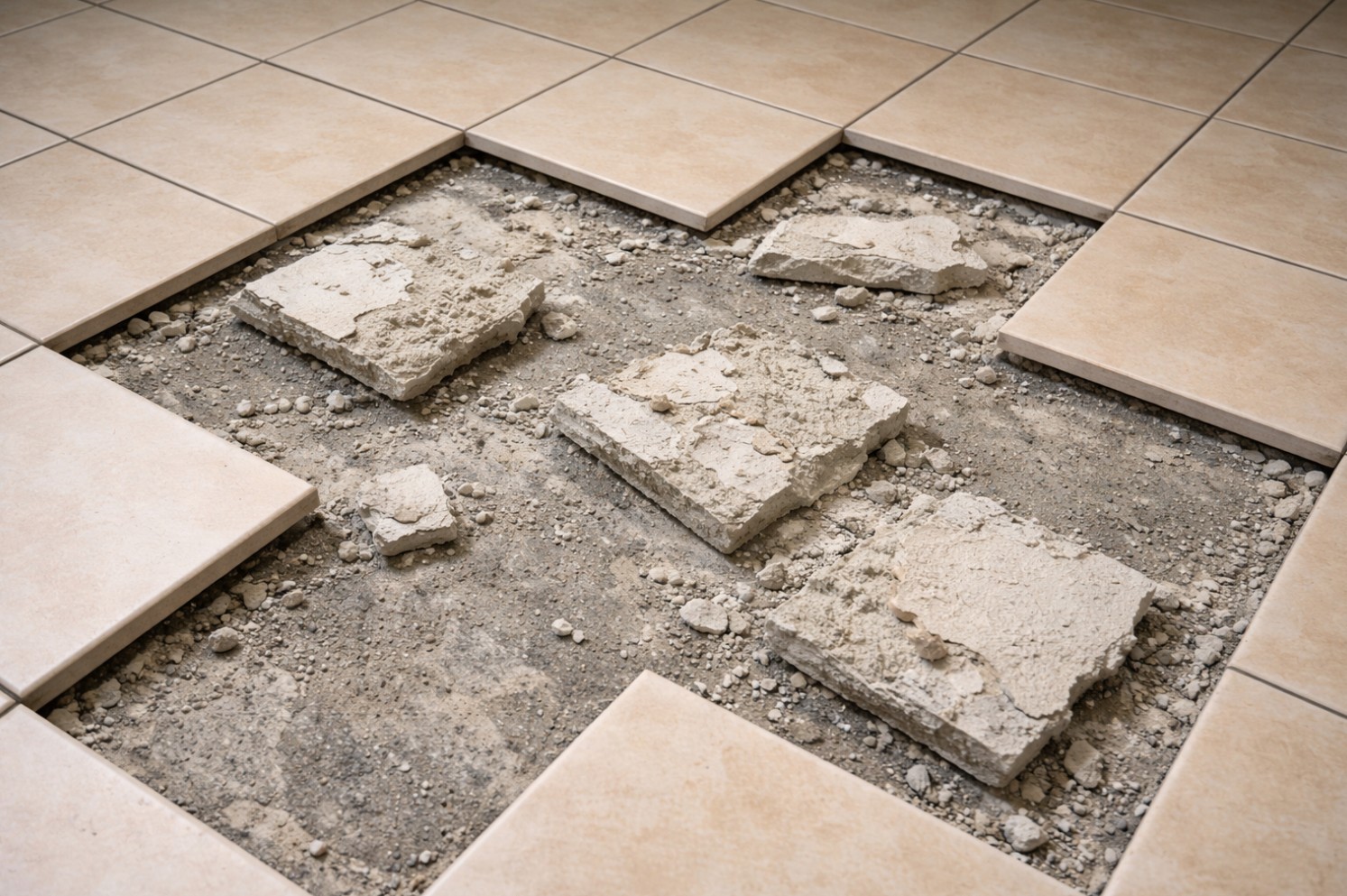
Tile and stone floor problems may involve cracking, lippage, bond loss, grout issues, moisture influence, or structural movement.
Read More
Tile and Stone Floor Problems

Tile Surface Cleaning and Residue Conditions (Overview)
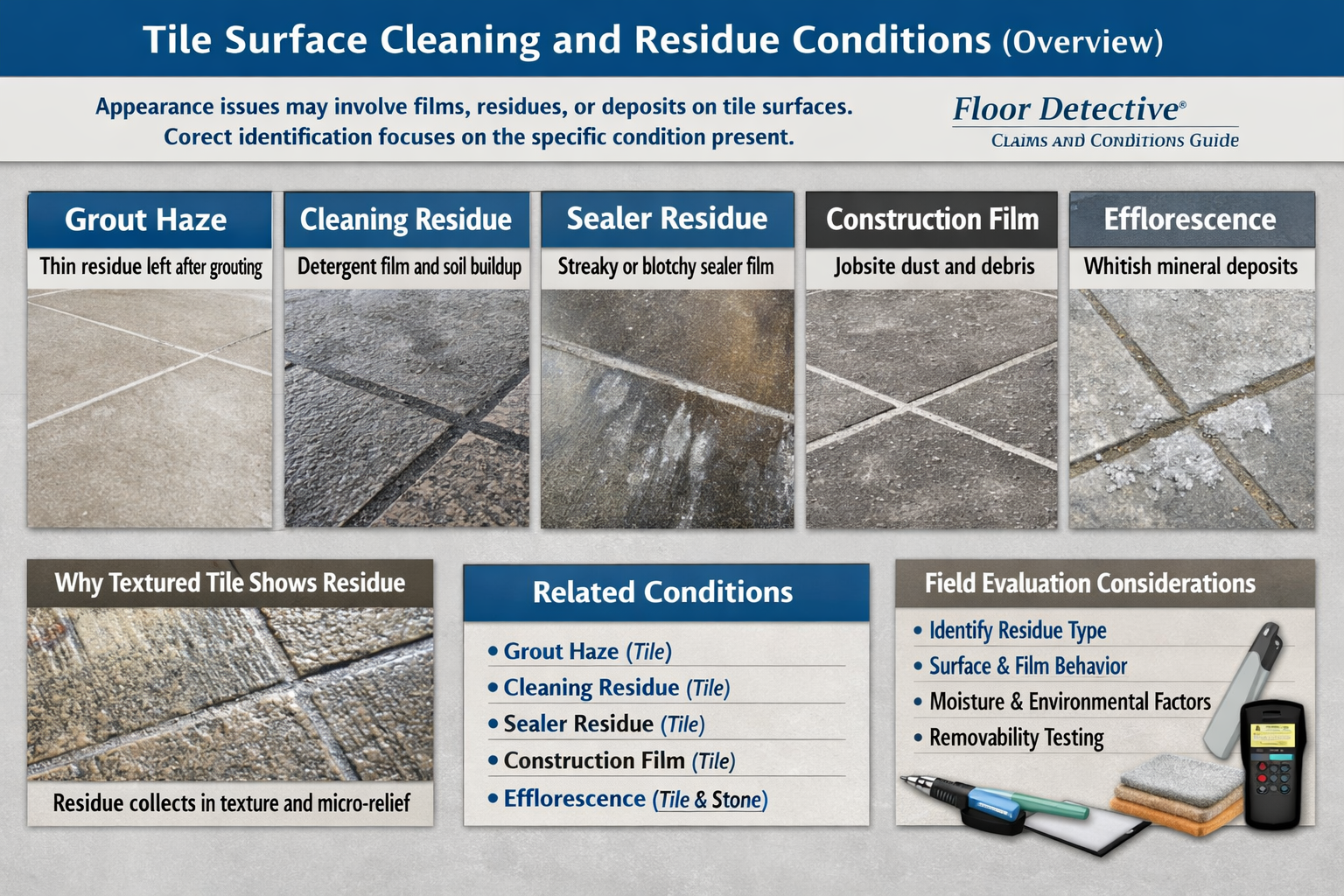
Tile surface residue conditions may involve grout haze, cleaning residue, sealer film, mineral deposits, or maintenance-related buildup.
Read More
Tile Surface Cleaning and Residue Conditions (Overview)

Surface Chipping (Ceramic Tile)
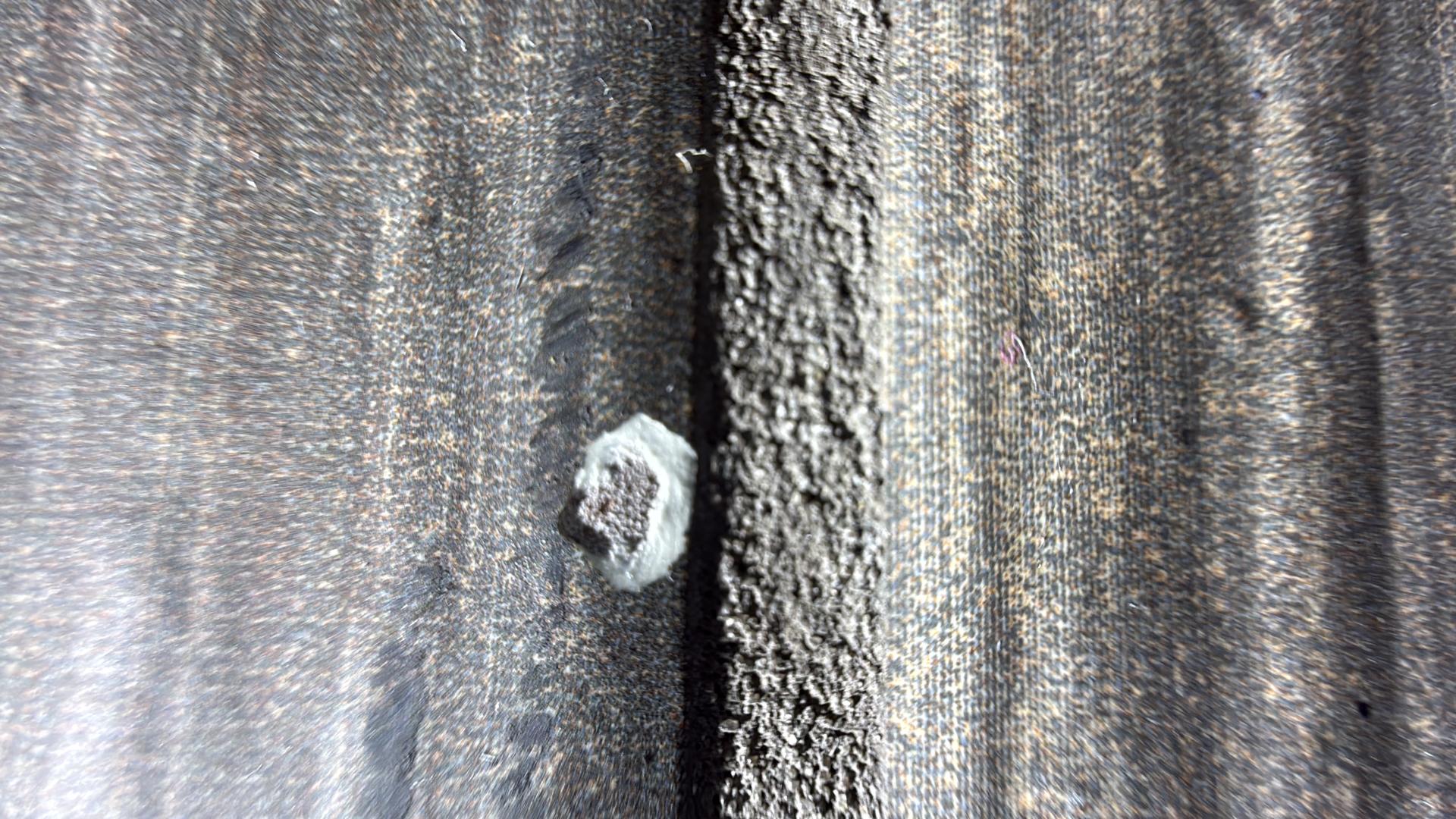
Surface chipping in ceramic tile involves localized glaze or surface loss caused by impact, contact stress, handling, or service conditions.
Read More
Surface Chipping (Ceramic Tile)

Grout Haze (Tile)
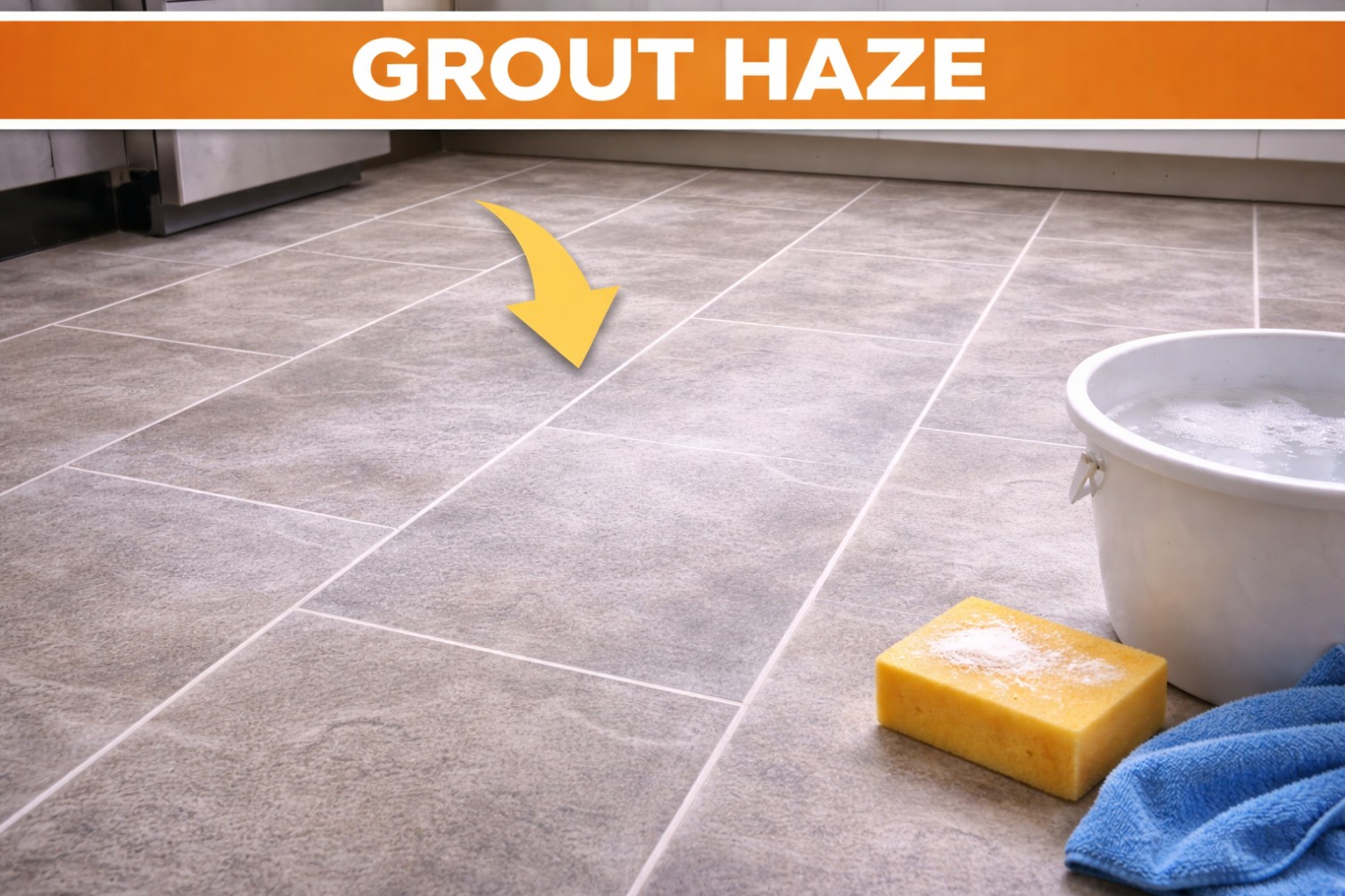
Grout haze on porcelain tile involves residual surface film caused by grout residue, tile texture, or installation conditions.
Read More
Grout Haze (Tile)

Cracked Corners

Cracked tile corners involve fractures caused by localized stress concentration, incomplete support, or movement within the tile assembly.
Read More
Cracked Corners

Outdoor Natural Stone Deterioration (Exterior Stone)

Outdoor natural stone deterioration may involve spalling, flaking, erosion, salt crystallization, and weather-related surface damage.
Read More
Outdoor Natural Stone Deterioration (Exterior Stone)

Grout – Pin Holes

Pin holes in grout joints involve small surface voids caused by grout consolidation, curing, or installation conditions.
Read More
Grout – Pin Holes

Saltillo Tile Lime Pops

Lime pops in Saltillo tile are localized surface disruptions caused by moisture-related expansion of lime-bearing particles within porous clay tile.
Read More
Saltillo Tile Lime Pops

Travertine Tile Properties

Travertine tile is a porous natural stone affected by moisture exposure, etching, wear, filler loss, and environmental conditions.
Read More
Travertine Tile Properties