
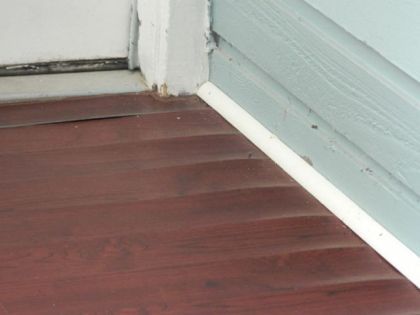
LVT Buckled over Concrete/Wood Subfloor
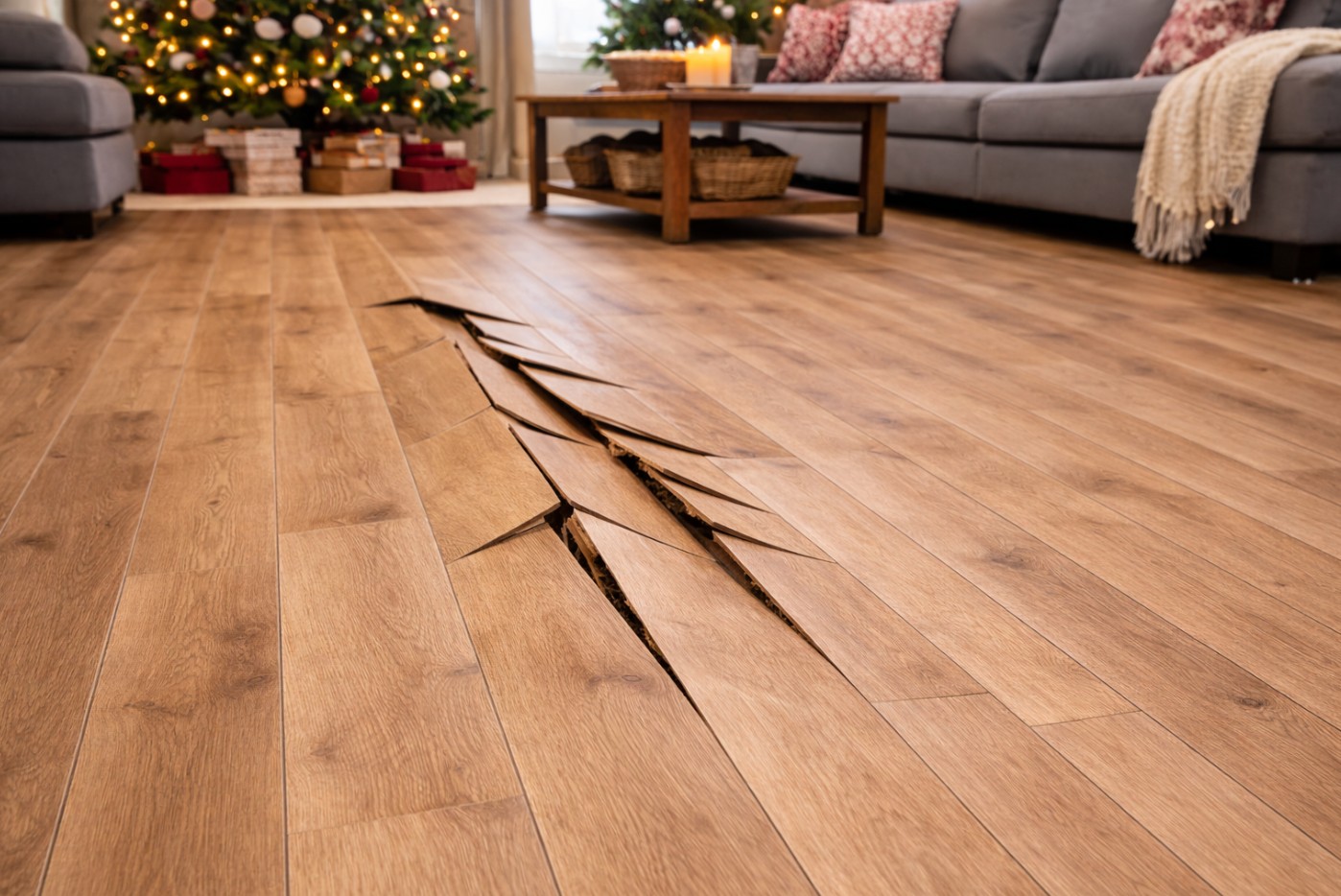
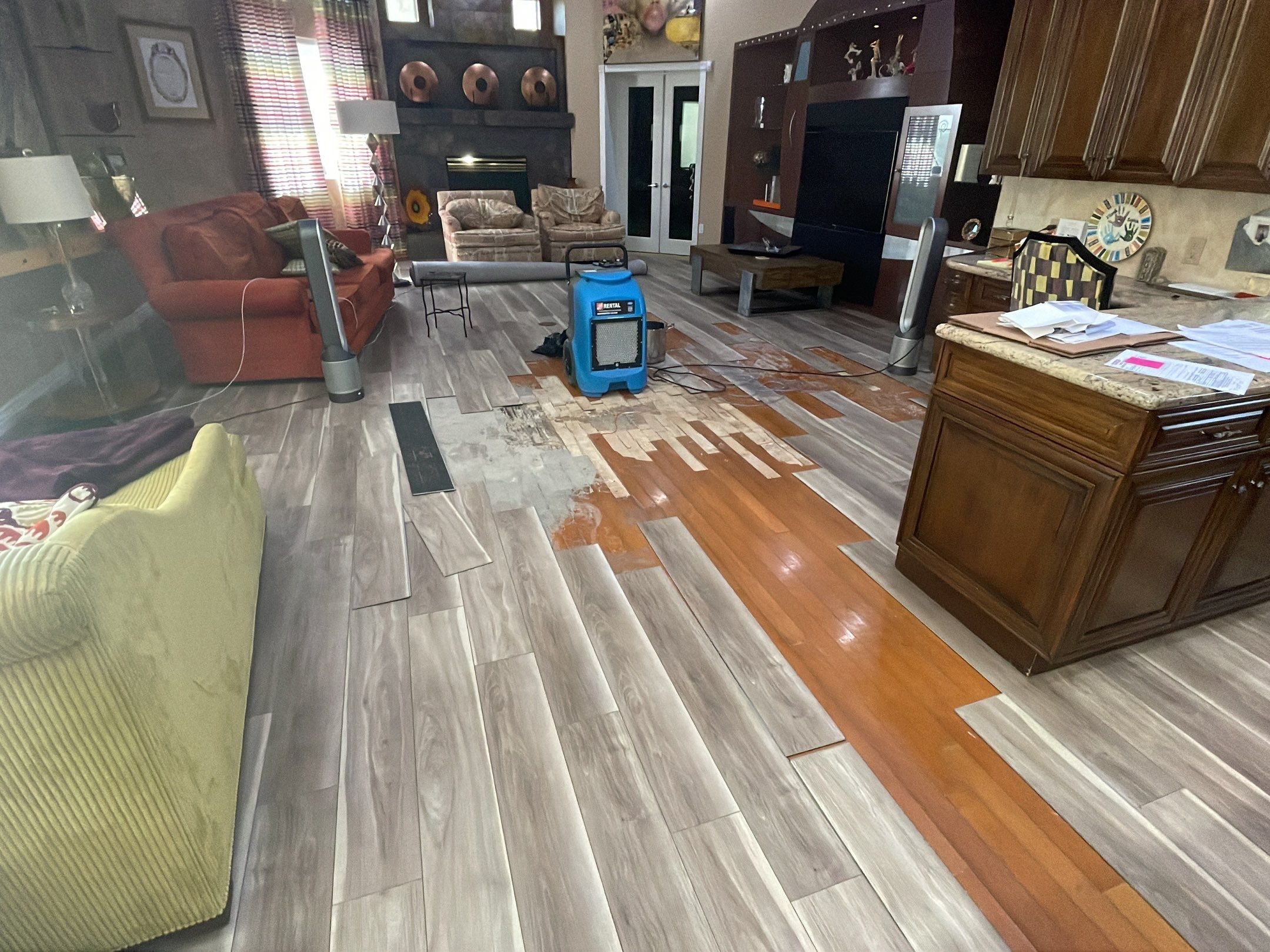
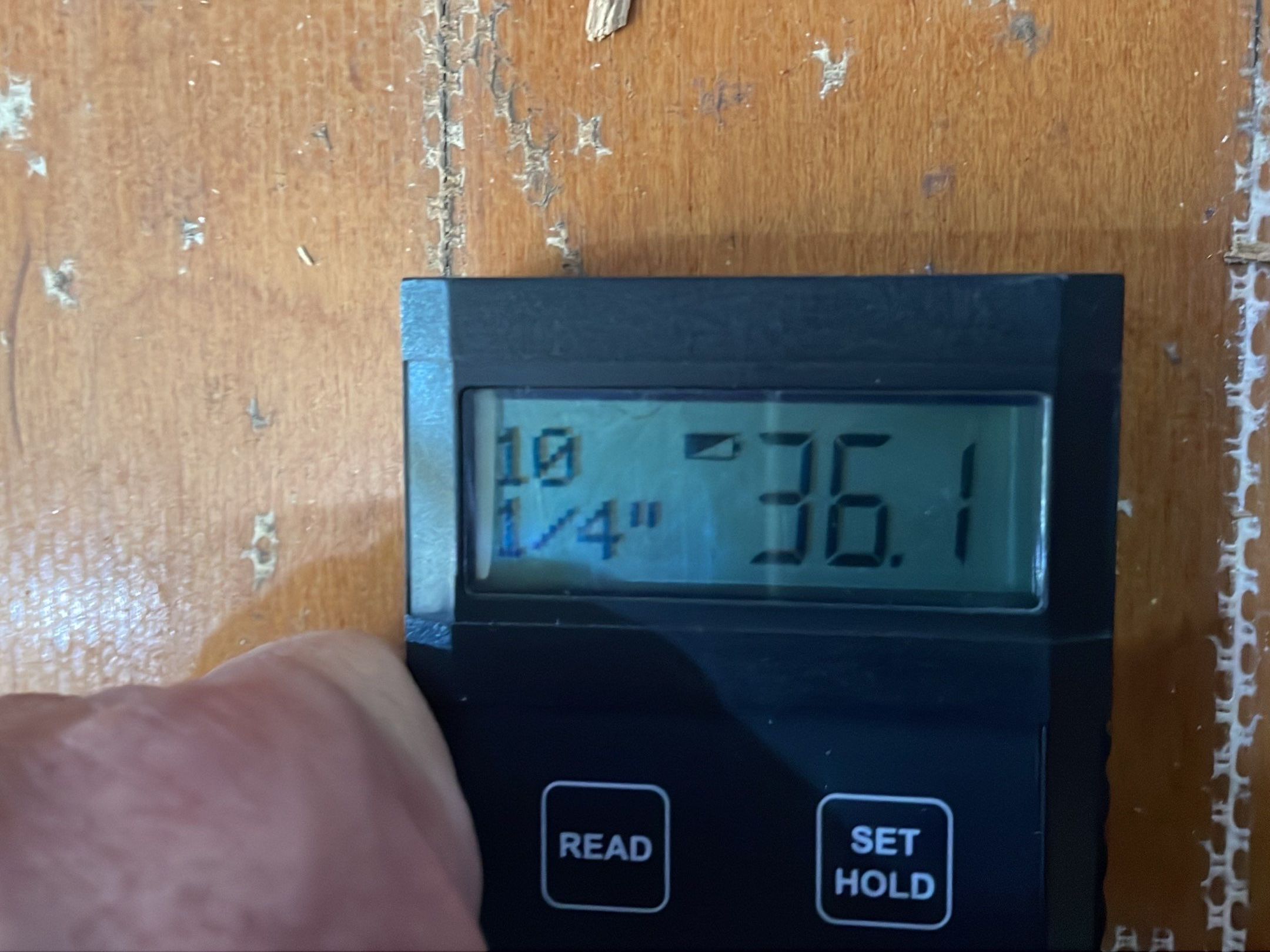
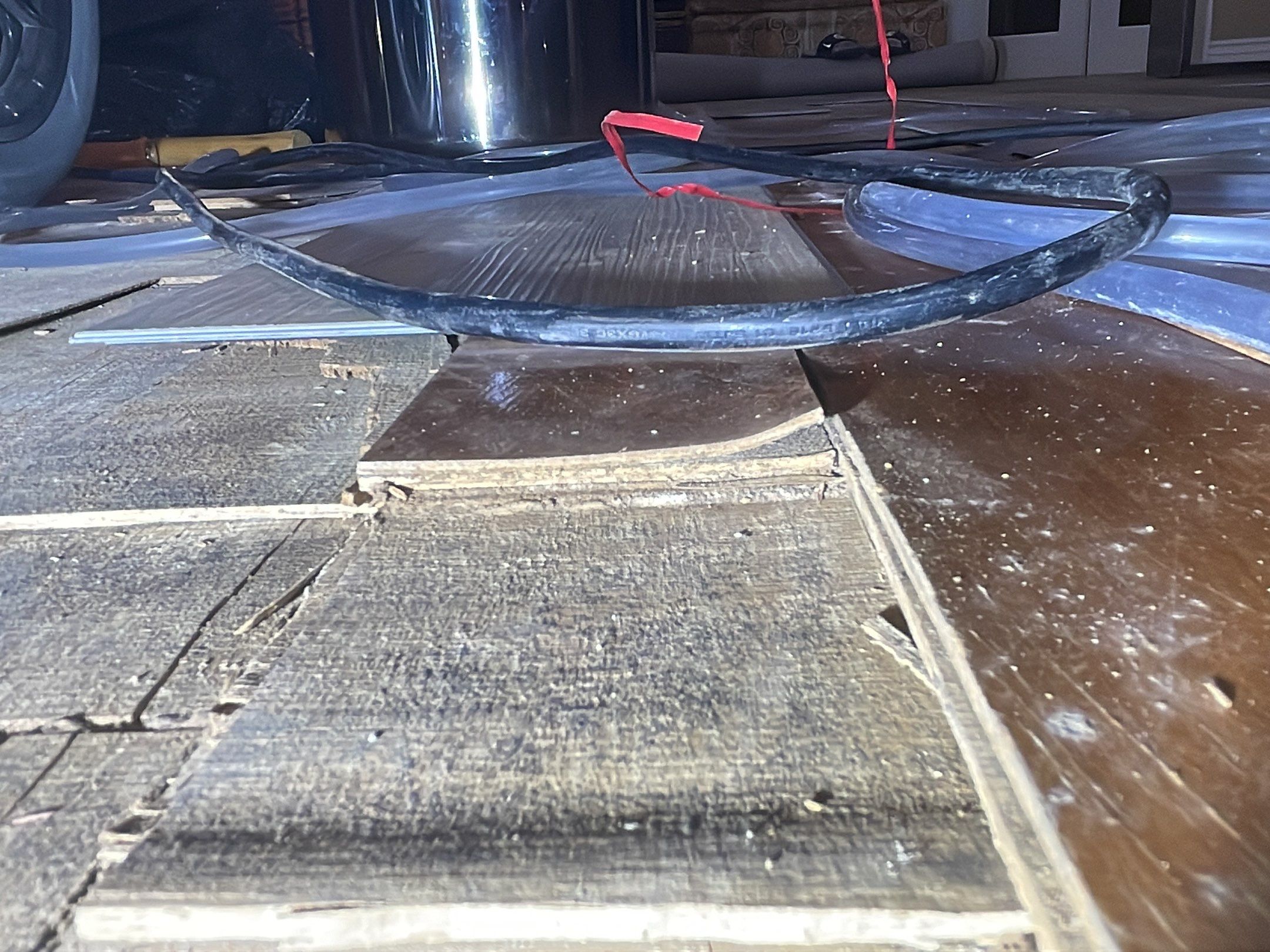
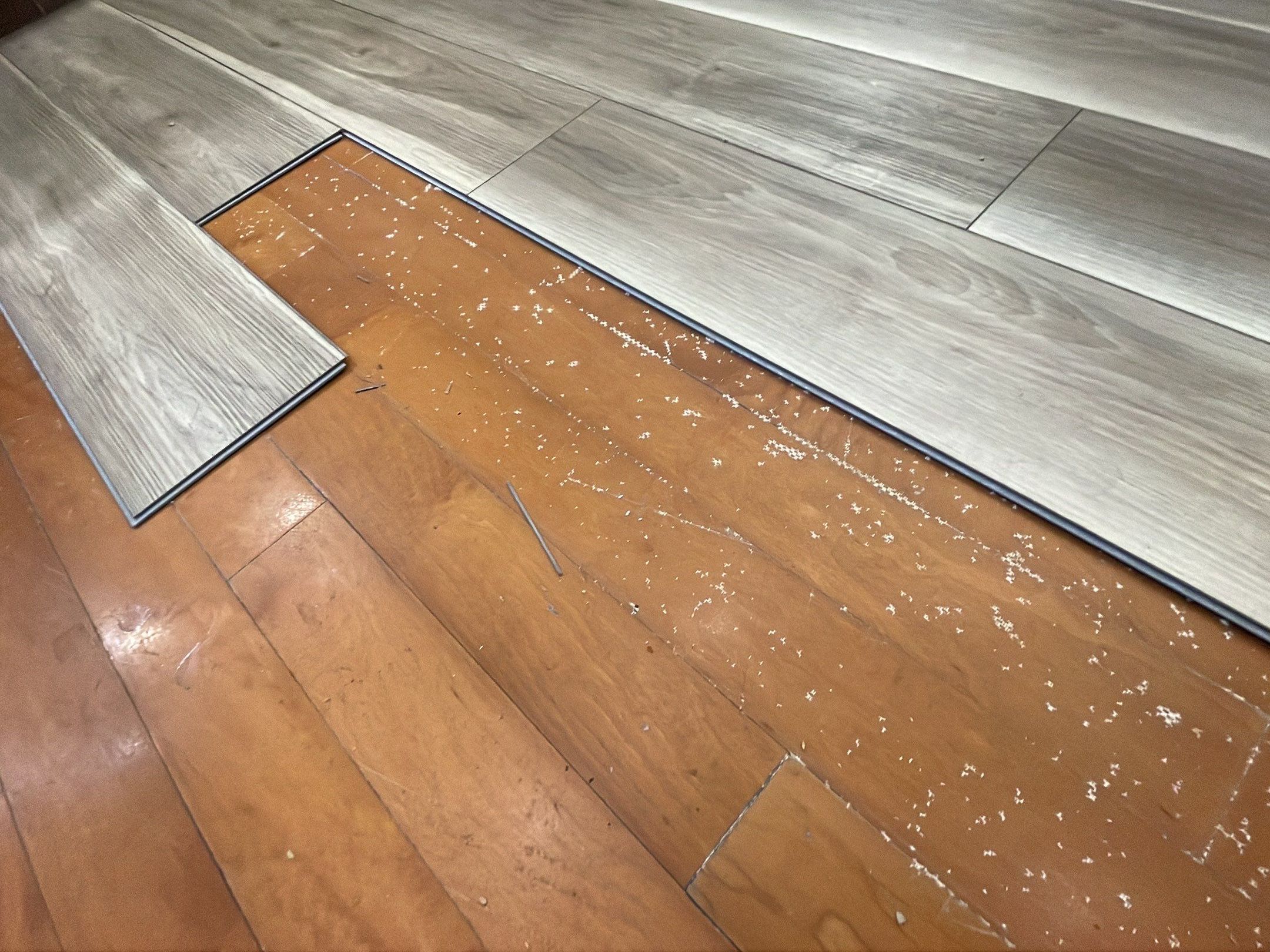

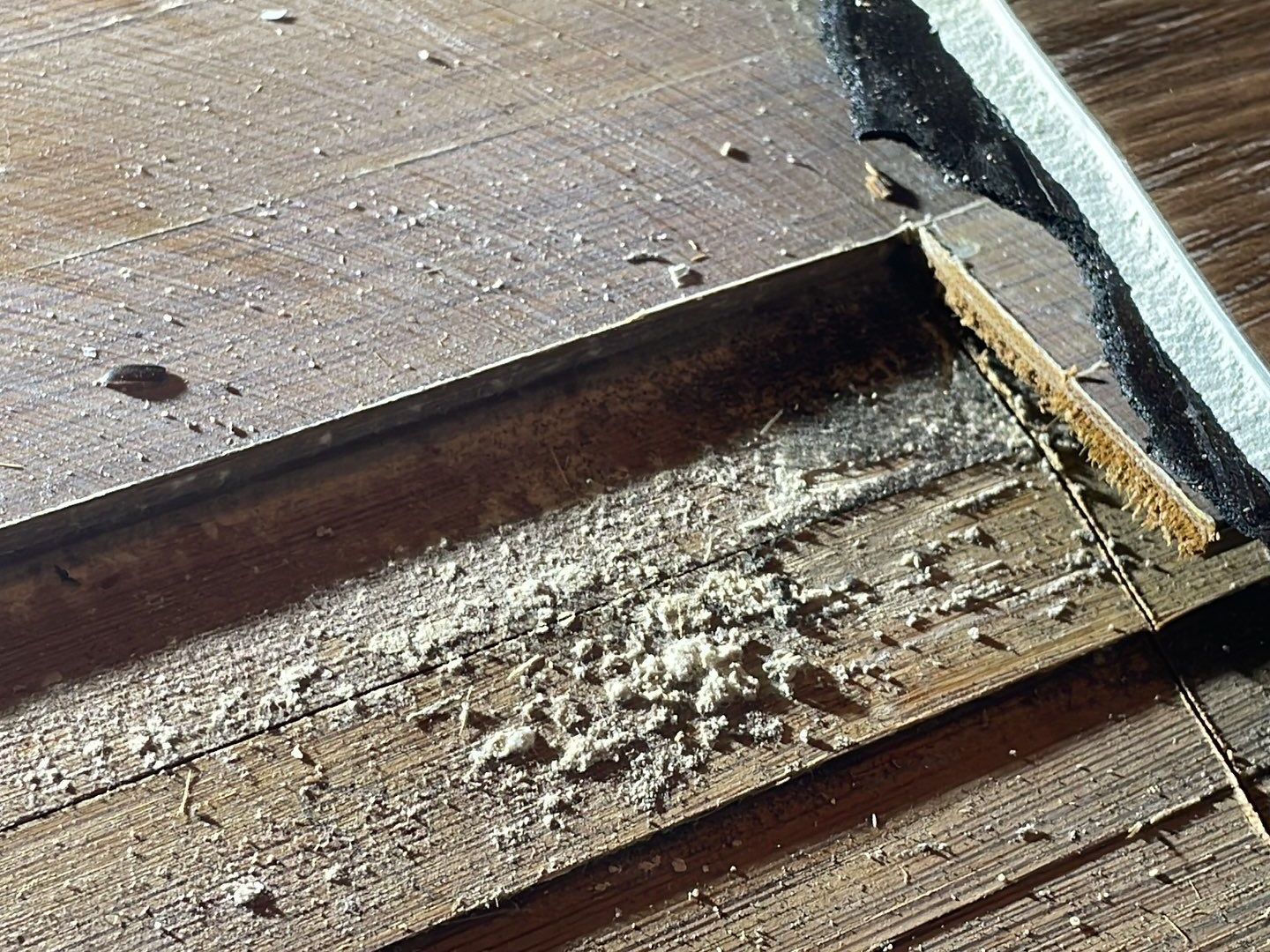
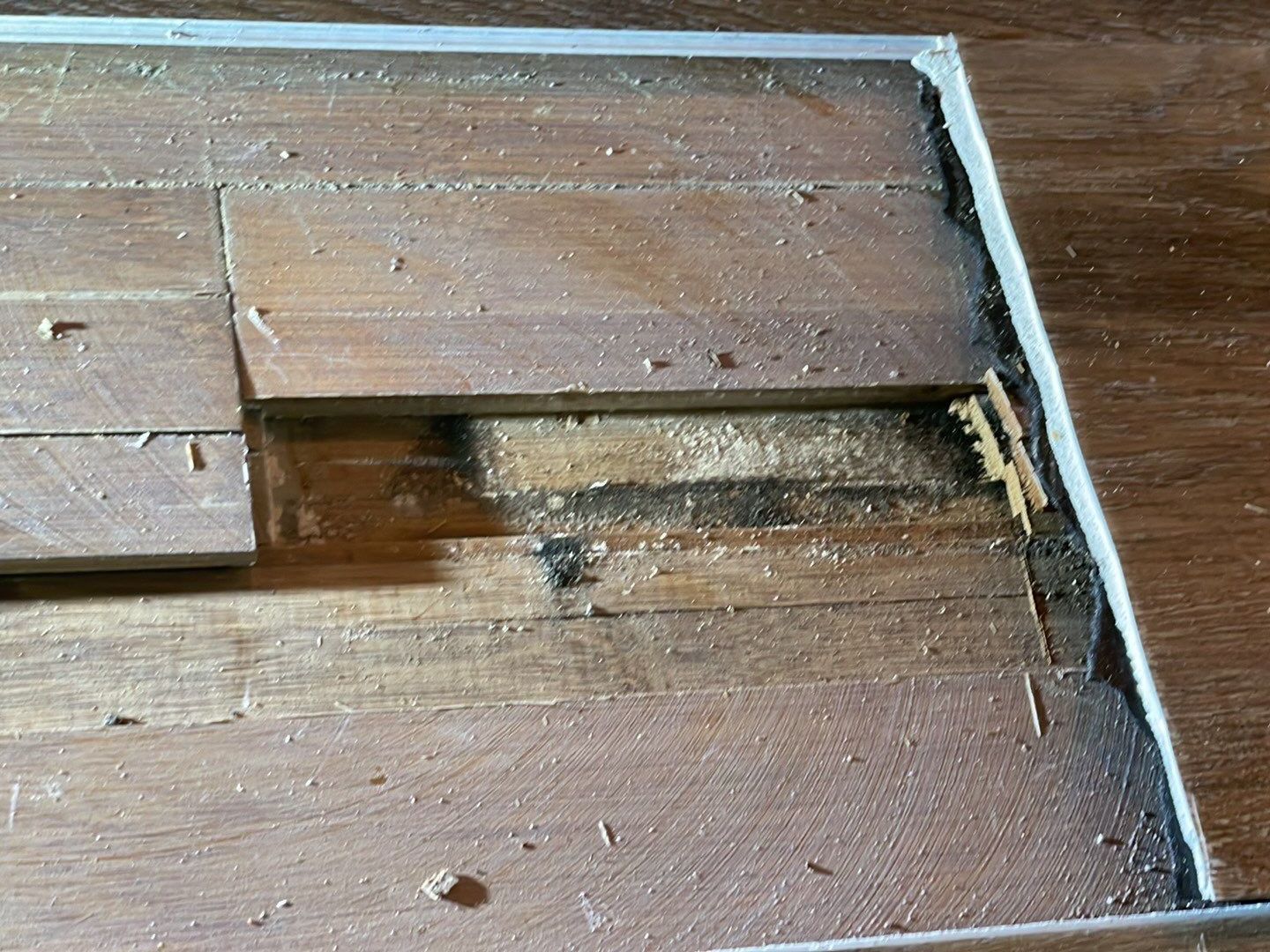
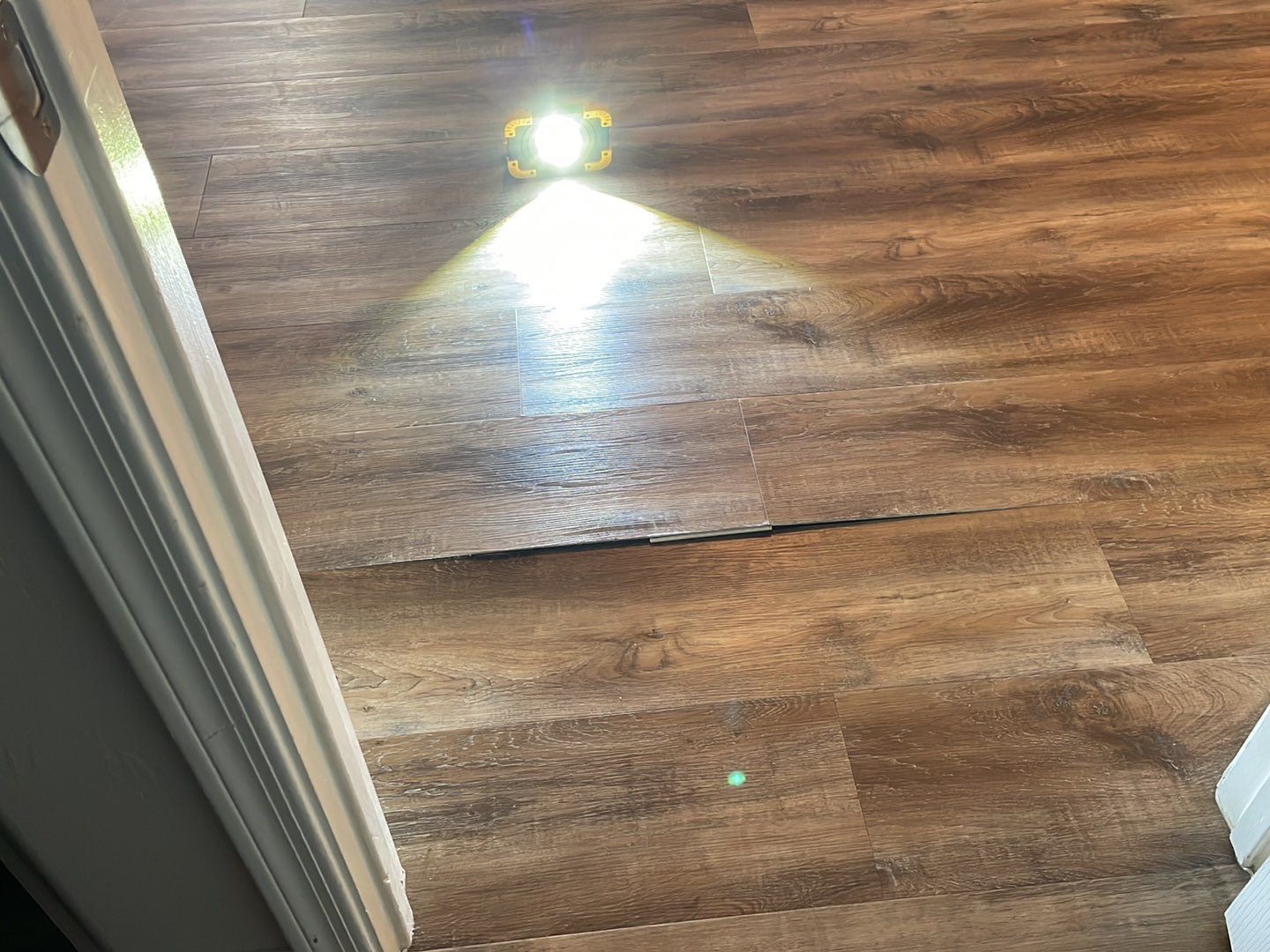
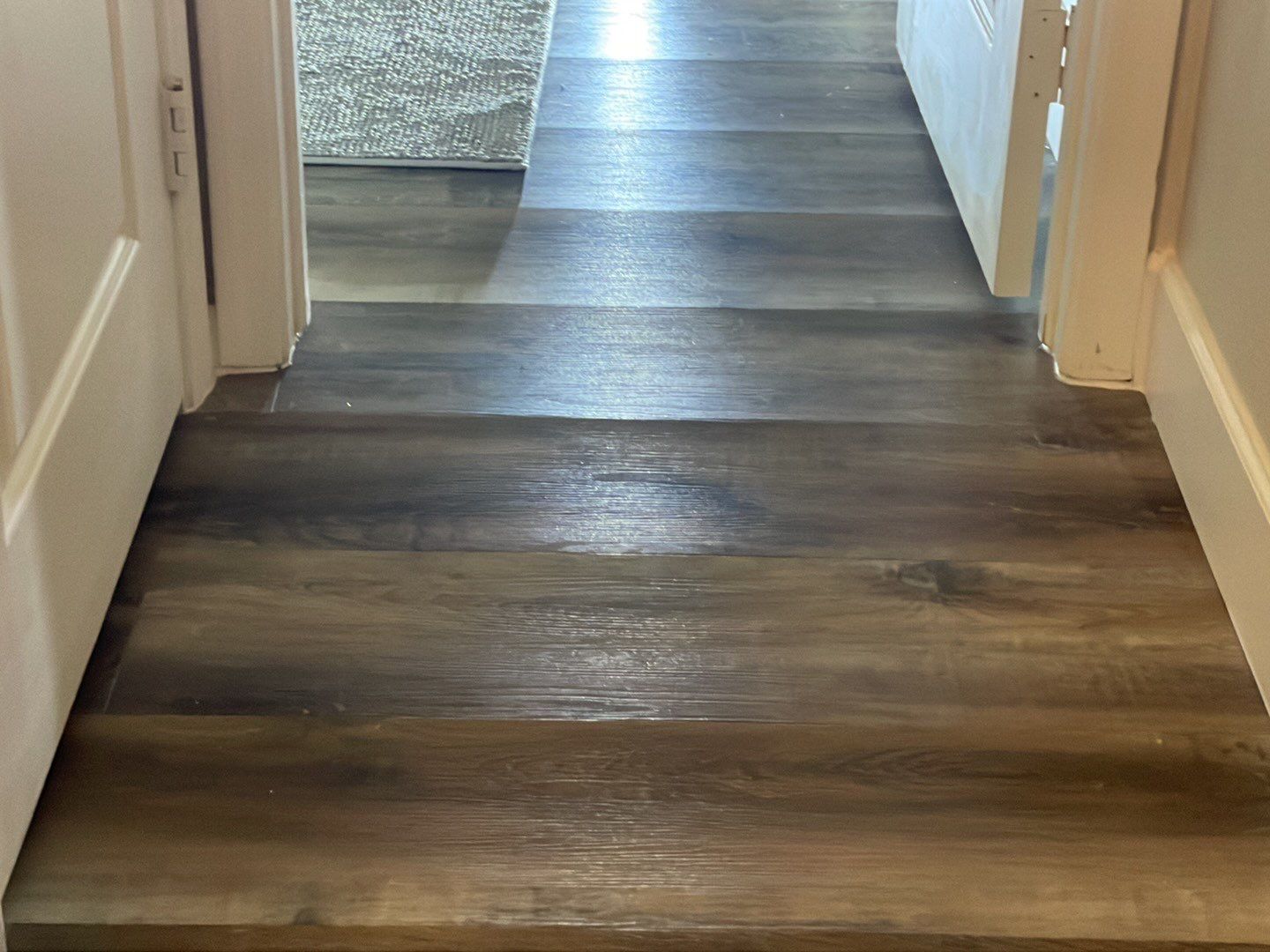
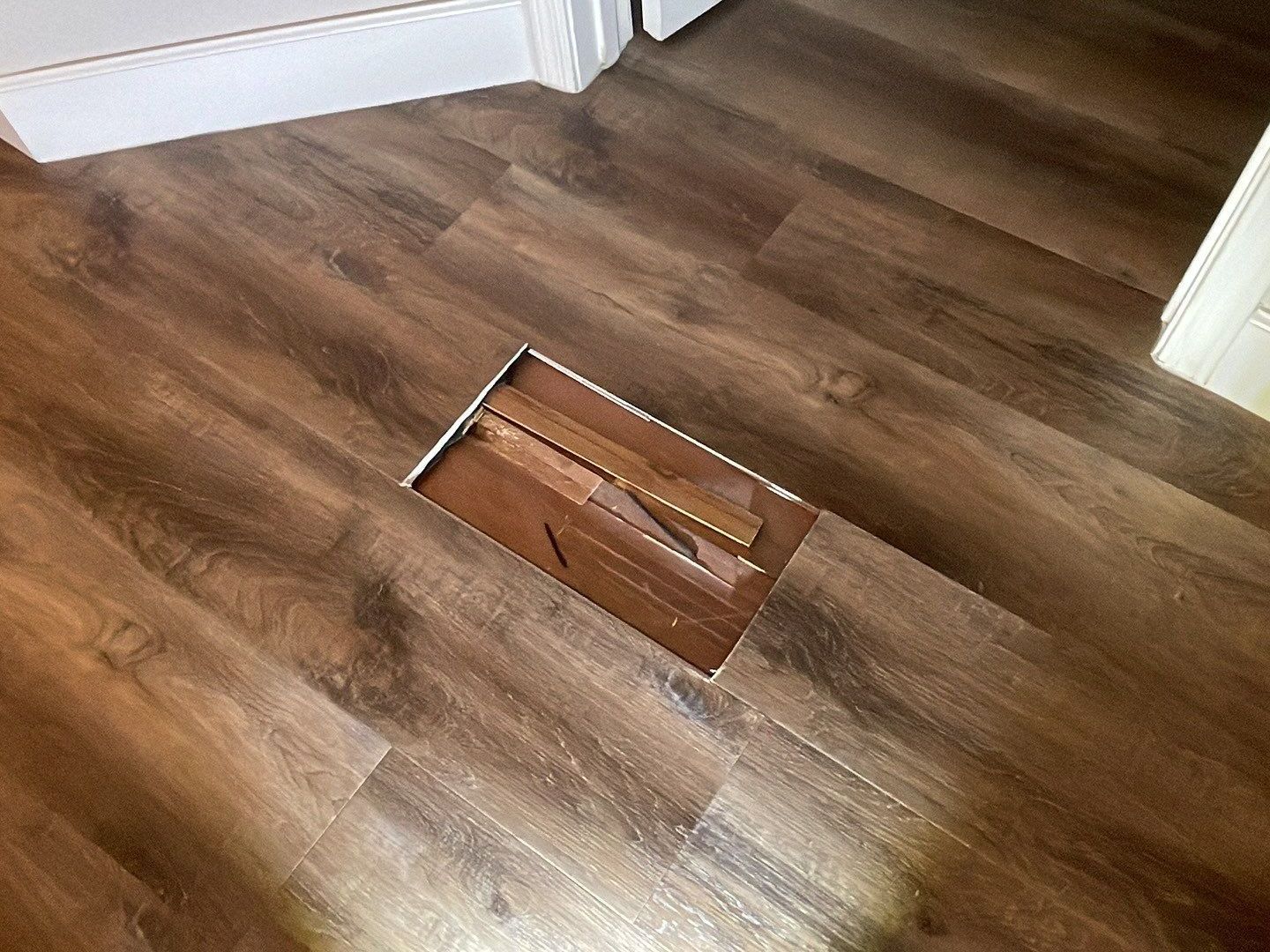
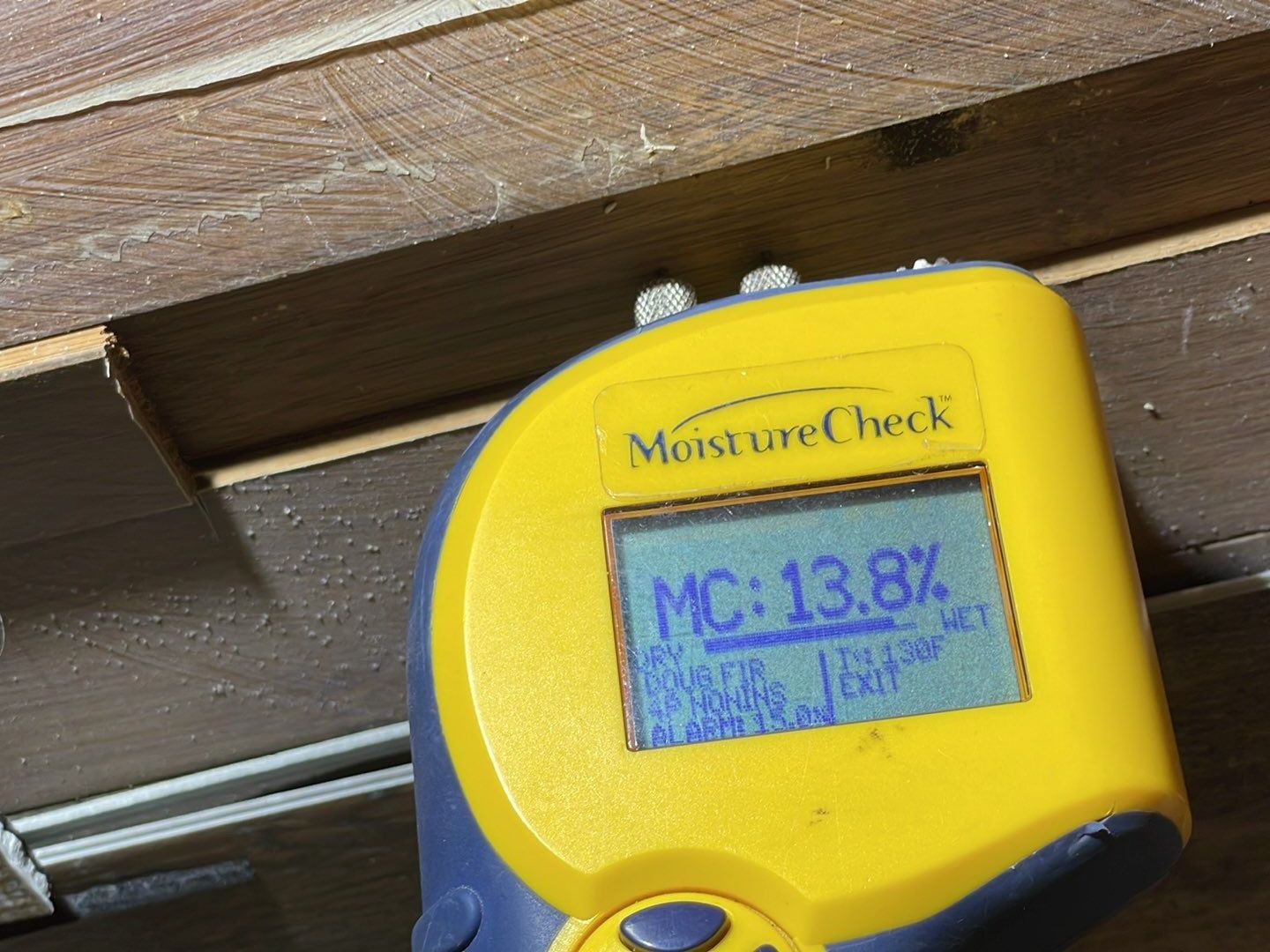
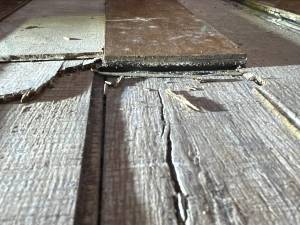
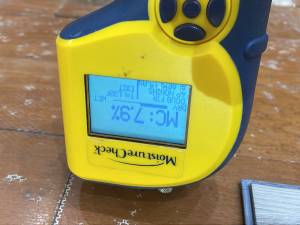
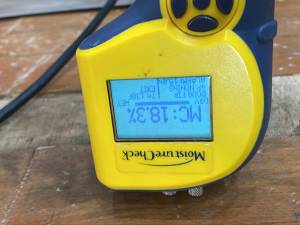
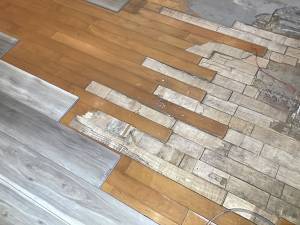
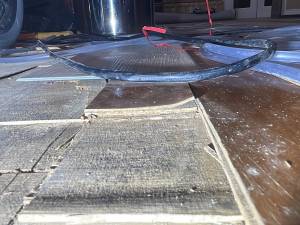
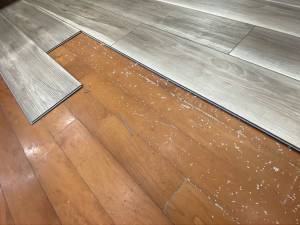
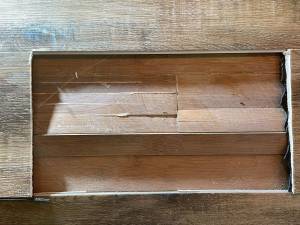
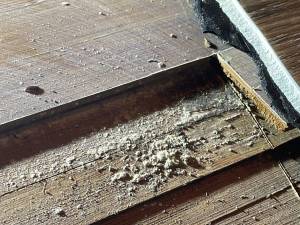
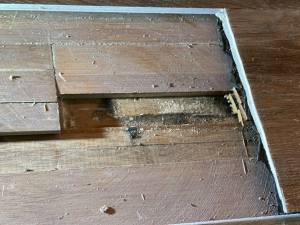
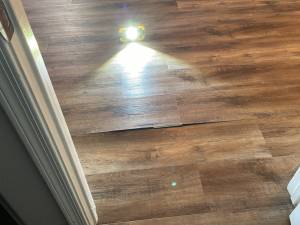
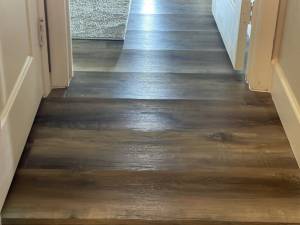
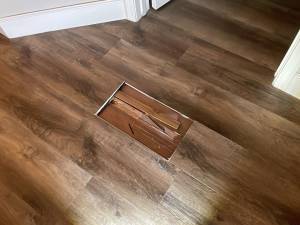
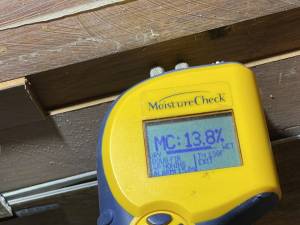
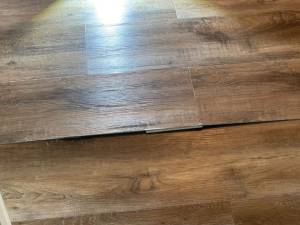
Buckling of Resilient Plank Flooring Installed Over Wood Substrates on Concrete
Floor Detective® Claims and Conditions Guide
Summary
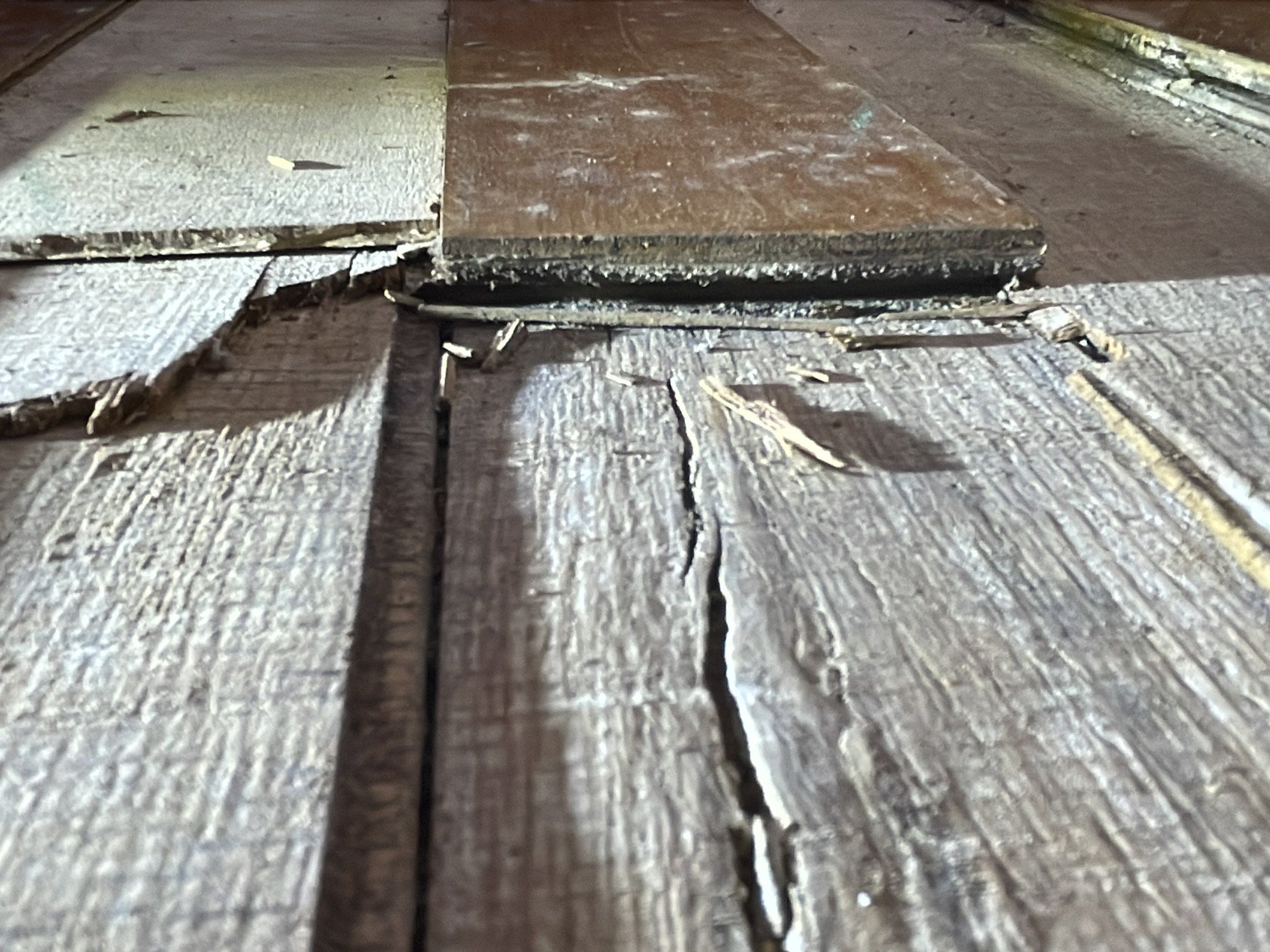
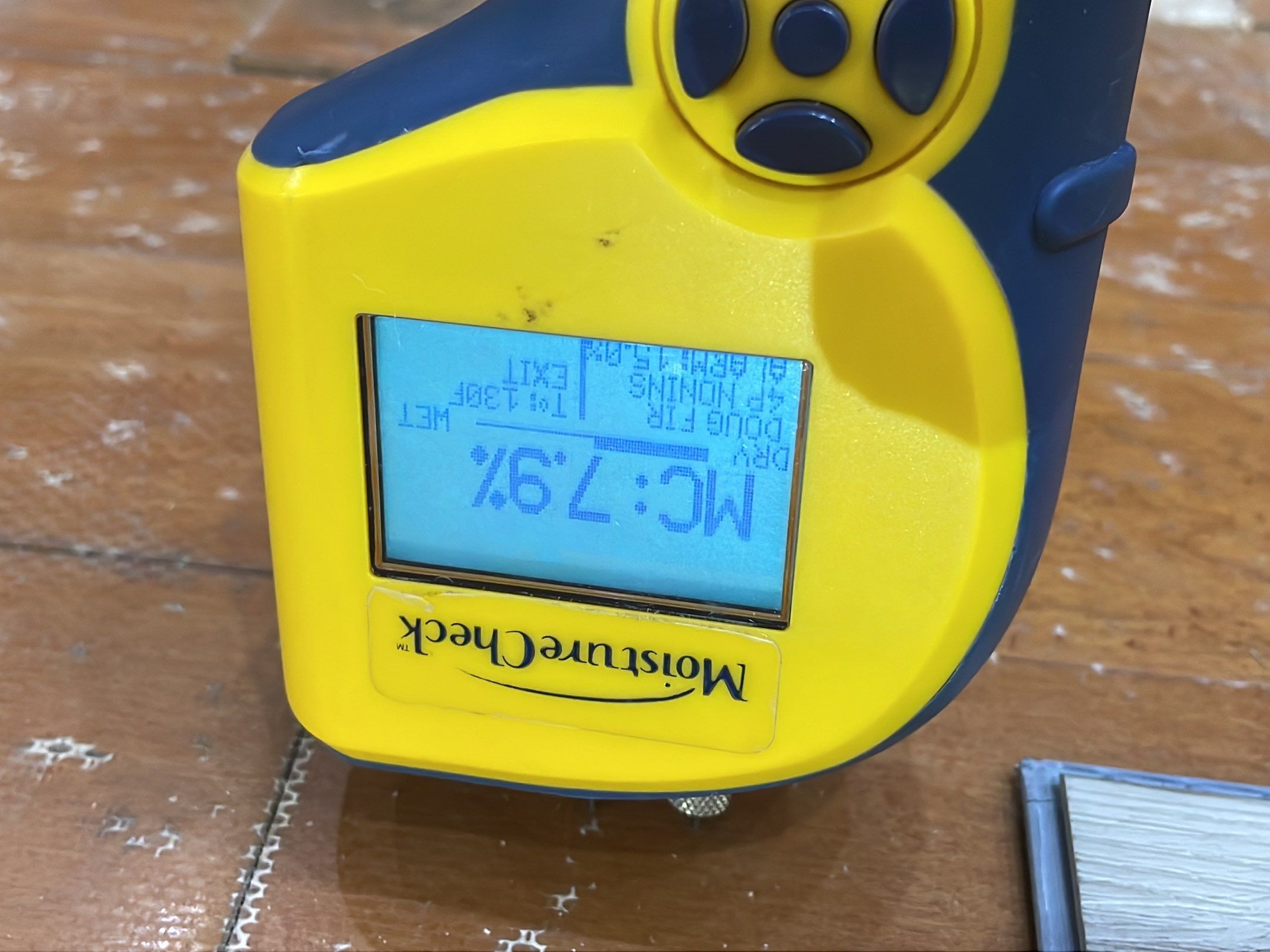
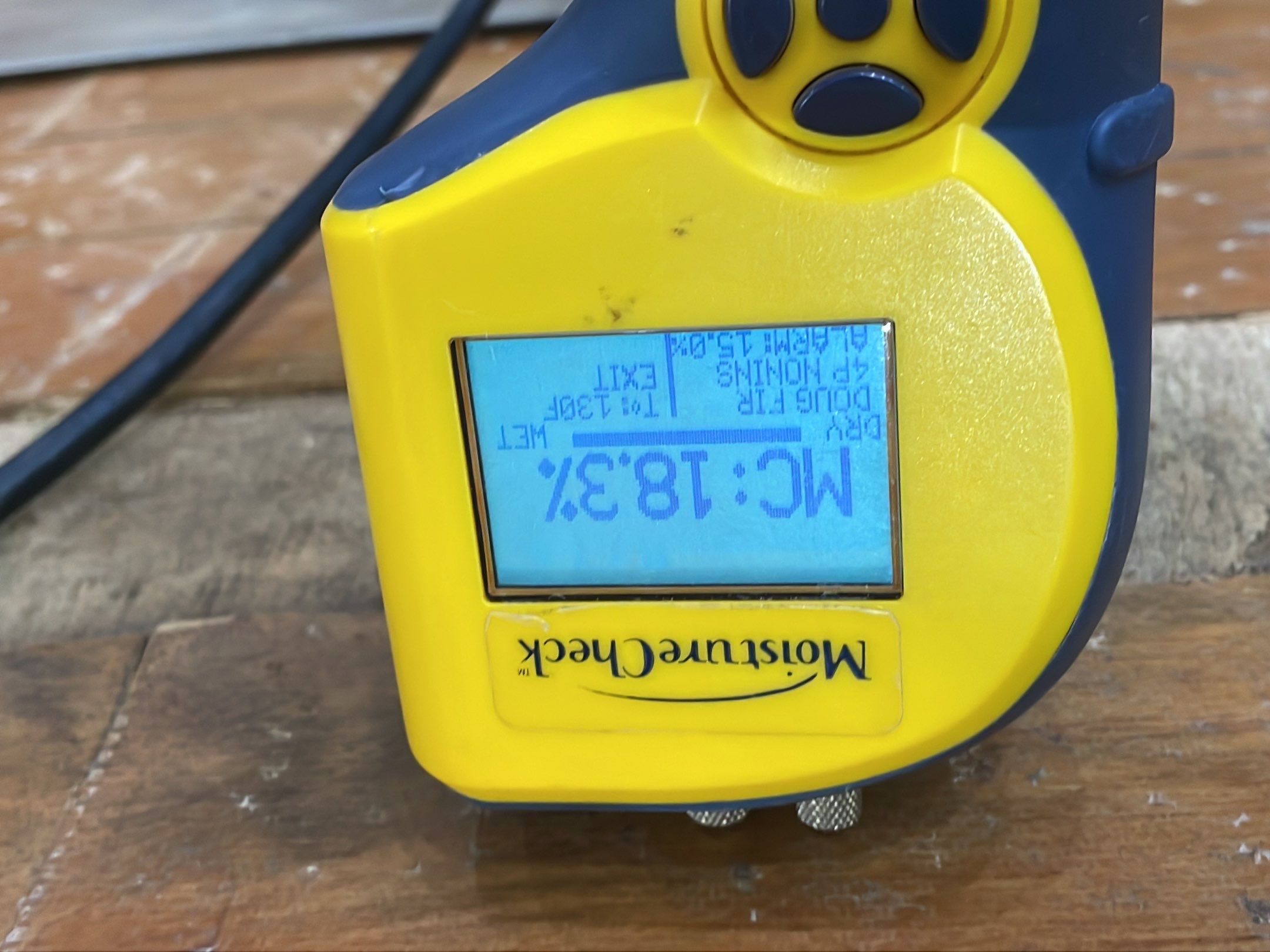
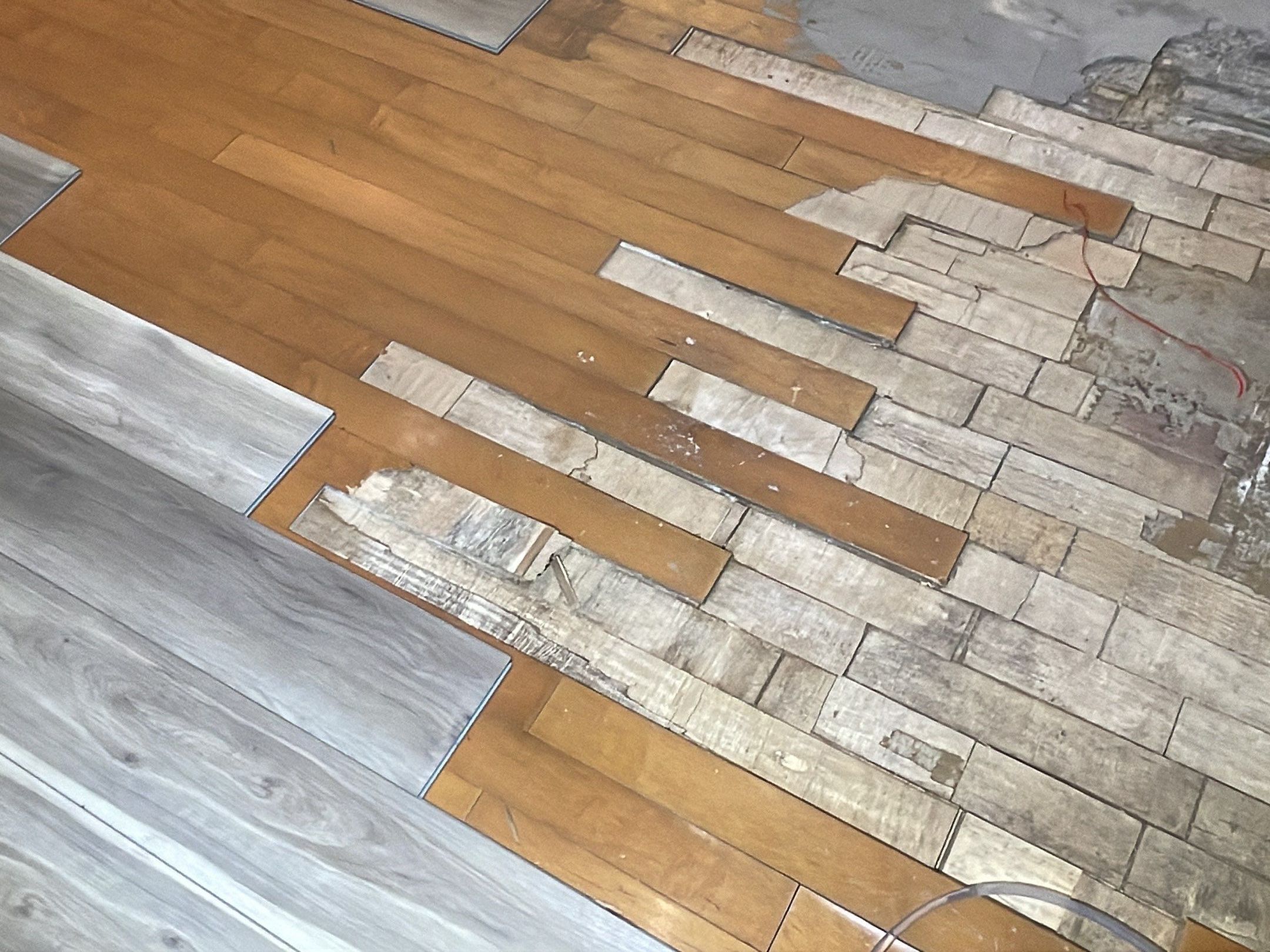
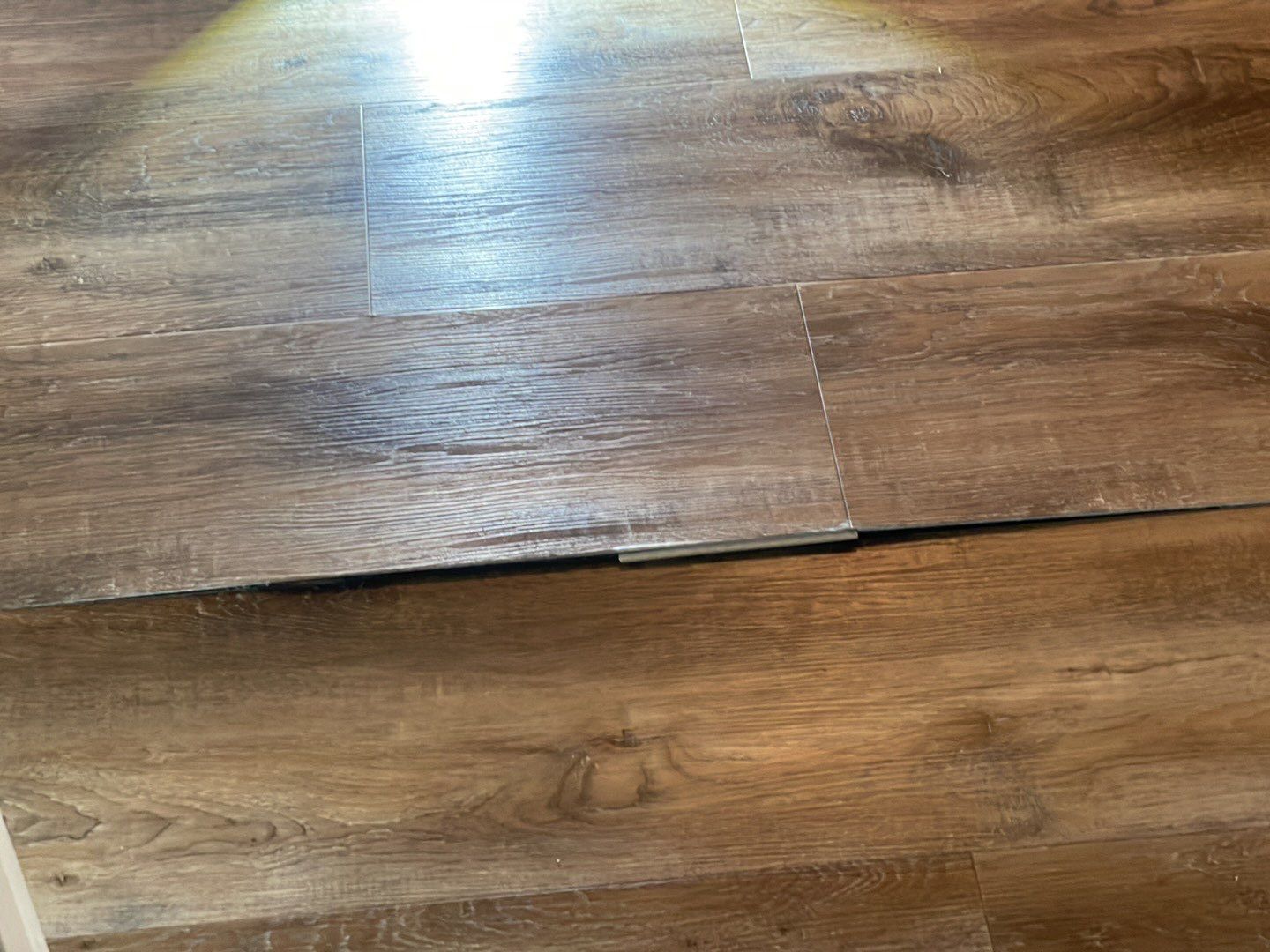
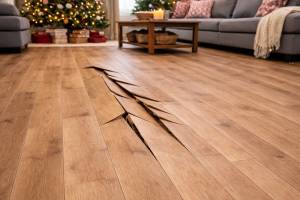
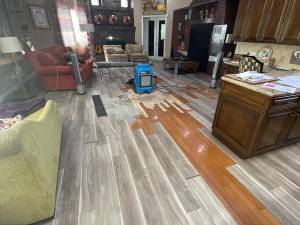
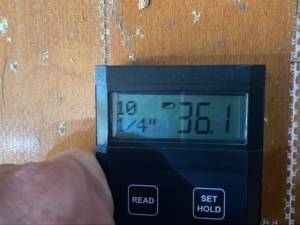
Buckling or upward deformation of resilient plank flooring may occur when vapor-resistant flooring systems are installed over wood substrates located on or adhered to concrete slabs. In these layered flooring assemblies, wood flooring, plywood underlayment, parquet, or other wood-based materials are positioned between the finished resilient flooring and the concrete substrate. Because wood is hygroscopic, it absorbs and releases moisture in response to environmental and substrate conditions. When a relatively vapor-resistant flooring system such as LVT, LVP, SPC, or WPC is installed above the wood layer, upward drying potential may become significantly reduced. Moisture accumulation within the underlying wood substrate may then contribute to dimensional expansion, swelling, distortion, or compressive stress within the flooring assembly. As expansion pressure increases, the resilient flooring system above may buckle, tent, lift, or deform. The visible movement often reflects interaction within the layered floor assembly rather than isolated behavior of the finished flooring surface alone. Proper evaluation requires correlation of substrate configuration, moisture conditions, layered construction, movement patterns, and flooring-system interaction before conclusions are formed. See also Buckling Resilient Flooring, Gaps Resilient Plank, and LVT and SPC Floor Problems for broader context.
Chair-Caster Damage (LVT/SPC Flooring)
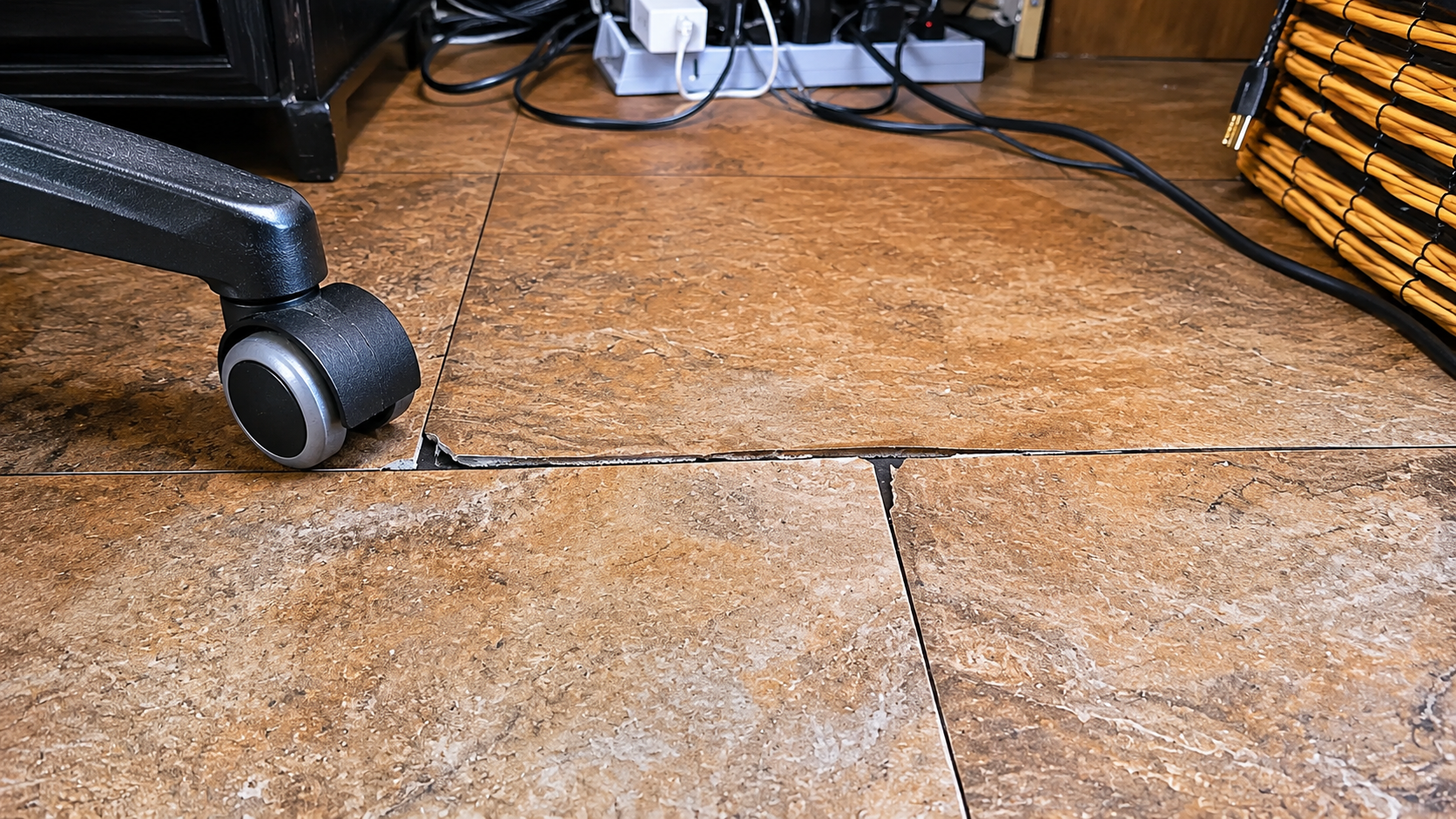
LVT and SPC Floor Problems
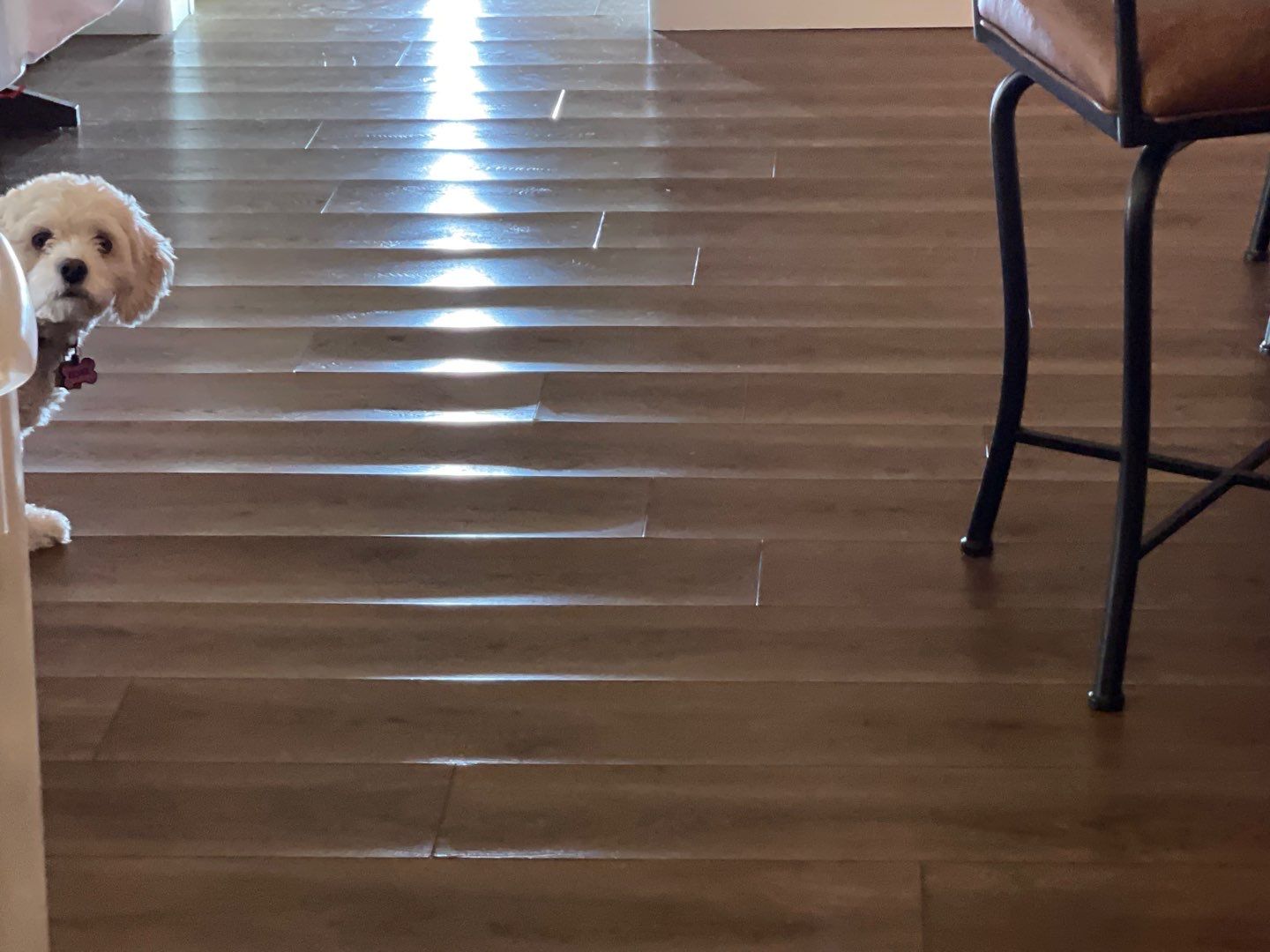
Cross-Machine Direction (Width) Shading / Texture Variation (Resilient Sheet Vinyl)
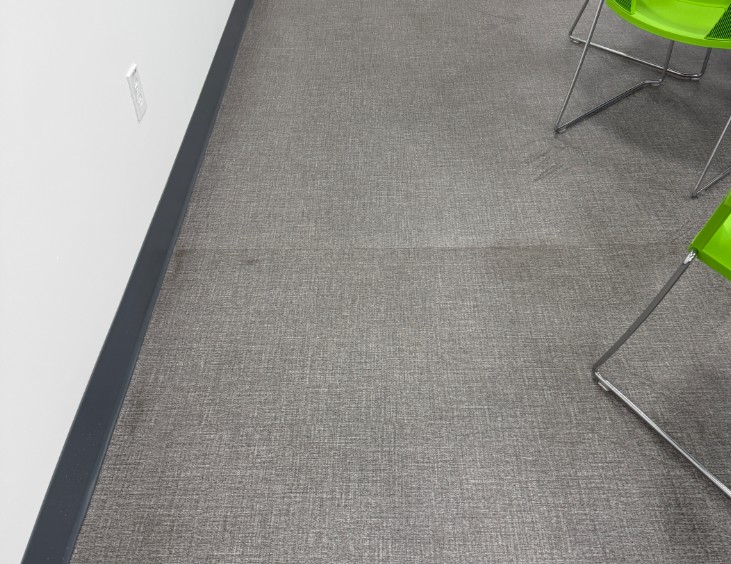
Sheet Shrinkage / Seam Opening (Resilient Sheet Flooring)
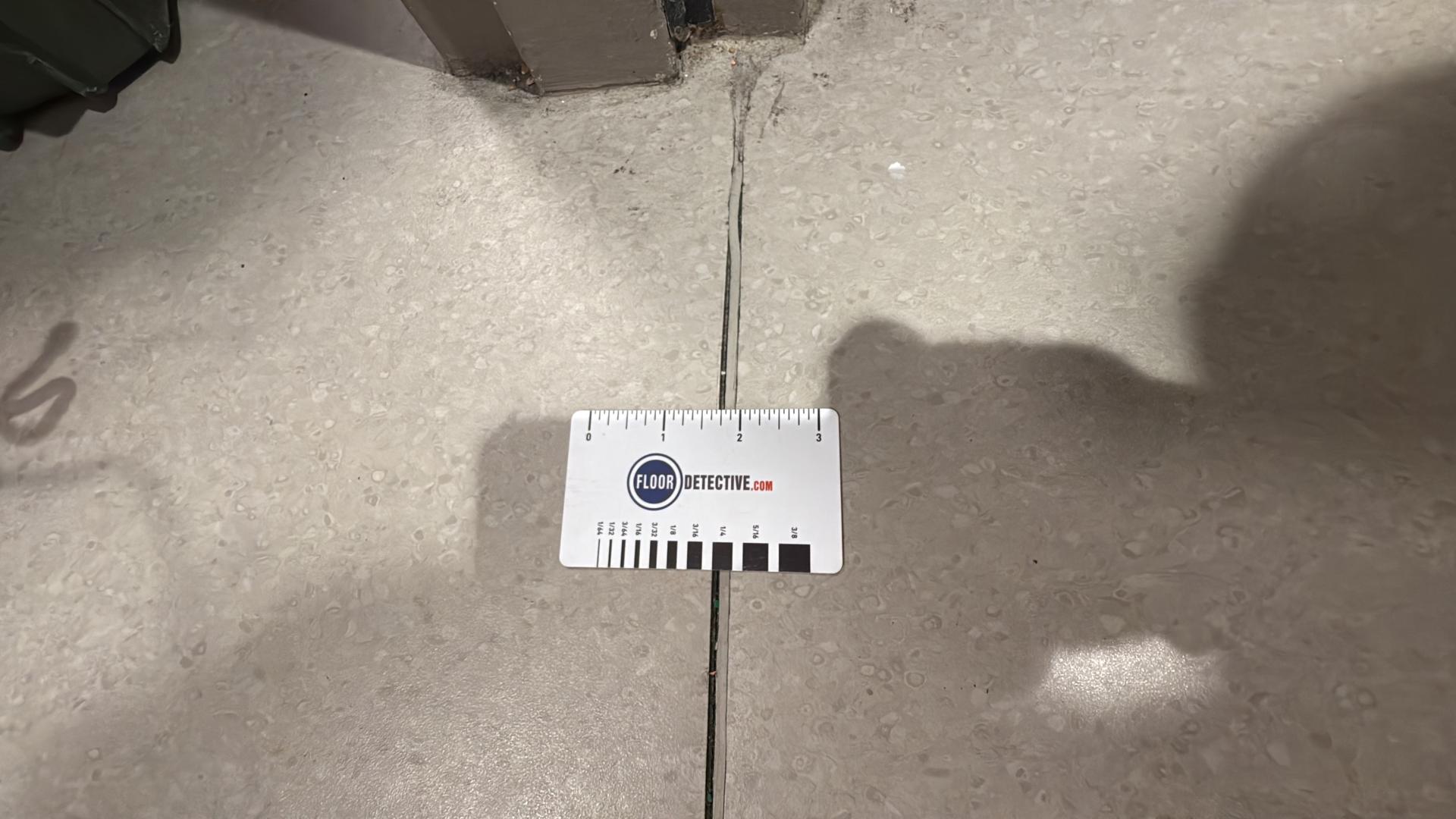
Heat Weld Seam Failure (Resilient Sheet Flooring)
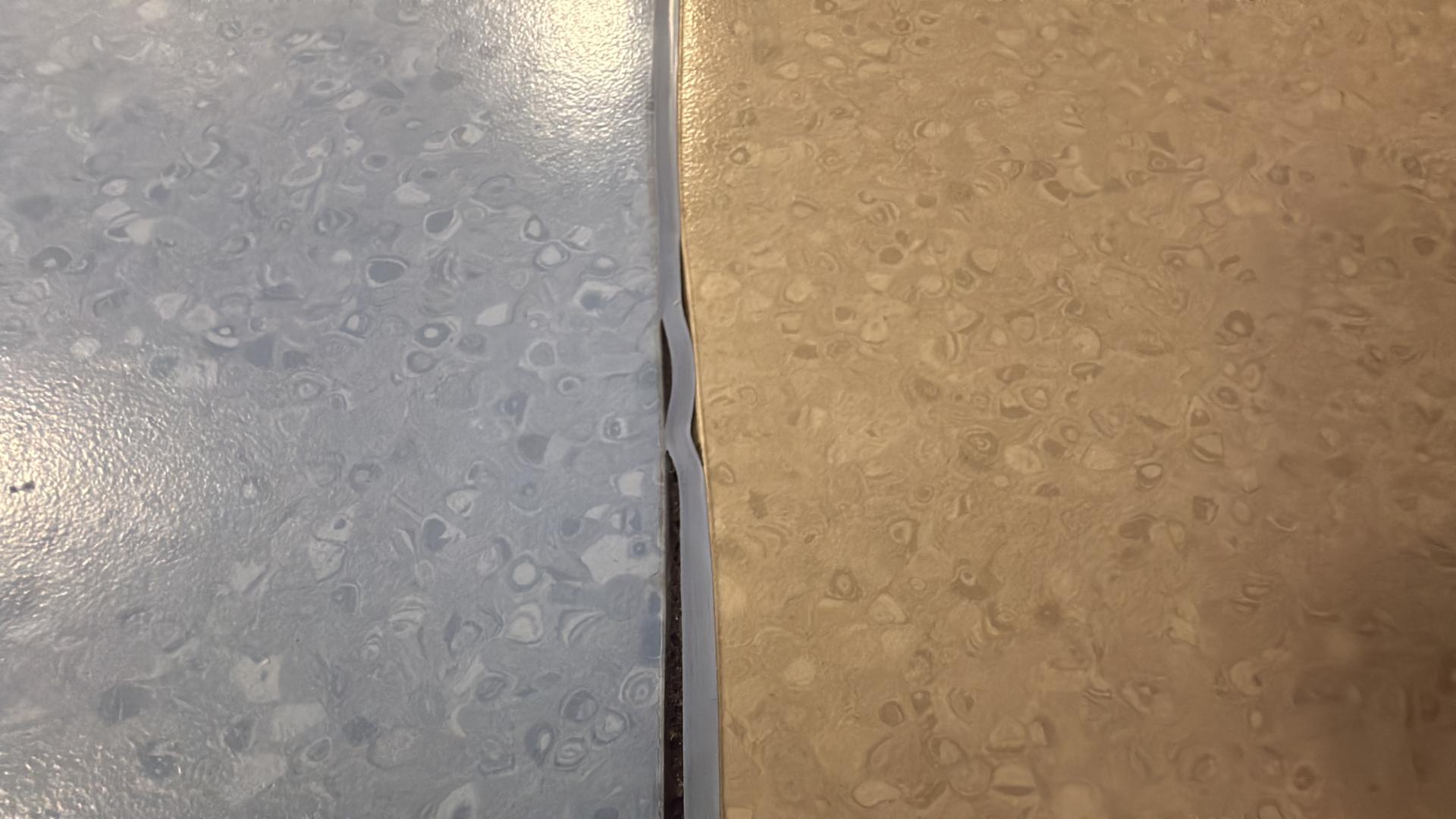
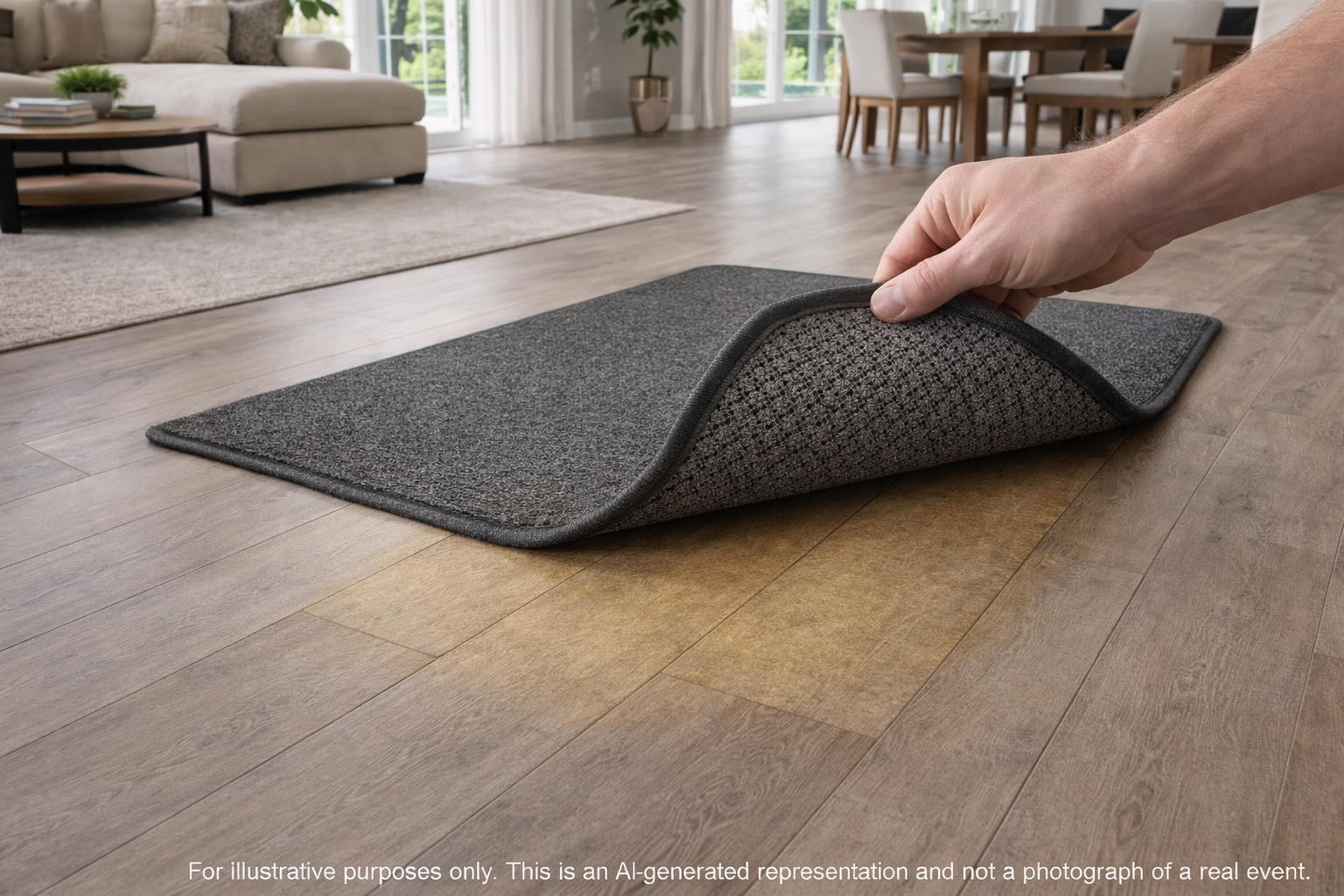
Yellowing / Discoloration (LVP / SPC / WPC)
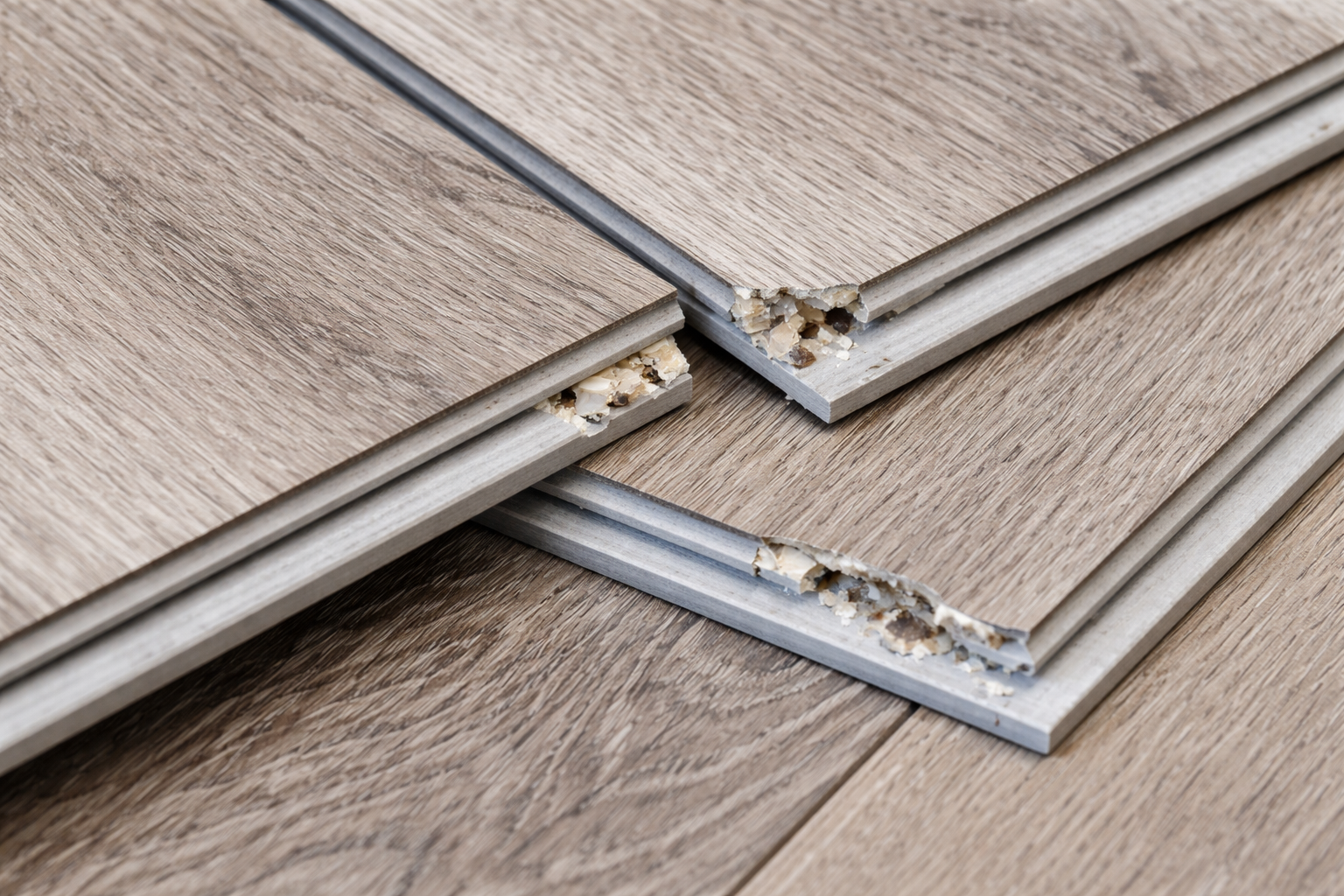
Broken Locking Profiles / Mechanical Joint Compromise (Resilient Plank)
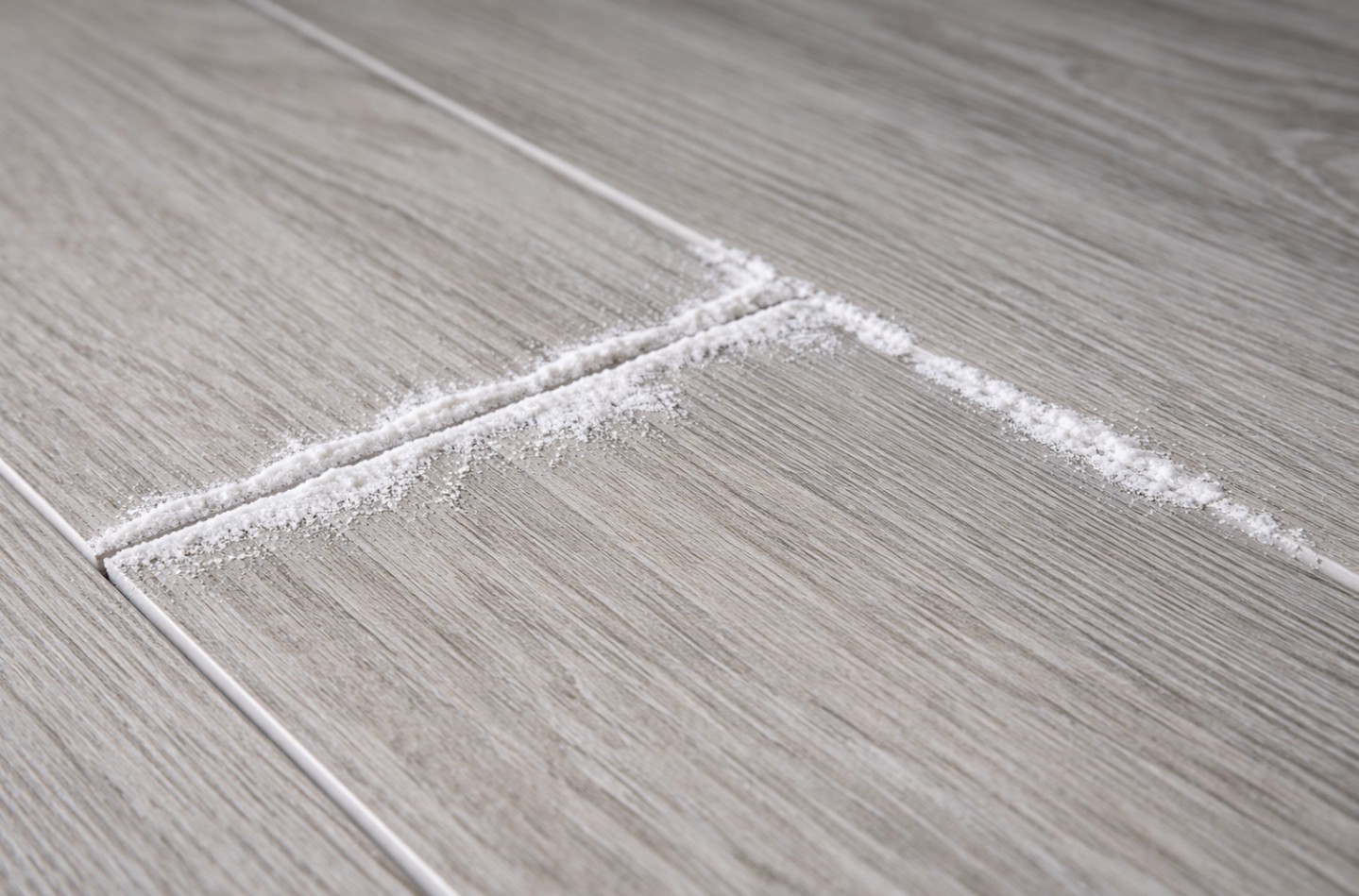
Efflorescence-Like Mineral Migration at LVT/SPC Joints
Blistering / Surface Blisters (SPC Flooring)

Cracking Over Existing Substrates (LVT)
