Limestone Used in Wet Areas

Limestone Used in Wet Areas
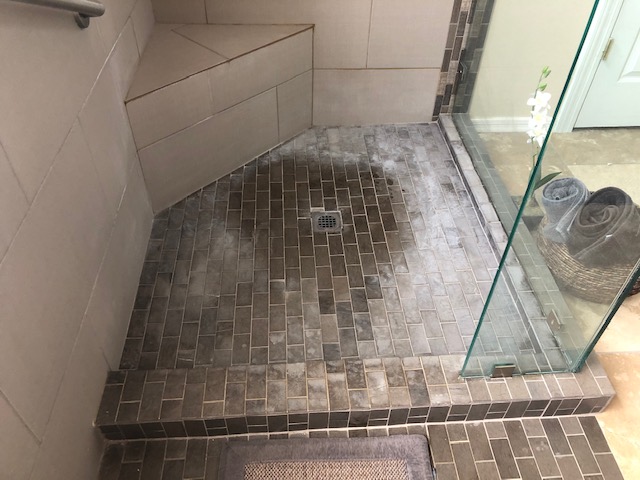
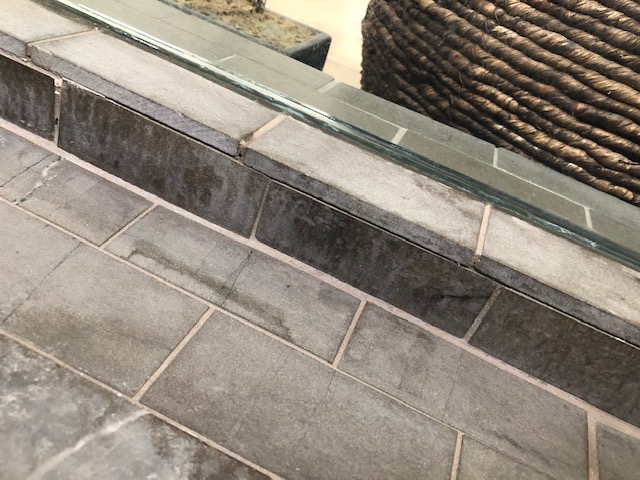
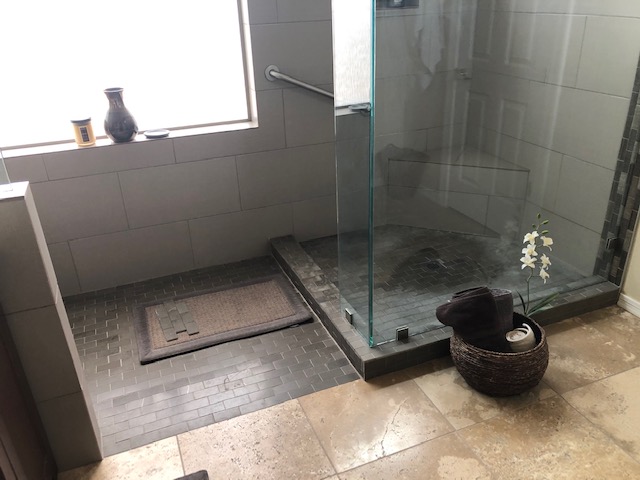
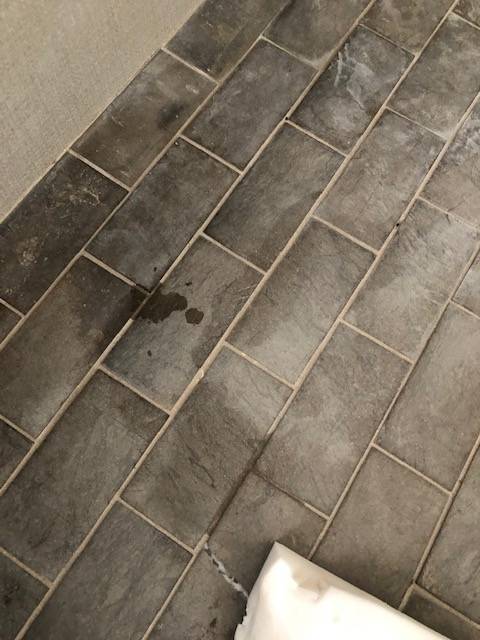
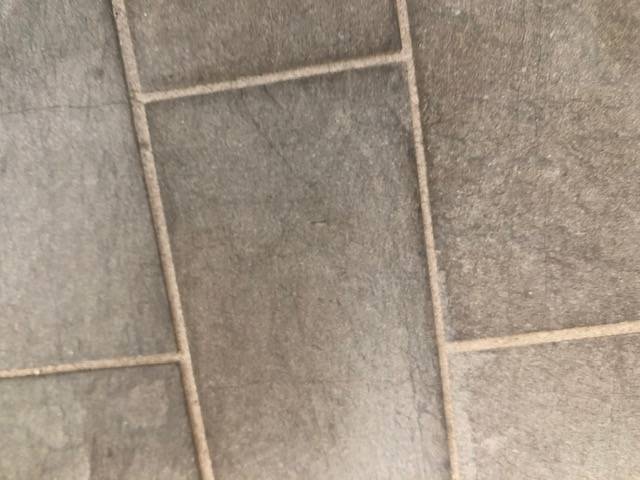
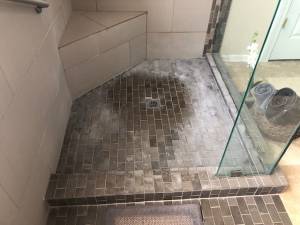
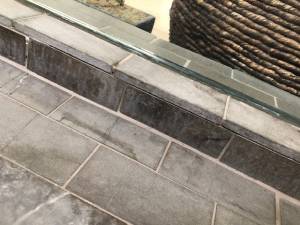
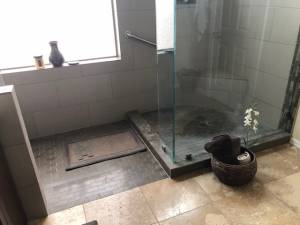
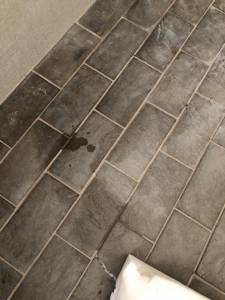
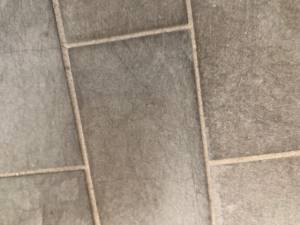
Limestone deterioration and mineral staining in wet shower environment
IMG_3624
IMG_3619
IMG_3632
IMG_3623
Limestone deterioration and mineral staining in wet shower environment IMG_3624 IMG_3619 IMG_3632 IMG_3623

Limestone Use in Wet Areas (Stone)

Floor Detective® Claims and Conditions Guide

Summary

Limestone installed in wet environments may exhibit staining, surface erosion, dulling, pitting, spalling, mineral discoloration, or gradual material deterioration over time. These conditions are commonly influenced by the inherent properties of limestone itself, including porosity, mineral composition, moisture absorption behavior, and chemical sensitivity. Unlike denser stone materials, limestone more readily absorbs and transports moisture through the stone body during repeated wetting and drying cycles. Shower environments, steam exposure, cleaning chemicals, dissolved salts, and prolonged moisture retention may progressively influence the appearance and durability of the stone even when installation methods generally align with accepted industry practices. Proper evaluation focuses on how the stone responds to long-term wet exposure under service conditions rather than installation compliance alone. See also Moisture Issues, Travertine Tile Deterioration, and Tile and Stone Floor Problems for broader context.
Please subscribe to see all content

Wet Tile Slip Resistance and Surface Traction
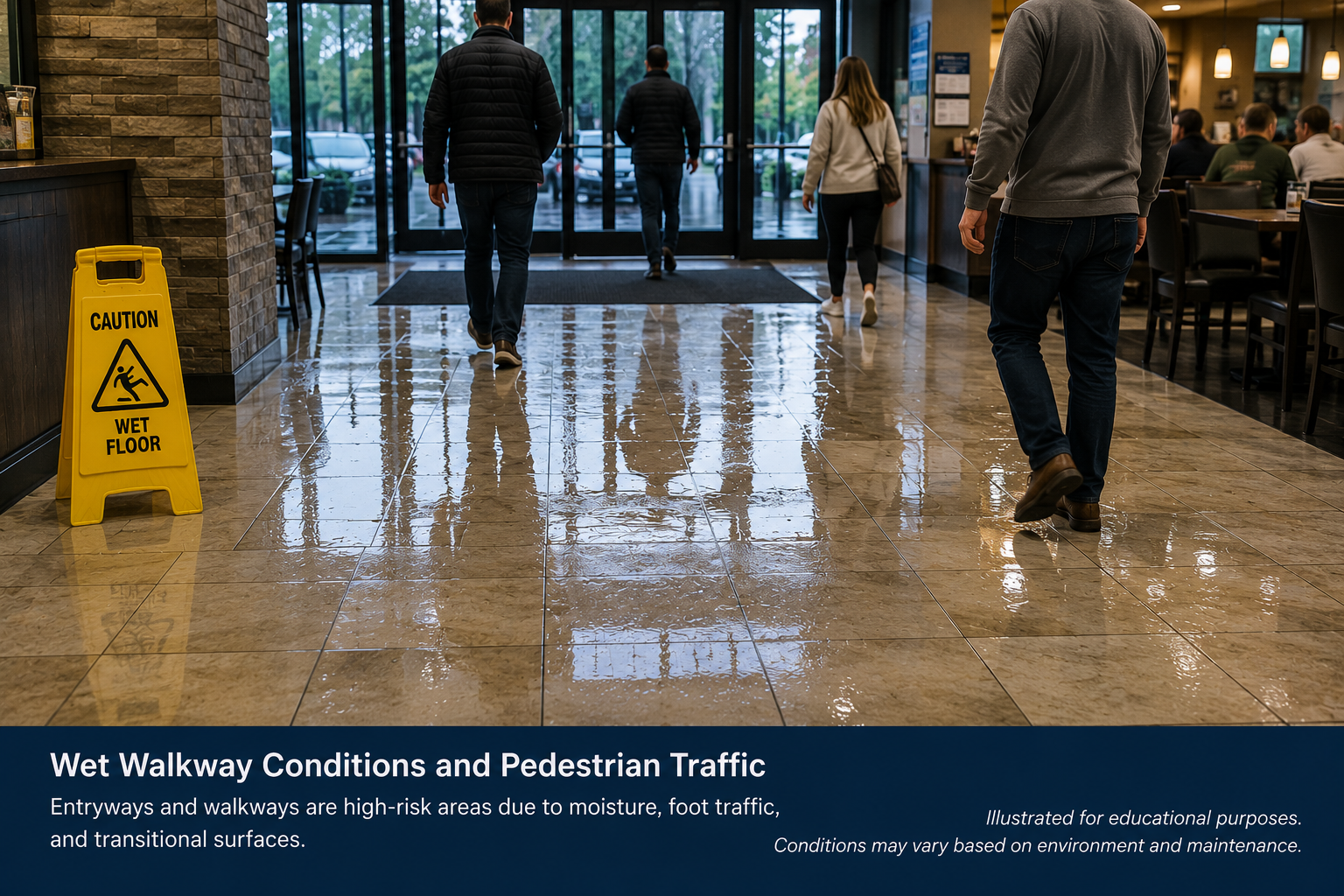
Wet tile slip resistance and surface traction are influenced by water exposure, contaminants, maintenance residue, and surface texture.
Read More
Wet Tile Slip Resistance and Surface Traction

Tile and Stone Floor Problems
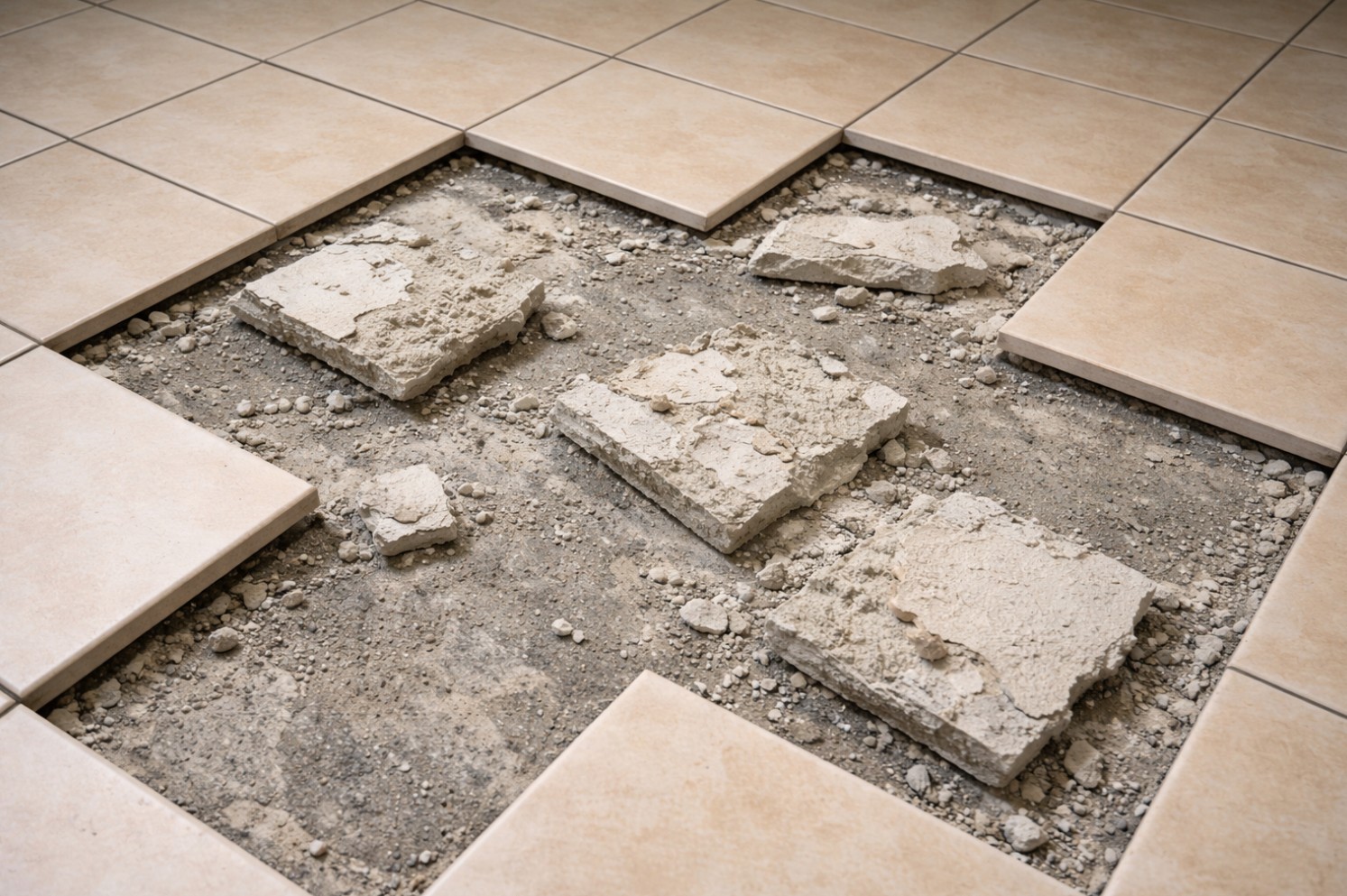
Tile and stone floor problems may involve cracking, lippage, bond loss, grout issues, moisture influence, or structural movement.
Read More
Tile and Stone Floor Problems

Tile Surface Cleaning and Residue Conditions (Overview)
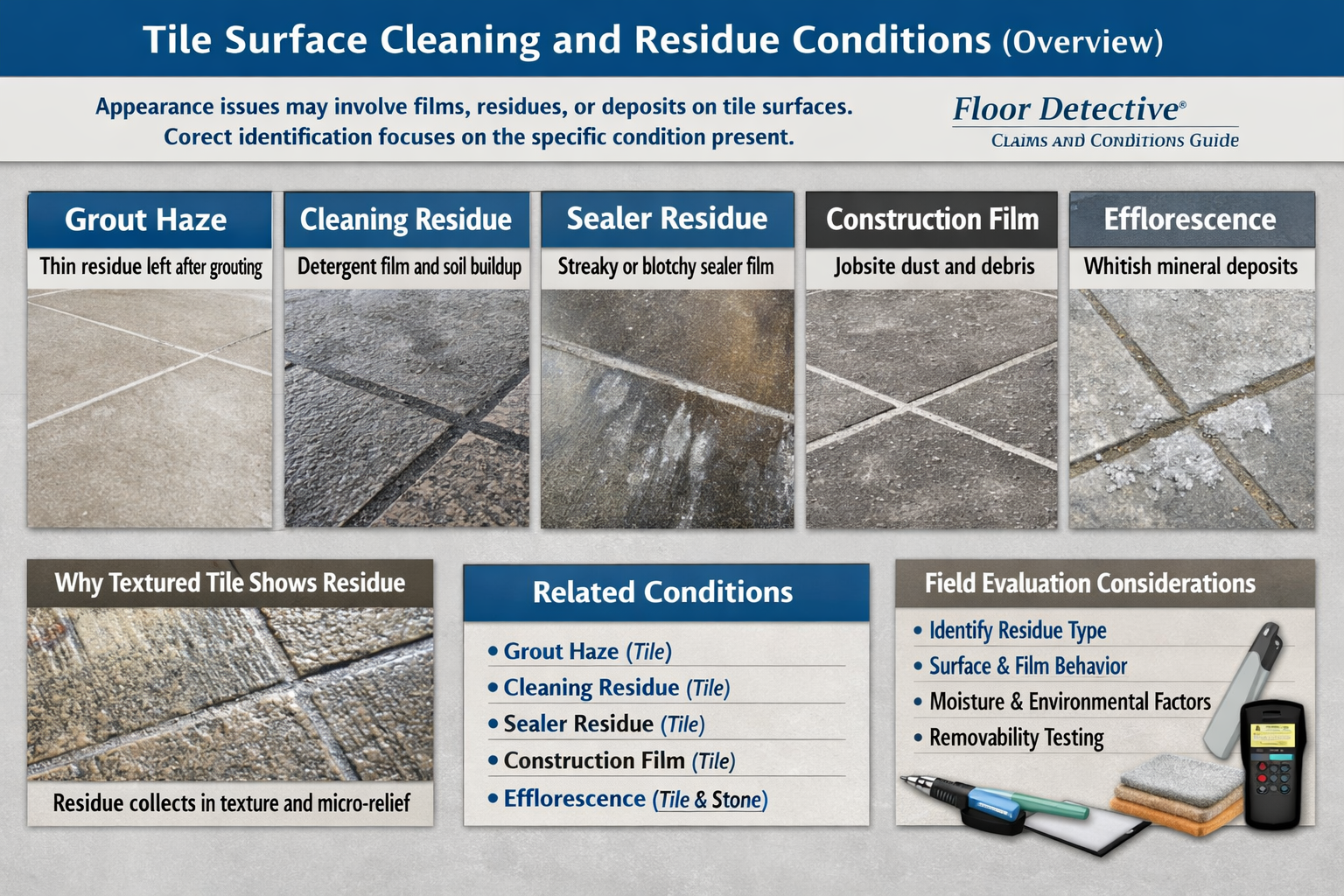
Tile surface residue conditions may involve grout haze, cleaning residue, sealer film, mineral deposits, or maintenance-related buildup.
Read More
Tile Surface Cleaning and Residue Conditions (Overview)

Surface Chipping (Ceramic Tile)
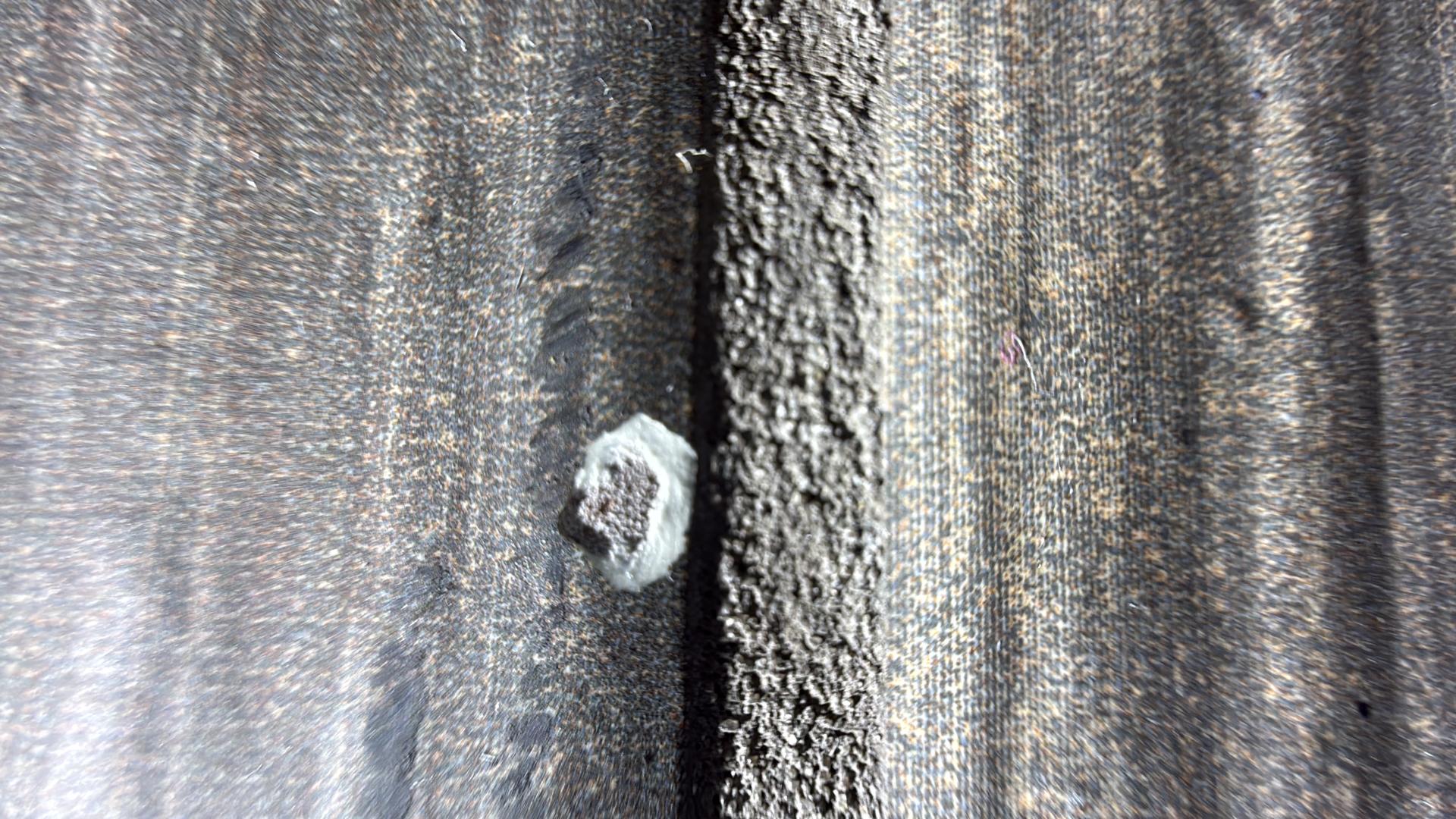
Surface chipping in ceramic tile involves localized glaze or surface loss caused by impact, contact stress, handling, or service conditions.
Read More
Surface Chipping (Ceramic Tile)

Grout Haze (Tile)
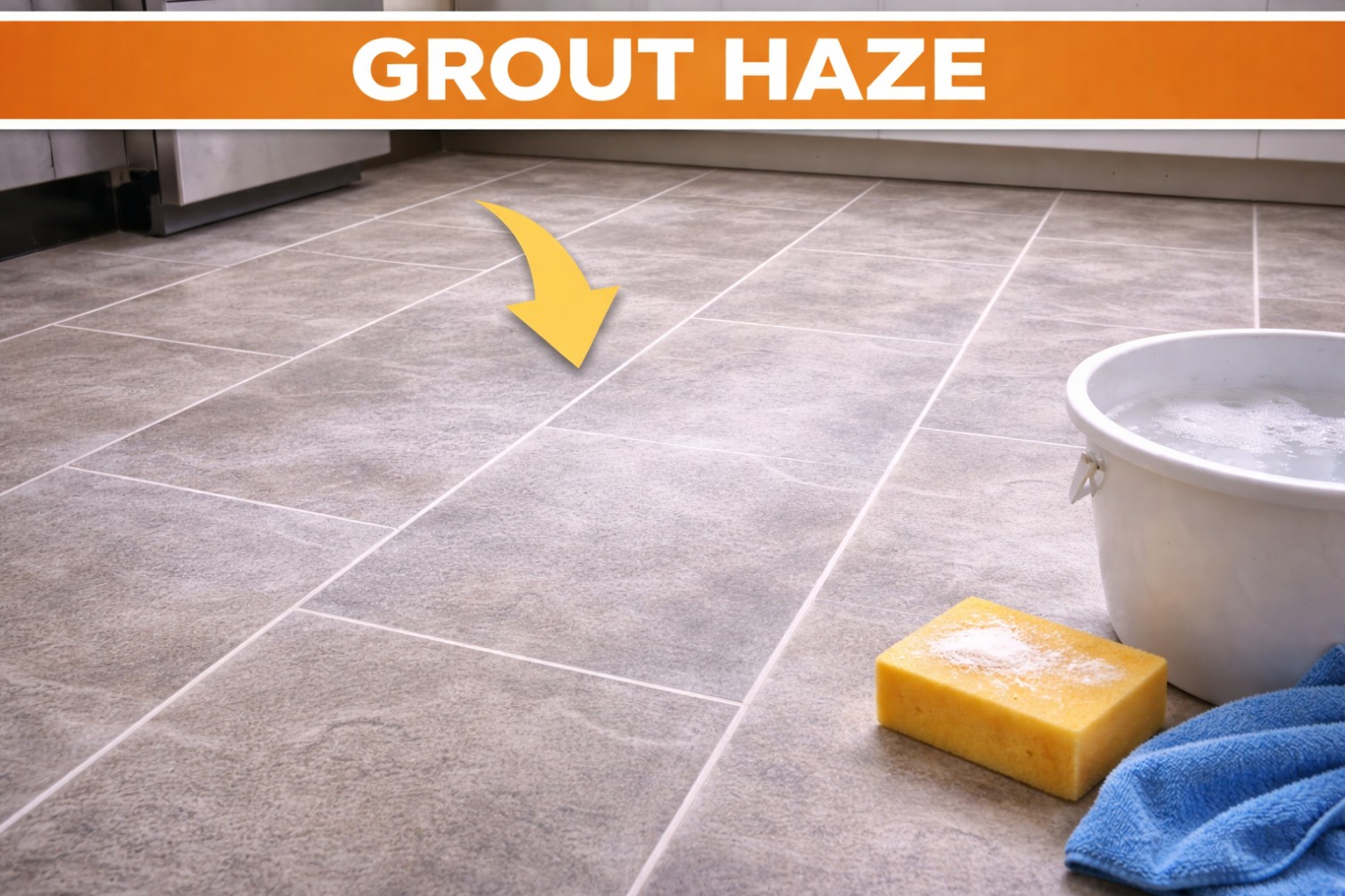
Grout haze on porcelain tile involves residual surface film caused by grout residue, tile texture, or installation conditions.
Read More
Grout Haze (Tile)

Cracked Corners

Cracked tile corners involve fractures caused by localized stress concentration, incomplete support, or movement within the tile assembly.
Read More
Cracked Corners

Outdoor Natural Stone Deterioration (Exterior Stone)

Outdoor natural stone deterioration may involve spalling, flaking, erosion, salt crystallization, and weather-related surface damage.
Read More
Outdoor Natural Stone Deterioration (Exterior Stone)

Grout – Pin Holes

Pin holes in grout joints involve small surface voids caused by grout consolidation, curing, or installation conditions.
Read More
Grout – Pin Holes

Saltillo Tile Lime Pops

Lime pops in Saltillo tile are localized surface disruptions caused by moisture-related expansion of lime-bearing particles within porous clay tile.
Read More
Saltillo Tile Lime Pops

Travertine Tile Properties

Travertine tile is a porous natural stone affected by moisture exposure, etching, wear, filler loss, and environmental conditions.
Read More
Travertine Tile Properties