
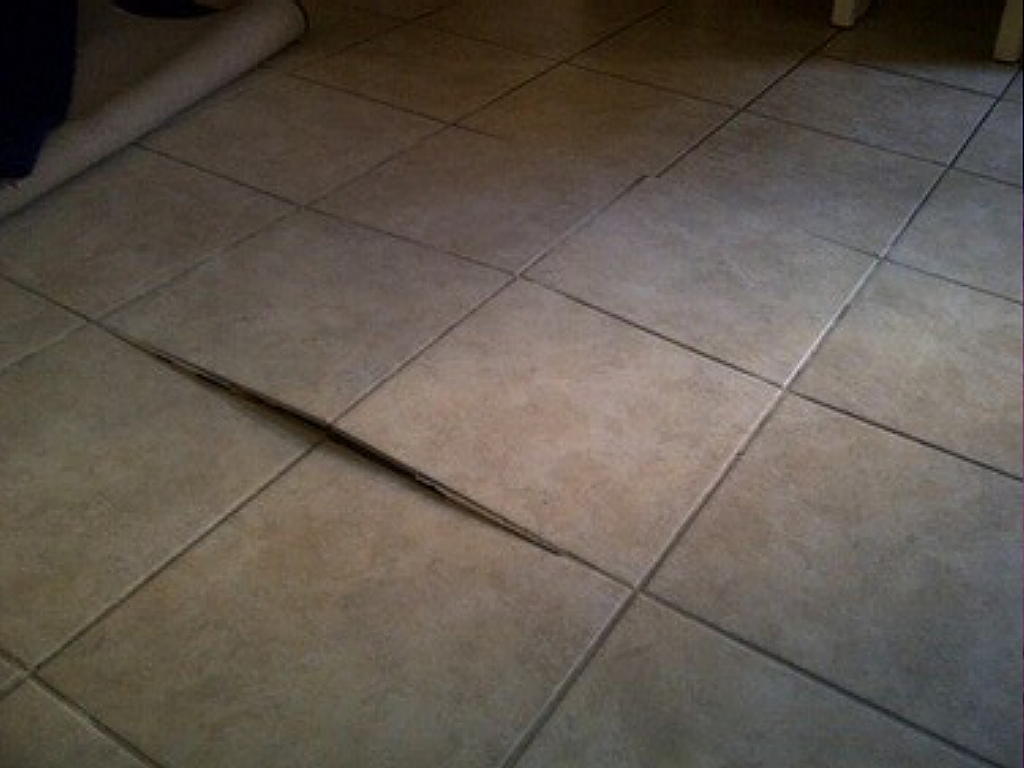
Kiln Release Marks

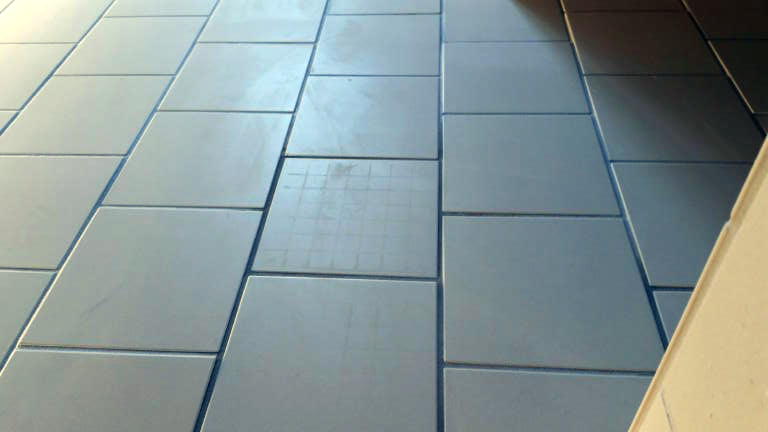
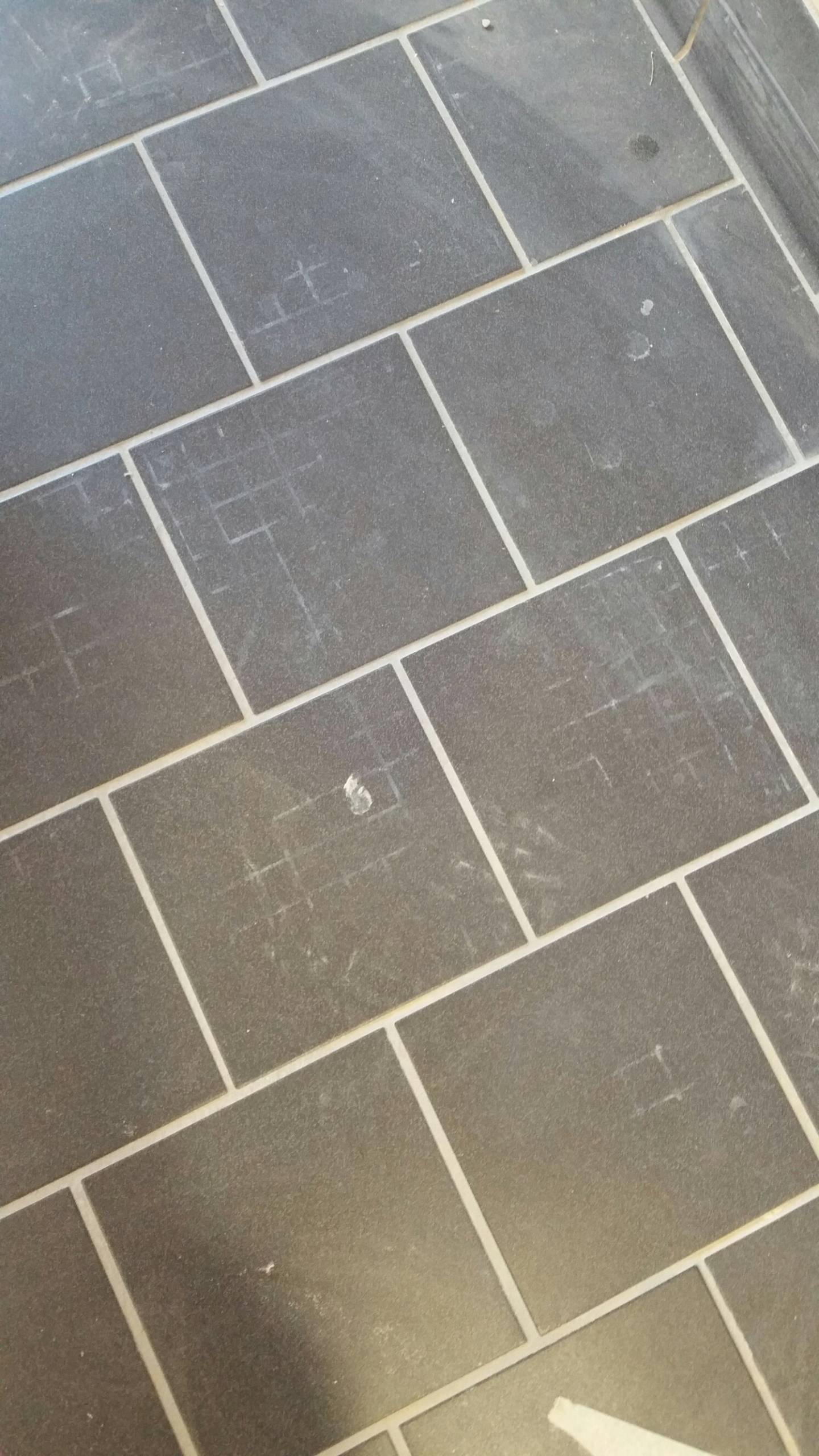
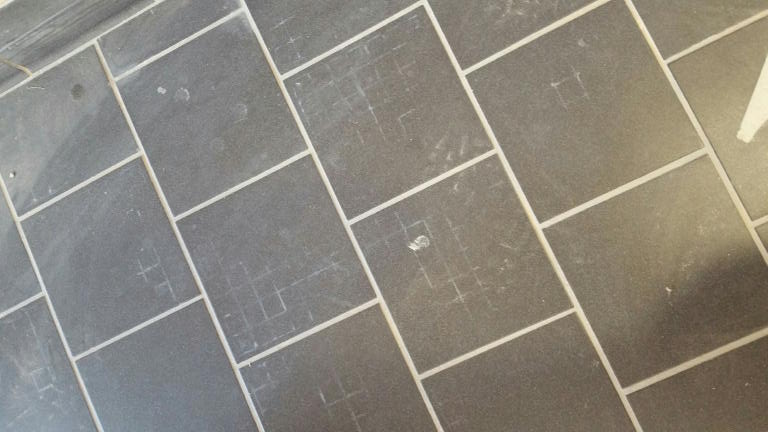
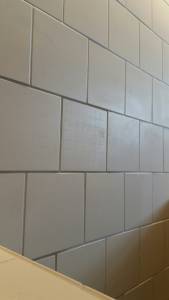
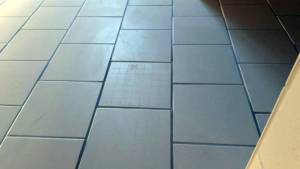
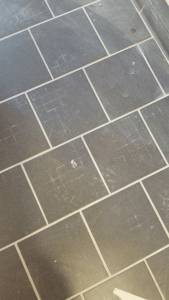
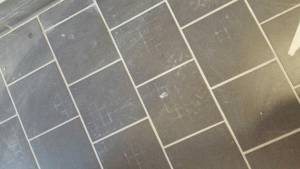
Kiln Release Marks (Tile)
Floor Detective® Claims and Conditions Guide
Summary
Kiln release marks are a tile surface appearance condition in which faint grid patterns, hazy impressions, or repeating residue become visible on the face of kiln-fired tile products. The condition is most commonly associated with porcelain tile and typically relates to manufacturing, packaging, storage, or transportation processes rather than installation workmanship. In many cases, the visible pattern corresponds with the backing geometry of adjacent tiles stacked within cartons or pallets. Visibility commonly varies depending on lighting angle, tile finish, moisture exposure, and surface reflectivity. Some kiln release marks involve removable surface residue, while others may involve material embedded within the tile surface or permanent alteration of surface reflectivity. Proper evaluation requires correlation of surface pattern geometry, tile finish characteristics, carton distribution, and cleaning response before conclusions are formed. See also Grout Haze (Porcelain Tile), Surface Defects, and Tile and Stone Floor Problems for broader context.

Wet Tile Slip Resistance and Surface Traction

Tile and Stone Floor Problems
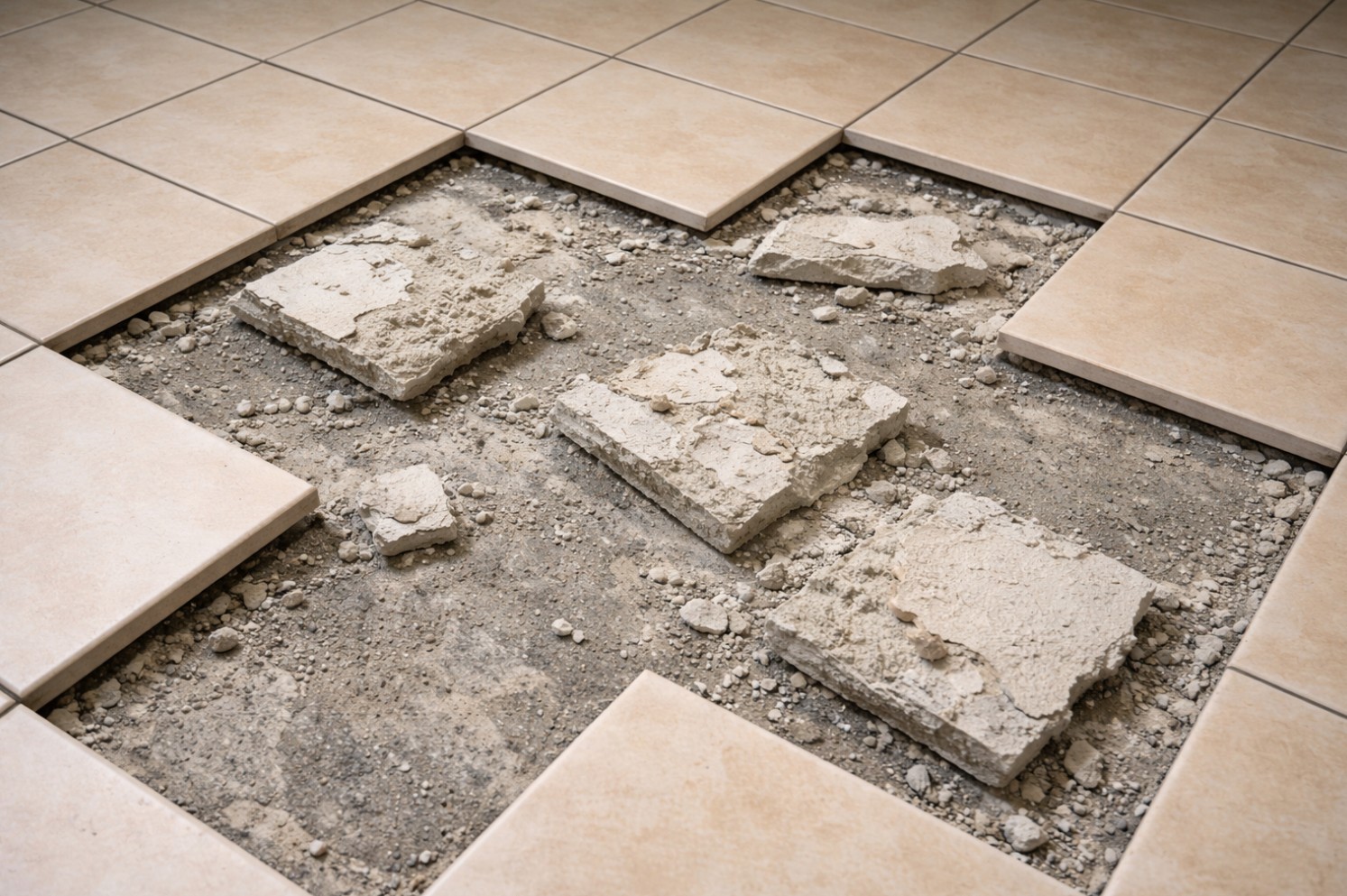
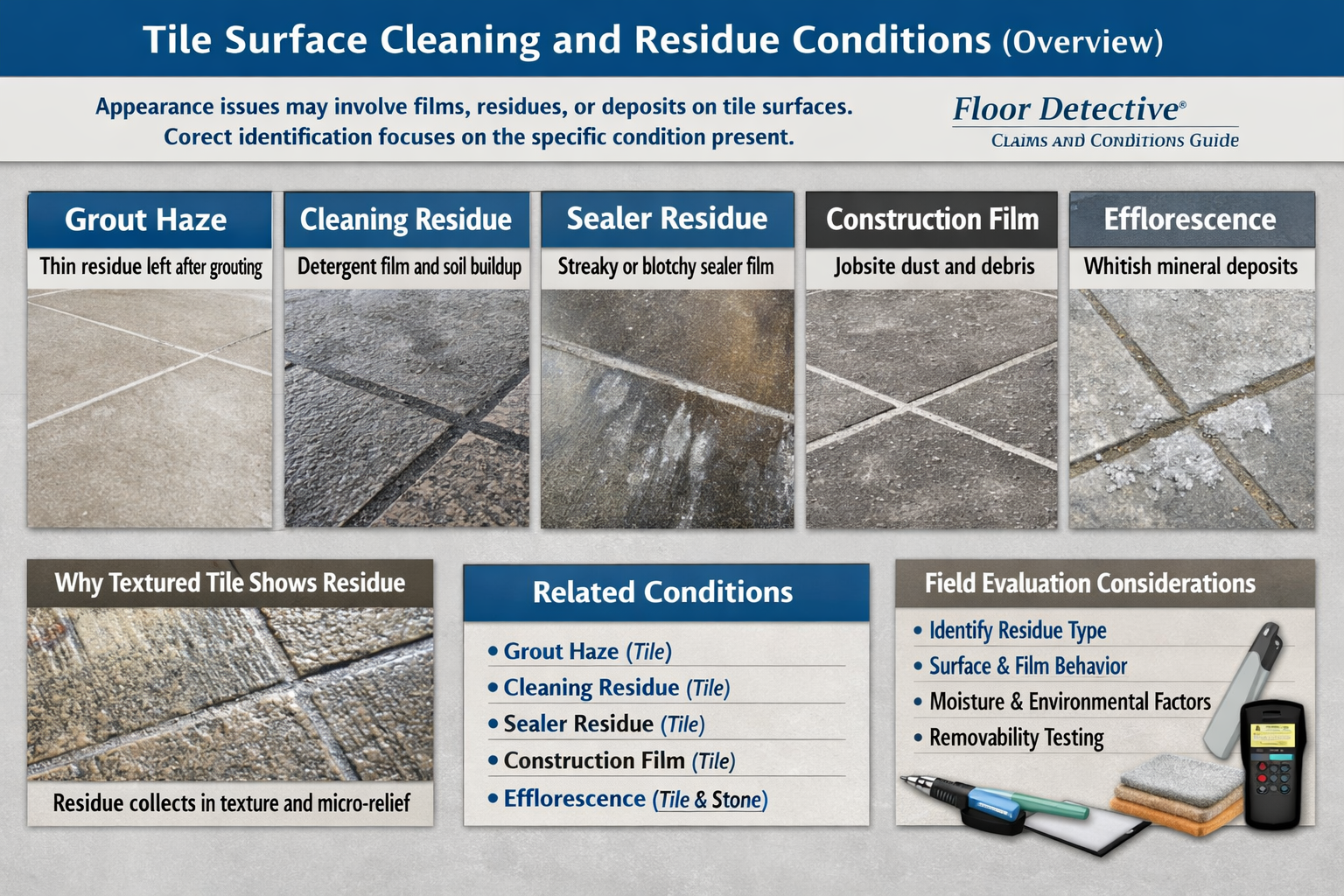
Tile Surface Cleaning and Residue Conditions (Overview)
Surface Chipping (Ceramic Tile)
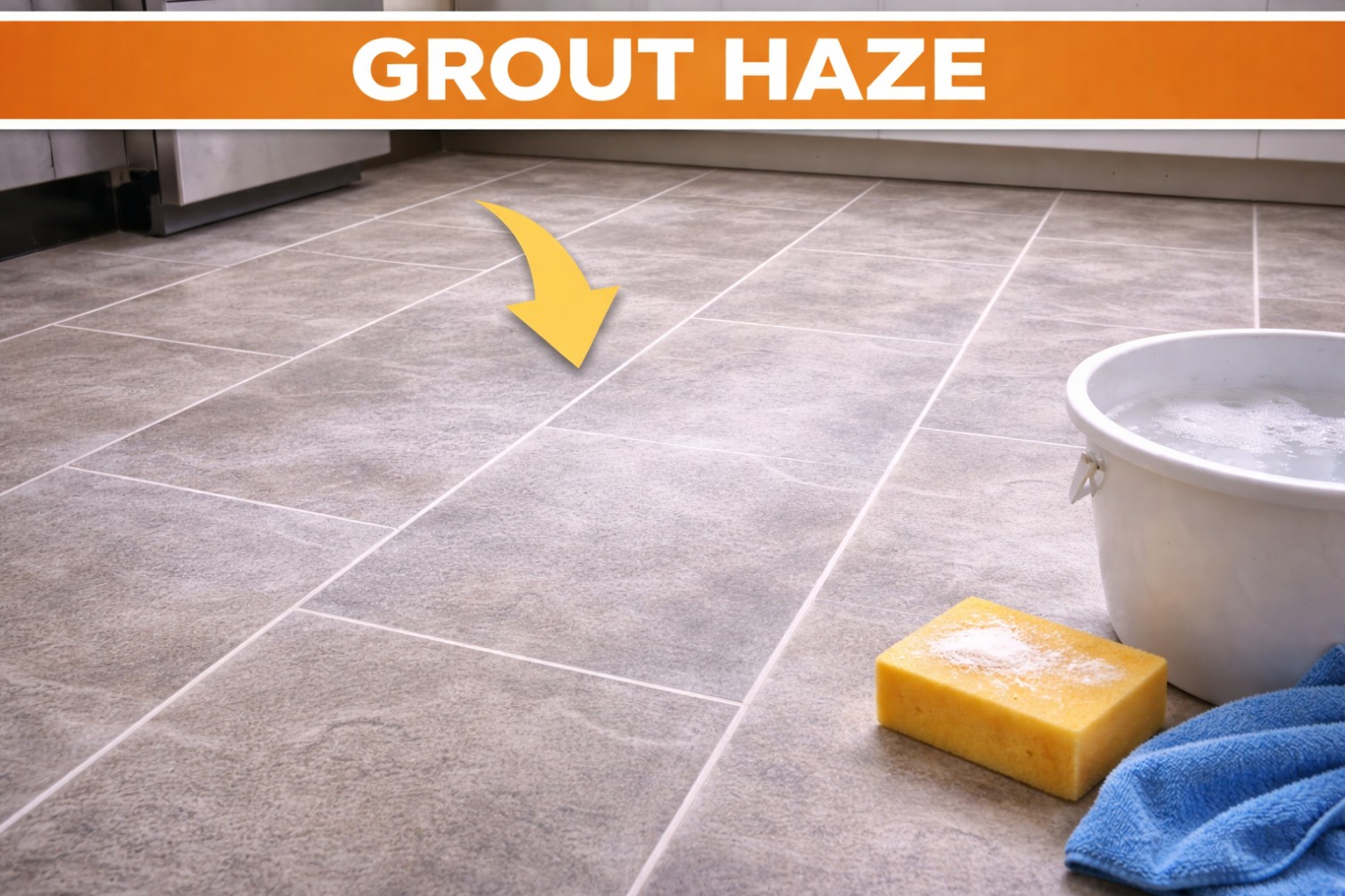
Grout Haze (Tile)
Cracked Corners

Outdoor Natural Stone Deterioration (Exterior Stone)

Grout – Pin Holes

Saltillo Tile Lime Pops

Travertine Tile Properties
