Contamination of Textured Grain
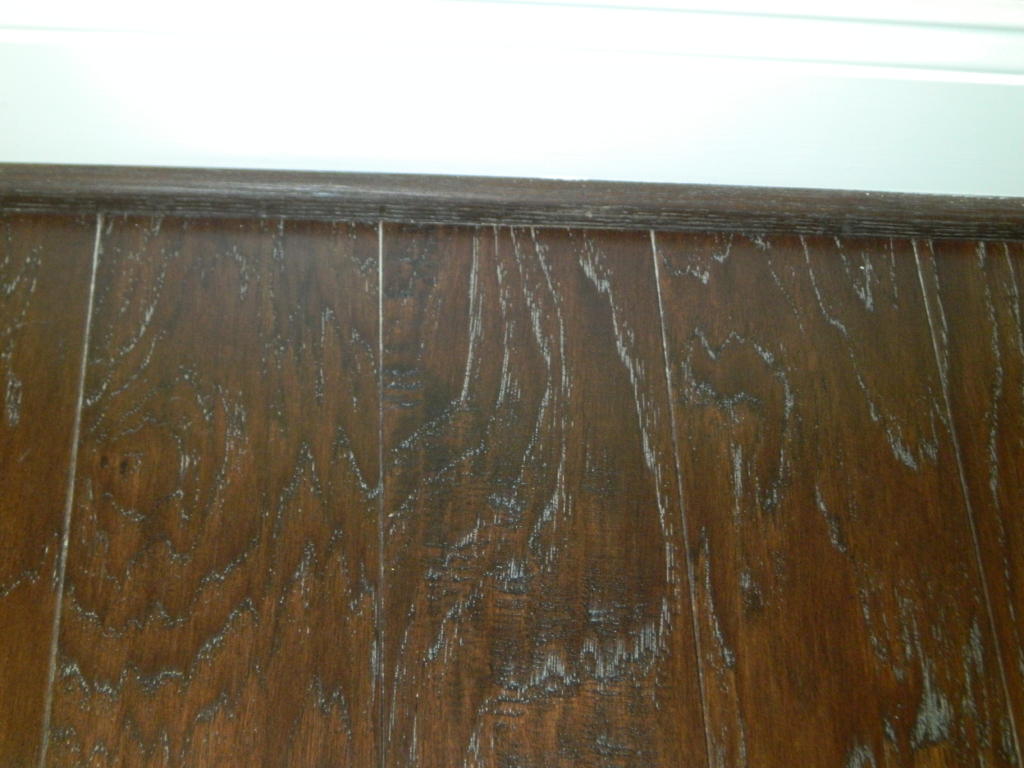
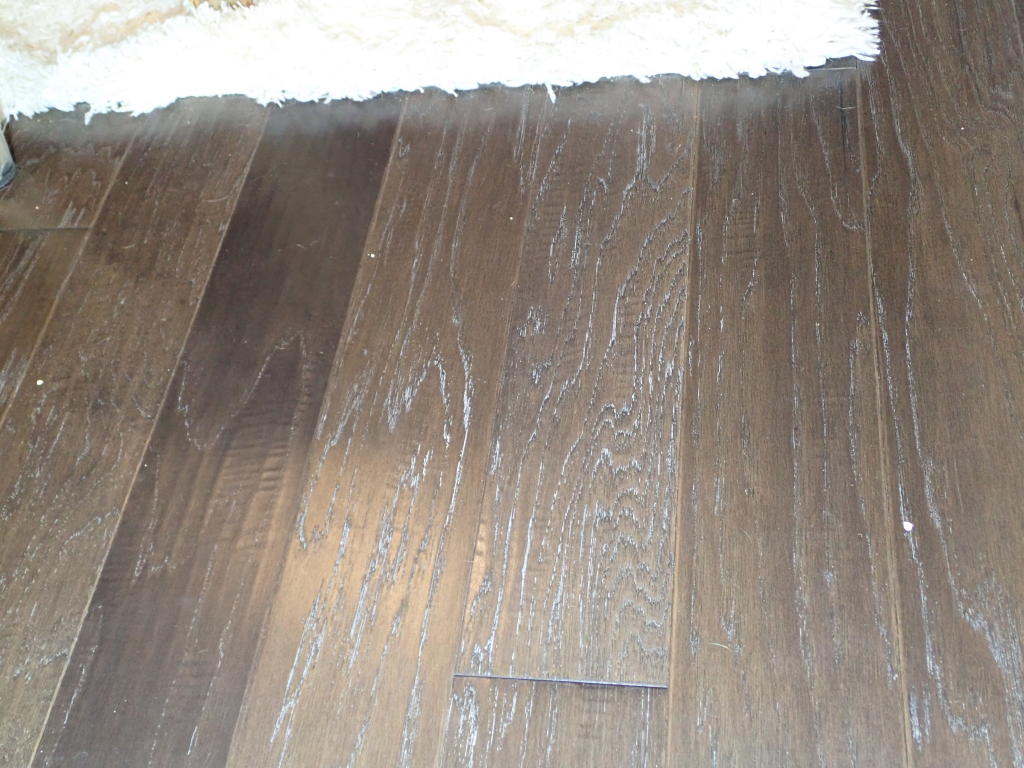
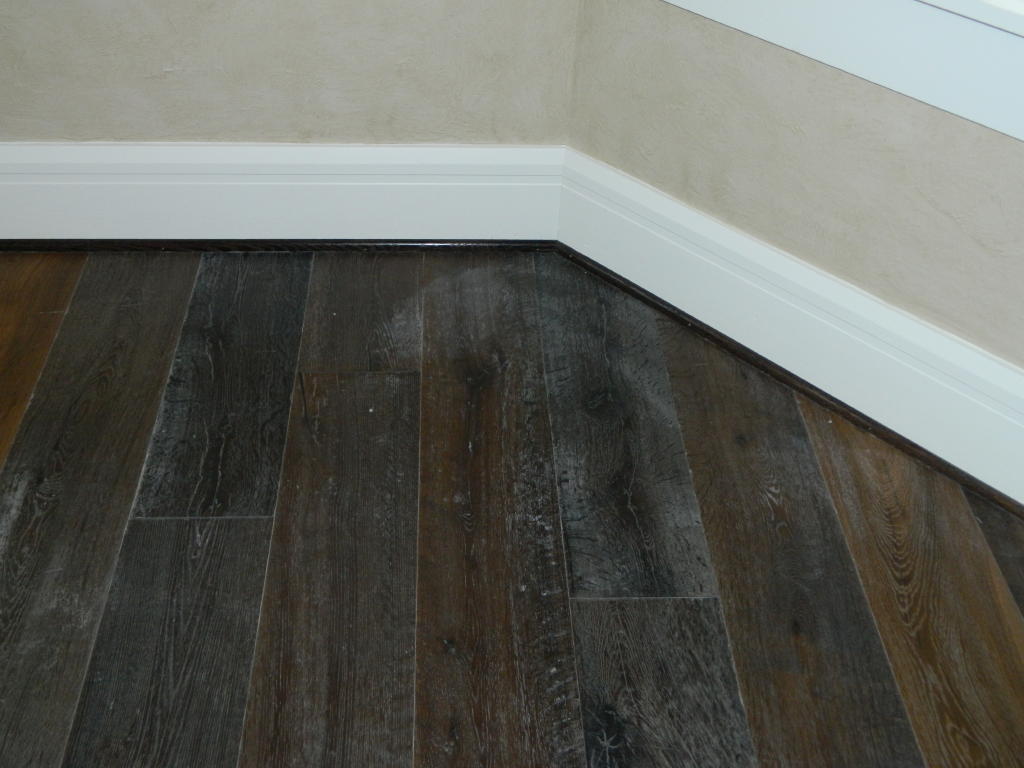
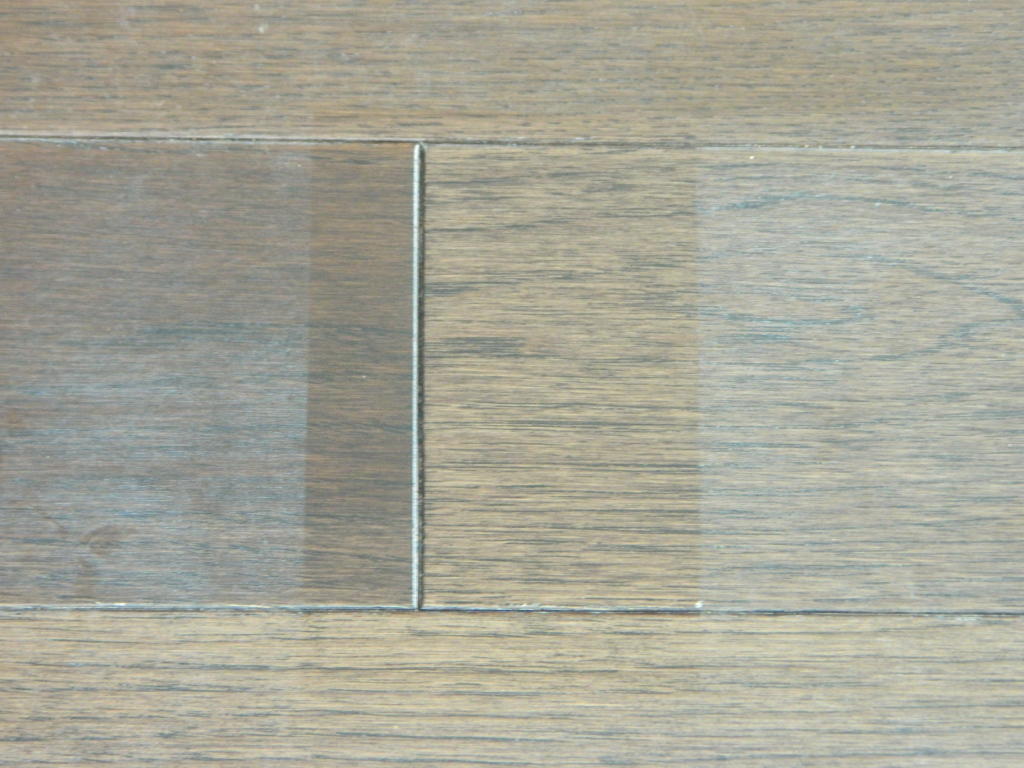
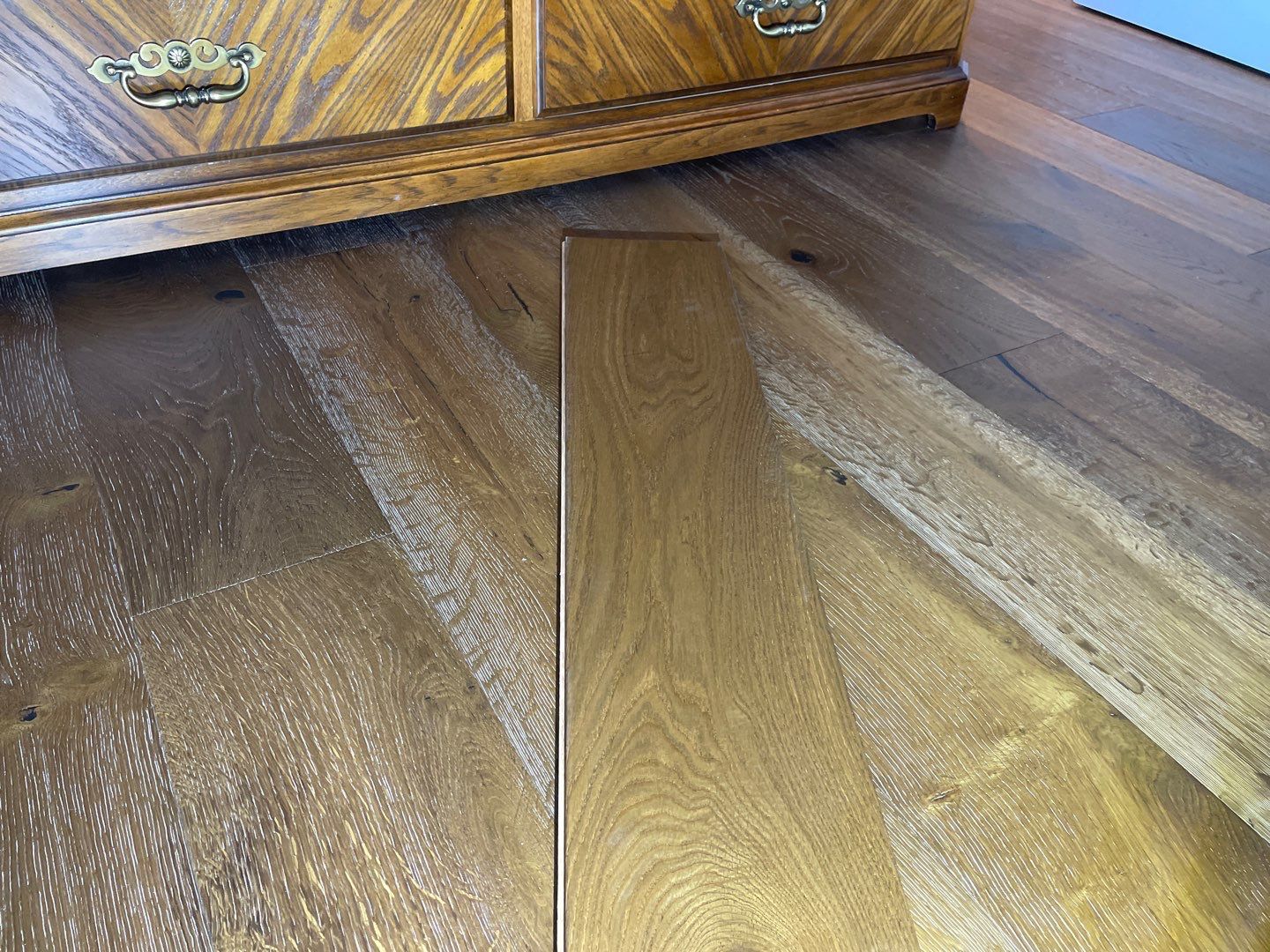
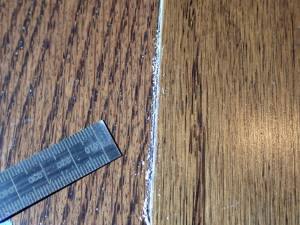
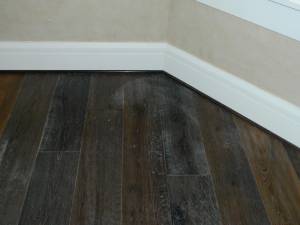
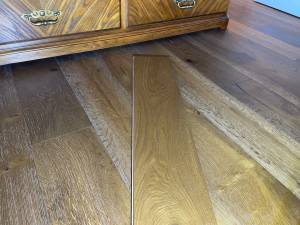
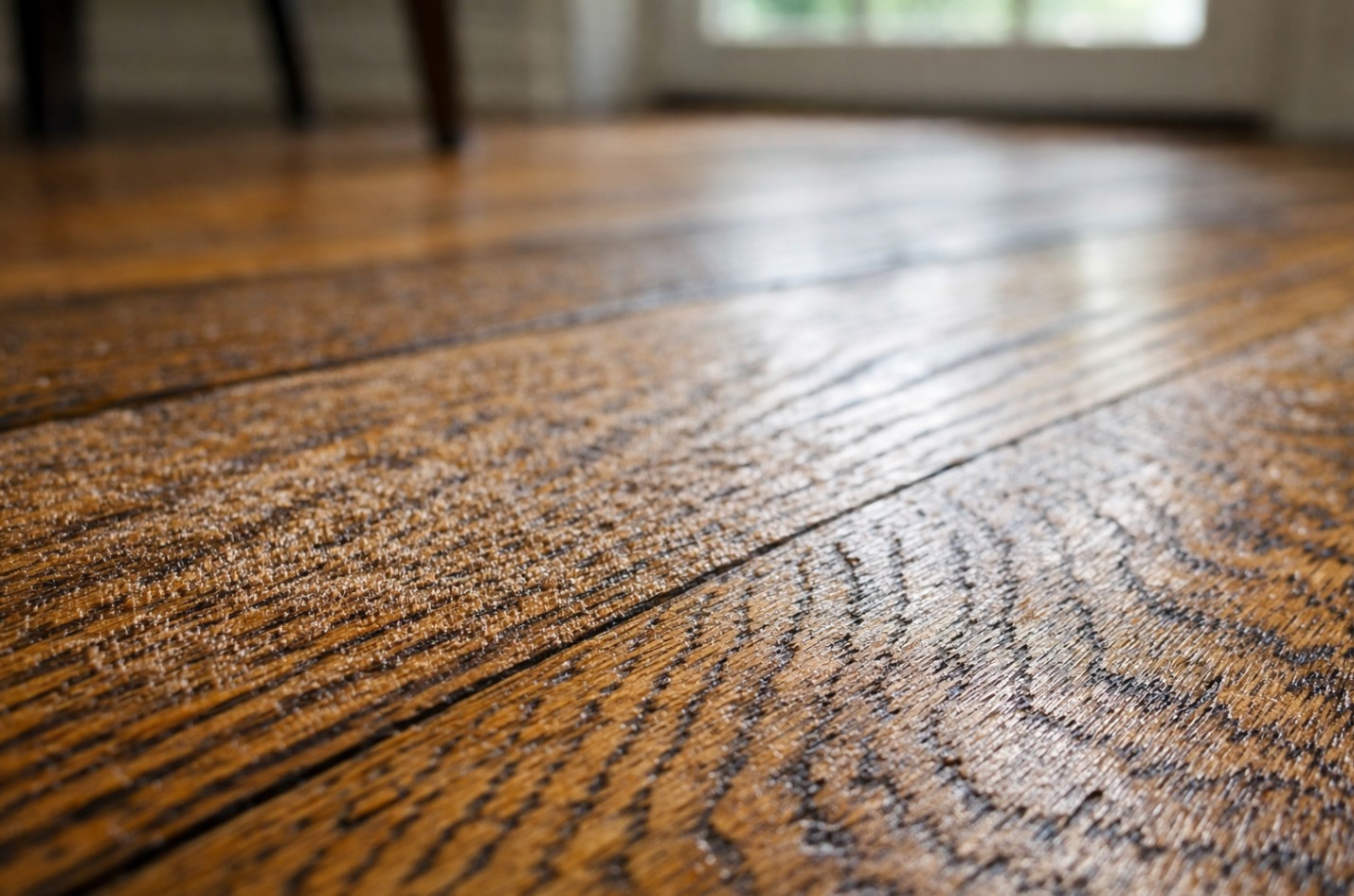
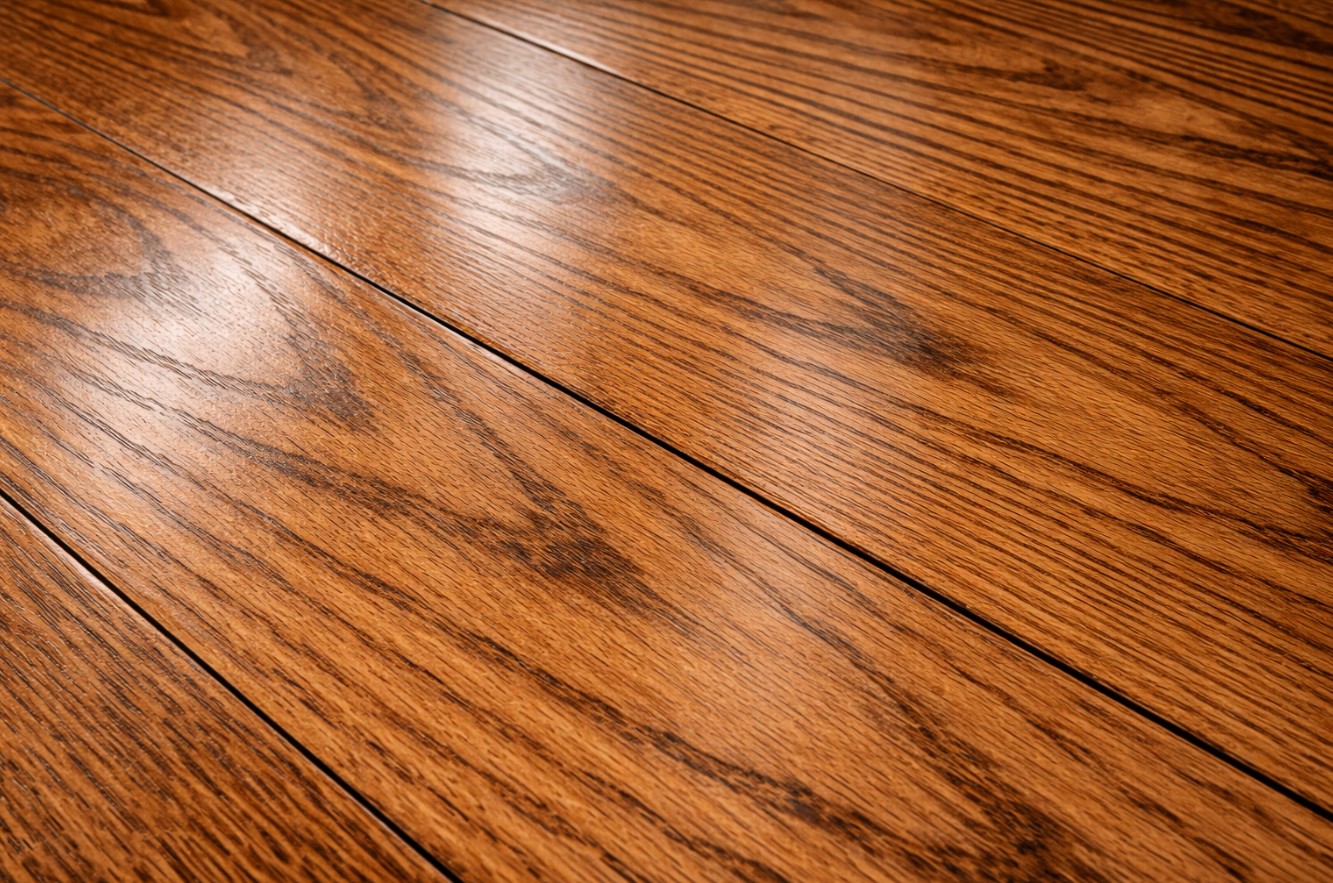
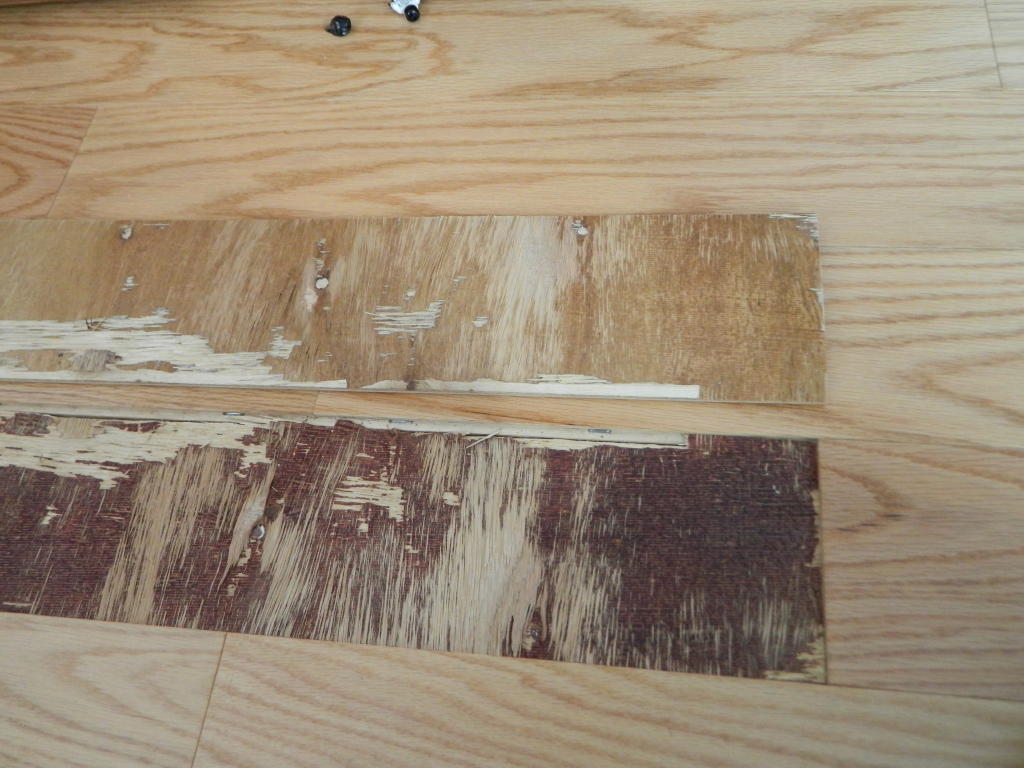
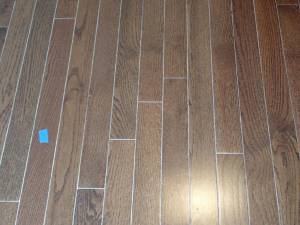
Uninstalled planks compared to installed planks
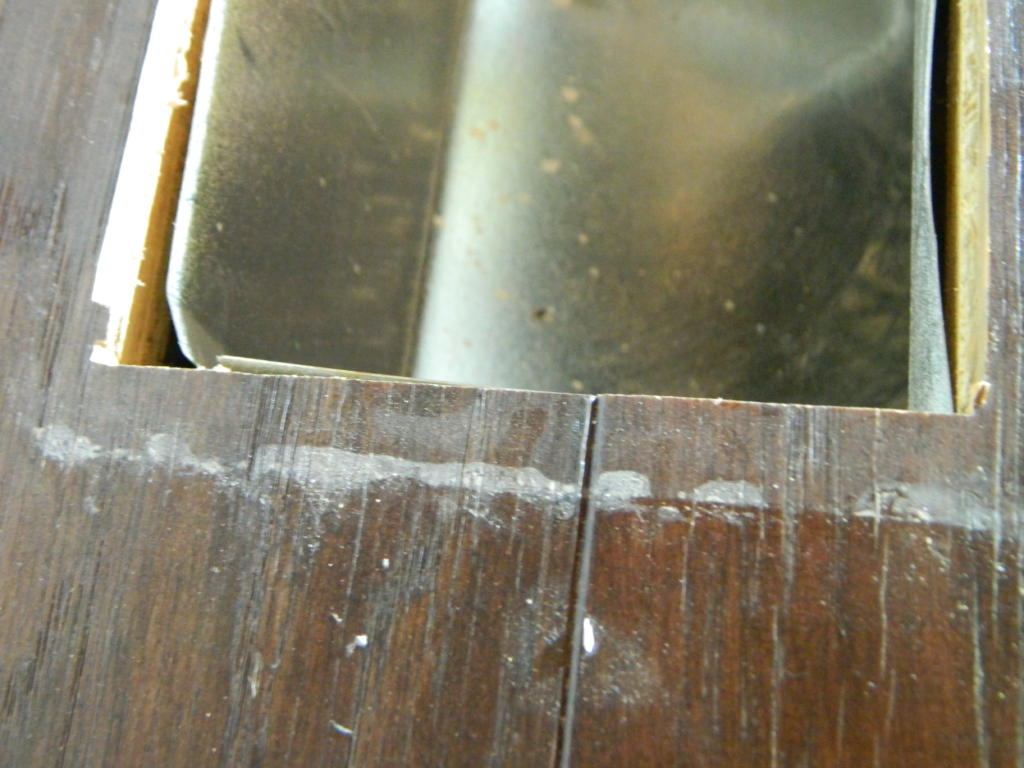
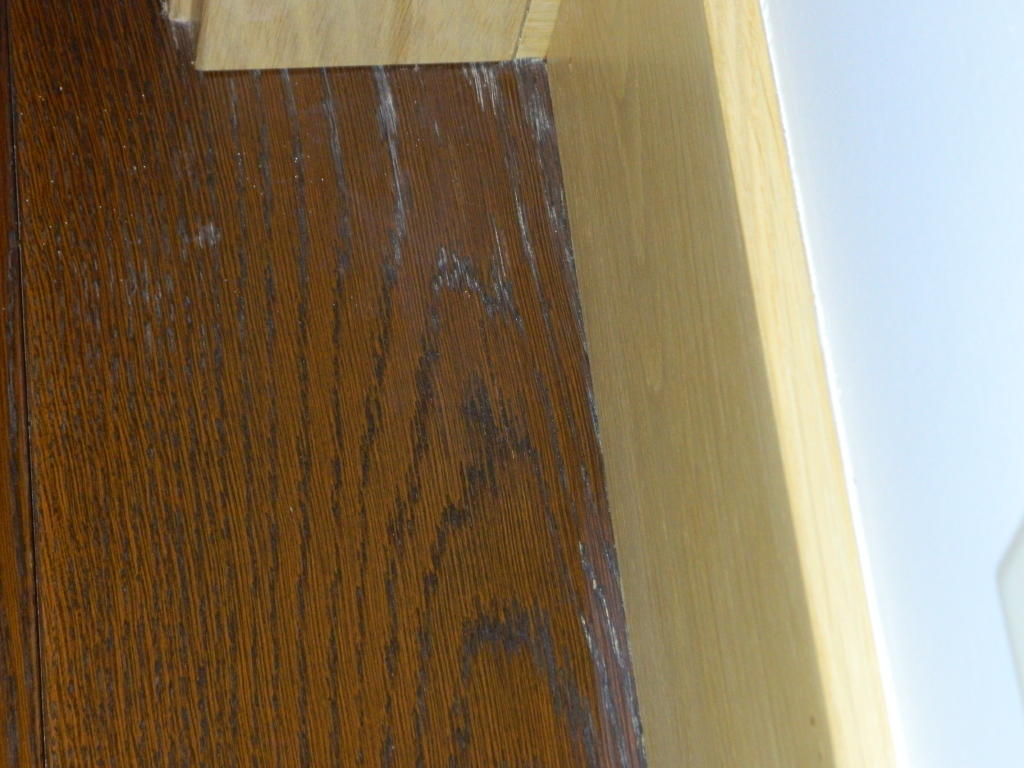
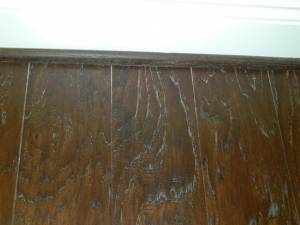
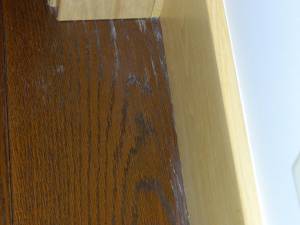
Drywall dust under heat vent
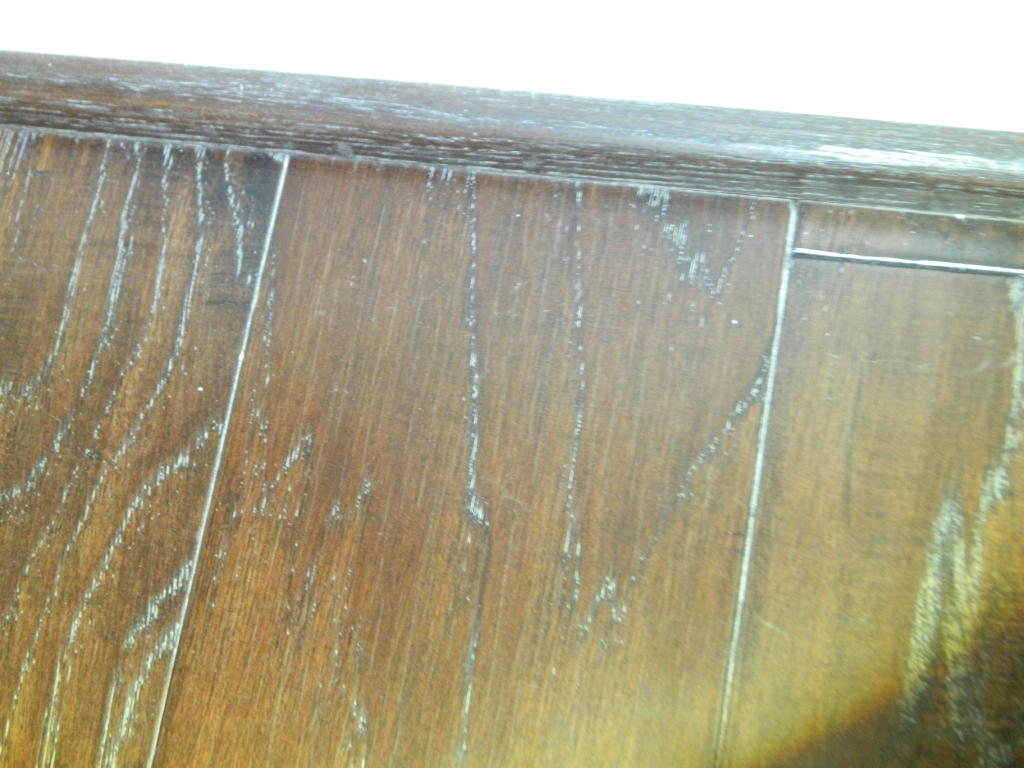
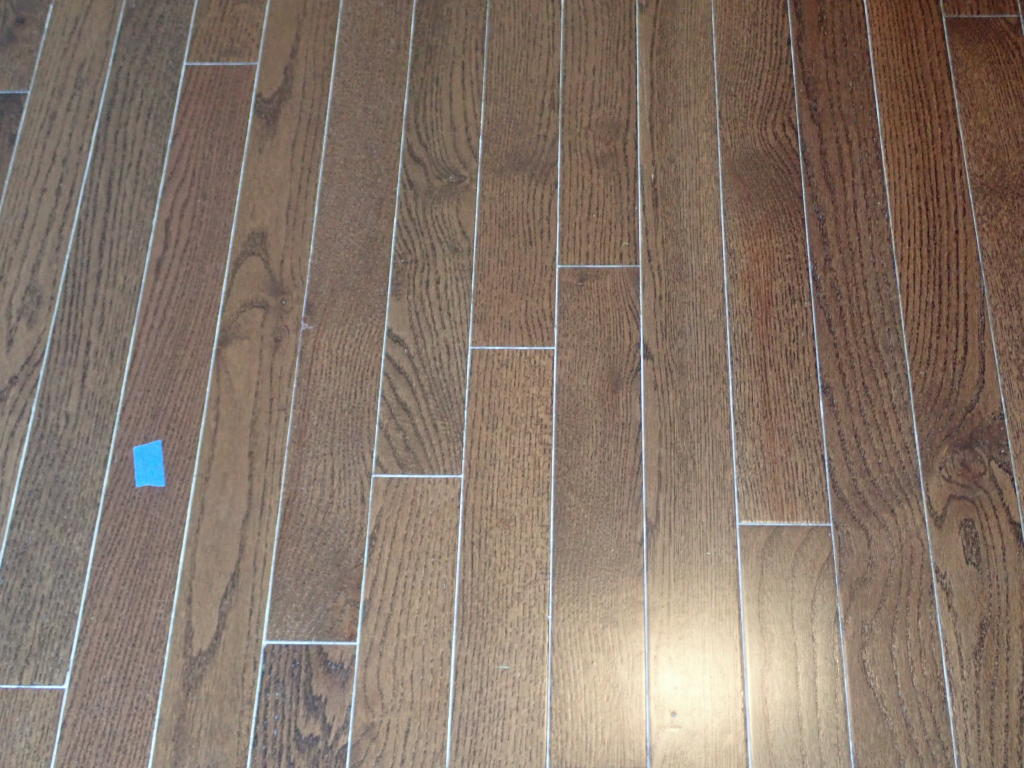
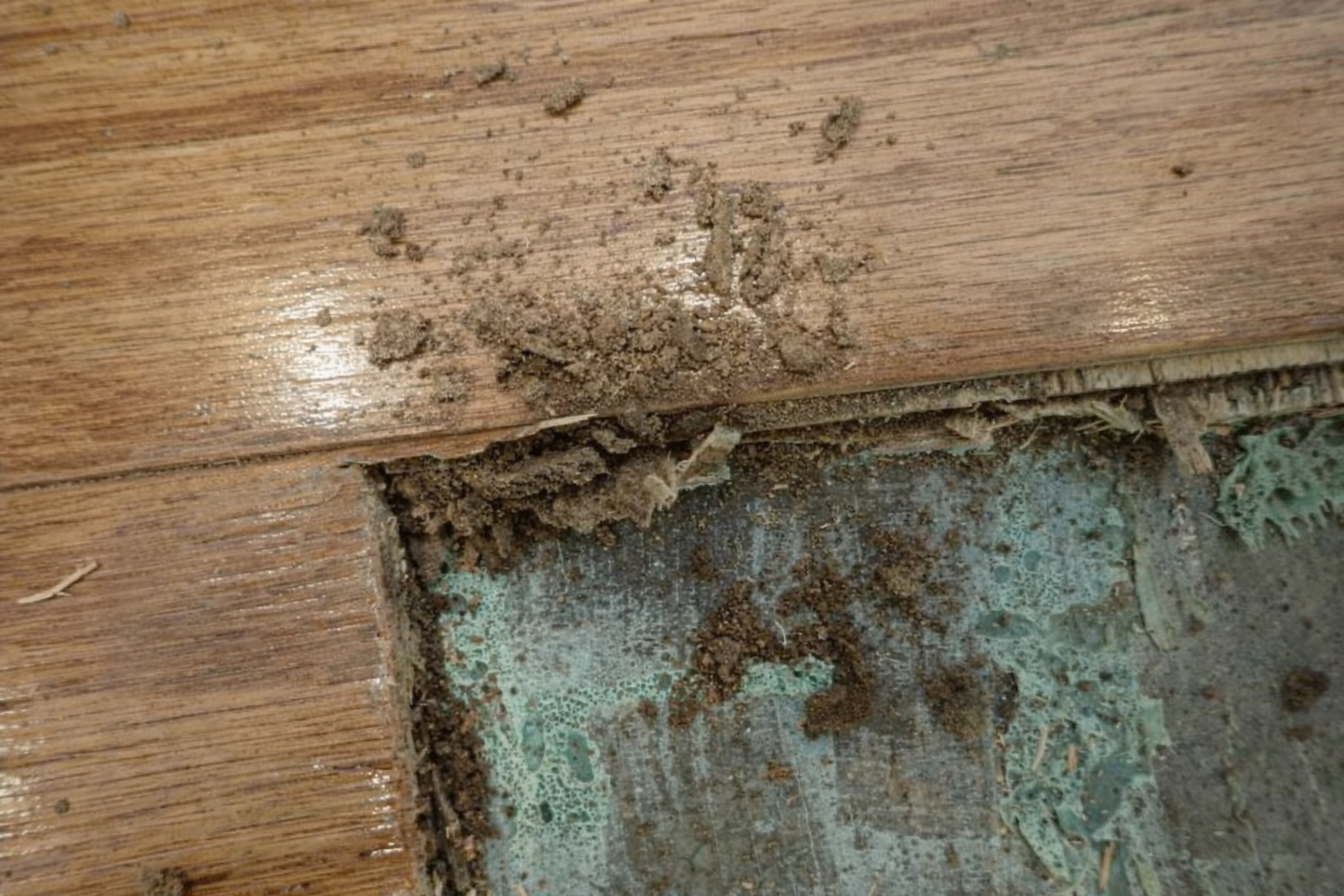
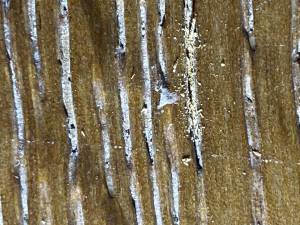
Drywall/construction dust
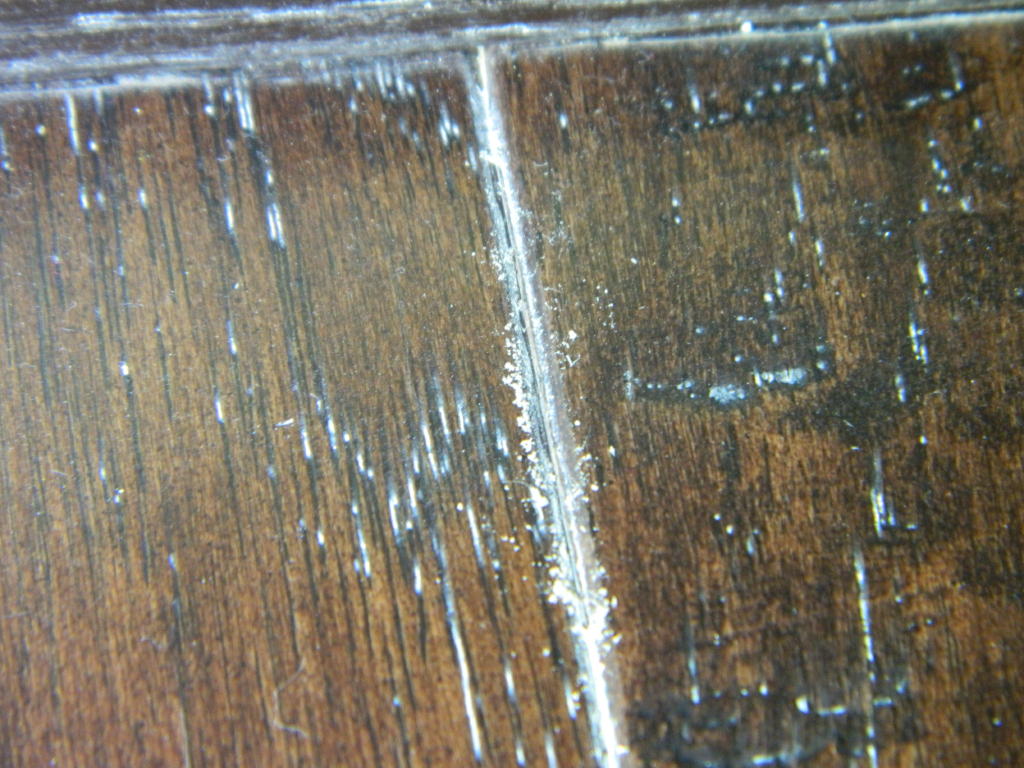
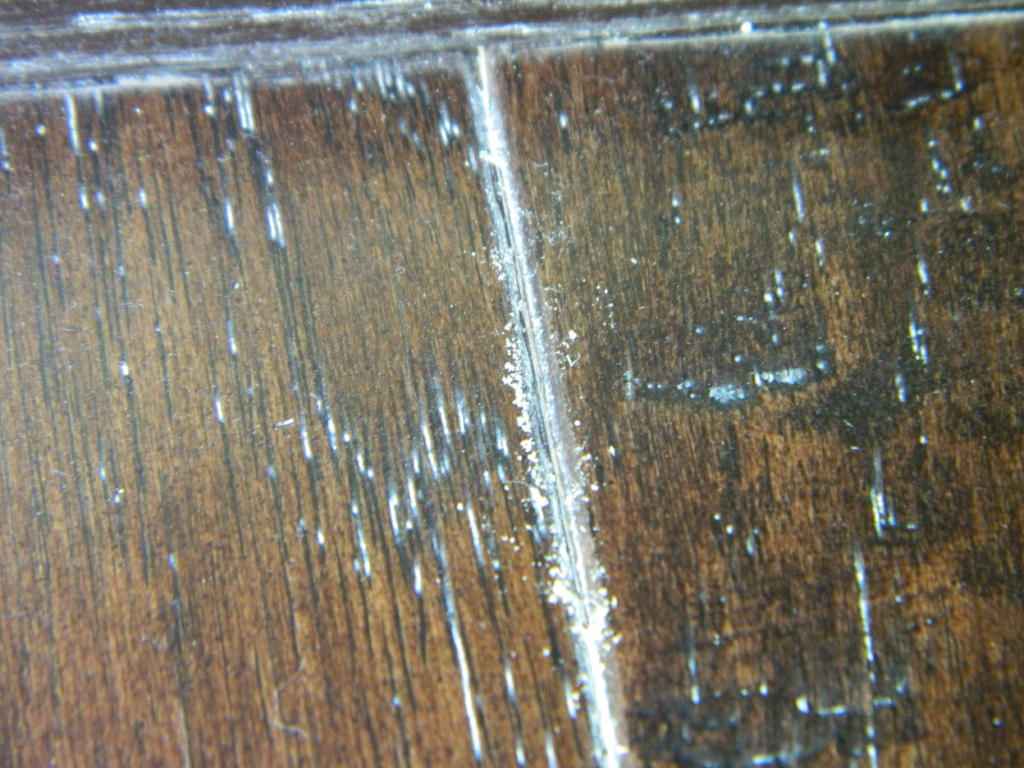
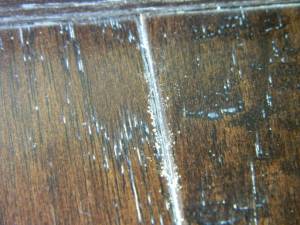
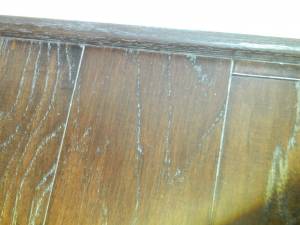
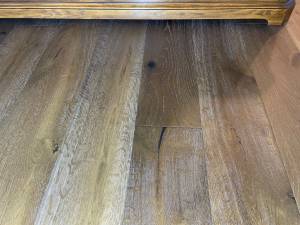
Dust turns to a paste when wet
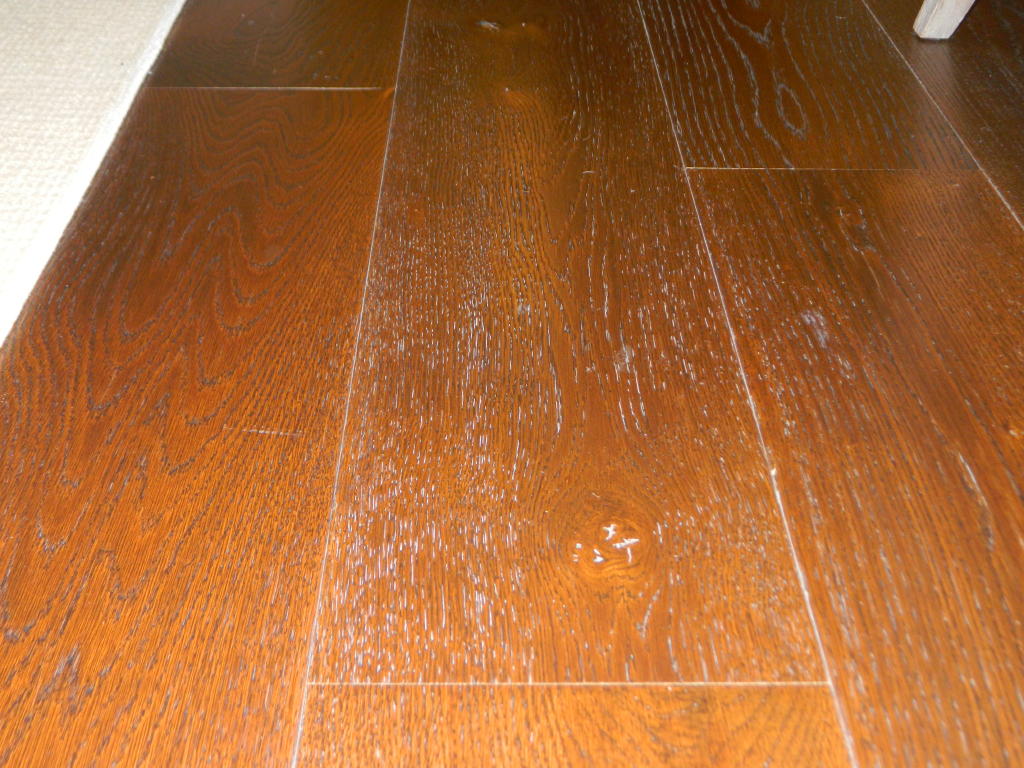
Drywall/construction dust
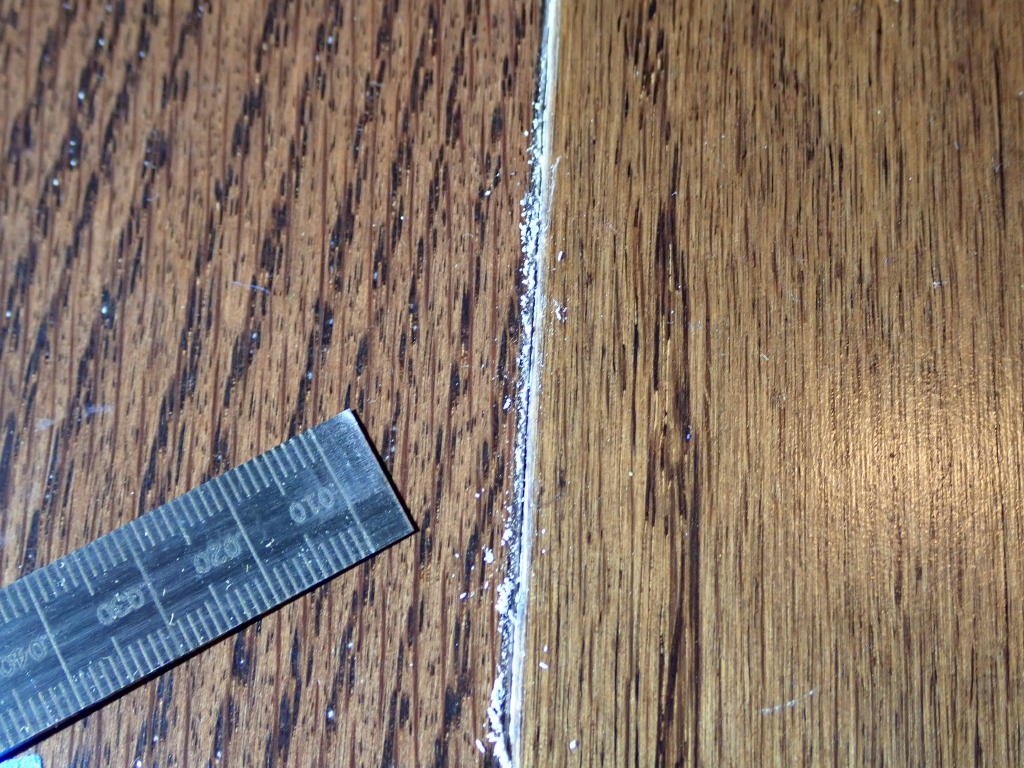
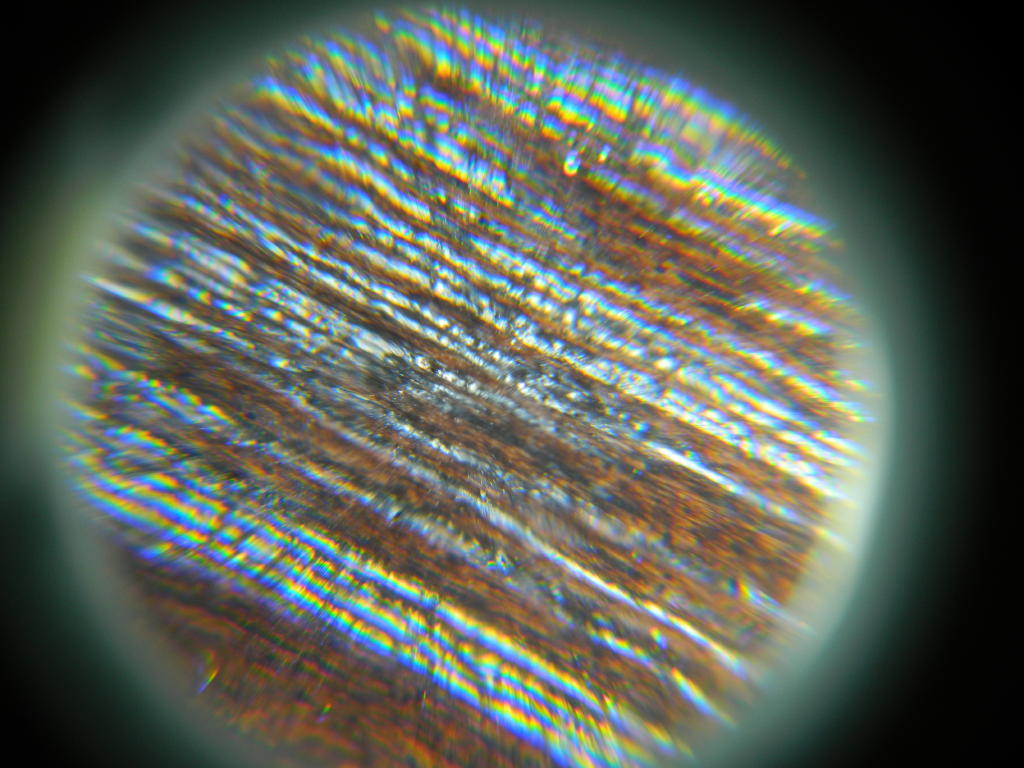
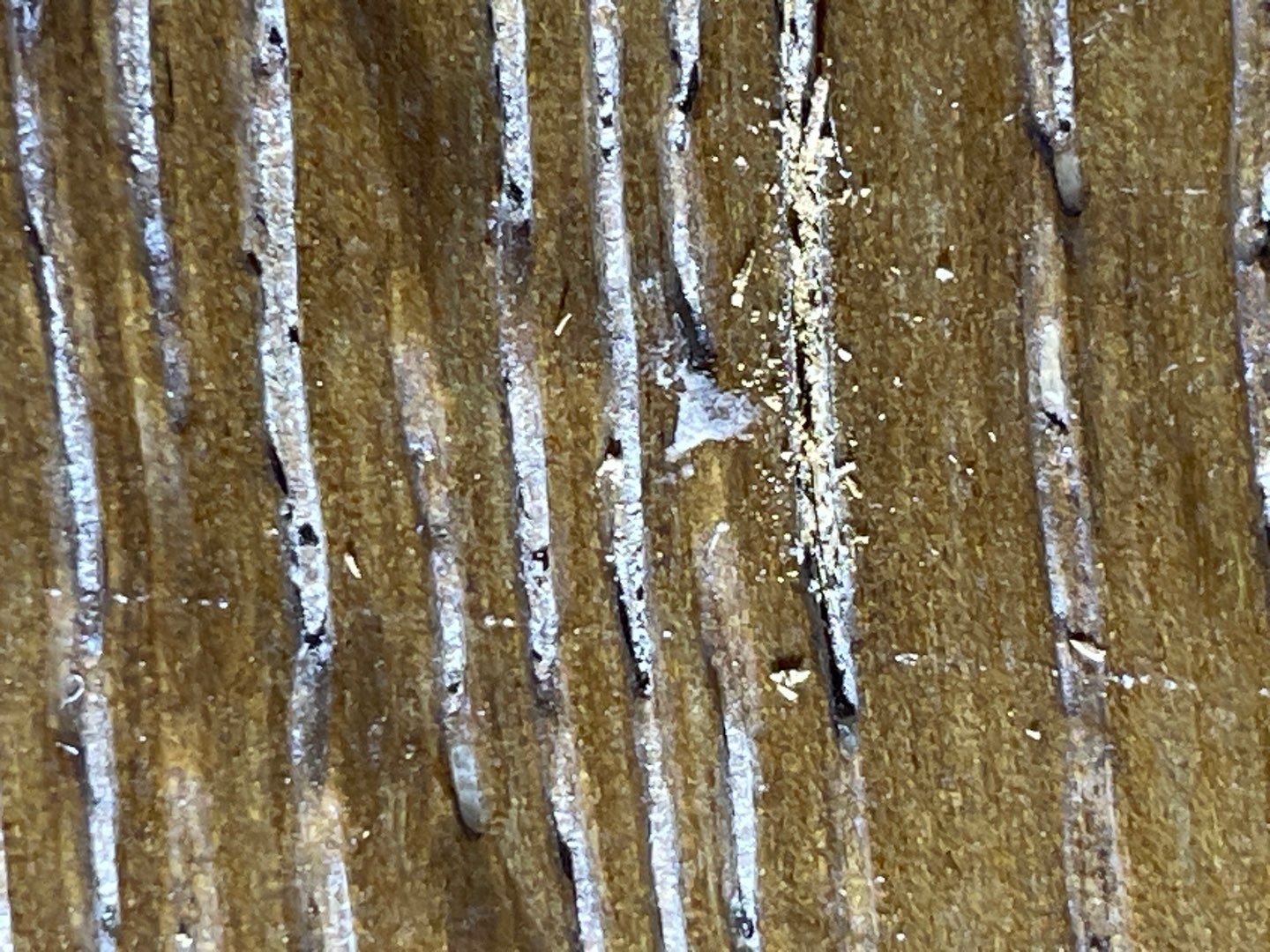
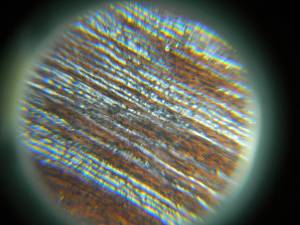
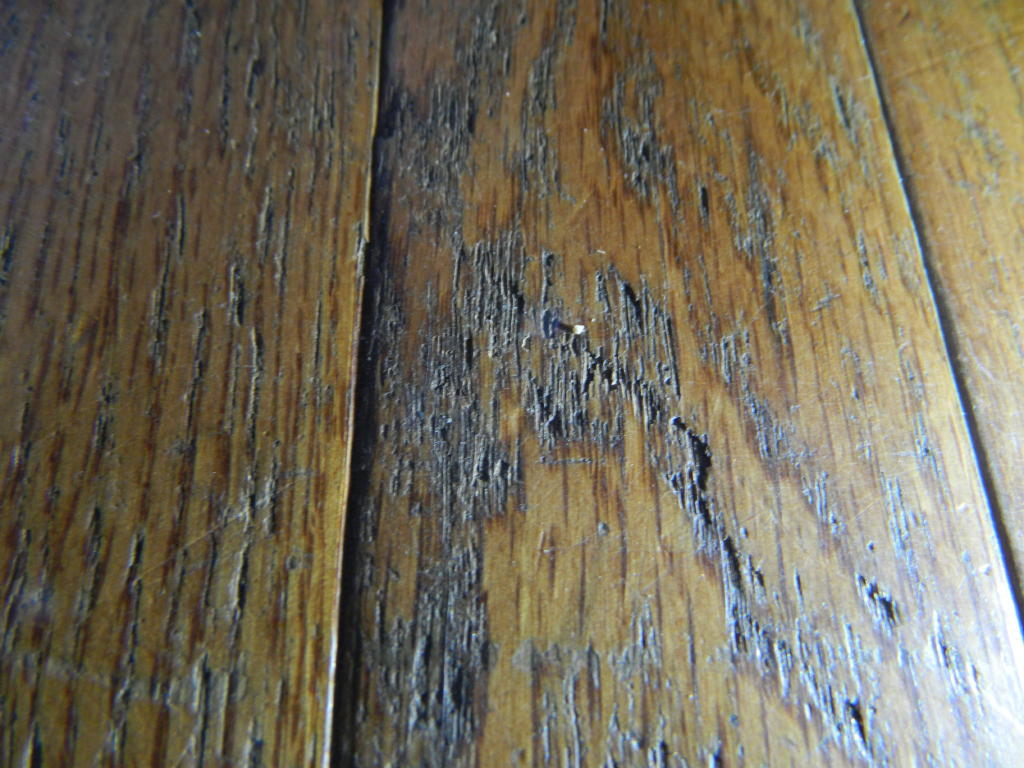
Viewed under magnification
Drywall/construction dust
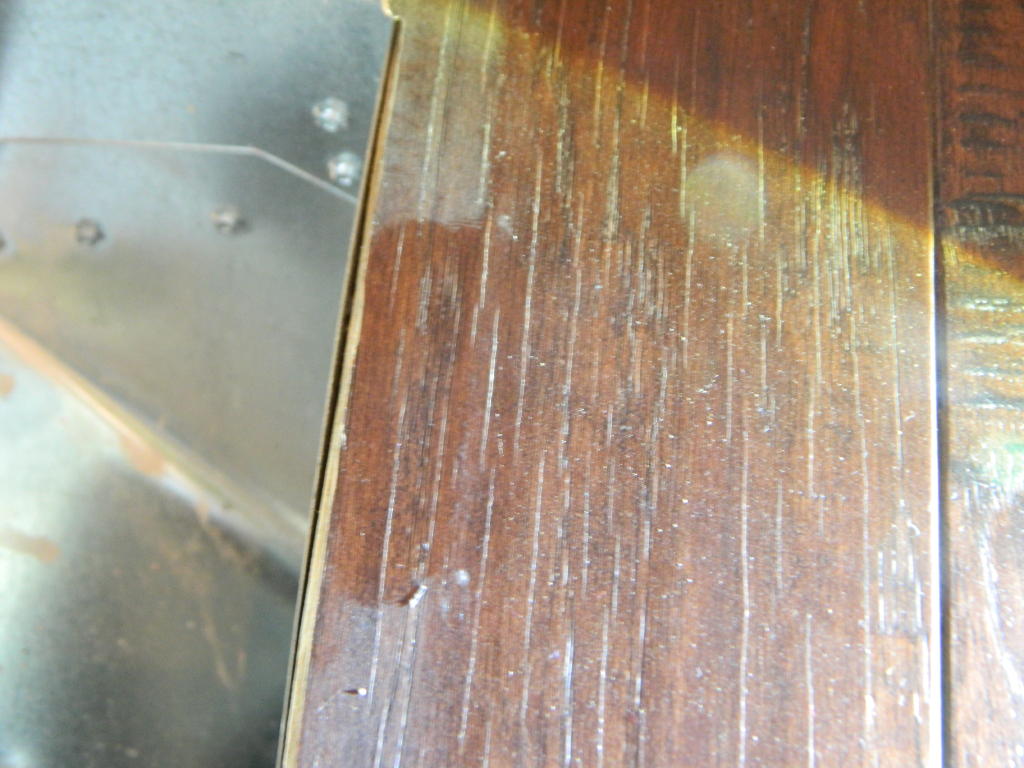
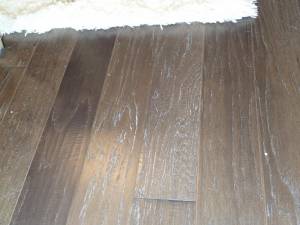
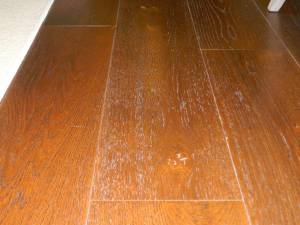
Cleaned area
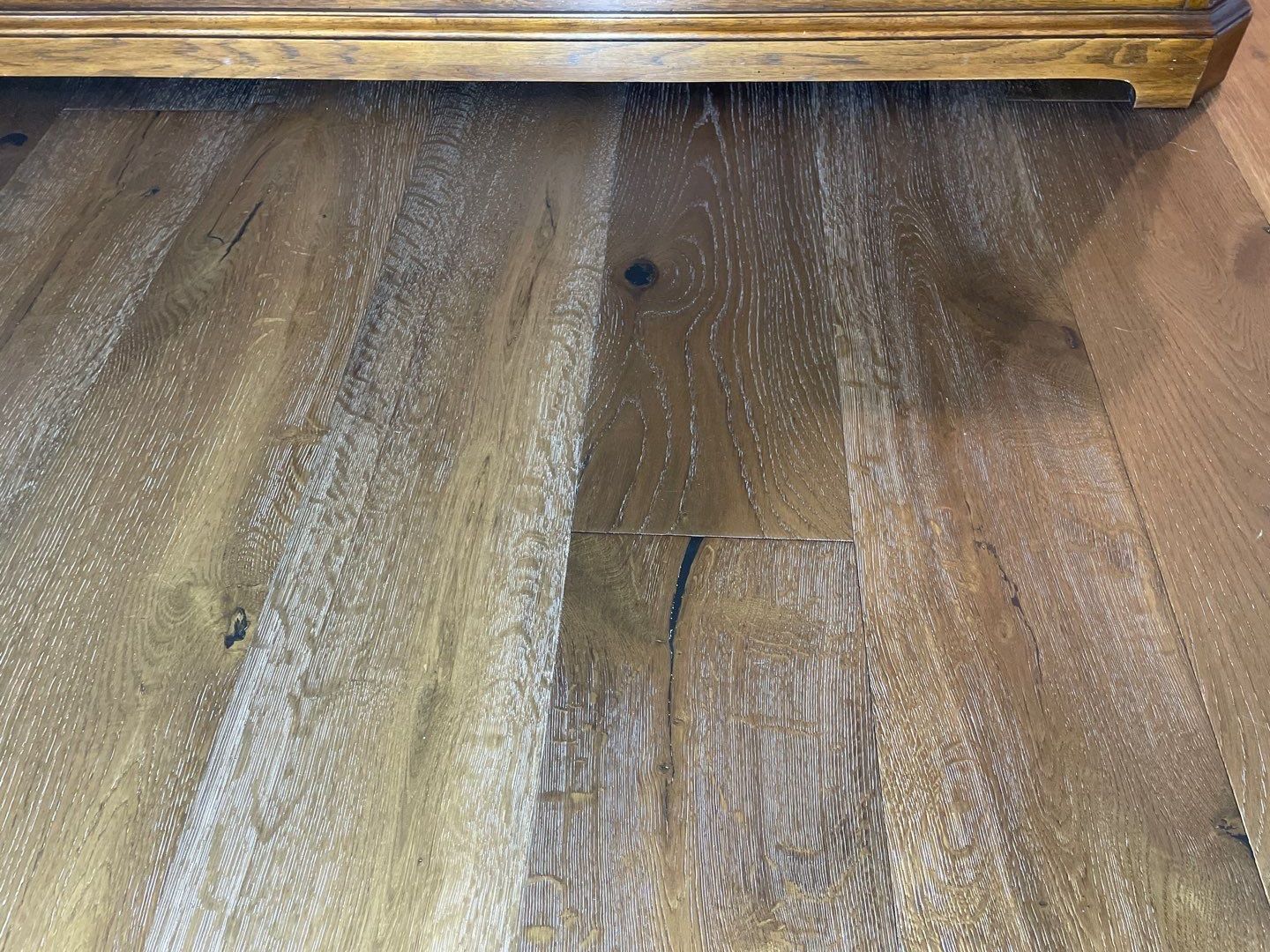
Drywall/construction dust
Drywall-construction dust
Contamination of Textured Grain (Hardwood Flooring)
Floor Detective® Claims and Conditions Guide
Summary
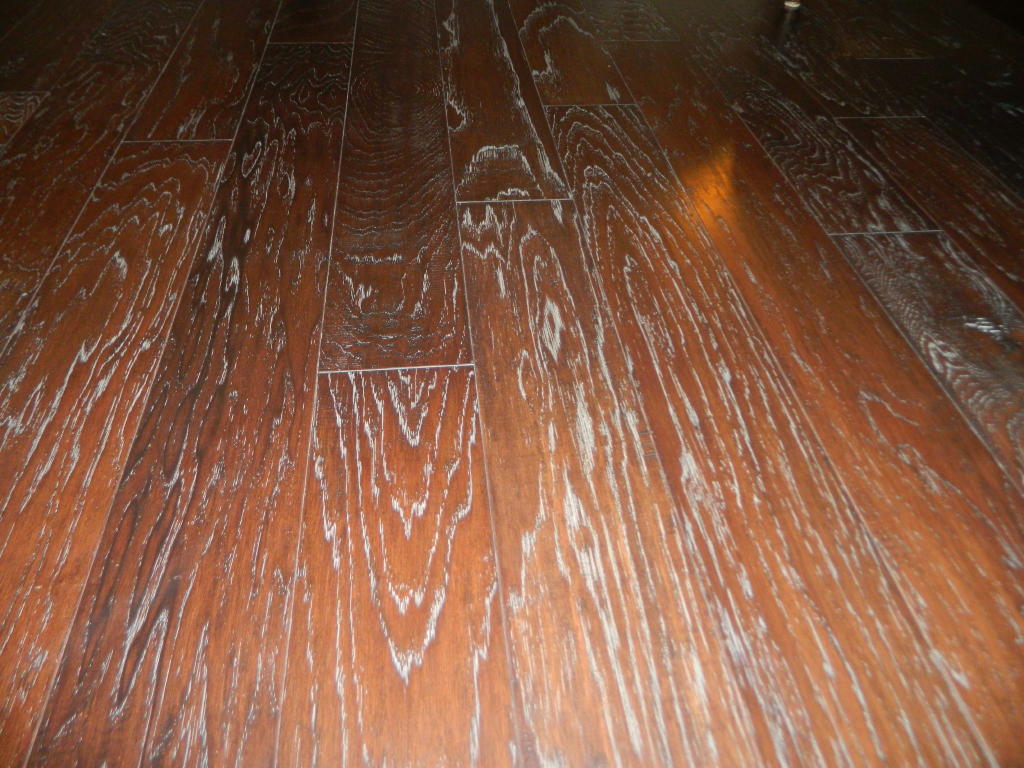
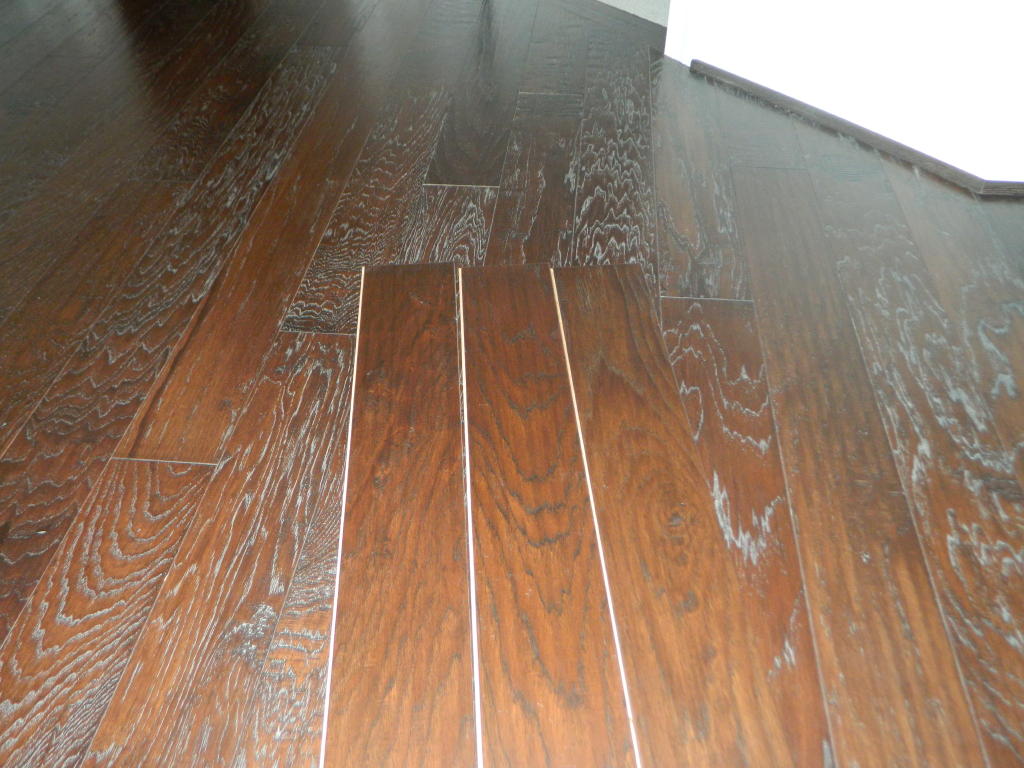
Contamination of textured grain in hardwood flooring is an appearance-related condition in which foreign particulate becomes lodged within handscraped, wire-brushed, open-grain, beveled, or otherwise textured surface features. Fine construction dust, drywall debris, sanding residue, or airborne particulate may settle into recessed areas during or after installation. When combined with moisture from cleaning, humidity, or construction exposure, the material may harden within the texture and create a light, chalk-like, hazy, or muted appearance. Darker finishes and heavily textured surfaces commonly increase visibility of embedded residue. The condition affects surface appearance rather than structural wood performance and does not originate from the wood substrate or finish formulation itself. Proper classification requires distinguishing foreign-material contamination from finish fracture, inherent grain variation, or intentional surface distressing. See also White Lines, Grain Raise Hardwood Finish Issue, and Hardwood Floor Problems for broader context.
Please subscribe to see all content
May 10, 2026
Hardwood floor problems may involve cupping, gaps, buckling, finish issues, movement, noise, or moisture-related distortion. Learn how hardwood flooring conditions...
Read More
April 3, 2026
Wood decay in hardwood flooring is a moisture-related condition that causes soft, weakened, and deteriorated wood. Proper evaluation distinguishes fungal...
Read More
April 3, 2026
Termite damage in hardwood flooring involves internal wood consumption, gallery formation, and structural weakening caused by insect activity.
Read More
February 22, 2026
Bamboo flooring construction affects dimensional movement, moisture response, spacing, and long-term flooring performance under changing environmental conditions.
Read More
January 26, 2026
Checks, splits, and shake are different wood separation conditions in hardwood flooring that vary in origin, depth, structural significance, and...
Read More
December 16, 2025
Hardwood grain raise is a surface texture condition caused by swelling and lifting of exposed wood fibers after moisture exposure...
Read More
December 16, 2025
Lap marks in hardwood flooring are visible streaks or bands caused by uneven blending between overlapping finish passes. The condition...
Read More
August 7, 2023
Splits and Cracks (Hardwood Flooring) Floor Detective® Claims and Conditions Guide Summary Splits and cracks in hardwood flooring are structural...
Read More
December 5, 2022
Wood distortion in hardwood flooring involves bowing, twisting, cupping, and dimensional shape change caused by moisture variation and internal stress...
Read More
January 1, 2022
Wood shear and delamination are distinct engineered hardwood separation mechanisms involving cohesive wood-fiber rupture or adhesive bond-line release.
Read More