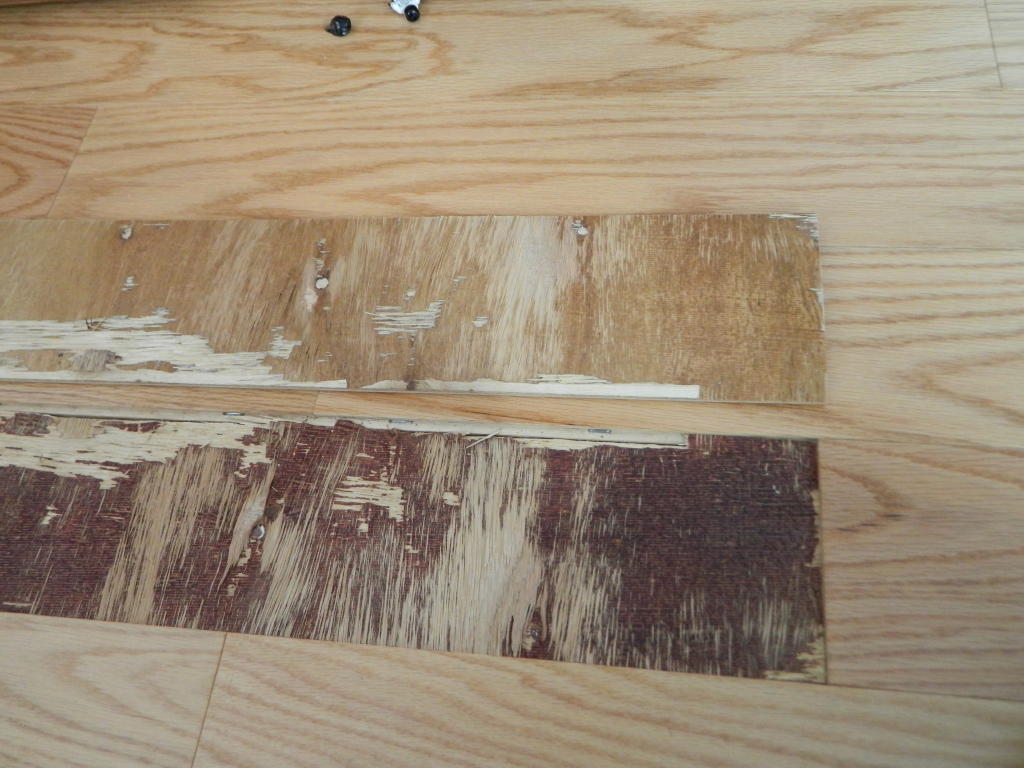
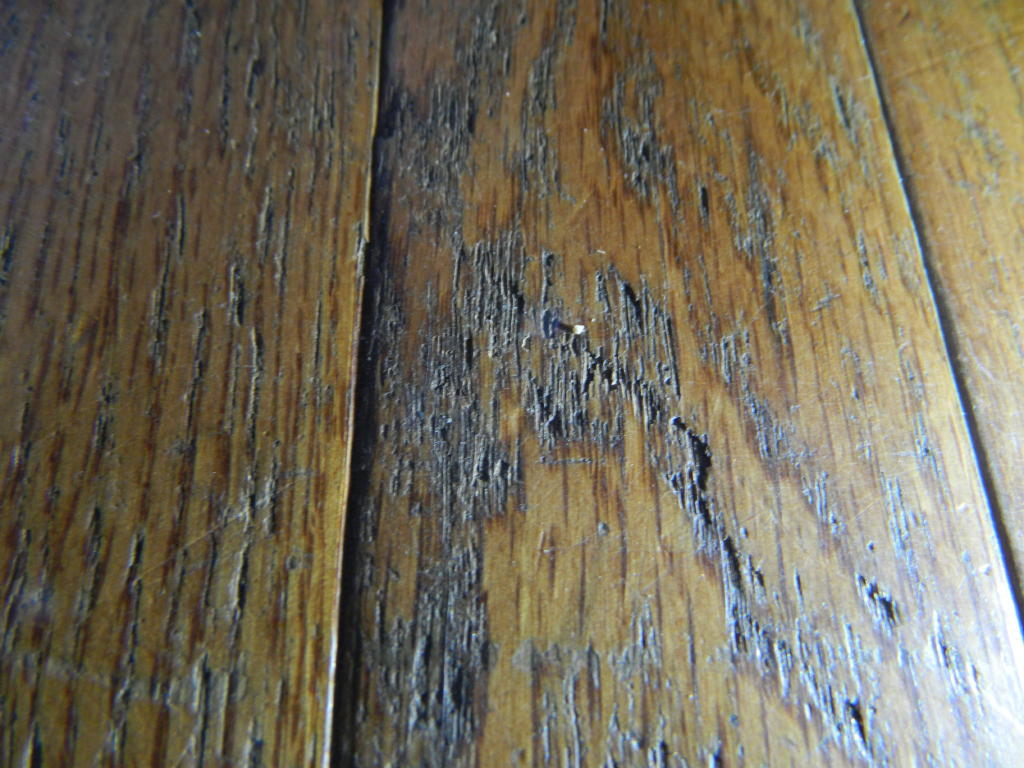
Side Bonding
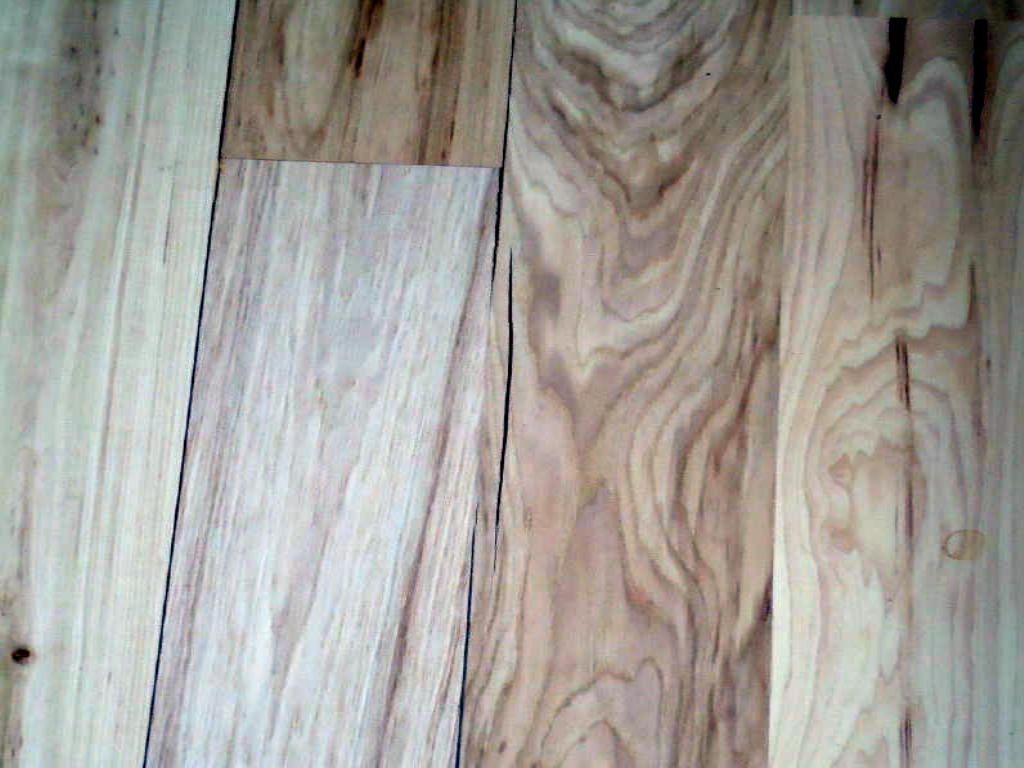
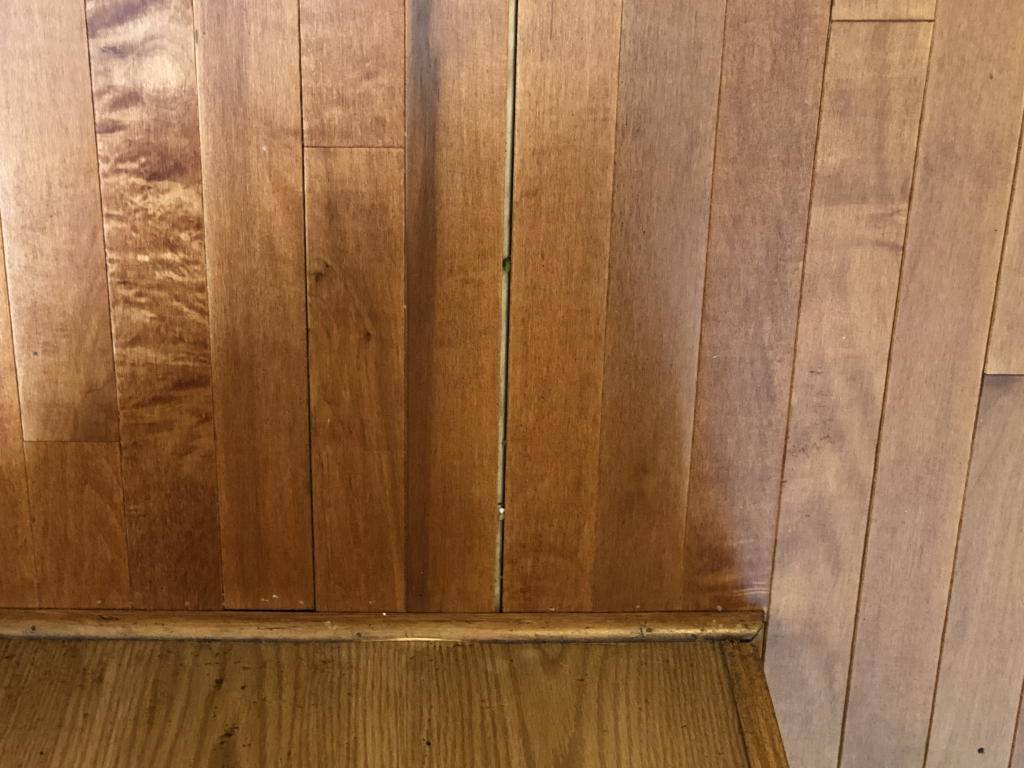
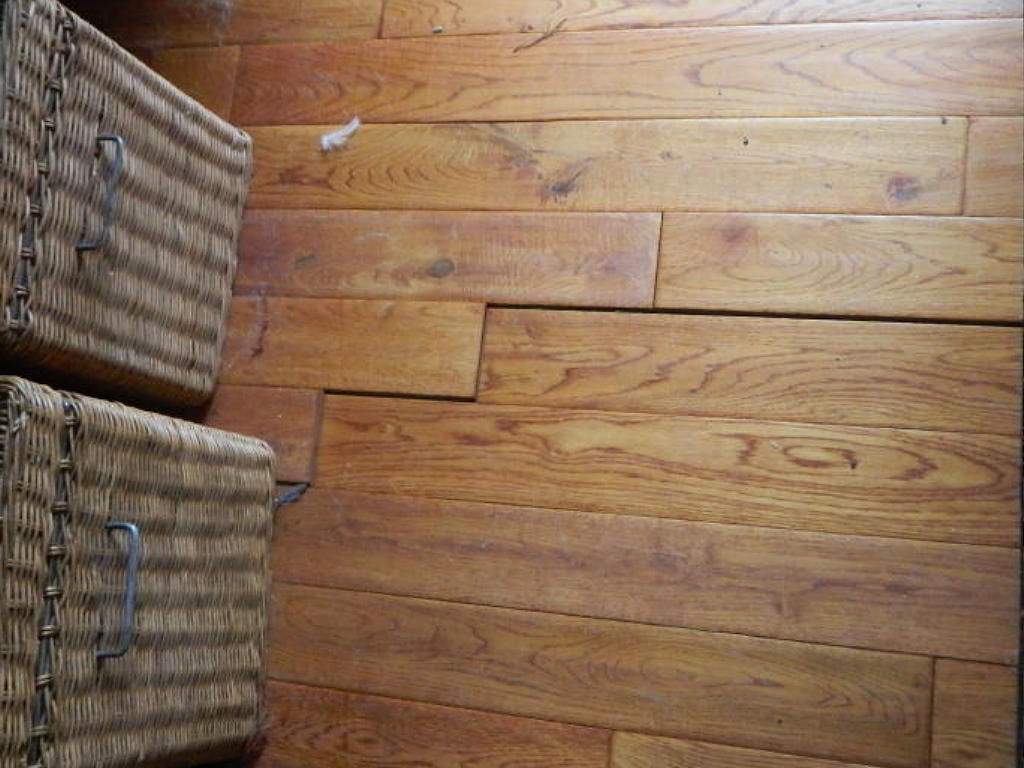
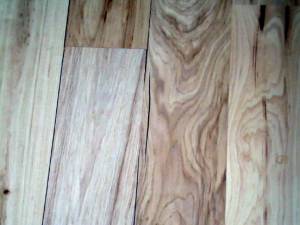
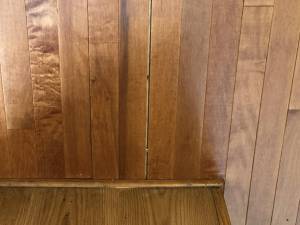
Side Bonding (Hardwood Flooring)
Floor Detective® Claims and Conditions Guide
Summary
Side bonding is a joint-restriction condition in which adjacent hardwood boards become unintentionally adhered to one another, causing multiple boards to respond as a connected group during normal dimensional movement. Hardwood flooring is designed to move incrementally at individual board joints as moisture conditions change. When cured finish material, adhesive residue, contaminants, or other foreign substances bridge adjoining board edges, independent movement becomes restricted and dimensional stress redistributes across a larger grouped width. During periods of shrinkage, movement may become concentrated at the boundaries of bonded sections, producing fewer but wider gaps rather than evenly distributed joint separation. The condition commonly develops after finishing, recoating, or contaminant exposure and reflects restriction of normal joint movement rather than abnormal wood properties. Side bonding differs from panelization, structural restraint, or substrate-related movement because the governing mechanism exists at the board-joint interface itself. Proper evaluation requires analysis of movement distribution, board grouping patterns, finishing history, and environmental conditions. See also Panelization, Gaps, and Hardwood Floor Problems for broader context.
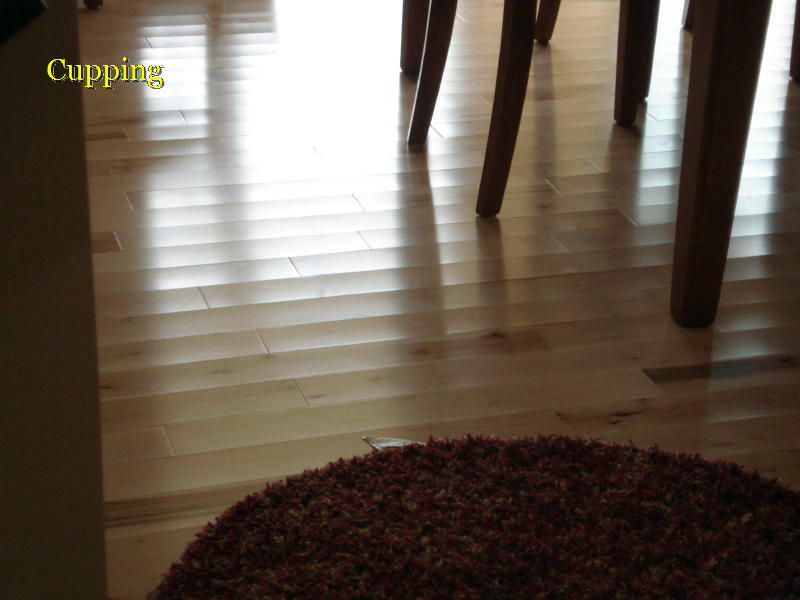
Hardwood Floor Problems
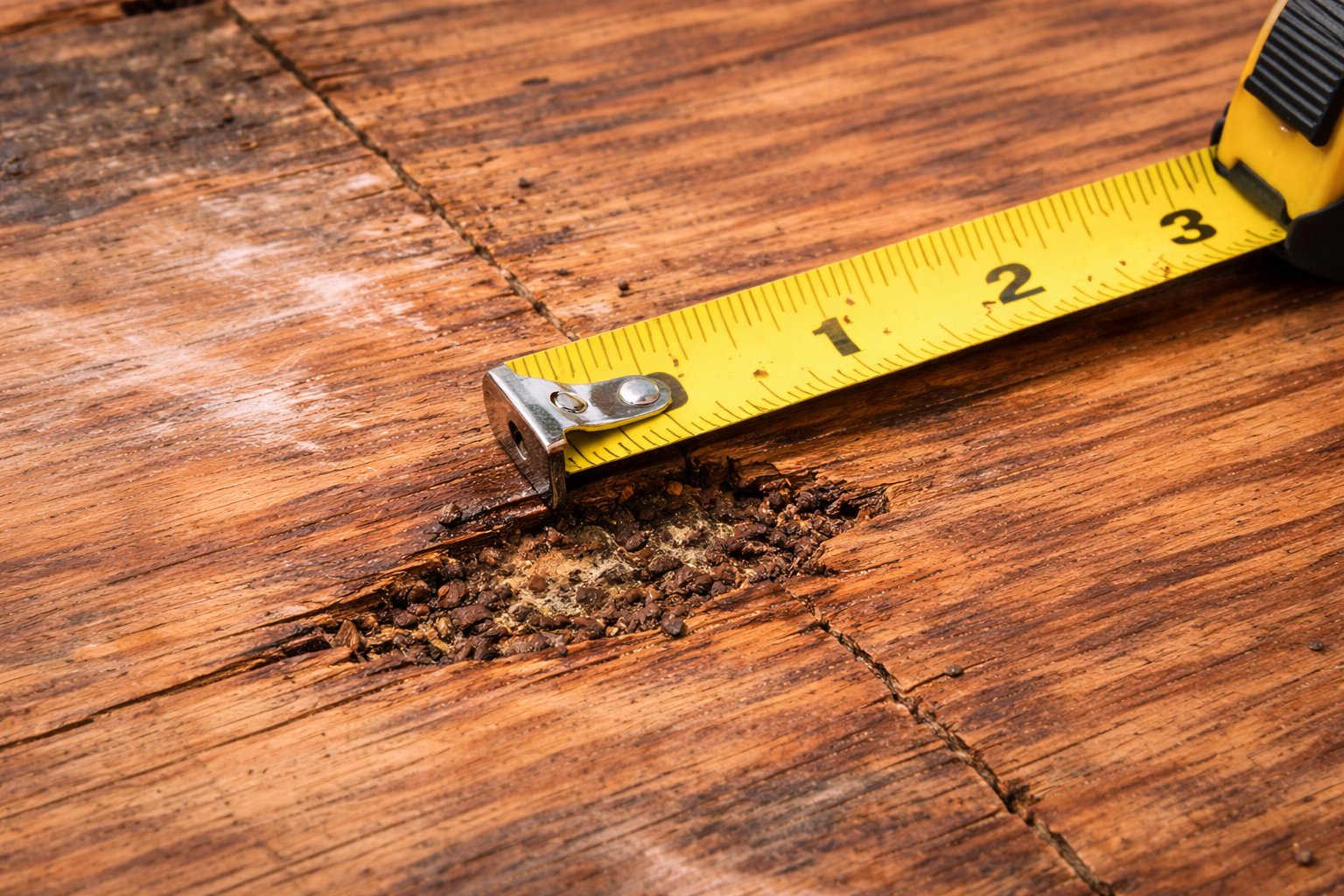
Wood Decay (Hardwood Flooring)
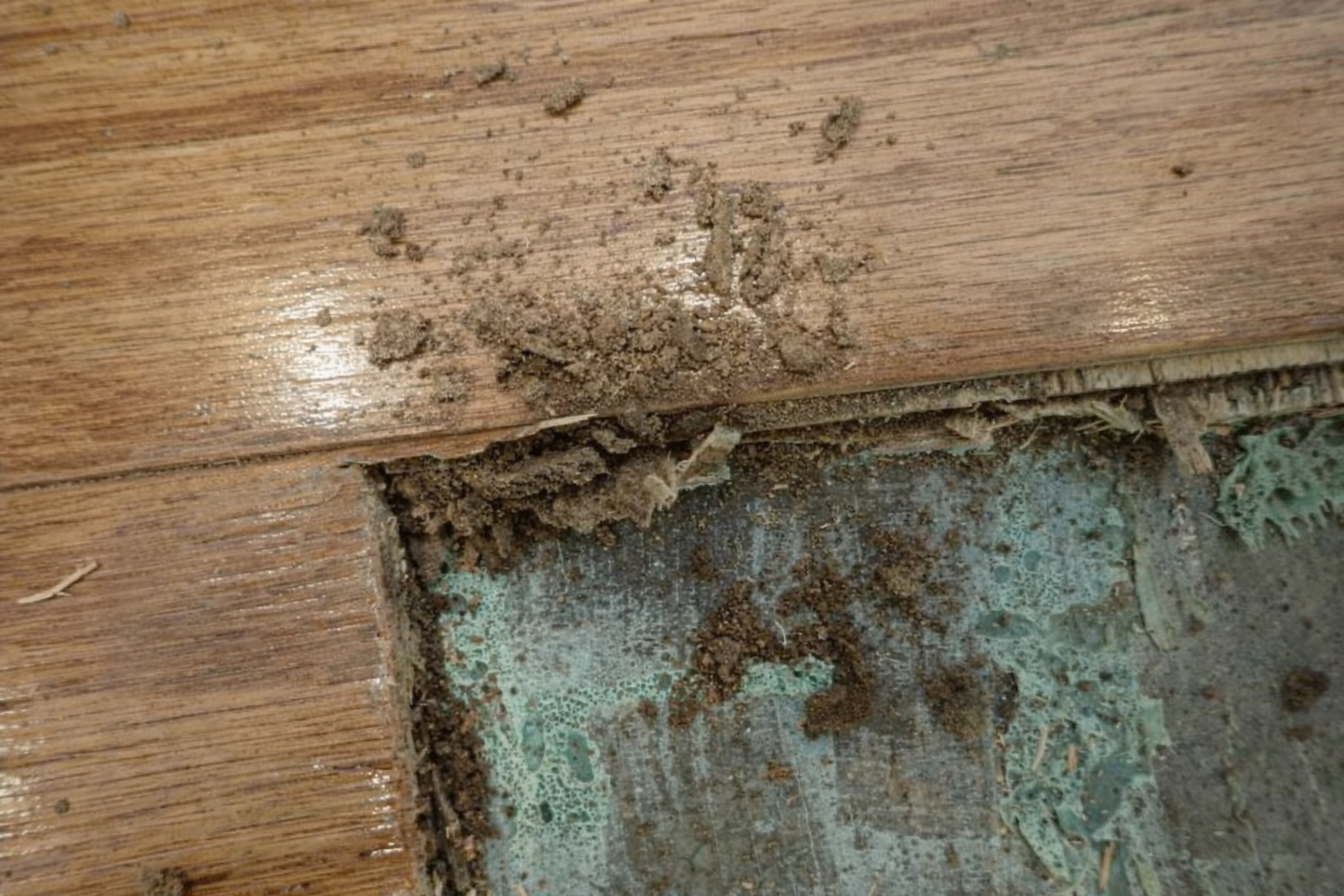
Termite Damage (Hardwood Flooring)
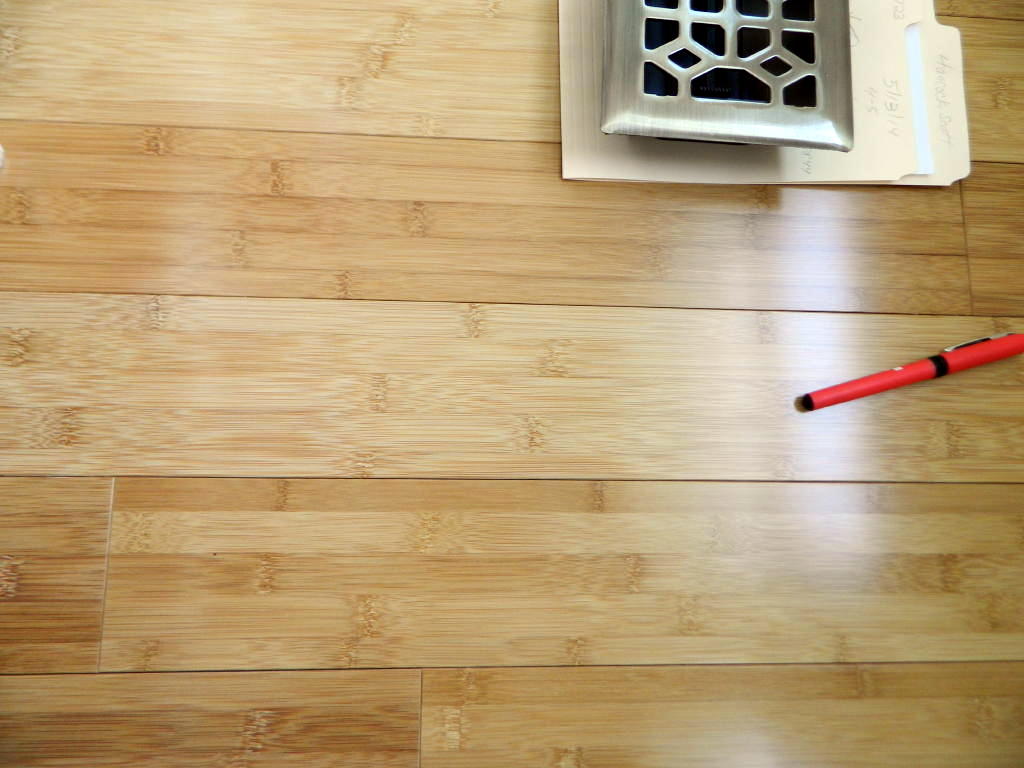
Bamboo Flooring Construction and Dimensional Behavior
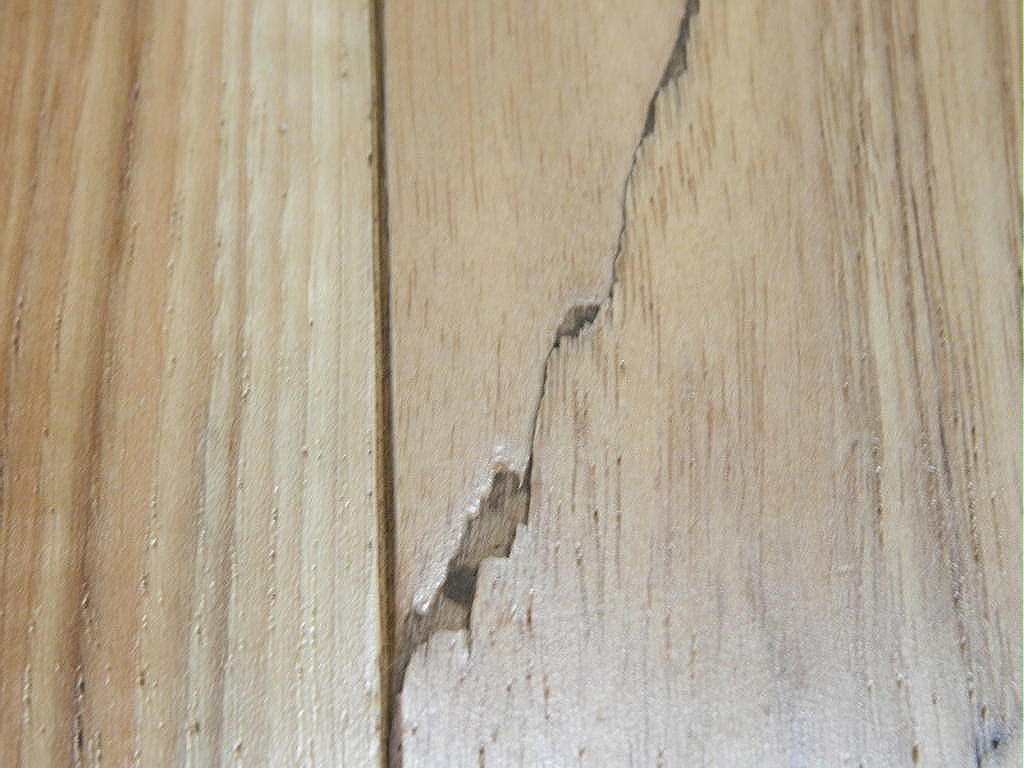
Checks vs. Splits vs. Shake (Solid Hardwood)
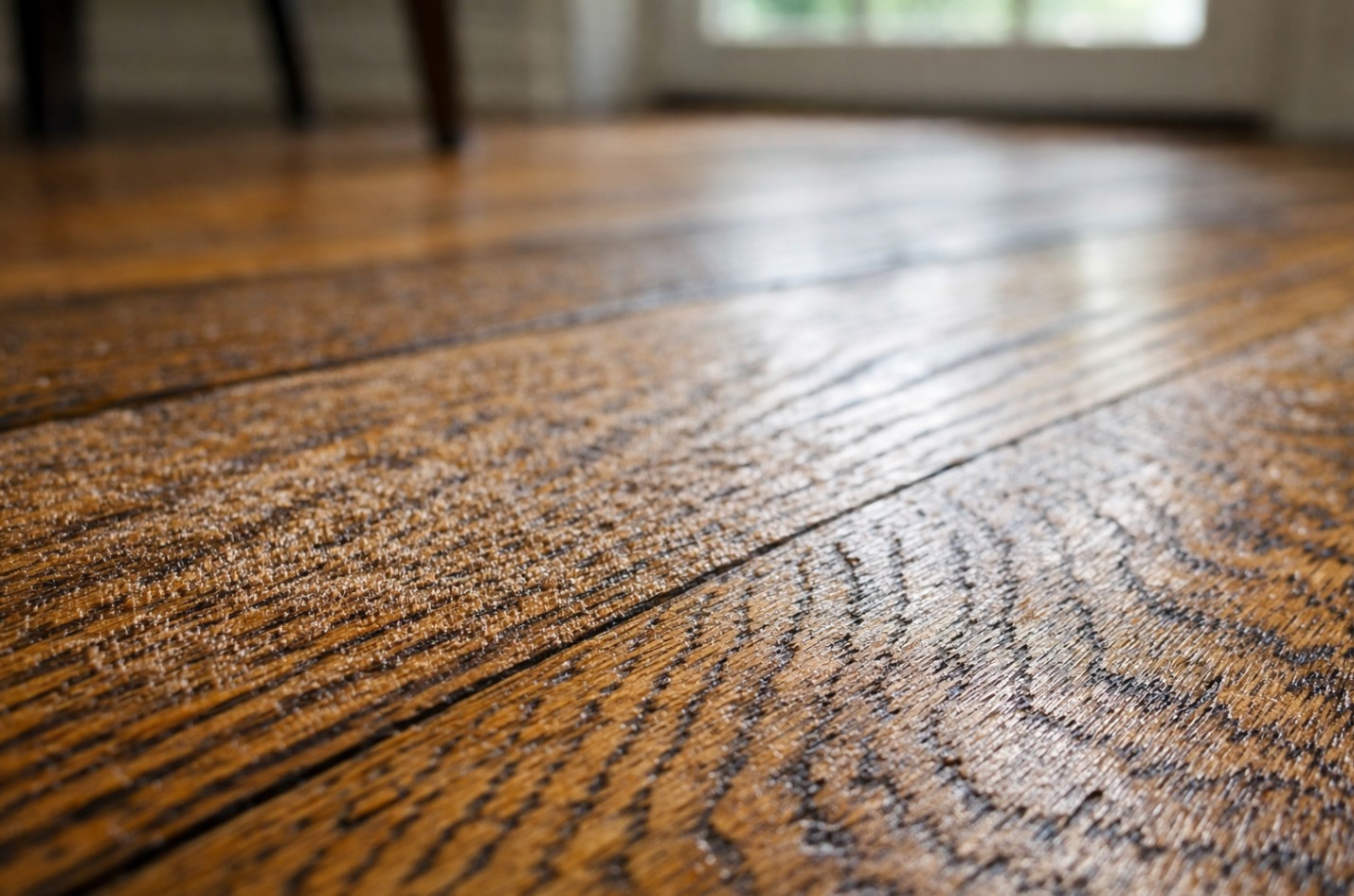
Grain Raise (Hardwood Finish Issue)
Splits – Cracks

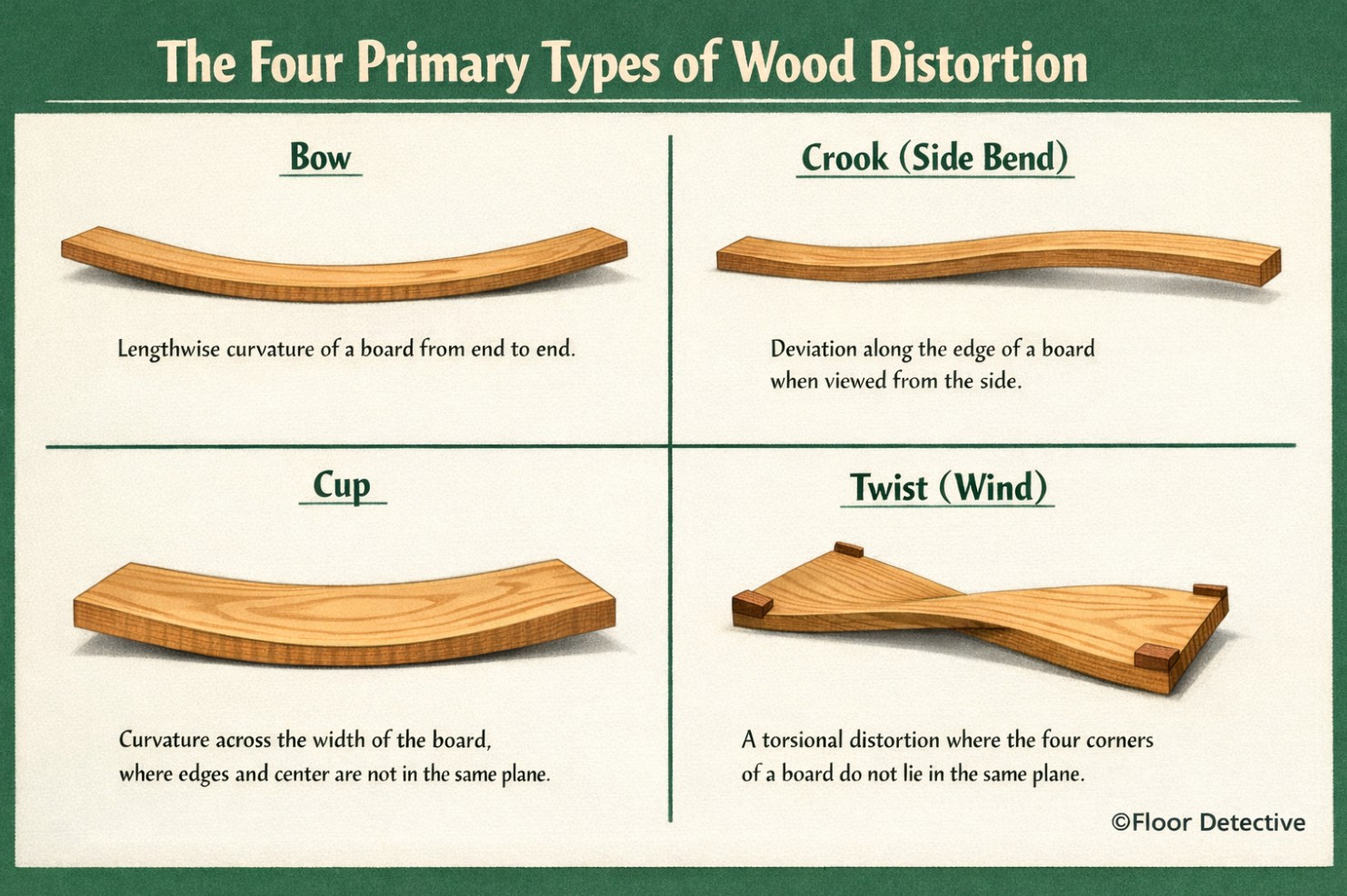
Wood Distortion
Wood Shear (Engineered Flooring)