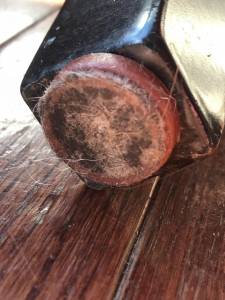
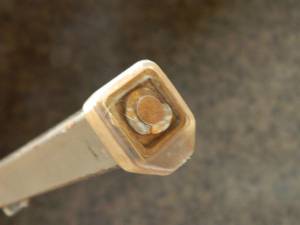
Chair Protectors
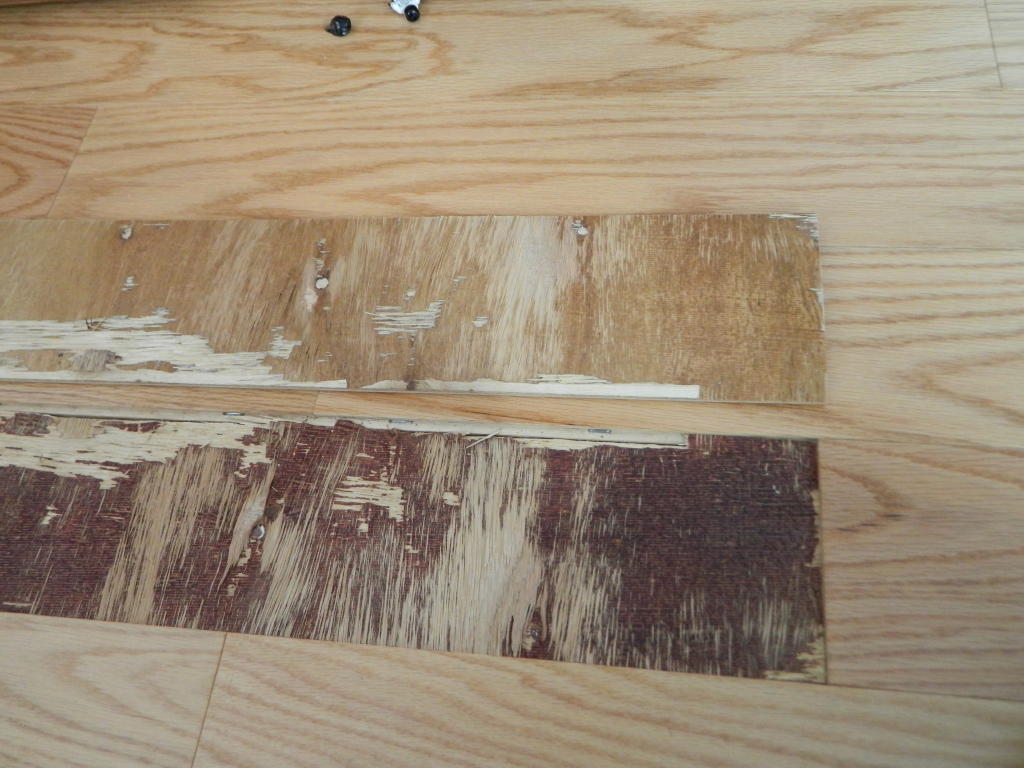
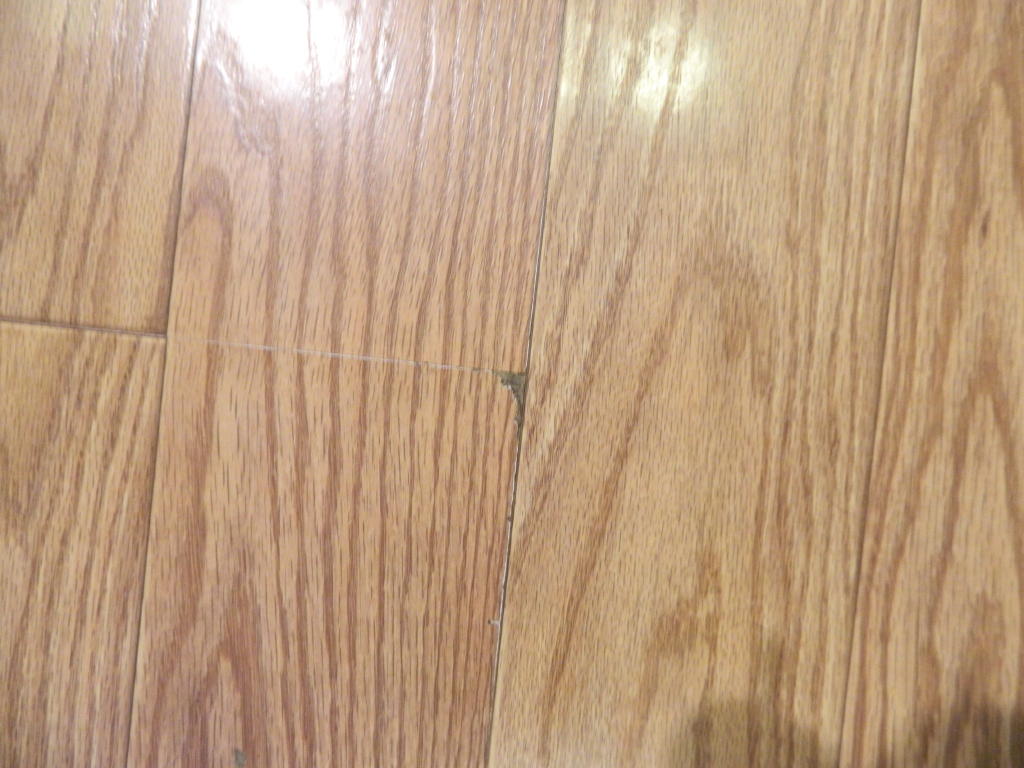
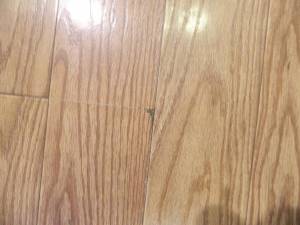
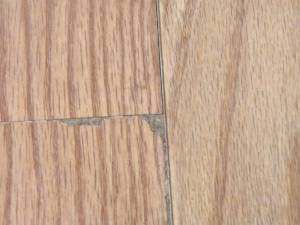
Finish damage from sliding shares
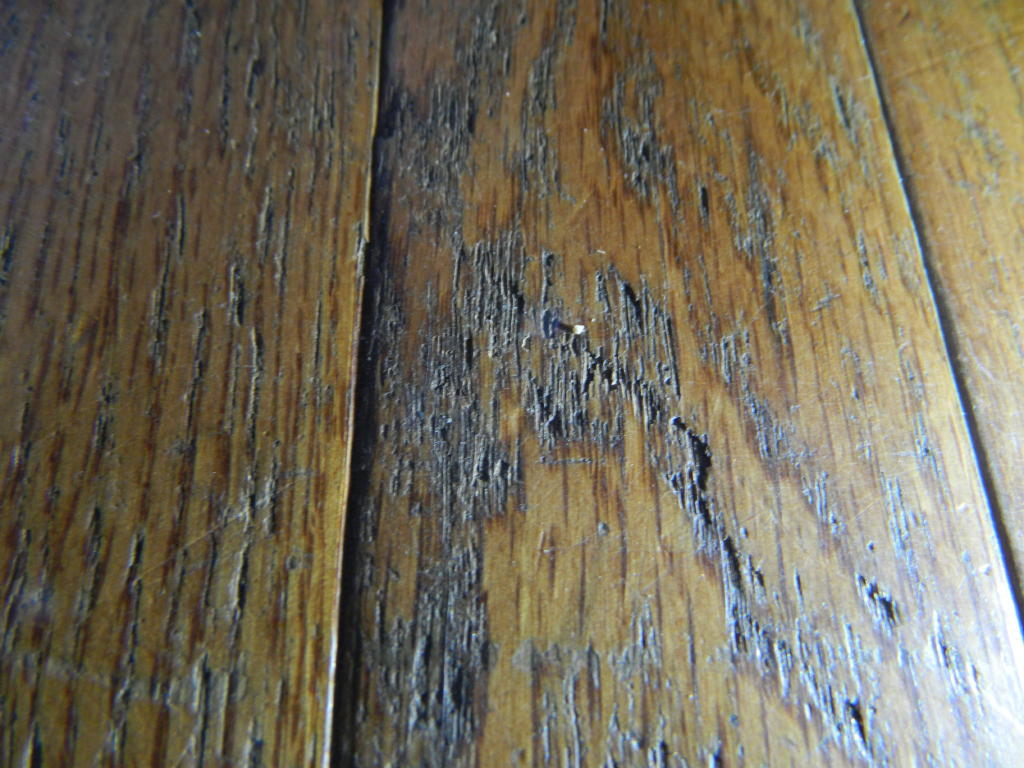
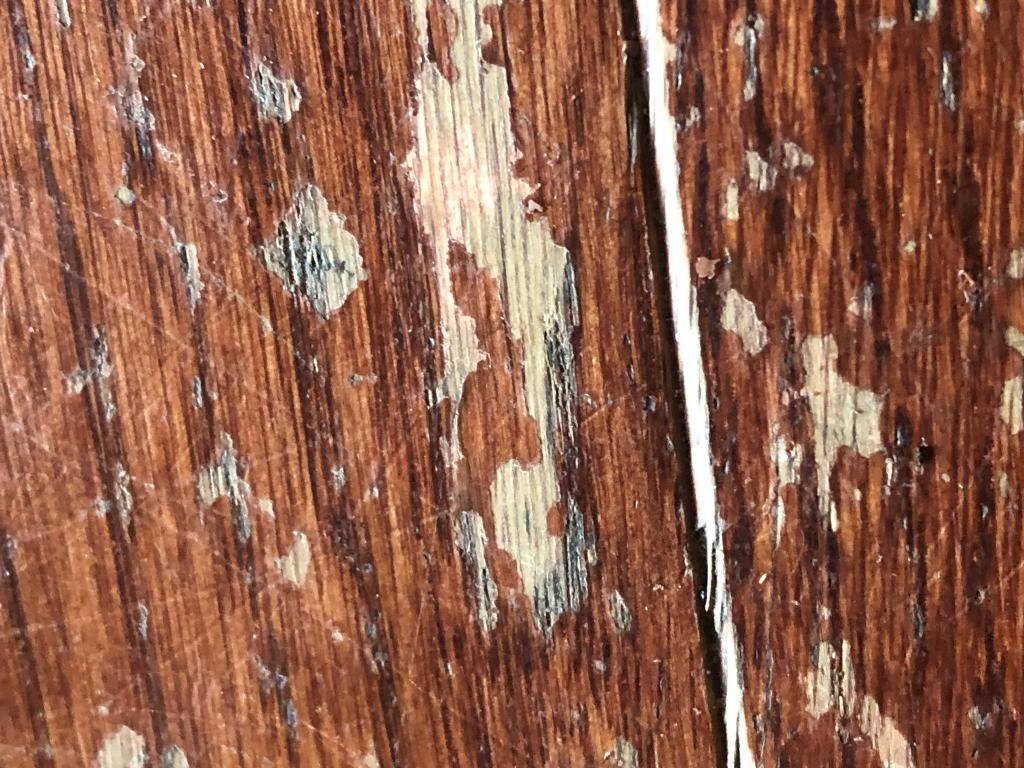
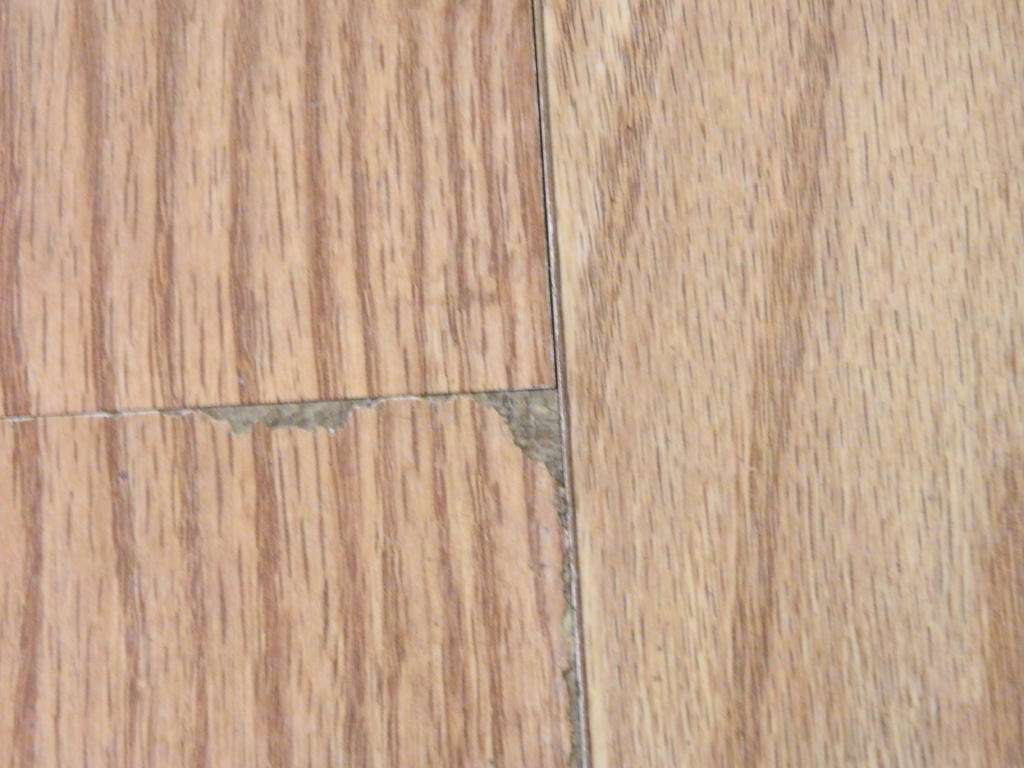
Finish damage
This will damage any floor
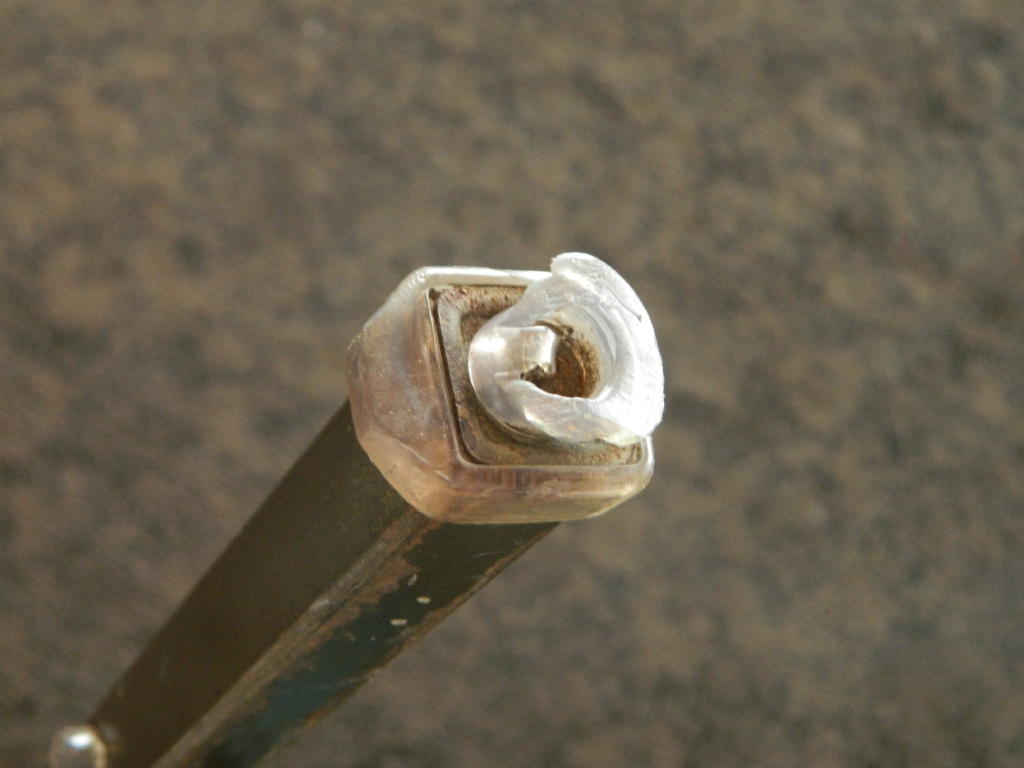
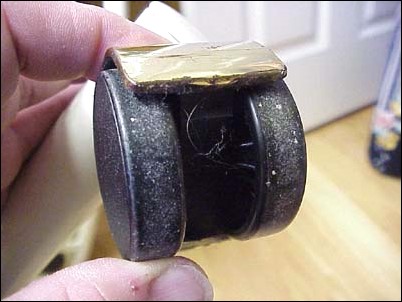
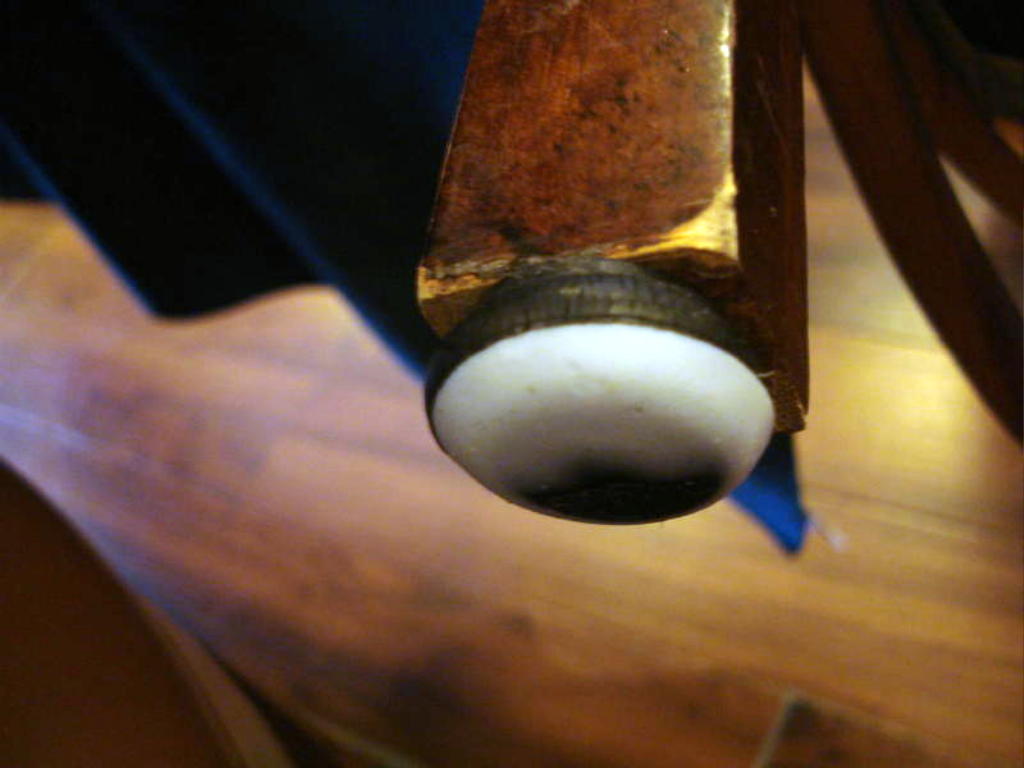
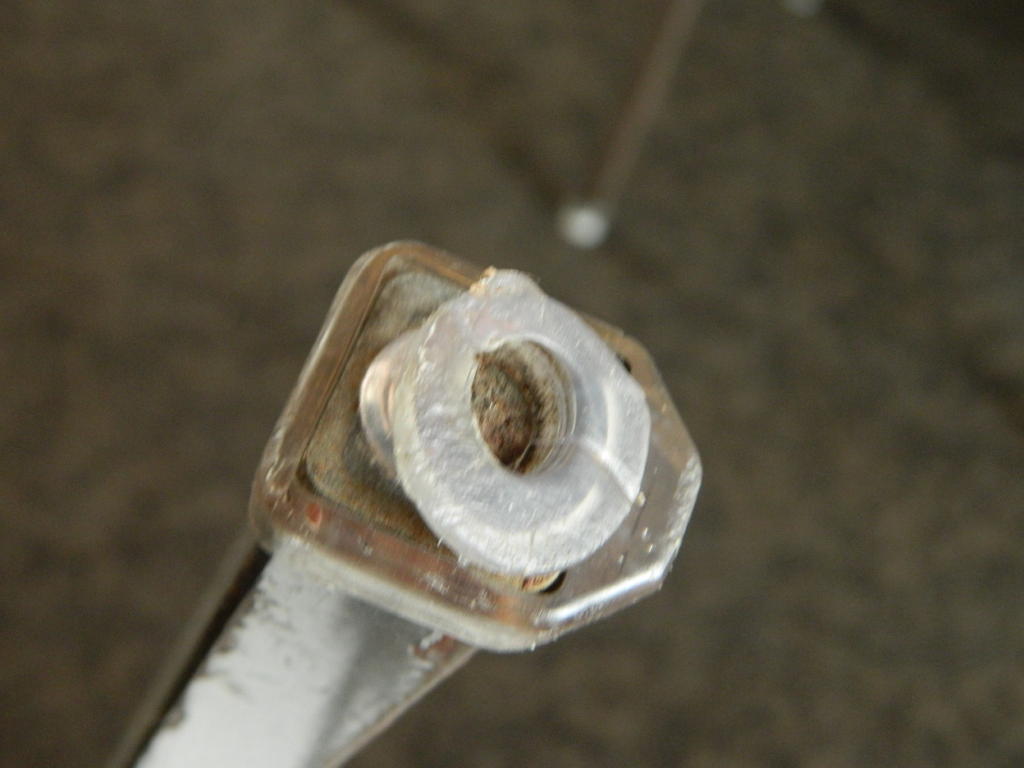
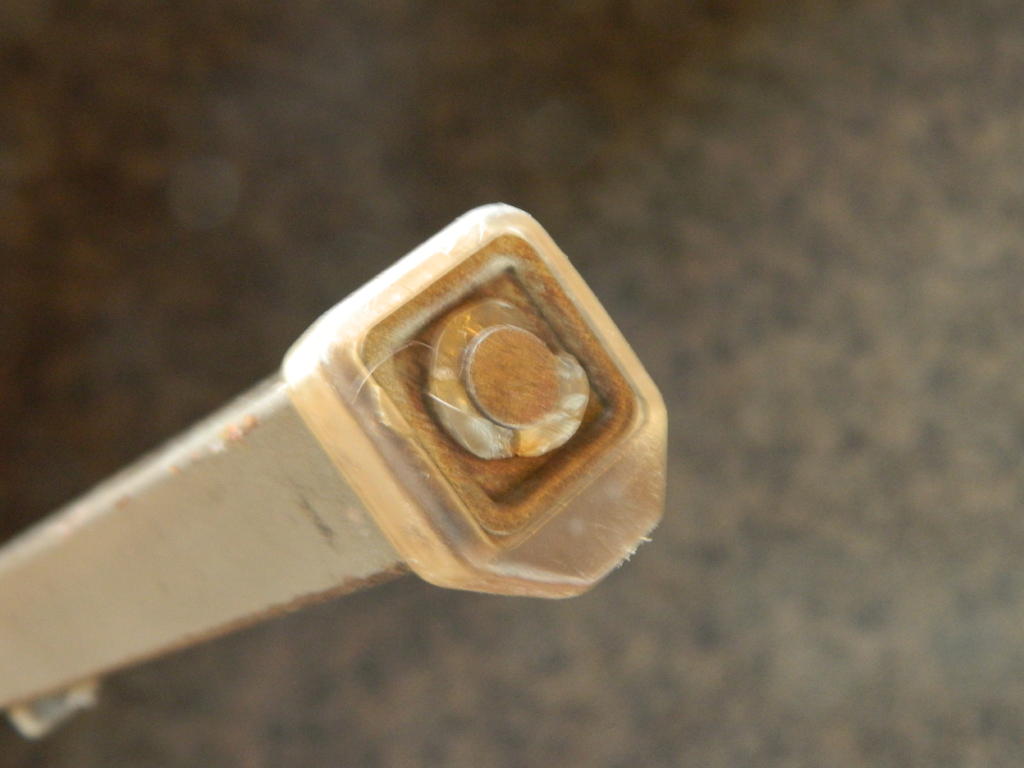
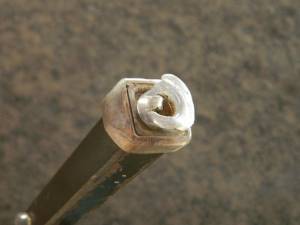
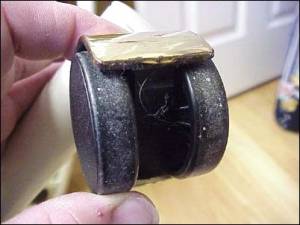
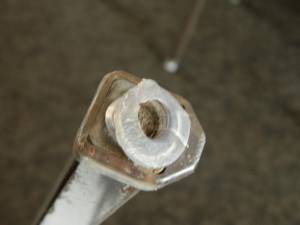
Hard plastic casters can damage hard surface flooring
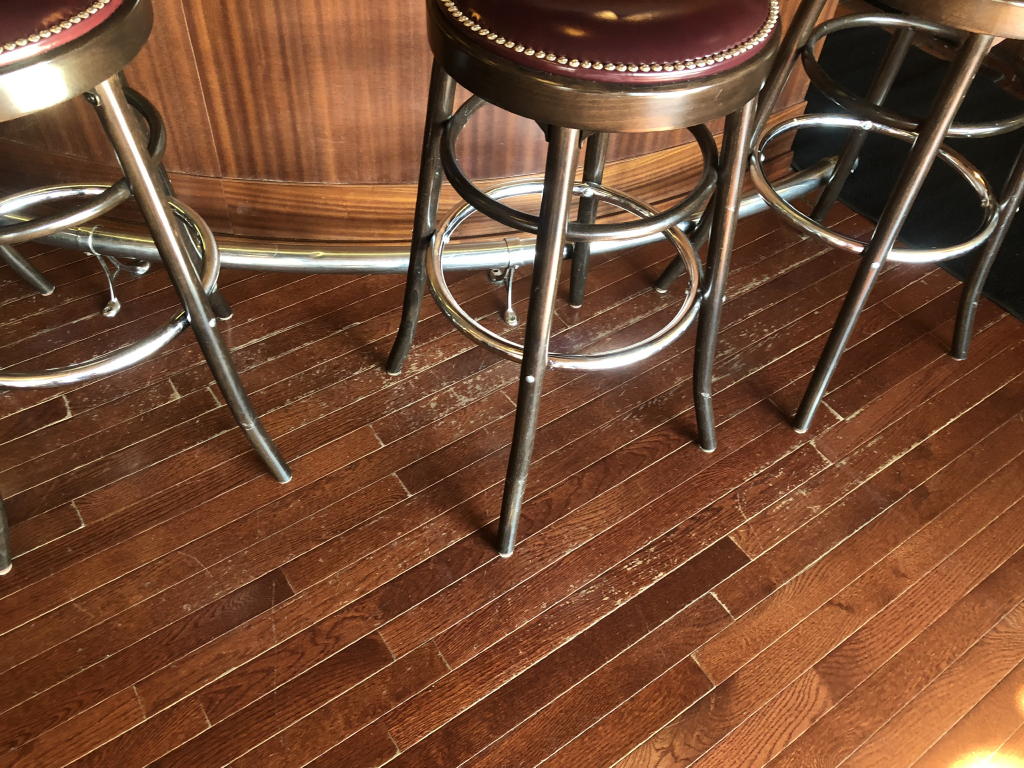
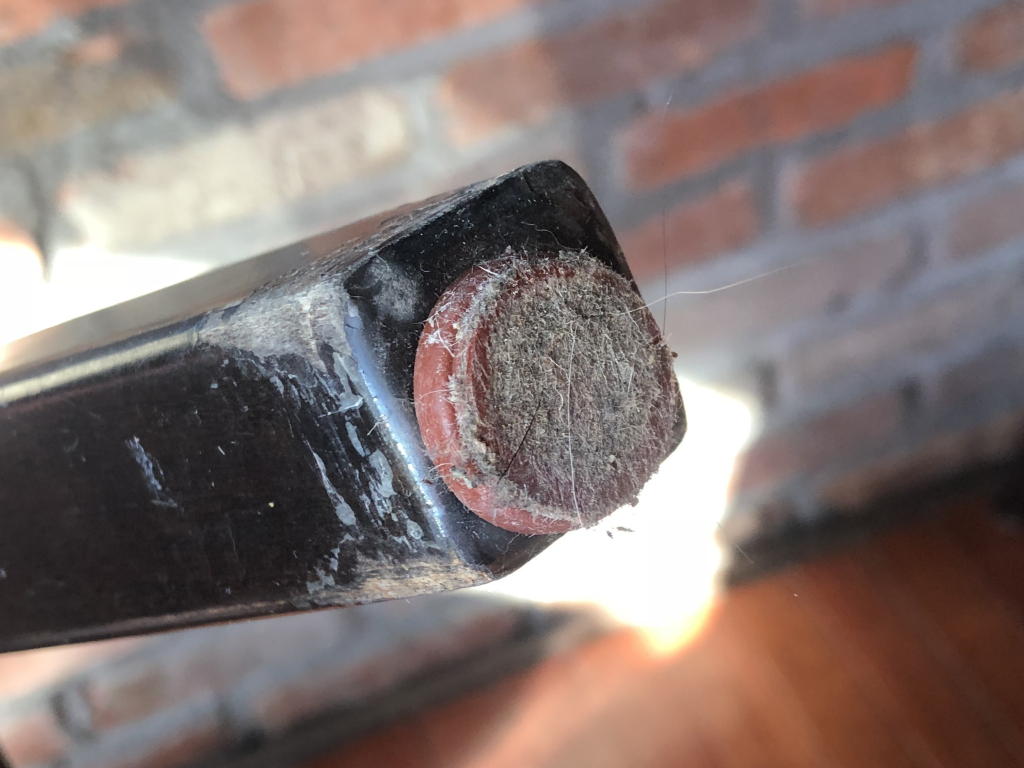
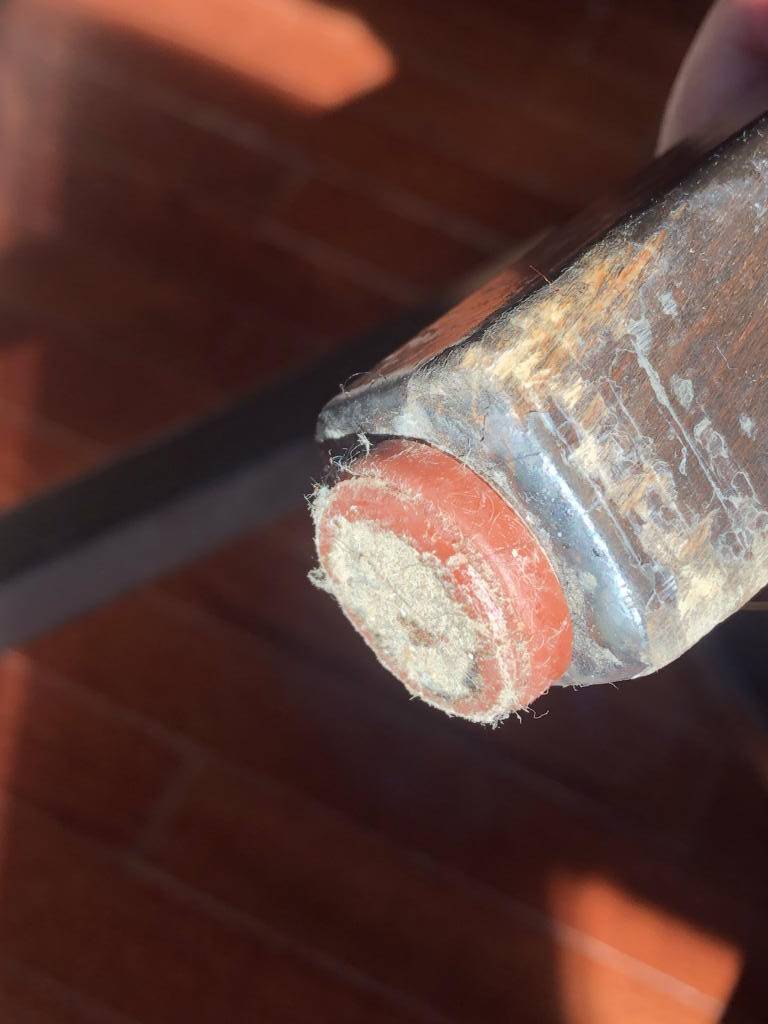
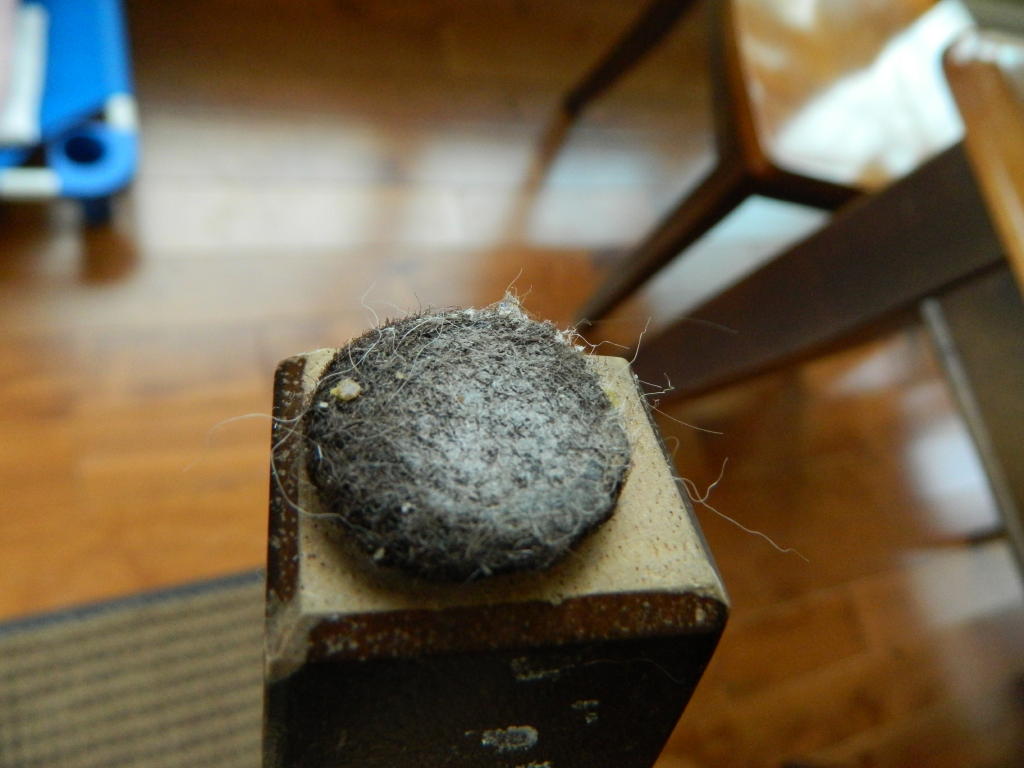
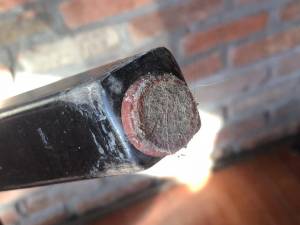
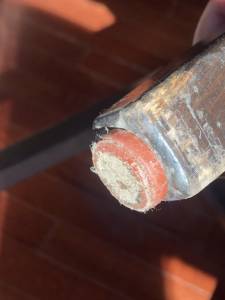
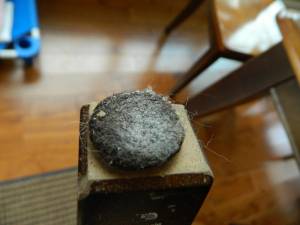
Worn protectors
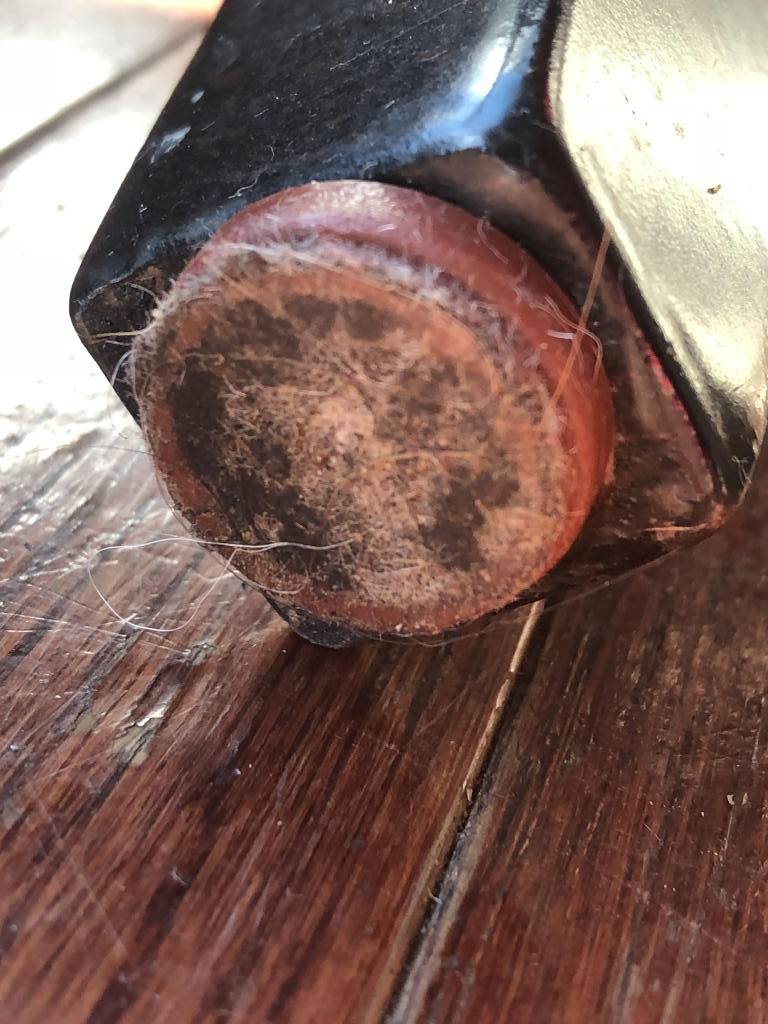
Felt protectors need to be replaced
Damage from sliding chairs
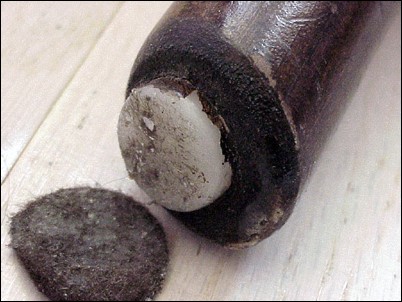
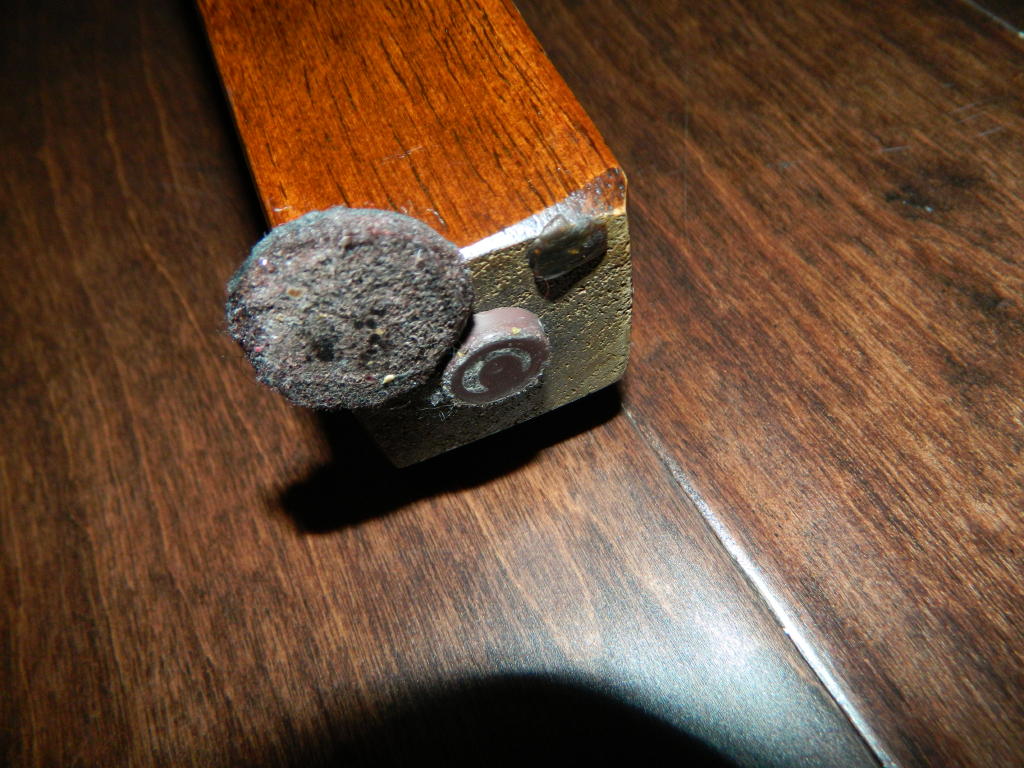
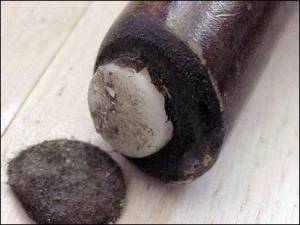
No felt protector
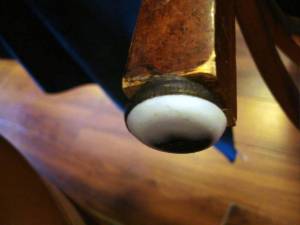
Plastic protectors can damage hard surface flooring
Protector has shifted and ineffective
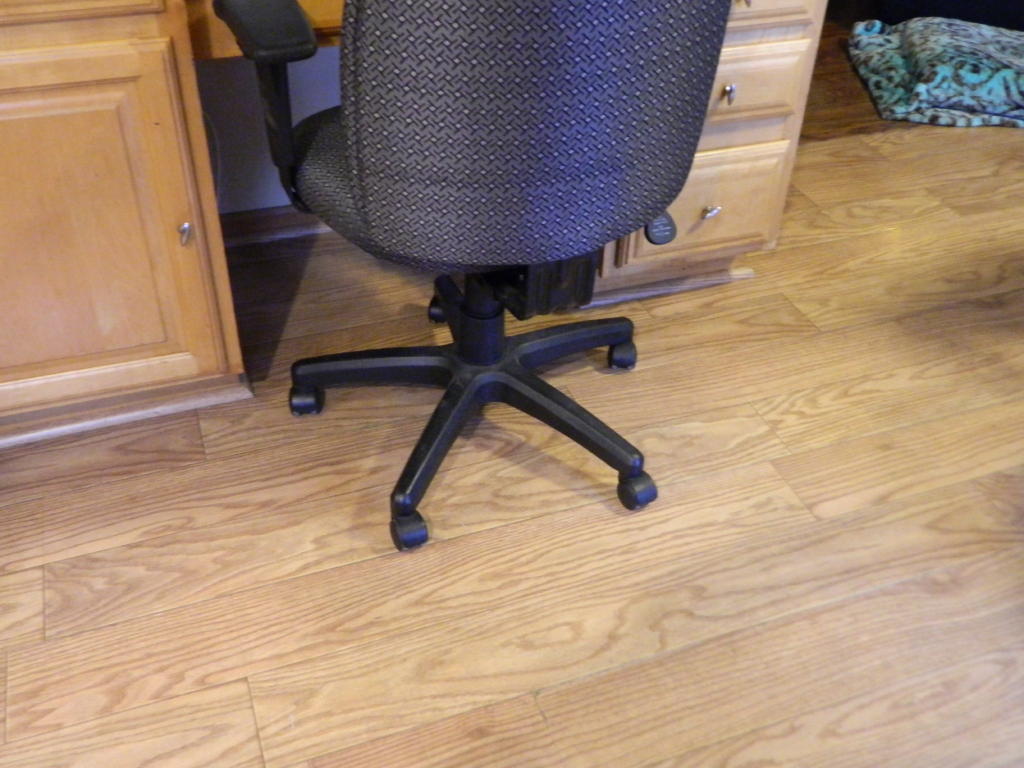
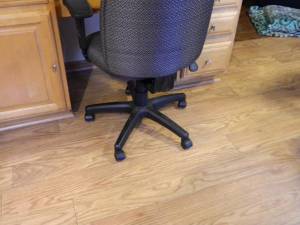
Floor damage from rolling trafficdamage
This protector will damage the floor
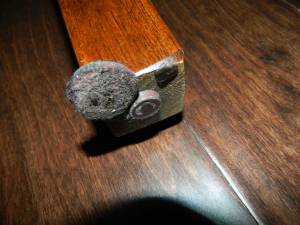
Warn protector
Rolling traffic without chair mat can damage floor
Worn protectors - missing felt
This protector will damage any floor
Chair Protectors / Furniture Contact Conditions (Wood & Laminate)
Floor Detective® Claims and Conditions Guide
Summary
Surface wear, scratching, scuffing, gouging, indentation, or finish damage may develop where furniture legs, glides, pads, wheels, or protectors contact wood or laminate flooring surfaces. When contact materials are small, rigid, worn, uneven, or contain embedded debris, pressure and friction become concentrated at the surface and may produce abrasion, compression, shear stress, finish wear, or localized deformation. Sliding, pivoting, rocking, and rolling movement may lead to progressive surface change that commonly corresponds with furniture placement and movement patterns, although similar damage may also result from a single concentrated contact or impact event. Different flooring materials respond differently to concentrated contact depending on surface hardness, wear-layer construction, finish type, and support conditions. These effects reflect interaction between furniture contact materials and the flooring surface rather than an inherent defect in the flooring product itself. See also Scratching, Dents, and Impact Damage, Early Wear and Surface Damage, and Hardwood Floor Problems for broader context.
Please subscribe to see all content
May 10, 2026
Hardwood floor problems may involve cupping, gaps, buckling, finish issues, movement, noise, or moisture-related distortion. Learn how hardwood flooring conditions...
Read More
April 3, 2026
Wood decay in hardwood flooring is a moisture-related condition that causes soft, weakened, and deteriorated wood. Proper evaluation distinguishes fungal...
Read More
April 3, 2026
Termite damage in hardwood flooring involves internal wood consumption, gallery formation, and structural weakening caused by insect activity.
Read More
February 22, 2026
Bamboo flooring construction affects dimensional movement, moisture response, spacing, and long-term flooring performance under changing environmental conditions.
Read More
January 26, 2026
Checks, splits, and shake are different wood separation conditions in hardwood flooring that vary in origin, depth, structural significance, and...
Read More
December 16, 2025
Hardwood grain raise is a surface texture condition caused by swelling and lifting of exposed wood fibers after moisture exposure...
Read More
December 16, 2025
Lap marks in hardwood flooring are visible streaks or bands caused by uneven blending between overlapping finish passes. The condition...
Read More
August 7, 2023
Splits and Cracks (Hardwood Flooring) Floor Detective® Claims and Conditions Guide Summary Splits and cracks in hardwood flooring are structural...
Read More
December 5, 2022
Wood distortion in hardwood flooring involves bowing, twisting, cupping, and dimensional shape change caused by moisture variation and internal stress...
Read More
January 1, 2022
Wood shear and delamination are distinct engineered hardwood separation mechanisms involving cohesive wood-fiber rupture or adhesive bond-line release.
Read More