
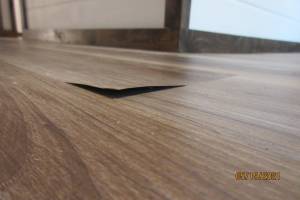
Delamination

Delamination

Delamination 468

Delamination

LVT Delamination 3456544

2

LVT Delamination 334455

3

LVT Delamination 5456

Delamination

Sierra Exif JPEG

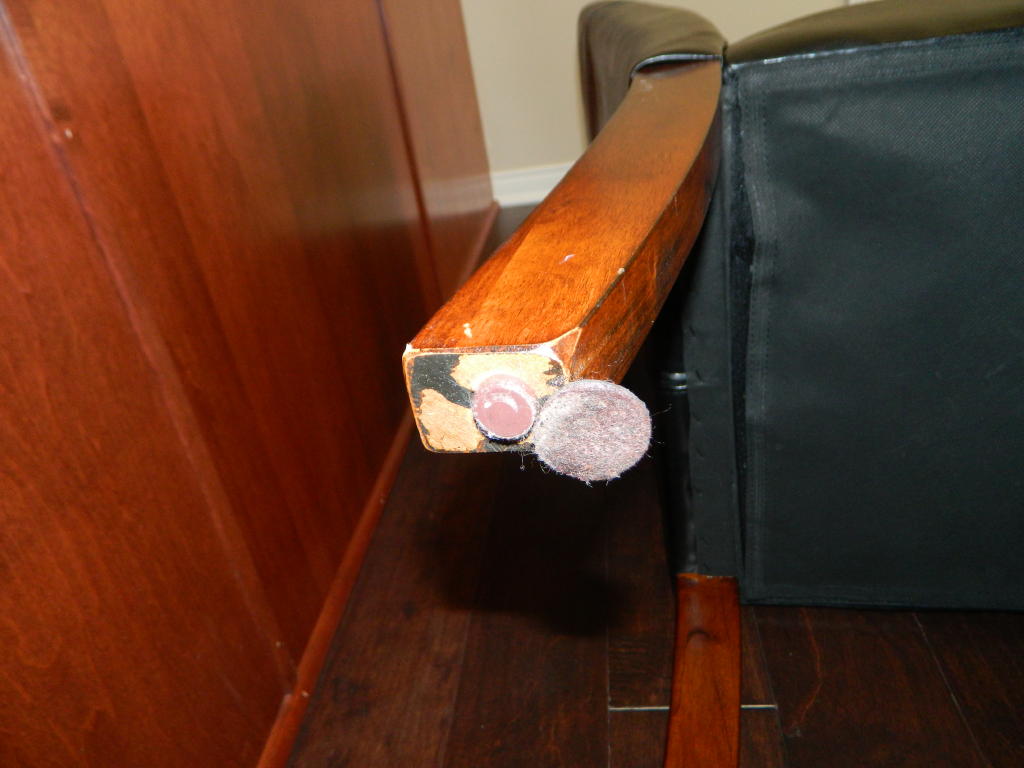
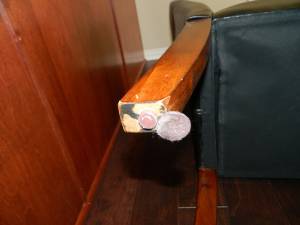
Edge damaged by improper chair protector

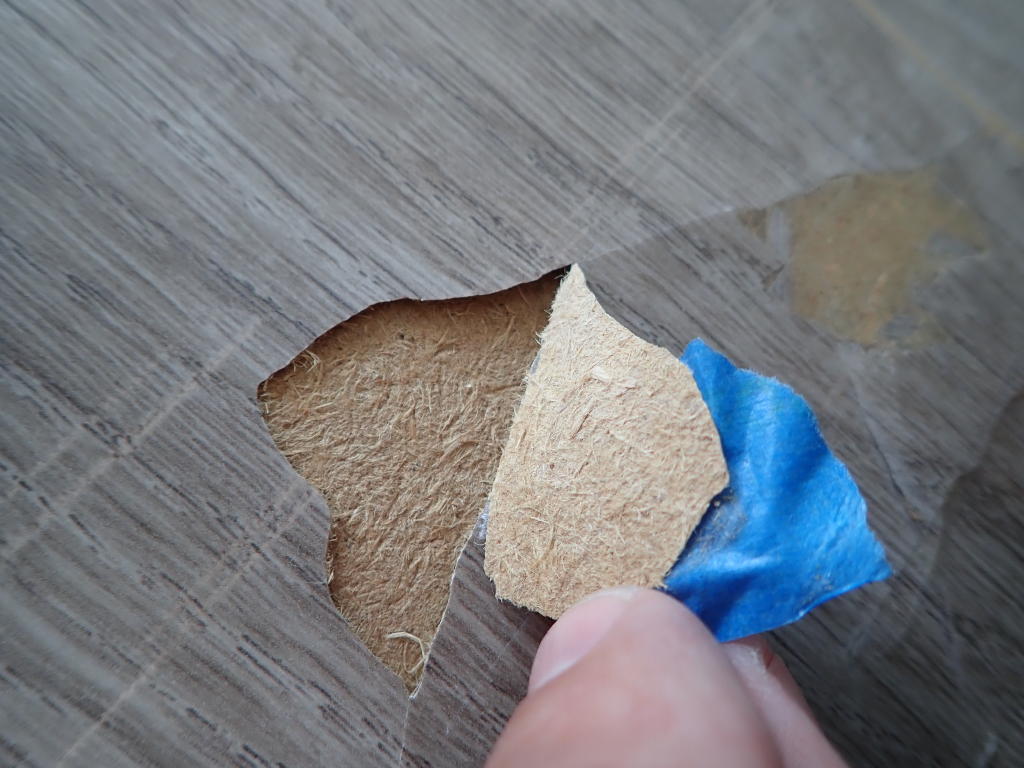
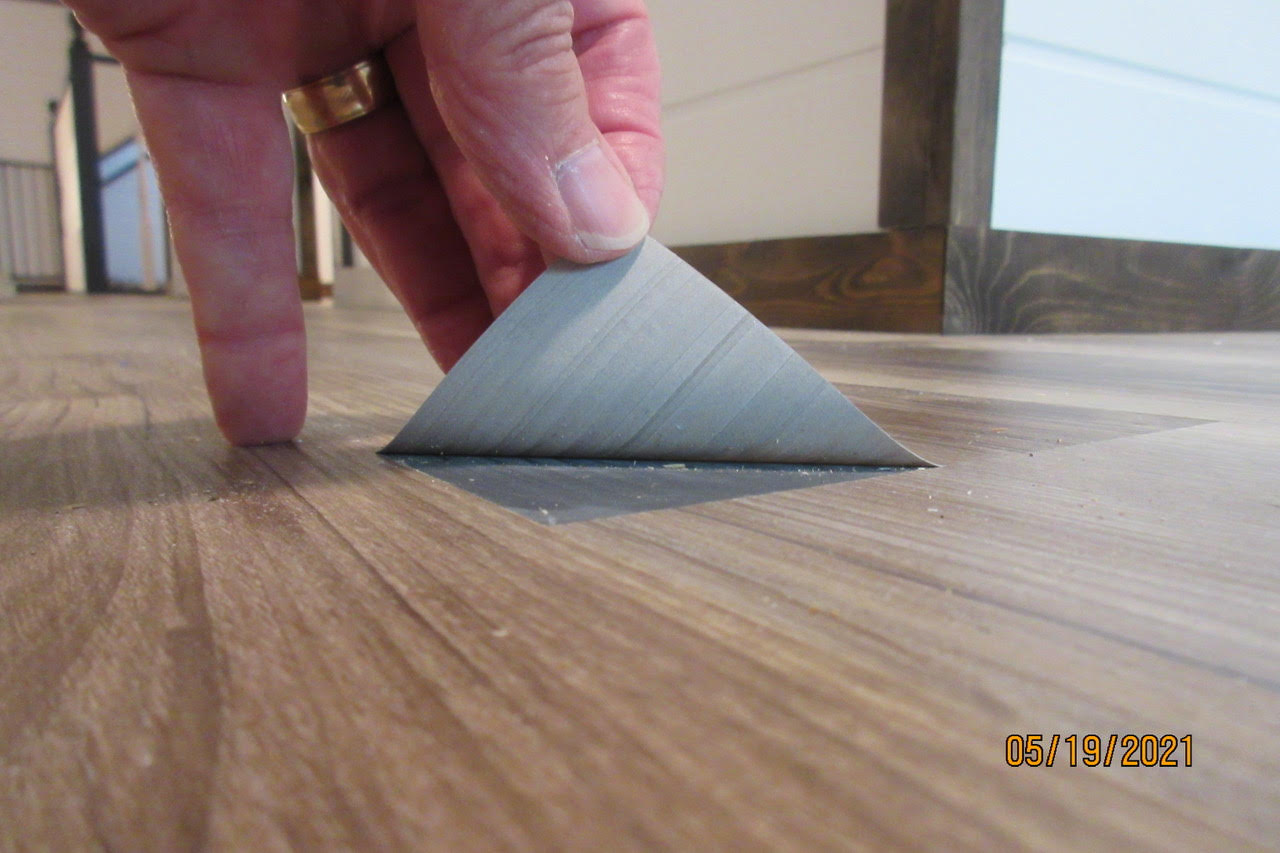
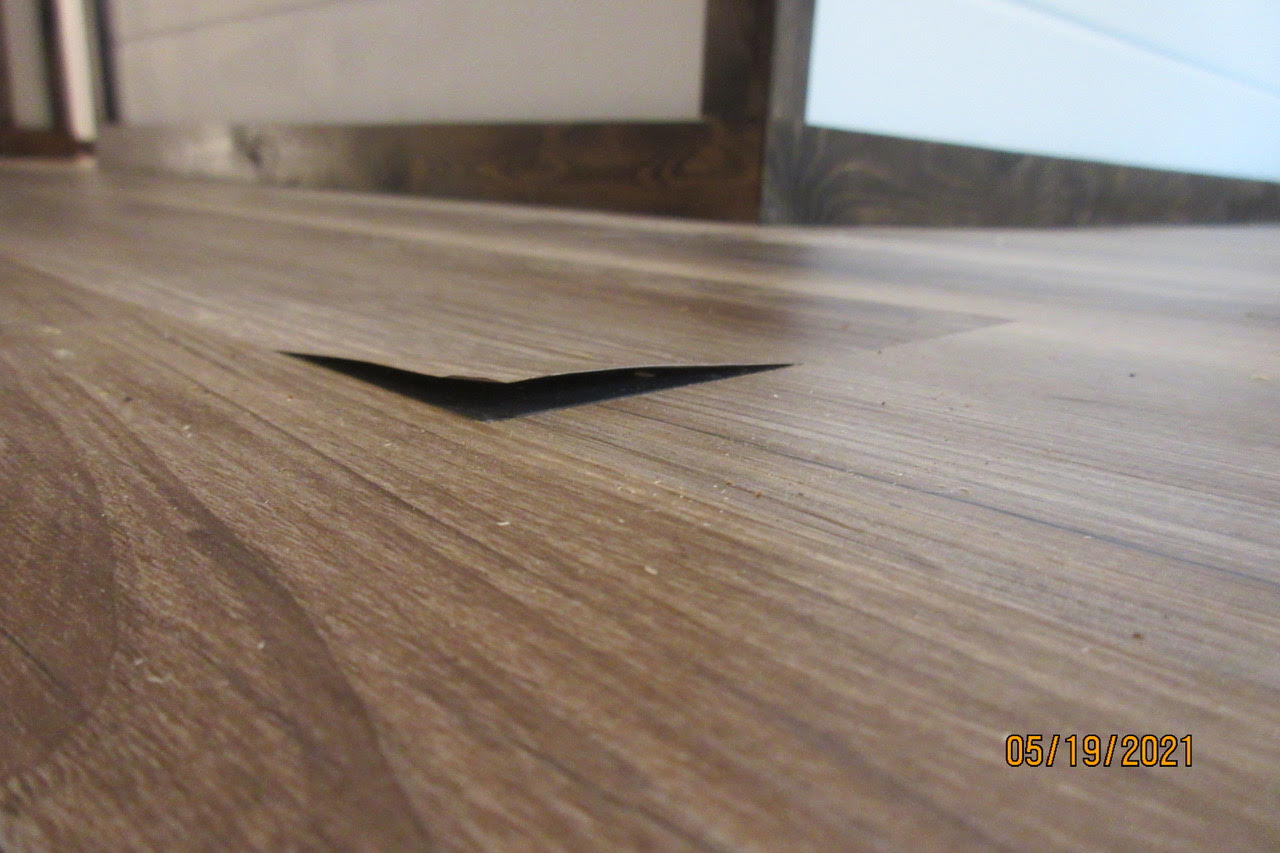
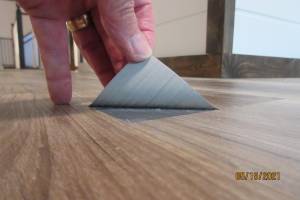
Delamination and internal layer separation in resilient plank flooring

3

Sierra Exif JPEG

Delaminationor damage

Sierra Exif JPEG

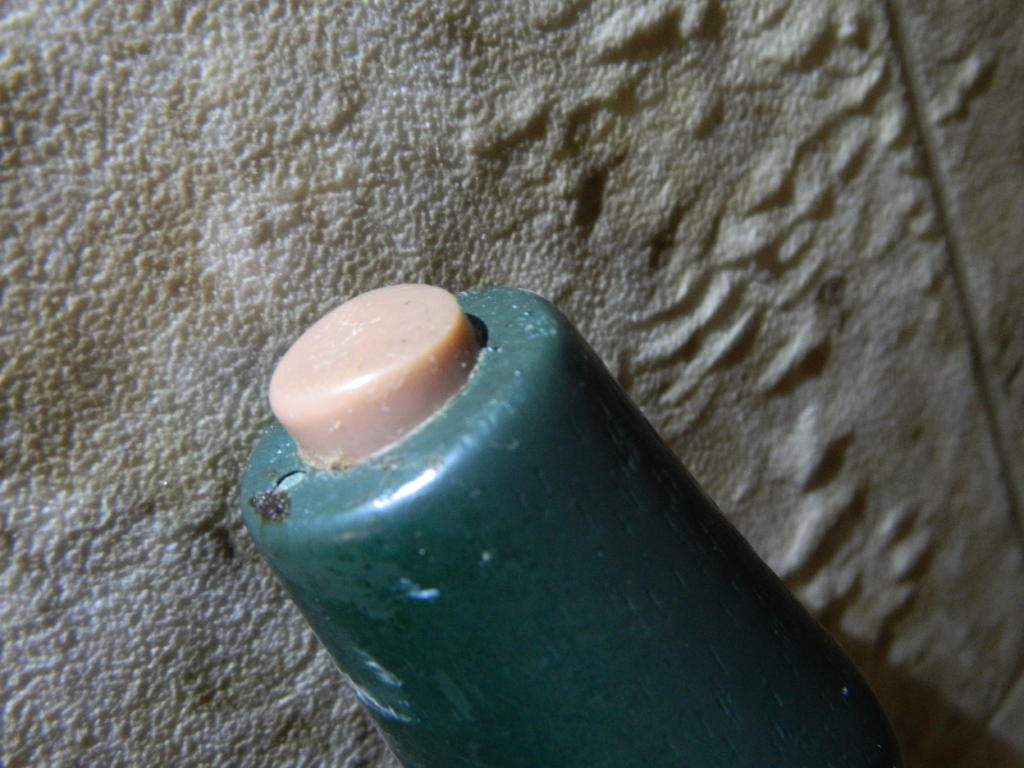
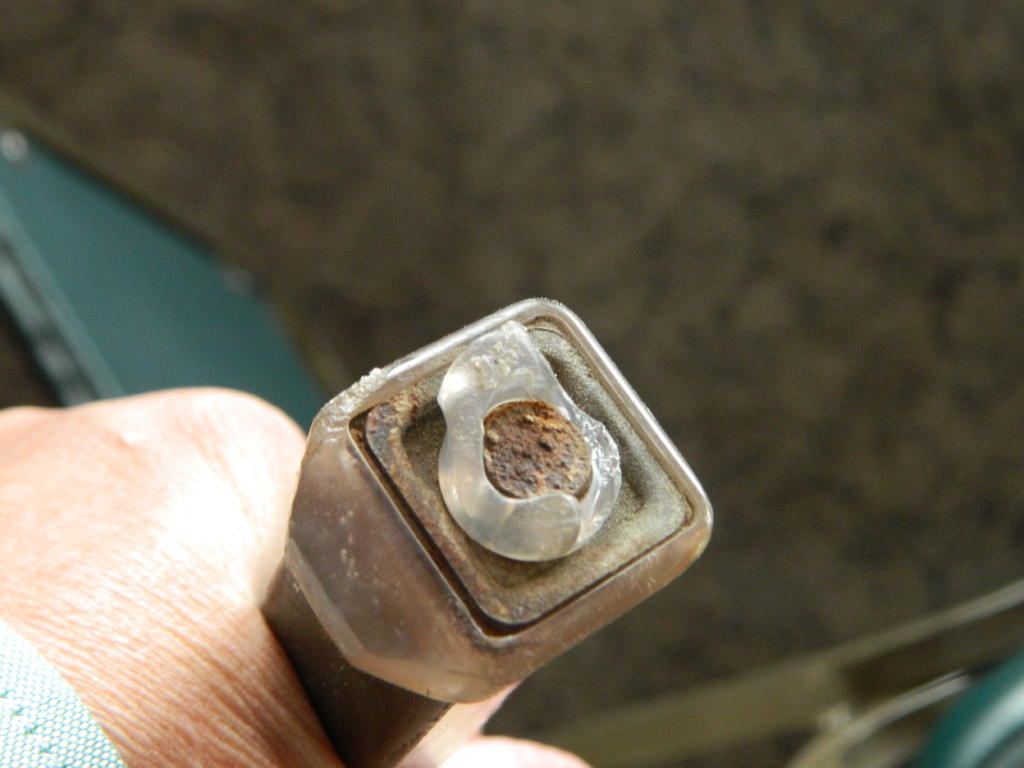
Improper chair protector can damage flooring

Sierra Exif JPEG

Delamination of the wear layer

Sierra Exif JPEG

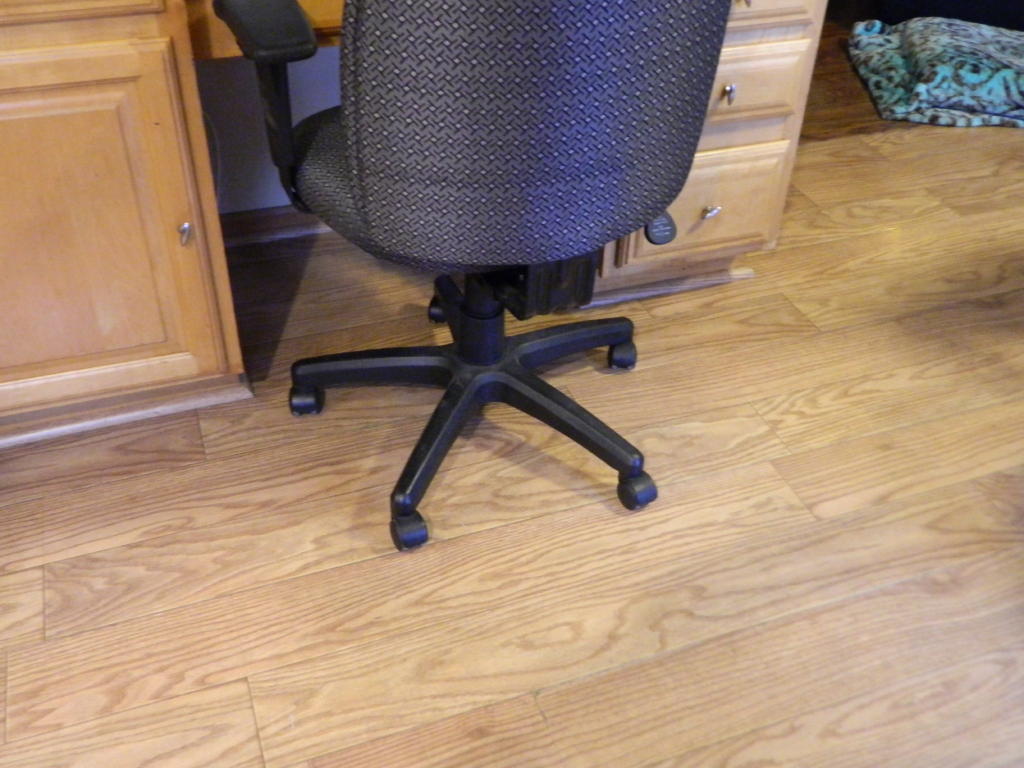
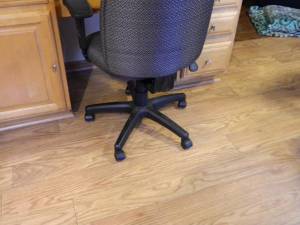
Rolling traffic without chair mat can damage floor

Sierra Exif JPEG

Sharp chair bottom can pull yarns out

Sierra Exif JPEG

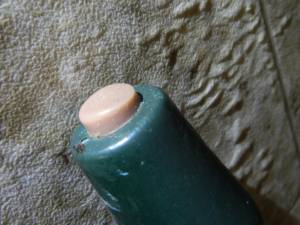
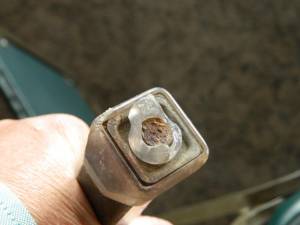
Felt protector inadequate

Bill Cleveland Photo- LVP Delamination

Delamination

Bill Cleveland Photo- LVP Delamination 2

Delamination

Delamination 468 LVT Delamination 3456544 LVT Delamination 334455 LVT Delamination 5456 Sierra Exif JPEG Delamination and internal layer separation in resilient plank flooring Sierra Exif JPEG Sierra Exif JPEG Sierra Exif JPEG Sierra Exif JPEG Sierra Exif JPEG Sierra Exif JPEG Bill Cleveland Photo- LVP Delamination Bill Cleveland Photo- LVP Delamination 2

Delamination (Resilient Plank)

Floor Detective® Claims and Conditions Guide

Summary

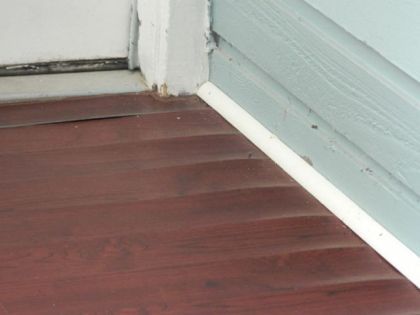
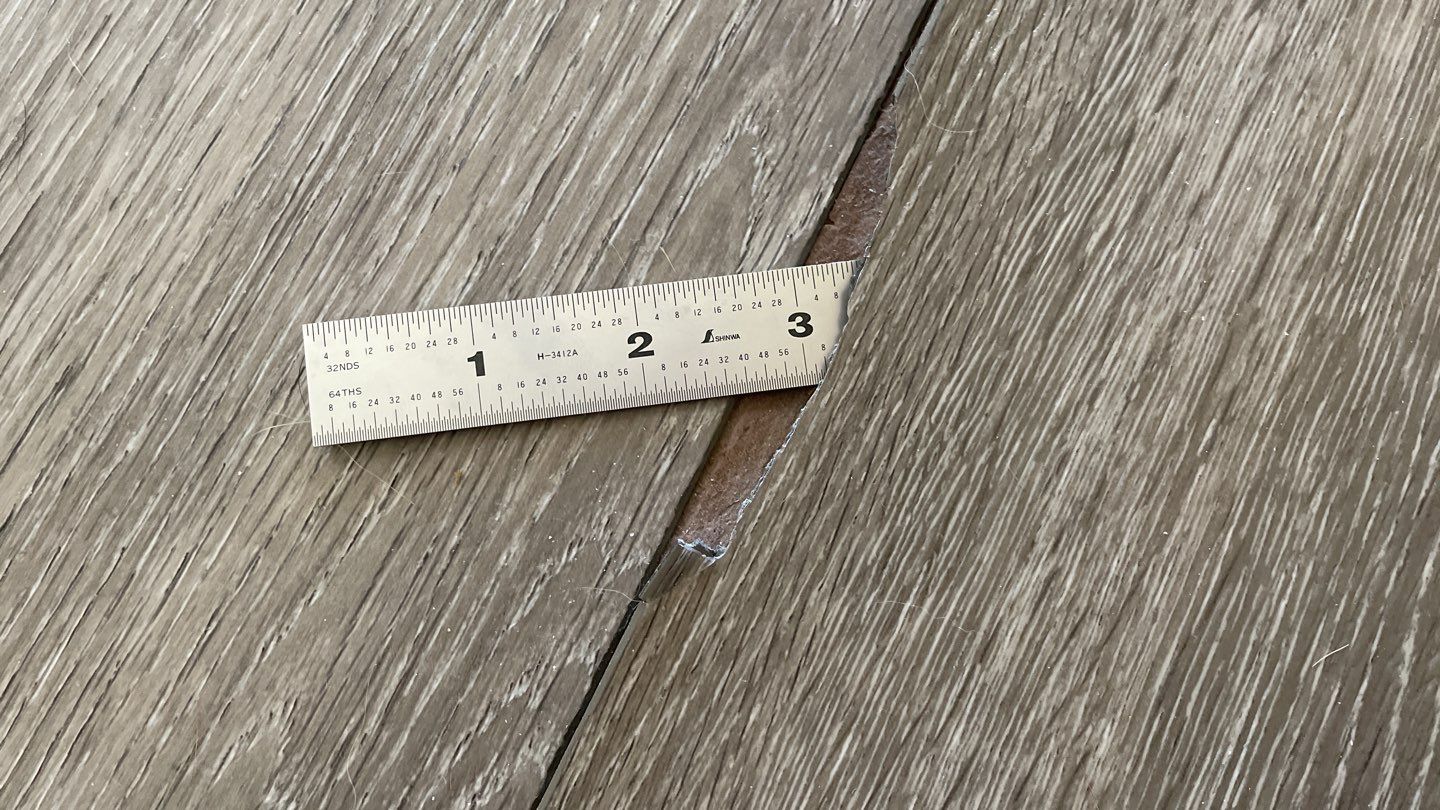
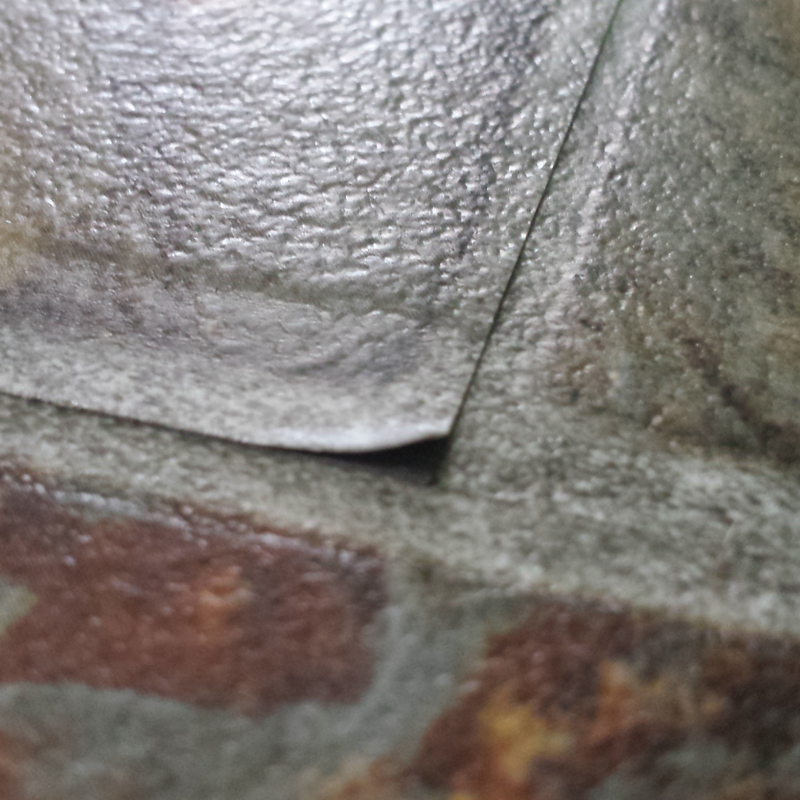
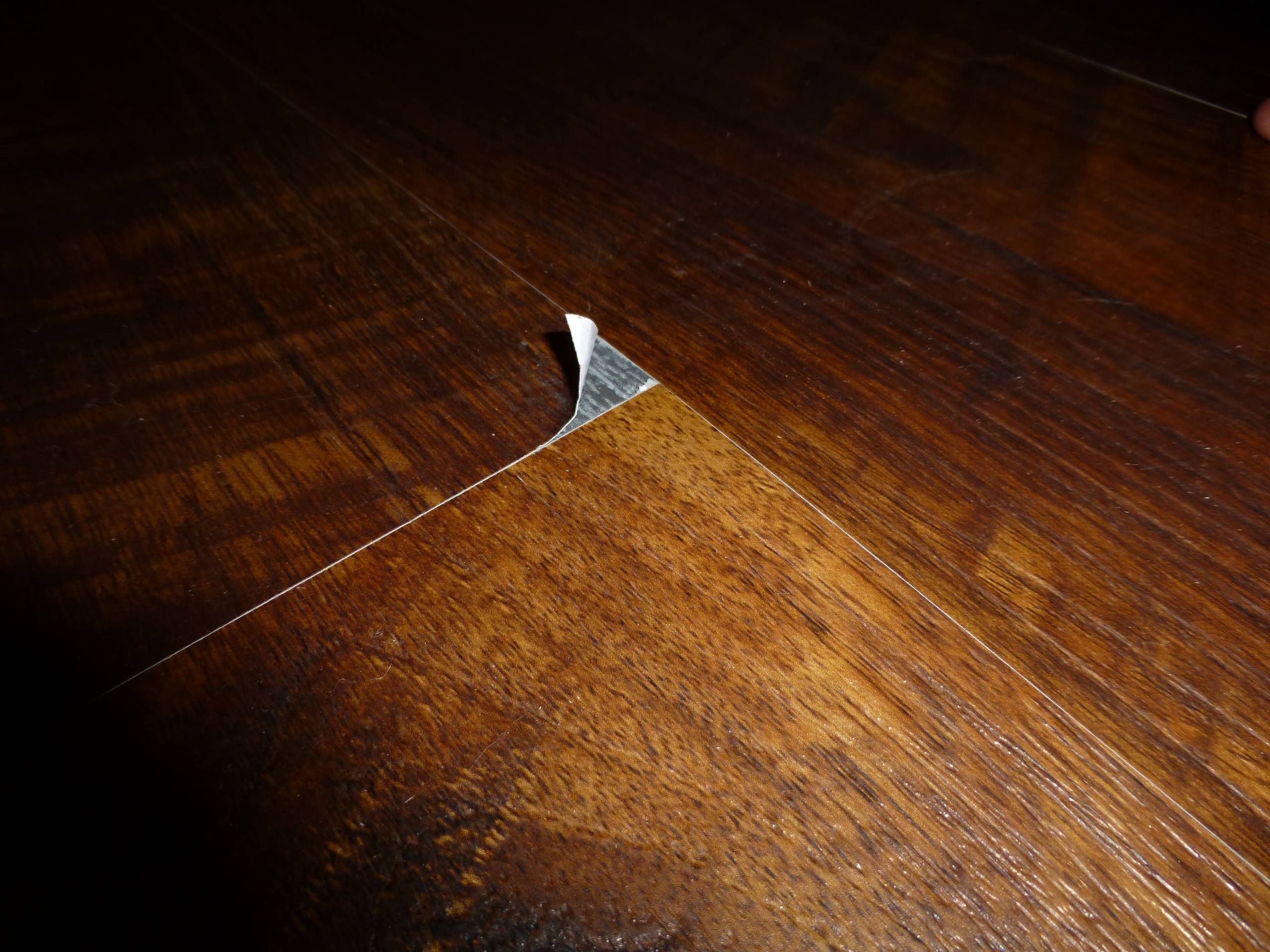
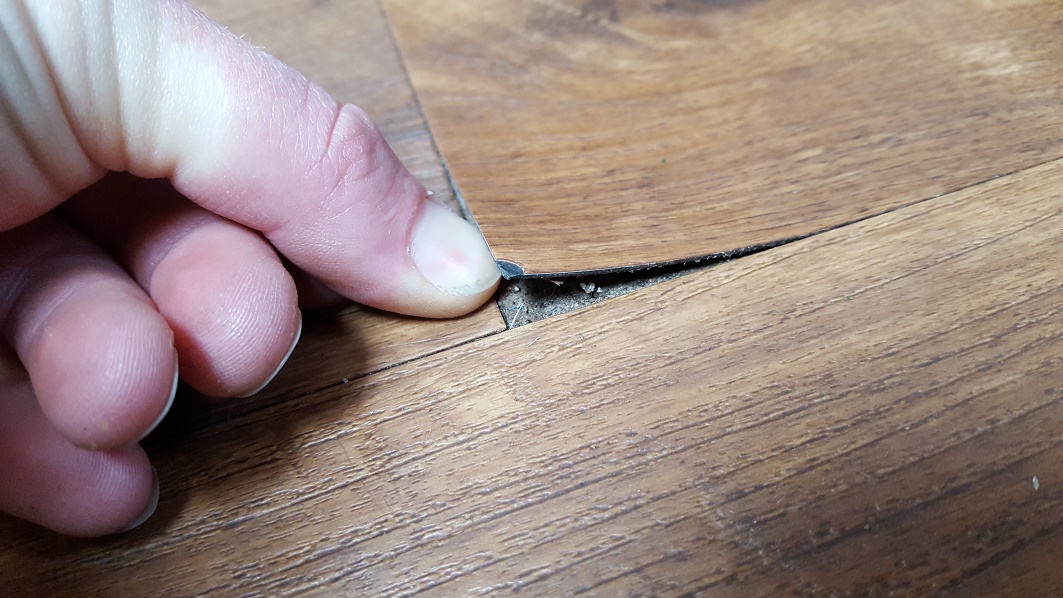
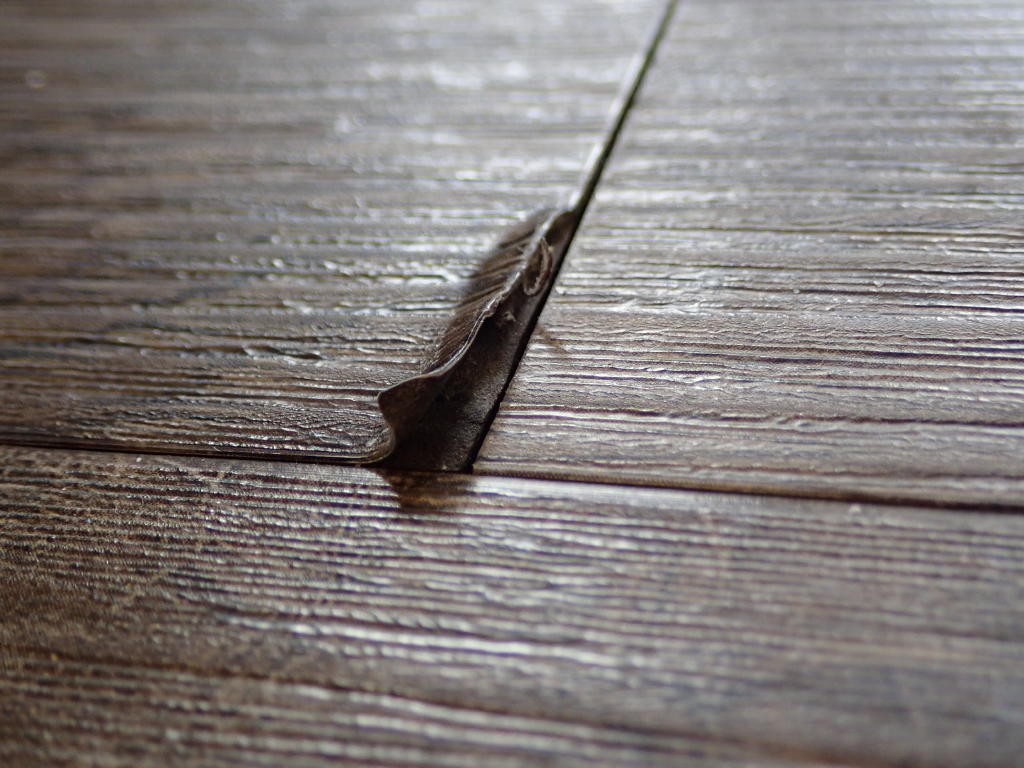
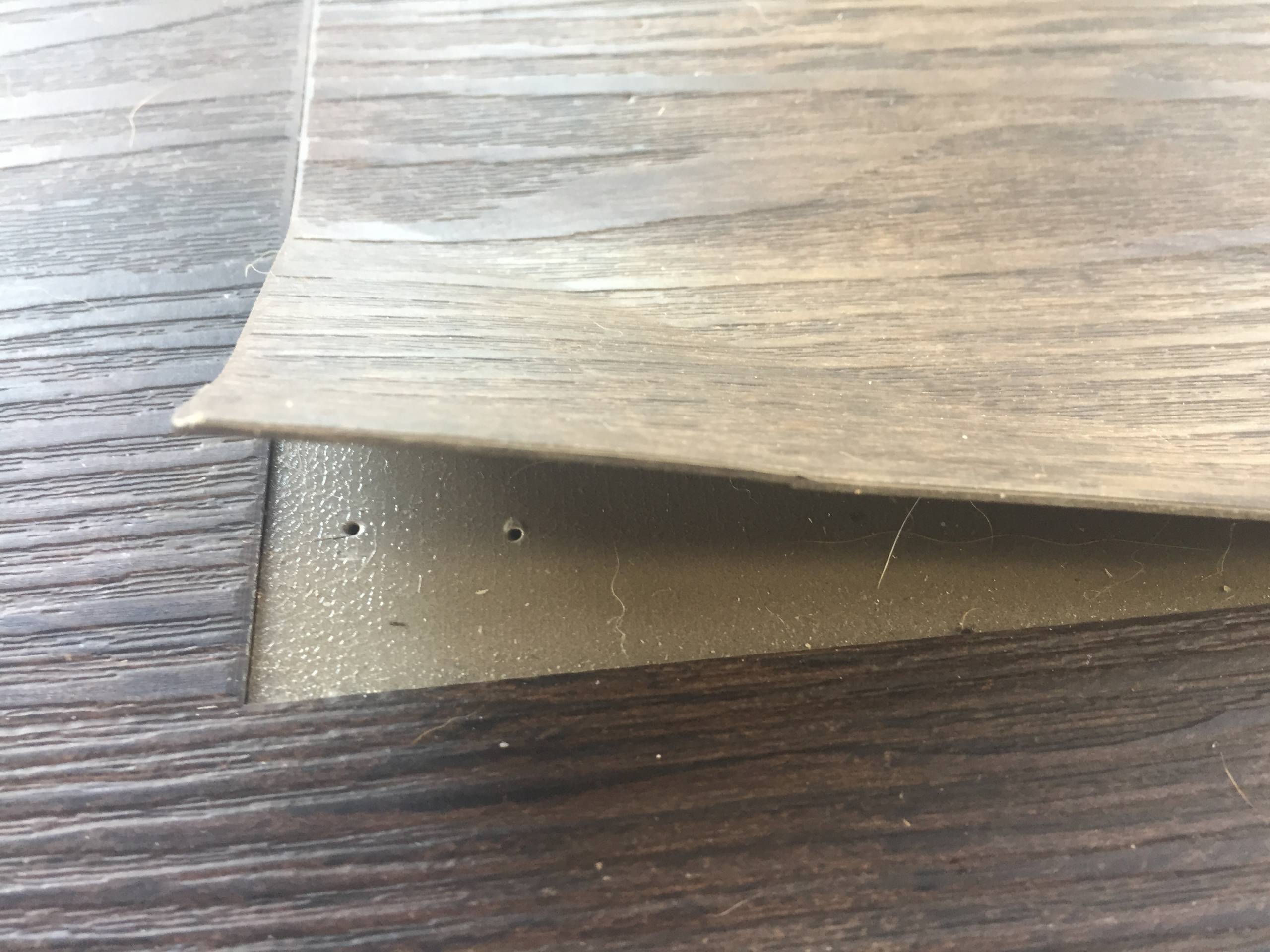
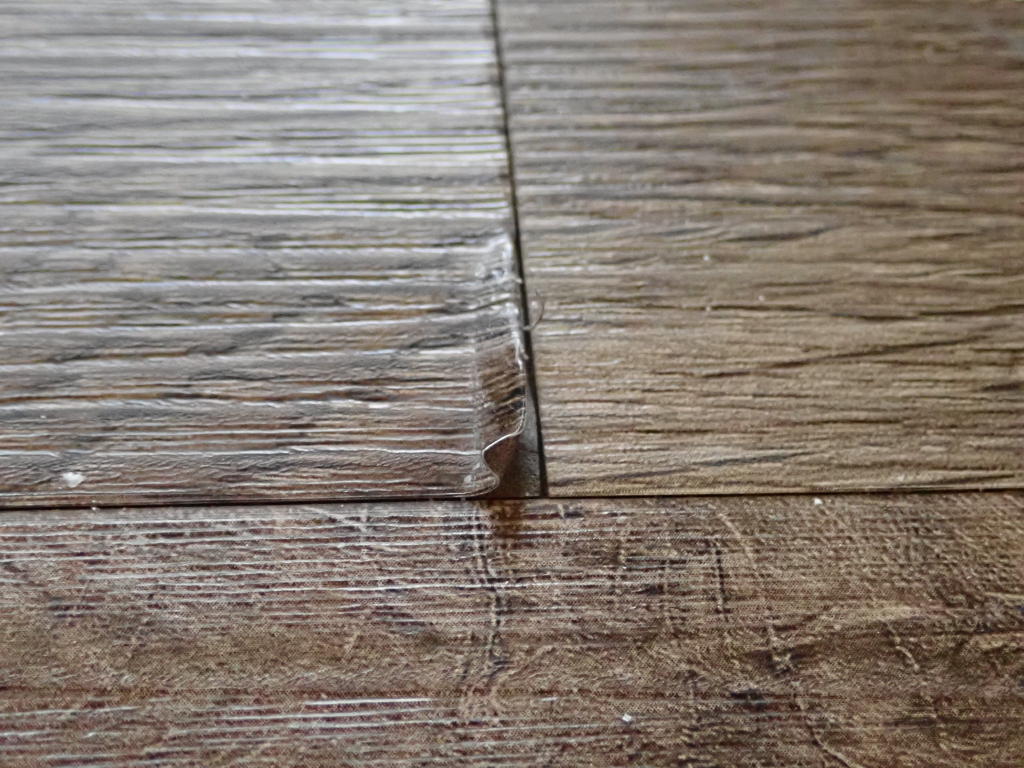
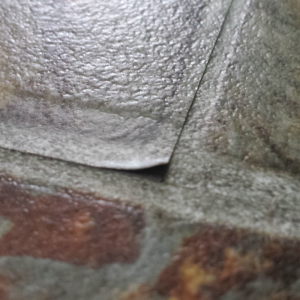
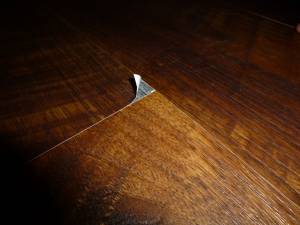
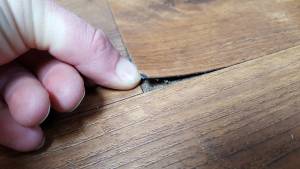
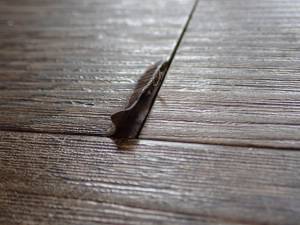
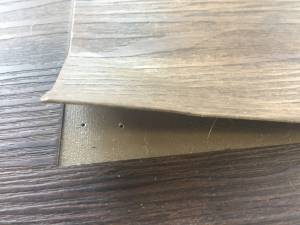
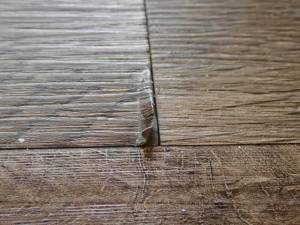
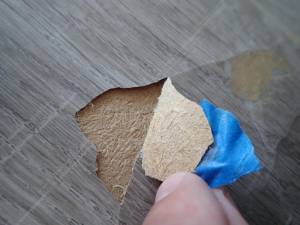
Delamination in resilient plank flooring is a condition involving separation between bonded layers within the plank structure. Modern resilient plank products are multi-layer composite constructions consisting of a wear layer, decorative film, core structure, and in some products an attached backing or cushion layer. These components are bonded together during manufacturing to function as a unified structural assembly. When internal bond strength becomes weakened or disrupted, layers within the plank may separate and produce lifting, bubbling, soft areas, distortion, loss of rigidity, or localized structural instability. Delamination may develop from manufacturing-related bond irregularities, repeated flex stress, concentrated loading, environmental exposure, contaminant interaction, or combined flooring-system influences. The condition may remain concealed prior to installation and become visible only after the flooring is subjected to service conditions. Proper evaluation requires distinguishing internal layer separation from telegraphing, surface blistering, impact damage, substrate irregularity, or expansion-related movement conditions. See also Blisters, Core Void Resilient Plank, and LVT and SPC Floor Problems for broader context.
Please subscribe to see all content

Chair-Caster Damage (LVT/SPC Flooring)
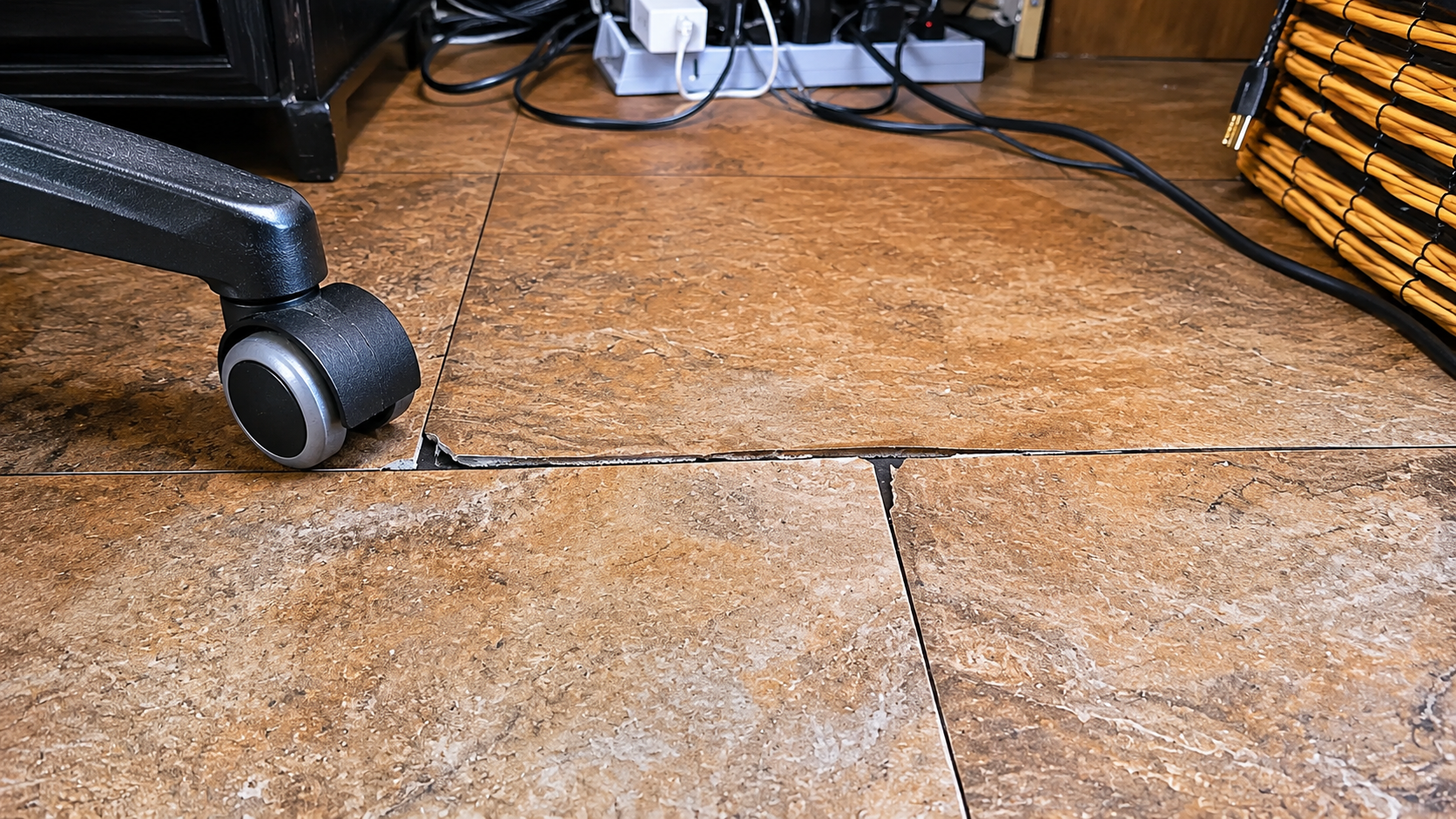
Chair-caster damage in LVT and SPC flooring may appear as scratching, indentation, joint damage, noise, or locking-profile failure caused by...
Read More
Chair-Caster Damage (LVT/SPC Flooring)

LVT and SPC Floor Problems
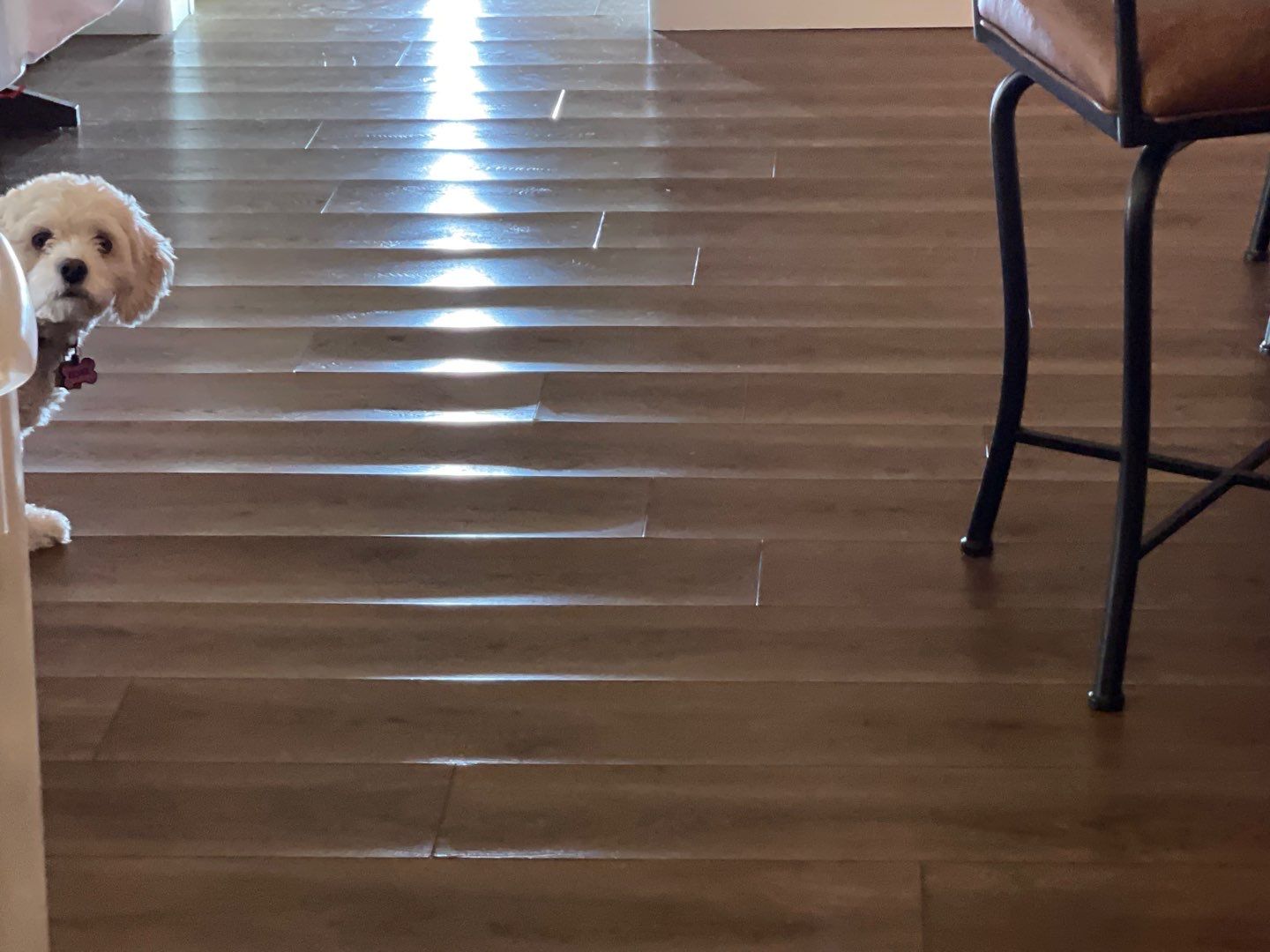
LVT and SPC floor problems may involve movement, gapping, curling, noise, indentation, discoloration, or substrate-related effects.
Read More
LVT and SPC Floor Problems

Cross-Machine Direction (Width) Shading / Texture Variation (Resilient Sheet Vinyl)
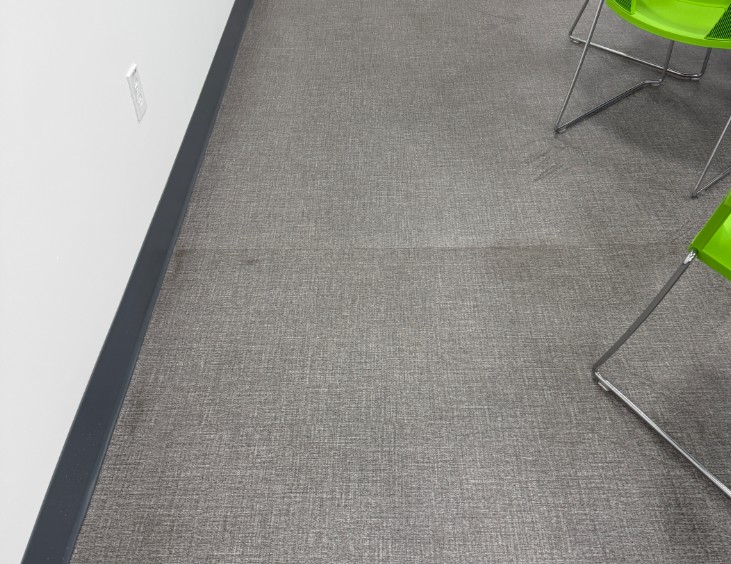
Cross-machine direction shading in resilient sheet vinyl involves side-to-side visual or texture variation across the sheet width.
Read More
Cross-Machine Direction (Width) Shading / Texture Variation (Resilient Sheet Vinyl)

Sheet Shrinkage / Seam Opening (Resilient Sheet Flooring)
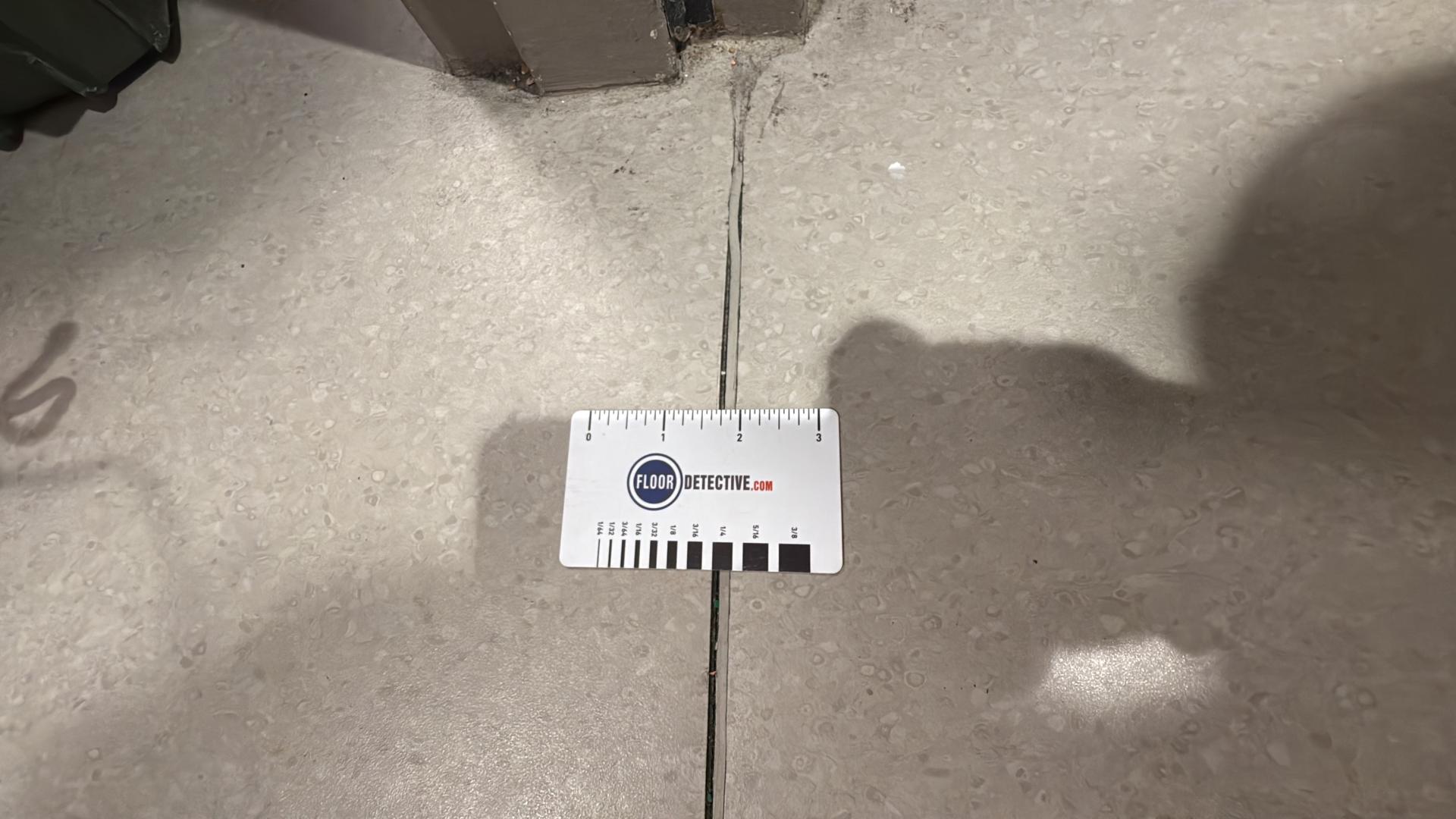
Sheet shrinkage and seam opening in resilient sheet flooring involve dimensional movement, edge pull-back, and flooring-system stress redistribution.
Read More
Sheet Shrinkage / Seam Opening (Resilient Sheet Flooring)

Heat Weld Seam Failure (Resilient Sheet Flooring)
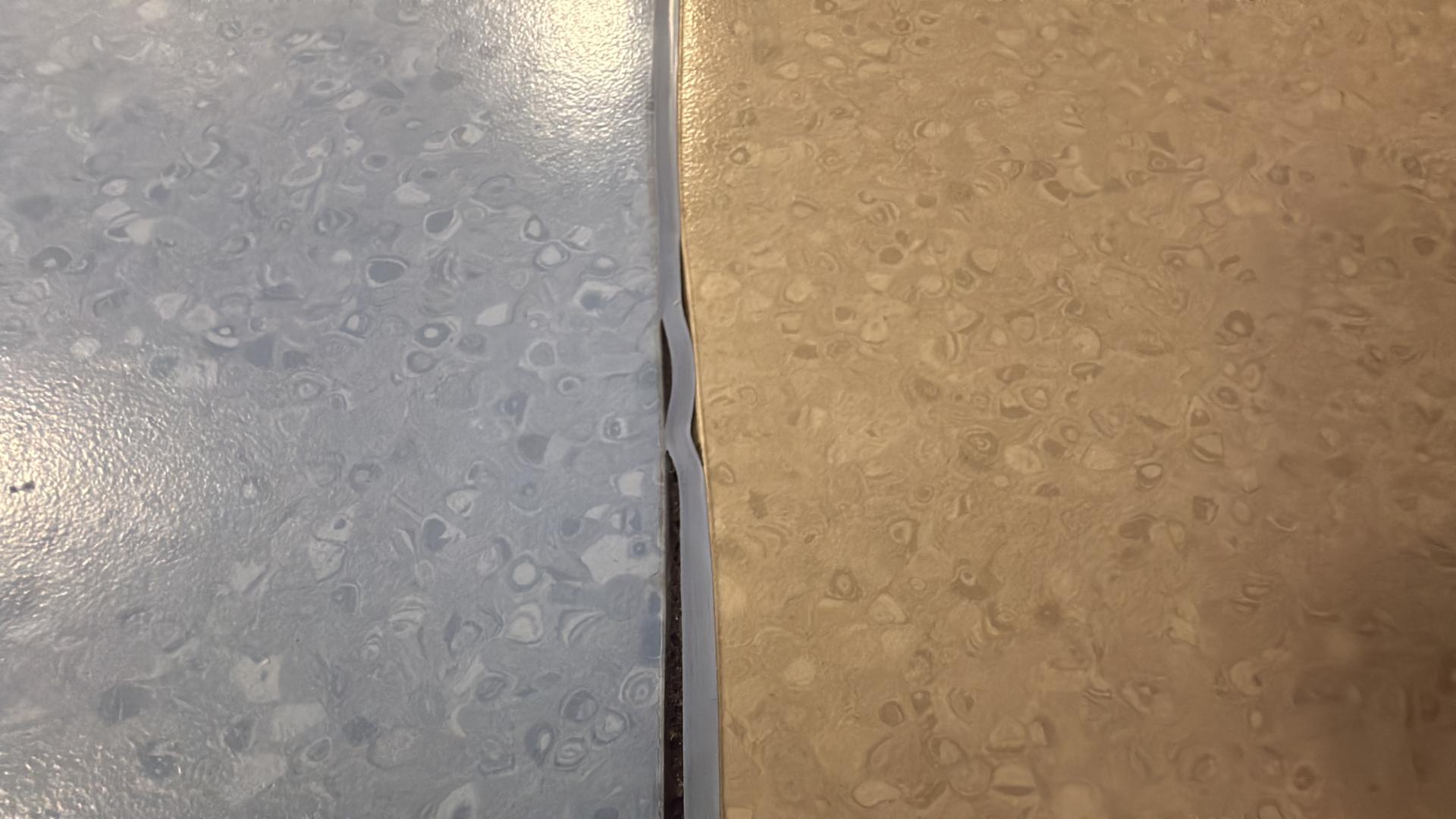
Heat weld seam failure in resilient sheet flooring involves loss of fusion or structural integrity within welded sheet-flooring joints.
Read More
Heat Weld Seam Failure (Resilient Sheet Flooring)

Yellowing / Discoloration (LVP / SPC / WPC)
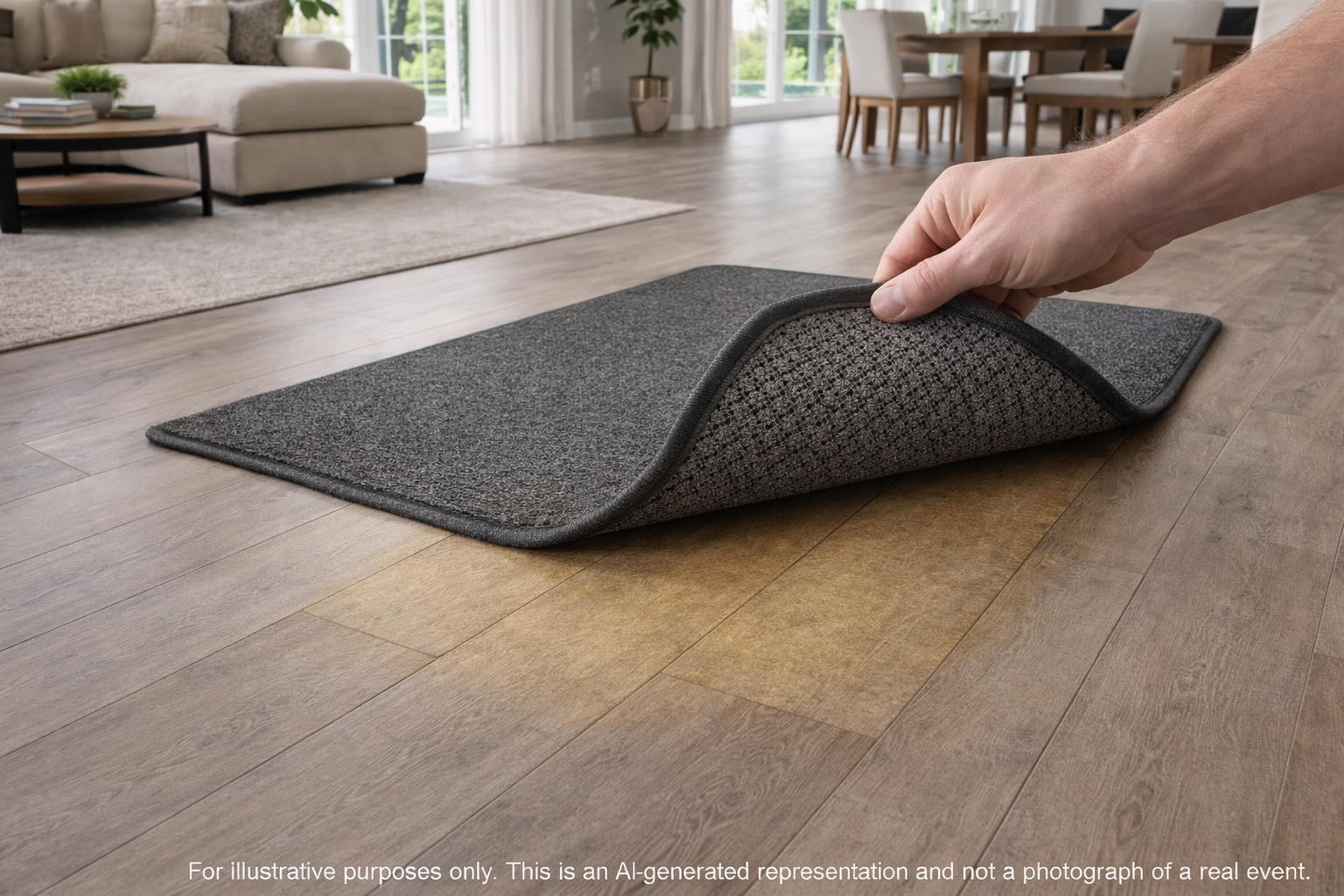
Yellowing in LVP, SPC, and WPC flooring involves internal discoloration caused by oxidation, ultraviolet exposure, or environmental influence.
Read More
Yellowing / Discoloration (LVP / SPC / WPC)

Broken Locking Profiles / Mechanical Joint Compromise (Resilient Plank)
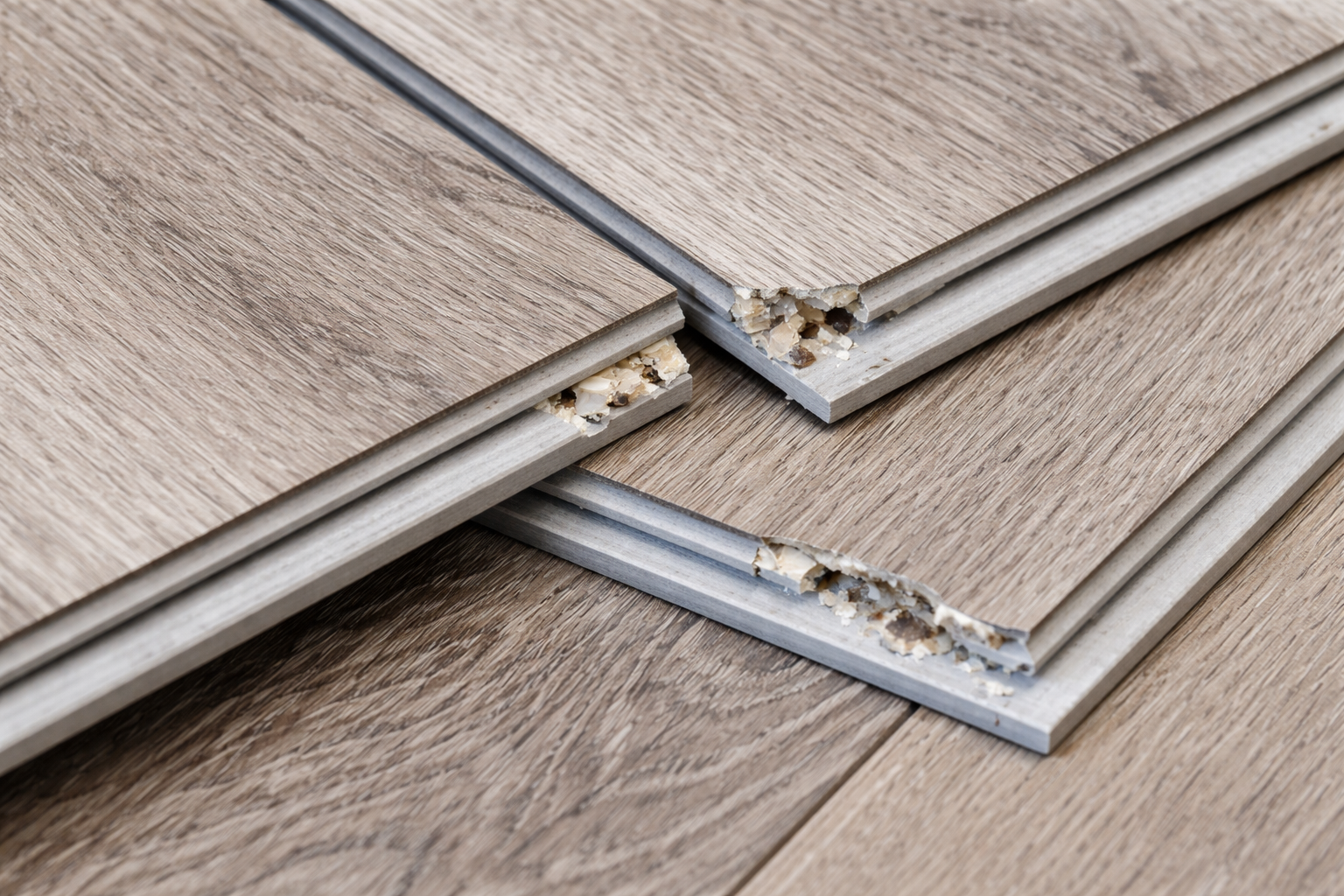
Broken locking profiles and mechanical joint compromise involve fracture, deformation, or weakening of resilient plank locking systems.
Read More
Broken Locking Profiles / Mechanical Joint Compromise (Resilient Plank)

Efflorescence-Like Mineral Migration at LVT/SPC Joints
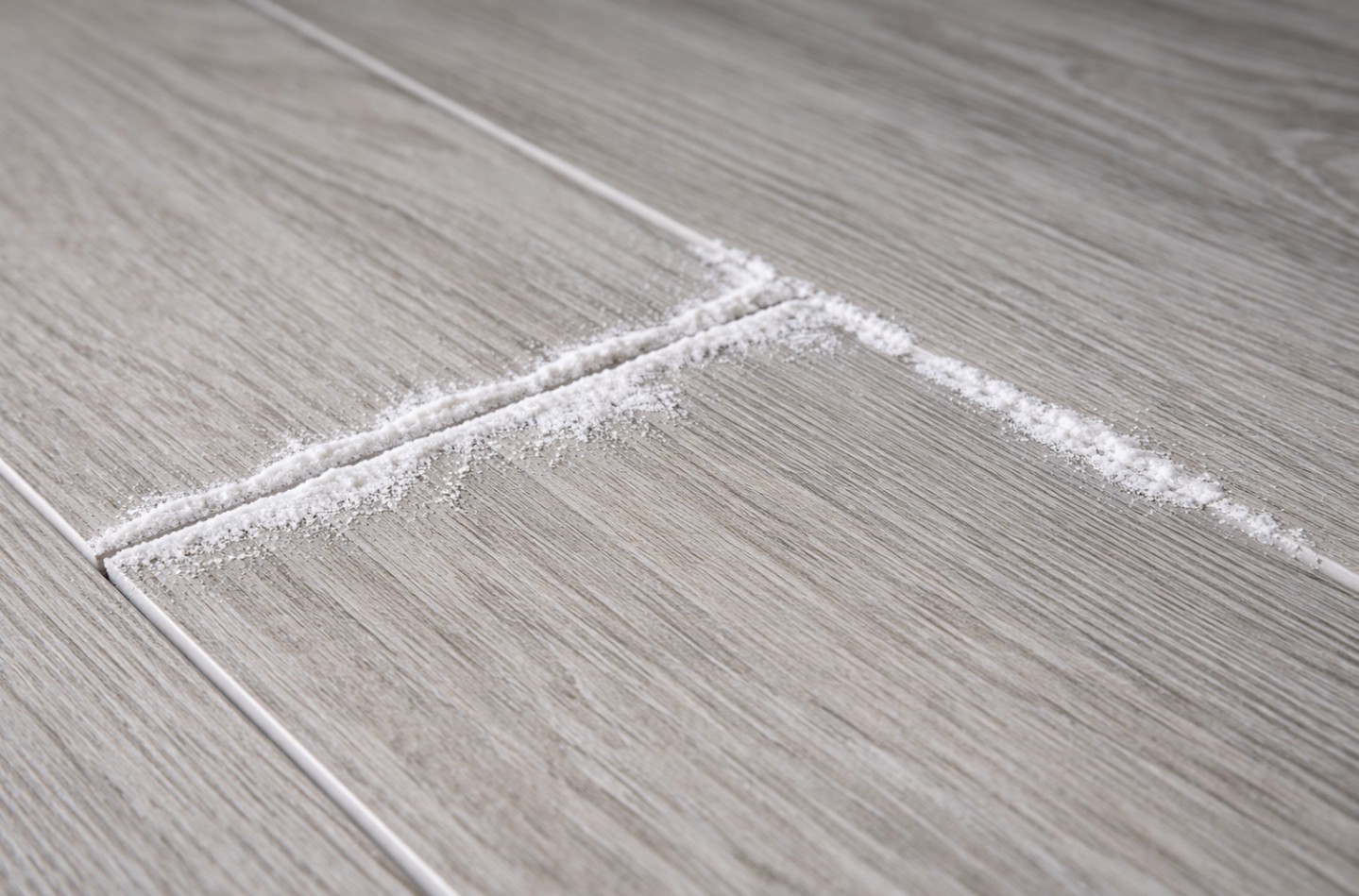
Efflorescence-like mineral migration at LVT and SPC joints is a moisture-related substrate condition involving mineral residue from concrete slabs.
Read More
Efflorescence-Like Mineral Migration at LVT/SPC Joints

Blistering / Surface Blisters (SPC Flooring)

SPC flooring blistering involves localized raised areas or bubble-like distortions originating within individual flooring planks.
Read More
Blistering / Surface Blisters (SPC Flooring)

Cracking Over Existing Substrates (LVT)

Cracking in resilient plank flooring over existing substrates commonly involves stress transfer from grout joints or uneven support.
Read More
Cracking Over Existing Substrates (LVT)