
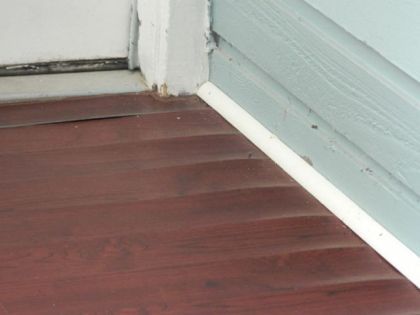
Curling/Cupping or Edge Lifting

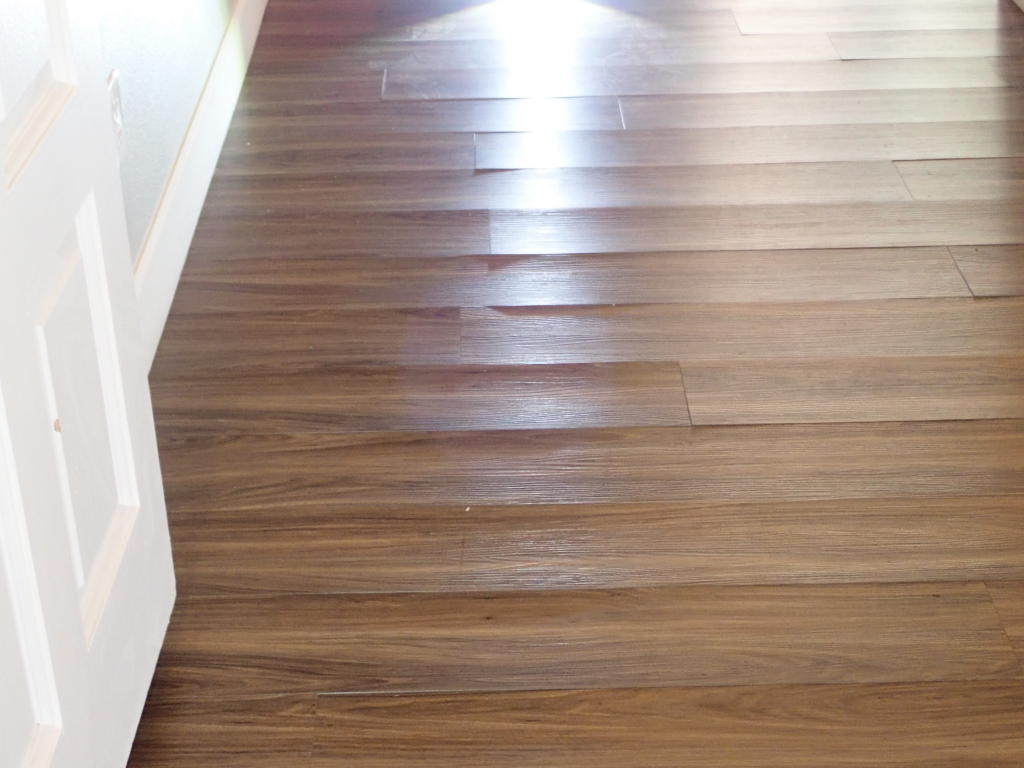
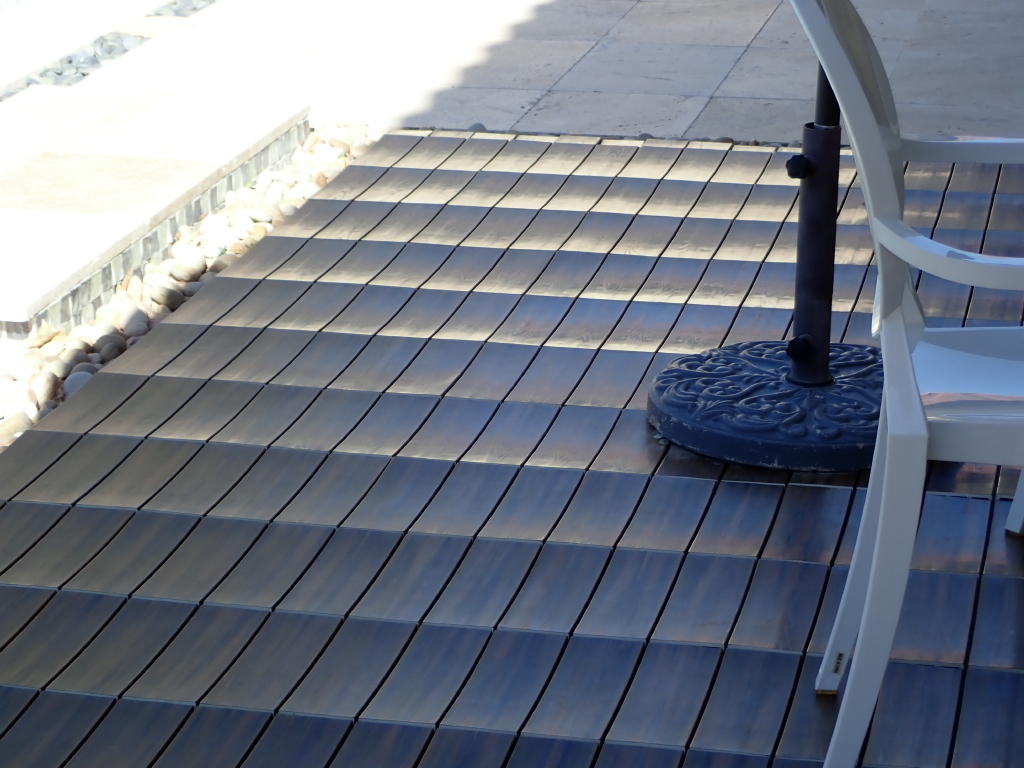
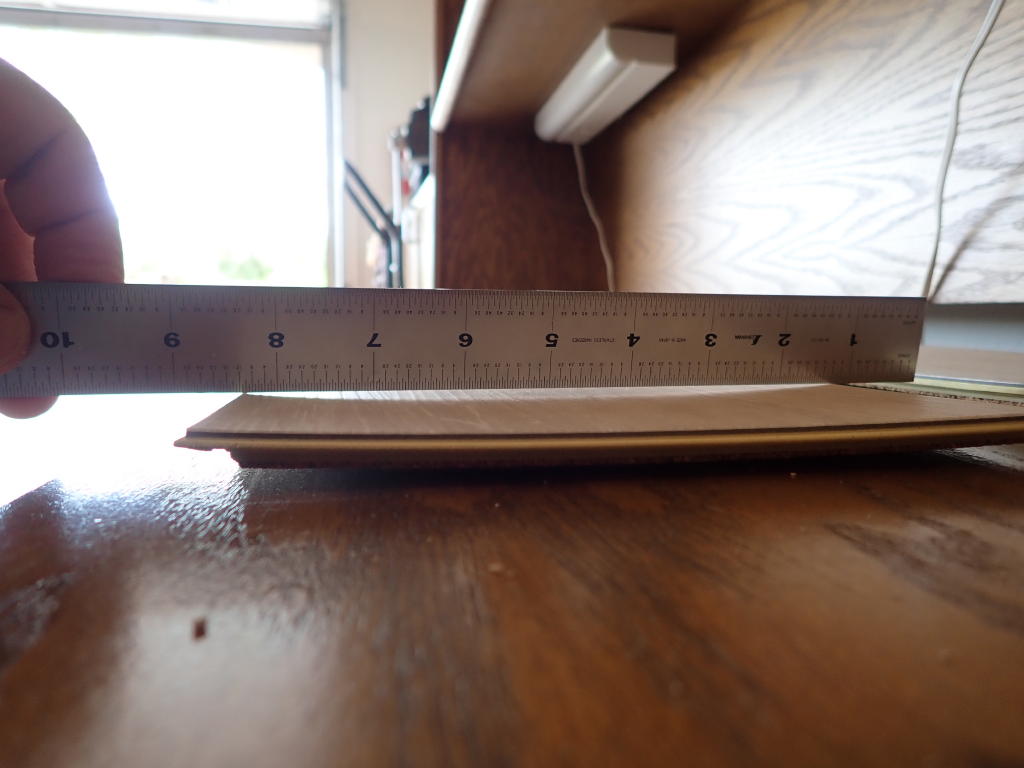
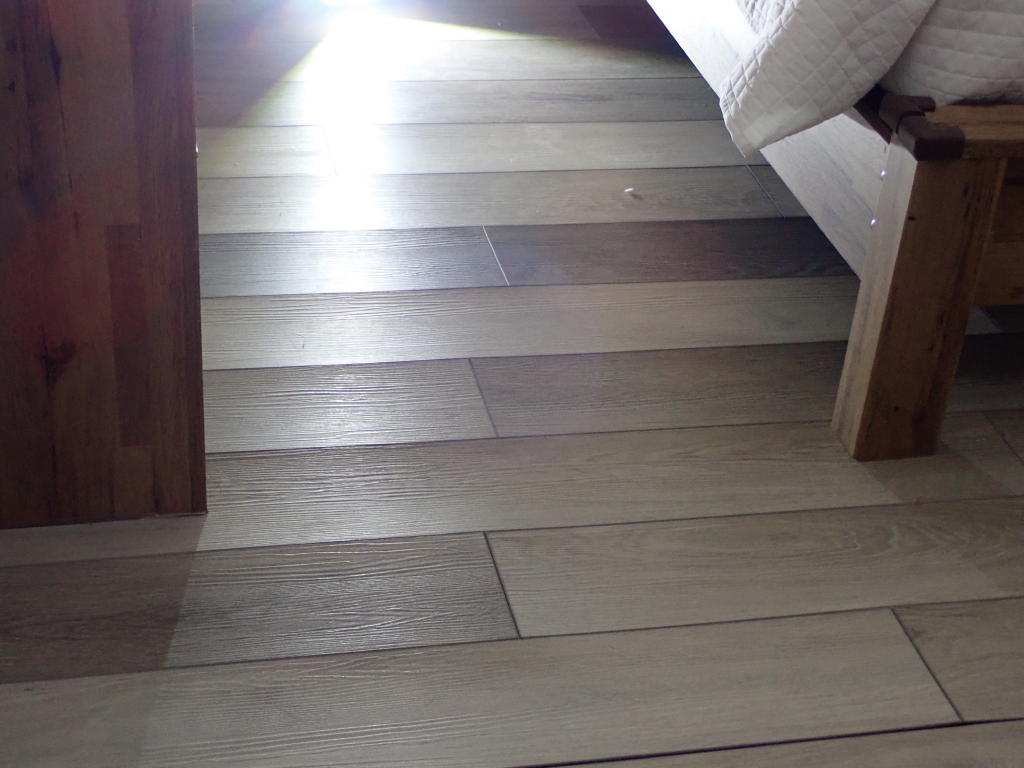
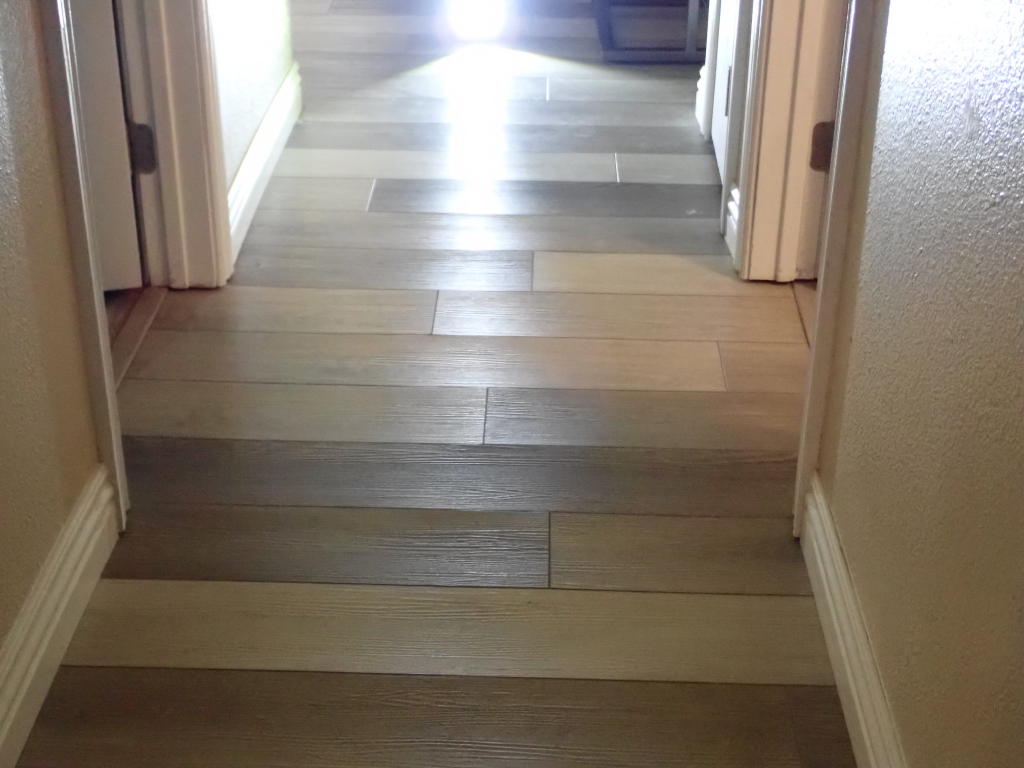
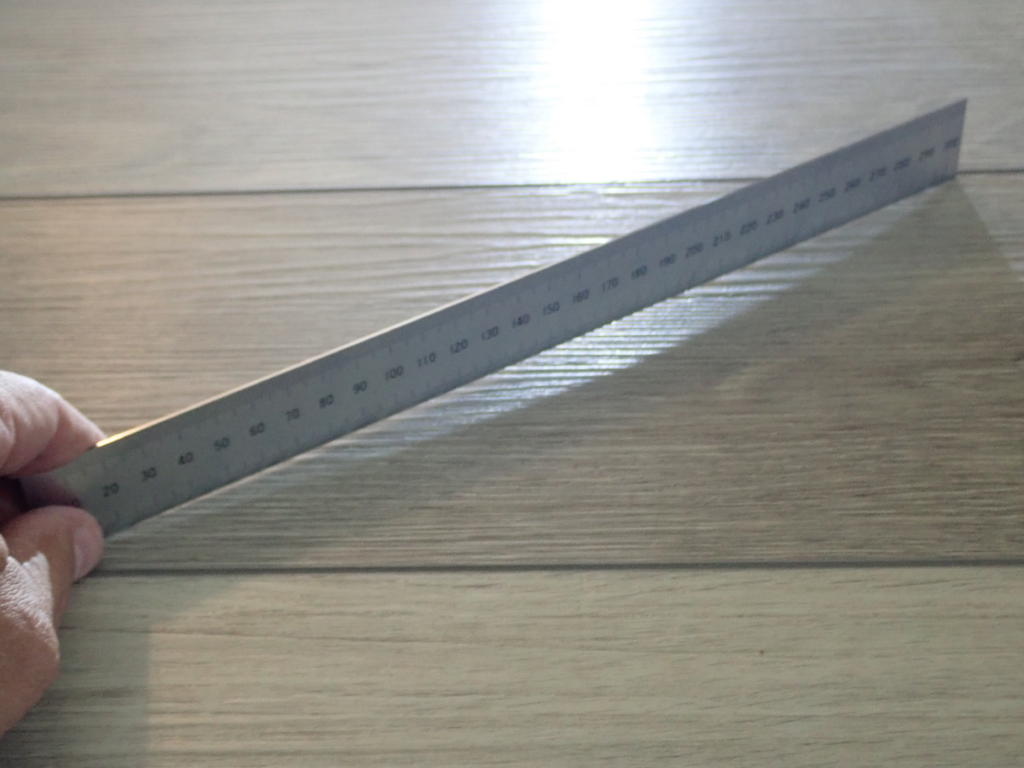
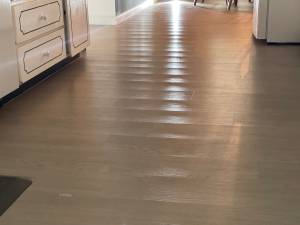
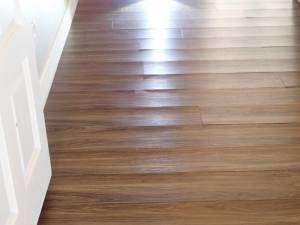
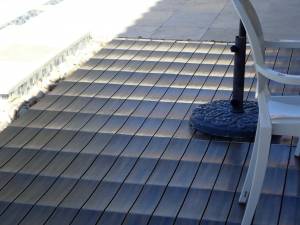
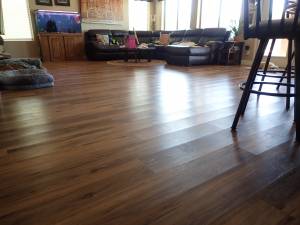
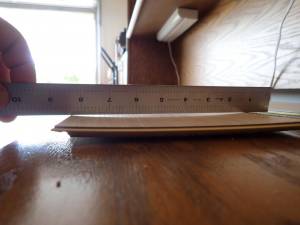
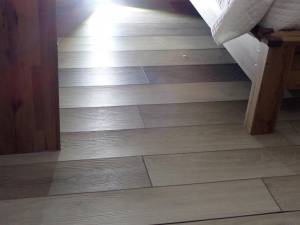
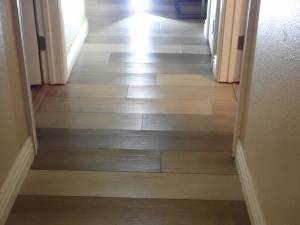
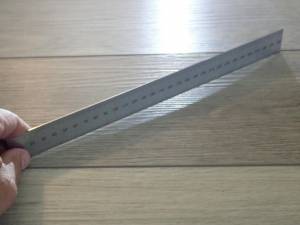
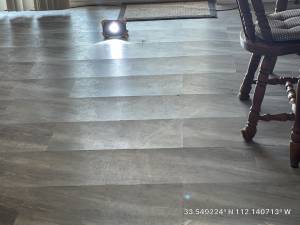
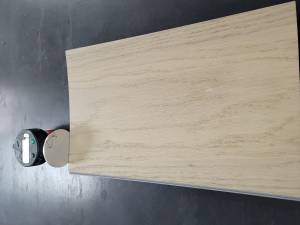
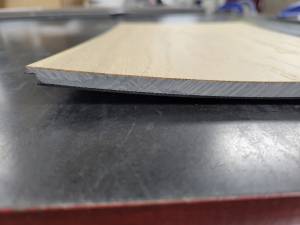
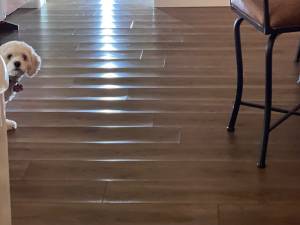
Curling / Edge Lift (Resilient Plank)
Floor Detective® Claims and Conditions Guide
Summary
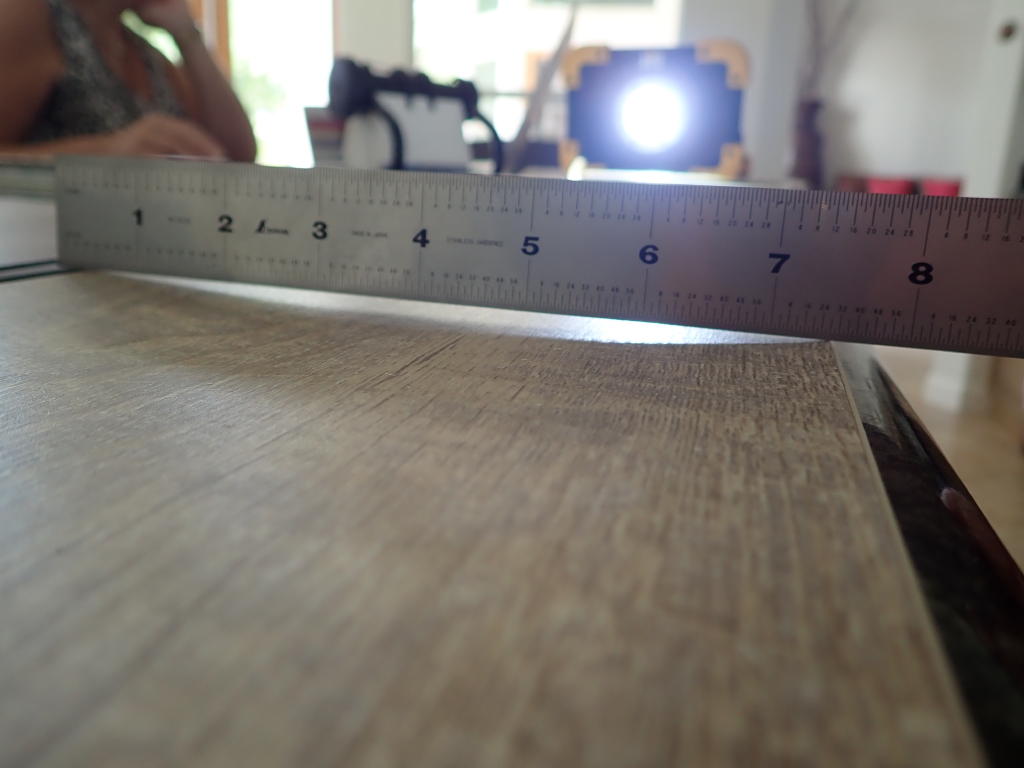
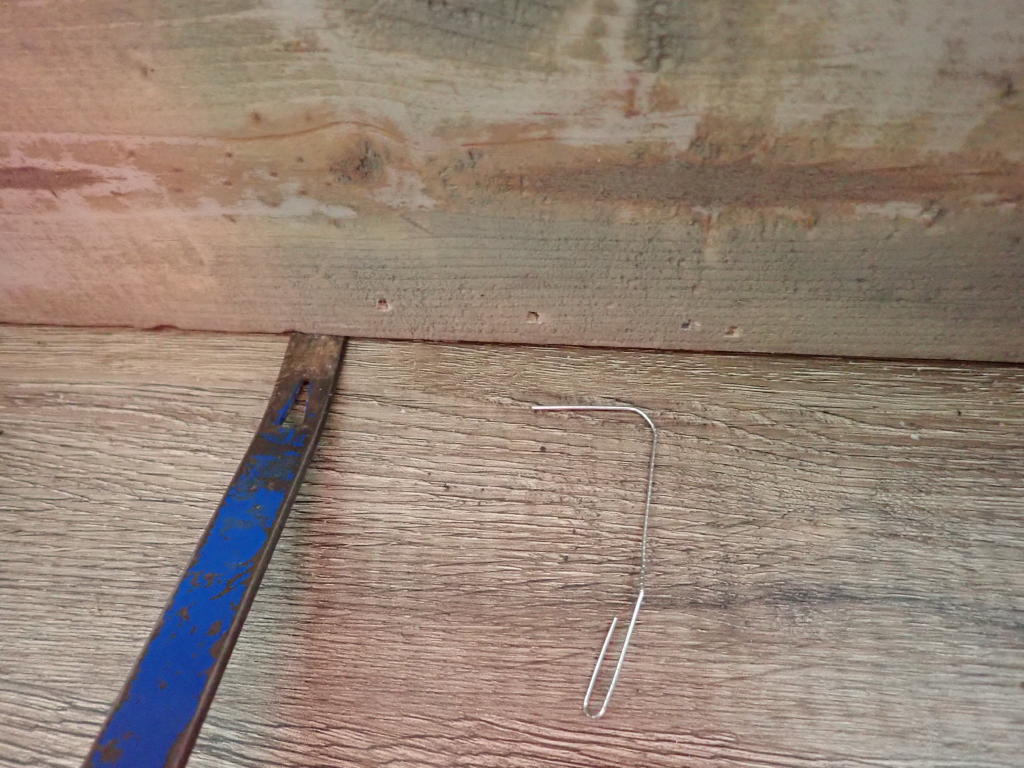
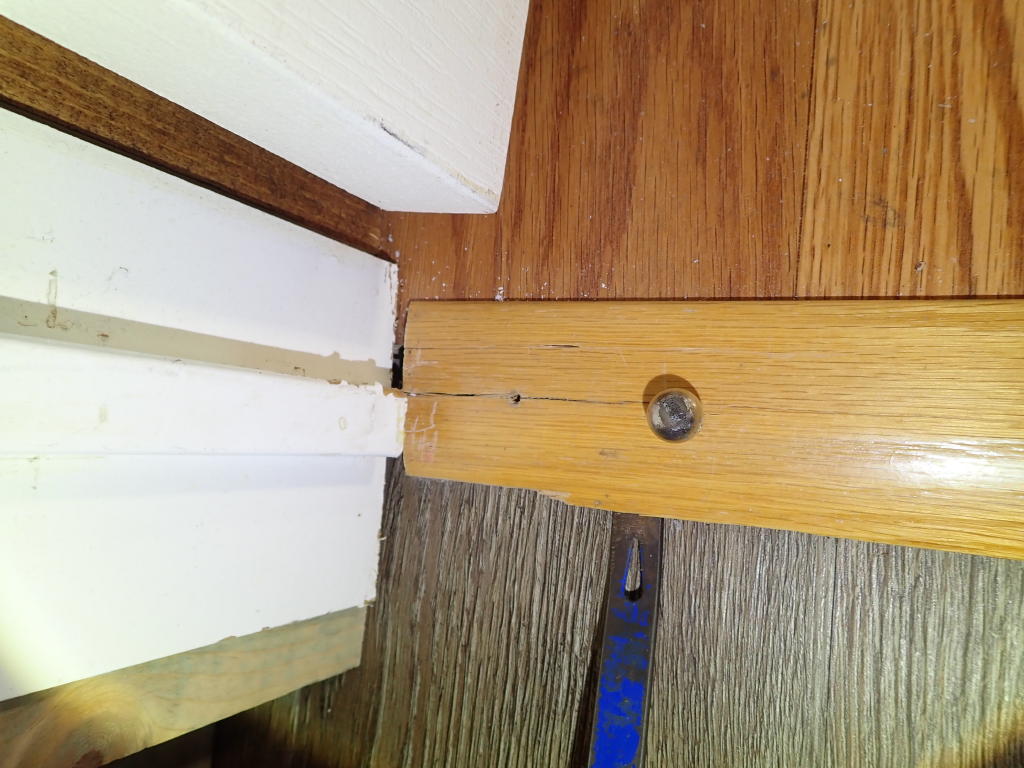
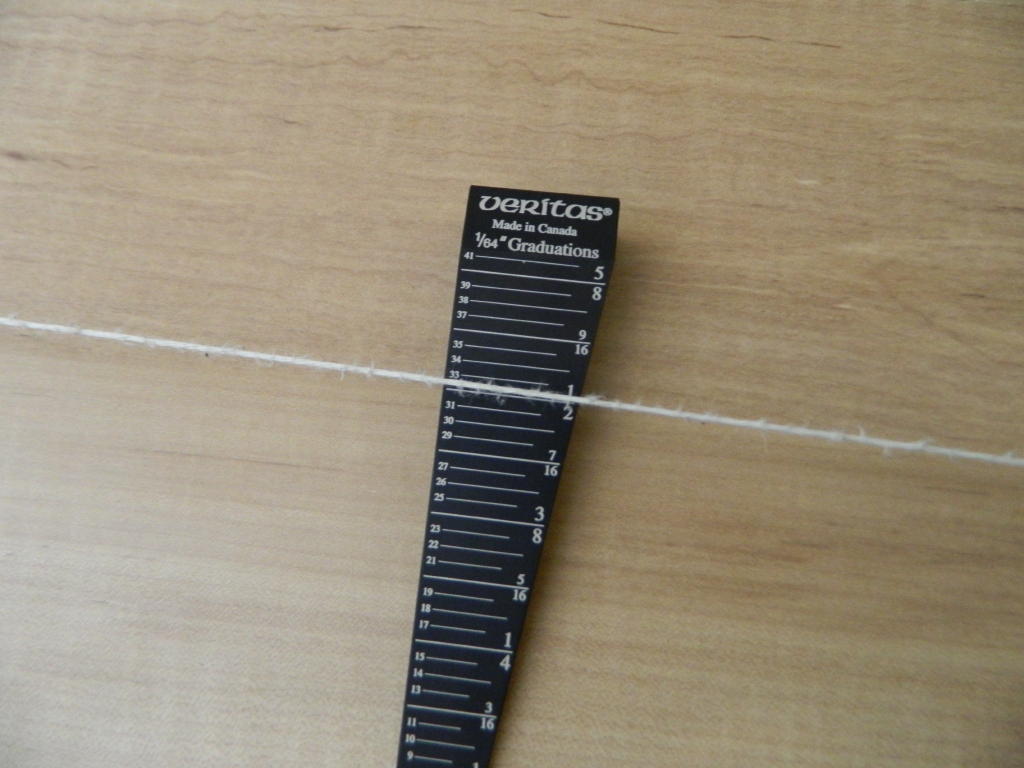
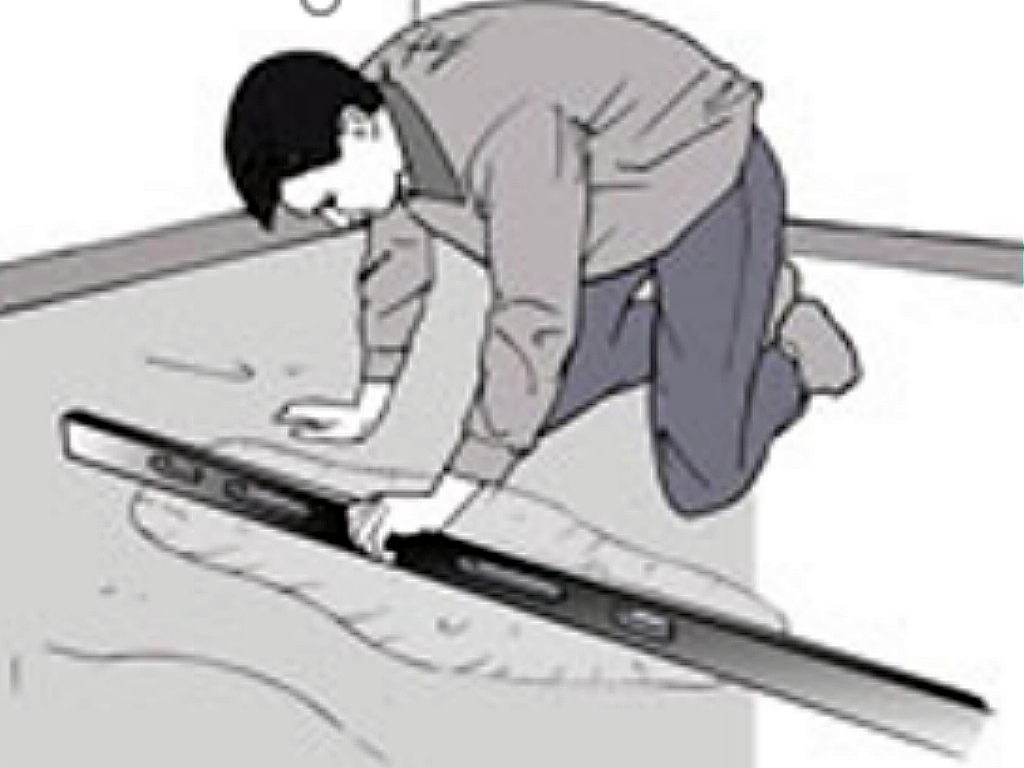
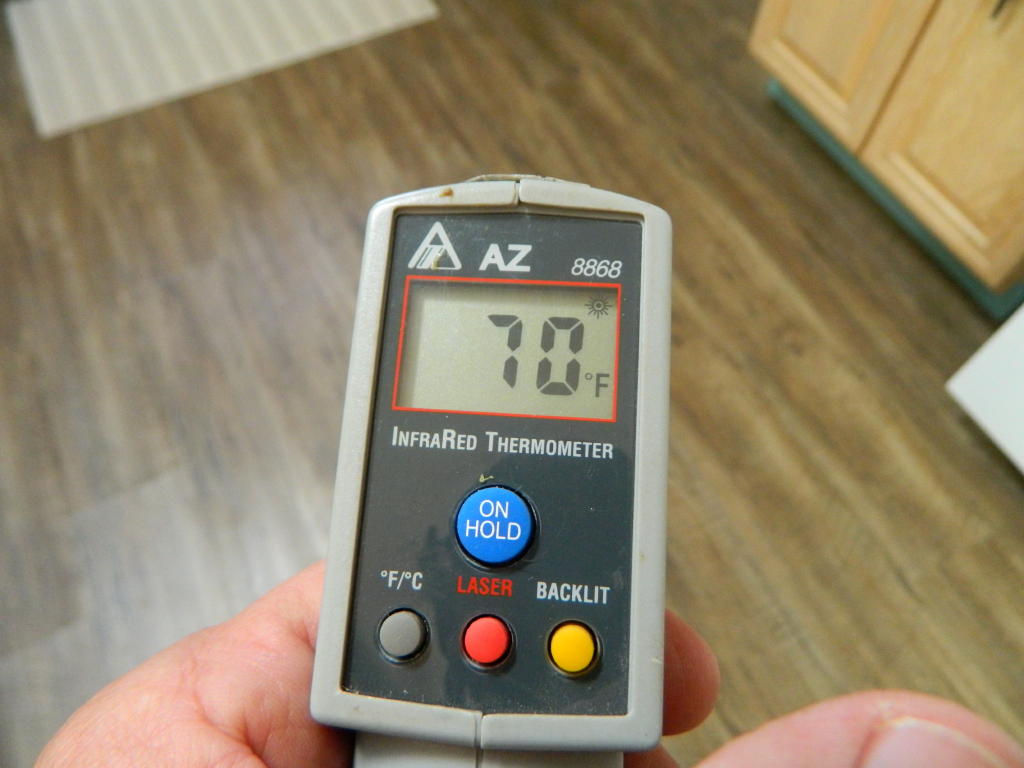
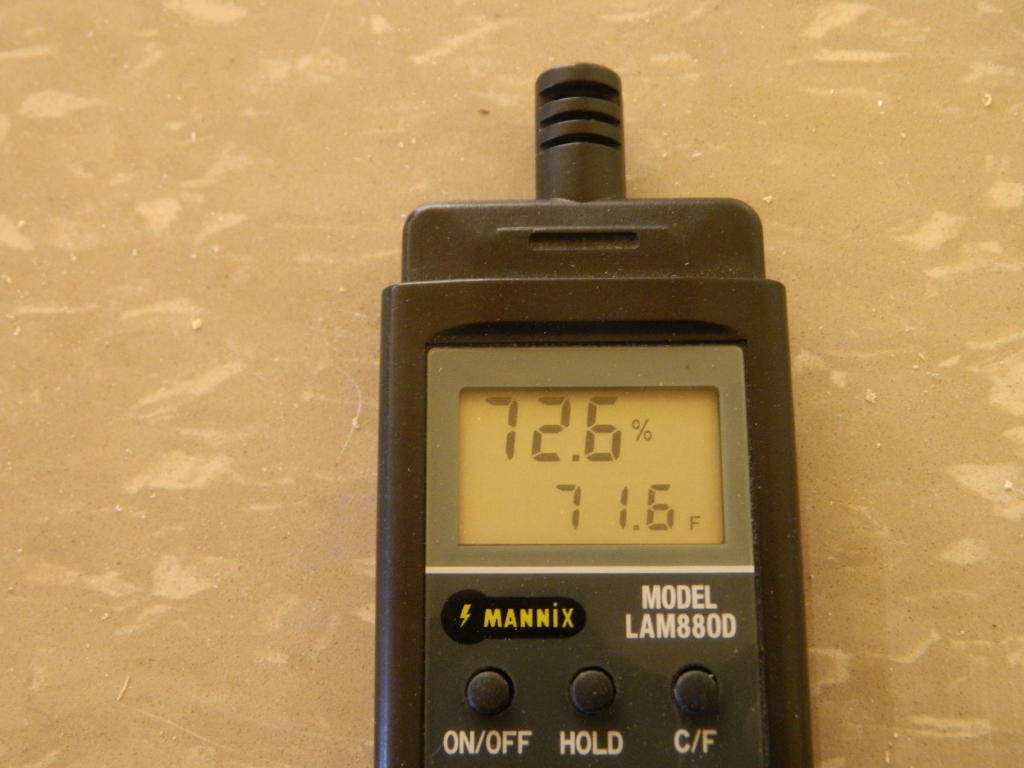
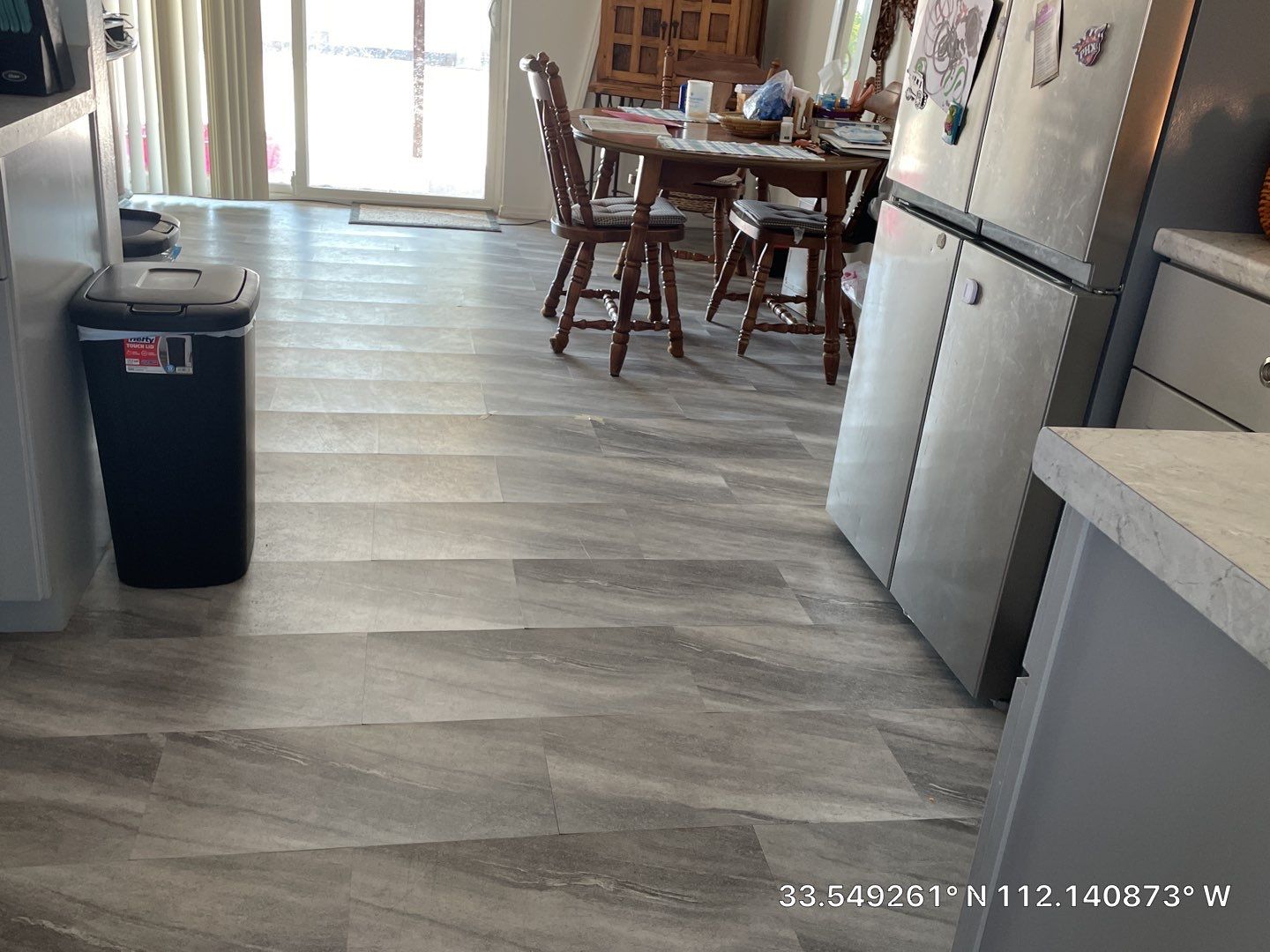
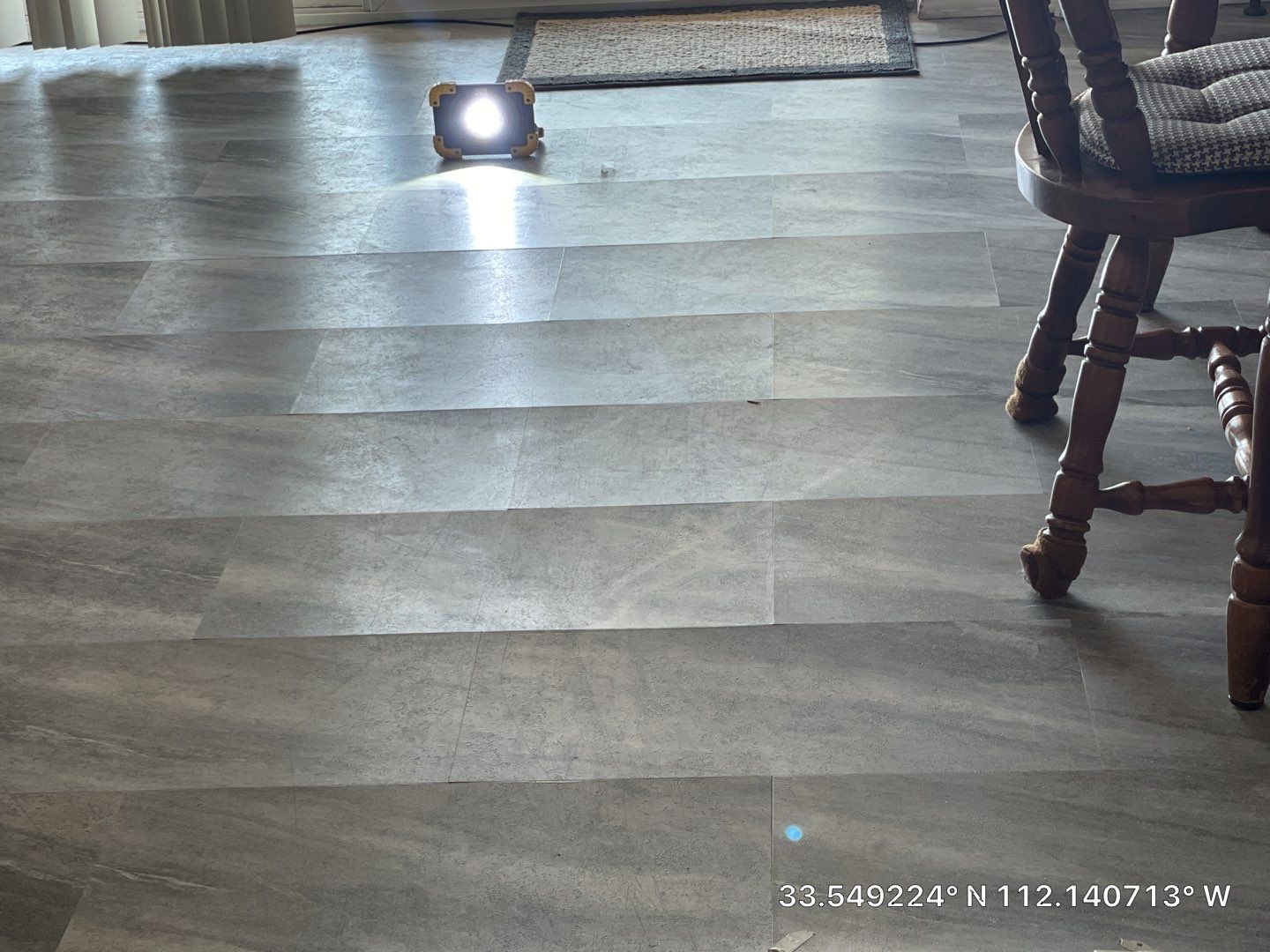
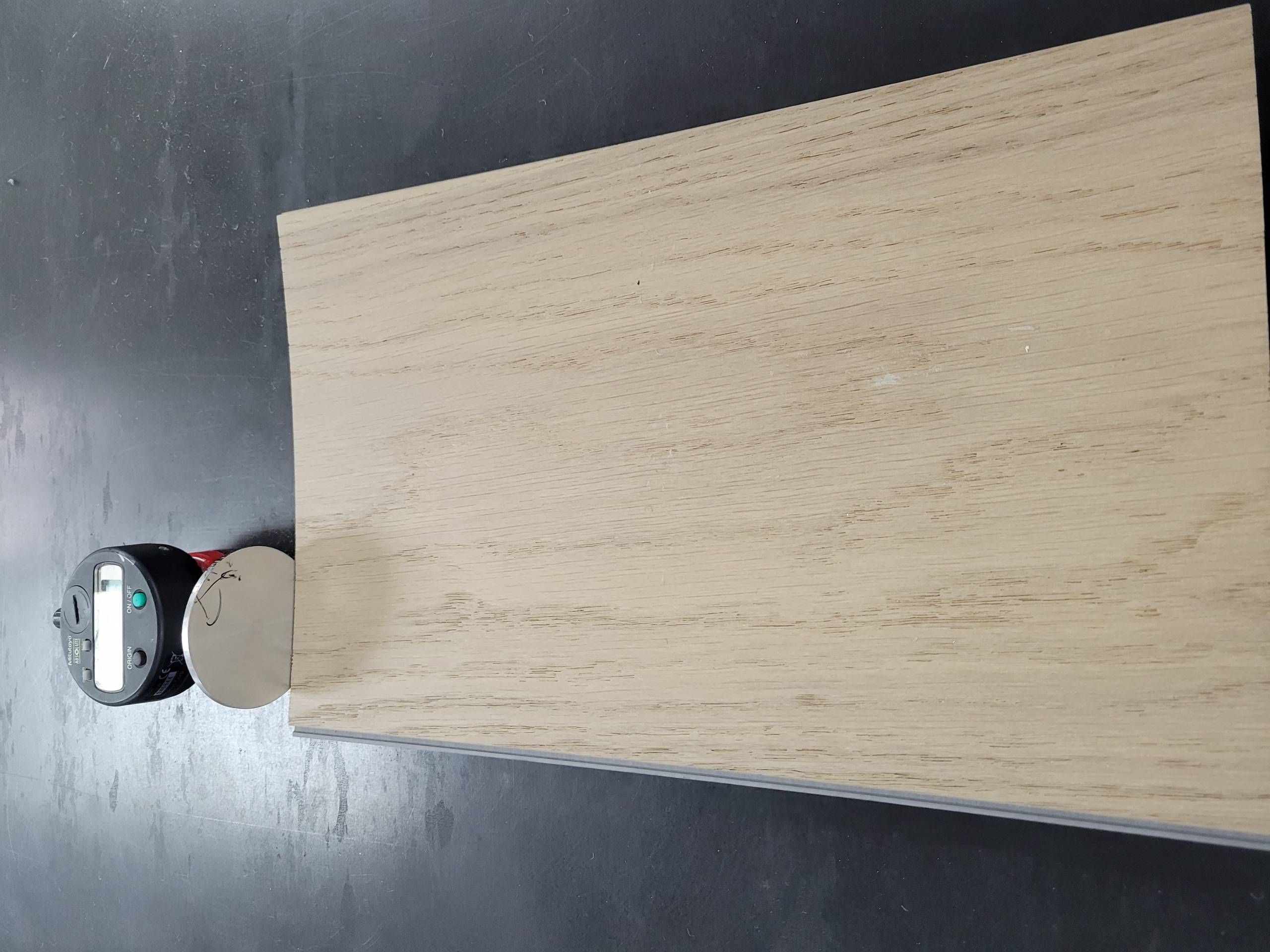
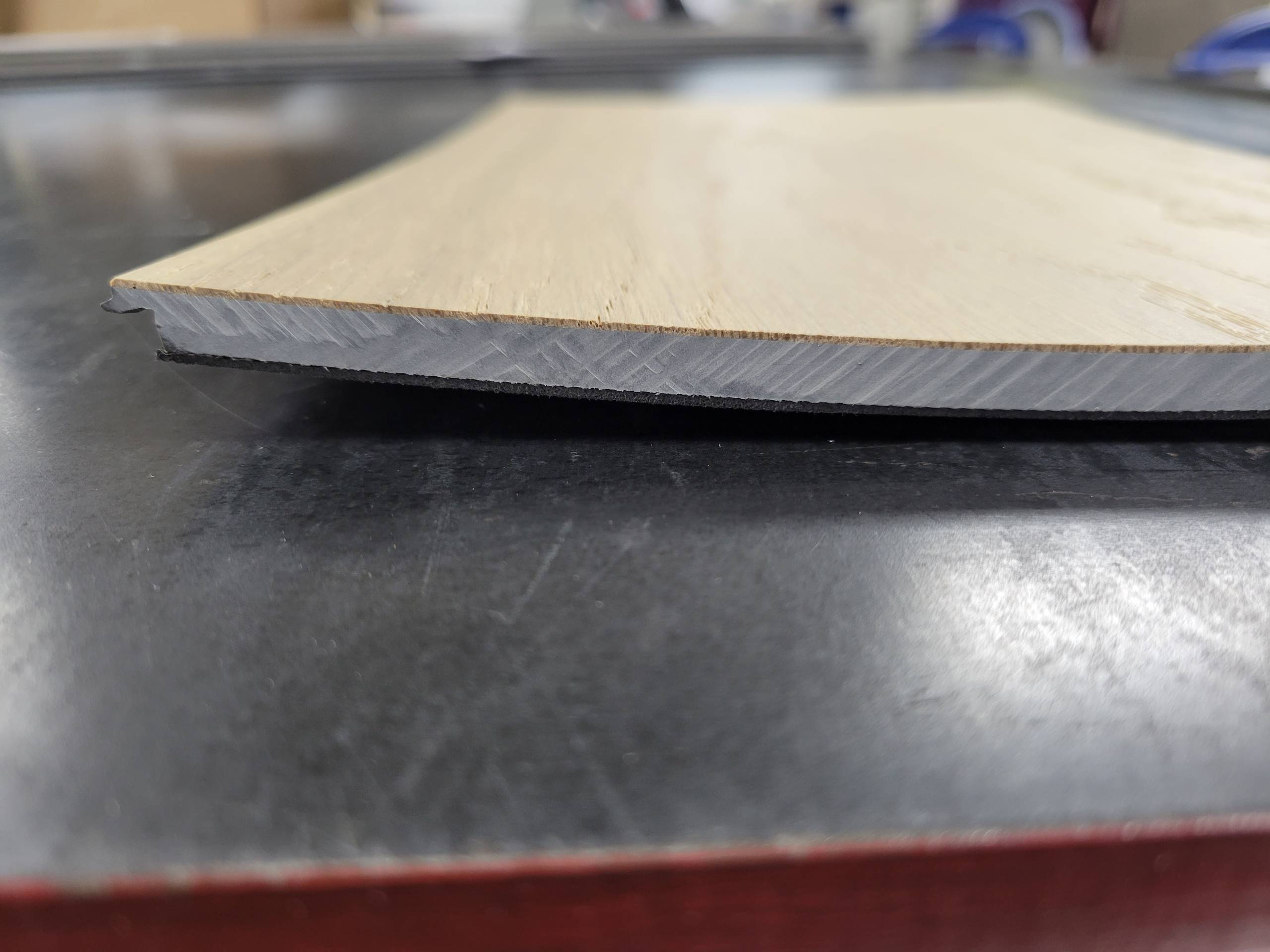
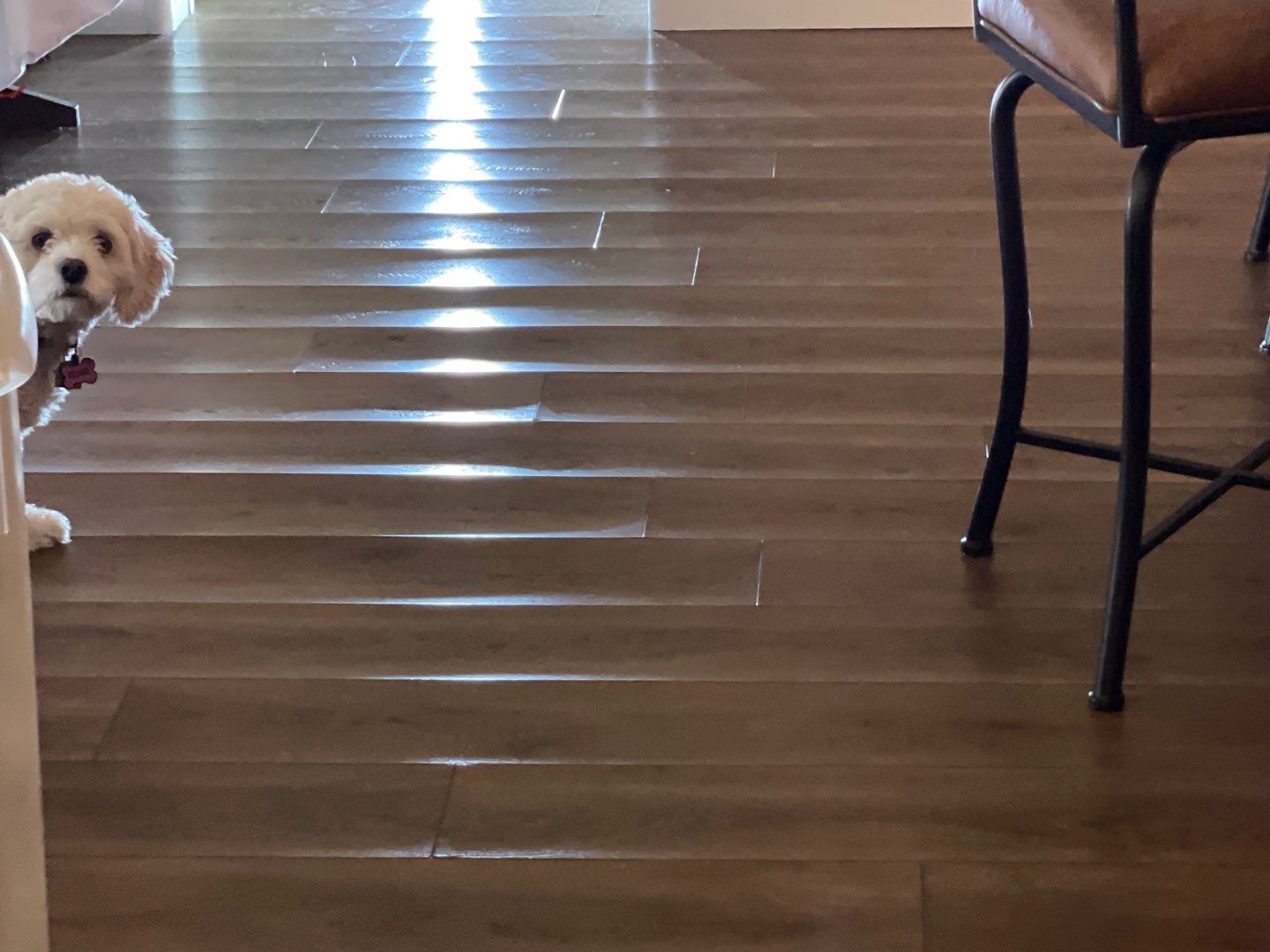
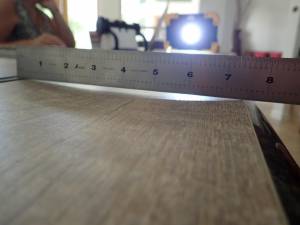
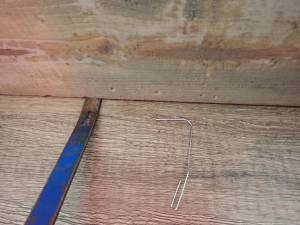
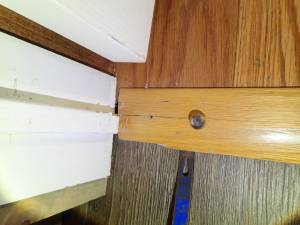
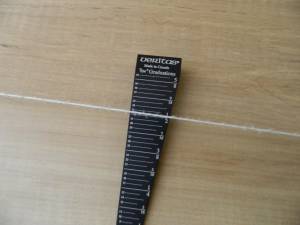
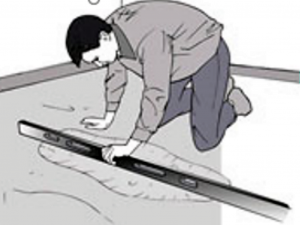
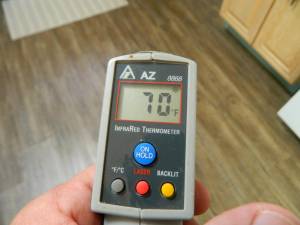
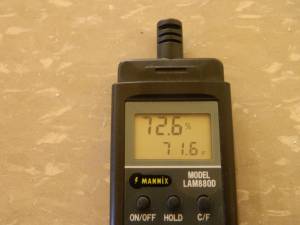
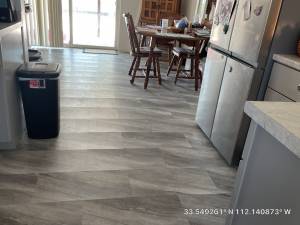
Curling or edge lift in resilient plank flooring is a condition in which plank edges or ends become elevated relative to the center of the plank. The condition develops when uneven dimensional movement or stress within the plank creates curvature forces between the upper and lower portions of the product. That imbalance may be influenced by environmental exposure, substrate moisture, chemical interaction, product construction, differential support, or repeated service stress. Curling may appear as raised long edges, end lift, isolated plank deformation, or broader rippled surface appearance and may be present at installation or develop gradually during service life. Broad-area curling commonly reflects interaction between dimensional stress, environmental exposure, substrate influence, chemical interaction, and overall flooring-system behavior. The presence of curling alone does not independently establish a single cause or manufacturing nonconformance. Proper evaluation requires correlation of distribution pattern, measurable deformation, environmental conditions, substrate interaction, support characteristics, and flooring-system behavior rather than reliance on appearance alone. See also Peaked End Joints, Buckling Resilient Flooring, and LVT and SPC Floor Problems for broader context.

Chair-Caster Damage (LVT/SPC Flooring)
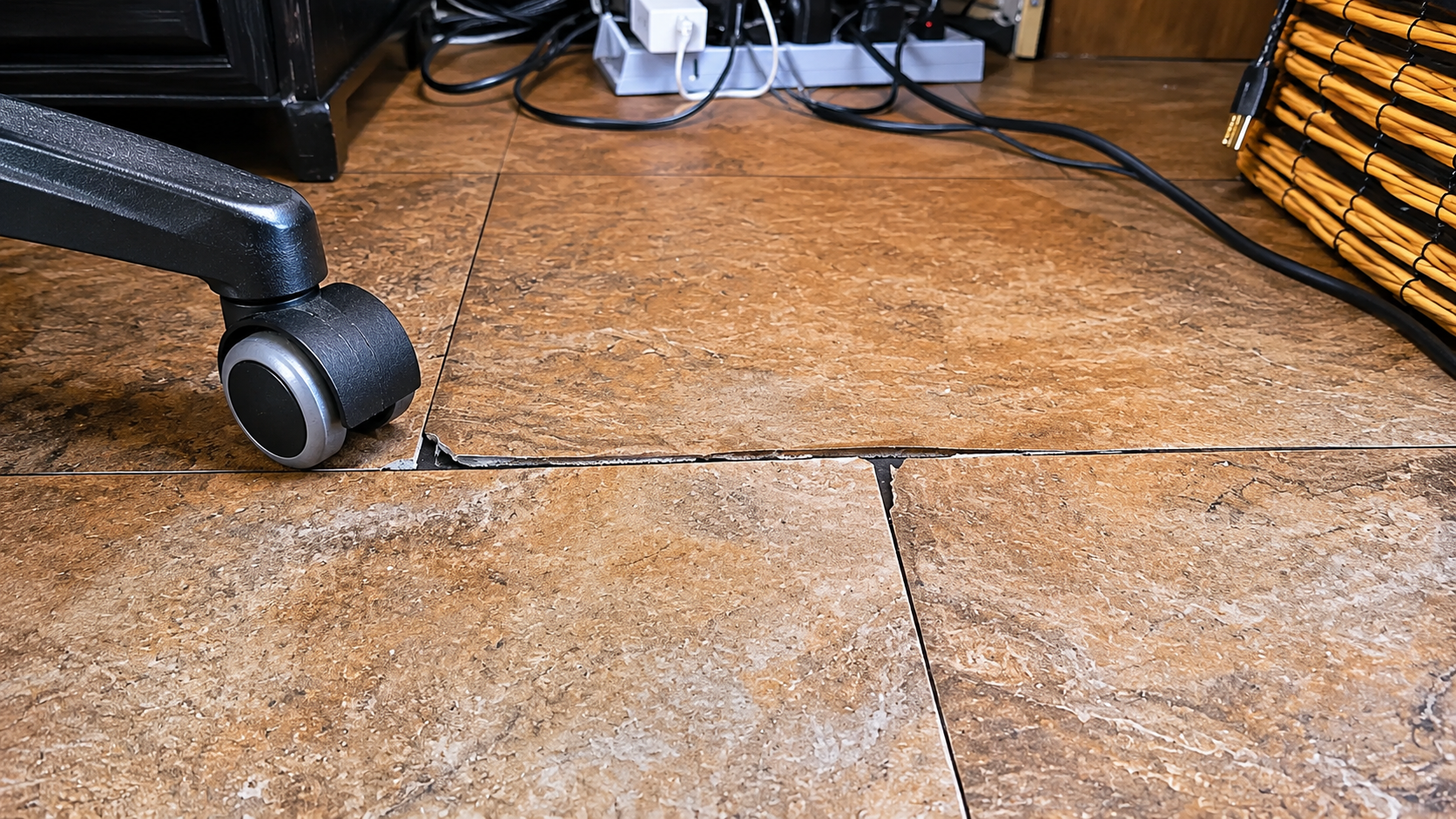
LVT and SPC Floor Problems
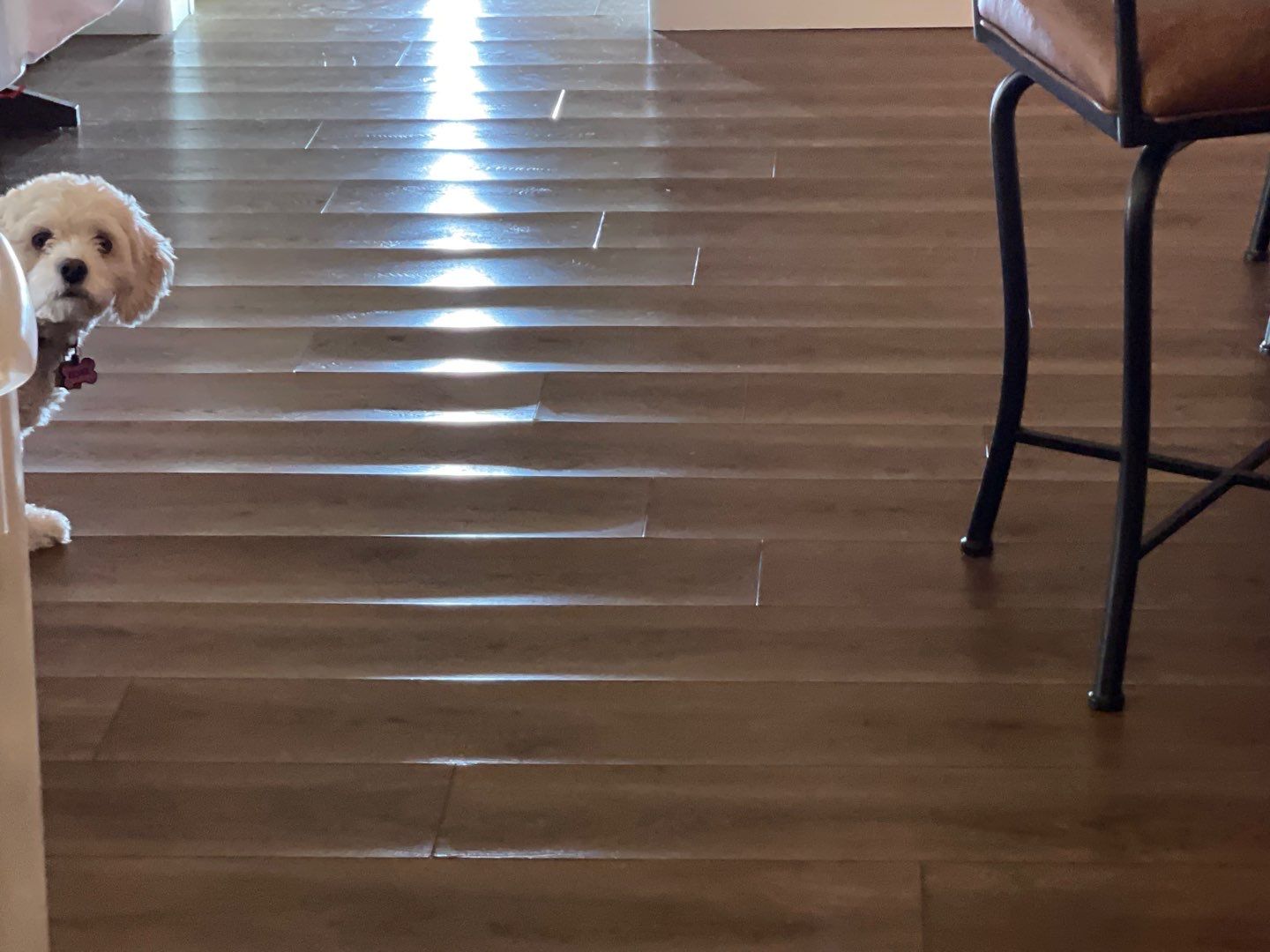
Cross-Machine Direction (Width) Shading / Texture Variation (Resilient Sheet Vinyl)
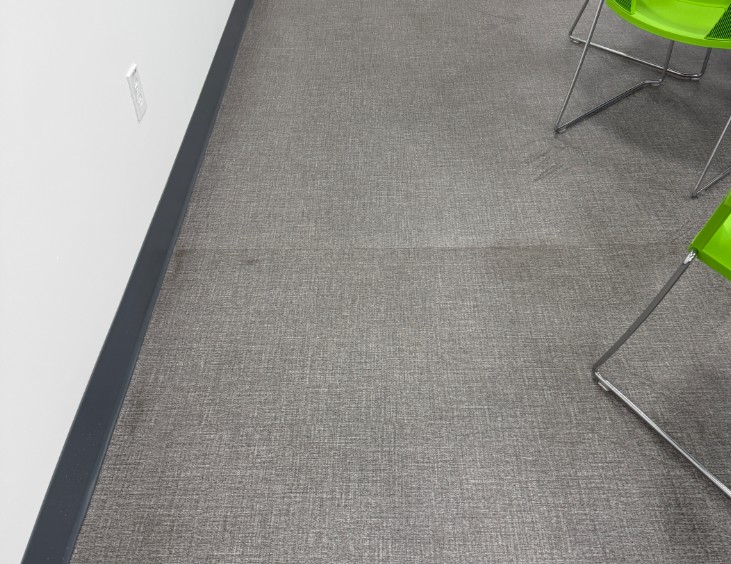
Sheet Shrinkage / Seam Opening (Resilient Sheet Flooring)
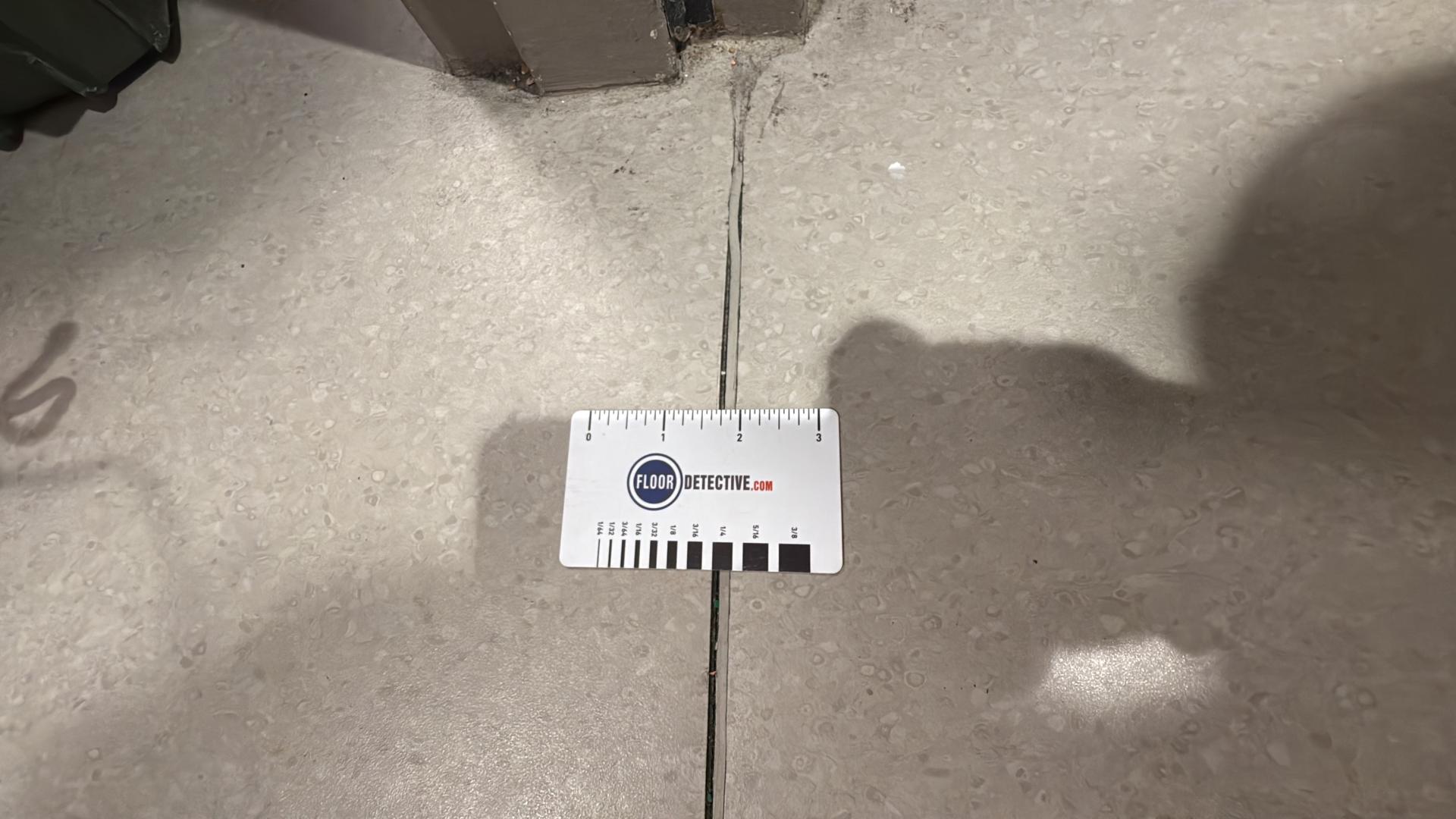
Heat Weld Seam Failure (Resilient Sheet Flooring)
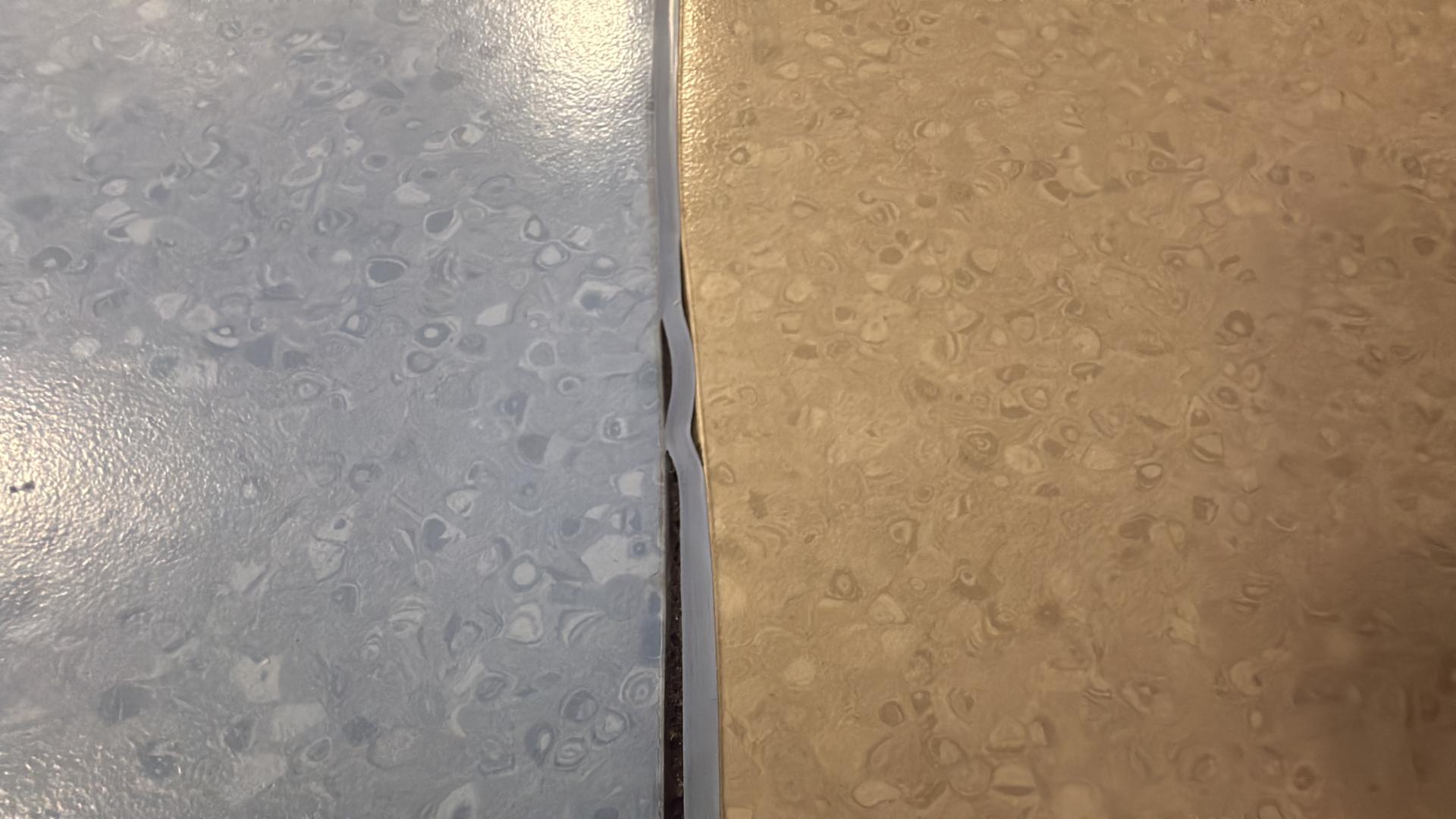
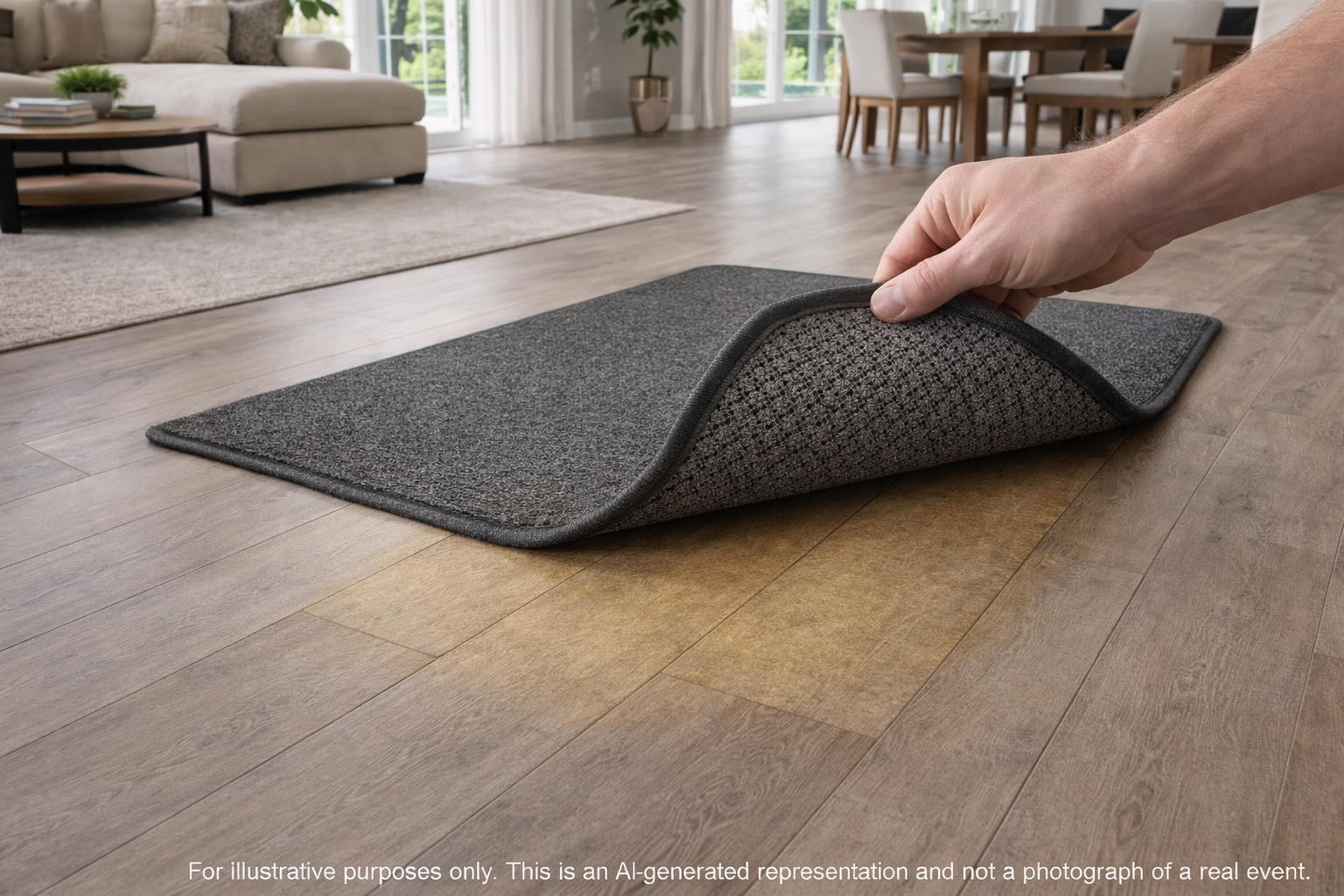
Yellowing / Discoloration (LVP / SPC / WPC)
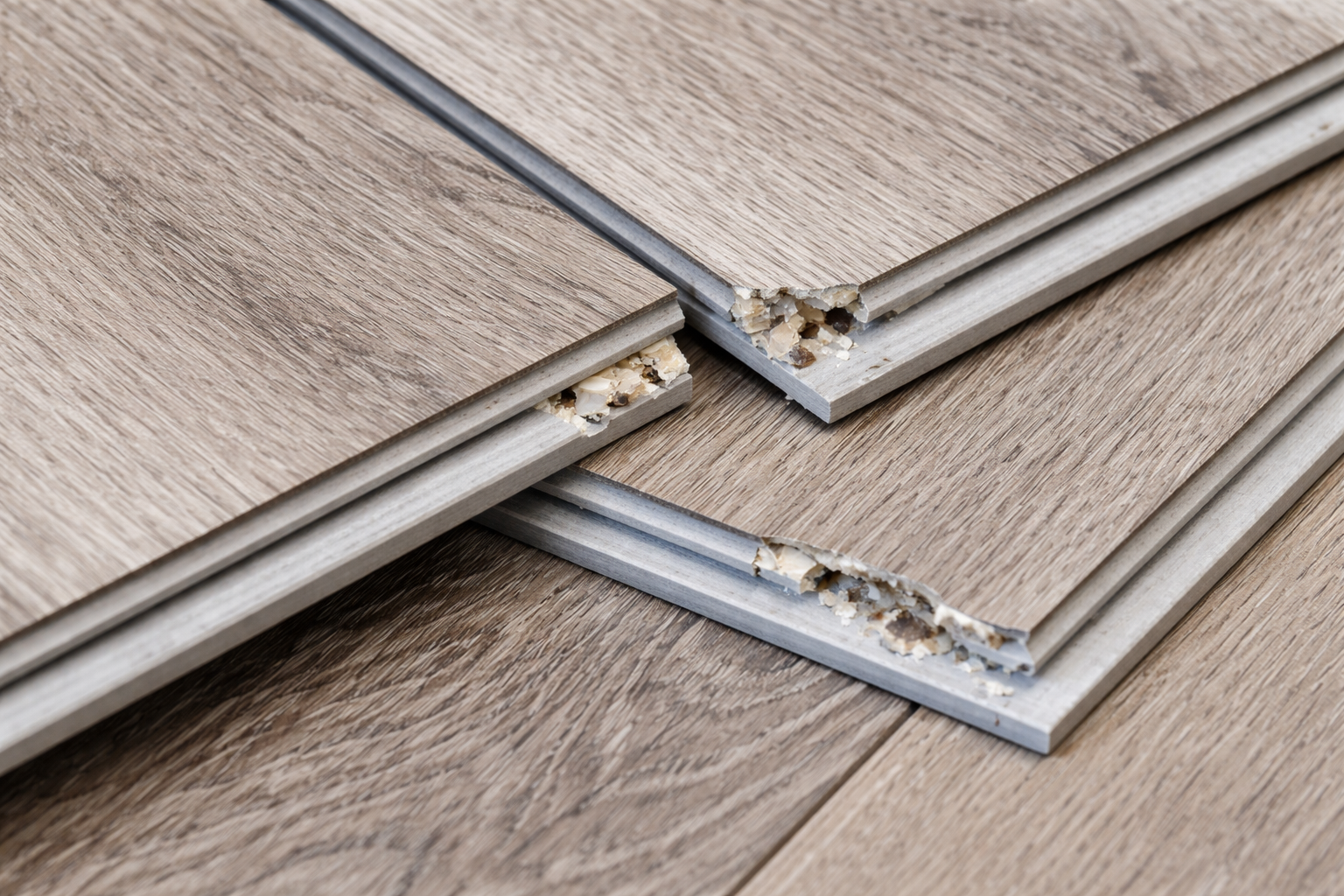
Broken Locking Profiles / Mechanical Joint Compromise (Resilient Plank)
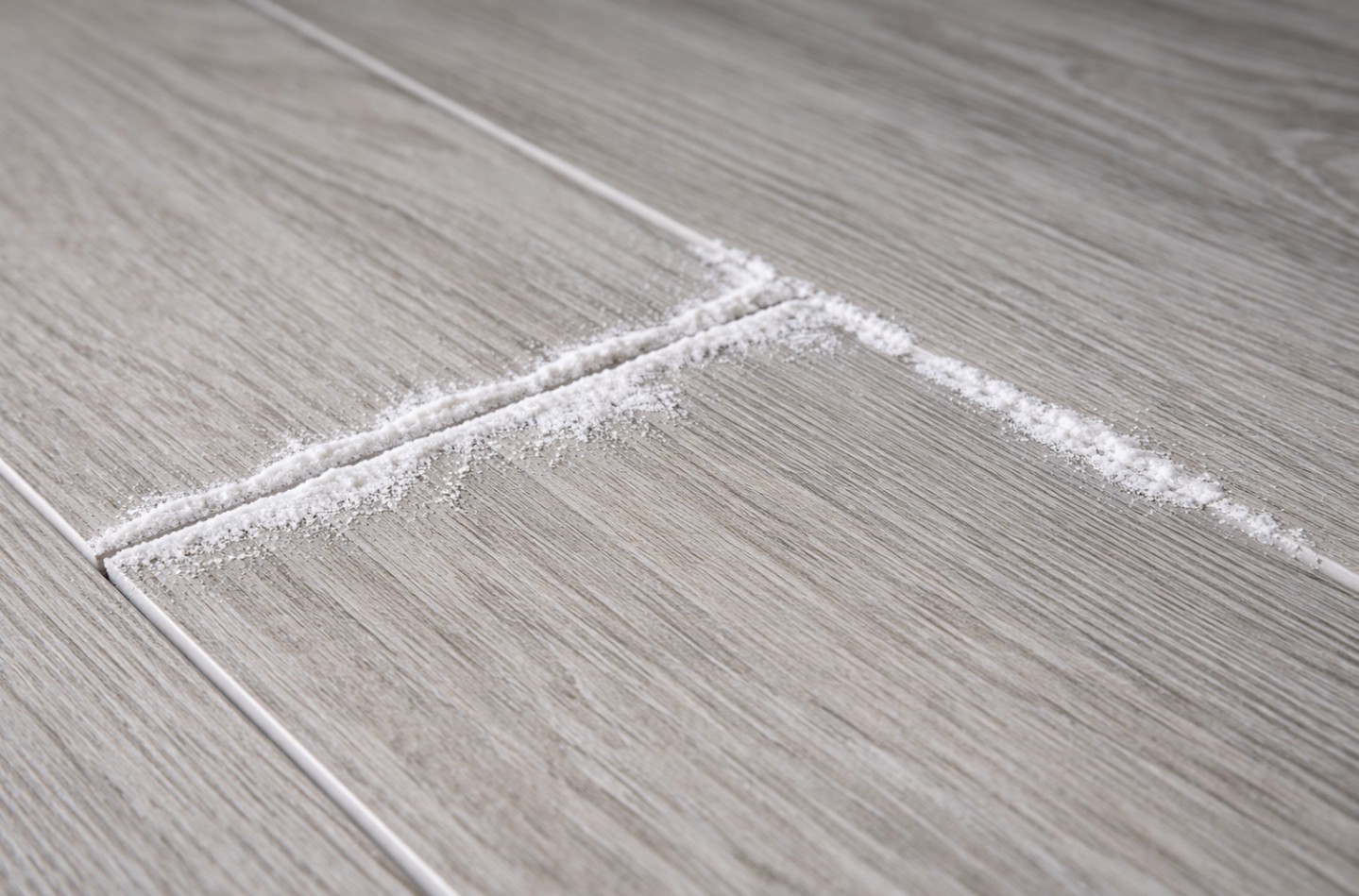
Efflorescence-Like Mineral Migration at LVT/SPC Joints
Blistering / Surface Blisters (SPC Flooring)

Cracking Over Existing Substrates (LVT)
