Porcelain Tile Properties and Maintenance

Porcelain Tile Properties and Maintenance

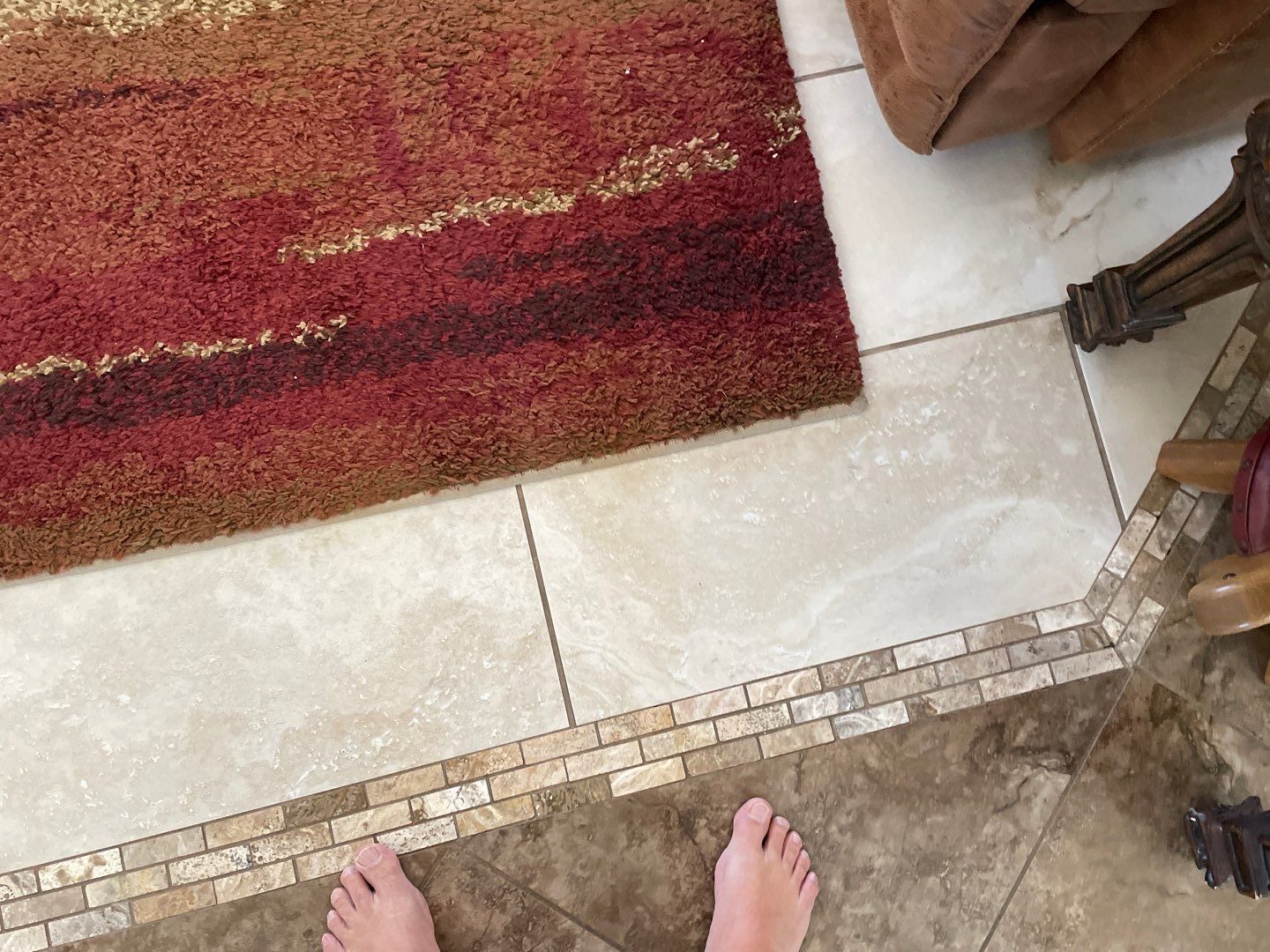
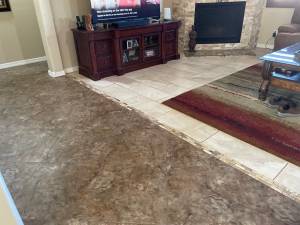
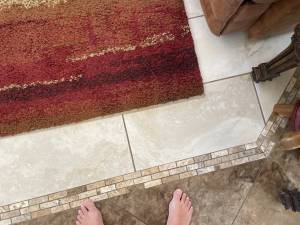
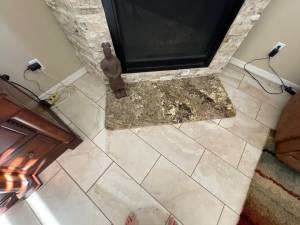
Porcelain tile floor showing polished ceramic tile surface and grout joints
3-Apr 10 2023 07_54am-7nva
2-Apr 10 2023 07_50am-FuVD
Porcelain tile floor showing polished ceramic tile surface and grout joints 3-Apr 10 2023 07_54am-7nva 2-Apr 10 2023 07_50am-FuVD

Porcelain Tile Properties and Maintenance (Tile)
Floor Detective® Claims and Conditions Guide

Summary

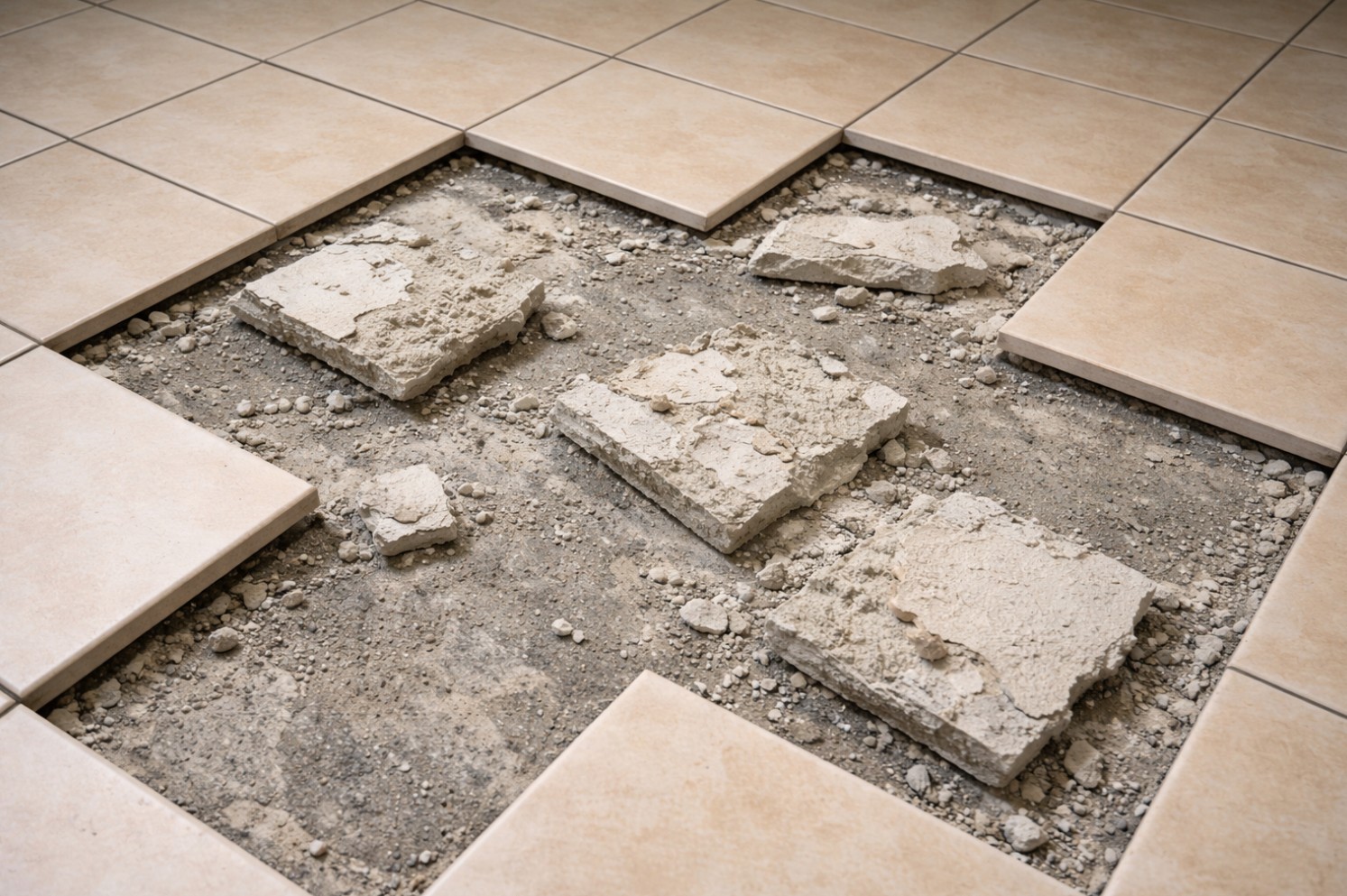
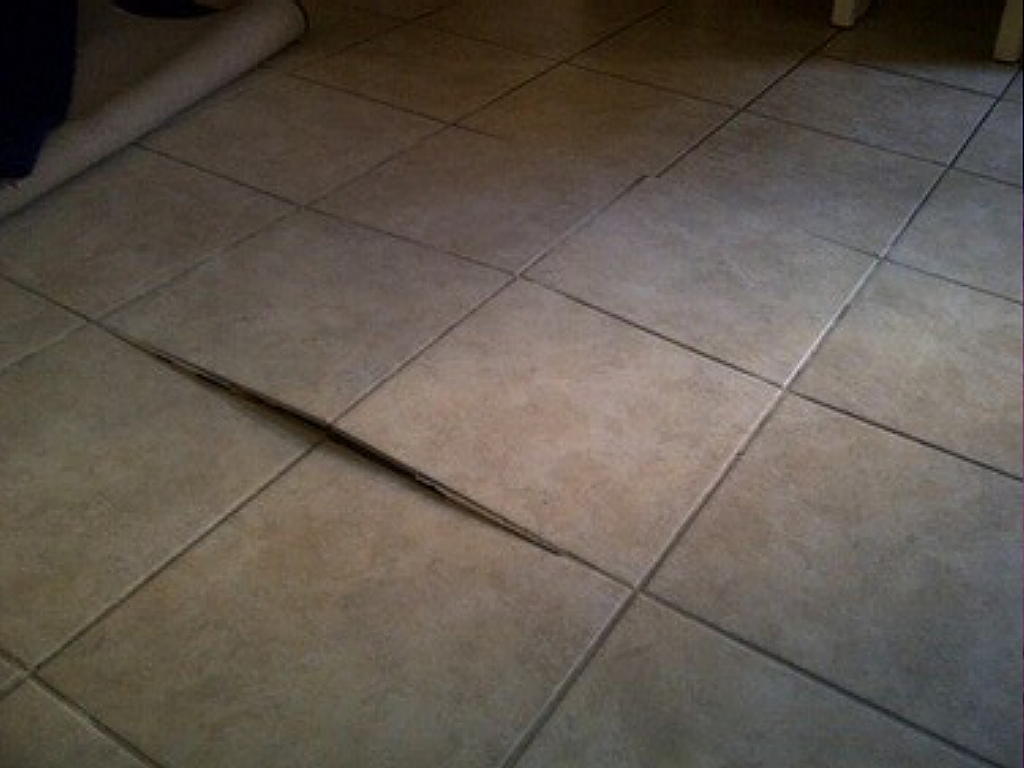
Porcelain tile is a dense ceramic tile manufactured from refined clay materials that are pressed and fired at very high temperatures. This process produces a hard, low-porosity tile body with high durability and very low water absorption. Because of these characteristics, porcelain tile is commonly used in residential, commercial, and exterior environments. Although highly durable, porcelain tile remains a brittle material that depends on proper installation support, substrate preparation, and movement accommodation to perform as intended. Evaluation of porcelain tile conditions considers material properties, installation support, environmental exposure, and maintenance practices rather than assuming a defect in the tile itself. See also Lippage, Tile and Stone Cracking, and Tile and Stone Floor Problems.
Please subscribe to see all content

Tile and Stone Floor Problems

Tile and stone floor problems may involve cracking, lippage, bond loss, grout issues, moisture influence, or structural movement.
Read More
Tile and Stone Floor Problems

Tile Surface Cleaning and Residue Conditions (Overview)
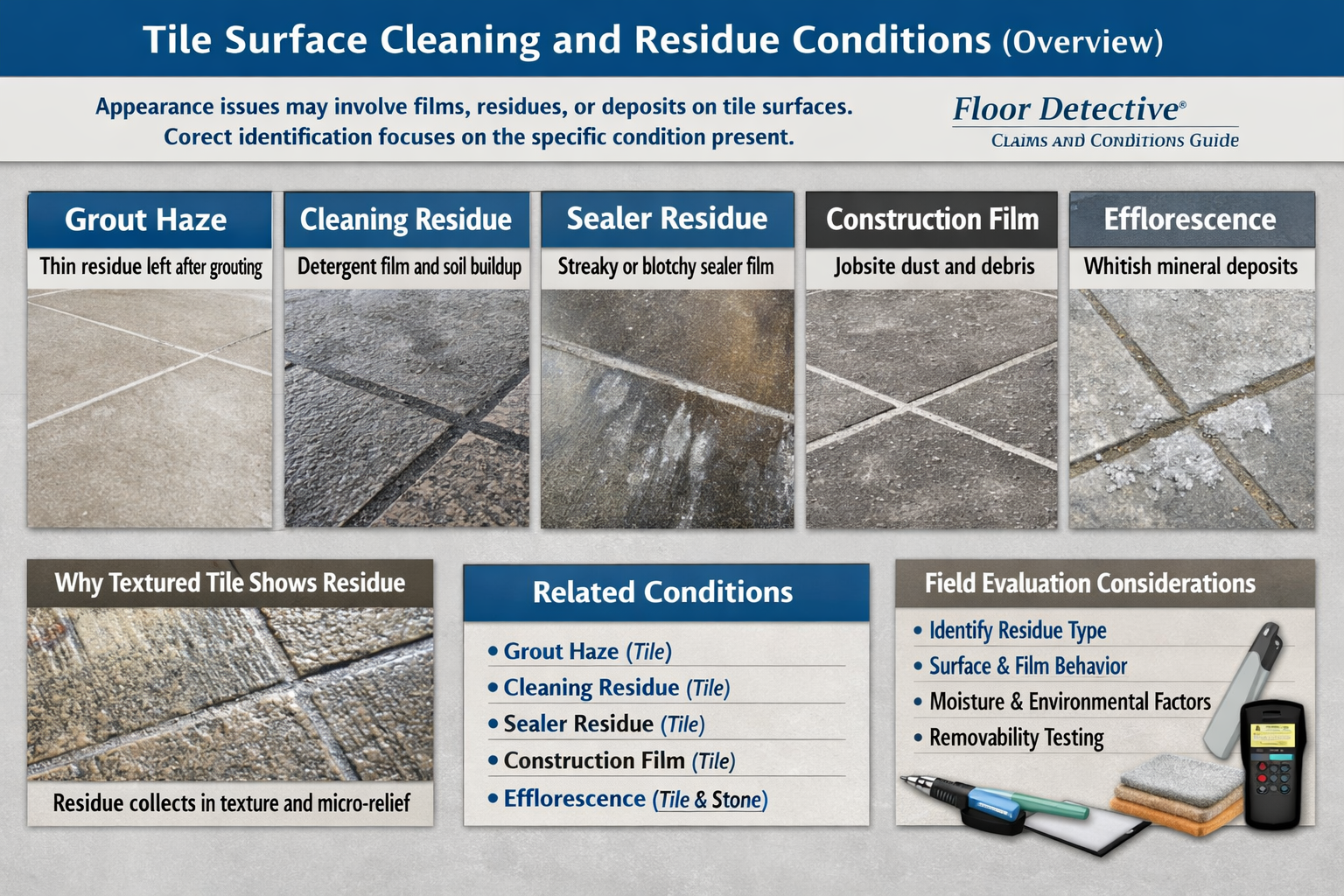
Tile surface residue conditions may involve grout haze, cleaning residue, sealer film, mineral deposits, or maintenance-related buildup.
Read More
Tile Surface Cleaning and Residue Conditions (Overview)

Surface Chipping (Ceramic Tile)
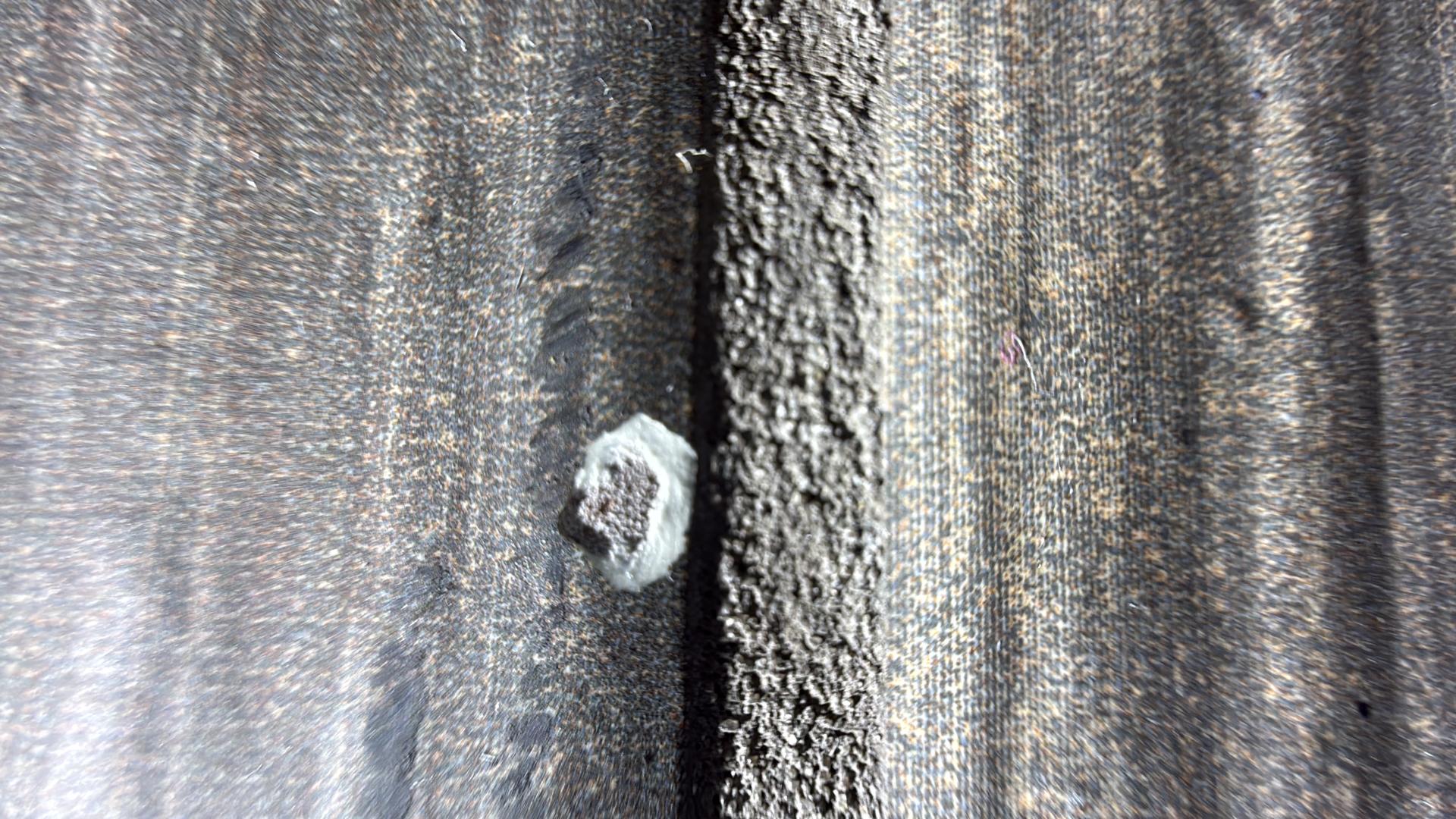
Surface chipping in ceramic tile involves localized glaze or surface loss caused by impact, contact stress, handling, or service conditions.
Read More
Surface Chipping (Ceramic Tile)

Grout Haze (Tile)
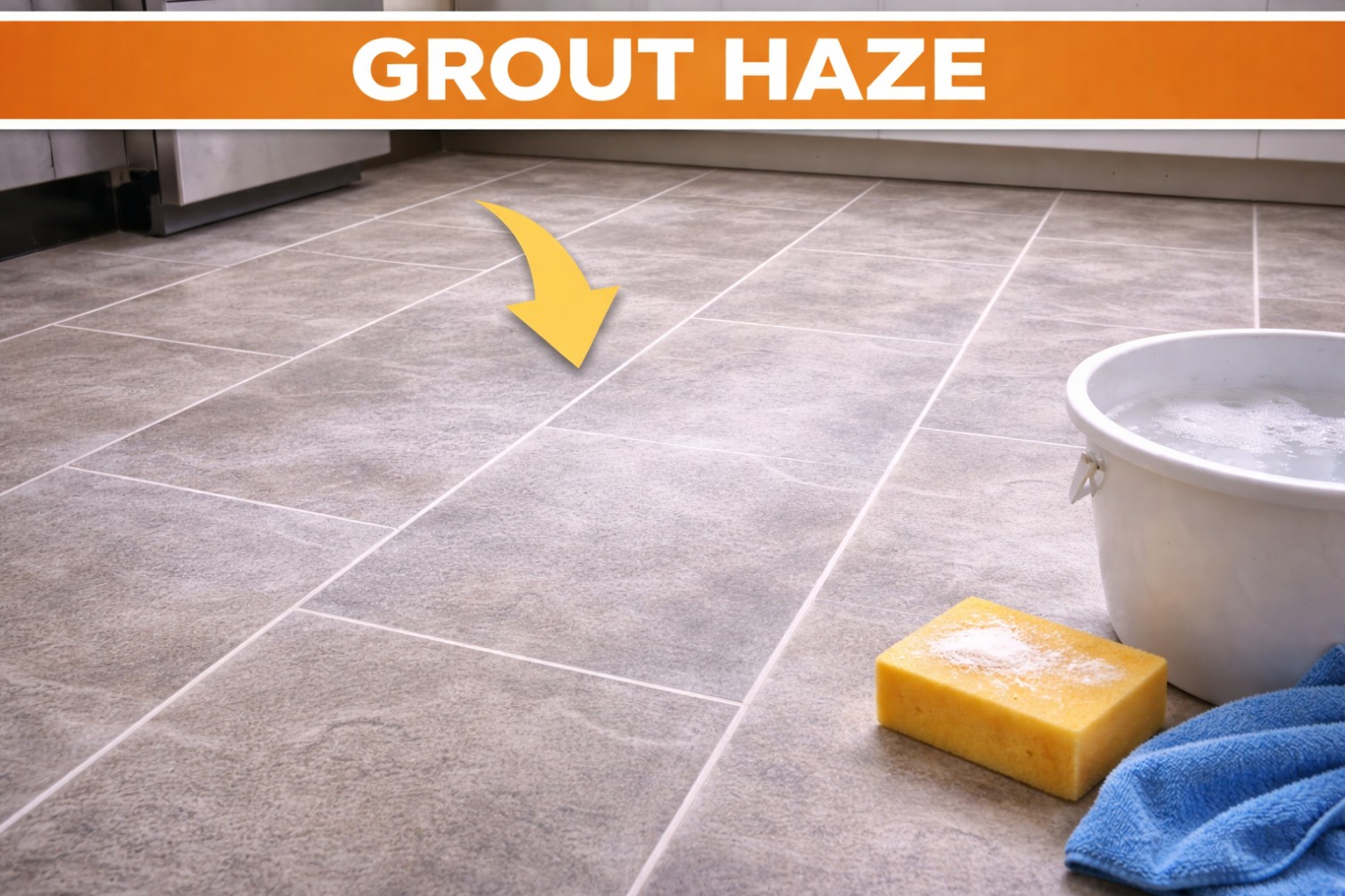
Grout haze on porcelain tile involves residual surface film caused by grout residue, tile texture, or installation conditions.
Read More
Grout Haze (Tile)

Cracked Corners

Cracked tile corners involve fractures caused by localized stress concentration, incomplete support, or movement within the tile assembly.
Read More
Cracked Corners

Outdoor Natural Stone Deterioration (Exterior Stone)

Outdoor natural stone deterioration may involve spalling, flaking, erosion, salt crystallization, and weather-related surface damage.
Read More
Outdoor Natural Stone Deterioration (Exterior Stone)

Grout – Pin Holes

Pin holes in grout joints involve small surface voids caused by grout consolidation, curing, or installation conditions.
Read More
Grout – Pin Holes

Saltillo Tile Lime Pops

Lime pops in Saltillo tile are localized surface disruptions caused by moisture-related expansion of lime-bearing particles within porous clay tile.
Read More
Saltillo Tile Lime Pops

Travertine Tile Properties

Travertine tile is a porous natural stone affected by moisture exposure, etching, wear, filler loss, and environmental conditions.
Read More
Travertine Tile Properties

Tile Types and Basic Properties

Tile flooring materials vary in porosity, density, hardness, moisture absorption, and maintenance behavior depending on tile type.
Read More
Tile Types and Basic Properties