Noise-Snap Crackle Pop and Squeaks

Noise-Snap Crackle Pop and Squeaks
20210911_141426017_iOS

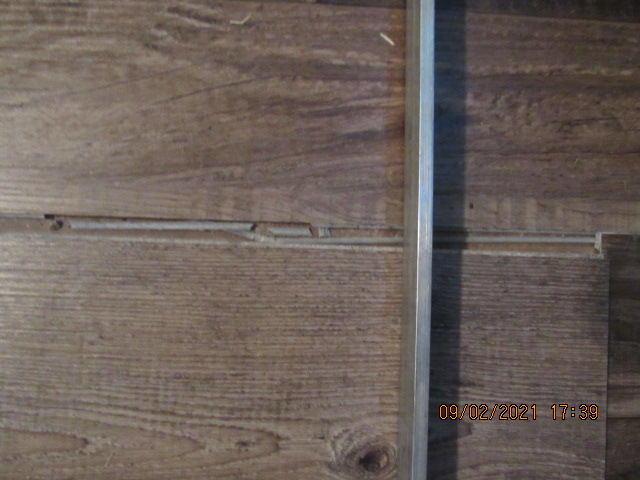
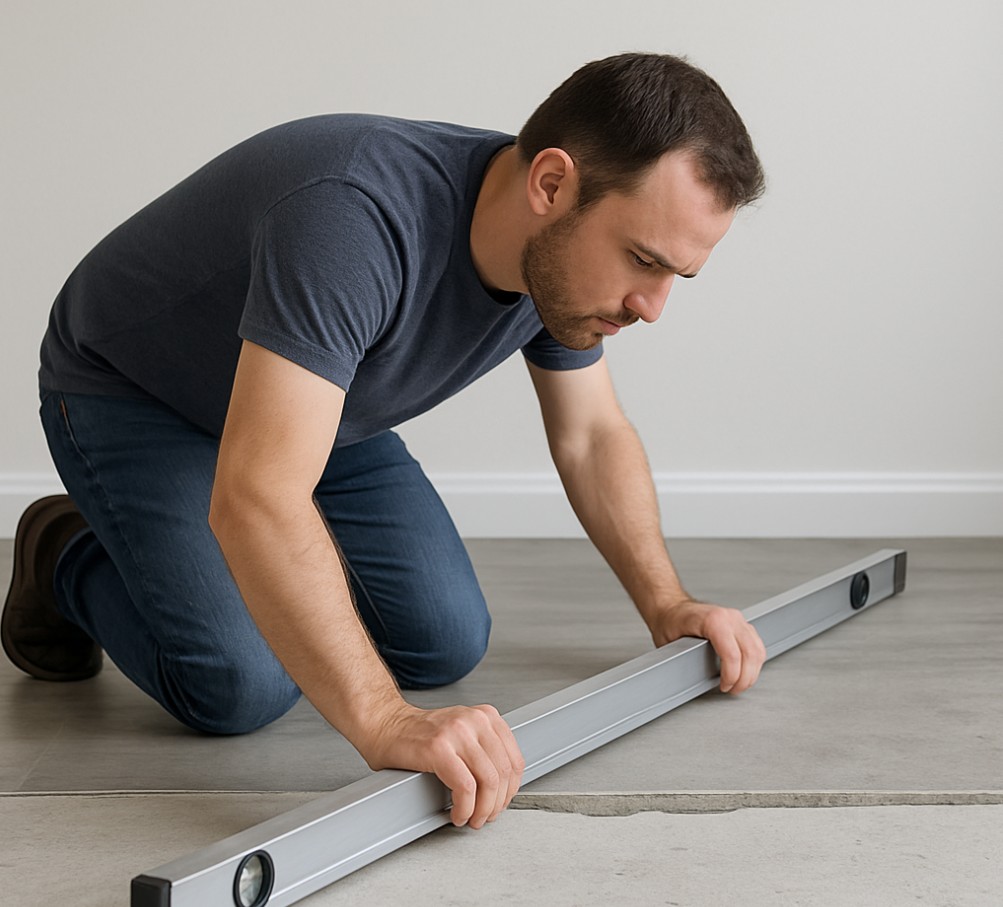
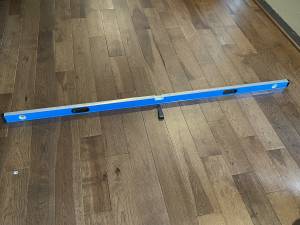
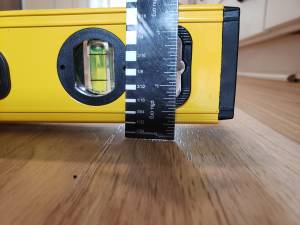
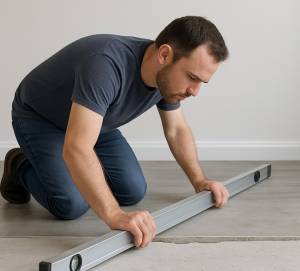
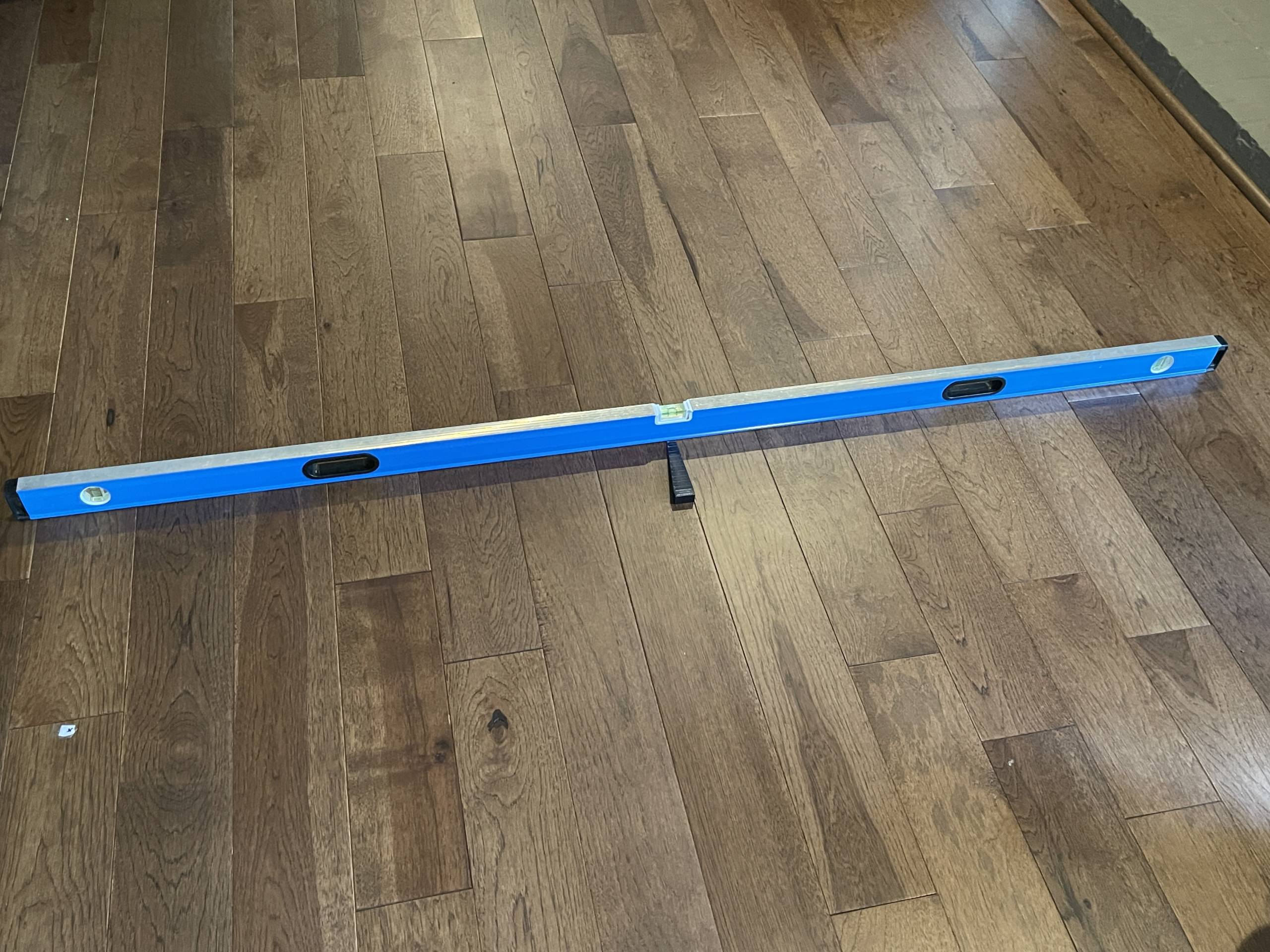
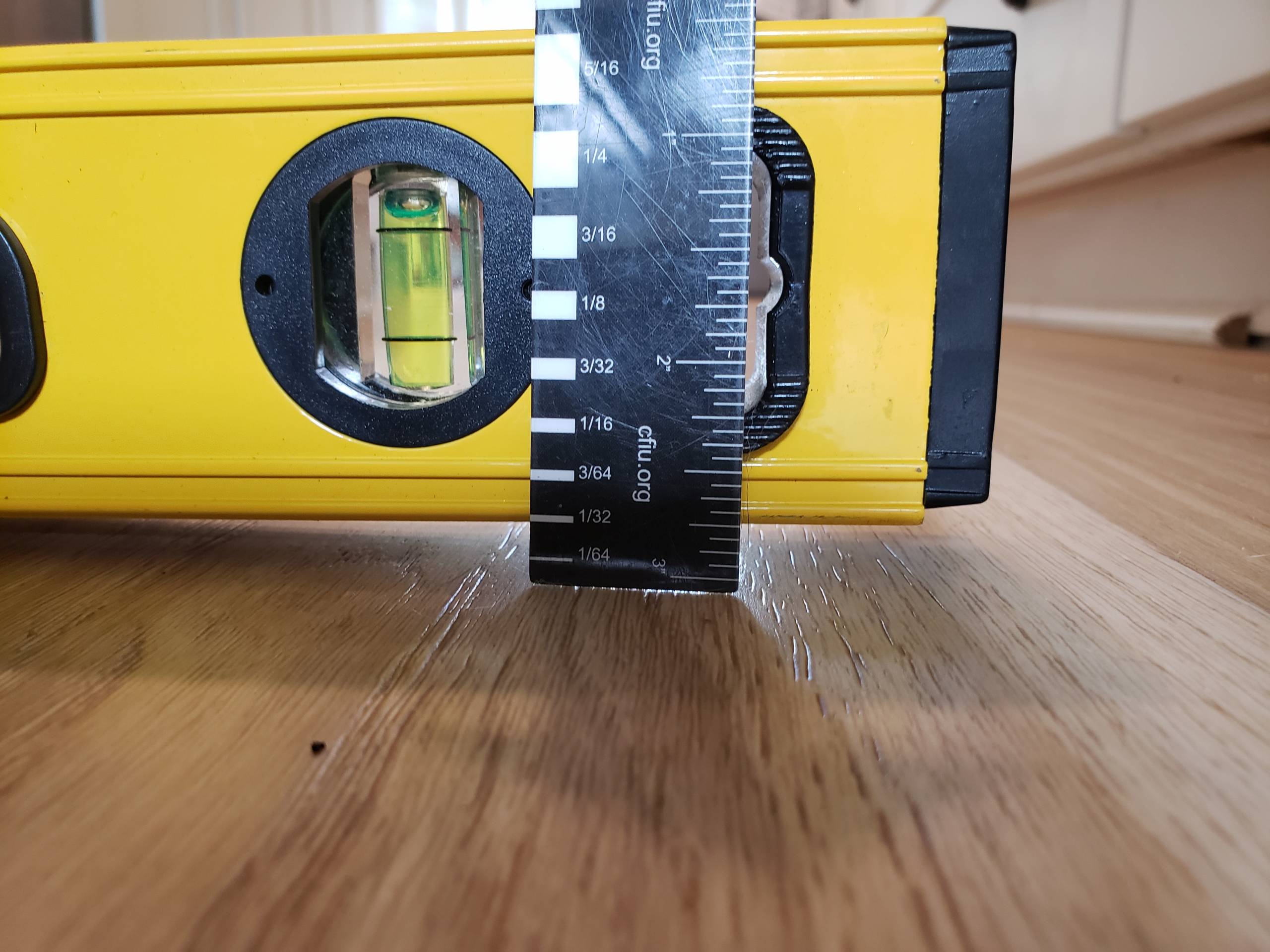
A 6' long metal straight-edge with a Veritas 1/64" Fractional Taper Gage was used to determine that the floor is within the manufacturer's tolerances for flatness. The measurements ranged from 0" to 1/16" in 6'. (Normal) No vertical movement of the flooring material was observed.

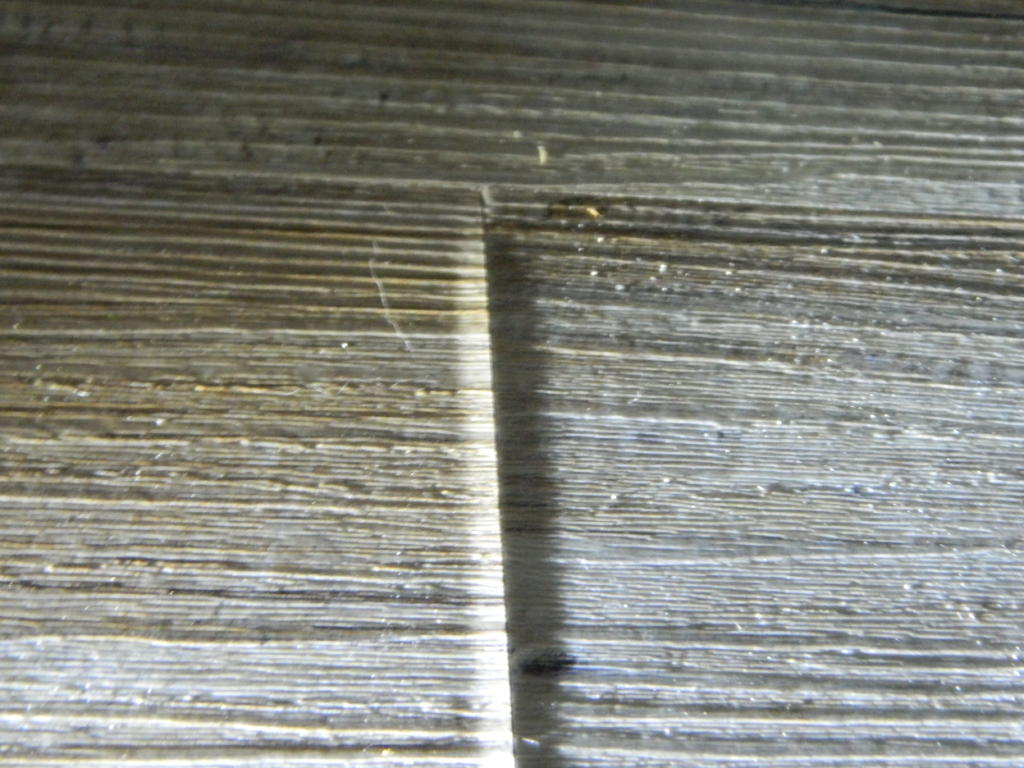
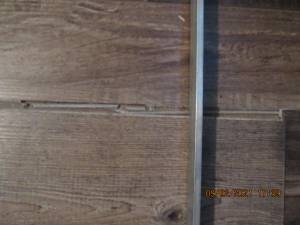
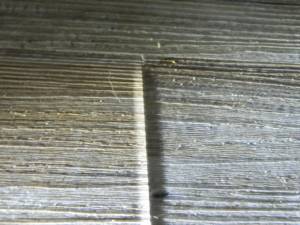
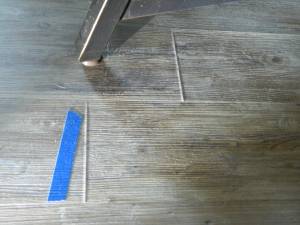
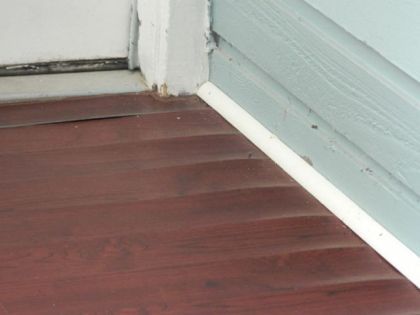
High edges of disengaged planks

High edges of disengaged planks

IMG_0033

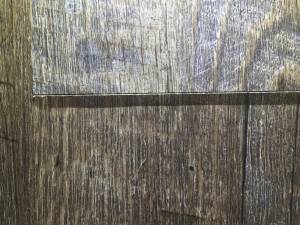
cracked planks

Sierra Exif JPEG

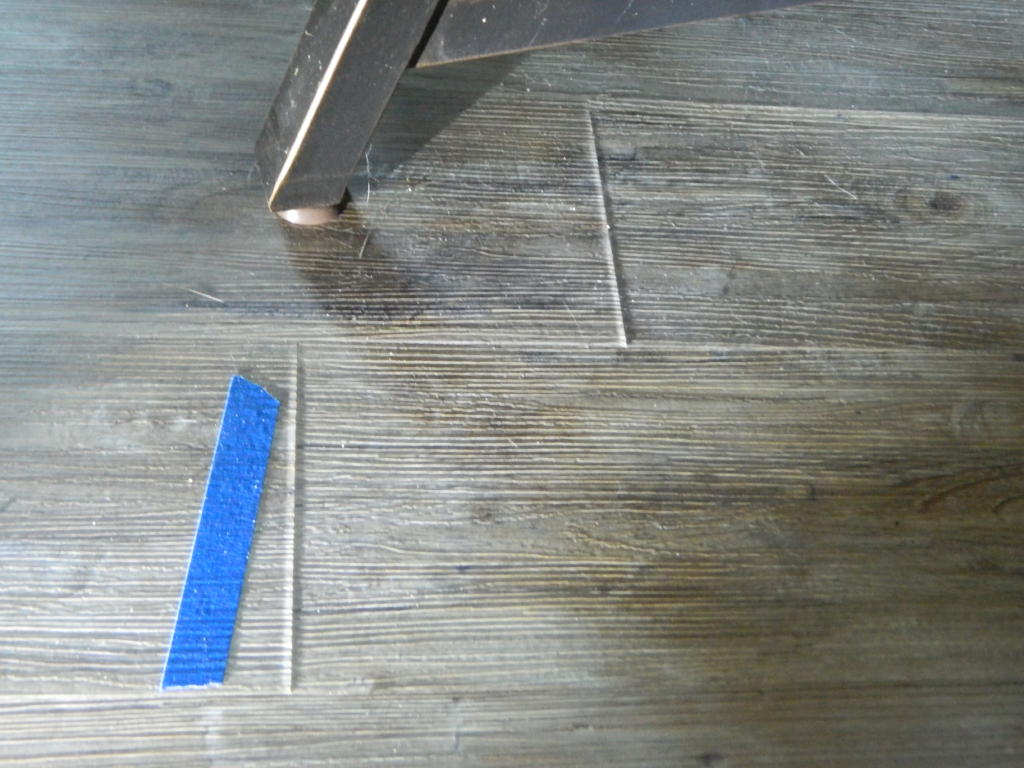
Installation damage

Sierra Exif JPEG

Installation damage

LVT-damaged-creased locking mechanism-22254

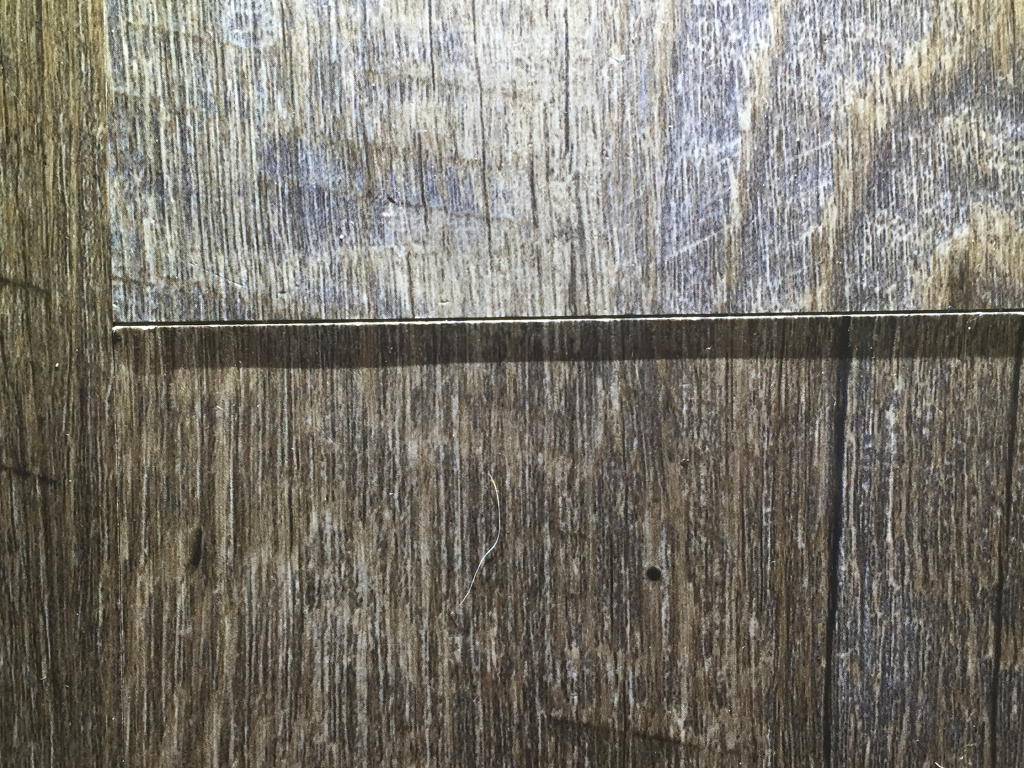
Not properly engaged/locked

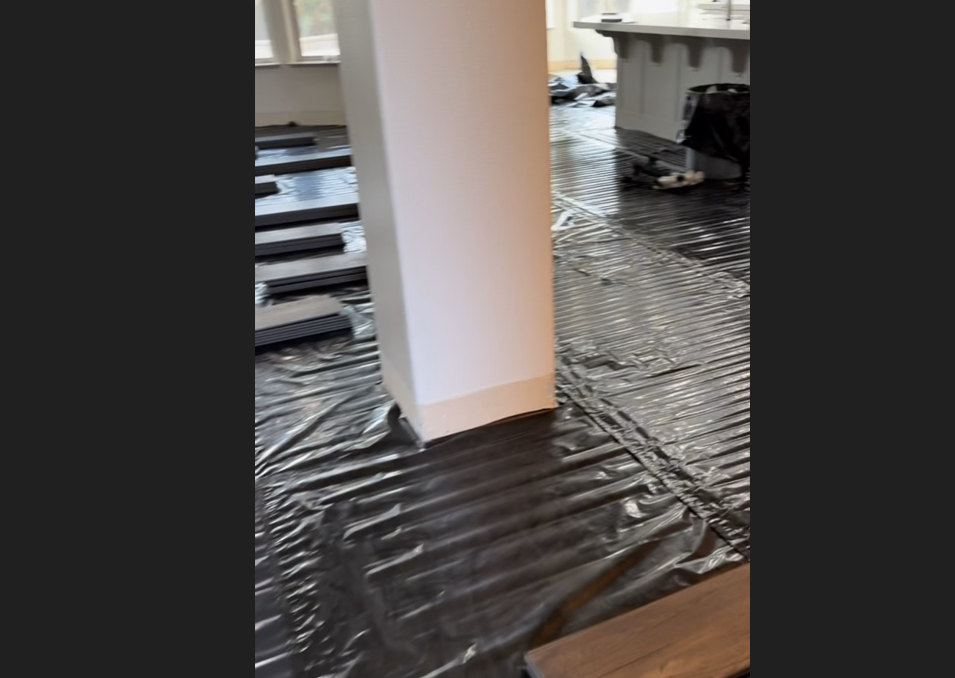
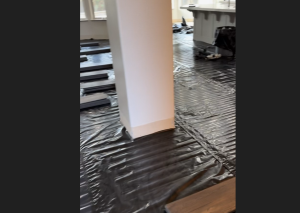
LVP noise - wrinkled poly

Wrinkled vapor barrier - Photo courtesy of Brad Welsh

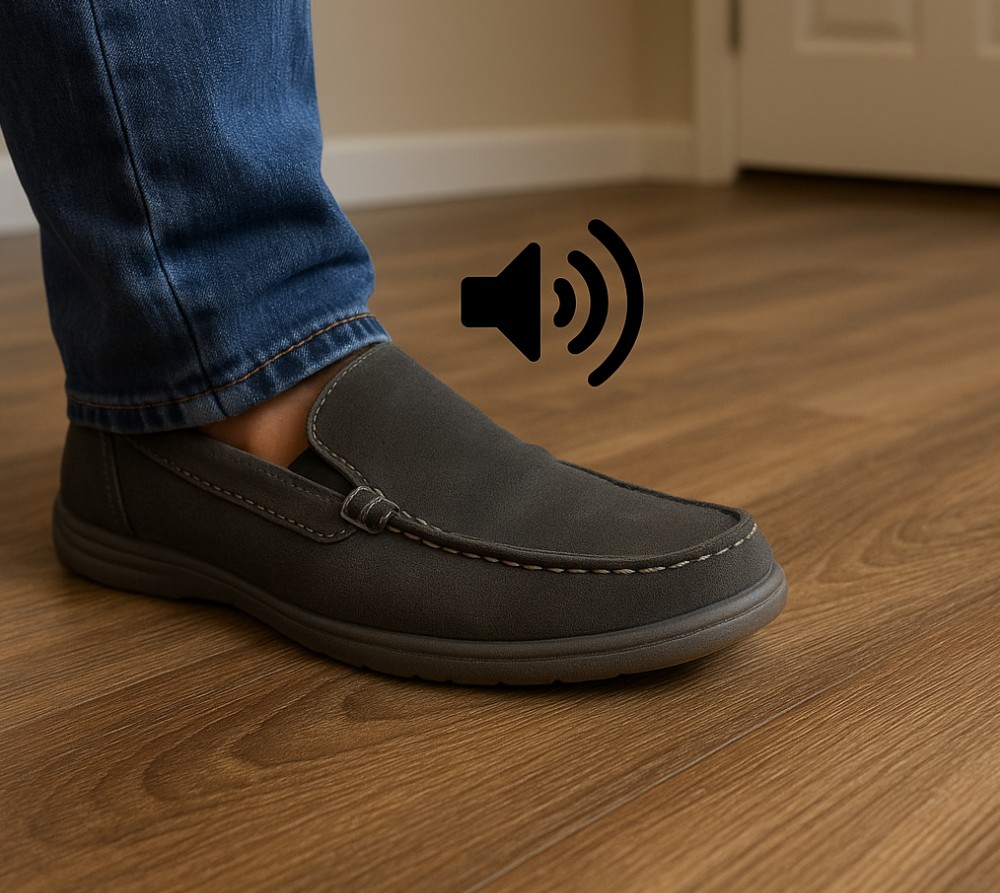
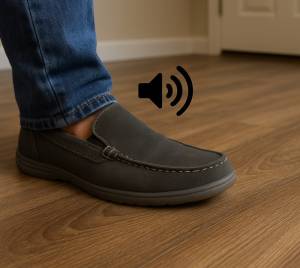
Noise in resilient plank flooring showing movement interaction associated with clicking, popping, squeaking, or hollow acoustic response.

Deflection under load

Subfloor flatness measurement 1

Subfloor flatness measurement

Subfloor Flatness 3

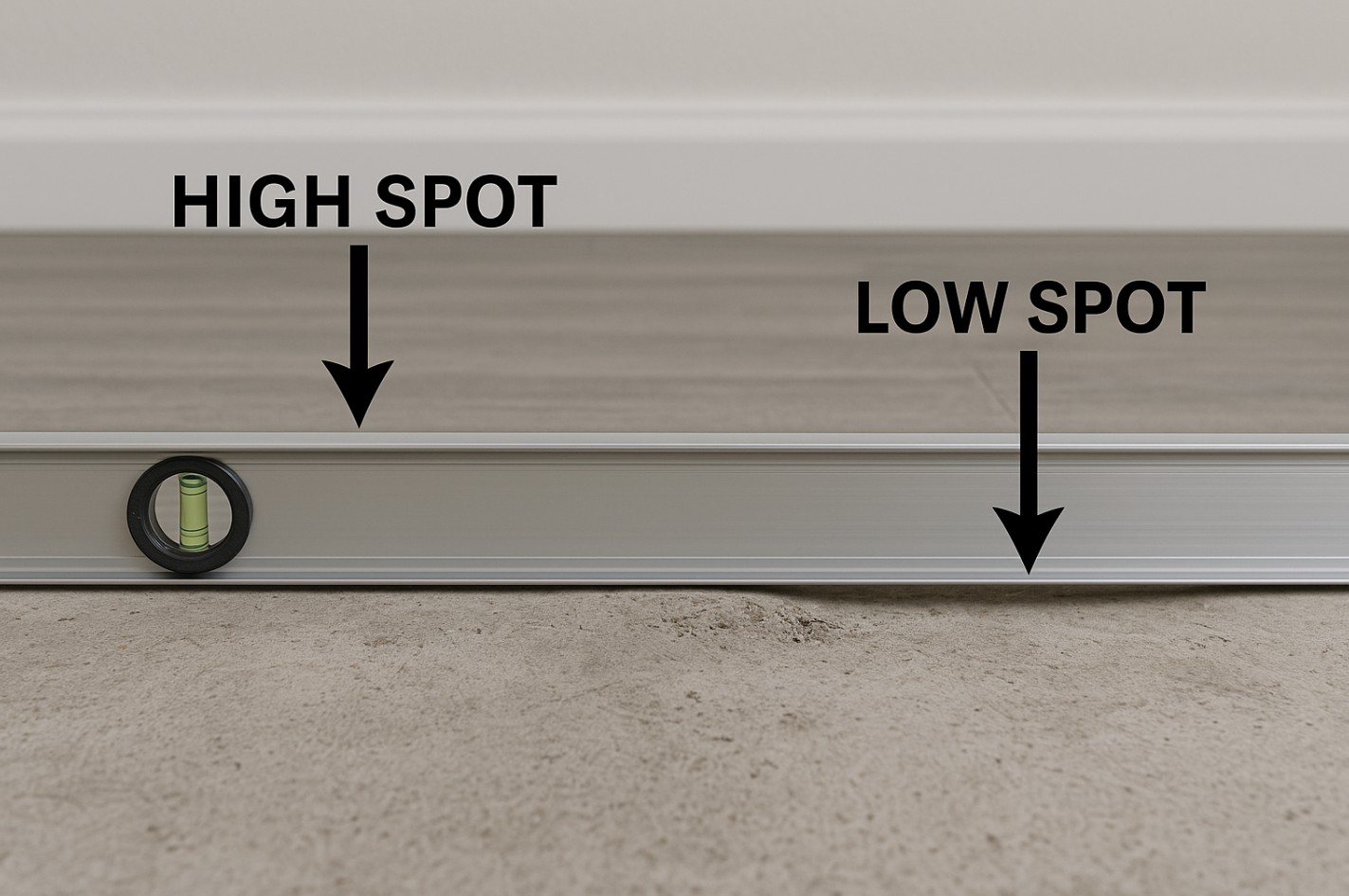
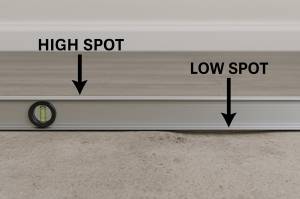
High and low areas

20210911_141426017_iOS High edges of disengaged planks IMG_0033 Sierra Exif JPEG Sierra Exif JPEG LVT-damaged-creased locking mechanism-22254 LVP noise - wrinkled poly Noise in resilient plank flooring showing movement interaction associated with clicking, popping, squeaking, or hollow acoustic response. Subfloor flatness measurement 1 Subfloor Flatness 3

Noise – Snap, Crackle, Pop, Clicking, and Squeaks (Resilient Plank)

Floor Detective® Claims and Conditions Guide

Summary

Noise in resilient plank flooring refers to audible snapping, popping, crackling, clicking, squeaking, creaking, chirping, or hollow sounds generated during foot traffic, rolling loads, or dynamic movement across the flooring system. Floating and semi-floating resilient systems are designed to accommodate limited movement, and sound is produced when components shift relative to one another and stored frictional, compressive, or mechanical energy is released. Minor acoustic variation may occur within normal flooring-system behavior, particularly in large floating installations or under changing environmental conditions. Persistent, repeatable, localized, or progressive noise commonly reflects increased movement interaction within locking joints, plank edges, underlayment systems, vapor barriers, substrate interfaces, adhesive layers, or structural support components beneath the flooring assembly. Sound may occur with or without visible gapping, peaking, edge displacement, or surface distortion. Audible response alone does not independently establish manufacturing nonconformance. Proper evaluation requires correlation of sound type, repeatability, movement interaction, support geometry, restraint conditions, environmental exposure, and flooring-system behavior rather than sound presence alone. See also Gaps Resilient Plank, Peaked End Joints, and LVT and SPC Floor Problems for broader context.
Please subscribe to see all content

Chair-Caster Damage (LVT/SPC Flooring)
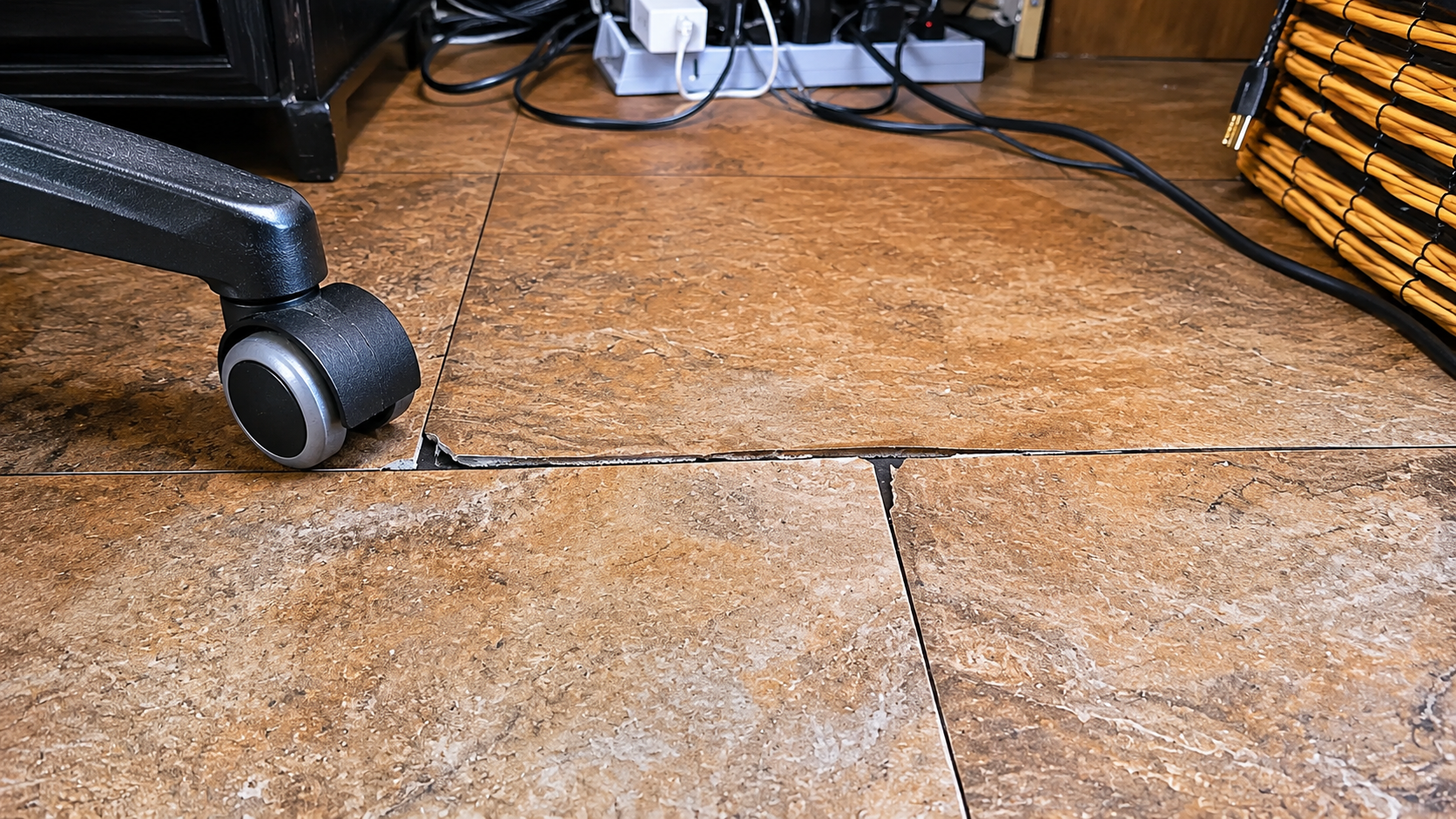
Chair-caster damage in LVT and SPC flooring may appear as scratching, indentation, joint damage, noise, or locking-profile failure caused by...
Read More
Chair-Caster Damage (LVT/SPC Flooring)

LVT and SPC Floor Problems
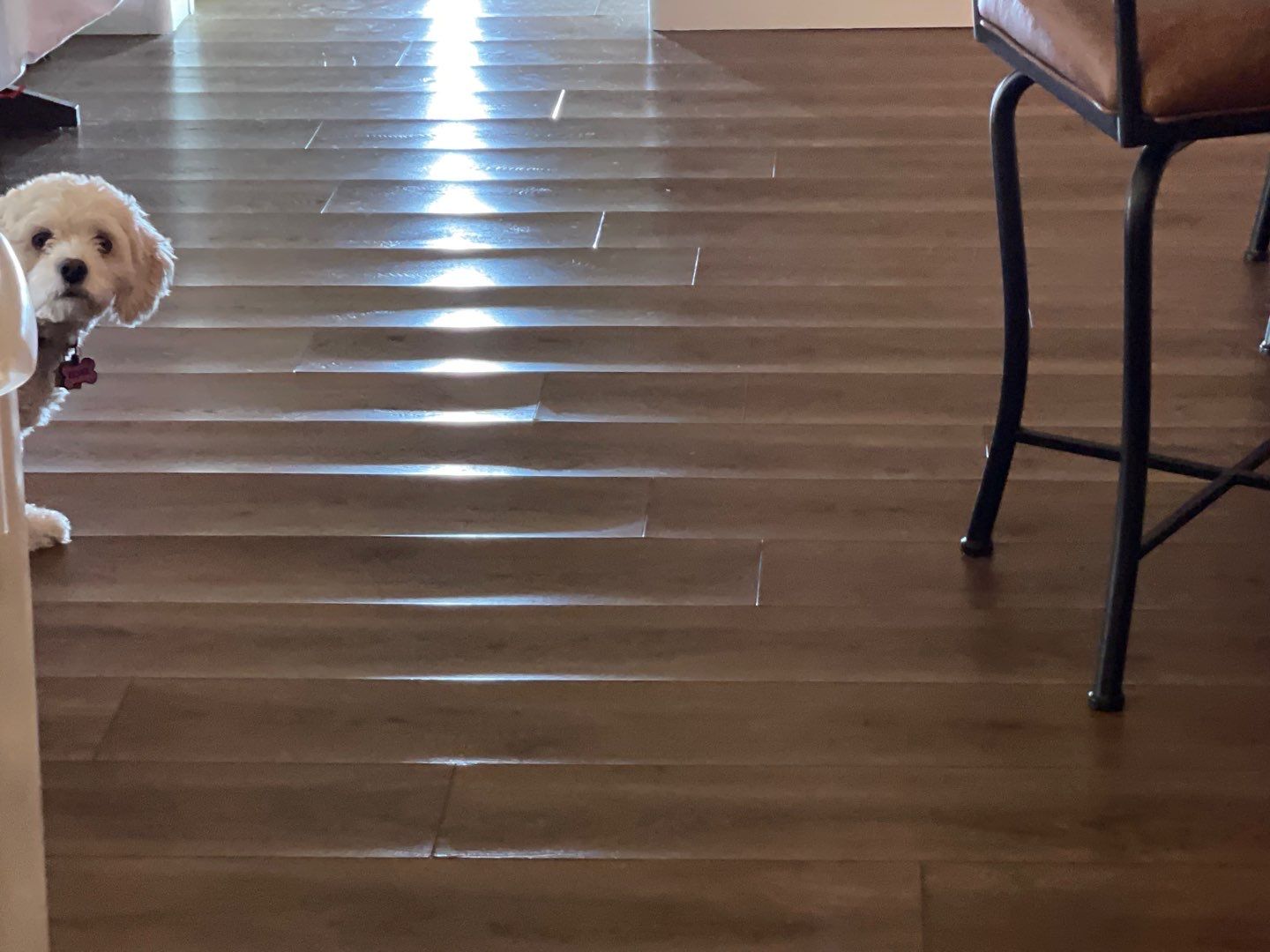
LVT and SPC floor problems may involve movement, gapping, curling, noise, indentation, discoloration, or substrate-related effects.
Read More
LVT and SPC Floor Problems

Cross-Machine Direction (Width) Shading / Texture Variation (Resilient Sheet Vinyl)
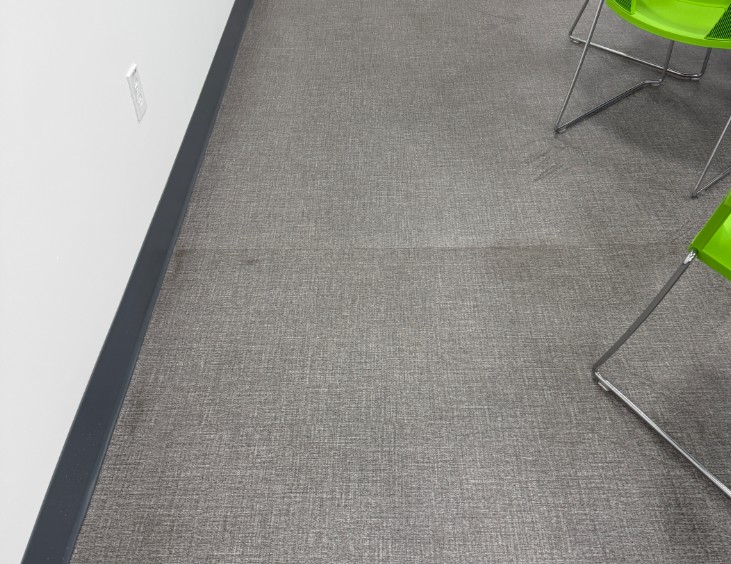
Cross-machine direction shading in resilient sheet vinyl involves side-to-side visual or texture variation across the sheet width.
Read More
Cross-Machine Direction (Width) Shading / Texture Variation (Resilient Sheet Vinyl)

Sheet Shrinkage / Seam Opening (Resilient Sheet Flooring)
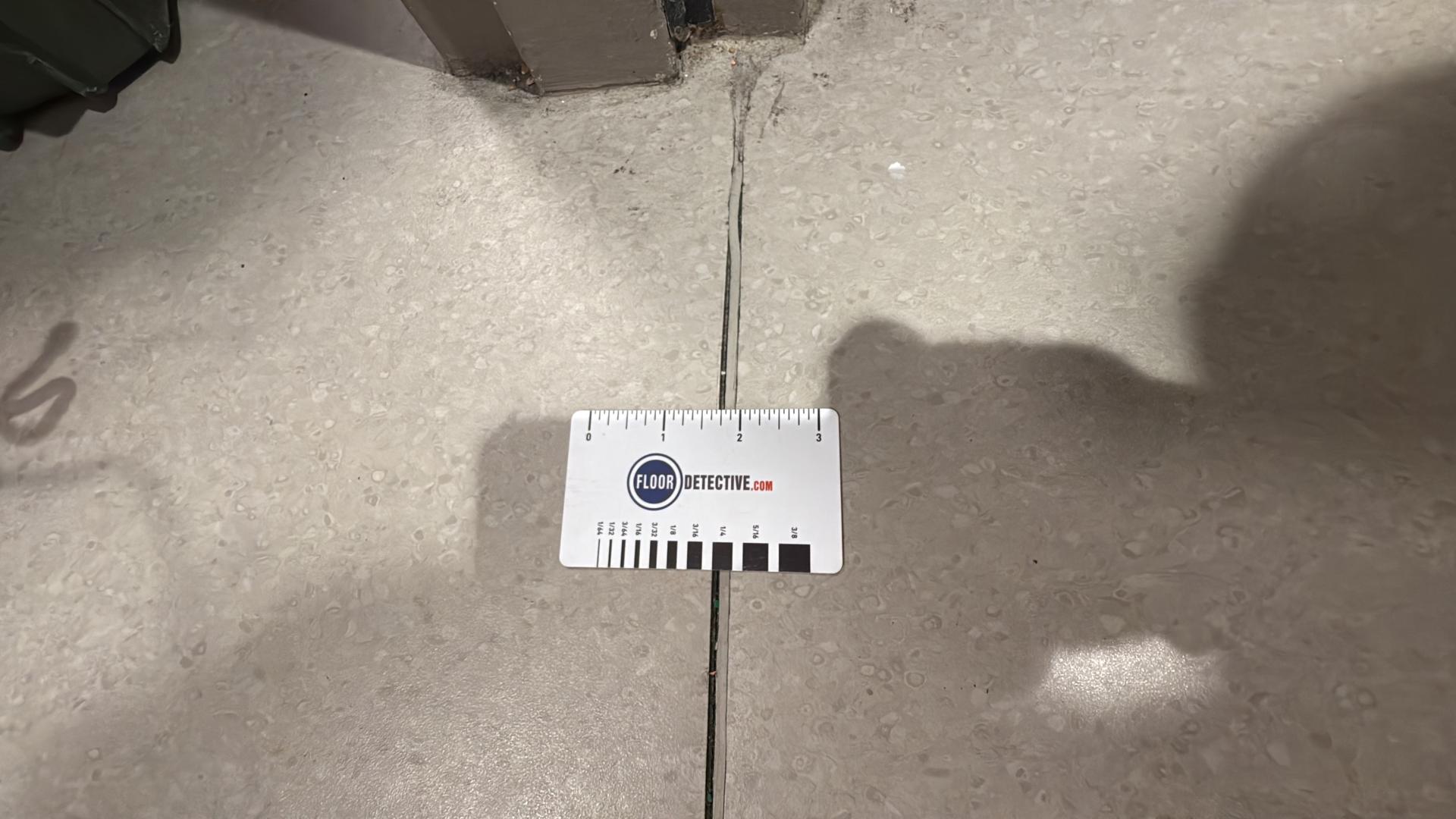
Sheet shrinkage and seam opening in resilient sheet flooring involve dimensional movement, edge pull-back, and flooring-system stress redistribution.
Read More
Sheet Shrinkage / Seam Opening (Resilient Sheet Flooring)

Heat Weld Seam Failure (Resilient Sheet Flooring)
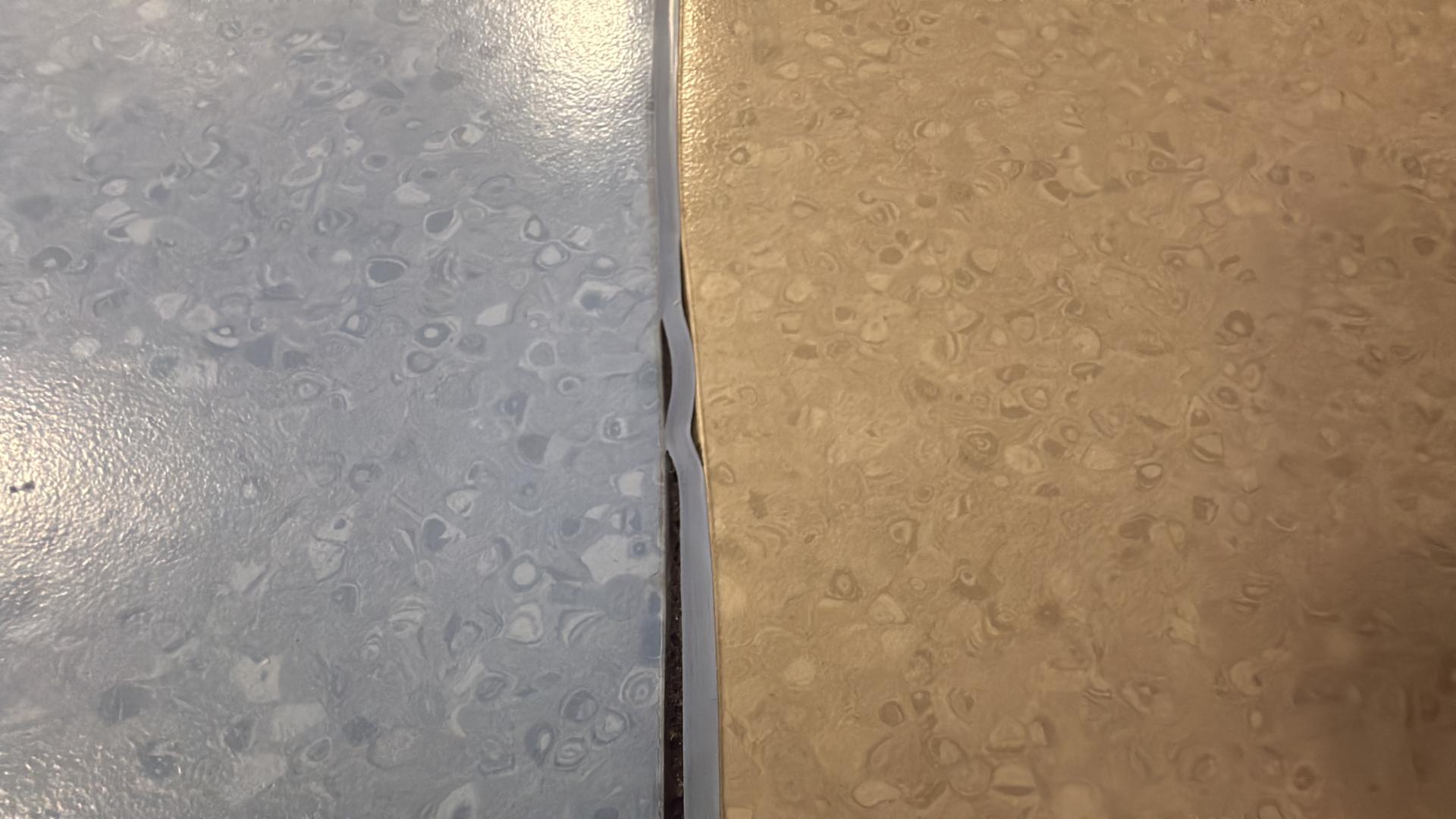
Heat weld seam failure in resilient sheet flooring involves loss of fusion or structural integrity within welded sheet-flooring joints.
Read More
Heat Weld Seam Failure (Resilient Sheet Flooring)

Yellowing / Discoloration (LVP / SPC / WPC)
Yellowing in LVP, SPC, and WPC flooring involves internal discoloration caused by oxidation, ultraviolet exposure, or environmental influence.
Read More
Yellowing / Discoloration (LVP / SPC / WPC)

Broken Locking Profiles / Mechanical Joint Compromise (Resilient Plank)
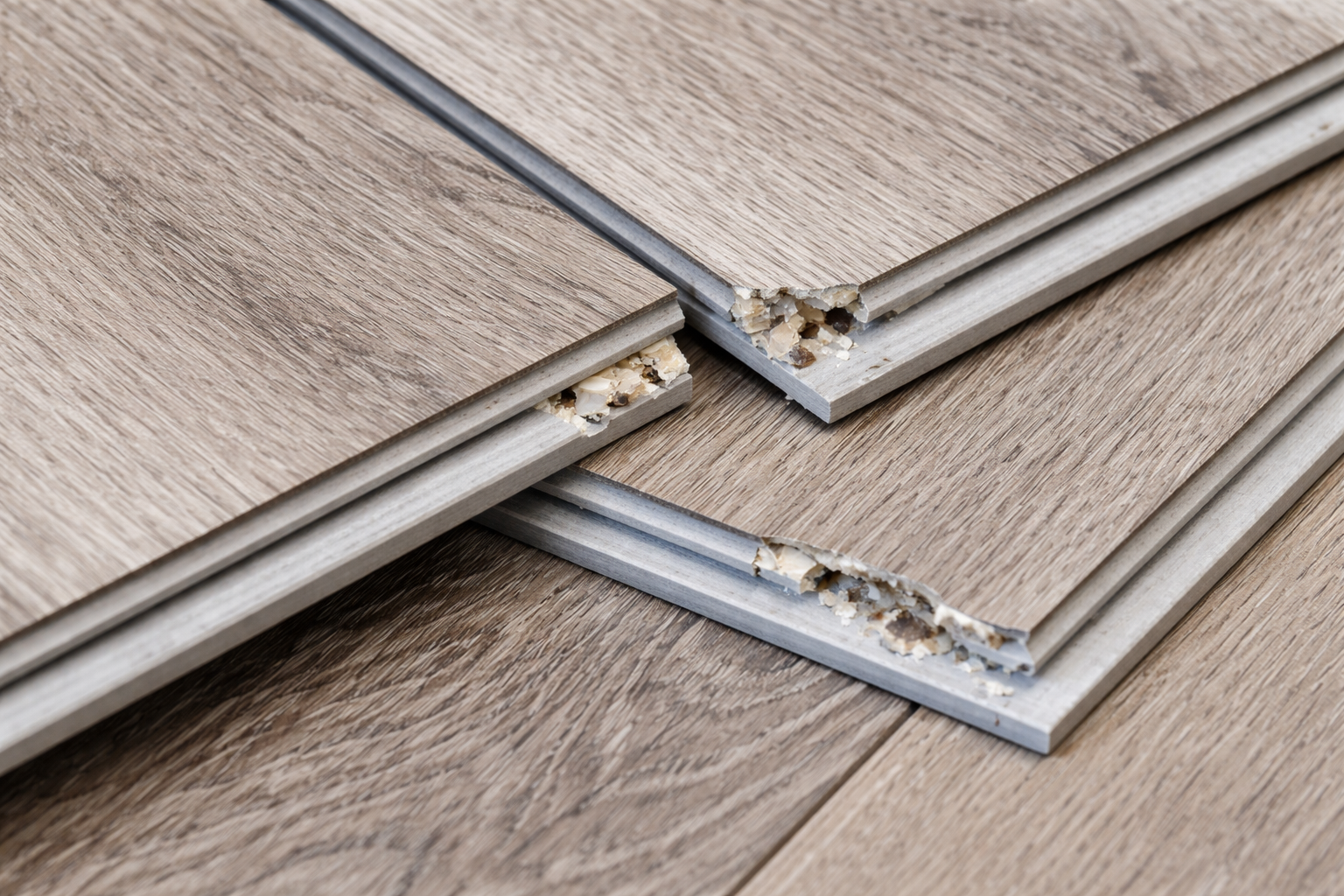
Broken locking profiles and mechanical joint compromise involve fracture, deformation, or weakening of resilient plank locking systems.
Read More
Broken Locking Profiles / Mechanical Joint Compromise (Resilient Plank)

Efflorescence-Like Mineral Migration at LVT/SPC Joints
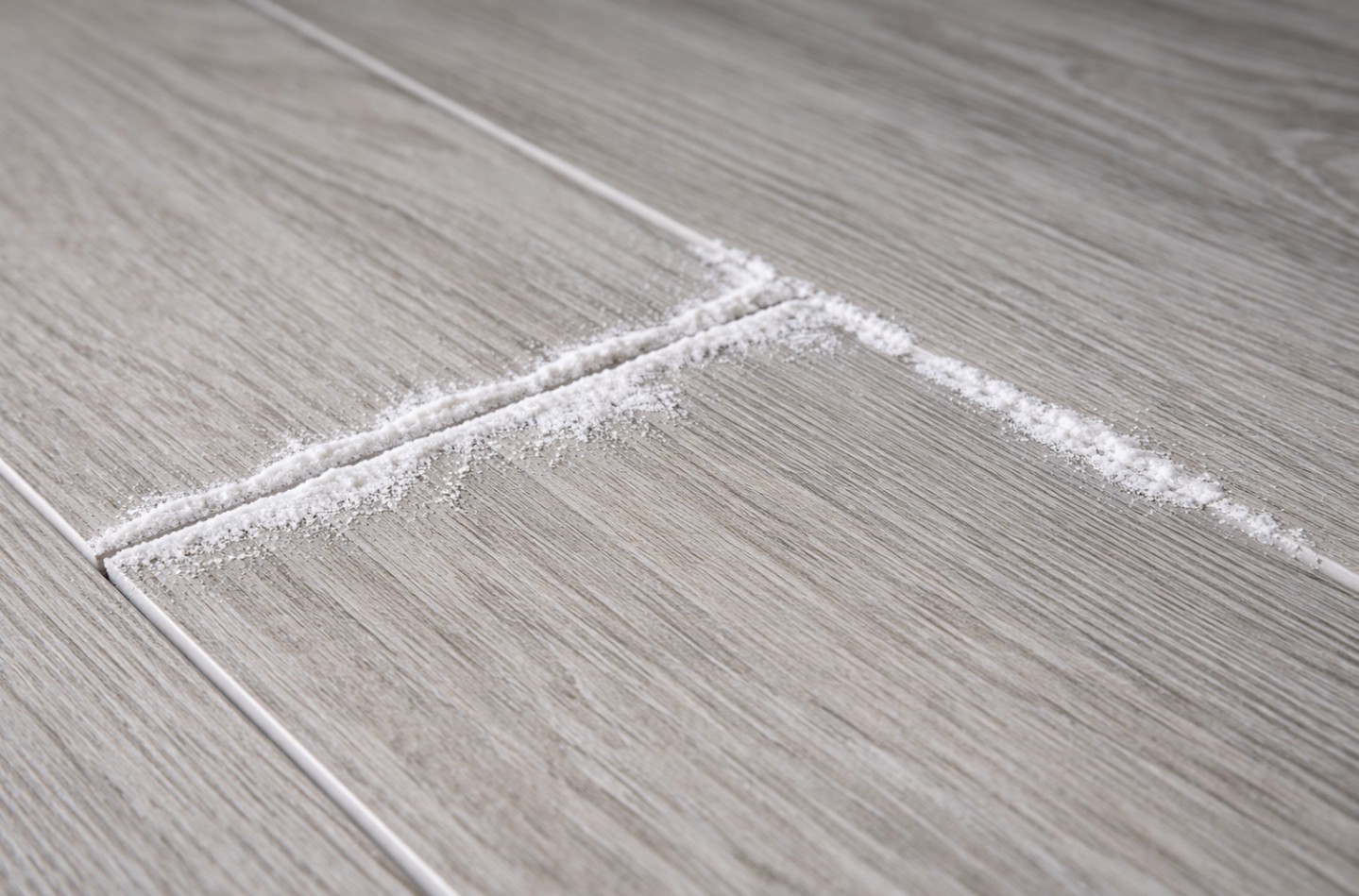
Efflorescence-like mineral migration at LVT and SPC joints is a moisture-related substrate condition involving mineral residue from concrete slabs.
Read More
Efflorescence-Like Mineral Migration at LVT/SPC Joints

Blistering / Surface Blisters (SPC Flooring)

SPC flooring blistering involves localized raised areas or bubble-like distortions originating within individual flooring planks.
Read More
Blistering / Surface Blisters (SPC Flooring)

Cracking Over Existing Substrates (LVT)

Cracking in resilient plank flooring over existing substrates commonly involves stress transfer from grout joints or uneven support.
Read More
Cracking Over Existing Substrates (LVT)