
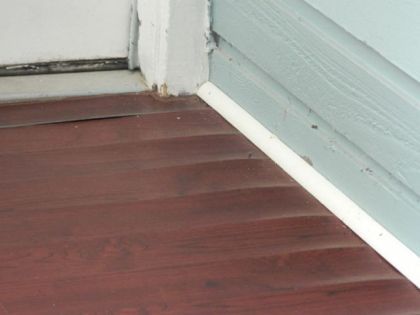
Heat Weld Seam Failure (Resilient Sheet Flooring)
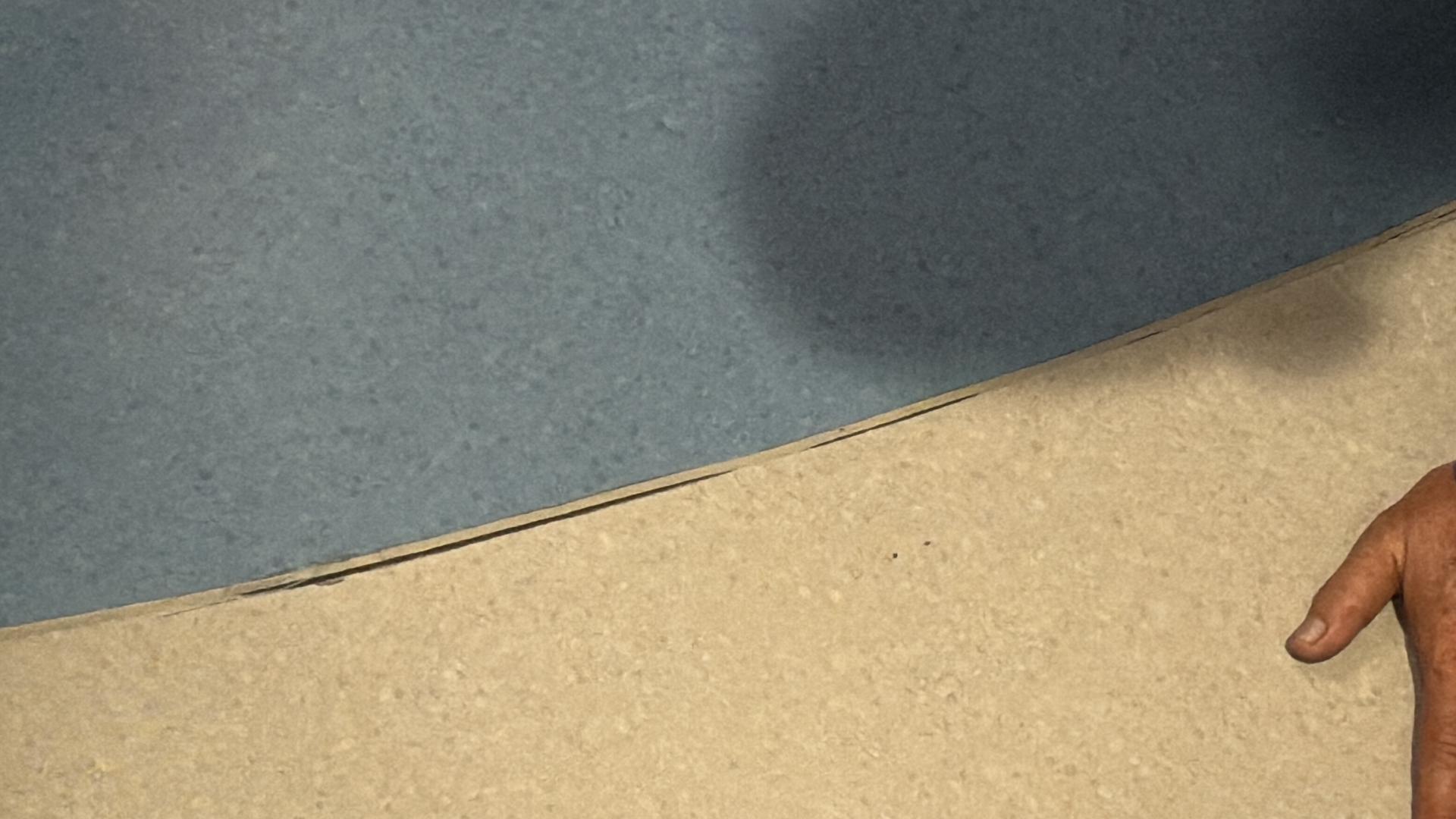
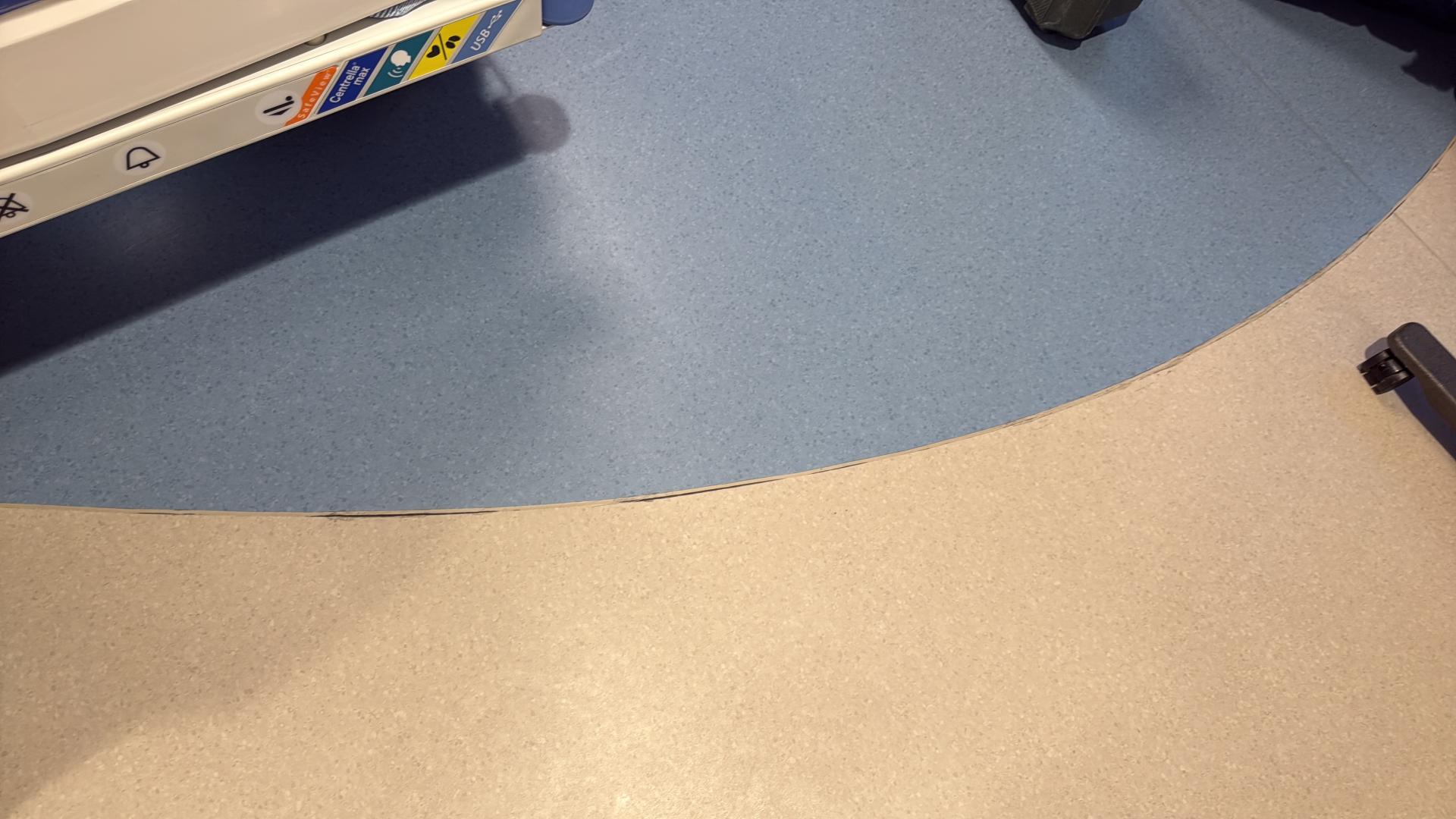
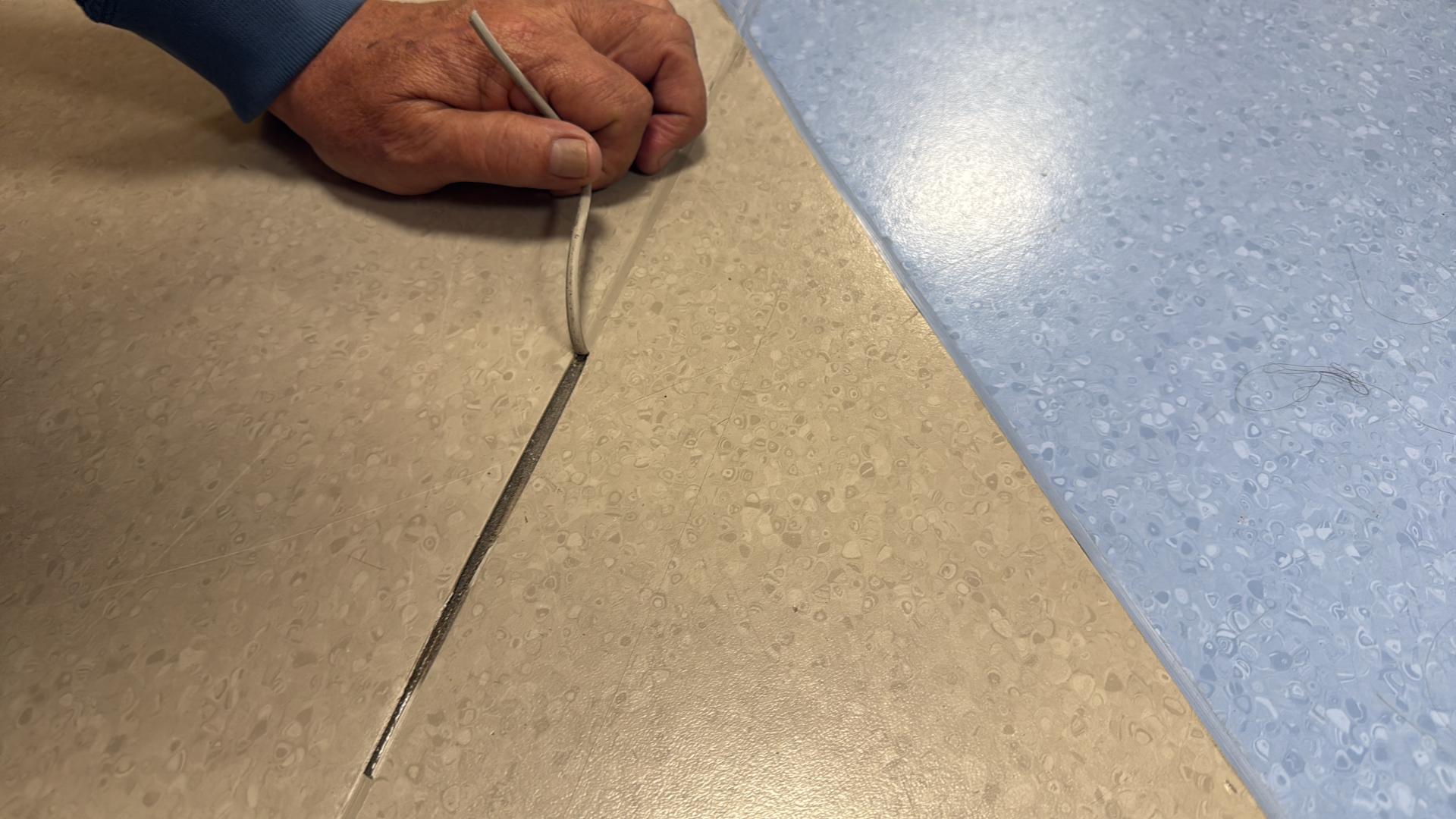
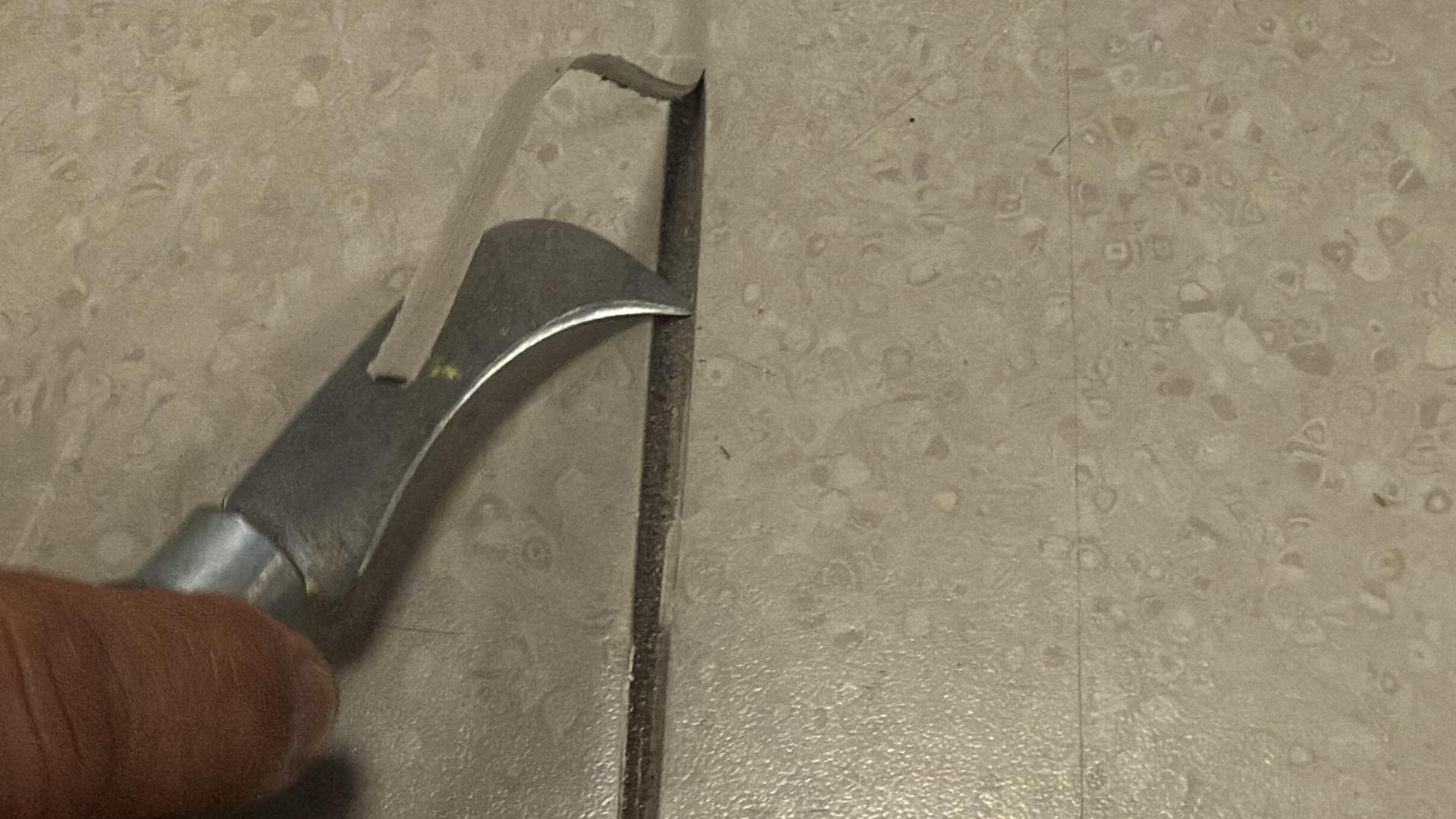
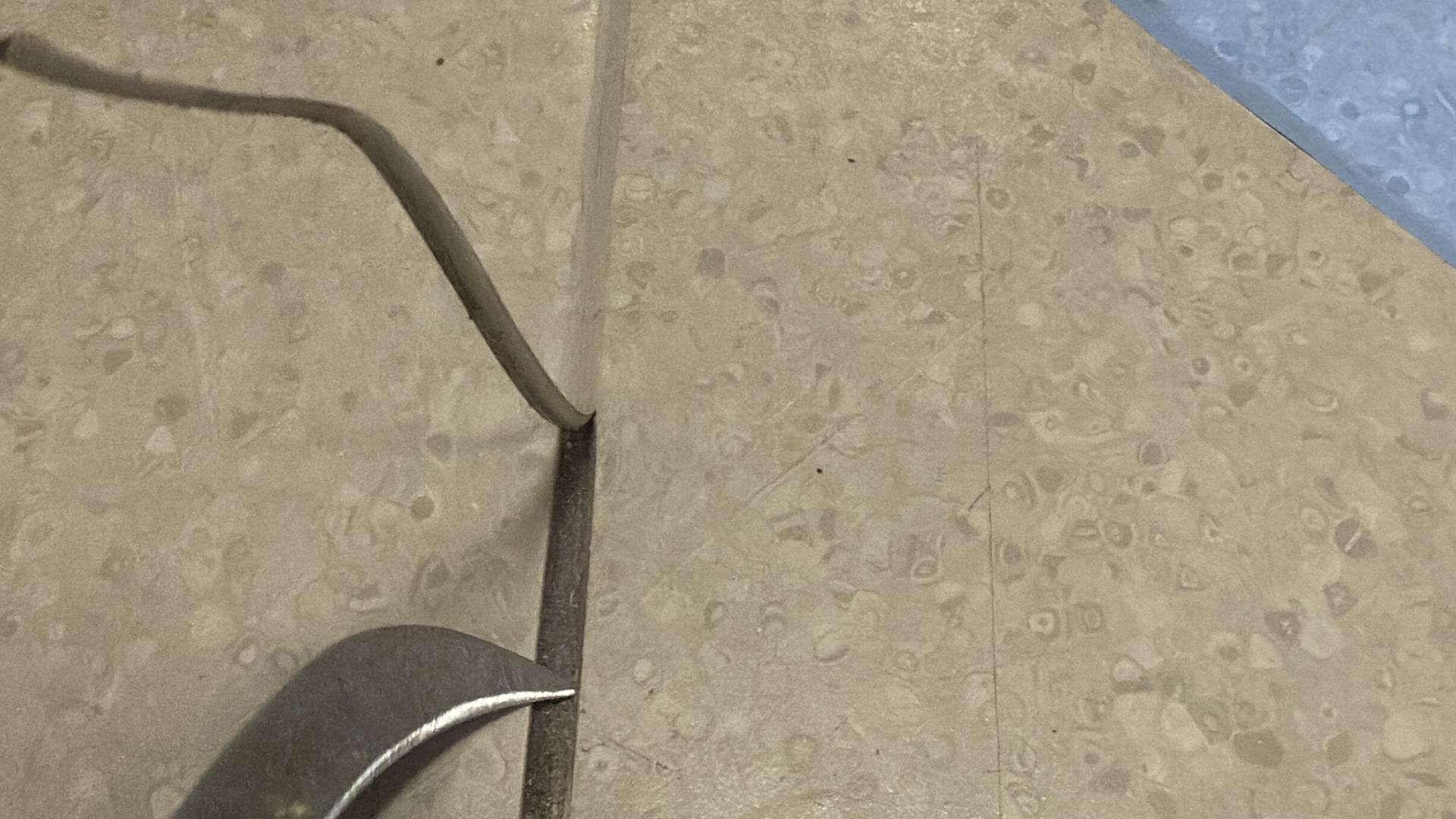
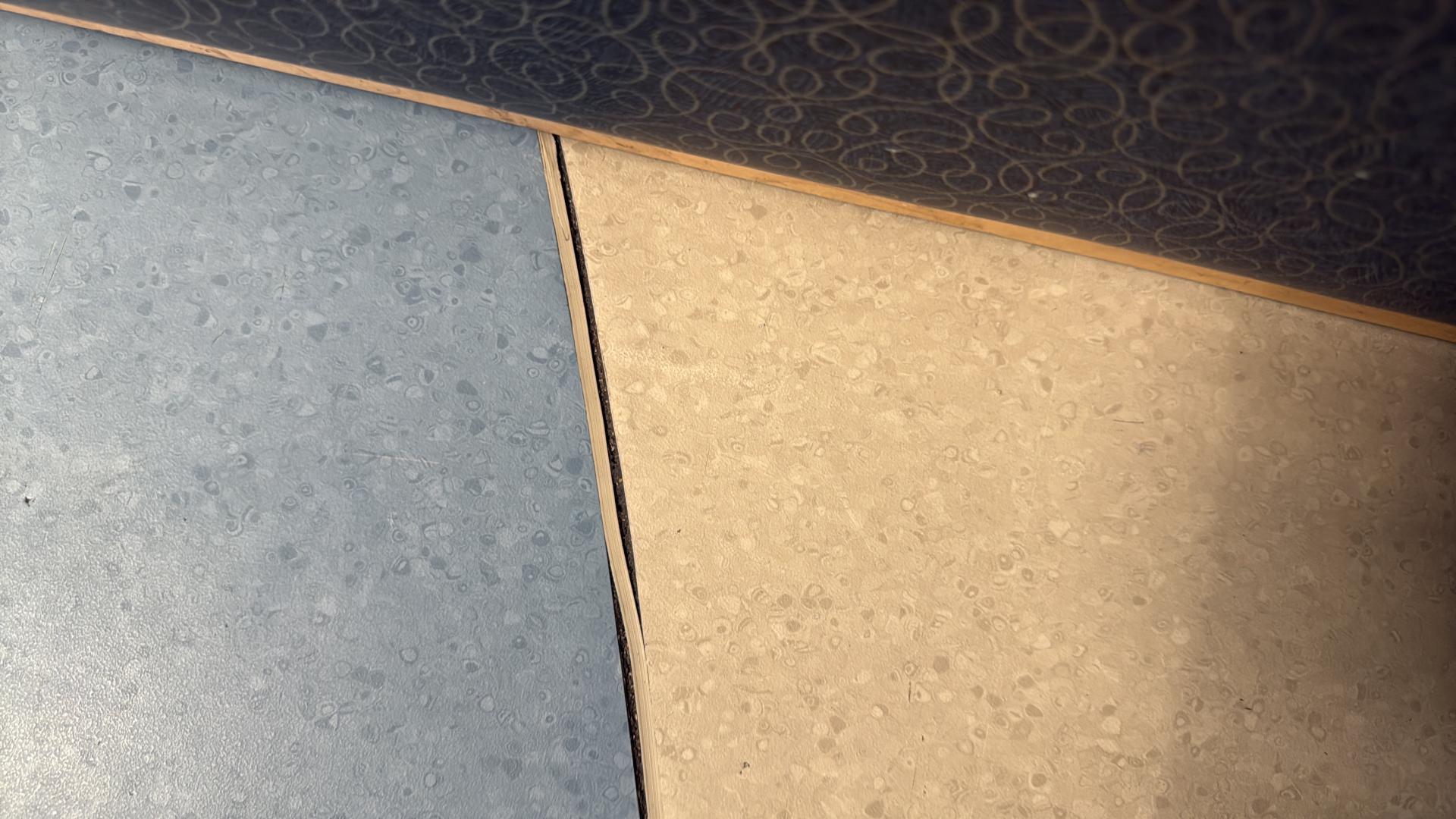
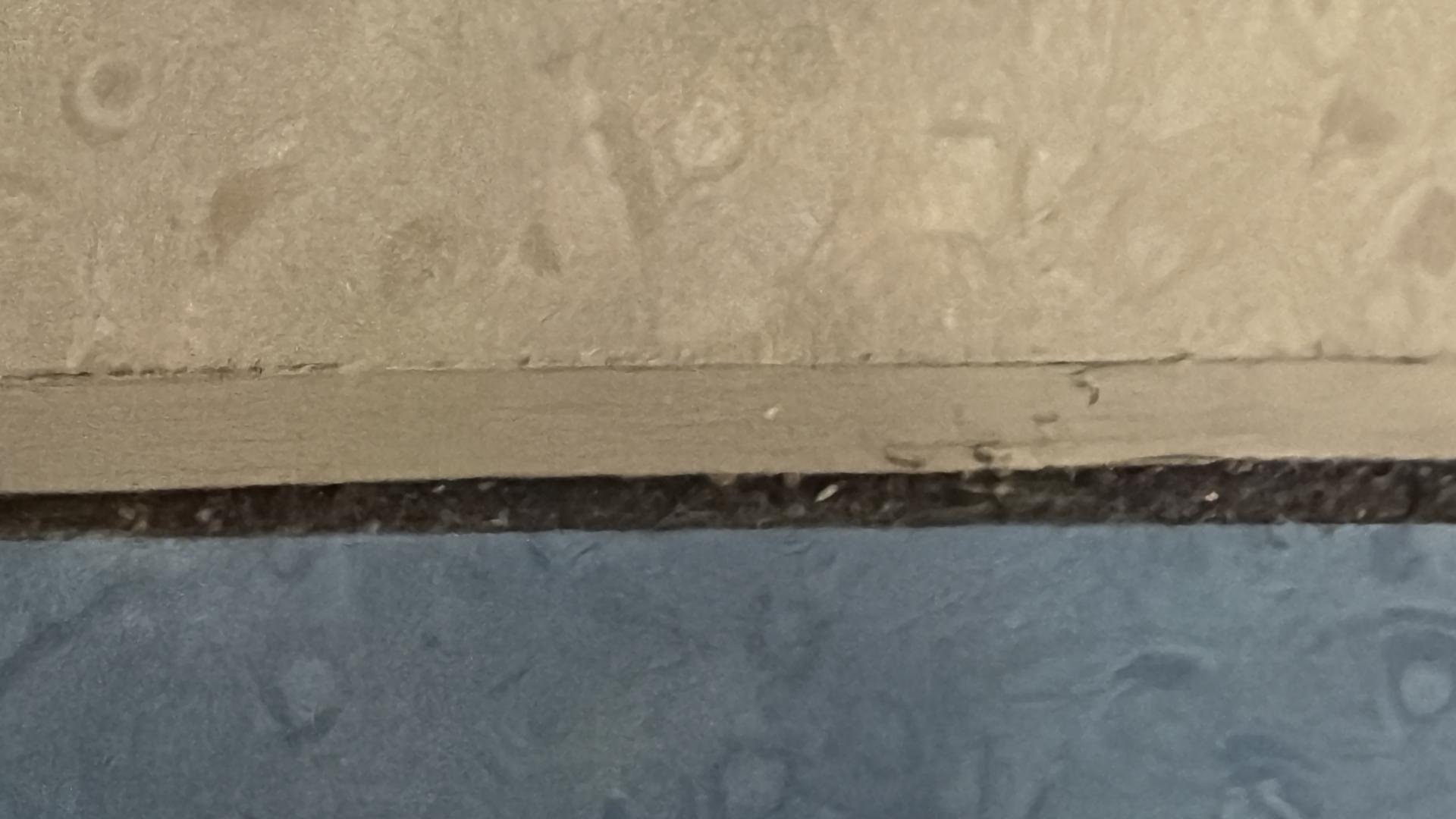
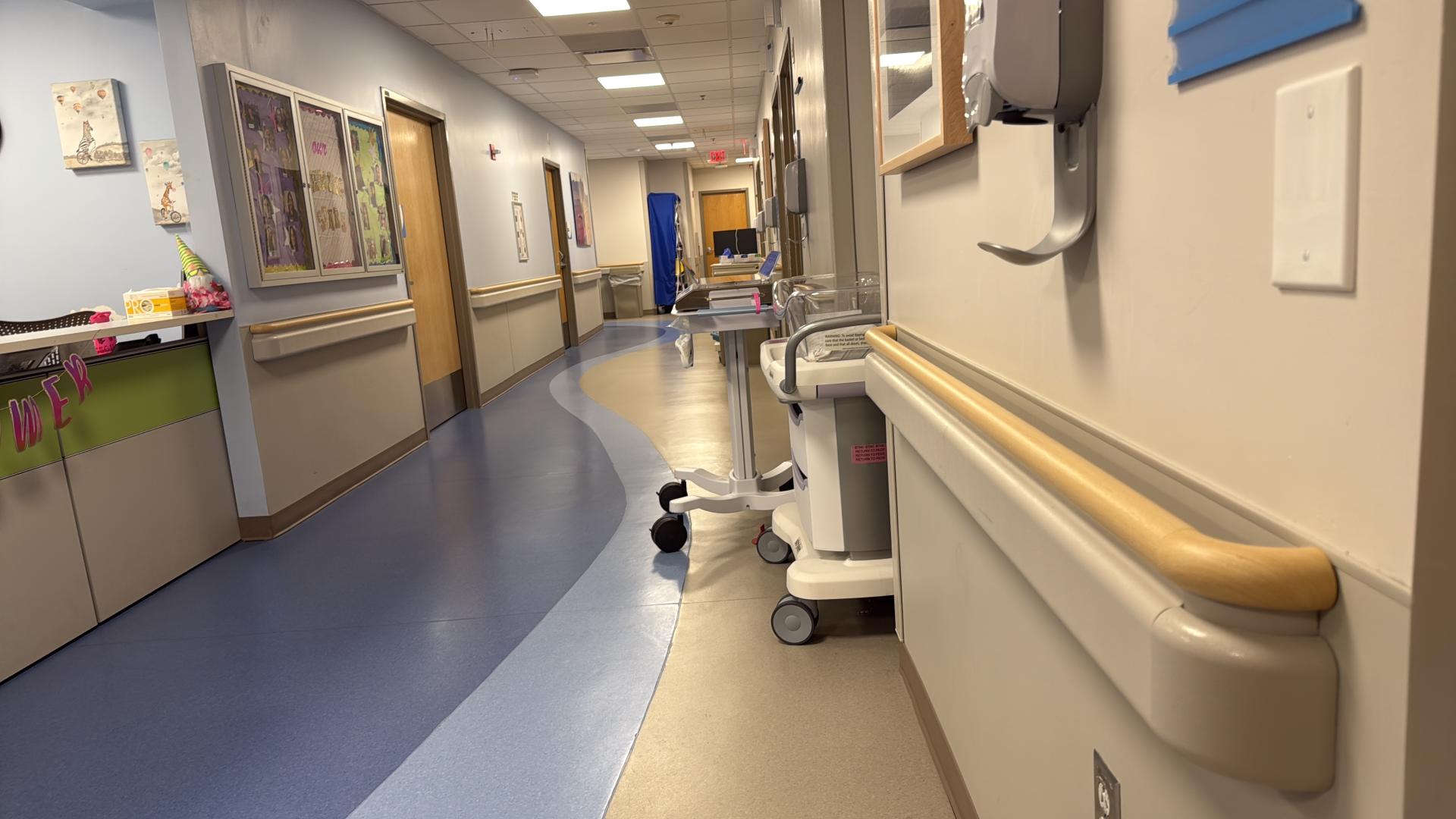
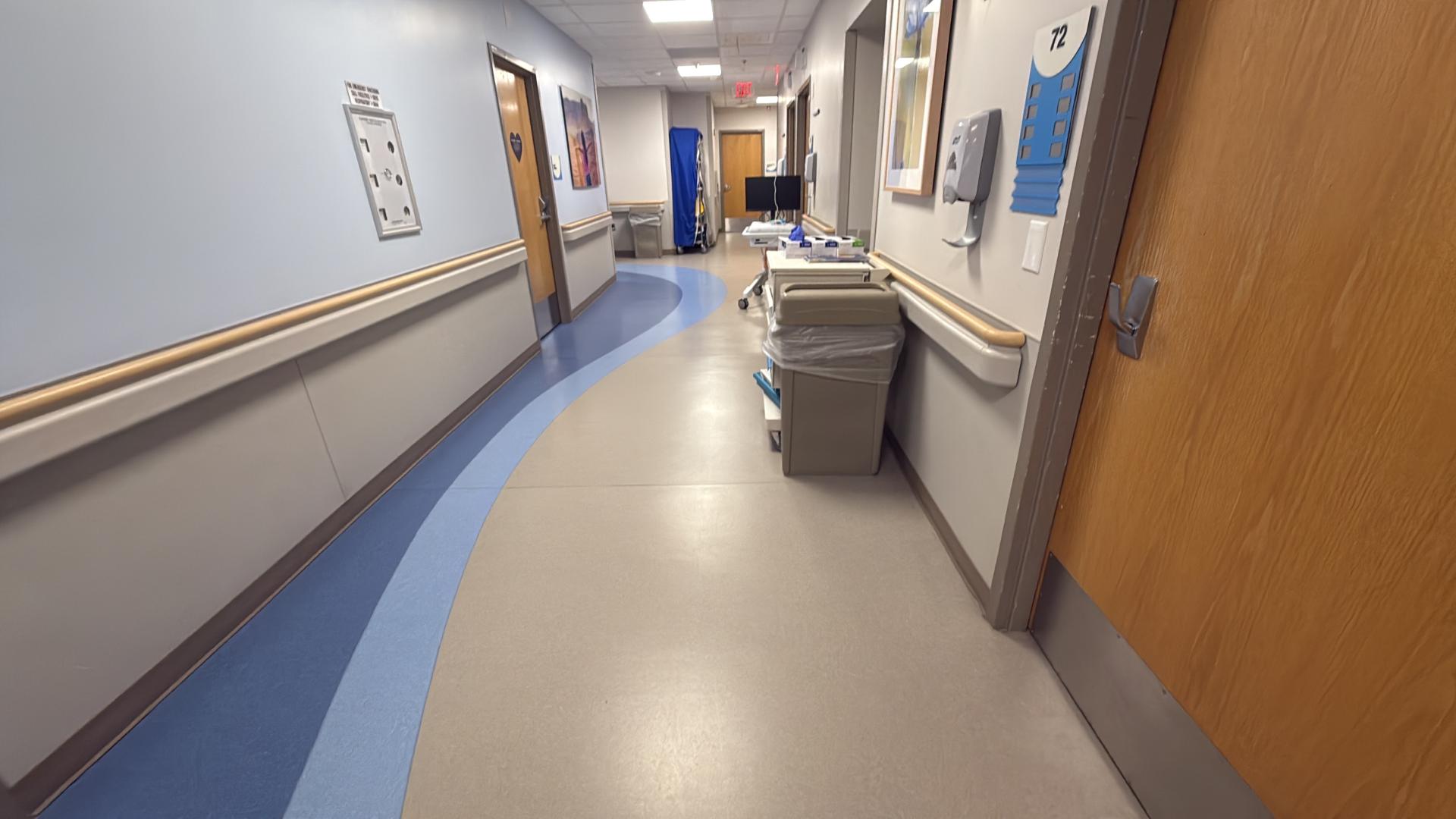
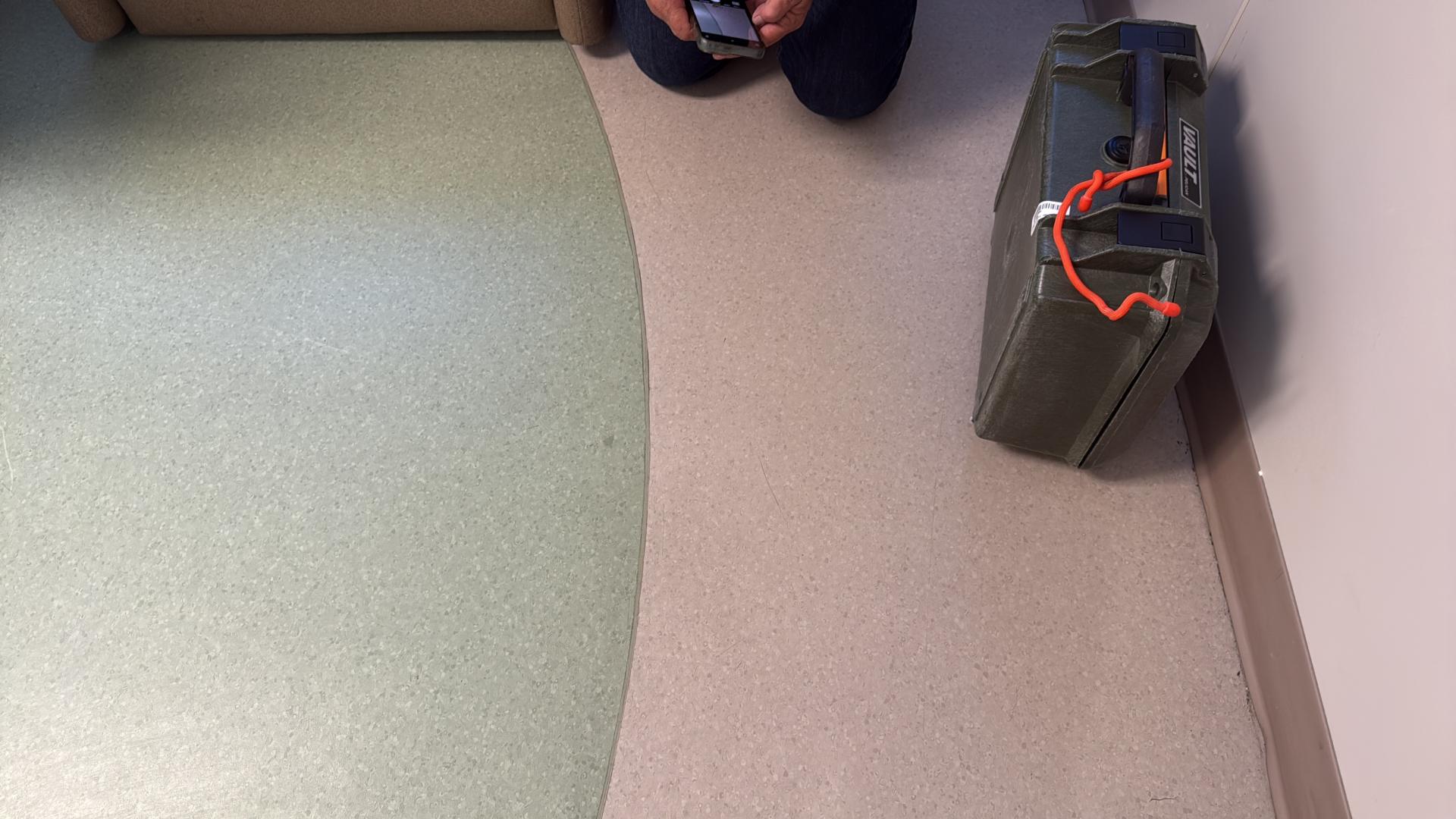
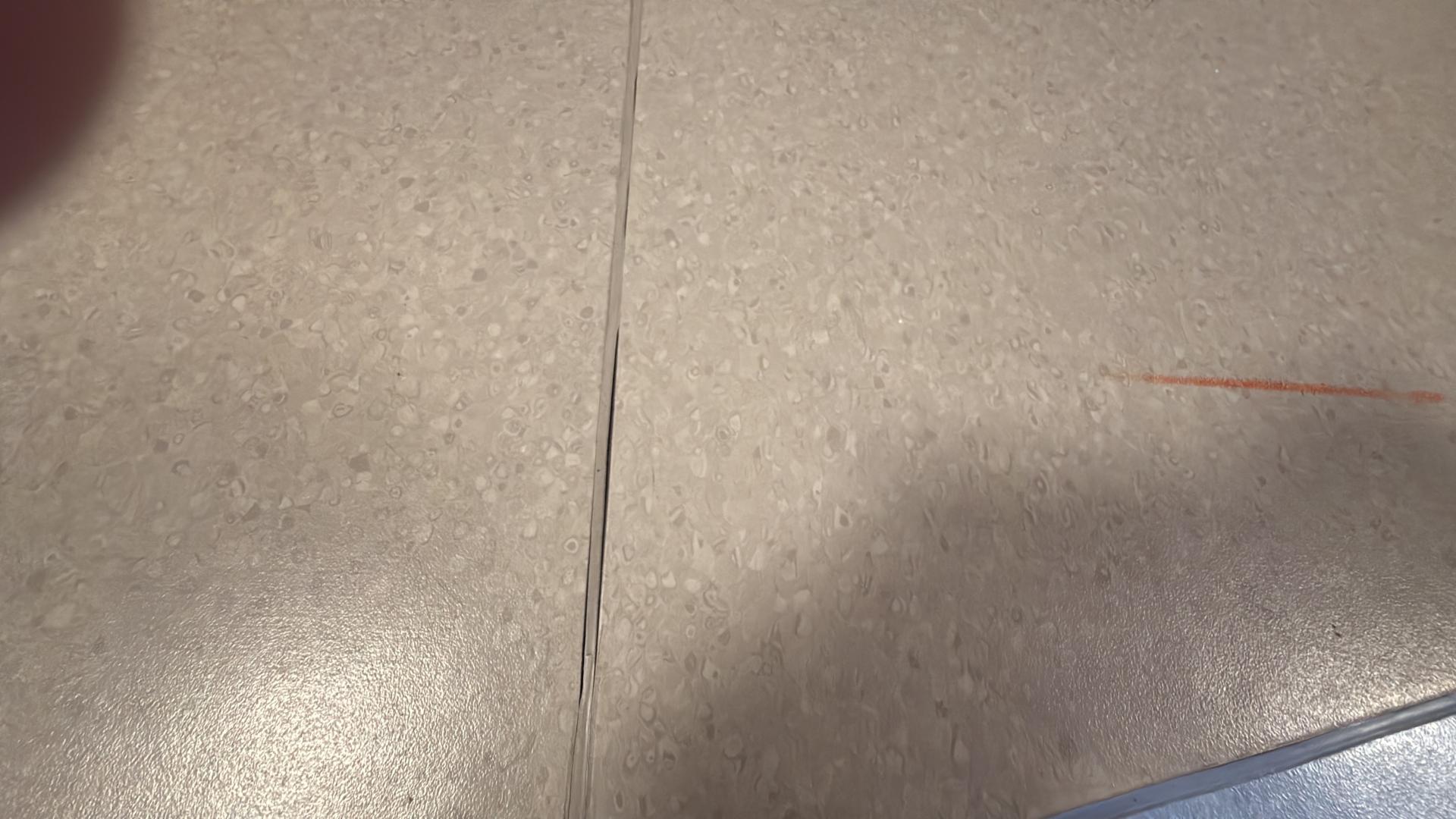
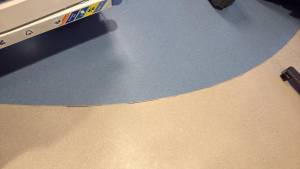
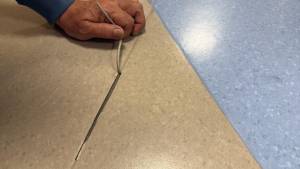
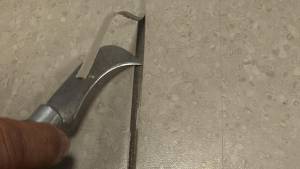
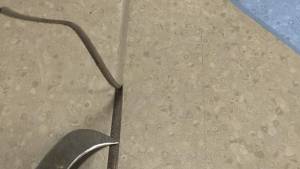


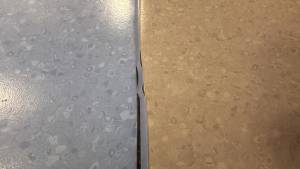
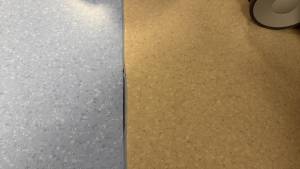
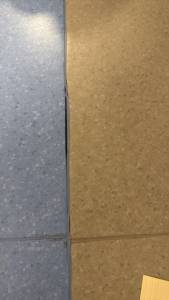
Heat Weld Seam Failure (Resilient Sheet Flooring)
Floor Detective® Claims and Conditions Guide
Summary
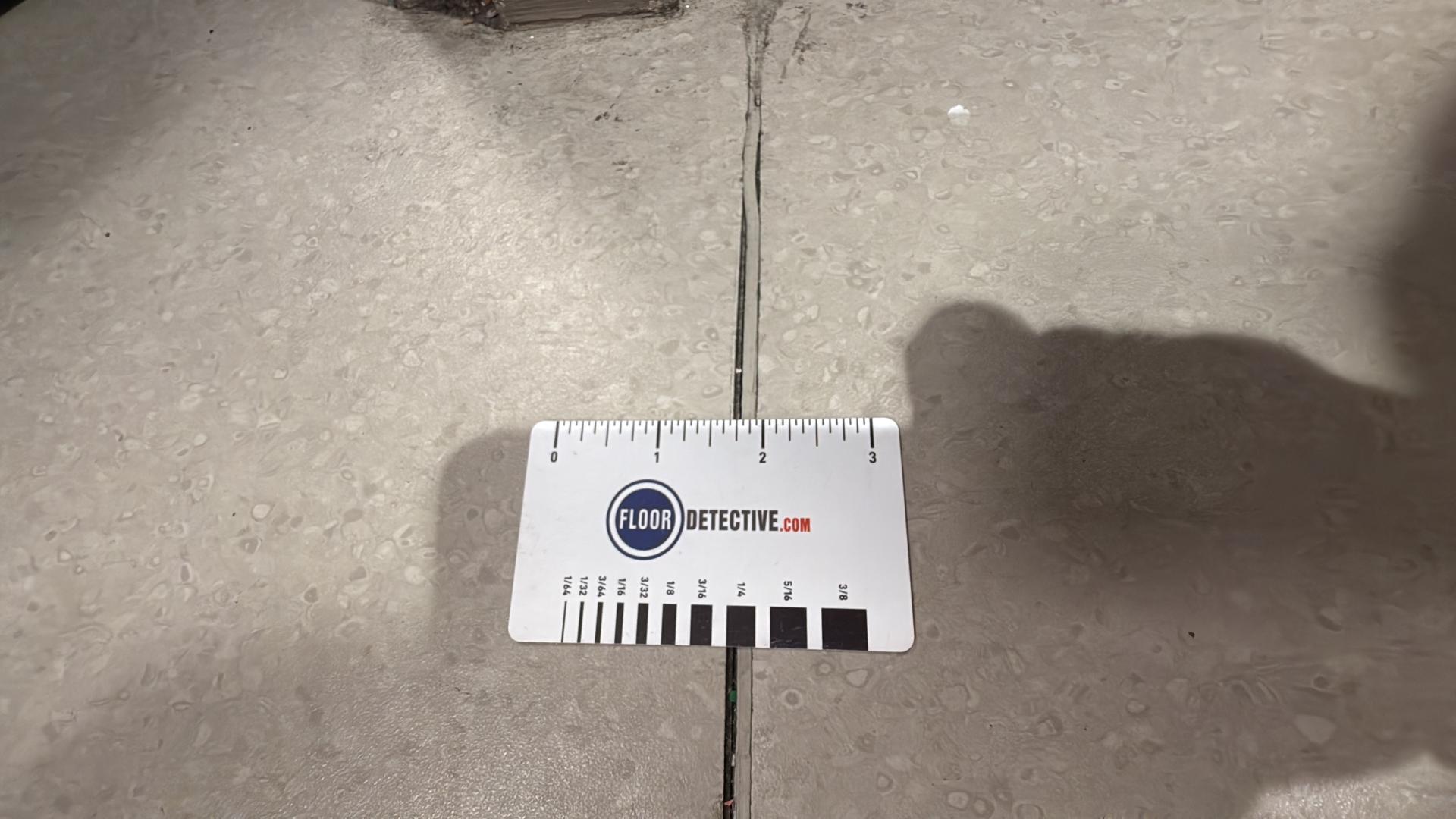
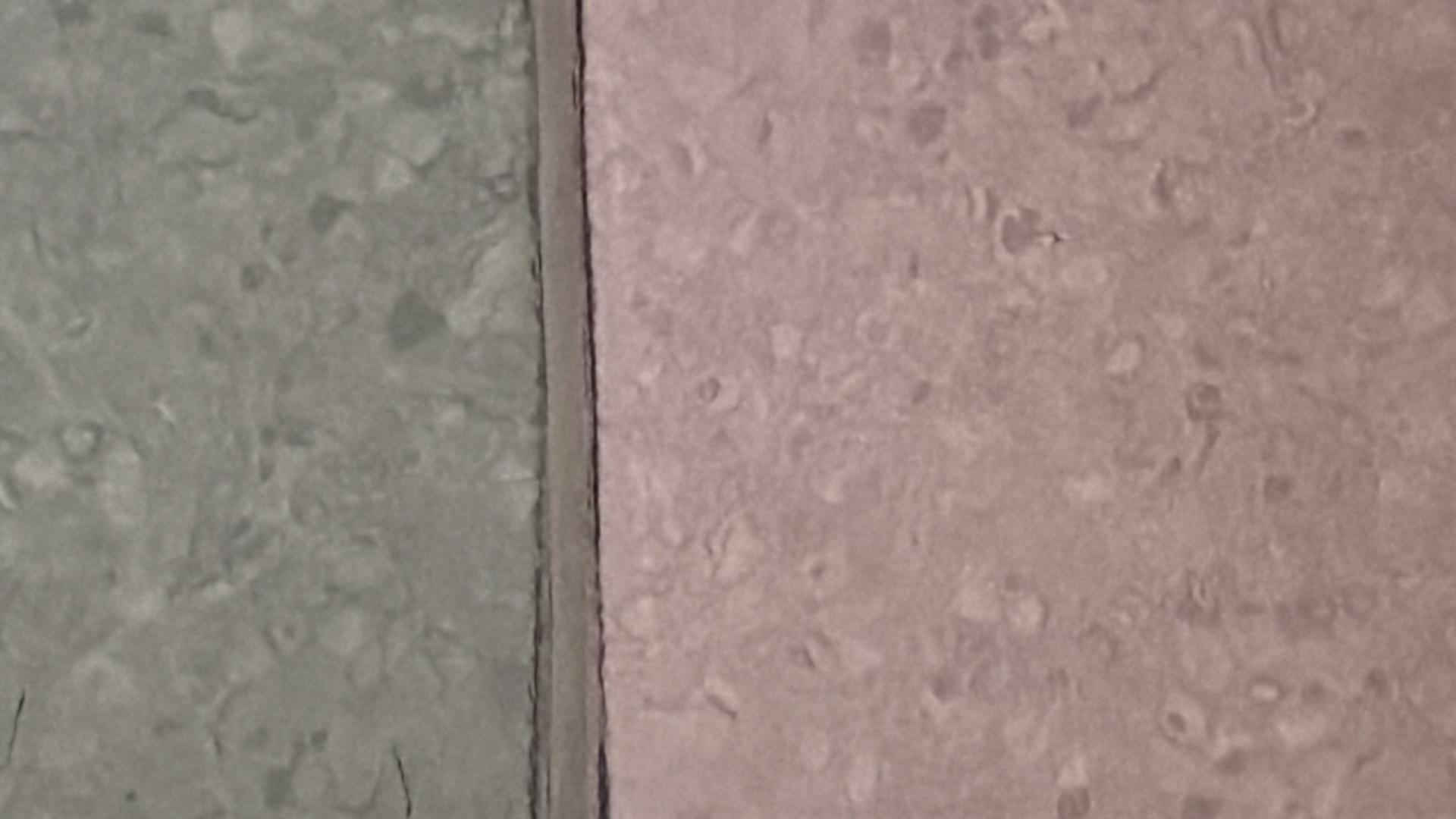
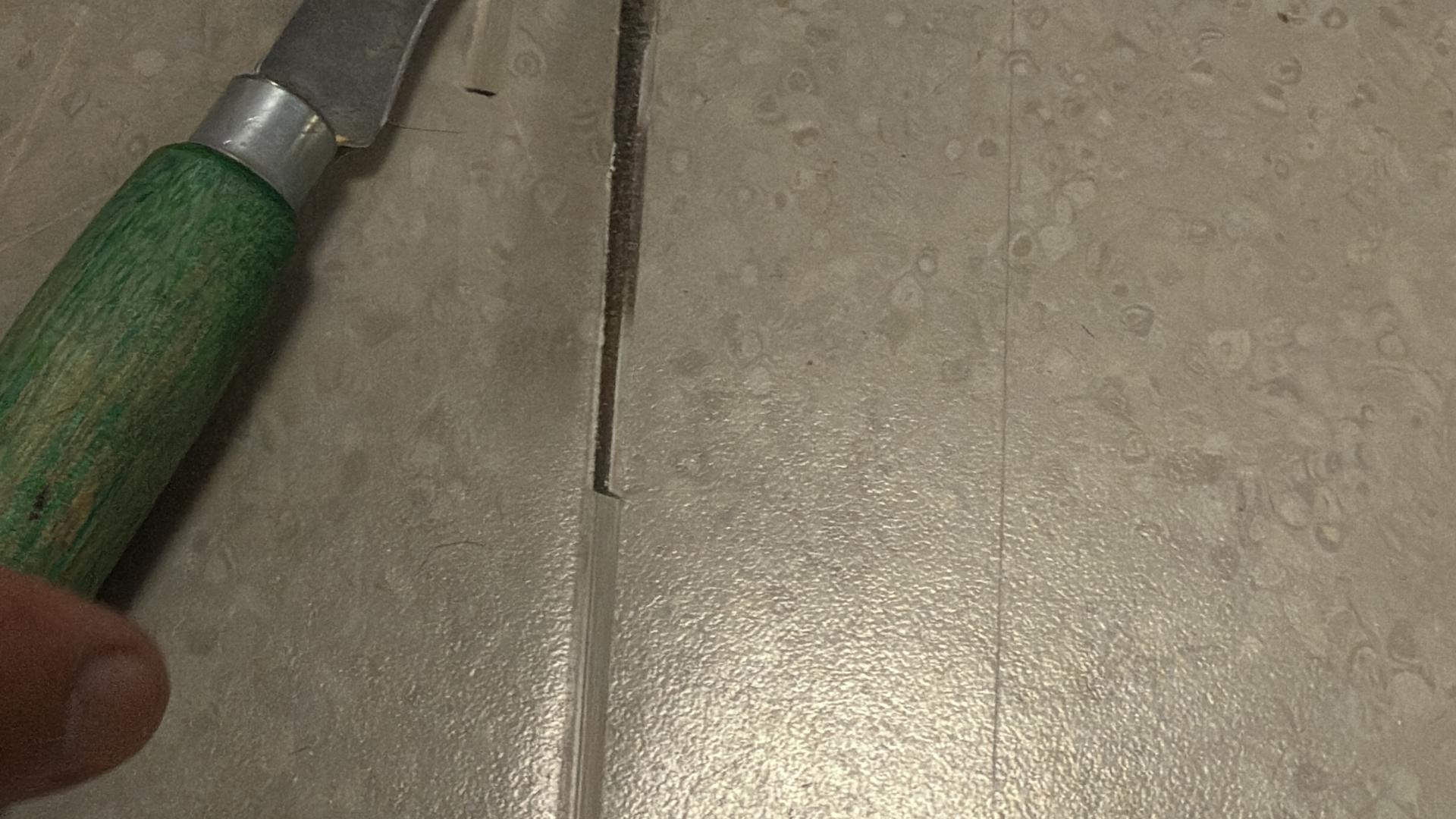
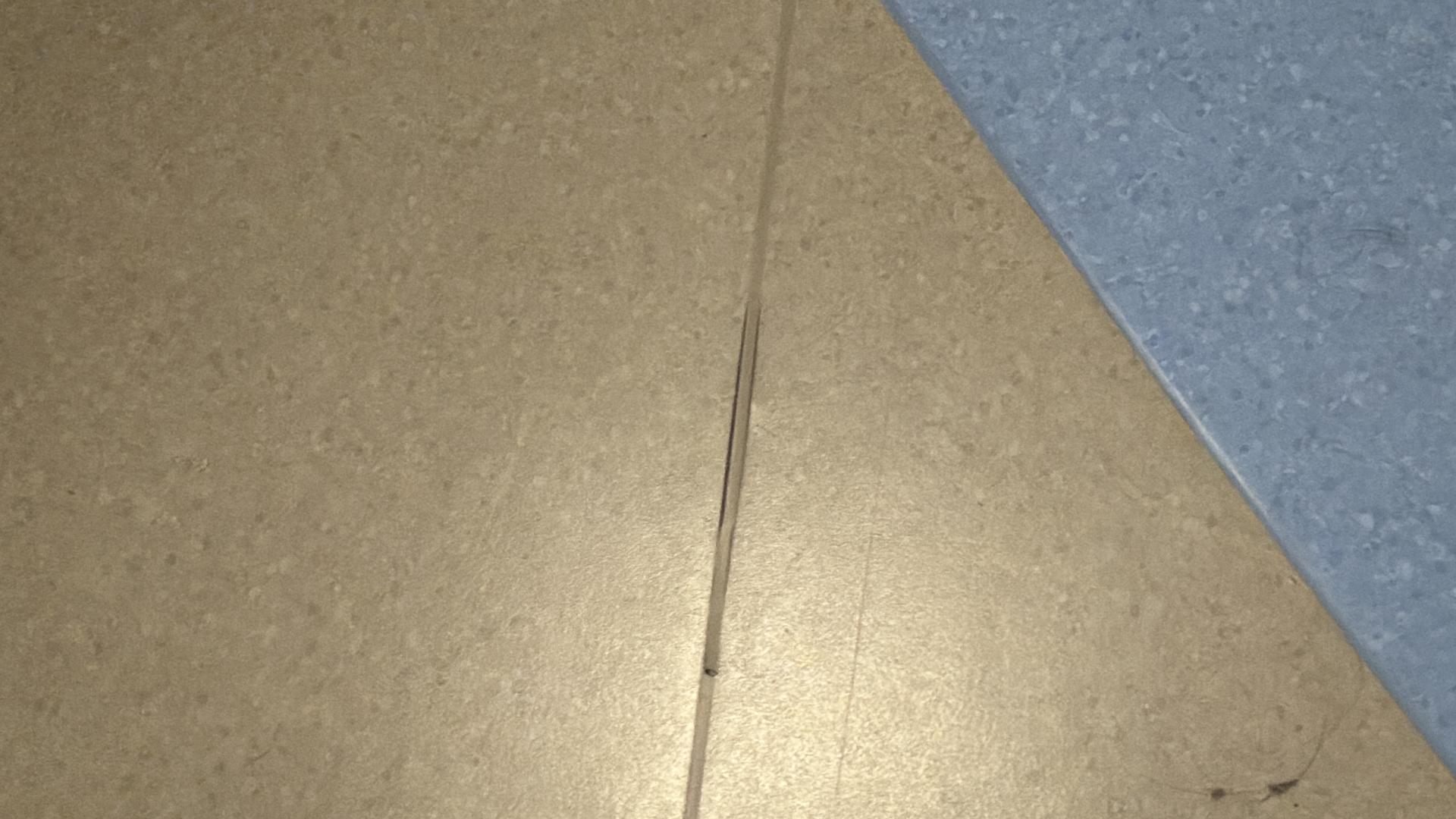
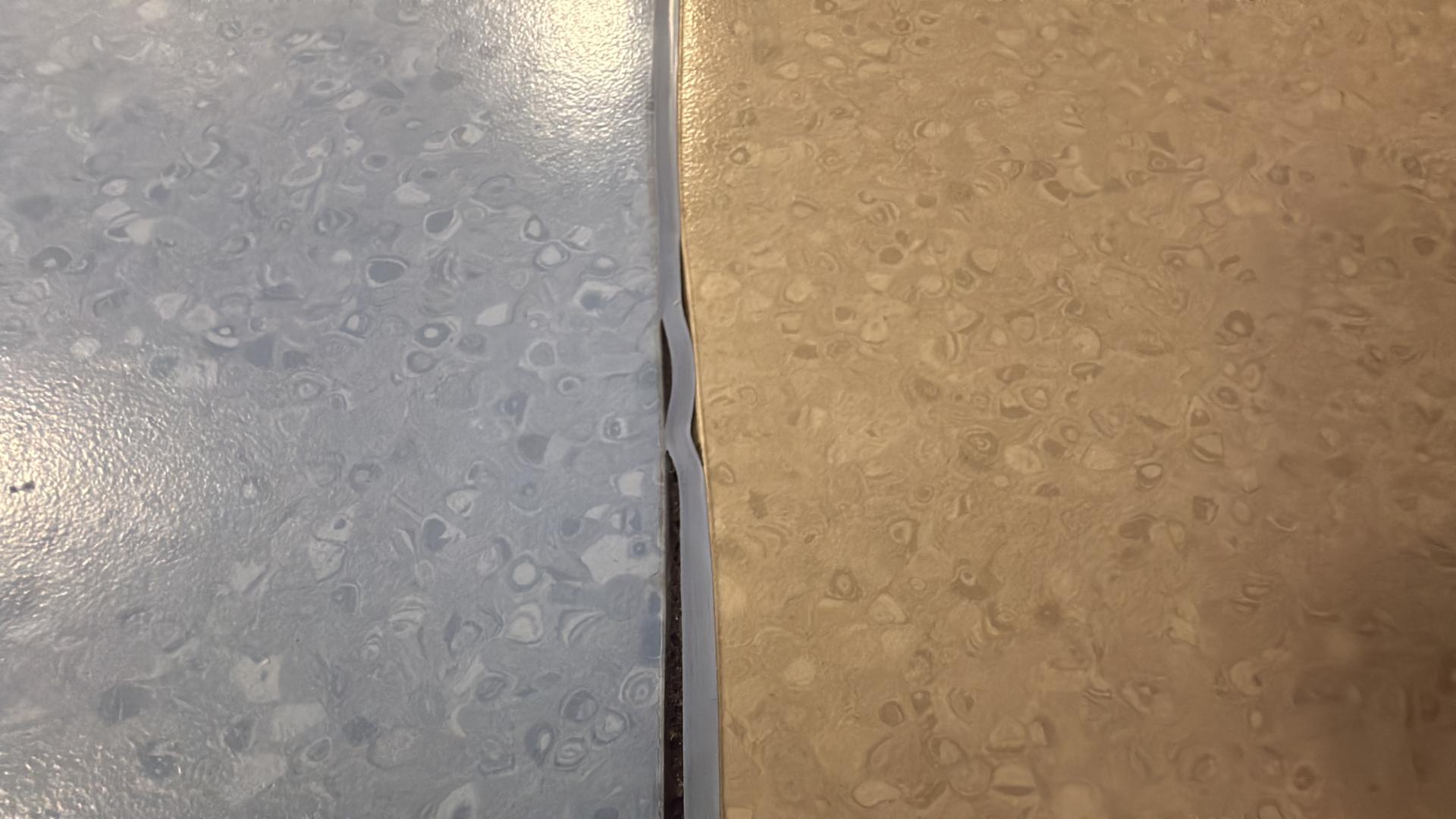
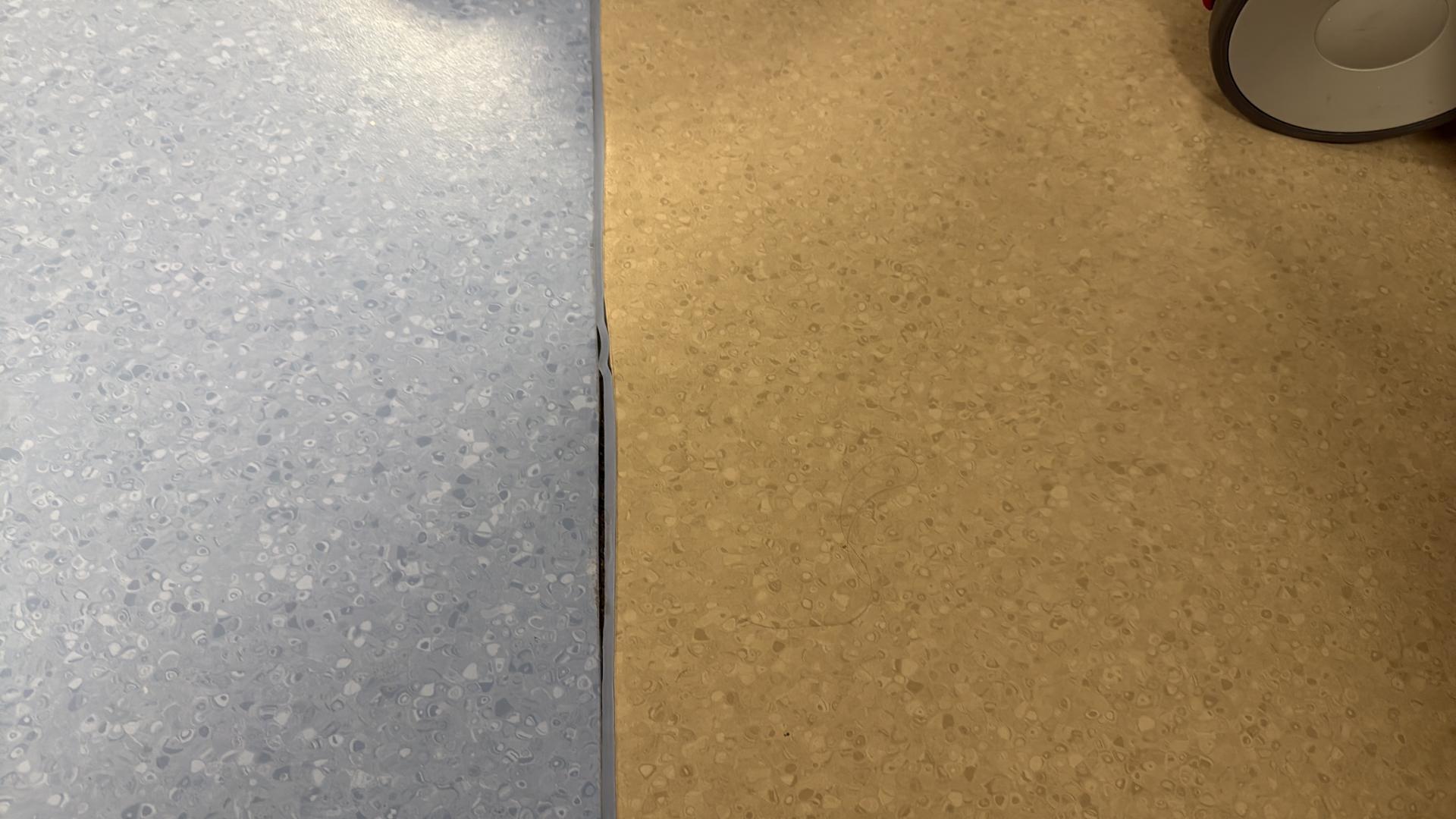
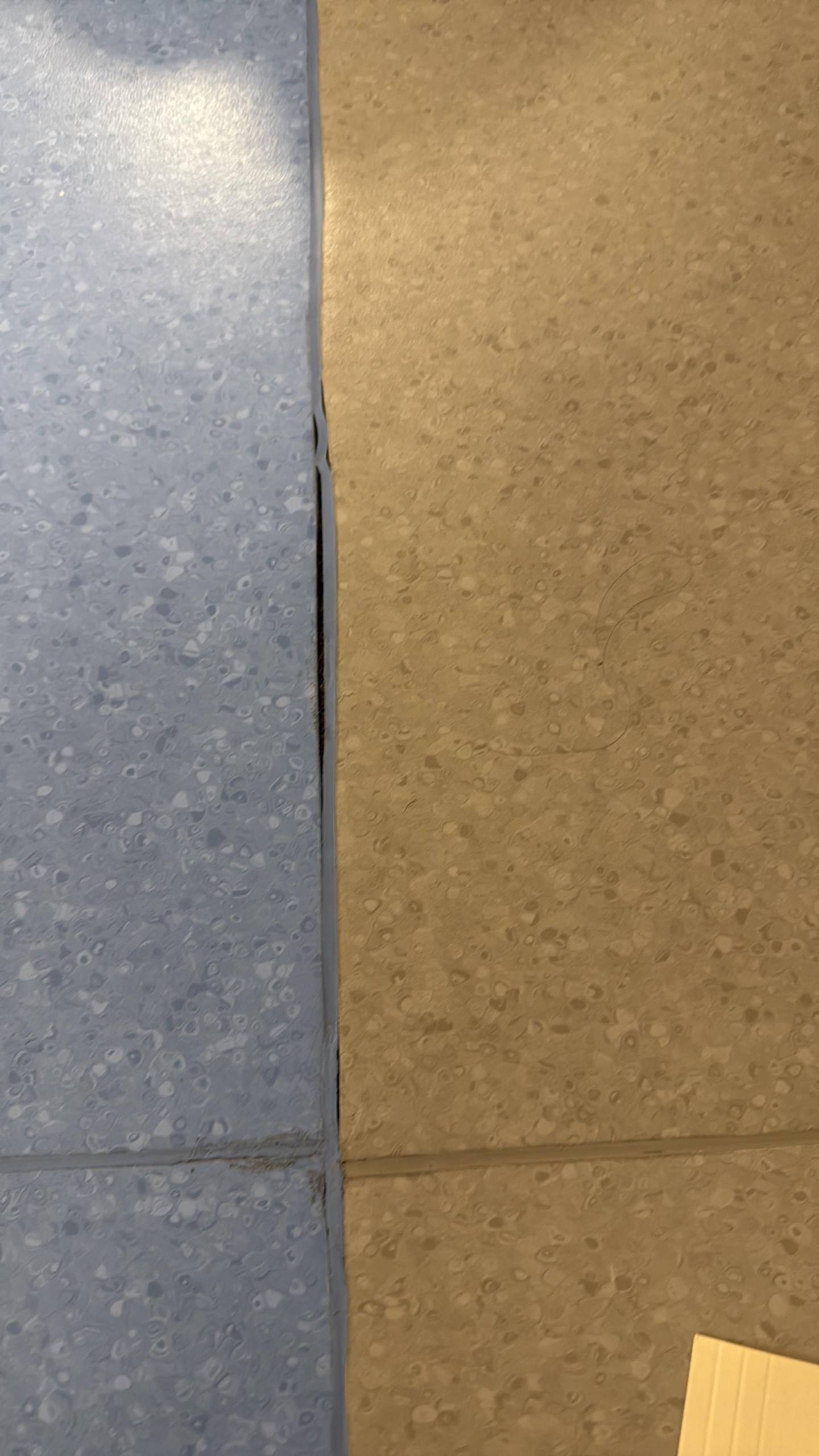
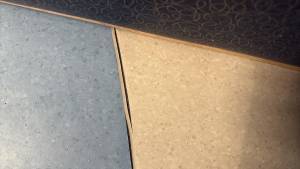
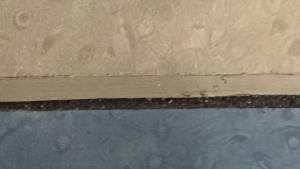
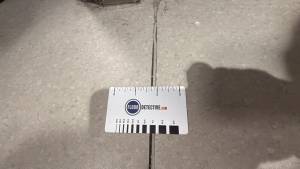
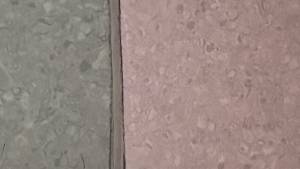
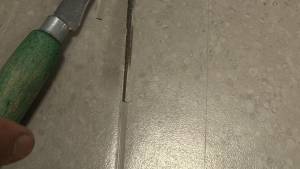
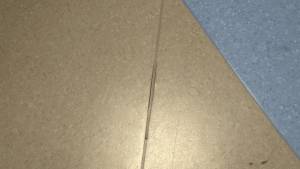
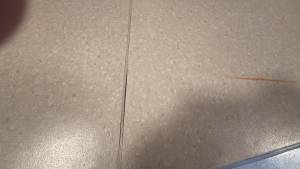
Heat weld seam failure in resilient sheet flooring occurs when the thermally fused joint between adjacent flooring sections does not maintain continuous fusion or structural integrity during service. During installation, resilient sheet seams are mechanically grooved and filled with a compatible thermoplastic welding rod that is fused into the seam using controlled heat, pressure, timing, and trimming procedures. When adequate fusion does not occur between the weld rod and both sheet edges, the weld may later crack, separate, release, split, or reopen under service stress. Seam performance may be influenced by welding technique, groove geometry, material compatibility, traffic exposure, substrate movement, temperature cycling, adhesive stabilization, or support conditions beneath the seam. Weld failure may develop immediately after installation or progressively over time as movement and loading stress concentrate along the welded joint. Proper evaluation requires correlation of seam condition, fusion behavior, distribution pattern, traffic exposure, substrate influence, and installation context rather than appearance alone. See also Sheet Shrinkage and Seam Opening Resilient Sheet Flooring, Bubbling Sheet Goods, and LVT and SPC Floor Problems for broader context.

Chair-Caster Damage (LVT/SPC Flooring)
LVT and SPC Floor Problems
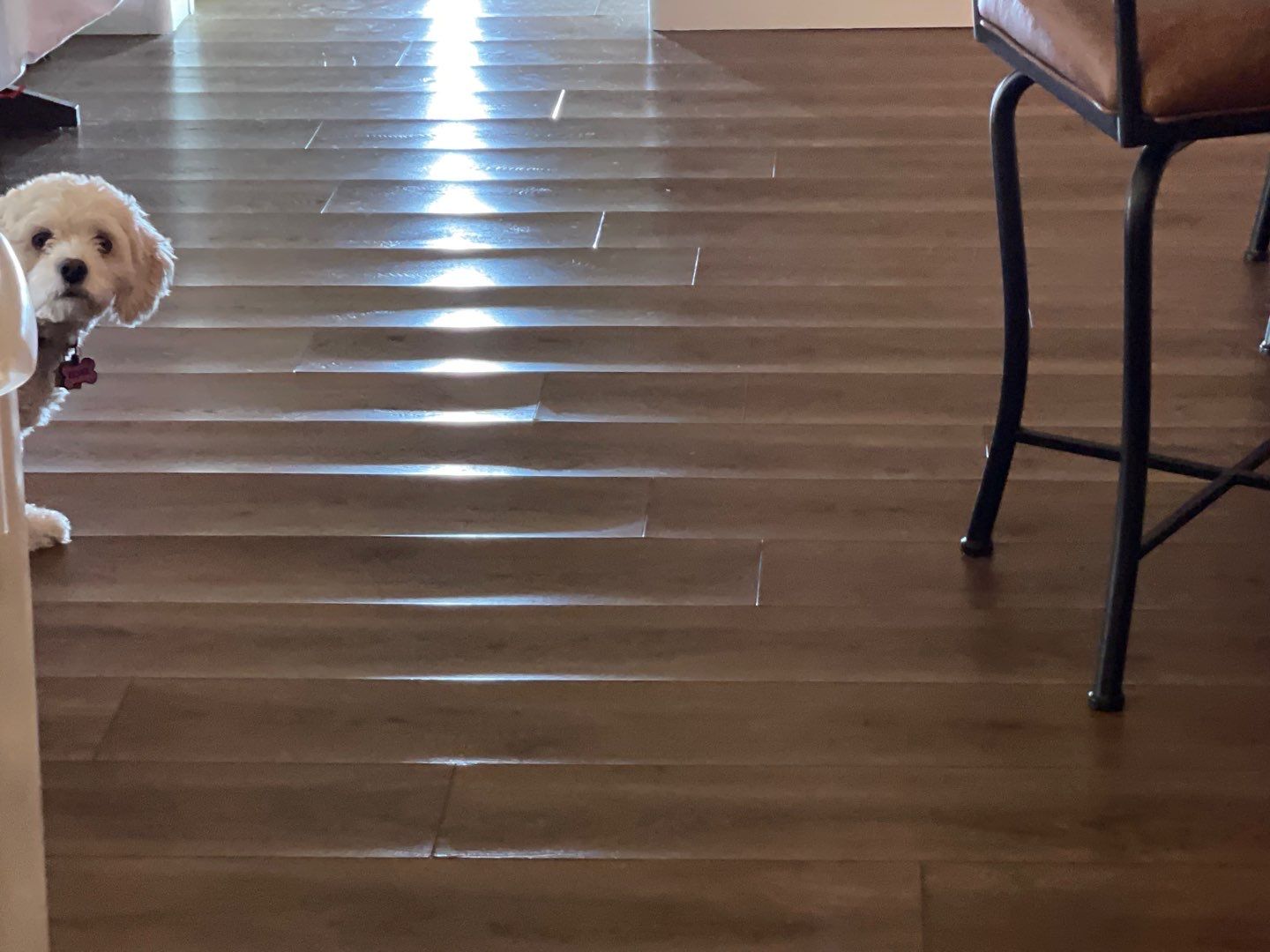
Cross-Machine Direction (Width) Shading / Texture Variation (Resilient Sheet Vinyl)
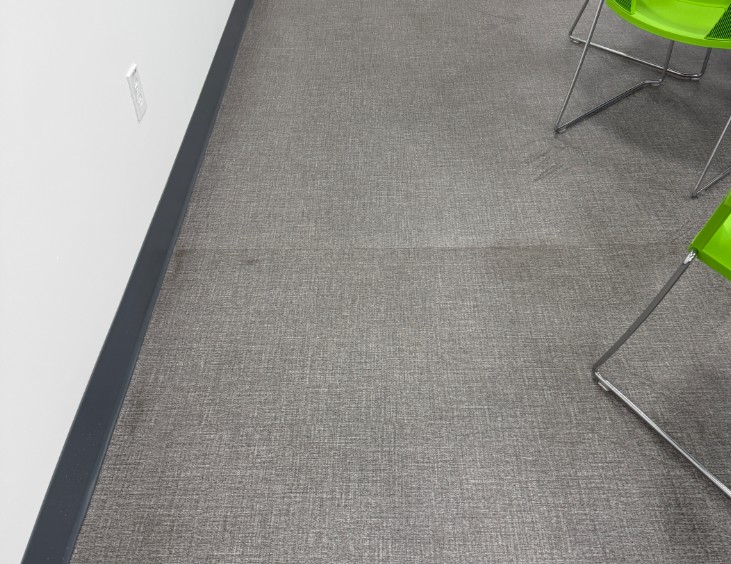
Sheet Shrinkage / Seam Opening (Resilient Sheet Flooring)
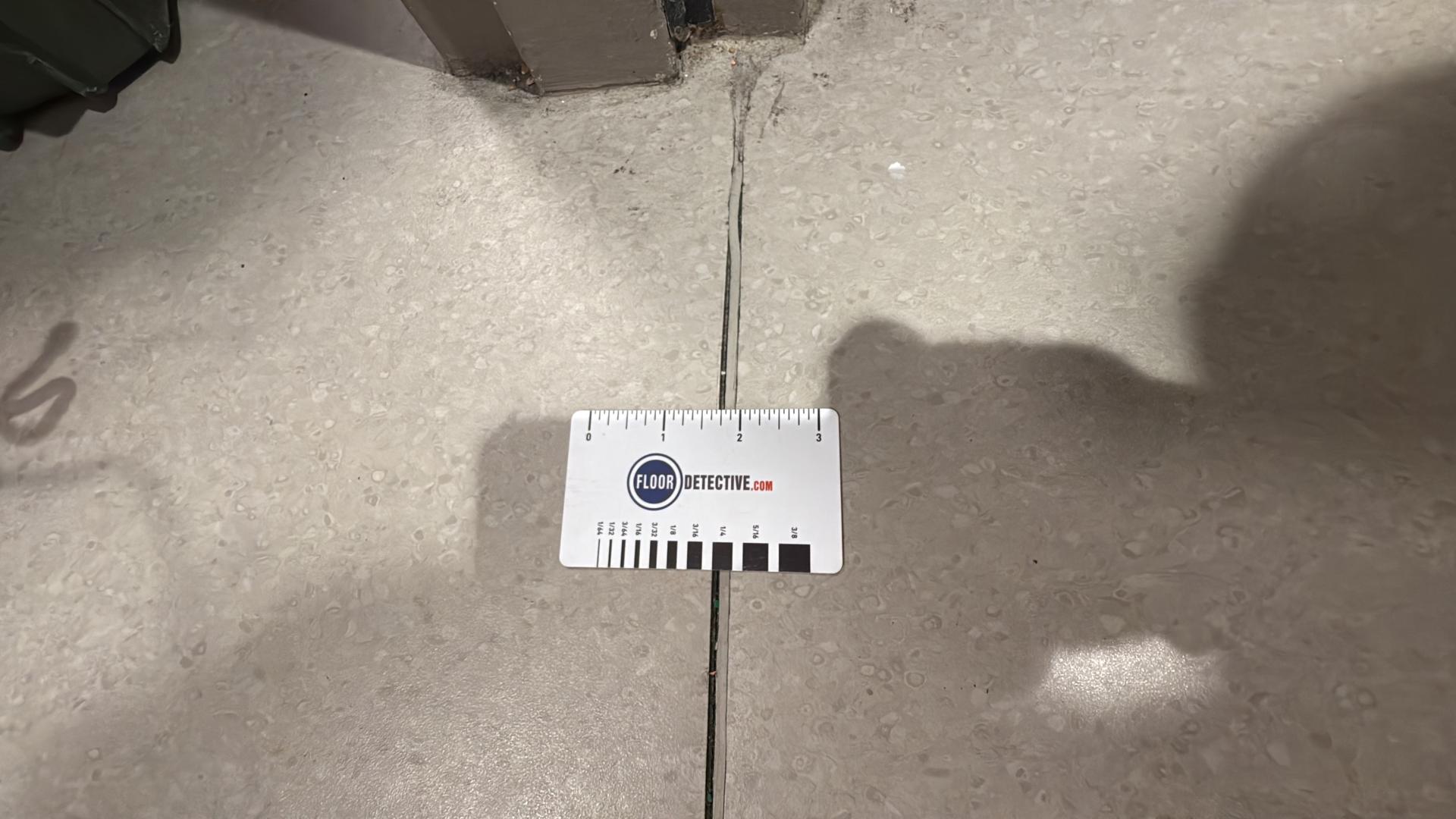
Heat Weld Seam Failure (Resilient Sheet Flooring)
Yellowing / Discoloration (LVP / SPC / WPC)
Broken Locking Profiles / Mechanical Joint Compromise (Resilient Plank)
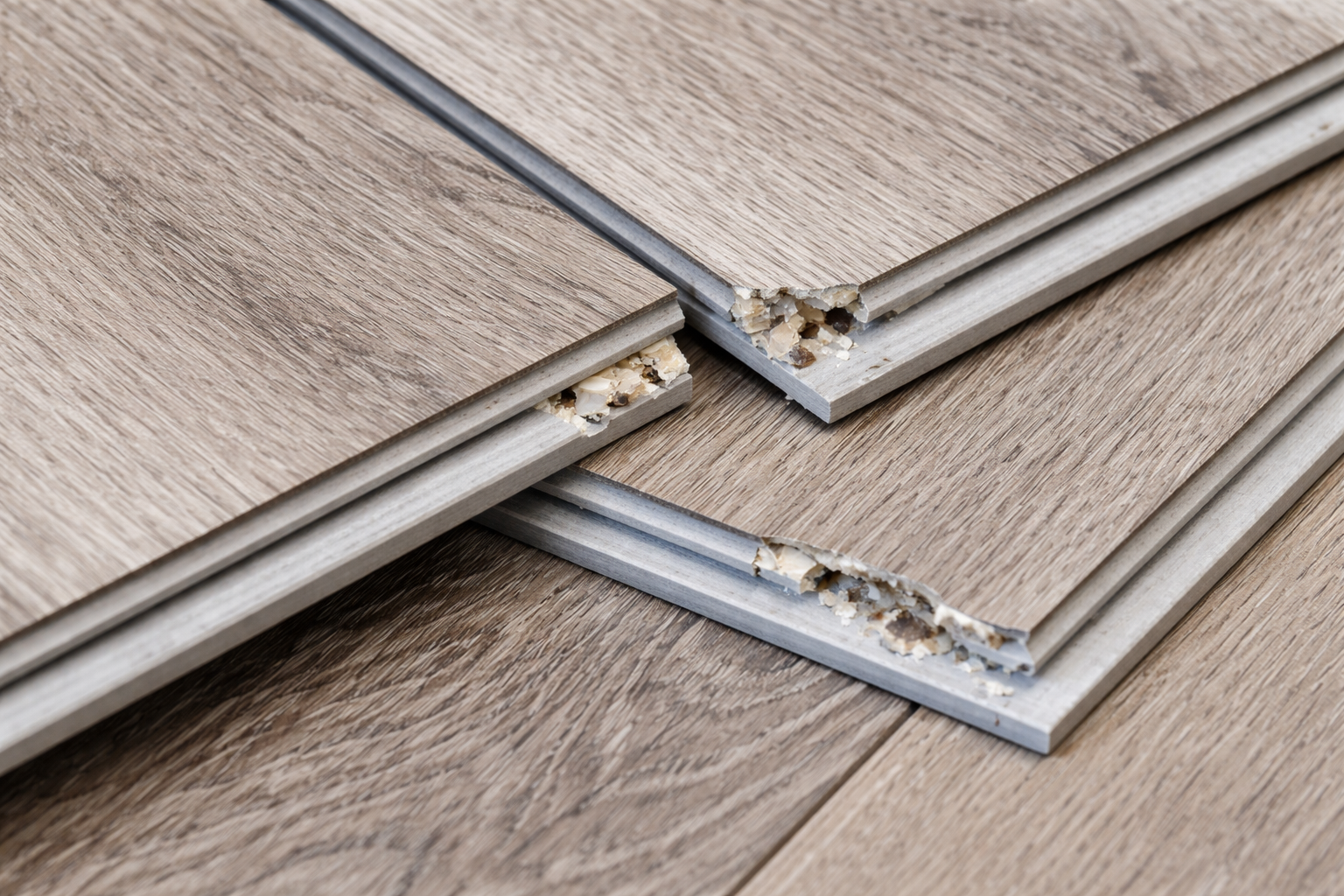
Efflorescence-Like Mineral Migration at LVT/SPC Joints
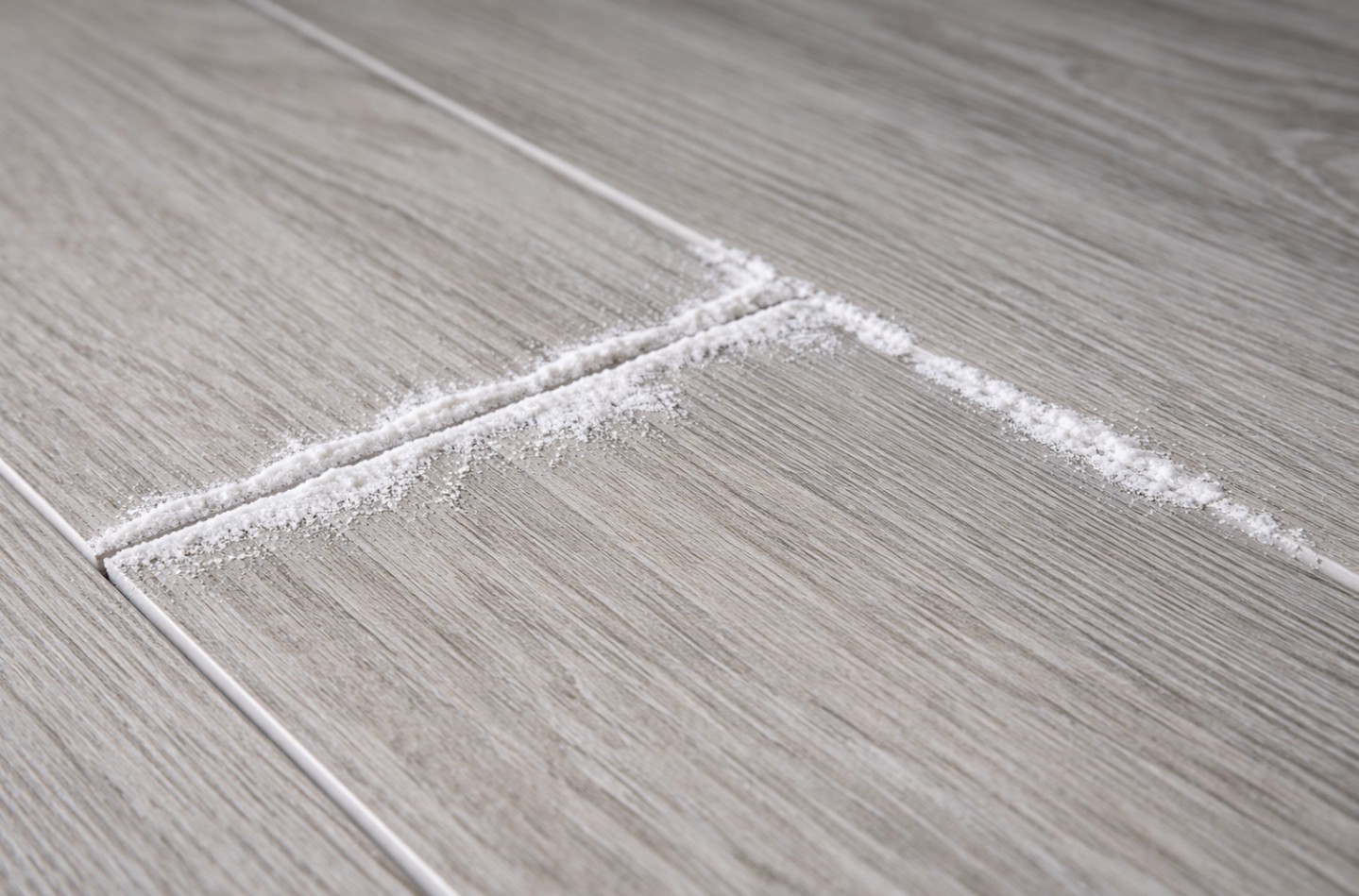
Blistering / Surface Blisters (SPC Flooring)

Cracking Over Existing Substrates (LVT)
