Surface Chipping (Ceramic Tile)

Surface Chipping (Ceramic Tile)
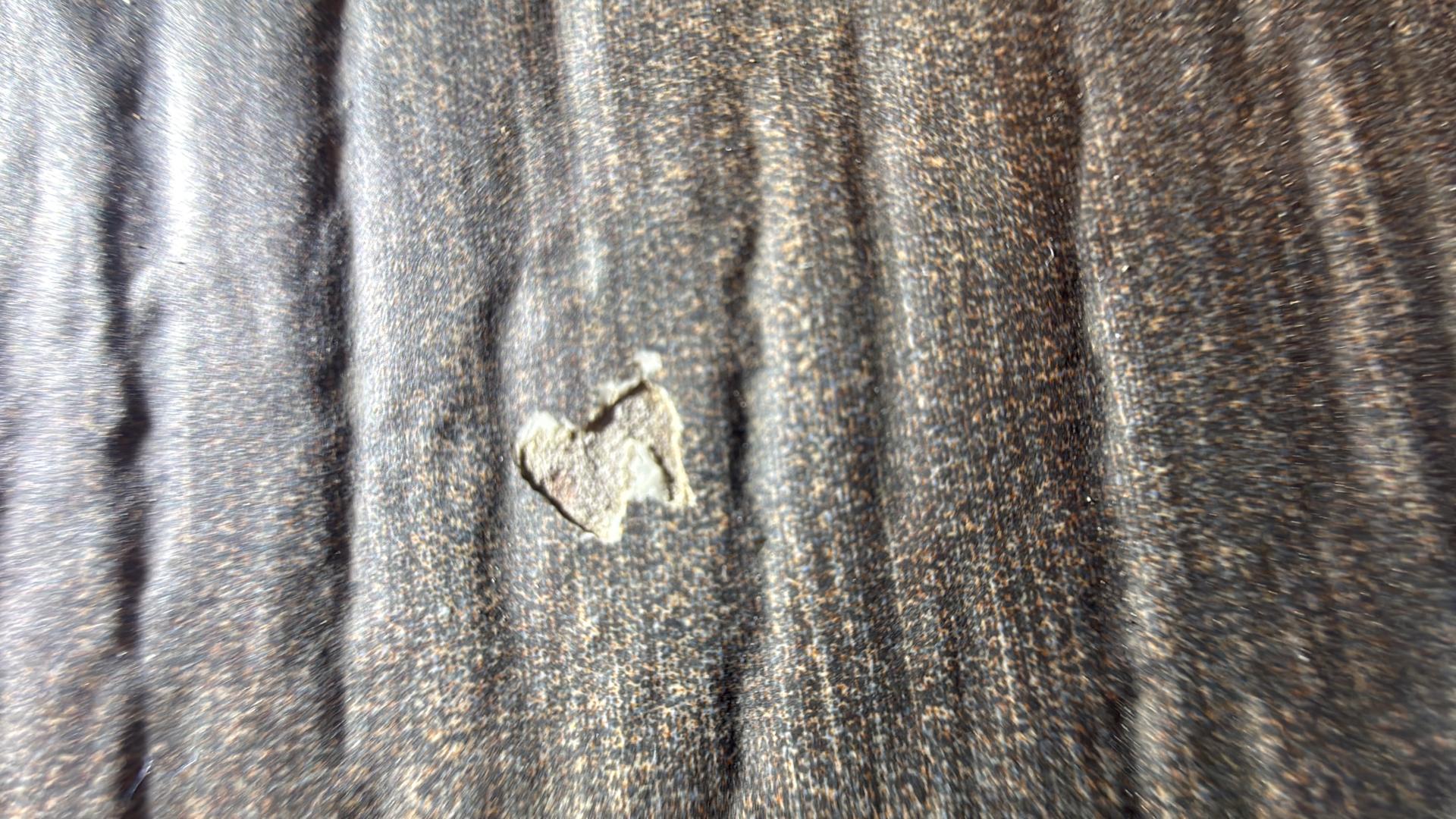
Chipping 346354.6
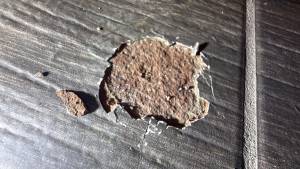
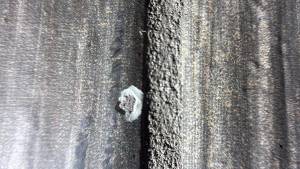
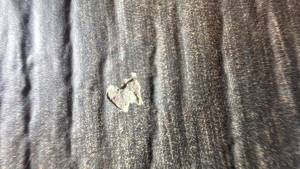
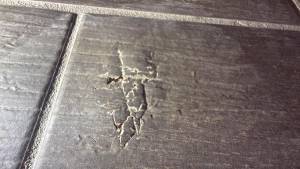
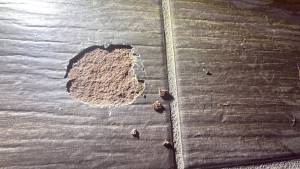
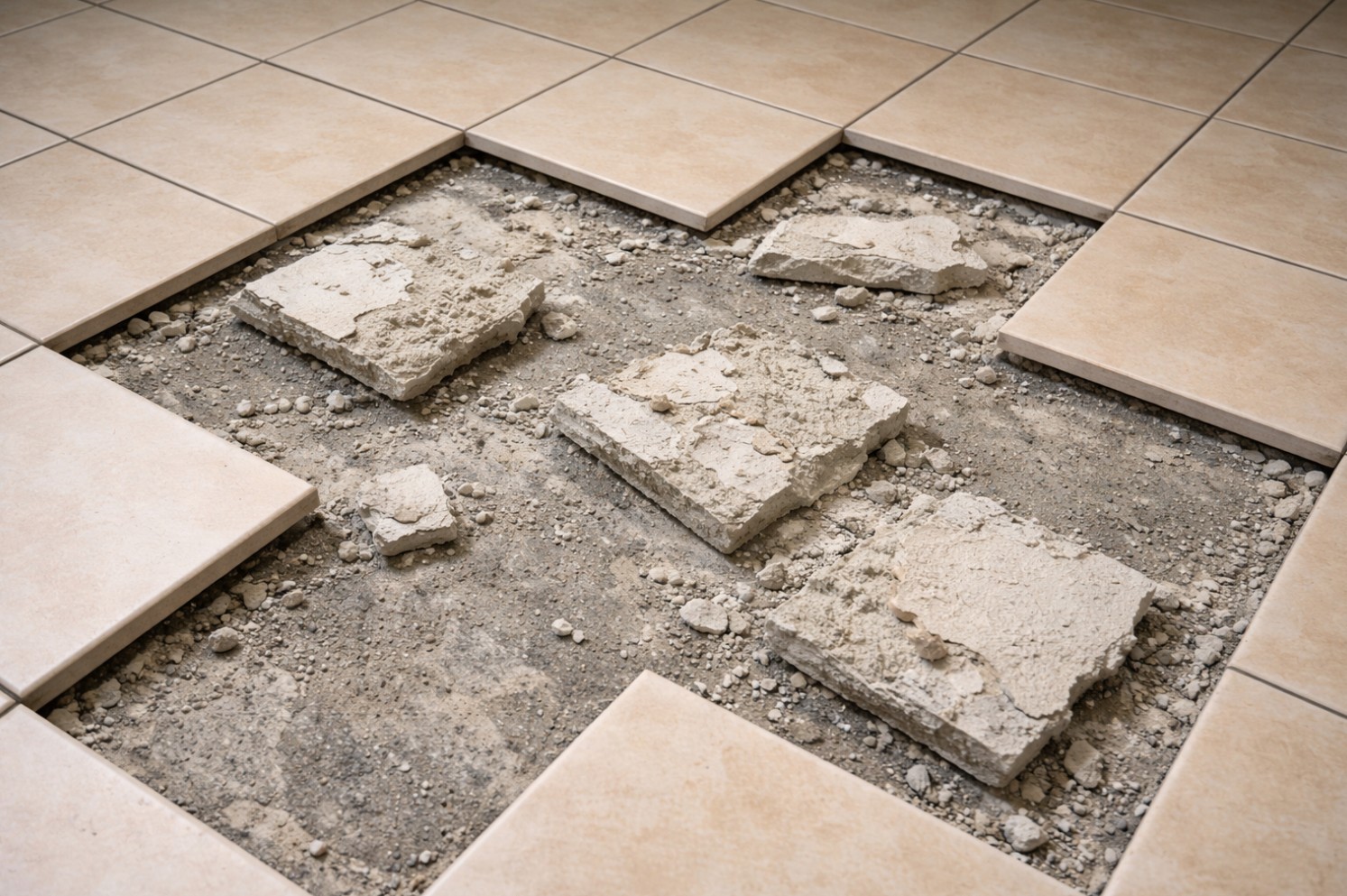
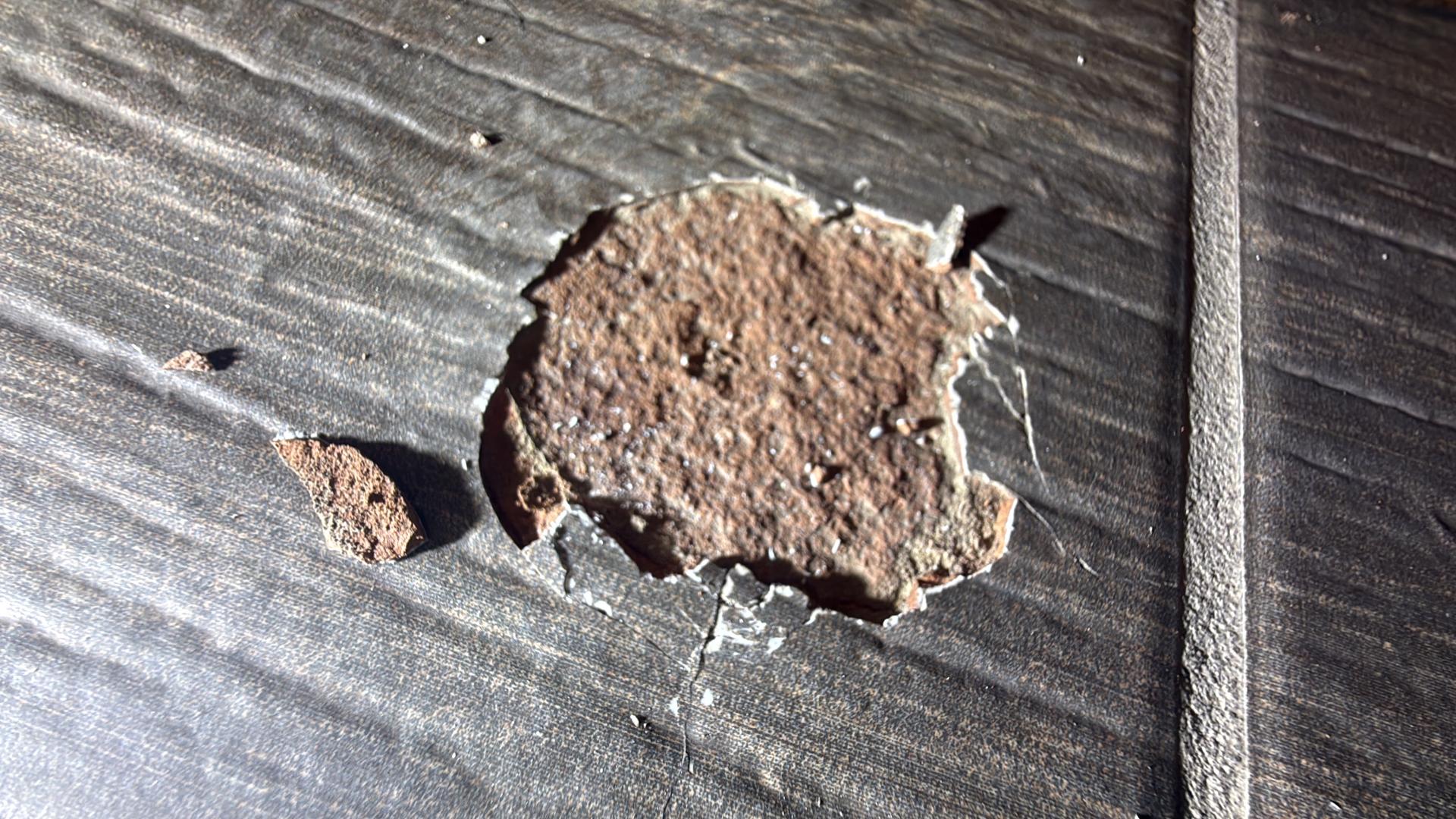
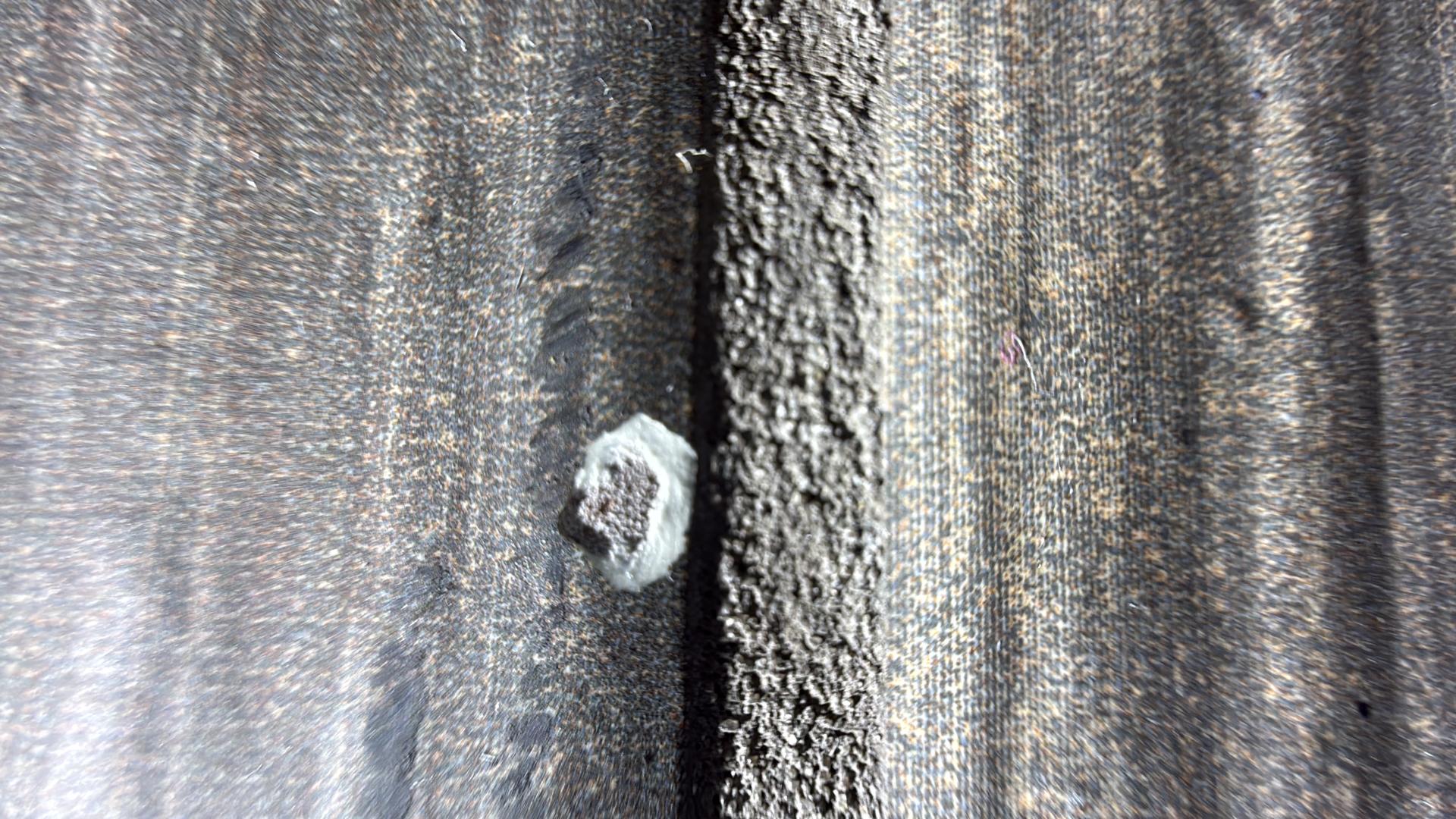
Ceramic tile showing localized surface chipping and glaze loss
Chipping 346354.7
Chipping 346354.8
Chipping 346354
Chipping 346354.6 Ceramic tile showing localized surface chipping and glaze loss Chipping 346354.7 Chipping 346354.8 Chipping 346354

Surface Chipping (Ceramic Tile)
Floor Detective® Claims and Conditions Guide

Summary

Surface chipping in ceramic tile involves localized loss of glaze or surface material that does not extend through the full thickness of the tile body. The condition commonly appears as small chips, pits, flakes, edge pop-outs, or localized glaze loss and is most often associated with mechanical contact, concentrated loading, impact, abrasion, handling, or service-related use conditions. In some situations, glaze characteristics, edge profile, or pre-existing surface irregularities may influence susceptibility to chipping. Surface chipping alone does not independently establish a manufacturing defect and is evaluated based on chip characteristics, distribution pattern, installation conditions, and service exposure history. See also Lippage, Grout Failures, and Tile and Stone Floor Problems.

Please subscribe to see all content

Wet Tile Slip Resistance and Surface Traction

Wet tile slip resistance and surface traction are influenced by water exposure, contaminants, maintenance residue, and surface texture.
Read More
Wet Tile Slip Resistance and Surface Traction

Tile and Stone Floor Problems

Tile and stone floor problems may involve cracking, lippage, bond loss, grout issues, moisture influence, or structural movement.
Read More
Tile and Stone Floor Problems

Tile Surface Cleaning and Residue Conditions (Overview)

Tile surface residue conditions may involve grout haze, cleaning residue, sealer film, mineral deposits, or maintenance-related buildup.
Read More
Tile Surface Cleaning and Residue Conditions (Overview)

Surface Chipping (Ceramic Tile)
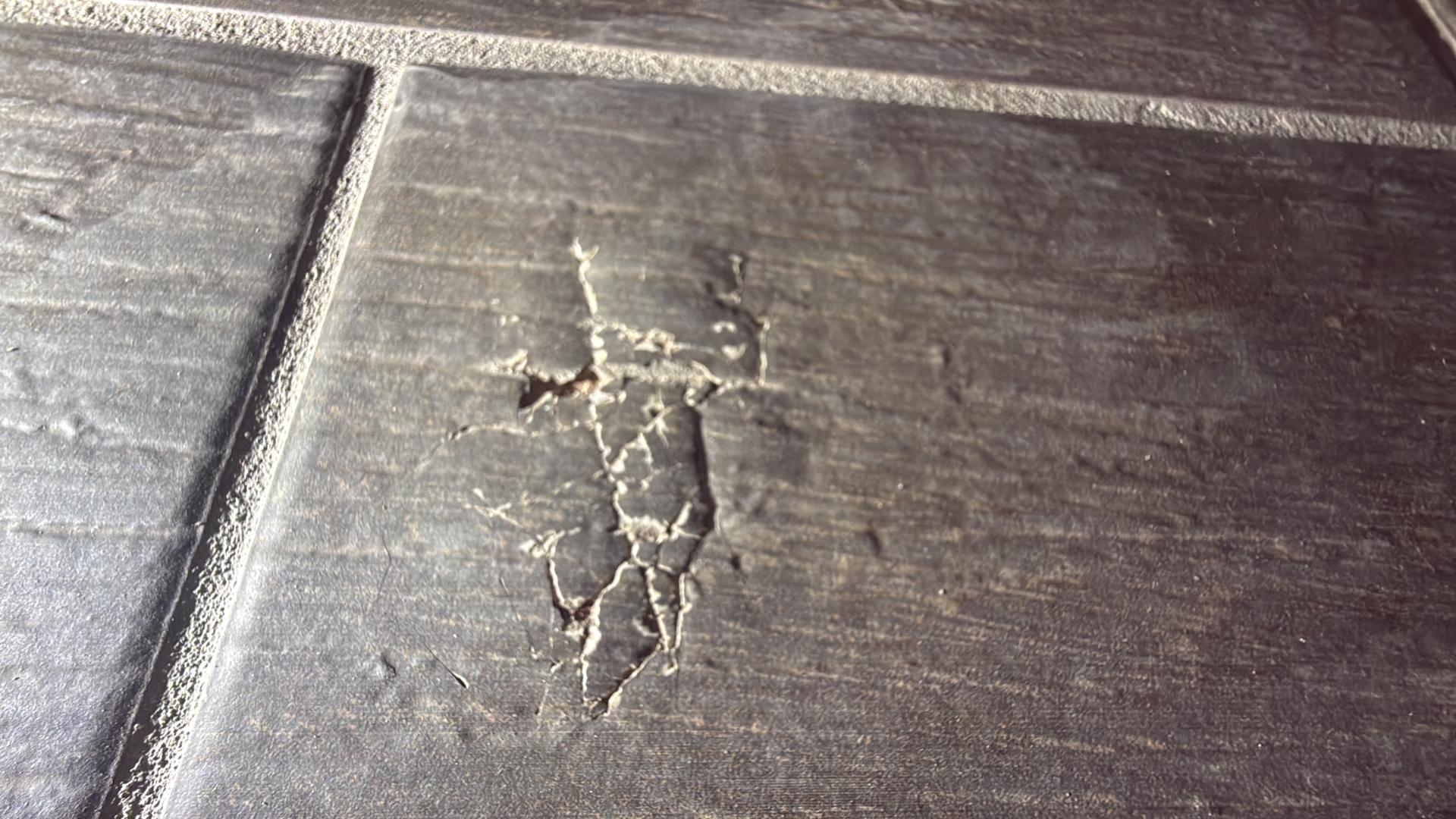
Surface chipping in ceramic tile involves localized glaze or surface loss caused by impact, contact stress, handling, or service conditions.
Read More
Surface Chipping (Ceramic Tile)
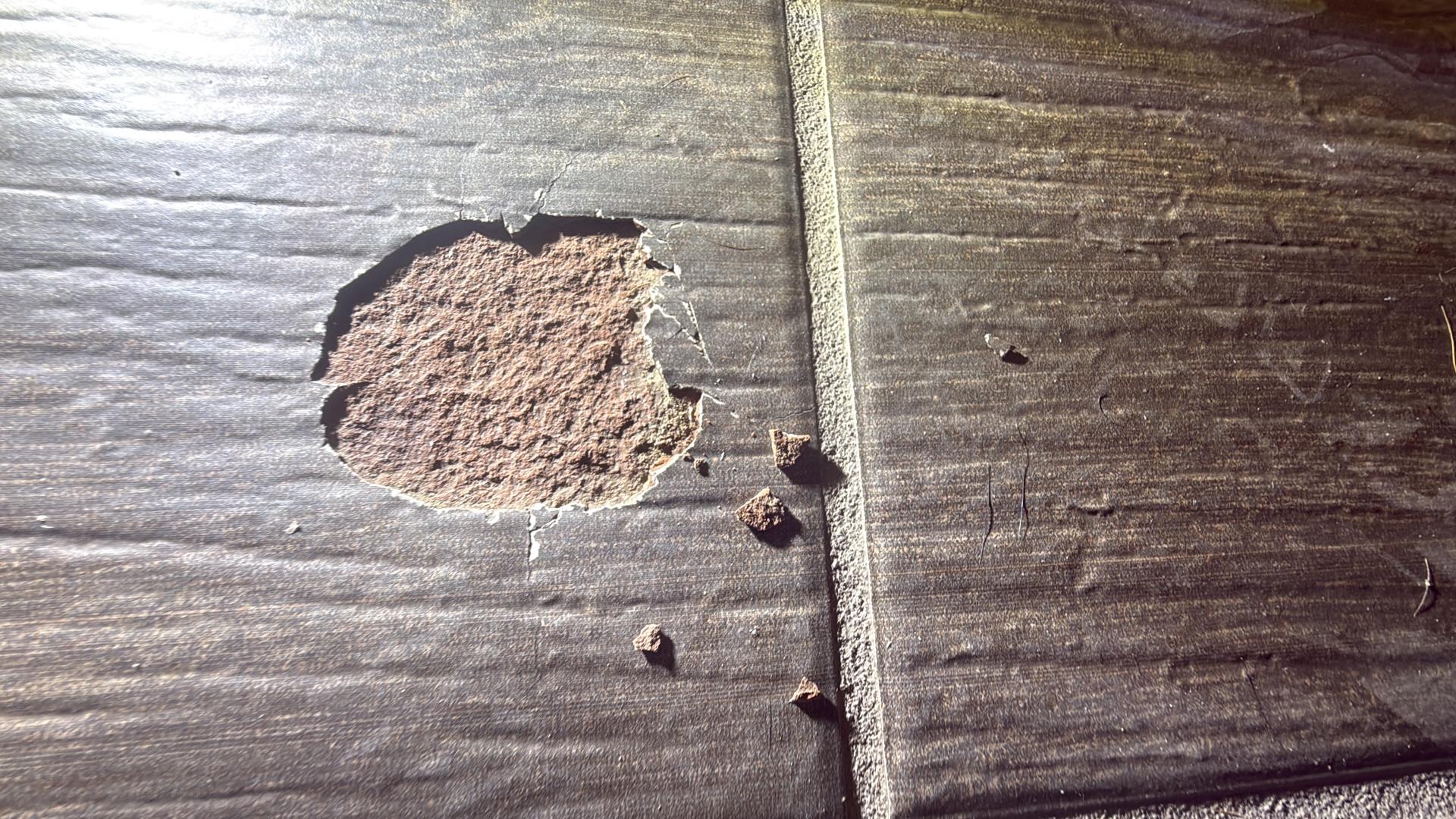
Grout Haze (Tile)
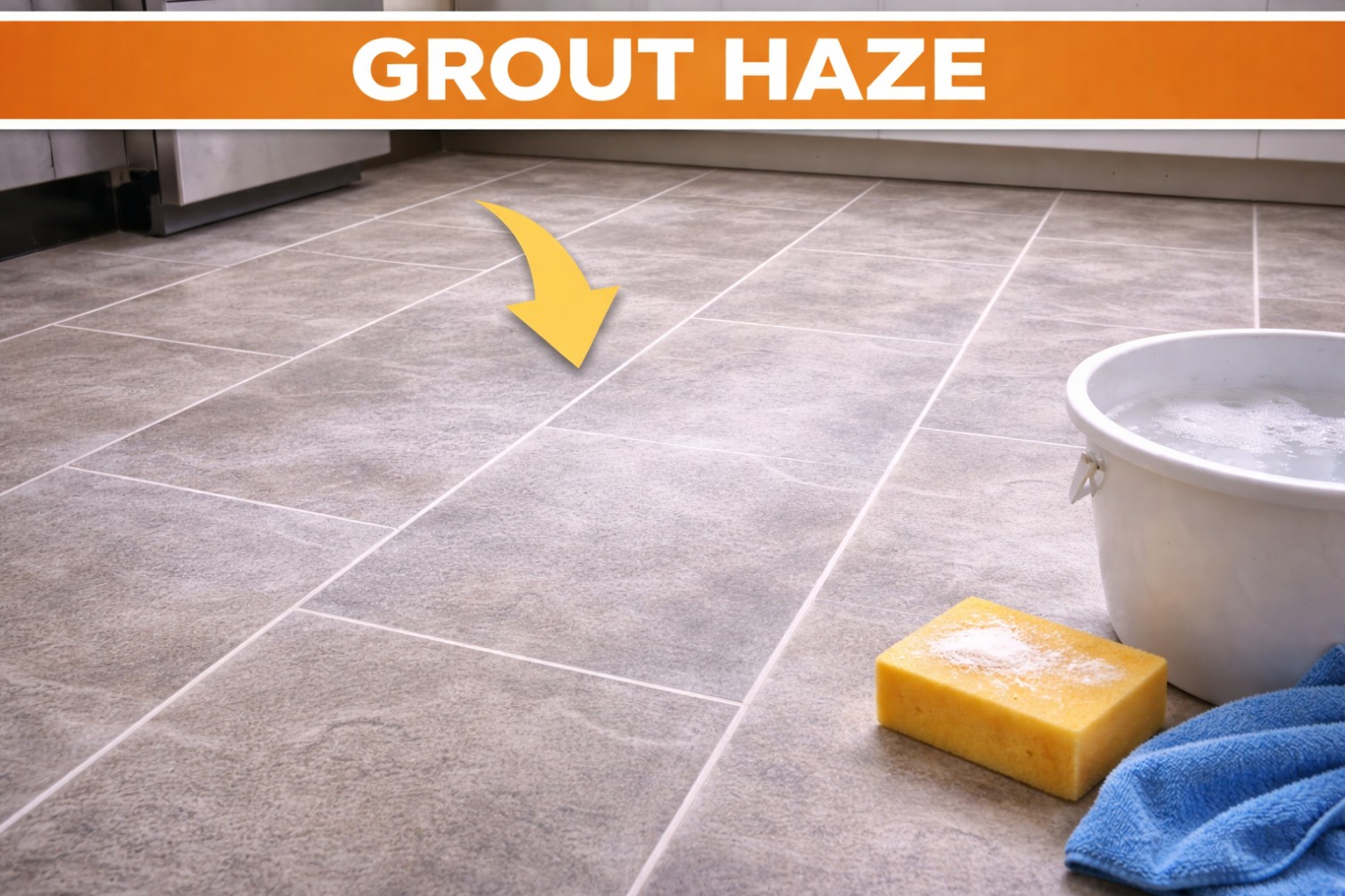
Grout haze on porcelain tile involves residual surface film caused by grout residue, tile texture, or installation conditions.
Read More
Grout Haze (Tile)

Cracked Corners

Cracked tile corners involve fractures caused by localized stress concentration, incomplete support, or movement within the tile assembly.
Read More
Cracked Corners

Outdoor Natural Stone Deterioration (Exterior Stone)

Outdoor natural stone deterioration may involve spalling, flaking, erosion, salt crystallization, and weather-related surface damage.
Read More
Outdoor Natural Stone Deterioration (Exterior Stone)

Grout – Pin Holes

Pin holes in grout joints involve small surface voids caused by grout consolidation, curing, or installation conditions.
Read More
Grout – Pin Holes

Saltillo Tile Lime Pops

Lime pops in Saltillo tile are localized surface disruptions caused by moisture-related expansion of lime-bearing particles within porous clay tile.
Read More
Saltillo Tile Lime Pops

Travertine Tile Properties

Travertine tile is a porous natural stone affected by moisture exposure, etching, wear, filler loss, and environmental conditions.
Read More
Travertine Tile Properties