
Kiln Release Marks

Kiln Release Marks

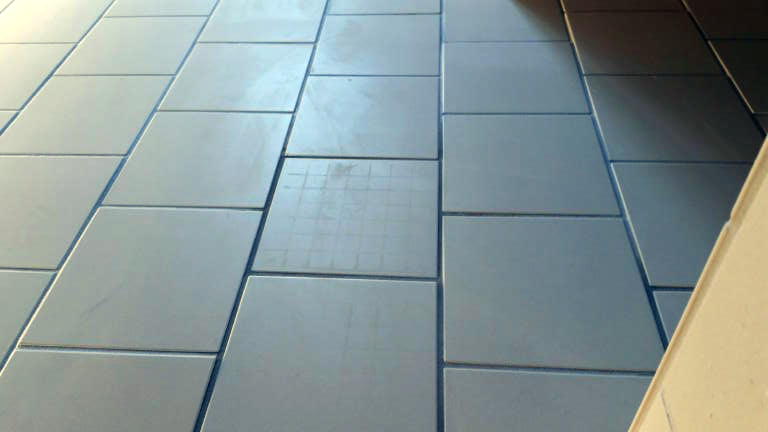
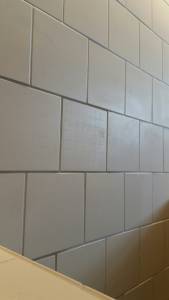
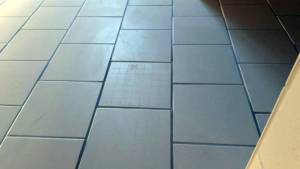
Grid Marks - Picture Example

Kiln Release Marks

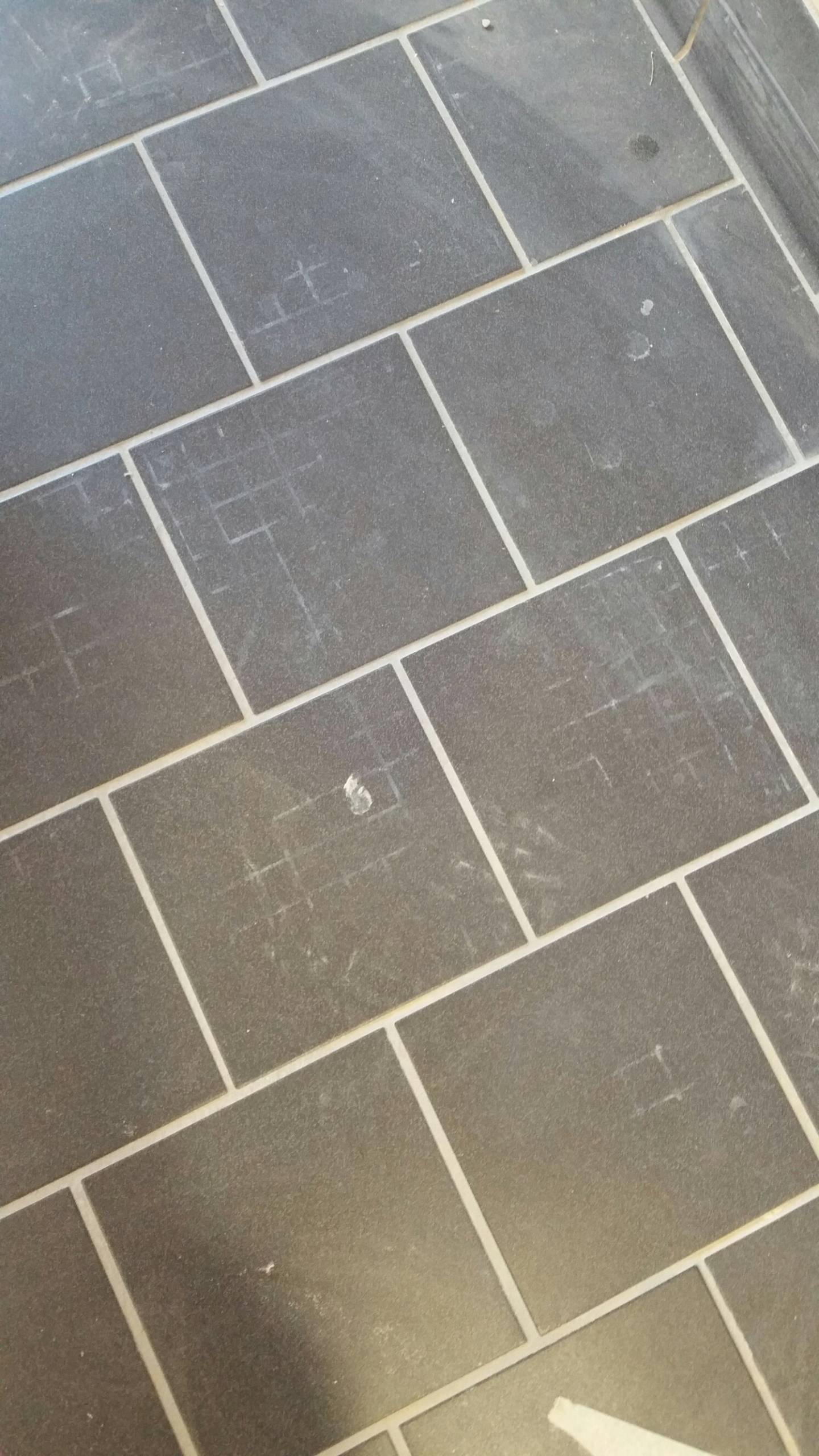
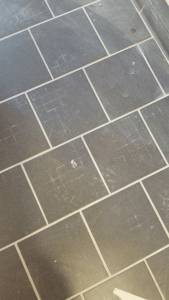
Grid Marks - Picture Example (4)

Kiln Release Marks

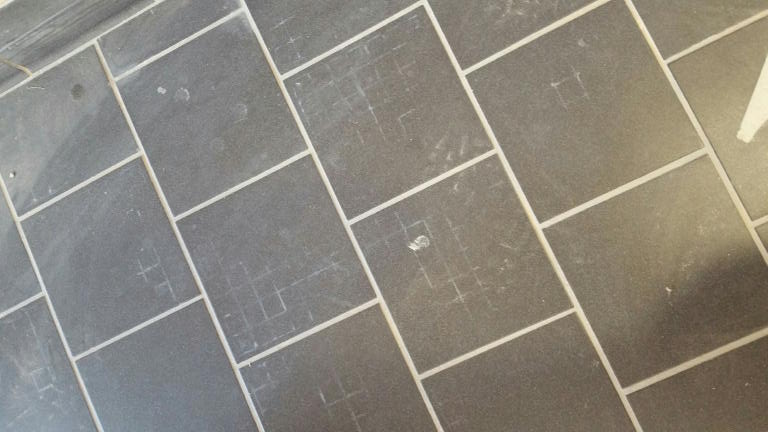
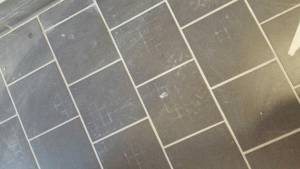
Kiln release marks and faint grid pattern visible on tile surface

Kiln Release Marks

Grid Marks - Picture Example1 (3)

Kiln Release Marks

Grid Marks - Picture Example Grid Marks - Picture Example (4) Kiln release marks and faint grid pattern visible on tile surface Grid Marks - Picture Example1 (3)

Kiln Release Marks (Tile)

Floor Detective® Claims and Conditions Guide

Summary

Kiln release marks are a tile surface appearance condition in which faint grid patterns, hazy impressions, or repeating residue become visible on the face of kiln-fired tile products. The condition is most commonly associated with porcelain tile and typically relates to manufacturing, packaging, storage, or transportation processes rather than installation workmanship. In many cases, the visible pattern corresponds with the backing geometry of adjacent tiles stacked within cartons or pallets. Visibility commonly varies depending on lighting angle, tile finish, moisture exposure, and surface reflectivity. Some kiln release marks involve removable surface residue, while others may involve material embedded within the tile surface or permanent alteration of surface reflectivity. Proper evaluation requires correlation of surface pattern geometry, tile finish characteristics, carton distribution, and cleaning response before conclusions are formed. See also Grout Haze (Porcelain Tile), Surface Defects, and Tile and Stone Floor Problems for broader context.
Please subscribe to see all content

Wet Tile Slip Resistance and Surface Traction

Wet tile slip resistance and surface traction are influenced by water exposure, contaminants, maintenance residue, and surface texture.
Read More
Wet Tile Slip Resistance and Surface Traction

Tile and Stone Floor Problems
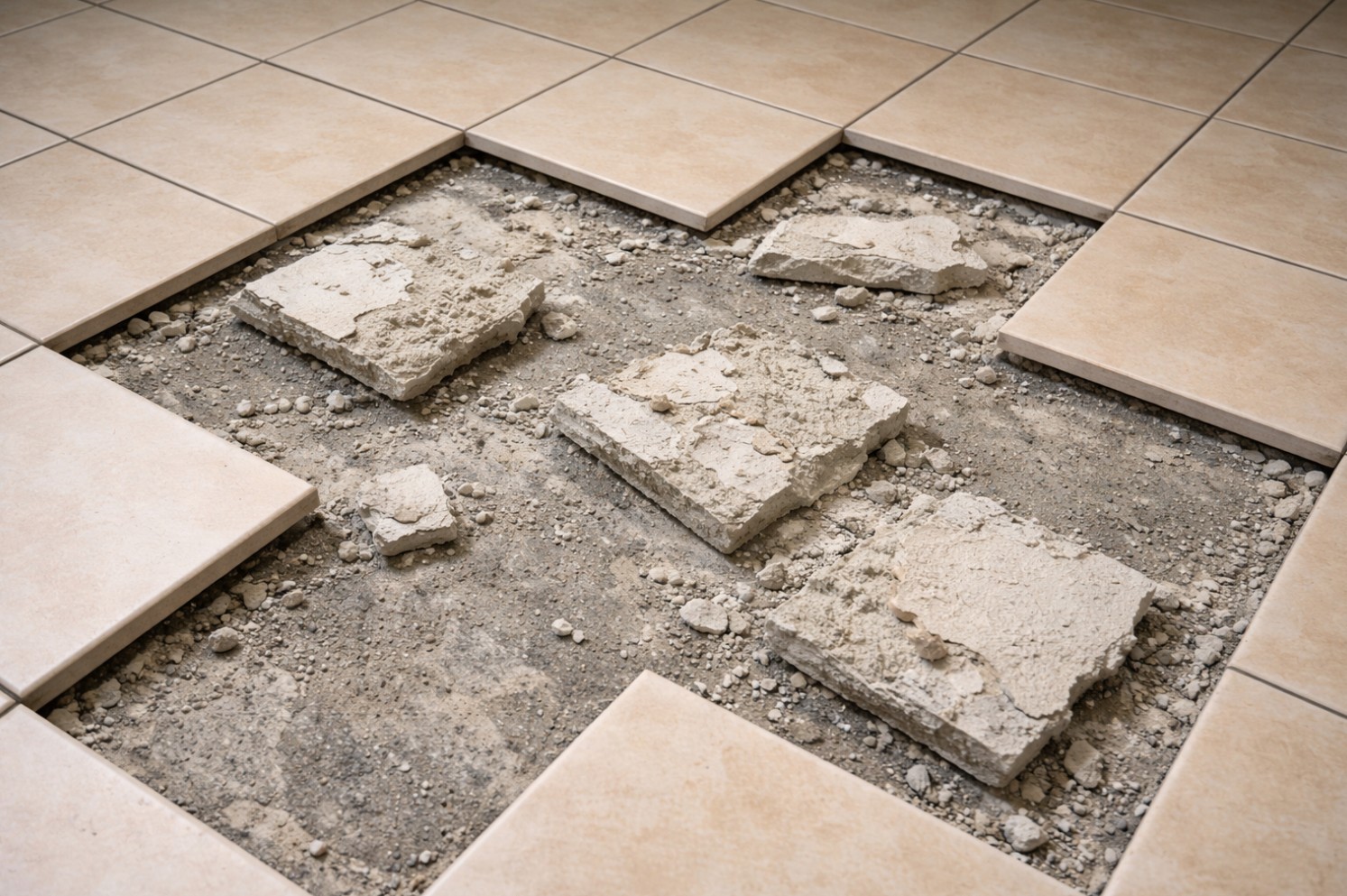
Tile and stone floor problems may involve cracking, lippage, bond loss, grout issues, moisture influence, or structural movement.
Read More
Tile and Stone Floor Problems

Tile Surface Cleaning and Residue Conditions (Overview)
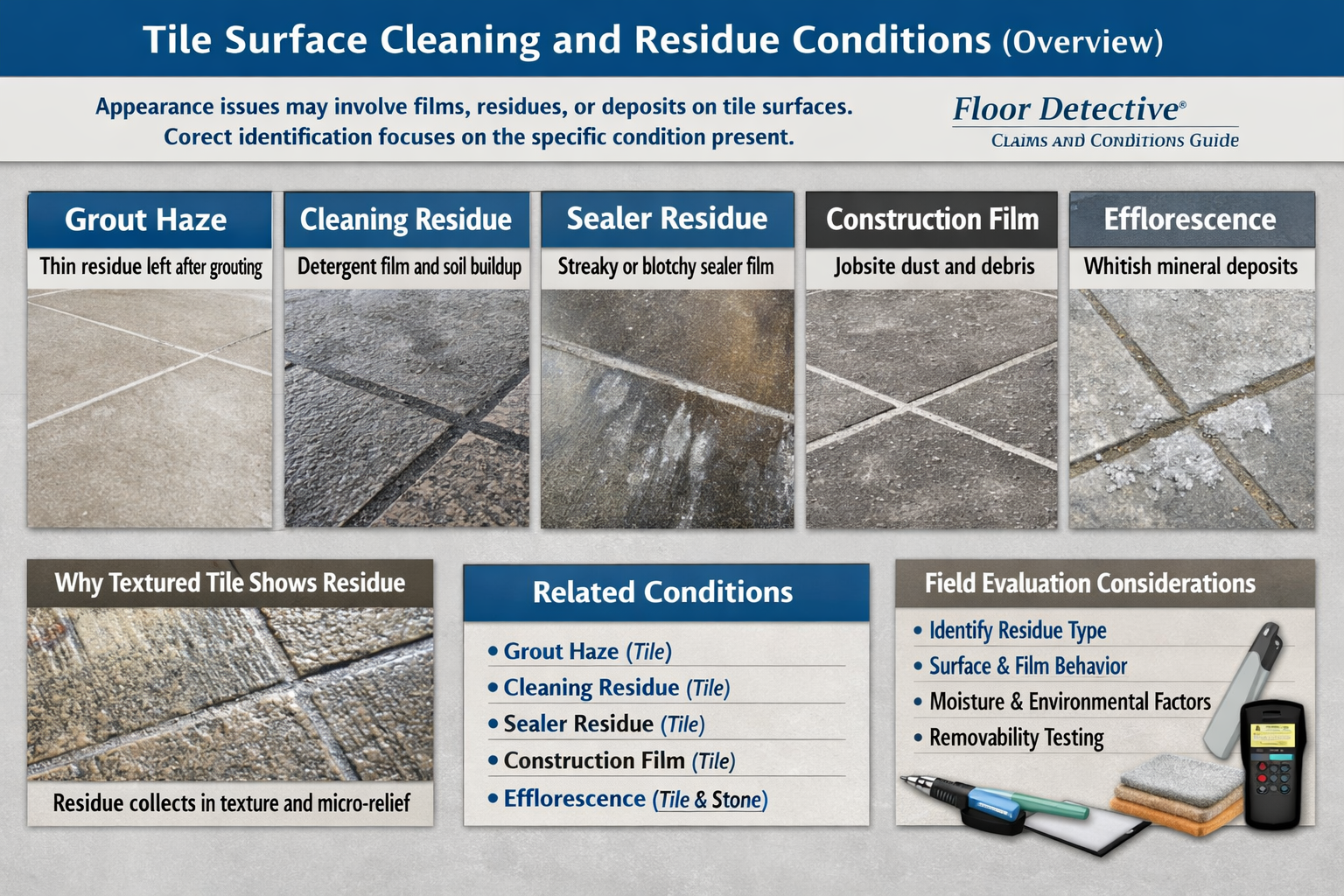
Tile surface residue conditions may involve grout haze, cleaning residue, sealer film, mineral deposits, or maintenance-related buildup.
Read More
Tile Surface Cleaning and Residue Conditions (Overview)

Surface Chipping (Ceramic Tile)
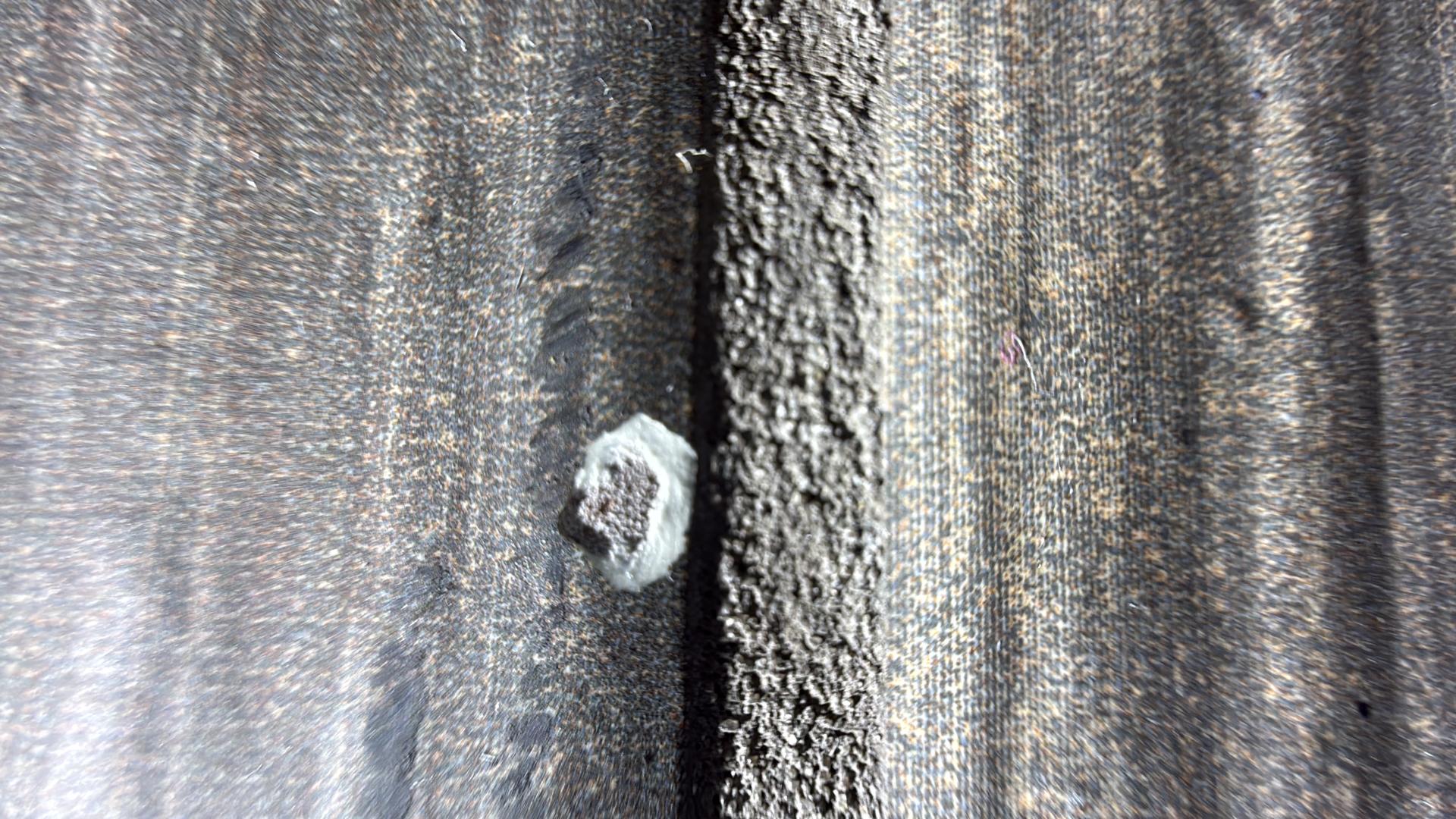
Surface chipping in ceramic tile involves localized glaze or surface loss caused by impact, contact stress, handling, or service conditions.
Read More
Surface Chipping (Ceramic Tile)

Grout Haze (Tile)
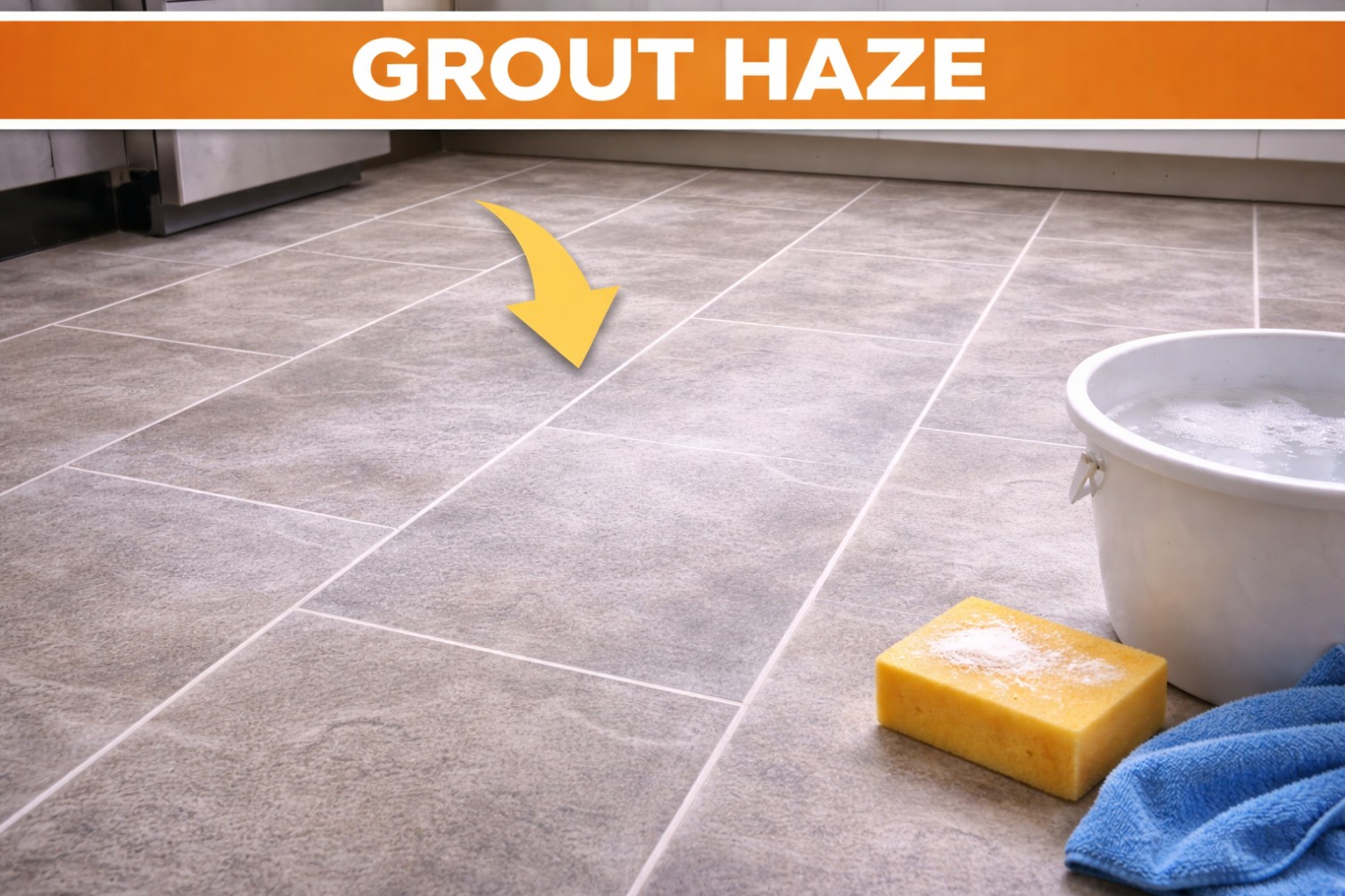
Grout haze on porcelain tile involves residual surface film caused by grout residue, tile texture, or installation conditions.
Read More
Grout Haze (Tile)

Cracked Corners

Cracked tile corners involve fractures caused by localized stress concentration, incomplete support, or movement within the tile assembly.
Read More
Cracked Corners

Outdoor Natural Stone Deterioration (Exterior Stone)

Outdoor natural stone deterioration may involve spalling, flaking, erosion, salt crystallization, and weather-related surface damage.
Read More
Outdoor Natural Stone Deterioration (Exterior Stone)

Grout – Pin Holes

Pin holes in grout joints involve small surface voids caused by grout consolidation, curing, or installation conditions.
Read More
Grout – Pin Holes

Saltillo Tile Lime Pops

Lime pops in Saltillo tile are localized surface disruptions caused by moisture-related expansion of lime-bearing particles within porous clay tile.
Read More
Saltillo Tile Lime Pops

Travertine Tile Properties

Travertine tile is a porous natural stone affected by moisture exposure, etching, wear, filler loss, and environmental conditions.
Read More
Travertine Tile Properties