
Maintenance (Resilient Flooring)

Maintenance

Sierra Exif JPEG

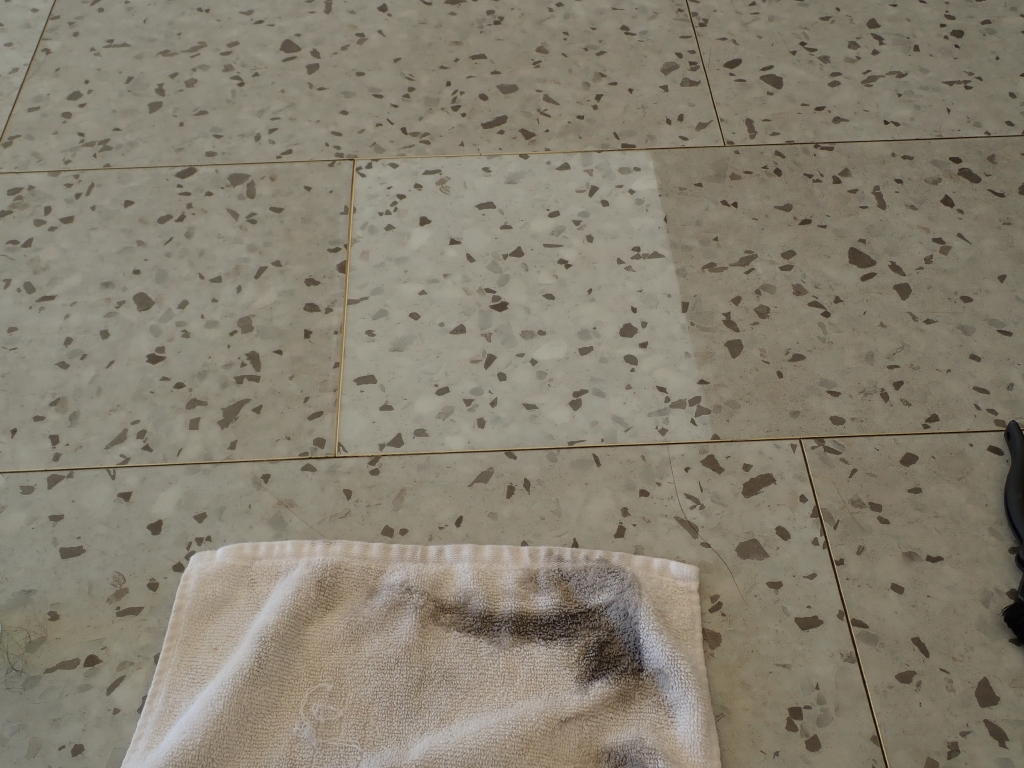
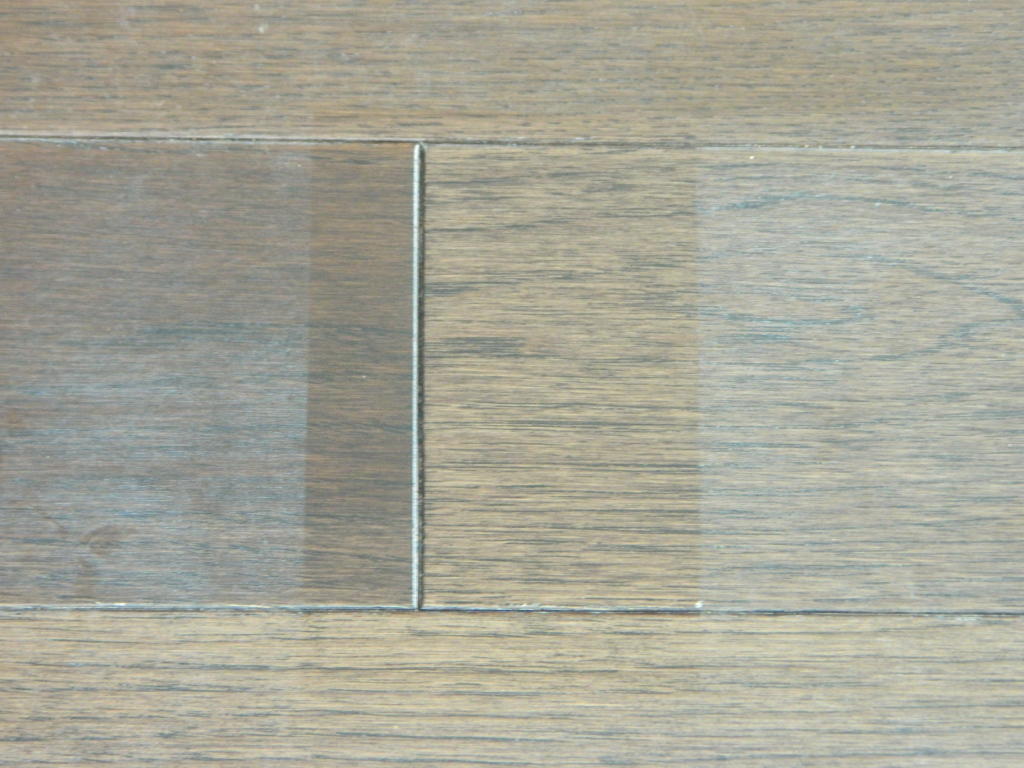
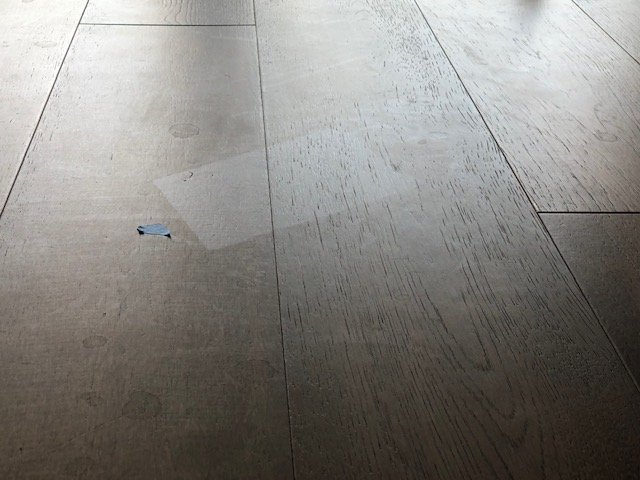
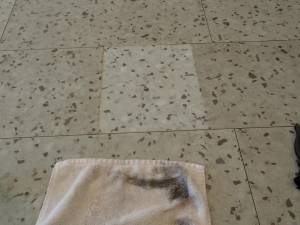
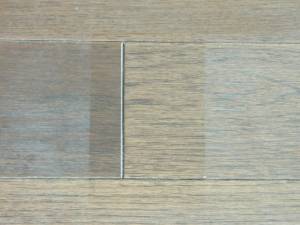
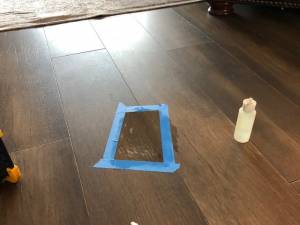
After cleaning

Sierra Exif JPEG

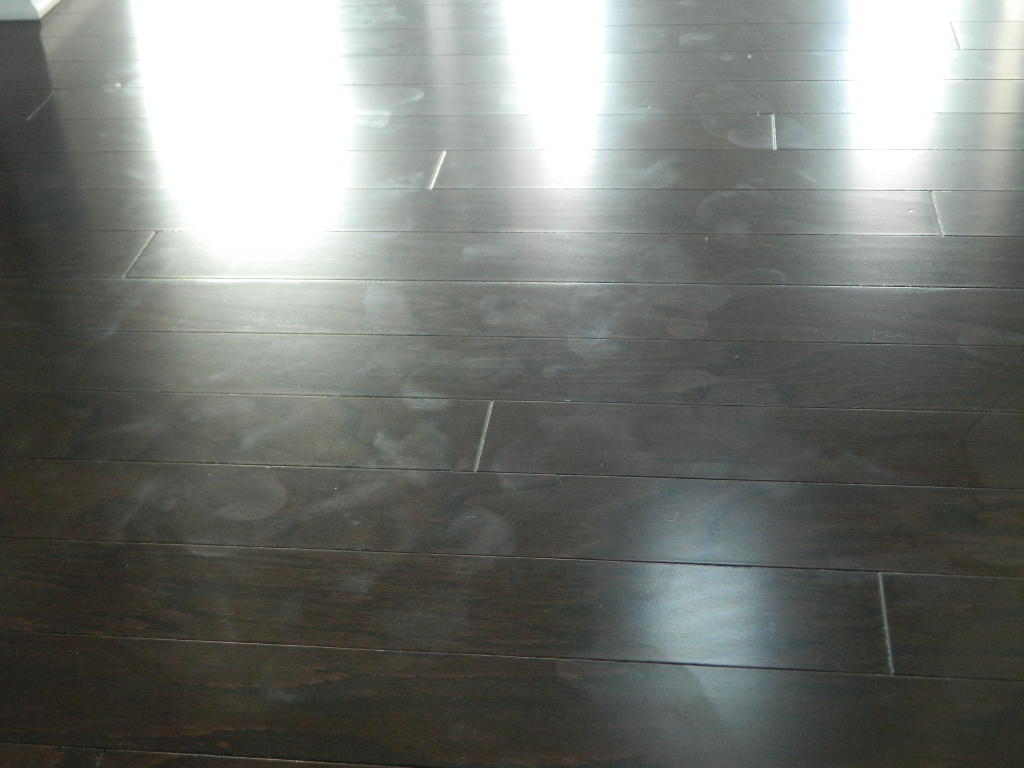
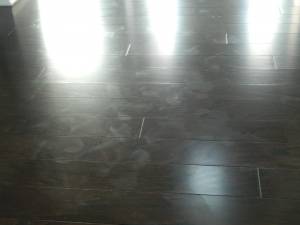
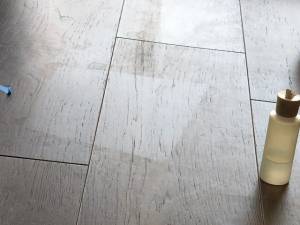
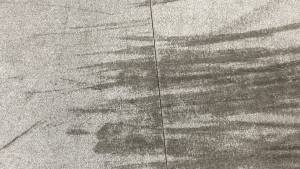
Construction dust

Sierra Exif JPEG

Construction dust

Sierra Exif JPEG

Drywall/construction dust

Sierra Exif JPEG

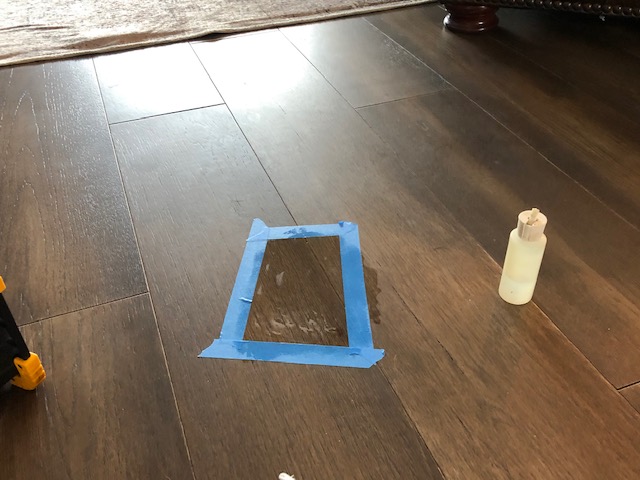
Cleaned area

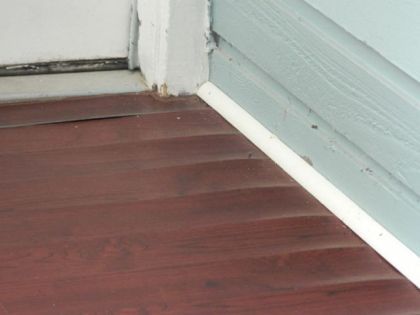
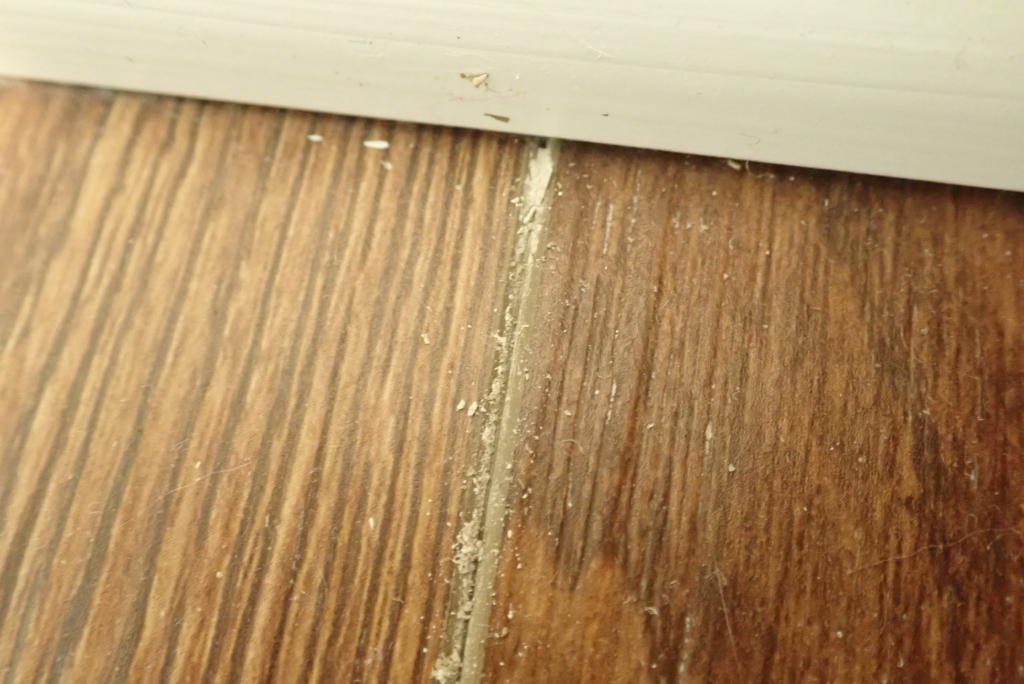
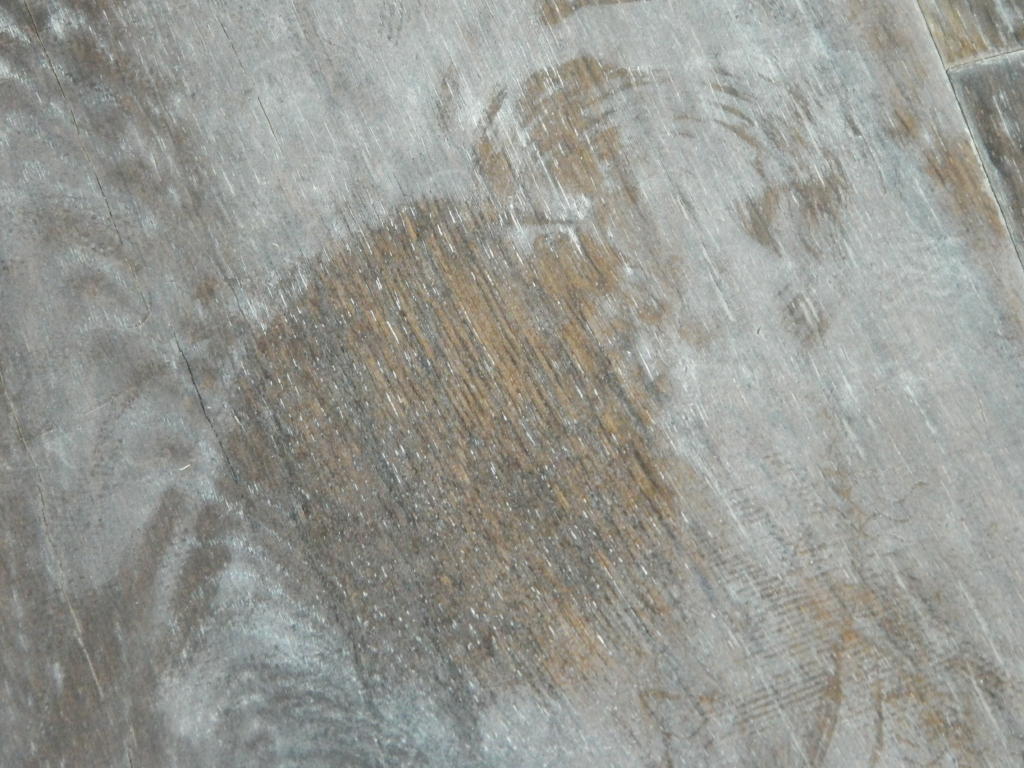
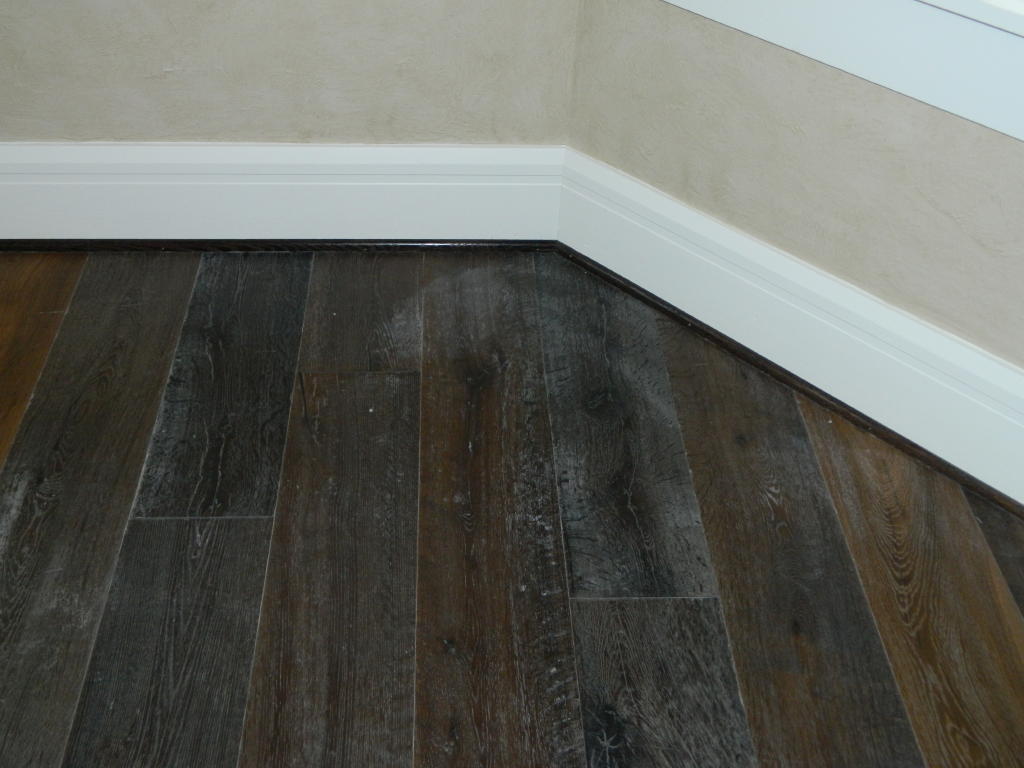
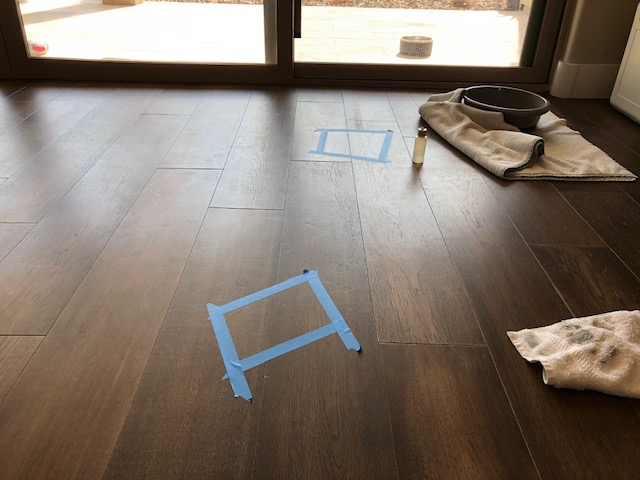
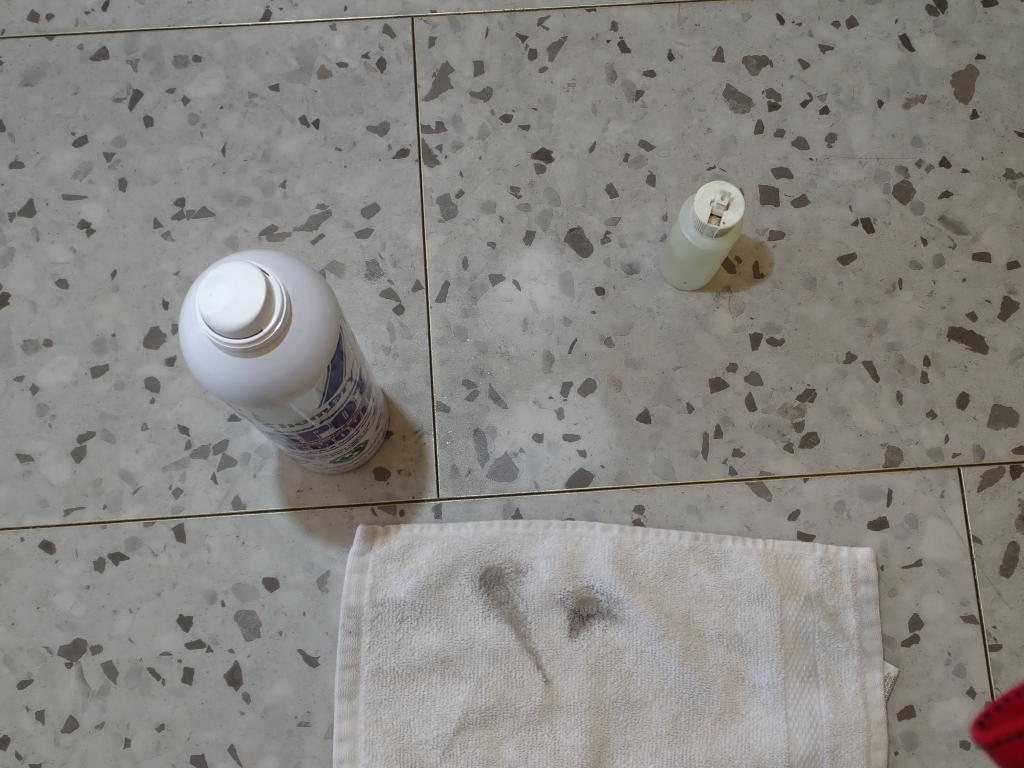
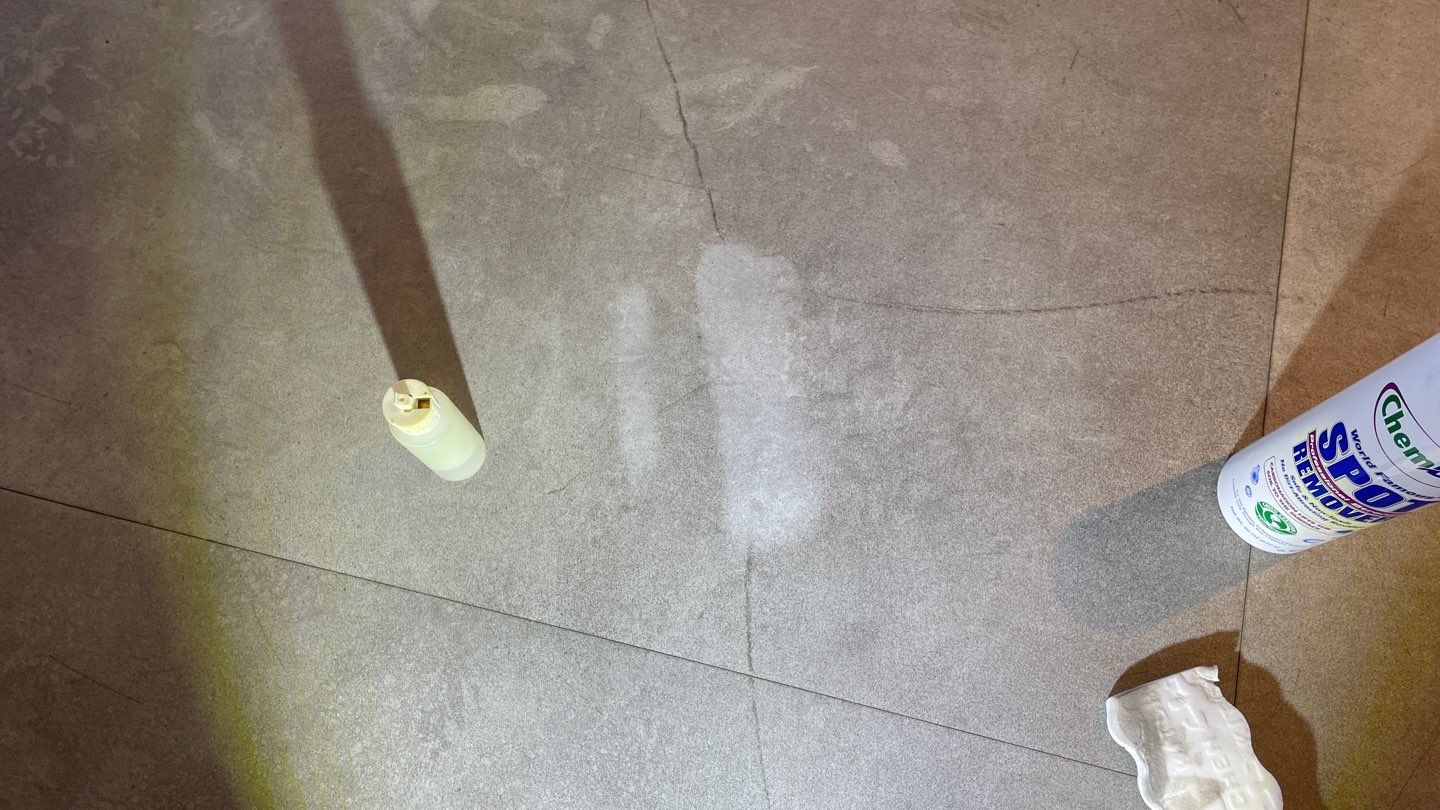
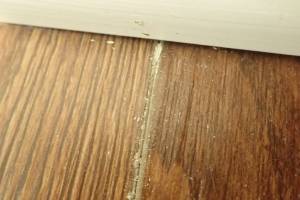
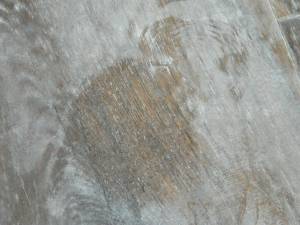
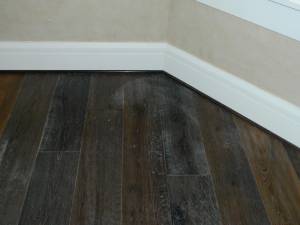
Laminate flooring maintenance-related conditions involving residue, abrasion, and moisture-related joint changes.

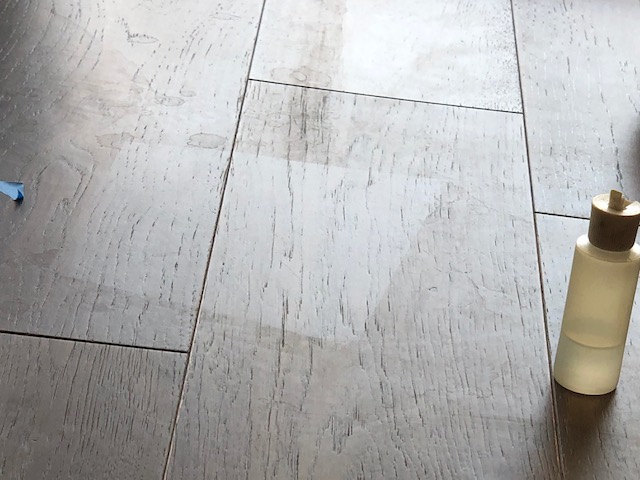
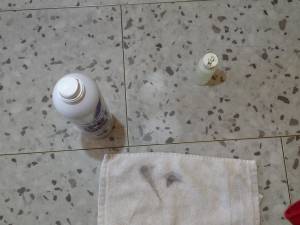
Residue buildup

Residue - Cleaning terst area 4574

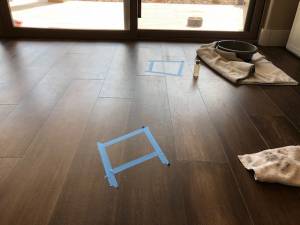
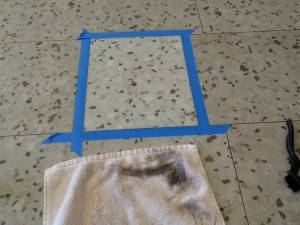
During cleaning

Residue - cleaning test 435

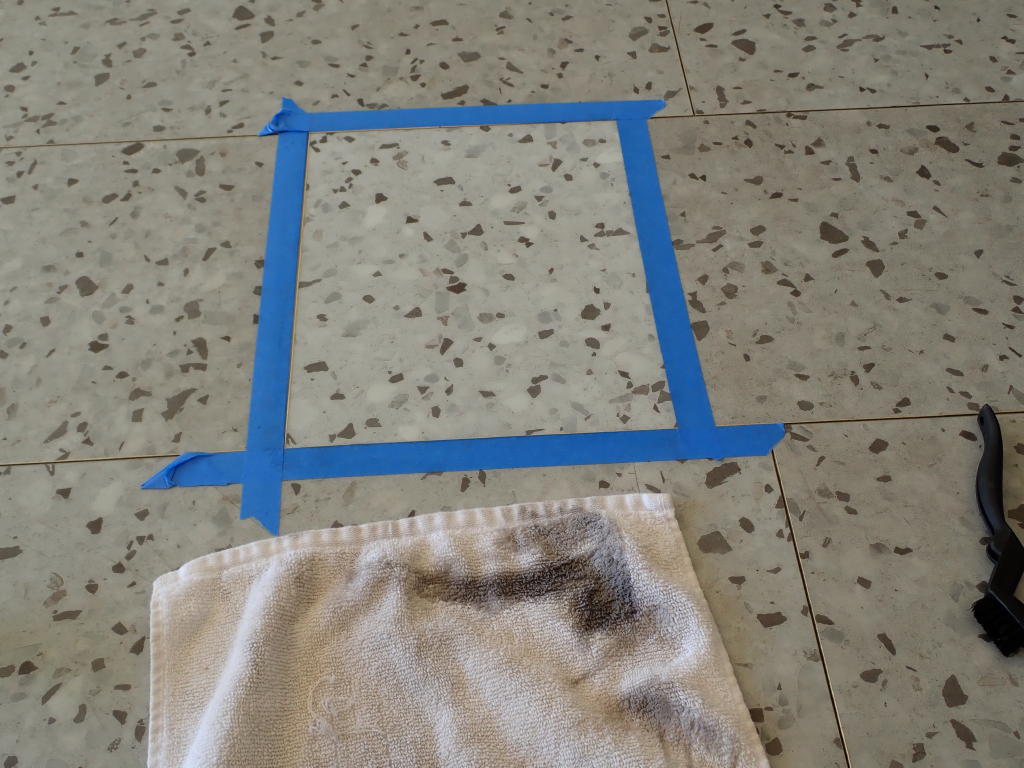
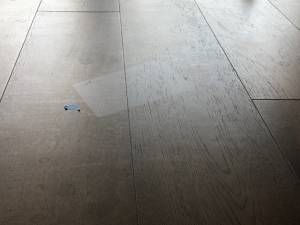
After cleaning-residue removed

Residue - Cleaning test 0546

During cleaning

Resiidue 2244

After cleaning- residue removed

Sierra Exif JPEG

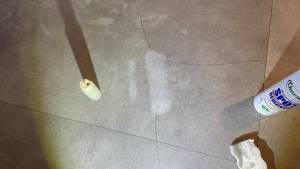
During cleaning

Sierra Exif JPEG

Spot cleaning using plain water

8-Mar 23 2022 02_08pm-KGfj

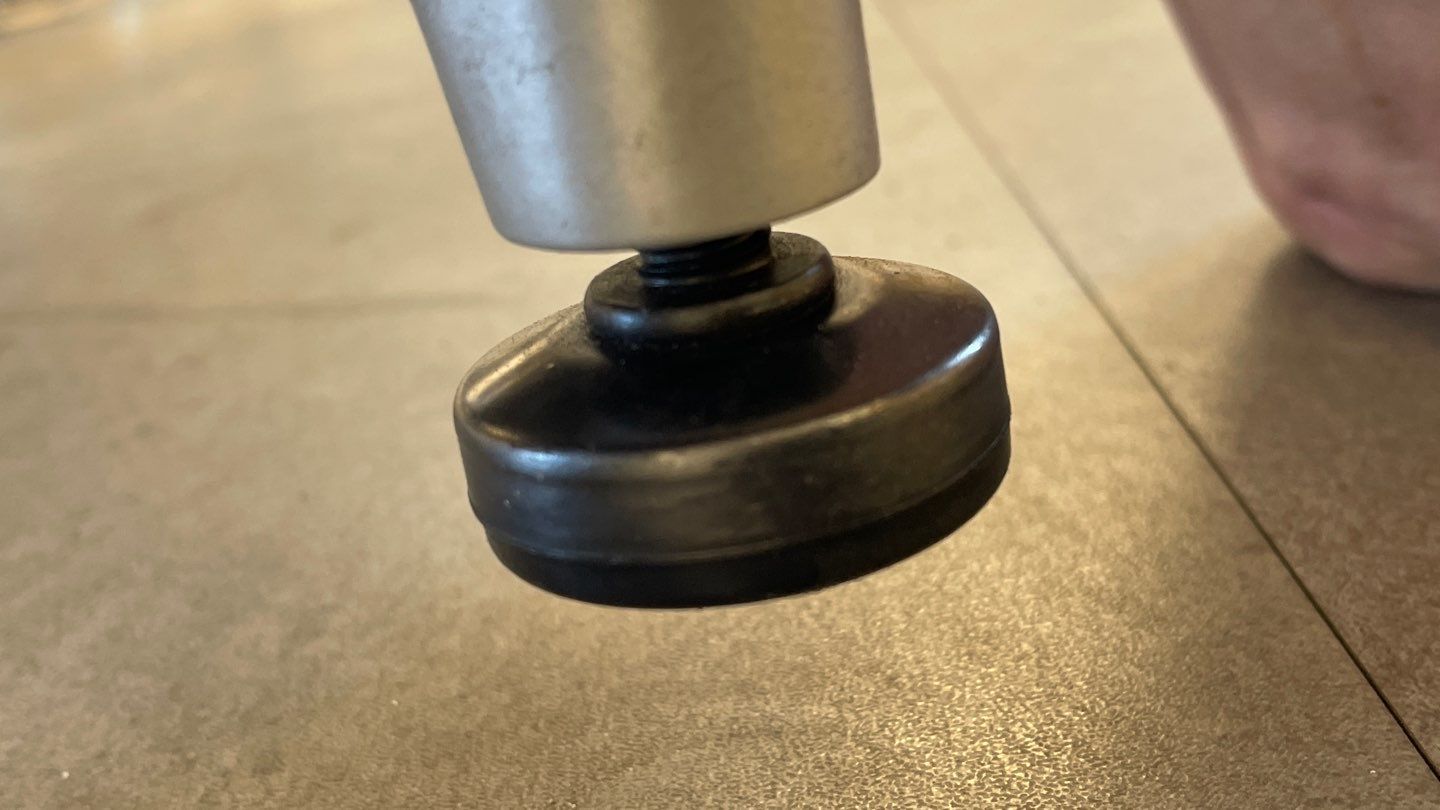
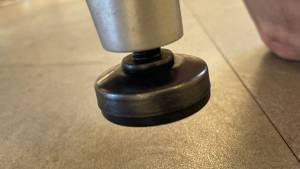
Plastic chair protector

11-Mar 23 2022 02_09pm-4WXT

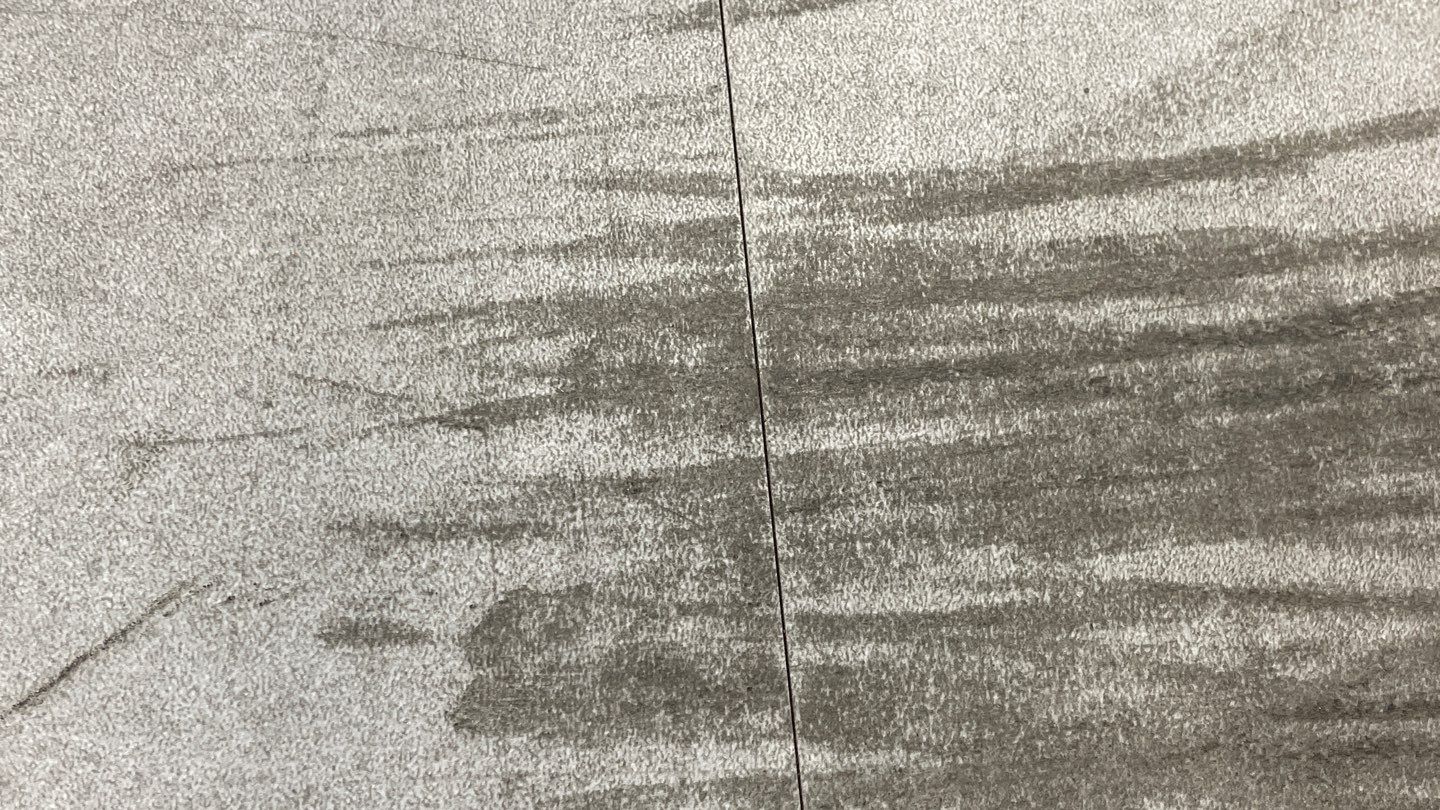
Marks left by plastic chair protectors

39-Mar 23 2022 02_28pm-uRSm

Poor maintenance

Sierra Exif JPEG Sierra Exif JPEG Sierra Exif JPEG Sierra Exif JPEG Sierra Exif JPEG Laminate flooring maintenance-related conditions involving residue, abrasion, and moisture-related joint changes. Residue - Cleaning terst area 4574 Residue - cleaning test 435 Residue - Cleaning test 0546 Resiidue 2244 Sierra Exif JPEG Sierra Exif JPEG 8-Mar 23 2022 02_08pm-KGfj 11-Mar 23 2022 02_09pm-4WXT 39-Mar 23 2022 02_28pm-uRSm

Maintenance and Surface Care (Resilient Flooring)

Floor Detective® Claims and Conditions Guide

Summary

Maintenance-related conditions in resilient flooring involve changes in appearance, sheen, texture, or surface behavior associated with routine cleaning, soil exposure, traffic, moisture interaction, chemical exposure, or normal service conditions during occupancy. Resilient flooring systems are designed for controlled maintenance procedures intended to reduce abrasive wear, residue accumulation, and excessive moisture exposure during service life. Surface appearance is strongly influenced by how soils are removed, how cleaning products are diluted and rinsed, and how moisture and traffic interact with the flooring surface over time. Dirt, grit, drywall dust, and fine particulate contamination may gradually alter sheen and surface clarity through cumulative abrasion, while detergent residue, hard-water minerals, or incompatible topical products may create haze, streaking, patchy gloss, or rapid re-soiling. Low-permeability resilient flooring surfaces respond differently than porous flooring systems because moisture and cleaning residue tend to remain at the surface rather than absorb into the material. Most maintenance-related conditions reflect cumulative service exposure and flooring-system interaction rather than structural flooring failure. Proper evaluation requires correlation of maintenance history, traffic patterns, environmental exposure, lighting geometry, surface morphology, and flooring-system behavior rather than appearance alone. See also Gloss Variation Resilient Plank, Scratches, Indentations, and Surface Abrasions, and LVT and SPC Floor Problems for broader context.
Please subscribe to see all content

Chair-Caster Damage (LVT/SPC Flooring)
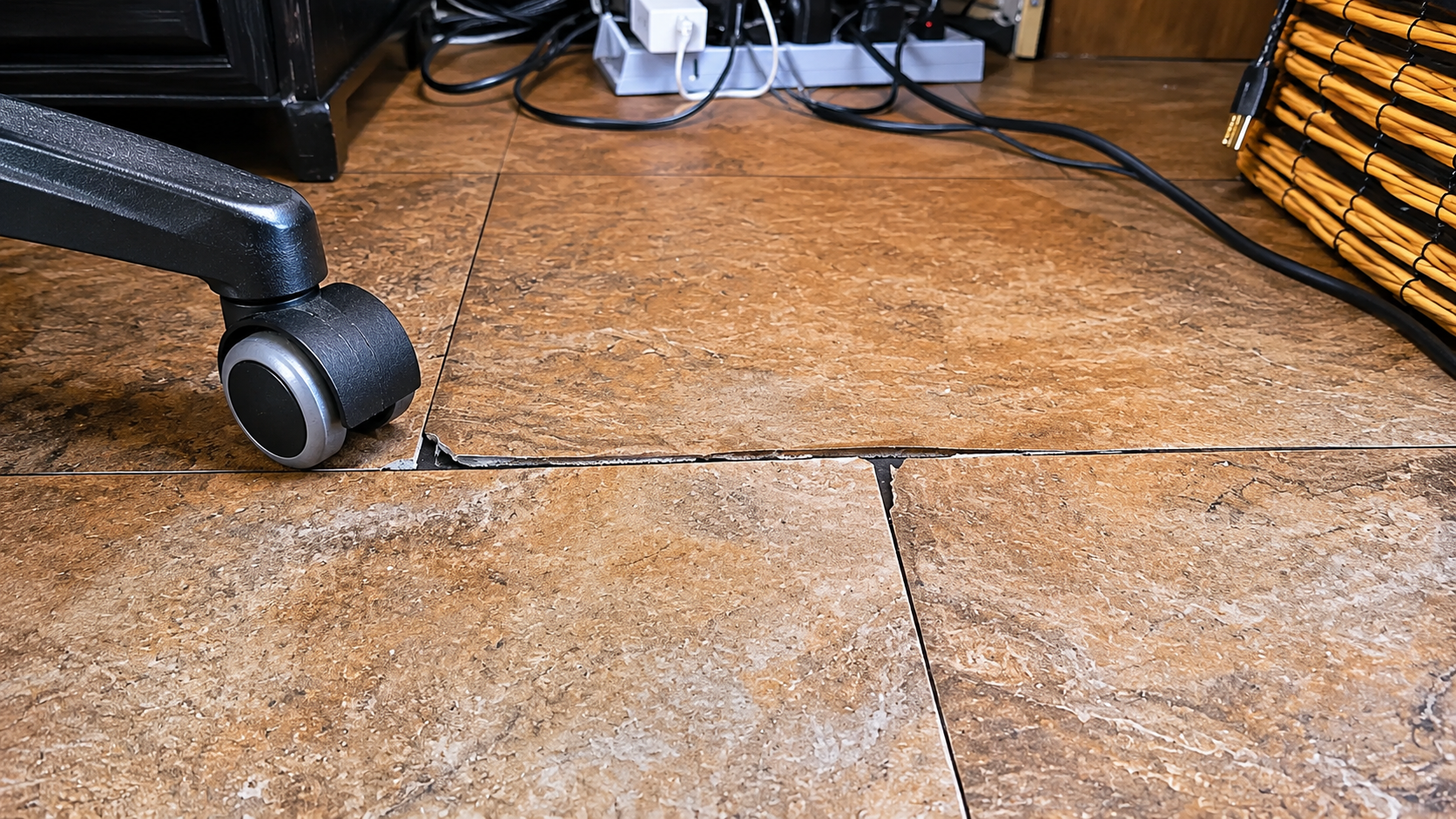
Chair-caster damage in LVT and SPC flooring may appear as scratching, indentation, joint damage, noise, or locking-profile failure caused by...
Read More
Chair-Caster Damage (LVT/SPC Flooring)

LVT and SPC Floor Problems
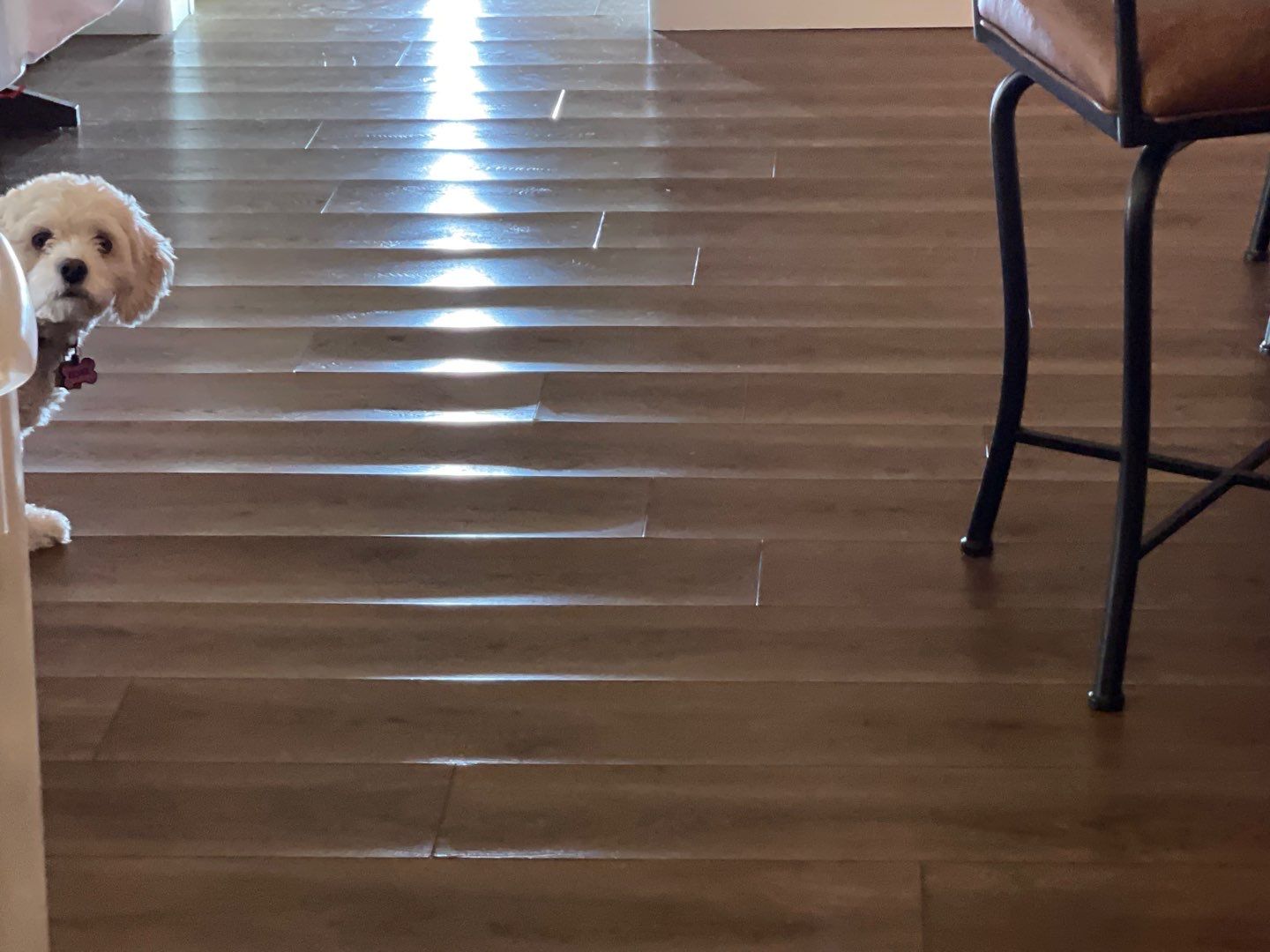
LVT and SPC floor problems may involve movement, gapping, curling, noise, indentation, discoloration, or substrate-related effects.
Read More
LVT and SPC Floor Problems

Cross-Machine Direction (Width) Shading / Texture Variation (Resilient Sheet Vinyl)
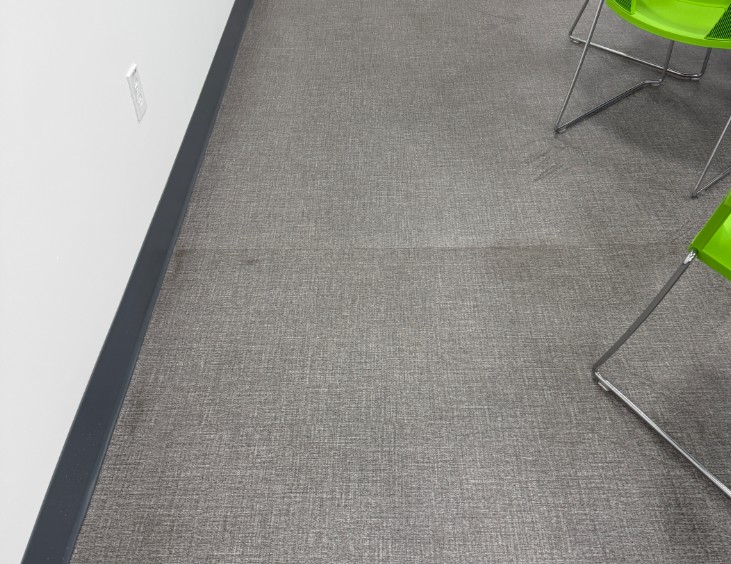
Cross-machine direction shading in resilient sheet vinyl involves side-to-side visual or texture variation across the sheet width.
Read More
Cross-Machine Direction (Width) Shading / Texture Variation (Resilient Sheet Vinyl)

Sheet Shrinkage / Seam Opening (Resilient Sheet Flooring)
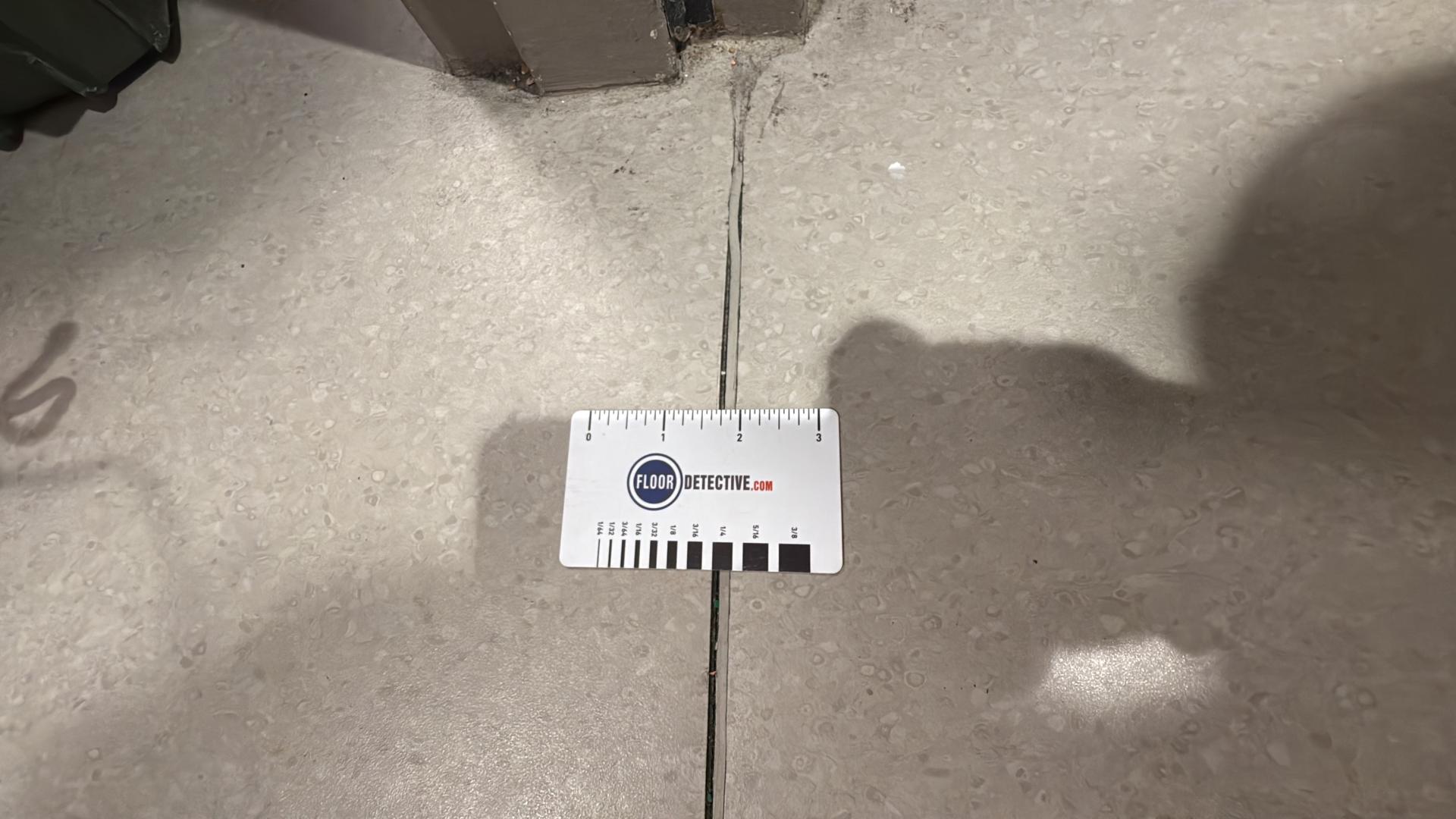
Sheet shrinkage and seam opening in resilient sheet flooring involve dimensional movement, edge pull-back, and flooring-system stress redistribution.
Read More
Sheet Shrinkage / Seam Opening (Resilient Sheet Flooring)

Heat Weld Seam Failure (Resilient Sheet Flooring)
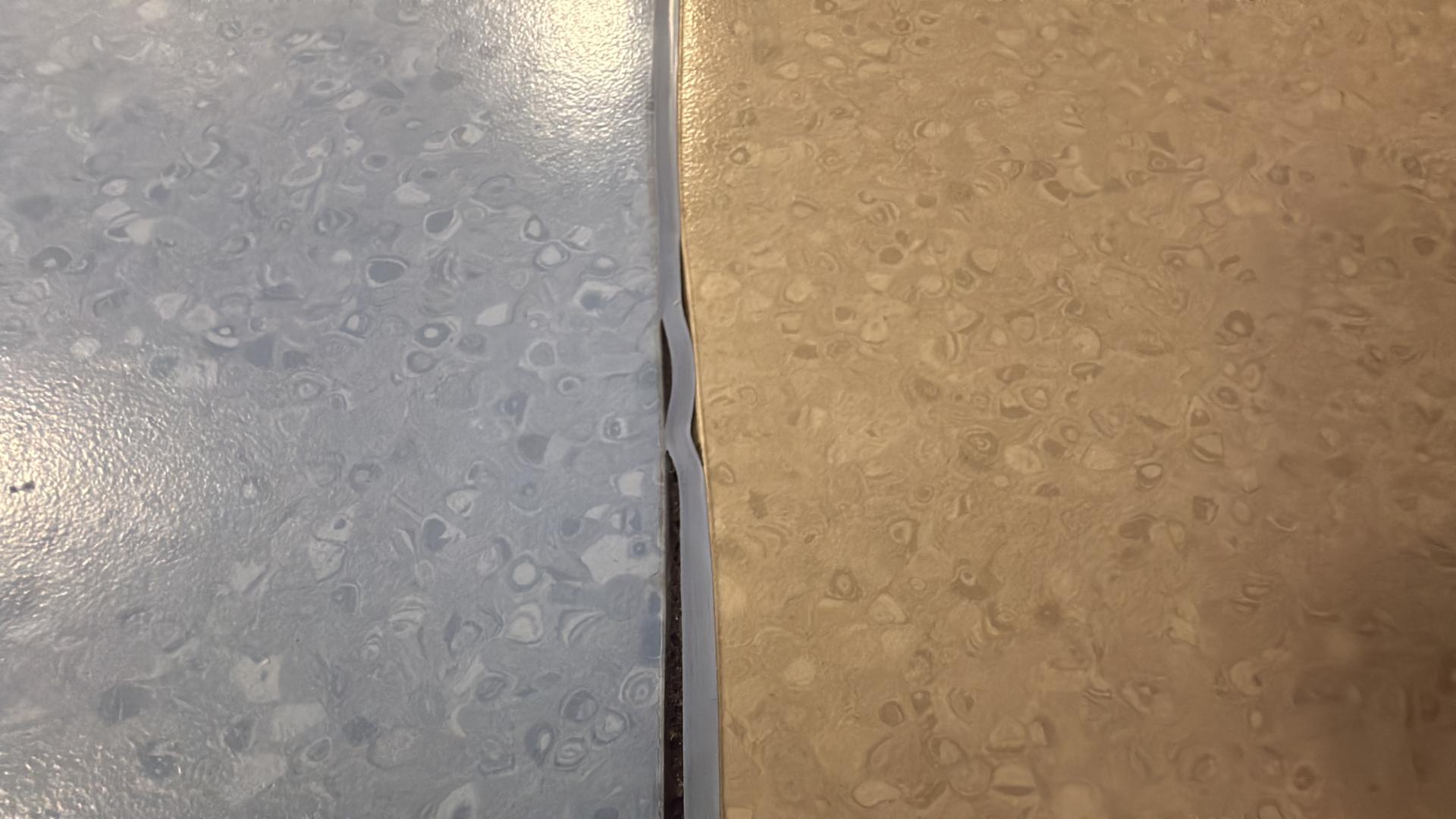
Heat weld seam failure in resilient sheet flooring involves loss of fusion or structural integrity within welded sheet-flooring joints.
Read More
Heat Weld Seam Failure (Resilient Sheet Flooring)

Yellowing / Discoloration (LVP / SPC / WPC)
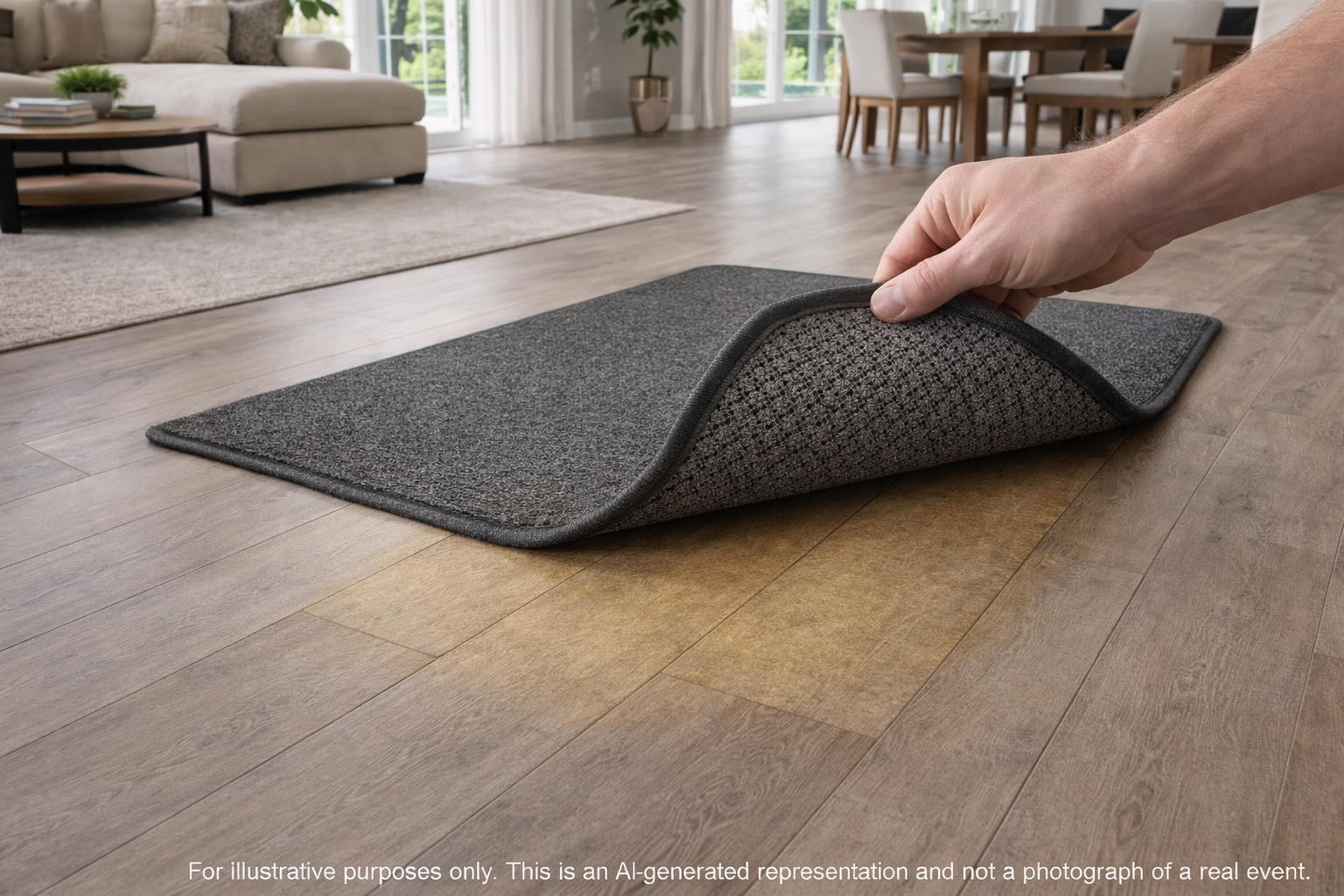
Yellowing in LVP, SPC, and WPC flooring involves internal discoloration caused by oxidation, ultraviolet exposure, or environmental influence.
Read More
Yellowing / Discoloration (LVP / SPC / WPC)

Broken Locking Profiles / Mechanical Joint Compromise (Resilient Plank)
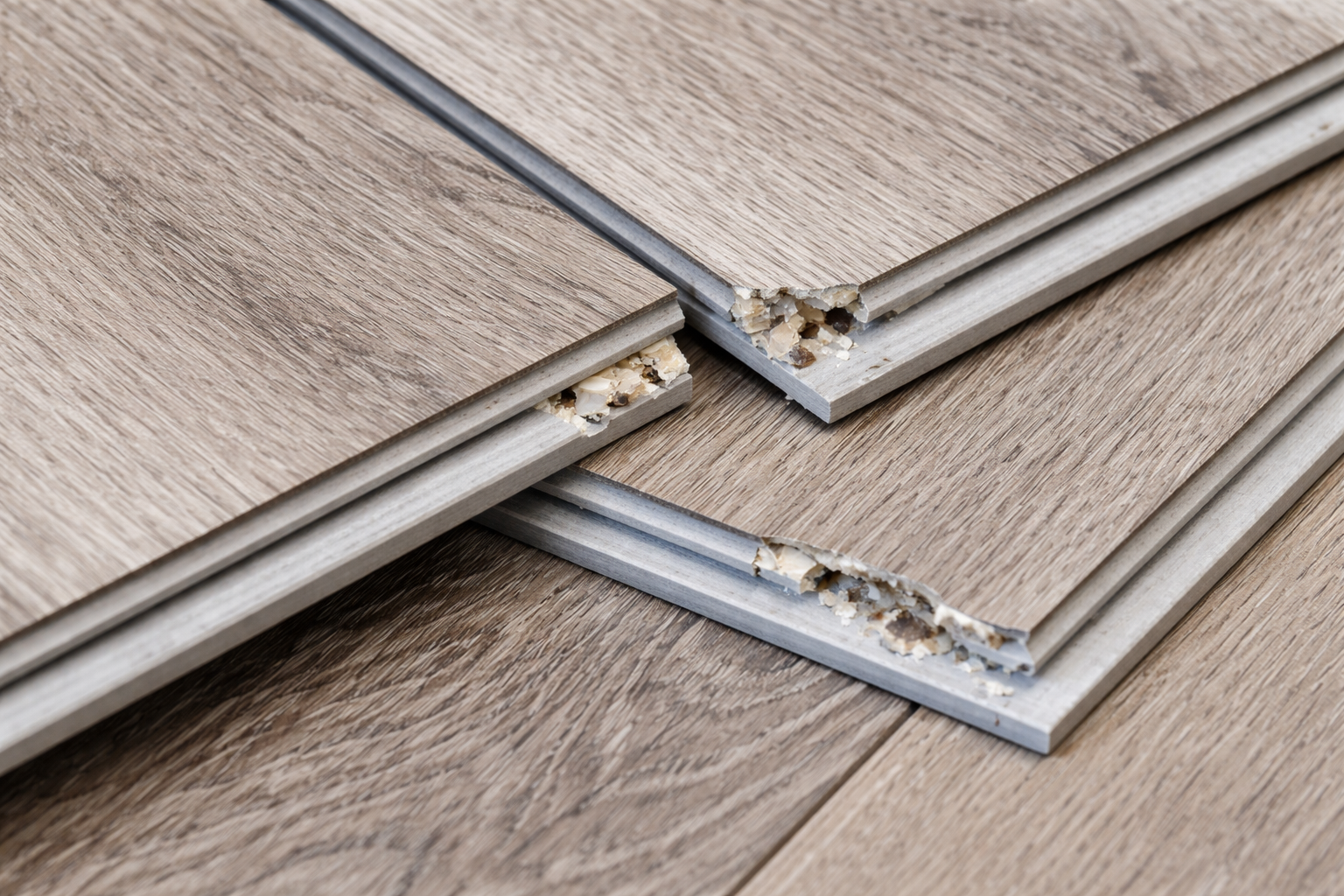
Broken locking profiles and mechanical joint compromise involve fracture, deformation, or weakening of resilient plank locking systems.
Read More
Broken Locking Profiles / Mechanical Joint Compromise (Resilient Plank)

Efflorescence-Like Mineral Migration at LVT/SPC Joints
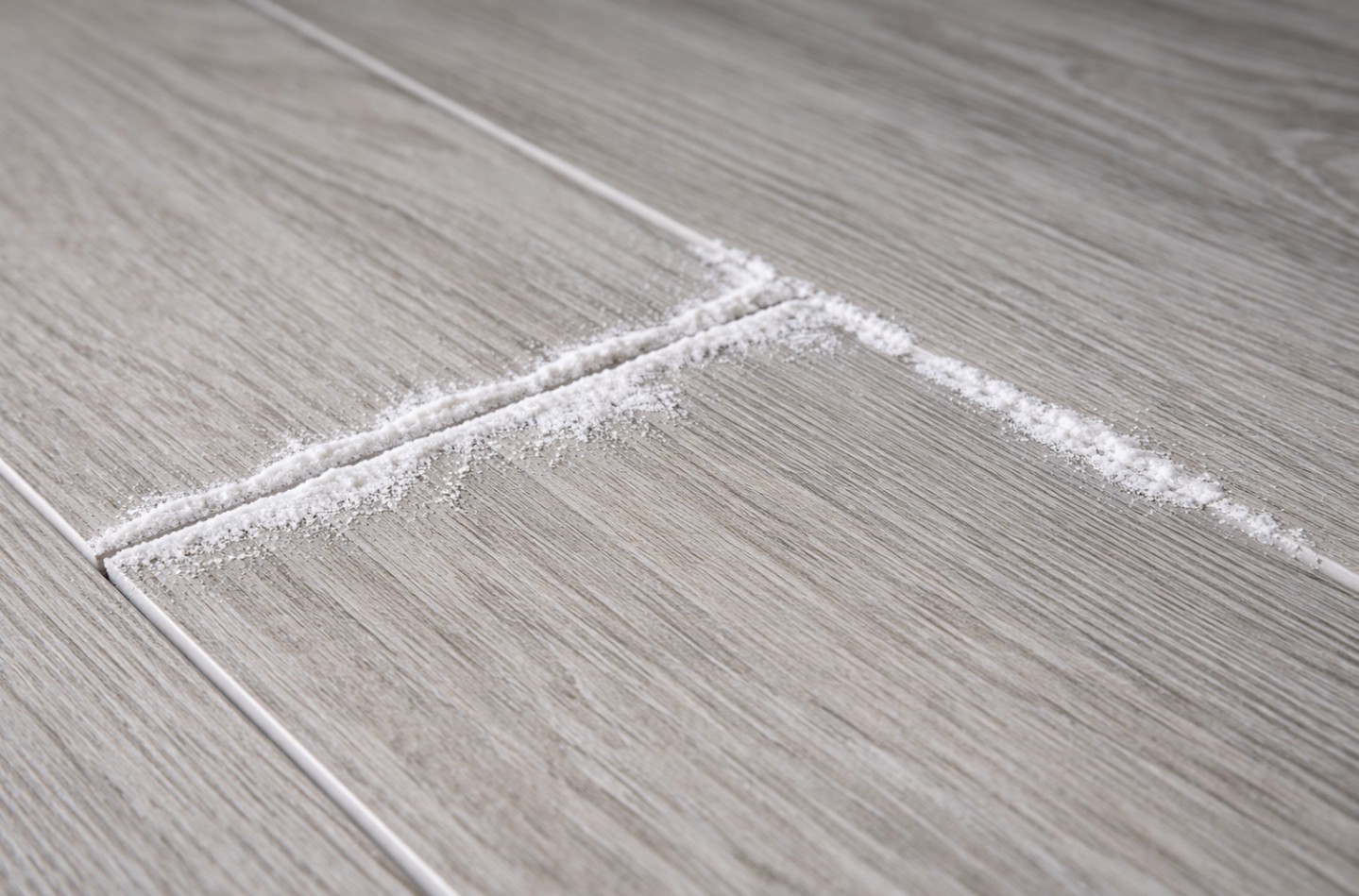
Efflorescence-like mineral migration at LVT and SPC joints is a moisture-related substrate condition involving mineral residue from concrete slabs.
Read More
Efflorescence-Like Mineral Migration at LVT/SPC Joints

Blistering / Surface Blisters (SPC Flooring)

SPC flooring blistering involves localized raised areas or bubble-like distortions originating within individual flooring planks.
Read More
Blistering / Surface Blisters (SPC Flooring)

Cracking Over Existing Substrates (LVT)

Cracking in resilient plank flooring over existing substrates commonly involves stress transfer from grout joints or uneven support.
Read More
Cracking Over Existing Substrates (LVT)