
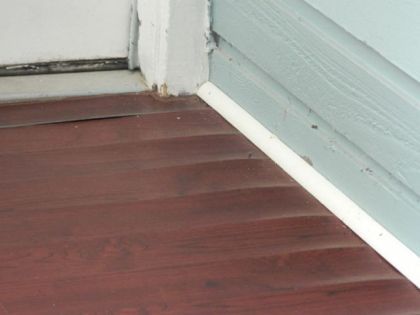
Gloss Variation
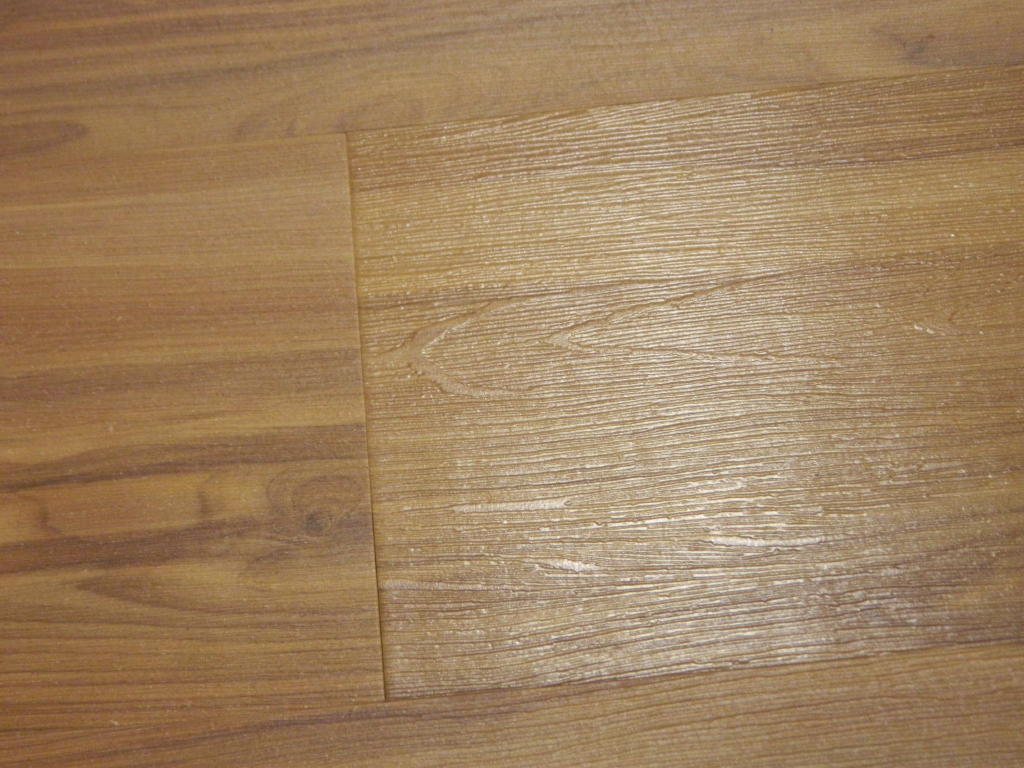
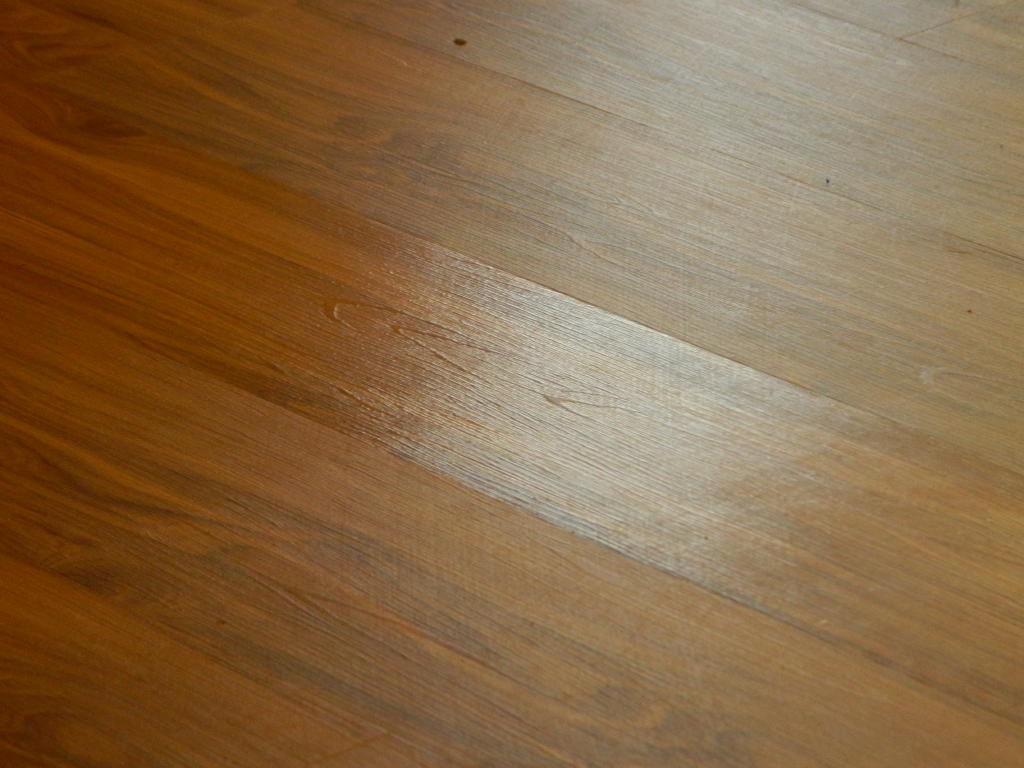
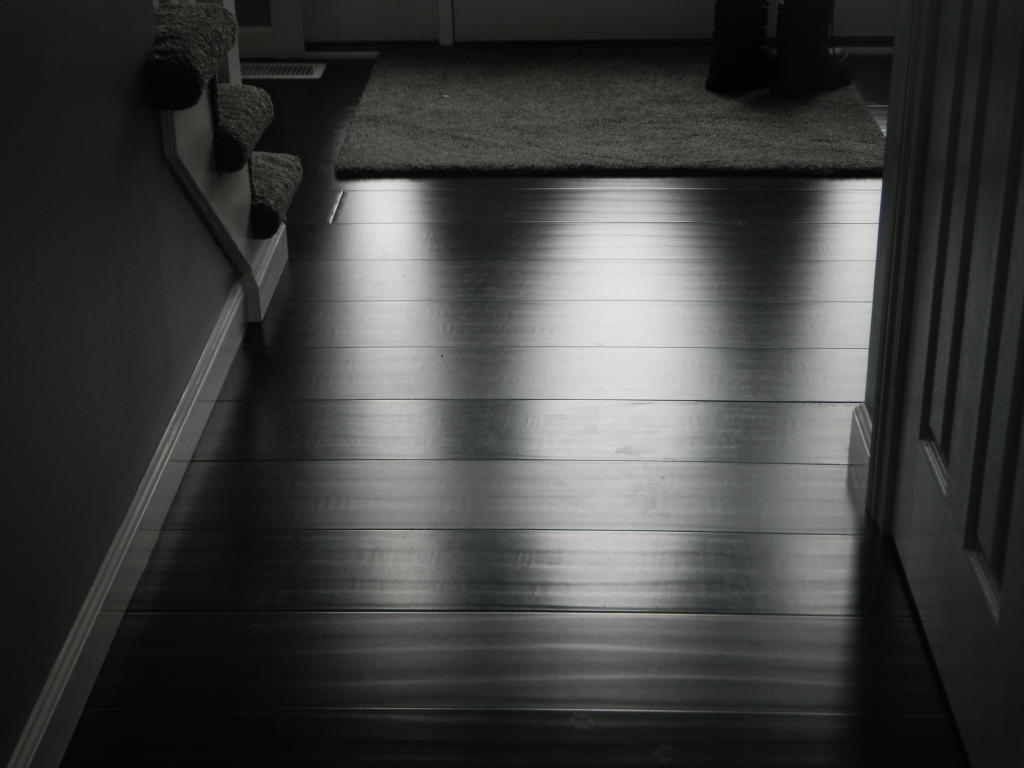
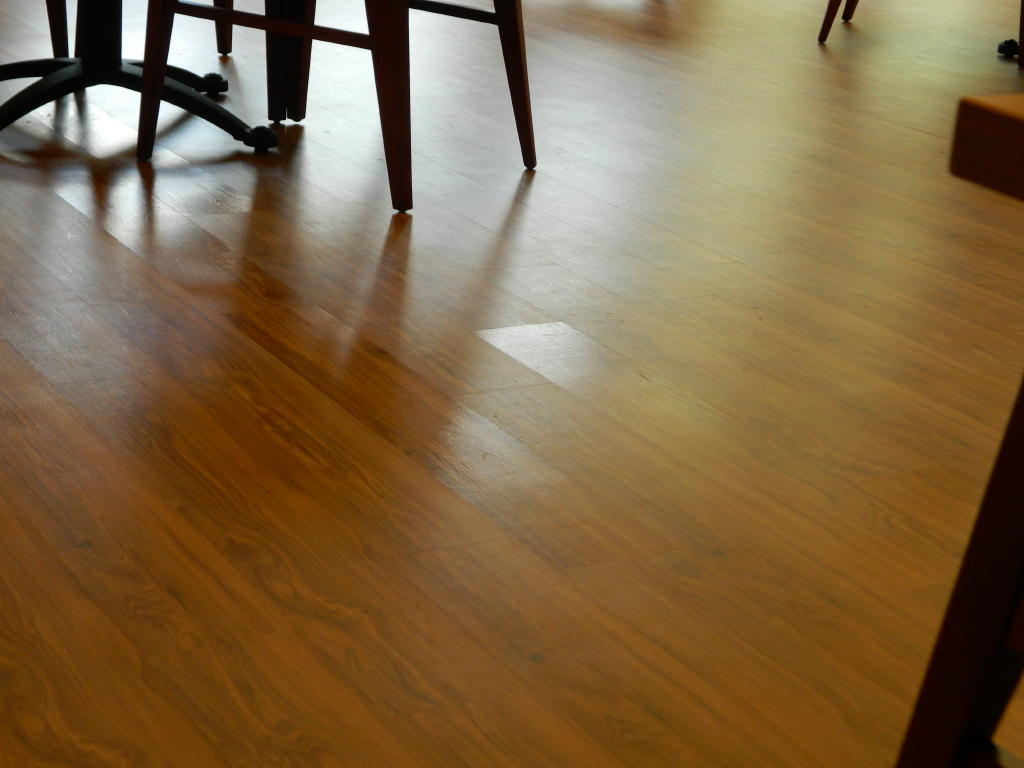
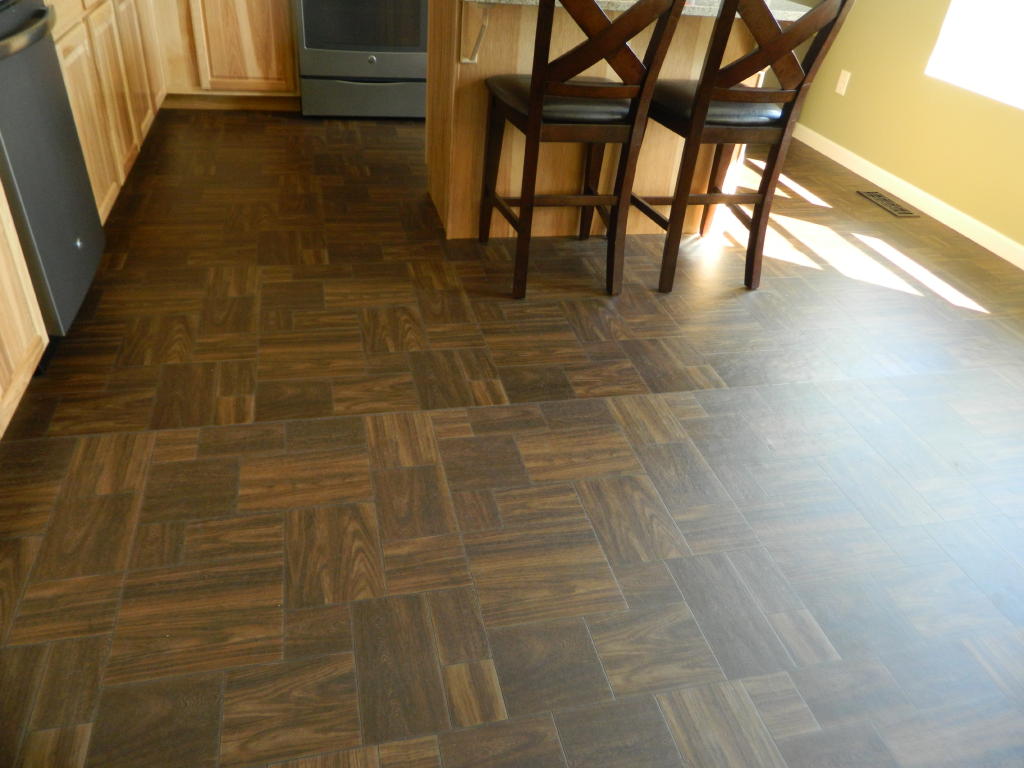
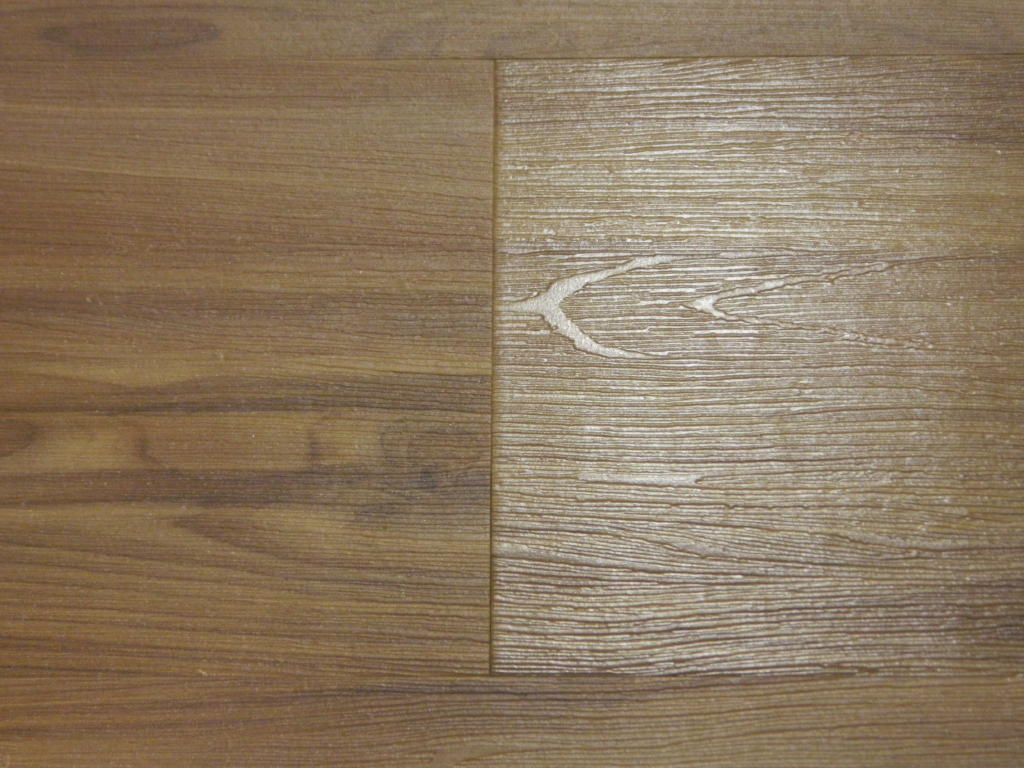
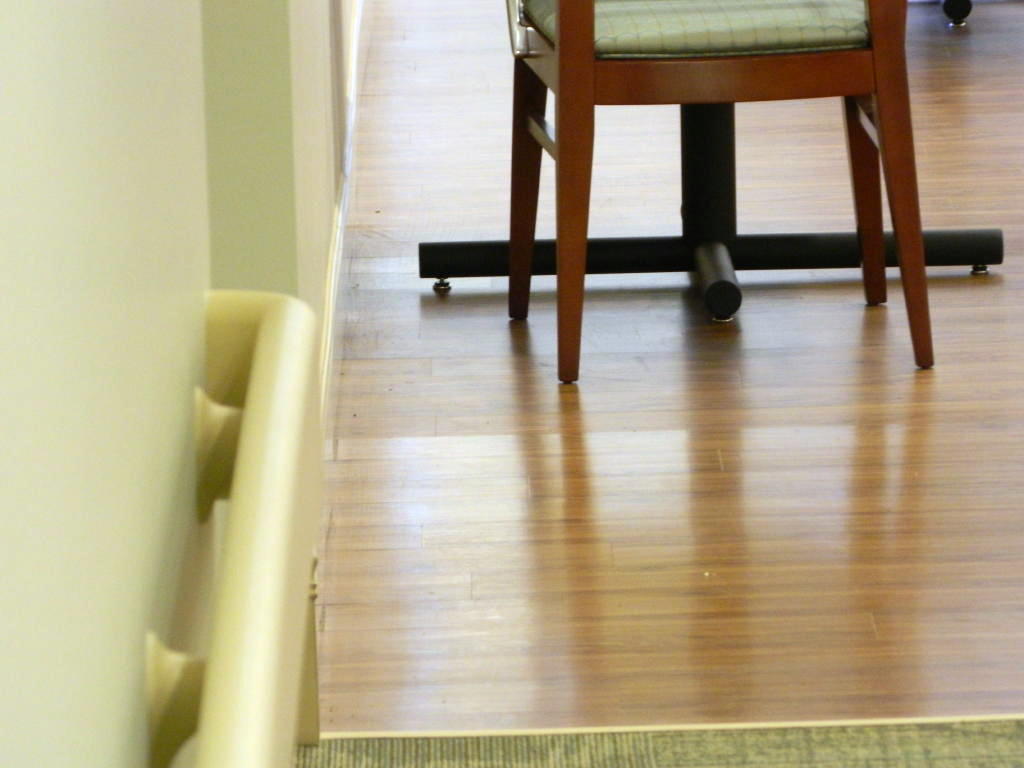
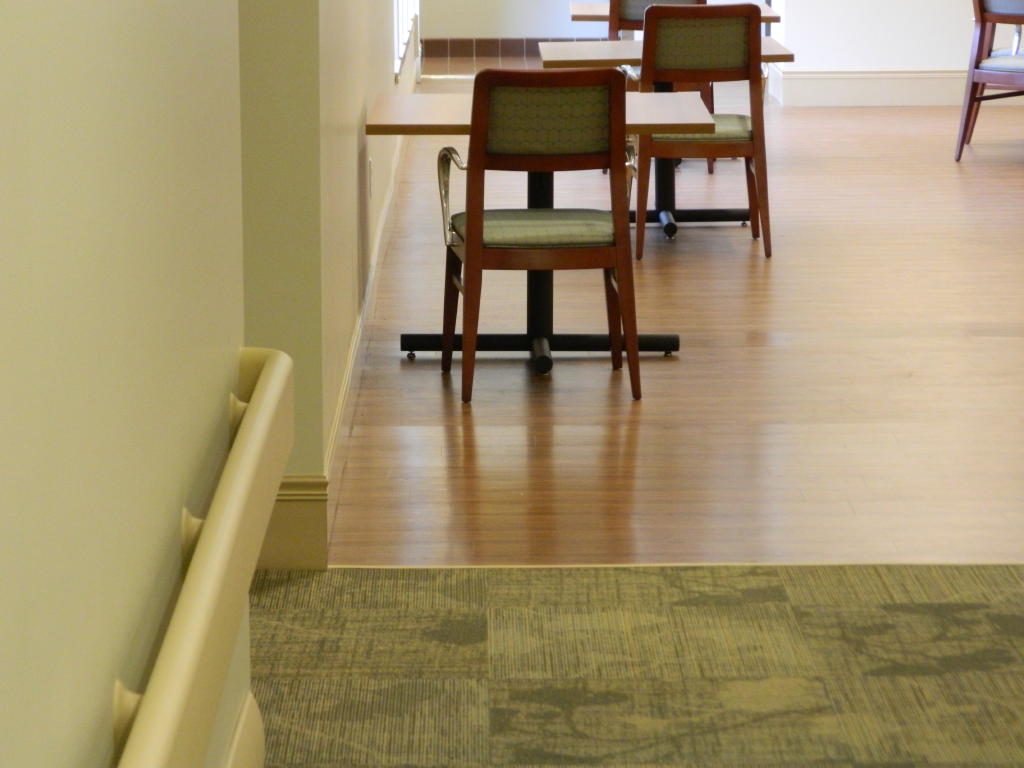
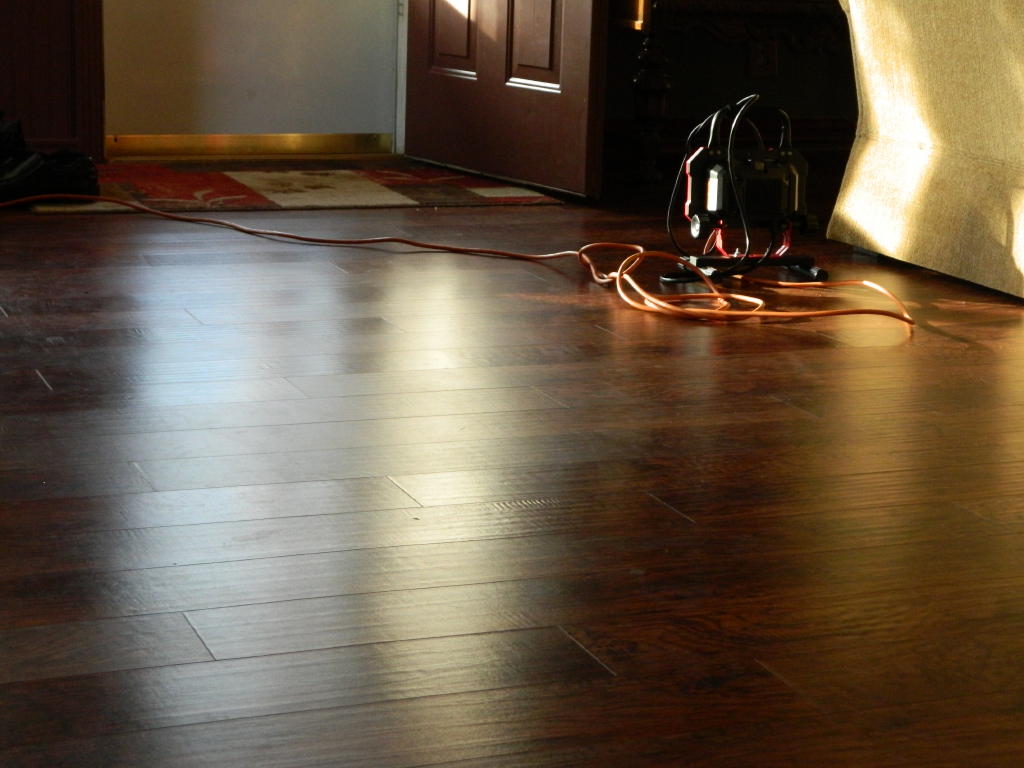
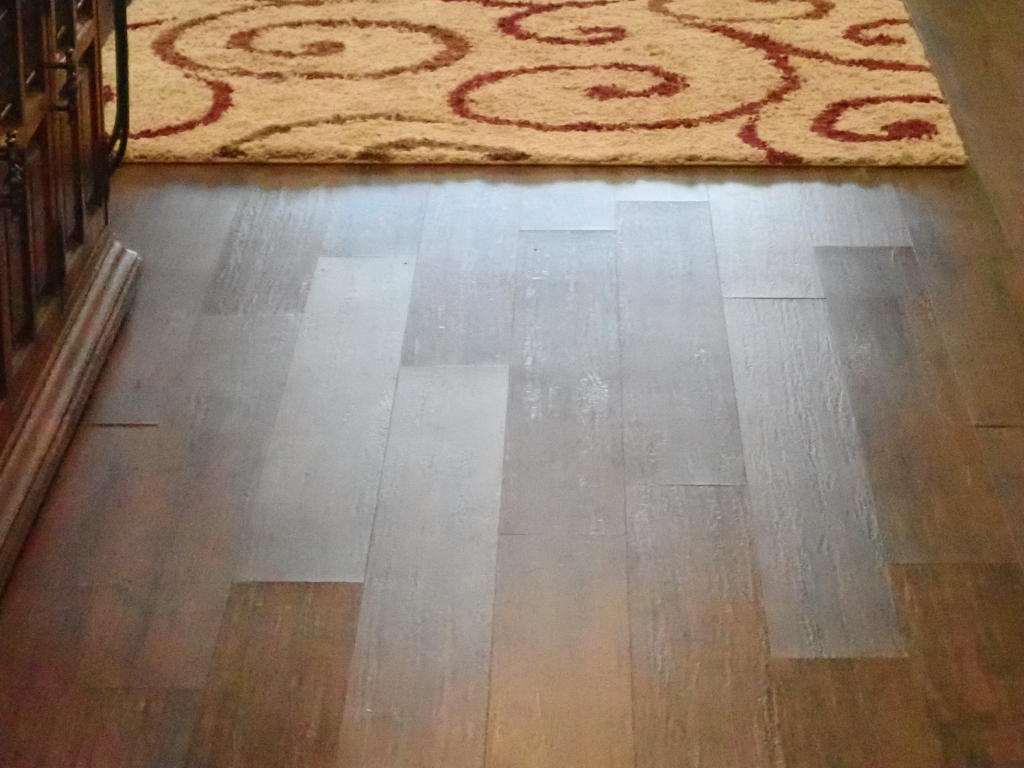
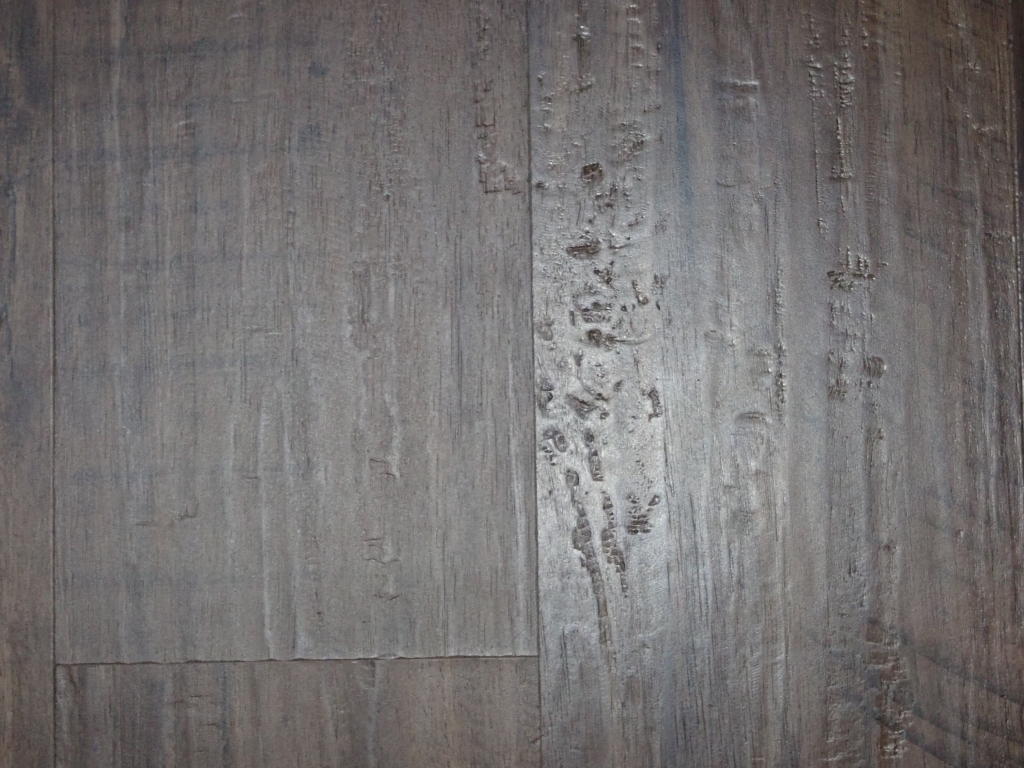
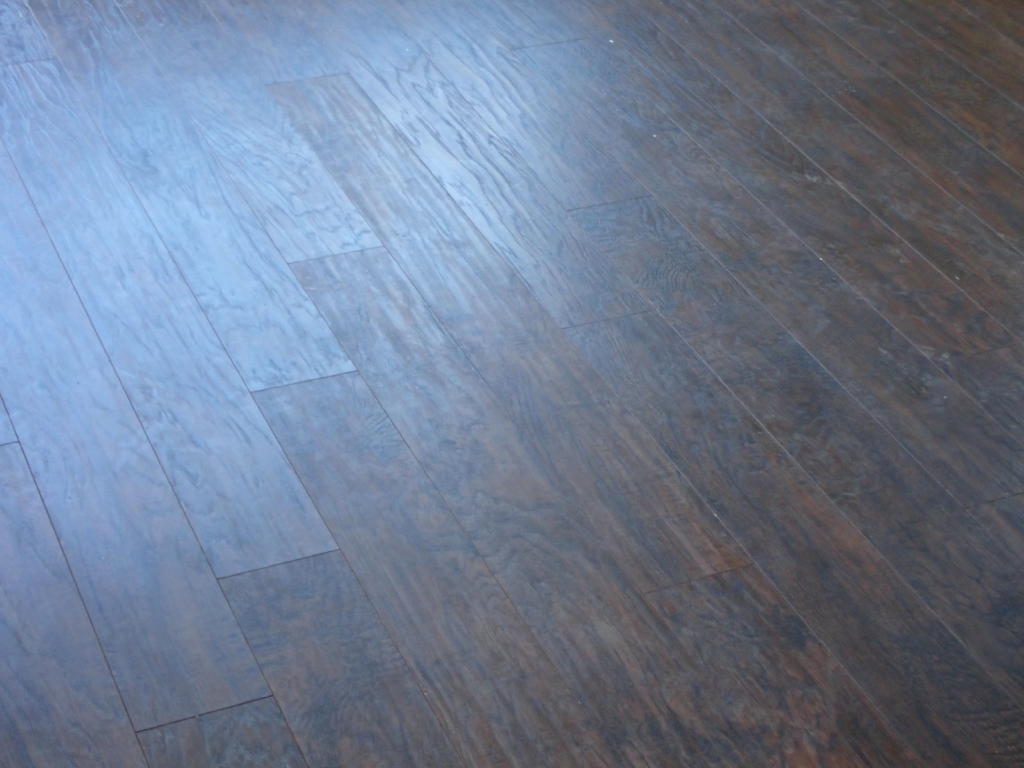
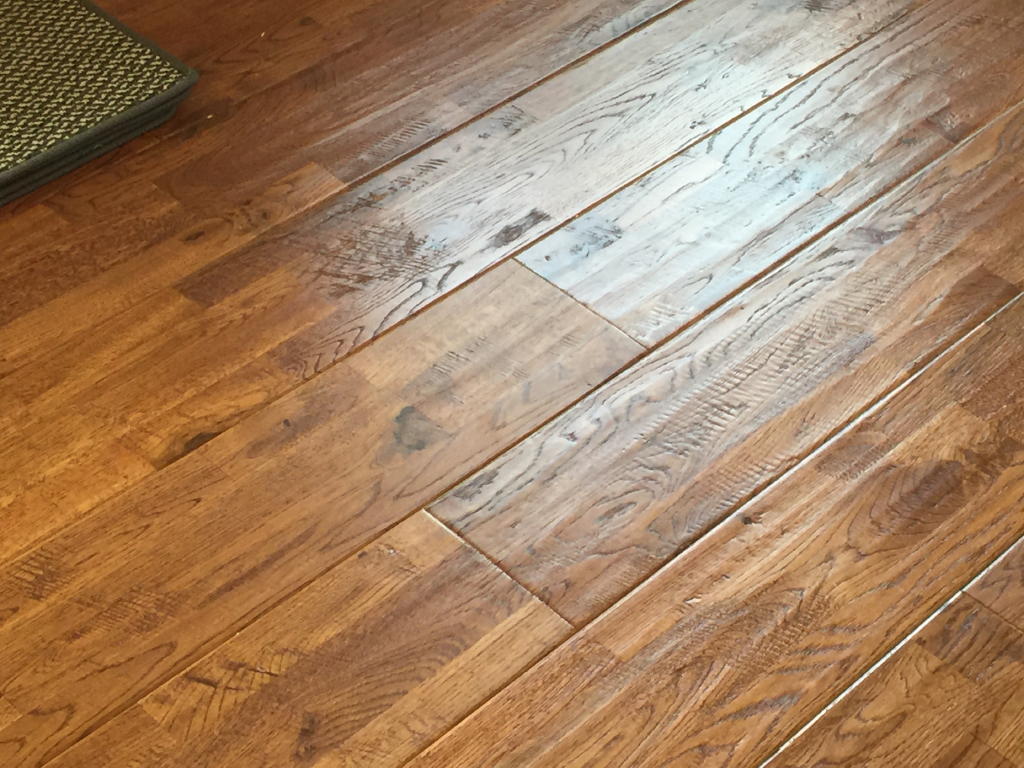
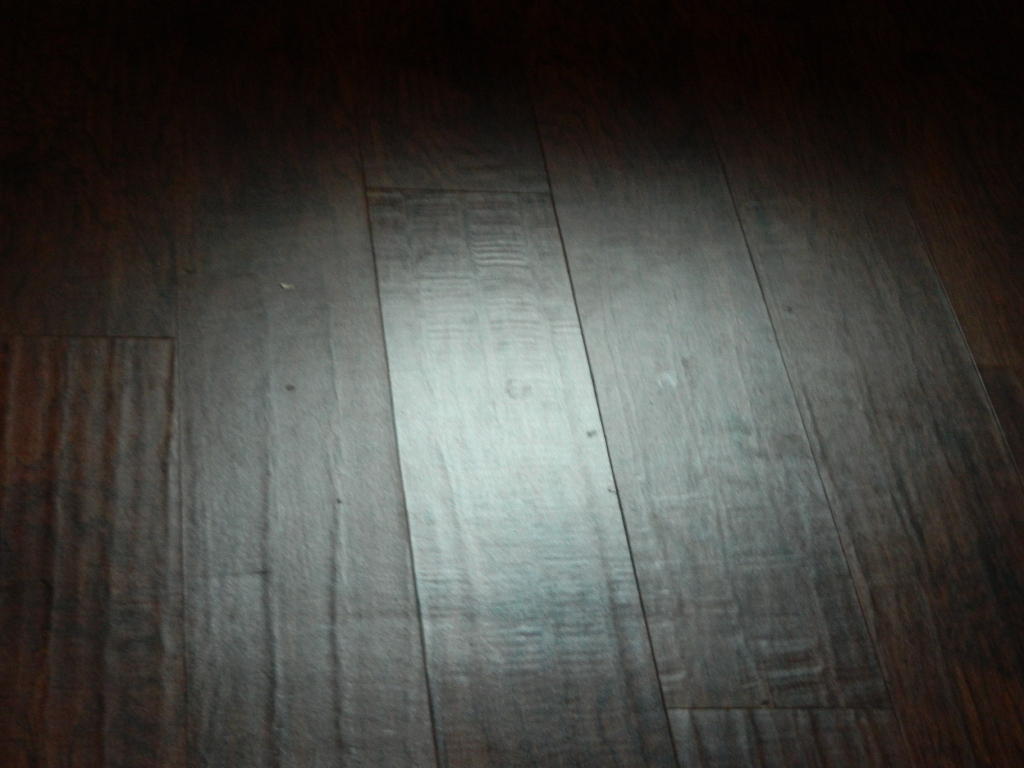
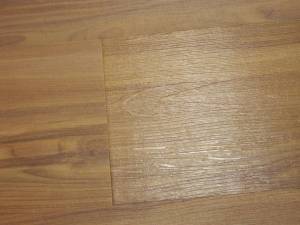
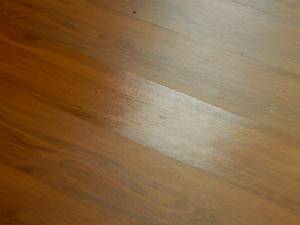
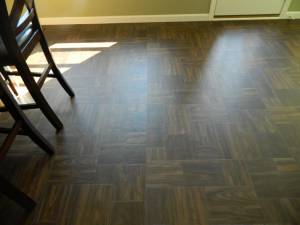
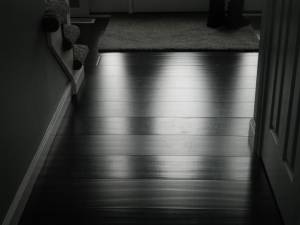
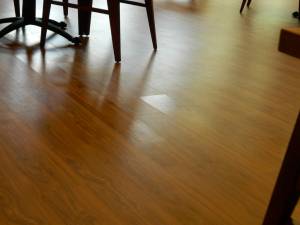
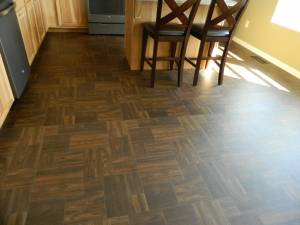
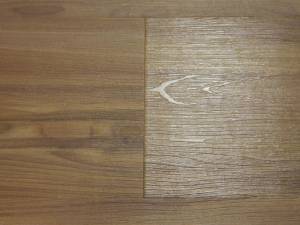
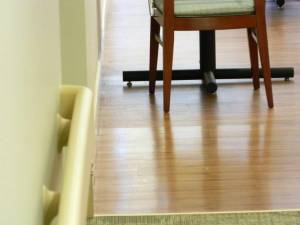
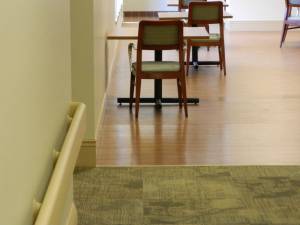
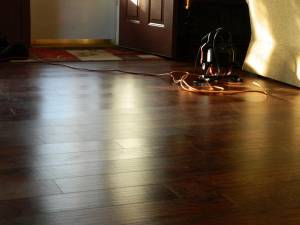
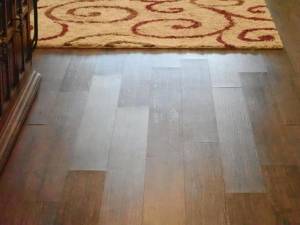
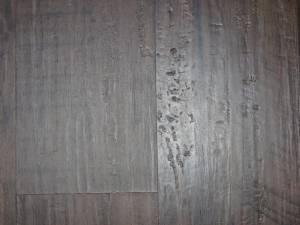
Gloss Variation (Resilient Plank)
Floor Detective® Claims and Conditions Guide
Summary
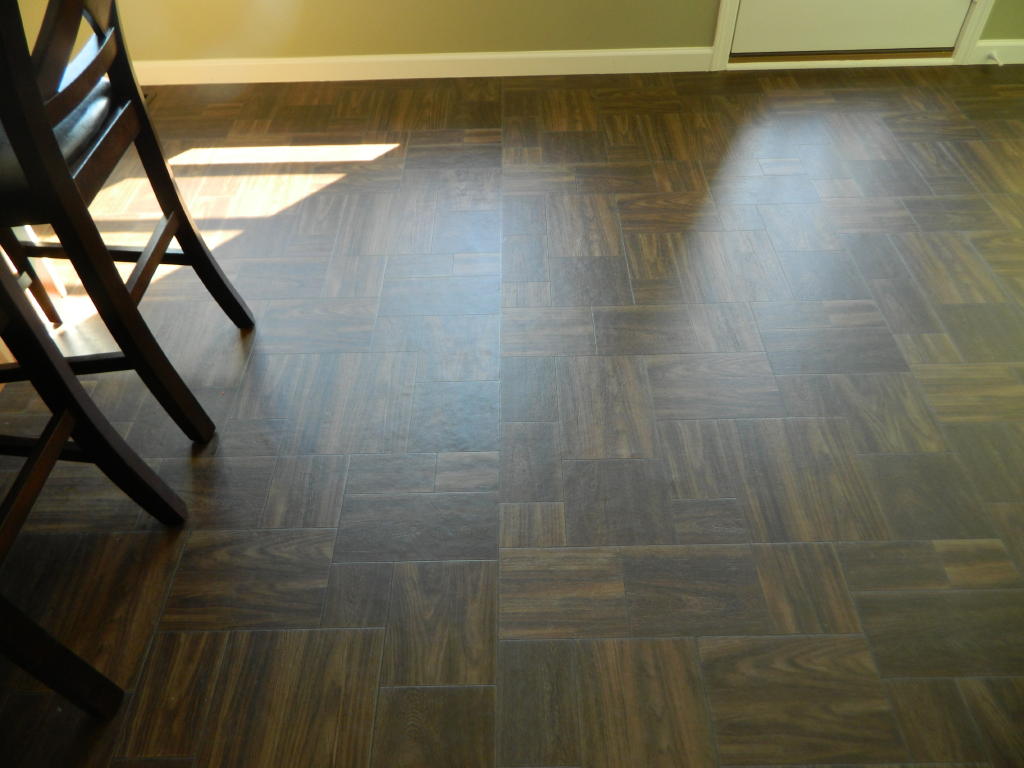
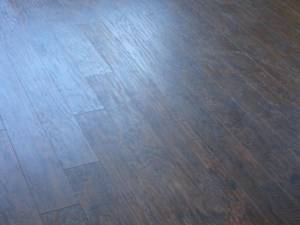
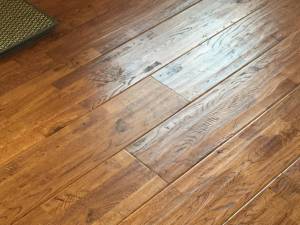
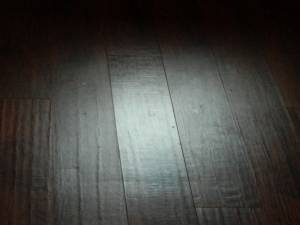
Gloss variation in resilient plank flooring is a visible difference in surface sheen, reflectivity, or light interaction between planks or across an installed floor. Resilient surfaces reflect light according to wear-layer composition, coating thickness, embossing profile, surface texture, viewing angle, and lighting orientation, and even minor differences may become visually pronounced under directional or low-angle lighting conditions. Perception is strongly influenced by room geometry, observer position, plank orientation, environmental lighting, and reflective sightlines within the occupied space. Variation may originate from production differences, lot variation, selective replacement, installation sequencing, surface residue, progressive in-service wear, or environmental exposure. In most cases, gloss variation is an appearance-related condition and does not indicate structural or performance failure of the flooring system. Proper evaluation requires correlation of visible distribution pattern, lighting geometry, lot information, surface condition, and comparative gloss measurement when appropriate rather than appearance alone. See also Yellowing Discoloration LVP SPC WPC, Scratches, Indentations, and Surface Abrasions, and LVT and SPC Floor Problems for broader context.

Chair-Caster Damage (LVT/SPC Flooring)
LVT and SPC Floor Problems
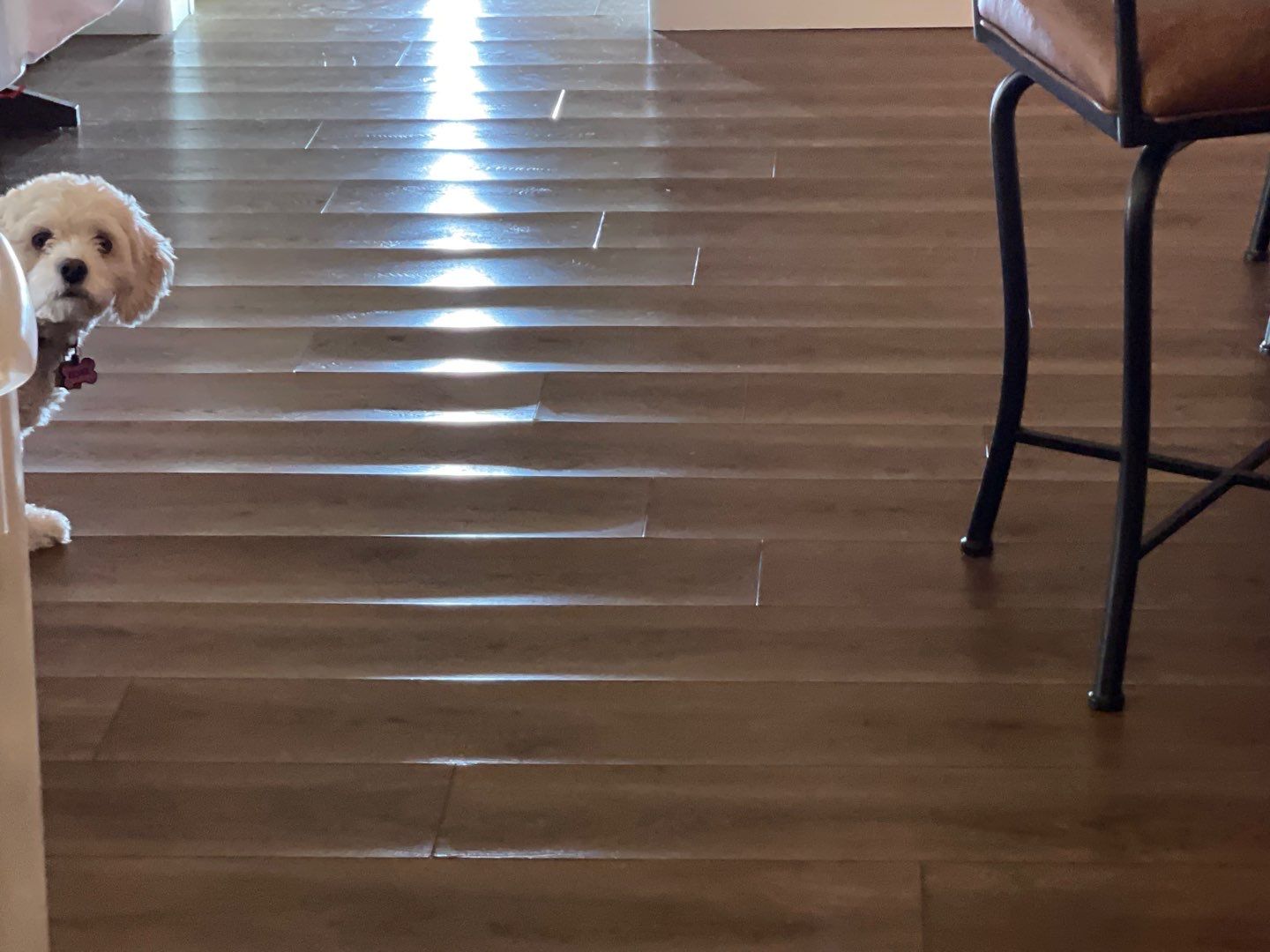
Cross-Machine Direction (Width) Shading / Texture Variation (Resilient Sheet Vinyl)
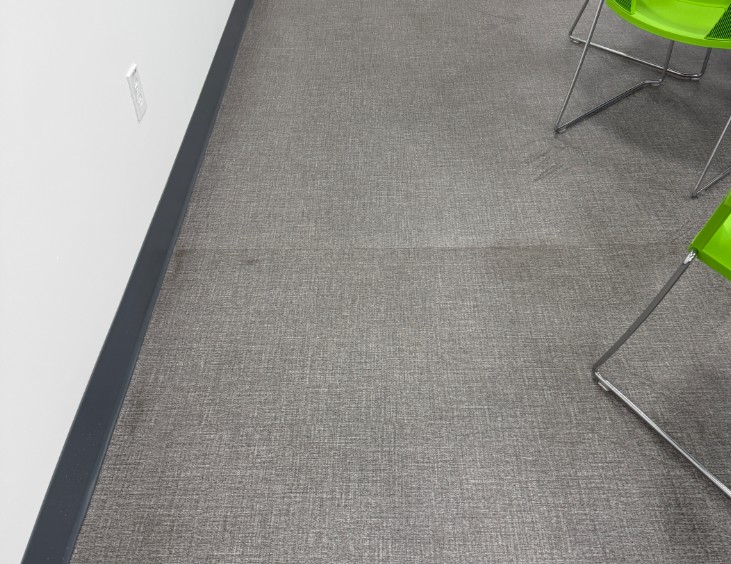
Sheet Shrinkage / Seam Opening (Resilient Sheet Flooring)
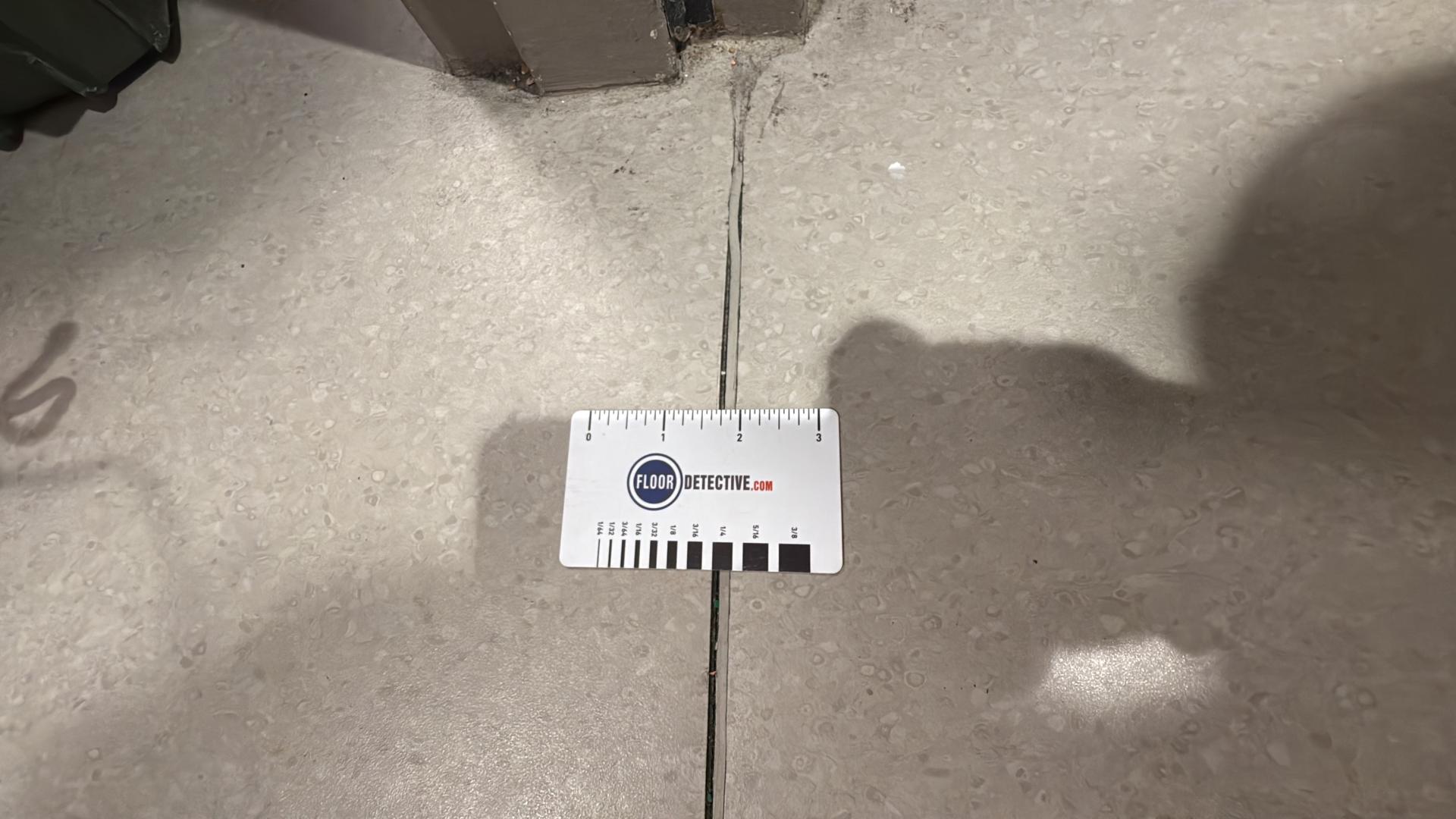
Heat Weld Seam Failure (Resilient Sheet Flooring)
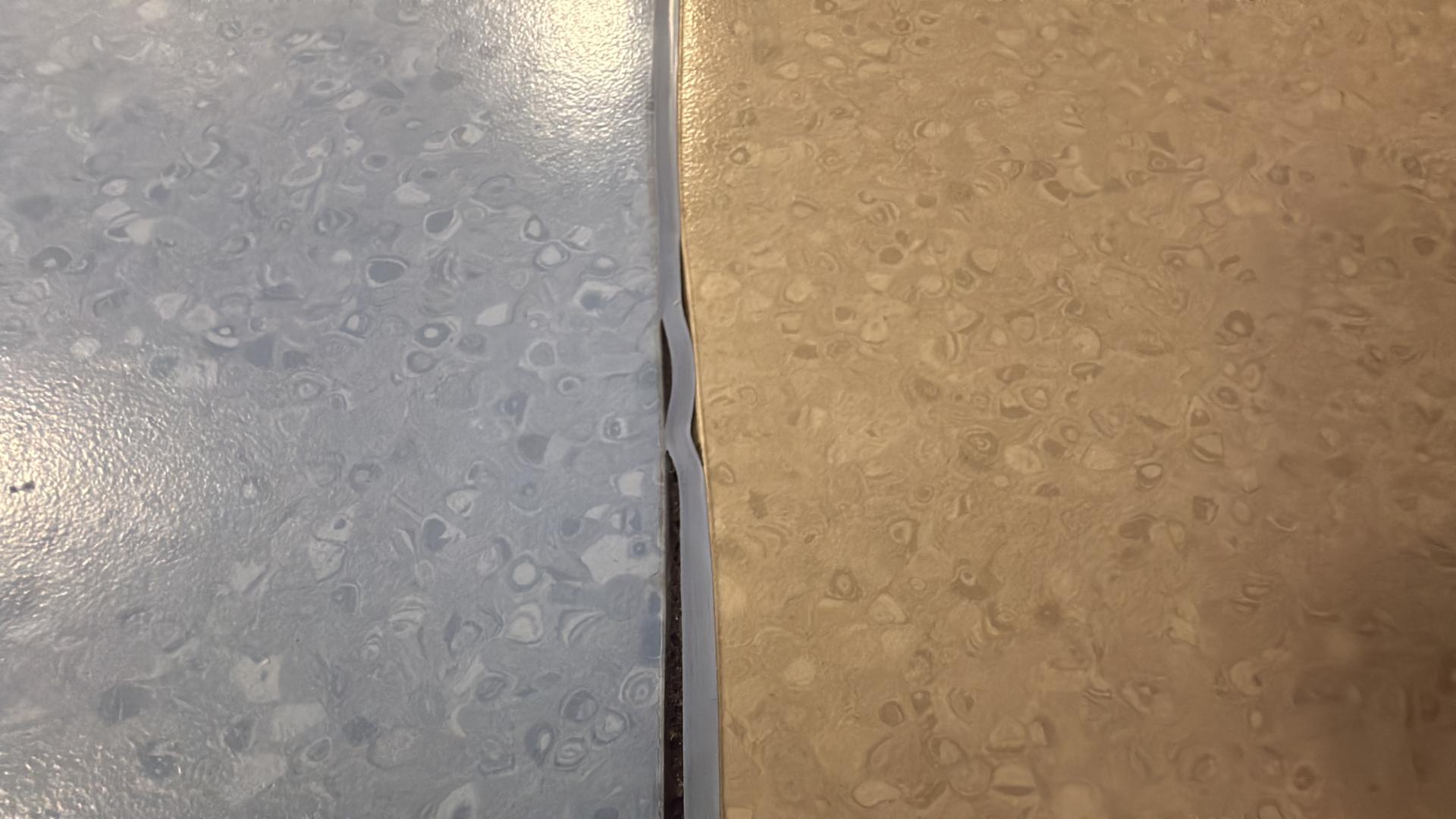
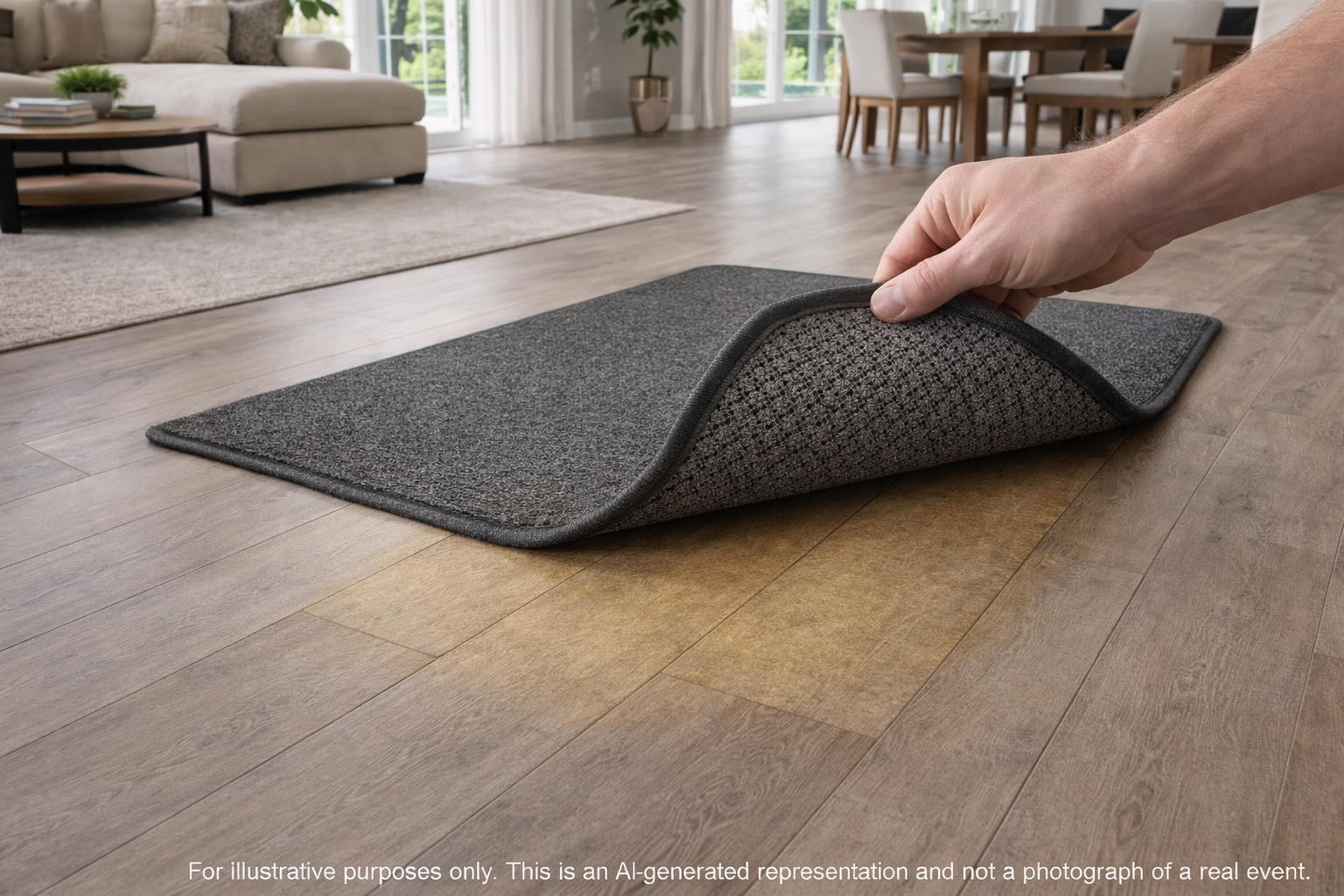
Yellowing / Discoloration (LVP / SPC / WPC)
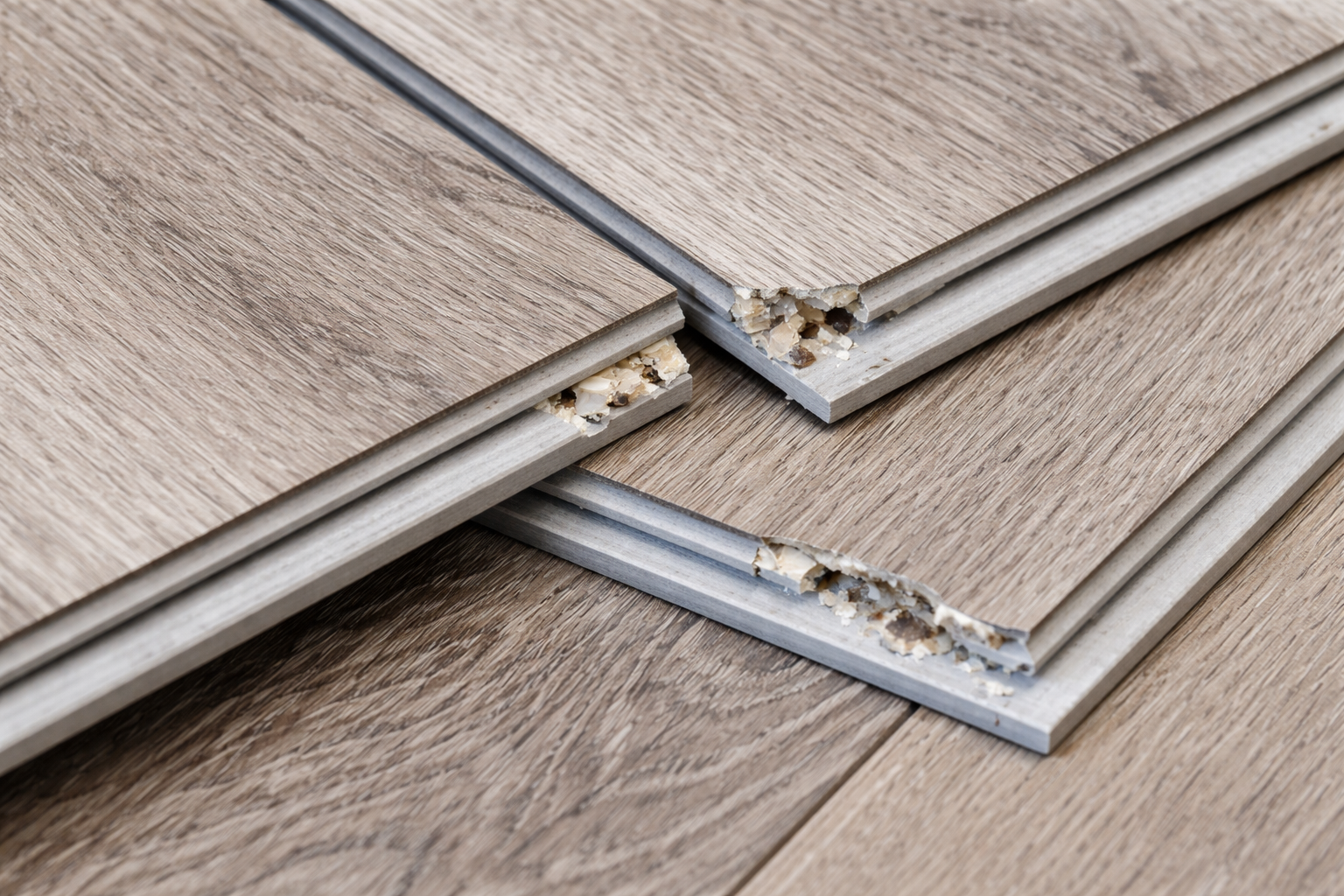
Broken Locking Profiles / Mechanical Joint Compromise (Resilient Plank)
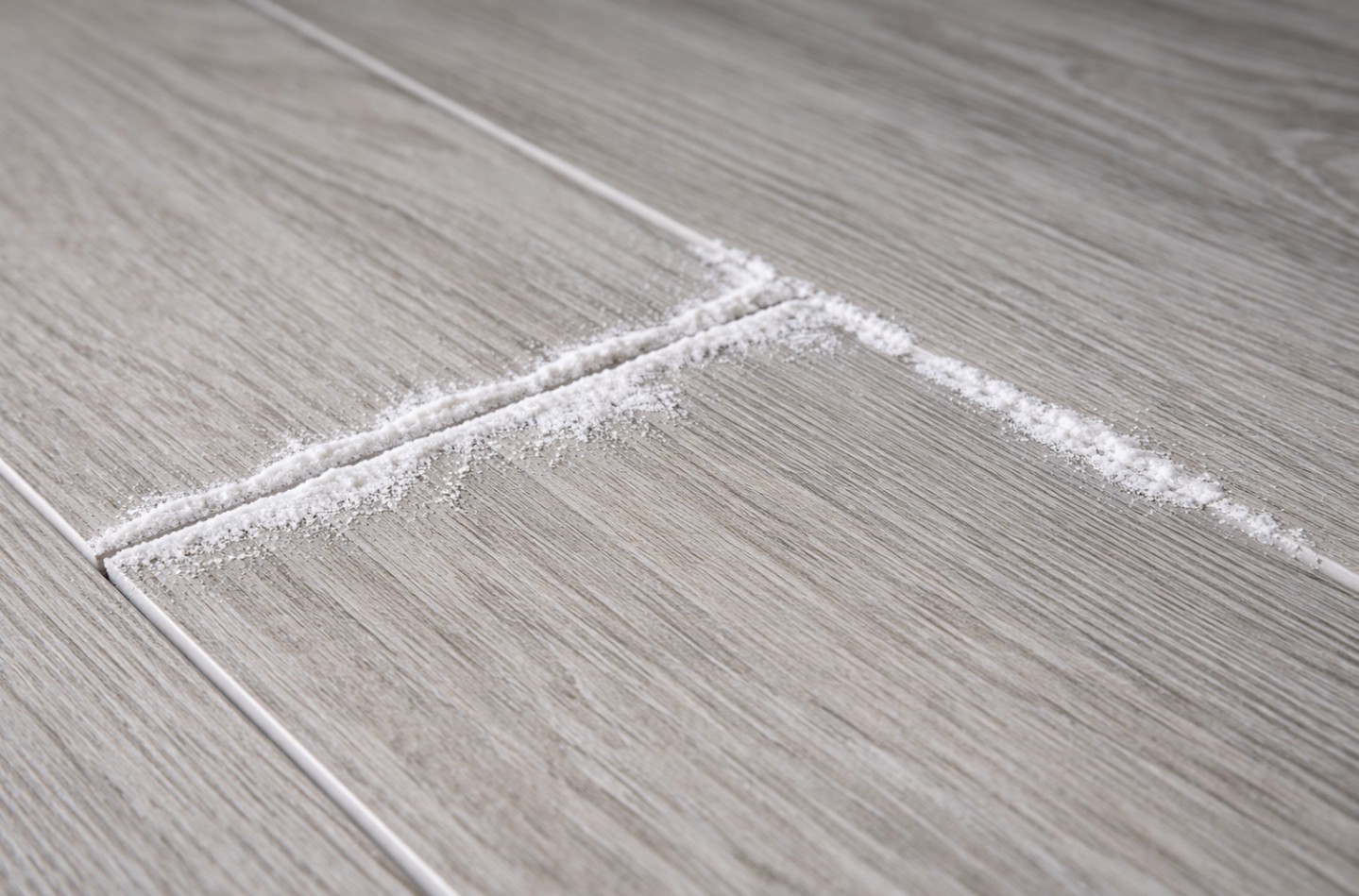
Efflorescence-Like Mineral Migration at LVT/SPC Joints
Blistering / Surface Blisters (SPC Flooring)

Cracking Over Existing Substrates (LVT)
