
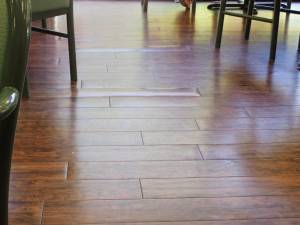
Doming

Doming

Sierra Exif JPEG
Sierra Exif JPEG
Sierra Exif JPEG
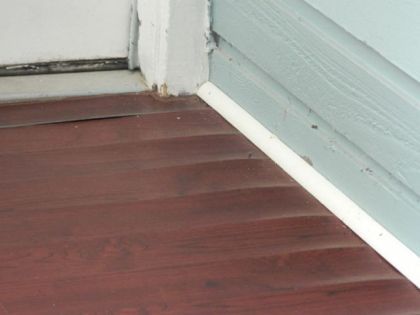
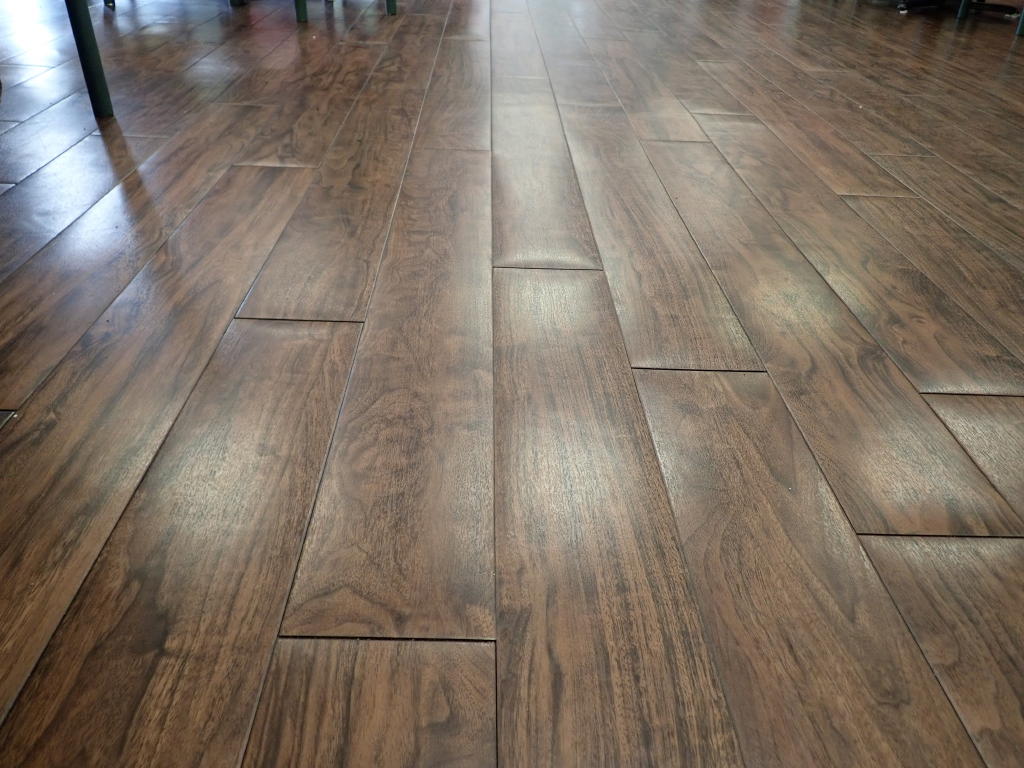
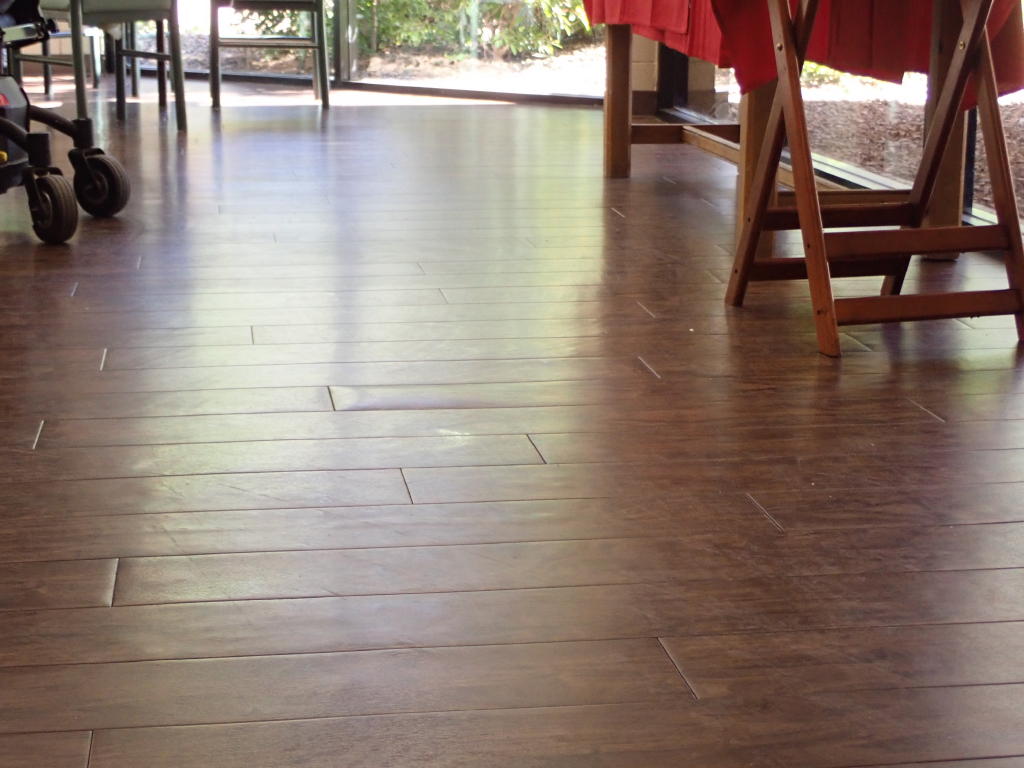
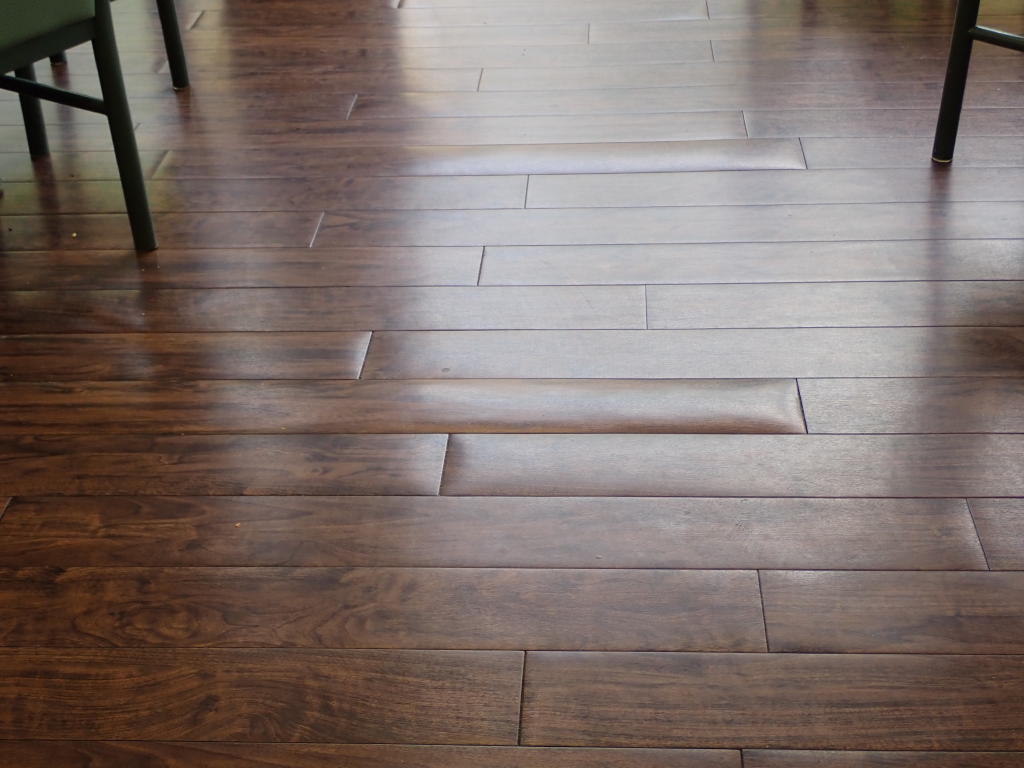
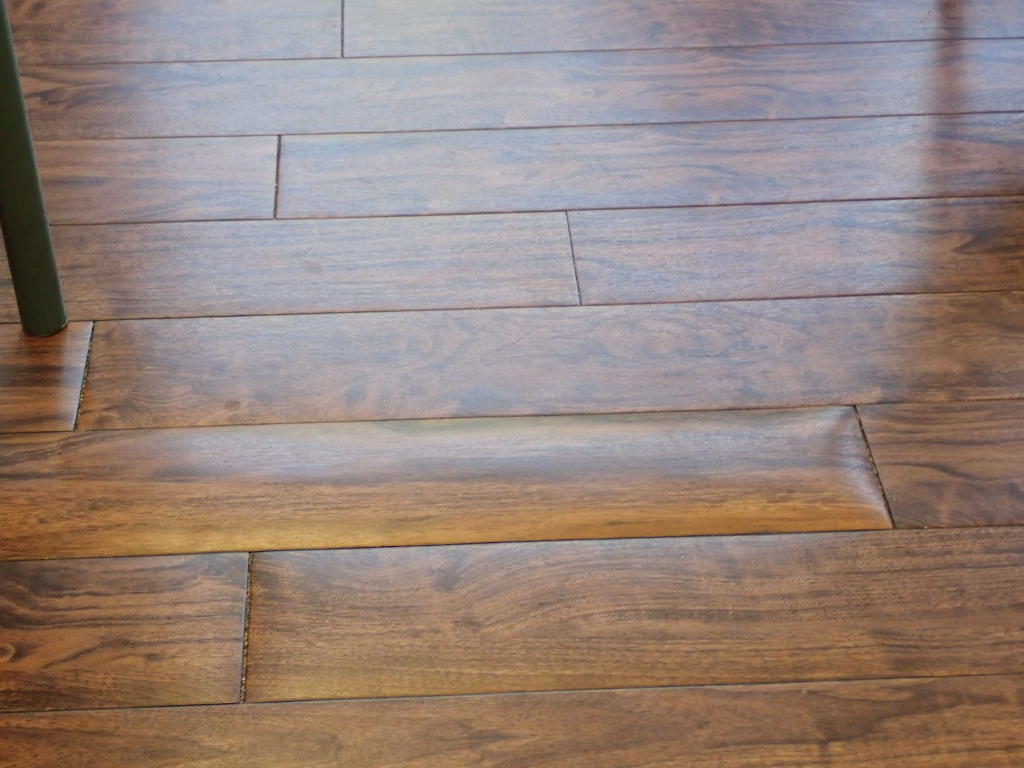
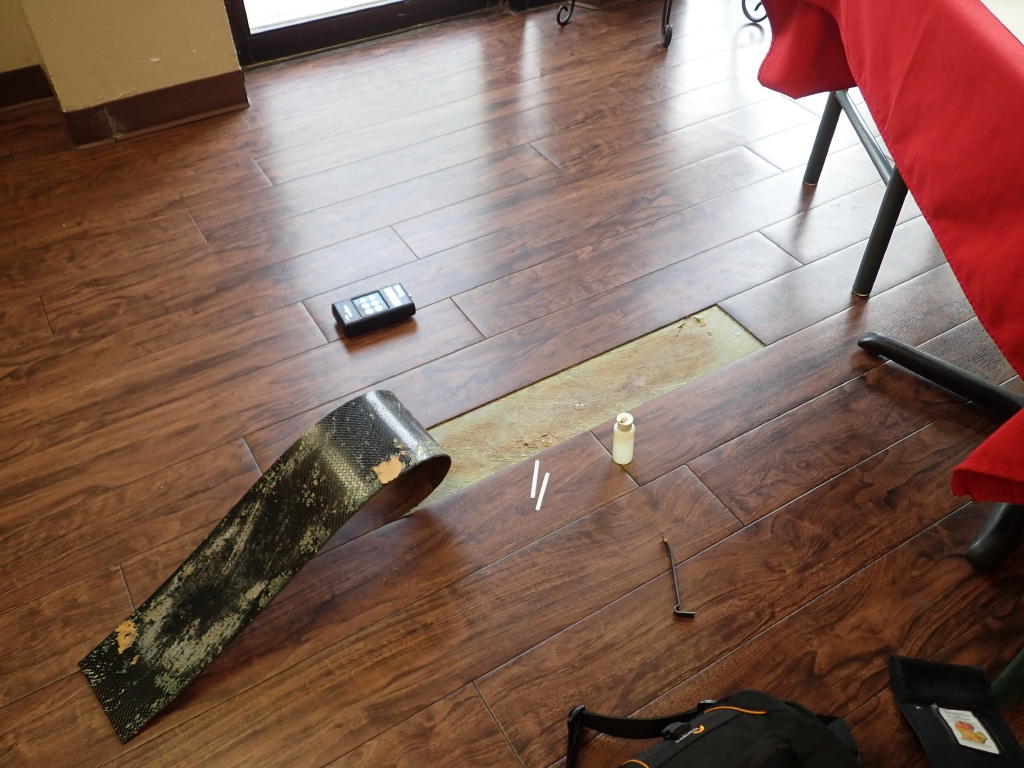
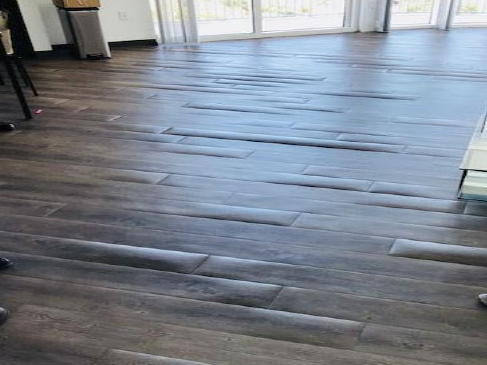
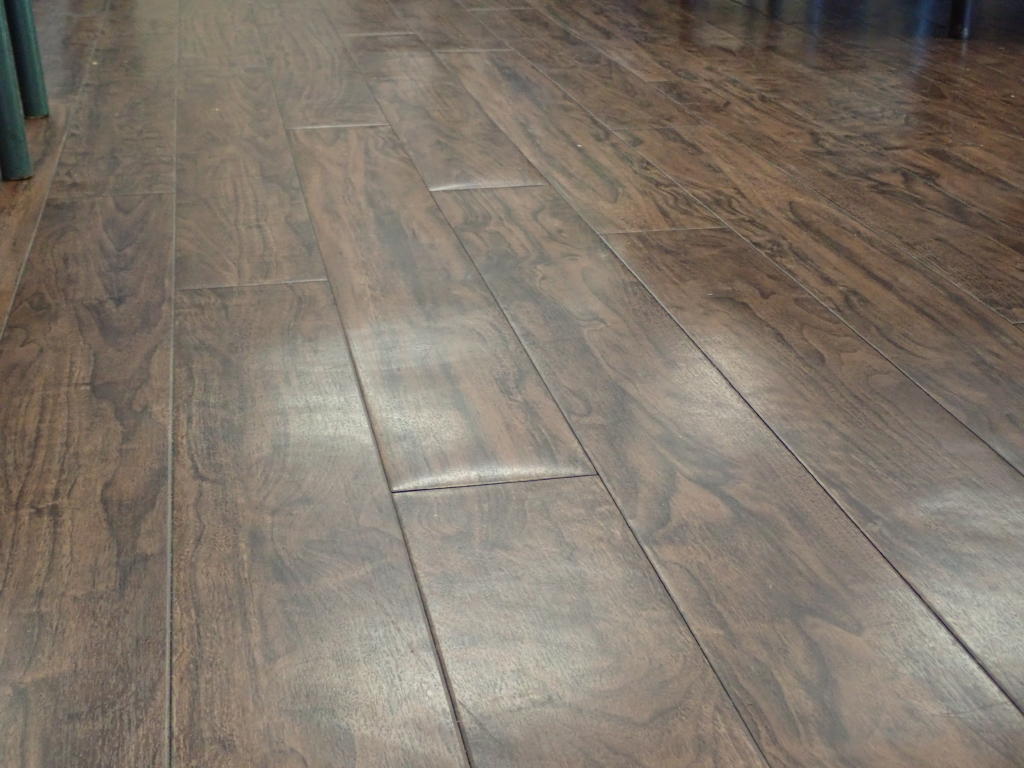
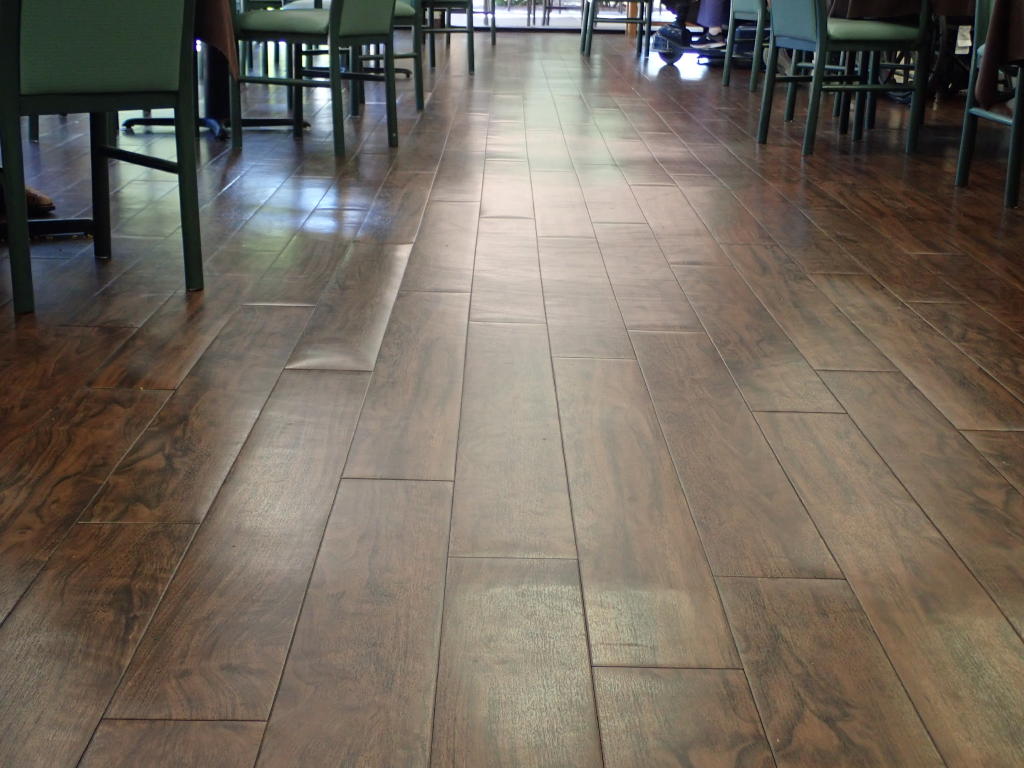
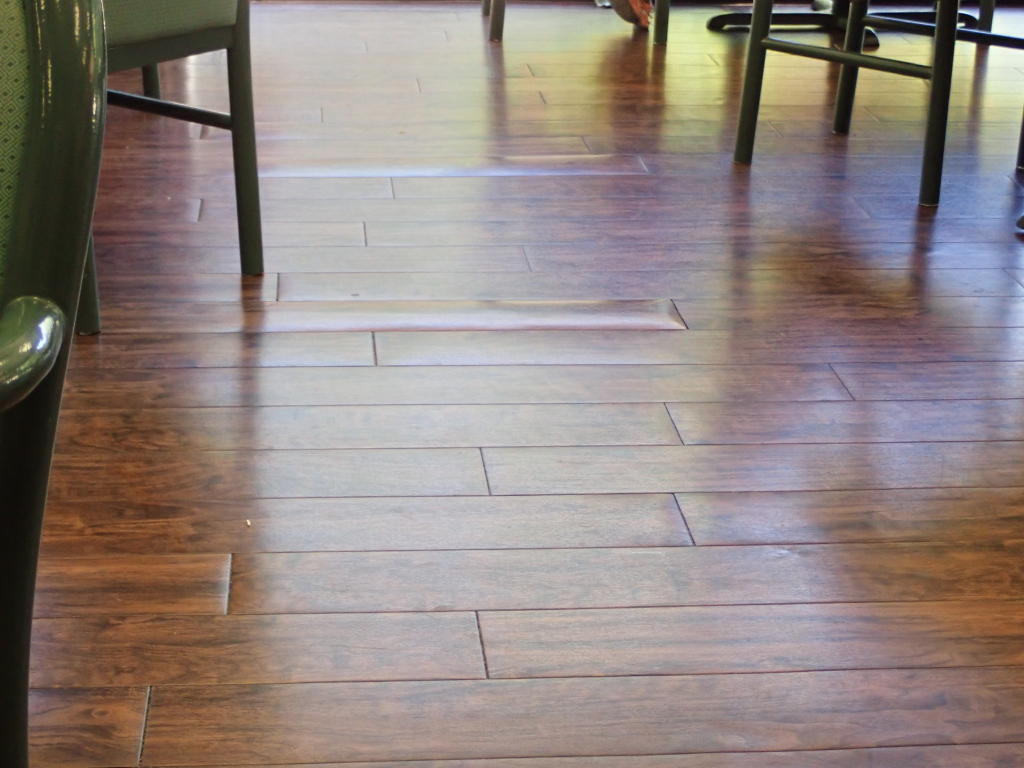
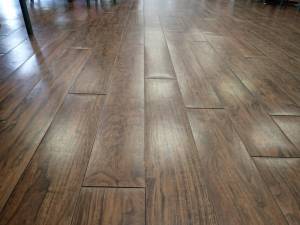
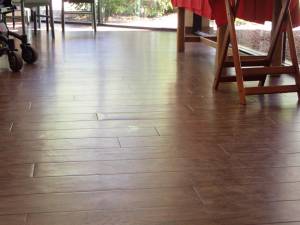
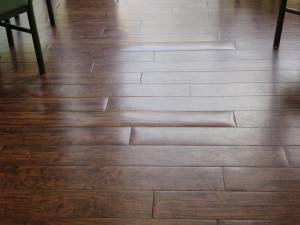
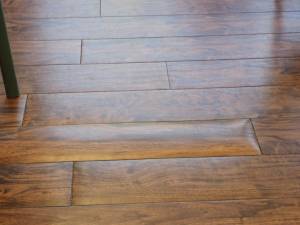
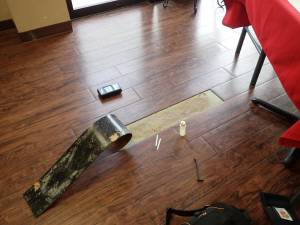
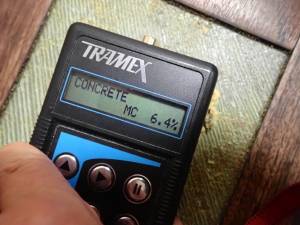
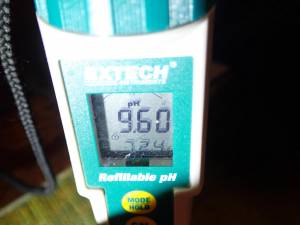
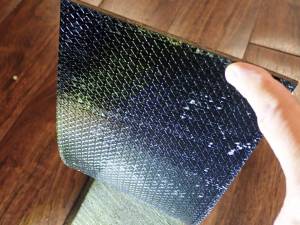
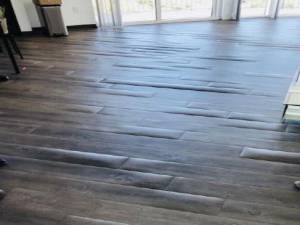
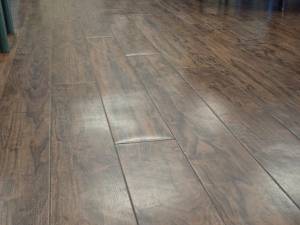
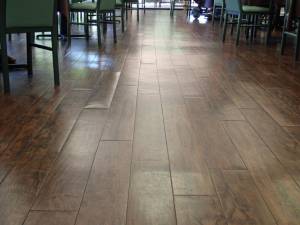
Resilient plank doming causing convex plank curvature and raised plank centers under reflective lighting.
Sierra Exif JPEG
Sierra Exif JPEG
Sierra Exif JPEG
Sierra Exif JPEG
Sierra Exif JPEG
Sierra Exif JPEG
Sierra Exif JPEG
Doming resized 7-25-20
Sierra Exif JPEG
Sierra Exif JPEG
Sierra Exif JPEG
Sierra Exif JPEG
Sierra Exif JPEG Sierra Exif JPEG Sierra Exif JPEG Resilient plank doming causing convex plank curvature and raised plank centers under reflective lighting. Sierra Exif JPEG Sierra Exif JPEG Sierra Exif JPEG Sierra Exif JPEG Sierra Exif JPEG Sierra Exif JPEG Sierra Exif JPEG Doming resized 7-25-20 Sierra Exif JPEG Sierra Exif JPEG Sierra Exif JPEG Sierra Exif JPEG

Doming (Resilient Plank)

Floor Detective® Claims and Conditions Guide

Summary

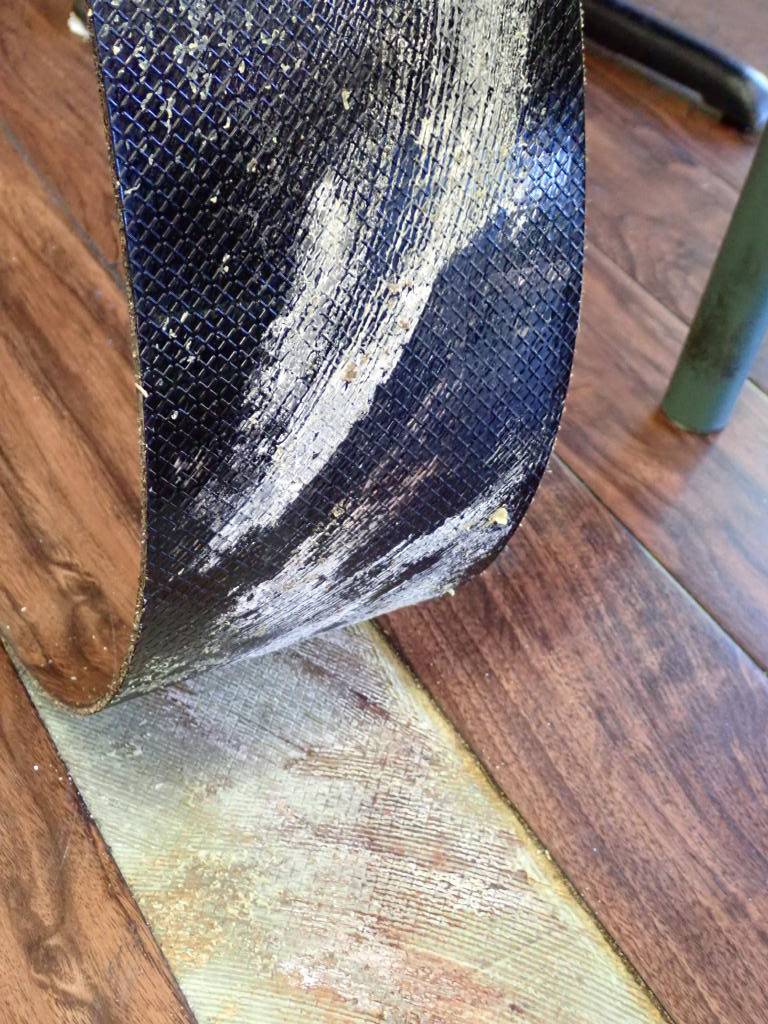
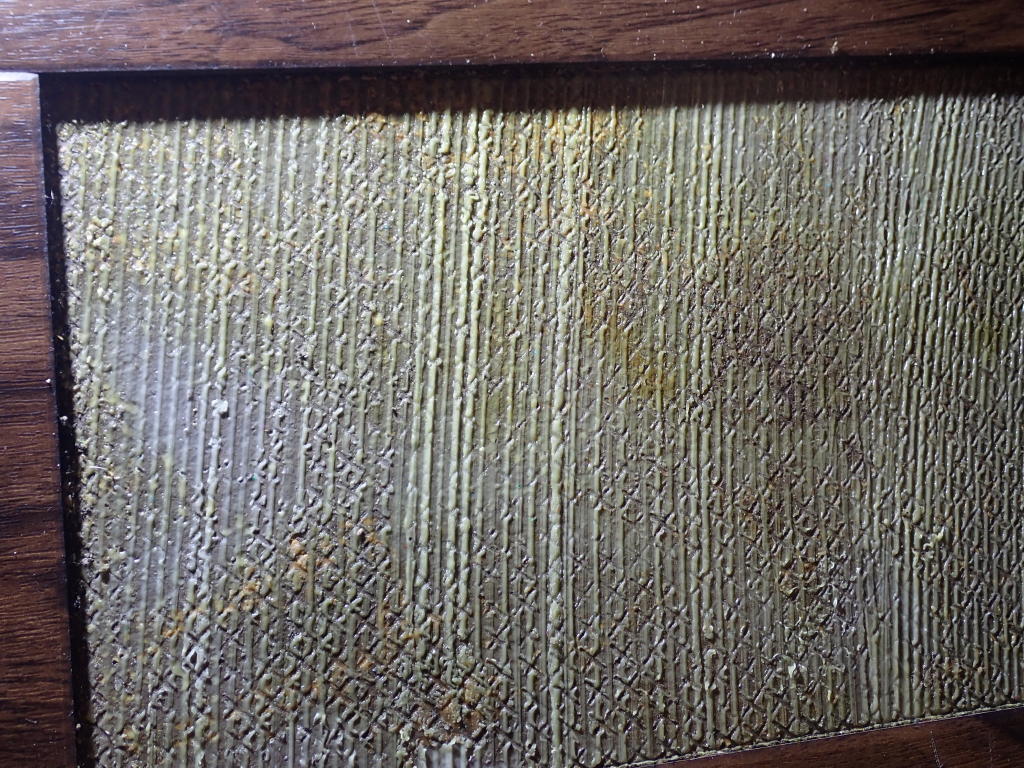
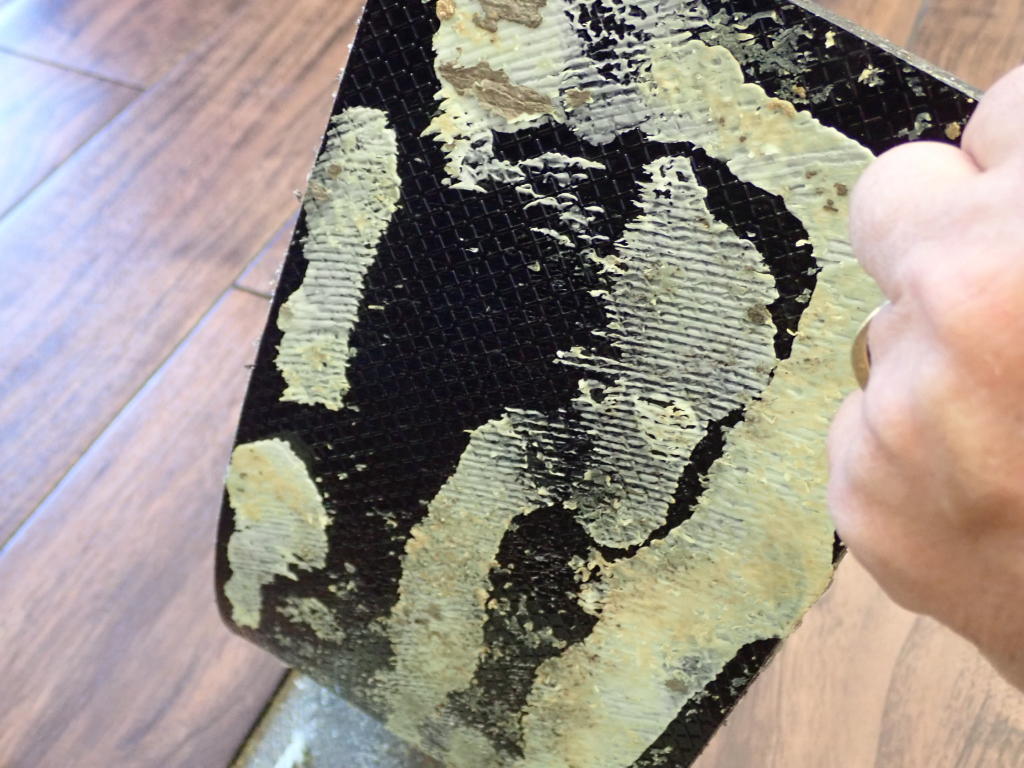
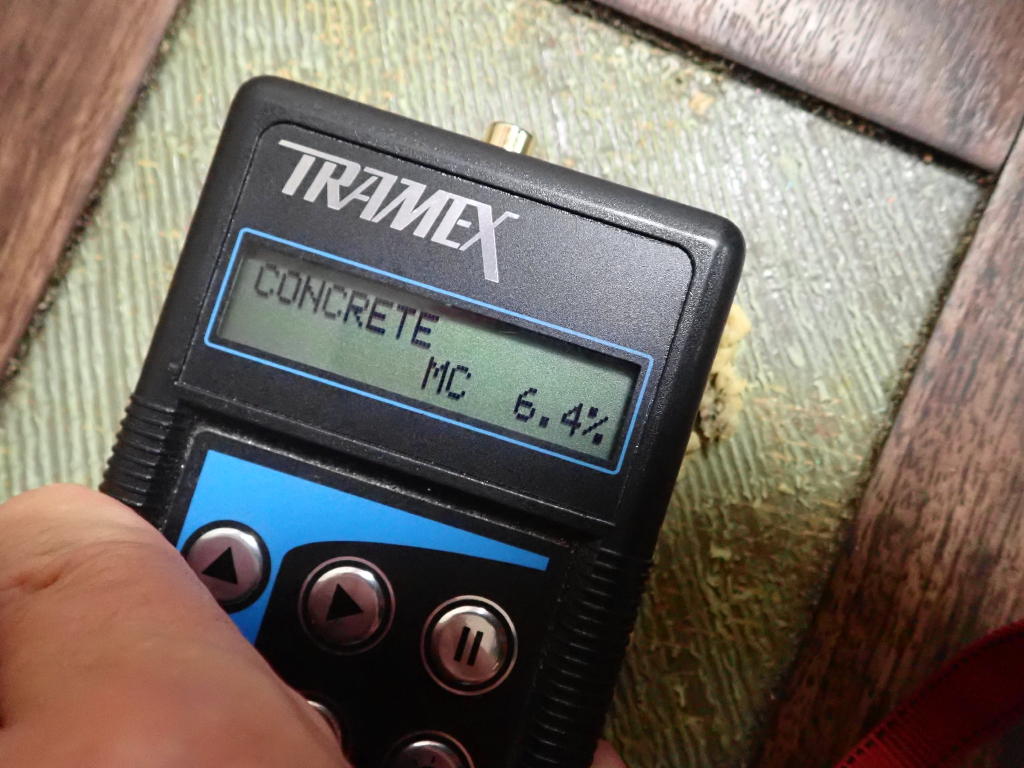
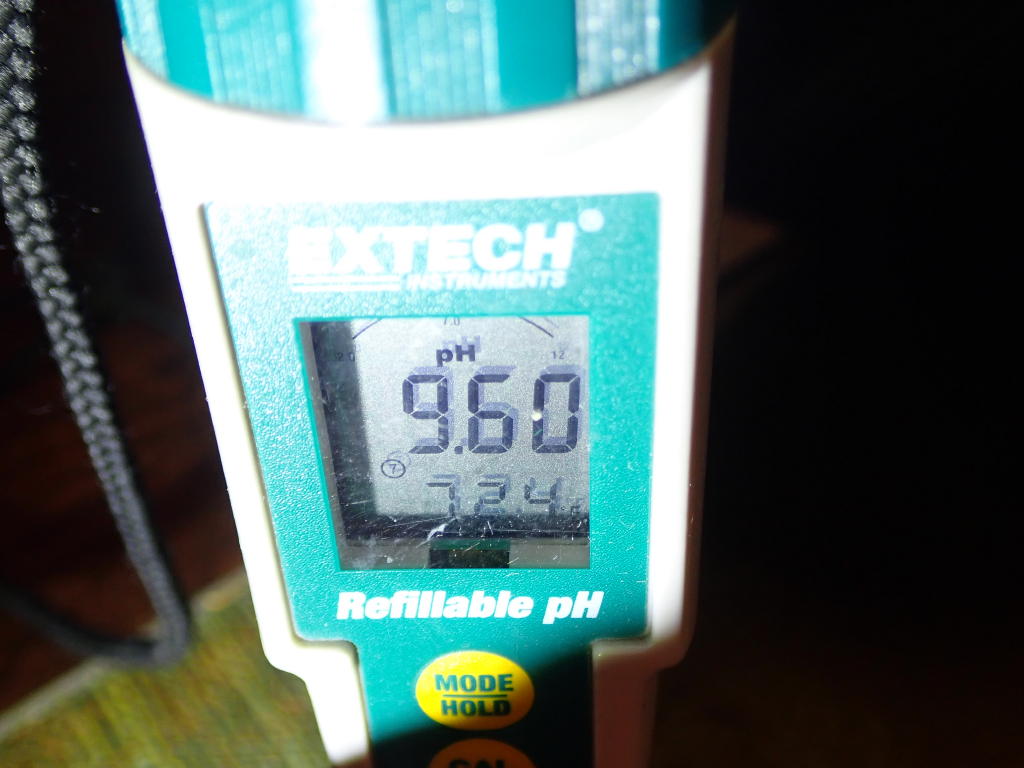
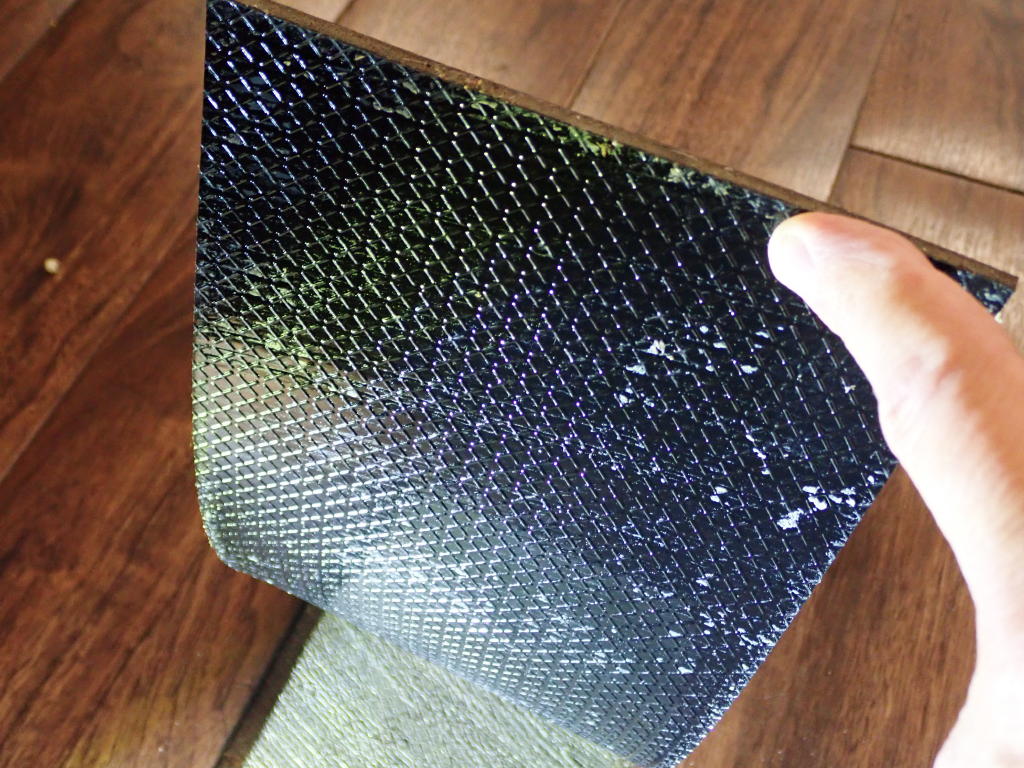
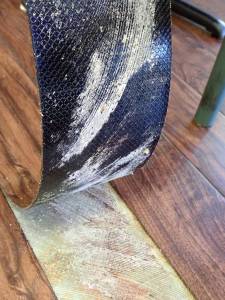
Doming in resilient plank flooring is a condition in which the center portion of a plank becomes elevated relative to its edges, producing a convex surface profile across the plank body. The condition reflects internal dimensional stress and curvature behavior occurring within the plank structure itself rather than upward movement of the entire flooring system. Because resilient planks are multi-layer composite constructions, differences in dimensional response between layers may create internal stress that causes the plank center to rise while the edges remain lower or maintain contact with the substrate. Doming may affect isolated planks, repeating groups of planks, or larger installation areas depending on the contributing mechanism. Visibility commonly increases under directional or reflective lighting, especially when light travels across the centerline of affected planks. Proper evaluation requires differentiation from curling, edge lift, buckling, peaked joints, or telegraphing. The timing of visible appearance alone does not independently establish causation. See also Curling, Cupping, or Edge Lifting, Peaked End Joints, and LVT and SPC Floor Problems for broader context.
Please subscribe to see all content

Chair-Caster Damage (LVT/SPC Flooring)
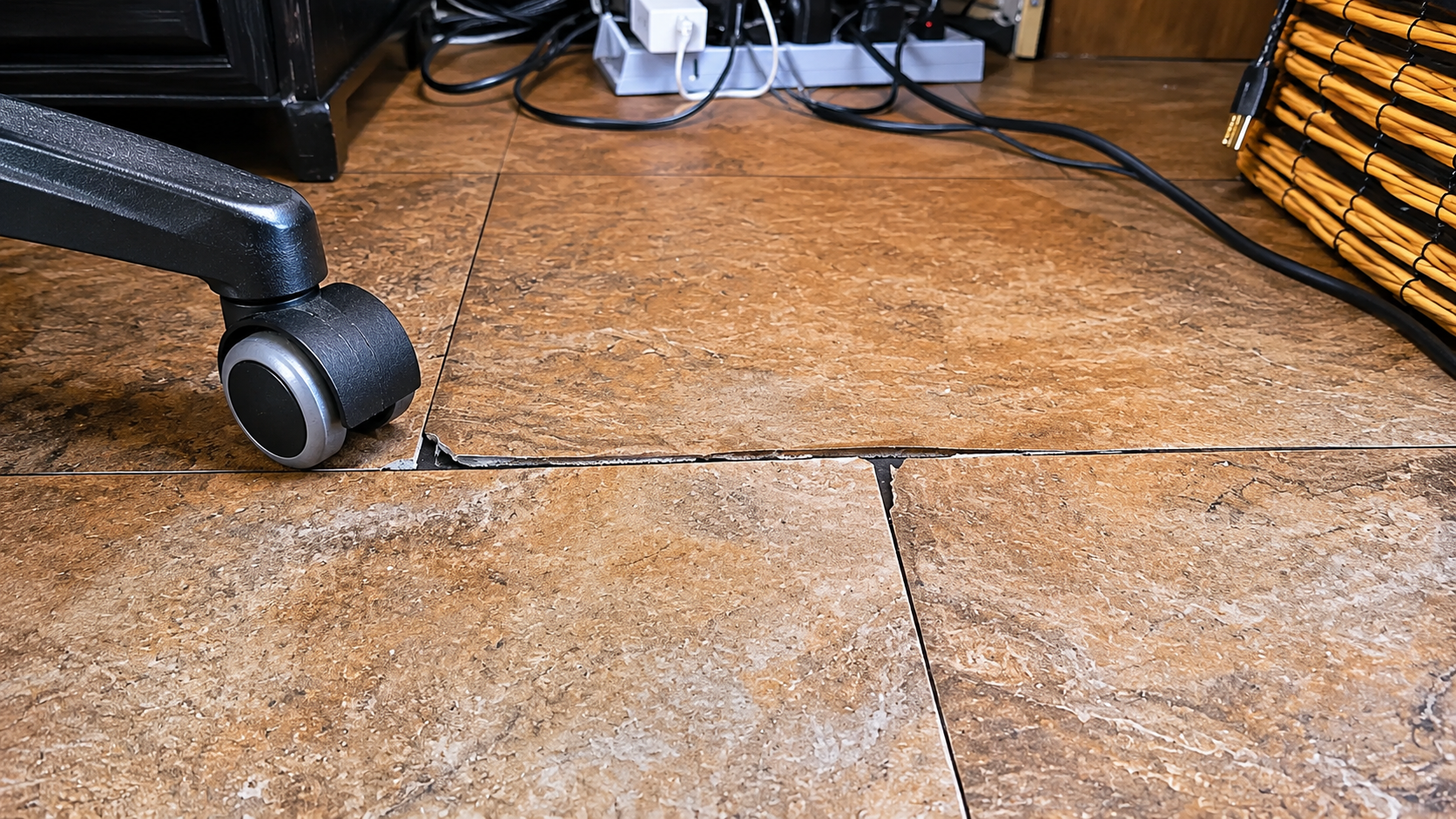
Chair-caster damage in LVT and SPC flooring may appear as scratching, indentation, joint damage, noise, or locking-profile failure caused by...
Read More
Chair-Caster Damage (LVT/SPC Flooring)

LVT and SPC Floor Problems
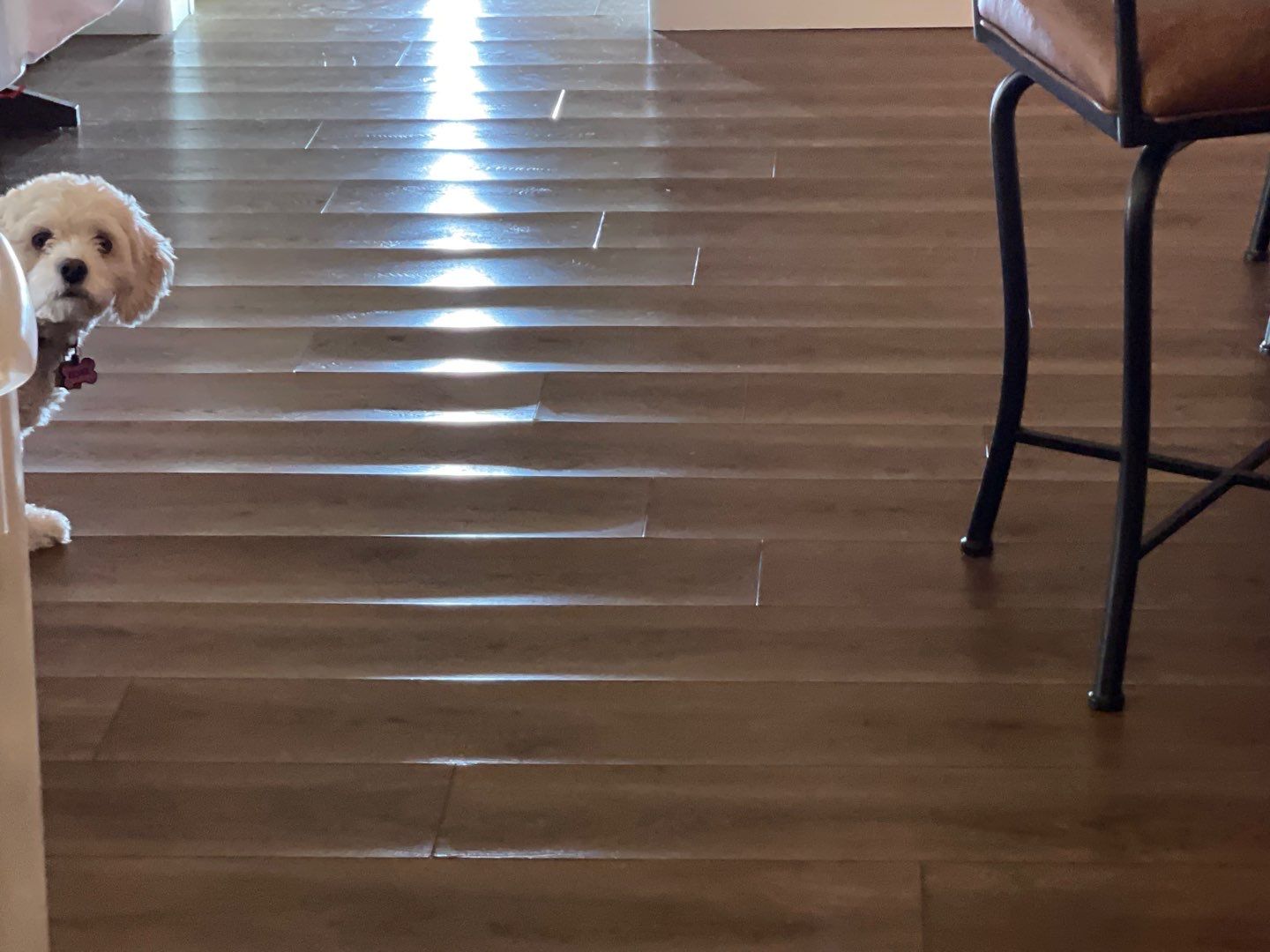
LVT and SPC floor problems may involve movement, gapping, curling, noise, indentation, discoloration, or substrate-related effects.
Read More
LVT and SPC Floor Problems

Cross-Machine Direction (Width) Shading / Texture Variation (Resilient Sheet Vinyl)
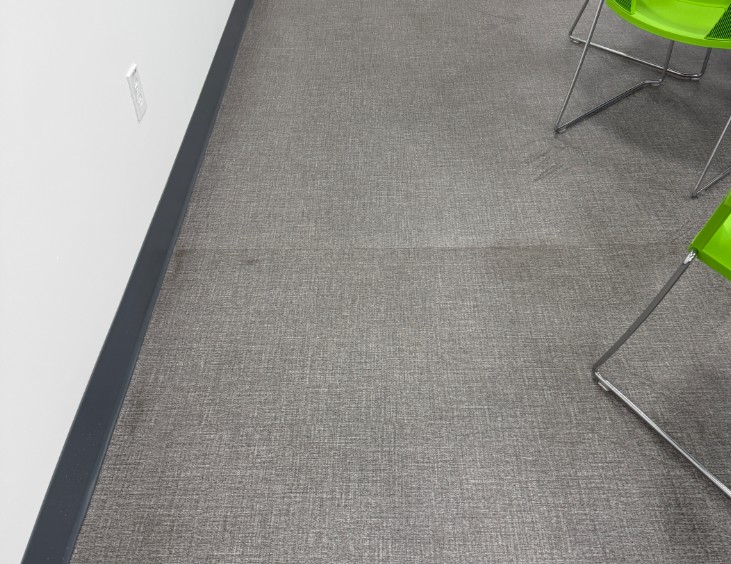
Cross-machine direction shading in resilient sheet vinyl involves side-to-side visual or texture variation across the sheet width.
Read More
Cross-Machine Direction (Width) Shading / Texture Variation (Resilient Sheet Vinyl)

Sheet Shrinkage / Seam Opening (Resilient Sheet Flooring)
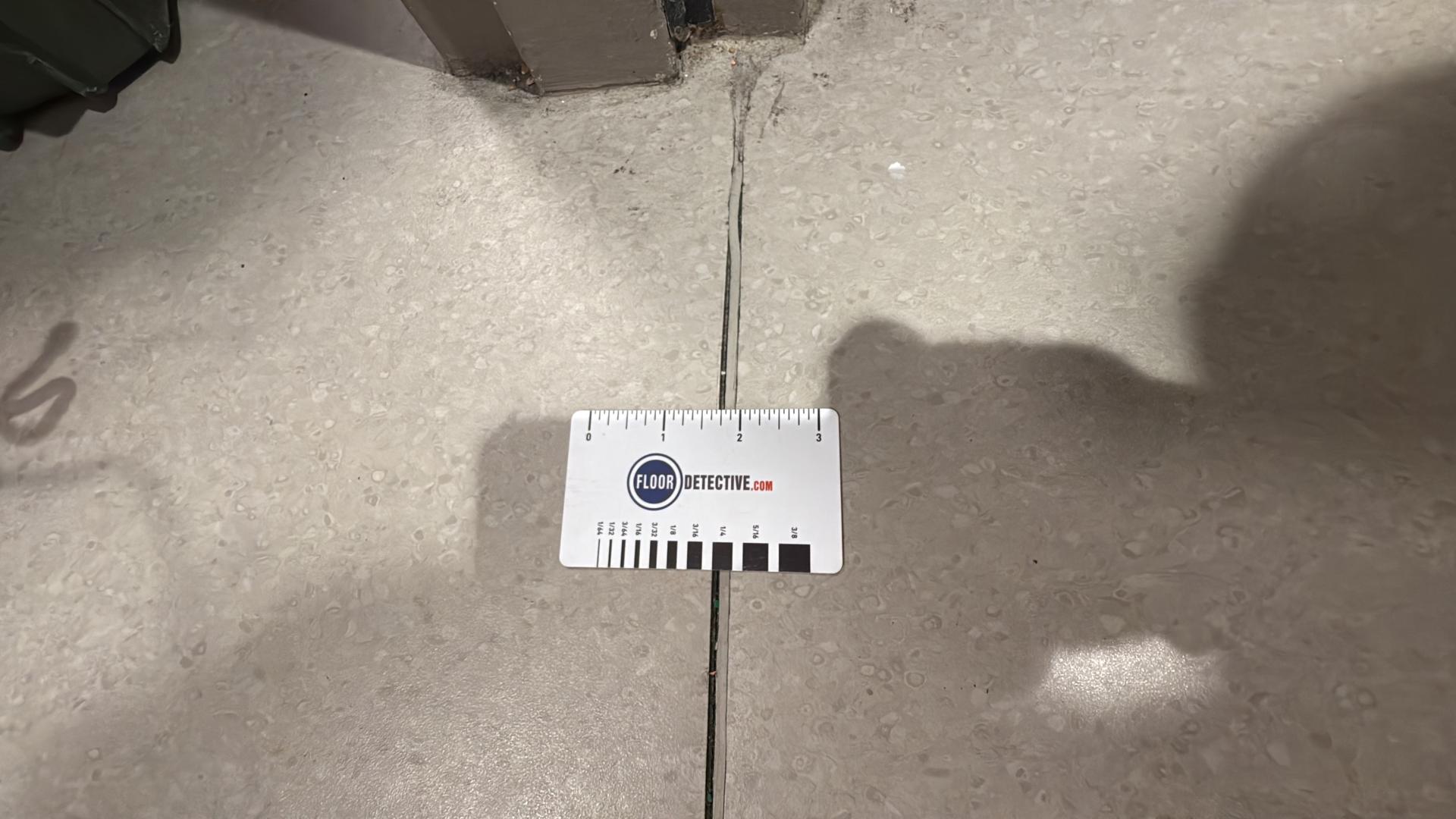
Sheet shrinkage and seam opening in resilient sheet flooring involve dimensional movement, edge pull-back, and flooring-system stress redistribution.
Read More
Sheet Shrinkage / Seam Opening (Resilient Sheet Flooring)

Heat Weld Seam Failure (Resilient Sheet Flooring)
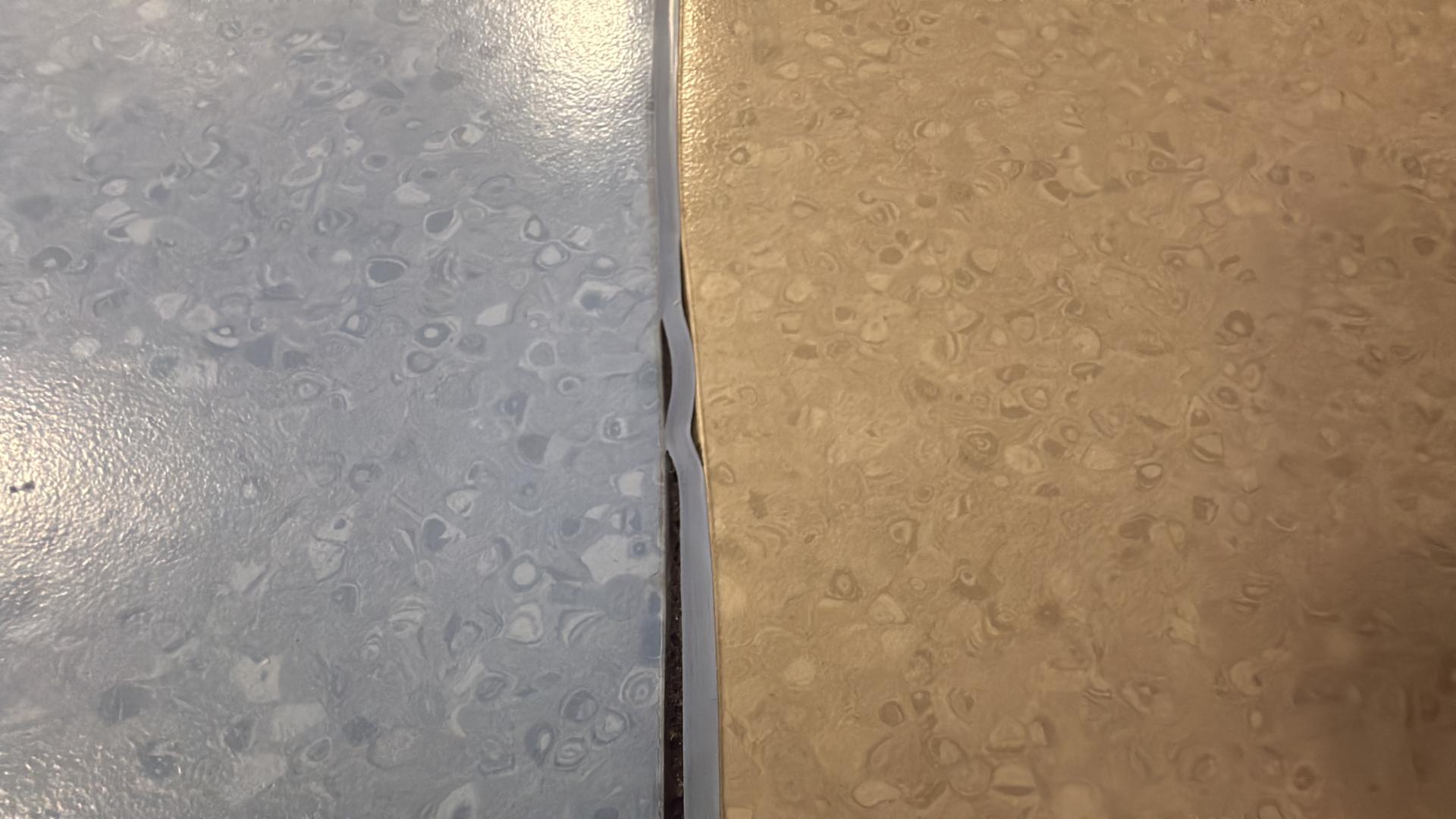
Heat weld seam failure in resilient sheet flooring involves loss of fusion or structural integrity within welded sheet-flooring joints.
Read More
Heat Weld Seam Failure (Resilient Sheet Flooring)

Yellowing / Discoloration (LVP / SPC / WPC)
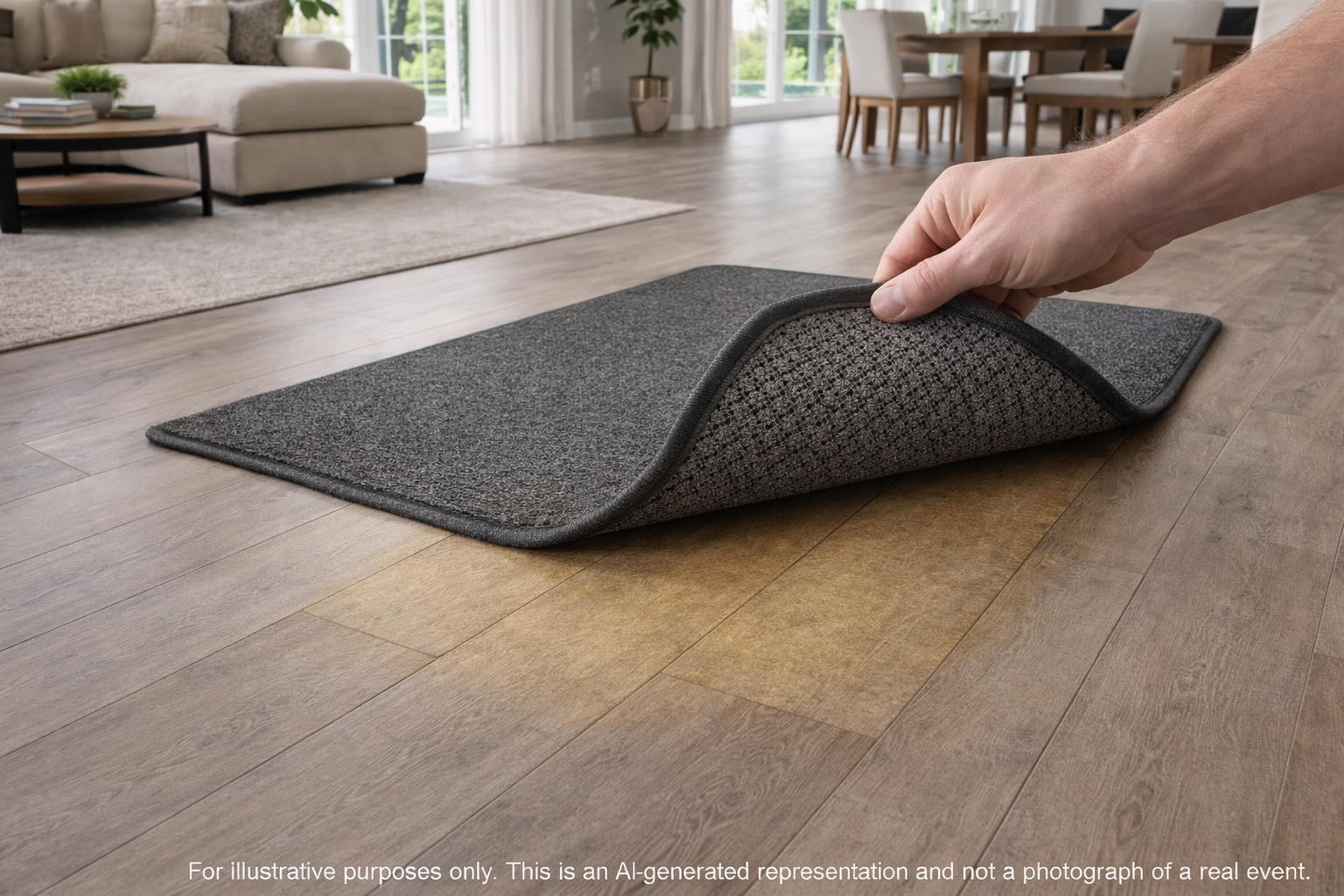
Yellowing in LVP, SPC, and WPC flooring involves internal discoloration caused by oxidation, ultraviolet exposure, or environmental influence.
Read More
Yellowing / Discoloration (LVP / SPC / WPC)

Broken Locking Profiles / Mechanical Joint Compromise (Resilient Plank)
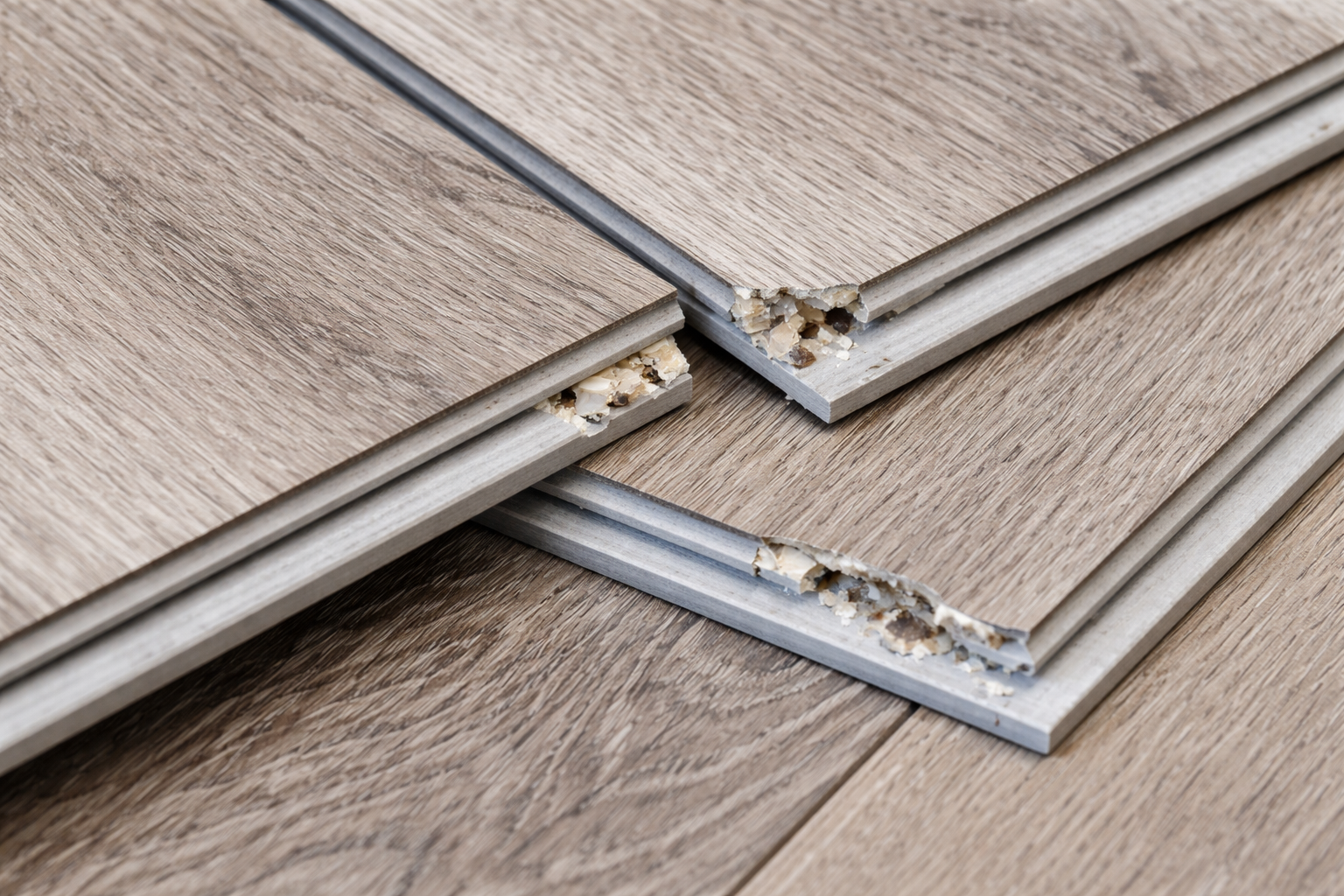
Broken locking profiles and mechanical joint compromise involve fracture, deformation, or weakening of resilient plank locking systems.
Read More
Broken Locking Profiles / Mechanical Joint Compromise (Resilient Plank)

Efflorescence-Like Mineral Migration at LVT/SPC Joints
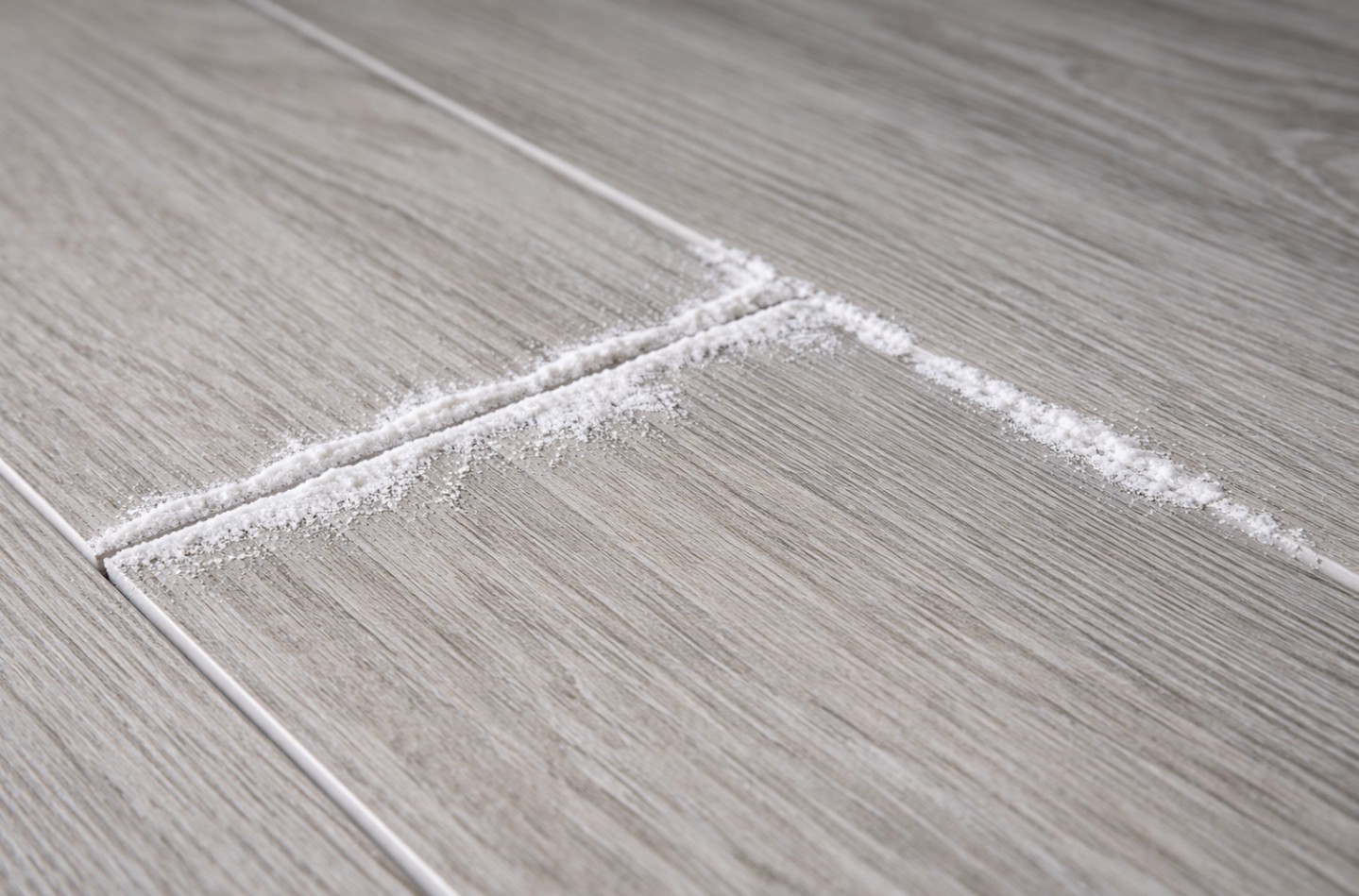
Efflorescence-like mineral migration at LVT and SPC joints is a moisture-related substrate condition involving mineral residue from concrete slabs.
Read More
Efflorescence-Like Mineral Migration at LVT/SPC Joints

Blistering / Surface Blisters (SPC Flooring)

SPC flooring blistering involves localized raised areas or bubble-like distortions originating within individual flooring planks.
Read More
Blistering / Surface Blisters (SPC Flooring)

Cracking Over Existing Substrates (LVT)

Cracking in resilient plank flooring over existing substrates commonly involves stress transfer from grout joints or uneven support.
Read More
Cracking Over Existing Substrates (LVT)