
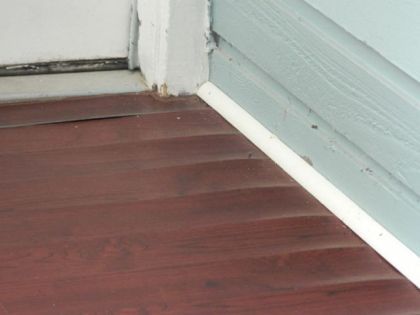
Construction Dust Contamination
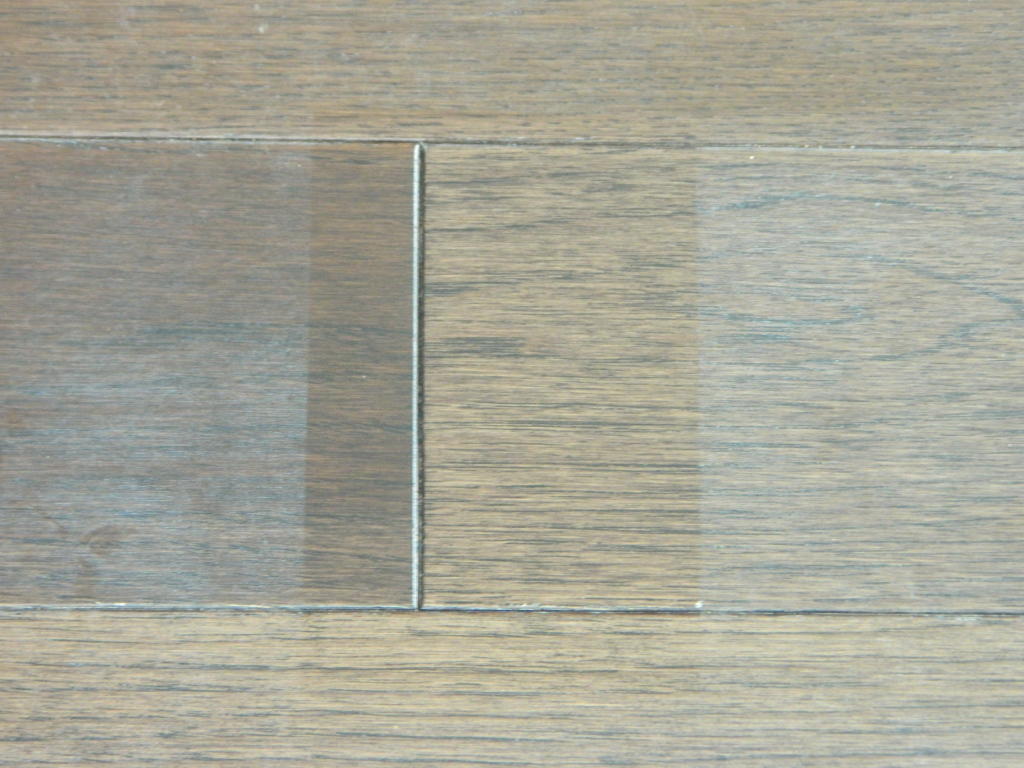
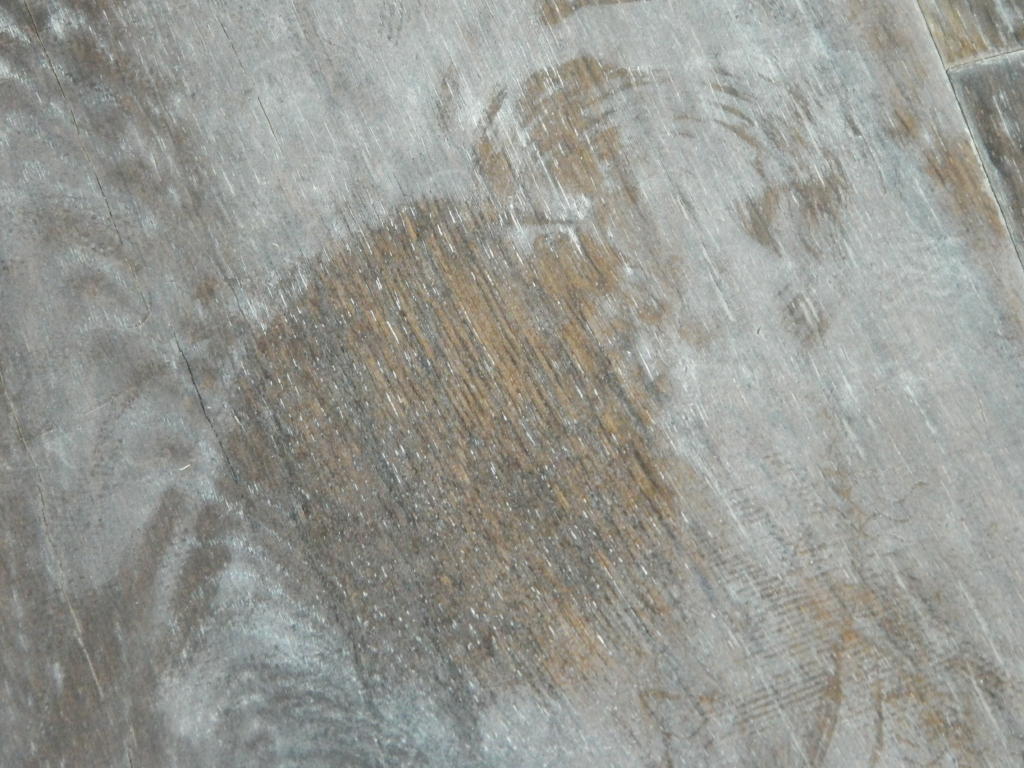
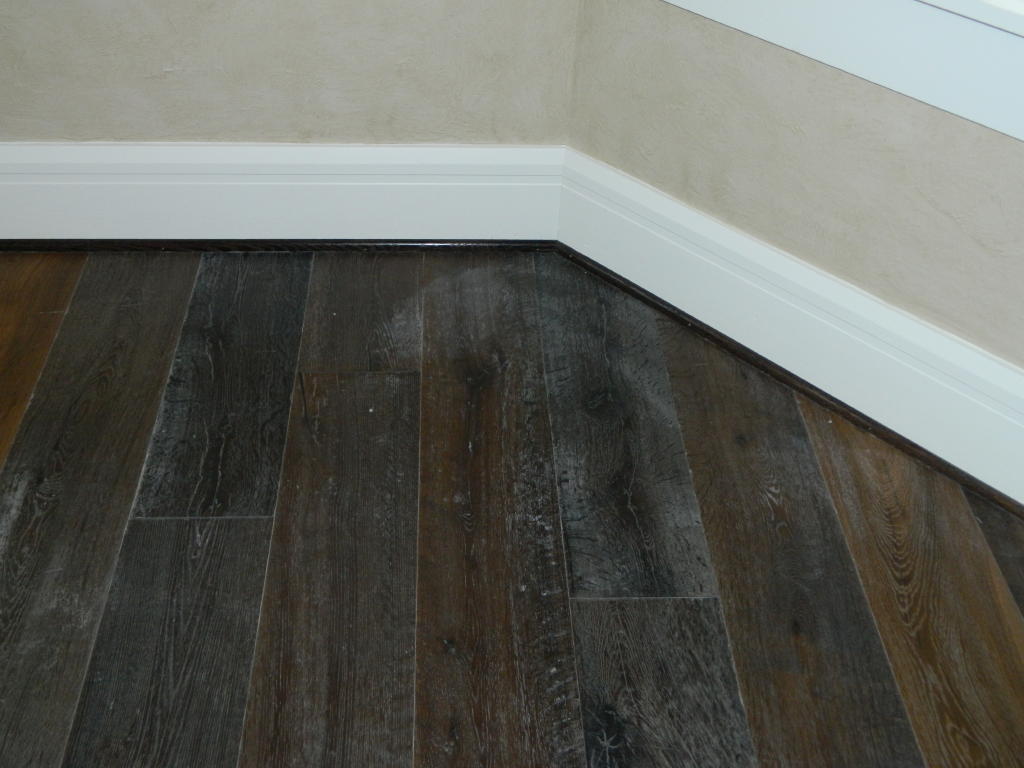
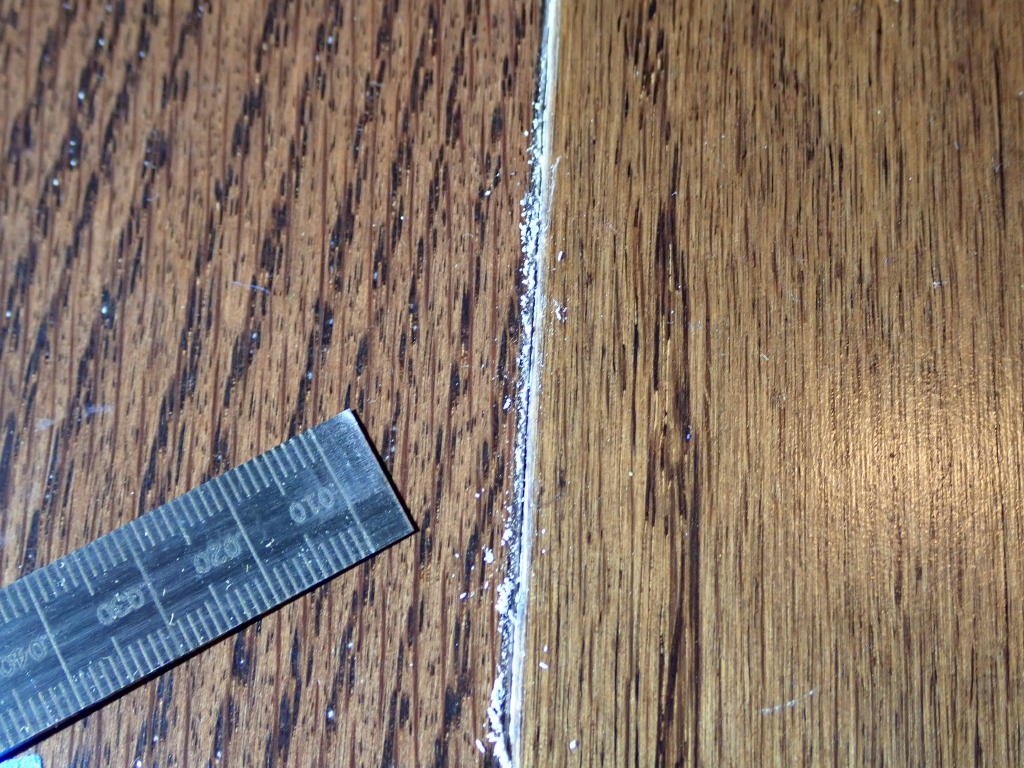
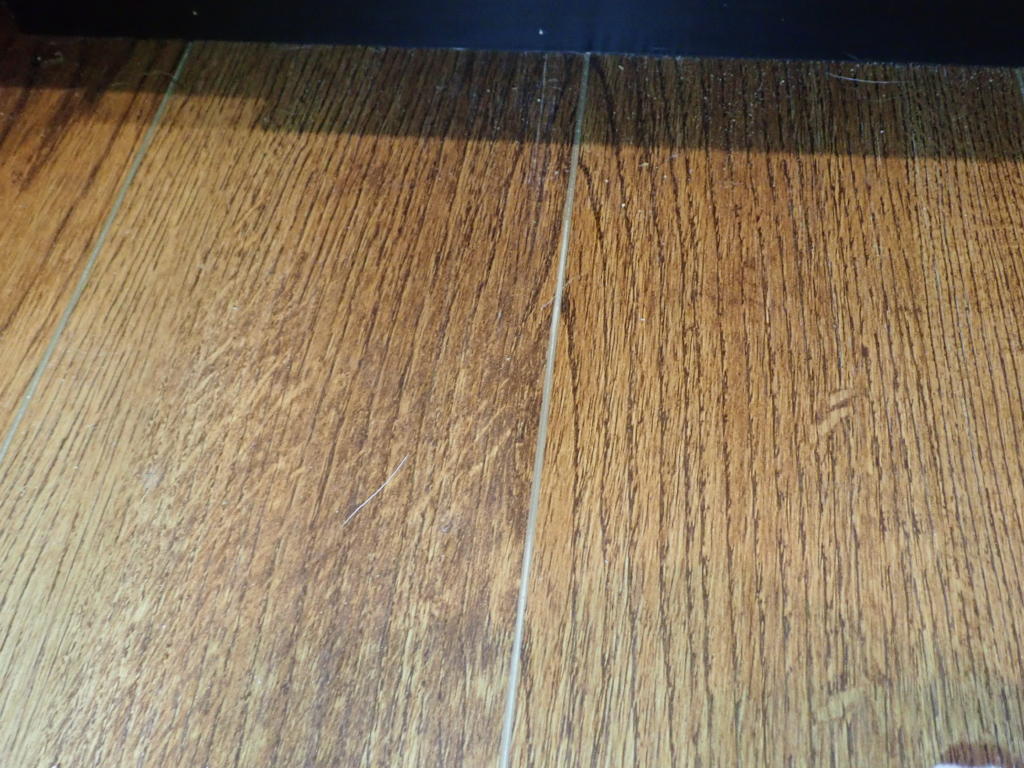
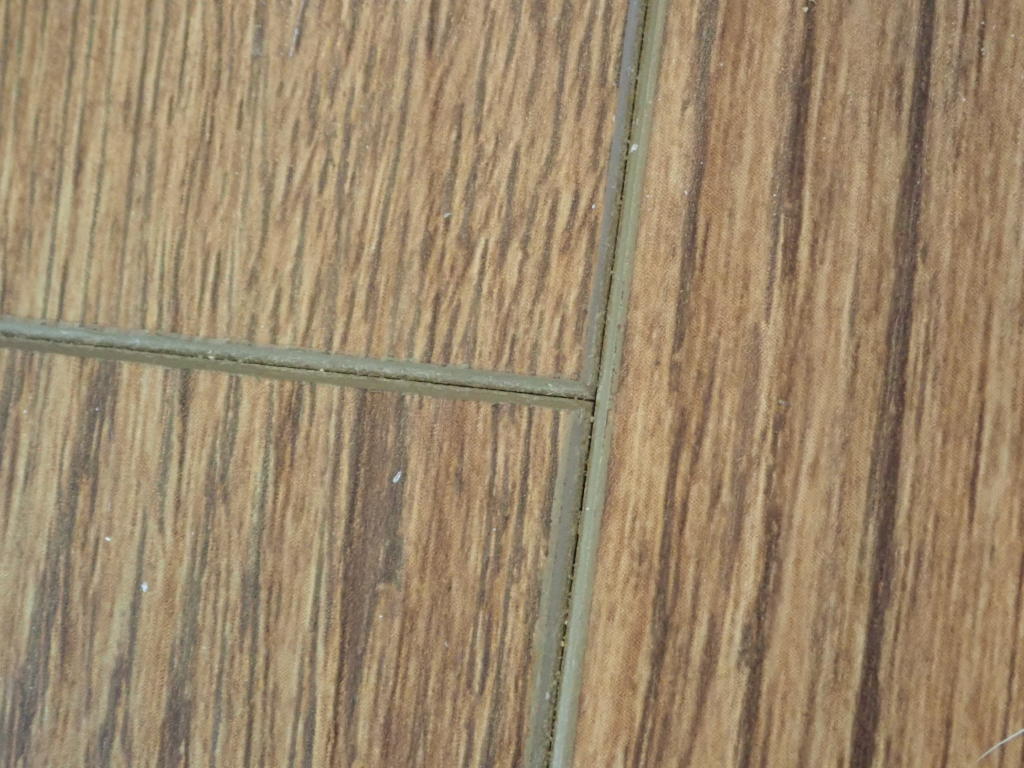
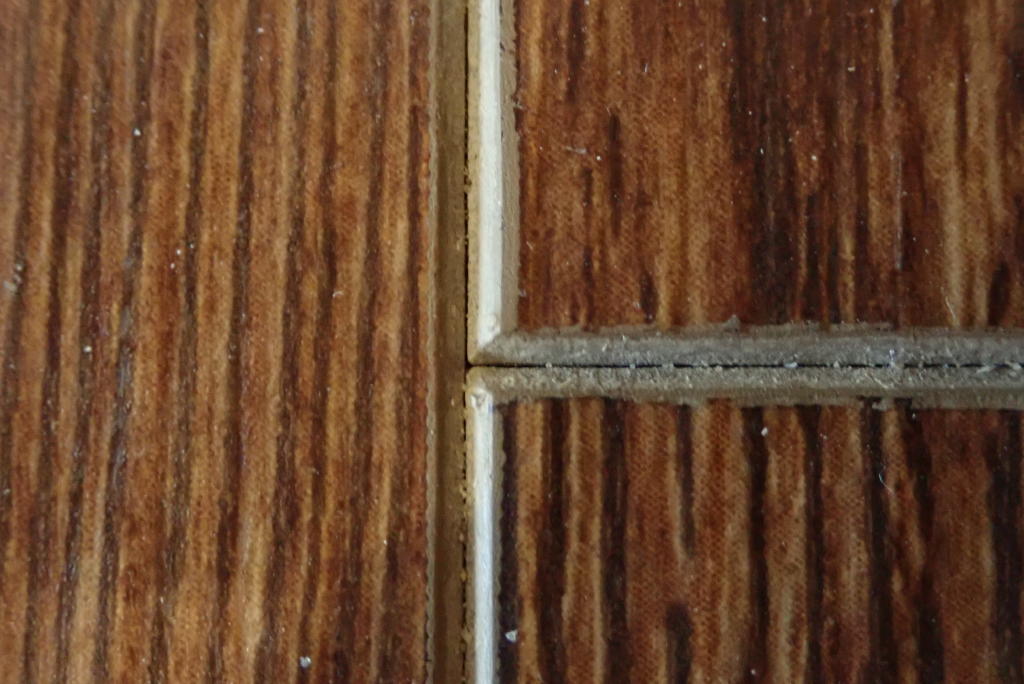
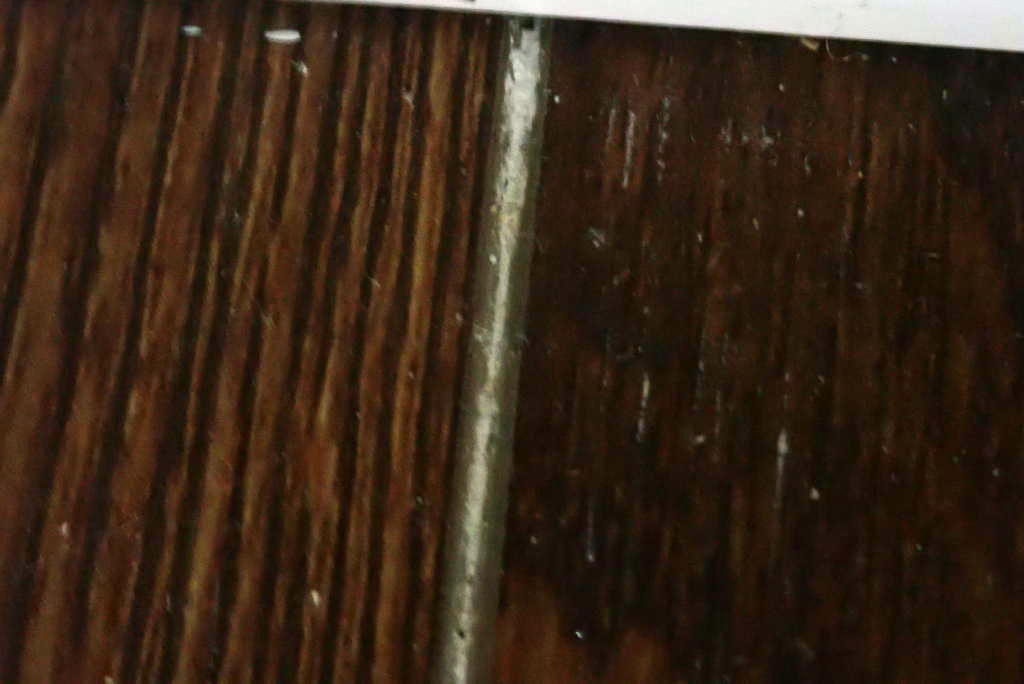
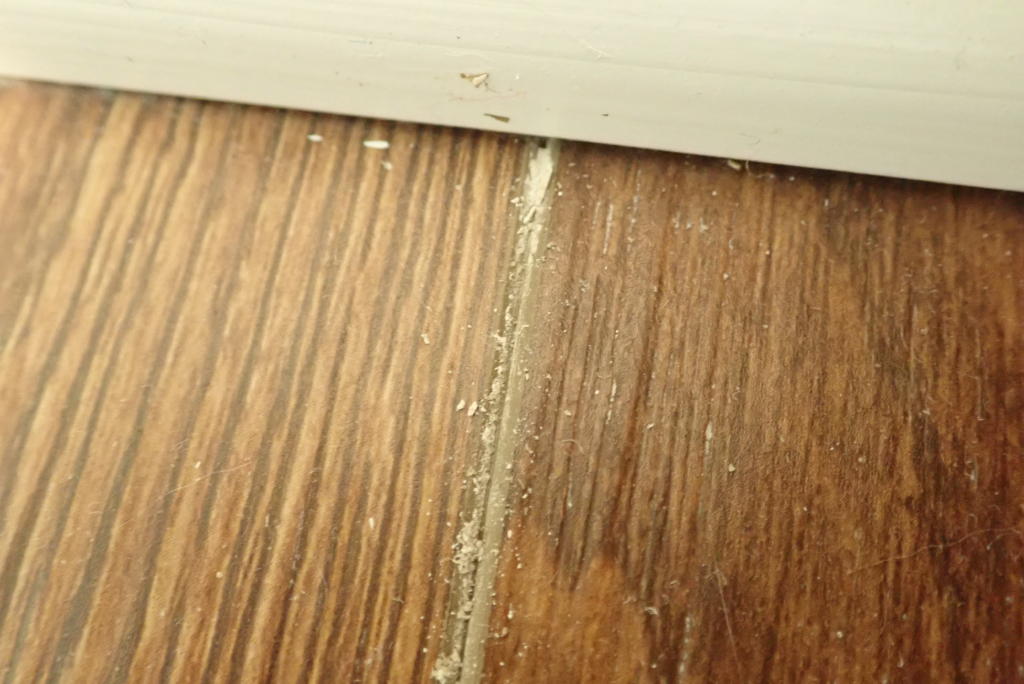
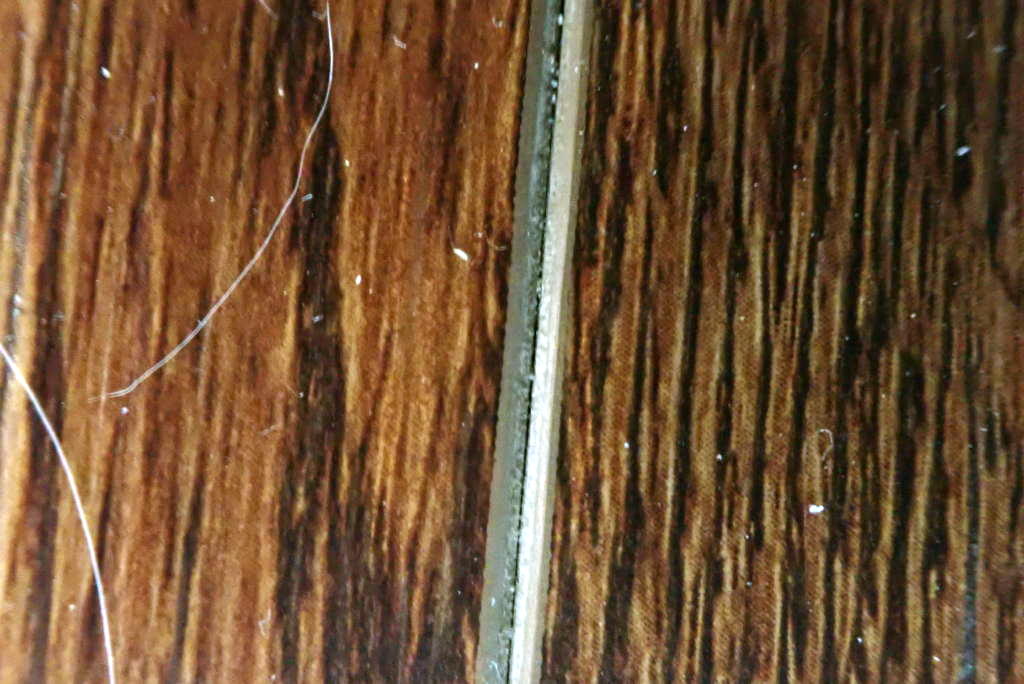
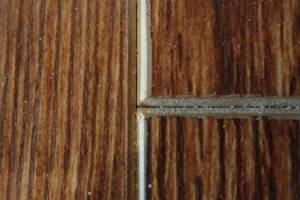
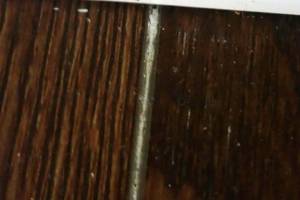
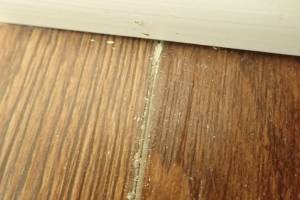
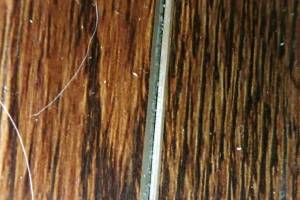
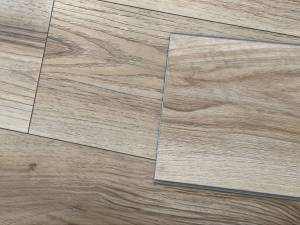
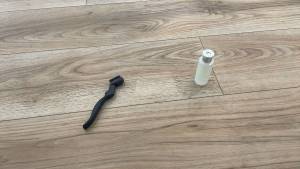
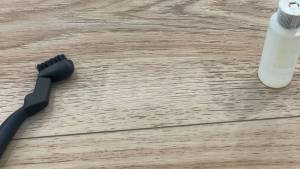
Construction Dust Contamination (Textured & Beveled Surfaces – Resilient Plank)
Floor Detective® Claims and Conditions Guide
Summary
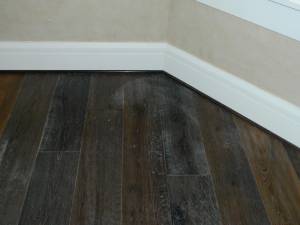
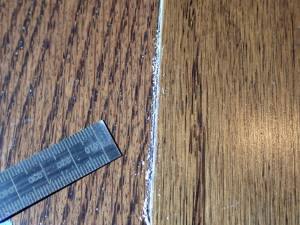
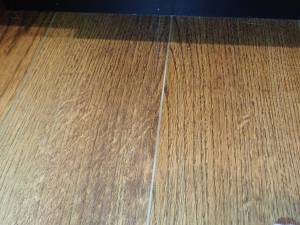
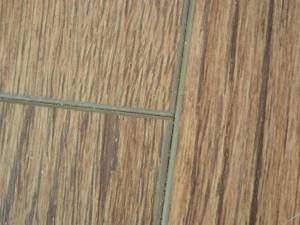
Construction dust contamination in resilient plank flooring is an appearance-related condition in which foreign particulate becomes lodged within textured grain, embossing, beveled edges, or recessed surface features of the flooring. During construction, remodeling, or finishing activities, fine airborne particulate such as drywall dust, sanding residue, concrete dust, or jobsite debris may settle into textured surfaces and become visually concentrated within recessed areas. When moisture from cleaning, humidity exposure, or environmental conditions is introduced before complete dust removal, residue may harden or bond within the surface texture and create a light, chalk-like, cloudy, or muted appearance. Darker flooring colors, matte finishes, and heavily textured surfaces commonly increase visibility of embedded residue. The condition affects surface appearance rather than structural flooring performance and does not originate from the wear layer, core structure, or backing system itself. Proper classification requires distinguishing foreign-material contamination from lighting effects, inherent embossing variation, gloss variation, surface abrasion, or manufacturing-related surface irregularities. See also Gloss Variation Resilient Plank, Scratches, Indentations and Surface Abrasions, and LVT and SPC Floor Problems for broader context.
Chair-Caster Damage (LVT/SPC Flooring)
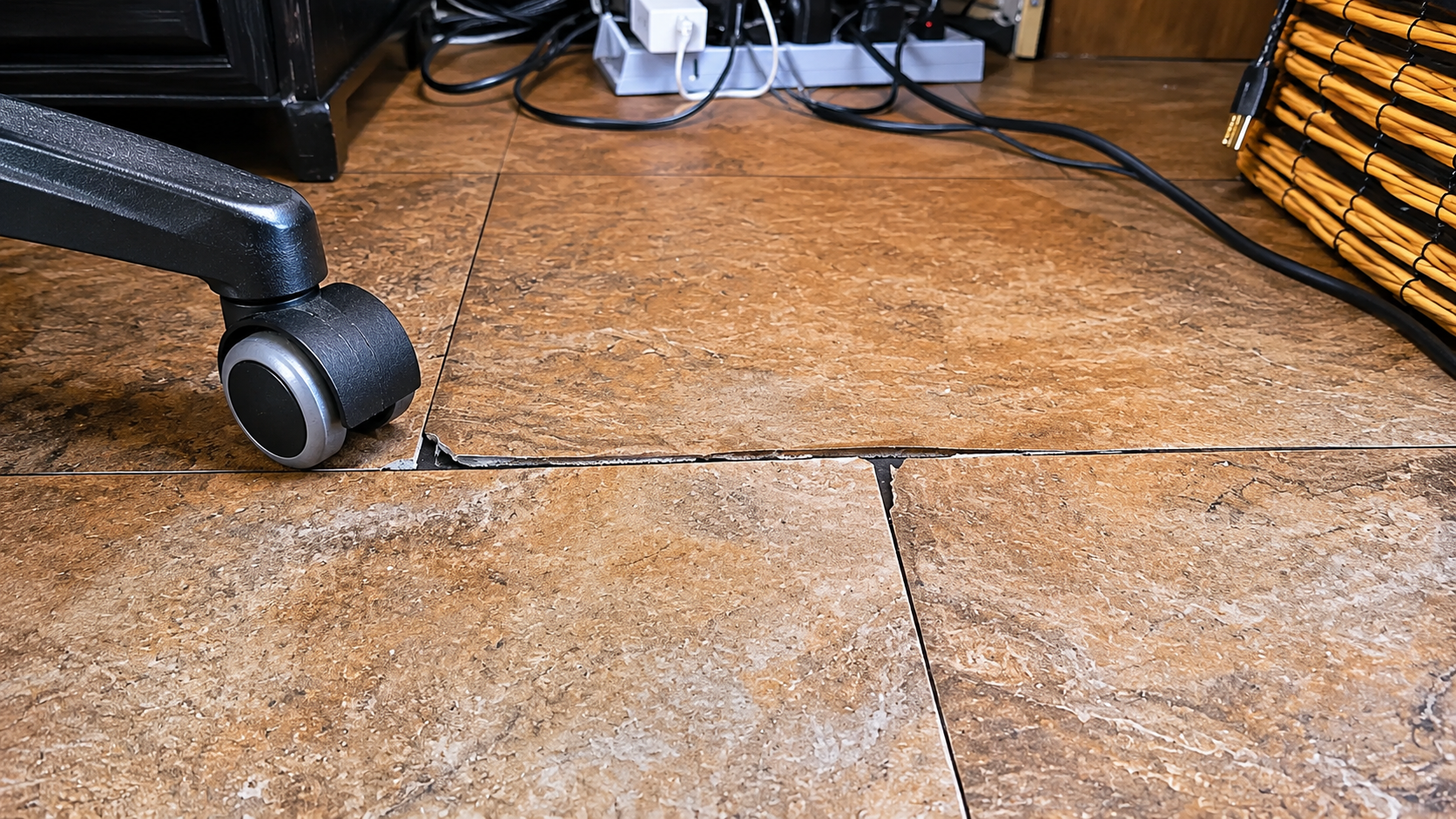
LVT and SPC Floor Problems
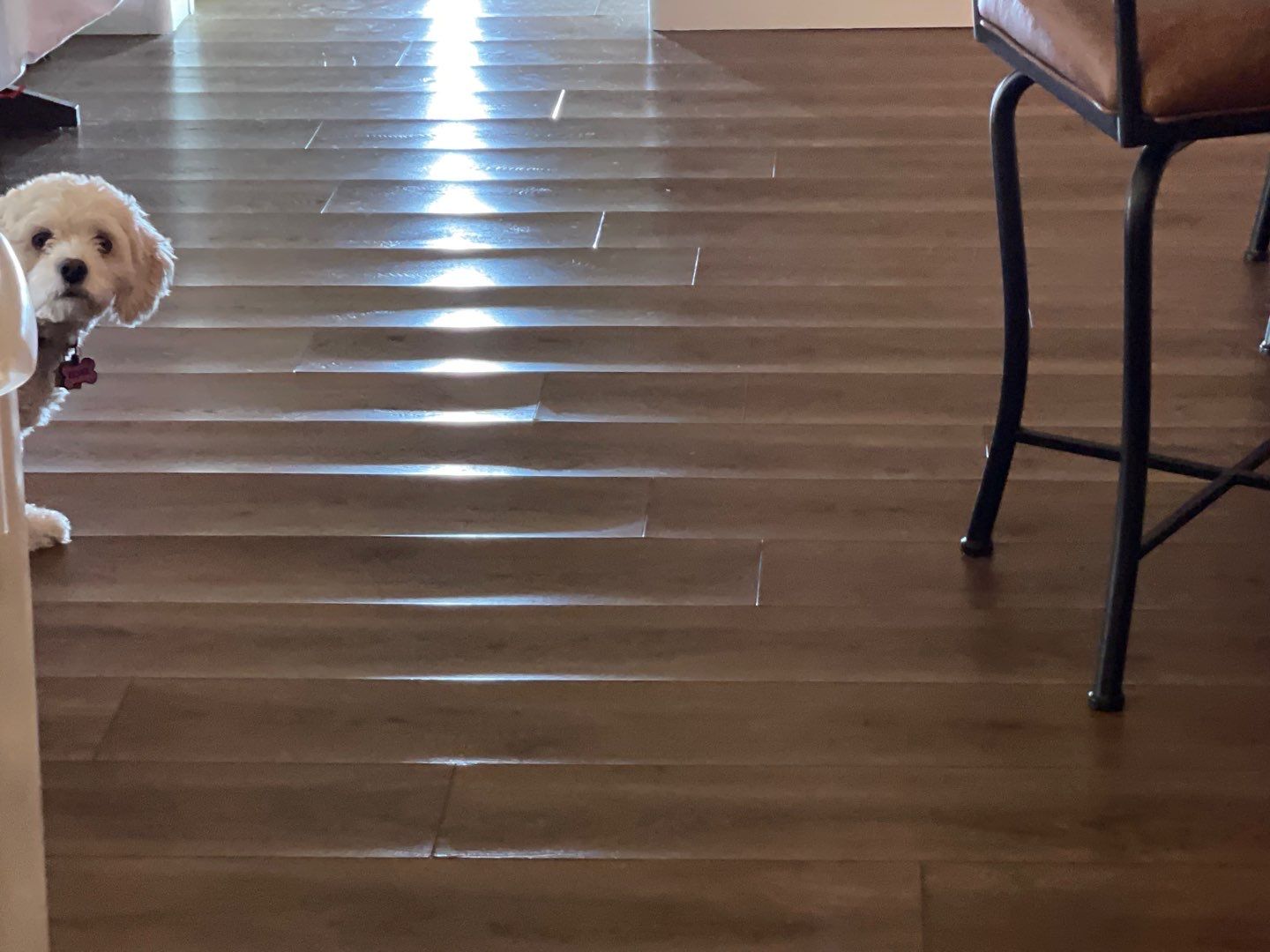
Cross-Machine Direction (Width) Shading / Texture Variation (Resilient Sheet Vinyl)
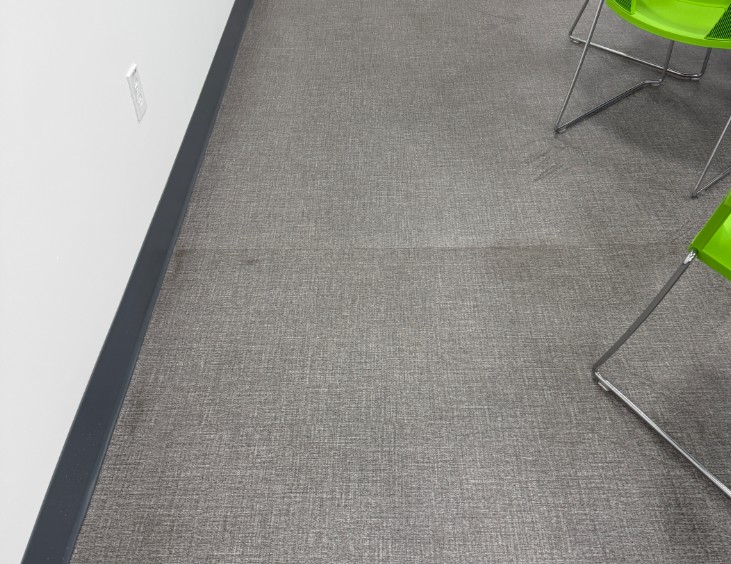
Sheet Shrinkage / Seam Opening (Resilient Sheet Flooring)
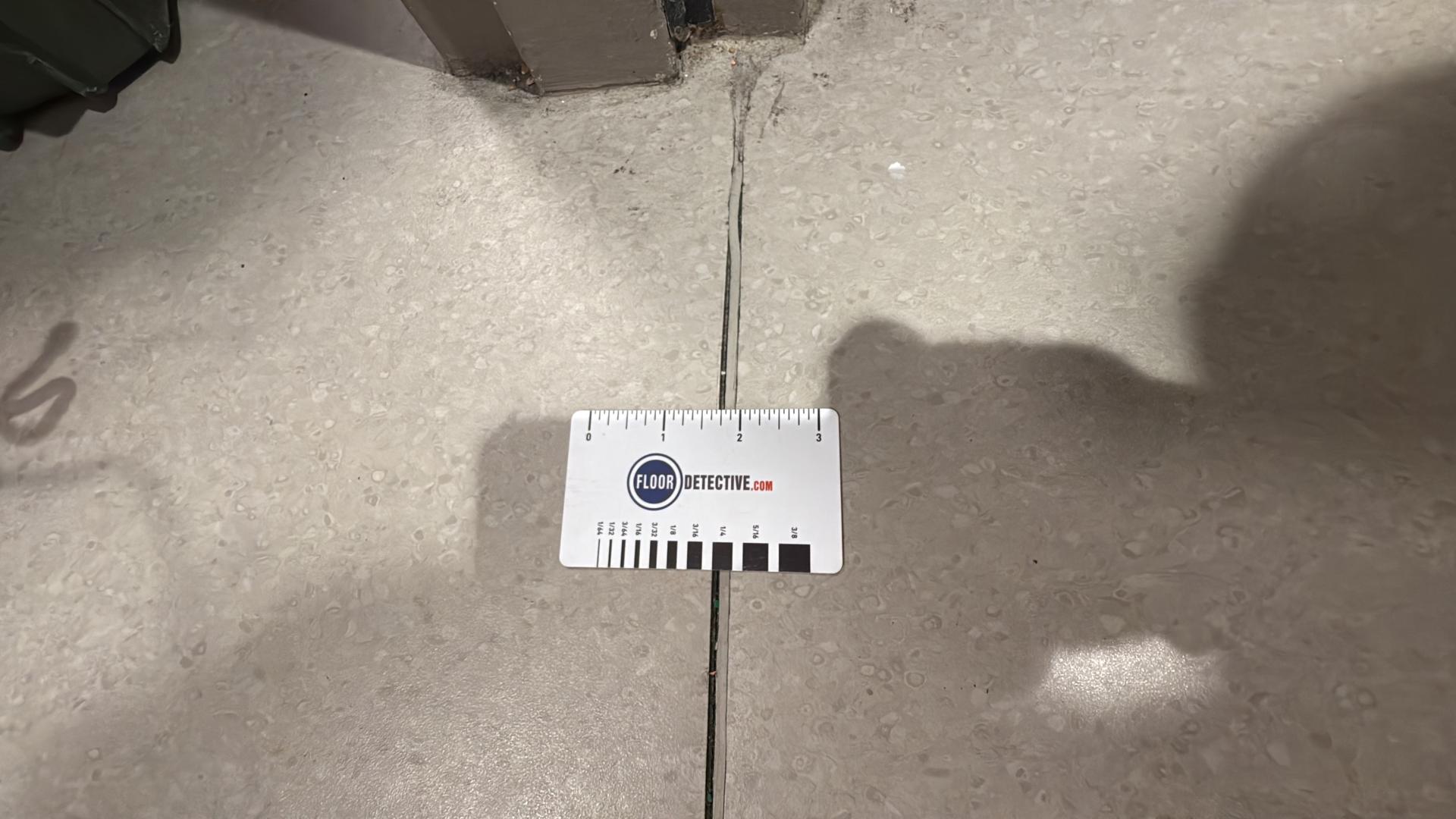
Heat Weld Seam Failure (Resilient Sheet Flooring)
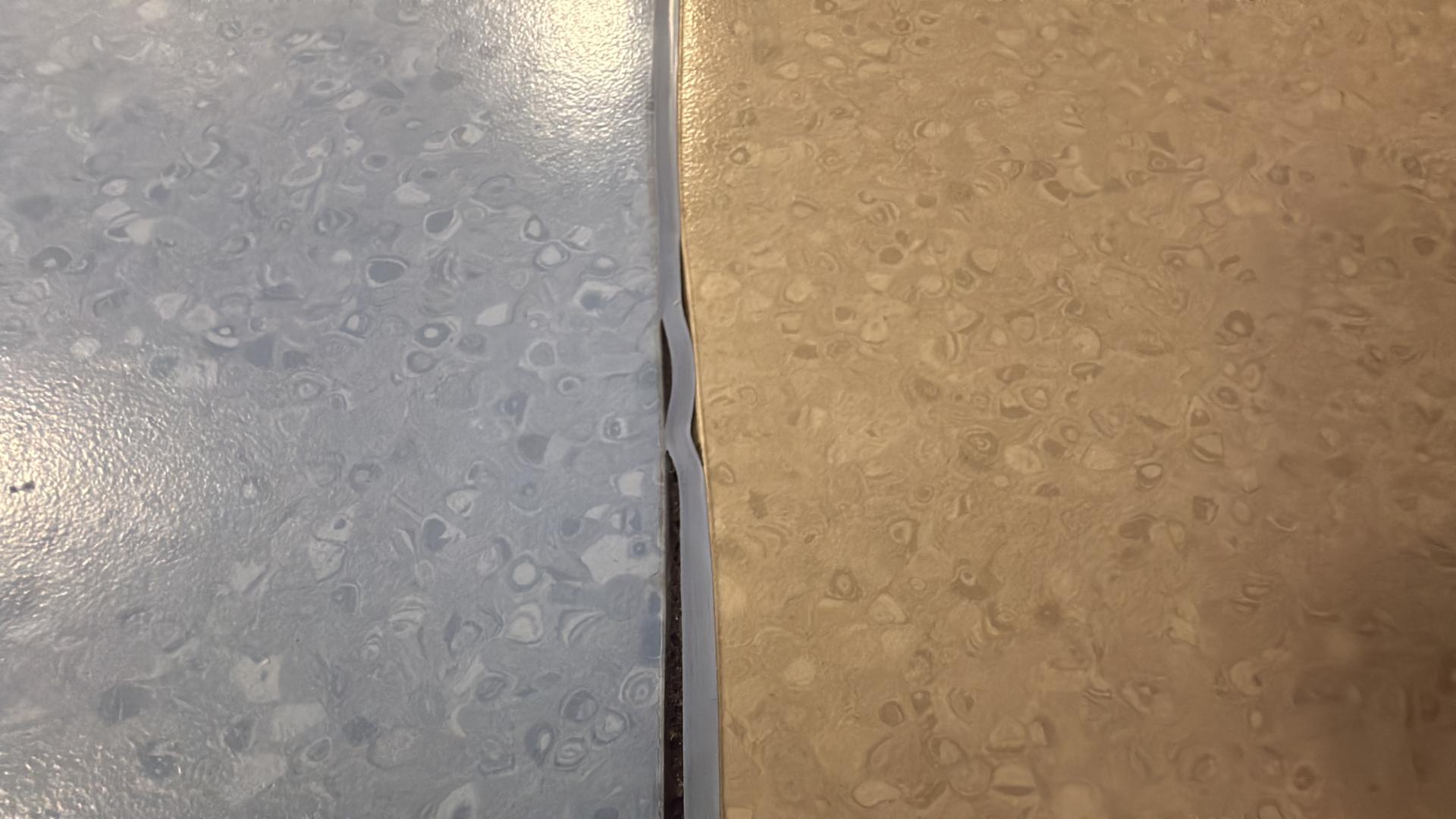
Yellowing / Discoloration (LVP / SPC / WPC)
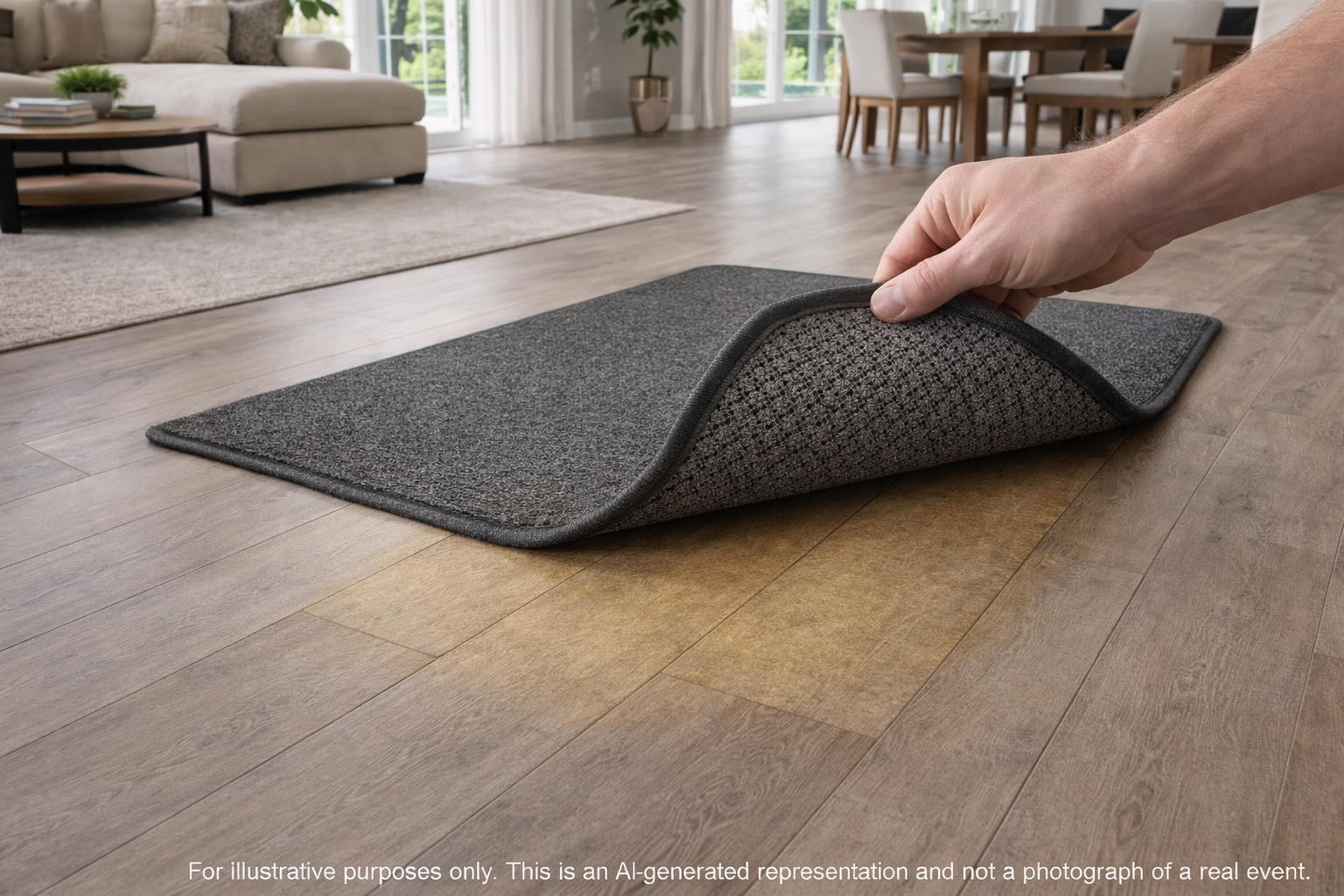
Broken Locking Profiles / Mechanical Joint Compromise (Resilient Plank)
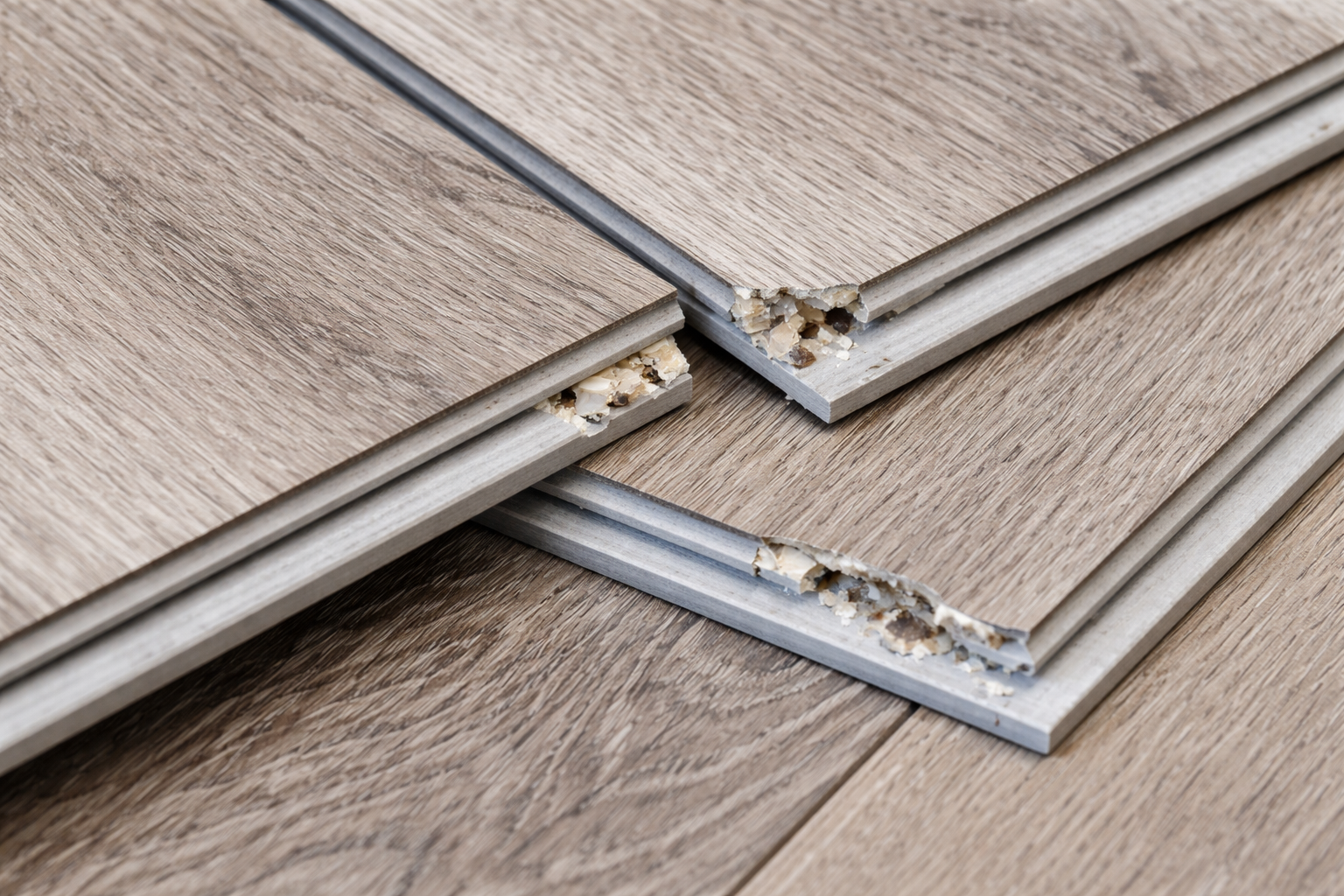
Efflorescence-Like Mineral Migration at LVT/SPC Joints
Blistering / Surface Blisters (SPC Flooring)

Cracking Over Existing Substrates (LVT)
